
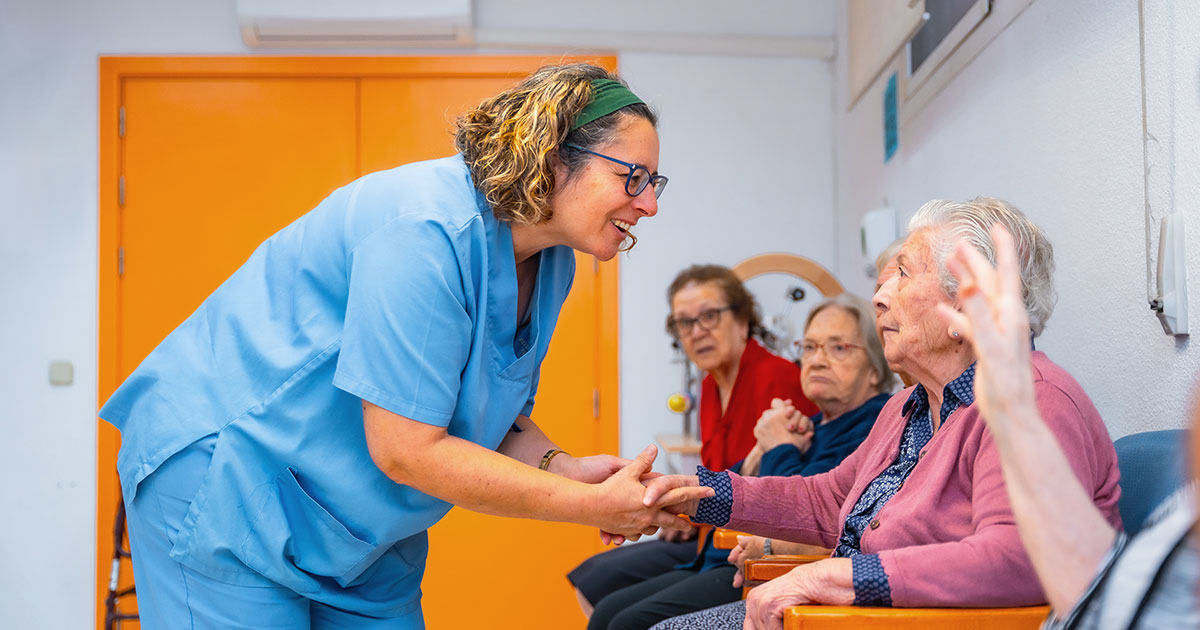
Showcasing the opportunities offered as a nurse generalist has the potential to positively impact the recruitment and retention of nurses for rural communities.
Rural nursing offers a unique and rewarding career path for nurse generalists who are seeking diverse experiences, greater autonomy, and the chance to make a meaningful impact in rural communities. Unlike nurses in urban or specialized settings, nurse generalists in rural areas often provide a wide range of services across the lifespan.
More experience and greater responsibility
One of the most significant opportunities for nurse generalists in rural settings is the breadth of practice. In smaller, rural hospitals or clinics, nurse generalists are often required to work across multiple specialties such as pediatrics, geriatrics, emergency care, medical-surgical nursing, and women’s health, sometimes all within the same shift. This broad exposure allows nurses to build a versatile clinical skill set and develop confidence in managing a wide variety of conditions. For those who thrive on variety and lifelong learning, rural nursing can be deeply satisfying.
Rural healthcare environments also often have fewer healthcare professionals available, which means nurse generalists frequently take on leadership roles and function with a high level of independence. Nurses may be responsible for initial assessments, treatment planning, health education, and follow-up care with less direct oversight from physicians. This autonomy not only builds critical thinking and decision-making skills but also prepares nurse generalists for advanced roles such as nurse practitioner, clinical leader, or rural health administrator.
Connection, creativity, and compensation
One of the most fulfilling aspects of rural nursing is the close connection to the community. Nurse generalists often serve patients they know personally, which fosters trust and long-term relationships. This community integration positions nurses as trusted health advocates, educators, and role models. The ability to see the direct impact of one’s work on individuals, families, and the community provides a unique level of professional and personal satisfaction that is sometimes harder to find in larger, urban settings.
In rural settings, limited resources and workforce shortages often require creative problem-solving and innovation. Nurse generalists are uniquely positioned to influence care models by suggesting process improvements, initiating community health programs, or integrating technology such as telehealth into patient care. Rural healthcare organizations often welcome these innovations, and nurse generalists may find it easier to get involved in policymaking, grant writing, or quality improvement initiatives that have immediate and tangible results.
Due to the challenges of attracting and retaining healthcare professionals in rural areas, many regions also offer incentives for nurse generalists willing to work in underserved locations. These may include loan forgiveness programs, housing stipends, relocation assistance, or sign-on bonuses. Additionally, the rural setting can provide a solid foundation for future advancement, whether through graduate education or leadership roles. The broad experience gained as a rural generalist is highly valued in both rural and urban healthcare systems.
A dynamic and meaningful career
While rural nursing does come with its challenges, such as professional isolation, limited resources, and fewer immediate specialist referrals, many nurse generalists find that these obstacles are outweighed by the deep sense of purpose and professional growth they experience. The need to be resourceful, adaptable, and compassionate often leads to a stronger sense of resilience and a deeper commitment to nursing as a vocation.
For nurse generalists seeking a dynamic and meaningful career, rural nursing presents a wealth of opportunities. It allows for a diverse clinical practice, encourages leadership and autonomy, fosters deep community relationships, and offers avenues for personal and professional growth. Rural nurse generalists not only broaden their own skills and experiences but also contribute significantly to closing the healthcare gap in rural communities.