The market is “rebalancing” as students increasingly consider destinations in Asia and the Middle East, Harry Anderson suggested at East Asia Education Week in Jakarta, Indonesia last week.
The deputy director at Universities UK International (UUKi) told delegates that the international landscape is now “more multipolar, more policy-sensitive”.
This is leading to growth beyond anglophone countries and the rise of what is becoming known as the ‘big 14’ – particularly as students from Asia look to destinations within the same region for well-regarded and affordable options.
According to Sonia Wong, regional research analyst at the British Council, East Asia is seeing a surge in intermobility. ” Everything is in East Asia’s favour,” she said, pointing out that East Asian institutions tend to do well in university rankings and are much closer to home as well as offering value for money in fees and living costs, making them more attractive choices for many students.
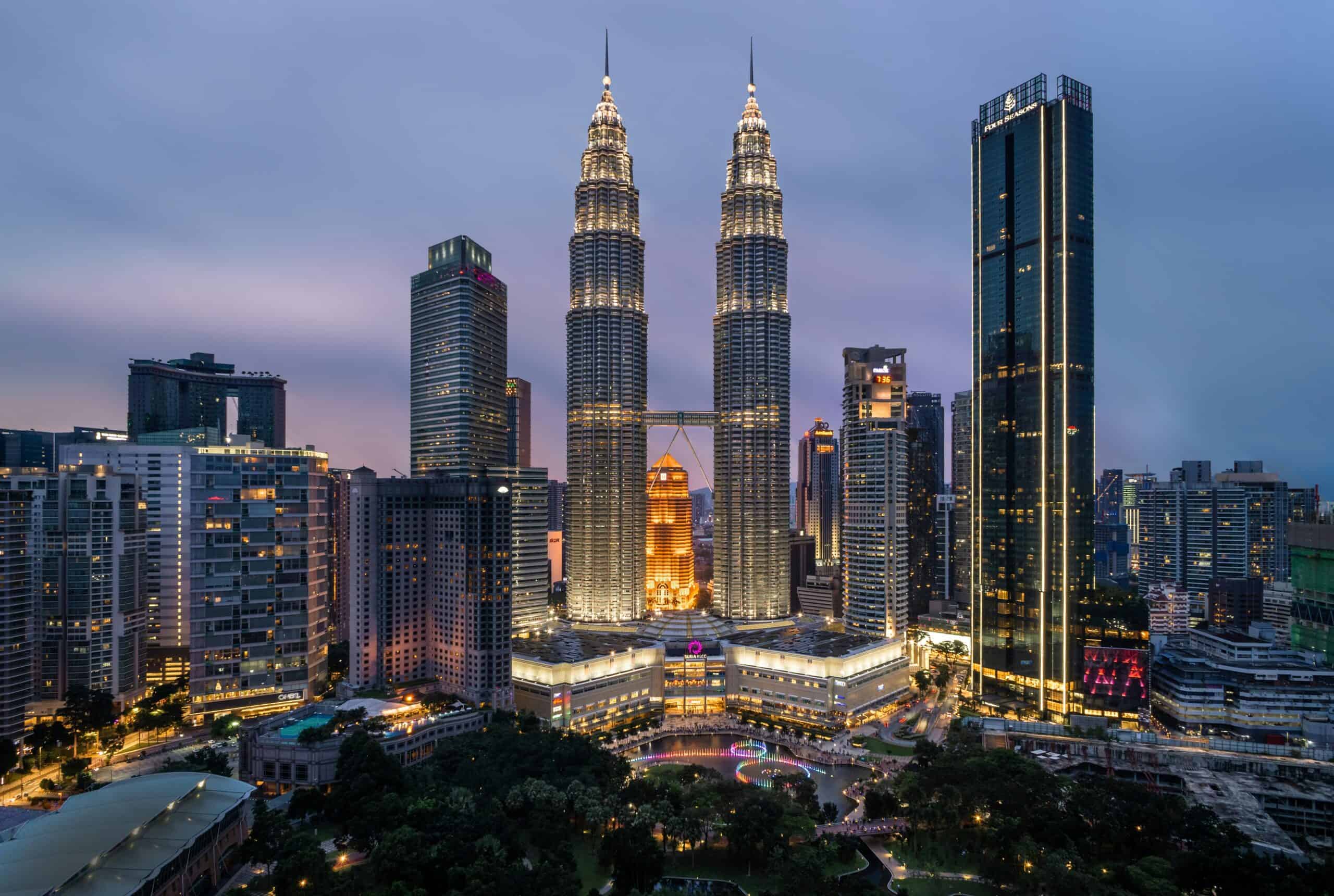
Countries across East and Southeast Asia are ramping up efforts to grow international students cohorts. Japan is in the midst of an internationalisation drive, international students are flocking to Malaysia, and South Korea reached its goal of attracting 300,000 to the country two years early in late 2025.
Meanwhile, Indonesia is positioning itself as a regional hub for transnational education in Southeast Asia, with plans to open as many as 10 new STEM- and medical-focussed campuses.
Its deputy minister of higher education, science and technology, Stella Christie, told the conference she was confident that Indonesia could be a “great research nation, that we can be a great higher education ecosystem”.
“We should have confidence,” she said, indicating that Indonesian President Prabowo Subianto’s conviction was the reason he was “working with UK stakeholders to “bring the best of the best” to the country.
We are really open for business but it is not business as usual
Stella Christie, Indonesian government
“We are really open for business but it is not business as usual,” said Christie, stressing that the goal was to build capacity through partnerships.
“What we want is technology transfer, what we want is for our local lecturers to be upskilled to these partnerships and have their doors opened so they can actually be part of the global research ecosystem,” she said.
But Christie also suggested that Indonesia stands ready to welcome more international students into the country. “We also can be a magnet that draws from the regions across East Asia to come and study in Indonesia,” she said.
Despite the region’s pull, though, Wong maintained that the UK was still a great choice for international students.
Compared to the US and Australia “the UK really is still value for money”, she suggested, as programs in those countries are often longer – meaning that shorter degrees in the UK offer relative value for money.