Author: admin

  • ‘Wrong and deeply disappointing’: Supreme Court halts order restoring NIH grants

    ‘Wrong and deeply disappointing’: Supreme Court halts order restoring NIH grants

    This audio is auto-generated. Please let us know if you have feedback.

    Dive Brief:

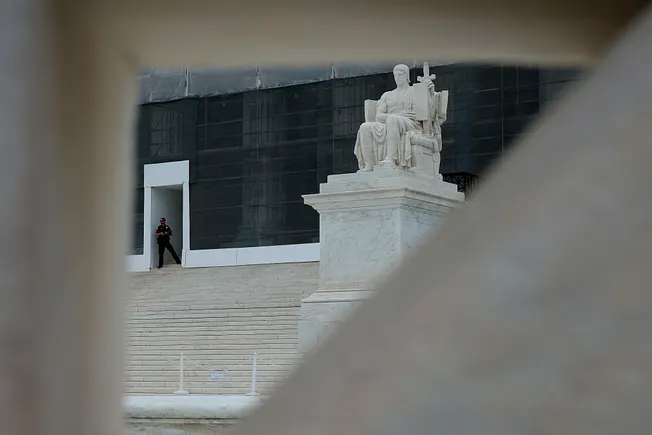
    • The U.S. Supreme Court on Thursday dealt a blow to universities and other research institutions seeking to restore grants cut in mass by the National Institutes of Health.
    • Researchers, unions and associations sued NIH this spring after the agency abruptly terminated millions of dollars in grants for projects that dealt with diversity, equity and inclusion.
    • In a 5-4 decision, conservative justices on the Supreme Court paused a June order that would have restored $783 million in funding, ruling that the district court lacked jurisdiction to handle the grant restoration. However, the court declined to block the lower court’s order that deemed NIH’s guidance that led to the cuts illegal.

    Dive Insight:

    With the Supreme Court decision, those who have seen grant funding cut by NIH could face a longer, more complicated path through another federal court to have their awards restored.

    In their April complaint, plaintiffs accused NIH of “launching a reckless and illegal purge to stamp out NIH-funded research that addresses topics and populations that they disfavor.”

    They tallied 678 terminated projects resulting in $1.3 billion already spent by the government on projects “stopped midstream” being wasted, and another $1.1 billion that had yet to be spent.

    When U.S. District Judge William Young ruled against NIH in June, he blasted the agency for what he saw as discrimination, both racial and against LGBTQ+ communities, in its purge of research funding. 

    “Have we no shame,” said Young, a Reagan appointee, according to a report from The Associated Press

    Earlier this month, the watchdog agency U.S. Government Accountability Office also determined that NIH acted illegally in its DEI cuts. 

    The Supreme Court did not block Young’s ruling that NIH’s guidance that led to the agency cutting DEI research funding was illegal. That ruling is still being litigated in appellate court.

    Instead, the ruling majority determined that the U.S. Court of Federal Claims — which hears monetary claims against the federal government — is the venue for handling terminated grants. 

    Massachusetts Attorney General Andrea Campbell, who has been active in fighting the Trump administration’s various moves to cut federal research funding, blasted the Supreme Court’s ruling on Friday. 

    The Supreme Court’s decision is wrong and deeply disappointing,” Campbell said in a statement. “Even though the Court did not dispute that the Trump Administration’s decision to cut critical medical and public health research is illegal, they ordered the recipients of that fundinghospitals, researchers, and the stateto jump through more hoops to get it back.”

    The Supreme Court’s split decision brought internal dissent as well. In a minority opinion, Chief Justice John Roberts, who joined the court’s liberal justices, wrote that “if the District Court had jurisdiction to vacate the directives, it also had jurisdiction to vacate the ‘Resulting Grant Terminations.’”

    In a separate dissent, Justice Ketanji Brown Jackson rebuked the majority’s opinion. 

    By today’s order, an evenly divided Court neuters judicial review of grant terminations by sending plaintiffs on a likely futile, multivenue quest for complete relief,” she wrote, adding that the court “lobs this grenade” without considering Congress’ intent or the “profound” consequences of the ruling. 

    “Stated simply: With potentially life-saving scientific advancements on the line, the Court turns a nearly century-old statute aimed at remedying unreasoned agency decisionmaking into a gauntlet rather than a refuge,” Jackson said in the dissent.

    Clarification: This article has been updated to clarify the nature of the Supreme Court decision.


    Source link

  • L.A. County’s Failure to Educate Incarcerated Youth is ‘Systemic – The 74

    L.A. County’s Failure to Educate Incarcerated Youth is ‘Systemic – The 74


    Get stories like this delivered straight to your inbox. Sign up for The 74 Newsletter

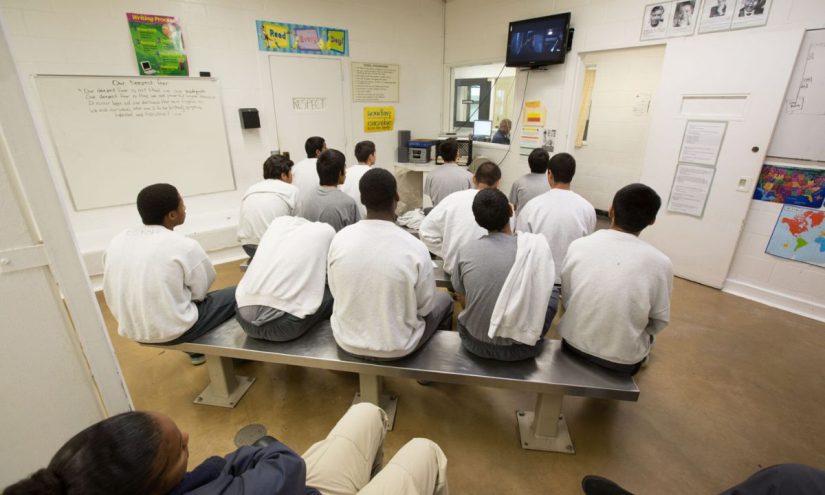
    Local government agencies in charge of youth violated the educational and civil rights of students in Los Angeles County’s juvenile justice facilities for decades by punting responsibility and inaction, according to a report released Wednesday.

    Who has the power? Chronicling Los Angeles County’s systemic failures to educate incarcerated youth” blames the disconnected, vast network of local and state agencies — from the board of supervisors to the local probation department to the county office of education and more — that play one role or another in managing the county’s juvenile legal system, for the disruption in the care and education of youth in one of the nation’s largest systems.

    “This broken system perpetuates a harmful cycle of ‘finger-pointing,’ often between Probation and Los Angeles County Office of Education, which hinders the resolution of issues that significantly affect the education of incarcerated youth,” wrote the Education Justice Coalition, authors of the report.

    The coalition includes representatives from Children’s Defense Fund-California, ACLU of Southern California, Arts for Healing and Justice Network, Disability Rights California, Youth Justice Education Clinic at Loyola Law School, and Public Counsel.

    The authors listed three demands for the board of supervisors, including reducing youth incarceration by way of implementing the previously approved Youth Justice Reimagined plan, providing access to high-quality education, and adopting transparency and accountability measures.

    Decades of documented rights violations

    A timeline outlines repeated student rights violations, some of which have resulted in class-action lawsuits and settlements requiring the county to be monitored by the federal and state departments of justice for years at a time.

    Since 2000, the timeline notes that Los Angeles County has faced:

    • A civil grand jury report calling on the board of supervisors to “improve collaboration” between the probation and education departments in order to address unmet educational needs
    • An investigation by the federal Department of Justice — and subsequent settlements — found significant teacher shortages, lack of consistency in daily instruction, and issues with support for students with special needs
    • A class action lawsuit against the county office of education and the probation department
    • An investigation by the state Department of Justice, followed by settlements, found excessive use of force and inadequate services
    • Multiple findings by a state agency of L.A. County juvenile facilities being “unsuitable for the confinement of minors”

    Most recently, the state attorney general has requested receivership, which would mean full state ownership of the county’s juvenile halls.

    The Los Angeles Board of Supervisors, the probation department, and the Office of Education did not immediately respond to a request for comment.

    The lasting impact of academic disruptions

    Dovontray Farmer experienced the mismanaged system when he entered Los Padrinos Juvenile Hall a second time as a 10th grader. Now 24 and serving as a youth mentor with the Youth Justice Coalition, Farmer said that his time in L.A. County facilities “played a major role in not being able to get properly educated — I felt betrayed, honestly.”

    Returning to school after being released was difficult, he said, because he quickly realized he was several grade levels below his classmates at his local high school.

    He’d also been part of his school’s football team before his detention at Los Padrinos when he was 17, and said he tried returning to the team once released but wasn’t allowed back.

    He said the disruption to his education and participation on the football team, which he saw as a positive influence, affected how he viewed his life.

    “There was nothing I really could do, so I was really giving up,” he said. “Like, everything that I really cared for was already gone.”

    The environment at the juvenile facilities didn’t help matters. 

    Los Padrinos recently came under fire after a video published by the Los Angeles Times showed probation officers standing idle as detained youths fought. Thirty officers have been indicted on criminal charges for encouraging or organizing gladiator-style fights among youths.

    Farmer said he was put through those same types of fights when he was at Los Padrinos as a teenager.

    “A lot of the coverage recently has been about the recent gladiator fights in 2023, but clearly this is a very systemic issue that even when a problem is resolved in the short term, we’re uncovering that it’s really indicative of a larger systemic problem,” said Vivian Wong, an education attorney and director of the Youth Justice Education Clinic at Loyola Law School, whose recent clients have included Los Padrinos students.

    Education data across several years backs Farmer’s experiences while detained.

    The most recent state data available when Farmer was detained at Los Padrinos is from 2018, when 39% of students were chronically absent, less than 43% graduated, and 12% were suspended at least once.

    That same year, the state’s average was 9% for chronic absenteeism, 83.5% for graduation, and 3.5% for suspension.

    Ongoing education concerns

    The report’s authors note that students across several facilities have lost thousands of instructional minutes, with a “lack of transparency and concrete planning to ensure that the missed services are adequately made up for, leaving students at risk of falling further behind educationally.”

    While compensatory education has typically been used to resolve instructional minutes owed, “I am not sure that’s the most realistic way to remedy the injustice that young people face, because they have endured so much abuse in these facilities,” said Wong. “It’s much more than just a loss of instruction.”

    A more appropriate response to the loss of instructional time would be a consistent investment in avoiding detention and keeping young people in their communities to maintain school stability, she added.

    Past attempts at reform have often been “done without community input or leadership, both in the design and in the implementation of those reforms,” Wong said.

    The new report, she added, is meant to be a tool toward implementing Youth Justice Reimagined, or YJR, a model against punitive measures that was largely developed with input from community organizations to restructure the local juvenile legal system.

    Three demands

    Youth Justice Reimagined, approved by the Los Angeles County Board of Supervisors in November 2020 to reform the local juvenile legal system, would move the county away from punitive approaches, such as detention, and toward rehabilitative support through counseling, family and vocational programming, small residential home placements, and more.

    Youth detention results in “severe disconnection from and disruption to their education trajectory,” wrote the report’s authors, as they urged the board to address abysmal educational access and achievement by fully funding and implementing YJR.

    The disconnect, they added, is exacerbated by delayed school enrollment when detained and upon release, the constant presence of probation officers, and turnover of educators and classmates.

    These common experiences are particularly difficult for students with learning disabilities or a history of trauma, they wrote.

    “After more than a decade of incremental reform, it is time for the County to truly reimagine youth justice,” wrote Supervisors Sheila Kuehl and Mark Ridley-Thomas in their November 2020 motion to approve YJR. “In the same way that the Board has embraced a care first, jail last approach to the criminal justice system, it is incumbent upon the Board to embrace a care first youth development approach to youth justice.”

    Despite the approval, a report published in August 2024 by the state auditor found that less than half of the YJR recommendations had been implemented by mid-2024.

    To address the high rates of chronic absenteeism, poor testing results and instructional minutes owed, the Education Justice Coalition’s second demand is to adapt educational opportunities “to address the unique and significant needs of the court school population.”

    They listed 18 actions the county probation and education departments should work together on, including:

    • Appropriate education support for students with disabilities 
    • Access to A-G approved courses for every student in a juvenile facility
    • Classrooms led by educators, rather than probation officers
    • Appropriately credentialed and culturally competent educators
    • Education access that is not disrupted due to probation staffing issues

    The coalition’s third demand centered on transparency and accountability measures by providing families with access to education planning for their children and establishing work groups that include community members.

    This story was originally published on EdSource.


    Get stories like these delivered straight to your inbox. Sign up for The 74 Newsletter

    Source link

  • The Right-Wing Roots of EdTech

    The Right-Wing Roots of EdTech

    The modern EdTech industry is often portrayed as a neutral, innovative force, but its origins are deeply political. Its growth has been fueled by a fusion of neoliberal economics, right-wing techno-utopianism, patriarchy, and classism, reinforced by racialized inequality. One of the key intellectual architects of this vision was George Gilder, a conservative supply-side evangelist whose work glorified technology and markets as liberating forces. His influence helped pave the way for the “Gilder Effect”: a reshaping of education into a market where technology, finance, and ideology collide, often at the expense of marginalized students and workers.

    The for-profit college boom provides the clearest demonstration of how the Gilder Effect operates. John Sperling’s University of Phoenix, later run by executives like Todd Nelson, was engineered as a credential factory, funded by federal student aid and Wall Street. Its model was then exported across the sector, including Risepoint (formerly Academic Partnerships), a company that sold universities on revenue-sharing deals for online programs. These ventures disproportionately targeted working-class women, single mothers, military veterans, and Black and Latino students. The model was not accidental—it was designed to exploit populations with the least generational wealth and the most limited alternatives. Here, patriarchy, classism, and racism intersected: students from marginalized backgrounds were marketed promises of upward mobility but instead left with debt, unstable credentials, and limited job prospects.

    Clayton Christensen and Michael Horn of Harvard Business School popularized the concept of “disruption,” providing a respectable academic justification for dismantling public higher education. Their theory of disruptive innovation framed traditional universities as outdated and made way for venture-capital-backed intermediaries. Yet this rhetoric concealed a brutal truth: disruption worked not by empowering the disadvantaged but by extracting value from them, often reinforcing existing inequalities of race, gender, and class.

    The rise and collapse of 2U shows how this ideology plays out. Founded in 2008, 2U promised to bring elite universities online, selling the dream of access to graduate degrees for working professionals. Its “flywheel effect” growth strategy relied on massive enrollment expansion and unsustainable spending. Despite raising billions, the company never turned a profit. Its high-profile acquisition of edX from Harvard and MIT only deepened its financial instability. When 2U filed for bankruptcy, it was not simply a corporate failure—it was a symptom of an entire system built on hype and dispossession.

    2U also became notorious for its workplace practices. In 2015, it faced a pregnancy discrimination lawsuit after firing an enrollment director who disclosed her pregnancy. Women workers, especially mothers, were treated as expendable, a reflection of patriarchal corporate norms. Meanwhile, many front-line employees—disproportionately women and people of color—faced surveillance, low wages, and impossible sales quotas. Here the intersections of race, gender, and class were not incidental but central to the business model. The company extracted labor from marginalized workers while selling an educational dream to marginalized students, creating a cycle of exploitation at both ends of the pipeline.

    Financialization extended these dynamics. Lenders like Sallie Mae and Navient, and servicers like Maximus, turned students into streams of revenue, with Student Loan Asset-Backed Securities (SLABS) trading debt obligations on Wall Street. Universities, including Purdue Global and University of Arizona Global, rebranded failing for-profits as “public” ventures, but their revenue-driven practices remained intact. These arrangements consistently offloaded risk onto working-class students, especially women and students of color, while enriching executives and investors.

    The Gilder Effect, then, is not just about technology or efficiency. It is about reshaping higher education into a site of extraction, where the burdens of debt and labor fall hardest on those already disadvantaged by patriarchy, classism, and racism. Intersectionality reveals what the industry’s boosters obscure: EdTech has not democratized education but has deepened inequality. The failure of 2U and the persistence of predatory for-profit models are not accidents—they are the logical outcome of an ideological project rooted in conservative economics and systemic oppression.


    Sources

    Source link

  • Michael Stedelin | Diverse: Issues In Higher Education

    Michael Stedelin | Diverse: Issues In Higher Education

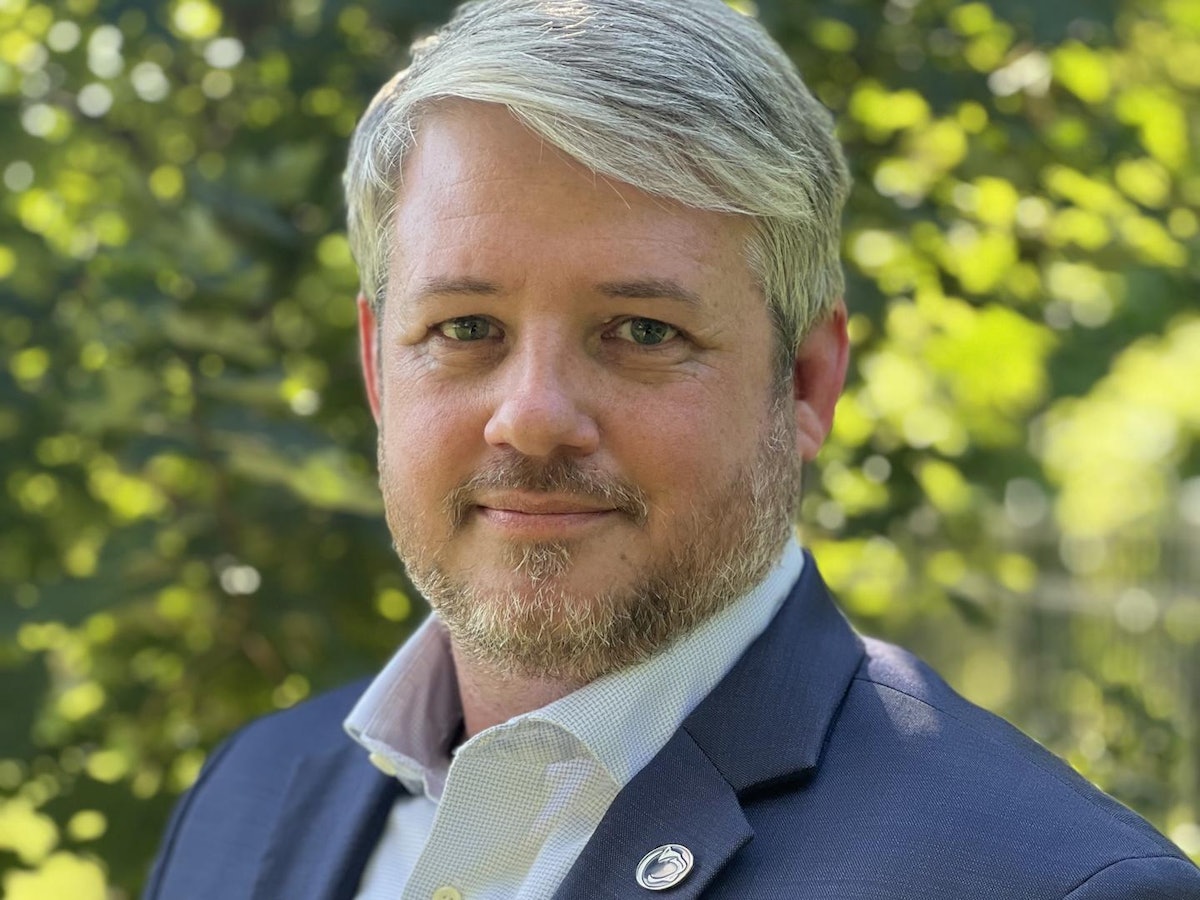
    Michael StedelinMichael Stedelin has been named assistant vice president for research strategic planning and solution development at Penn State University. In this role, Stedelin will provide senior leadership in integrating mission planning, systems and solutions within the research domain so that organizational capabilities are prioritized, adopted and scaled effectively to meet the University’s research goals. 

    Stedelin holds a bachelor’s degree in computer management information systems and an MBA from Southern Illinois University Edwardsville.

    Source link

  • Federal Agency Finds George Mason University Violated Civil Rights Law Through DEI Policies

    Federal Agency Finds George Mason University Violated Civil Rights Law Through DEI Policies

    The U.S. Department of Education’s Office for Civil Rights has determined that George Mason University violated federal civil rights law by using race as a factor in hiring and promotion decisions, the agency announced on Friday.

    The finding concluded that GMU violated Title VI of the Civil Rights Act of 1964, which prohibits discrimination based on race, color, and national origin in federally funded education programs. The university now has 10 days to accept a proposed resolution agreement or risk losing federal funding.

    Acting Assistant Secretary for Civil Rights Craig Trainor said President Gregory Washington led “a university-wide campaign to implement unlawful DEI policies that intentionally discriminate on the basis of race.”

    “You can’t make this up,” Trainor said in a statement, noting that Washington had previously called for removing “racist vestiges” from campus in 2020.

    The investigation, launched in July 2025, stemmed from complaints filed by multiple GMU professors who alleged the university adopted preferential treatment policies for faculty from “underrepresented groups” between 2020 and the present.

    Federal investigators said that they found several problematic practices. As recently as fall 2024, they argue that the university’s website stated it “may choose to waive the competitive search process when there is an opportunity to hire a candidate who strategically advances the institutional commitment to diversity and inclusion.”

    The current Faculty Handbook also requires approval from the “Office of Access, Compliance, and Community” – previously called the “Office of Diversity, Equity, and Inclusion” until GMU renamed it in March 2025 – before extending job offers.

    One high-level administrator told investigators that Washington “created an atmosphere of surveillance” regarding hiring decisions related to diversity objectives.

    Under the proposed resolution agreement, Washington must personally issue a statement and apology to the university community, acknowledging the discriminatory practices. The university must also revise hiring policies, conduct annual training, and remove any provisions encouraging racial preferences.

    GMU must post the presidential statement prominently on its website and remove any contradictory materials. The university would also be required to maintain compliance records and designate a coordinator to work with federal officials.

    George Mason University, located in Fairfax, Virginia, enrolls approximately 39,000 students and receives federal funding that could be at risk if the violations are not resolved.

    George Mason officials said that they are reviewing the specific resolution steps proposed by the Department of Education. 

    “We will continue to respond fully and cooperatively to all inquiries from the Department of Education, the Department of Justice and the U.S. House of Representatives and evaluate the evidence that comes to light,” the university said in a statement. “Our sole focus is our fiduciary duty to serve the best interests of the University and the people of the Commonwealth of Virginia.”

    Source link

  • Black Women’s Leadership in Higher Education: The Remaking of Academic Power

    Black Women’s Leadership in Higher Education: The Remaking of Academic Power

    I
    Dr. Tina M. King 
    n the storied halls of higher education, Black women who ascend to the presidency do so while carrying the weight of history, community, and the unspoken expectation that we will be both miracle workers and scapegoats. Black women in higher education leadership navigate a complex matrix of anti-Blackness and misogynoir —a reality where their expertise is simultaneously appropriated and undermined. Research reveals that more than most Black women executives in predominantly white institutions (PWIs) experience racelighting (racialized gaslighting), characterized by dehumanizing scrutiny. We endure identity taxation, where we are expected to carry the unsustainable burden of single-handedly solving institutional race problems, often where we are the target of the attack while comforting white fragility. Simultaneously, we experience racelighting where people of color receive racialized messages and question their thoughts and experiences. This racelighting is perpetuated by the institution’s willingness to tokenize Black women’s identities for diversity optics while suppressing our agenda for transformative anti-racist praxis. The narrative of Black women’s leadership in PWIs is not simply a tale of individual achievement but also reflects the deep, persistent anti-Blackness embedded in the academy’s very structure.

    The attacks, swift and severe, are often cloaked in the familiar rhetoric of “governance, academic integrity, or collegial concern,” but the subtext is unmistakably racial. They are orchestrated not as a response to policy but as a rebuke of Black authority daring to reshape the institution’s priorities. In such attacks, we are called incompetent, corrupt, and unwilling to do the hard work (lazy), echoing tropes that have long been used to undermine Black people in general and Black women in leadership specifically. The most insidious move, however, is often the elevation of a single Black or Brown person to be the messenger or carrier of the attack, serving as a shield to deflect accusations of racism and to lend legitimacy to the movement or campaign t o disparage and discredit Black women’s leadership.Dr. Regina Stanback StroudDr. Regina Stanback Stroud

    This dynamic is not new. Dr. Patricia Hill Collins (2000), in her foundational work on Black Feminist Thought, describes how Black women in leadership are subjected to controlling images— stereotypes that are deployed to police the boundaries of acceptable Blackness. In the academy, these images manifest as relentless questioning of competence, insinuations of aggression, and the expectation that Black women will perform emotional labor to maintain white comfort. The token messenger, perhaps unwittingly, becomes complicit in this system, their proximity to whiteness granting her temporary power even as it reinforces the very structures that marginalize leaders of color—in other words, they become complicit in using the academic tools of white supremacy to join in the assault on Black women’s leadership.

    What begins to emerge is a spectator sport where people at all levels of influence remain silent in the face of orchestrated attacks. Please make no mistake: silence does not represent neutrality; it represents complicity. By refusing to address the racialized nature of the attacks, the institution is signaling that Black women leaders are ultimately expendable, their contributions contingent upon their willingness to placate white interests and prioritize white comfort. This is the reality of what Breonna Collins (2022) calls “epistemic violence” –the systematic invalidation of Black knowledge and leadership under the guise of procedural fairness.

    Yet Black women leaders have always found ways to resist and reimagine the academy. Drawing on the tradition of Black feminist resistance, we create counterspaces within hostile institutions, mentoring the next generation and insisting on the legitimacy of their vision. We redefine “institutional fit” not as assimilation into white norms but as the capacity to transform the institution in service of justice.

    Despite these acts of resistance and reimagination, the very presence and leadership of Black women in academic spaces often disrupts entrenched power structures and exposes the discomfort many have with authentic Black excellence. A threat to many, Black excellence in leadership prioritizes the needs of marginalized students and communities over the preservation of the status quo.

    While some may wish to uphold privilege and power for themselves, others may be well-intentioned but unable to recognize Black excellence. They may interpret Black leadership as arrogance or see Black Leaders simply as flaunting their positions or being opinionated. Still others may believe they are doing good but fail to recognize their own deep biases. Those who consider themselves allies may suffer fatigue along with Black leaders, but that mutual suffering does not, an ally make. It must be accompanied by one’s willingness to use their white privilege and capital to actively combat anti-Blackness and misogynoir at play.

    Studies of HBCU leadership reveal how Black women executives subvert PWI pathologies through radical self-definition, where we reject white-normed leadership frameworks to implement culturally grounded approaches and ethical care (prioritizing community needs over respectability politics). We create counter-spaces that center Black epistemologies, such as mentorship programs that affirm Black women’s intellectual sovereignty. Black women leaders engage in institutional truth-telling where we document systemic racelighting through critical race methodology.

    True transformation requires more than performative allyship. It demands redistribution of resources, independent accountability structures, and a commitment to centering Black epistemologies in institutional decision-making. There is a growing recognition that Black leadership is not incidental— it is essential to the future of higher education. The time has come for institutions to choose: will they cling to the master’s tools, or will they finally make room for the radical imagination and power of Black women’s leadership?

    Until higher education is willing to confront its foundational anti-Blackness, it will continue to sacrifice its most visionary leaders on the altar of white comfort. The question is not whether another attack will come but who will have the courage to stand in solidarity and say, “Enough.” The future of academia depends on this shift. Ultimately, we must move beyond the white gaze and demand for our pain, and instead, embrace the Black radical imagination and the remaking of power in the academy.

    Dr. Tina M. King is president of San Diego College of Continuing Education 

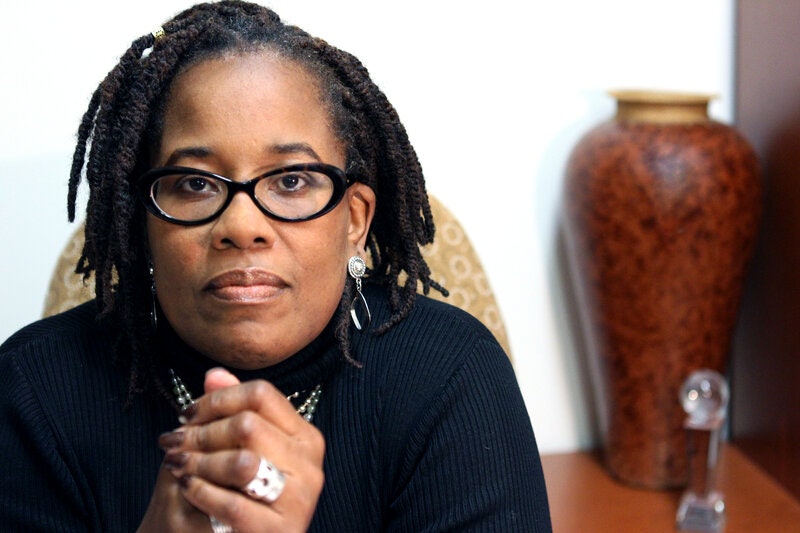
    Dr. Regina Stanback Stroud is the chief executive officer of RSSC Consulting

    Dr. Jennifer Taylor Mendoza serves as the 13th president of West Valley College.


    Source link

  • Court Temporarily Blocks Ban on Bargaining by Defense Department Teachers Unions – The 74

    Court Temporarily Blocks Ban on Bargaining by Defense Department Teachers Unions – The 74


    Get stories like this delivered straight to your inbox. Sign up for The 74 Newsletter
    A district court judge has temporarily blocked a Trump administration ban on collective bargaining by two teachers unions in Department of Defense schools.

    Judge Paul Friedman issued a preliminary injunction in a lawsuit filed this spring by the Federal Education Association and Antilles Consolidated Education Association, which represent more than 5,500 teachers, librarians and counselors in the 161 schools under the Department of Defense Education Activity. The agency educates 67,000 children on military bases worldwide.

    The union sued the Trump administration over a March executive order that stripped collective bargaining rights from two-thirds of federal service workers. The order impacted the Departments of Justice, Defense, Veteran Affairs, Treasury, and Health and Human Services, as well as the Centers for Disease Control and Prevention and the Environmental Protection Agency.

    The Federal Education Association has been negotiating teachers contracts with the Department of Defense since 1970, while the Antilles Consolidated Education Association has bargained on behalf of Puerto Rico educators since 1976, according to the lawsuit. The current collective bargaining agreements for both unions were approved in 2023 and are set to expire in summer 2028.

    But since the order was issued, the lawsuit says, the Department of Defense Education Activity has discontinued negotiations, stopped participation in grievance proceedings and prohibited union representation during educator disciplinary meetings. Members are also no longer allowed to conduct union work during the school day. Requests from educators to access a union sick leave bank with 13,000 donated hours have also been ignored, according to the suit.

    “These actions, taken together, essentially terminate the respective collective bargaining agreements and thus cause irreparable harm,” Friedman said in his decision.

    A 1978 federal statute allows collective bargaining in the civil service sector. The suit argued that while presidents have the authority to exclude an agency if its primary function involves intelligence, investigation or national security work, “Many, if not most, of the agencies and agency subdivisions swept up in the executive order’s dragnet do little to no national security work, much less do they have a primary function [of] intelligence, counterintelligence, investigative [work].”

    The agency declined to comment on ongoing legal proceedings. In a reply to the unions’ lawsuit, Trump administration attorneys said the executive order was within the law and that reversing it would be costly.

    “Rather than maintaining the status quo, it would force [the Department of Defense] to undo actions it has already taken to implement the executive order, causing significant disruption and resource expenditures,” the lawyers wrote.

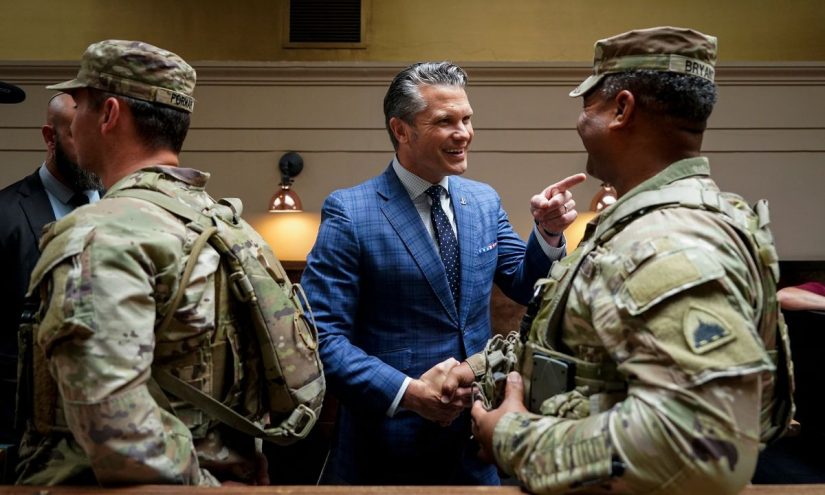
    In April, Defense Secretary Pete Hegseth authorized a few exemptions for agencies related to the Air Force and Army, but not the teachers unions — despite a push from 45 lawmakers to exclude the school system.

    “Ensuring that DoDEA educators and personnel retain collective bargaining protections will ensure that DoDEA can continue to recruit and retain the best staff in support of its mission,” the congressional members wrote in a letter. “Collective bargaining safeguards the public interest, and its history in DoDEA has demonstrated better outcomes for mission readiness, and stronger connections between military-connected families and those who serve them.”

    An appeal from the Trump administration is pending. A similar lawsuit from six unions, including the American Federation of Government Employees, resulted in an injunction, but a federal appeals court reversed it in August.


    Get stories like these delivered straight to your inbox. Sign up for The 74 Newsletter
    Source link

  • ASALH Condemns White House Directive to Review Smithsonian Museums, Calls for Resistance

    ASALH Condemns White House Directive to Review Smithsonian Museums, Calls for Resistance

    Dr. Karsonya “Kaye” Wise WhiteheadThe Association for the Study of African American Life and History (ASALH) has issued a forceful condemnation of the White House’s directive calling for a comprehensive review of Smithsonian Institution museums, warning that the move represents an attempt to “erase or distort” Black history.

    The directive follows President Donald Trump’s social media post attacking the Smithsonian museums as “OUT OF CONTROL,” claiming they focus only on “how horrible our Country is, how bad Slavery was, and how unaccomplished the downtrodden have been.” The White House subsequently ordered a full review of all archival materials to determine alignment with Executive Order 14235, aimed at “Restore Truth and Sanity to American History.”

    “ASALH stands in fierce opposition to this latest directive and all efforts to erase or distort our history, to silence our voices, and to minimize our story,” said ASALH President Dr. Karsonya “Kaye” Wise Whitehead.

    The 110-year-old organization, which founded Black History Month, partnered with the African American Policy Forum to co-lead a “Hands Off Our History” rally at the Smithsonian’s National Museum of African American History & Culture in Washington, D.C.

    Whitehead characterized the museum review as part of a broader pattern of attacks on diversity and inclusion efforts. She cited the 2023 banning of over 10,000 books, many featuring people of color, and recent executive orders eliminating Diversity, Equity, and Inclusion programs in higher education, medicine, and K-12 history courses.

    “These steps are veiled attempts to rewrite and distort the narrative by removing any mention of the racist actions, words, and deeds that have shaped American history,” Whitehead added.

    The ASALH president described the current moment as part of an escalating campaign that began with what she termed the “whitelash election” of 2017, followed by increased white supremacy after George Floyd’s murder, and culminating in current efforts to “defund libraries, whitewash history curricula, zero-base the Department of Education.”

    ASALH, founded in 1915, positions itself as a bridge between scholars and the public in preserving and promoting Black history. The organization is preparing for its annual conference in Atlanta, scheduled for September 24-28, 2025, which Whitehead said will serve as an opportunity to “organize and prepare ourselves to counter his next steps.”

    The controversy highlights ongoing tensions over how American history is taught and presented in educational and cultural institutions, with particular focus on narratives involving slavery, civil rights, and systemic racism.

    Whitehead added that the organization’s resistance draws inspiration from historical figures including Dr. Carter G. Woodson, Dr. W.E.B. Du Bois, and Harriet Tubman, stating: “Our work as truth seekers obliges us to ‘speak the truth to the people’ and demands that we stay ready.”

    The Smithsonian Institution has not yet responded to requests for comment regarding the White House directive.

    Source link

  • The complex dynamics of principal turnover in modern educational institutions

    The complex dynamics of principal turnover in modern educational institutions

    Key points:

    The departure and replacement of school principals represents one of the most significant organizational changes within educational institutions, creating ripple effects that permeate every aspect of school operations. This phenomenon, increasingly prevalent in contemporary education systems, deserves thorough examination for its profound impact on institutional effectiveness, academic achievement, and organizational stability.

    When a principal exits an educational institution, the immediate effects reverberate throughout the entire school system. The administrative vacuum extends far beyond mere personnel changes, as new principals invariably bring distinct leadership philosophies, strategic priorities, and management approaches that can fundamentally reshape the school’s operational framework. Current research in educational leadership suggests that schools typically require between three to five years to fully stabilize following leadership transitions, indicating that frequent turnover can trap institutions in continuous cycles of adjustment and reorganization.

    The principal’s role transcends traditional administrative leadership, functioning as the cultural architect of the school community. During leadership transitions, the delicate fabric of established relationships between administration, faculty, and staff enters a period of uncertainty and realignment. The school’s cultural identity, carefully constructed through years of shared experiences and mutual understanding, often undergoes substantial transformation as new leadership implements alternative approaches to community building and professional collaboration. This cultural shift can significantly impact teacher motivation, student engagement, and overall school climate.

    Academic program integrity and student achievement metrics frequently experience fluctuations during principal transitions. New leaders typically introduce fresh perspectives on curriculum implementation, instructional methodologies, and resource allocation strategies. While innovation and new approaches can catalyze positive change, frequent shifts in academic direction may disrupt educational continuity and student progress. Empirical studies have consistently demonstrated that schools experiencing frequent principal turnover often exhibit temporary declines in student achievement metrics, with particularly pronounced effects in high-poverty areas where stability serves as a crucial factor for student success.

    The impact extends deep into stakeholder relationships and community partnerships. Parents, community organizations, and local partners must adapt to new leadership styles, communication protocols, and institutional priorities. The critical process of building and maintaining trust, essential for effective school-community partnerships, frequently requires renewal with each leadership change. This cyclical process can affect various aspects of school operations, from volunteer program effectiveness to community support for school initiatives and funding proposals.

    Professional development trajectories and staff retention patterns often undergo significant changes during principal transitions. Different leaders may emphasize various areas of professional growth or implement modified evaluation systems, directly affecting teacher satisfaction and career advancement opportunities. Research indicates a strong correlation between principal turnover and increased teacher attrition rates, creating compound effects on institutional stability and educational continuity. This relationship suggests that leadership stability plays a crucial role in maintaining a consistent and experienced teaching staff.

    The challenges of strategic planning become particularly acute in environments characterized by frequent leadership changes. Multi-year improvement initiatives risk interruption or abandonment as new principals implement different priorities and approaches. This instability can affect various aspects of school development, from technology integration plans to curriculum development initiatives, potentially compromising the institution’s ability to achieve long-term educational objectives and maintain consistent progress toward established goals.

    Educational institutions can implement various strategies to minimize the negative impacts of principal turnover, including developing comprehensive transition protocols, maintaining detailed documentation of ongoing initiatives, creating strong distributed leadership teams, establishing clear communication channels during transitions, and building robust institutional memory through systematic record-keeping. These mitigation strategies prove essential for maintaining organizational stability and educational effectiveness during periods of leadership change.

    The implications of principal turnover extend throughout the educational ecosystem, influencing everything from daily operations to long-term strategic initiatives. Understanding these complex dynamics becomes increasingly crucial for educational stakeholders, policymakers, and administrators in developing effective strategies to maintain institutional stability and educational quality during leadership transitions. As educational institutions continue to evolve in response to changing societal needs and expectations, the ability to manage leadership transitions effectively becomes paramount for ensuring consistent, high-quality education for all students.

    This comprehensive analysis of principal turnover effects provides valuable insights for educational professionals, administrators, and policymakers working to create more stable and effective learning environments. The ongoing challenge lies in balancing the potential benefits of new leadership perspectives with the fundamental need for institutional stability and continuous educational improvement, all while maintaining focus on the ultimate goal: providing optimal learning opportunities for students in an ever-changing educational landscape.

    Latest posts by eSchool Media Contributors (see all)

    Source link

  • Preventing harm by connecting the dots in school safety

    Preventing harm by connecting the dots in school safety

    Key points:

    Swatting–false reports of school violence intended to trigger a police response–continues to increase across the country. During the 2022–2023 school year, nearly 64 percent of reported violent incidents in K–12 schools were linked to swatting. That’s over 440 incidents in one year–a more than 500 percent jump from just four years prior.

    Each call pulls officers from genuine emergencies, disrupts classrooms, and leaves students and staff shaken. While emergency protocols are essential, when swatting becomes routine, it’s clear that response plans alone won’t solve the problem.

    Unpacking the early signals

    Swatting rarely emerges out of thin air. It’s often the final act following a series of compounding behaviors, such as:

    • Online harassment
    • Peer conflicts
    • Risky social media challenges
    • Unaddressed behavioral concerns

    These warning signs exist, but are typically scattered across multiple school departments.

    Counselors might log escalating incidents. Teachers may notice changes in student behavior, and school resource officers (SROs) might track repeated visits involving the same individuals. Without a unified way to connect these observations, critical warning signs go unnoticed.

    Operationalizing early intervention

    Districts are reimagining how they capture and coordinate behavioral data. The goal isn’t surveillance or punitive action. It’s about empowering the right people with the right context to align and intervene early.

    When schools shift from viewing incidents in isolation to seeing behavior patterns in context, they are better positioned to act before concerns escalate. This can mean initiating mental health referrals, alerting safety teams, or involving families and law enforcement partners at the appropriate moment with comprehensive information.

    Technology that enables teams

    The process requires tools that support secure, centralized documentation and streamline communication across counselors, administrators, safety staff, and other stakeholders. These systems don’t replace human judgment, but create conditions for clearer decisions and more timely coordination.

    Swatting is just one example of how fragmented behavioral data can contribute to high-risk outcomes. Other incidents, such as escalating bullying, persistent mental health concerns, or anonymous threats often follow recognizable patterns that emerge over time. When schools use a centralized system to document and track these behaviors across departments, they can identify those patterns earlier. This kind of structured coordination supports proactive interventions, helping prevent larger issues before they unfold and reinforcing a culture of safety and awareness.

    Consider Washington State, where swatting affected more than 18,000 students last year, costing schools over $270,000 in lost instructional time. These figures illustrate the operational and human costs when coordination breaks down.

    Reducing risk, not just reacting to it

    Swatting is a symptom of a larger issue. Building safer schools means moving upstream from reactive emergency response to proactive coordination. It requires shared insight across teams, strengthened behavioral threat assessment protocols, and the right supports in place well before crisis calls occur.

    Early intervention isn’t about adding complexity. It’s about reducing risk, improving situational clarity, and equipping school communities to act with confidence–not simply responding when harm is imminent.

    Latest posts by eSchool Media Contributors (see all)

    Source link