Author: admin

  • AI Can Facilitate Mastery Learning in Higher Education

    AI Can Facilitate Mastery Learning in Higher Education

    Learning in contemporary higher education is rooted deeply in calendars and time rather than mastery of the topic of the learning. With an inflexible semester or quarter calendar and an often-inflexible schedule and length of meeting times, learners are marched through the system in the orderly method of an assembly line.

    As long as I have taught at the university level, beginning in the early 1970s, I have questioned this approach that puts time scheduling ahead of depth of learning. It seems to put teaching schedules ahead of learning outcomes. I must confess that over the decades, I have been an easy touch for an incomplete for a student who encountered some unforeseen life disruption or simply took on more than she or he could handle during the semester. My philosophy has been and still is that what is learned is more important than whether it was accomplished in eight weeks, 16 weeks or even longer.

    I am not alone in that view. Back in the 1960s, one of learning’s highly recognized scholars, Benjamin Bloom, probed this very issue: “Bloom’s Learning for Mastery (LFM) strategy evolved and was later on implemented in primary and secondary school settings.” Meanwhile, psychologist Fred Keller developed his Personalized System of Instruction focused on five key principles:

    1. Students should be allowed to work at their own pace.
    2. Students should achieve at least 90 percent accuracy on the assessment before moving to the next lesson.
    3. Lessons should be considered as “vehicles of motivation.”
    4. Teachers and students should consider using written communication in textbooks and study guides.
    5. Teachers and students should get closer through repeated testing, immediate scoring, continuous tutoring and progress tracking.

    These five principles cannot be easily integrated into classes that march forward with a rigid class calendar based on three 50-minute class meetings for 15 weeks! However, recent technological developments have opened the door to reinventing higher education from the assembly-line model to an online, asynchronous, tutor-enhanced, mastery-based learning model.

    To understand the differences between traditional teaching and mastery learning, one can best describe that our current practices place an emphasis on time-based teaching, while in mastery learning, the emphasis is, as the name suggests, on learning. Note that in Keller’s PSI approach, the goal is 90 percent or better learning as evidenced through frequent assessments required to move forward to the next module in the class.

    The PSI stresses personalized scaffolding of learning and evidence of mastery throughout the course, whereas our current common mode of delivery views the class as a whole rather than recognizing differences in background and learning by individuals. Inevitably, the current approach penalizes students for unintended, unrecognized shortcomings in understanding caused by any of a number of circumstances, such as prior knowledge deficits in some aspect of that which they are studying, poorly taught prerequisite or assumed previously taken classes, unanticipated life interventions, or some other inability to learn essential class concepts that had not been anticipated in the development and design of the class.

    If, instead, we were to create personalized learning intervention opportunities at every step of the way that are designed to be responsive to the needs of individual learners on a minimum of learning 90 percent of every module, we could ensure a minimum of mastery of 90 percent of the materials in every class.

    Artificial intelligence employed in an asynchronous or blended online class opens the pathway to mastery learning. An instructor can experiment with this process by folding this prompt into one or two modules of a class. Released by There’s an AI for That (TAAFT) it is a free and openly available prompt that can be inserted into any of the major frontier models, such as Gemini, ChatGPT or Claude. Titled Precision Learning Companion, the prompt is introduced:

    “This prompt turns AI into an ultra-detailed, dynamic personal tutor that doesn’t just quiz, it teaches deeply, layer by layer, until the user genuinely masters the material. It’s built to adapt in real time, constantly diagnosing knowledge gaps, and never moving forward without full comprehension. Every answer, right or wrong, triggers a structured, narrative-style breakdown explaining the what, why, how, and broader context, ensuring true understanding. The AI is designed to feel like having a supportive but meticulous mentor who scaffolds learning: progressively challenging the user if they perform well, slowing down and simplifying if they struggle, and always reinforcing psychological safety through encouragement. It uses textually described visual aids, memory tricks, real-world examples, and step-by-step remediation when needed. Mastery, not speed, is the goal.”

    I encourage readers to test this out, to examine more closely the impact of using AI to deliver learning opportunities. It took me less than two minutes to get my module up and running:

    1. I copied and pasted the page-long prompt from the TAAFT.Notion site into Claude 4 for test purposes and pressed enter.
    2. I entered the topic as “human eye anatomy” (of course you can enter any topic that you might cover in a week or so in your current class schedule).
    3. I was then launched into a congenial conversation with the AI module that probed deeply into my knowledge of the topic in a pleasant and reinforcing way.
    4. I must admit that I was so engaged that I didn’t stop for more than an hour.

    You can begin by testing it on yourself and perhaps a colleague, teaching assistant or another willing participant. Choose a relevant topic. I chose “physiology of the human eye,” which was a basic module in all of the many Communication Technology classes I offered. I found the AI module to be accurate, comprehensive, reinforcing and clear. If you find that it shows promise, you might choose to use it in one of your classes. Invite your instructional designer to join in a discussion of how this might best be used in your classes. Note how it personalizes instruction for learners by sharing additional information, readings and related learning opportunities to backfill areas that learners who may be deficient in background and need context to relate to the course. You can ask learners to share a copy of the exchanges. They may also share brief reactions on the quality and usefulness of the interaction with AI.

    Over time, with the help of your instructional designer, you may want to go fully into mastery learning, ensuring that every student in your classes masters the material at a 90 percent level. In some cases, you may need to be flexible with offering incompletes to provide time for those who need to complete the additional material triggered by submission of wrong answers.

    I always had an uncomfortable feeling in the pit of my stomach when I submitted a C, D or F as a final grade. I felt that I had failed my student. However, I had a full classroom and there was not enough time or opportunity to provide individualized attention to each student. Perhaps the new generation of university instructors who partner with AI assistants will enjoy the confidence that all their learners will master the topic of the class with the help of AI. No learner will be left behind, and none will be victims of the assembly-line model of teaching in higher education.

    Source link

  • ON LAMPETER… – HEPI

    ON LAMPETER… – HEPI

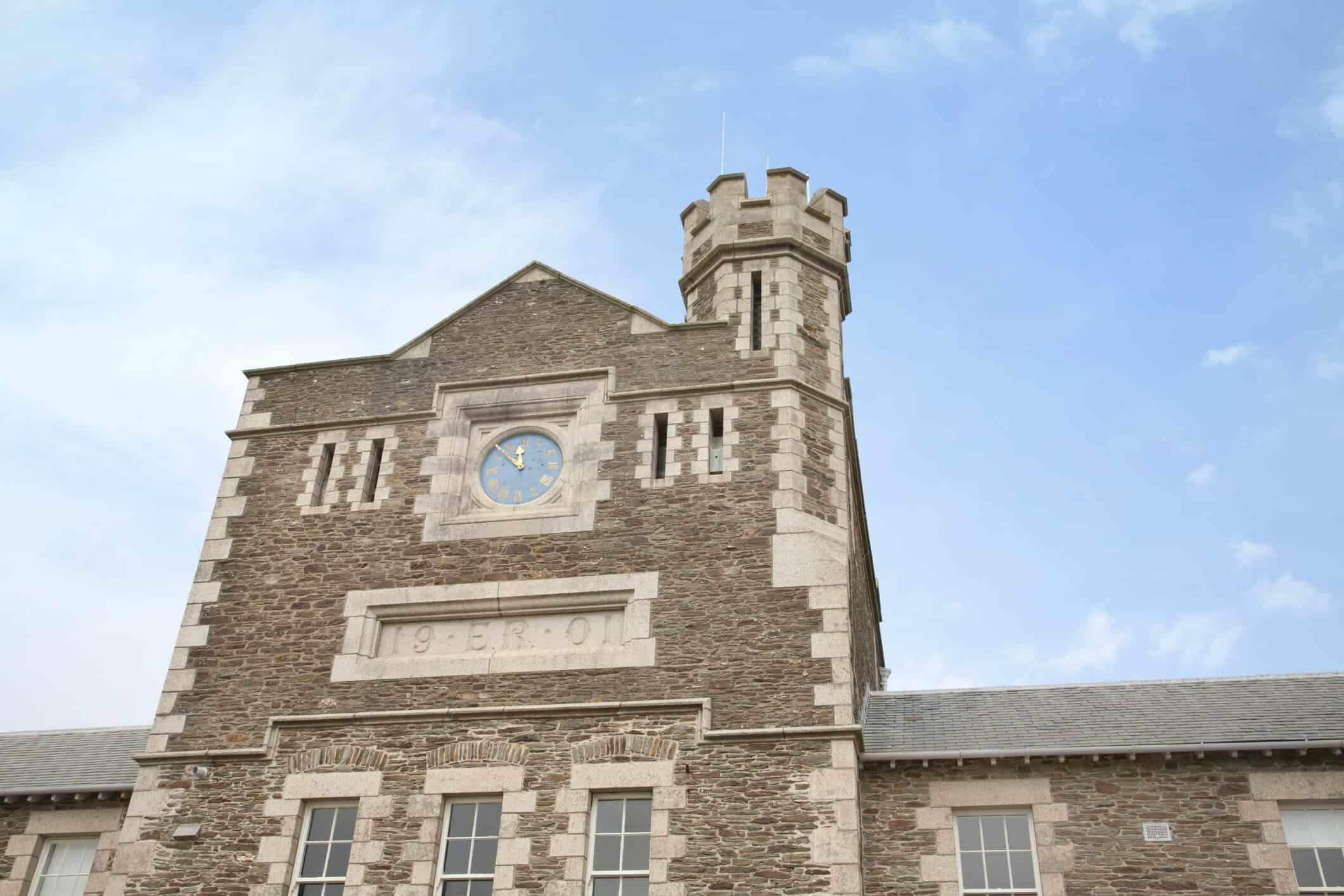
    This HEPI blog was kindly authored by Dr. John Cater who recently retired after 32 years as Vice-Chancellor of Edge Hill University.  He now chairs the Unite Foundation.  He graduated in Geography from Lampeter in 1974.   

    September 1822. The (English) Bishop of St. David’s, Thomas Burgess, determines the creation of a higher education establishment in mid-Wales.

    December 1970. Hitch to Northampton. Train to Rugby. Train to New Street. Train to Shrewsbury. Two carriage Pacer to Dovey Junction. Split.  One carriage Pacer to Aberystwyth.  Two hours and thirty miles on Morgan’s coaches. Dark on departure. Dark on arrival.

    January 2025. The University of Trinity St. David announces that all undergraduate teaching at Lampeter will cease at the end of the 2024/25 academic year, with all such provision transferred to Carmarthen.

    Oxford, Cambridge…  and Lampeter

    The Scottish Ancients existed, of course, alongside Oxbridge, with Durham on the horizon, but the first higher education provider in the Principality and only the third outside the northern Celtic nation was founded in the small Cardiganshire market town of Lampeter.

    But St David’s small size and an initial focus on theological training gave the institution a degree of vulnerability, notwithstanding the introduction of Bachelor of Arts degrees as early as 1865, eventually leading to threats to its continued existence as the number of ordinals declined rapidly in the 1950s. A ‘sponsorship’ agreement with University College Cardiff secured the institution’s future through to the creation of the Federal University of Wales in 1971, the College suspending its degree-awarding powers to become a constituent member.  And the institution diversified, most notably moving from its solely Arts and Humanities portfolio into a broader range of disciplines, including the GeoSciences – the reason behind my circuitous ten-hour journey from the south Midlands to a remote corner of mid-Wales.

    It was a great place to be. Diminutive and distinct. An Oxbridge tutorial system. In the Department on a Friday? Run Geog. Soc.. Picked up an oval ball? First XV rugby. Bowl a bit of long-hop leg spin? First XI cricket.

    But in that scale and remoteness – and perhaps an inclination to stretch the portfolio too broadly – lie the seeds of the decision in January of this year.  In 2008, the Quality Assurance Agency expressed limited confidence in the University of Wales Lampeter’s procedures and processes, whilst a subsequent review by the Higher Education Funding Council for Wales (HEFCW) had ‘very real concerns’ about management capacity and leadership.  This led directly to discussions with Trinity College Carmarthen about a possible merger, and in 2010, Trinity St. David was born. 

    There is no doubt that merging an institution with a provider 23 miles away in a sub-region with no rail link and infrequent bus transport, then adding a third provider (the Swansea Institute) 51 miles distant, provides some unique challenges. Possibly only matched by the University of the Highlands and Islands, which has a very different federal model.

    But the key determinant of an institution’s financial viability is its ability to attract students and to operate in a fiscal climate that allows the full recovery of costs. This was always going to be a challenge; the fixed outgoings of three campuses and the necessary infrastructure, physical and human, increasingly exceed a tuition fee that is (even) lower in Wales than in England.  

    Outside the Cambrian News, the silence has been deafening. But the potential effects are devastating.  Perhaps less so for the overall health of the University; a branch plant is always vulnerable in a time of retrenchment, though one may have hoped that the attractions of remoteness, an immersive institution where you both lived and learned, would resonate in the market. For a town where half the population is a student, a present or past employee, or is directly or indirectly dependent on the University pound, the economic consequences, particularly through that long, wet Welsh winter, are immeasurable.

    What of the future? We talk of civic universities, but they can only fully play that integral role if they are in robust financial health. Last month, Ceredigion County Council announced their intention to create a post-sixteen education centre on the Lampeter site.  But, idealistic in principle may be fanciful in practice in a remote rural location over twenty miles from the nearest meaningful population centre.  And it comes with a perceptual threat to the Coleg Ceredigion sites in Aberystwyth and Carmarthen, a threat that will be strongly resisted in both those communities.

    From the outside looking in, fifty years having passed, the dream of the experience Lampeter offered – and, according to the 2025 National Student Survey, continues to offer – lives on.  But in the harsh reality of weak recruitment and financial stringency, that dream dies.

    Source link

  • Building a Course from Scratch: When Time is Not on Your Side – Faculty Focus

    Building a Course from Scratch: When Time is Not on Your Side – Faculty Focus

    Source link

  • Building a Course from Scratch: When Time is Not on Your Side – Faculty Focus

    Building a Course from Scratch: When Time is Not on Your Side – Faculty Focus

    Source link

  • Beyond the Click: Why Students Really Reach Out to Colleges

    Beyond the Click: Why Students Really Reach Out to Colleges

    The Scroll

    Picture this: A high school sophomore is scrolling Instagram at midnight and stumbles on a college reel that feels… real. Maybe it is a marching band. Maybe it is students chatting on the quad. Maybe it is a 10-second video about living in the dorms. Whatever it is, something sparks.

    But here is the twist: what students do next is not always what colleges think they do.

    Take Anna, a 10th grader in Minnesota:

    “I followed my dream school on Instagram for a year before I filled out a form. I wanted to see if it was really for me.”

    Intentional. Curious. Not rushed.

    Blog on why students reach out to colleges: Image of a female high school student on her laptop in her living room

    Nearly 90% of teens use social media, with Instagram and TikTok especially popular among high school students as they shape their opinions about colleges (Pew Research Center, 2024; Statista, 2023). Students now use social platforms as a low-pressure way to assess fit before filling out a form (Šola & Zia, 2021). For first-generation and underrepresented students, social media often serves as a critical window into campus life, offering stories and info they might not find elsewhere (Wohn et al., 2013).

    Here is where the institutional side comes in. The 2025 Marketing and Recruitment Practices Report (RNL, 2025) shows that while colleges rank social media ads as one of their most effective tactics, they still put most of their dollars into Facebook and Instagram. The 2025 E-Expectations Report (RNL et al., 2025) shows that students spend much of their time, but campuses underuse these channels (RNL, 2025). That platform gap is a big reason students scroll without always finding authentic, peer-driven content that sparks action.

    The 2024 College Planning Report (RNL & Halda, 2024) adds another layer: many students describe the early stages of college exploration as “confusing” and “overwhelming,” especially when they do not see affordability clearly explained. Social becomes a safe space to watch, wait, and observe before risking that first outreach.

    Digital dominance: The top outreach methods

    According to the 2025 E-Expectations Report, nearly 90% of first college contact happens digitally.
    Students most often make that first move by:

    • Filling out a form on the college website (31%)
    • Sending an email (28%)
    • Following the school on social media (27%)

    That last one? Not just casual scrolling. One in three 9th graders is already following colleges online, long before they are ready to apply (RNL et al., 2025).

    Students are also more likely than ever to use digital inquiry forms and direct email, confirming that a digital-first mindset is now the norm (JohnXLibris, 2024; Pew Research Center, 2024).

    On the college side, the RNL Marketing Practices data reinforces the digital-first story: email and SMS are the most effective outreach methods (RNL, 2025). That is one place of alignment. But here is the catch: colleges often lead their early campaigns with brand identity, facilities, or rankings. Students, meanwhile, are looking for something more practical: programs, scholarships, and campus life glimpses. It is not just about being digital. It is about being relevant.

    The 2024 College Planning Report shows why: when asked about their top concerns in the process, students point first to affordability (42%) and finding the right academic fit (31%) (RNL & Halda, 2024). If early outreach misses those notes, students scroll past.

    What sparks a student to reach out?

    The top motivations for contacting a college are (RNL et al., 2025):

    • Information about a specific major or program
    • Details on how to apply
    • Financial aid questions
    • Talking to an admissions counselor

    Among first-generation students, financial aid is even more central; they are more likely to initiate contact specifically about affordability (Affordable Colleges Online, 2024).

    Barriers like complex forms and confusing language make it harder for first-generation and low-income students to confidently reach out (Inside Higher Ed, 2024). That is why clear, transparent messaging matters from day one.

    The College Planning Report reinforces this finding: students consistently name financial aid and cost as their most significant barriers, with 55% saying affordability worries may limit their options (RNL & Halda, 2024). The 2025 Marketing Practices Report makes the contrast clear: Colleges invest heavily in brand storytelling and polished digital ads. Students, however, are motivated to act when they see clear pathways, majors, application steps, and affordability details (RNL, 2025).

    Read the E-Expectations Report

    How can you increase engagement with prospective students? How you can you better align your recruitment strategies with their expectations. Find all this and more in the E-Expectations survey of college-bound high school students, with findings on:

    • What they expect from college websites
    • Which communication channels they prefer
    • How they use AI in the search process
    • How they value video when learning about campuses

    Download now

    From social scroll to serious inquiry

    Social media is a leading gateway for college exploration among younger students, particularly those in 9th and 10th grades (RNL et al., 2025). At this early stage, students are not necessarily ready to fill out inquiry forms or attend information sessions; they are observing. Following colleges on Instagram, watching TikTok videos, or seeing a YouTube dorm tour gives them low-pressure insight into student life, culture, and fit (Šola & Zia, 2021).

    Over half of high school students report using social media to explore colleges (Statista, 2023). Instagram and TikTok are now more popular among teens than Facebook or X/Twitter (Pew Research Center, 2024).

    However, here is the rub: the Marketing Practices Report shows that institutions still prioritize Instagram and Facebook for ad buys, with TikTok and YouTube trailing (RNL, 2025). Students are signaling where they scroll, but colleges are not always meeting them there. The result? Missed chances to connect when students are most curious and impressionable.

    The 2024 College Planning Report echoes this generational divide: while older students lean into email as their primary channel, younger students treat social media as their first stop, often months before they enter the formal admissions funnel (RNL & Halda, 2024).

    Do not sleep on the follow-up.

    Once a student reaches out, timing and tone are everything.

    • 68% of students prefer follow-up via email.
    • 40% favor text messages for quick updates or deadline reminders.
    • Only 32% are willing to share their home address (RNL et al., 2025).

    Teens are increasingly skeptical of institutions that over-collect data or send irrelevant messages (Pew Research Center, 2024). They expect transparency about why information is collected and how it will be used (EDUCAUSE, 2021).

    Here, too, we see both alignment and friction. Colleges know email and text work; the 2025 Marketing Practices data confirms these are the most effective channels (RNL, 2025). But colleges also continue to lean on printed materials and phone calls for first contacts, even though students rank them not as high (RNL et al., 2025).

    The 2024 College Planning Report drives home why this matters: slow response times can be fatal. Nearly half of students expect a reply within 24 hours, and interest drops sharply if schools take longer (RNL & Halda, 2024). The channel mismatch and speed gap risk undoing the goodwill colleges build digitally.

    Key takeaways for enrollment teams

    1. Email is not dead, but it must become smarter

    • Personalize by name, grade, interests, and inquiry source.
    • Use warm, student-centered language.
    • Keep emails short, mobile-friendly, and action-oriented.

    2. Text messaging is gaining ground, use it strategically

    • Implement opt-in texting early in the funnel.
    • Use for reminders, check-ins, and next steps.
    • Align tone and frequency with the student’s stage.

    3. Trust is the new conversion strategy

    • Explain why each piece of information is collected.
    • Be transparent about data use.
    • Maintain consistent, clear communication.

    4. Follow-up is a test and a turning point

    • Respond quickly and personally after a student takes action.
    • Boost engagement with timely, relevant replies.

    5. Segment by stage, not just grade

    • Use behavioral data to guide segmentation.
    • Share exploratory content early, application and aid support later.

    6. Communication is a relationship, not a task

    • Every message is an opportunity to build rapport.
    • The institutions that win make students feel known and respected.

    Final word: It is about more than a click

    Students are not just filling out forms; they are extending an invitation:

    “I am thinking about my future. Help me see if you are part of it.”

    If your institution can meet that moment with empathy, transparency, and good timing, you are not just capturing a lead, you are building a relationship.

    Talk with our marketing and recruitment experts

    RNL works with colleges and universities across the country to ensure their marketing and recruitment efforts are optimized and aligned with how student search for colleges.  Reach out today for a complimentary consultation to discuss:

    • Student search strategies
    • Omnichannel communication campaigns
    • Personalization and engagement at scale

    Request now

    References

    Affordable Colleges Online. (2024). Guide to financial aid for first-generation students. https://www.affordablecollegesonline.org

    Concept3D. (2024). The state of virtual tours in higher education. https://www.concept3d.com

    EDUCAUSE. (2021). 2021 student technology report: Supporting the whole student. https://www.educause.edu

    Hanover Research. (2024). Best practices in prospective student communications. https://www.hanoverresearch.com

    Inside Higher Ed. (2024). Barriers to first-generation student engagement. https://www.insidehighered.com

    JohnXLibris. (2024). Email communication preferences of college-bound students. https://www.johnxlibris.com

    Ocelot AI. (2024). Personalized communication in higher ed recruitment. https://www.ocelotbot.com

    Pew Research Center. (2024). Teens, social media, and technology 2024. https://www.pewresearch.org

    RNL & Halda. (2024). 2024 high school student college planning report. Ruffalo Noel Levitz.

    RNL. (2025). 2025 marketing and recruitment practices for undergraduate students. Ruffalo Noel Levitz.

    RNL, Halda, & Modern Campus. (2025). 2025 E-Expectations trend report. Ruffalo Noel Levitz.

    Šola, J., & Zia, A. (2021). Social media as an information source for prospective students: A review. Journal of Marketing for Higher Education, 31(2), 310–330. https://doi.org/10.1080/08841241.2020.1866521

    Statista. (2023). Share of teenagers in the United States who use social media to research colleges. https://www.statista.com Wohn, D. Y., Ellison, N. B., Khan, M. L., Fewins-Bliss, R., & Gray, R. (2013). The role of social media in shaping first-generation high school students’ college aspirations: A social capital lens. Computers & Education, 63, 424–436. https://doi.org/10.1016/j.compedu.2013.01.004

    Source link

  • Octopus researcher Meg Mindlin on science art and video for social media

    Octopus researcher Meg Mindlin on science art and video for social media

    What’s it like to be an artist and scientist? Meg Mindlin studies octopuses, shares videos for Instagram Reels and TikTok. And, she’s a talented artist who helps people communicate science in engaging way. I felt lucky to attend her thesis defense live on YouTube.

    In this conversation, we talk about her research, dealing with the political spectrum when speaking up on social media, and sharing her art online.

    Meg Mindlin (@invertebabe) is a molecular biologist and science communicator. She combines her background in art with an ability to communicate complex science in an engaging manner. She received her Masters in Biology studying octopuses and how ocean acidification effects a molecular process known as RNA editing.

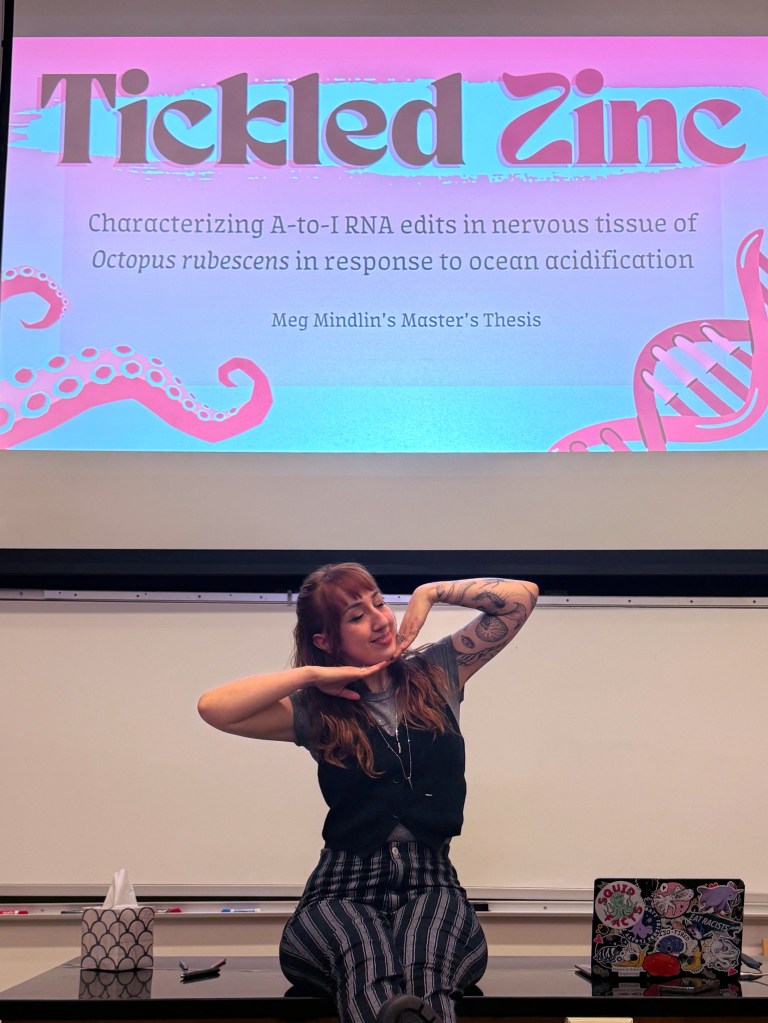
    Meg Mindlin sits on a desk at the front of a lecture hall. She's just defended her master's thesis, titled Tickled Zinc. On the screen behind her is a beautiful title slide for her research presentation which features original art.

    Source link

  • Minister gives TEQSA more university powers – Campus Review

    Minister gives TEQSA more university powers – Campus Review

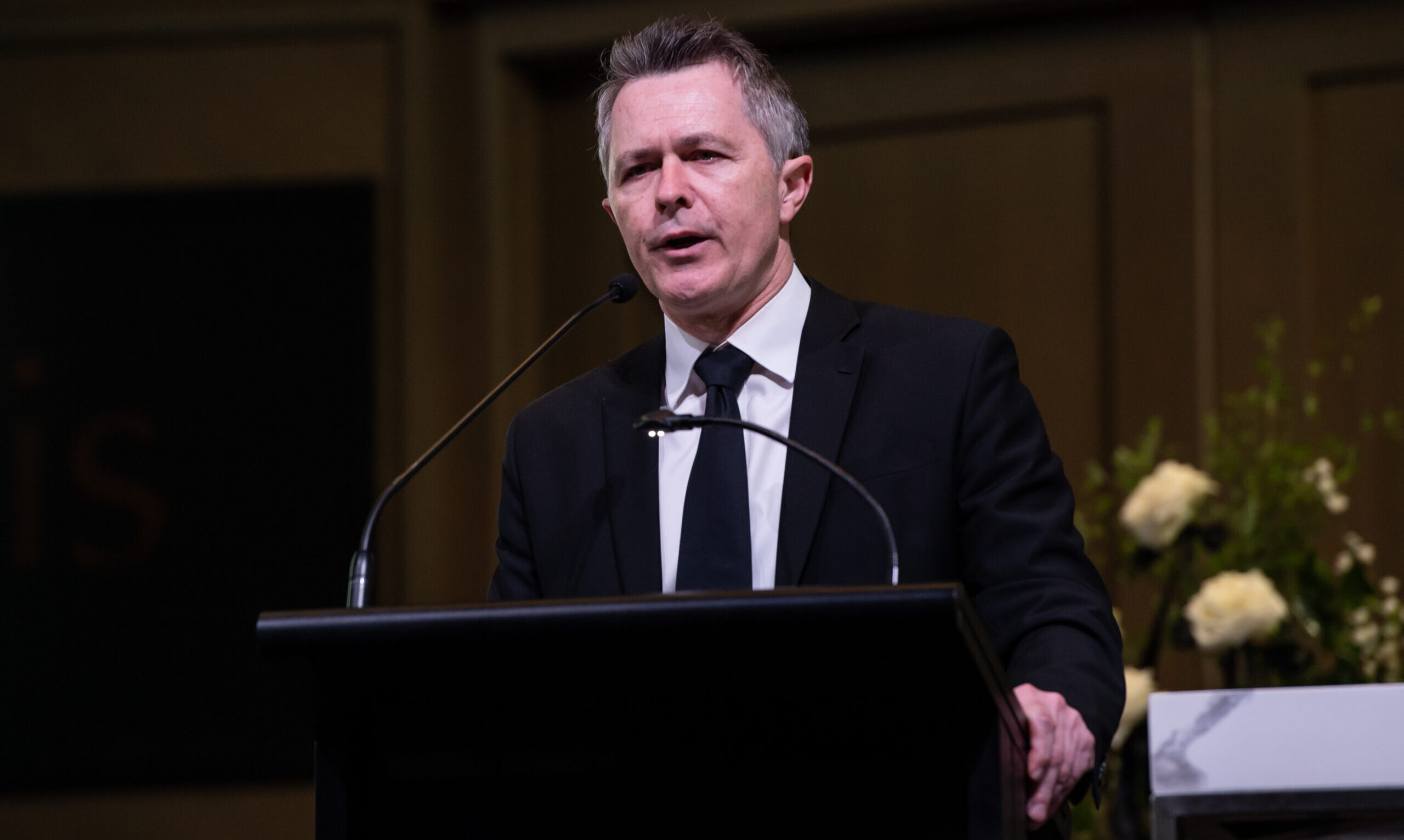
    Education Minister Jason Clare granted the university regulator’s wish for more power over universities at the Australian Financial Review Higher Education Summit on Tuesday.

    Please login below to view content or subscribe now.

    Membership Login

    Source link

  • NSW inquiry into ‘university crisis’ – Campus Review

    NSW inquiry into ‘university crisis’ – Campus Review

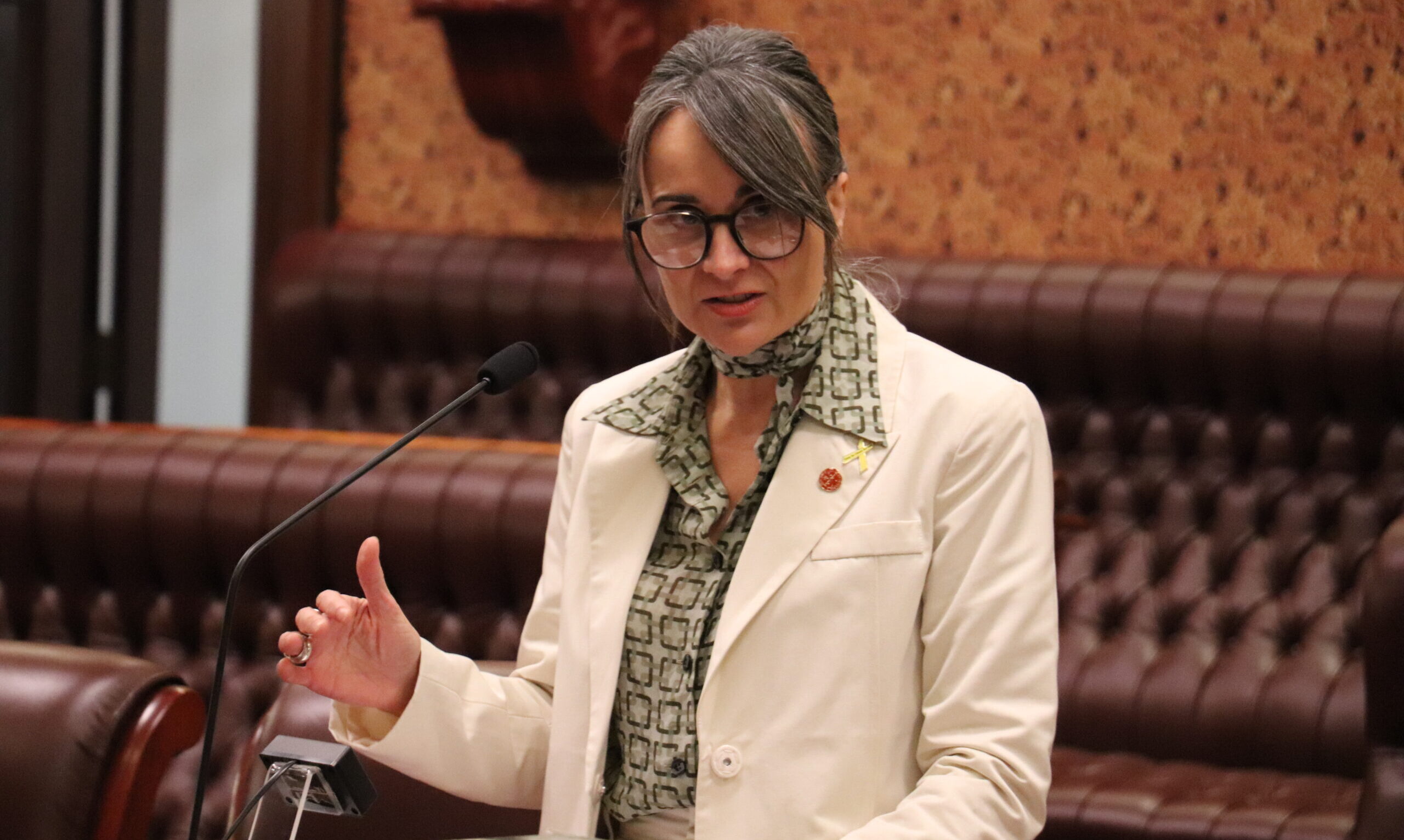
    The NSW Upper House on Monday referred a Parliamentary inquiry into its universities to investigate and report on the “crisis” in the sector.

    Please login below to view content or subscribe now.

    Membership Login

    Source link

  • Students sitting on floor in ANU tutorials – Campus Review

    Students sitting on floor in ANU tutorials – Campus Review

    The Education and Employment Committee has heard Australian National University (ANU) students are forced to sit on the floor in overpacked tutorials as a result of budget cuts in its $250m restructure.

    Please login below to view content or subscribe now.

    Membership Login

    Source link

  • How to offer academic asylum to scholars at risk

    How to offer academic asylum to scholars at risk

    Since President Trump rolled out executive orders to eliminate DEI programmes and began to unpick the funding infrastructure of American research, a number of countries have offered safe haven to academics currently working in the USA.

    As rector of Vrije Universiteit Brussel, Jan Danckaert, noted:

    American universities and their researchers are the biggest victims of this political and ideological interference. They’re seeing millions in research funding disappear for ideological reasons.

    From Singapore and Australia to Norway and Belgium, governments and individual universities around the globe are seizing the opportunity to attract the top American minds. For scholars fearful of their government’s policy direction on academic freedom, such as those working in gender studies, on vaccine research or climate change, the situation is urgent.

    At risk academics

    Yet this is nothing new. The Council for At-Risk Academics (CARA) has helped researchers escape persecution and conflict for almost a century, bringing the likes of Nikolaus Pevsner, Max Born and Albie Sachs to safety in Britain. Conceived in response to the Nazi assault on universities, CARA drove Britain’s scholarly rescue mission in the 1930s. At the same time, a parallel movement began in the USA. The Institute for Advanced Study was created at Princeton, with Albert Einstein appointed as the first Fellow in 1932. Other European academics such as Paul Dirac and Emmy Noether soon followed.

    Just as German scientists sought academic freedom in the USA and UK in the 1930s, now American scholars are beginning to cross the Atlantic in the other direction. In France, Aix-Marseille University received around 300 applications for its Safe Place for Science initiative, which aims to offer 15 million Euro to support research across the next three years. The first eight researchers arrived in France in June, with up to 20 expected by the beginning of the new academic year.

    The UK’s universities meanwhile seem mired in a funding crisis due to financial models all too dependent on precarious markets of international students, leading to shrinking budgets, staff layoffs and even the looming possibility of full-blown bankruptcy. Offering cash and “academic asylum” to any foreign academics in these straitened circumstances is unlikely to be seen as a priority. And yet Institutes for Advanced Study, or IASs, already provide the necessary infrastructure and perhaps the fastest means of response.

    What is an Institute for Advanced Study?

    Princeton’s Institute remains remarkable: since its inception, visitors have been selected solely on the basis of academic ability, regardless of gender, race or religion; its mission of Advanced Study centres the “curiosity-driven pursuit of knowledge” as a good in itself, with no view to practical application or the expectation of meeting predetermined goals. This approach, and the inherent interdisciplinarity of bringing together researchers across the sciences, arts and humanities, inspired counterparts around the world, including the UK’s first IAS at the University of Edinburgh in 1969. Other UK universities with an IAS now include Warwick, Loughborough, Durham, Stirling, UCL and Birmingham.

    These Institutes vary in size and scope but all share Princeton’s founding mission of untrammelled academic freedom for blue-sky thinking. Interdisciplinarity is the scholarly keystone of Advanced Study. Researchers from diverse disciplines and career stages form a community of practice, which may also encompass artists, journalists, community activists and others who likewise benefit from a reflective, supportive, non-hierarchical environment in which to work. Conversations and serendipitous encounters in such an environment can be the “source from which undreamed-of utility is derived” in the words of Abraham Flexner, founder of Princeton’s IAS.

    What can these institutes offer?

    Amid difficult economic times, approaches to knowledge production have become ever more instrumental, with research increasingly valorised for its capacity to be commercialised or to have some form of impact beyond the academy. However, an overemphasis on applied research risks circumscribing the conceptual imagination that underscores so many scientific advances. The curiosity-driven IAS approach can be a necessary corrective to instrumentalism, bolstering a healthy research culture.

    From their inception in the 1930s, IASs have also always had a moral mission to support colleagues around the world when threatened by conflict, displacement or, in the case of the new wave of populist governments, by illiberalism. For those escaping war and trauma, such institutes form quiet places of refuge, rehabilitation and recovery. A small institute can be agile enough to respond to urgent need when research is threatened, where a whole department is less able to pivot. It is worth noting that recent programmes for Ukrainian scholars and their families have tended to emerge from IASs, along with bespoke schemes for researchers from Palestine, Syria, Hungary or Türkiye – and now perhaps America.

    Lastly, opportunities for career advancement have reduced across the whole university sector, nationally and internationally. Early-career scholars in particular face an impossibly precarious work environment, and staff development programmes are often the first casualty of cuts to expenditure. Whilst contracted research – as PDRA on a senior scholar’s project – can be an important stepping stone in the early stages of an academic career, there is a need for more funded opportunities to support independent research at postdoctoral level. IASs are one of very few means by which such research can flourish. Each year, hundreds of global scholars are appointed to IAS Fellowships at postdoctoral and more senior levels.

    Given the polycrises facing the sector, turning us inward, perhaps it is necessary to reconsider higher education as a global commons. In doing so, universities must embrace their particular responsibilities as places of sanctuary, of fundamental knowledge production and as incubators for the next generation of scholarship. The concept of Advanced Study was created to foster innovation across all these areas in a time of persecution.

    Now more than ever, Institutes devoted to that transformative potential could be the vehicle for promoting the highest standards of international collaboration, extending a hand to academics at risk in the global south and north, including our American counterparts.

    Source link