Kansas public university leaders have ordered employees to remove “gender-identifying pronouns or gender ideology” from their email signatures. The officials say they’re complying with new state prohibitions against diversity, equity and inclusion.
In March, the Republican-controlled Kansas Legislature passed Senate Bill 125, a nearly 300-page piece of budget legislation. The following month, Gov. Laura Kelly, a Democrat, signed it into law. A spokesperson from the governor’s office didn’t respond to Inside Higher Ed’s request for comment on why.
According to a few lines on page 254, the Kansas secretary of administration must certify that all state agencies—including colleges and universities—have eliminated all positions, policies, preferences and activities “relating to diversity, equity and inclusion.”
SB 125 also specifically requires the secretary to certify that agencies have “removed gender identifying pronouns or gender ideology from email signature blocks on state employee’s [sic] email accounts and any other form of communication.” The law doesn’t define DEI or gender ideology.
Kansas isn’t the first state with a GOP-controlled legislature this year to pass nonfinancial public higher ed provisions by inserting them into budget legislation. Among other things, Indiana lawmakers required faculty to undergo “productivity” reviews and post syllabi online, and Ohio lawmakers stressed that boards of trustees have “final, overriding authority to approve or reject any establishment or modification of academic programs, curricula, courses, general education requirements, and degree programs.”
Ross Marchand, program counsel at the Foundation for Individual Rights and Expression, told Inside Higher Ed the new Kansas law is unconstitutional.
“No one knows how to interpret this, and it’s overly broad,” Marchand said. “And both of these issues are fatal for First Amendment purposes.”
Citing the law, the Kansas Board of Regents issued guidance in June directing universities to comply by the end of this month. On July 9, Kansas State University provost Jesse Perez Mendez wrote to K-State’s campuses that “all faculty, staff and university employees—including student employees—are asked to review and update their signature blocks accordingly.”
On Tuesday, the University of Kansas’s chancellor, provost and chief health sciences officer wrote to KU’s campuses that “all employees shall comply with this directive by removing gender-identifying pronouns and personal pronoun series from their KU email signature blocks, webpages and Zoom/Teams screen IDs, and any other form of university communications.”
The leaders also warned against efforts to circumvent the ban.
“Your KU email account is your only official means for sending emails related to your employment at the university,” they wrote. “Do not use an alternate third-party service, such as Gmail, to conduct university business or communications.”
They told supervisors that “employees who have not complied with the new proviso by July 31 should be reminded of it and the deadline.” They told supervisors to contact human resources about those who continue to refuse—while also telling KU community members to “please consider submitting a Support and Care referral” if they “know of a student, staff, or faculty member who needs assistance as a result of this new requirement.”
A KU spokesperson shared the university’s new policy banning pronouns from email signatures. While it broadly says it applies to “all employees and all affiliates that use ku.edu and kumc.edu email addresses,” it also says “this policy shall not apply to or limit or restrict the academic freedom of faculty.”
Joseph Havens, a KU undergraduate student researcher who has he/him/his listed in his email signature, said fellow students are unhappy with the order and are now adding their pronouns in protest. He said he doesn’t know how this will go over after July 31, but “I’m kind of excited to see the drama.”
Havens said listed pronouns help people to avoid assumptions, and helped him personally to avoid misgendering a professor. “It seems very likely to me that the university’s hands are tied on this,” he said. But “in a lot of ways it feels like they agree with it.”
Louisiana will join the new accrediting body Florida established earlier this month in conjunction with five other states, according to an executive order Gov. Jeff Landry signed Tuesday.
Florida governor Ron DeSantis announced the formation of the new accreditor, the Commission for Public Higher Education (CHPE), last month, decrying higher education’s “woke ideology” and vowing to take down the “accreditation cartel.” CPHE’s business plan said the idea arose from “growing dissatisfaction with current practices among the existing institutional accreditors and the desire for a true system of peer review among public institutions.”
In addition to the state university system of Florida, Louisiana now aims to join public university systems in Georgia, North Carolina, South Carolina, Tennessee and Texas in switching to the new accreditor.
“Louisiana stands to benefit from early engagement with CPHE, both by diversifying accreditation options and by shaping the standards and procedures that align with the public mission of its institutions,” Landry’s executive order said. “CPHE will focus on student outcomes, streamline accreditation standards, focus on emerging educational models, modernize the accreditation process, maximize efficiency, and ensure no imposition of divisive ideological content on institutions.”
The order establishes a task force “to lead statewide engagement on accreditation reform aligned with institutional autonomy, academic excellence, and federal requirements.”
Landry will appoint the 13 members of the task force, which is required to reports its findings and recommendations no later than January 30, 2026.
CPHE still needs to secure recognition from the Department of Education, a process that could take years. In the meantime, higher ed institutions can retain their current accreditors, according to the CPHE business plan.
Louisiana’s public institutions are currently accredited by the Southern Association of Colleges and Schools Commission on Colleges (SACSCOC).
The Office for Civil Rights is investigating five universities for offering scholarships to undocumented students, the Education Department announced Thursday.
The universities of Louisville, Nebraska Omaha, Miami, Michigan, and Western Michigan University have been accused of violating Title IV of the Civil Rights Act of 1964, which prohibits discrimination against or otherwise excluding individuals on the basis of race, color, or national origin, in offering the scholarships.
“Neither the Trump Administration’s America first policies nor the Civil Right Act of 1964’s prohibition on national origin discrimination permit universities to deny our fellow citizens the opportunity to compete for scholarships because they were born in the United States,” said Acting Assistant Secretary for Civil Rights Craig Trainor in a statement.
Trainor said the department is expanding its enforcement efforts to “protect American students and lawful residents from invidious national origin discrimination.”
The scholarships at issue that allegedly provide exclusionary funding based on national origin include the University of Miami’s U Dreamers Program and University of Michigan’s Dreamer Scholarship.
The investigations are in response to complaints submitted to OCR by the Equal Protection Project (EPP), an initiative from the Legal Insurrection Foundation (LIF), a national free speech advocacy group founded by Cornell law professor William A. Jacobson.
EPP describes itself as “devoted to the fair treatment of all persons without regard to race or ethnicity” and lists as part of its “Vision:2025” “continued OCR complaints” “strategic lawsuits” and “media-narrative setting.”
LIF also runs criticalrace.org, a series of databases cataloguing admissions policies, programming, funding models and other instances of alleged critical race training.
In a statement provided by the department, Jacobson said: “Protecting equal access to education includes protecting the rights of American-born students. At the Equal Protection Project, we are gratified that the Department of Education’s Office for Civil Rights is acting on our complaints regarding scholarships that excluded American-born students.”
The Department of Education also is planning to investigate the colleges for other scholarships detailed in the complaint that provide funding to undergraduate LGBTQ+ students of color, Hispanic students, Native American students, African American students and other underrepresented student groups.
Jim Ryan’s decision last month to step down as president of the University of Virginia in the face of pressure from the Trump administration drew renewed attention to the political appointees steering the public institution who will pick the next campus leader.
Multiple onlookers blamed Ryan’s resignation at least partly on the university’s Board of Visitors, which has been dramatically reshaped over the last three-plus years by Republican governor Glenn Youngkin’s appointments. Since taking office in 2022, Youngkin has stocked the board with former GOP lawmakers, Republican donors and members of the Jefferson Council, a conservative alumni group that called for Ryan’s ouster.
But UVA’s board isn’t the only one that has seen a dramatic overhaul. An Inside Higher Ed analysis shows that boards at public institutions across the state are heavy with GOP donors, former lawmakers and Trump officials, and members with ties to conservative think tanks. Tensions between conservative boards and faculty have prompted two recent no confidence votes and concerns over whether members who are ideologically aligned with Trump will protect universities in the administration’s crosshairs.
Now, a battle is brewing over who gets to serve on Virginia’s governing boards at a pivotal moment for higher education in the commonwealth.
A Battle Over Appointments
When Youngkin took office, he quickly focused on education-related issues, banning so-called “divisive concepts” in K-12 classrooms and purging “equity” from the state education system.
While the Democrat-controlled General Assembly has blocked some of Youngkin’s other efforts to overhaul education, he’s wielded board appointments as a tool to reshape higher education across Virginia, largely bypassing state lawmakers. His appointees have since pushed out university leaders, eliminated diversity, equity and inclusion programs, and taken aim at faculty members for teaching on topics such as race and gender.
Democrats in the General Assembly signed off on most of the appointments, even the controversial ones. But the Democrats started pushing back this year.
In January, the Democrats rejected former Trump officials Kenneth Marcus and Marc Short along with four other appointees—a move Youngkin blasted as “petty.” Later, they turned down former Virginia attorney general Ken Cuccinelli (who Youngkin appointed to the UVA board in March to replace Bert Ellis, who the governor removed due to his volatile conduct) and seven others.
Democrats argued that the appointees were “poor choices.”
“Historically, the governance of higher education in Virginia has not been nearly this political,” State senator and Democratic majority leader Scott Surovell told Inside Higher Ed.
Surovell said Democrats grew concerned by the actions of Youngkin’s appointees as they gained a majority on the university boards. For example, Virginia Military Institute declined to renew the contract of superintendent Cedric Wins, the first Black leader in VMI history. Wins, a VMI graduate, faced frequent criticism from alumni over diversity, equity and inclusion efforts that were introduced following allegations of a racist and sexist environment at the military school.
But when the Democrats on the Senate Privileges and Elections Committee rejected eight nominations for public university boards in a special session last month, the Youngkin administration refused to accept that outcome. The governor’s office has argued that those nominees need to be voted on by the full Senate and can continue to serve in the meanwhile.
Democrats then sued board representatives of George Mason University, Virginia Military Institute and UVA. The nine state senators who brought the lawsuit alleged that Youngkin “refused to recognize the rejection of those appointments by a coequal branch of government, in open defiance of the Constitution of Virginia and 50 years of tradition in the Commonwealth.” Plaintiffs asked the court to block appointees from serving on those boards.
A hearing in the case is scheduled for Friday.
Virginia Education Secretary Aimee Rogstad Guidera accused state Democrats of gamesmanship in a statement shared with Inside Higher Ed and argued that rejecting the recent slate of Youngkin’s board appointees could undermine the governance of public institutions.
“One of the strengths of the Virginia Higher Education system is the quality of citizens who choose to take time away from personal and professional endeavors to serve the Commonwealth as Visitors to our colleges,” she wrote. “The baseless attacks by Senate Democrats on these good peoples’ reputations may deter future leaders’ willingness to serve.”
And Youngkin’s office bristled at the notion that the governor has stocked the board with Republican donors and conservative political figures, arguing all appointees are highly qualified.
“The premise of your question is absurd—to diminish Governor Youngkin’s imminently qualified higher education board appointees as mere partisans is an insult to the citizens who willingly put in the time and effort to voluntarily serve our Commonwealth,” Press Secretary Peter Finocchio wrote in an emailed statement to Inside Higher Ed. “Governor Youngkin is proud to have appointed individuals who are distinguished alumni of our universities, respected business executives, and integral community leaders who have demonstrated experience overseeing complex budgets, running large organizations, and implementing long-term strategies.”
Concerns at GMU
Among Virginia’s public institutions, GMU’s board has likely attracted the most attention for its picks, which includes 10 former Republican officials, current and former Heritage Foundation employees—which had included Project 2025 co-author Lindsey Burke, who recently stepped down to join the Department of Education—and others with ties to conservative groups.
Although Youngkin’s appointees have featured multiple political firebrands, the appointment of donors is common. Ralph Northam, the Democratic governor who preceded Youngkin, appointed multiple Democratic mega donors who contributed to him. Northam’s appointees to the GMU board included six former Democratic officials. Two other Northam appointees served as legislative aides to Republicans earlier in their careers. (Governors, regardless of political affiliation, frequently appoint donors, though political activists are less common. One notable exception is Florida governor Ron DeSantis, a Republican, who has regularly appointed conservative activists and GOP political figures to university boards in recent years.)
Now, many professors question whether the board will meet the moment as GMU faces four investigations from the federal government spanning admissions and scholarship practices, alleged discrimination in hiring decisions, and claims the university has not adequately addressed antisemitism. Given the numerous connections between the Trump administration and George Mason’s Board of Visitors, some faculty members believe that the university is facing a series of coordinated attacks designed to oust GMU President Gregory Washington.
George Mason University President Gregory Washington.
Bill O’Leary/The Washington Post via Getty Images
“I think when you peel back the connections of all of these individuals, it’s hard to imagine that this is not orchestrated or coordinated,” said Bethany Letiecq, chair of GMU’s chapter of the American Association of University Professors, which passed a no confidence vote in the board Monday.
The AAUP chapter expressed support for Washington and condemned the board for “fail[ing] to support President Washington and George Mason University during this period of unprecedented and increasing federal scrutiny and political targeting,” according to a copy of the resolution.
GMU faculty senate chair Solon Simmons, who also serves as the faculty representative on the Board of Visitors, believes “this is a coercive action by the federal government” and that Mason is caught up “in a larger ideological agenda.” But Simmons is less critical of his fellow members.
Simmons said he hasn’t seen “bad faith actions from the board members,” in that they haven’t tried to micromanage faculty tenure cases or dictate what should be in the university curriculum, though he added they have raised concerns about what they believe shouldn’t be included. He also suggested that “they’re enacting their values and sometimes they’re enacting their biases.”
But he added that, in a purple state that has long been trending blue, the board seems politicized.
“They’ve been professional, but they bring a much more conservative point of view than you’d think would be typical of a swing state where you’re appealing to the median taxpayer,” Simmons said.
Letiecq, however, argues the board is packed with extremists who have targeted faculty members. One member, Sarah Parshall Perry, works for the conservative group Defending Education, which posted the syllabus for one of her classes online last year as an example of “indoctrination.” The organization took aim at the graduate level course titled “Critical Praxis in Education” because it included topics such as “white supremacy, family privilege, intersectionality, and gender affirming policies.” Following that post and coverage from conservative media about her research, Letiecq said she has received two death threats.
“Tell me how faculty can feel safe, not just to exercise their academic freedom, but safe in their personhood, when you have extremist board members siccing their organizations on us,” Letiecq said.
George Mason officials did not respond to a request for comment from Inside Higher Ed. However, the board has offered some limited statements about the federal investigations, committing to respond to the government’s request and noting its fiduciary obligation to ensure the university continues to thrive.
Fallout at UVA
Meanwhile, at UVA, questions are swirling in the aftermath of Ryan’s resignation, including what the board knew and what role it played. Answers, however, are in short supply.
Former University of Virginia President Jim Ryan.
Mike Kropf-Pool/Getty Images
After Ryan said he would resign, UVA’s faculty senate voted no confidence in the Board of Visitors, alleging they failed to protect “the university and its president from outside interference.” Faculty also accused the BOV of failing to engage the faculty senate in a “time of crisis” and demanded “a full accounting of the specific series of events, and actions taken by the board” that led to Ryan’s resignation.
Initially, the faculty senate intended just to censure the board. That escalated when board members refused to commit to “protecting the selection of the interim president and the [next] president of the university from outside influence,” said faculty senate chair Jeri Seidman. They also declined to share additional details with faculty about Ryan’s resignation.
Of the 17 appointed board members listed on UVA’s website, all have donated to Republican candidates and causes. Of those members, 11 have donated to Youngkin, including several who contributed hundreds of thousands of dollars to his gubernatorial campaign and associated political action committee. Other members also have Republican ties, such as Cuccinelli.
(Northam appointed multiple Democratic mega donors who contributed to him. He also appointed three former Democratic lawmakers to UVA’s board.)
And it’s not just faculty members pressing the board for more transparency. UVA’s board also reportedly ignored requests from 12 deans who asked to meet, noting the palpable concerns of students, faculty and staff, alumni, and other community members. The deans wrote that some donors are withholding pledges and new hires are reconsidering plans to work at UVA.
Seidman said the board has “not been terribly responsive to us,” though she noted legal issues have hampered its ability to meet. Given the legal question over whether Cuccinneli is a board member or not, she said the board could risk lawsuits by including or excluding him from meetings.
UVA officials did not respond to a request for comment.
Vacancy at VMI
At VMI, the Board of Visitors that declined to renew Wins’s contract includes major GOP donors.
Former board president Thomas Gottwald, whose term ended in June, donated $130,000 to Youngkin’s Spirit of Virginia PAC and $77,500 to his gubernatorial campaign. Other members include former Trump official, Kate Todd; former Youngkin adviser, Meaghan Mobbs; two former lawmakers—William Janis and Scott Lingamfelter, both Republicans–and failed GOP political candidate Ernesto Sampson.
(Northam, a VMI graduate, also appointed multiple members who contributed to his campaign.)
Former Virginia Military Institute Superintendent Cedric Wins.
Justin Ide/for The Washington Post via Getty Images
Although the rejection of Wins came immediately after a new swath of appointments, Board President James Inman (a minor Youngkin donor) denied they were given direction by the governor and emphasized members are committed to acting in the best interest of VMI.
“Members of the board recognize their responsibility to work across party lines with the governor, the administration, and the General Assembly to advance the critical mission and vision of the Institute. The VMI BOV has received no directives—binding or otherwise—from Governor Youngkin,” Inman wrote in an emailed statement shared by the university.
Other Appointments
Youngkin has made notable appointments at university boards across Virginia.
Some are national conservative figures such as Carly Fiorina who ran for president as a Republican in 2016 and was appointed to the James Madison University Board by Youngkin in 2023. Fiorina is joined on the JMU board by former Heritage Foundation and Trump Administration staffer Kay Coles James; David Rexrode, former executive director of the Republican Party of Virginia; and other appointees with direct ties to Youngkin or the GOP.
At Old Dominion University, Youngkin appointed Susan Allen, the wife of former Republican senator and Virginia governor George Allen. He also named Stanley Goldfarb to the board, a former University of Pennsylvania medical school dean and national advocate against gender-affirming care. However, Goldfarb was one of the rare Democratic rejections before this summer, which he claimed was because he had questions about the medical school curriculum.
Similar appointments dot multiple boards across the state.
Surovell said now that the partisan composition of Virginia boards has become clear, Democrats are vowing to take up reforms in the next legislative session. Likely reforms include changing the terms of board members so that no one governor can reshape an institution through such appointments over one term. He would also like to see board members wait to take their seats until they’ve been confirmed by the General Assembly. Currently, appointees may join boards after being named by the governor and while awaiting confirmation.
Surovell also thinks Democrats need to hold off on appointments until such reforms are in place.
“The governor has exposed some real weaknesses in our current system of higher educational governance, and we’re going to come back in January, and we’re going to reform the process,” Surovell said.
Harassment and sexual misconduct have no place on our university campuses, nor in wider society. Yet, both continue to be pervasive. The Office for National Statistics reports that 1 in 10 people aged 16 years and over experienced at least one form of harassment in the previous 12 months, while the Crime Survey for England and Wales reveals that “an estimated 7.9 million (16.6%) adults aged 16 years and over had experienced sexual assault since the age of 16 years”. The adverse sequelae for victims/survivors are well documented.
Over the last decade, universities have taken these matters more seriously, appreciating both the impact on victims/survivors and on their institution’s culture and reputation. In 2016, Universities UK and Pinsent Mason published guidance (updated in 2022) for HEIs on managing student misconduct, including sexual misconduct and that which may constitute a crime. As of 1 August 2025, the OfS has sought to strengthen universities’ actions through introducing condition E6 to ensure institutions enact robust, responsive policies to address harassment and sexual misconduct, as well as promote a proactive, preventative culture. Our experience, however, suggests that universities’ preparedness is varied, and the deadline is not far away.
Culture Starts at the Top
Organisational culture is shaped significantly by those at the top. At its heart is ‘the way things are done around here’: the established, normative patterns of behaviour and interaction that have come to be. Senior leaders have the power to challenge and change entrenched patterns of behaviour or to reinforce them. Thus, compliance with Condition E6 is just a starting point; herein lies an opportunity for university leaders to lean deeper into transforming institutional culture to the benefit of all.
Understandably, times of significant financial challenge may cause executive teams to quail at more demand on limited resource. This can precipitate a light-touch, bare minimum and additive approach; that is, devolving almost exclusive responsibility to a university directorate to work out how to do even more with less. Yet, the manifold benefits of inclusive cultures are well established, including improved performance and productivity and lower rates of harassment and sexual violence. Leadership attention to and engagement in building a positive culture will see wider improvements follow. Moreover, hard though it is to write this, we know from our own work in the sector that some leaders or teams are not modelling the ‘right’ behaviour.
Ultimately, the imperative to transform culture is in the best interests of the institution although it should also manifest a desire for social justice. Consequently, university governors need to understand and have oversight of the imperative; though narrowly defined as regulatory, it should be strategically defined as the route to creating a happier, healthier and more productive community likely to generate the outputs and outcomes the governing authority seek for a successful and sustainable institution.
Creating Safer Cultures
We use the term ‘safer culture’ to refer to a holistic organisational environment that is intolerant of harassment, discrimination, and mistreatment in any form. Underpinning the sustainable development of a safer culture are eight key pillars:
Leadership Commitment, Governance and Accountability Senior leaders and university governors need to visibly and actively promote an inclusive and respectful culture, holding themselves – and others – accountable. Strategic allocation of resources and institutional infrastructure needs to support cultural change, and governance mechanisms must enable assurance against objectives. A whole-institution approach is required to avoid commitments becoming initiative-based, siloed, inconsistent, or symbolic: the responsibility should be shared and collective.
Clear Policies, Procedures and Systems Institutions need to develop accessible policies that define inappropriate behaviour, including harassment and sexual misconduct, and outline clear consequences for non-adherence. Associated procedures and systems should support effective prevention and response measures.
Training and Development A tiered training approach should be adopted to embed shared understanding, develop capability and confidence, raise awareness, and foster appropriate levels of accountability across the organisation: among students and staff, including the executive team and governing body. Specialist skills training for those in frontline and support roles is essential.
Reporting Processes Simple, reliable, confidential, and trusted reporting mechanisms are required. These must protect against retaliation, the need to repeat disclosure information unnecessarily, and provide swift access to appropriate support through a minimum of touchpoints.
Provision of Support A trauma-informed, empathetic environment is crucial to ensure individuals feel safe and supported, whether they are disclosing misconduct or have been accused of such. User-focused support systems and wellbeing services need to be in place for all members of the university’s community.
Investigation and Resolution Fair, timely, and impartial processes are required which uphold the rights of all parties and enforce meaningful consequences when misconduct is confirmed. Those involved must be appropriately trained and supported to ensure just outcomes for all.
Risk Management Risk should be proactively identified and appropriately managed. Individuals throughout the organisation need to understand their responsibility in relation to risk, both individual and institutional.
Investigation and Resolution Creating a safer culture requires regular evaluation through policy review, data analysis and reporting, including staff and student feedback. This is essential to address emerging issues, enhance interventions in line with changing policy and practice, and achieve cultural maturity.
A Leadership Imperative
The imminent introduction of condition E6 offers university leaders an opportunity to bring renewed and purposeful focus to developing an institutional culture that is safe, respectful and high achieving – the very foundation of academic excellence, creativity and innovation. At a time when equity, diversity and inclusion are under threat worldwide, including in the UK, the imperative has never been greater.
How effective are Snapchat school campaigns? Snapchat may no longer be the “shiny new toy” in the social media landscape, but it continues to offer something few platforms can match: authentic, ephemeral connection with Gen Z. While platforms like TikTok, Instagram, and YouTube dominate the headlines, Snapchat remains deeply embedded in the daily lives of many teens and young adults, especially in North America, Europe, and parts of the Middle East.
For education marketers targeting younger demographics, Snapchat’s low-friction, high-engagement environment makes it a powerful, if often underutilized, channel. From personalized outreach and peer-led takeovers to geofilter-powered event promotion, Snapchat school digital marketing campaigns meet students on their terms with content that feels spontaneous, creative, and real.
This blog post explores how different types of institutions: business schools, language schools, career colleges, K–12 schools, and universities, can use Snapchat strategically to support their enrollment goals, community engagement, and brand building.
Why Snapchat Still Matters
Globally, Snapchat’s active user base tops 850 million. In key recruitment markets like North America, parts of Europe, and the Middle East, teens and young adults continue to use Snapchat as a daily communication hub. What makes it especially powerful for education marketing is the way it enables institutions to meet students where they are in their preferred format, tone, and space.
How does Snapchat college work? Snapchat’s college features, like School Communities, offer institutions a way to foster peer-to-peer engagement within a verified, digital campus environment. It strengthens school spirit, encourages student interaction, and creates new touchpoints for community-building in a format Gen Z prefers.
Snapchat offers unique features that make it a great tool for engaging students and supporting education marketing. Its main appeal is that content, like photos and 10-second videos, disappears after being viewed, which makes it feel immediate and personal, unlike traditional social media. Some key features include:
Stories: Stories allow users to string together multiple snaps (photos or videos) that are viewable for 24 hours. This feature helps schools showcase campus life, events, and student takeovers in a way that feels immediate and engaging. Schools can post regular updates, highlights of campus activities, and even have students take over the account for a day to give a personal perspective on student life.
Snapchat School Communities: In 2024, Snapchat introduced School Communities, which let students join private groups for their school. Members can view and contribute to shared Campus Stories visible only to classmates. These communities help students connect with peers in a secure, school-specific space, making it easier to share experiences, participate in group chats, and discuss common interests. Snapchat verifies members using their official school email addresses and gives them a special badge on their profiles.
Geofilters and AR Lenses: Geofilters are custom-designed overlays available to users in a specific location. Schools use geofilters for events like campus tours, admitted student days, or graduations, turning these moments into shareable, branded experiences. Augmented reality (AR) lenses, which add fun virtual elements to photos, can also be used to promote school spirit and engagement. User-Generated Content (UGC): Snapchat thrives on content created by its users. Schools encourage UGC through activities like account takeovers, contests, and Q&As. These features allow students to contribute their own content, giving a more authentic, behind-the-scenes view of campus life.
Example: NYU (Snapchat username: nyuniversity) has leveraged Snapchat’s geofilter feature to welcome and engage prospective students. In 2016, NYU introduced a custom Snapchat geofilter for its Admitted Students Day event, even running a student design contest to create the filter. The winning filter gave visiting admits a fun way to announce their presence at NYU on Snapchat. NYU’s official news release also encouraged the community to “Add us on Snapchat” for behind-the-scenes campus glimpses and student takeovers.
Snapchat Ads and Discover: In addition to organic content, Snapchat offers a robust ads platform and a Discover media section. While Discover is mostly for professional media partners, schools can utilize Snapchat Ads Manager to run targeted ad campaigns for recruitment. From short video ads to swipe-up web forms, Snap ads can reach users by age, location, interests, and more, crucial for enrollment marketing.
What does putting your school on Snapchat do? Listing your institution on Snapchat enables a digital community where students connect, share, and engage under your brand. While not managed by the school, this community becomes a valuable extension of campus life and student culture.
How does Snapchat verify your school? Snapchat confirms membership by requiring students to use their institutional email address for verification. This automated system ensures only enrolled individuals access the community, minimizing moderation needs while maintaining student privacy and authenticity.
With expertise in education marketing, agencies like HEM help schools navigate these ad tools as part of an integrated digital marketing strategy, ensuring Snapchat campaigns align with enrollment goals and complement efforts on other platforms.
To learn more about crafting cross-platform campaigns, see HEM’s digital marketing services specifically for education organizations, which cover social media, paid ads, content, and more.
With this foundation, let’s examine how various types of educational institutions are using Snapchat in practice, from the tech-savvy prep school to the global MBA program.
K–12 Schools: Building School Spirit With Caution and Creativity
K–12 schools, particularly high schools, face a unique challenge when it comes to Snapchat. While teens are highly active on the platform, schools must balance the need for engagement with a duty of care, especially considering their minor student populations. Despite these concerns, some schools have found creative ways to use Snapchat to build school spirit, communicate with students, and engage parents and alumni, all while ensuring privacy and safety.
One common use of Snapchat in schools is to share quick glimpses of campus life and events, offering a more personal and immediate connection than traditional communications like newsletters.
Schools also leverage Snapchat’s geofilters for major events like prom, graduation, or sports games, encouraging students to use school-branded filters. These geofilters, often featuring the school name or mascot, help increase visibility and pride as students share their celebratory moments with their networks.
Example: At Lincoln School in Costa Rica, a student designed an official Snapchat geofilter for the campus, enabling students to overlay a custom school graphic on their snaps. Geofilters like this rally school spirit during events and make it easy for students to share branded moments from school.
While Snapchat offers numerous opportunities for engagement, schools must exercise caution. Privacy concerns are paramount, and schools typically avoid following students back on the platform. They also direct more serious inquiries to email or in-person discussions.
Ultimately, Snapchat can be a powerful tool for K–12 schools when used thoughtfully with clear goals, safety protocols, and creative student involvement. However, schools should evaluate their resources and decide if the platform aligns with their communication strategy.
For those who are unsure about how to get started, education marketing consultants HEM can offer guidance to help schools develop effective, safe social media strategies.
Language Schools: Capturing Culture, Fun, and Learning in Real Time
Language schools, including ESL institutes, immersion camps, and university pathway programs, serve a naturally youthful audience: students who are eager to share their cultural and educational experiences. For this reason, Snapchat is a fitting addition to their marketing strategy. With over 38% of Snapchat’s users aged 18 to 24, it offers a great opportunity to reach teen learners who are already on the platform.
Snapchat’s popularity among this age group makes it ideal for language schools looking to connect with students where they spend their time. While platforms like Facebook may be better suited for reaching parents, Snapchat helps schools tap into the social, youthful energy of their student base.
Language schools use Snapchat in several ways to engage their audience. One key strategy is showcasing student life and local culture in real-time. By giving students control of the school’s Snapchat account, schools allow them to share their experiences, from excursions to daily activities.
Example: CEA ran a campaign called “10 Stages of Study Abroad,” where students shared their personal journeys through Snapchat, from arrival to cultural experiences. This user-generated content, filled with emojis and candid moments, felt real and approachable, making it an ideal way to engage teens considering studying abroad.
Additionally, language schools use Snapchat for quick-hit teaching and engagement. Posting a “word of the day” with a fun illustration or running mini-quizzes encourages interaction and reinforces learning. These spontaneous, playful posts not only engage current students but also expand reach as followers share and respond.
Finally, Snapchat can be used for international recruitment, particularly in regions where the platform is popular. Snapchat school campaigns can target specific countries where teens are heavy Snapchat users and run geo-targeted ads to promote their programs.
While Snapchat offers valuable engagement opportunities, not every language school may have the resources to manage it. If maintaining a regular presence is challenging, schools may choose to focus on other platforms like Instagram or YouTube.
However, if Snapchat aligns with your target demographic and storytelling style, it can be a powerful tool in your marketing mix, provided you post consistently and keep the tone light and authentic. Language learning is filled with fun and cultural moments, making Snapchat’s informal style the perfect vehicle for sharing these experiences.
Colleges: Bringing Practical Learning to Life
Colleges, ranging from community colleges to vocational institutes, serve a diverse audience, from recent high school grads to working adults seeking new skills. To connect with these students, platforms like Snapchat offer a unique opportunity.
Although adoption has been slow, career colleges that have embraced Snapchat report high engagement and significant benefits. Snapchat allows these institutions to showcase hands-on learning experiences and workforce outcomes in a way that feels authentic and immediate, which resonates with prospective students, particularly those focused on practical skills and career outcomes.
One major way career colleges leverage Snapchat is by giving students the platform to share real-time glimpses of their training. For instance, technical institutes may use Snapchat Stories to offer behind-the-scenes looks into workshops or classrooms. This content provides a dynamic, visually engaging alternative to traditional brochures, showcasing students’ day-to-day experiences in fields like auto mechanics or culinary arts.
Example: Owens Community College empowers student content producers to share everything from welding sparks to nursing students practicing IVs. This hands-on, visual storytelling appeals directly to prospective enrollees, giving them a taste of life in their chosen field.
In addition to showcasing student life, career colleges use Snapchat to bring workforce outcomes to life. Through alumni takeovers, schools can give prospective students a “day in the life” of a graduate, showing how their programs led to real career success. This adds a personal, relatable touch that resonates more than statistics alone.
Snapchat’s advertising tools also play a pivotal role in recruitment. Career colleges can use Snapchat Ads to target specific age groups or demographics, promoting relevant programs or seasonal events. For example, a cosmetology school could run an ad campaign targeting local teens to promote an open house, encouraging immediate sign-ups through Snapchat’s lead-gen feature.
While Snapchat offers clear benefits, career colleges must be cautious about the content they share, especially when dealing with sensitive or confidential aspects of certain programs. Social media policies must be in place to protect privacy and ensure safety protocols are not compromised. Additionally, moderation is crucial to maintain professionalism, particularly when engaging with prospective students via interactive features like Q&As.
Despite these considerations, career colleges that embrace Snapchat can build a modern, relatable brand, connect with a younger audience, and showcase their unique offerings. With the right strategy, Snapchat can be a powerful tool to attract the next generation of students. For colleges unsure where to start, digital marketing specialists can help create a strategy that includes content planning, staff training, and targeted ad campaigns to maximize impact.
Universities: Scaling Engagement With Personalization
Universities have been early adopters of Snapchat in the education space, using it to engage prospective students and strengthen their campus communities.
The platform’s youth-driven, real-time, and personal nature makes it a perfect fit for engaging 17–18-year-old prospects and meeting them where they already spend their time. Universities have utilized Snapchat for everything from personalized admissions outreach to virtual campus tours, showcasing the immediate and authentic experiences that Gen Z craves.
One standout use of Snapchat is personalized admissions and outreach. The University of Wisconsin–Green Bay gained attention by notifying hundreds of accepted students through Snapchat, offering a personal touch with fun campus photos and a message like “Welcome to the Phoenix family!” This creative approach made a lasting impression, fostering a sense of connection with incoming students. Many other universities have followed suit, using Snapchat to welcome students or remind them about key deadlines, creating an interpersonal feel that’s hard to achieve with traditional email.
Example: UW–Green Bay’s Snapchat notifications let students engage by snapping selfies back, creating an interactive and memorable admissions experience.
Another common strategy is virtual campus tours and Q&As. Before virtual tours became widespread, universities like UW–Green Bay were already using Snapchat to show prospective students around campus, from dorms to dining halls, answering questions along the way. These casual, behind-the-scenes tours are an engaging way to help students envision themselves on campus, giving them a more authentic and intimate view of student life. This approach also allows universities to reach thousands of potential students in a relaxed, informal way.
Example: UW–Green Bay used Snapchat to host Q&A sessions on topics like financial aid and study abroad, allowing students to ask questions privately, making the experience feel more personal and accessible.
In addition to these strategies, many universities leverage student takeovers and ambassador programs, where students take over the Snapchat account for a week to share their day-to-day experiences. This approach humanizes the institution, allowing prospective students to connect with real students in an authentic way. Universities like UNC–Chapel Hill have seen success with this model, using cross-platform promotion to ensure maximum visibility for the takeovers.
Example: At UNC–Chapel Hill, Snapchat takeovers are often cross-promoted on Twitter, with students sharing everything from campus life to personal milestones.
For contests and user-generated campaigns, universities often run engagement initiatives like Snapchat scavenger hunts or spirit photo contests. These campaigns incentivize students to engage with the platform and promote the school while integrating online interaction with offline connections. Such contests increase visibility and drive student participation, making them a fun, interactive way to build community.
Example: Princeton’s “Snap as You Pack” contest encouraged incoming students to send snaps of their packing process, with winners receiving prizes at a campus event, turning digital interactions into real-world connections.
Universities also utilize Snapchat ads for recruitment and yield campaigns, with many seeing impressive returns. Finally, community building and retention is a growing area for Snapchat. With features like School Communities, universities are creating digital spaces for current students and alumni to share experiences and connect.
In conclusion, universities have effectively integrated Snapchat into their recruitment and engagement strategies. The key takeaway is the importance of authenticity and timeliness—students respond far more to real, relatable content than polished marketing. With careful planning, universities can use Snapchat not just as a novelty but as a core element of their digital strategy, driving awareness, engagement, and ultimately, enrollment.
Business Schools: Elevating Outcomes With Authentic Storytelling
Business schools, though often catering to older students focused on career advancement, are increasingly turning to Snapchat to humanize their brand and engage digital-native prospects. Snapchat’s bite-sized, authentic content resonates with younger audiences, offering business schools a unique opportunity to showcase their community and career outcomes in a dynamic, engaging way.
One of the most effective strategies employed by business schools is Snapchat alumni takeovers. Bentley University, for example, hosts monthly takeovers where alumni share “a day in the life” from their workplace, whether it’s at a Big Four accounting firm or a tech startup. These takeovers provide prospective students with a candid, behind-the-scenes look at life after graduation, helping them envision themselves in similar roles. This strategy not only promotes outcomes but also activates the alumni network, turning graduates into ambassadors for the school.
Example: Bentley University’s alumni takeovers offer a real-life glimpse into successful careers, showcasing alumni in cities across the country working for top companies.
Business schools also use Snapchat’s interactive features to engage prospects during admissions events. NYU’s Stern School of Business, for instance, leveraged geofilters during its admitted students’ day, allowing attendees to personalize their snaps with an NYU-themed graphic. This not only built excitement among admitted students but also turned their snaps into organic promotion for the school, reaching their personal networks and marking a milestone moment.
Example: NYU Stern’s geofilter campaign allowed admitted students to broadcast their campus visit excitement, effectively turning their posts into branded, organic promotions.
In addition to these strategies, Snapchat offers a platform for student-driven content. Schools use Snapchat Stories to share authentic glimpses of student life, from MBA orientation week to team-building exercises. This unfiltered, real-time content helps prospective students connect with current students, creating a peer-to-peer relationship that traditional marketing cannot replicate.
Example: The University of Michigan has used Snapchat to show prospective students what the school is truly about, with current students or young alumni sharing experiences directly with their peers.
Although Snapchat may play a supplementary role in business school marketing, especially with slightly older audiences who might prefer platforms like LinkedIn or YouTube, it offers a way to engage younger undergraduate prospects and keep them connected. As more Gen Z students enter graduate programs, Snapchat will likely become a more central tool in business school marketing strategies.
The key takeaway from early adopters like Bentley and NYU Stern is that authenticity sells. By letting students and alumni take the lead, business schools create meaningful, relatable content that stands out. Snapchat’s interactive elements, like geofilters, contests, and Q&As, add another layer of engagement, making it a valuable tool for creating memorable touchpoints that differentiate a school’s brand.
For business schools looking to implement these strategies, HEM offers expert support in crafting campaigns that resonate with younger audiences without compromising the professional brand. From structuring alumni takeover series to designing custom Snapchat filters, professional guidance ensures that schools’ Snapchat campaigns remain on-message and platform-appropriate.
Best Practices for Schools Using Snapchat
To use Snapchat effectively in education marketing:
Set Clear Goals: Whether you’re aiming for inquiries, event sign-ups, or community engagement, define what success looks like.
Assign Resources: Content doesn’t make itself. Designate staff, interns, or ambassadors. Even 1–2 days per week of content can be enough if it’s consistent.
Cross-Promote Aggressively: Share your Snapcode on all channels. Post reminders when live sessions or takeovers happen.
Encourage Participation: Ask students to snap their dorm move-ins, study setups, or event moments. Share user-submitted content with consent.
Use Native Features: Stickers, polls, doodles, filters; these keep your content aligned with Snapchat’s playful vibe.
Set Policies and Respect Privacy: Create a short social media usage policy. Don’t follow students back. Don’t show private info. Always get permission.
Measure Performance: Monitor views, screenshots, swipe-ups, and conversions. Define KPIs like “50 open house signups” and track accordingly.
Stay Flexible: Social trends shift fast. Listen to your students. If they say they love takeovers and ignore admin posts, adjust your campaign accordingly.
Snapchat is not a magic bullet. But as the examples show, with strategy, creativity, and the right guardrails, it can drive measurable results.
Snapchat: A Platform for the Brave and Strategic
Snapchat isn’t right for every school. But when used strategically, it can yield exceptional engagement and even tangible ROI. From intimate glimpses into student life to full-funnel recruitment campaigns, the platform gives institutions a way to be authentic, relatable, and modern.
Schools that embrace Snapchat thoughtfully, backed by clear goals, content planning, and a dose of Gen Z creativity, can stand out in a crowded market. And for schools unsure of how to begin, partnering with Higher Education Marketing can accelerate results, providing campaign support, creative strategy, and platform-specific training.
Snapchat may be temporary by design, but its impact on student perception can last much longer.
Frequently Asked Questions
Question: How does Snapchat college work? Answer: Snapchat’s college features, like School Communities, offer institutions a way to foster peer-to-peer engagement within a verified, digital campus environment. It strengthens school spirit, encourages student interaction, and creates new touchpoints for community-building in a format Gen Z prefers.
Question: How does Snapchat verify your school? Answer: Snapchat confirms membership by requiring students to use their institutional email address for verification. This automated system ensures only enrolled individuals access the community, minimizing moderation needs while maintaining student privacy and authenticity.
Question: What does putting your school on Snapchat do? Answer: Listing your institution on Snapchat enables a digital community where students connect, share, and engage under your brand. While not managed by the school, this community becomes a valuable extension of campus life and student culture.
Columbia University has agreed to a $200 million settlement with the federal government after months of scrutiny over how it handled pro-Palestinian student protests and campus antisemitism.
The long-rumored deal was announced by acting president Claire Shipman Wednesday night.
“This agreement marks an important step forward after a period of sustained federal scrutiny and institutional uncertainty,” Shipman said. “The settlement was carefully crafted to protect the values that define us and allow our essential research partnership with the federal government to get back on track. Importantly, it safeguards our independence, a critical condition for academic excellence and scholarly exploration, work that is vital to the public interest.”
Columbia will also pay another $21 million to settle investigations by the U.S. Equal Employment Opportunity Commission. The university also agreed to codify reforms it announced in March that include overhauling disciplinary processes and appointing a new senior vice provost to oversee academic programs focused on the Middle East, among other changes.
The university will pay out the settlement over three years.
The settlement is intended to bring an end to months of scrutiny by the Trump administration and restore hundreds of millions of dollars in frozen federal research funding. Access to “billions of dollars in current and future grants” will also be restored, according to the university statement.
Board members emphasized the university’s commitment to academic freedom in a statement.
“Today’s agreement with the federal government affirms Columbia’s unyielding commitment to academic freedom, freedom of expression, and open inquiry. It confirms the changes already underway at Columbia to meaningfully address antisemitism on our campus and allows the University to continue to undertake its transformative research and scholarship,” Columbia Board of Trustees co-chairs David Greenwald and Jeh Johnson said Wednesday night.
News of the deal came one day after Columbia announced that it had disciplined numerous pro-Palestinian protesters for disruptive activities in spring 2024 and in May of this year. Though the university did not specify how many students were disciplined, the student activist group CU Apartheid Divest alleged that as many as 80 were suspended or expelled.
Columbia’s settlement prompted strong reactions from academics on social media.
“It is heartbreaking to see Columbia capitulating to the Trump Administration’s attacks on higher education and democracy,” Columbia professor Alex Hertel-Fernandez wrote in a post on Bluesky. “Not only does this legitimize the offensive against civil society and pressure other universities to fold, but it feels like madness to trust the Administration to keep a deal.”
Columbia lecturer Scott Horton called the move “a total betrayal” by administrators in a social media post calling for the removal of Shipman and Greenwald over the settlement.
The AAUP took aim at the Trump administration.
“You can never bend the knee enough to appease an authoritarian bully,” the organization posted on Bluesky. “This is a devastating blow to academic freedom & freedom of speech at Columbia. Never in the history of this nation has there been an administration so intent on the utter destruction of higher education as we know it.”
Trump administration officials, however, celebrated the news.
“Columbia’s reforms are a roadmap for elite universities that wish to regain the confidence of the American public by renewing their commitment to truth-seeking, merit, and civil debate. I believe they will ripple across the higher education sector and change the course of campus culture for years to come,” Education Secretary Linda McMahon said in a statement about the settlement.
The move comes as the network faces growing pressure from Trump-aligned media personalities over its coverage of the Jeffrey Epstein files and its relationship with the Wall Street Journal, another Rupert Murdoch-owned outlet. Kirk, who has hosted The Charlie Kirk Show, a podcast and syndicated radio program, is also a close ally of former President Donald Trump and a vocal critic of legacy media organizations, including the Journal.
A Decade of Coverage: TPUSA’s Rise
Kirk founded Turning Point USA in 2012 at age 18 with financial backing from donors such as the late Foster Friess and Home Depot co-founder Bernie Marcus. The group is registered as a 501(c)(3) nonprofit and reported over $55 million in revenue in 2022, according to public IRS filings.
TPUSA’s stated mission is to “identify, educate, train, and organize students to promote freedom.” However, its campus organizing efforts have drawn criticism from academics and student groups for compiling watchlists of left-leaning faculty and amplifying misinformation. The Higher Education Inquirer has documented TPUSA’s partnerships with conservative student chapters, appearances by controversial figures, and consistent alignment with Trump administration policies.
In recent years, TPUSA has expanded its media and political operations through spinoffs like TPUSA Faith, TPUSA Live, and the AmericaFest conference series. These initiatives have featured speakers including Donald Trump Jr., Candace Owens, Tucker Carlson, and Marjorie Taylor Greene.
Epstein Files and the Trump Lawsuit
In early July 2025, The Wall Street Journal published an investigative piece detailing Donald Trump’s past relationship with Jeffrey Epstein. The story cited sources claiming Trump once sent Epstein a birthday card with a hand-drawn image of a naked woman. Trump denied the report and sued the Journal and Rupert Murdoch for $10 billion, calling the article defamatory.
The report was based on internal communications, FBI notes, and interviews with individuals familiar with Epstein’s social network. While the Journal stands by its reporting, coverage of the lawsuit has been limited on Fox News, which has mentioned it only a few times on air, according to media monitoring data from Media Matters.
Kirk responded aggressively to the story, calling it “fake” and “a hit job” on his podcast and social media. He praised Trump’s lawsuit and claimed the article was an attempt to connect the Epstein investigation to the former president without evidence. “Now I quickly, and we quickly, came to the president’s defense,” he said on The Charlie Kirk Show.
Strategic Silence and MAGA Realignment
Fox News, typically quick to echo Trump’s media attacks, has not publicly defended the Journal. The network also reduced its coverage of the Epstein documents released this summer, in contrast to CNN, MSNBC, and other right-leaning outlets like Newsmax and Real America’s Voice, which have continued to highlight the Epstein files.
Trump has reportedly instructed close allies and supporters to downplay the Epstein revelations. According to Rolling Stone and Puck News, Trump personally called Kirk and other surrogates, asking them to redirect attention away from Attorney General Pam Bondi, who had faced MAGA criticism for a DOJ memo stating there was no actionable Epstein “client list.”
Kirk initially supported criticism of Bondi but later reversed course, stating on his podcast that he would “trust [his] friends in the government.” After announcing he would stop discussing Epstein, he backtracked the following day, claiming his comments were taken out of context.
TPUSA’s Institutional Influence
Turning Point USA has expanded into high schools (via Turning Point Academy), churches (TPUSA Faith), and electoral politics (Turning Point Action). According to the group’s 2023 annual report, it has reached over 2,500 schools and trained more than 12,000 student activists. TPUSA Action spent at least $7 million on political activities in the 2022 midterms, per FEC data.
Kirk’s access to Fox News’s audience, especially during a prime weekend slot, signals further normalization of TPUSA within conservative media infrastructure. It also reflects the ongoing merger between youth-oriented political branding and legacy cable television, especially at a time when Fox News is balancing its MAGA base against legal and reputational risks tied to its parent company.
Sources
Axios (July 2025): “Charlie Kirk to co-host Fox & Friends Weekend”
Wall Street Journal (July 2025): “Trump’s Epstein Birthday Card”
IRS Form 990 filings (TPUSA 2021–2023)
Media Matters: “Fox News Epstein Coverage Analysis”
FEC.gov: Turning Point Action Political Expenditures
Rolling Stone, Puck News (July 2025): Trump’s calls to allies over Epstein story
TPUSA 2023 Annual Report
Higher Education Inquirer Archive (2016–2025): Reports on TPUSA campus activity
This article is part of the Higher Education Inquirer’s long-term investigation into political influence in the credential economy, campus organizing, and the intersection of media, youth movements, and power.
“Dundee University’s reputation soars,” shouted the front page of the Courier in 2004. Making the most of a rise in the league tables, the then university secretary highlighted the institution’s commitment to excellent learning and teaching, its outstanding research and its contribution to the local community.
Fast forward 21 years and more recent press coverage has been less positive – the university’s desperate financial situation, rapid departures by senior staff, emergency government funding, threats of large-scale job losses and very painful sessions before the Scottish parliament education committee.
A hard-hitting report by former Glasgow Caledonian principal Pamela Gillies put the blame on “poor financial judgement, inadequate management and reporting, poor monitoring of the financial sustainability KPI, a lack of agility in responding to a fall in income by the University leadership and weak governance in relation to financial accountability by the University Court” compounded by the “top-down, hierarchical and reportedly over-confident style of leadership and management” and “a culture in which challenge was actively discouraged.”
The 64-page document is excoriating in its condemnation of senior officers and the university’s governors – a view shared by the select committee, where MSPs expressed their criticism in the strongest possible terms. Later events – including the departure of the interim finance director after a week in the job – have only made the agony worse.
The financial collapse at Dundee inevitably raises questions for the rest of the HE sector in Scotland and the UK as a whole. Are the same weaknesses present in other institutions? Is higher education in crisis? And how should governments and the sector respond?
Governance and management
Before going any further, I must declare a personal interest – I was the university secretary quoted in the 2004 press article and I have retained an abiding affection for the University of Dundee since leaving in 2008.
I also chaired the group that produced the latest revision of the Scottish Code for Good Higher Education Governance in 2023 – a document which Professor Gillies deems fit for purpose, provided institutions follow it carefully. However, implementing the code of governance, excellent as it is, will not be enough – we all need to learn lessons from the Dundee story and make sure that our own universities are protected from a similar fate. To that end, we ought to engage in an open discussion about what has happened and consider it from every angle.
So far, the criticism has focused on the failings of Dundee’s senior managers and governors. In response, they have accepted that they should have spotted the financial problems earlier and taken avoiding action. That way, as one officer put it to the committee, they could have dealt with them “under their own steam”.
Senior managers and the university court should certainly have been aware of the worsening financial situation in the second half of academic year 2023–24. Student recruitment fell in September 2023 and again in January 2024; meanwhile the international market was contracting and the UK government looked set to implement unhelpful policy developments as part of its anti-immigrant agenda.
At that stage, the university’s executive board should have been keeping an eagle eye on the monthly management accounts, freezing all but essential staff recruitment and paring back expenditure. The failure even to recognise there was a financial deficit until October 2024 was a critical lapse.
Reflecting on this, all universities will now be examining their systems, processes and culture to make sure they do not fall into the same trap. The sense of urgency will be especially acute in institutions which are running deficits – a plight that now affects many HEIs previously considered immune to such challenges. In Scotland, the cabinet secretary for education has urged the sector to address the problem of “unsustainable jobs” – apparently giving the green light to further staffing reductions.
University courts and councils will be assessing governance arrangements and exploring how to strengthen financial scrutiny; some will also be reviewing the way they interact with their vice chancellors and senior teams. In doing this, they should ensure that senior officers and trade union reps are enabled to challenge heads of institutions and bring any concerns they have to the governing body.
Model issues
All of this is sensible, but the debate so far has largely ignored some fundamental points. Most importantly, the sector needs a different financial model – it cannot survive by placing ever greater reliance on the international student fee account. In England, the UK government has at least allowed the home undergraduate fees cap to increase in line with inflation but Holyrood has not made a similar move, and nor is it likely to before the 2026 Scottish election.
The lack of funding will mean further retrenchments and cost-cutting in estates and IT budgets; unpalatable options such as delaying the national pay uplift or cancelling academic promotions rounds may also come into play. Against this background, Scotland’s politicians must step up – we need to treat university funding as a national problem which deserves an enduring solution, preferably identified through a review supported by all parties.
Returning to Dundee, there is a reason why that university was so badly hit that goes beyond mistakes made by senior management. For at least 30 years, Dundee has been a powerhouse of life sciences research, with a special focus on cancer and tropical diseases. A glance at the 2021 REF results for biological sciences bears this out – there is Dundee, ranked number two behind the Institute of Cancer Research, ahead of Oxford, Cambridge, Imperial and many other universities with much greater resources.
This is an extraordinary story – a relatively small, provincial university taking on and beating some of the greatest and best-funded institutions in the world; in the process, Dundee’s researchers have benefited humanity, not just in this country but also across the global south. Sir Alfred Cuschieri, Sir David Lane, Sir Philip Cohen, Cheryll Tickle CBE, Sir Pete Downes, Sir Mike Ferguson – the list of top biomedical scientists whose careers have flourished at Dundee is hugely impressive.
However, this achievement comes at a price – even 20 years ago, Dundee struggled to generate surpluses which would protect the institution against a rainy day. As everyone knows, research funding simply does not cover the cost of the work it is supposed to support – universities have to cross-subsidise scientific endeavour with endowments, donations and international student fees.
The challenge is even greater when much of your funding is from charities, which pay a lower overhead than government research councils. That left Dundee in an especially vulnerable position when the international student recruitment market began to contract in 2023–24 – a problem not shared by other universities with a fraction of Dundee’s research activity.
Given what has happened, it is right that universities conduct self-audits and make certain that their own houses are in order. The Scottish government and the funding council should also seek assurance that Scotland’s HEIs are effectively led and managed. But the deeper question of how the sector should be funded still needs to be addressed, and quickly.
As part of this we should recognise that world-class research of the kind nurtured in Dundee is something to be cherished; we should all back the recovery effort on Tayside. For my part, I believe strongly that the university will remain a powerhouse of research and excellence in learning and teaching for decades to come. With the right support, Dundee’s reputation will soon soar again.
There are a couple of typical ways to “read” Pamela Gillies’ investigation report into financial oversight and decision making at the University of Dundee.
One is to imagine that the issues in it are fairly unique to that university – that a particular set of people and circumstances were somehow not picked up properly by a governing body apparently oblivious to what was happening below the surface.
Another is to wonder whether, even with a clean bill of “good governance” health, it could happen elsewhere.
One of the things that is fascinating about organisational failure is the way in which governance tends to be picked up as a problem – because it can lead to the conclusion that because organisational failure is not widespread, the governance issues must be local.
If you position governance exclusively as scrutiny, it could of course be the case that the culture of governance is weak across the board – it’s just that most senior teams in universities don’t make the mistakes that were evidently made at Dundee, and thus we’d never know.
After all, nobody questions governance when things are going well, when funding is flowing and when student numbers are on the up. If anything, in that positioning, the danger is in complacency – because governance needs to come into its own to avoid mistakes and catch issues before they become catastrophes.
When Gillies’ report was published, I couldn’t avoid recalling countless conversations I’ve had over the years with student members of governing bodies about everything from the lateness of papers to the culture of decision making.
So to test the waters, I pulled out 14 governance issues from the investigation and put a brief (anonymous) survey out to students’ union officers who are members of their Board, Council or Court.
I can’t claim that 41 responses (captured in the second half of June and the first half of July) are representative of the whole sector, and nor are they representative of the whole of the governing bodies on which respondents have sat.
But there is enough material in there to cause us concern about how universities around the UK are governed.
A culture of control
One issue that Pam Gillies picked up was leadership dominance, where the vice chancellor and chair were found to have “behaved like they have everything under control” while governing bodies failed to provide adequate challenge.
When we asked whether student governors had experienced leadership that “routinely dominates discussions, controls narratives to present overly positive pictures, or makes it difficult for governors to raise concerns,” 68 per cent said they’d experienced this “a lot”. Another 27 per cent said “a little.”
That’s 95 per cent of respondents experiencing some level of what one might generously call “narrative management” by their senior teams.
The comments flesh out what this looks like in practice. One student governor observed:
You are told at the start that your job is to manage the VC and the SMT but they manage the governors. The Chair and the VC behave like they have everything under control. The room just does not seem interested in education or the student experience, more whether it is running as a business.
Another captured the emotional impact:
Whenever I have asked a question or said something even questioning let alone critical about UEG it’s like I have suggested burning down their office. They are allowed to be both over-defensive and over-reassuring rather than treat contributions from me and some of the other more vocal governors as contributions to thinking. It makes the whole thing quite pointless.
It’s not just about dominance – it’s also about active silencing. Gillies found that dissenting voices were marginalised and that “critical challenge was not welcomed.” Our survey bears this out.
When asked about governors being “shut down, spoken over, dismissed as ‘obstructive,’ or otherwise discouraged when trying to challenge decisions,” 51 per cent reported experiencing this “a lot”. Another 37 per cent said “a little”.
The mechanisms are subtle but effective. One respondent noted being warned at the start of their term that the previous student president had not been “constructive” and that to get things done, they needed to be “constructive” instead. The implied threat was clear – play nice or be frozen out.
It was made very clear to me at the start that the previous President had not been ‘constructive’ and that if I wanted to get things done I needed to be ‘constructive’. All year I have felt torn – other governors would regularly ask me at the meal what was ‘really going on’ but I never felt like I could be critical in the actual meeting because of the ‘partnership’. I feel like the VC was under a lot of pressure to perform for the governors, and that makes it impossible to say anything about what you think is going wrong.
Another described the choreography of exclusion:
The power dynamics are fascinating if you’re into that sort of thing. Watch who the Chair makes eye contact with, whose contributions get minuted vs. ‘noted’, who gets interrupted vs. who can ramble for 10 minutes unchecked. I never got the premium treatment – I feel that the Chair needs some feedback on whose thoughts they obviously value.
That isolation extends beyond meetings. Multiple respondents noted deliberate strategies to separate them from support:
One tendency we picked up on a lot was to isolate me from support, I wasn’t allowed to discuss the papers with my CEO or have my CEO in the room. It’s only student on the board. They say that’s for confidentiality, but everyone else in the room is clearly discussing their issues with people who can put everything into a context. I think it should be the law that two students are on the board.
The theatre of governance
Gillies found that important decisions at Dundee were made outside formal governance structures, with a “small inner circle” controlling key outcomes. Our survey question on decision-making transparency suggests this is far from unique.
When asked whether “important decisions are made by a small inner circle before reaching the governing body,” 51 per cent said this happened “a lot”, with another 44 per cent saying “a little”.
The comments reveal how that manifests. One student governor described discovering a shadow governance structure:
I think there’s a huge element of culture at my institution which prevents effective governance but it’s also the structure. There’s a meeting which isn’t included in the governance structure but everything goes to it before it can go anywhere else and it’s restricted to senior managers at the university. If it isn’t approved there, it won’t happen, even if things like rent negotiations have taken place in the ‘proper’ meetings, they can just scrap it and say ‘no, this is what needs to happen’ and then we’re just told. It feels like secret meeting which secretly governs everything and every other meeting is a rubber stamp for decisions made there.
Another put it more bluntly:
The meetings are very odd places, we don’t have any input at all on anything. Everything that comes to the Court is finished, and our job seems to be to politely probe what is in front of us (always once, follow ups frowned upon). Eye-opening but completely pointless.
Gillies highlighted how late papers and missing documentation hampered effective governance at Dundee – the control of information emerges as a critical tool in maintaining this system across the sector. Over half (54 per cent) of respondents in our survey reported experiencing late papers, missing documentation, or “critical updates given verbally rather than in writing” frequently.
But it goes deeper than administrative incompetence. When asked about financial information quality – an area Gillies found particularly problematic at Dundee – 37 per cent said they’d frequently received reports that “were unclear, seemed to obscure the true position, contained unexplained anomalies, or lacked integrated information.”
One respondent shared a particularly telling anecdote:
Training – our old CFO was a dick. He said that he wouldn’t train student members of Council in the finances because we ‘wouldn’t understand it’ which, in my mind, seems like something to a) find out and b) entirely irrelevant to a governor asking to see financial information.
The systematic exclusion of student perspectives from board papers then compounds it:
Many of the budget requests and department updates did not reflect the student experience accurately whether it was missing data from specific feedback routes or lacking in student perspective entirely, it made approvals difficult for me and difficult for the board as I would then be asked for the data and even though I can share some of the issues I know of I cannot represent the entire student body. With only 48hrs notice.
The message seems to be that knowledge is power – and student governors aren’t meant to have it.
Living in fantasy land
Gillies found that Dundee’s governing body had been presented with “overly positive pictures” that obscured institutional reality. Quite striking in our survey is the disconnect between the institution presented in governance meetings and the one students actually experience.
Multiple respondents described sitting through presentations that bore no resemblance to reality:
The university that gets presented isn’t the university I was at as a student.
Another elaborated:
It feels a lot like a fantasy world in there but they really don’t know how the university actually works, and the questions they ask are so weird, like they are desperate for the university to be as good as they imagine it is when there are really a lot of problems with how it runs especially at school level.
This fantasy is then maintained through what we might call the tyranny of positivity. When asked whether they’d felt “pressure to maintain positive messaging even when you have legitimate worries,” 61 per cent said they’d experienced this “a lot”.
The enforcement mechanisms vary. Some are explicit:
They love talking about ‘student voice’ in the abstract but hate it when we actually speak. I raised concerns about library hours during exams and the DVC literally rolled his eyes. Later the Chair pulled me aside and said I should ‘pick my battles more carefully’ and focus on ‘strategic matters’.
Others are more subtle. Multiple respondents described being praised for contributions that never led to change:
I was often praised in the minutes. ‘Thoughtful contribution from the student member.’ But praise without change feels hollow – a polite pat on the head.
This disconnect between fantasy and reality is exacerbated by what several respondents identified as an unhealthy fixation on rankings:
A lot of the meetings were really interested in what I had to say, but the obsession with league tables is bizarre. We spent easily an hour at the last meeting discussing how to game NSS metrics but when I suggested actually fixing the issues students raise – timetabling chaos, inconsistent feedback, broken IT systems – I got blank stares. One governor literally said ‘can’t we just manage student expectations better?’ What’s the point?
Another observed:
There are about sixteen of us in theory but really there are six people who speak at every meeting, and it is always about whether we are beating other universities. I don’t think the governors have any way to judge how well the university is doing other than by thinking about other universities. It is very weird.
This comparative obsession substitutes for genuine evaluation of institutional health – where things become filtered through the lens of institutional positioning rather than student experience.
The survey responses also reveal how regulatory compliance has become another distorting filter. Several respondents noted how the Office for Students has inadvertently created perverse incentives:
It is very weird to me that whenever I’ve talked about student issues they are responded to with things like ‘that would not be an issue for the OfS’, like we are only supposed to worry about the student experience if OfS are doing a visit.
It suggests that governing bodies are more concerned with regulatory perception than addressing underlying problems – a dangerous conflation of compliance with quality.
The impossible position
A particularly Byzantine aspect of student perceptions of governance emerges in the contradictions around representation. Multiple respondents noted being told explicitly that they were “not a representative” of students, only to have governors constantly ask them about student views:
At the start of the year it is drilled into you that you are not a representative, and then at every meeting someone has asked me what students think, what students are saying, how students would react, and so on. It really is ridiculous.
It creates an impossible position – student governors are simultaneously expected to embody the student voice whilst being forbidden from claiming to represent it, and are consulted when convenient but dismissed when challenging.
The tokenism extends to how “the student experience” is conceptualised:
There is a pressure not to rock the boat too much or the SU funding will be under threat. One other thing is that the other governors see ‘the student experience’ as one homogeneous thing. I represent 30,000 students – disabled students, commuters, mature students, international students, care leavers – but I get 5 minutes at the end of every meeting to cover ‘student matters.’ When I highlight different needs across student groups, eyes glaze over.
One response powerfully captured another dimension of the problem:
Too many decisions are made by white upper-middle class men who have no real understanding of student demographics or experiences and the effects that rushed, ill informed decisions can have on the student body.
This homogeneity problem compounds all the others – if governance doesn’t reflect the communities it serves, how can it possibly understand their needs?
Throughout the responses runs a theme of performative partnership that masks fundamental power imbalances. Student governors describe being valued for their “input” on predetermined decisions whilst being told their contributions are “premature” on anything still under genuine consideration:
Two types of agenda items, ones where student input is ‘valued’ (anything they’ve already decided) and those where student input is ‘premature’ (anything they haven’t decided yet). Its never the right time for meaningful student contribution.
The contrast between public and private behaviour is also revealing:
I feel that the UET are like Jekyll and Hyde, they have listened to me outside of the meetings but when I have asked about things during Board meetings they react very defensively. I’m not supposed to be a rep for students but nobody else ever talks about students unless we count recruiting students.
When push comes to shove
Gillies found that committees at Dundee operated as “rubber stamping exercises” rather than providing genuine oversight. Our survey revealed similar patterns, with 46 per cent reporting committees feeling like “rubber stamping exercises.”
Even when committees try to assert themselves, the resistance is telling:
We had an issue with the auditors and the closest I’ve seen us come to blows as a Council was when the exec tried to treat the issue as annoying but closed and move on but Council had to say ‘actually, no, we’d like an audit of our auditors to work out how [confidential] was missed.’
The fundamental problem, as one respondent observed, may be structural:
I honestly think that the huge number of things the council are expected to know about and make decisions on are beyond them. They don’t meet often enough and they really do not understand their responsibilities.
Gillies documented how Dundee’s governance processes were abandoned during crisis periods. Our survey asked about governance during “difficult periods,” and of those who didn’t say “N/A”, 51 per cent reported seeing “normal governance processes abandoned, informal advisory groups bypass committee structures, or key oversight bodies become inactive when they’re most needed.”
It suggests that whatever thin veneer of good governance exists in normal times rapidly dissolves under pressure – precisely when robust governance is most essential:
Student input in governance is at a real risk of just becoming a box ticking exercise as I have sat in meetings where the student experience is discussed by everyone but the students in the room. Once decisions need to be made at speed all thought for student and staff is ignored and it is often because of their own burdensome governance structures that inhibit the agility needed for such a volatile time in HE.”
The human cost
The emotional toll shouldn’t be underestimated. Multiple respondents described feeling “out of place,” “invalidated,” or like they were “betraying everyone” simply by asking questions.
One particularly poignant comment came from a sabbatical officer who left their role early:
It was a really tough experience as I had students relying on me. I wish that I could’ve stayed in my role for longer but the lack of transparency and wish to subdue the view for students contradicted my individual beliefs and leadership style. I was supportive and I wanted students to know what I was doing. This wasn’t always possible.
And the lack of institutional learning is telling:
It is telling that they spent so much time with me at the start but haven’t spent any time with me to get my feedback at the end. I feel that they should do exit interviews to learn about how intimidating the atmosphere can be.
Perhaps most damning is the response to our final question. When asked whether they “feel confident that your governing body would identify and respond appropriately to serious institutional risks,” only 32 per cent expressed confidence.
That means 68 per cent of student governors – governors who usually have the most intimate knowledge of how their institutions actually operate – doubt their governing body’s ability to spot and address serious problems.
One captured the fundamental dysfunction:
If I compare it to being on my union board I think the governors is a joke. If I ask why or how in the union we have a decent conversation. If I do it at governors the atmosphere is like I’ve betrayed everyone. And if I say something isn’t clear that is turned into something I’ve not done or read. We’re not governors. We’re an audience.
Another summed up the experience with clarity:
I feel that the whole thing is engineered to make the vice chancellor and her team to look good rather than gather our input or ideas, I would have side conversations with some of the community governors who shared my view but there just is not any part of any meeting where ‘input’ is welcome.
We’re not governors. We’re an audience
Some of the most problematic critiques came in respondents’ final reflections on what governance actually means in practice:
What frustrates me most is the wasted potential. These are genuinely smart, accomplished people who could transform this place. But they’re trapped in this weird bubble where everything’s fine and any criticism is disloyalty. I know I’m not the only one.
The sense of governance as performance came through repeatedly:
In the January meeting I was invited to do a presentation before the formal meeting on what student life is like and I got a lot of praise from the Chair about how eye-opening it was. But about half of the governors were not there and the PVC-E went off on one about how the university’s surveys contradicted some of the things we were saying. I feel that the whole body just doesn’t have a clue about students or staff and what it is like to be a student in 2025.
One respondent captured the Kafkaesque nature of their experience:
The whole ‘critical friend’ thing is such a con. We’re meant to be critical but every time I challenge something I get ‘well, Council can only advise, we cannot instruct the executive.’ So we’re legally responsible for decisions we can only ‘advise’ on? The Vice Chancellor keeps saying Council is ‘not a court’ whenever we try to hold them accountable. I’ve started asking ‘what CAN Council actually do?’ because honestly I’m not sure anymore.
The broader implications were spelled out starkly:
The big, big, BIG thing for us as student leaders has been ‘what Council is and is not for’. Often, when we’ve brought issues for discussion or ‘airing’ at Council, I have had every variation of ‘Council is not a court’ ‘Council can only advise the exec, it cannot instruct it’ ‘Council is for critical challenge but cannot dictate’ some of which is absolutely at odds with then being legally responsible for the decisions you have only ‘advised on’ and ‘cannot dictate’.
And perhaps most damningly:
As a new Sabbatical officer, I felt extremely out of place with the culture of Court meetings, as if I wasn’t supposed to be or welcome there. It made my input feel invalidated and overlooked. Structurally, important decisions are already decided upon within committees before reaching court.
What next?
It’s important to set what I’ve gathered in context. Student governors have a particular perspective and a specific set of confidence and cultural capital asymmetries that are bound to make being on a body of the “great and good” a difficult experience.
41 responses is not the whole sector (and may not even be from 41 universities), and it was a self-selecting survey. But we should be worried.
Out of the back of the Dundee episode, both Graeme Day and the Scottish Funding Council have committed to exploring ways to strengthen governance to avoid a repeat.
Universities Scotland has committed to collective reflection on Gilles’ findings and the lessons it shares to give “robust assurance” of financial management and good governance to funders, regulators, supporters and all who depend on universities.
It has also said it will “connect” to Universities UK’s work to consider the leadership and governance skills required in the sector in times of transformation and challenge.
As such, the same issue that students see in governing bodies is playing out nationally – there are questions that suggest a loss of autonomy, and reassurance about “performance” designed to retain it.
There is therefore a real danger that the processes will conclude what these sorts of things always conclude – that with the right “skills” and adherence to a given Code, all will be well.
But the experiences from students suggest that neither “getting the right skills” nor calls for better codes will solve the fundamental problems. The issue isn’t just about getting the “right” people around the table or training them better – it’s about reconsidering what we’re asking governance to do.
Vertical or horizontal?
As I noted here and here, the Dutch experience offers an alternative. Following a series of governance scandals in the early 2000s, the Netherlands rejected both excessive state control and unfettered institutional autonomy. Their 2016 Education Governance Strengthening Act created a “third way” – creating multi-level democratic participation from program to institutional level.
Rather than imposing rigid rules, the framework promoted “horizontal dialogue” where students, staff, management, and supervisors engage in ongoing conversations about their university.
A 2021 evaluation found meaningful channels for student and staff input had been created, with improved dialogue quality between stakeholder groups. If there’s enough of them, staff and students have turned out to be better at scrutiny than skilled lay members or someone from the funding council sat in the corner.
It’s also partly about what is discussed. Most boards operate primarily in fiduciary mode (overseeing budgets, ensuring compliance) or strategic mode (setting priorities, deploying resources). While essential, these modes often crowd out what governance scholars call the “generative mode” – critical thinking, questioning assumptions, and framing problems in insightful ways.
Generative governance asks probing questions: “What is our fundamental purpose?” and “How does this decision align with our core values?” It involves scenario planning, delving into root causes rather than symptoms, and actively considering ethical implications beyond legal compliance. And it allows senior staff to participate, rather than perform – a culture that then improves scrutiny in fiduciary mode.
It is where staff, student, and community governors could add most value – yet it’s often where their contributions are most dismissed as inappropriate or “operational.” The standard line that governors should be “concerned with the university rather than as representatives” misses the point that understanding the lived experience of those working and studying there is essential to good governance, and actually improves fiduciary scrutiny.
Put another way, maybe better fiduciary mode scrutiny could have probed more on the Nigerian students focussed business plan at Dundee. But it’s more likely that better generative mode governance could have explained what was starting to happen to the currency in Nigeria, how tough students were funding it to pay their fees, and what families were going through as the Naira went into collapse.
It’s also partly about what we think “effectiveness” means. Universities facing unprecedented challenges – financial pressures, technological disruption, legitimacy crises – need governance capable of navigating complexity, not just ticking out risk registers. They need what the Dutch reforms sought – genuine accountability to the communities they serve, not just reassuring compliance with regulatory requirements.
Universities at their best are spaces where different forms of knowledge encounter each other, and where democratic values are modeled and sustained. Their governance should reflect this reality.
As such, we need to ensure we’re solving the right problem. The issue isn’t governors who need better training or institutions that need tighter control. It’s a governance model designed for a different era and different types of organisation, struggling to cope with contemporary complexity while excluding the voices that could help navigate it.
What we do next requires courage to move beyond the false choice between corporatisation and collegial nostalgia. A third way is possible – one that takes seriously both institutional sustainability and democratic participation, that values both expertise and lived experience, that reconciles the university interest with the interests of those who study and work there rather than separating them or elevating one of them, and that governs for the public good rather than just institutional survival.
The students sitting in those boardrooms, feeling like audiences rather than governors, deserve better. So do the staff, the communities universities serve, and democracy itself.



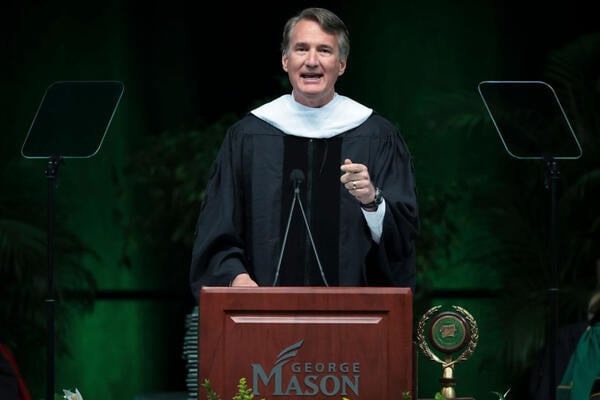
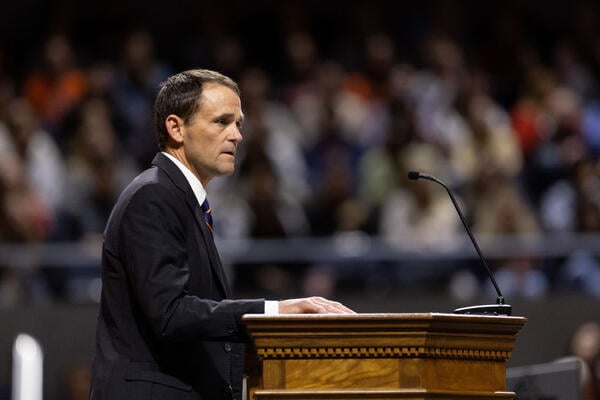




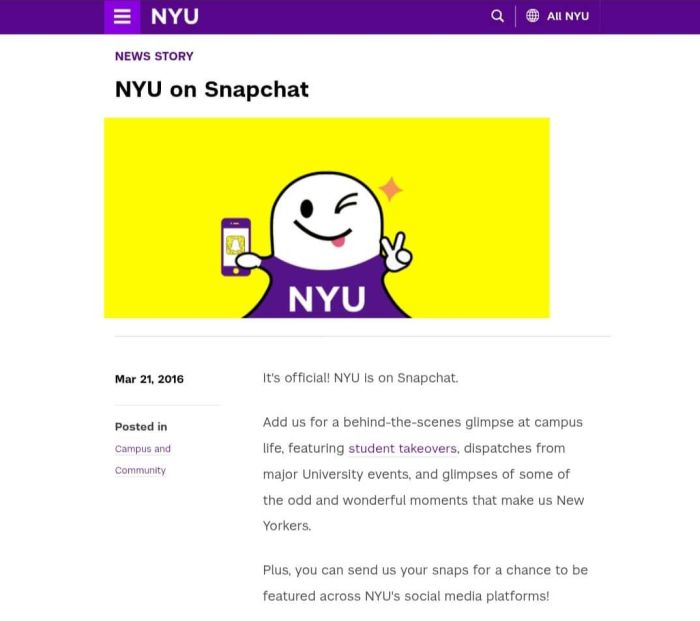
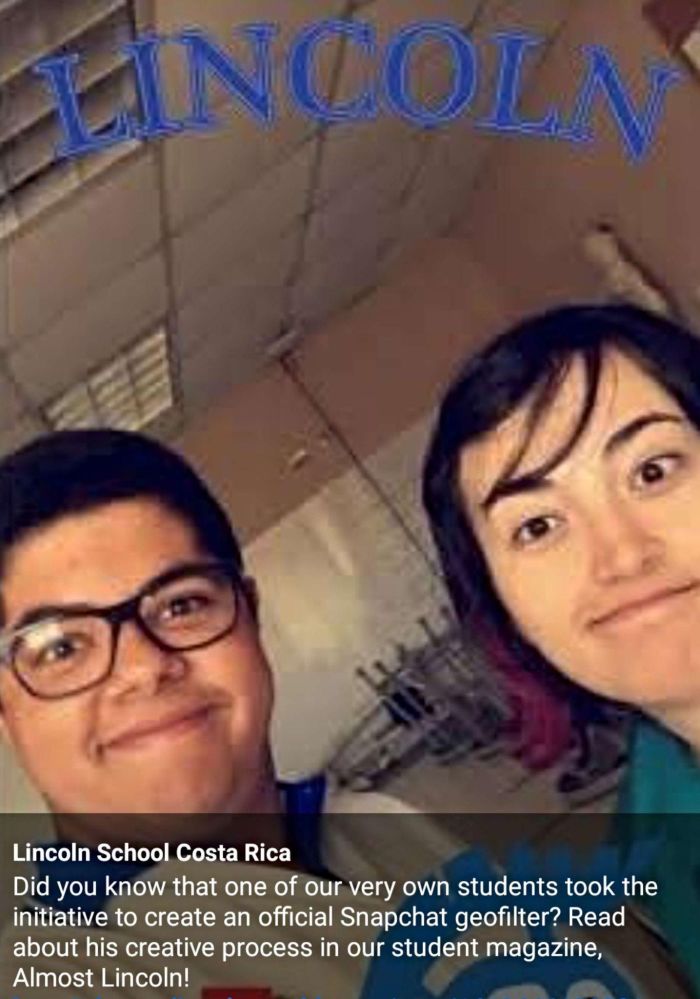

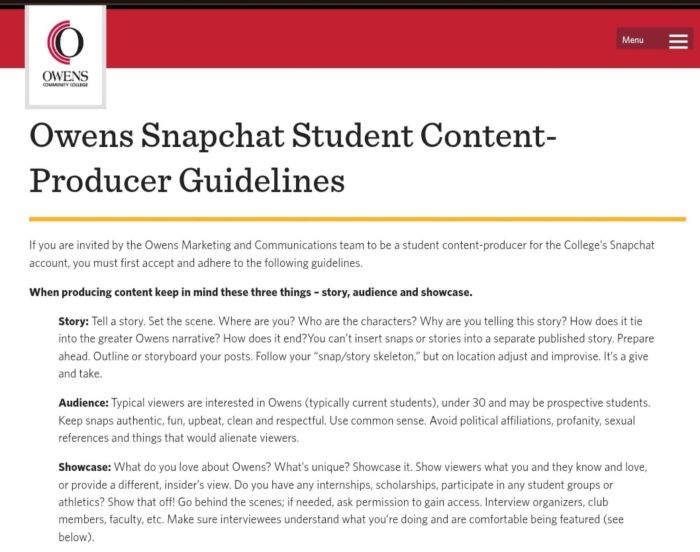
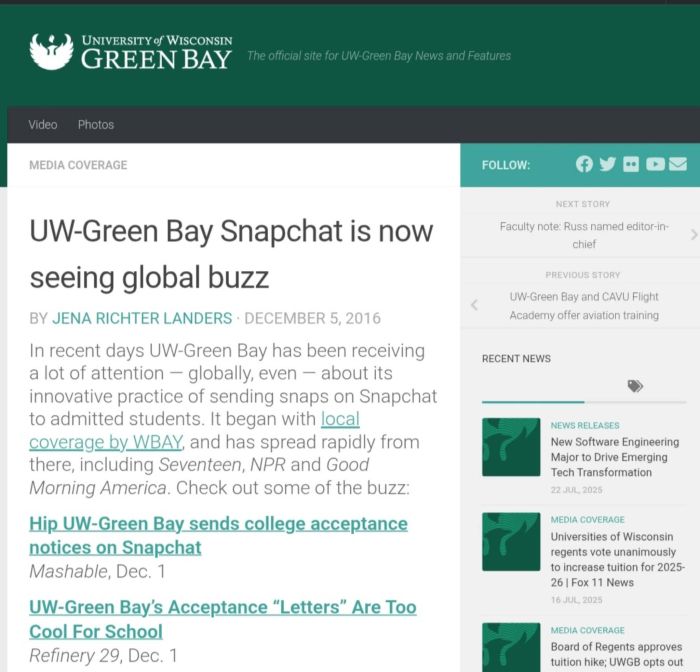
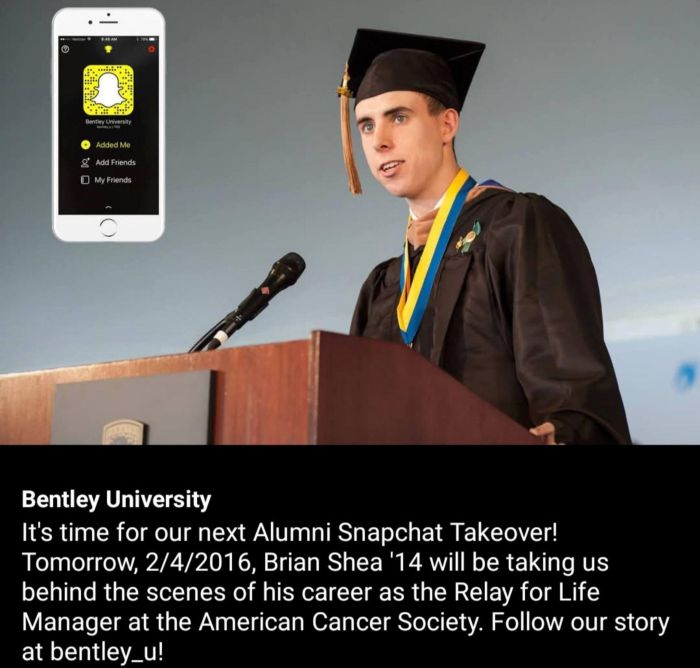





.png)