Author: admin

  • State Lawmaker Asks HHS to Investigate Texas A&M

    State Lawmaker Asks HHS to Investigate Texas A&M

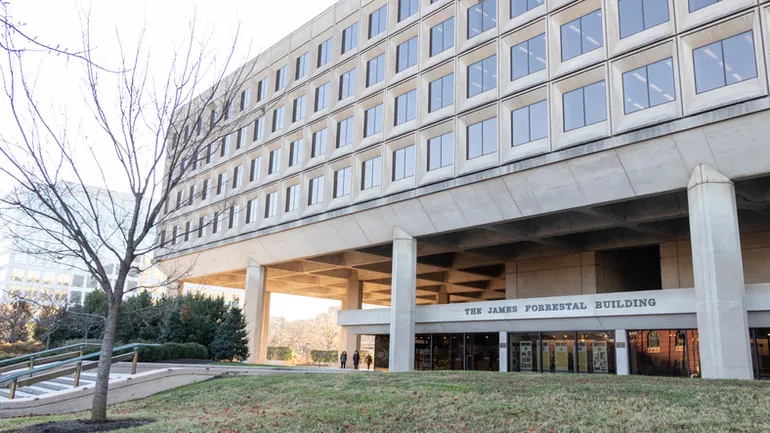
    Texas state representative Brian Harrison has asked the U.S. Department of Health and Human Services to investigate his alma mater, Texas A&M University, for allegedly engaging in “discriminatory” student recruiting practices, The Dallas Express reported.

    “In the state of Texas, government entities … should not be treating people differently based on anything other than merit,” Harrison told the outlet. “We have got to bring back a focus on meritocracy. And the president of Texas A&M brags about the fact that he’s doing it.”

    According to a May letter to HHS acting general counsel Brian Keveney that Harrison posted on X, Texas A&M president Mark Welsh had sent him a letter “admitting @TAMU is still engaged in DEI courses and discriminatory ‘targeted recruiting’ practices.”

    Welsh’s letter, which Harrison also included, criticizes the lawmaker for posting a video and other content online accusing the TAMU president of flouting the law.

    “Your comments accompanying the video imply that the university is doing something illegal by engaging in ‘targeted’ student recruitment efforts,” Welsh’s letter says. “You’ve also posted about student groups and academic courses, which, like recruiting activities, are specifically exempted in the bill. Since you voted in favor of the law, you must also be aware of those exemptions.”

    In his letter to Keveney, Harrison called Welsh’s defense—that Texas law does not explicitly ban targeted recruiting—“preposterous.” He asked HHS to “take any action[s] you or President Trump’s Task Force deem appropriate to ensure that Texas universities receiving federal funds are complying with the U.S. Constitution.”

    Harrison told The Dallas Express that HHS had received his letter and is “taking it and handling it appropriately.”

    Source link

  • The Brand Power of Licensing

    The Brand Power of Licensing

    For many colleges and universities, licensed merchandise has long been a quiet but steady source of revenue and brand visibility. From sweatshirts and baseball caps to water bottles and notebooks, these products not only generate income but also serve as walking billboards that boost school spirit and brand recognition far beyond campus.

    But lately, there’s been a shift. Higher ed marketers should be paying close attention to what’s happening in the licensing space, because the early warning signs of disruption are already here.

    Tariffs and Canceled Orders: A Brewing Storm

    Recent increases and uncertainty regarding tariffs on imported goods are driving up pricing for licensees to manufacture and import collegiate merchandise. With rising material, shipping and import costs, many licensees are reassessing their strategies. Some are choosing to cancel or reduce purchase orders, pulling back on riskier bets or deprioritizing smaller-volume schools in favor of top-tier brands with national visibility. Some are choosing to completely rebuild their supply chains, which involves changing product offerings, factory partners and source nations. Smaller-volume schools necessarily will be cut from some offerings as supply chains are rebuilt.

    For institutions outside the Power Four athletic conferences, that means your branded products may no longer be showing up on some store shelves for a while or may be offered in significantly reduced volume. Even for larger schools, the financial strain on licensees and the changes they need to make could lead to diminished SKU/style offerings, fewer special collections, slower product refreshes and reorders, and less innovation.

    The Impact on Brand Visibility and Affinity

    This isn’t just a revenue issue; it’s a brand issue. Licensed merchandise is one of the few marketing channels that turn fans, alumni and students into ambassadors. Today’s prospective students are tomorrow’s student body and future alumni and lifetime fans. When a fan or parent wears your school’s hoodie to the grocery store or a high school senior sees your logo in a retail window, that visibility reinforces your institution’s cultural presence.

    If fewer products are being made or if those products aren’t showing up in physical and digital storefronts, your brand presence shrinks. That affects more than just sales; it influences how connected your audience feels to your institution and has downstream negative impacts on enrollment, community involvement, donations and athletic support. These supply chain and licensee challenges are coming on the heels of significant COVID-related upheavals and before an anticipated nationwide enrollment cliff related to shrinking high school population.

    Why Marketing Leaders Should Get Involved

    Traditionally, licensing may live under auxiliary services or a separate business office. But as marketing leaders, we should be partnering more closely with licensing teams to ensure we have a full picture of how our brand is performing in the marketplace.

    Here are three steps marketing leaders can take now to mitigate the impact of this changing landscape.

    1. Re-Engage With Your Licensing Team

    Ask for a performance snapshot: How have royalties trended? Are specific categories, like youth apparel, tailgating gear or alumni merchandise, down or up more than others? What are your top-selling or worst-performing licensees and SKUs? Are there any retail partners you could work with to broaden their selection of licensed products?

    1. Evaluate Your Licensee Mix and Sourcing Strategy

    Encourage conversations about domestic sourcing options and alternative manufacturers with domestic production. If one of your primary partners is pulling back due to tariffs, there may be smaller or niche partners who are better equipped to weather the storm and innovate in response.

    1. Activate Your Community Through Storytelling

    If retail sales are contracting, consider how your marketing team can help drive traffic to official online stores or promote domestic-sourced direct-to-consumer efforts. Strategic storytelling such as featuring alumni-owned or local licensees or highlighting sustainable merchandise can align with institutional values while boosting sales.

    A Moment for Brand Resilience

    In higher ed, we often talk about resilience in terms of enrollment, endowment or curriculum. But brand resilience matters, too, and licensing is a key part of that equation. As market conditions tighten, schools that stay actively involved in their licensing strategy will have an advantage—not just financially, but reputationally.

    Now is the time to treat your licensing portfolio not as a passive revenue stream but as an extension of your brand strategy. The marketers who do will be best positioned to navigate the challenges ahead and emerge stronger.

    Jenny Petty is vice president, marketing communications, experience and engagement, and chief marketing and communications officer, and Denise “Goat” Lamb is chief licensing officer at the University of Montana.

    Source link

  • What more can we do? 

    What more can we do? 

    • Universities have a good record on civic engagement and driving economic growth. Lucy Haire, Director of Partnerships at HEPI, asks whether there is scope for doing more. 

    Just as singer Joan Armatrading pleads ‘what more can we do’ in her song ‘Flight of the Wild Geese’ from the 1978 war film The Wild Geese, higher education leaders — gathered at a recent roundtable dinner convened by the Higher Education Policy Institute (HEPI) and Lloyds Bank in Liverpool — echoed her sentiment as they grappled with mounting demands. 

    We took two of the Secretary of State for Education, the Right Honourable Bridget Phillipson’s five demands of universities, as set out in her November 2024 letter to university leaders, as our focus for the evening’s discussion. Phillipson urged higher education providers to ‘Make a stronger contribution to economic growth’ and ‘Play a greater civic role in their communities’, themes that Lloyds has explored at some length with partner PwC, culminating in their Drivers of Growth report launched at the University of Birmingham earlier this academic year. 

    Lloyds Banking Group regards higher education as a strategic priority, integrating it with a broad spectrum of regional regeneration initiatives. These efforts drive local development, nurture businesses connected to university ecosystems, and address critical needs such as housing, skills development, digital literacy and charitable support. Lloyds representatives spoke candidly about the significant financial pressures facing the UK higher education sector and highlighted their active role in developing institution-specific action plans. In addition, the Group has recently contributed to the Universities UK Efficiencies Taskforce, advancing another of the Secretary of State’s key priorities: the implementation of ‘a sustained efficiency and reform programme’ across the sector. 

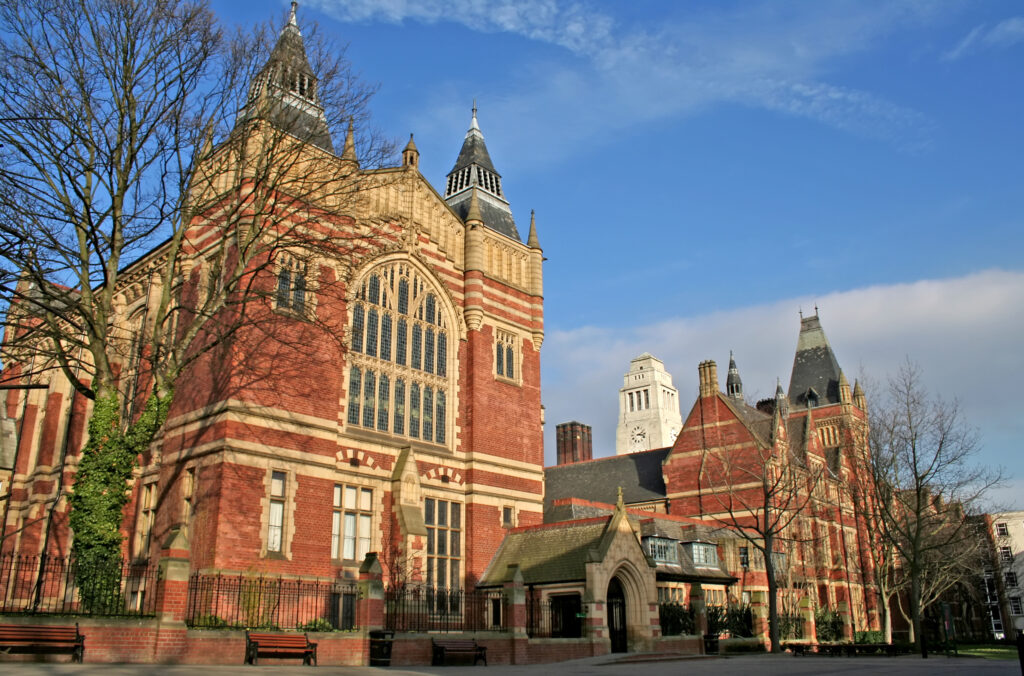
    A Russell Group university vice-chancellor reminded dinner guests that six civic universities — Birmingham, Liverpool, Manchester, Leeds, Sheffield, and Bristol — were founded in the first decade of the twentieth century and are often called the original ‘red brick’ universities, highlighting that the civic university concept is far from new. He expressed a preference for the term ‘place-based’ over ‘civic’ to describe his university’s mission, suggesting it better reflects a modern approach. While the concept wasn’t new, it was also pointed out that it hasn’t remained consistently fashionable – for example, Warwick University had deliberately not taken the name of its nearest city, Coventry, when it was established. 

    The vice-chancellor outlined the many ways his university supports the local region: as the area’s second-largest employer after the NHS, a major economic contributor, operator of an academy school and a recruiter of many students from disadvantaged backgrounds. The university’s turnover surpasses that of any Premier League football club, and it maintains formal partnerships with major multinational companies and local SMEs and start-ups, including university spin-outs. ‘Why are we seen as out of touch with the local community?’, he wondered. ‘What more can we do?’

    The conversation shifted to recent Government policy, with many expressing disappointment over the proposed immigration white paper —particularly its suggested levy on international students—which was seen as a greater setback for higher education than the latest Spending Review. The implicit answer to the persistent question of the night, ‘what more can we do’ when it comes to civic impact and economic growth, was that ‘we could do more with more favourable government policies’. The Government’s stated focus on economic growth drew attention to persistent issues: sluggish national growth since the 2008 financial crisis and chronic regional productivity gaps, even in major cities like Manchester and Liverpool. 

    Two senior university leaders from a small specialist institution and a large post-92 expressed doubt that the Lifelong Learning Entitlement (LLE) will deliver a step change in participation by mature learners. One said she thought the LLE’s design did not match well with the urgent priorities currently facing many institutions; the other said she could see little evidence of substantial demand.

    Several university leaders highlighted concrete initiatives that directly challenge the narrative that universities aren’t supporting their regions. Examples included student-run legal clinics providing millions of pounds’ worth of free legal advice to local residents, specialist support for businesses on decarbonisation, large-scale recruitment of students from disadvantaged backgrounds and substantial capital investment in regional development. A recent HEPI webinar with the UPP Foundation focused on similar student-led civic initiatives

    There was a consensus that, behind closed doors, the Government is far more appreciative of universities’ regional impact than public statements tend to suggest. One former vice-chancellor noted that transformative change led by universities often unfolds over two or three generations — progress rarely captured by short-term political agendas. Another leader observed that countries like China and those in Southeast Asia are much more vocal in championing their higher education sectors. Some around the table called for more third-party endorsements, while one colleague highlighted the significant export value of his practice-based institution, where a quarter of students are international. 

    A dinner guest with Whitehall experience remarked that government policy towards higher education often amounted to ‘benign neglect’. While the sector is valued, he argued, ministers are currently preoccupied with issues that matter to swing voters, particularly immigration, making universities an easy target in related policy debates. He suggested that to shift the negative narrative, the sector should place greater emphasis on the financial sustainability and broader impact of university research. A vice-chancellor added that universities are too often perceived as merely ‘big schools’: while more people understand their teaching role, far fewer appreciate the significance of their research. 

    The former government official also noted that the trend toward devolution and the emergence of combined mayoral authorities present a significant opportunity for higher education. Regional mayors and council leaders—regardless of political affiliation, including those from the fast-growing Reform party—are often strong advocates for their local universities. However, another guest pointed out that many institutions fall outside these combined authorities and therefore miss out on the benefits of mayoral champions. 

    Another attendee, who is researching the concept of civic universities alongside his university administration role, referenced the original Roman meaning of ‘civic’: citizens as active members of the community, expected to uphold behaviours that sustain a functioning society. He observed that American culture has historically embraced this ethos, extending it to democratic ideals. The conversation shifted to the recent ‘war on universities’ led by President Trump, with several guests observing that events in the US underscore the need for UK universities to speak with a unified voice about their societal value. As the discussion drew to a close, the lyrics from the final lines of Armatrading’s song resonated: ‘Now madness prevails, lies fill the air. What more, what more, what more can we do?’ 

    The evening concluded with a shared recognition of the need for long-term, place-based stewardship under strong and visionary leadership. 

    Source link

  • Universities struggle to recognise leadership beyond the academic template

    Universities struggle to recognise leadership beyond the academic template

    In the shifting terrain of higher education, the figure of the “pracademic” has become increasingly prominent.

    Straddling the worlds of theory and practice, pracademics bring external insight into the academy along with a restlessness about how knowledge is produced, shared, and valued.

    They offer universities the opportunity to widen their epistemic horizons, but in doing so, they expose the inherent tensions in how academic leadership is defined and performed.

    The rise of the pracademic

    Pracademics rarely fit the established leadership templates; instead, they model heterodox approaches, navigating ambiguity, drawing from diverse methodologies, and unsettling conventional hierarchies. Arguably, this is not an accidental disruption, but a generative one. Pracademics challenge the orthodoxy of university life, and in doing so, they invite us to rethink the paradoxes that shape leadership in higher education.

    As institutions seek to embrace diversity and interdisciplinarity, many still struggle to accommodate those whose career paths have not followed the traditional orthodox academic trajectory.

    For second-career academics and pracademics, leadership can feel like swimming against the tide. Their experience and outlook can enrich higher education, but too often their value is under-recognised and under-leveraged. To lead in a heterodox community of contradictions, we must not only tolerate difference but structure our systems to nurture and embed it.

    This leads to the question: are today’s universities ready for leaders who do not fit the mould? As Jill Dickinson and colleagues noted in a Wonkhe article, some academics are seen as more proper than others.

    Not fitting the mould

    University ecosystems are not tidy places. They are heterodox ecosystems populated by the idiosyncratic, the idealistic, the quietly radical, the wildly inconsistent. This is perhaps their greatest strength, but also perhaps their greatest challenge.

    For those of us asked to lead within these environments, the traditional managerial playbook may not suffice. Our colleagues are not staff in the conventional sense. They are academics and professionals, each with their own epistemologies, rhythms, and values.

    It may be tempting to assume there are defined academic personalities. A shorthand often emerges: the aloof theorist, the star researcher, the endlessly enthusiastic educator. But these caricatures are too narrow. In reality, we work alongside colleagues who are motivated by very different things. Autonomy, impact, status, security, social justice, or simply the deep and personal satisfaction of learning. Some are collaborative; others prefer to work in isolation. Some want to change the world; others just want to understand it. To lead effectively in this landscape is not to standardise, but to navigate. Thoughtfully, deliberately, and with care.

    Increasingly we share this space with those whose paths into academia were far from linear. As a self-identified pracademic, I followed that linear progression, culminating in a PhD in entrepreneurship in my mid twenties before taking a right turn and transitioning into a career in industry and consultancy. Re-entering the academy many years later, I found myself in an environment which confused, frustrated and excited in equal measure. A world that both welcomed and resisted difference. As a pracademic I sought to blend my experience of industry with my academic credentials and apply this to teaching and scholarship. I thought this would be a straightforward career move, but it has been less than easy. I am not alone in this. I have several colleagues who have travelled similar paths. This is not a new phenomenon, and is highlighted in a previous Wonkhe article by Jacqueline Baxter.

    Where do pracademics fit?

    The academy is not against us; it simply does not yet know how to include us. And at times, we are not sure how to include ourselves. Recruitment, induction and promotion systems often presume conventional trajectories and narrow definitions of success. CVs weighted towards delivery, leadership and impact can sit awkwardly alongside expectations for peer-reviewed outputs and theoretical depth.

    The result is unease.

    Heterodox colleagues from non-traditional backgrounds are welcomed for their distinctiveness but expected to assimilate. Over time, they become weary; their fresh perspective blunted by institutional habits. And so we risk losing them. Or worse, we fail to attract pracademics in the first place.

    This would represent not only a loss of individual talent, but arguably it is a structural failure to evolve. In an era that prizes engagement, interdisciplinarity and real-world relevance, universities cannot afford to cling to a single model of academic identity. Heterodox colleagues are not silver bullets, but they are essential to the richness and resilience of the sector.

    The compliance trap

    Despite the diversity of perspectives and epistemologies, our systems often reward sameness; uniformity in careers, outputs and leadership behaviours. Interdisciplinarity is celebrated rhetorically but stifled procedurally. Innovation is encouraged but only when it conforms to measurable outcomes. Leadership frameworks borrowed from corporate life bring useful tools, but they are not neutral.

    These models often fail to accommodate heterodox approaches, undervaluing forms of leadership that thrive on difference, improvisation, and autonomy. Performance metrics and standardised objectives often marginalise the creative, the hybrid and the experimental.

    If we value diversity and heterodoxy, we must accept that excellence takes many forms: some measurable, others intuitive; some harmonious, others deliberately disruptive. We need frameworks that flex, processes that adapt, and cultures that embrace the very contradictions they generate.

    Herein lies the paradox: universities demand diversity to survive, yet they reward conformity to preserve reputation. They seek innovation but measure it through established norms. This tension is not a flaw, rather it is the condition of the heterodox university. The question is whether our leadership structures are capable of holding that contradiction.

    This reflects the recent call for a new leadership framework in HE, to address the shifting landscape, the advancements in technology, social and regulatory change. Leadership “is now a crucial component in the higher education sector’s efforts to successfully navigate current challenges”.

    Leading with empathy

    So what might leadership look like in this context? It means creating the conditions in which individuals can flourish. It is stewardship not control. It involves being comfortable with ambiguity and openness to challenge. It involves intellectual empathy: understanding how colleagues think, not only what they do and recognising the inherent value in other academics. It is about creating the conditions in which others can flourish, even when their values or methods differ from our own.

    University leadership can carry a heavy emotional load. The balance of advocacy with accountability; innovation with institutional demands; scholarship with scheduling. We were not trained for this; we stepped in because we care. We want to fix what frustrates us; to create space for ideas; to support people we believe in. Through listening we discover a form of leadership that builds a shared capacity and nurtures potential even in those who are manifestly different from ourselves.

    Permission to lead differently

    In spite of all the challenges, there is real opportunity. The best leaders I have worked with were not necessarily the most strategic or the most visible. They were the ones who listened well; who noticed when someone was struggling; who quietly, or even loudly, championed a good idea even when it wasn’t their own. They had the confidence to admit when they did not know the answer to something, and the humility to let others shine.

    Leadership of this kind may be less celebrated in glossy strategy documents, but it is deeply generative.

    We need, perhaps, to give ourselves permission to lead differently. To resist the false dichotomies. To stop trying to fix people and instead start asking what might enable them. To see conflict and contrast not as a threat, but as evidence of a living, thinking, thriving, modern institution. Above all, we must remind ourselves that leadership is not something done to others, it is something enacted with them.

    This is not leadership as compliance. It is leadership as contribution. And it is time we gave ourselves permission to practise it.

    Source link

  • Creative higher education isn’t a skills pipeline, it’s a cultural force

    Creative higher education isn’t a skills pipeline, it’s a cultural force

    Creative education is not a conveyor belt. It’s a crucible.

    In the UK’s industrial strategy, the creative industries are rightly recognised as a pillar of national growth. But this recognition comes with a familiar risk: that education will be seen merely as a supplier of skills, a passive pipeline feeding talent into pre-existing systems.

    This is a pervasive attitude, which so strongly influences the possibilities for students, they can be anxious about being “industry ready” before they’ve had the chance to explore or define fully what kind of practitioners they want to become. This is a reductive view and one we must resist. Creative higher education is not a service department for industry. It is a cultural force, a site of disruption, a collaborator and a generator of futures not yet imagined.

    Partners not pipelines

    Creative education does not simply serve industry – it co-shapes it. Our job is not just to deliver talent into predefined roles, but to challenge the boundaries of those roles altogether. We cultivate new forms of knowledge, artistic practice, and cultural leadership. As Michael Salmon has noted, HE’s relationship with the industrial strategy needs rethinking – we think especially in fields where “skills” are not easily reduced to training targets or labour force projections. Education is not just about plugging gaps; it’s about opening space for new kinds of thinking.

    Christa van Raalte and Richard Wallis have called for “a better quality of conversation” about the skills agenda in screen and creative sectors. Their point that simplistic, linear approaches to “skills gaps” are not fit for purpose should land hard within our own walls too. We need a better quality of conversation around the creative skills agenda. Narrow, supply-side thinking is not only reductive, it risks cutting off the very dynamism on which the industry depends.

    Our graduates don’t only “enter” the creative industries. They redefine them. They found new companies, invent new formats, challenge power structures, and expand what stories get told and who gets to tell them. To conceive of specialist creative HE as mainly a workforce provider is to misunderstand its essence. Our institutions are where risk-taking is possible, where experimentation is protected, and where the creative freedoms that industry often cannot afford are made viable.

    Resistance from within

    The danger isn’t just external. It’s internal too. Even within our own institutions, we sometimes absorb the language and logic of the pipeline. We begin to measure our worth by the requirement to report on short-term employability statistics. We are encouraged by the landscape to shape curricula around perceived “gaps” rather more than emerging possibilities. The pressure of metrics, league table and reputation help us to believe that our highest purpose is to serve, rather than to shape.

    This internalisation is subtle and corrosive. It narrows our vision. It makes us reactive instead of generative. And it risks turning spaces of radical creativity into echo chambers of industry demand. It is a recipe for sameness and status quo, a situation many call to change.

    We must be vigilant. We must ask ourselves: are we designing education for the world as it is, or for the world as it could be? Are we opening access, nurturing the disruptors, the visionaries, the cultural architects — or only the job-ready?

    When creative institutions start to measure their value predominantly through short-term employability metrics, or shape curriculum mainly around perceived industry gaps, we lose the distinctiveness that makes us valuable in the first place.

    We risk:

    • Designing education around current norms, not future needs
    • Prioritising technical proficiency over critical inquiry
    • Favouring students most likely to succeed within existing structures, rather than supporting those most likely to change them

    If we define our purpose only in terms of industry demand, we abandon much responsibility.

    From pipeline to ecosystem

    What we need is a new compact: not “education as service provider,” but “education as ecosystem partner.” A pipeline feeds. An ecosystem nurtures, nourishes and grows.

    This approach:

    • Recognises specialist creative HE as a site of research, innovation and values-driven practice
    • Treats industry as a collaborator, not a master – collaboration is especially present in research activity and creative projects led by industry professionals
    • Encourages co-creation of skills agendas, not top-down imposition
    • Embraces long-term thinking about sector health, sustainability, and inclusion – not just short-term workforce readiness

    The creative economy cannot thrive without imagination, critical thinking, inclusion, and cultural complexity; all things specialist institutions are powerfully placed to nurture. But this can only happen if we reject limiting narratives about our role. The industrial strategy may frame education as an economic lever to support the growth in the creative industries, but we must resist being reduced to a lever alone. Meeting the opportunities in the strategy is both an invitation to engage with sector needs, help shape the future and a challenge to the cultures of training, pedagogy and research whose long roots exercise power in specialist HE.

    If we want to protect and evolve the value of creative higher education, we must speak with greater clarity and confidence to government, to industry, and to ourselves. This is not about resisting relevance or rejecting partnership. It’s about ensuring that our contribution is understood in full: not only as a supply chain, but as a strategic and cultural force.

    Importantly, we must acknowledge that our graduates are not just contributors to the UK’s creative economy – they are cultural ambassadors on a global stage. From Emmy, Oscar and BAFTA winning actors to internationally celebrated designers, technical artists, writers and directors (and so much more) UK-trained creatives shape discourse, aesthetics, and industries across the world. To frame their education in purely national economic terms is to limit its scope and power.

    Because the purpose of creative education isn’t just to help students find their place in the industry. It’s to empower them – and us – to shape what that industry becomes.

    Source link

  • How Trump is deploying multiple agencies to set education policy

    How Trump is deploying multiple agencies to set education policy

    This audio is auto-generated. Please let us know if you have feedback.

    The Trump administration is tapping agencies other than the U.S. Department of Education to implement its agenda in colleges and K-12 schools, sometimes circumventing typical rulemaking procedures that would allow districts months to give feedback on and prepare for policy changes before they roll out. 

    The use of other agencies to set or enforce education policy marks a significant shift from typical K-12 policymaking, some education policy experts say. 

    “This is a paradigm shift on the part of how the federal government articulates and connects some of these tools to their education priorities,” said Kenneth Wong, a professor of education policy at Brown University. “So I think going forward, we might be seeing broader use of this wider range of policy tools in the area of education policy changes.” 

    This month, for example, a policy change from the U.S. Department of Energy could take effect that would undo some students’ protections related to sex discrimination under Title IX, disability discrimination under Section 504 and racial discrimination under Title VI. 

    The changes would only apply to colleges receiving Energy Department funds, as opposed to public institutions nationwide — which would have been the case had the rules come from the Education Department. The Energy Department provides over $2.5 billion in research funding to more than 300 colleges annually. The agency also distributed just over $160 million to 28 schools in fiscal year 2025, according to department spokesperson Ben Dietderich.

    As a result of the quietly proposed policy changes, colleges receiving Energy Department grants would no longer, among other things:

    • Be required to facilitate noncontact sports team tryouts for women if there is no equivalent women’s team. For example, if a college had a men’s baseball team but no women’s softball team, women would no longer be guaranteed the opportunity to try out for a spot on the men’s baseball team.
    • Be permitted to proactively “overcome the effects of conditions that resulted in limited participation therein by persons of a particular sex.” This would remove protections that allow schools to have gender-conscious after-school or college programs to provide women and girls opportunities they have historically been denied, such as in STEM fields and technical training, according to Shiwali Patel, senior director of Safe and Inclusive Schools at National Women’s Law Center and a Title IX attorney.  
    • Be required to prevent systemic racial discrimination that may result from seemingly neutral policies, as a result of the department rescinding guardrails protecting against policies that cause a “disparate impact” on underserved students. Disparate impact investigations have previously addressed issues such as Black students being disciplined at higher rates than students of other races.  

    The agency issued the policy changes through a process called direct final rulemaking, which allows it to issue a rule without going through the rulemaking process twice to incorporate changes based on public feedback and publish a final version. The expedited process is usually used for noncontroversial changes and when an agency does not expect significant pushback.

    The rules are to take effect July 15 as long as no “significant adverse comments” were received by June 16. Dietderich did not respond as to whether the agency received significant adverse comments.

    However, a review of some publicly available comments show that the direct final rules — posted May 16 — have been controversial, with multiple civil rights organizations explicitly telling the Energy Department they are submitting “significant, adverse” comments for its review.

    Other agencies launch civil rights investigations and enforcement

    The Energy Department situation isn’t the first time the Trump administration has deployed agencies other than the Education Department to set or enforce education policy. In fact, the administration has used the departments of Justice, Agriculture, and Health and Human Services over the past few months to investigate sex and race discrimination at schools and enforce compliance. 

    The administration notably used these agencies in an unprecedented investigation into the Maine Department of Education, spurred by a public disagreement between President Donald Trump and Maine Gov. Janet Mills, a Democrat, over the state’s athletic policy allowing transgender athletes on women’s and girls’ sports teams. 

    That dispute kicked off a string of Title IX investigations by several federal agencies that provide funds to Maine. 

    They included a four-day probe launched by HHS. And because HHS rather than the Education Department conducted the probe, it didn’t have to follow the standards spelled out in the Education Department’s Office for Civil Rights case processing manual. That manual ensures the Education Department conducts investigations according to certain timelines, for example, allowing up to 90 calendar days for negotiations to take place and 10 days for schools or states to sign onto a resolution agreement. 

    In addition, the U.S. Department of Agriculture froze funds to some of the state’s schools over the Maine Department of Education’s alleged Title IX violations. 

    USDA, alongside other federal agencies, will continue to pause and, where appropriate, terminate categories of education programming in Maine if these Title IX violations are not resolved to the satisfaction of the Federal Government,” said an April 2 letter from Agriculture Secretary Brooke Rollins to Mills. 

    A court order eventually overturned the USDA funding freeze as part of an agreement struck in May between Maine and the USDA. 

    Source link

  • SCOTUS Allows Mass Layoffs at Education Department

    SCOTUS Allows Mass Layoffs at Education Department

    Photo illustration by Justin Morrison/Inside Higher Ed | Tierney L. Cross/Getty Images | Matveev_Aleksandr and raweenuttapong/iStock/Getty Images

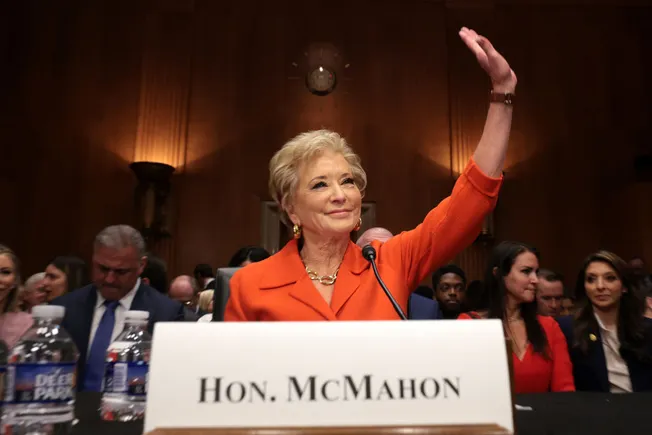
    The Supreme Court gave Education Secretary Linda McMahon the go-ahead Monday to proceed in firing half the department’s staff and transferring certain responsibilities to other agencies.

    The unsigned, one-paragraph order does not explain why a majority of justices decided to overturn a lower court injunction that an appeals court upheld. It did, however, explain that the injunction will remain blocked as lawsuits challenging mass layoffs at the department continue. The high court order represents a major step forward in President Donald Trump’s effort to dismantle the 45-year-old agency.

    “Today, the Supreme Court again confirmed the obvious: the President of the United States, as the head of the Executive Branch, has the ultimate authority to make decisions about staffing levels, administrative organization, and day-to-day operations of federal agencies,” McMahon said in a statement about the decision. The department will now “promote efficiency and accountability and to ensure resources are directed where they matter most—-to students, parents, and teachers.”

    The American Federation of Government Employees, the union representing the department’s staff, said the ruling was “deeply disappointing” and would allow the Trump administration to continue implementing an “anti-democratic” plan that is “misalign[ed] with the Constitution.” Sheria Smith, president of AFGE Local 252, added that just because McMahon can dismantle the department, that doesn’t mean she has to.

    “Let’s be clear,” Smith wrote, “despite this decision, the Department of Education has a choice—a choice to recommit to providing critical services for the American people and reject political agendas. The agency doesn’t have to move forward with this callous act of eliminating services and terminating dedicated workers.”

    The original ruling from a Maryland district judge required McMahon to reinstate more than 2,000 employees who were laid off in March. (As of July 8, 527 of those employees had already found other jobs.)

    Higher education policy advocates and laid-off staffers warned that the department was already struggling to keep up with the overload of civil rights complaints and financial aid applications. With half the workforce, they said, fulfilling those statutory duties would be nearly impossible.

    In addition to the layoffs, the lower court order prevented McMahon from carrying out Trump’s executive order to close the department to the “maximum extent appropriate and permitted by law.” Department officials later revealed in court filings that the order blocked a plan to send funding for career and technical education programs to the Department of Labor.

    The departments reached an agreement in May regarding the CTE programs, but neither said anything about it publicly. CTE advocates worry that putting Labor in charge of about $2.7 billion in grants could sow confusion and diminish the quality of these secondary and postsecondary career-prep programs. Others see the shift as the beginning of the end of the Education Department. Democrats in Congress have objected to the plan, which can now move forward.

    After news of the Supreme Court order dropped Monday, education policy experts sounded the alarm and took issue with the lack of explanation.

    “The president can’t close down ED by fiat but Congress and SCOTUS sure can facilitate it,” Dominique Baker, an associate professor of education and public policy at the University of Delaware, wrote on BlueSky.

    Daniel Collier, an assistant professor of higher education at the University of Memphis, also chimed in, asking, “Am I in the minority by believing that all SCOTUS rulings should have a well detailed and written rationale attached and there should be no exceptions?”

    The Supreme Court’s order included a scathing 18-page dissent from Justice Sonia Sotomayor. Justices Ketanji Brown Jackson and Elena Kagan joined in full. Sotomayor noted that the department plays “a vital role” in the nation’s education system by “safeguarding equal access” and allocating billions of dollars in federal funding. Knowing this, she added, “only Congress has the power to abolish the department.”

    “When the executive publicly announces its intent to break the law, and then executes on that promise, it is the judiciary’s duty to check that lawlessness, not expedite it,” Sotomayor wrote. “Two lower courts rose to the occasion, preliminarily enjoining the mass firings while the litigation remains ongoing. Rather than maintain the status quo, however, this court now intervenes, lifting the injunction and permitting the government to proceed with dismantling the department. That decision is indefensible.”

    Others, however, said the Supreme Court made the right call.

    “There is nothing unconstitutional about the executive branch trying to execute the law with fewer people, which is what the Trump administration is doing,” said Neal McCluskey, director of the Center for Educational Freedom at the Cato Institute, a libertarian think tank, who also contributed an opinion piece to Inside Higher Ed today. If the Trump administration wanted to eliminate the Department of Education unilaterally, he said, “It would have fired everyone. Not only did it not do that, but members of the administration have stated that it is ultimately Congress that must eliminate the department.”

    Source link

  • Supreme Court green-lights Education Department layoffs

    Supreme Court green-lights Education Department layoffs

    This audio is auto-generated. Please let us know if you have feedback.

    The U.S. Supreme Court on Monday allowed the Trump administration to proceed with laying off nearly half the U.S. Department of Education’s staff — a significant victory for the administration’s mission to dissolve the department to the greatest extent possible. 

    The decision in New York v. McMahon green-lights the department’s reduction in force initiated in March as the original question of the layoffs’ legality works its way through the lower courts. The layoffs closed department offices and spurred concerns from public school advocates that the education system would descend into chaos with little federal oversight. 

    The Monday order allowing the reduction in force to continue was met with dissent from liberal justices Sonia Sotomayor, Elena Kagan and Ketanji Brown Jackson, who called the majority’s decision “indefensible” in their 18-page dissent. 

    “When the Executive publicly announces its intent to break the law, and then executes on that promise, it is the Judiciary’s duty to check that lawlessness, not expedite it,” they said. 

    U.S. Secretary of Education Linda McMahon, who was tasked with shutting down the department to the greatest extent “permitted by law,” celebrated the decision.

    “Today, the Supreme Court again confirmed the obvious: the President of the United States, as the head of the Executive Branch, has the ultimate authority to make decisions about staffing levels, administrative organization, and day-to-day operations of federal agencies,” McMahon said in a statement.

    Until now, the department’s RIF had left staff — who were technically still employed but had been on administrative leave since March — in limbo. The Trump administration had planned to lay off employees June 9, but U.S. District Judge Myong Joun ruled in May that the layoffs left the department as “a shell of itself” and required that staff remain employed in a preliminary injunction.

    The layoffs leave the department with only about 2,183 employees out of its previous approximately 4,133.

    “A department without enough employees to perform statutorily mandated functions is not a department at all,” Joun wrote. In a separate case, the same judge last month also ordered that the department’s Office for Civil Rights be restored to its former self.

    Joun’s May order required the department to routinely report to the district court the steps it was taking to restore its staff — which it did by sending out multiple surveys to employees on administrative leave as a way of “actively assessing how to reintegrate you back to the office in the most seamless way possible.” At the same time, the department was appealing its case to the Supreme Court, hoping its RIF would be allowed through.

    The Monday order from the Supreme Court means those employees can be terminated even as the case over the legality of the layoffs proceeds in the lower court.

    The Supreme Court’s decision to allow the layoffs was preceded by another decision from the high court in April that also bolstered the Trump administration’s attempts to close the department. That ruling maintained a freeze on over $600 million in teacher training grants that the administration called “divisive.”

    It also follows a Supreme Court decision last week allowing mass terminations to move forward across other federal agencies.

    Are statutory obligations impacted?

    The department argued that depleting its staff by almost half — including closing down civil rights offices and leaving only a handful of employees in the office that administers the National Assessment of Educational Progress — does not impact its statutory obligations. McMahon has told concerned lawmakers that NAEP is administered through contracts that remain in place.

    In the meantime, however, former employees and Democratic lawmakers allege the department has already missed key deadlines on tasks that are required by law, and that no one remains in place to oversee the contracts and ensure the quality of the work.

    The annual Condition of Education report, for example, was due to Congress by June 1 — an obligation that the department missed “for the first time ever,” according to Sen. Patty Murray, D-Wash.

    Source link

  • Reputation Is Revenue: Why Brand Equity Matters in Higher Ed

    Reputation Is Revenue: Why Brand Equity Matters in Higher Ed

    If you’re a university leader today, you’re juggling a lot: enrollment challenges, tightening budgets, shifting student expectations, and the rise of non-traditional competitors. Amid all this, one asset might not be getting the attention it deserves — your university’s brand.

    No, not just your logo or tagline. We’re talking about brand equity — the value your institution holds in the minds of students, parents, alumni, faculty, employers, and the public. It’s about reputation, trust, recognition, and connection. And in a competitive market, it matters now more than ever.

    What is brand equity in higher education?

    Think of it this way: Brand equity is what people think and feel when they hear your university’s name. It’s the difference between being someone’s first-choice school versus just another option.

    It shows up in the pride alumni feel when they wear your sweatshirt, the confidence prospective students have when they see your graduates succeed, and the trust employers place in your credentials. It’s shaped by every experience — from the way your website tells your story, to how your faculty engage in the classroom, to the tone of your communications during a crisis.

    It’s what drives alumni to give, students to enroll, and faculty to choose you over other institutions. When a university has strong brand equity, people trust it, recognize it, and feel loyal to it. That kind of reputation can spark a ripple effect of positive influence across an entire institution.

    Understanding the impact of brand equity across an institution

    Brand equity touches every dimension of institutional life, influencing how people experience, perceive, and engage with your university across the student and stakeholder journey. Let’s take a look at its impact in six key areas.

    1. Enrolling new students

    Choosing a college is a huge decision for students and their families. Today’s students are more informed than ever and expect an institution that’s respected, innovative, and committed to their success.

    That’s where your brand can make an impact. If your university has a strong, positive reputation, you’re more likely to make their shortlist. Schools with solid brand equity are seen as high-quality, forward-thinking, and worth the investment, which makes all the difference in a world where competition is fierce and the landscape is changing fast.

    2. Attracting top faculty

    It’s not just students who care about a school’s reputation — faculty and academic leaders do too. A strong, well-respected brand sends a clear message: This place is serious about excellence, values academic freedom, and encourages innovation.

    It’s not just about prestige — top talent also wants to be somewhere that fosters genuine, supportive relationships with students. A respected brand signals a vibrant academic culture where everyone’s invested in each other’s success.

    3. Fostering alumni pride

    When a university has strong brand equity, it’s not just about reputation — it’s about the sense of pride and connection it creates. Alumni who feel proud of their alma mater are more likely to stay involved, whether that means attending events, volunteering, or giving back financially.

    A strong brand also helps foster a lasting sense of community and belonging well beyond graduation. In short, when your brand is trusted and respected, alumni remain engaged — and they’re more likely to support the institution not only with their resources but by recommending it to future students within their networks.

    4. Securing strategic partnerships

    Whether you’re aiming to partner with major companies, secure government grants, or build global collaborations, having a strong brand can be a significant factor. Organizations want to work with universities they respect, trust, and recognize as leaders in their field.

    When your university’s brand is strong and clear, opportunities that are imperative to your institution open up more quickly. Meanwhile, lesser-known schools often struggle to get noticed. Building a strategic and strong brand is your best way to stand out and secure meaningful partnerships that benefit your students and your bottom line.

    5. Staying resilient amid market disruption

    Higher education is under pressure from various directions shifting demographics, financial constraints, and evolving expectations. A strong brand is essential to stay resilient and relevant.

    When controversy, crises, or big changes hit, your brand becomes your safety net. People are far more likely to give you the benefit of the doubt if they already respect and trust you. That reputation can be the difference between weathering the storm and facing long-term damage.

    6. Boosting visibility through rankings

    While rankings aren’t everything, they do influence perception. Many ranking systems factor in peer reputation, which is directly tied to your brand. The same goes for media coverage. The stronger your brand, the more likely you are to be recognized as a thought leader and trusted voice in the field.

    Ready for a Smarter Way Forward?

    Higher ed is hard — but you don’t have to figure it out alone. We can help you transform challenges into opportunities.

    Practical tips for building brand equity that lasts

    University leaders can’t afford to view brand as merely a marketing function— it’s so much more than that. Brand must be seen as a strategic asset embedded in everything from big-picture planning to day-to-day decisions. It’s part of how you attract students, build partnerships, and earn trust.

    So how can you turn brand equity into a competitive advantage for your institution? Here are a few key moves to get started:

    1. Know what you stand for

    Start with a clear sense of who you are and what makes your school unique. What do you want people to feel when they think of your institution? Your brand promise should reflect your values, vision, and personality — and it should feel real, not like something cooked up in a boardroom.

    2. Take time to truly know your audience

    What matters most to your students, parents, alumni, and faculty? What are they proud of, and what do they wish were better? Take time to listen — through surveys, conversations, and social media — and use those insights to shape your strategy and message.

    3. Tell one clear, consistent story

    Your brand shows up everywhere: your website, your campus tours, your social media posts, even how your staff answers the phone. Make sure that story feels authentic, easy to understand, and consistent across every touchpoint. Developing comprehensive brand guidelines, share them widely across the institution, and conduct regular audits to ensure every touchpoint reinforces a unified, memorable experience for all audiences.

    4. Get your people involved

    Your brand isn’t just a logo — it’s how people talk about your institution and the trust they place in it. That means faculty, staff, students, and alumni all have a role to play. Keep them in the loop, give them the tools to share your story, and make them feel like part of the bigger picture. Want to get more people talking about — and proud of — your school? Make it easy for them. Share what’s happening through newsletters and social media and provide your community with tools that help them show off their connection. When faculty, staff, students, and alumni feel informed, celebrated, and included, they’re more likely to stay engaged — and more likely to brag about being part of your institution.

    5. Make sure the experience matches the message

    If you’re promising innovation, inclusivity, or career readiness, you better be delivering that on campus, in the classroom (both online and in person), and beyond. Brand equity grows when expectations match real experiences. That’s why creating a seamless website experience is so important — it directly impacts how much trust students place in your institution and it’s offerings.

    6. Get the word out (strategically)

    Raising awareness isn’t just about marketing louder — it’s about marketing smarter. Use the right mix of channels, from digital ads and social media to speaking opportunities for university leaders. And don’t forget about earned media and storytelling that highlights real student success. Do this by building a strategic content plan that aligns messaging across platforms, targets the right audiences, and consistently showcases the impact your institution makes.

    7. Keep a pulse on your reputation

    What are people actually saying about your school? Check in regularly using surveys, online reviews, social listening, and even informal feedback. This will help you spot issues early and see what’s working.

    8. Be prepared to evolve

    Higher ed is changing fast, so your brand needs to be flexible. Stay grounded in your core values, but be open to shifting your tone, visuals, or messaging as your audience and the world around you change.

    Build a brand with a lasting legacy and immediate impact

    In an age of increasing competition and shifting student expectations, brand equity is no longer a luxury — it’s a leadership priority. With students having endless options, donors getting more selective, and reputations spreading instantly, your brand equity can be a serious competitive edge.

    Investing in a strong, authentic, and trusted brand can lay the foundation for long-term success. The institutions that thrive in the years ahead will be those that treat their brand as a central part of their overall strategy instead of a marketing afterthought.

    Because in higher ed, your brand isn’t what you say it is — it’s what people believe it to be. And that belief? That’s your brand equity.

    Ready to strengthen your institution’s brand equity? Explore how a strategic marketing approach can help you stand out and thrive. Let’s talk!

    Innovation Starts Here

    Higher ed is evolving — don’t get left behind. Explore how Collegis can help your institution thrive.


    Source link

  • NZ debuts growth plan as it eyes 35k more international students

    NZ debuts growth plan as it eyes 35k more international students

    • New Zealand relaxes some immigration rules – including upping the number of hours overseas students can work outside of their studies – in its bid to attract more international students
    • Immigration New Zealand unveils ambitious plan to tempt 35,000 more international students to the country by 2034
    • Government shines light on economic benefits of international education, but says it will keep an eye on education quality and the impact on local communities as the sector grows

    The New Zealand government has launched the International Education Going for Growth plan, as part of its broader strategy to increase international student enrolments from 83,700 in 2024 to 119,000 by 2034, and double the sector’s value from NZ$3.6 billion ( £1.60 billion) to NZ$7.2 billion (£3.20 billion). 

    On Monday, Immigration New Zealand announced changes to immigration rules to help the country “attract more international students, maintain high education standards, and manage immigration risks”.

    On November 3 this year, INZ will implement changes to increase the permitted work hours for eligible study visa holders from 20 to 25 hours per week, and extend in-study work rights to all tertiary students enrolled in approved exchange or study abroad programs, including those on one-semester courses.

    As per data published by INZ, currently 40,987 study visa holders have in-study work rights with 29,790 set to expire on or before March 31 2026, with the remaining 11,197 visas expected to lapse after that date.

    The new rules on work hours will apply only to students who have been granted a visa from November 3 onward, meaning those with existing visas limited to 20 hours per week will need to reapply to avail the increased allowance.

    On average in 2024, an international student spent NZ$45,000 across the year. That means… ultimately more jobs being created
    Erica Stanford, New Zealand education minister

    “This (increase in work hours) will apply to all new student visas granted from that date, even if the application was submitted earlier,” read a statement by INZ. 

    “If you already have a student visa with a 20-hour work limit and want to work up to 25 hours, you will need to apply for a variation of conditions or a new student visa. The relevant immigration fees will apply.”

    While international students in years 12 and 13 are eligible under the new rules, they will still be required to obtain both parental and school permission to work during the academic year, even with the increased limit of 25 hours per week. 

    Moreover, international graduates who do not qualify for post-study work rights may soon have access to a short-duration work visa of up to six months, giving them time to seek employment in their field under the Accredited Employer Work Visa pathway.

    The government is also investigating how to make it easier for students to apply for multi-year visas.

    “International education is one of our largest exports, injecting NZ$3.6 billion into our economy in 2024. It also provides opportunities for research, strengthening trade and people-to-people connections, which are important to drive investment, productivity and innovation in New Zealand,” read a statement by education minister, Erica Stanford. 

    “On average in 2024, an international student spent NZ$45,000 across the year. That means more visits to our cafes and restaurants, more people visiting our iconic attractions and ultimately more jobs being created.”

    As per data released by Education New Zealand, international enrolments are inching toward pre-Covid levels, with 2024 figures (83,425) now reaching 72% of the 2019 total of 115,705.

    According to ENZ chief executive Amanda Malu, while China and India remain New Zealand’s two largest international student markets, accounting for 34% and 14% of enrolments respectively, they are followed by Japan (9%), South Korea (4%), Thailand (3%), the United States (3%), Germany (3%), the Philippines (3%), and Sri Lanka (3%)

    It’s important to strike the right balance between increasing student numbers, maintaining the quality of education, and managing broader impacts on New Zealanders
    Erica Stanford, New Zealand education minister

    New Zealand wants to “supercharge” this rising momentum and position New Zealand as the destination of choice for international students, according to Stanford. 

    This includes increasing awareness of New Zealand as a study destination from 38% in 2024 to 44% by 2034, and raising the proportion of prospective students who rank the country among their top three study choices from 18% to 22% over the same period.

    “To achieve our ambitious target, we’re taking a considered and strategic approach. It’s important to strike the right balance between increasing student numbers, maintaining the quality of education, and managing broader impacts on New Zealanders. Our plan will deliver that,” stated Stanford. 

    Source link