Author: admin

  • Supreme Court rejects case over ‘Two genders’ shirt ban, threatening student speech across New England

    Supreme Court rejects case over ‘Two genders’ shirt ban, threatening student speech across New England

    The Supreme Court just declined to review a case that threatens freedom of speech for over a million students across New England. In thousands of public schools, administrators now have power to silence student speech they dislike.

    Last year, the First Circuit Court of Appeals significantly weakened student speech rights in L.M. v. Town of Middleborough. The case involved a Massachusetts middle schooler named Liam Morrison who was banned from class for wearing a shirt that read, “There are only two genders.” When he taped “CENSORED” over the original message, the school banned that, too.

    Morrison’s school encourages students to express the view that there are many genders, but when he offered a contrary view — the school silenced him. However, if schools want to teach gender identity to seventh graders, the law says they must tolerate dissenting views on the issue. As the Supreme Court famously held in Police Dept. of Chicago v. Mosley, “above all else, the First Amendment means that government has no power to restrict expression because of its message, its ideas, its subject matter, or its content.”

    The prohibition on viewpoint-based censorship is a cornerstone of our First Amendment. Without it, the concept of free speech loses much of its meaning. Yet when Morrison and his parents, represented by the Alliance Defending Freedom, brought suit against the school and the town of Middleborough for violating his freedom of speech, the First Circuit disregarded settled First Amendment law to uphold the school’s censorship. Specifically, the First Circuit misapplied the Supreme Court’s landmark 1969 student speech case Tinker v. Des Moines Independent Community School Dist., which established the baseline rule that students do not “shed their constitutional rights to freedom of speech or expression at the schoolhouse gate.”

    According to Tinker, schools cannot censor student speech absent evidence that doing so is “necessary” to avoid “material and substantial interference with schoolwork or discipline” or “invasion of the rights of others.” A few years ago, the Court reaffirmed the Tinker standard and emphasized that it’s a “demanding” one.

    But the First Circuit’s recent decision lowers that bar, replacing Tinker’s “substantial interference” test with a far more permissive one. Now, in thousands of public schools across Rhode Island, Massachusetts, New Hampshire, Maine, and Puerto Rico, student speech that is “reasonably interpreted” to “demean personal characteristics” and thus “reasonably forecasted to poison the educational atmosphere” can be censored even if it doesn’t target any particular student. 

    That isn’t just a bad ruling. It’s a dangerous one.

    It distorts Tinker’s long-established standard and gives school administrators enormous power to silence unpopular student opinions. In doing so, it elevates disagreement to the level of “disruption” — and permits those experiencing the “discomfort and unpleasantness that always accompany an unpopular viewpoint” to silence dissenters in ways that directly contradict Tinker.

    The Supreme Court could have reviewed the First Circuit’s problematic decision and put it to rest. Instead, it looked the other way, leaving the lower court’s decision to remain on the books.

    That is quite a blow to student speech rights. As the Supreme Court recently said in Mahanoy Area School District v. B.L., “America’s public schools are the nurseries of democracy.” 

    Unfortunately, the First Circuit’s decision sends a very different message — and the Supreme Court has failed to set the record straight. 

    Source link

  • More states adopt laws defining ‘man’ and ‘woman,’ adding to Title IX divide

    More states adopt laws defining ‘man’ and ‘woman,’ adding to Title IX divide

    This audio is auto-generated. Please let us know if you have feedback.

    Dive Brief:

    • More states are defining what it means to be a man and woman in state law, with Texas poised to become the 14th Republican-leaning state to do so since 2023. The state’s sex definition bill was approved last week and now awaits Gov. Greg Abbott’s signature. 
    • Two additional states — Nebraska and Indiana — regulate the definition of sex through state executive orders, according to the Movement Advancement Project, a nonprofit that tracks legislation related to LGBTQ+ issues. 
    • While the impact of these laws may vary from state to state, they set the stage to prevent transgender students from accessing facilities and joining athletic teams aligning with their gender identities.

    Dive Insight:

    Proponents of sex definition legislation say it protects women and girls from sex discrimination based on “immutable biological differences” that can be seen before or at birth. Advocates have used the same argument in recent years to interpret Title IX, the federal civil rights law preventing sex discrimination in education programs, to separate transgender students from girls and women athletic teams and spaces.

    The Texas legislation, for example, says “biological differences between the sexes mean that only females are able to get pregnant, give birth, and breastfeed children” and that “males are, on average, bigger, stronger, and faster than females.” These differences, it says, “are enduring and may, in some circumstances, warrant the creation of separate social, educational, athletic, or other spaces in order to ensure individuals’ safety and allow members of each sex to succeed and thrive.”

    The language closely mirrors an executive order issued by President Donald Trump upon his return to the Oval Office in January. That order established that “it is the policy of the United States to recognize two sexes, male and female.” The order said “these sexes are not changeable and are grounded in fundamental and incontrovertible reality,” and that the concept of “gender identity” is “disconnected from biological reality and sex and existing on an infinite continuum.”

    The language was also reflected in a draft resolution agreement proposed to the Maine Department of Education by the U.S. Department of Education after a short, one-month investigation by the federal agency’s Office for Civil Rights found the state was violating Title IX in its policy allowing transgender students to participate in girls’ and women’s sports teams.

    The agreement, which Maine refused to sign, would have had the state department and public schools define “females” and “males” in their policies and require the state to publicize the definitions on its website.

    The Maine agency would have been required to notify schools that “there are only two sexes (female and male) because there are only two types of gametes (eggs and sperm); and the sex of a human — female or male — is determined genetically at conception (fertilization), observable before birth, and unchangeable.”

    “Gender” would be the same as “sex” under the agreement.

    The case is currently pending with the U.S. Department of Justice, which took over enforcement of the investigation and its findings after the state refused to sign the agreement.

    The agreement would have also required the state to change its records to erase transgender girls’ athletic accomplishments on girls’ sports teams, which is also a potential side effect of the legislation in 13 states defining sex.

    Those opposing recent sex definition laws say they are transphobic, as they don’t recognize transgender people’s gender identity. 

    “These laws could have dangerous implications for transgender people when it comes to bathrooms, identity documents, and other areas of law or policy,” MAP said, “but because these government gender regulation laws are often vaguely written, the actual impact of these laws remains to be seen in each state.”

    Source link

  • courts intensify effort to block Trump’s int’l enrolment ban

    courts intensify effort to block Trump’s int’l enrolment ban

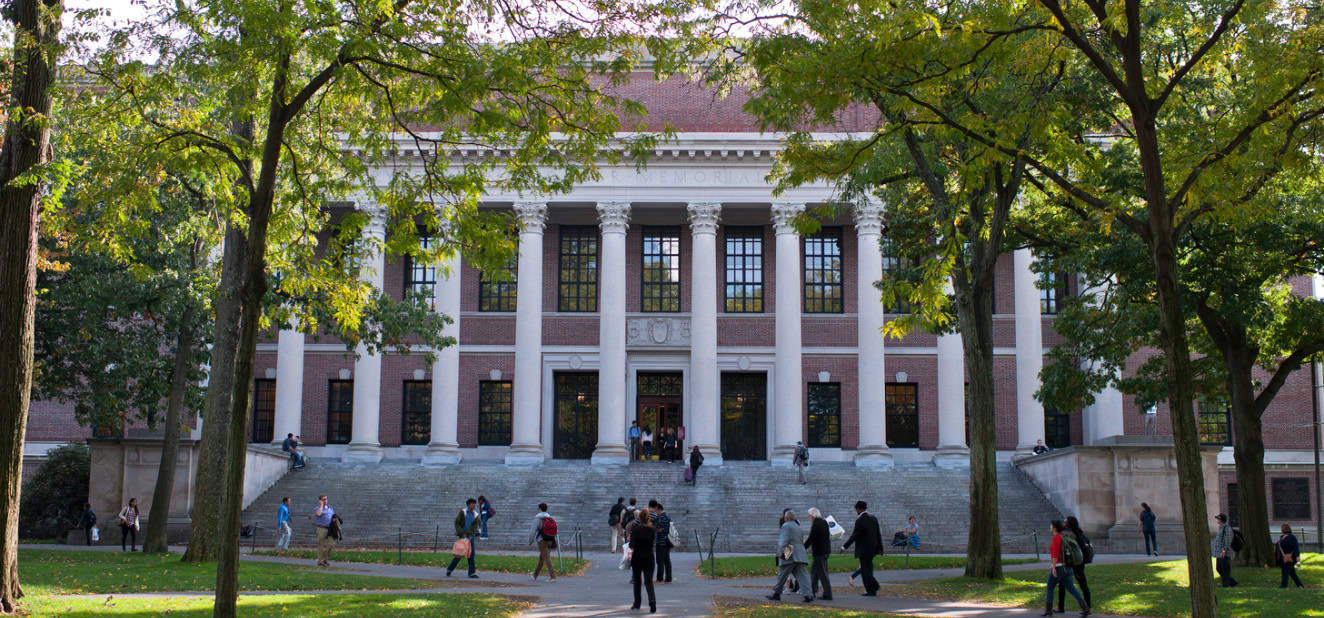
    • District judge moves to take out an injunction on Trump administration’s Harvard international enrolment ban while the case moves through the legal system.
    • University’s international students report “emotional distress” as many cancel travel plans over fears they will not be allowed back into the US.
    • US Department of Homeland Security boss accuses Harvard of “disdain” for American people and spreading hate.

    Following on from her decision last week to temporarily block the move, district judge Allison Burroughs told a packed court that she wanted to “maintain the status quo” while Harvard’s case works its way through the legal system.

    It’s the latest twist in the university’s ongoing battle with the Trump administration, which has accused it of anti-semitism and stripped it of billions of dollars in funding. For its part, Harvard is coming out swinging against the directive, swiftly mounting a legal challenge – the latest step of which culminated in Burroughs’ judgement in a hearing yesterday.

    In court documents filed ahead of the hearing, Harvard’s director of immigration services at the institution’s international office, Maureen Martin, detailed the toll that the administration’s announcement is taking on the campus’s international students.

    She wrote that the revocation notice has caused both students and faculty to express “profound fear, concern, and confusion” – with the university “inundated” with queries from worried international students.

    “Many international students and scholars are reporting significant emotional distress that is affecting their mental health and making it difficult to focus on their studies,” said Martin, adding that some are too afraid to attend their own graduation ceremonies this week in case immigration-related action is taken against them.

    Meanwhile, others are cancelling international travel plans over concerns they will not be able to re-enter the US. “Some fear being compelled to return
    abruptly to home countries where they might not be safe due to ongoing conflicts or where they could face persecution based on their identity or background,” Martin wrote.

    Many international students and scholars are reporting significant emotional distress that is affecting their mental health and making it difficult to focus on their studies
    Maureen Martin, Harvard University

    While US stakeholders may be breathing a sigh of relief at Harvard’s temporary reprieve, Donald Trump’s government is showing no signs of backing down.

    In a letter sent to Harvard before Thursday’s hearing, US Immigration and Customs Enforcement (ICE) confirmed that it wanted to move ahead with revoking the university’s SEVP certification, which would mean it could no longer host international students. Notably, though, the letter did not repeat last week’s assertion that Harvard would have 30 days to challenge the decision and suggested the government would not look to immediately enact the directive.

    In a statement released yesterday, US secretary of the Department of Homeland Security, Kristi Noem, doubled down on accusations that Harvard has not complied with SEVP regulations, has “encouraged and allowed anti-semitic and anti-American violence to rage on its campus” and has been working with the Chinese Communist Party.

    “Harvard’s refusal to comply with SEVP oversight was the latest evidence that it disdains the American people and takes for granted US taxpayer benefits,” she said. “Following our letter to Harvard, the school attempted to claim it now wishes to comply with SEVP standards. We continue to reject Harvard’s repeated pattern of endangering its students and spreading American hate – it must change its ways in order to participate in American programs.”

    Harvard’s row with the Trump administration stems from the stand it took against a raft of government demands, including that it reform its admissions and hiring practices to combat antisemitism on campus, end DEI initiatives and hand over reports on international students.

    When the institution refused to comply with the demands, the government – seemingly in retaliation – froze $2.2 billion in the university’s funding, threatened to revoke its tax-exempt status, and demanded that international students’ records be handed over. If Harvard didn’t play ball, it was warned, it risked losing its SEVP certification. 

    Although Harvard did send over some student information on April 30, and maintained that it had provided the information it was legally bound to supply, this seems to have been insufficient for the Trump administration, which then moved to black the institution from hosting international students.

    In yet another blow to the US international education sector, the US government announced this week that it would pause all new study visa interviews at American consulates around the world – sparking dismay from stakeholders.

    And Chinese students studying in the US were plunged into uncertainty yesterday after – amid a trade war with Beijing – the government announced plans to “aggressively revoke” their visas. As yet, it remains unclear whether all Chinese students will be affected or just those with links to the Chinese Communist Party or studying in so-called key areas.

    Source link

  • Negotiating the Future: How HBCUs and MSIs Can Leverage Strategic Enrollment Management for Institutional Resilience

    Negotiating the Future: How HBCUs and MSIs Can Leverage Strategic Enrollment Management for Institutional Resilience

    Dwight SanchezIn today’s hyper-competitive higher education landscape, the challenges facing Historically Black Colleges and Universities (HBCUs) and Minority Serving Institutions (MSIs) are immense. Declining birth rates, changing student expectations, shifting public sentiment, and persistent underfunding place extraordinary pressure on institutions that have long served as lifelines for students of color and first-generation learners. Yet amid these challenges lies an opportunity. By reimagining Strategic Enrollment Management (SEM) through the lens of negotiation theory, HBCUs and MSIs can increase their strategic agility, strengthen institutional partnerships, and yield more robust enrollment outcomes.

    SEM as Negotiation

    Strategic Enrollment Management isn’t merely about admissions and financial aid—it’s about aligning institutional mission with market realities in ways that are both student-centered and data-informed. Viewed through the lens of negotiation, SEM becomes a dynamic system of interdependent relationships: with prospective students, families, community influencers, K-12 schools, alumni, faculty, and internal staff. Drawing from 3D Negotiation: Powerful Tools to Change the Game in Your Most Important Deals by David Lax and James Sebenius, and Essentials of Negotiation by Lewicki, Saunders, and Barry, three principles become especially relevant: setupdeal design, and tactical interaction.

    • Setup involves determining who needs to be at the table, what interests are at stake, and which parties have influence over enrollment decisions. For HBCUs, this means engaging not just students, but parents, clergy, high school counselors, and community mentors who shape the decision-making ecosystem.
    • Deal Design refers to how institutions create value through the student’s experience. It’s not just about price; it’s about crafting offers that resonate emotionally and practically with underserved populations. This might include mentorship programs, clear career pathways, and intentional support systems.
    • Tactics, while often emphasized, should follow—not lead—strategy. Scripts matter less than systems, and strategic enrollment leaders must know when to pivot from persuasive messaging to coalition-building and issue reframing.

    The Cultural Context

    The diversity within HBCUs and MSIs also means that enrollment negotiations occur across varied cultural, economic, and generational dimensions. Chapter 11 of Essentials of Negotiation reminds us that in international and cross-cultural negotiations, assumptions can be fatal. For instance, assuming that all Black or Latino students respond similarly to recruitment strategies ignores regional, familial, and economic differences. Strategic enrollment leaders must develop cultural humility and data literacy to avoid overgeneralization and instead build nuanced personas that guide outreach.

    Equally important is the political environment. Public perceptions of DEI initiatives, affirmative action, and federal funding can dramatically alter an institution’s appeal and perceived legitimacy. In this context, setup becomes a shield—anticipating changes, diversifying recruitment pipelines, and framing the institutional value proposition in ways that transcend political cycles.

    Leadership and Accountability

    Leading enrollment through this lens requires a shift from short-term performance metrics to long-term strategy. Enrollment managers must adopt a leadership posture that blends transformational vision with collaborative execution. As Lewicki et al. note in Chapter 10, multiparty negotiations (such as cross-department SEM committees) require clear roles, shared goals, and open channels of communication. Leaders must foster psychological safety while holding teams accountable to institutional KPIs—bridging the often-siloed worlds of marketing, academic affairs, and student support.

    Professional development plays a critical role here. Too often, enrollment teams are equipped with tactical training (CRM usage, phone scripts, event planning) but lack exposure to systems thinking, data storytelling, or negotiation dynamics. Embedding professional learning communities and creating leadership pipelines within SEM units allows HBCUs and MSIs to develop internal change agents who can sustain innovation over time.

    The Path Forward

    HBCUs and MSIs are more than educational institutions—they are engines of social mobility and cultural affirmation. But to thrive, they must adopt a strategic posture that sees every element of SEM as a negotiation: from brand positioning to student engagement, from financial structuring to internal alignment.

    Consider this: An HBCU looking to boost STEM enrollment among underrepresented males recognizes that traditional outreach and scholarship packages have limited impact. Instead of only increasing merit aid, the institution reframes its offer through negotiation theory. They partner early with high schools, launch a summer bridge program co-led by STEM faculty and alumni, and guarantee every enrolled student a faculty mentor and paid internship by year two. They also engage parents and community leaders as ambassadors—tapping into local trust networks. At the internal level, they align academic and student affairs teams through shared enrollment metrics and regular scenario planning meetings, increasing accountability and cohesion.

    This isn’t just marketing—it’s “setup” and “deal design” in action. It expands the scope of stakeholders, adds value beyond dollars, and creates a win-win proposition for the student, family, and institution. It also reflects a broader institutional willingness to act as a proactive negotiator in shaping its market position.

    By leveraging the principles of negotiation—particularly setup, value creation, and coalition building—enrollment leaders can develop strategic enrollment plans that are not only adaptive but transformative. In doing so, they ensure their institutions remain vital pathways for generations of students yet to come.

    Dwight Sanchez is the Executive Director of Enrollment Management at the University of Maryland School of Pharmacy.

    Source link

  • NC A&T Provost Tonya Smith-Jackson Named Chancellor of Rutgers University–Newark

    NC A&T Provost Tonya Smith-Jackson Named Chancellor of Rutgers University–Newark

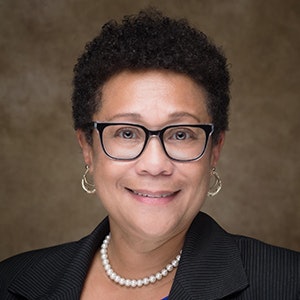
    Dr. Tonya Smith-JacksonNorth Carolina Agricultural and Technical State University Provost Dr. Tonya Smith-Jackson has been appointed chancellor of Rutgers University–Newark, marking a significant leadership transition for the public research university.

    Smith-Jackson, a human factors engineer who has served as provost and executive vice chancellor for Academic Affairs at NC A&T since 2013, will assume her new role on August 1. Her appointment was approved unanimously by the Rutgers Board of Governors and announced jointly by current President Dr. Jonathan Holloway and President-designate Dr. William F. Tate IV.

    “Tonya Smith-Jackson is a person of principles and values who has dedicated her professional life to making transformative changes in higher education,” Holloway said in announcing the appointment.

    At NC A&T, the nation’s largest historically Black college and university, Smith-Jackson has overseen remarkable growth and innovation. Under her leadership, the university has launched three new doctoral programs and created the state’s first bachelor’s degree program in artificial intelligence. She has also presided over dramatic increases in both research staff and graduate assistants.

    Her tenure at NC A&T has been marked by the establishment of three new Centers of Excellence focused on cybersecurity, product design and manufacturing, and entrepreneurship and innovation. Smith-Jackson also led the university’s successful recognition as an anchor institution by the Association of Public and Land-grant Universities.

    Prior to her current role, Smith-Jackson chaired NC A&T’s Department of Industrial and Systems Engineering and directed multiple research initiatives, including a cybersecurity center, the Human Factors Analytics Lab, and the laboratory for Cyber-Human Analytics Research for the Internet of Things.

    Smith-Jackson brings a unique blend of academic, corporate, and government experience to her new role. She holds a doctorate in psychology/ergonomics and an interdisciplinary Master of Science degree in psychology and industrial engineering.

    Before joining NC A&T, she spent 14 years at Virginia Tech, advancing from assistant professor to full professor of industrial and systems engineering. Her professional experience also includes engineering roles at IBM and Ericsson Mobile Communications, as well as a year-long appointment as program director in the National Science Foundation’s Cyber-Human Systems Program from 2018-2019.

    Smith-Jackson said that her approach to higher education leadership is deeply rooted in personal experience and family values.

    “Inspired by my parents’ belief in education as a pathway to liberation, meaning and purpose, I’ve dedicated my life to helping others obtain college degrees and upward mobility,” she said.

    President-designate Tate said that Smith-Jackson’s background positions her well for the role.

    “As an engineer with contributions to human factors research, she brings a systems-oriented, people-centered approach well suited to leading an urban university,” Tate said. “I look forward to partnering with her to expand opportunity pathways, advance impactful research and promote economic development for the region and the state.”

    Source link

  • Why Global Talent is Turning Away from U.S. Higher Education—and What We’re Losing – Edu Alliance Journal

    Why Global Talent is Turning Away from U.S. Higher Education—and What We’re Losing – Edu Alliance Journal

    In 2025, much of my professional focus has been on small colleges in the United States. But as many of you know, my colleague and Edu Alliance co-founder, Dr. Senthil Nathan, and I also consult extensively in the international higher education space. Senthil, based in Abu Dhabi, UAE—where Edu Alliance was founded was asked by a close friend of ours, Chet Haskell, about how the Middle East and its students are reacting to the recent moves by the Trump Administration. Dr. Nathan shared a troubling May 29th article from The National, a UAE English language paper titled, It’s not worth the risk”: Middle East students put US dreams on hold amid Trump visa crackdown.

    The article begins with this chilling line:

    “Young people in the Middle East have spoken of their fears after the US government decided to freeze overseas student interviews and plan to begin vetting their social media accounts. The directive signed by Secretary of State Marco Rubio and sent to diplomatic and consular posts halts interview appointments at US universities.”

    The UAE, home to nearly 10 million people—90% of whom are expatriates—is a global crossroads. Many of their children attend top-tier international high schools and are academically prepared to study anywhere in the world. Historically, the United States has been a top choice for both undergraduate and graduate education.

    But that is changing.

    This new wave of student hesitation, and in many cases fear, represents a broader global shift. Today, even the most qualified international students are asking whether the United States is still a safe, welcoming, or stable destination for higher education. And their concerns are justified.

    At a time when U.S. institutions are grappling with enrollment challenges—including a shrinking pool of domestic high school graduates—we are simultaneously sending signals that dissuade international students from coming. That’s not just bad policy. It’s bad economics.

    According to NAFSA: Association of International Educators, international students contributed $43.8 billion to the U.S. economy during the 2023–2024 academic year and supported 378,175 jobs across the country. These students fill key seats in STEM programs, support local economies, and enrich our campuses in ways that go far beyond tuition payments.

    And the stakes go beyond higher education.

    A 2024 study found that 101 companies in the S&P 500 are led by foreign-born CEOs. Many of these executives earned their degrees at U.S. universities, underscoring how American higher education is not just a national asset but a global talent incubator that fuels our economy and leadership.

    Here are just a few examples:

    • Jensen Huang: Born in Taiwan (NVIDIA) – B.S. from Oregon State, M.S. from Stanford
    • Elon Musk: Born in South Africa (Tesla, SpaceX) – B.A. from the University of Pennsylvania
    • Sundar Pichai: Born in India (Alphabet/Google) – M.S. from Stanford, MBA from Wharton
    • Mike Krieger: Born in Brazil (Co-founder of Instagram) B.S. and M.S. Symbolic Systems and Human-Computer Interaction, Stanford University
    • Satya Nadella: Born in India (Microsoft) – M.S. from the University of Wisconsin–Milwaukee, MBA from the University of Chicago
    • Max Levchin: Born in Ukraine (Co-founder of PayPal, Affirm), Bachelor’s in Computer Science, University of Illinois at Urbana-Champaign
    • Arvind Krishna: Born in India (IBM) – Ph.D. from the University of Illinois, Urbana-Champaign
    • Safra Catz: Born in Israel (Oracle) – Undergraduate & J.D. from University of Pennsylvania
    • Jane Fraser: Born in the United Kingdom (Citigroup) – MBA from Harvard Business School
    • Nikesh Arora: Born in India  (Palo Alto Networks) – MBA from Northeastern
    • Jan Koum: Born in Ukraine (Co-founder of WhatsApp), Studied Computer Science (did not complete degree) at San Jose State University

    These leaders represent just a fraction of the talent pipeline shaped by U.S. universities.

    According to a 2023 American Immigration Council report, 44.8% of Fortune 500 companies were founded by immigrants or their children, including iconic firms like Apple, Google, and Tesla. Together, these companies generate $8.1 trillion in annual revenue and employ over 14.8 million people globally.

    The Bottom Line

    The American higher education brand still carries immense prestige. But prestige alone won’t carry us forward. If we continue to restrict and politicize student visas, we will lose not only potential students but also future scientists, entrepreneurs, job creators, and community leaders.

    We must ask: Are our current policies serving national interests, or undermining them?

    Our classrooms, campuses, corporations, and communities are stronger when they include the world’s brightest minds. Let’s not close the door on a future we have long helped build.


    Dean Hoke is Managing Partner of Edu Alliance Group, a higher education consultancy. He formerly served as President/CEO of the American Association of University Administrators (AAUA). With decades of experience in higher education leadership, consulting, and institutional strategy, he brings a wealth of knowledge on international partnerships and market evaluations.

    Source link

  • From Intuition to Intelligence: Leveraging Data to Guide Academic Portfolio Strategy

    From Intuition to Intelligence: Leveraging Data to Guide Academic Portfolio Strategy

    In today’s competitive higher education landscape, institutions can no longer afford to rely on instinct alone when it comes to academic program planning. The stakes are too high and the margin for error too slim. 

    Leaders are facing increasing pressure to align their portfolios with market demand, institutional mission, and student expectations — all while navigating constrained resources and shifting demographics. 

    The good news? You don’t have to guess. Market intelligence offers a smarter, more strategic foundation for building and refining your academic program mix. 

    Why program optimization matters now more than ever 

    Most institutions have at least one program that’s no longer pulling its weight — whether due to declining enrollment, outdated relevance, or oversaturated competition. At the same time, there are often untapped opportunities for growth in emerging or underserved fields. 

    But how do you decide which programs to scale, sustain, or sunset? 

    Optimizing your portfolio requires more than internal performance metrics. It calls for an external lens — one that brings into view national and regional trends, labor market signals, and consumer behavior. When done effectively, academic portfolio strategy becomes less about trial and error, and more about clarity and confidence. 

    The first step: Start with the market 

    The strongest portfolio strategies begin with robust external data. At Collegis Education, we draw from sources like the National Center for Education Statistics (IPEDS), Lightcast labor market analytics, and Google search trends to assess program performance, student demand, and employment outlooks. 

    National trends give us the big picture and a foundation to start from. But for our partners, we prioritize regional analysis — because institutions ultimately compete and serve in specific geographic contexts, even with fully online programs. Understanding what’s growing in your state or region is often more actionable than knowing what’s growing nationwide. 

    Our proprietary methodology filters for: 

    • Five-year conferral growth with positive year-over-year trends 
    • Programs offered by a sufficient number of institutions (to avoid anomalies) 
    • Competitive dynamics and saturation thresholds 
    • Job postings and projected employment growth 

    This data-driven process helps institutions avoid chasing short-term trends and instead focus on sustainable growth areas. 

    Ready for a Smarter Way Forward?

    Higher ed is hard — but you don’t have to figure it out alone. We can help you transform challenges into opportunities.

    Data in action: Insights from today’s growth programs 

    Collegis’ latest program growth analyses — drawing from 2023 conferral data — surface a diverse mix of high-opportunity programs. While we won’t detail every entry here, a few trends stand out: 

    • Technology and healthcare programs remain strong at the undergraduate level, with degrees like Computer Science and Health Sciences showing continued growth. 
    • Graduate credentials in education and nursing reflect both workforce need and strong student interest. 
    • Laddering potential is especially evident in fields like psychology and health sciences, where institutions can design seamless transitions from associate to bachelor’s. In fields such as education, options to ladder from certificate to master’s programs are growing in demand. 

    What’s most important isn’t the specific programs, it’s what they reveal: external data can confirm intuition, challenge assumptions, and unlock new strategic direction. And when paired with regional insights, these findings become even more powerful. 

    How to turn insight into strategy 

    Having market data is just the beginning. The true value lies in how institutions use it. At Collegis, we help our partners translate insight into action through a structured portfolio development process that includes the following: 

    1. Market analysis: Analyzing external data to identify growth areas, saturation risks, and demand signals — regionally and nationally. 
    1. Gap analysis: Identifying misalignments between current offerings and market opportunity. 
    1. Institutional alignment: Layering in internal metrics — enrollment, outcomes, mission fit, modality, and margin. 
    1. Strategic decisions: Prioritizing programs to expand, launch, refine, or sunset. 
    1. Implementation support: Developing go-to-market plans, supporting change management, and measuring results. 

    By grounding these decisions in both internal and external intelligence, institutions can future-proof their portfolios — driving enrollment, meeting workforce needs, and staying mission-aligned. 

    Put data to work for your portfolio 

    Program portfolio strategy doesn’t have to be a guessing game. With the right data and a trusted partner, institutions can make bold, confident moves that fuel growth and student success. 

    Whether you’re validating your instincts or exploring new academic directions, Collegis can help. Our market research and portfolio development services are built to support institutions at every step of the process — with national insights and regional specificity to guide your next move. 

    Innovation Starts Here

    Higher ed is evolving — don’t get left behind. Explore how Collegis can help your institution thrive.

    Source link

  • Microsoft and FFA help students use smart sensors and AI to learn about the future of farming and technology

    Microsoft and FFA help students use smart sensors and AI to learn about the future of farming and technology

    Microsoft Corp. and the National FFA Organization on Tuesday announced the national expansion of FarmBeats for Students, a cutting-edge educational program integrating smart sensors, data science and artificial intelligence (AI) to teach precision agriculture in classrooms. Starting today, FFA teachers and students throughout the United States, including FFA chapters in 185 middle and high schools, will receive a classroom set of FarmBeats for Students kits free of charge. The kits include ready-to-use sensor systems along with curriculum for teachers and are designed for classrooms of all kinds; no prior technical experience is required.

    More and more farmers are adopting advanced technology, including automating systems such as tractors and harvesters and using drones and data analysis to intervene early against pests and disease, to maximize crop yield, optimize resource usage, and adjust to changing weather patterns. Gaining hands-on experience with machine automation, data science and AI will help American agricultural students remain competitive in the global market.

    Using the FarmBeats for Students kits and free curriculum, students build environmental sensor systems and use AI to monitor soil moisture and detect nutrient deficiencies — allowing them to understand what is happening with their plants and make data-driven decisions in real time. Students can adapt the kit to challenges unique to their region — such as drought, frost and pests — providing them with practical experience in tackling real-world issues in their hometowns.

    “Microsoft is committed to ensuring students and teachers have the tools they need to succeed in today’s tech-driven world, and that includes giving students hands-on experience with precision farming, data science and AI,” said Mary Snapp, Microsoft vice president, Strategic Initiatives. “By teaming up with FFA to bring FarmBeats for Students to students across the country, we hope to inspire the next generation of agriculture leaders and equip them with the skills to tackle any and all challenges as they guide us into the future.”

    “Our partnership with Microsoft exemplifies the power of collaboration in addressing industry needs while fostering personal and professional growth among students,” said Christine White, chief program officer, National FFA Organization. “Supporting agricultural education and leadership development is crucial for shaping the next generation of innovators and problem solvers. Programs like this equip students with technical knowledge, confidence and adaptability to thrive in diverse and evolving industries. Investing in these young minds today sets the stage for a more sustainable, innovative and resilient agricultural future.”

    In addition, teachers, students or parents interested in FarmBeats for Students can purchase a kit for $35 at this link and receive free training at Microsoft Learn.

    Any educator interested in implementing the FarmBeats for Students program can now access a new, free comprehensive course on the Microsoft Educator Learn Center, providing training on precision agriculture, data science and AI, allowing teachers to earn professional development hours and badges. 

    FarmBeats for Students was co-developed by Microsoft, FFA and agriculture educators. The program aligns with the AI for K-12 initiative guidelines; Agriculture, Food and Natural Resources career standards; Computer Science Teachers Association standards; and Common Core math standards.

    For more information about FarmBeats for Students, visit aka.ms/FBFS.

    Kevin Hogan
    Latest posts by Kevin Hogan (see all)

    Source link

  • Spirit of adventure – meet the Nepalese study abroad guides

    Spirit of adventure – meet the Nepalese study abroad guides

    Nepal has long been synonymous with the legendary ‘Sherpa’ mountain guides, skilled in helping international travellers explore the Himalayas.

    There is also however, a more recent tradition of local education guides helping their compatriots to seek out adventure and opportunity through study abroad.

    In the past, this demand favoured Australia as a study destination, but since the Albanese government introduced increased visa restrictions, that demand has increasingly turned to alternative destinations like the US, France, Japan and the UK.

    According to ONS data, more than 9,000 study visas were issued to Nepalese students studying in the UK as of March 2024 but the true number is undoubtedly higher in the year since.

    The PIE News visited Franklin International, a leading local agent, to better understand the factors supporting growth.

    Away from the chaotic streets of Kathmandu, where thousands of agent offices operate within a square mile in a district known as ‘Putalisadak’, Franklin International has chosen instead to base its national headquarters in the foothills of peaceful Pokhara.

    Here we find an operation that feels more like a family than an agency. There aren’t any cut-outs of Big Ben; instead, they favour a comfortable working atmosphere for staff and students.

    There is an office full of people diligently running document checks, taking calls, and running webinars with their prospective students across Nepal.

    I meet a team packing for a 17-day tour of the country to meet applicants face-to-face – giving them a chance to outline important next steps and reassure family members.

    There are entire rooms of people dedicated to supporting universities like the University of Roehampton and the University of East London, for whom they facilitate close operational relationships that deliver hundreds of compliant student enrolments.

    “The UK demand is still in its infancy,” company CMO and co-founder, Deepak Khadka tells me.

    “The number of students applying has grown rapidly, but the knowledge about the UK process is limited among most people,” he continues.”There are too many agents looking for short-cut commission – so we have had to build a system in partnership with British universities to focus on the compliance checks they need.”

    This is a price-sensitive market, with only 15-20 universities offering financially viable course options. This has created a unique bubble where large numbers of students are following each other to the same university in each intake. Word of mouth is a key driver of demand.

    This volume has, in turn, triggered an explosion in Nepalese agent activity as the potential for high commission levels is clear.

    At a higher education event in Kathmandu, The PIE met teams of young friends, often still in their 20s or early 30s, keen to get involved and cash-in on prospective students from their neighbourhoods.

    “We have a choice to make in Nepal,” explains Khadka. “We either compete as agents, or we try and work together to best support the students.”

    Having completed his doctorate in agent supply chains from UWS, his understanding of the Nepalese market is crucial.

    “We try to act as supportive guides for these other guys. They have so much energy and ambition – but we must make sure the professional compliance is water-tight when processing applications,” he tells The PIE. “We have the expertise to do this correctly. We call this the Official University Representative network to convey that message.”

    Khadka is keen to stress that he and his fellow agents care far more about the students they work with than pitting themselves against one another.

    “I care about Nepal’s future. We don’t want to make the same mistakes as other countries or regions,” he says.

    “We want our young people to succeed in their study abroad adventures – and I would rather work together for a better system, than get drawn into a territorial battle. We are proud that this model is being recognised by our UK partners and local officials here.”

    Overseas education agencies must have government approval to operate in Nepal, leading to conflict over online aggregator models trying to undercut this licensing.

    I care about Nepal’s future. We don’t want to make the same mistakes as other countries or regions
    Deepak Khadka, Franklin International

    Local protocol can be complicated as students need to obtain a ‘No Obligation Certificate’ from the government to study abroad, and many turn to government-backed student finance options to prepare their budgets.

    Vidhi Mistry, head of international operations for the University of Roehampton, explains her approach to the market: “In Nepal, when there are thousands of agents, it’s not about being everywhere. A university doesn’t need to work with every agent.

    “A right partnership is about aligning values, intent and quality that prioritises reputation and longevity. Agents can elevate the sector or dilute it. Exclusivity when earned and aligned isn’t a restriction, it is a strategy for sustainable growth [in a chaotic market].”

    The PIE spoke to Sajan, a Nepalese student who has an offer to study at the University of West Scotland London campus. He explained his reasoning for working with an agency.

    “I have friends already at UWS London and they love it. I didn’t need help with choosing which university or course I wanted, but I had to make sure my finances and visa are processed correctly,” he says. “My father and I have been guided to understand my required budget and each step of the process. I am very grateful.”

    With the UK government announcing future plans to tighten visa issuance for countries linked to asylum claims, and to clamp down on universities linked to poor compliance metrics – it is important the Nepal market doesn’t grow too fast, too soon.

    Strong demand will undoubtedly bring greater competition, so only time will tell if universities and agents can get regulate themselves to realise the opportunity.

    Source link

  • Can we use LEO in regulation?

    Can we use LEO in regulation?

    The Institute for Fiscal Studies answers the last government’s question on earnings data in regulation. David Kernohan reads along

    Source link