Author: admin

  • 10 Website Marketing Strategies for Building Your Reputation

    10 Website Marketing Strategies for Building Your Reputation

    The internet has dramatically transformed and so has university website marketing. From basic online brochures relying on a “build it and they will come” approach, websites evolved into dynamic, interactive platforms driven by search engine optimization (SEO) and mobile optimization. Now, website marketing blends AI-driven insights with omnichannel experiences, as prospective students expect seamless, personalized interactions that clearly articulate an institution’s value. 

    With Google’s widespread release of AI-powered search to all users, your brand and reputation are more critical than ever. The internet’s collective opinion of your institution, interpreted by AI, now directly influences search results. Strong, positive brand reputations inherently signal authority and trustworthiness to AI, increasing visibility and recommendations.  

     This moment opens new doors for higher ed digital marketing. A website that simply exists today is a missed opportunity. If it doesn’t connect with the Modern Learner or clearly articulate your institution’s unique value, you’re not just losing their interest; you’re losing enrollments and damaging your reputation. For today’s Modern Learner, who expects seamless digital experiences and values authenticity and flexibility, your website is their first impression of your brand and reputation. 

    To transform your website into a reputation-building, revenue-generating asset, you need a holistic website marketing strategy that positions your EDU website as a strategic asset that continuously adapts to learner needs, builds authentic connections and signals authority to AI. Explore 10 essential website strategies to that will ensure your institution is found and chosen by the Modern Learner.

    1. Optimize Content to Feed AI Robots  

    The Modern Learner’s journey now begins with AI. To stand out, your website needs to engage prospective students and be optimized for how AI tools find and present information. At EducationDynamics, we’ve anticipated the rise of AI in search and adapted our website marketing strategies to help institutions stay ahead and continue to outrank the competition.     

    To optimize content for both audiences, structure it clearly with descriptive headings, concise copy and consistent formatting so AI can accurately surface your programs. Highlight outcomes like career paths, program value and student success to connect your offerings to what students truly want.  

    Use natural, straightforward language that’s easy for humans and AI to interpret. Prioritize content types that AI favors, such as FAQs, career guides and student stories, to build trust and boost discoverability.  

    Your website is a pivotal opportunity to tell a compelling story that highlights your institution’s core values and unique strengths. That way, when students ask the search engines questions about the right institution for them, your website is positioned to be a top answer.  

    2. Ensure Your Website Provides a Seamless User Experience (UX) and Prioritizes Accessibility 

    Modern Learners expect fast, intuitive and accessible digital experiences. From the moment a prospective student lands on your site, navigation should feel natural. Clear headers, streamlined menus and a consistent experience across all devices ensure visitors can easily find the information they need without frustration. 

    First impressions matter, and your website’s speed and mobile responsiveness are non-negotiables. Slow load times or clunky mobile layouts can lose students before they even reach your message. A user-centric website builds trust and reflects your institution’s commitment to meeting students where they are.  

    Accessibility isn’t an add on—it must be built into your website’s infrastructure. Inclusive design ensures every user, regardless of ability, can engage with your content.  

    At EducationDynamics, we consistently stay ahead by adopting UX and CRO technologies early, allowing our team to rapidly launch A/B tests and uncover what truly resonates with students. Through continuous optimization and real-time insights, we help institutions create user experiences that reflect their brand, support enrollment goals and keep prospective students moving forward. 

    3. Optimize for Modern Search (SEO & GEO) 

    The Modern Learner demands more. As search evolves with AI, your institution’s digital visibility isn’t just important—it’s paramount.  Traditional SEO, while foundational, falls short in today’s evolving search ecosystem where the rules of digital visibility are being rewritten. 

    With the widespread release of AI-powered search, prospective students are discovering their educational options without clicking on an actual link. As a result, institutions must embrace Generative Engine Optimization (GEO). GEO isn’t just about keywords; it’s about optimizing for how AI interprets, ranks and amplifies your institution’s content. A GEO-first strategy demands prioritizing well-structured content, rich media and authentic first-person perspectives from your students and faculty to command visibility in this new, AI-driven search reality. 

    EducationDynamics doesn’t just adapt to these shifts; we innovate by anticipating emerging trends, leveraging cutting-edge technology and leveraging data-driven insights.  Our research-driven approach to SEO for higher education and GEO is continuously evolving, placing your institution at the forefront of how Modern Learners discover and engage. We ensure your visibility, credibility and competitive edge are undeniable, whether through traditional search or the power of AI. 

    4. Amplify Your Brand Voice Across All Digital Touchpoints 

    In a crowded digital landscape, fragmented messaging is a liability. For the Modern Learner, a unified brand voice across every digital touchpoint isn’t just a best practice; it’s the foundation of trust and the catalyst for lasting connection. When prospective students move between your website, social media, emails and ads, they should encounter consistent messaging that reaffirms your brand identity. Anything else risks confusion. Consistency, on the older hand, builds clarity and drives connection.   

    That alignment must be grounded in a strong brand narrative that communicates your institution’s values, mission and what sets you apart. In a market where students are inundated by options, your ability to clearly communicate your institution’s unique offerings is critical and helps students quickly understand why your institution is the right choice.  

    Real stories from students and alumni bring that narrative to life. These experiences do more than inspire; they create emotional ties that help prospective students see themselves in your community. 

    A clear, consistent brand voice, supported by a strong website content strategy, is more than a marketing asset. It is a strategic imperative, turning interest into action that builds lasting loyalty from enrollment to graduation and beyond.  

    5. Personalize the Digital Experience for Each Prospective Student 

    Personalization is no longer optional. It is essential for driving engagement, building trust and supporting students through the enrollment process. 

    By leveraging personalized content marketing, institutions can create a one-to-one experience that feels relevant and responsive. Customized email campaigns, dynamic landing pages and virtual campus tours foster connections with students. These experiences demonstrate your institution’s understanding of Modern Learners and help each individual develop a meaningful connection. 

    Personalization works best when guided by data. By monitoring behavioral cues such as pages viewed, time spent and programs researched, institutions can tailor content and messaging to align with each student’s needs. This enhances the user experience and makes students feel understood. 

    This is more than optimization. It’s relationship-building. Strategic personalization transforms passive interest into meaningful engagement and builds confidence in your institution’s ability to support each student’s journey. 

    Modern Learners don’t respond to static messages. They engage in dynamic conversations. Through data-driven personalization, institutions can build digital experiences that feel tailored and conversational, moving students from curiosity to commitment faster and with greater trust. 

    6. Build Your Advocate Community  

    he most powerful testimonials come from those who live your brand. By cultivating a vibrant advocate community, your institution doesn’t just enhance its reputation; it ignites a powerful, authentic narrative that deeply connects with prospective students, solidifying their confidence and accelerating their enrollment decision.  

    Student testimonials and reviews are among the most effective tools for building trust and credibility on your website. Authentic stories bring your brand to life, helping prospective students envision themselves thriving at your institution. Featuring a diverse range of testimonials across various website pages ensures these voices resonate with a wide audience and reflect the true student experience. 

    Provide opportunities for students and alumni to share their stories, then amplify their voices across your website and broader digital presence. This cohesive approach weaves authentic advocacy into all touchpoints, enhancing emotional connection and making your institution more relatable. 

    By rooting your brand in real experiences, you strengthen reputation and build lasting relationships. Authentic connection sets your institution apart and drives enrollment in a competitive market. 

    7. Facilitate Communication and Engagement 

    In today’s fast-moving digital world, access matters. Offering multiple communication channels on your website such as forms, live chat, text messaging, email and phone ensures prospective students can easily reach out in the way that suits them best. Making information and enrollment support readily accessible improves the overall student experience and fosters a sense of control during the decision-making process. 

    Incorporating AI-powered chatbots can further enhance engagement by providing instant answers and personalized guidance 24/7. These tools handle routine questions efficiently, allowing your team to focus on high-impact interactions that require a human touch. 

    When institutions prioritize fast, flexible communication across digital, they do more than offer convenience. They build trust, open the door to deeper engagement and provide the seamless support that moves students closer to enrollment. 

    8. Use Data and Analytics for Continuous Improvement

    Website optimization isn’t a one-time task; it is a continuous process driven by data.  Institutions should regularly track key metrics such as page engagement, bounce rates, conversions and time spent on site to understand how visitors interact with their content. Tools like heatmaps and A/B testing provide valuable insights into user behavior and help identify what elements resonate and where improvements are needed. 

    By leveraging data-driven insights from user search patterns, click paths and drop-off points, institutions can make informed decisions to enhance user engagement and increase conversion rates. Testing different headlines, layouts and calls to action allows for experimentation that drives measurable results. In addition, effective website management requires a robust Content Management System and a clear governance policy to ensure ongoing maintenance and optimization. 

    As leading market research experts in higher education, EducationDynamics knows what it takes to transform data into action.  Our team’s relentless focus on analytics and optimization isn’t just about attracting students; it’s about continuously refining a digital experience that fortifies your institution’s reputation. We empower you to harness insights, ensuring your website is a dynamic asset that converts curiosity into committed enrollment and lasting brand loyalty. 

    9. Showcase Real Outcomes with Career-Focused Tools and Resources

    Today’s students are looking for more than a degree. They want a clear path to a successful future. Your website must deliver on this expectation by showcasing tangible outcomes that prove your institution’s value. Highlighting real-world results is one of the most powerful ways to build credibility and elevate your brand.  

    Integrate features that demonstrate the long-term impact of your programs. Job placement stats and alumni success stories reinforce your institution’s influence and give students confidence in their future. Spotlight employer partnerships and accessible career services to position your school as career-connected and student-focused. Interactive tools like salary calculators, career pathway infographics and program-matching quizzes deepen engagement and help students make informed decisions. 

    By clearly communicating return on investment through your website, you do more than just inform prospective students — you build trust, strengthen your institution’s reputation and guide students closer to enrollment. This isn’t merely sharing information, it’s about demonstrating that your institution delivers on its promises. When you connect outcomes to the student experience, you create the kind of meaningful, value-driven journey that today’s Modern Learners actively seek.  

    10. Develop a Robust Content Hub That Positions Your Institution as a Thought Leader 

    In today’s competitive higher education environment, institutions must take every opportunity to showcase their unique brand proposition. Your website is a mission-critical touchpoint with power to either build or break institutional reputation. When used strategically, it becomes more than a source of information. Rather, it can be a content hub that reflects your institution’s unique offerings, while building trust and elevating your brand. 

    By highlighting content such as faculty research, student initiatives, alumni achievements and blogs on timely topics, your institution can build relevance and authority. Your website content strategy should ensure your website becomes a living representation of your institution’s values and vision. This makes your website a living representation of the institution’s values and vision, creating an integral link to your audience and ultimately leading to stronger brand credibility, increased organic engagement and a lasting reputation as a thought leader in higher education.

    The Moment is Now: Elevating Reputation in the AI Era 

    Your website is more than a digital touchpoint; it is the heartbeat of your brand and foundation of your institution’s future. In an AI-driven world, standing still means falling behind.  

    At EducationDynamics, we’re here to help you navigate these changes with confidence. Transforming lives through higher education is at the core of our mission, and that means anticipating trends, understanding shifts and equipping our partners to thrive. 

    This is not merely an opportunity to adapt; it is an imperative to lead. Now is the decisive moment to fundamentally reimagine your website’s strategic role in driving unparalleled visibility, sustainable growth, and a strong reputation. Join John Weaver and Karina Kogan for “The New Rules of Website Marketing,” a live virtual masterclass that will show you how to turn your website into a high-impact tool for success in an AI-driven world. Secure your institution’s future advantage by reserving your spot today

    Source link

  • Federal Judge Blocks Trump’s Executive Order to Close Education Department

    Federal Judge Blocks Trump’s Executive Order to Close Education Department

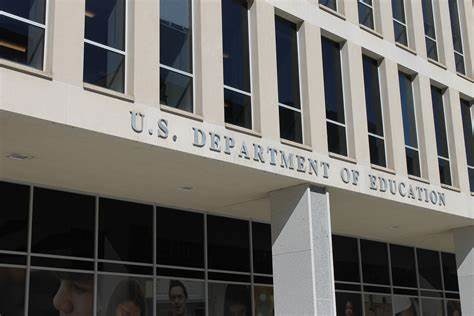
    A federal judge in Massachusetts has issued a preliminary injunction halting President Donald Trump’s executive order to dismantle the U.S. Department of Education, dealing a significant blow to the administration’s efforts to eliminate the federal agency.

    District Court Judge Myong J. Joun on last Thursday blocked Trump and Education Secretary Linda McMahon from carrying out the executive order and ordered the administration to reinstate approximately 1,300 Education Department employees who were terminated in March as part of a sweeping reduction-in-force.

    The ruling comes in response to consolidated lawsuits filed by a coalition of 20 states, the District of Columbia, educator unions, and school districts challenging the administration’s moves to shrink and eventually close the department.

    When Trump took office in January, the Education Department employed 4,133 workers. The reduction-in-force announced March 11 terminated more than 1,300 positions, while nearly 600 additional employees chose to resign or retire, leaving roughly 2,180 remaining staff—approximately half the department’s original size.

    In his ruling, Judge Joun wrote that “a department without enough employees to perform statutorily mandated functions is not a department at all,” adding that the court “cannot be asked to cover its eyes while the Department’s employees are continuously fired and units are transferred out until the Department becomes a shell of itself.”

    The judge also prohibited Trump from transferring management of the federal student loan portfolio and special needs programs to other federal agencies, as the president had pledged to do from the Oval Office.

    Judge Joun determined that the Trump administration likely violated the separation of powers by taking actions that conflicted with congressional mandates. He noted the administration had failed to demonstrate that the staff reductions actually improved efficiency, writing that “the record is replete with evidence of the opposite.”

    The plaintiffs argued that the department could no longer fulfill critical duties, including managing the $1.6 trillion federal student loan portfolio serving roughly 43 million borrowers and ensuring colleges comply with federal funding requirements.

    The American Association of University Professors (AAUP), which joined the legal challenge alongside other educator groups, praised the ruling as a crucial victory for higher education access.

    “The AAUP is thrilled that District Judge Joun has blocked Trump’s illegal attempt to gut the Department of Education and lay off half of its workforce,” said AAUP President Dr. Todd Wolfson. “Eliminating the ED would hurt everyday Americans, severely limit access to education, eviscerate funding for HBCUs and TCUs while benefiting partisan politicians and private corporations looking to extract profit from our nation’s higher education system.”

    American Federation of Teachers President Randi Weingarten called the decision “a first step to reverse this war on knowledge and the undermining of broad-based opportunity.”

    The Education Department’s deputy assistant secretary for communications, Madi Biedermann, criticized the ruling in a statement, calling Judge Joun a “far-left Judge” who “dramatically overstepped his authority” and vowed to “immediately challenge this on an emergency basis.”

    The case, Somerville Public Schools v. Trump, represents the consolidation of two separate lawsuits filed in March. Democracy Forward is representing the coalition of plaintiffs, which includes the AAUP, Somerville Public School Committee, Easthampton School District, Massachusetts AFT, AFSCME Council 93, and the Service Employees International Union.

    The ruling temporarily halts one of the Trump administration’s most ambitious efforts to reshape federal education policy, though the legal battle is expected to continue as the administration pursues its appeal.

    Source link

  • Together We Lead: A New Era of HBCU Transformation

    Together We Lead: A New Era of HBCU Transformation

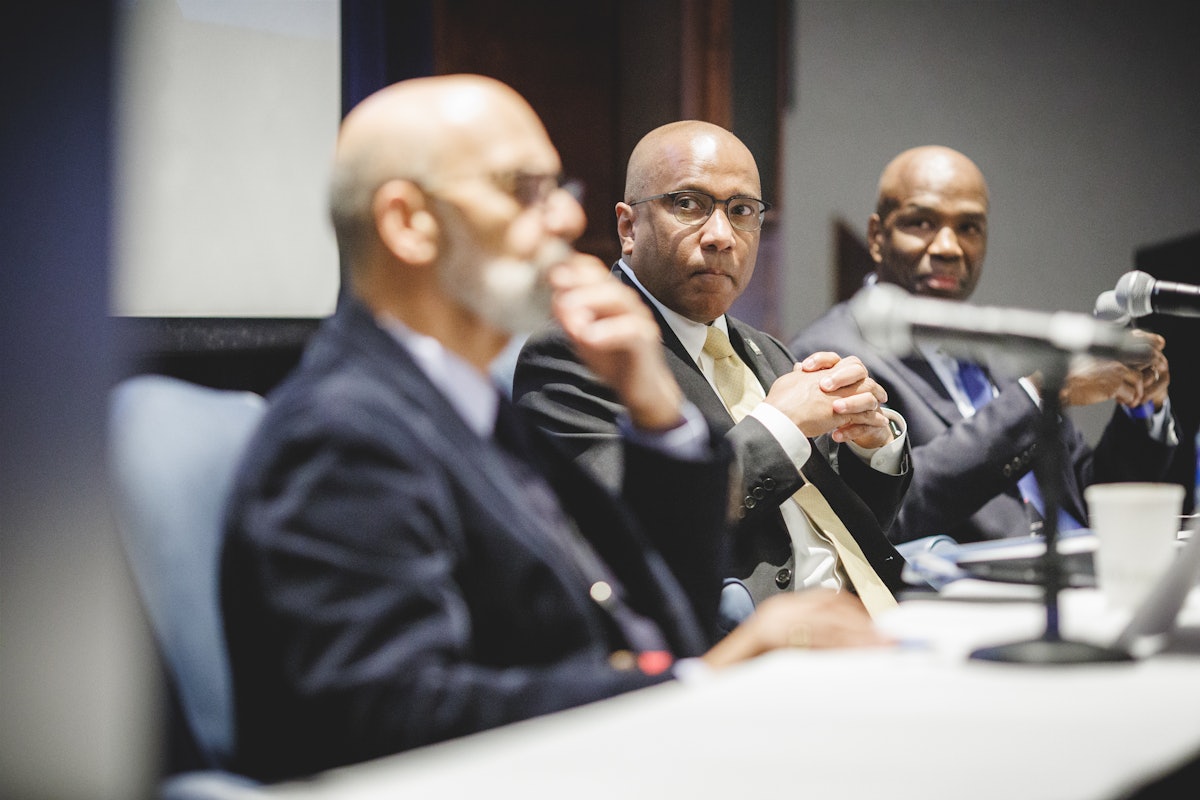
    Dr. Michael Lomax, Dr. Harry L. Williams, and Jim Runcie

    By Michael L. Lomax, Harry L. Williams and Jim Runcie 

    At a time when higher education is facing increased scrutiny, economic headwinds, and technological disruption, a group of institutions is charting a new path forward—one grounded in legacy, strengthened by collaboration and built for the future. These are historically Black colleges and universities (HBCUs). And they are proving that with the right investments and strategic partnerships, transformation is not only possible—it’s scalable.

    Four years ago, UNCF, Thurgood Marshall College Fund (TMCF) and Ed Advancement launched the HBCU Transformation Project—a collective effort to strengthen institutional sustainability, enhance student success and modernize campus operations across a growing network of these mission-driven institutions.

    The results speak volumes. Between 2020 and 2024, while national higher education enrollment declined, institutions participating in the HBCU Transformation Project grew their enrollment by 5.1%. In an era of enrollment contraction, these colleges are not only holding the line—they’re expanding their impact.

    “This effort is rooted in a networked approach,” according to Dr. Michael L. Lomax, president and CEO of UNCF. “When we combine institutional insight with philanthropic investment and aligned technical support, we can accelerate change in ways that benefit students, campuses and communities.”

    The initiative currently supports more than 40 HBCUs—from urban campuses to rural colleges—each selected to represent the diversity and strength of the sector. Through this initiative, campuses have redesigned their enrollment systems, implemented new technology platforms, modernized financial aid processes and invested in data-informed student support services.

    What ties these efforts together is a shared commitment to transformation to secure long-term institutional health and improve outcomes for students. It’s about building the infrastructure that allows these colleges to thrive in a fast-evolving higher education marketplace.

    “Our students need more than degrees. They need meaningful pathways to jobs, leadership and advancement,” according to Dr. Harry L. Williams, president and CEO of TMCF. “This work ensures our institutions are positioned to align with 21st-century workforce needs, opening doors to opportunity.”

    Beyond enrollment and academic programs, the Transformation Project is helping these institutions rethink how they operate. By investing in operations, shared services and scalable back-office solutions, the initiative is removing the all too pervasive obstacles of outdated systems and under-resourced departments. We are making foundational changes that will yield a lasting impact.

    Jim Runcie, CEO of Ed Advancement, put it simply: “We’re helping institutions do what they already do well—but with the right tools, systems and capacity behind them. Sustainable growth starts with operational strength.”

    The economic importance of HBCUs cannot be overstated. According to UNCF’s 2024 Economic Impact Report, these institutions generate $16.5 billion annually and support over 136,000 jobs nationwide. Their graduates—from engineers to educators, scientists to entrepreneurs—fuel industries, build communities and lead across sectors.

    And yet, this value has too often gone underrecognized. The HBCU Transformation Project is shifting that narrative—moving from proof-of-concept to proof-of-impact.

    UNITE 2025, UNCF’s annual convening of institutional leaders and strategic partners, will spotlight this progress. With the theme Together We Lead, UNITE is the premier platform for sharing solutions, surfacing new ideas and catalyzing partnerships. It’s where transformation moves from theory to practice.

    Looking ahead, the path is clear. We must continue to strengthen these institutions—through technology, leadership development, data utilization and investment. The transformation of HBCUs is a smart strategy for the future of American higher education and for maximizing the opportunity to link arms with international partners, seeking to mobilize global communities in a different way.

    Now is the time for more partners—investors, policymakers, employers and innovators—to join us. The groundwork has been laid. The momentum is building. And the opportunity is real.

    Together, we lead.


    Dr. Michael L. Lomax is president and CEO of the United Negro College Fund (UNCF).

    Dr. Harry L. Williams is president and CEO of the Thurgood Marshall College Fund (TMCF).

    Jim Runcie is CEO and co-founder of the Partnership for Education Advancement.


    Source link

  • Philander Smith University Names Dr. Maurice Gipson as 15th President

    Philander Smith University Names Dr. Maurice Gipson as 15th President

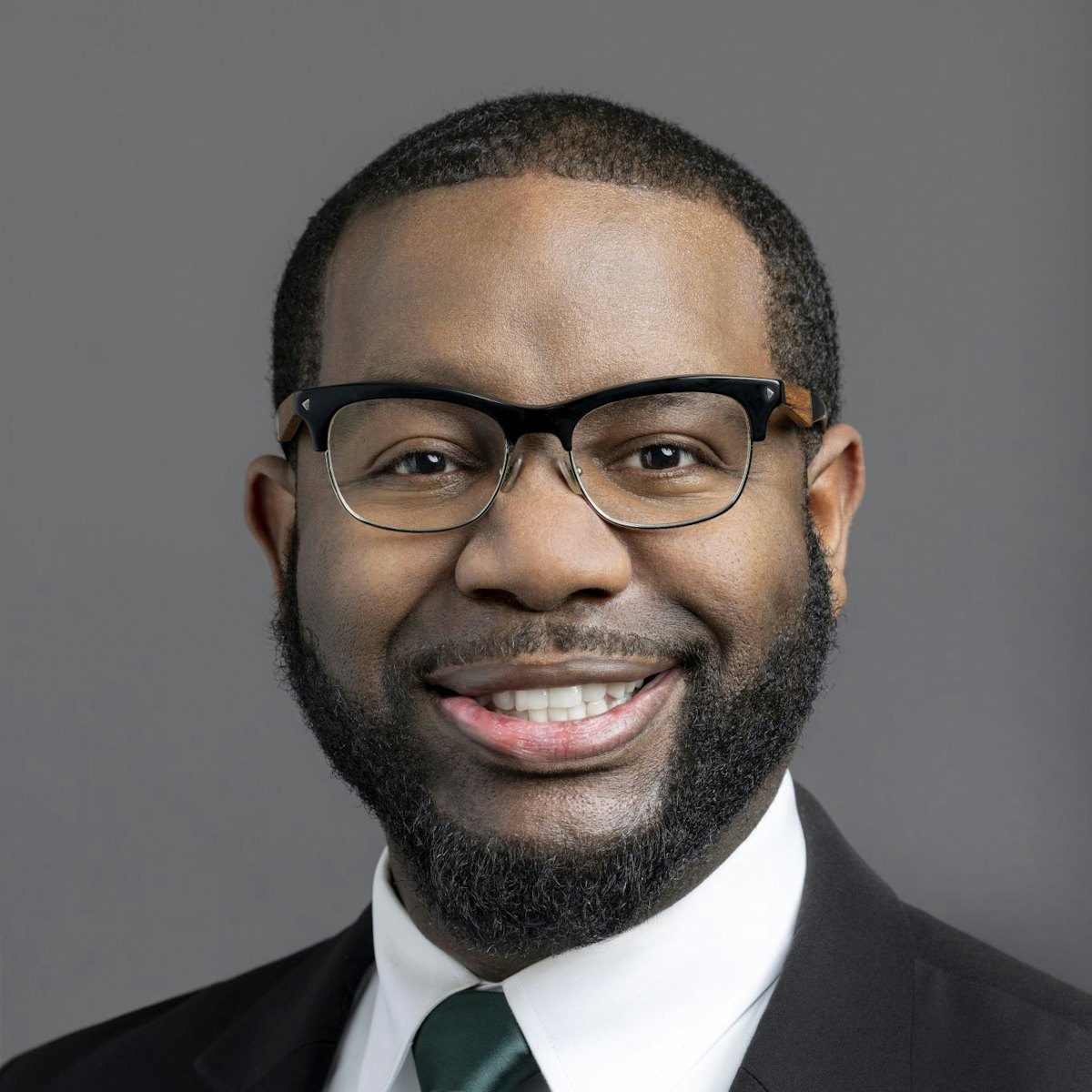
    Dr. Maurice GipsonPhilander Smith University’s Board of Trustees has appointed Dr. Maurice D. Gipson as the institution’s 15th president and chief executive officer, the university announced Thursday.

    Gipson has served as interim president since August 2024.

    “We are incredibly proud to name Dr. Maurice Gipson as our 15th President and Chief Executive Officer,” said Board Chair Dr. Tionna Jenkins, a 2001 alumna. “He brings not only the experience and strategic insight needed for this moment, but also a heartfelt understanding of what makes Philander Smith University so special.”

    Gipson most recently served as Vice Chancellor for Inclusion, Diversity, and Equity at the University of Missouri’s flagship campus. In that position, he oversaw more than 120 staff members and managed a multi-million-dollar budget for the 30,000-student institution.

    His career in higher education administration spans more than a decade, with previous leadership positions at Arkansas State University, the University of Texas at Austin, Wiley University, and Huston-Tillotson University. Gipson also previously served a four-year term on Philander Smith’s Board of Trustees, where he chaired the Governance Committee and served as vice chairman.

    A scholar specializing in African American history, Black nationalism, and the Black freedom struggle, Gipson is currently writing a book about the Black Freedom Struggle in Arkansas. He holds a Ph.D. in history from the University of Mississippi, a Juris Doctor from Southern University Law Center, a master’s degree in history from Missouri State University, and graduated from Louisiana State University. He is also a licensed attorney.

    “I am deeply honored to lead this historic institution at such a critical time,” Gipson said. “Philander Smith University has long been a place where transformation takes root—for students, for families, and for communities.”

    Source link

  • Higher Education Inquirer : HEI Investigation: Campus.edu

    Higher Education Inquirer : HEI Investigation: Campus.edu

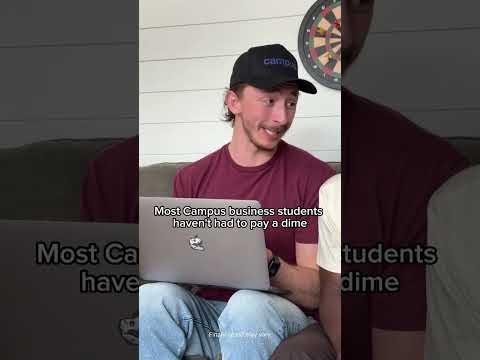
    In a sector under constant strain, Campus.edu is being heralded by some as the future of community college—and by others as a slick repackaging of the troubled for-profit college model. What many don’t realize is that before it became Campus.edu, the company was known as MTI College, a private, for-profit trade school based in Sacramento, California.

    Campus.edu rebranded in 2020 under tech entrepreneur Tade Oyerinde, is backed by nearly $100 million in venture capital. Campus now markets itself as a tech-powered alternative to traditional community colleges—and a lifeline for students underserved by conventional higher ed.

    The rebranding, however, raises red flags. While Campus.edu pitches a student-first mission with attractive promises—zero-cost tuition, free laptops, elite educators—the model has echoes of the troubled for-profit sector, with privatization, outsourcing, and digital-first delivery taking precedence over public accountability and academic governance.

    The Promises: What Campus.edu Offers

    Campus.edu markets itself with a clean, six-step path to success. The pitch is aspirational, accessible, and designed to appeal to working-class students, first-generation college-goers, and those shut out of elite institutions. Here’s what the company promises:

    1. Straightforward Application – A simple application process, followed by matching with an admissions advisor who helps identify a student’s purpose and educational fit.

    2. Tech for Those Who Need It – A free laptop and Wi-Fi access for students who lack them, ensuring digital inclusion.

    3. Personal Success Coach – Each student is assigned a personal success coach, offering free tutoring, career advising, and 24/7 access to wellness services.

    4. Elite Educators – Courses are taught live via Zoom by faculty who also teach at top universities like Stanford and Columbia.

    5. Enduring Support – Whether transferring to a four-year college or entering the workforce, Campus promises help with building skills and networks.

    6. More Learning, Less Debt – For Pell Grant-eligible students, Campus markets its programs as costing nothing out-of-pocket, with some students completing degrees debt-free.

    It’s a compelling narrative—combining social mobility, digital access, and educational prestige into a neat online package.

    Behind the Curtain: MTI College and the For-Profit Legacy

    Campus.edu did not rise out of nowhere. It emerged from the bones of MTI College, a long-running, accredited for-profit vocational school. MTI offered hands-on training in legal, IT, cosmetology, and health fields—typical offerings in the for-profit world. The purchase and transformation of MTI into Campus.edu allowed Oyerinde to retain accreditation, avoiding the long and uncertain process of seeking approval for a brand-new college.

    This kind of maneuver—buying a for-profit and relaunching it under a new brand—is not new. We’ve seen similar strategies with Kaplan (now Purdue Global), Ashford (now the University of Arizona Global Campus), and Grand Canyon University. What makes Campus.edu unique is the degree to which it blends Silicon Valley aesthetics with the structural DNA of a for-profit college.

    Missing Data, Big Promises

    Campus.edu boasts high engagement and satisfaction, but as of now, no independent data on student completion, debt outcomes, or long-term career impact is publicly available. The company remains in its early stages, with aggressive growth goals and millions in investor backing—but little regulatory scrutiny.

    With investors like Sam Altman (OpenAI)Jason Citron (Discord), and Bloomberg Beta, the pressure to scale is intense. But scale can come at the expense of quality, especially when students are promised the moon.

    Marketing Meets Memory

    Campus.edu is savvy. Its marketing strikes all the right notes: digital equity, economic mobility, mental health, and student empowerment. It presents itself as the antidote to everything wrong with higher education.

    But as its past as MTI College shows, branding can obscure history. And as for-profit operators adapt to a new digital age, it’s essential to distinguish innovation from opportunism. Without transparency, regulation, and democratic oversight, models like Campus.edu could replicate the same old exploitation—with better user interfaces.

    The stakes are high. For students already at the margins, a false promise can be more damaging than no promise at all.

    Source link

  • Empowering neurodiverse learners with AI-driven solutions

    Empowering neurodiverse learners with AI-driven solutions

    Key points:

    A traditional classroom is like a symphony, where every student is handed the same sheet music and expected to play in perfect unison. But neurodiverse learners are not able to hear the same rhythm–or even the same notes. For them, learning can feel like trying to play an instrument that was never built for them. This is where AI-powered educational tools step in, not as a replacement for the teacher, but as a skilled accompanist, tuning into each learner’s individual tempo and helping them find their own melody.

    At its best, education should recognize and support the unique ways students absorb, process, and respond to information. For neurodiverse students–those with ADHD, dyslexia, autism spectrum disorder (ASD), and other learning differences–this need is especially acute. Traditional approaches often fail to take care of their varied needs, leading to frustration, disengagement, and lost potential. But with advances in AI, we have the opportunity to reshape learning environments into inclusive spaces where all students can thrive.

    Crafting personalized learning paths

    AI’s strength lies in pattern recognition and personalization at scale. In education, this means AI can adapt content and delivery in real time based on how a student is interacting with a lesson. For neurodiverse learners who may need more repetition, multi-sensory engagement, or pacing adjustments, this adaptability is a game changer.

    For example, a child with ADHD may benefit from shorter, interactive modules that reward progress quickly, while a learner with dyslexia might receive visual and audio cues alongside text to reinforce comprehension. AI can dynamically adjust these elements based on observed learning patterns, making the experience feel intuitive rather than corrective.

    This level of personalization is difficult to achieve in traditional classrooms, where one teacher may be responsible for 20 or more students with diverse needs. AI doesn’t replace that teacher; it augments their ability to reach each student more effectively.

    Recent research supports this approach–a 2025 systematic review published in the EPRA International Journal of Multidisciplinary Research found that AI-powered adaptive learning systems significantly enhance accessibility and social-emotional development for students with conditions like autism, ADHD, and dyslexia.

    Equipping educators with real-time insights

    One of the most significant benefits of AI tools for neurodiverse learners is the data they generate–not just for students, but for educators. These systems can provide real-time dashboards indicating which students are struggling, where they’re excelling, and how their engagement levels fluctuate over time. For a teacher managing multiple neurodiverse learners, these insights are crucial. Rather than relying on periodic assessments or observations, educators can intervene early, adjusting lesson plans, offering additional resources, or simply recognizing when a student needs a break.

    Imagine a teacher noticing that a student with ASD consistently disengages during word problems but thrives in visual storytelling tasks. AI can surface these patterns quickly and suggest alternatives that align with the student’s strengths, enabling faster, more informed decisions that support learning continuity.

    Success stories from the classroom

    Across the U.S., school districts are beginning to see the tangible benefits of AI-powered tools for neurodiverse learners. For instance, Humble Independent School District in Texas adopted an AI-driven tool called Ucnlearn to manage its expanding dyslexia intervention programs. The platform streamlines progress monitoring and generates detailed reports using AI, helping interventionists provide timely, personalized support to students. Since its rollout, educators have been able to handle growing caseloads more efficiently, with improved tracking of student outcomes.

    Meanwhile, Houston Independent School District partnered with an AI company to develop reading passages tailored to individual student levels and classroom goals. These passages are algorithmically aligned to Texas curriculum standards, offering engaging and relevant reading material to students, including those with dyslexia and other learning differences, at just the right level of challenge.

    The future of neurodiverse education

    The promise of AI in education goes beyond improved test scores or sleek digital interfaces, it’s about advancing equity. True inclusion means providing every student with tools that align with how they best learn. This could be gamified lessons that minimize cognitive overload, voice-assisted content to reduce reading anxiety, or real-time emotional feedback to help manage frustration. Looking ahead, AI-driven platforms could even support early identification of undiagnosed learning differences by detecting subtle patterns in student interactions, offering a new frontier for timely and personalized intervention.

    Still, AI is not a silver bullet. Its impact depends on thoughtful integration into curricula, alignment with proven pedagogical goals, and ongoing evaluation of its effectiveness. To be truly inclusive, these tools must be co-designed with input from both neurodiverse learners and the educators who work with them. The score is not yet finished; we are still composing. Technology’s real legacy in education will not be in algorithms or interfaces, but in the meaningful opportunities it creates for every student to thrive.

    Latest posts by eSchool Media Contributors (see all)

    Source link

  • Students learn the basics of AI as they weigh its use in their future careers

    Students learn the basics of AI as they weigh its use in their future careers

    This story was originally published by Chalkbeat. Sign up for their newsletters at ckbe.at/newsletters.

    On a recent Thursday morning, Michael Taubman asked his class of seniors at North Star Academy’s Washington Park High School: “What do you think AI’s role should be in your future career?”

    “In school, like how we use AI as a tool and we don’t use it to cheat on our work … that’s how it should be, like an assistant,” said Amirah Falana, a 17-year-old interested in a career in real estate law.

    Fernando Infante, an aspiring software developer, agreed that AI should be a tool to “provide suggestions” and inform the work.

    “It’s like having AI as a partner rather than it doing the work,” said Infante during class.

    Falana and Infante are students in Taubman’s class called The Summit, a yearlong program offered to 93 seniors this year and expanding to juniors next year that also includes a 10-week AI course developed by Taubman and Stanford University.

    As part of the course, students use artificial intelligence tools – often viewed in a negative light due to privacy and other technical concerns – to explore their career interests and better understand how technology could shape the workforce. The class is also timely, as 92% of companies plan to invest in more AI over the next three years, according to a report by global consulting firm McKinsey and Company.

    The lessons provide students with hands-on exercises to better understand how AI works and how they can use it in their daily lives. They are also designed so teachers across subject areas can include them as part of their courses and help high school students earn a Google Career Certificate for AI Essentials, which introduces AI and teaches the basics of using AI tools.

    Students like Infante have used the AI and coding skills they learned in class to create their own apps while others have used them to create school surveys and spark new thoughts about their future careers. Taubman says the goal is to also give students agency over AI so they can embrace technological changes and remain competitive in the workfield.

    “One of the key things for young people right now is to make sure they understand that this technology is not inevitable,” Taubman told Chalkbeat last month. “People made this, people are making decisions about it, and there are pros and cons like with everything people make and we should be talking about this.”

    Students need to know the basics of AI, experts say

    As Generation Z, those born between 1997 and 2012, graduate high school and enter a workforce where AI is new, many are wondering how the technology will be used and to what extent.

    Nearly half of Gen Z students polled by The Walton Family Foundation and Gallup said they use AI weekly, according to the newly released survey exploring how youth view AI. (The Walton Family Foundation is a supporter of Chalkbeat. See our funders list here.) The same poll found that over 4 in 10 Gen Z students believe they will need to know AI in their future careers, and over half believe schools should be required to teach them how to use it.

    This school year, Newark Public Schools students began using Khan Academy’s AI chatbot tutor called Khanmigo, which the district launched as a pilot program last year. Some Newark teachers reported that the tutoring tool was helpful in the classroom, but the district has not released data on whether it helped raise student performance and test scores. The district in 2024 also launched its multimillion project to install AI cameras across school buildings in an attempt to keep students safe.

    But more than just using AI in school, students want to feel prepared to use it after graduating high school. Nearly 3 in 4 college students said their colleges or universities should be preparing them for AI in the workplace, according to a survey from Inside Higher Ed and College Pulse’s Student Voice series.

    Many of the challenges of using AI in education center on the type of learning approach used, accuracy, and building trust with the technology, said Nhon Ma, CEO of Numerade – an online learning assistant that uses AI and educators to help students learn STEM concepts. But that’s why it’s important to immerse students in AI to help them understand the ways it could be used and when to spot issues, Ma added.

    “We want to prepare our youth for this competitive world stage, especially on the technological front so they can build their own competence and confidence in their future paths. That could potentially lead towards higher earnings for them too,” Ma said.

    For Infante, the senior in Taubman’s class, AI has helped spark a love for computer science and deepened his understanding of coding. He used it to create an app that tracks personal milestones and goals and awards users with badges once they reach them. As an aspiring software developer, he feels he has an advantage over other students because he’s learning about AI in high school.

    Taubman also says it’s especially important for students to understand how quickly the technology is advancing, especially for students like Infante looking towards a career in technology.

    “I think it’s really important to help young people grapple with how this is new, but unlike other big new things, the pace is very fast, and the implications for career are almost immediate in a lot of cases,” Taubman added.

    Students learn that human emotions are important as AI grows

    It’s also important to remember the limitations of AI, Taubman said, noting that students need the basic understanding of how AI works in order to question it, identify any mistakes, and use it accordingly in their careers.

    “I don’t want students to lose out on an internship or job because someone else knows how to use AI better than they do, but what I really want is for students to get the internship or the job because they’re skillful with AI,” Taubman said.

    Through Taubman’s class, students are also identifying how AI increases the demand for skills that require human emotion, such as empathy and ethics.

    Daniel Akinyele, a 17-year-old senior, said he was interested in a career in industrial and organizational psychology, which focuses on human behavior in the workplace.

    During Taubman’s class, he used a custom AI tool on his laptop to explore different scenarios where he could use AI in his career. Many involved talking to someone about their feelings or listening to vocal cues that might indicate a person is sad or angry. Ultimately, psychology is a career about human connection and “that’s where I come into play,” Akinyele said.

    “I’m human, so I would understand how people are feeling, like the emotion that AI doesn’t see in people’s faces, I would see it and understand it,” Akinyele added.

    Falana, the aspiring real estate attorney, also used the custom AI tool to consider how much she should rely on AI when writing legal documents. Similar to writing essays in schools, Falana said professionals should use their original writing in their work but AI could serve as a launching pad.

    “I feel like the legal field should definitely put regulations on AI use, like we shouldn’t be able to, draw up our entire case using AI,” Falana said.

    During Taubman’s class, students also discussed fake images and videos created by AI. Infante, who wants to be a software developer, added that he plans to use AI regularly on the job but believes it should also be regulated to limit disinformation online.

    Taubman says it’s important for students to have a healthy level of skepticism when it comes to new technologies. He encourages students to think about how AI generates images, the larger questions around copyright infringement, and their training processes.

    “We really want them to feel like they have agency in this world, both their capacity to use these systems,” Taubman said, “but also to ask these broader questions about how they were designed.”

    Chalkbeat is a nonprofit news site covering educational change in public schools.

    For more on AI in education, visit eSN’s Digital Learning hub.

    Latest posts by eSchool Media Contributors (see all)

    Source link

  • How to get started making a podcast

    How to get started making a podcast

    She suggests teaming up with a buddy. “Looking back on all the stuff I’ve produced, I’ve never produced it alone or in a silo,” she said. “You really need to connect with other people. And I think that’s a great way to do it.”

    4. Find your mango. Colter said that piece of advice came from climate journalist Katherine Dunn, who runs the Oxford Climate Journalism Network. It means connecting climate to the things that people care about. “Yummy, delicious mangoes are struggling to thrive on a heating planet right now,” Colter said. “So that’s something that actually is under threat. It’s something that people love. The thing I like about it is that mangoes are really visual. Everybody knows them.”

    5. Make small splashes as opposed to big waves. You don’t need to think about a massive climate headline, Colter said. It can and should be stories that you’re personally interested in that have a climate element to them. Climate is everywhere, Colter said. “It’s just about finding your route into it,” she said. “Find small ways to connect the dots to climate change.”

    6. Keep it simple: Listeners want to feel like they are part of a conversation. So talk like you’d normally talk. “It doesn’t need to sound like a science textbook,” Colter said. “Like we’re not all climate scientists and I don’t think we should feel that we have to communicate in such a way.”

    7. Keep it human: We tend to focus climate stories around some aspect of the planet: air, water, wildlife, plants. But it is a mistake to ignore people. “That’s who is mainly suffering and who will suffer,” Colter said. “Nature will go on, humans won’t.” She said center a story around  humans and speak directly to the people that your story affects by reaching out to them and interviewing them. 

    “It’s amazing now you you can pretty much contact anyone all over the world,” she said. “And what I would say is  just go for it because you’d be surprised at who replies.”

    8: Give people ways that take action. Colter said that you don’t want to lecture people or demand that they change the way they live. But you can make suggestions and give them blueprints of how others have taken action. “It’s very much about taking stock of what’s going on in your life and your community and taking action within that,” she said. 

    9. Find technology you are comfortable with. There are seemingly endless apps and software programs and hardware you can buy and download and install and use. But you don’t need expensive equipment or complicated programs. There are simple, inexpensive microphones you can buy or use the one that comes on your laptop or phone. You can use free software that called a digital audio workspace. On an Apple device there is an app for recording called Voice Memos, for example. “So you literally just open that, hit go and you’re good to go,” she said. 

    You will need an editing program. Again there are fancy programs you can get such as Adobe Audition but there are simpler programs as well. Colter pointed to Descript, which allows you to edit the audio by editing the words. “So you can literally highlight a whole sentence and click delete if you don’t want that sentence,” she said. “I think Descript is a really good entry tool if you just want to have a play around.”

    10. Publish. Like with recording and editing technology, there are a lot of publishing platforms like Buzzsprout, Acast and Simplecast and all will enable people to find your podcast on Apple, Spotify and other commonly used streaming services. Some are free and some cost money. You might want to explore and compare. 


    Questions to consider:

    1. Why is there more to podcasting than just talking into a mic?

    2. What are some ways you can connect to an audience?

    3. If you were to create a new podcast, what would it be about?


    Source link

  • Test yourself on this week’s K-12 news

    Test yourself on this week’s K-12 news

    This audio is auto-generated. Please let us know if you have feedback.

    How well did you keep up with this week’s developments in K-12 education? To find out, take our five-question quiz below. Then, share your score by tagging us on social media with #K12DivePopQuiz.

    Source link

  • Four Things to Know About the House Budget Plan

    Four Things to Know About the House Budget Plan

    After much back-and-forth and late-night dealing, House Republicans have passed a sweeping budget plan to cut spending and taxes that is moving on to the Senate—a significant milestone for legislation that seemed dead in the water a week ago amid concerns that the bill didn’t include deeper cuts.

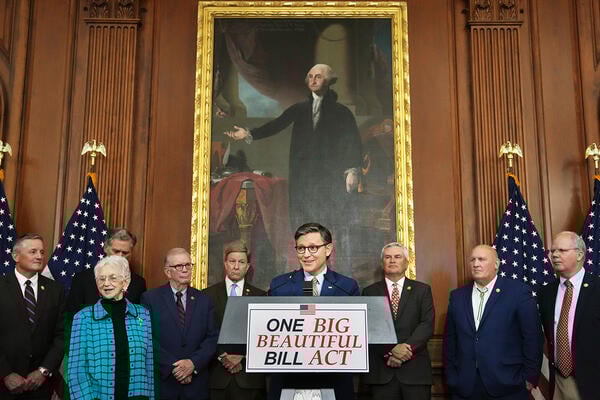
    The plan, called the One Big Beautiful Bill Act, narrowly advanced Thursday morning by a one-vote margin. All Democrats opposed the legislation, arguing that the spending cuts would hurt the working class and vulnerable populations while raising the deficit and giving tax breaks to wealthy individuals.

    Among other changes, the legislation would levy new taxes on colleges, require institutions to pay millions to the federal government, change how students pay for college and limit eligibility for the Pell Grant. In the lead-up to Thursday’s vote, higher education leaders warned that the proposal would make trying to attend and pay for college much more complicated and raise costs for those who do enroll. The bill does include some wins for colleges, institutional lobbyists say, but those don’t outweigh the negatives.

    Republicans, who say the cuts are necessary, are using a legislative procedure known as reconciliation to advance the bill. That process allows lawmakers to fast-track the legislation and pass it with a simple majority of votes in both chambers. (Typically, the Senate requires 60 votes to cut off debate for a bill.)

    “It’s time we stopped asking a factory worker in Michigan or a rancher in Texas to subsidize the student debt of a lawyer in Manhattan so colleges can continue to spike their tuition to whatever they want,” said Rep. Tim Walberg, a Michigan Republican and chair of the House Committee on Education and the Workforce, in a statement. “By capping loan amounts and giving some financial responsibility to schools, this legislation addresses the root cause of high college costs and provides schools an incentive to deliver real value for students and taxpayers.”

    With the measure now in the Senate’s hands and lawmakers eyeing a July 4 deadline, here’s what else you should know about the legislation that could reshape American higher education.

    1. Students Set to Lose Pell Money

    Many House committees had a hand in the legislation, but the proposals that will have the biggest impact on colleges are from the Committee on Education and the Workforce. The 103-page Student Success and Taxpayer Savings Plan, which is part of the broader reconciliation bill, would reduce spending by nearly $350 billion over the next 10 years.

    Most of those savings stem from rolling back a Biden-era student loan repayment plan that never fully took effect and from capping how much students can borrow. But lawmakers are also planning to increase spending on Pell Grants by $2.8 billion as they aim to address a looming shortfall and open up the program to short-term workforce-training classes.

    To make the math work, Republicans are changing who qualifies for a Pell Grant, proposing that students would have to take at least 15 credits a semester in order to receive the full award. They’ll also have to take at least 7.5 credits to get any money. Currently, the Pell Grant is prorated based on how many credits students take, and there’s no floor.

    Changing the full-time-award definition would save $7.1 billion, according to the Congressional Budget Office, which estimated that more than half of students currently enrolled would see their Pell Grant reduced.

    The CBO also estimated that cutting off Pell for part-time students would save about $687 million over the next 10 years. Currently, about 10 percent of Pell Grant recipients enroll less than half-time. Of those students, the CBO predicts that one-third of students who stand to lose their grant under this change would enroll in more classes. Presumably, the other two-thirds would either stop out or pay for their education with loans or their own money. (The CBO report was based on a minimum of six credits, but that threshold has since increased to 7.5, so the number of students affected could be higher.)

    Over all, about 700,000 students would no longer be eligible for the Pell Grant after all the changes take effect. The changes are currently set to take effect in summer 2026.

    2. Colleges on the Hook for Unpaid Student Loans

    In addition to the Pell Grant cuts, college leaders are particularly worried about a provision known as risk-sharing, which would require institutions to pay a financial penalty based on students’ unpaid loans. How much colleges would have to pay is unclear, but the CBO estimates that by 2034, payments would total $1.3 billion and then continue to increase each year. Risk-sharing is expected to save the government $5.3 billion over the next 10 years.

    Because of risk-sharing and other changes in the bill aimed at limiting student borrowing, the CBO predicts that the volume of student loans would drop by about 20 percent.

    College leaders and lobbyists argue that the formula that would determine institutions’ payments is untested, and without more information, they can’t accurately gauge the ramifications. One lobbyist said the proposal represented “an astonishing level of federal overreach.” Critics of the plan also worry that underresourced and minority-serving institutions would be hit the hardest.

    “The risk is not equal among colleges,” Tuskegee University president Mark Brown told senators this week.

    Risk-sharing is just one of several proposed changes that would upend the student loan system. House Republicans also want to end Grad PLUS loans along with subsidized loans, restrict Parent PLUS loans and tie how much students can borrow to the median cost of a program. Some consumer protection advocates argued that these changes would drive students to private lenders, which often charge higher interest rates.

    3. More Taxes and Medicaid Cuts Threaten Colleges’ Bottom Lines

    Other proposals in the bill from the Ways and Means Committee would levy a host of new or expanded taxes against universities.

    First, the committee created new brackets to tax wealthy universities’ endowments. Currently, private universities with endowments that are worth more than $500,000 per student pay a 1.4 percent tax. But under the plan, some could see their endowments taxed at 21 percent.

    Institutions with endowments valued at $750,000 to $1.25 million per student would be hit with a 7 percent tax. That rate would climb to 14 percent for colleges with endowments worth $1.25 million to $2 million per student, while colleges with endowments of $2 million or more per student would pay 21 percent. Colleges also can’t include international students in their tally of students, which could subject more institutions to the tax.

    In addition to the endowment tax, the proposal also taxes a college’s intellectual property by stating that the endowment tax should include all forms of investment income. This means that any royalties from a private university’s intellectual property, including patents and copyrights, would be taxable. Additionally, the legislation removes colleges’ exemption from the unrelated business income tax so that all institutions, public and private, would be taxed for royalties from licensing their name and logo.

    House Republicans in other committees also proposed cuts to the Medicaid and Supplemental Nutrition Assistance programs, which critics say would hurt students and states’ budgets. And if states do take a hit financially, public colleges might see their budgets cut.

    “If federal Medicaid funding is reduced in a new federal tax law, no public college or university will be immune from future state budget reductions and the austerity that will result. Public higher education must be prepared,” two professors wrote in an Inside Higher Ed op-ed earlier this year.

    4. Warnings From Higher Ed Pile Up

    Higher education groups warned before and after the vote of damaging consequences if the legislation becomes law.

    American Federation of Teachers president Randi Weingarten called it a “big, ugly betrayal,” while Kara D. Freeman, president and CEO of the National Association of College and University Business Officers, said in a statement that “the implications for student access, research, and innovation could be far-reaching.”

    Freeman said the endowment tax is especially concerning and cited NACUBO data that shows colleges and universities spent $30 billion from their endowments in fiscal year 2024—nearly half of which funded student financial aid.

    “This scholarship tax takes funds away from students and makes it less possible for colleges to support them,” she said.

    Meanwhile, the American Council on Education took issue with the use of the reconciliation process to advance sweeping changes, along with the provisions in the bill.

    “The totality of the funding cuts, policy changes, and tax increases included in this reconciliation package will have a historic and negative impact on the ability of current and future students to access postsecondary education, as well as on colleges and universities striving to carry out their vital educational and research missions,” ACE wrote in a letter to the House.

    So far, senators have said little about the higher ed provisions in the bill, so it’s not yet clear whether they’ll agree with the House plan. Generally, while the House prefers risk-sharing, the Senate is expected to back a measure that judges programs by their students’ employment rates and income levels after graduation.

    But, with President Donald Trump backing the legislation and a fragile majority in the House, senators have few options if they want to change the legislation.

    “This is arguably the most significant piece of Legislation that will ever be signed in the History of our Country!” Trump wrote on Truth Social. “Now, it’s time for our friends in the United States Senate to get to work, and send this Bill to my desk AS SOON AS POSSIBLE! There is no time to waste.”

    Source link