Each month, CUPA-HR General Counsel Ira Shepard provides an overview of several labor and employment law cases and regulatory actions with implications for the higher ed workplace. Here’s the latest from Ira.
Dartmouth College May Appeal NLRB’s Decision Allowing Basketball Players to Unionize
The Dartmouth College men’s basketball team voted 13-2 to unionize, selecting the Service Employees International Union Local 560 to represent them in collective bargaining. While student-athletes at Northwestern University voted to unionize some 10 years ago, the National Labor Relations Board declined jurisdiction in that case. Here, the NLRB appears to be taking a different approach and has affirmed the regional director’s decision that the basketball players are employees of the college.
Bloomberg reports that Dartmouth stated it has “deep respect” for its unionized workers but does not believe this path is “appropriate” for basketball players. Dartmouth has argued to the NLRB that its student-athletes are not employees and that its basketball players are participating in a voluntary extracurricular activity. The NLRB, with one dissenting vote, denied Dartmouth’s motion to stay its decision, ruling that the basketball players are employees of the institution. The legal path forward is complex, and we will report on developments as they occur.
Separately, the NLRB is conducting a hearing on the West Coast involving an unfair labor practice complaint filed against the University of Southern California, the Pac-12 Conference and the NCAA regarding their refusal to bargain with a union representing football and basketball players at USC. The NLRB general counsel has publicly stated that she believes student-athletes are employees who should be able to unionize.
Student-Athlete Employee Status Could Lead to Student Visa Problems
The classification of college student-athletes as employees could lead to F-1 visa problems for international athletes enrolled in U.S. colleges and universities. The F-1 visa restricts work to 20 hours per week when classes are in session and 40 hours per week when classes are not in session. The F-1 visa is used by roughly 20,000 international athletes enrolled in U.S. colleges and universities.
Possible workarounds are either the P-1 visa, which is a nonimmigrant visa used by professional athletes, or an O-1 visa, which is used by individuals with extraordinary ability. Commentators conclude that these workarounds are not feasible on the scale necessary to accommodate the number of international student-athletes involved. A legislative solution will probably be necessary to address this problem should the employee status of college athletes be confirmed by the NLRB, or in other litigation under statutes such as the Fair Labor Standards Act.
Union Membership and Strike Activity Rose Dramatically in 2023
Bloomberg Law’s statistical analyses show that union membership and strike activity rose considerably in 2023 to levels not seen in years. Unions organized almost 100,000 new workers in NLRB-supervised elections in 2023, the largest single year total since 2000. This is the fourth-largest total one-year organizing gain since 1990, according to Bloomberg Law statistics. This is also the first time since 1990 that unions have managed to increase their annual headcount for three years in a row.
The news is similar on the strike activity front. Over 500,000 workers participated in work stoppages in 2023. This is the second-highest number since Bloomberg Law began collecting this data in 1990. The only year that saw more strike activity since 1990 was 2018, the year of multiple city- and state-wide teacher strikes.
SpaceX’s Challenge to NLRB’s Administrative Procedures Is Transferred From Texas to California
A federal district court judge in Texas recently granted the NLRB’s motion to transfer SpaceX’s constitutional challenge from federal court in Texas to federal court in the Central District of California, where the underlying facts, NLRB hearing, and decision took place (SpaceX v. NLRB (S.D. Tex., No. 24-00001, Motion Granted 2/15/24)).
SpaceX argued that the Texas venue was proper because SpaceX has operations and employees in Texas who received and were subject to a company letter, distributed nationally, that the NLRB ruled violated employee rights under the National Labor Relations Act.
The Texas federal judge rejected SpaceX’s arguments, concluding that the underlying California-based administrative proceedings were brought against a California-based company and involved its California employees. With the transfer of the case to California, SpaceX lost a potentially more favorable appeals court precedent and appellate review. The 5th U.S. Circuit Court of Appeals (covering Louisiana, Mississippi and Texas) is viewed as more conservative than the 9th Circuit, which covers California. In addition, the 5th Circuit has in the past ruled that aspects of decisions by other federal agencies, including the Securities and Exchange Commission, violate the U.S. Constitution.
Employer Risk Associated With Targeting Remote Workers for Termination
Remote work is not in and of itself a protected classification under federal or state civil rights laws. Nonetheless, the reasons for remote work could be protected, such as a disability-related concern. Bloomberg Law commentators conclude that remote workers are more likely to be laid off or miss out on promotional opportunities than peers who work in the office or in hybrid environments. Also according to Bloomberg Law, studies demonstrate that remote workers are more likely to be women, persons of color and those with disability accommodations. Evidence that any of those protected factors contributed to the termination, layoff or failure to promote could give rise to a successful challenge of the employment action under either the Americans with Disabilities Act or applicable state or federal civil rights statutes.
Disney Actor Tests California State Law Protecting Employees From Discharge for Off-Work Political Comments
An actor in the Disney show “The Mandalorian” filed a lawsuit claiming that she was unlawfully terminated from the show because of political comments she made outside of the workplace. Actor Gina Carano claims she was terminated after social media posts comparing the treatment of Trump supporters to how Jews were treated during the Holocaust. The plaintiff also alleges that Disney took issue with other comments she made on the COVID-19 vaccine, gender identity and voter fraud during the 2020 election.
The lawsuit has been filed in federal court in the Central District of California and is being funded by Elon Musk. The suit was filed under a California statute that has broader protections than Title VII in protecting off-work political comments and has no cap on damages. Section 1101 of the California Labor Code protects a worker’s right to political expression outside of work, including speaking up for a candidate or cause.
The plaintiff also alleges sex discrimination and that Disney treated male actors more favorably in similar circumstances. She alleges that male stars Mark Hamill and her co-star Pedro Pascal were treated more favorably when they engaged in off-work political statements. The breadth of the protection and scope of the California statute will be tested by this litigation brought against Disney.
NLRB Reverses Decision, Finds Home Depot Violated NLRA Over Employee’s Black Lives Matter Slogan
A three-member panel of the NLRB ruled 2-1 that Home Depot violated the NLRA when it told an employee that he could not work with a “BLM” slogan on his company-issued apron, thus forcing his resignation (Home Depot USA (NLRB Case no. 18-CA-273796, 2/23/24)). The NLRB panel reversed the decision of the administrative law judge who had handled the trial of the case and had ruled in favor of Home Depot, holding that the company had the right to maintain its rules about company uniforms.
The NLRB panel reversed, concluding that Home Depot violated the NLRA because the record demonstrated the employee’s protest was in furtherance of earlier group complaints about racism in the Home Depot workplace. In these circumstances, the NLRB concluded that the employee’s action in working with a Black Lives Matter slogan on his work apron was protected, concerted activity under the NLRA, as a “logical outgrowth” of earlier employee protests of race discrimination at the specific Home Depot store. The dissenting board member stated in his decision that the majority holding was an “unprecedented extension” of the “logical outgrowth” theory.
Since 1996, the National Committee on Pay Equity has acknowledged Equal Pay Day to bring awareness to the gap between men’s and women’s wages. This year, Equal Pay Day is March 12 — symbolizing how far into the year women must work to be paid what men were paid in the previous year.
To help higher ed leaders understand, communicate and address gender pay equity in higher education, CUPA-HR has analyzed its annual workforce data to establish Higher Education Equal Pay Days for 2024. Tailored to the higher ed workforce, these dates observe the gender pay gap by marking how long into 2024 women in higher ed must work to make what White men earned the previous year.
Higher Education Equal Pay Day fell on March 5, 2024, for women overall, which means that women employees in higher education worked for more than two months into this year to gain parity with their White male colleagues. Women in the higher ed workforce make on average just 82 cents for every dollar a White male employed in higher ed makes.
Highlighting some positive momentum during this Women’s History Month, some groups of women are closer to gaining pay equity. Asian American women in higher ed worked two weeks into this year to achieve parity on January 14 — not ideal, but by no means insignificant. In fact, during the academic year 2022-23, Asian American women administrators in particular saw better pay equity than most other groups, according to CUPA-HR’s analysis.
But the gender pay gap remains for most women, and particularly for women of color. Here’s the breakdown of the gender pay gap in the higher ed workforce, and the Higher Education Equal Pay Day for each group.* These dates remind us of the work we have ahead.
March 5 — Women in Higher Education Equal Pay Day. On average, women employees in higher education are paid 82 cents on the dollar.
January 14 — Asian Women in Higher Education Equal Pay Day. Asian women in higher ed are paid 96 cents on the dollar.
March 1 — White Women in Higher Education Equal Pay Day. White women in higher ed are paid 83 cents on the dollar.
March 12 — Native Hawaiian/Pacific Islander Women in Higher Education Equal Pay Day. Native of Hawaii or Pacific Islander women in higher ed are paid 80 cents on the dollar.
March 28 — Black Women in Higher Education Equal Pay Day. Black women in higher ed are paid 76 cents on the dollar.
April 12 — Hispanic/Latina Women in Higher Education Equal Pay Day. Hispanic/Latina women in higher ed are paid 72 cents on the dollar.
April 22 — Native American/Alaska Native Women in Higher Education Equal Pay Day. Native American/Alaska Native women are paid just 69 cents on the dollar.
CUPA-HR research shows that pay disparities exist across employment sectors in higher ed — administrators, faculty, professionals and staff — even as the representation of women and people of color has steadily increased. But with voluntary turnover rising, not addressing pay disparities could be costly.
CUPA-HR Resources for Higher Education Equal Pay Days
As we observe Women’s History Month and Higher Education Equal Pay Days for women, we’re reminded that the fight for equal pay is far from over. But data-driven analysis with the assistance of CUPA-HR research can empower your fight for a more equitable future.
See our interactive graphics that track gender and racial composition, as well as pay, of administrative, faculty, professional, and staff roles, collected from CUPA-HR’s signature surveys:
On March 5, 2024, the Dartmouth College men’s basketball team voted 13-2 in favor of joining the Service Employees International Union. The election marks the first time in nearly a decade that student-athletes have been authorized to vote for union representation and may be the first case in which their election results in certified representation.
Background
On February 5, the National Labor Relations Board Regional Director Laura Sacks determined that players on the Dartmouth men’s basketball team are employees under the National Labor Relation Act and are thus eligible to unionize. The decision argues that the student-athletes are employees because Dartmouth has the “right to control the work performed by” the players on the team and players receive several benefits, including, but not limited to, lodging, meals, gear and training. Sacks’s decision ordered a secret-ballot election for representation, allowing all 15 players on the roster to determine whether or not to unionize.
On February 29, Dartmouth filed a request to the NLRB to reconsider the decision made by the regional director and to place a stay on the election or impound the ballots during the reconsideration period. The NLRB rejected these requests to reconsider the decision and stay the election, allowing the election to move forward as scheduled.
On March 5, before the 13-2 vote, Dartmouth appealed the regional director’s decision to recognize the student-athletes as employees. The appeal asked the NLRB to review and reverse the regional director’s decision and dismiss the petition, making the following arguments in favor of doing so:
The NLRB regional director inaccurately defined a student-athlete as an employee.
The NLRB regional director contradicted precedent set by a 2015 NLRB decision involving the Northwestern University men’s football team by asserting jurisdiction in this case.*
There will be several adverse and unintended consequences for institutions and players if student-athletes are found to be employees, including potential immigration and Title IX issues.
Looking Ahead
The SEIU has five days to respond to this appeal, after which the NLRB will consider both motions. The review by the NLRB, along with any further legal challenges that could go all the way to the U.S. Supreme Court, might significantly delay the union’s official recognition and the start of collective bargaining negotiations. These processes could take months or even longer to complete.
Several lawsuits challenging NCAA policies are also ongoing, and other recent NLRB decisions and complaints further challenge the NCAA’s structure and question the classification of student-athletes as employees. Last month, a district court judge in Tennessee issued a preliminary injunction that bars the NCAA from enforcing its policy prohibiting incoming student-athletes from capitalizing on name, image, and likeness deals prior to enrolling at a college or university. Additionally, the NLRB has also issued a complaint against the University of Southern California, the PAC-12 Conference and the NCAA, alleging the three have misclassified USC’s football and men’s and women’s basketball players as student-athletes rather than employees and that they are joint employers of the athletes. The NLRB complaint is currently being challenged in court.
The establishment of a student-athlete union is a divergence from the NCAA’s amateurism standards; for example, unionized players gain opportunities to negotiate compensation and working conditions related to practice hours and travel. With unionized players empowered to negotiate, the landscape of collegiate athletics may undergo a significant shift.
CUPA-HR will keep members apprised of upcoming developments as it relates to this case.
*In 2015, the NLRB declined to assert jurisdiction in a case involving the Northwestern University men’s football team. Prior to issuing the decision, the men’s football team had voted for representation, but the NLRB ultimately dismissed the petition filed by the union that planned to represent the unit. The NLRB held that, though Northwestern is a private institution, it is a part of the Big Ten Conference, which was comprised of all public schools except for Northwestern at the time.
On March 1, 2024, U.S. Citizenship and Immigration Services published updated forms and filing instructions for the I-129, Petition for a Nonimmigrant Worker and the I-140, Immigrant Petition for Alien Workers. These updates incorporate new fee calculations as outlined in the USCIS fee rule. Notably, the filing instructions state that institutions “of higher education, as defined in section 101(a) of the Higher Education Act of 1965” are eligible for the reduced fees and exemption from the Asylum Program fee.
This clarification follows the issuance of a final rule by USCIS on January 31, 2024, which adjusted the fees for most immigration applications and petitions, resulting in significantly higher fees for most employment-based petitioners. However, due to concerns raised by stakeholders, including CUPA-HR and other higher education institutions, the final rule provided relief for nonprofit organizations in the form of fee reductions as well as an exemption from a newly introduced fee intended to fund the Asylum Program.
In a previous blog post, CUPA-HR addressed the confusion stemming from the final rule’s reliance on the Internal Revenue Code’s definition of a nonprofit organization, particularly 26 U.S.C. 501(c)(3). This definition caused uncertainty among public universities and colleges, which, while tax-exempt, are not classified as 501(c)(3) entities. The preamble to the final rule suggested that the agency’s approach to defining “nonprofit” was designed to ensure that the primary types of organizations eligible for the American Competitiveness and Workforce Improvement Act’s fee reduction — specifically, educational institutions, nonprofit research organizations, and governmental research organizations — would also qualify for fee reductions and exemptions under this rule. However, the possibility of a strict interpretation of “nonprofit” might have left public universities and colleges facing increased fees.
The updated filing instructions offer much-needed clarity on the fee reductions and exemptions, ensuring that institutions of higher education as defined by the Higher Education Act of 1965 will not be overly burdened by petitioner fees.
During calendar year 2023, union organizing continued to rise at institutions of higher education. Data from the National Labor Relations Board on union organizing show that 31.2% of all private-sector workers who successfully unionized in 2023 were employed by institutions of higher education. Public institutions also saw considerable union activity, though this is not reflected in NLRB data.*
To provide an update regarding collective bargaining at private colleges and universities across the country, CUPA-HR’s government relations team has compiled the following NLRB data** from 2023 and early 2024 to summarize organizing activity.
Organizing Efforts at Private Institutions in 2023
There were 132,303 workers in bargaining units that held elections in 2023. Of this total, 32,477 workers were from institutions of higher education.
There were 92,574 workers in total who joined certified bargaining units in the U.S. in 2023. Of this total, 28,859 workers were from institutions of higher education.
Private Institution Union Drive Data in 2023
There were 55 union elections held at private institutions of higher education last year.
Of the 55 held, 48 union elections resulted in worker unionization. Again, this totaled 28,859 workers from private institutions of higher education.***
20 elections included non-faculty, non-student workers with various positions.
14 elections included graduate students with various positions (including two RA elections).
13 elections included undergraduate students with various positions (including five RA elections).
Two elections included faculty.
Two elections included non-tenured faculty specifically.
Two elections included adjunct faculty.
Two elections included postdoctoral workers.
Three elections did not result in unionization. Four elections have been held at institutions, but they have not yet been closed. It is unclear why they are pending.
Private Institution Election Data since January 1, 2024
So far this year, there have been eight union elections at institutions of higher education. Seven of the elections resulted in worker unionization, and one is still open for unknown reasons.
In the seven decided elections, 2,477 workers are included in the bargaining units.
In the one open case, 290 workers could be unionized.
Since January 1, 2024, there are seven pending petitions for unionization at institutions of higher education. In the seven pending petitions, 3,674 workers could be unionized depending on the result of the elections.
CUPA-HR will continue to monitor this NLRB data and keep members apprised of future higher education union organizing trends.
*The NLRB is a federal agency and only has jurisdiction over private employers, which includes private higher education institutions. Public institutions handle collective bargaining activity with their state and local labor relations agencies. CUPA-HR regularly tracks activity from the NLRB and is providing an overview of union activity at private institutions, but members at public institutions are encouraged to share union activity with the CUPA-HR government relations team as it occurs.
**To compile the data, CUPA-HR searched for “Election Results” and “R Case Reports” that included the search terms “university,” “college,” and “school” during the calendar year 2023 and from January 1, 2024 to March 4, 2024.
***The grouped data below do not add up to 48 total elections because some units included multiple groups (i.e. undergraduate and graduate students, tenured and non-tenured faculty, etc.).
On March 1, the Department of Labor (DOL)’s Wage and Hour Division (WHD) sent the highly anticipated final rule to update Fair Labor Standards Act (FLSA) overtime regulations to the Office of Information and Regulatory Affairs (OIRA) for review. This is a required step in the regulatory process and acts as one of the last steps prior to releasing the text of the regulation to the public.
OIRA, as part of the president’s Office of Management and Budget, is required to review all proposed and final rules, as well as all regulatory actions, before implementation. While OIRA has 90 days to conduct its review, in most cases, the review takes 30 to 60 days. This means the final rule could be released as early as the end of March or in April, which would meet WHD’s April 2024 target date for release as indicated in the Fall 2023 Regulatory Agenda.
WHD issued the proposed rule to increase the minimum salary threshold under the FLSA overtime regulations in September 2023. In the proposed rule, WHD sought to increase the salary threshold from its current level of $35,568 annually to $60,209 — a nearly 70% increase.* The proposed rule also sought to implement automatic updates to the salary threshold that would occur every three years and would tie the updated salary threshold to the 35th percentile of weekly earnings of full-time salaried workers in the lowest-wage census region. Notably, the proposed rule did not include any changes to the duties requirements of the FLSA overtime regulations.
Comments in response to the proposed rule were due in November 2023. WHD received over 33,000 comments in response to the proposed rule. CUPA-HR, joined by 49 other higher education associations, submitted comments, which made the following recommendations:
DOL should not update the salary threshold at this time.
DOL should lower the proposed minimum salary threshold and account for room and board.
DOL should not implement automatic updates to the salary threshold.
DOL should extend the effective date of any final rule implementing a higher salary threshold.
The text of the final rule is not public until the rule is published in the Federal Register, so details of the finalized salary threshold and the timeframe for compliance are unknown at this time. While the rule is at OIRA, however, interested stakeholders can request a meeting with the administrator to discuss the proposed changes. CUPA-HR will request a meeting with OIRA to discuss our concerns with the proposed rule.
CUPA-HR will continue to keep members apprised of all updates as it relates to the FLSA overtime final rule.
* The discrepancy between our figure of $60,209 and the DOL’s preamble figure of $55,068 arises from DOL’s own projections based on anticipated wage growth. The DOL’s proposed rule is rooted in 2022 data (yielding the $55,068 figure), but a footnote in the Notice of Proposed Rulemaking confirms that the salary threshold will definitely change by the time the final rule is issued to reflect the most recent data. Our comments, aiming to respond to the most probable salary threshold at the time a final rule is released, reference the DOL’s projected figure for Q1 2024, which is $60,209. We do not believe DOL will be able to issue a final rule before Q1 2024, so we are incorporating this projected figure into our response to the NPRM. In essence, our goal is to provide members with a clearer picture of the likely salary figure when the final rule comes into play.
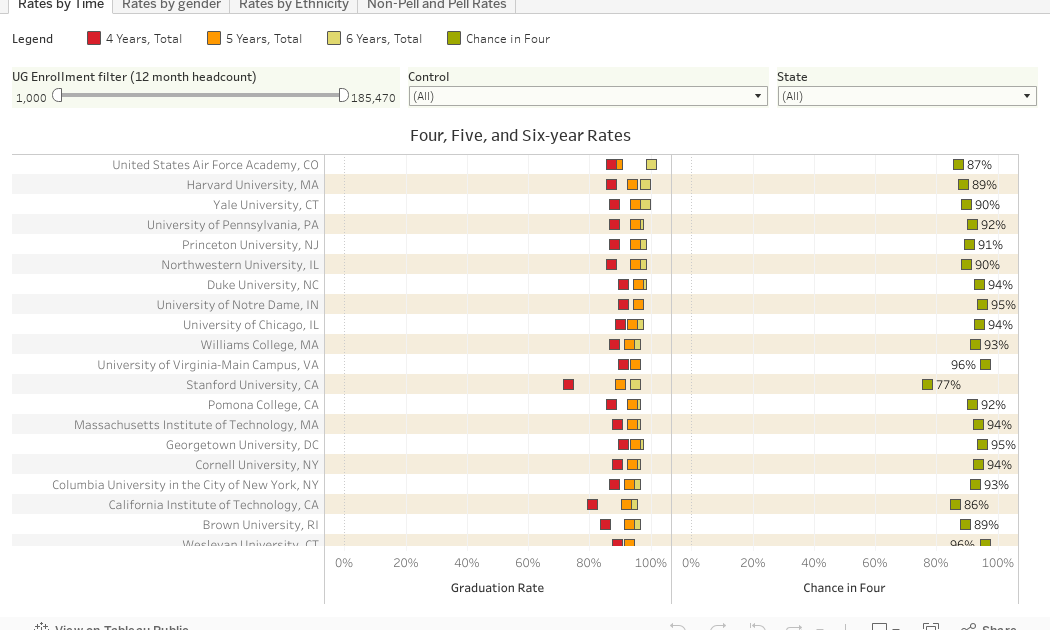
I know I’ve been barking up the tree of “Graduation Rates are inputs, not outputs” for a long time. And I know no one is listening. So I do this, just to show you (without the dependent variable) just how unsurprising they are.
Here are four views of graduation rates at America’s four-year public and private, not-for-profit colleges and universities. And I’ve put them in four views, with several different ways to look at the data.
The first (using the tabs across the top) shows four-, five-, and six-year graduation rates on the left, and “Chance in four” on the right. In other words, since everyone pretty much thinks they’re going to graduate from the college they enroll in as a freshman, what are the chances of graduating in four years, rather than six? There are some surprises there, as you’ll see.
On all the visualizations, you can apply filters to limit the colleges you’re looking at. The scroll bar (to move up or down) is on the right but it’s sometimes hard to see. And the size slider is set to a minimum of 1,000 students, but you can change that; just beware that small colleges often have wonky data, for several reasons.
The second view shows six-year rates by gender.
The third view breaks out six-year rates by ethnicity, comparing African-American, Hispanic, and Asian rates (the shapes) to the rate for White students (on the gray bars).
And the final view breaks out six-year rates by Pell Grant status, then shows the gap between the two on the right. On the gap chart, a negative number shows colleges where Pell graduation rates are higher than non-Pell rates.
The motto at Hudson County Community College is “Hudson is Home,” a saying created by their students that reflects HCCC’s commitment to community across their three New Jersey campuses. Located in one of the densest and most ethnically diverse counties in the country, HCCC uses inclusive strategies to boost employee recruitment and retention.
HCCC’s focus on promoting a culture of care and belonging positions them well to contend with voluntary turnover, which remains on the rise nationally as higher ed employees report feeling overworked and undervalued. HCCC’s inclusion and belonging initiatives, including their new peer-to-peer recognition program, address the top three predictors that employees will seek work elsewhere: recognition for contributions, being valued at work, and having a sense of belonging.
In their recent CUPA-HR webinar, HCCC’s Anna Krupitskiy, vice president for human resources, and Stephanie Sergeant, assistant director of human resources, explained how they use inclusive strategies to engage their approximately 1,000 employees, including:
Prioritizing a Culture of Care
Addressing the needs of parents is one way HCCC creates a culture of care through inclusion. In the past, parents who were employees or students were confronted with unclear and inconsistent guidelines. But the institution’s new parent-friendly children on campus policy makes it clear that children are welcome on HCCC’s three campuses. With the new policy, Krupitskiy says, “we wanted to make sure that there’s a strong message that we do allow children on campus.” HR has also collaborated with campus partners on their Take Your Child to Work Day program, where children of employees engage in a range of campus activities, like participating in science projects or watching a nursing demonstration, before ending the day with an ice cream social.
Using Checkpoints During Recruitment to Ensure Inclusive Hiring
HCCC has created checkpoints to ensure there are meaningful milestones to reflect on inclusion during the recruitment and selection process. The first checkpoint is the composition of the hiring committee itself. Krupitskiy and Sergeant stress that screening committees should be representative of HCCC, not just in terms of demographics, but also such characteristics as how long a person has been employed at HCCC, what role or level of position they hold, what union affiliation they have, etc. They’ve also invited students to participate in searches when appropriate.
Job descriptions are another area they’ve scrutinized, asking if certain minimum qualifications inherently limit a pool of applicants. Might a minimum qualification, like years of experience, be listed as a preferred qualification instead?
Implementing a Peer-to-Peer Recognition Program
Recognizing employee contributions is a critical retention tool. Only 59% of higher ed employees say they receive regular verbal recognition for doing good work, according to CUPA-HR data. To address recognition, HCCC holds a years-of-service event, with awards for five to 40-plus years of service for both part-time and full-time employees. Their new Hudson is Home employee recognition program allows colleagues to nominate each other for awards ranging from Collaboration and Team Achievement to a Part-Time Spotlight award. Employees receive an email notification when they’ve been nominated, which has driven up participation overall.
On February 23, a federal judge with the District Court for the Eastern District of Tennessee issued a preliminary injunction barring the NCAA from enforcing its rules prohibiting name, image and likeness compensation for recruits. The injunction applies nationwide.
The policy in question prohibited student-athletes from negotiating and signing NIL contracts prior to enrolling at a college or university. This meant NIL compensation could not be used to “induce” a recruit to a specific school. This policy stood in contrast to the NCAA’s policy for student-athletes already enrolled at a college or university, who, as of 2021, have been allowed to seek NIL compensation.
In his decision, U.S. District Judge Clifton Corker explained, “The NCAA’s prohibition likely violates federal antitrust law and harms student-athletes.” He clarified, “Without the give and take of a free market, student-athletes simply have no knowledge of their true NIL value. It is this suppression of negotiating leverage and the consequential lack of knowledge that harms student-athletes.” He further argued that the NCAA “fails to show how the timing of when a student-athlete enters such an agreement would destroy the goal of preserving amateurism,” thereby not establishing rationale for treating recruits differently than enrolled student-athletes.
The lawsuit was filed by the attorneys general of Tennessee and Virginia after the NCAA investigated the University of Tennessee for potential violations of the policy. The NCAA will likely appeal the case to the 6th U.S. Circuit Court of Appeals overseeing Tennessee, Kentucky, Ohio and Michigan, but in the meantime, reports indicate the organization is already considering potential policy changes.
This case is only one of the lawsuits targeting the NCAA and its policies towards student-athletes. Several lawsuits are currently pending before various federal courts, alleging the NCAA in its current form violates federal antitrust law. Additionally, the National Labor Relations Board recently ruled that the Dartmouth men’s basketball team are employees of the university, allowing them to organize and schedule a union representation election for early March. The NLRB has also issued a complaint against the University of Southern California, the PAC-12 Conference and the NCAA, alleging the three have misclassified USC’s football and men’s and women’s basketball players as student-athletes rather than employees and that the three organizations are joint employers of the athletes.
CUPA-HR will continue to monitor for and keep members apprised of any updates on these cases.
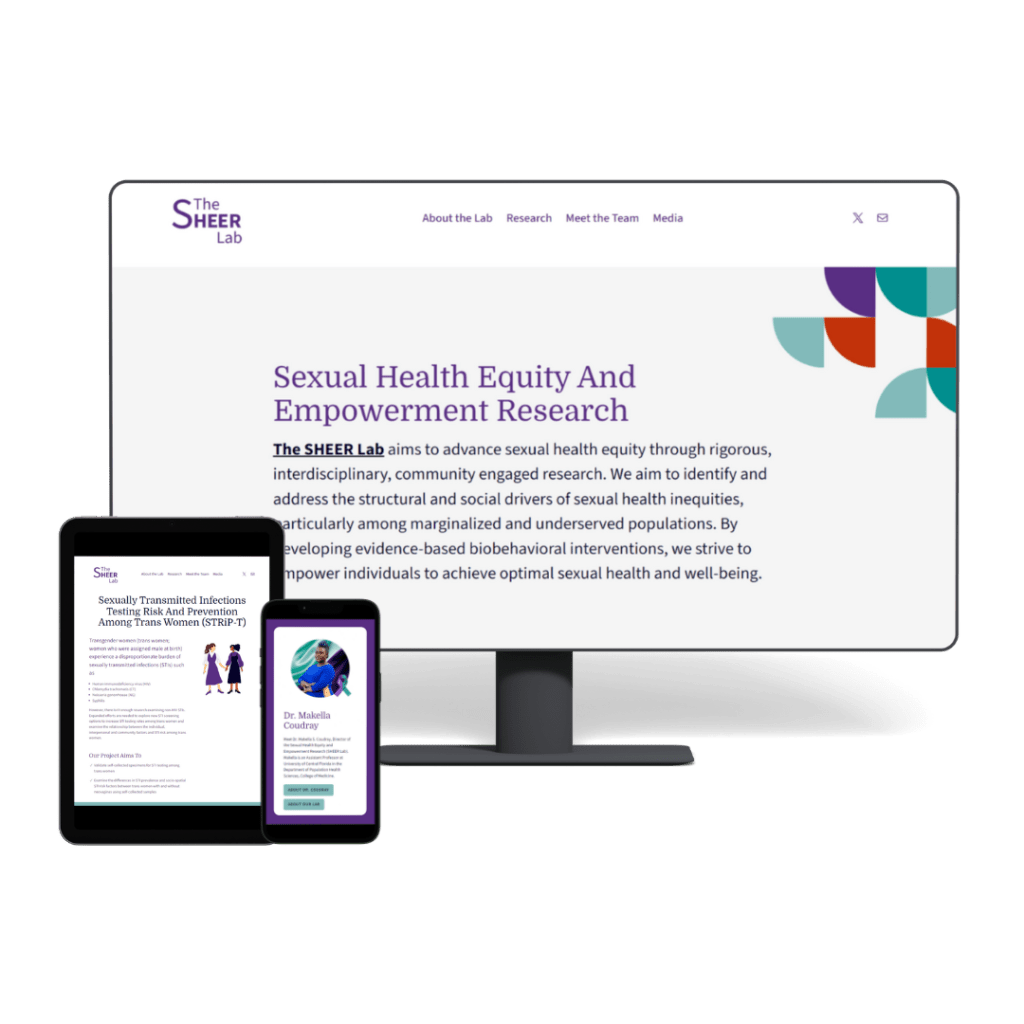
What should go on my research lab website? Hi everyone! My name is Jennifer van Alstyne. Welcome to The Social Academic, my blog/podcast about managing your online presence in academia.
Today I want to talk about what is a research lab website? And, why should I have one?
This is a question that I’m asked often. Now that I’ve been doing this for 6 years, I have some new perspectives I’d like to share with you. So the 1st thing you need to know is that a research lab website is kind of a lot of work, and if you’re not willing to listen to this idea that it’s a lot of work, you probably aren’t going to be able to enjoy the benefits, and I promise you that the hard work is worth it.
The conversation today is going to be about structure, like what goes on a website. We’re going to talk about whether you need help, whether you want to hire professional support to make your website happen and what you need to consider before you actually take that step. We’ll get into all of the details.
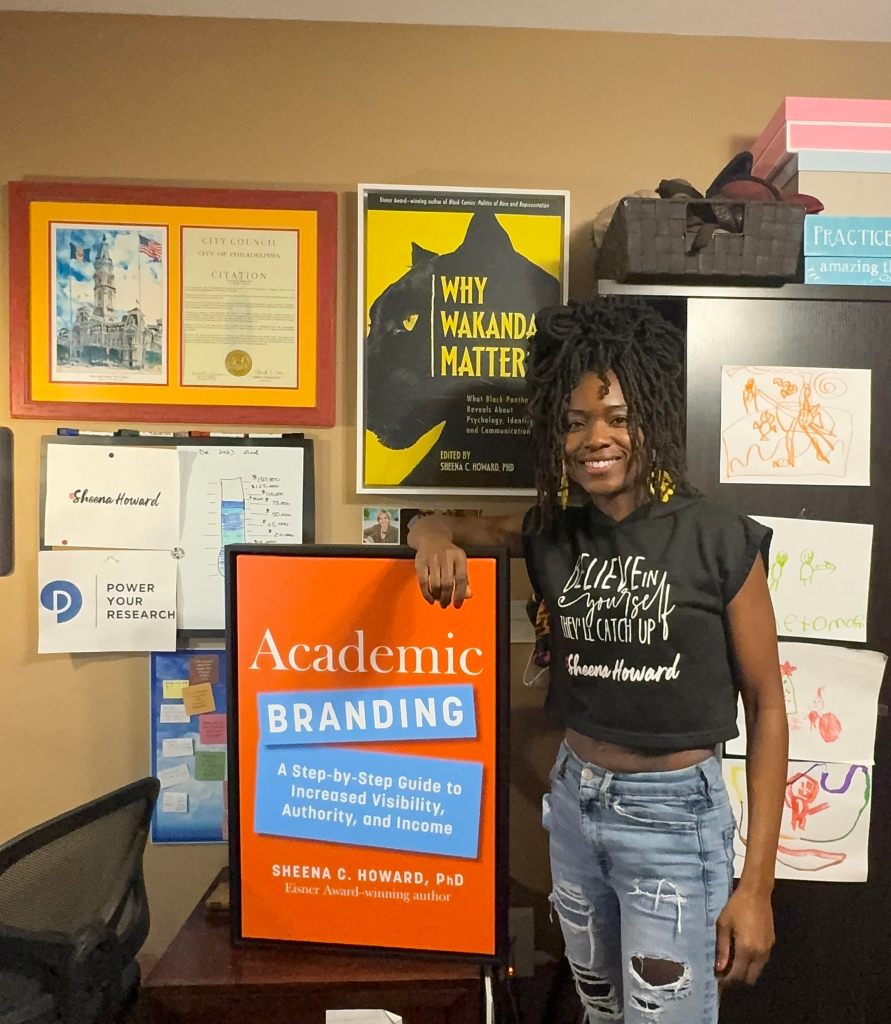
Before we get into your research lab website, I want to give a shout out to my friend Dr. Sheena Howard, whose new book Academic Branding: A Step-by-Step Guide to Increased Visibility, Authority, and Income for Academics is out February 27, 2024.
Let’s talk about the structure of a research lab website. There are so many more pages that you could have on your website than people might expect, so I’m going to go through some ideas today and you can use whatever you find helpful and just not create pages for anything that you don’t.
Everyone needs a Homepage, a main landing page for your research lab website. That’s going to be the only page if you have a one page website, but a lot of people want more.
They want to be able to highlight the people who are involved in their lab, like their team. So you can have a Team page.
You could also have a page that really specifically focuses on your Research Impact and the people who your research is most trying to help: that end user that you’re trying to reach.
Definitely include a page for Publications. Your lab probably has a number of publications that come out every year, and while the individuals who work on those publications, it would be great for them to share them online. Having a research lab share those publications in one place makes it easy for anyone who cares deeply about the research that you’re doing. And helps people, find collaborators.
I love having a News page for research labs because it shows people all of the new things that you have going on, any events, conferences, meetings. This is a great place to curate that for people who are curious.
Speaking Engagements is a page that a lot of research labs don’t think about, to be honest. It’s not a common page on research lab websites, but it’s highly recommended. The people who are in your lab are going out and presenting research. They’re going to conferences. They’re spending money on that travel, whether it’s funded through the lab or self-funded beyond whatever professional development budget there is for that year. I want to make sure that if you have a research lab and the people who are in it are going out and presenting work that they’re doing associated with the lab, that people can still engage and come back and learn about the rest of the research that you’re doing through that Speaking Engagements page. Even though it’s not a common page, I do recommend it.
I love when research labs have a Photo Gallery, something that shows when you get together. Maybe it is just at the annual meeting, but that kind of personal touch makes such a difference for researchers. For students who are considering joining your lab and joining that particular research subject, knowing how personal it is can make a big difference. People are looking to understand the lab culture that you create as a P.I., and I want to make sure that they can see that through different visuals on your website whether you have a Photo Gallery page or just visuals on other pages of the website.
I highly recommend that the P.I., the principal investigator of the lab, has their own page, something that includes a bio, a photo, how people can get in touch with them, and the research topics that they care most about.
If you have a personal academic website that is separate from this page, your research lab should still have this page even if you have your own website. That’s because people really want to understand why you do the work that you do, what kind of impact that you hope to create in the world, and the values that you care about. If you can share that in your bio on your website, it makes a massive difference. Each co-P.I. should get their own page. So if there are multiple P.I.s in your lab, make sure that each person has their own page with their bio, headshot, and any links like contact information that they should have.
Some people really consider whether they want a Team page that has a bunch of bios on it or photos on it. Some people actually like to create an individual Bios pages for each member of their lab, more like a faculty profile. This is more work, but it can really help create an online presence for people who might not have one otherwise. And it’s a wonderful way to highlight staff and other supporters in your lab who may be there more permanently.
I want to make sure that you know that you can have a Team page with a number of bios on it, but each person could also have their own page if you’d find it helpful. This is particularly helpful if you are at a research center or have a larger group with multiple teams of researchers or multiple teams of P.I.s. The more people there are in a research lab, the better it is to have that information out there so people can better understand the person that they’re most closely collaborating with.
Anywhere on the website is a great place to have contact information, whether you’re on an individual bio for someone or on the homepage of the website. You want to make sure that that contact information is easy to find. Some people like having a form on their website, but I found that forms don’t always function correctly across different devices. Sometimes in different areas of the world. Having an email address at minimum is super helpful. Where you include that contact information? Definitely include it on the homepage. Include contact information on any bios. I like to have a contact button or a contact space in the upper menu in the heading. Even having contact information in the site footer. Basically, if you want people to be able to contact your lab, get in touch with you, if you want media to be interested in your research and be able to actually reach out to talk about it, having that contact information easy to find is super important.
Another question you want to consider is, do you want an email list? A lot of labs already have some kind of internal email list of members of the lab, people that they’re already communicating with. Would you like people to be able to subscribe to a larger email list or maybe a newsletter that you’re planning on having? That’s something to consider when you have a website because there are legal permissions and requirements that are involved when making that decision.
You want to make sure that you think about that when you’re starting that website project. So if you work with a developer, they know to make sure that you have all of the permissions correct. Basically, you want to protect people’s privacy and make sure that they’re legally opting in to receiving email from you. You’re not just sending it without permission.
I always recommend having a Research Funders page somewhere where you can thank the people who are helping fund your research and helping it really make an impact. So if you can have a Research Funders page to thank people? That is wonderful.
You might also consider a Partnerships page, especially if you partner with corporations or organizations.
The next question is with all of these pages in mind…and you don’t need all of these pages! You definitely can start with a 1, 2, or even 3 page website. You can grow it over time. So don’t feel like even though I just listed 15 pages or something that you have to have all of those.
But when you think about the website that you want and dream about for your research lab, or your research group, or your research center, are you like, “Oh yeah, we could do this ourselves! We actually, we have a communications person on staff or at the university who can support this project. I actually think that we can do this in house.”
Well hey, that’s great! Now you have a bunch of page ideas. You can start putting together a document that actually will support that person in making changes to your website.
But if you think about that question, “Can I do this myself?” And your answer is like, “Oh, I don’t think so. I definitely need to hire help with that.”
Let’s talk about what that looks like.
When people ask me questions like, “Can I do this myself?” I often turn that around and say, “Do you want to do this yourself? Is that something you want for yourself? Because the question of can I is of course. I mean you’re a professor, you’re likely a PhD. You can learn this. You can totally learn to build a website and develop those skills if you want to. And now you have a list of website pages that you might consider including on your research lab website. So not only can you develop the skills, you know what to put on the website.”
A question is, do you want to develop those skills? Because a lot of people that I talk to are like, “No, I’m busy doing my research. I’m busy being a mentor and doing these leadership positions on campus. I don’t have time. I don’t have time to develop these skills even if I wanted to.” And to be honest, most people that I talk to, they just don’t want to.
Now, if you want to develop the skills, I promise this is possible. You can create a personal academic website. And if you want a research lab website that doesn’t involve a lot of decision making, you just want to be able to add these pages? I highly recommend Owlstown. It is an academic website builder from my friend Dr. Ian Li. He knows that research labs need websites. He’s created a free service to help you create one yourself. Please know there are options for you if you want to do-it-yourself.
Another question that I typically have for people who come to me and say, “Can I do this myself? Do I need to hire help?” is, “Do you have time to do this?”
Because you might not have the time. You’re already doing a lot. You’re already adding value to the world. You might not have the capacity to build another skillset.
And even though you can create your website yourself, it may not be the best use of your time. You are someone who prioritizes your time very well. That’s why you’re in academia and being successful at it. But that also means knowing when to say no. So if you don’t want to do it yourself, but you want a website, hire help. If you don’t have the time or capacity to do it yourself, but you want a website, hire help. I mean, that is my goal, is to help you get help whether it’s working with me or whether I can direct you to someone else who’s better suited to help you.
“The truth is you either have to invest the time. Or you have to invest the money. To get it done in the best way possible, it often takes both.”
Hiring professional support for your research group website
Let’s talk about how to hire help. Most developers don’t know how to make a research lab website unless you know what you’re looking for, like the pages you want and the content that you want to share on those pages. These are also things that you need to build yourself. If you want to D.I.Y., your research lab website, so know what pages that you want to have and what you’d like to be included on each of those pages. Either way, that’s the step you’re going to need to take.
Actually, that is even a block for people like what to put on your website? You don’t know what goes on the page, what to say. There’s so many things to think about like photos or links or buttons. Sometimes it becomes hard to communicate with a website developer if you’ve not already thought about some of those things in advance.
I highly recommend that you create a Word Doc or any kind of document processor that you use, something that you can share with your website developer. If you already know your bio and you know what you want to link, like publications, now you have a Publications page. If you want to highlight team members and their bios, you got to gather all of that stuff. Put it into a document. That’s some work that you do have to do upfront. But once you have those things, the developer can make you a great website.
You need the vision and hopes for your website before you start talking to the website developer. That’s something that becomes surprising for a lot of people. And I want to tell you this because I’m trying to save you money.
The cost of a website can range wildly depending on the skill level of the developer, what country they’re located in. It can range from about $1,500 USD to over $65,000. A P.I. reached out to me at the end of 2023 who had been given a quote by a website design agency for their research lab website of $65,000. This is a huge range for professional websites that are specific like a research lab, research group, research center, or other grant-funded initiative.
But if you don’t know what you want on the website, the quote that a developer gives you is not going to be specific to your needs. They’re going to quote you what they think you need. Having things prepared in terms of what you want to be on your website in advance will result in a more accurate quote.
Your website will be launched quicker and you’ll be celebrating your new website. That’s what I want for you.
Doing this work, thinking about this, being a little introspective about what you want on your website upfront? Really helps set expectations for you and the website developer or designer on this project. I want to avoid any miscommunication. Having that information upfront will help you both know what to expect.
How a lab website can be life-changing for researchers
Okay, so what are the benefits now that we’ve gone through all the things you can have on your website, and if you need to hire help. Now you’re really like, “Oh, this is kind of tangible now. How is this going to affect my life?”
Well, a research lab website is great. It highlights the research that your lab does. Research can go on your Homepage, News, Research Impact pages. I mean, it shows visitors how they can actually engage with your research. And, with you, as a researcher and a person to potentially collaborate with in the future.
It really helps people invite you for speaking engagements that are really specific to your topic, because I know that there are things you have to say no to, that aren’t going to fit into your schedule.
I want to make sure that when people are reaching out to you, it’s even closer aligned to what you hope for that relationship in the future. Again, not everyone cares about that Speaking Engagements page, but that’s where you’re out talking with people who are in your research field and who already care about it. That’s why they’re coming to the talk. So having that page is something I highly recommend. I hope that maybe this podcast and blog makes an impact on research centers out there. I think that this is a page more people should have.
The impact of the hard work that you do for your research is apparent on each page of your website, but people can’t really explore that in any way now. When you don’t have a website, people are probably engaging with your research when they come across your publication, if they’re searching for it. When they see you on Twitter or LinkedIn, these are all kind of momentary.
Even meeting at a conference, it’s great to see the people that you care about, but you don’t always catch up on all the cool things that they’re doing. There’s just not time. And oftentimes that’s not the main topic of conversation.
When people can explore that in advance before they even come and meet you at the conference? Your lab website gives something for the conversation to be informed by. And it can really prompt new relationships, new collaborations, and help people better refer you or recommend you to the people who care about your research, whether it’s their students, their research funders, or other potential collaborators for you. I think it’s so great when you can highlight your research, media mentions, publications, collaborators, funders, events, speaking engagements. Gosh, there’s so much you can include on a research lab website, and it’s all really exciting.
Your website works for you even when you’re sleeping, even when you’re traveling, or going to conferences and meeting people in person. Your research lab website is a tool. It’s a boost to every in-person interaction that you’ll have in the future.
When people meet you or consider going to your talk, I mean they Google you, they just do, and they look at your research lab and sometimes they decided if they wanted to go to your panel or they want to go to someone else’s. Your website really helps them make that decision. And gets people excited to be in your audience.
People are already searching for you and the change that you want to see in the world. I want your research lab, your research group, or your research center to be more findable. I want your research lab to be the answer to the question that they’re looking for.
You are a part of your research lab website too
A lot of P.I.s are specifically looking for a research lab website, like, “This isn’t about me, it’s about my research or my team.”
I get it. They want ‘to remove the ego’ from their website. But a good research lab website is direct and clear about how you help people, and it actually helps people because it’s clear. And that includes sharing a bit about yourself as the P.I.
Be a little bit more open than you might be comfortable with.
Be proud of the research that your lab does and your team. Your website can proudly stand behind your work for you.
The labs, research centers, and grant funded initiatives that I work with care deeply about their team and their collaborators. They want their people, their staff, postdoctoral researchers, students, and sometimes the people that their research supports to actually inform the plan for their website. It gets everyone excited about the project.
My strategic website planning service starts with in-depth interviews with the principal investigators and members of your team. It’s my favorite part of the process because I get to discover all the amazing things you do. Especially the things that aren’t being communicated with your online presence. I’d love to help you with your research lab, research center, or grant funded initiative website.
I’m Jennifer van Alstyne. You can find me on social media @HigherEdPR. Thanks for listening to this episode of The Social Academic podcast. Please share it with a friend or a colleague who might find it helpful.
Subscribe to The Social Academic so you don’t miss the next one.
For more page ideas and tips for your academic lab website, check out this episode of the Beyond Your Science Podcast from my friend Brittany Trinh. I love her tip about updating your website content before recruitment season. Brittany and I love collaborating to create your website for you in as little as a single Team VIP Day.
Get inspired with the award winning lab websites from the 2023 Best Personal Academic Websites Contest which Brittany and I judged along with Dr. Ian Li from free academic website builder, Owlstown.