Author: admin

  • How to Update Your Personal Website

    How to Update Your Personal Website

    How to tell your website needs an update

    Does your personal website feel old or outdated? It may be time to update your academic website. This article is about how to update websites.

    Hi there, I’m Jennifer van Alstyne. Welcome to the new season of The Social Academic blog! Let’s talk about how to update your scientist website or professor website.

    Before we get started, I am here to support you through your website redesign project. Most of the professor websites I’ve worked with have been people who made a website that was no longer working for their needs. I’ve been helping professors launch beautiful personal academic websites since 2018. I’d love to help you!

    6 steps to update your website

    A woman wearing running sneakers walks up concrete stairs

    If you’ve been wondering how to update my website, here are 6 steps to help you.

    These 6 steps will help you walk through updating your personal website. This can be a bigger project than people expect. But, even small changes can make a big impact.

    1. How to tell your website needs an update
    2. 6 steps to update your website
    3. Discover more articles about personal academic and scientist websites

    The form above subscribes you to new posts published on The Social Academic blog.
    Want emails from Jennifer about building your online presence? Subscribe to her email list.
    Looking for the podcast? Subscribe on Spotify.
    Prefer to watch videos? Subscribe on YouTube.

    1. Audit your website

    Take a look at your personal website.

    • Does the design feel old or outdated?
    • Is the information correct? What needs to be changed?
    • How is your website helping you now?
    • What changes would your website benefit from?
    • Are people able to get in touch with you?
    • Is anything not working? Are there broken links or website elements?
    • Do you need a new profile photo?

    Auditing your website helps you better understand how your website is working for you now. Ask yourself what’s working on your website, and what’s not.

    2. Evaluate your goals

    What goals do you have for your website? Many academics create websites because they feel like they should. Or maybe they’ve been told to. There are many benefits to having a personal website.

    Your website goals might be simple, like

    • Help people get in touch with me by email
    • Encourage people to connect with me on social media
    • Share a list of my publications

    Oftentimes academics and scientists creating websites hope to make greater impact like

    • Gaining media attention for my research
    • Increase readers for my publications
    • Attract engaged students to my classes
    • Improving my career prospects

    What are your goals? What content can you share on your website to work towards those goals?

    3. Plan what website updates are needed

    Plan what changes to make to your website based on the goals you’ve come up with.

    • Help people get in touch with me by email: Check to see if the Contact page or button on your website is working. Make sure it directs people to where you want them to get in touch with you (i.e. email)
    • Encourage people to connect with me on social media: Create a Social Media Links menu that helps people find my profiles online
    • Share a list of my publications: Go beyond sharing your CV on your website with an easy to read list of publications. Sort them by year, topic, or type.
    • Gaining media attention for my research: Create a Media page to share mentions online, provide a bio and high quality headshot
    • Increase readers for my publications: Add abstracts and visuals to your publications, consider videos or graphics to spark curiosity
    • Attracted engaged students to my classes: Create a Teaching page that includes current courses, syllabi, and student testimonials
    • Improving my career prospects: Provide case studies, testimonials, and work experience on your website

    You may find that more website updates are needed than you have time to do right now. That’s ok! Order your list by priority so you get the most important things done first.

    If your website is in need of a full redesign, like if your website is

    • Old and outdated (and looks that way)
    • Unsecure
    • Has been infected with malware or viruses
    • Doesn’t meet most of your goals (and you don’t have time for such a big project)

    You may want to hire help from a professional website designer or developer. We can also work to get it done together.

    Most of my website clients are professors and scientists who made their own personal website years ago that wasn’t meeting their goals. If your website is need of a major overhaul it’s because you’ve grown and changed since you created it. That’s normal! Don’t hesitate to reach out. I’d love to help.

    4. Write new website content

    You’ve decided what updates need to happen for your website by creating your priority list. I like to estimate how long things will take me. Then I add it to my calendar.

    When I don’t take the time to add this step to my calendar, it get’s pushed back. I’m a procrastinator. Maybe you are too! Either way, adding this step to your calendar will better help you get it done.

    Write new content for your website (i.e. bio, new pages about your teaching or research, updated information for pages already live on your website). I typically suggest doing this in Google Docs or Microsoft Word so you can print your writing for proofreading. It’s easier to catch typos and errors on paper.

    5. Implement your updates

    When your written content is ready to go, it’s time to implement those changes to your website!

    If you’re not tech savvy, you can often hire help with implementing changes to your website. You’ll want to have your new content ready to go

    • Writing
    • Photos
    • Graphics
    • Videos

    That way when you talk to the website designer or developer, they can give you an accurate quote for work that needs to be done.

    6. Review changes to your website

    Once your website changes have been made, review your website page-by-page. It’s a good idea to ask a friend or colleague to look through your website too.

    Good luck with your personal website update!

    Want help with your website redesign? I’d love to help you! Let’s talk on a no pressure Zoom call about your website project.

    A guide to making your website

    Jennifer with a backdrop of social media and online presence icons

    Which website host is right for you?

    An open laptop with a photo of Jennifer and a graphic for "http://"

    Benefits to a personal website

    A photo of Jennifer van Alstyne smiling. Behind Jennifer is a desktop screen with website wireframes, sketches of what a website may look like.

    Website inspiration and content ideas

    Man holds a tablet at a coffee shop overlooking the street with the personal website of Jennifer van Alstyne on the screen

    Website pitfalls to avoid

    Woman looking surprised holding her hands over her mouth

    Why you need an academic website

    Hands holding a tablet with a personal website on the screen, specifically a publications page with articles

    The form above subscribes you to new posts published on The Social Academic blog.
    Want emails from Jennifer about building your online presence? Subscribe to her email list.
    Looking for the podcast? Subscribe on Spotify.
    Prefer to watch videos? Subscribe on YouTube.


    I’ve helped academics at most stages of their academic career, from PhD students all the way to retired, emeritus faculty, through my company, The Academic Designer LLC. Who do I work with most? Mid-career and senior academics. People who have a lot to share but don’t have the time to do it themselves for their website.

    I want you to have a stronger online presence for your research, teaching, leadership, and the things you value most as an academic. Your personal academic website is the best way to do that, a space that can grow and adapt with you over time. A website where you can share your legacy, a usable archive of the work you cared about (even when you’ve moved onto another focus or research interest). A website designed for your past, present, and future. And, designed for the people who will visit your website. To help people remember who you are and the research you care about.

    You don’t have to work with me to create the website you dream about. I have resources to share with you that help you do-it-yourself for your personal academic website on The Social Academic blog, podcast, and YouTube channel.

    If you want professional support for a done-for-you personal academic website, I’m Jennifer van Alstyne. I’ve helped busy professors feel confident showing up online since 2018. I’m here to help you too.

    Let’s chat about working together 1-on-1 to build you the website you deserve. Schedule a no pressure Zoom call with me.
    Guides and Advice Articles Personal Website How To’s

    Source link

  • A Review of Complete College America’s ACT Conference (June 2022)

    A Review of Complete College America’s ACT Conference (June 2022)

    In June 2022, I was very excited to attend Complete College America’s ACT: Policy & Action Summit in Louisville, Kentucky. This was my first time visiting Kentucky and everything was beautiful! 

    Apparently, this conference is “where the magic happens. Where ideas come to life, decisions are made, and plans for impact take shape” and this was definitely true. Usually, when I attend a higher education summit, it is just focused on current information and best practices, but this conference took a different turn. It was all about action and implementation.

    Several of the key groups from the Complete College were able to come together and to take action. These groups included: state teams of higher education leaders and policymakers came together. 

    The content was amazing and the conversations were even better.  Our conversations focused on Time to Degree, Corequisite Support, Guided Pathways, and more.

    Here was the schedule:

    Day 1

    Welcome from the CCA President: Dr. Yolanda Watson-Spiva

    Bringing in Those Left Behind in the College Completion Movement

    Continued Progress and New Frontiers

    No Middle Ground – Advancing Equity Through Practice

    ACT I – Start, Stop, Continue

    Day 2

    The Politics of Equitable College Completion

    Equity and Public University Funding

    No Middle Ground – Advancing Equity in All States

    ACT II & III – Policy Recommendation and Development

    Innovation in Systems Change

    New Opportunities for Your Complete College Alliance Team

    I learned so much through this summit and the networking was great. One of the aspects of the conference that served as a highlight for me was the placement of several flags around the room to represent the institutions of each Complete College America member/partner.

    This was evidence of intentional support and success.

    The sponsors for this event included: The Lumina Foundation, the Bill and Melinda Gates Foundation, Ascendium, the Annie E. Casey Foundation, and the Barr Foundation

    ***

    Check out my book – Retaining College Students Using Technology: A Guidebook for Student Affairs and Academic Affairs Professionals.

    Remember to order copies for your team as well!


    Thanks for visiting! 


    Sincerely,


    Dr. Jennifer T. Edwards
    Professor of Communication

    Executive Director of the Texas Social Media Research Institute & Rural Communication Institute

    Source link

  • Why Executive Coaching Works in Higher Education – Edu Alliance Journal

    Why Executive Coaching Works in Higher Education – Edu Alliance Journal

    “When a leader gets better, everyone wins!”

    July 5, 2022 by Dr. Candace Goodwin – Although every industry has undergone significant changes over the past several years, higher education has been impacted more profoundly. When the pandemic hit, traditional colleges and universities were abruptly forced to adapt their mindset and move toward thinking differently, scrambling to transform standard brick-and-mortar programs into online or hybrid delivery modalities. Colleges and universities that already had successful online programs could pivot quickly and sustain student enrollment. Universities unable to make these changes rapidly faced many challenges.

    High education leadership teams were confronted with workforce challenges they had not faced before. The changes in the economy, staffing shortages, healthcare concerns, loss of international students, diversity, equity, and inclusion were all simultaneously impacting higher education. College leadership focused on enrollment as their highest priority and lost sight of how the pandemic influenced staff and shaped their expectations and preferences. Employees were seeking out empathy, remote work, and flexible work hours and wanted to feel more connected than ever.

    As the environment of higher education leadership becomes more complicated by outside events and shifting employee motivations, the benefits of executive coaching only increase. High- quality executive coaching balances organizational priorities like enrollment with the leadership development and insight required to move those priorities forward. Executive coaching is an essential problem-solving tool for higher education executives seeking support balancing leadership challenges and understanding the higher education landscape from both the 30,000 ft elevation and the 100 ft elevation.

    1. Executive coaching activates and animates wisdom.

    Many executives and aspiring higher education leaders lean most heavily on their level of intelligence. Clayton (1982) defined intelligence as the ability to think logically, conceptualize, and abstract from reality. Intelligence focuses on how to do. It helps leaders accomplish and achieve.

    By contrast, Clayton defines wisdom as the ability to grasp human nature, which is paradoxical, contradictory, and subject to continual change. Wisdom provokes a person to consider the consequences of their actions on themselves and the effects on others.

    Wisdom helps people decide whether to pursue a course of action. Higher education executives work in concert with many others. It is incumbent on all higher education leaders to work with their wisdom.

    The difference between intelligence and wisdom can be described as knowing what vs. knowing how. According to Stenberg (2005), knowing how adds creativity and experience to our knowledge. While an executive has proven intelligence, the wisdom gained by learning from various experiences provides multiple points of view at their disposal to solve problems creatively.

    It is no longer sufficient to only have intelligence and management skills to make high- level and far-reaching leadership decisions. Wisdom is a crucial component of good leadership. Staudinger, Lopez, and Baltes (1997) found that individuals who discussed life problems with another person and reflected on the conversation before responding out-performed others. Executive coaching can make the difference in that kind of wisdom and more.

    An executive coach for higher education helps college and university executives activate and animate their wisdom. Executive coaches guide leaders to go beyond reporting metrics and learn ways to increase their wisdom through natural reciprocity, investing in their team, and developing new leadership traits. The result is a higher education leader able to make more creative and cultured decisions that are the best for university and college leadership, staff, and students.

    2. Executive coaching galvanizes conscious and intentional conversations.

    There are two conversations we have every day. One is with other people—and one is in our heads. Having conversations with other people can feel fraught in this increasingly complicated world. Higher education executives need to ensure their conversations are conscious and intentional. Executive coaching can help!

    Conscious conversations encourage connection and overcoming differences. The basis is hearing and understanding instead of judging as right or wrong. Participants in a conversation of this nature must be fully present, listen fully and respectfully, keep an open mind, and be patient. It is important to understand that conversations of this kind are a skill to be learned and built upon. There is always room to improve communication as a leader.

    Intentional conversations are purposeful and planned. Being intentional means being strategic in how to communicate, what to communicate, and to whom. Intentional conversations can make staff members feel valued and ensure that conversations are productive.

    With an executive coach, higher education executives can build confidence in their ability to have conscious and intentional conversations.

    3. Executive coaching stimulates creativity.

    With the landscape for higher education rapidly changing, a successful higher education executive needs to move beyond the same old, same old. It is time for creativity in all aspects of leadership. Nothing helps creativity like the collaboration that comes from partnering with an executive coach.

    Most executives could benefit from switching things up and taking their leadership off auto pilot. A significant outcome could be developing a flexible mindset and considering new ways to get things done. A lack of creativity could result in missing opportunities for innovation and growth. Working with an executive coach helps open the door to explore innovative ideas and getting excited by new, creative possibilities.

    4. Executive coaching creates “emotional safety.”

    Having emotional safety means feeling secure enough to be your most authentic self, and isn’t that the ideal for all employee-leader scenarios? Who wouldn’t want to bring their real selves to work? Well, that takes work. Emotional safety is an important aspect of having a satisfying connection. Connection is increasingly vital to today’s workforce. It is worth the investment.

    Higher education executive coaching cultivates emotional safety so executives can get the most out of their experience. Our brains constantly detect whether a situation is safe or dangerous. When people experience safety, they are better listeners, able to collaborate more, innovative, creative, and able to connect with others. Emotional safety has positive effects that flow to others.

    Emotional safety encourages freedom of expression and increased compassion. A skilled executive coach can help guide you to understanding and increasing emotional safety.

    Executives and leaders in higher education benefit from the investment in high-quality executive coaching. Coaching is transformative—helping leaders leverage their best selves. An executive coach empowers creativity, impact, connection, and influence. Great leaders have great coaches—everyone can use that kind of support! Especially leaders working in higher education.

    Aides, Kim. “Six Reasons to Hire an Executive Coach.” Frame of Mind Coaching, 16, Nov. 2021, https://www.frameofmindcoaching.com/blog/reasons-to-hire-an-executive-coach.

    Boeder, E. “Emotional Safety is Necessary for Emotional Connection” The Gottman Institute. https://www.gottman.com/blog/emotional-safety-is-necessary-for-emotional-connection/

    Clayton V. (1982). Wisdom and intelligence: the nature and function of knowledge in the later years.

    International journal of aging & human development, 15(4), 315–321. https://doi.org/10.2190/17tq-bw3y-p8j4-tg40 https://pubmed.ncbi.nlm.nih.gov/7183572/

    Drake, David and Webb, Peter (2018).” Coaching for Wisdom: Enabling Wise Decisions.” Research Gate, February 2018, https://www.researchgate.net/publication/323257694_Coaching_for_Wisdom_Enabling_Wise_D ecisions

    Levine, Arthur and Pelt, S. “The Future of Higher Education is Occurring at the Margins.” Inside Higher Education, 4, Oct. 2021, https://www.insidehighered.com/views/2021/10/04/higher-education- should-prepare-five-new-realities-opinion

    Staudinger, U.M., Lopez, D. F., and Baltes, P. B. (1997). The psychometric location of wisdom-related performance: Intelligence, personality and more. Personality and Social Psychology Bulletin, 23(11). 1200-1214,

    Sternberg, R. J. (2005). WICS: A model of leadership. The Psychologist- Manager Journal, 8(1), 20-43.

    Sternberg, R. J. (2005a). WICS: A model of leadership. The Psychologist-Manager Journal, 8(1), 20–43


    Dr. Candace Goodwin a member of the Edu Alliance Group Advisory Council is a culture strategist and the CEO of Organizational Leadership Partners, an organization that helps leaders achieve exceptional results through the alignment of organizational priorities and culture. Candace’s expertise in culture, employee engagement, emotional intelligence, and leadership development provides guidance to leaders who desire to create an environment where people can do their best work.

    Dr. Goodwin has a Doctorate in Organizational Leadership, an MBA in Human Resources, and a Bachelor’s degree in Finance.

    Edu Alliance Group, Inc. (EAG) is an education consulting firm located in Abu Dhabi, the United Arab Emirates, and Bloomington, Indiana, USA. We assist higher education institutions worldwide on a variety of mission-critical projects. Our consultants have accomplished university/college leaders who share the benefit of their experience to diagnose and solve challenges.

    EAG has provided consulting and successful solutions for higher education institutions in Australia, Egypt, Georgia, India, Kazakhstan, Morocco, Nigeria, Uganda,  United Arab Emirates, and the United States.

    Edu Alliance offers higher education institutions consulting services worldwide. If you like to know more about how Edu Alliance can best serve you, please contact Dean Hoke at [email protected] 

    Source link

  • DOL Targets October 2022 for Release of a New Overtime Proposal – CUPA-HR

    DOL Targets October 2022 for Release of a New Overtime Proposal – CUPA-HR

    by CUPA-HR | June 29, 2022

    On June 21, the Biden administration released the anticipated Spring 2022 Unified Agenda of Regulatory and Deregulatory Actions (Regulatory Agenda), providing the public with a detailed glimpse into the regulatory and deregulatory activities under development across approximately 67 federal departments, agencies and commissions. Agendas are generally released in the fall and spring and set target dates for each agency and sub-agency’s regulatory actions for the coming year.

    Based on a thorough review of the Regulatory Agenda, CUPA-HR would like to highlight the following proposed actions for members, including an updated target date for the release of a new overtime proposal.

    Department of Labor

    Wage and Hour Division – Defining and Delimiting the Exemptions for Executive, Administrative, Professional, Outside Sales and Computer Employees

    According to the Regulatory Agenda, the Department of Labor (DOL)’s Wage and Hour Division (WHD) is now planning to release a Notice of Proposed Rulemaking (NPRM) to address changes to the Fair Labor Standards Act (FLSA)’s overtime pay requirements in October 2022. In the Fall 2021 Regulatory Agenda, WHD announced their intention to move forward with the NPRM with the goal “to update the salary level requirement of the section 13(a)(1) exemption [under the FLSA].”

    Changes to overtime pay requirements have been implemented through regulations under both the Obama and Trump administrations. In May 2016, the Obama administration’s DOL issued a final rule increasing the salary threshold from $23,660 to $47,476 per year and imposed automatic updates to the threshold every three years. However, court challenges prevented the rule from taking effect and it was permanently enjoined in September 2017. After the Trump administration started the rulemaking process anew, in September 2019, DOL issued a new final rule raising the minimum salary level required for exemption from $23,660 annually to $35,568 annually. This final rule went into effect January 1, 2020, and it remains in effect today.

    From April through June 2022, DOL held several listening sessions for interested stakeholders to discuss any support or concerns they may have with the anticipated rulemaking. CUPA-HR participated in all of the calls, expressing our concerns with the timing of the rulemaking as it relates to the ongoing challenges of the COVID-19 pandemic, a historically tight labor market, and increasing inflation.

    Employment and Training Administration – Strengthening Wage Protections for the Temporary and Permanent Employment of Certain Aliens in the United States

    In October 2022, DOL’s Employment and Training Administration (ETA) plans to issue an NPRM to establish “a new wage methodology for setting prevailing wage levels for H-1B/H-1B1/E-3 and PERM programs consistent with the requirements of the Immigration and Nationality Act.” The proposal will likely amend the Trump administration’s final rule that was scheduled to take effect on November 14, 2022, but was subsequently vacated by a federal court in June 2021. The new proposal, which is included in the Department’s Statement of Regulatory Priorities, will take into consideration the feedback it received in response to a Request for Information (RFI) on data and methods for determining prevailing wage levels “to ensure fair wages and strengthen protections for foreign and U.S. workers.”

    CUPA-HR filed comments in opposition to the Trump administration’s regulations on the issue and in response to the Biden administration’s RFI.

    National Labor Relations Board

    Joint Employer

    In July 2022, the National Labor Relations Board (NLRB) is planning to release an NPRM to potentially amend the standard determining when two employers may be considered joint employers under the National Labor Relations Act. The new standard will revise the 2020 Trump Administration’s final rule, which reversed the Obama-era NLRB decision in the 2015 Browning-Ferris Industries case and established that an entity can only be a joint employer if it actually exercises control over the essential terms and conditions of another employer’s employees. While details of the Democratic-majority NLRB’s NPRM on joint employer status are unknown, we would expect them to revise the current standard to reflect the Obama-era decision.

    Department of Homeland Security

    USCIS – Modernizing H-1B Requirements and Oversight and Providing Flexibility in the F-1 Program

    In May 2023, the Department of Homeland Security (DHS)’s United States Citizenship and Immigration Services (USCIS) plans to release an NPRM to “amend its regulations governing H-1B specialty occupation workers and F-1 students who are the beneficiaries of timely filed H-1B cap-subject petitions.” The NPRM will specifically propose to “revise the regulations relating to ‘employer-employee relationship’ and provide flexibility for start-up entrepreneurs; implement new requirements and guidelines for site visits including in connection with petitions filed by H-1B dependent employers whose basic business information cannot be validated through commercially available data; provide flexibility on the employment start date listed on the petition (in limited circumstances); address ‘cap-gap’ issues; bolster the H-1B registration process to reduce the possibility of misuse and fraud in the H-1B registration system; and clarify the requirement that an amended or new petition be filed where there are material changes, including by streamlining notification requirements relating to certain worksite changes, among other provisions.”

    ICE – Optional Alternative to the Physical Examination Associated With Employment Eligibility Verification (Form I-9)

    According to the Regulatory Agenda, DHS plans to issue an NPRM in July 2022 to “revise employment eligibility verification regulations to allow the Secretary to authorize alternative document examination procedures in certain circumstances or with respect to certain employers.”

    DHS has provided temporary flexibility in the Form I-9 verification process since the beginning of the COVID-19 pandemic. Specifically, the flexibility guidance allows for remote inspection of Form I-9 documents in situations where employees work exclusively in a remote setting due to COVID-19-related precautions. While that guidance is only temporary, DHS issued a Request for Public Input (RPI) on October 26, 2021, to determine whether those flexibilities should be kept in place permanently. It is possible that DHS will use that feedback to develop and implement this NPRM.

    CUPA-HR has engaged with DHS on the Form I-9 flexibilities through the pandemic. Most recently, DHS announced an additional extension of the Form I-9 flexibility guidance through October 31, 2022. CUPA-HR sent a letter to USCIS Director Ur M. Jaddou asking for this additional extension. Additionally, CUPA-HR submitted comments in response to the RPI based on a recent survey detailing members’ experiences with the Form I-9 verification process flexibilities.

    On June 7, ICE sent its proposal to the Office of Information and Regulatory Affairs (OIRA). OIRA is the White House office responsible for reviewing regulations and proposed regulations before they are publicly released and generally takes 30-90 days for this review, indicating ICE is on target to issue their proposal in July.

    Department of Agriculture

    Agriculture Acquisition Regulation: Internal Policy and Procedural Updates and Technical Changes

    In December 2022, the Department of Agriculture (USDA) plans to re-propose an NPRM that was previously issued in February 2022 and included controversial provisions that would require federal contractors on projects procured by the agency to certify their compliance with dozens of federal and state labor laws and executive orders.

    In the February NPRM, USDA provided only 32 days for stakeholder comment submissions on the proposal. CUPA-HR filed an extension request with the department asking for an additional 90 days to “evaluate the NPRM’s impact on [members’] research missions and collect the information needed in order to provide thoughtful and accurate input to the USDA,” as well as official comments that were pulled from 2012 comments CUPA-HR submitted with the Society for Human Resource Management (SHRM).

    While it is unclear whether the December NPRM will include the blacklisting language again, the abstract of the re-proposal states that “the new proposed rule would be responsive to the comments received on our February 2022 proposal.”


    Source link

  • CUPA-HR Welcomes a New Board of Directors for 2022-23 – CUPA-HR

    CUPA-HR Welcomes a New Board of Directors for 2022-23 – CUPA-HR

    by CUPA-HR | June 28, 2022

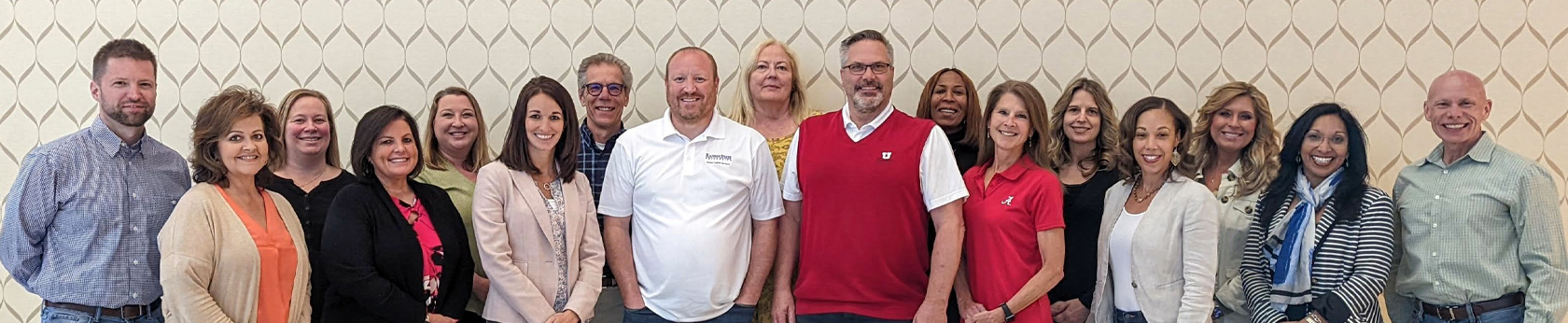
    As we prepare for a new year at CUPA-HR, we want to take a moment to introduce our board of directors for 2022-23 and thank those who have served on the board over the past year. The board, which guides the association’s strategic priorities, is an incredible team of higher ed HR leaders who are dedicated to supporting and advancing the higher ed HR profession.

    Returning Board Members

    The chair of CUPA-HR’s board of directors for 2022-23 is Jay Stephens, vice president for human capital services at Kansas State University.  Jay has worked in human resources for nearly 20 years and has served on the CUPA-HR national board since 2018. Prior to joining Kansas State University, he was the associate vice president of human resources at Boise State University.

    Also returning to this year’s board are:

    Executive Committee Members

    • Jami Painter, Chair-Elect – Associate Vice President and Chief Human Resources Officer, University of Illinois System
    • Jeff C. Herring, Past Chair – Chief Human Resources Officer, The University of Utah
    • Kelli Shuman, Treasurer – Associate Vice President for Human Resources and Chief Human Resources Officer, Elon University
    • Andy Brantley, Ex-Officio – President and CEO, CUPA-HR

    Regional Directors

    • Kristi Yowell, Eastern Region – Associate Vice President for Human Resources, Goucher College
    • Renee Hiller, Midwest Region – Director of Human Resources, Michigan Technological University
    • Theresa Elliot-Cheslek, Western Region – Vice President and Chief Human Resource Officer, Washington State University

    At-Large Directors

    • Amanda Bailey, Vice President for Human Resources, Boston University
    • Heather Hart, Executive Director of Human Resources, Ivy Tech Community College of Indiana-Lafayette
    • El pagnier Kay (EK) Hudson, Senior Vice President, Human Resources and Vice Provost, Diversity, Equity, and Inclusion, Florida International University
    • Robyn Salvo, Associate Vice President for Human Resources, Monmouth University

    New Board Members

    In addition to our continuing board members, CUPA-HR is pleased to welcome six new members to the board:

    Thank You!

    As we conclude CUPA-HR’s 75th anniversary year, we also want to celebrate the outstanding leaders who are rolling off the board. They have invested countless hours of their time and energy in leading our profession and our association, and we are so grateful for their wisdom and guidance.

    • Susan Norton, Past Chair – Senior Associate Vice President for Human Resource, University of Alabama
    • Leanne Fuller – Director, Human Resource Services, Auburn University
    • Sheraine Gilliam, formerly with the University of North Texas System
    • Carl Sorensen, Senior Associate Vice President for Human Resources, University of Richmond

    We couldn’t accomplish our mission without our leaders. Thank you for your dedication and commitment!

    CUPA-HR’s  2021-22 Board of Directors


    Source link

  • Dr. Jennifer T. Edwards: A Texas Professor Focused on Artificial Intelligence, Health, and Education: Learning How to Curb Inflation with a Garden

    Dr. Jennifer T. Edwards: A Texas Professor Focused on Artificial Intelligence, Health, and Education: Learning How to Curb Inflation with a Garden

    I love gardening. Whether my gardening takes place in a container, in an urban area, or in a rural area, I am all about it! This year, my daughter decided that she wanted to become a mini-gardener as well.

    As a result, we are growing…tomatoes, peppers, eggplant, watermelon, and lettuce. I teach her to watch the prices as they continue to increase. My daughter and I talk about innovative ways to counteract the increasing prices. Our strategy is gardening!

    I am part of a wealth of gardening groups. My favorites are “Black Girls Garden” and Black girl container gardening groups on Facebook. These groups give me inspiration and ideas to garden for my family and for the community. One thing that I like the most is the emphasis on sharing seeds and supporting one another. I also work with our community garden group as well.

    This summer, I have been very fortunate to learn even more gardening skills from the local Agrilife Extension agent in Panola County, Clarissa Moon. She is an excellent teacher and she provides so much educational outreach for the community.

    Another resource that I absolutely love is the USDA, which has great resources for gardening as well. I subscribe to their blog, “Farmers.gov Blog” and it has some incredible tips for gardening. It also features several other sections on their website that  feature articles. These categories are:

    Of course, my favorite is Farm Life! I love the “Friday’s on the Farm” series.

    Check them out! What is your favorite part?

    Thanks for visiting! 

    Sincerely,

    Dr. Jennifer T. Edwards
    Professor of Communication

    Executive Director of the Texas Social Media Research Institute & Rural Communication Institute

    ***

    Check out my book – Retaining College Students Using Technology: A Guidebook for Student Affairs and Academic Affairs Professionals.

    Remember to order copies for your team as well!

    Source link

  • Department of Education Releases Title IX Proposed Rule – CUPA-HR

    Department of Education Releases Title IX Proposed Rule – CUPA-HR

    by CUPA-HR | June 23, 2022

    On June 23, the Department of Education released the highly anticipated Notice of Proposed Rulemaking (NPRM) to amend Title IX. The NPRM proposes to replace the Trump administration’s 2020 Title IX rule and establishes safeguards for transgender students by proposing a ban on “all forms of sex discrimination, including discrimination based on sex stereotypes, sex characteristics, pregnancy or related conditions, sexual orientation and gender identity.” The proposal will be open for public comment for 60 days following publication in the Federal Register.

    In March 2021, President Biden issued an Executive Order (EO) titled, “Guaranteeing an Educational Environment Free from Discrimination on the Basis of Sex, Including Sexual Orientation and Gender Identity.” The EO directed the secretary of education to evaluate the Trump administration’s Title IX regulations and to “issue new guidance as needed on the implementation of the rule.”

    Of significance, the NPRM proposes to repeal the Trump administration’s requirement for live hearings for Title IX investigations. It also proposes to change the definition of sexual harassment back to “unwelcome sex-based conduct” that creates a hostile environment sufficiently severe or pervasive that it denies or limits a person’s ability to participate in a school’s education program or activity.

    CUPA-HR will be conducting a deeper analysis of the 700-page proposal in the days and weeks to come and will be partnering with other higher education associations to ensure the department receives meaningful feedback on its proposal.

    For additional information on the proposed rule, the department has provided a summary of the major provisions and a fact sheet.


    Source link

  • DOL Secretary Testifies in House and Senate Committee Hearings – CUPA-HR

    DOL Secretary Testifies in House and Senate Committee Hearings – CUPA-HR

    by CUPA-HR | June 22, 2022

    On June 14 and 15, the House Education and Labor Committee and Senate Appropriations Committee’s Subcommittee on Labor, Health and Human Services, Education, and Related Agencies held hearings on policies and priorities of the U.S. Department of Labor (DOL), as well as President Biden’s Fiscal Year 2023 Budget Request for DOL. In both hearings, Secretary of Labor Marty Walsh testified and answered questions about DOL’s regulations and actions, as well as potential future funding for programs under DOL.

    In both hearings, Walsh pointed to the accomplishments DOL has achieved during the Biden administration. He discussed efforts to increase the minimum wage for federal contractors to $15 and to protect workers’ organizing rights as some of the highlights of the department’s work during the Biden administration thus far. In addition to these accomplishments, he also called for increased funding and investments for workforce training and development.

    During the House committee hearing, Walsh was asked several questions about the anticipated overtime regulations. Rep. Mark Takano (D-CA) began his question period by restating his request for DOL to increase the minimum salary threshold to $82,732 by 2026, and asked Walsh his opinion on the current level and whether it was too high or low. Walsh responded saying he had no opinion on where the current level stands at this time, but that the department recently concluded listening sessions to hear from stakeholders about their opinions on updating the salary threshold. Additionally, Takano asked Walsh if there was a timeline of when the anticipated Notice of Proposed Rulemaking (NPRM) would be released for the overtime regulations, but Walsh responded that there was no set timeline at the time of the hearing.

    Many representatives and senators also discussed DOL’s workforce development and training programs. In the Senate hearing, Walsh explained that the current disconnect between youth and job openings is an opportunity for DOL to reach out and connect with those workers, better preparing them for the jobs available. Walsh also expressed his support for a wide range of apprenticeships in different, untraditional industries, and he stated DOL should partner with community colleges, existing workforce development programs, and other organizations to expand apprenticeships.

    CUPA-HR will keep members apprised of any developments that arise as a result of these hearings.


    Source link

  • Dr. Jennifer T. Edwards: A Texas Professor Focused on Artificial Intelligence, Health, and Education: COVID-19 Outreach in Rural Areas

    Dr. Jennifer T. Edwards: A Texas Professor Focused on Artificial Intelligence, Health, and Education: COVID-19 Outreach in Rural Areas

    Over the past few months, our Rural Communication Institute (RCI) team (Dr. Jennifer T. Edwards, Dr. Subi Gandhi, and Dr. LaShondra Manning) has been tirelessly providing education and outreach for the rural areas of East Texas. This outreach has been both challenging and rewarding since the pediatric vaccine was approved by the Center for Disease Control (CDC) and the Texas Department of State Health Services (DSHS).

    Educating parents about the benefits of the COVID-19 vaccine has been one of the most rewarding experiences of my life. As a parent, I am always very excited to share health information, but especially this information has been very important for me.

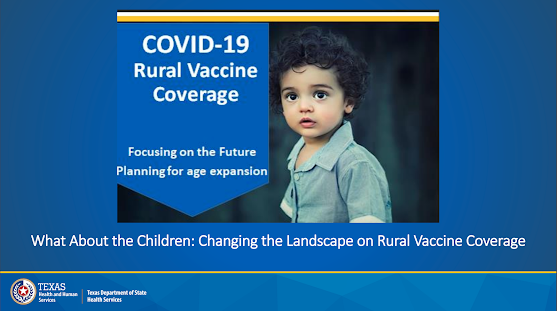
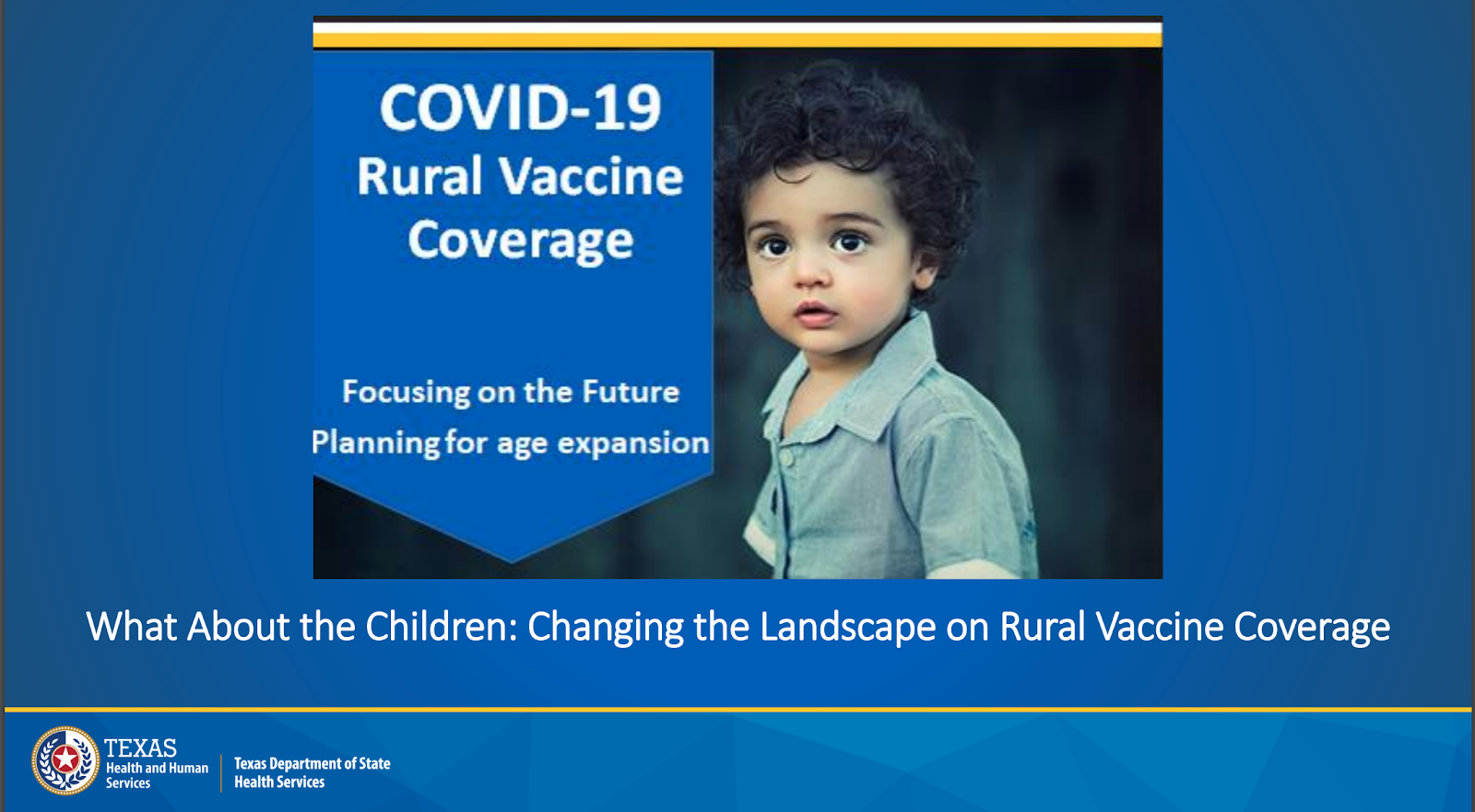
    Here’s a workshop that we were very excited to view from the Texas Department of Health and Human Services. This workshop was focused on “What About the Children: Changing the Landscape on Rural Vaccine Coverage”. It focused on health in rural areas, especially for our youngest populations.

    Also, we have been fortunate to receive funding for travel for our outreach events, shirts, and giveaways. Here’s a special shout out to the Episcopal Health Foundation in Texas, because they provided so much support for our project.

    At first, we partnered with existing vaccination clinics and these were not very well attended, but THEN we decided to venture out on our own and to create our own clinics with the health of the Texas Department of State Health Services. We have been experimenting with the best time and date for our clinics as well all content for the clinics.

    We decided a “Summer Fun and Health Clinic” approach has been the best outreach strategy for reaching the community. The mid-day clinics (before 5pm) were not as well attended for some audiences (i.e. – parents), but other times had much better attendance (after 5pm).

    Also, we partnered with Agrilife (Mrs. Clarissa Moon) and Above Average Health Care and House Calls. Agrilife provided educational outreach sessions and Above Average Health Care and House Calls offered health checks and interpretations of lab results.

    Do you have any suggestions for us? We are so thankful for our partners!

    ***

    Check out my book – Retaining College Students Using Technology: A Guidebook for Student Affairs and Academic Affairs Professionals.

    Remember to order copies for your team as well!


    Thanks for visiting! 


    Sincerely,


    Dr. Jennifer T. Edwards
    Professor of Communication

    Executive Director of the Texas Social Media Research Institute & Rural Communication Institute

    Source link

  • Have You Seen the Rural America Placemaking Toolkit?

    Have You Seen the Rural America Placemaking Toolkit?

    The U.S. Department of Agriculture (USDA)’s Rural Development and the University of Kentucky’s Community and Economic Development Initiative of Kentucky unveiled a free digital toolkit to help rural leaders build placemaking plans in small towns and communities across America. 

    If you are located in (or serve) a rural area and you are are looking for a free digital toolkit filled with amazing resources, please 

    The United States Department of Agriculture (USDA) and the University of Kentucky’s – Community and Economic Development Initiative of Kentucky just debuted their “Rural America Placemaking Toolkit“.

    This toolkit is absolutely dynamic and I encourage academic and practitioners to utilize this amazing guide. It includes:

    Creative Community Conversations

    Community & Cultural Assessments

    Public Spaces & Gathering Places

    Cross-Sector Partnerships

    Also, if you have a rural project that you would like to be considered for the toolkit, you can submit it here.

    *The Rural Communication Institute actually plans to do this soon.

    Think about sending this guide to a local mayor, commissioner, teacher, health worker, volunteer, etc.

    It is an absolutely incredible resource.

    Sincerely,

    Dr. Jennifer Edwards

    ***


    Professor of Communication

    Executive Director of the Texas Social Media Research Institute & Rural Communication Institute

    Source link