by Julie Burrell | October 9, 2024
At the CUPA-HR Annual Conference and Expo 2024, the three keynote sessions offered insights on how higher ed can articulate its value proposition for employees. How can HR, campus leaders and other culture architects ensure their institutions are places where candidates want to work and where employees want to stay? And how can we bridge the cultural, political and intergenerational divides so many of us are experiencing on campus to help our communities thrive?
There isn’t a one-size-fits-all solution to these challenges, but the keynote speakers reminded higher ed HR pros not to underestimate the value of a shared purpose. Here are a few of their insights into remaking workplace culture through deliberate community-building, connecting through traditions and reinforcing our collective values.
Fighting Burnout and Finding Community
Workplace culture strategist Jennifer Moss opened the conference in Orlando with a reminder that, while it’s been many years since the COVID-19 pandemic, its lessons still linger. During that time, many of us asked, is what I’m doing important? Does it make a difference?
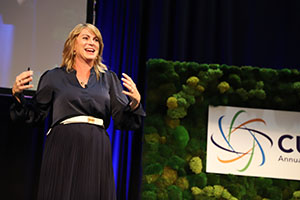
For so many in higher ed, the answer is yes. But Moss also shared a hard truth: the passion that leads people to work in higher ed may lead to burnout or passion fatigue. The solutions offered for burnout are often focused on the individual (“take a bath” or “meditate”), when they need to be systemic and even societal. Burnout isn’t about having a bad day — it’s chronic stress, classified as a disease by the World Health Organization. A strange irony is that burnout from overperforming at work often looks like underperformance (exhaustion, disengagement and cynicism).
One solution that Moss proposed is to encourage employees to deliberately build stronger community and positive social connections, both essential to building bridges and combatting loneliness. According to the data Moss shared, eating just one lunch per week with coworkers, rather than alone at a desk, can aid employee happiness and performance. So can spreading positive gossip (saying nice things about others behind their backs), which subconsciously supports psychological safety.
Takeaway: It’s key that workplaces tie efforts to reduce employee burnout to specific objectives and key results so that individuals aren’t responsible for solving the crisis on their own.
Great Storytelling for a Shared Purpose
Annual conference attendees experienced the magic of Disney firsthand during the closing night EPCOT excursion. But what makes Disney so magical? According to keynote speakers Jeff Williford and Jay Pyka of the Disney Institute, it’s all in the details. Disney excels in the finer points, with each park and resort providing a unique and immersive experience, from what music guests hear, to what smells are piped in, to the thatched roofs in Animal Kingdom made by South African artisans.
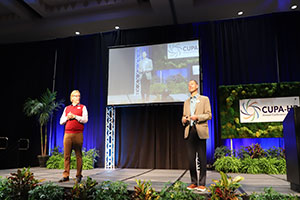 How does Disney engage over 70,000 employees — aka, cast members — to ensure that the details are done right? While cast members’ jobs may be different, from serving food at EPCOT to directing riders on Space Mountain, they all share in one common goal: creating happiness. In their talk, Williford and Pyka emphasized that culture is defined by how people behave, and training is critical to achieving desired behaviors. Caring and communication are also vital elements of culture. The extent to which organizations genuinely care for their people is the extent to which those people will, in turn, care for customers and each other. And high-quality communication can reinforce culture as much as lack of communication will undermine it.
Disney uses their expertise in storytelling to train and unite cast members in the common goal of creating happiness and embracing Disney culture. In fact, the first class new employees attend as part of their onboarding is one on Disney traditions because it helps them connect with the history and culture.
Takeaway: Higher ed workplaces can create a powerful connection between employees and the institution’s mission, fostering a sense of belonging and commitment.
Gen Z and the Future of Work
In her closing keynote, Heather McGowan, a future-of-work expert, offered a hopeful vision of work — and of a society where more of us are united than divided. But she also admitted that “it’s difficult to be a human right now.” There’s a profound lack of connection among people, an uptick in loneliness and disconnection, and social divisions stemming from the pandemic, politics and social media.
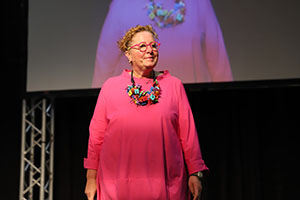 Why? One reason is that work has replaced what people once found in community, whether through church or bowling leagues or book clubs. McGowan said that’s why current and future generations entering the workforce seek jobs that reflect the totality of their values and personality.
Gen Z is especially known for seeking greater meaning in work. They desire mentorship, they want to be part of something bigger than themselves (meaning), and they want to live their values through work (mission). They’re rejecting the work contract of previous generations, which promised job security in exchange for employee loyalty. Why, McGowan asked, are workplaces still demanding loyalty without offering the same security they did in previous generations?
In asking for work to be meaningful, Gen Z is sending a critical lesson for the future of work, McGowan believes, one that workplaces need to take seriously to recruit new employees and retain existing ones. The data show that what employees want most in a job is growth, autonomy, achievement and respect.
Takeaway: The future of work might just be in listening to what Gen Z is trying to convey: We all need a shared purpose and meaning in work.
Looking for More on Work Culture?
Jennifer Moss’s new book, Why Are We Here?: Creating a Work Culture Everyone Wants, will be published in January. You can also check out these CUPA-HR articles and resources: