Category: Blog

  • PeopleAdmin A PowerSchool Company

    PeopleAdmin A PowerSchool Company

    Tips and Best Practices for Higher Ed HR Compliance

    Compliance is a key and complicated part of the role of human resources teams, and this is especially true in higher education. The HigherEd industry is highly regulated, at both the state and federal levels, making the job even more complicated for HR teams that work on a college or university campus. Noncompliance, even when unintentional, can have serious negative consequences for an institution, ranging from legal and financial (including fines and penalties) to reputational. That’s why ensuring compliance is such an important part of the role of higher education human resources teams. Read on below for some top tips and best practices for ensuring higher ed HR compliance.

    Challenges faced by Higher Ed

    There are several HR challenges faced by HigherEd that are unique, making the world of compliance even more complicated. They include:

    1. Regulatory complexity: Higher education institutions must navigate a web of federal and state regulations, including Title IX, FLSA, and ADA, which can be particularly intricate in an academic setting. Teams must navigate these human resources rules, regulations, and procedures to remain compliant.
    2. Faculty and staff diversity: Ensuring compliance with equal employment opportunity laws while managing a diverse workforce of faculty and staff presents unique challenges.
    3. Student employment: Compliance with regulations related to student employment, such as work-study programs and internships, adds another layer of complexity.
    4. Varying types of employees: Colleges and universities may have to deal with different regulations for faculty, staff, part-time faculty, hourly workers, summer employees, and more—campuses have a greater variety of types of workers than many other organizations.

    Higher Education HR Compliance Best Practices

    1. Stay informed about regulations: Regularly monitor federal and state regulations to ensure compliance with labor laws, as they often evolve in response to changes in the workforce.
    2. Document policies and procedures: Properly document all company policies and procedures, and ensure easy access for employees. This includes creating an accessible and easy-to-navigate employee handbook.
    3. Regularly audit HR policies: Conduct regular HR audits to ensure that HR policies, such as leave policy, non-discrimination policy, and compensation policy, are compliant.
    4. Establish specialized HR departments: Consider establishing specialized HR departments within colleges to address theQuote: Modern, digitized workflows can streamline the hiring process, improve data security, and facilitate compliance with regulations. unique objectives of different divisions.
    5. Promote diversity, equity, and inclusion: Initiate regular conversations on campus among staff and departments to promote diversity and inclusion, enabling the institution to move into a more inclusive environment.
    6. Leverage technology: Use HR compliance software to track regulatory requirements and obligations. Modern, digitized workflows can streamline the hiring process, improve data security, and facilitate compliance with regulations. HR compliance software can centralize and automate compliance-related tasks, such as tracking employee certifications and managing leave policies, thereby reducing the risk of non-compliance.
    7. Standardization: Standardize hiring and interviewing procedures to ensure fair hiring.
    8. Training and education: Provide thorough orientation for new hires that includes their responsibilities for HR compliance and clearly explains policies for reporting noncompliance. Provide ongoing training to HR staff, faculty, and supervisors on compliance requirements and best practices. Create higher education compliance checklists to stay on top of things.
    9. Get leadership involved: Encourage executive leaders to champion ethics and compliance, and provide ways for employees to report unethical activity.
    10. Collaboration across departments: Encourage collaboration between HR, legal, and academic departments to ensure a comprehensive approach to compliance.

    The Role of Technology in Higher Ed HR Compliance

    When it comes to HigherEd HR compliance, the right technology is key. A platform built for your HR needs supports your team in so many ways, including:

    1. Efficiency and streamlining: Technology removes administrative burdens, eliminates duplicate processes, and centralizes information, making data insights more accessible. This streamlines communication, increases security, and automates tasks, thereby saving time for HR professionals.
    2. Data management: HR technology allows for the centralization and management of vast amounts of information related to faculty and staff recruitment, onboarding, compensation, performance management, and compliance training. This helps HR professionals find more insight into information like retention, growth, and historical data about positions and job duties, and keep that information secure and accessible for compliance purposes.
    3. Strategic role of HR: By leveraging technology, HR professionals can engage in more strategic work, such as employerQuote: By leveraging technology, HR professionals can engage in more strategic work. branding to attract talent, and providing insights into retention and growth, rather than being bogged down by manual processes and administrative tasks.
    4. Data-driven decision making: HR technology provides access to critical data, which is essential for financial forecasting, succession planning, and staff performance management, enabling HR teams to make informed, data-driven decisions.

    Luckily, PeopleAdmin has the technology your team needs to keep track of employee information, stay audit-ready, and manage your employees. Built just for HigherEd, PeopleAdmin’s tools have the customizable, flexible workflows you need to tackle any HR challenge. Check out:

    • Employee Records: With all documents in one portal and visibility into processes, you’ll ensure compliance and reduce time-consuming records management tasks. Plus, digital forms management means all faculty and staff have self-service, mobile-friendly access to HR forms like change-of-address to FMLA documents without requesting them in person or via email.
    • Applicant Tracking System: In our powerful ATS, real-time dashboards with easy-to-understand visuals make it easy to interpret your data. Standard reports help you stay EEO compliant and audit-ready based on federal and state regulations. Customizable reports can be automated so you can share information with key stakeholders on your own schedule.
    • Insights: Insights helps you uncover key insights into EEO compliance, budget planning, balanced hiring, faculty and staff hiring and retention, and more. And with automated reporting, you can easily schedule specific, easy-to-understand reports for institution leaders and key stakeholders — empowering data-based decision making across the institution.

    Source link

  • PeopleAdmin A PowerSchool Company

    PeopleAdmin A PowerSchool Company

    Navigating Change in Higher Education

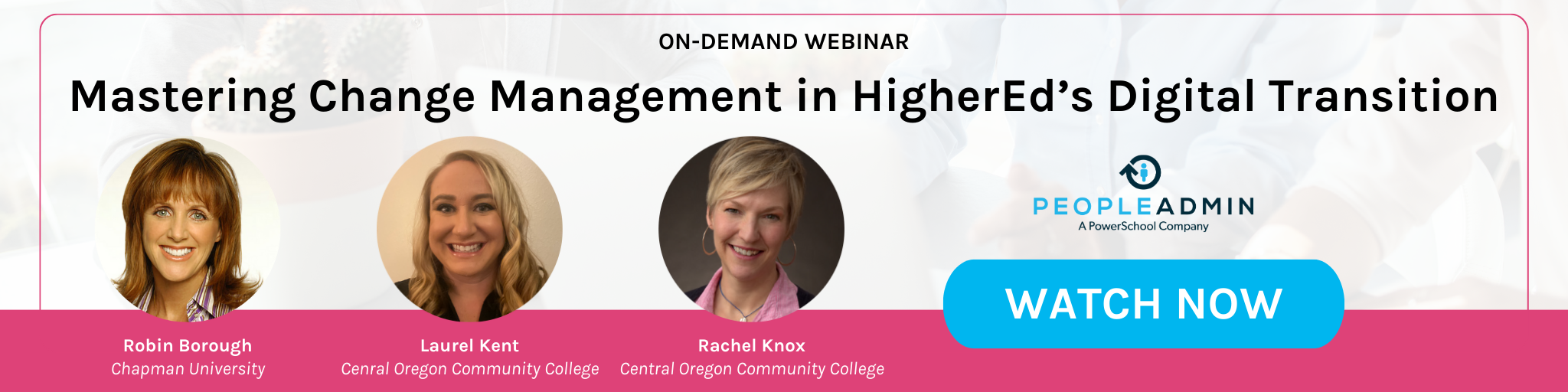
    Change is a constant in higher education, and institutions are continually evolving to meet the demands of the modern world. In a recent PeopleAdmin webinar, Mastering Change Management in HigherEd’s Digital Transition, experts from Central Oregon Community College and Chapman University shared their experiences with change management during two large technology implementations, offering tips and best practices for other institutions anticipating change in the new year. In a poll at the start of the webinar, 95% of attendees responded that they would be facing a change in the new year. 31% are facing a major change, while 64% are navigating minor adjustments. If you’re among that 95%, read on below.


    Case Study: Central Oregon Community College.

    Laurel Kent, IT Project Manager at Central Oregon Community College, explored her team’s journey through a Performance Management upgrade that took place over the past year.

    Case Study Focus: Performance Review Transformation

    • Moving from manual, PDF-based processes to a digital platform within PeopleAdmin.
    • Addressing issues like inconsistency, versioning, and tracking associated with PDF processes.
    • Utilizing the PeopleAdmin portal to streamline performance evaluation tracking.

    Wins and Lessons Learned:

    • Leadership Buy-in and clear project vision: Project support from the CHRO and CIO helped provide the appropriate resources. Dedicated project managers and functional analyst team, working collaboratively with HR, oversaw project timelines and deliverables to keep things on track.
    • Clear project plan and frequent communication: Sharing the project progress and updates regularly across campus meant that end-users knew what to expect.
    • Clear Roles and Timelines: Regular and predictable working sessions, clearly defined roles, and a reasonable timeline for testing and implementation kept things moving forward.
    • Relationships matter: Make sure that you have users across campus who can answer questions and provide feedback.
    • Build in time to fine tune product: A lesson learned was to include extra time for testing and stakeholder feedback. The team found it was important to see the product live and get direct feedback, and then tweak the platform as necessary.


    Case Study 2: Chapman University

    Robin Borough, Director of Talent Acquisition at Chapman University, shared insights from her many experiences with change management—and her top tip was a formula.

    Change Management Formula from Beckhard and Harris: Change (C) = Dissatisfaction (A) * Desirability (B) * Practicality (D) > Perceived Cost (X)

    “This formula is old, but everybody will be able to relate to it and see that it’s a real quick and dirty way to see if you can get the funding, and the sponsorship that you need, or if you need to prove something to get that funding and sponsorship,” said Robin. “‘C’ is the change. ‘A’ is the level of dissatisfaction with the status quo, and ‘B’ is the desirability of the change or proposed end state. ‘D’ is the practicality of the change—so are the steps to make this change practical and are we minimizing risk and disruption as much as possible? ‘X’ is the perceived cost of the change. For change to make sense, A * B * D has to be greater than X—meaning, I have to have a lot of dissatisfaction and a lot of desire for something different, and the plan has to be practical. If AB, or D are zero, you’re out. Don’t even try to make the change. So much of what we’re doing is subjective, because there’s so many people and constituents involved with change management, so I thought this formula was an interesting way to think about it.”

    Final Thoughts

    In the ever-evolving landscape of higher education, change is inevitable. The experiences shared by Central Oregon Community College and Chapman University underscore the significance of proactive change management, user-centric approaches, the value of learning from past successes and challenges—and how important it is to understand what you’re getting into from the start. As institutions embark on their journeys of transformation, these insights can serve as guiding principles for navigating the complexities of change in higher education. For more, check out this webinar on-demand.


    Source link

  • When is an extracurricular good enough? Part 2 – Four Years Later!

    When is an extracurricular good enough? Part 2 – Four Years Later!

    By Tim Parros

    I wrote an article four years ago about the importance of extracurriculars in the college admission process (read it here)

    Interestingly enough, it still rings true and is even more critical going into the 2023/2024 admission cycle. As a result, we see our students reaching for many colleges that take a deep look into the extracurriculars; after all, colleges want students to better their communities, and students with experience in this are very attractive to them.

    The admissions landscape continues to evolve, and schools seek students with more than perfect test scores and top grades. There are so many students with perfect scores and outstanding academics, which is still essential, but most schools take a holistic approach to the admissions process. They want students with diverse interests and backgrounds who will be a good fit for the school outside of academics. Your extracurriculars help them determine if you will be equipped to make your mark at their college in a positive and influential way.

    So why is this important again?

    Because it tells admissions more about you as a person. By looking at your activities in your free time, they learn about your interests and the key qualities you possess.

    Essentially, your extracurriculars are one of the application components (along with your college essays and letters of recommendation) that they feel determines the characteristics that you will add to their student body. Different schools may value different traits, but they all value leadership, social responsibility, commitment, drive, and determination. Many other traits will be apparent to them as they review your application. It is also true that extracurriculars make for some great essays when it comes time to apply to college.

    Generally speaking, the quality and the duration of your commitment to your extracurricular activity seem more important than how many you have on your list. The commitment you show in your extracurriculars for college over a more extended period is more impactful than being a member of many clubs for a short period. Even more important in this category is showing them what you learned, how you’ve grown, and how you will interact with their student body.

    When we have students considering some of the top colleges in the US, we start early in helping them identify extracurriculars that they are passionate about. This is critical. I will end with the same advice from 4 years ago.

    Here are some questions to ask yourself about your activities:

    1. Does it benefit your community?

    2. Could it lead to any awards?

    3. Is it possible to write about it and have it published?

    As we discuss extracurricular activities with our students, we try to get them to think outside the box and go beyond with their peers are doing. We’re not encouraging students to give up activities they enjoy, but we hope that asking these questions will spark something and stretch the student in what activities they spend their time on. 

    We want to discuss this and explore how we can help you in your college planning journey.

    Source link

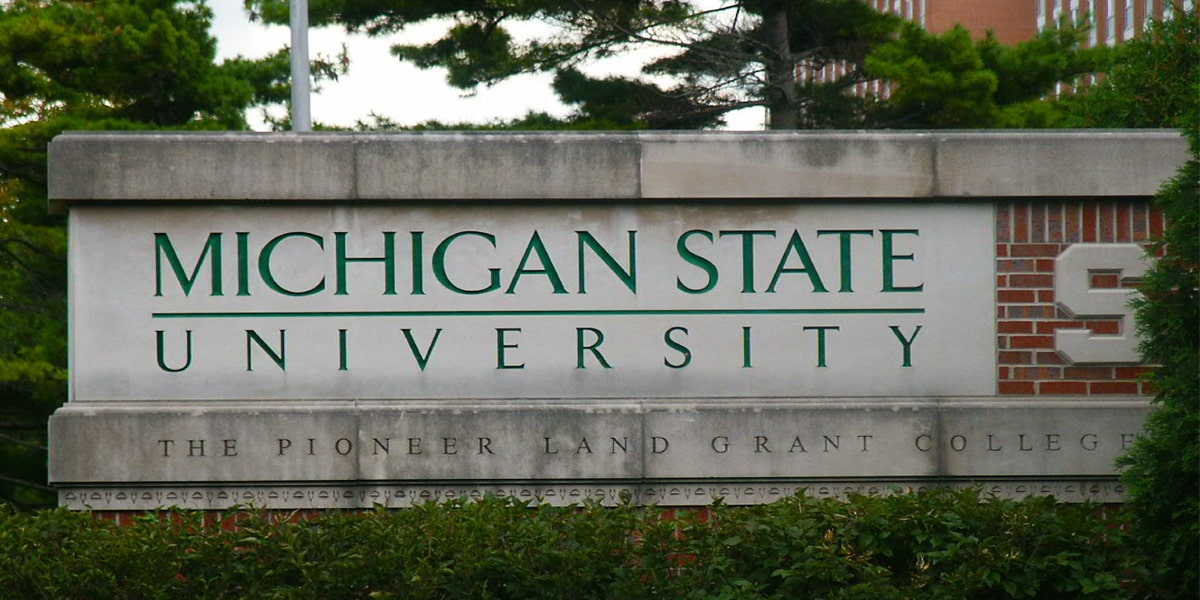
  • Recent Tour at Michigan State University, East Lansing, Michigan.

    Recent Tour at Michigan State University, East Lansing, Michigan.

    By Lisa Schmidt LPC, NCC, College Planning Counselor at Parros College Planning LLC.

    Living and working just an hour from East Lansing, we felt pretty confident that we understood what Michigan State University had to offer to our students. However, on our recent campus tour, with a group of Independent Educational Consultants, we discovered there was still much more to learn about the large state university in our backyard.

    The facilities were top-notch, but the brand new STEM building blew us away. MSU transformed a 70-year-old power plant into a “student-ready maker and collaboration space. Old silos are now conference rooms, and a 1946 limestone entrance welcomes students. Original steam boilers and mechanical hardware are art installations.” The cool urban design includes high-tech classrooms, a dining area, and cozy study spots containing the latest technology needed to complete group projects and coursework.

    A short walk from here is the brand new music building. It is a beautiful spot for students to attend class and work on their musical skills. All of the MSU bands and orchestras have competitive auditions to gain entry, but all students, no matter their major or skill level, have the opportunity to try out. Also, the community music school offers lessons for a small fee to non-music majors.

    Another highlight was getting to understand the Residential Colleges better. We feel these smaller communities within the large university may be the perfect fit for many students. “The residential colleges at MSU offer the best of both worlds: the finest qualities of small liberal arts colleges combined with the energy and resources of a large research university. Three living-learning communities unite students with similar interests in designated residence halls on the campus. This assists in creating distinctive educational atmospheres. They are:

    • James Madison is where students share a common goal of addressing and examining the major political, legal, social, and economic issues affecting our world.
    • Lyman Briggs empowers students to change the world by understanding science and math in society.
    • Residential College in the Arts and Humanities is for students passionate about the arts, humanities, and community engagement.

    The majority of the consultants we traveled with were not Michigan residents, and they were not disappointed by their first trip to MSU. Here is some of what they had to say:

    “This was my first visit and tour of Michigan State University. I was impressed with the beauty of the campus, the sincerity and energy of the staff members we had the pleasure of meeting throughout the day, and the consistent message that was shared at every department/college we visited of a desire to help every student find their place and be successful at MSU.”


    “After years of suggesting MSU as an option to my students, I am so much better informed on the fantastic offerings. I have a much better understanding of the residential college system (James Madison, Lyman Briggs, and ARCAH), which is very appealing to many of my students.”


    “I especially enjoyed eating at Thrive, an allergen-free dining hall. Thrive is committed to being sesame-conscious and free of the Big 8 allergens (milk, eggs, soy, wheat, peanuts, tree nuts, fish, and shellfish) plus gluten. Another dining highlight was the unlimited swipes so students with meal plans can eat anywhere on campus as often as possible. A snack can be picked up at one hall and then a meal at another.”

    In regards to major areas of study, most students list their intended major on the application but are not admitted to the specific program until after they complete their first year of college. For example:

    • Engineering – students interested in engineering take 28 prerequisite credits the first year and are automatically admitted to engineering if they have over a 3.0 GPA.
    • Business – students interested in business must apply after taking 28 credits. Admission is competitive. A select few students will be accepted directly to the Broad School of Business from high school.
    • Nursing – is a VERY competitive program, only admitting about 100 students each year through the application process after students take the required 28 prerequisite credits. A 3.9 GPA is generally needed to be competitive.

    After the tour, we were all very excited to look at our client list and match some of our students with MSU. We appreciated the red carpet that the admissions team at MSU rolled out to us, and we had a fantastic tour! Please reach out to us to schedule your complimentary consultation so that we can help you in the college application process!

    Source link

  • FAQ: When should I start actively planning for college? – College Strategy

    FAQ: When should I start actively planning for college? – College Strategy


    FAQ: When should I start actively planning for college? – College Strategy – DIY College Planning Course