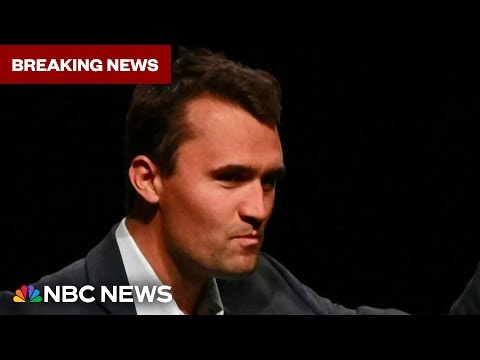
Charlie Kirk was shot and killed at Utah Valley University today. The killer was not immediately caught. The Higher Education Inquirer has been covering Kirk and his organization, Turning Point USA, since 2016. Kirk has been a polarizing force in the United States, particularly on US college campuses. HEI hopes this event will not lead to further violence. Since its inception, we have urged for peace and nonviolence.
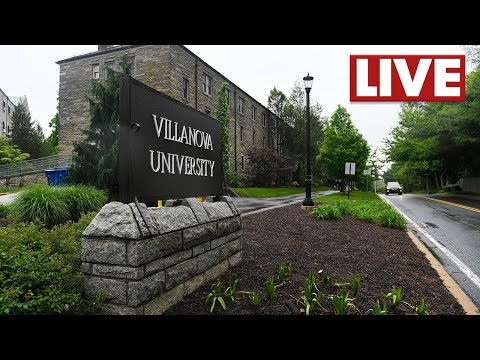
News sources in the Philadelphia area were alerted today that there was an active shooter at Villanova University. Students received text messages and rushed for safety. About two hours later, the university President Rev. Peter M. Donohue called it a “cruel hoax.”
Campus hoaxes are not mere pranks. They are crimes and a dangerous reflection of a society where the line between reality and rumor blurs under the shadow of violence. Each false alarm chips away at the sense of security that universities promise their students. Until the United States addresses the root causes of both gun violence and the culture of fear it breeds, campus hoaxes will remain part of higher education’s uneasy reality.
The threat of harm is not abstract. In the U.S., campus shootings have become a recurring tragedy: Virginia Tech (2007), Northern Illinois University (2008), Umpqua Community College (2015), and Michigan State (2023), among many others. This context makes hoaxes especially dangerous: police and students cannot know in the moment whether the threat is real. A single misstep could cost lives.
Accountability and Prevention
Universities and local authorities have begun tracking and prosecuting hoaxes and swatting calls, but enforcement is difficult. Prevention may require better technology, coordinated responses, and clear communication with students. Most importantly, it requires addressing the broader conditions that make both real shootings and hoaxes possible: widespread access to firearms, untreated mental illness, and a culture desensitized to violence.