Category: Careers in Healthcare

  • How Healthcare Professionals Can Thrive in a Digital Era

    How Healthcare Professionals Can Thrive in a Digital Era

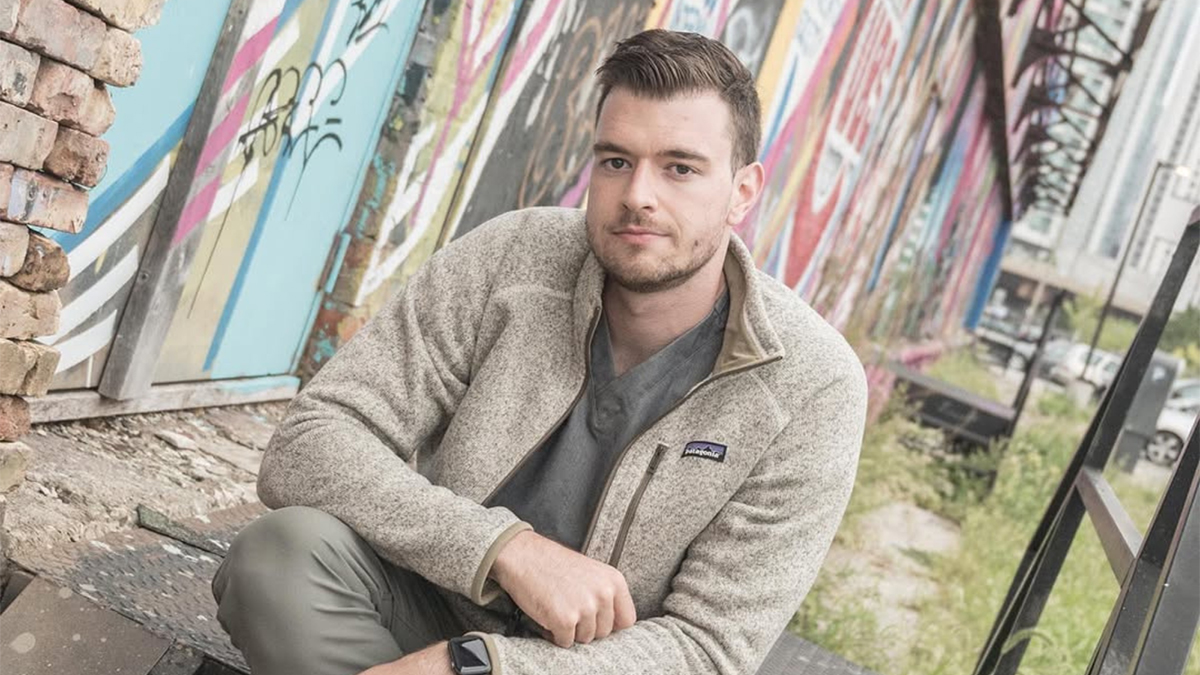
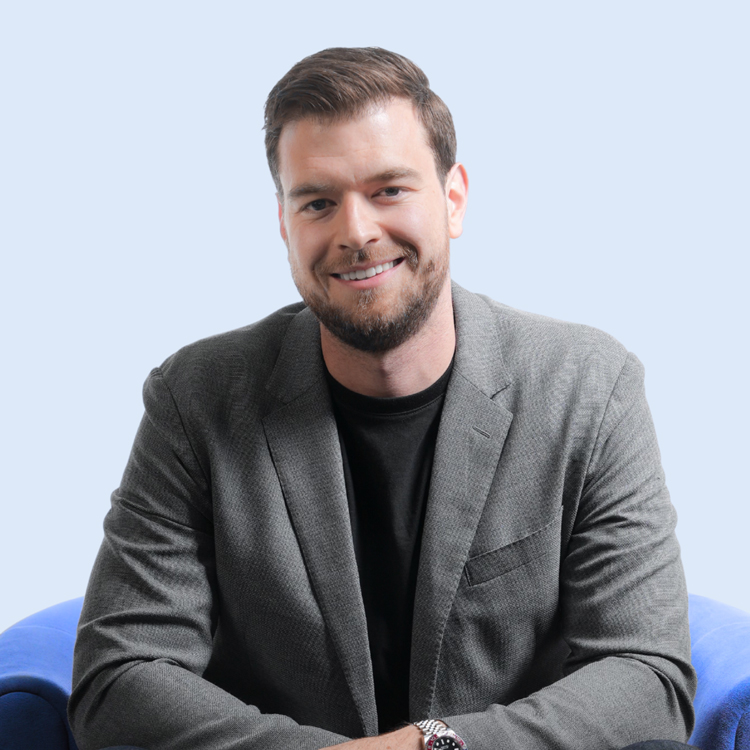
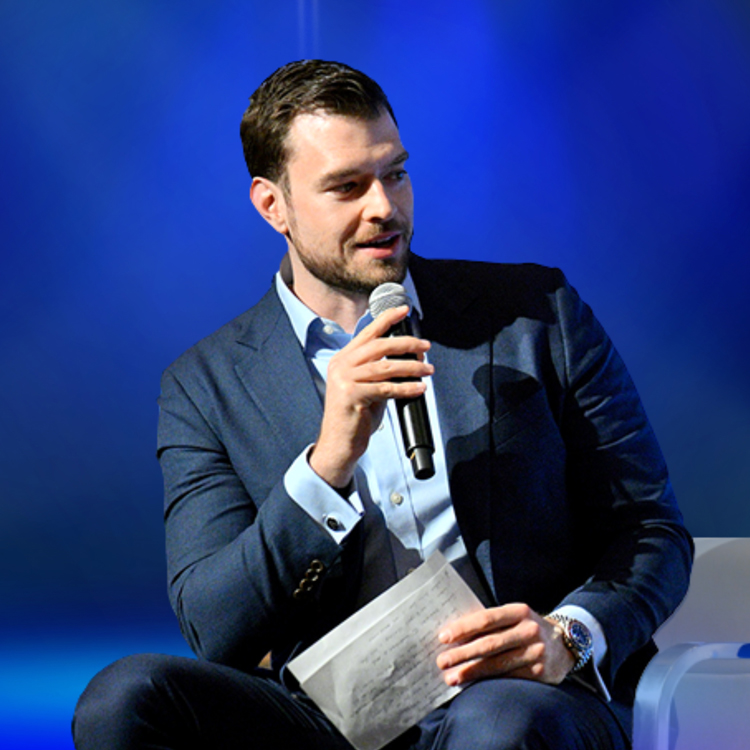
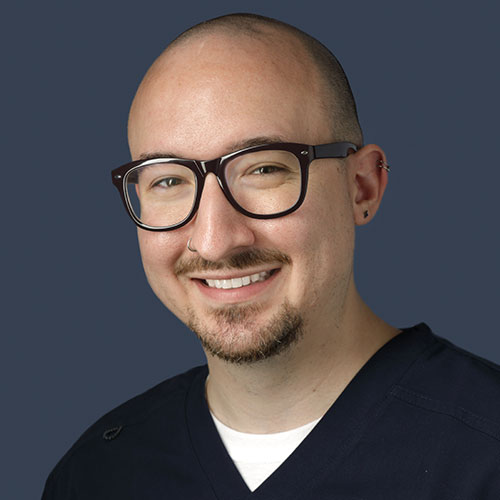
    Dr. Adam Goodcoff | Photos courtesy of MedFluencers

    Influencer and emergency medicine physician Dr. Adam Goodcoff shares insights on embracing AI and evolving career pathways to help healthcare professionals stay adaptable and future-ready.


    As someone who has successfully merged clinical practice with digital innovation, how do you believe emerging healthcare professionals can best position themselves to thrive in this evolving landscape?

    I think the best thing someone who’s coming up or even someone actively practicing now could do is keep an open mind and have a hunger for new skills and knowledge. Look at the way machine learning has come into our lives in the last two or three years. If you had asked a clinician three years ago if they found AI helpful, I don’t think they could even tell you where AI was in the mix. Today, there are tools like the ambient AI scribes and various platforms that are now making their way into healthcare. We need to have hunger and interest in the discovery of these new tools and consider how we could integrate them into our day-to-day workflow. I think having an open mind is the best way to do that. 

    What key skills or mindsets do you think are essential for those entering healthcare today?

    I think the mindset is really one of growth and opportunity. We’re entering a really interesting era, as I mentioned, with AI and medicine and tech enabling the workforce for healthcare providers. Even five years ago, it was an analog specialty. I mean, we were interacting with computers and using some dictation software, but nothing really advanced. In that short time span, we’ve accelerated that so much already. 

    What I would say to the learners and those coming into this career is to be hungry and be open to change. Medicine is well known for being slow to change and slow to adopt, and there are reasons for that; there’s safety and security in the way that we’ve done things. However, now at a time when innovation is so rapid, I think it’s important to consider the ways we might be able to integrate that into our workflow.

    Can you share some examples of how social media and digital platforms have created new career pathways within healthcare that might not have existed a decade ago? 

    I think the beauty around social media in healthcare is that we’ve now created an opportunity to educate our peers and patients in a direct-to-consumer space in a way that is faster and more direct than ever before. It’s really democratized health education. I think it’s an exciting time where real value can be brought and exchanged on social platforms.

    Healthcare workforce shortages are a pressing concern. How can innovative career models like those involving digital health communication help address these gaps while also enhancing patient care? 

    I’d be a bit biased answering this, but I think social media brings visibility to healthcare careers and brings some of the fun and discovery back into a career in healthcare. We have physicians and folks of all degrees really showing what life can be like in various career pathways. I found a lot of success in my own content by creating ways for learners to engage and test their skills and to feel rewarded in a friendly learning environment, where there was no pressure to formally study. That’s what we see at MedFluencers: These physicians and healthcare professionals are excited about reaching the next generation of learners, driving the adoption of new technologies and therapies faster, and getting that information in the right hands.

    Looking forward, what trends or opportunities do you foresee that healthcare students should be preparing for to maximize their impact and career satisfaction?

    I think healthcare careers are changing. From a technology side, there’s tremendous enablement, but also the way that the healthcare system works is constantly evolving. There are certainly things about the system that are broken, but there are things that are being fixed, and I think that goes back to my concept of keeping an open mind and being fluid or open to change around the way that a career looks. When I was in high school and thinking about being a physician, it’s different today than it was then. In an equal amount of time, it will be radically different again. We’re at such a quick evolutionary pace here.

     I’d invest in your own learning, especially understanding a bit more about machine learning and AI. I think it’s become a part of all of our lives, and there are so many folks who just quickly label it AI and write it off. What is the AI doing? Why is it different than traditional search? What are we doing differently with these tools?

    Source link

  • The Ultimate Guide to Careers in Medical Research

    The Ultimate Guide to Careers in Medical Research

    Today’s medicine is deeply rooted in the advancements of methods and technology in the field of medical research. From uncovering the causes of diseases to developing new therapies and preventive strategies, medical researchers connect the curiosity of science with the compassion of medicine.

    Alvin Pham

    Pre-Medical Committee, American Physician Scientists Association

    Behind every statistic is a patient, and behind every breakthrough is a team of scientists, physicians, and participants working toward a healthier world. These diverse goals of medical research give rise to a range of specialized careers, each contributing to health innovation in unique ways. The following are some of the most impactful paths within the field.

    Physician-scientists

    Physician-scientists combine clinical care with laboratory or clinical research. They investigate disease mechanisms, develop therapies, and translate discoveries from the bench to the bedside.

    It requires an M.D./D.O. and Ph.D. (about 8 years), followed by 3-7 years of residency and fellowship training, or an M.D./D.O. (4 years) with residency and research experience.

    Physician-scientists bridge the gap between science and medicine by turning laboratory findings into real treatments. Their dual expertise enables them to identify and resolve clinical needs and lead interdisciplinary teams that directly improve patient outcomes.

    Clinical research scientists

    Clinical research scientists design and conduct studies to evaluate new treatments, diagnostics, and interventions in human subjects. They often work in hospitals, universities, or pharmaceutical companies, focusing on the safety and efficacy of medical innovations.

    To become a clinical research scientist typically requires a Ph.D. in biomedical sciences or clinical research (about 4–6 years) or an M.D./D.O. (4 years) with research experience. Postdoctoral training may add 2–4 years.

    Clinical research scientists advance evidence-based medicine by generating the data that guides clinical decisions. Their work ensures that new drugs, devices, and therapies are both safe and effective before reaching patients.

    Public health researchers

    Public health researchers investigate population-level health trends, disease prevention strategies, and policy impacts. Their work informs public health programs, pandemic response, and health equity initiatives.

    This role typically requires a Master of Public Health (M.P.H.) (about 2 years) or a Dr.P.H./Ph.D. in public health or epidemiology (about 4–6 years).

    Public health researchers shape the health of entire populations through data-driven research and public policy. Their work reduces disease burden, addresses health disparities, and guides interventions that save lives on a global scale.

    Medical anthropologists

    Medical anthropologists study how culture, society, and behavior shape health and illness. They often work in global health, public policy, or academic research, analyzing medical practices across different populations.

    This job typically requires a Ph.D. in anthropology or medical anthropology (about 4-6 years), sometimes preceded by an M.A. in anthropology (about 2 years).

    Medical anthropologists link social and cultural factors and show how those influence health behaviors and care delivery. Their insights improve communication between healthcare providers and patients, fostering culturally sensitive and effective medical practice.

    Biotechnology researchers and engineers

    Biotechnology researchers and engineers develop and test new biomedical technologies such as genetic therapies, diagnostic tools, or drug delivery systems. They work in academic, corporate, or government research labs, bridging biology and engineering.

    This role typically requires a Ph.D. in biotechnology, molecular biology, or bioengineering (about 4-6 years), although Master’s-level researchers (2 years) can enter industry positions earlier.

    Biotechnology researchers drive innovation in medicine by developing new tools and technologies that transform diagnosis and treatment. Their discoveries enable personalized medicine and accelerate the development of next-generation therapeutics.

    Medical research is not a single path or person but a network of disciplines united by a shared goal: to improve human health through discovery and innovation. Whether exploring cultural influences on health as an anthropologist or translating lab findings into clinical care as a physician-scientist, each role contributes a vital piece to the puzzle of modern medicine. Together, these careers form the foundation of scientific progress, turning questions into cures and curiosity into compassion. 

    Source link

  • The Expanding Role of Nurses in Rural Communities

    The Expanding Role of Nurses in Rural Communities

    Showcasing the opportunities offered as a nurse generalist has the potential to positively impact the recruitment and retention of nurses for rural communities.

    Rural nursing offers a unique and rewarding career path for nurse generalists who are seeking diverse experiences, greater autonomy, and the chance to make a meaningful impact in rural communities. Unlike nurses in urban or specialized settings, nurse generalists in rural areas often provide a wide range of services across the lifespan. 

    More experience and greater responsibility

    One of the most significant opportunities for nurse generalists in rural settings is the breadth of practice. In smaller, rural hospitals or clinics, nurse generalists are often required to work across multiple specialties such as pediatrics, geriatrics, emergency care, medical-surgical nursing, and women’s health, sometimes all within the same shift. This broad exposure allows nurses to build a versatile clinical skill set and develop confidence in managing a wide variety of conditions. For those who thrive on variety and lifelong learning, rural nursing can be deeply satisfying.

    Rural healthcare environments also often have fewer healthcare professionals available, which means nurse generalists frequently take on leadership roles and function with a high level of independence. Nurses may be responsible for initial assessments, treatment planning, health education, and follow-up care with less direct oversight from physicians. This autonomy not only builds critical thinking and decision-making skills but also prepares nurse generalists for advanced roles such as nurse practitioner, clinical leader, or rural health administrator.

    Connection, creativity, and compensation

    One of the most fulfilling aspects of rural nursing is the close connection to the community. Nurse generalists often serve patients they know personally, which fosters trust and long-term relationships. This community integration positions nurses as trusted health advocates, educators, and role models. The ability to see the direct impact of one’s work on individuals, families, and the community provides a unique level of professional and personal satisfaction that is sometimes harder to find in larger, urban settings.

    In rural settings, limited resources and workforce shortages often require creative problem-solving and innovation. Nurse generalists are uniquely positioned to influence care models by suggesting process improvements, initiating community health programs, or integrating technology such as telehealth into patient care. Rural healthcare organizations often welcome these innovations, and nurse generalists may find it easier to get involved in policymaking, grant writing, or quality improvement initiatives that have immediate and tangible results.

    Due to the challenges of attracting and retaining healthcare professionals in rural areas, many regions also offer incentives for nurse generalists willing to work in underserved locations. These may include loan forgiveness programs, housing stipends, relocation assistance, or sign-on bonuses. Additionally, the rural setting can provide a solid foundation for future advancement, whether through graduate education or leadership roles. The broad experience gained as a rural generalist is highly valued in both rural and urban healthcare systems.

    A dynamic and meaningful career

    While rural nursing does come with its challenges, such as professional isolation, limited resources, and fewer immediate specialist referrals, many nurse generalists find that these obstacles are outweighed by the deep sense of purpose and professional growth they experience. The need to be resourceful, adaptable, and compassionate often leads to a stronger sense of resilience and a deeper commitment to nursing as a vocation.

    For nurse generalists seeking a dynamic and meaningful career, rural nursing presents a wealth of opportunities. It allows for a diverse clinical practice, encourages leadership and autonomy, fosters deep community relationships, and offers avenues for personal and professional growth. Rural nurse generalists not only broaden their own skills and experiences but also contribute significantly to closing the healthcare gap in rural communities.

    Source link

  • Men in Nursing: Making Strides and Picking Up the Pace

    Men in Nursing: Making Strides and Picking Up the Pace

    Bringing more men into nursing goes beyond addressing shortages; it represents a critical step toward a more balanced and equitable healthcare system.

    Beverly Malone, Ph.D., RN, FAAN

    President and CEO, National League for Nursing (NLN)

    While nobody alive today can recall this, throughout its early history, men dominated the field of nursing. All that changed when men went off to fight the Civil War, and women trained as nurses stepped in to take their places in hospitals on the battlefield and on the home front. 

    After that, the scarcity of men in nursing has persisted for 165 years and counting. In 1970, when men in nursing hit an all-time low, only 2.7% of the nursing workforce was male, according to the American Nurses Association.    

    With increased attention to this imbalance, the number of men choosing to enter nursing has been inching upward, with the greatest jumps posted since the dawn of the 21st century. The Bureau of Labor Statistics (BLS) reported that in 2002, men accounted for 7% of RNs, LPNs, and NPs. Now, over 20 years later, BLS statistics show about 12% of nurses are male. 

    The National League of Nursing’s Annual Survey of Schools of Nursing, which represents nursing programs across the spectrum of higher education, confirms this promising trend, with increasing male enrollment in basic RN programs. In 2022-23, the latest survey data available, just over 14% of nursing students identified as men, an uptick from the prior year.

    Most recently, men have even broken barriers in nursing leadership. The American Nurses Association elected its first male president, Dr. Ernest Grant, in 2018. Just recently, the National League for Nursing (NLN) membership elected Dr. Paul Smith, dean of the Linfield-Good Samaritan School of Nursing at Linfield University, as the League’s first male NLN Chair-Elect, breaking new ground in nursing education history.

    Building a more balanced workforce

    All that said, it may be asked, “Why is it even important to attract more men to nursing?” In the current nursing shortage, our nation cannot afford to ignore a potentially enormous job applicant pool. Nearly half of the U.S. adult population — 49% according to the 2020 Census — is male.

    Beyond sheer numbers, men of all racial and ethnic backgrounds bring to the profession different life experiences and perspectives. Research indicates that patients tend to be more open and responsive to health professionals who share physical, psycho-social, and cultural characteristics with them. So, with the need for greater diversity in nursing, how can we move the needle even more quickly? 

    Public service campaigns targeted specifically to men that promote the career pathways, benefits, and rewards of nursing can be effective and should be amplified across both traditional and social media. This will require sustained, coordinated efforts and financial investment by all stakeholders, including health and hospital systems, schools of nursing, professional associations, federal and state agencies, public health foundations, and industry partners. 

    Another key to making the nursing workforce more diverse and inclusive is to diversify nursing faculty and leadership in nursing education. As matters stand, men are vastly underrepresented among nurse educators, comprising only 8% of full-time faculty. But opportunities abound, with more than 800 vacant positions budgeted and 86% of programs that participated in the NLN survey pursuing new hires. 

    Male nursing graduates of the future need mentors and support to inspire, affirm, and nurture them, and to guide them to achieve their full potential to make a real difference in the health of the nation and the global community.

    Source link

  • Nursing Holds Much Promise for Aspiring Job Applicants

    Nursing Holds Much Promise for Aspiring Job Applicants

    With the dawn of a new year ahead, anyone looking for new opportunities can find one in nursing, with a wealth of job openings currently available.

    Beverly Malone, Ph.D., RN, FAAN

    President and CEO, National League for Nursing

    A persistent shortage of registered nurses (RNs) and licensed practical nurses (LPNs) is at the root of nursing jobs going unfilled, caused by: 

    • An aging nursing workforce, prompting a wave of retirements accelerated by the COVID-19 pandemic
    • The increased demand for healthcare by the aging Baby Boomer generation
    • Job stress and burnout precipitating workforce exits, particularly by nurses with less than two years of experience
    • A shortage of nurse educators, limiting the capacity of nursing programs to admit more qualified applicants

    Among the additional effects of too few nurses are higher levels of medication, safety, and other clinical errors, and potential hospital closures in regions with the lowest ratio of nurses to patients. For example, in June 2023, there were nearly 300 rural hospitals at risk of immediate closure. Texas and Kansas led this trend, with 29 of their hospitals facing imminent shutdown. 

    Both states’ widely dispersed populations meant that the loss of vital healthcare infrastructure would have a devastating ripple effect on local economies, in addition to threatening healthcare access for some of society’s most vulnerable. So, how to address these multiple challenges? 

    Encouraging more nurse educators

    One obvious approach to expand the nursing workforce is to hire more nurse educators to prepare a greater number of nurses for practice. While this goal may sound simple, in reality, it is hard to achieve, given budget constraints and the lack of state, federal, and local funding to support clinical nurses desiring to transition into education. 

    Still, there are so many rewards that come with a career in nursing or nursing education — or both. Yes, it’s more than possible to combine the daily satisfactions of clinical practice with the long-term fulfillment inherent in teaching, mentoring, and preparing outstanding practice-ready practitioners. That remains true whether you become an instructor in academia exclusively or a clinical nurse educator, supplementing your own nursing practice in an academic medical center.

    Nursing itself has become a multi-dimensional field with a number of career pathways, including advanced practice roles. Specialties like nurse-anesthetist or doctor of nursing practice (D.N.P.) often come with welcome higher paychecks and professional status. 

    Plus, with nurses now providing more of the frontline preventative care and chronic disease management in community clinics and through non-traditional healthcare settings, a variety of job opportunities may provide scheduling flexibility that’s compatible with family responsibilities. 

    Nursing education offers an incredible opportunity to engage in research that has the potential to transform the educational landscape for generations. Nurse educators, with their scholarly expertise, are also often at the forefront of nursing and community leadership, tapped to consult in the highest circles of government, public policy, nonprofits, and industry. 

    The sky is the limit. Consider exploring the possibilities of nursing and nursing education, while helping resolve one of today’s most urgent crises: too few healers to provide the healing.

    Source link

  • Purpose and Progress: Inside Today’s Healthcare Roles

    Purpose and Progress: Inside Today’s Healthcare Roles

    Our panel of experts shares how healthcare careers offer purpose, growth, and meaningful daily impact.

    Priya Parthasarathy, D.P.M.

    President, Maryland Podiatric Medical Association; Partner, US Foot & Ankle Specialists; National Spokesperson, American Podiatric Medical Association

    What makes a career in healthcare such a meaningful and rewarding path for today’s professionals?

    In podiatry, you get to literally help people move forward. There’s something so powerful about that. We take patients who are in pain or afraid they’ll lose their independence and give them back mobility and confidence. You see the difference right away. I love that our field blends medicine, surgery, and long-term patient relationships. Every day, I get to use my skills to make someone’s life better, and I walk away each day knowing I truly made an impact.

    As healthcare needs evolve and demand grows, why is it so important that we inspire more students and young professionals to pursue careers in this field?

    Foot and ankle health is connected to everything — mobility, diabetes, overall wellness — but it’s often underrepresented. I love showing students how diverse and dynamic this field is. You can perform surgery, focus on sports medicine, wound care, pediatrics, or public health. The possibilities are endless, and the need is growing. There’s so much opportunity to innovate, lead, and really shape the future of healthcare.

    How does working in healthcare allow you to make a tangible impact on people’s lives while continuing to grow and learn professionally?

    What I love about podiatry is that you get to see progress in real time. Someone comes in limping or unable to wear shoes comfortably, and weeks later, they’re walking pain-free or running again. That’s the immediate impact. The field never stops evolving, whether it’s regenerative medicine, new technology, or surgical innovation, so there’s always something new to learn. It keeps me motivated and constantly growing.

    What advice would you give to someone considering a future in healthcare about finding purpose and fulfillment in this work?

    Find your “why,” and hold on to it. The path isn’t always easy. There are long days and tough cases, but when you see a patient light up because they can walk without pain, it reminds you why you started. In podiatry, fulfillment comes from those everyday wins. Stay curious, lead with empathy, and don’t forget that what we do truly changes lives, one step at a time.

    Raymond K. Brown-Riley, B.S.N., RNC-NIC, NPT, NNIC

    NICU Assistant Director of Nursing and NICU Transport Coordinator, MedStar Georgetown University Hospital

    What makes a career in healthcare such a meaningful and rewarding path for today’s professionals?

    A career in healthcare is especially meaningful because every day offers a chance to protect dignity, relieve suffering, and support recovery. During my time at Purdue’s School of Nursing, I learned to utilize evidence-based strategies, empathy, and teamwork. These are all skills I rely on as the assistant director of nursing in the neonatal intensive care unit (NICU) at MedStar Georgetown today. Whether stabilizing a fragile, premature baby or supporting a worried family, the work is deeply human and very impactful. The reward — seeing progress and knowing our actions create safer beginnings and healthier futures — is priceless.

    As healthcare needs evolve and demand grows, why is it so important that we inspire more students and young professionals to pursue careers in this field?

    As the population ages, the need for prepared and compassionate nurses and healthcare providers keeps growing. Inspiring students to choose healthcare is not only about staffing; it is about building systems that are safer, more equitable, and innovative. Purdue taught me that evidence-based science and research, coupled with patient and family-centered care, is the formula for success. When more bright minds join nursing and allied fields, we are able to accelerate breakthroughs, improve access, and strengthen the health of communities. Developing new nurses and professionals today improves outcomes for communities tomorrow. It’s imperative that we continue to produce new graduates who have the tools to handle the challenges before them, the knowledge to avoid the mistakes of the past, and the wisdom to know the difference.

    How does working in healthcare allow you to make a tangible impact on people’s lives while continuing to grow and learn professionally?

    Healthcare offers a unique opportunity to provide an immediate impact while also having an opportunity for lifelong development. In the NICU and through our neonatal transport program, I see how timely decisions, clear communication, and skilled interventions can change the course of a family’s life every day. The field also requires that you’re committed to being a life-long learner, utilizing new guidelines, technologies, and quality improvement methods. My Purdue foundation in evidence-based practice and quality improvement prepared me to continually seek out growth opportunities, mentor others, and turn research into practice changes that make a real difference. Professional development is not just a responsible career practice; it’s a moral obligation to contribute to the advancement of the profession.

    What advice would you give to someone considering a future in healthcare about finding purpose and fulfillment in this work?

    I would tell anyone considering a future in healthcare to reflect on where their passions lie. The healthcare industry is broad and diverse, so it’s important to hone in on what fulfills you personally. Start by shadowing clinicians and asking questions about workload, emotional demands, scheduling, and opportunities for advancement. In a nursing program like Purdue’s, there is a strong emphasis on clinical excellence, interprofessional collaboration, and self-reflection. I was encouraged to expect more of myself and my future employer. It’s important to find a program that teaches not only clinical competence but also strategies to manage stress and grow professionally so your career is sustainable. Find mentors who challenge you and a specialty that matches your strengths and passions. It’s cliché, but true, that when you love what you do, you’ll never work a day in your life.

    Source link

  • Answering the Call: How HOSA Addresses the Future of Healthcare

    Answering the Call: How HOSA Addresses the Future of Healthcare

    “What do you want to be when you grow up?” is a simple question that has plagued many minds for generations. Fortunately, career and technical student organizations (CTSOs) like HOSA–Future Health Professionals (HOSA) are not only helping to answer the existential query but also addressing healthcare workforce shortages while doing it. 

    HOSA is a membership-led CTSO that supports health science career and technical education (CTE) and biomedical students by providing opportunities to develop leadership skills and explore healthcare careers.

    For Benjamin Blanco, M.D., participating in HOSA during his undergraduate studies helped him progress his goal of addressing healthcare disparities in small rural communities like his hometown of Clovis, NM.

    “My early exposure came from going with my parents to the doctor’s office and interpreting for medical visits at such a young age,” Blanco said. “Every single time we’d go into the waiting room, all the chairs were filled.”

    According to the 2020 Census, Clovis’s population was just shy of 40,000 people, and about 50% of the population identified as Hispanic. Nonetheless, residents like Blanco and his family struggled to find culturally competent and compassionate care.

    To address the gap, Blanco double-majored in biochemistry and Spanish, with a concentration in medical Spanish. At the collegiate level, he helped establish a HOSA chapter that would later lead to his position of vice president of programming of the Latino Medical Student Association (LMSA).

    “I learned conference planning through HOSA, and that prepared me to become the VP of programming at LMSA. [Being VP] was the best thing I have ever done for my career and life,” Blanco said.

    Empowering students through mentorship

    Rahma Mkuu, Ph.D., M.P.H., launched her healthcare journey in high school as part of a clinical nursing program. She said as a ninth grader, HOSA was a “big deal” on her campus, and she saw it as a way to pursue her goal of becoming a physician.

    “I never envisioned myself in research,” Mkuu said, “but after I got ‘weeded out’ by the hard sciences, I had a mentor, Dr. Adam Berry,  a HOSA alum, who introduced me to research through volunteering in his lab.”

    With Berry’s mentorship and support, Mkuu pivoted and became a leading ‪implementation science and health outcomes‬ researcher. On Google Scholar alone, she has over 500 citations and 15 published works, ranging from topics including but not limited to children’s healthy eating habits and unrecorded alcohol in East Africa.

    “Mentorship is one of the most fulfilling aspects of my career. I’m able to help others to pursue their dreams, just as my mentors inspired me to pursue mine,” Mkuu said.

    Inspiring future health professionals

    Today, members contribute to the legacy and impact of career and technical education at the annual Washington Leadership Academy. In the capstone event, State Officer Teams meet with their representatives to advocate for Perkins Funding, a federal investment in CTE, with CTSOs supporting those programs.

    For Maggie Ansert, the Georgia HOSA vice president of innovation, this experience allowed her to meet with the legislative aide of her local representative and discuss how Perkins funding helped her discover her passion for medicine.

    “I fell in love with the skills of the healthcare staff as I watched a surgeon save a life in 45 minutes,” Ansert said. 

    She said the experience inspired her to pursue a career in cardiothoracic surgery.

    From small towns to laboratories across the country, HOSA is helping to shape the next generation of health professionals. For many, what begins as a health science class becomes the first step toward answering that age-old question — not just of what they want to be, but who they want to become.

    Source link

  • Physician-Scientists Are Solving Medical Mysteries

    Physician-Scientists Are Solving Medical Mysteries

    Every field has its detectives. In medicine, some of the most skilled professionals are physician-scientists: individuals trained in both medicine and research, caring for patients while investigating the biology behind their illnesses. 

    A physician treats. A scientist discovers. A physician-scientist operates in both worlds, identifying patterns in the clinic that can lead to breakthroughs in the lab, and then applying those discoveries to patient care. They don’t work alone — advancing against disease is always a team effort  —but their training and expertise help them connect the dots. 

    One of the biggest medical mysteries of the past 50 years has been HIV. The story of our progress, and how close we are to a cure, shows why physician-scientists are vital.

    The early days of HIV

    When AIDS first emerged in the early 1980s, it was a frightening, deadly, and poorly understood disease. An early breakthrough occurred when physician-scientist Dr. Robert Gallo, M.D. (in the United States) and scientists Françoise Barré-Sinoussi, Ph.D., and Luc Montagnier, Ph.D. (in France) co-discovered HIV as the cause of AIDS. 

    At a hopeful 1984 press conference, the U.S. health secretary announced that a vaccine would be available “within two years.” But it never materialized. HIV proved to be different, and traditional vaccination methods continued to fail. Nevertheless, physicians, scientists, and physician-scientists persisted. By 1987, the first drug, AZT, and the development of combination antiretroviral therapies offered a lifeline. They changed HIV from nearly certain death to a manageable chronic condition. This was a triumph of biomedical research, but it was not a cure.

    A genetic clue

    The next twist came from a curious observation: Some people exposed to HIV never got sick, even after repeated exposure. Physician-scientist Dr. Paolo Lusso, M.D., Ph.D., helped uncover why. The key was a protein on the surface of immune cells called CCR5, the very door HIV used to enter and infect cells. Around the same time, scientist Stephen O’Brien, Ph.D., found that the people who appeared resistant to infection carried a rare mutation in CCR5 (CCR5-Δ32), which essentially locked the door shut to HIV. It was a detective story in real time — a mystery observed from patients in the clinic that was solved in the research laboratory. It hinted at a direction for a cure. 

    The first cures

    The CCR5 breakthrough was a pivotal moment. In 2007, physician-scientist Dr. Gero Hütter met Timothy Ray Brown (the “Berlin Patient”), an individual with HIV who also had leukemia. Dr. Hütter recalled that the CCR5-Δ32 mutation was the key to HIV resistance. He and his team wondered: What if they treated Brown’s leukemia with a bone marrow transplant from a donor with the CCR5-Δ32 mutation? Could this also cure his HIV infection? The outcome was remarkable. Timothy Ray Brown was treated for his leukemia and was also cured of HIV.

    This wasn’t a one-time event, however, as physician-scientist Dr. Ravindra Gupta, M.D., Ph.D., reported on a second patient, Adam Castillejo (the “London Patient”), cured of HIV through a similar procedure a decade later. Curing HIV with a bone marrow transplant using cells resistant to infection was crucial. Today, about 10 people have been “cured” this way.

    What comes next

    Although bone marrow transplants have been a breakthrough in curing HIV, they are risky, costly, and not a practical solution for the 39 million people worldwide living with HIV. The key question now is, exactly how did the donor CCR5 mutation, or the transplant itself, lead to the clearance and complete resistance to HIV?

    At Oregon Health & Science University, scientist Jonah Sacha, Ph.D., and his team are working to answer that question. Supported by a new joint NIH grant, his team is studying these HIV-cured individuals to discover what truly happened inside their bodies, and how to replicate it into a safe, scalable cure. With the foundational knowledge and expertise from decades of observations, research, and clinical work by physicians and physician-scientists, the Sacha team is prepared for the next breakthrough.

    The ongoing story of HIV and AIDS highlights how crucial physician-scientists were in connecting patients’ experiences to scientific advances and transforming clues into cures.

    Medical mysteries still exist, and physician-scientists are here to solve them.

    Source link

  • Podiatric Medicine: An In-Demand Surgical Field

    Podiatric Medicine: An In-Demand Surgical Field

    Podiatric medicine is a highly rewarding health career with a variety of specialty areas to serve patients with diverse needs that rely upon highly trained skills.

    A professional basketball player who tore their achilles tendon during a game, a diabetic patient at risk of losing their foot, and an older woman with a painful bunion who wants to get back to her daily walks. These are all patients served by Doctors of Podiatric Medicine (D.P.M.) who can not only get them back on their feet but also help prevent future medical issues. 

    By going directly into a specialty at the time they begin podiatric medical school, D.P.M.s are qualified by their education and training to diagnose and treat conditions affecting the foot, ankle, and related structures of the leg. 

    “From sports medicine, to reconstruction and trauma, to diabetic limb salvage patients or geriatrics, it’s a profession that really encompasses all of the aspects of medicine in one unique profession,” said Dr. John Steinberg, system chief for the MedStar Health Division of Podiatric Surgery and the program director of the MedStar Health Georgetown University Podiatric Surgery Residency program. “It’s just such a unique profession that blends the capabilities of medicine and surgery into a skill set for a practitioner that can really make a big difference in a patient’s life.”

    However, it’s not just about surgery. Steinberg says the operating room is just one of the tools podiatric physicians can use to help patients. He said one of the reasons podiatric medicine is so unique is the range of focuses that D.P.M.s can specialize in and the connection between the podiatric physician and their patients. 

    “You can get to know your patient. You can get to know their family. You can follow them for a lengthy course of treatment and be their go-to source,” Steinberg said.  “I couldn’t ask for a more fulfilling and purposeful profession.”

    Day-one specialization

    Steinberg is an expert in limb salvage and diabetic wound care. With an increase in diabetic patients, podiatric physicians are filling a demand for wound care experts who are able to use their knowledge of biomechanics to prevent patients with foot ulcers from losing their limbs. 

    “We can get into the tendon lengthening procedures and bone remodeling procedures and the reconstructive work so that, yes, we healed the wound, but we also reconstructed the foot and the leg so they can actually walk on it,” he said. 

    There are nine accredited colleges and schools of podiatric medicine in the United States offering the four-year D.P.M. program. Graduates are then placed into a three-year, hospital-based, comprehensive medical and surgical residency with a nearly 100% residency match rate. Podiatric medicine is the quickest pathway to becoming a surgeon, as D.P.M.s specialize from day one.

    The modern podiatrist

    For Steinberg, it was an easy decision to go into podiatric medicine, as he was exposed to the field at a young age. His son is now applying to podiatric medical schools, and when he finishes school, he will be the fourth generation of podiatric physicians in the Steinberg family. 

    “My son sees what I do, and he sees how content I am, and he sees how much fulfillment I get from my work, and he says, ‘Why would I want to do anything different?’” Steinberg said. 

    Podiatric medicine offers a faster entry to start a career as a physician than traditional medical school or osteopathic medical school programs, which means earlier access to ancillary sources of income. 

    Podiatric medicine also offers autonomy and the ability to choose an ideal practice setting. D.P.M.s can work in hospitals, outpatient settings, athletic departments, in private practice, or in an academic or research setting.  

    “This is not your father’s podiatrist, this is not your grandfather’s podiatrist. In 2025, it is a whole different ballgame,” Steinberg said.

    Source link

  • How Osteopathic Medical Schools Make a Community Impact

    How Osteopathic Medical Schools Make a Community Impact

    Home » Careers in Healthcare » Training Future Physicians and Serving Communities: How Osteopathic Medical Schools Make an Impact

    Across America, communities are struggling with a critical shortage of doctors. One Pennsylvania city, working with osteopathic medical schools, may have found a solution.

    In Scranton, PA, an innovative partnership is offering a multifaceted approach where it’s needed most, providing quality care to underserved patients, training the next generation of physicians, and supporting the regional healthcare workforce.

    Last summer, nine passionate medical students from two osteopathic colleges helped launch the Northeast Pennsylvania Clinical Education Consortium (NEPCEC). Today, that effort has grown into a powerful partnership between three osteopathic medical schools, the City of Scranton, Lackawanna College, and local healthcare organizations.

    “It’s been a pleasure to work with our partnering physicians and healthcare providers to help build an osteopathic physician training network in Northeastern Pennsylvania,” said Frank Kolucki, M.D., Commonwealth Health System physician & NEPCEC medical director. “The students…have been eagerly engaged in their training and have brought an excitement and enthusiasm that is very refreshing and exciting to witness.”

    NEPCEC offers something rare: a clear path from clinical training to residency in underserved areas, where new doctors, especially family-practice doctors with community ties, are urgently needed. Through this program, students from the Philadelphia College of Osteopathic Medicine (PCOM), Touro College of Osteopathic Medicine, and New York Institute of Technology College of Osteopathic Medicine are gaining hands-on experience. 

    “We have long seen the value of purposeful community partnerships at Lackawanna College, and the NEPCEC is an opportunity that continues to be a natural fit for us, our students, and the community,” said Dr. Jill Murray, president and chief innovation officer of Lackawanna College. “This program has established a clear pathway for our osteopathic medical students to learn, grow, and build relationships within our community that will help them establish a strong footing for future careers in our region.”

    “One of the first things I noticed about Scranton was its small-town atmosphere, where people are always ready to lend a helping hand,” said Camryn Butera, third-year PCOM student rotating in Scranton. “I’ve seen healthcare staff consistently go above and beyond for their patients. Every attending physician has taken the time to work with me one-on-one, not only to teach their specialty but also to offer mentorship, life advice, and even recommendations for great local spots. When I first arrived, I was admittedly nervous about moving from a big city to a smaller town, but Scranton has truly offered the best of both worlds.”

    Expanding access to community-based care

    This kind of community-based clinical education is central to osteopathic medical training. A key part of that training happens outside major hospitals, in places like Scranton, that most resemble where the average American receives their healthcare, and where doctors are often in short supply.

    “This program provided the opportunity to participate actively in primary patient care, reemphasizing my passion and commitment to becoming a family physician,” said C. Veronica Ruiz, fourth-year PCOM student, Scranton Core Clinical Campus. “I am very grateful to the outstanding healthcare teams for allowing me a safe space to learn and grow as a future family doctor.”

    Programs like NEPCEC are a win-win. Students get high-quality training, and communities get the physicians they so urgently need. We believe that clinical education partnerships like these have the potential to meet challenges nationwide.

    The impact is growing. We are working with Congress to pass the Community Training, Education, and Access for Medical Students (Community TEAMS) Act, H.R. 3885, legislation that would expand programs like the NEPCEC, giving more medical students the chance to train where they’re most needed and help close the gap in healthcare access, bringing the osteopathic philosophy of whole-person, community-based care to more patients across the country.

    Source link