Category: Careers in Healthcare

  • Podiatric Medicine: An In-Demand Surgical Field

    Podiatric Medicine: An In-Demand Surgical Field

    Podiatric medicine is a highly rewarding health career with a variety of specialty areas to serve patients with diverse needs that rely upon highly trained skills.

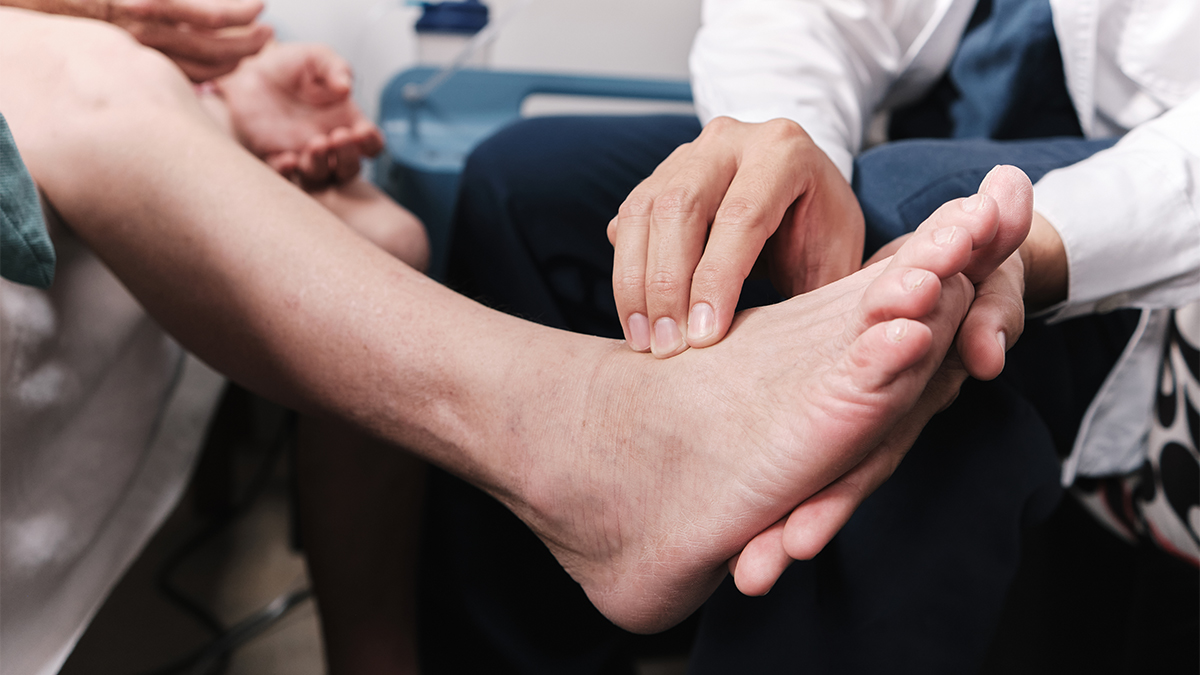
    A professional basketball player who tore their achilles tendon during a game, a diabetic patient at risk of losing their foot, and an older woman with a painful bunion who wants to get back to her daily walks. These are all patients served by Doctors of Podiatric Medicine (D.P.M.) who can not only get them back on their feet but also help prevent future medical issues. 

    By going directly into a specialty at the time they begin podiatric medical school, D.P.M.s are qualified by their education and training to diagnose and treat conditions affecting the foot, ankle, and related structures of the leg. 

    “From sports medicine, to reconstruction and trauma, to diabetic limb salvage patients or geriatrics, it’s a profession that really encompasses all of the aspects of medicine in one unique profession,” said Dr. John Steinberg, system chief for the MedStar Health Division of Podiatric Surgery and the program director of the MedStar Health Georgetown University Podiatric Surgery Residency program. “It’s just such a unique profession that blends the capabilities of medicine and surgery into a skill set for a practitioner that can really make a big difference in a patient’s life.”

    However, it’s not just about surgery. Steinberg says the operating room is just one of the tools podiatric physicians can use to help patients. He said one of the reasons podiatric medicine is so unique is the range of focuses that D.P.M.s can specialize in and the connection between the podiatric physician and their patients. 

    “You can get to know your patient. You can get to know their family. You can follow them for a lengthy course of treatment and be their go-to source,” Steinberg said.  “I couldn’t ask for a more fulfilling and purposeful profession.”

    Day-one specialization

    Steinberg is an expert in limb salvage and diabetic wound care. With an increase in diabetic patients, podiatric physicians are filling a demand for wound care experts who are able to use their knowledge of biomechanics to prevent patients with foot ulcers from losing their limbs. 

    “We can get into the tendon lengthening procedures and bone remodeling procedures and the reconstructive work so that, yes, we healed the wound, but we also reconstructed the foot and the leg so they can actually walk on it,” he said. 

    There are nine accredited colleges and schools of podiatric medicine in the United States offering the four-year D.P.M. program. Graduates are then placed into a three-year, hospital-based, comprehensive medical and surgical residency with a nearly 100% residency match rate. Podiatric medicine is the quickest pathway to becoming a surgeon, as D.P.M.s specialize from day one.

    The modern podiatrist

    For Steinberg, it was an easy decision to go into podiatric medicine, as he was exposed to the field at a young age. His son is now applying to podiatric medical schools, and when he finishes school, he will be the fourth generation of podiatric physicians in the Steinberg family. 

    “My son sees what I do, and he sees how content I am, and he sees how much fulfillment I get from my work, and he says, ‘Why would I want to do anything different?’” Steinberg said. 

    Podiatric medicine offers a faster entry to start a career as a physician than traditional medical school or osteopathic medical school programs, which means earlier access to ancillary sources of income. 

    Podiatric medicine also offers autonomy and the ability to choose an ideal practice setting. D.P.M.s can work in hospitals, outpatient settings, athletic departments, in private practice, or in an academic or research setting.  

    “This is not your father’s podiatrist, this is not your grandfather’s podiatrist. In 2025, it is a whole different ballgame,” Steinberg said.
    Source link

  • How Osteopathic Medical Schools Make a Community Impact

    How Osteopathic Medical Schools Make a Community Impact

    Home » Careers in Healthcare » Training Future Physicians and Serving Communities: How Osteopathic Medical Schools Make an Impact

    Across America, communities are struggling with a critical shortage of doctors. One Pennsylvania city, working with osteopathic medical schools, may have found a solution.

    In Scranton, PA, an innovative partnership is offering a multifaceted approach where it’s needed most, providing quality care to underserved patients, training the next generation of physicians, and supporting the regional healthcare workforce.

    Last summer, nine passionate medical students from two osteopathic colleges helped launch the Northeast Pennsylvania Clinical Education Consortium (NEPCEC). Today, that effort has grown into a powerful partnership between three osteopathic medical schools, the City of Scranton, Lackawanna College, and local healthcare organizations.

    “It’s been a pleasure to work with our partnering physicians and healthcare providers to help build an osteopathic physician training network in Northeastern Pennsylvania,” said Frank Kolucki, M.D., Commonwealth Health System physician & NEPCEC medical director. “The students…have been eagerly engaged in their training and have brought an excitement and enthusiasm that is very refreshing and exciting to witness.”

    NEPCEC offers something rare: a clear path from clinical training to residency in underserved areas, where new doctors, especially family-practice doctors with community ties, are urgently needed. Through this program, students from the Philadelphia College of Osteopathic Medicine (PCOM), Touro College of Osteopathic Medicine, and New York Institute of Technology College of Osteopathic Medicine are gaining hands-on experience. 

    “We have long seen the value of purposeful community partnerships at Lackawanna College, and the NEPCEC is an opportunity that continues to be a natural fit for us, our students, and the community,” said Dr. Jill Murray, president and chief innovation officer of Lackawanna College. “This program has established a clear pathway for our osteopathic medical students to learn, grow, and build relationships within our community that will help them establish a strong footing for future careers in our region.”

    “One of the first things I noticed about Scranton was its small-town atmosphere, where people are always ready to lend a helping hand,” said Camryn Butera, third-year PCOM student rotating in Scranton. “I’ve seen healthcare staff consistently go above and beyond for their patients. Every attending physician has taken the time to work with me one-on-one, not only to teach their specialty but also to offer mentorship, life advice, and even recommendations for great local spots. When I first arrived, I was admittedly nervous about moving from a big city to a smaller town, but Scranton has truly offered the best of both worlds.”

    Expanding access to community-based care

    This kind of community-based clinical education is central to osteopathic medical training. A key part of that training happens outside major hospitals, in places like Scranton, that most resemble where the average American receives their healthcare, and where doctors are often in short supply.

    “This program provided the opportunity to participate actively in primary patient care, reemphasizing my passion and commitment to becoming a family physician,” said C. Veronica Ruiz, fourth-year PCOM student, Scranton Core Clinical Campus. “I am very grateful to the outstanding healthcare teams for allowing me a safe space to learn and grow as a future family doctor.”

    Programs like NEPCEC are a win-win. Students get high-quality training, and communities get the physicians they so urgently need. We believe that clinical education partnerships like these have the potential to meet challenges nationwide.

    The impact is growing. We are working with Congress to pass the Community Training, Education, and Access for Medical Students (Community TEAMS) Act, H.R. 3885, legislation that would expand programs like the NEPCEC, giving more medical students the chance to train where they’re most needed and help close the gap in healthcare access, bringing the osteopathic philosophy of whole-person, community-based care to more patients across the country.

    Source link

  • Shaping Future Healthcare Leaders: The Journey of Mielad Ziaee

    Shaping Future Healthcare Leaders: The Journey of Mielad Ziaee

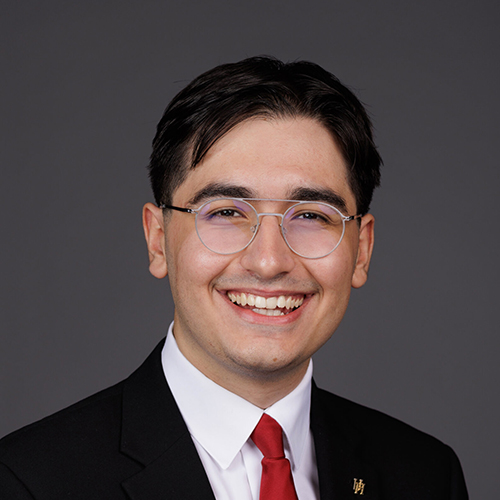
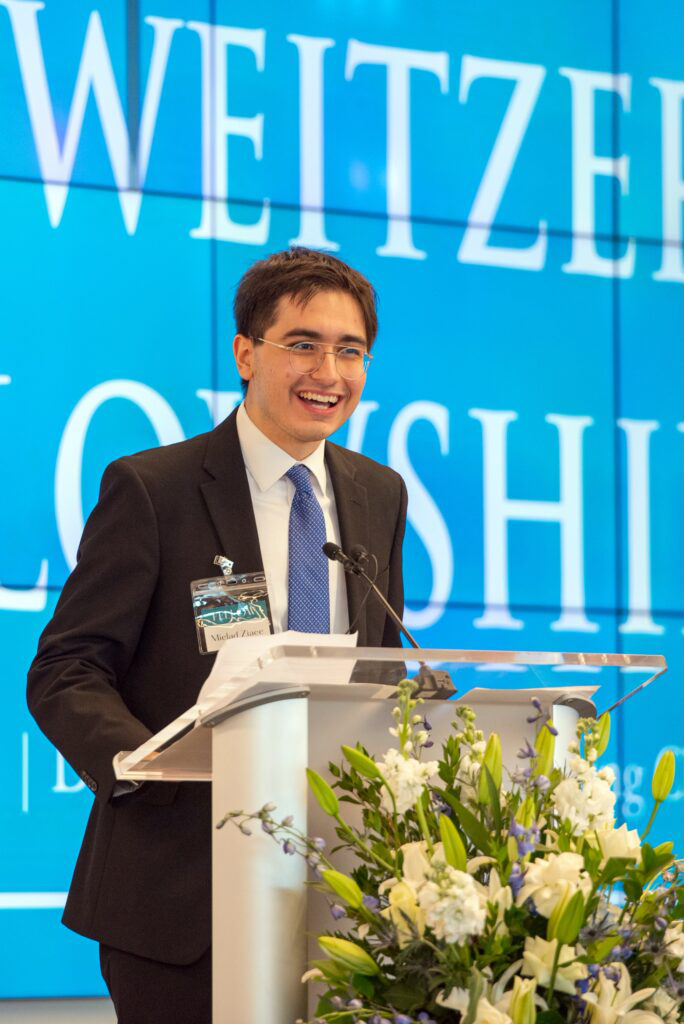
    Mielad Ziaee

    Healthcare is constantly evolving, and the future of the industry depends on the next generation of skilled professionals who are prepared to lead with knowledge, innovation, and compassion. Organizations like HOSA-Future Health Professionals play a critical role in shaping these future healthcare leaders by providing students with the resources, experiences, and mentorship needed to thrive in various medical and health-related careers.

    HOSA is an international student organization dedicated to empowering young people who are passionate about healthcare. Through leadership development, competitive events, networking opportunities, and hands-on learning experiences, HOSA helps students build the essential skills they need to succeed in the medical field. Members engage in real-world healthcare scenarios, gain exposure to public health initiatives, and develop professional competencies that set them apart in their future careers.

    Mielad Ziaee

    Alumni and Former International Executive Council Member, HOSA-Future Health Professionals

    One such success story is Mielad Ziaee, a Marshall Scholar, Truman Scholar, public health advocate, and innovator. Ziaee’s parents immigrated from Iran to the United States to manifest a new life. Their resilience and perspective deeply influenced his understanding of community, determination, and health from an early age. Before hitting the labs of prestigious institutions, Ziaee joined HOSA as a high school freshman thanks to their support. He saw it as a promising steppingstone to engage in his healthcare aspirations.

    “I really wanted to hit the ground running with HOSA. It was so empowering to have [an organization] created for students interested in healthcare, where we could all sort of geek out together,” Ziaee recalled.

    Climbing the ranks

    His two advisors, Angela Vong and Zenia Ridley, provided mentorship and guidance to immerse Ziaee in all HOSA could offer. His leadership journey quickly unfolded — from member to area officer, to Texas state officer, and eventually, to serving on HOSA’s International Executive Council. His tenure coincided with the challenges of the COVID-19 pandemic. Finding creative ways to engage members across middle school, high school, and college in virtual settings connected the dots between leadership and innovation.

    “Being part of the ‘COVID generation’ was both challenging and inspiring,” Ziaee shared. “It taught me how to build community and how that community can enact change.”

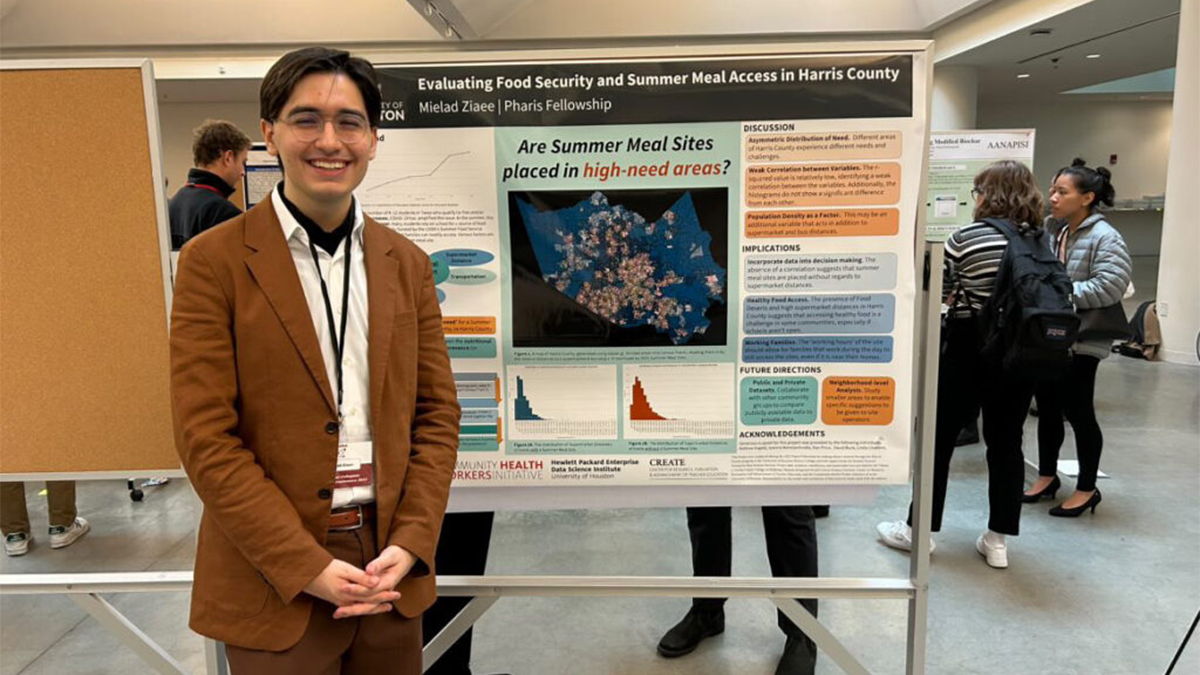
    Ziaee’s experiences ignited a passion for research, where he found the intersection of policy, public health, technology, and community engagement. In particular, food insecurity has become a focal point of his academic work.

    “I’m a proud Houstonian. I go to the University of Houston, so one of the biggest challenges that my community faces is food insecurity,” Ziaee said. “I work with our Data Science Institute to try to understand both technological and community-based cultural approaches to food insecurity. A lot of the skills I learned in HOSA, like Zoom calls or identifying key problems and addressing them, are the same things I do in my research — just different vocabulary.”

    Gaining global experience

    Ziaee will continue his study of public health as a Marshall Scholar at the University of Edinburgh this fall. He beamed with excitement as he described studying at an institution that nurtured scientific legends such as Charles Darwin and Alexander Graham Bell and exploring Scotland’s unique healthcare system.

    “Edinburgh, specifically, is where they did the Dolly the Sheep experiment, which is super cool,” Ziaee said. “It’s very interesting as an American to see how they’re doing things [in Scotland], and to hopefully bring that back and promote policy innovation here in public health.”

    Reflecting on his journey, Ziaee underscores the importance of seizing opportunities and embracing HOSA as more than just an organization. As Ziaee embarks on this next chapter, his story exemplifies how HOSA-Future Health Professionals and strong family values can shape a life of innovation and impact. Following in his footsteps, his younger sister has now joined HOSA, continuing the family’s commitment to making a difference in healthcare.

    “The connections and experiences you gain will inspire and guide you for years to come. It’s one of the main constants in my life,” he said.

    Ziaee’s journey highlights that HOSA is more than just a steppingstone — it’s a foundation for lifelong growth, leadership, and meaningful connections. For students aspiring to make a difference in healthcare, organizations like HOSA offer an unparalleled opportunity to gain real-world experience, develop leadership skills, and join a network of like-minded individuals committed to improving health outcomes worldwide.

    To join this inspiring legacy, become part of the HOSA alumni network today at www.hosa.org/alumni.

    Source link