Higher ed doesn’t need just another conference. It needs transformation.
Legacy strategies are cracking under demographic pressure. AI is rewriting how students search and the Modern Learner is calling the shots. Institutions that cling to “what’s always worked” are watching the ground shift under their feet.
InsightsEDU 2026 is built for leaders who are done settling. Presidents, marketers and enrollment teams who know reputation and revenue can’t live in separate silos anymore—and who are ready to align both around the needs of today’s learners.
From February 17–19, 2026 in Fort Lauderdale, you’ll hear from university leaders, higher ed innovators and Modern Learner experts who are actively rebuilding how institutions compete, communicate and grow. More than 40 sessions will dig into real playbooks, not theory—unifying brand and enrollment, elevating student experience and turning AI disruption into advantage.
Here’s a preview of a few of the voices taking the stage and how they’re already reshaping what’s possible.
The Leaders Rewriting Higher Ed’s Playbook
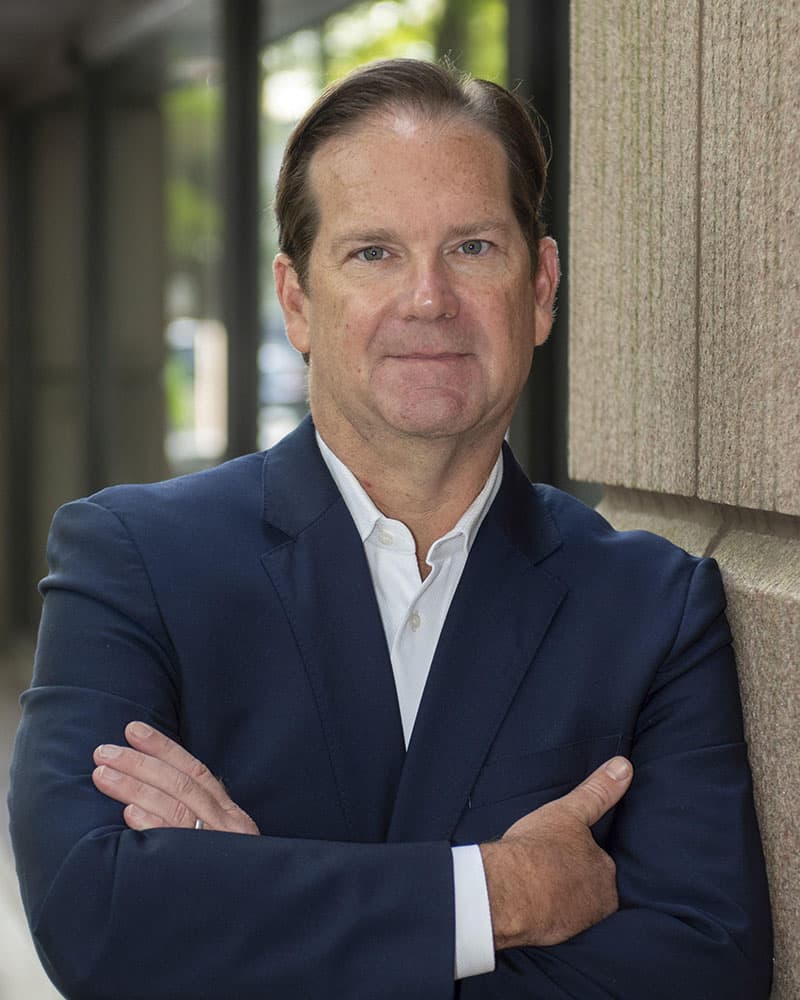
Gregory Clayton
President of Enrollment Management Services at EducationDynamics With over 30 years of experience in the higher education space, Greg brings valuable expertise in enrollment management and performance marketing. As President of Enrollment Management Services at EducationDynamics, he leads a comprehensive team offering agency marketing, enrollment services, strategic consulting, and research, all tailored to the higher ed sector. His leadership and career position him as a visionary strategist, equipped to offer insightful commentary on the higher education landscape and enrollment solutions. Join his session to learn more about how to better serve the Modern Learner and implement strategies that drive institutional success.
Session: Opening Session: From Framework to Action
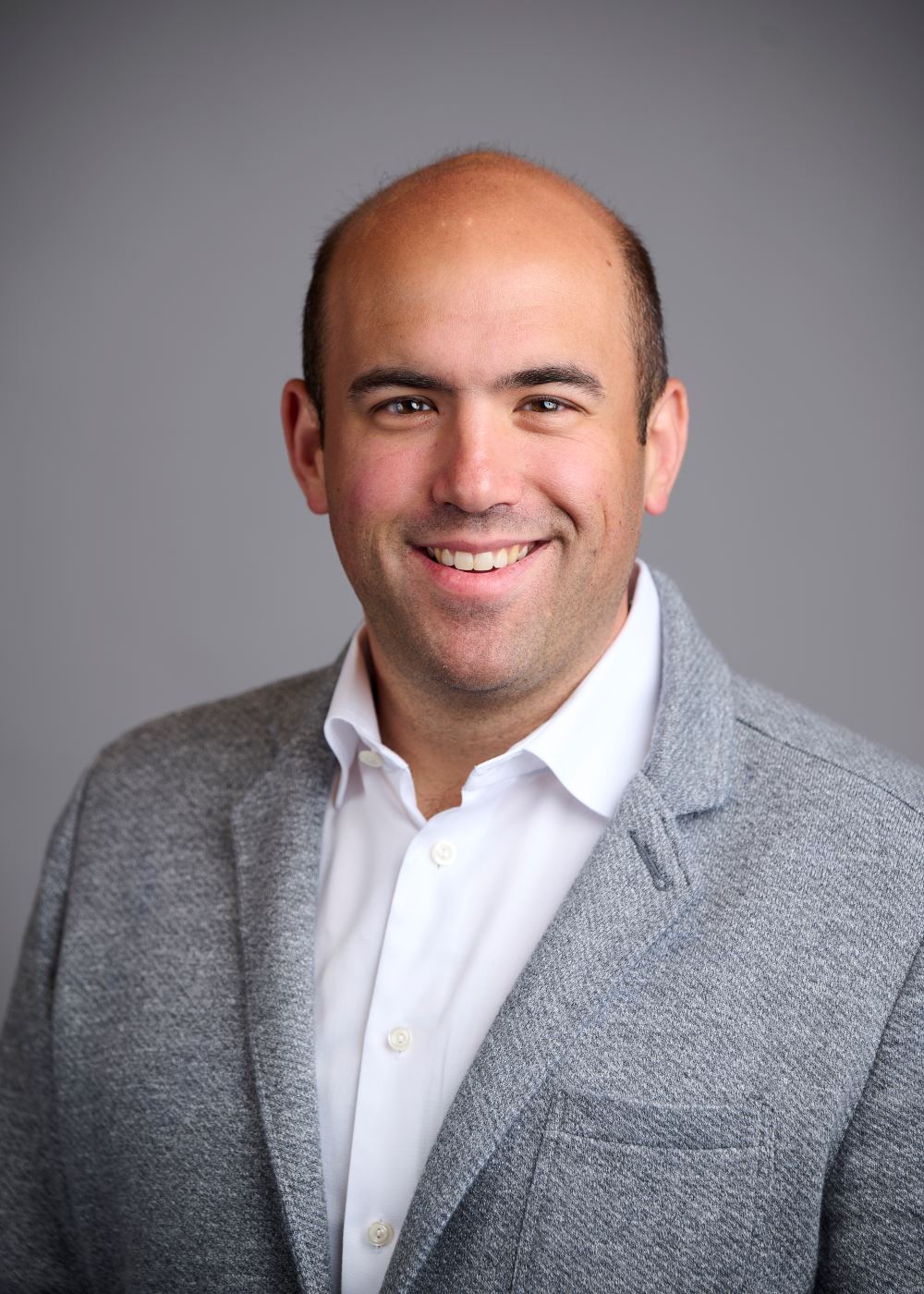
Amanda Serafin
Associate Vice President of Enrollmentat Indiana Wesleyan University With more than twenty years in higher education enrollment, Amanda serves as the Associate Vice President of Enrollment at Indiana Wesleyan University, where she leads strategic initiatives and a high-performing team supporting IWU’s National & Global programs.
At InsightsEDU, Amanda joins EducationDynamics’ Vice President of Enrollment Management Consulting to unpack three years of competitive research—revealing what secret shopping uncovered about competitor strategies, the depth and quality of student nurturing across the market and how IWU leveraged those insights to strengthen enrollment outcomes.
Session: Mystery Shopping 2.0
Alex Minot
Client Partner Lead at Snapchat As Client Partner Lead at Snapchat, Alex helps higher ed institutions and nonprofits modernize their marketing through full-funnel strategies built for Gen Z and Millennial audiences. With experience spanning Snapchat, Reddit, Facebook and Google, he brings a deep understanding of how today’s learners discover, evaluate, and choose their next step.
At InsightsEDU 2026, Alex will break down why traditional enrollment marketing no longer works—and what it takes to earn trust in a world where Gen Z is curating their own narratives. Joined by EducationDynamics’ Senior Social Media Strategist, Jennifer Ravey, he’ll explore how to design a content ecosystem that creates belonging, builds confidence and inspires advocacy from first touch to final decision..
Session: From Awareness to Advocacy: Designing a Full-Funnel Strategy for Gen Z Engagement
Chris Marpo
Head of Education Partnerships at Reddit As Head of Education Partnerships at Reddit, Chris leads the charge in building high-impact collaborations with higher ed institutions and agencies. At InsightsEDU 2026, he’ll share how Reddit’s unique communities—and the behaviors driving them—are reshaping the way universities reach and influence the Modern Learner.
Drawing on his experience helping scale advertising businesses at LinkedIn, Pinterest and Quora, Chris brings a sharp understanding of the digital landscape and what truly resonates with today’s audiences. Attendees can expect actionable insights on how institutions can meet prospective students where they are and stay relevant in an era of rapid change.
Session: From Keywords to Conversations: Winning Student Mindshare in the Age of AI Search
Kevin Halle
VP of Enrollment at Wayne State College With more than a decade of experience leading undergraduate, transfer, graduate, and financial aid teams, Kevin brings a deep understanding of how to build enrollment pipelines that serve diverse learner groups.
At InsightsEDU, he’ll unpack what it takes to break down the silos separating traditional, graduate and adult learner strategies and how institutions can create one unified approach that works for all students.
Session: Unifying Your Enrollment: Building a Cohesive Strategy for the Modern Learner
Katie Tomlinson
Senior Director of Analytics and Business Intelligence at EducationDynamics Prepare to unlock insights with Katie Tomlinson. As the Senior Director of Analytics and Business Intelligence, Katie expertly manages data and reporting, uncovering key trends to support EducationDynamics in delivering data-driven solutions for the higher ed community. Learn from her as she discusses findings from EducationDynamics’ latest report, where attendees will gain a deeper understanding of the evolving learning environment and the significant factors that influence Modern Learners’ educational choices.
Session: Opening Session: From Framework to Action
Matt Loonam
Lead Enterprise Account Executive, Educationat LinkedIn With 20 years in digital media across programmatic, video, mobile and social, Matt has spent the last six years helping colleges and universities strengthen their brands and drive enrollment with more precise, student-centric outreach. At InsightsEDU, he will share how LinkedIn’s rich audience signals can help institutions reach career-focused prospects who are closer to a decision, while building the kind of trust that moves students to choose their school.
Session: How to Win High Intent Students on LinkedIn
Leila Ertel
Vice President of Marketing at Rocky Mountain College of Art + Design As Vice President of Marketing at Rocky Mountain College of Art + Design, Leila brings a bold, data-informed approach that helps more students uncover their creative potential and pursue rewarding careers. Attend her InsightsEDU session to see how your institution’s website can move from overlooked asset to true engine of enrollment growth.
Session: The Evolution of Website Marketing
The voices shaping InsightsEDU continue to grow. Check out the full speaker lineup and new additions on our speakers page.
Be In the Room Where Higher Ed Resets
InsightsEDU is where presidents, marketers and enrollment leaders pressure test old assumptions and build new playbooks around the Modern Learner. Over three days you’ll connect with peers who are aligning brand and enrollment, experimenting with AI and digital and proving that you don’t have to choose between revenue and reputation to achieve institutional success.
Higher ed is no longer inching towards change; it’s being forced to confront it. Demographic shifts, economic pressures and the rise of AI have exposed the cracks in legacy systems. The old playbook isn’t just outdated—it’s a liability. Institutions that cling to it risk irrelevance.
This year’s theme, The Future Unbound, is a call to action. It invites leaders to challenge assumptions, dismantle silos and make bold decisions that drive real transformation.
In service of that mission, we’ve curated a speaker lineup and session program built around reinvention, student-centered innovation and the levers of growth that will define the next era.
Here’s your first look at the voices and ideas shaping InsightsEDU 2026.
Explore the Sessions Reinventing Higher Ed’s Playbook
The Great Reinvention
A candid fireside conversation with university presidents who are leading from the front. Expect bold perspectives on what higher ed must dismantle, redesign and accelerate to stay relevant in a rapidly shifting landscape.
Opening Session: The Modern Learner Intel
Get exclusive first-look access to EducationDynamics’ 2026 research on today’s Modern Learners—what they value, how they make decisions and why flexibility, career outcomes and undeniable ROI now drive every enrollment decision.
The AI-Powered Marketer: Evolving Your Approach for the ChatGPT Era
EducationDynamics’ Vice President of Marketing reveals how AI is rewriting the rules of search, content and digital engagement—and what marketers must do now to stay ahead. Learn how to unify search, social and storytelling into a single, high-performing strategy that meets today’s learners on their terms and moves them from first click to enrollment.
Aligning for Impact: Credentialing That Connects Campuses, Students & Employers
See how one institution built stackable, employer-aligned credentials that meet workforce demand and create clear career pathways, plus practical strategies any campus can use to deepen employer partnerships and market high-value programs.
AI for All Learners: Integrating AI Across Career Pathways
Learn how institutions are integrating AI across disciplines through accessible, scalable curriculum design. Attendees will leave with a sample syllabus, implementation roadmap and lessons learned from bringing AI education to diverse learners, including high-barrier communities.
Leading After Rapid Transformation: Culture, Clarity, and “What’s Next” in Higher Ed Marketing
Leaders from University of Cincinnati Online reflect on how to move forward after organizational transformation, discussing how they rebuilt culture, aligned teams and kept momentum amid ongoing change. Expect honest insights on sustaining creativity, clarity and trust in a world where transformation never stops.
Unifying Your Enrollment: Building a Cohesive Strategy for the Modern Learner
This session brings together university leaders and EducationDynamics enrollment experts to unpack how to break down silos and build a unified enrollment strategy that strengthens your brand, improves outcomes and meets the diverse needs of today’s Modern Learner.
InsightsEDU 2026 brings together changemakers from across the sector—each session designed to spark new thinking, foster connection and fuel collective reinvention. Explore the full, evolving agenda here.
Meet the Speakers Disrupting the Status Quo
From enrollment innovators to digital trailblazers, this year’s speakers are united by one goal: help institutions evolve faster than the market around them. Here’s a preview of who’s taking the stage.
Gregory Clayton
President of Enrollment Management Services at EducationDynamics With over 30 years of experience in the higher education space, Greg brings valuable expertise in enrollment management and performance marketing. As President of Enrollment Management Services at EducationDynamics, he leads a comprehensive team offering agency marketing, enrollment services, strategic consulting, and research, all tailored to the higher ed sector. His leadership and career position him as a visionary strategist, equipped to offer insightful commentary on the higher education landscape and enrollment solutions. Join his session to learn more about how to better serve the Modern Learner and implement strategies that drive institutional success.
Session: Opening Session,The Modern Learner Intel
Amanda Serafin
Associate Vice President of Enrollmentat Indiana Wesleyan University With more than twenty years in higher education enrollment, Amanda serves as the Associate Vice President of Enrollment at Indiana Wesleyan University, where she leads strategic initiatives and a high-performing team supporting IWU’s National & Global programs.
At InsightsEDU, Amanda joins EducationDynamics’ Vice President of Enrollment Management Consulting to unpack three years of competitive research—revealing what secret shopping uncovered about competitor strategies, the depth and quality of student nurturing across the market and how IWU leveraged those insights to strengthen enrollment outcomes.
Session: Mystery Shopping 2.0
Alex Minot
Client Partner Lead at Snapchat As Client Partner Lead at Snapchat, Alex helps higher ed institutions and nonprofits modernize their marketing through full-funnel strategies built for Gen Z and Millennial audiences. With experience spanning Snapchat, Reddit, Facebook and Google, he brings a deep understanding of how today’s learners discover, evaluate, and choose their next step.
At InsightsEDU 2026, Alex will break down why traditional enrollment marketing no longer works—and what it takes to earn trust in a world where Gen Z is curating their own narratives. Joined by EducationDynamics’ Senior Social Media Strategist, Jennifer Ravey, he’ll explore how to design a content ecosystem that creates belonging, builds confidence and inspires advocacy from first touch to final decision..
Session: From Awareness to Advocacy: Designing a Full-Funnel Strategy for Gen Z Engagement
Chris Marpo
Head of Education Partnerships at Reddit As Head of Education Partnerships at Reddit, Chris leads the charge in building high-impact collaborations with higher ed institutions and agencies. At InsightsEDU 2026, he’ll share how Reddit’s unique communities—and the behaviors driving them—are reshaping the way universities reach and influence the Modern Learner.
Drawing on his experience helping scale advertising businesses at LinkedIn, Pinterest and Quora, Chris brings a sharp understanding of the digital landscape and what truly resonates with today’s audiences. Attendees can expect actionable insights on how institutions can meet prospective students where they are and stay relevant in an era of rapid change.
Session: From Keywords to Conversations: Winning Student Mindshare in the Age of AI Search
Kevin Halle
VP of Enrollment at Wayne State College With more than a decade of experience leading undergraduate, transfer, graduate, and financial aid teams, Kevin brings a deep understanding of how to build enrollment pipelines that serve diverse learner groups.
At InsightsEDU, he’ll unpack what it takes to break down the silos separating traditional, graduate and adult learner strategies and how institutions can create one unified approach that works for all students.
Session: Unifying Your Enrollment: Building a Cohesive Strategy for the Modern Learner
Katie Tomlinson
Senior Director of Analytics and Business Intelligence at EducationDynamics Prepare to unlock insights with Katie Tomlinson. As the Senior Director of Analytics and Business Intelligence, Katie expertly manages data and reporting, uncovering key trends to support EducationDynamics in delivering data-driven solutions for the higher ed community. Learn from her as she discusses findings from EducationDynamics’ latest report, where attendees will gain a deeper understanding of the evolving learning environment and the significant factors that influence Modern Learners’ educational choices.
Session: Opening Session, The Modern Learner Intel
The voices shaping InsightsEDU continue to grow. Check out the full speaker lineup and new additions on our Speakers page.
This Isn’t Just a Conference. It’s a Catalyst.
Higher ed doesn’t need just another conference. It needs transformation.
InsightsEDU 2026 is where bold leaders confront what’s broken, challenge what’s outdated and build what’s next. If you’re ready to lead the future of higher education, this is your moment.
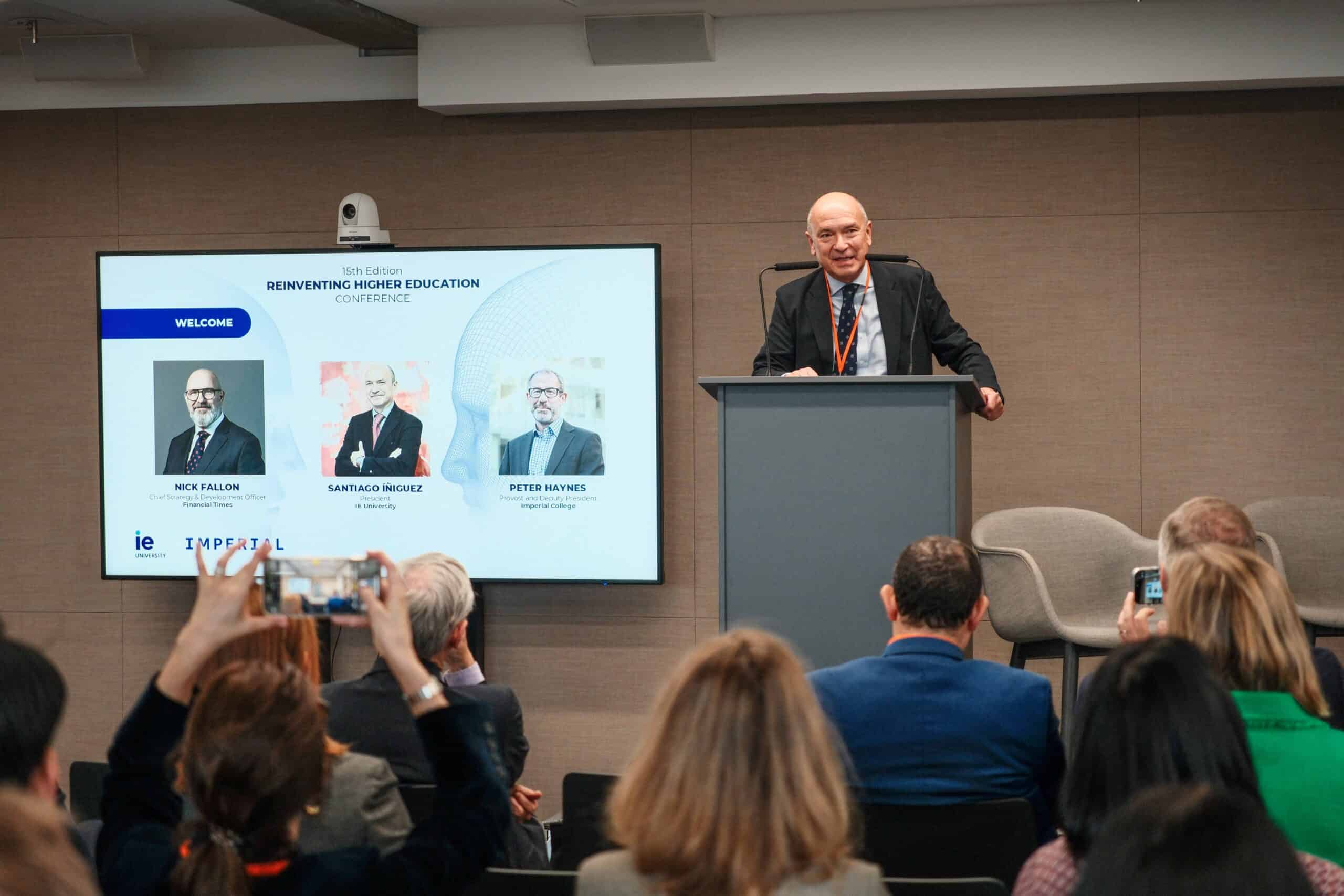
“Politics is for short-term cycles, education is for the long-term,” said Baroness Usha Prashar, independent member of the UK House of Lords, speaking at the Reinventing Higher Education conference 2025, led by IE University, in London.
Prashar told university leaders in the room that institutions must not get “buffeted by the political pressures of the day,” urging them to think creatively to find ways of preserving core values.
Prashar pointed to cases in the US where she said universities were being “creative” and giving equality initiatives different names to save them from abolition under Trump’s anti-DEI crusade.
The US is perhaps the most striking current example of education coming under political pressure as the Trump administration attempts to reshape American higher education.
Earlier this month, the government rolled out its so-called “compact” for higher education to all US colleges, promising preferential federal funding for institutions that agree to a slew of commitments widely seen as an attack on academic research and institutional autonomy.
Faith Abiodun, executive director of United World Colleges (UWC) international, echoed Prashar’s advocacy, stating: “We can’t leave education to political leaders”, and warning that isolated institutions were more likely to be targeted.
He highlighted the dilemma faced by many US universities, compelled to choose between following the “pseudo kings” or lose access to vital federal funding.
Abiodun said the US previously attracted 60% of UWC’s school graduates, funded by the world’s largest privately funded tertiary education scholarship, but that students were fast turning away from the destination.
While Europe has stepped up efforts to attract talent pivoting away from the US – evident in the European Commission’s recent “Choose Europe for Science” campaign – IE University president Santiago Iñiguez de Onzoño emphasised international education wasn’t a “zero-sum game”.
“A number of continental European universities have benefitted from these increased barriers to mobility, but I don’t think it’s good news because in the end it puts up barriers to cross border mobility and good globalisation,” he told The PIE.
“Disruptions in the US are negative for all players.”
Amid heightened visa restrictions and increased compliance measures across all of the ‘big four’ study destinations, western universities are ramping up efforts to establish branch campuses to reach students in traditional source destinations.
While providing “rich educational opportunities” for students who otherwise might be unable to access an international education, as well as allowing students and faculty to travel between campuses, Iñiguez warned that TNE was “at once an opportunity and a threat” which in some ways represents a step backwards from globalisation.
Politics is for short-term cycles, education is for the long-term
Baroness Usha Prashar CBE, UK House of Lords
In the US, the impact of declining international enrolments has not been felt uniformly across institutions, with the University of Notre Dame seeing “almost exactly the same yield of international undergraduate and postgraduate students” this semester, Notre Dame vice president and associate provost, David Go, told delegates.
“As a research university in the pursuit of truth we can position ourselves as nonpartisan and independent.”
“Universities can and should be the place for difficult conversations, which is at the root of diplomatic activity,” said Go, highlighting a recent event at Notre Dame which hosted two governors – one democratic and one republican – to discuss how to disagree well.
“While the broader political discourse in the US favours disagreeing poorly, to have two of our leaders come and have that conversation helped at least reset some of that discourse,” he said.
Elsewhere, speakers emphasised the importance of institutional neutrality to create spaces where people can disagree, at a time when universities are under increased pressure to take a political stance.
Julie Sanders, vice chancellor of Royal Holloway University in the UK, highlighted the necessity of institutions fostering debate when the political sphere is becoming more binary.
For Sanders, universities should be places for intellectual debate but also places of refuge for migrant students, highlighting the UK’s Chevening Scholarship which is one of the routes through which the UK opened its doors to Gazan students fleeing the war.
Novato, CA – The Buck Institute for Education (dba PBLWorks), a national provider of professional development and curriculum for high-quality Project Based Learning (PBL), has announced the recipients of its 2025 PBL Champions and John Larmer “JL” Lifelong Learning Awards.
The recipients were honored during the organization’s 2025 PBL World conference in Napa Valley, California.
The 2025 PBL Champions
The PBL Champions program recognizes an individual, a school, and a school district that have demonstrated a commitment to PBL; have done quality, lasting work; and have shown evidence of impact on students. The 2025 recipients are:
District PBL Champion: Lynn Public Schools in Lynn, Massachusetts
This 16,000-student district is transforming teaching and learning through its implementation of PBL. In a little over a year, the team at Lynn established high-functioning district and school leadership teams and trained a cadre of educators who have designed more than 70 projects for students. The district has implemented PBL at all seven of its secondary schools with a goal of having all students participate in two or more high-quality PBL experiences per year by the end of the 2029-30 school year.
School PBL Champion: University Prep Academy (UPA) High School in Detroit, Michigan
University Prep Schools (UPrep) stands among Detroit’s earliest and longest-running charter school networks. Known for its unwavering commitment to student success, UPrep (UPA) has proudly upheld its signature “90/90 promise”—ensuring that at least 90% of students graduate from high school and 90% of those graduates go on to enroll in college. UPA teachers and leaders have leveraged PBL as a way that empowers students to be a part of the future of their city – from working on keeping their unhoused population warm in the winter through a physics project on heat transfer, to urban gardens that allowed students to provide farm-to-table food to local food pantries and shelters. PBL has opened their eyes to the challenges students face, encouraged them to see and explore those challenges through the lens of solutionists, and has brought UPA closer to the community it serves.
Individual PBL Champion: Kim Mishkin, Head of School at the Hudson Lab School (HLS) in Hastings, New York
Kim Mishkin has been instrumental in embedding Project Based Learning as the foundation of the school’s curriculum. As both an educator and school leader, she has built structures, cultivated partnerships, and championed interdisciplinary, real-world learning experiences that empower students and educators alike. Through her leadership, HLS has become a model for how schools can integrate PBL at every level, ensuring that learning is not just about content, it is about empowering students to be problem-solvers, leaders, and changemakers.
The John Larmer “JL” Lifelong Learning Award
The John Larmer “JL” Lifelong Learning Award, named after PBLWorks’ Senior Fellow John “JL” Larmer, recognizes educators who are impacting and expanding the work of Project Based Learning. A significant advocate and thought leader in the field, JL has dedicated decades to advancing high-quality PBL and is the author of several foundational books that have shaped how educators design and facilitate high-quality PBL. This award celebrates those who carry forward that legacy with passion, purpose, and an unwavering commitment to deeper learning. The 2025 recipients are:
Rue Graham, Project Based Learning lead advisor and coach at the Pagosa Peak Open School, Archuleta County School District in Pagosa Springs, Colorado
Stephanie Tuttle, fourth grade teacher at Fairfield Elementary School, Rockbridge County Public Schools in Rockbridge, Virginia
“Project Based Learning is an incredibly powerful way to engage students and ignite their passion for learning – and it all starts with having administrators and teachers who are committed to its success,” said PBLWorks CEO Bob Lenz. “Our awards programs recognize the incredible passion and hard work demonstrated by schools, districts, and individuals in implementing PBL. Congratulations to our 2025 award recipients!”
About PBLWorks
The Buck Institute for Education/ PBLWorks believes that all students, especially Black and Brown students, should have access to high-quality Project Based Learning to deepen their learning and achieve success in college, career, and life. Its focus is on building the capacity of teachers to design and facilitate high-quality Project Based Learning, and on supporting school and system leaders in creating the conditions for these teachers to succeed with all students.
eSchool Media staff cover education technology in all its aspects–from legislation and litigation, to best practices, to lessons learned and new products. First published in March of 1998 as a monthly print and digital newspaper, eSchool Media provides the news and information necessary to help K-20 decision-makers successfully use technology and innovation to transform schools and colleges and achieve their educational goals.
Like it or not, AI is evolving, and it is cementing its place in education. And the CoSN 2025 Conference is preparing attendees to meet the AI challenge head-on, focusing this year’s conference theme on human leadership in an AI world.
Register here to attend this year’s conference in Seattle.
Ken Shelton, an independent consultant, speaker, advisor, and strategist, opens the conference on Monday, March 31 with his keynote, Reimagining Learning with AI: A Path to Empowerment. Shelton will explore the promises and perils of leveraging AI in education and will delve into strategies for maximizing AI’s benefits while addressing its risks, ensuring that AI becomes a tool for true empowerment in education.
On Tuesday, April 1, panelists Lindsay E. Jones, CEO of CAST, Lindsay Kruse, CEO of All Means All, and Rachell Johnson, director of assistant technology at SCATP, will participate in a general session, Leadership, Not Bystanders, moderated by Sarah Radcliffe, director of Future Ready Learning in the School District of Altoona. Panelists will discuss how can to ensure that no student is overlooked as AI continues to reshape education.
The closing keynote on Wednesday, April 2, Beyond the Algorithm–Building Trust, Access, and Purpose in AI-Enhanced Education, features Richard Culatta of ISTE + ASCD, Victor Lee of the Graduate School of Education at Stanford University, Pati Ruiz, EdD, of Digital Promise, and Kris J. Hagel of the Peninsula School District. The discussion will focus on ensuring AI enhances, rather than diminishes, human potential in education.
Organizational change management for digital transformation
Spotlight sessions cover cybersecurity and physical security, tackling cell phones in classrooms, top edtech trends in 2025, edtech and AI quality indicators, and FERPA.
Wondering what the CoSN conference has for you?
Chief Technology Officers
Learn proven strategies for getting the dollars you need to build the infrastructure for today and tomorrow
Connect with your peers and build your community of practice
Discover how to stretch scarce resources to make the greatest impact on teaching and learning Instructional Technology Directors
Instructional Technology Directors
Hear about new tools and models for engaging students and personalizing instruction
Strategize about how to bridge the gap between the technical and instructional silos
Improve your leadership skills and how to scale technology beyond islands of innovation
Superintendents, District Teams, and Education Service Agencies
Hear from thought leaders on how to create a vision for digital conversion and continuously improving innovative culture in your district
Learn tips for breaking down the silos and leveraging technology to enable a 21stcentury school system
Share creative and strategic solutions about how to create robust learning environments at school and at home
Industry, Government, and Nonprofit Representatives
Understand what is keeping school system technology leaders up at night
Share information on emerging tools and services for learning
Learn about better strategies and models for implementing, maintaining, and evaluating technology for learning
Laura Ascione is the Editorial Director at eSchool Media. She is a graduate of the University of Maryland’s prestigious Philip Merrill College of Journalism.
On 18 November I was ill. I recovered in time to travel to Helsinki for a symposium two days later, but winter storms shut down the airport, delayed flights and lost luggage, including mine. The symposium director Dr Timothy Smith (image 2 below, to the left) had to step in to act as my wardrobe assistant. Like many neurodivergent academics, Tim works across an astonishing range of knowledges, including political science, fine art, public policy and pedagogy. But I’m quite certain that sourcing for clothes to fit 155cm grumpy people isn’t part of their typical repertoire.
Image 2Image 3
Image 2: A symposium with person standing to the left holding a microphone; another in the middle, seated, in front of a projection with book cover and QR codes and next to a screen showing live captioning; more people in the foreground on different forms of seating and being
Image 3: Fidget toys placed on top of a paper file that reads ‘UNIARTS HELSINKI’, with a name tag with a lime green strap and name ‘KAI’.
Tim’s Neurodiversity in the Arts Symposium, which took two years of advocacy and planning, and draws on several more of research across neurodiversity and art education, took place at the University of the Arts Helsinki, modelling best practices for inclusivity, not just for neurodivergent folx. Universities, watch and learn. Yes it can be done. So, what does a symposium led by love look like in action? Let’s spell out a few ways how:
Programming not to neo-liberalist but ‘crip time’ (Kafer 2013), enabling us to process our thoughts, with 30 minute breaks between sessions, and a 2-hour lunch break;
Employment oflive professional CART (Communication Access Real-Time Translation) captioning – not the still racist AI captioning that does not grasp ‘non-standard’ accents (image 2, to the right);
Where divergent modes of being – including horizontally, in motion etc, not just seated or erect – are affirmed (image 2, foreground);
Inclusion of fidget toys in the goody bag (image 3);
Provision of quiet spaces – no, we’re not talking about a broom cupboard or first aid room doubling, but a (care-)fully decked out sensory rooms for group or solo use, with low lighting, different soft furnishings as well as more sensory objects for people to shut off, calm down and/or regroup (image 4);
Detailedmaps, diagrams and instructions for ‘walking or wheeling’ to venues; including for a dinner, at a five-star hotel, which was a delicious vegan spread – and entirely free of charge;
Priced at less than one-third the fee of a usual conference at €100 – and that’s for ‘participants receiving full institutional financial support’; otherwise, ‘please select the €0 fee option’;
Elevating and celebrating diverse body-minds-worlds whose research, creative and professional practice gather, collide and transcend disciplines, fields of knowledge, cultures, geopolitical borders, and specialisms and in the lineup. This includes shy*play, a pedagogical platform, collective, and art practice comprising teacher-researchers from Netherlands-Spain Antje Nestel and Aion Arribas, who invite us to ‘do neurodiversity’ (images 5a-5b); Estonian-UK PhD candidate Iris Sirendi discussing their Curating for Change curatorial fellowship at the Museum of Liverpool and urging – no, daring – the arts and cultural sector to step up and ‘crip the museum’ (image 6); US-Canadian-Polish feminist researcher and author of several books including Asexual EroticsProfessor Ela Przybylo disclosing their new identity/positionality of being autistic, and inviting responses Towards a Neuroqueer Conference Manifesto/a/x.
Image 4Image 5aImage 5b Image 6
Image 4: Sensory room, with low blue-green lighting, soft furnishings and soft toys
Image 5a: shy*play’s Antje Nestel and Aion Arribas, both holding microphones and reading from papers strewn on a long table
Image 5b: people ‘doing neurodiversity’ in different ways, including by displaying their creations on a wall that acts as a shared canvas
Image 6: Estonian-UK PhD candidate Iris Sirendi at a long desk speaking to a projection with a slide with the heading ‘What’s Next?’ and a logo that reads ‘The Neurodiverse Museum’
The above are just a few of the highlights from the in-person session on 22 November 2024, which complements an online symposium with a different programme a week prior on 15 November 2024 for those who prefer the digital interface, both of which are recorded with transcripts which all participants can freely access.
I’m not singing the praises of the Neurodiversity in the Arts Symposium because I was the keynote speaker.
I’m saying the above as I’ve been a keynote as well as participant in more than 100 conferences – and I’m still allergic to them, not least as someone who is hyperactive and literally cannot sit still. I’m also saying this as someone who’s curated several, including one on running as an arts and humanities discourse that a 2014 Guardian article said ‘other conferences could take a leaf out of’, for its 8-minute sprint formats and multi-modal approaches including film screening, meditation sessions and run-chats.
But Tim’s conference was way better. The symposium is prioritising not just neurodivergent and queer – neuroqueer (Walker 2021) – perspectives. Following the positionality of multiply-minoritised researchers in higher education Angel L. Miles, Akemi Nishida and Anjali J. Forber-Pratt at the University of Illinois at Chicago and Vanderbilt University as expressed in their powerful open letter to White disability studies and ableist institutions of higher education (2017), the symposium focuses on research that counter ‘white supremacy and racism; colonialism and xenophobia; ageism; sexism and misogyny; cisnormativity and transphobia; and heteronormativity and heterosexism’.
And I’m sure that Tim, like me, wants other conferences to come, to even better ours.
So, take our baton. Run with it.
Why neurodiversity? Why now?
‘Neurodiversity’ – broadly the coexistence of different ways of processing information, learning and being – has exploded as a buzzword in the past few years. If you didn’t know that 15-20% (Doyle 2020) of humans are autistic, with dyslexia, Tourettes, ADHD and other forms of neurodevelopmental processes, you will have run into the extensive media coverage, or seen your Gen-Z students or kids declaring their ‘neuro-spiciness’ on Tik Tok.
This year alone, I was external examiner for two creative PhDs by/for/with neurodivergence, and helped deliver one PhD candidate to the finish line and whom, since 28 November, can now add ‘Dr’ to their name, likely to the chagrin of those who think that only clinicians are ‘real’ doctors and experts. Collectively, these efforts are countering medicalised and deficit approaches to cognitive difference. By 2050, 1.94 billion of the 9.4 billion population will be neurodivergent – making neurodivergence far from a ‘niche’ phenomena or area of research, but one with substantive critical mass.
Those with social capital wear their difference as proud badges of honour. So far so ‘authentic’.
But surprise, surprise – for the multiply-minoritised, their difference continues to be demonised, pathologised, infantilised, and/or policed. This includes teachers and researchers who draw on their neurodivergence in their teaching and research. That’s also why many aren’t out – or have/want access to diagnosis (which themselves have long waiting lists, are costly and more), etc, and often aren’t reflected in the official figures and studies. It’s also only recently been understood in leadership studies that when a white heterosexual cis-man expresses his ‘true self’, it’s just not acceptable, or even laudable. For those who are not straight, not white, not of the right class, or the right skin tone etc – authenticity comes at a high cost – including literally so. Being dyslexic, I struggle with normative approaches to reading and writing – but reading and writing are literally bread and butter for an academic! Disclosing that you cannot read or write would be tantamount to career-suicide, especially if you are on a fixed-term contract – if you have been able to survive the ableist, racist and sexist HE system at all, that is.
Harvard, World Economic Forum, NESTA and other global bodies have been selling neurodivergence as the ‘next talent opportunity in the workplace’, ‘competitive advantage’ and a ‘neuroleadership’ antidote to in tackling wicked challenges for the Fourth Industrial Revolution — but without neurodivergent voices in this discussion, isn’t this objectifying and othering?
Then, there’s a certain cartoon-tycoon who has been dominating the headlines. When not firing their critics from their factories and firms, or firing rockets to colonise the moon and Mars, this person is firing spats on social media — before buying up the site to make it their temple for ‘unmoderated toxicity’. After firing pot-shots at child-free cat ladies, they’re asking ‘high-IQ revolutionaries’ to work for no pay for an incumbent government. The latter call is interesting because this person had announced that they are ‘with Aspergers’, using the outdated terminology still instrumentalised by certain ‘high-functioning’ autistic people, to denote that they are a genius — ie a high-IQ revolutionary themselves!
Why neurodiversity, love and HE art and design?
As an autistic child-free cat lady, it’s my duty to ask other neurodivergent artists, academics, activists and allies within Higher Education (HE) to do more and do better, to call out on dangerous neurodivergent figures and approaches, and to counter that with love. If Machiavellian misfits and messiahs weaponise their neurodivergence, so must neurodivergent movers and shakers dis-arm them.
Image 7
Caption: Love-led guidelines for to make spaces more inclusive, in diagram form with 8 blocks of texts. From Tan, Kai Syng. Neurodiversity In/& Creative Research Network shared, LIVE, CO-CREATED Community Guidelines since 2022
For several years, I’ve researched into and discussed the need to dismantle harmful narratives of neurodiversity. Through an art-psychiatry project, founding of a global 435-member network for neurodivergent innovators, I’ve urged for a decolonial — ie shift of focus away from knowledge and practices in the West and global north — and intersectional — ie consideration of a how multiple, complex contexts interact and intersect — approach. We’ve come up with love-led guidelines for activities (image 7). I’m editing a publication with a major academic publisher, which is possibly the first book with openly neurodivergent academics ranging from early career researchers to established, newly-‘out’ professors, to discuss our research through the prisms of neurodivergence and creativity (c2027). Along the way, we are introducing and foregrounding neurodivergent approaches to knowledge, creative research and writing with play, lived experience and more, thus challenging the dominant, normative habits demanded by the academic publishing industrial complex that emphasise the linear, causal, and ‘neutral’.
On this SRHE platform, I’ve previously discussed a neurodivergence-inspired pedagogical approach to transform HE culture, illustrating how this isn’t just an armchair exercise or a theoretical pontification from the ivory tower, with examples I have led, such as a four-day festival for Black History Month 2020 in Manchester. To mark Valentines’ day this year, I discussed the need to build love into HE curricula – standing on the shoulders of great artists, activists and teachers before us, like bell hooks, Paulo Friere and James Baldwin.
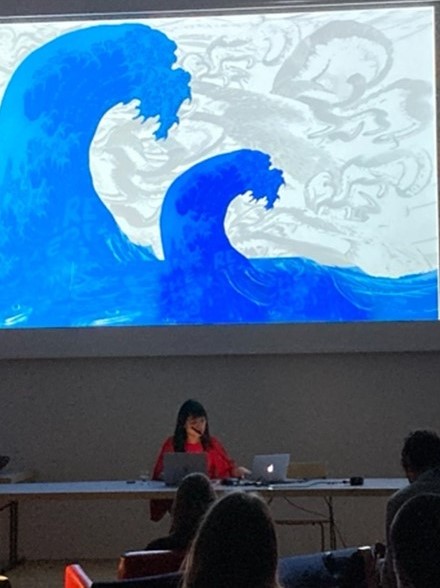
My keynote at the Neurodiversity in the Arts Symposium was entitled ‘Neuro-Futurism and Reimagining Leadership’. My performance-lecture was based on my book of the same title, subtitled ‘An A-Z Towards Collective Liberation’. Grasping how systemic oppressions are interconnected and how liberatory approaches to education must be joined up is vital in this discussion. I postulate a new intellectual agenda and action plan for ‘leadership’ as discourse and practice anchored in visual arts and arts education. Re-claiming the subject from business or arts management, and away from a trait/talent hinged on individualism, hierarchy, genes or luck, the book – and my performance – entangles critical leadership studies with socially-engaged art and relational aesthetics, embedding neuro-queering, futurity, and Chinese Daoist cosmology for the first time, to introduce ‘neuro-futurism’ as a beyond-colonial, (co-)creative change-making framework.
The participants of the symposium grasped this, responding by describing the performance-lecture as ‘phenomenal’. Brazilian artist-researcher Fran Trento, a postdoctoral researcher at the Department of Geosciences and Geography at the University of Helsinki, even took live notes and pictures to add to their mobile participatory art installation, and wheeled it around, further spreading love in HE – literally (Image 8). If it hadn’t been snowing so heavily, Fran would have wheeled their installation outside, beyond the ivory tower, to make visible what the abstract yet very simple four-letter word – love – can look like.
Image 8Image 9
Image 8: Dr Fran Trento standing next to their mobile installation that comprises a jacket onto which participants can make marks onto, scrolls of film, and a pail with cameras and other creative and critical tools to dismantle harmful narratives and approaches
Image 9: A signboard ‘Neurodiversity in the Arts Symposium’ covered in snow, in a street raging with a snow-storm with cars passing by in front of a building across the road
And love is critical if we want to dis-arm and dismantle violent master (sic) narratives and approaches of neurodivergence. If neurodivergence is a superpower — a trope I have also critiqued as, while useful, it can be reductive/fetishistic, and capitalised by the ‘high-functioning’ to self-select into an elitist club that excludes others — then there are also villains and Machiavellian messiahs who abuse their (super)power. The irony is — and yes, autistic people can grasp irony — is that these self-proclaimed ‘anti-establishment’ ‘outsiders’ are often the very personification and product of the system,as poster boys of capitalism and more. Remember the call for ‘weirdos and misfits’ outside the Oxbridge set to join Number 10 – by figures whose pedigrees were archetypal of the ruling class — private education, Oxford degree, political strategist to a prime minister similarly outfitted?
Now that’s weird!
Braving storms ahead
My luggage got lost – again – on my way back to the UK, but academic and arts and cultural workers must lose neither our focus or hope. As hatred becomes even more mainstreamed and normalised, minoritised body-minds and approaches will remain hardest hit. There will be storms ahead (image 9). We – and that includes you – must step forward and step up. As US author Octavia E Butler (1947–2006) warns, unless we build ‘different leadership’ by ‘people with more courage and vision’, we’ll ‘all go down the toilet’. That’s why the Black science-fiction bestseller, who was also dyslexic, wrote story after story that reimagined different, better realities.
To not go down the toilet, we must disarm those who weaponise their neurodivergence. Here are some of the things that neurodivergent academics, artists, activists and allies can do:
Shift your curricula to elevate and celebrate efforts that are truly leader-ful, joy-ful and equitable, and directed towards collective liberation. I’ve named several in this article. No excuses.
Stop the hierarchy of normality – within neurodiversity groups in and beyond HE too – that props up antics that are white supremacist, patriarchal, misogynist, racist, transphobic, homophobic, xenophobic, colonialist, capitalist, ableist and extractive. Stop fuelling the misfits and messiahs with ill-intentions.
Instead, invest in and donate your time, energy and skills to support love-led efforts. If you have a voice/ platform and can afford to, mobilise it to push back against the violence. People in senior management paygrades, make use of your position/proximity to the top of the food-chain to action positive change beyond lip service or generic policy statements about the civic duty of HE, and bring to life its promises about equity, social justice and inclusion.
On that latter note, I’m seeking to curate a 3-day international summit in 2026 that re-imagines HE art and design as a change-making and future-making force through neuroqueer, social justice and leadership prisms. This welcomes anyone with a stake in the arts and culture, higher education, social change and inclusive futures, to get together to explore the coexistence of different ways to (un-)learning and being in the world, to share best practices about inclusion, and to collectivise and co-create action plans for more inclusive futures within and beyond the art school and HE. Through quickfire provocations, transdisciplinary speed-dating, reverse-mentoring, co-creation of toolkits, skateboarding tours, running-discourses and other embodied forms of engagement, we will not just learn about ways to make ‘reasonable’ adjustments for neuro-divergent students and staff, but to learn about their innovative approaches, and thus reimagine ways to understand and do ‘leadership’, so as to make positive changes, within and beyond art and design and HE. This shift in paradigm to position art and design higher education is aligned with – and can amplify – other ongoing efforts in the sector, such as the Creative Education Manifesto. Get in touch if you’re keen to help do the work.
All that said, clearly, neither Tim’s symposium or my proposed summit are the only or last word in this matter. You, too, can lead with love, if you don’t already.Prioritise an intersectional approach to neuroqueer the curricula, towards dis-arming stories and approaches that are white supremacist, racist, colonialist, xenophobic, ageist, sexist, misogynistic, classcist, transphobic and heteronormative.
CREDITS: Photographs by Kai. Photograph of Kai by neurodivergent artist-curator-activist-PhD-candidate Aidan Moseby
Kai Syng Tan is an artist, academic, author, and agitator who adores cats and alliteration. Their bookNeuro-Futurism and Re-Imagining Leadership: An A-Z Towards Collective Liberation re-imagines leadership as a co-creative, neuro-queered practice centring anti-oppression and futurity: it was published in Summer 2024. See here to join the book tour. Sign up here to participate in the CHEAD Leadership Programme taster entitled What’s love got to do with leadership? led by Kai as a new CHEAD Trustee, which will feature a response by Pascal Matthias, Associate Vice President EDI and Social Justice, University of Southampton and Co-Founder at FACE (Fashion Academics Creating Equality). Kai is Associate Professor in Arts and Cultural Leadership, University of Southampton, UK. All views here are their own.
Meet the thought leaders shaping the future of higher education at InsightsEDU 2025! Taking place from February 12-14, 2025 in New Orleans, LA, this conference brings together expert voices in higher education marketing, enrollment management, and leadership to discuss the evolution of today’s Modern Learner. This year, explore the future of higher education in 38+ sessions, where our speakers will share their vast expertise and unique perspectives. From higher education leaders to enrollment professionals, these speakers are vital to the InsightsEDU experience and are ready to equip you with insights to thrive in a new era of learning.
The lineup of featured speakers for InsightsEDU 2025 is still growing—stay tuned for exciting new announcements! Below are the confirmed featured speakers as of November 7, 2024.
Gregory Clayton
President of Enrollment Management Services at EducationDynamics With over 30 years of experience in the higher education space, Greg brings valuable expertise in enrollment management and performance marketing. As President of Enrollment Management Services at EducationDynamics, he leads a comprehensive team offering agency marketing, enrollment services, strategic consulting, and research, all tailored to the higher ed sector. His leadership and career position him as a visionary strategist, equipped to offer insightful commentary on the higher education landscape and enrollment solutions. Join his session to learn more about how to better serve the Modern Learner and implement strategies that drive institutional success.
Session: The Evolving Expectations of the Modern Learner: How Institutions Can Adapt and Thrive
Wendy Colby
Vice President and Associate Provost for Boston University Virtual (BU Virtual) Throughout her career, Wendy has distinguished herself as a leader in online learning and enhancing the student experience. At BU Virtual, she focuses on delivering educational and technological excellence, positioning the program as a model of high-quality online education. Wendy’s commitment to advancing digital learning solutions ensures that students receive an exceptional learning experience. With extensive expertise in strategic leadership and global engagement, Wendy brings invaluable insights to InsightsEDU, where she will speak on best practices for collaborative strategies that optimize institutional success.
Session: Bridging the Gap: Aligning Marketing & Enrollment Management for Success
Roy Daiany
Director, Education & Careers at Google With over 15 years of experience, Roy Daiany leads Google’s national team of education advertising strategists, partnering with top universities and EdTech companies to drive growth. A champion of technology-driven marketing, Roy will share valuable insights in his upcoming session, drawing on Google’s data to highlight key areas for optimizing student outreach and exploring innovative advertising practices.
Session: Emerging Trends and Priorities for Higher Education
Brent Fitch
President of Rocky Mountain College of Art and Design Brent’s extensive career and leadership in higher education provide invaluable perspectives for InsightsEDU 2025. As President of Rocky Mountain College of Art and Design, he has played an instrumental role in shaping strategies that optimize student engagement. With a proven track record in developing innovative programs that enhance faculty, employee, and student outcomes, his strategic leadership offers InsightsEDU attendees exclusive access to tried and true best practices within higher education. Learn from Brent to gain a deeper understanding of how to navigate institutional challenges and embrace new strategies for ongoing success.
Session: The Era of the Modern Learner: Redefining Higher Education
Andrew Fleischer
Head of Industry, Education at Google As Head of Industry for Education at Google, Andrew Fleischer leads a team dedicated to transforming how institutions and EdTech companies approach enrollment and brand positioning. With a background spanning strategic roles in Google’s App and Retail sectors, Andrew brings expertise in using data-driven advertising to address complex business goals. In his session at InsightsEDU 2024, Andrew will explore Google’s latest insights on the role of AI in higher education and share valuable strategies to navigate the evolving student journey.
Session: Emerging Trends and Priorities for Higher Education
Stephen Horn
Chief Marketing Officer at The College of Health Care Professions (CHCP) Stephen Horn is an award-winning marketer known for his inventive strategies that drive growth and expand market share. With a strong background in brand-building and nurturing marketing talent, Steve has a proven track record of success. As Chief Marketing Officer for CHCP in Houston, his role has been critical to program success. InsightsEDU attendees can anticipate gaining valuable insights into effective strategies for enhancing student engagement and aligning marketing with cross-functional departments.
Session: Bridging the Gap: Aligning Marketing & Enrollment Management for Success
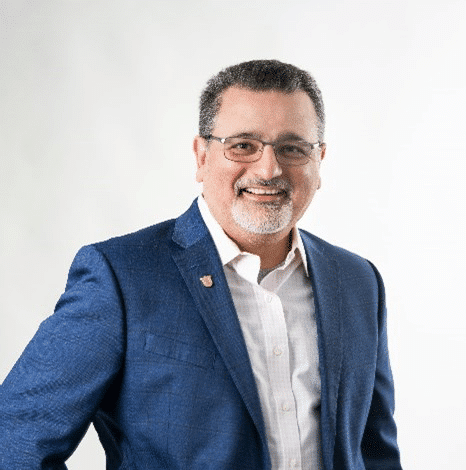
Dr. Melik Khoury
President of Unity Environment University Gain fresh insights and practical strategies for engaging Modern Learners with Dr. Melik Khoury, a pivotal leader in higher education. As President of Unity Environmental University, Dr. Khoury prioritizes student success and has spearheaded transformative initiatives to increase enrollment and retention. His commitment to affordability, accessibility, and flexibility are paramount to the university’s enduring success. Dr. Khoury’s tenure at Unity Environmental University has established him as an innovative and adaptable leader, making him an ideal expert to address today’s new era of learning and the unique needs of Modern Learners.
Session: The Era of the Modern Learner: Redefining Higher Education
Dr. Andy Miller
Senior VP of Strategic Enrollment & Partnerships at Indiana Wesleyan University Andy Miller, PhD, brings a wealth of experience to InsightsEDU 2025. In his role as Sr. VP of Strategic Enrollment & Partnerships at Indiana Wesleyan University, Andy oversees enrollment and partnership initiatives, serving over 12,000 students. With expertise in building cross-industry partnerships and creating training pathways for adult learners to meet workforce demands, Andy is a pivotal leader in the field.
Session: Bridging the Gap: Aligning Marketing & Enrollment Management for Success
Dr. Joe Sallustio
Vice President of Industry Engagement at Ellucian & Cofounder The EdUp Experience Podcast Dr. Joe Sallustio is a leading authority within the higher ed sector, recognized for his expertise in operations, finance, and academics. With over 20 years of experience, he has led teams across various institutional functions, including marketing, enrollment, finance, and student services, equipping him with the skills to successfully navigate the modern landscape of higher education. Dr. Sallustio leverages his extensive knowledge as co-founder and host of The EdUp Experience, a podcast that explores timely topics in the higher ed industry. Join his session to learn more about innovative strategies for addressing challenges and uncovering opportunities for student success amid changing times.
Sessions: The Era of the Modern Learner: Redefining Higher Education
Katie Tomlinson
Senior Director of Analytics and Business Intelligence at EducationDynamics Prepare to unlock insights with Katie Tomlinson. As the Senior Director of Analytics and Business Intelligence, Katie expertly manages data and reporting, uncovering key trends to support EducationDynamics in delivering data-driven solutions for the higher ed community. Learn from her as she discusses findings from EducationDynamics’ latest report, where attendees will gain a deeper understanding of the evolving learning environment and the significant factors that influence Modern Learners’ educational choices.
Session: The Evolving Expectations of the Modern Learner: How Institutions Can Adapt and Thrive
Engage with the Leaders Shaping Higher Education
InsightsEDU 2025 promises to be another impactful conference, offering a forum for thought leadership, best practices, and meaningful networking among higher education professionals. This conference unites industry leaders and institutions to explore the key challenges and exciting opportunities facing the higher ed sector today. Taking place in early 2025, InsightsEDU is the perfect change to gain insights that will strengthen your institution’s foundation for the year ahead and beyond. Don’t miss out–Register today to secure your spot.