Category: Culture & Community

  • Gender-Inclusive HR Strategies: Are You on the Right Track? – CUPA-HR

    Gender-Inclusive HR Strategies: Are You on the Right Track? – CUPA-HR

    by Julie Burrell | November 6, 2023

    This year’s Transgender Awareness Week (November 13-19) is an opportunity for HR pros to educate themselves about daily steps that make a more inclusive workplace. It’s also a good time to review strategies for inclusion for all employees, including those who are transgender, nonbinary, and agender, among other gender identities.

    Small Steps to a More Gender-Inclusive Workplace

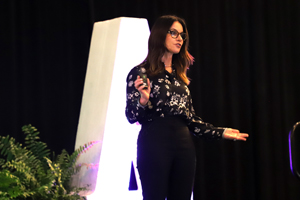
    At this year’s CUPA-HR annual conference, Jon Humiston of Central Michigan University laid out some simple actions everyone can take to make gender inclusiveness a daily practice. They suggest:

    • Use gender-inclusive language when referring to groups of people. For example, use terms like “people” or “individuals” rather than “ladies and gentlemen.”
    • Pay attention to the assumptions you make about someone’s gender identity and expression.
    • Feel free to ask about pronouns or share your own pronouns, but don’t require people to share theirs, as they may be uncomfortable doing so.
    • Use “pronouns” rather than “preferred pronouns,” since it’s not a preference but an identity.
    • Do know that it’s OK if you make a mistake by accidentally misgendering someone. Apologize and move on. If you repeatedly make the same mistake, it might be time to practice. Consider using AI, like ChatGPT, as a conversation tool or asking a friend to be a practice buddy.

    HR’s Role in Creating a Gender-Affirming Culture

    Jon also proposed a framework for higher ed HR to review inclusion policies, focusing on transgender and nonbinary employees, but with potential benefits for all employees. Reviewing the following questions (adapted from sources such as CUPA-HR and Out & Equal toolkits) will help you identify potential gaps in your institution’s efforts to be gender inclusive.

    Policies and Procedures

    • Do you have a non-discrimination policy that includes sexual orientation, sex (or biological sex), gender identity and gender expression?
    • Do you allow employees to identify their gender outside of the gender binary?
    • Do you have a name-in-use policy or chosen-name policy that is easy to access and navigate?
    • Do systems such as software allow for gender pronouns to be included?
    • Does health insurance cover benefits for transgender and nonbinary employees?
    • Is gender-inclusive language used in internal and external materials (marketing, job ads, etc.)?
    • Are gender-inclusive bathroom locations shared with all potential employees during the interview process and all new employees?

    Programmatic Support

    • Do you have an Employee Resource Group for LGBTQIA+ employees?
    • Do you have LGBTQIA+ safe-zone training available for all employees?

    Visibility

    • Does your institution publicly show its support of LGBTQIA+ communities during Pride Month, National Coming Out Day, National Day of Silence, etc.?
    • Does your institution publicly address hate and bias crimes that occur, or have a plan for doing so?
    • Does your institution have a presence at local LGBTQIA+ pride events?

    Making the Case for Gender Inclusion

    Policies that support LGBTQIA+ employees benefit all employees.

    For example, flexible work arrangements are desired by two-thirds of the higher ed workforce, yet most campus staff members must work on-site. For employees experiencing misgendering at work or in public, a day working from home might provide them the respite they need from the exhaustion of being misgendered or experiencing gender dysphoria.

    Both job seekers and current employees want their workplace cultures to be inclusive. According to a recent Workhuman study, 72 percent of employees see this as somewhat or very important to them. Inclusive cultures also promote creativity and innovation and may reduce absenteeism.

    Preventing workplace discrimination and harassment is also a matter of regulatory compliance. The EEOC recently published new proposed guidance on preventing workplace harassment, including several examples of discrimination and harassment on the basis of sexual orientation and gender identity.

    The Future of Gender Inclusion

    The makeup of the higher ed workplace won’t look the same in the years to come. The share of Americans who know someone whose gender differs from the sex they were assigned at birth continues to grow, with 44 percent of Americans saying they know someone who is trans and 20 percent saying they know someone who is nonbinary.

    If a major overhaul of institutional inclusion policies isn’t something you’re in a position to initiate, Jon suggests networking with your colleagues at other institutions to provide support, personally recognizing national days of awareness or remembrance, and encouraging allyship.

    Additional Resources

    Gender Identity and Sexual Orientation in the Workplace (CUPA-HR Toolkit)

    Assessing LGBTQI+ Inclusion in Your Workplace (Out & Equal Toolkit)

    A Guide to Gender Identity Terms

    What’s Your Pronoun? Strategies for Inclusion in the Workplace


    Source link

  • Three Questions to Help You Build a Better Workplace Culture — Annual Conference Takeaways – CUPA-HR

    Three Questions to Help You Build a Better Workplace Culture — Annual Conference Takeaways – CUPA-HR

    by CUPA-HR | October 18, 2023

    Culture was at the heart of the three keynote events at CUPA-HR’s 2023 national conference, which took place recently in New Orleans. Our keynote speakers asked thought-provoking questions that resonate with higher ed HR’s mission. Engaging with these questions can help you boost employee engagement, promote a culture of inclusivity and strengthen collaboration with your campus colleagues.

    1. Are You Creating an Ecosystem of Opportunity?

    Organizations with strong learning cultures tend to have significantly higher retention rates.

    In her keynote presentation on employee retention, business strategist and author Erica Keswin pointed out that the days of climbing the same corporate ladder for 50 years are long gone. Organizations are flatter, which means you need to get creative to give people opportunities to move not only up, but sideways, helping them gain new skills and find new pathways for their careers. Instead of thinking “ladders,” Keswin said, think “lilypads.”

    She also encouraged attendees to talk about employee learning opportunities early and often, beginning with their onboarding programs! Managers should be talking regularly with employees about what skills they want to learn and giving them the opportunity to learn with no strings attached.

    The mission, values and priorities of higher education have learning at their core, and that culture of learning is a value proposition higher ed is uniquely positioned to provide as an employer. Make it work to your advantage by prioritizing learning and opportunity for all employees.

    Another key takeaway from Keswin’s presentation was the importance of being a “human professional” and checking in with your team on a regular basis. She shared the story of a company that starts team meetings with a quick check-in called “Pick Your Nic.” Referring to a popular meme of Nicolas Cage images representing different feelings (happy, relaxed, excited, focused, stressed, meh, etc.), each person picks the Nic that represents how they’re feeling that day. The goal isn’t to address the responses in the meeting, but rather to give the team leader the opportunity to take a pulse and to give team members the opportunity to be seen and heard.

    You’ll find more retention strategies in Keswin’s new book, The Retention Revolution: 7 Surprising (and Very Human!) Ways to Keep Employees Connected to Your Company. And be sure to check out the article “The Higher Ed Employee Retention Crisis — and What to Do About It” in the fall issue of Higher Ed HR Magazine.

    2. Are You Treating Diversity as a Problem to Be Managed or a Value to Be Cherished?

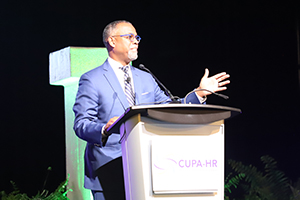
    When it comes to creating and sustaining a more inclusive culture, Princeton professor and religion scholar Dr. Eddie S. Glaude Jr. prompted attendees to consider a question: Do you view diversity as a problem to be managed or a value to be cherished?

    Through a problem-solving lens, we might see diversity as a series of goals to be met and obstacles to be overcome. Through the lens of a cherished value, on the other hand, we are more likely to see every situation as an opportunity to expand and celebrate diversity of people and ideas. A problem-solving lens divides “us” from “others,” while a value-based lens sees diversity as constitutive of who we are, as a people, a country and an institution. Instead of envisioning inclusion as something undertaken in response to a mandate or in compliance with a law, what if diversity was seen as key metric of an institution’s success?

    The data support the positive impact of diversity on metrics like productivity and creativity in the workplace, and Glaude urged higher education to also view diversity as an integral part of its core identity and a reflection of its regional or national reach.

    To see how your institution compares to others when it comes to composition of your workforce and pay equity for employees, see the results of CUPA-HR’s signature surveys.

    3. Are You Ramping Up Retention Efforts in Your Most Vulnerable Departments?

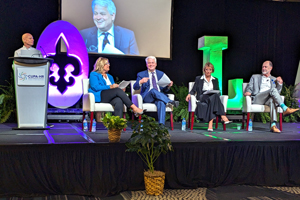
    Retention and recruitment were on everyone’s mind at CUPA-HR’s annual conference. The closing panel discussion brought together leaders in student affairs, campus facilities and IT and provided insights on how HR can partner with these campus constituencies to support a culture of belonging. Here are a few of their recommendations:

    Provide training opportunities.

    John O’Brien, president of EDUCAUSE, which represents IT professionals in higher ed, stressed the importance of career pathways to support employees’ desire to grow in their careers.

    Noting that “supervisors will make or break us,” Lander Medlin, president and CEO of APPA, which serves the needs of facilities professionals, stressed the critical role that supervisor training has on retention and workplace culture in facilities, where the aging of the skilled craft workforce has posed unique recruitment and retention challenges, and all areas.

    Ensure employees feel they belong and are valued.

    No matter their role on campus, employees want their opinions to be heard and valued.

    Kevin Kruger, president of NASPA, the association for student affairs administrators in higher education, noted that millennial and Generation Z employees especially want to feel cared about at work and to believe their opinions matter. Today, as all student affairs professionals find themselves on the front lines of the mental health crisis, they need supervisors who have the skills to meet them where they are and to create a culture of belonging.

    Medlin seconded the importance of feeling heard when it comes to job satisfaction. She would ask supervisors this question: Are you a coach and mentor, or are you a boss?

    Offer job flexibility.

    Some campus jobs don’t easily lend themselves to remote work, but that doesn’t mean institutions can’t build in flexibility, which CUPA-HR found is a key retention factor.

    For example, facilities employees might take advantage of a compressed workweek, with employees having the option to work four 10-hour shifts.

    Since student affairs professionals often work outside of a typical nine-to-five day, there’s room for remote work. In fact, students might prefer to meet with student affairs professionals remotely.

    If year-round remote work isn’t a possibility, seasonal flexibility might be. When students are off campus during holiday and summer break, your staff might be able to work from home.

    See employees as a strategic asset (and pay them accordingly).

    The three areas represented by the panel — IT, facilities and student affairs — are among the most vulnerable to turnover and recruitment challenges on most campuses. How can HR lead the way in creating a culture that positions these employees as strategic assets? The panel offered these suggestions, based on their unique perspectives:

    • O’Brien encouraged satisfaction surveys. Find what’s working well and replicate it.
    • Kruger recommended streamlining job searches, posting salary ranges, and focusing on internal pay equity and livable wages.
    • Medlin asked conference attendees to help us help you. How we treat people matters, and HR leads the way in building that culture of belonging.


    Source link

  • Uncovering Workplace Barriers by Auditing the DEI Experience – CUPA-HR

    Uncovering Workplace Barriers by Auditing the DEI Experience – CUPA-HR

    by CUPA-HR | April 20, 2022

    Detecting bias can be a challenge, particularly when it comes to long-standing practices that are firmly rooted in our campus culture and systems. Left unchecked, these routine practices may create unintended barriers to inclusion and belonging.

    In the recent CUPA-HR virtual workshop, “Detecting Systemic Bias in Talent Practices,” Dr. Aarti Shyamsunder, DEI solutions consultant at YSC Consulting, and Pooja Shahani, founder and CEO of Kintsugi Consulting, discussed methods higher ed HR practitioners can use to pinpoint these barriers to inclusion. One method is to audit the DEI experience at your institution by reflecting on the following questions to determine who is present, who is participating and who holds the power.

    • Who runs things? Who are the individuals that make decisions? Who are the leaders? Who sits on the board? Do they all look the same? Is there a pattern in who gets to run things?
    • Who does the office “housework?” Who organizes team outings and takes meeting notes? Are these individuals recognized for their work? Women in the workforce often take on these additional duties.
    • Who gets credit? Are team members receiving praise and recognition for their contributions to a job well done? In academia, this could include whose name gets listed first on research or other academic work.
    • Who knows whom? Is there a pattern of individuals who know each other who receive more information and therefore have more opportunities to progress?
    • Who is speaking? Who gets to take space in a room? Is there an obvious difference in how often men in the room speak versus women?
    • Who gets development opportunities? Who are the individuals who get access to high-visibility roles that end up becoming senior-level positions? Who is being invested in?
    • Whose experience matters? “Covering” is a term that means downplaying our identities. What kind of covering demands (often unspoken) do we make of people so they feel compelled to change themselves in order to belong?
    • Who gets invalidated? Whose presence and voice are missing from meetings?

    Exploring long-standing practices through the lenses of various campus stakeholders is essential to creating a higher ed workplace that is both inclusive and welcoming. Look for ways you and your team can audit employee experiences and uncover barriers at your institution.

    Related resources:

    Diversity, Equity and Inclusion Toolkit (CUPA-HR members-only resource)

    DEI Maturity Index

    Diversity Resources

    Diversity and Inclusion Start With the Hiring Process: Two Institutions Getting It Right (The Higher Ed Workplace Blog)


    Source link

  • Workplace Eye Wellness Month: How HR Can Help Employees With Low Vision or Vision Loss – CUPA-HR

    Workplace Eye Wellness Month: How HR Can Help Employees With Low Vision or Vision Loss – CUPA-HR

    by Jill Thompson | March 22, 2022

    Whether it was logging overtime behind laptops before work-from-home boundaries were put in place or turning to mobile phones and tablets for entertainment during lockdowns, many of us recognized the uptick in screen time during the height of the pandemic. Our eyes likely noticed the uptick too by feeling increasingly strained.

    March is Workplace Eye Wellness month, so we’re highlighting some tips from Prevent Blindness to help keep screen time in check and lessen eye strain at work and at home.

    • Screen time: Try to decrease the amount of time spent in front of screens and/or take frequent breaks to give your eyes a rest.
    • Use the 20-20-20 rule: Every 20 minutes, take a 20-second break and look at something 20 feet away.
    • Filters: Screen filters are available for smart phones, tablets and computer screens. They decrease the amount of blue light given off from these devices that could reach the retina in the eyes.
    • Anti-reflective lenses: Anti-reflective lenses reduce glare and increase contrast and also block blue light from the sun and digital devices.
    • Intraocular lens (IOL): After cataract surgery, the cloudy lens will be replaced with an intraocular lens (IOL). The lens naturally protects the eye from almost all ultraviolet light and some blue light. There are types of IOLs that can protect the eye and retina from blue light.

    Visit Prevent Blindness for more information and resources on eye and vision health.

    HR Perspective

    From the human resources perspective, HR practitioners can help employees who are experiencing vision loss or low vision. Employees experiencing a decrease in vision may have difficulty completing paperwork, reading standard-size print, discerning regular or colored font on computer screens, or locating the cursor, all of which impact productivity at work.

    In the Disability in the Workplace toolkit in CUPA-HR’s Knowledge Center, Mississippi State University’s HR guide offers plenty of creative low-tech and high-tech accommodations for employees with low vision:

    Low-tech accommodations:

    • Place tactile dots on controls on equipment, such as the telephone, a copier, the microwave in the breakroom, etc. so that an individual who is blind or visually impaired can determine which buttons perform different functions.
    • Place a braille sticker on an employee’s mail slot to identify it.
    • Increase or decrease lighting in an office or cubicle to increase visibility or reduce glare.
    • Cover a window to reduce glare.
    • Provide extra floor space in a cubicle to accommodate a guide dog.

    High-tech accommodations:

    • Implement screen reading or screen magnification software to allow an employee who is blind or has low vision to complete computer tasks.
    • Provide a larger monitor or dual monitors to allow an individual with low vision greater access to visual information.
    • Implement a braille display paired with the computer or an iPad or used independently to allow vision-impaired employees to take notes and recall information.
    • Provide a video magnifier to increase the size of print and enhance the contrast of printed materials.
    • Provide optical character recognition hardware or software to capture print information and translate it to audio output.

    To read the full guide and explore other disability inclusion examples from higher ed, visit the Disability in the Workplace toolkit (CUPA-HR members only resource).


    Source link

  • National Women’s History Month: Past and Present Higher Ed HR Trailblazers – CUPA-HR

    National Women’s History Month: Past and Present Higher Ed HR Trailblazers – CUPA-HR

    by CUPA-HR | March 2, 2022

    National Women’s History Month celebrates the contributions and achievements women have made throughout U.S. history. CUPA-HR is fortunate to have had many smart and dedicated women serve on its national, regional and chapter boards and on various committees. In addition to providing leadership at work, they have volunteered their time and shared their know-how — lighting the way for other women in the field.

    To celebrate the month, we’re spotlighting some of the many leaders who have transformed higher ed HR and CUPA-HR. Sure to inspire, these articles and podcast episodes offer unique perspectives of higher ed HR, career journeys, struggles, successes and everything in between.

    Looking Back to Move Forward

    Blazing a Trail: Women Who Paved the Way in Higher Ed HR, from a 2014 issue of Higher Ed HR Magazine, features five CUPA-HR leaders who began their higher ed HR careers in a very different era — when HR was still “personnel,” men dominated the profession and the nature of the work was strictly focused on policies and procedures. These women rose to leadership positions, not only in their departments, but across their institutions. Read about their challenges, their regrets, their successes and a few war stories to boot.

    More Stories That Inspire

    CUPA-HR Conversations: Higher Ed HR Turns 75 Podcast features higher ed HR leaders and past CUPA-HR national board chairs who have left their mark on both the association and the profession.

    • In Episode 2: Growing Through Change, Allison Vaillancourt reflects on some professional advice she received from a CUPA-HR peer that changed her entire approach to HR and helped advance her career and secure several leadership positions.
    • Lynn Bynum shares how CUPA-HR helped her make the transition from the corporate world to higher ed HR, and Lauren Turner offers insights into how HR can become a recognized leader within the institution and help others become better leaders in Episode 4: Model Behavior.
    • Jane Federowicz reflects on her unexpected path to HR, starting out as her institution’s accountant and ending up being asked to create an HR department, in Episode 6: When Opportunity Knocks.
    • In Episode 7: Lifelong Learning, Barbara Carroll dives into some experiences she never thought she would have as an HR leader, including serving on CUPA-HR’s Public Policy Committee and providing a higher ed perspective to a room full of senators and congressional representatives, and Linda Lulli discusses the importance of being a lifelong learner in the HR profession and how to be adaptable and resilient.

    Time-Out With Tammi & Tyler is a podcast that explores how higher ed HR careers evolve by interviewing professionals at the top of their HR game, sharing advice they would give professionals climbing the higher ed HR ladder.

    • In Episode 1, Donna Popovich offers advice for early-career professionals.
    • Sheraine Gilliam walks through her story of persistence, networking and how to turn negative situations into opportunities for growth in Episode 3.
    • In Episode 5, Clarity White describes how her Wildfire program experience helped advance her HR career.

    Related resources:

    21-Day Challenge: Focus on Women (First two weeks of the challenge)


    Source link

  • New Report on the Representation of Women and Racial/Ethnic Minorities in the Workforce of Minority-Serving Institutions – CUPA-HR

    New Report on the Representation of Women and Racial/Ethnic Minorities in the Workforce of Minority-Serving Institutions – CUPA-HR

    by CUPA-HR | February 23, 2022

    Minority-serving institutions (MSIs) play an important role in ensuring students from underrepresented races and ethnicities receive a quality education.

    While there is an abundance of research on students who attend MSIs, little research has examined the MSI workforce, specifically, how the racial/ethnic representation of faculty, administrator, professional and staff reflects the student populations being served.

    The latest CUPA-HR report, The Representation of Women and Racial/Ethnic Minorities in the Workforce of Minority-Serving Higher Education Institutions targets this gap by providing an overview of MSI representation among all U.S. higher ed institutions and showing their geographic spread across the country; providing a closer examination of racial/ethnic and gender composition of faculty, administrators, professionals and non-exempt staff; and assessing how well the racial/ethnic composition of the higher ed workforce at MSIs reflects their student populations and matches the minority-serving mission of the institutions.

    Key findings from the report:

    • MSIs have higher racial/ethnic minority representation among their workforce than non-MSIs.
    • HBCUs have the highest representation of racial/ethnic minority employees.
    • Overall, the representation of racial/ethnic minority faculty at MSIs does not match the representation in students.
    • Overall, administrators, professionals, and staff at MSIs have similar racial/ethnic minority representation when compared to students.

    For more findings on the representation of women and racial/ethnic minorities in the workforce at MSIs, read the full report.


    Source link

  • Diversity and Inclusion Start With the Hiring Process: Two Institutions Getting It Right – CUPA-HR

    Diversity and Inclusion Start With the Hiring Process: Two Institutions Getting It Right – CUPA-HR

    by Jill Thompson | February 16, 2022

    For institutions to become diverse, equitable and inclusive workplaces for faculty and staff, HR must take a critical look at current hiring processes and analyze not only who’s being hired, but who’s doing the hiring. Are search committee members trained in DEI issues and prepared to conduct interviews in a way that exemplifies the institution’s commitment to DEI?

    As we wrap up the first two weeks of the 21-Day Equity Habit Building Challenge: Less Talk, More Action, we’re calling attention to inspiring higher ed hiring initiatives and resources from two institutions. HR pros will want to bookmark these resources to help them think through small adjustments or total redesigns of their institution’s hiring processes and DEI training for search committees.

    UC Davis’ Guide for Hiring Managers

    To helping hiring managers develop skills related to diversity and inclusion, UC Davis’ HR team created a guide to attracting, selecting and hiring diverse talent. The guide lists ways the institution can improve its reach for open positions and the diversity of candidates, as well as tips for incorporating inclusive language, targeting outreach, selecting recruitment panels, developing interview questions and making accommodations for applicants with accessibility issues.

    Oakland University’s Diversity Advocate Program

    Oakland University’s Diversity Advocate (DA) faculty hiring program was highlighted in-depth in the Fall 2021 issue of Higher Ed HR Magazine. The goal of the program is to mitigate bias in the hiring process. At one of the 21-Day Challenge Town Halls, OU’s team discussed the advantages of applying its DA model to the hiring process, namely ensuring equity doesn’t fall between the cracks by designating a DA to be an attentive participant in the search process.

    While Oakland University created the DA program for faculty hiring, they have gone on to create the Diversity Equity Advocate (DEA) program aimed at staff hiring. Although the DEA program is still considered a pilot program, it’s a great example of how Oakland University is shaking up search committees to achieve a more diverse workforce.

    Search committees are one of the first points of contact for job candidates. It’s imperative that these committees are prepared and trained to conduct inclusive interviews with diverse candidates and to bring issues of equity to the forefront. HR practitioners can use the resources listed here to spark ideas and action within their institutions.

    Haven’t joined in on the latest 21-day challenge yet? There are still two weeks left! 21-Day Challenges are open to CUPA-HR members only.

    Check out these articles to see how other institutions are promoting diverse, equitable and inclusive hiring practices:

    Embedding Racial Equity Into HR Practices

    The Equity Case for Competency-Based Hiring

    Breaking Down Hiring Barriers for Veterans: The Journey to Becoming a Military-Friendly Employer

    Hiring Heroes: Providing Employment Opportunities for Military Veterans

    How Two Universities Are Building Community Partnerships to Strengthen Local Hiring

    Removing Hiring Barriers for the Disability Community

    Examining Implicit Bias and Its Effect on Hiring and Inclusiveness

    e-Learning Courses:

    Building a Successful, More Inclusive Search (Individual)

    Building a Successful, More Inclusive Search (Group)


    Source link

  • 4 Ways HR Pros Can Support DEI During Black History Month and Beyond – CUPA-HR

    4 Ways HR Pros Can Support DEI During Black History Month and Beyond – CUPA-HR

    by CUPA-HR | February 2, 2022

    “Black History Month is an opportunity to understand the stories of Black Americans as something more than a history of racism and strife. It’s a time to recognize their undeniable impact on our country and culture.” – BestColleges.com

    Since 1976, U.S. presidents have officially designated February as Black History Month. This month-long celebration of the historic contributions of the Black community is the legacy of historian and scholar Carter G. Woodson, who worked tirelessly to reform the way Black history is taught in schools.

    Today, higher ed institutions recognize and honor Black History Month in myriad ways, but the work required to create and sustain equality, an inclusive workplace culture and a sense of belonging on our campuses is ongoing.

    The CUPA-HR resources listed below provide insights and tools to help individuals and institutions build on their understanding of the issues and take action to bring about change. The current 21-Day Equity Habit Building Challenge, in particular, offers a one-of-a-kind opportunity to learn from institutions that are making meaningful strides in this work.

    • Participate in a 21-Day Challenge. The concept of the 21-day challenge was introduced several years ago by diversity expert Eddie Moore, Jr. to create greater understanding of the intersections of race, power, privilege, supremacy, oppression and equity. There are several challenges to choose from:
    • Watch the on-demand webinar, Measurements That Matter: Using HR Data to Advance DEI Goals. In this webinar, presenters from the USC Race and Equity Center shared their insights and strategies for increasing diversity in campus workforces. You’ll learn what types of data to collect, how to use that data to get a better sense of your institution’s workforce diversity gaps and how to provide equitable responses to any issues uncovered.
    • Add DEI resources to your toolbelt. Explore the Diversity, Equity and Inclusion Toolkit (CUPA-HR members-only resource). Here you’ll find resources, trainings, policies, forms and templates, and much more to help support your institution’s DEI efforts.
    • Watch the recording of the virtual town hall, Partners in Justice, We Will Not Be Silent! This discussion features voices from our higher ed HR community and explores what it means to move beyond existing DEI initiatives to create real systemic and cultural change at our colleges and universities.

    Throughout the month, take time to dive into one or more of these resources (individually or with a group) and explore new ways to take action now and throughout the year.


    Source link

  • Read and Listen to Inspiring CUPA-HR Content From 2021 – CUPA-HR

    Read and Listen to Inspiring CUPA-HR Content From 2021 – CUPA-HR

    by CUPA-HR | January 5, 2022

    Throughout 2021, HR practitioners have proven their resilience time and again by positively impacting higher education not only in response to the ever-evolving pandemic, but also in building more flexible, diverse and inclusive workplaces. CUPA-HR captured many of these higher ed success stories, as well as leadership advice, helpful resources and workforce data trends in the following articles, podcasts and blog posts.

    As you read and listen to the inspiring work your HR colleagues are doing at colleges and universities around the country, we encourage you to jot down ideas to take into the year ahead: 

    Retention and Engagement 

    Develop to Retain: Tools and Resources for Higher Ed Professional Development (The Higher Ed Workplace Blog)

    Maintaining Culture and Connection for Remote Employees (The Higher Ed Workplace Blog)

    Stay tuned for an article in the upcoming winter issue of Higher Ed HR Magazine: “Four Areas HR Can Address Now to Boost Retention and Engagement.”

    Future of Work 

    New Report Highlights Changes to the Professional Workforce in the Wake of the Pandemic (The Higher Ed Workplace Blog)

    New Report Highlights Changes to Faculty Workforce in the Wake of the Pandemic (The Higher Ed Workplace Blog)

    Navigating Compliance With a Multi-State Workforce (The Higher Ed Workplace Blog)

    Determining Remote Work Eligibility and Talking to Leadership About Flexible Work (CUPA-HR Soundbite)

    Diversity, Equity, and Inclusion 

    5 CHROs Use CUPA-HR’s DEI Maturity Index to Energize Their DEI Efforts (The Higher Ed Workplace Blog)

    A Mission for Greater Faculty Diversity — Oakland University’s Diversity Advocate Program (Higher Ed HR Magazine)

    Can HR Investigators Be Anti-Racist? — Action Steps to Overcome Racial Bias When Conducting Workplace Investigations (Higher Ed HR Magazine)

    Juneteenth — How Will Your Institution Observe the Day? (The Higher Ed Workplace Blog)

    Supporting the LGBTQ+ Community in Higher Ed — 3 Learning Resources for HR (The Higher Ed Workplace Blog)

    Three Ways HR Can Promote Cultural Appreciation Over Appropriation (The Higher Ed Workplace Blog)

    Boost Your Pay Equity Know-How By Tapping Into These Resources (The Higher Ed Workplace Blog)

    Mental Health

    Mental Health Month Focus: Resources (The Higher Ed Workplace Blog)

    Strategies to Become More Resilient in Work and Life (The Higher Ed Workplace Blog)

    HR Care Package — Resources for Self-Care (The Higher Ed Workplace Blog)

    HR Leadership 

    CUPA-HR Conversations: Higher Ed HR Turns 75 (CUPA-HR Podcast)

    Why Psychological Safety Matters Now More Than Ever (Higher Ed HR Magazine)

    Opening Doors for Strategic Partnerships With Academic Leadership (Higher Ed HR Magazine)


    Source link

  • Celebrate International Day of People With Disabilities on December 3 – CUPA-HR

    Celebrate International Day of People With Disabilities on December 3 – CUPA-HR

    by CUPA-HR | November 30, 2021

    In 1992, as part of its focus on promoting the well-being of people with disabilities, the United Nations called for an international day of celebration for people with disabilities. Held on December 3 each year, International Day of People With Disabilities is a day to recognize and learn from the experiences of those with disabilities and for organizations to show support and take action to create more diverse and inclusive communities.

    In recognition of the day, we’re sharing some inspiring articles and blog posts highlighting the work of HR pros to create more inclusive campuses and workplaces.

    Additional resources: 

    CUPA-HR ADA Toolkit
    Creating Inclusive Communities Project


    Source link