Category: deportation

  • ICE Fears Put Pregnant Immigrants and Their Babies at Risk – The 74

    ICE Fears Put Pregnant Immigrants and Their Babies at Risk – The 74

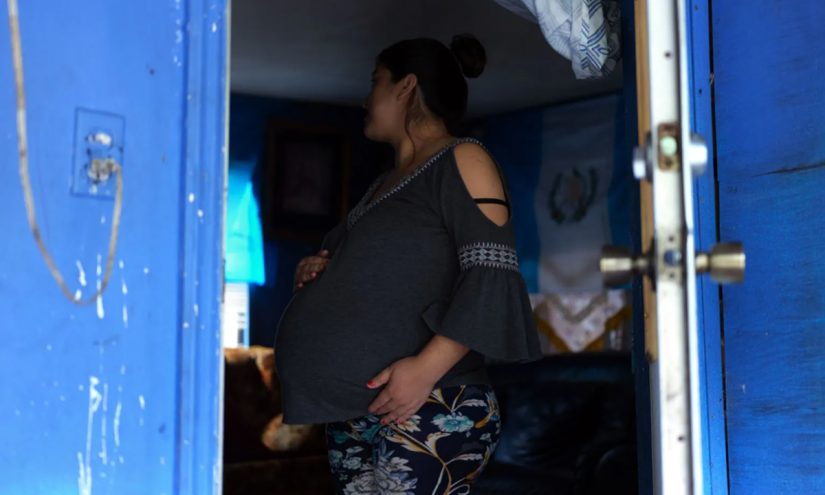
    In the lead up to her son’s birth, Jacqueline made plans to call 911 for an ambulance to pick her up from her North Florida home and transport her to a hospital about an hour away.

    The second-time mom and Guatemalan immigrant, who has lived in the country for a decade, would have relied on her husband to drive her to the hospital. But a few months ago he was deported, leaving Jacqueline and her daughter without the family’s primary source of income, transportation and support.

    One morning in March, Jacqueline said, her partner was pulled over on his way to work when law enforcement officials discovered he didn’t have a valid driver’s license. Jacqueline’s pregnancy was in its early stages. Her husband fought his case from detention for three months before U.S. Immigration and Customs Enforcement (ICE) removed him to Guatemala.

    “He was deported and I was left behind, thinking, ‘What am I going to do?’” said Jacqueline, who requested that her last name not be published because she lacks permanent legal status. The couple shares an 8-year-old daughter who was born in, and is a citizen of, the United States.

    This summer, as she entered the later stages of this pregnancy amid the Trump administration’s turbocharged immigration enforcement, Jacqueline found herself so fearful of being detained that she avoided leaving her home. Her husband’s car sits in the driveway, but there are no signs of him in the small room Jacqueline shares with her daughter. His belongings — tools, clothes, even personal photos — are with him in Guatemala. The only family pictures Jacqueline has are on her phone.

    Her partner was the family’s main provider, rotating between picking strawberries or watermelon and packing pine needles for mulch, depending on the season.

    Jacqueline struggled to get the most basic items to welcome a baby: Someone gifted her a used carseat and crib, which sit in the packed room along with onesies and other clothing items she’s collected inside a large plastic bag. She’s hoping that a federal assistance program will cover the cost of formula. A baby tub is still on her list.

    Medical care in her rural area has been possible only because a small nonprofit organization nearby that provides prenatal care services offered to pay for Ubers so she could continue regular check-ups. Even if she wasn’t behind the wheel, Jacqueline says that just the act of leaving her home feels risky since her husband’s deportation.

    “Things got really complicated. He paid our rent — he paid for everything,” she said. “Now, I’m always worried.”

    At her home in North Florida, Jacqueline looks at a photo of her husband and daughter on her phone. The only family pictures she has are on her phone; her husband’s belongings — tools, clothes, even personal photos — are with him in Guatemala. (Michelle Bruzzese for The 19th)

    Medical care and support essential to a healthy pregnancy have become harder for people like Jacqueline to obtain following President Donald Trump’s inauguration. Many patients — nervous about encountering immigration officials if they leave their homes, drive on public roads or visit a medical clinic — are skipping virtually all of their pregnancy-related health care. Some are opting to give birth at home with the help of midwives because of the possible presence of ICE at hospitals.

    Across the country, medical providers who serve immigrant communities said fewer patients are coming in for prenatal or other pregnancy-related care. As a result, patients are experiencing dangerous complications, advocates and health care providers told The 19th.

    “Fear of ICE is pushing my patients and their families away from the very systems meant to protect their health and their pregnancies,” said Dr. Josie Urbina, an OB-GYN in San Francisco.

    In January, Trump rescinded a federal policy that protected designated areas including hospitals, health clinics and doctors’ offices from immigration raids. ICE has recently targeted patients in hospital maternity wards and on their way home from prenatal visits.

    A majority of Americans believe ICE should not be carrying out immigration enforcement at health centers. A new poll from The 19th and SurveyMonkey conducted in mid-September found that most Americans don’t think ICE should be allowed to detain immigrants at hospitals, their workplace, domestic violence shelters, schools or churches.

    Women are more likely to oppose enforcement in these spaces than men. More than two-thirds of women said ICE shouldn’t be allowed to detain immigrants in hospital settings.

    Enforcement is only expected to grow as the administration works to meet its ambitious deportation goals. The federal government is pouring more than $170 billion over the next four years into expanding immigration enforcement, the result of Trump’s signature tax-and-spending bill. About $45 billion has been directed to expanding detention facilities; $29.9 billion is to increase ICE activity.

    That expansion could put even more births at risk. Approximately 250,000 babies are born every year to immigrants without permanent legal status. Already, research has shown these immigrants, who have higher uninsured rates, are less likely to seek prenatal care and are at risk of worse birth outcomes.

    Major medical groups, including the American College of Obstetrics and Gynecologists, World Health Organization and the Centers for Disease Control and Prevention (CDC) recommend regular prenatal and postpartum care as a key tool to combat pregnancy-related death and infant mortality.

    According to the federal Office of Women’s Health, infants born to parents who received no prenatal care are three times more likely to have a low birth weight and five times more likely to die than those born to parents who received regular care.

    A CDC analysis published last year found infant mortality rates went up the later families began prenatal care: 4.54 deaths per 100,000 live births for families whose prenatal care began in the first trimester, compared with 10.75 in families whose prenatal care began in the third trimester or who did not receive any at all.

    “A lot of patients aren’t going to get help,” said Yenny James, the founder and CEO of Paradigm Doulas in the Dallas-Fort Worth metro.
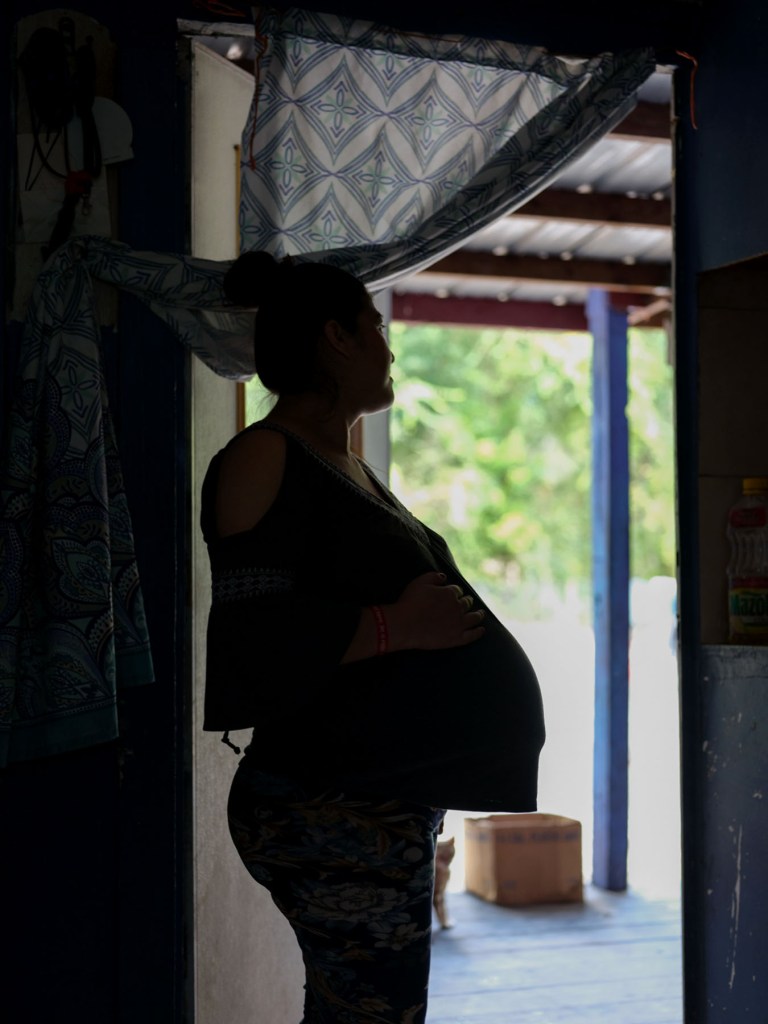
    A pregnant woman stands in silhouette inside a dark doorway, holding her belly and looking outside toward the sunlight and trees.
    After her husband’s deportation, Jacqueline became so fearful of being detained that she avoided leaving her home. “He was deported and I was left behind, thinking, ‘What am I going to do?’” she said. (Michelle Bruzzese for The 19th)

    James said she’s seeing an increasing number of emergency cesarean sections  because of untreated gestational diabetes, or preeclampsia — a deadly pregnancy complication — that went unnoticed because of lacking prenatal care.

    In Denver, OB-GYN Dr. Rebecca Cohen has delivered multiple babies this year for women who have told her that, because they fear endangering themselves or their families, they have received no prenatal care. Several have given birth to babies with fatal fetal anomalies that were never diagnosed because the women did not receive prenatal ultrasounds.

    “They were willing to forgo care — their own health care — but to find out that something was devastatingly wrong with their child is when they feel like maybe they should have risked it,” Cohen said. “There’s a sound of a mother’s wail that anybody who has worked labor and delivery has known, and it will haunt you for the rest of your life. To hear that when it could have been prevented, it is just absolutely devastating.”

    Early in her pregnancy, Jacqueline received free care at a local clinic. Shortly after her husband’s detention, she called the office to let them know she likely wouldn’t make her next appointment.

    “I told them that I probably wouldn’t be able to make my appointments anymore, well, because I’m really afraid given what happened to my husband. And they offered to help,” she said.

    Jacqueline and the nonprofit clinic worked out an arrangement: The day of her appointments, someone at the clinic called an Uber to her home, paid for by the clinic, and let her know when it would arrive so she could be ready.

    Many people in her small town have come to rely on a single person who does have a valid driver’s license for transportation. That driver recently brought Jacqueline to an appointment with the local office that manages the Special Supplemental Nutrition Program for Women, Infants and Children (WIC), which she is relying on for baby formula and food. There were no guarantees that this driver would be available to take her in whenever she goes into labor.

    The Biden administration directed ICE not to detain, arrest or take into custody pregnant, postpartum or breastfeeding people simply for breaking immigration laws, except under “exceptional circumstances.” The Trump administration has not formally reversed that policy. But despite the directive, reports from across the country confirm that ICE has detained numerous pregnant immigrants since Trump took office.

    James said that until the Biden guidance is formally rescinded, she will continue to encourage pregnant immigrants to print it out and carry it with them.

    “I told my doulas — have them print out this ICE directive, have them keep it with them, so that they know and these agents know that we know our rights, our clients know their rights,” James said.
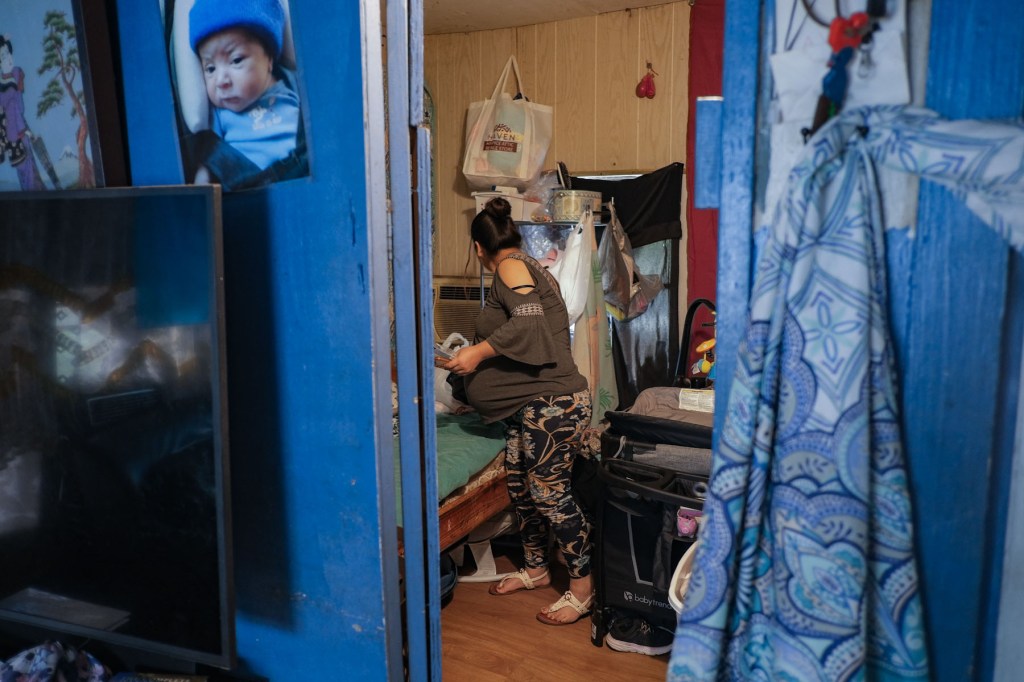
    A pregnant woman bends over a bed, sorting through baby items in a small, crowded bedroom with blue-painted door frames.
    Jacqueline prepares for the birth of her second child in the room she shares with her daughter. Someone gifted her a used car seat and crib, which sit among the few items she’s collected inside a plastic bag to welcome the baby. (Michelle Bruzzese for The 19th)

    It’s unclear exactly how many pregnant immigrants are being detained by ICE, or have been arrested by the agency. A May report from the office of Democratic Sen. Dick Durbin found 14 pregnant women in a single Louisiana detention facility at the time of staff’s visit.

    Another report out of the office of Democratic Sen. Jon Ossoff published in late July found 14 credible reports of mistreatment of pregnant women in immigrant detention. The report cited an anonymous agency official who said they saw pregnant women sleeping on floors in overcrowded intake cells. The partner of a pregnant woman in federal custody said that she bled for days before she was taken to a hospital, where she miscarried alone. A pregnant detainee who spoke to Ossoff’s office said she repeatedly asked for medical attention and was told to “just drink water.” The office received several reports of clients waiting weeks to see a doctor, and that sometimes scheduled appointments were canceled. ICE has disputed the report.

    “Pregnant women receive regular prenatal visits, mental health services, nutritional support, and accommodations aligned with community standards of care. Detention of pregnant women is rare and has elevated oversight and review. No pregnant woman has been forced to sleep on the floor,” ICE said in a statement posted on their website.

    ICE did not respond to a request for comment.

    Fear of being detained is a major contributor of stress for pregnant immigrants. Research shows that even when pregnant patients do receive medical care, prenatal stress puts many at greater risk of complicated births and poor outcomes, including premature birth and low infant birth weight. Babies born after an immigration raid are at a 24 percent higher risk of low birth weight, according to one study.

    Monica, 38, is expecting her fourth child in November. The Tucson resident, who requested that her last name not be published out of fear of being detained, has lived in the United States for two decades but has no legal immigration status.

    This pregnancy has been unlike the others, she said: While Monica has continued with her prenatal care appointments, her anxiety levels about her immigration situation have colored her experience. Her other children, who are in their teens, are U.S. citizens but grappling with the stress of their parents’ situation. Her husband also doesn’t have authorization to live in the country.

    “We try to be out and about much less, and to take precautions,” she said. “Whenever we do leave the house, we have it in the back of our minds.”

    Monica said she has seen reports of ICE being allowed inside hospitals, and she is worried about facing immigration officers while or following her birth. Her plan is to have her partner and a group of friends at the hospital to make sure she’s never alone.

    “My biggest fear is going to the hospital,” she said.

    Stress like Monica’s makes pregnancy more dangerous.
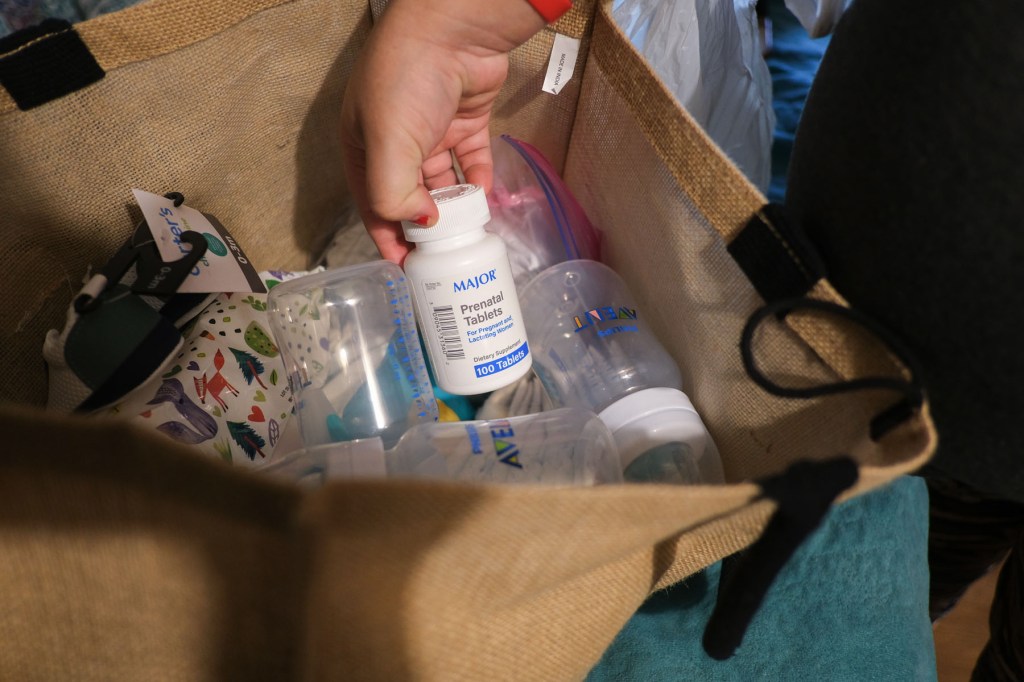
    A close-up of a hand holding a white bottle labeled “Prenatal Tablets” over a bag filled with baby bottles and other supplies.
    Jacqueline holds a bottle of prenatal vitamins at her home in North Florida. A small nonprofit clinic nearby has been paying for Ubers so she can continue her prenatal check-ups. (Michelle Bruzzese for The 19th)

    “In our hospital, every doctor I’ve talked to — and these are doctors that have been there 20 years — all are saying these past six months they’ve seen worse obstetrics outcomes than ever in their career,” Dr. Parker Duncan Diaz, a family physician in Santa Rosa, California, whose clinic mostly cares for Latinx patients. That’s included more preterm labor and more pregnant patients with severe hypertension.

    “I don’t know what’s causing it, but my bias is that it is the impact of this horribly toxic stress environment,” he added, specifically noting the stress caused by the threat of immigration enforcement.

    In recent months, Dr. Caitlin Bernard, an Indiana-based OB-GYN, has seen a number of pregnant patients seeking emergency attention who have not received any prenatal health care. One was 31 weeks, approaching the end of her pregnancy. Another was more than 20 weeks pregnant when she came to Bernard’s office, having developed complications from a molar pregnancy — a rare condition that means a healthy birth is impossible and that without early treatment can result in vaginal bleeding, thyroid problems and even cancer.

    “Anytime you’re not able to access that early prenatal care, we do see complications with that,” she said. “And many of these things can absolutely be life-threatening for both the moms and the babies.”

    Dr. Daisy Leon-Martinez, a maternal-fetal medicine specialist in San Francisco, said she now regularly cares for patients in her labor and delivery ward who have been transferred to her hospital because of newly developed pregnancy complications. These are often their first doctors’ visits since becoming pregnant. Many of those patients have told her that they did not want to seek prenatal care for fear of encountering immigration officials.

    During regular visits, she added, she has advised people with pregnancy complications that they would be best served by a hospital stay — only to be told that her patients no longer feel safe going to the hospital.

    The current enforcement environment is challenging immigrant advocates, who are continuing to encourage immigrants to seek appropriate medical care while acknowledging that doing so is increasingly risky.

    Lupe Rodríguez, the executive director of the National Latina Institute for Reproductive Justice, said her organization is urging pregnant immigrants to seek the health care that they need, and to be proactive about making plans for themselves and their families in the event that they are detained.

    “We can’t know for certain about any given [health care center] whether or not it’s going to be safe. One of the things that we’ve been seeing is leadership at some of these health centers — big hospitals and clinics — have said that they will provide the kind of protection that folks need, that they don’t want folks to be afraid of care,” Rodriguez said.

    While those statements signal the intentions of a hospital’s leadership, Rodriguez said, “we still know that there are individuals within some of those care centers that are part of the reporting mechanism or are intimidating people.”
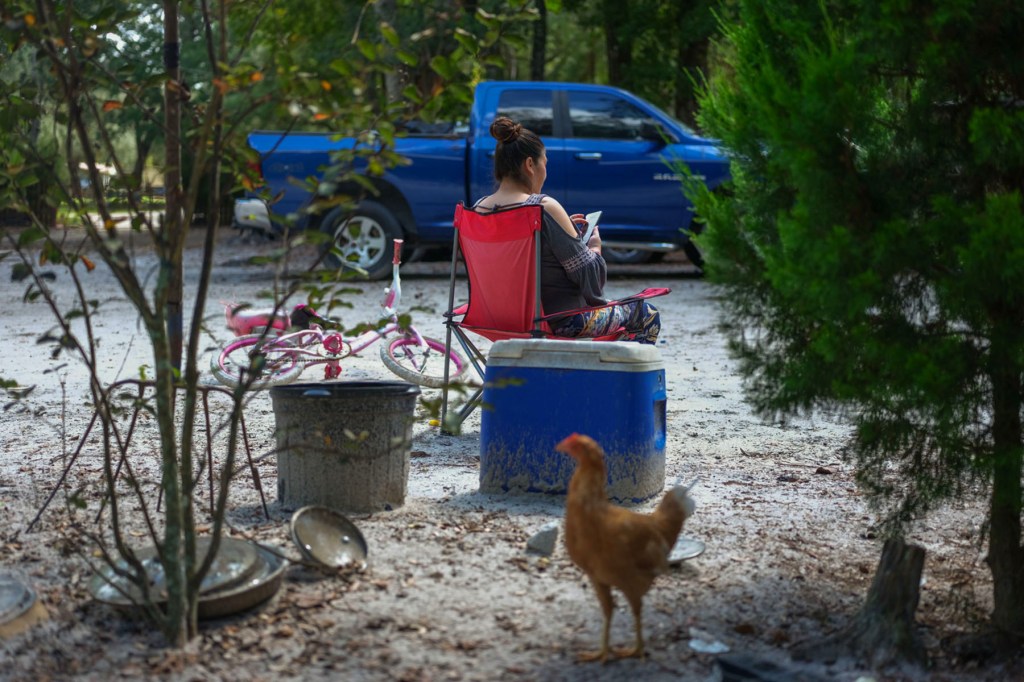
    A pregnant woman sits in a red folding chair outdoors near a blue truck, with a chicken walking in the foreground and trees around her.
    Outside her home in North Florida, Jacqueline sits in a red chair as a chicken wanders nearby. (Michelle Bruzzese for The 19th)

    Jacqueline approached the last days of her pregnancy hopeful that the place she had chosen — a large university hospital that workers at her local clinic recommended — would be a safe place for her to give birth.

    One night at the end of September, when labor pains grew too intense, she called for an ambulance and made it to the hospital. When she got there, she asked her providers if there were any ICE agents near the building. She had heard of a man at a local hospital being detained after having surgery. They told her there were none they were aware of.

    She went on to deliver her baby under general anesthesia after a long, difficult labor. “I didn’t even hear him cry when they pulled him out,” she said. Her only relative left in the area was taking care of her daughter, so she recovered alone at the hospital for five days before heading home in an Uber that a social worker procured for her and her son.

    “If my husband was here, he would have been there with me at the hospital,” Jacqueline said while recovering at home. “He would be here taking care of me, of us. I wouldn’t be worried about the things I still want to get for the baby.”

    This story was originally reported by Mel Leonor Barclay and Shefali Luthra of The 19th. Meet Mel and Shefali and read more of their reporting on gender, politics and policy.


    Get stories like these delivered straight to your inbox. Sign up for The 74 Newsletter

    Source link

  • Deportation Fears Push Some New York Immigrant Students to Virtual Learning – The 74

    Deportation Fears Push Some New York Immigrant Students to Virtual Learning – The 74

    As President Donald Trump has ramped up deportations, some immigrant students across New York have been too afraid to attend class in person. In response, some school districts have turned to virtual learning, a move the state’s Education Department is sanctioning, officials revealed last week.

    “I will tell you in the sense of a crisis, we do have some districts right now … that are taking advantage and providing virtual instruction to our children who are afraid to go to school,” Associate Education Commissioner Elisa Alvarez told state officials at May’s Board of Regents meeting.

    Alvarez shared with the board a memo the state Education Department issued in March clarifying that districts have the flexibility to offer online instruction to “students who may be unable or averse to attending school, including during times of political uncertainty.”

    The memo further specified schools can tap online learning for immigrant and migrant students “who may be affected and reluctant to attend school in person due to concerns about their personal safety and security.”

    Alvarez didn’t disclose how many or which districts were using the approach and for how many students. A state Education Department spokesperson did not respond to follow-up questions.

    New York City public schools already have virtual options available and aren’t doing anything different for immigrant students fearful of attending school, a spokesperson for the city’s Education Department said.

    Still, the disclosure from state officials highlights the ongoing fears some immigrant students are facing four months into the Trump administration and raises fresh questions about how their school experiences are being affected.

    Shortly after taking office, Trump rescinded longstanding guidance barring federal immigration agents from making arrests at “sensitive locations” including schools.

    Migrant families staying in New York City shelters expressed acute fears during the week after Trump’s inauguration in January and stayed out of school in large numbers, likely contributing to lower citywide attendance rates that week (though Mayor Eric Adams later downplayed the attendance woes). Some city educators said they’ve seen attendance for immigrant students rebound since that first week.

    City policy prohibits federal law enforcement agents, including Immigration and Customs Enforcement, from entering schools without a warrant signed by a judge, and Education Department officials have trained school staff on detailed protocols for how to respond.

    At the state level, the Attorney General’s office and Education Department issued joint guidance in March reiterating that state and federal law both compel districts to only permit federal law enforcement to enter schools under very limited circumstances.

    Many school leaders have worked hard to communicate those policies and reassure anxious families. And immigration enforcement inside of schools has remained rare.

    But some high-profile raids have targeted school-age children, including one in the upstate New York hometown of Trump border czar Tom Homan that swept up three students in the local public schools, sparking fear and outrage. And there have been reports across the country of parents detained by immigration agents right outside schools during drop-off time.

    Under those circumstances, virtual learning could give schools a way to keep up some connection with students or families who might otherwise completely disengage.

    But some New York City educators said they’re still working hard to convince fearful immigrant students to come to school in person, noting that virtual learning was especially challenging for English language learners during the COVID pandemic.

    Lara Evangelista, the executive director of the Internationals Network, which oversees 17 public schools in the five boroughs catering exclusively to newly arrived immigrant students, said none of her schools have made the “purposeful choice” to engage fearful students through virtual learning.

    “Virtual learning for [English Learners] was really challenging during COVID,” she said.

    Alan Cheng, the superintendent who oversees the international schools as well as the city’s dedicated virtual schools, said he hasn’t seen any significant changes in enrollment or interest in online learning due to fear of in-person attendance among immigrant students.

    And while virtual learning might be able to offer a version of the academic experience of in-person school, it’s harder for it to replicate some of the other services that schools provide families.

    “Our schools serve much more than just the academic environment,” Cheng said. “They are really community schools, they provide health care, they provide plenty of other resources.”

    This story was originally published by Chalkbeat. Chalkbeat is a nonprofit news site covering educational change in public schools. Sign up for their newsletters at ckbe.at/newsletters.


    Get stories like these delivered straight to your inbox. Sign up for The 74 Newsletter
    Source link

  • Columbia student Mohsen Mahdawi says "justice will prevail" after ICE release (CBS Mornings)

    Columbia student Mohsen Mahdawi says "justice will prevail" after ICE release (CBS Mornings)

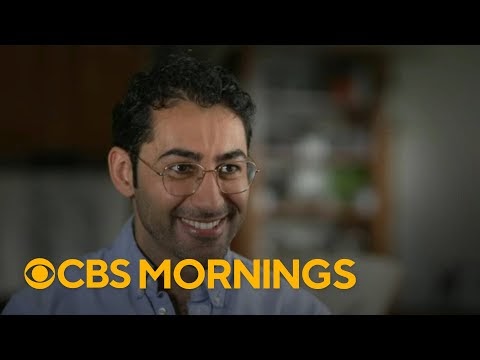
    Columbia University student Mohsen Mahdawi spoke with CBS News in his first TV interview since his release from ICE custody. He spent 16 days in detention and now awaits deportation hearings for protesting the war in Gaza.
     

    Source link

  • TN Schools Could Exclude Immigrant Kids Without Legal Status in GOP-Backed Bill – The 74

    TN Schools Could Exclude Immigrant Kids Without Legal Status in GOP-Backed Bill – The 74


    Get stories like this delivered straight to your inbox. Sign up for The 74 Newsletter
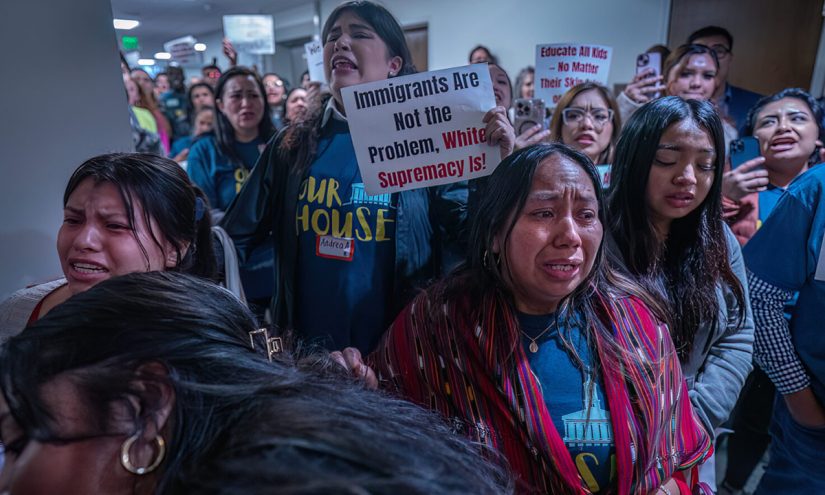
    Tennessee lawmakers on Wednesday voted to advance a bill that would require public K-12 and charter schools to verify student immigration status and allow them to bar children who cannot prove they lawfully reside in the United States unless they pay tuition.

    The 5-4 vote by the Senate Education Committee came despite the Legislature’s own fiscal analysis, which said the proposed legislation “may jeopardize federal funding to the state and to local governments” and violate the federal Civil Rights Act, which specifically prohibits discrimination based on national origin in programs receiving federal dollars. Three Republicans joined the committee’s sole Democrat in voting “no.”

    Immediately after the vote was cast, shouts of “so shameful” and “that’s trash” erupted inside the hearing room. Others, including school-age children in attendance, streamed out of the room in tears.

    The bill (HB793/SB836) by Sen. Bo Watson, a Hixson Republican, and House Majority Leader William Lamberth, a Portland Republican, says that local school districts and public charter schools “shall require” students to provide one of three forms of documentation: proof of U.S. citizenship, proof the student is in the process of obtaining citizenship or proof they have legal immigration status or a visa.

    Students who lack one of the three forms of documentation could then be barred by their local school district from enrolling unless their parents paid tuition.

    Watson,  the bill’s sponsor, said he brought the measure in response to the increasing cost to the state of providing English-as-a-second-language instruction.

    “Remember, we are not talking about people who are here lawfully,” Watson said. “What I’m trying to discuss here is the financial burden that exists with what appears to be an increasing number of people who are not lawfully here.”

    In response to a question from Sen. Raumesh Akbari of Memphis, the sole Democrat on the panel, Watson said he had received no formal request from any school official to introduce the measure.

    “In an official capacity, this is one of those issues people do not talk about,” Watson said. “This is a very difficult bill to present. It is very difficult to have all these eyes on you.”

    “In an unofficial capacity at numerous events, have people mentioned this problem to me? Absolutely,” Watson said.

    Akbari responded: “I’m from the largest school district in the state. I have not had those conversations.”

    “I am offended by this legislation,” Akbari said. “I find that it is so antithetical to the very foundation of this country….This is saying that babies – you start school at five years old – that you do not deserve to be educated.”

    The bill’s sponsors have acknowledged the measure is likely to face a legal challenge if enacted. The proposed legislation, they have said, is intended to serve as a vehicle to potentially overturn the Supreme Court’s Plyler v. Doe decision, which established a constitutional right to a public school education for all children. The 1982 decision was decided by a 5-4 vote, Watson noted.

    “Many 5-4 decisions taken to the court today might have a different outcome,” Watson said.

    The proposed legislation is part of an unprecedented slate of immigration-related bills introduced in the Tennessee legislature this year as Gov. Bill Lee and the General Assembly’s GOP supermajority seek to align with the Trump Administration’s immigration policies.

    Lee last month signed into law legislation to create a state immigration enforcement office to liaise with the Trump administration, create distinct driver’s licenses for noncitizens and levy felony charges at local elected officials who vote in favor of sanctuary policies.

    Among nearly three dozen other immigration-related bills still being considered is one to require hospitals that accept Medicaid payments to report on the immigration status of their patients. Another bill would open up charitable organizations, including churches, to lawsuits if they have provided housing services to an individual without permanent legal immigration status and that individual goes on to commit a crime.

    Following Wednesday’s hearing in the Senate Education Committee, hundreds congregated in a hallway of the Legislature, chanting “education for all” and pledged to return as the bill winds through the committee process.

    The bill “instills fear and hopelessness in these students,” said Ruby Aguilar, a Nashville teacher who testified against the bill during the hearing.  “Education is not merely a privilege, it is a shared human right every child should have access to.”

    Tennessee Lookout is part of States Newsroom, a nonprofit news network supported by grants and a coalition of donors as a 501c(3) public charity. Tennessee Lookout maintains editorial independence. Contact Editor Holly McCall for questions: [email protected].


    Get stories like these delivered straight to your inbox. Sign up for The 74 Newsletter
    Source link

  • IEl Salvador’s notorious CECOT Mega-Prison That Could House US Deportees and Possibly US Citizens (CBS News)

    IEl Salvador’s notorious CECOT Mega-Prison That Could House US Deportees and Possibly US Citizens (CBS News)

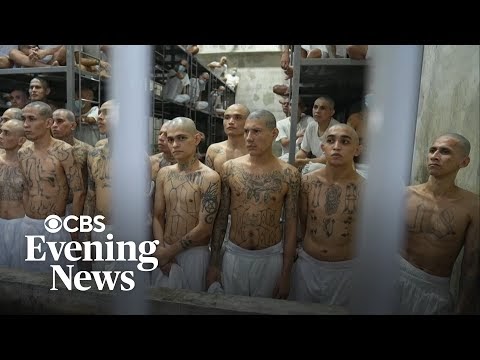
    CBS News this week got a first-hand look at El Salvador’s notorious Center for the Confinement of Terrorism, a prison that could soon house deportees (and possibly US citizens) from the U.S.  The Trump Administration is working on a deal even if it violates human rights. The images are disturbing. 

    Esta semana, CBS News pudo ver de primera mano el notorio Centro para el Confinamiento del Terrorismo de El Salvador, una prisión que pronto podría albergar a deportados (y posiblemente ciudadanos estadounidenses) de los EE. UU. La Administración Trump está trabajando en un acuerdo, incluso si viola los derechos humanos. Las imágenes son inquietantes.


    Source link

  • Student Booted from PhD Program Over AI Use (Derek Newton/The Cheat Sheet)

    Student Booted from PhD Program Over AI Use (Derek Newton/The Cheat Sheet)


    This one is going to take a hot minute to dissect. Minnesota Public Radio (MPR) has the story.

    The plot contours are easy. A PhD student at the University of Minnesota was accused of using AI on a required pre-dissertation exam and removed from the program. He denies that allegation and has sued the school — and one of his professors — for due process violations and defamation respectively.

    Starting the case.

    The coverage reports that:

    all four faculty graders of his exam expressed “significant concerns” that it was not written in his voice. They noted answers that seemed irrelevant or involved subjects not covered in coursework. Two instructors then generated their own responses in ChatGPT to compare against his and submitted those as evidence against Yang. At the resulting disciplinary hearing, Yang says those professors also shared results from AI detection software. 

    Personally, when I see that four members of the faculty unanimously agreed on the authenticity of his work, I am out. I trust teachers.

    I know what a serious thing it is to accuse someone of cheating; I know teachers do not take such things lightly. When four go on the record to say so, I’m convinced. Barring some personal grievance or prejudice, which could happen, hard for me to believe that all four subject-matter experts were just wrong here. Also, if there was bias or petty politics at play, it probably would have shown up before the student’s third year, not just before starting his dissertation.

    Moreover, at least as far as the coverage is concerned, the student does not allege bias or program politics. His complaint is based on due process and inaccuracy of the underlying accusation.

    Let me also say quickly that asking ChatGPT for answers you plan to compare to suspicious work may be interesting, but it’s far from convincing — in my opinion. ChatGPT makes stuff up. I’m not saying that answer comparison is a waste, I just would not build a case on it. Here, the university didn’t. It may have added to the case, but it was not the case. Adding also that the similarities between the faculty-created answers and the student’s — both are included in the article — are more compelling than I expected.

    Then you add detection software, which the article later shares showed high likelihood of AI text, and the case is pretty tight. Four professors, similar answers, AI detection flags — feels like a heavy case.

    Denied it.

    The article continues that Yang, the student:

    denies using AI for this exam and says the professors have a flawed approach to determining whether AI was used. He said methods used to detect AI are known to be unreliable and biased, particularly against people whose first language isn’t English. Yang grew up speaking Southern Min, a Chinese dialect. 

    Although it’s not specified, it is likely that Yang is referring to the research from Stanford that has been — or at least ought to be — entirely discredited (see Issue 216 and Issue 251). For the love of research integrity, the paper has invented citations — sources that go to papers or news coverage that are not at all related to what the paper says they are.

    Does anyone actually read those things?

    Back to Minnesota, Yang says that as a result of the findings against him and being removed from the program, he lost his American study visa. Yang called it “a death penalty.”

    With friends like these.

    Also interesting is that, according to the coverage:

    His academic advisor Bryan Dowd spoke in Yang’s defense at the November hearing, telling panelists that expulsion, effectively a deportation, was “an odd punishment for something that is as difficult to establish as a correspondence between ChatGPT and a student’s answer.” 

    That would be a fair point except that the next paragraph is:

    Dowd is a professor in health policy and management with over 40 years of teaching at the U of M. He told MPR News he lets students in his courses use generative AI because, in his opinion, it’s impossible to prevent or detect AI use. Dowd himself has never used ChatGPT, but he relies on Microsoft Word’s auto-correction and search engines like Google Scholar and finds those comparable. 

    That’s ridiculous. I’m sorry, it is. The dude who lets students use AI because he thinks AI is “impossible to prevent or detect,” the guy who has never used ChatGPT himself, and thinks that Google Scholar and auto-complete are “comparable” to AI — that’s the person speaking up for the guy who says he did not use AI. Wow.

    That guy says:

    “I think he’s quite an excellent student. He’s certainly, I think, one of the best-read students I’ve ever encountered”

    Time out. Is it not at least possible that professor Dowd thinks student Yang is an excellent student because Yang was using AI all along, and our professor doesn’t care to ascertain the difference? Also, mind you, as far as we can learn from this news story, Dowd does not even say Yang is innocent. He says the punishment is “odd,” that the case is hard to establish, and that Yang was a good student who did not need to use AI. Although, again, I’m not sure how good professor Dowd would know.

    As further evidence of Yang’s scholastic ability, Dowd also points out that Yang has a paper under consideration at a top academic journal.

    You know what I am going to say.

    To me, that entire Dowd diversion is mostly funny.

    More evidence.

    Back on track, we get even more detail, such as that the exam in question was:

    an eight-hour preliminary exam that Yang took online. Instructions he shared show the exam was open-book, meaning test takers could use notes, papers and textbooks, but AI was explicitly prohibited. 

    Exam graders argued the AI use was obvious enough. Yang disagrees. 

    Weeks after the exam, associate professor Ezra Golberstein submitted a complaint to the U of M saying the four faculty reviewers agreed that Yang’s exam was not in his voice and recommending he be dismissed from the program. Yang had been in at least one class with all of them, so they compared his responses against two other writing samples. 

    So, the exam expressly banned AI. And we learn that, as part of the determination of the professors, they compared his exam answers with past writing.

    I say all the time, there is no substitute for knowing your students. If the initial four faculty who flagged Yang’s work had him in classes and compared suspicious work to past work, what more can we want? It does not get much better than that.

    Then there’s even more evidence:

    Yang also objects to professors using AI detection software to make their case at the November hearing.  

    He shared the U of M’s presentation showing findings from running his writing through GPTZero, which purports to determine the percentage of writing done by AI. The software was highly confident a human wrote Yang’s writing sample from two years ago. It was uncertain about his exam responses from August, assigning 89 percent probability of AI having generated his answer to one question and 19 percent probability for another. 

    “Imagine the AI detector can claim that their accuracy rate is 99%. What does it mean?” asked Yang, who argued that the error rate could unfairly tarnish a student who didn’t use AI to do the work.  

    First, GPTZero is junk. It’s reliably among the worst available detection systems. Even so, 89% is a high number. And most importantly, the case against Yang is not built on AI detection software alone, as no case should ever be. It’s confirmation, not conviction. Also, Yang, who the paper says already has one PhD, knows exactly what an accuracy rate of 99% means. Be serious.

    A pattern.

    Then we get this, buried in the news coverage:

    Yang suggests the U of M may have had an unjust motive to kick him out. When prompted, he shared documentation of at least three other instances of accusations raised by others against him that did not result in disciplinary action but that he thinks may have factored in his expulsion.  

    He does not include this concern in his lawsuits. These allegations are also not explicitly listed as factors in the complaint against him, nor letters explaining the decision to expel Yang or rejecting his appeal. But one incident was mentioned at his hearing: in October 2023, Yang had been suspected of using AI on a homework assignment for a graduate-level course. 

    In a written statement shared with panelists, associate professor Susan Mason said Yang had turned in an assignment where he wrote “re write it, make it more casual, like a foreign student write but no ai.”  She recorded the Zoom meeting where she said Yang denied using AI and told her he uses ChatGPT to check his English.

    She asked if he had a problem with people believing his writing was too formal and said he responded that he meant his answer was too long and he wanted ChatGPT to shorten it. “I did not find this explanation convincing,” she wrote. 

    I’m sorry — what now?

    Yang says he was accused of using AI in academic work in “at least three other instances.” For which he was, of course, not disciplined. In one of those cases, Yang literally turned in a paper with this:

    “re write it, make it more casual, like a foreign student write but no ai.” 

    He said he used ChatGPT to check his English and asked ChatGPT to shorten his writing. But he did not use AI. How does that work?

    For that one where he left in the prompts to ChatGPT:

    the Office of Community Standards sent Yang a letter warning that the case was dropped but it may be taken into consideration on any future violations. 

    Yang was warned, in writing.

    If you’re still here, we have four professors who agree that Yang’s exam likely used AI, in violation of exam rules. All four had Yang in classes previously and compared his exam work to past hand-written work. His exam answers had similarities with ChatGPT output. An AI detector said, in at least one place, his exam was 89% likely to be generated with AI. Yang was accused of using AI in academic work at least three other times, by a fifth professor, including one case in which it appears he may have left in his instructions to the AI bot.

    On the other hand, he did say he did not do it.

    Findings, review.

    Further:

    But the range of evidence was sufficient for the U of M. In the final ruling, the panel — comprised of several professors and graduate students from other departments — said they trusted the professors’ ability to identify AI-generated papers.

    Several professors and students agreed with the accusations. Yang appealed and the school upheld the decision. Yang was gone. The appeal officer wrote:

    “PhD research is, by definition, exploring new ideas and often involves development of new methods. There are many opportunities for an individual to falsify data and/or analysis of data. Consequently, the academy has no tolerance for academic dishonesty in PhD programs or among faculty. A finding of dishonesty not only casts doubt on the veracity of everything that the individual has done or will do in the future, it also causes the broader community to distrust the discipline as a whole.” 

    Slow clap.

    And slow clap for the University of Minnesota. The process is hard. Doing the review, examining the evidence, making an accusation — they are all hard. Sticking by it is hard too.

    Seriously, integrity is not a statement. It is action. Integrity is making the hard choice.

    MPR, spare me.

    Minnesota Public Radio is a credible news organization. Which makes it difficult to understand why they chose — as so many news outlets do — to not interview one single expert on academic integrity for a story about academic integrity. It’s downright baffling.

    Worse, MPR, for no specific reason whatsoever, decides to take prolonged shots at AI detection systems such as:

    Computer science researchers say detection software can have significant margins of error in finding instances of AI-generated text. OpenAI, the company behind ChatGPT, shut down its own detection tool last year citing a “low rate of accuracy.” Reports suggest AI detectors have misclassified work by non-native English writers, neurodivergent students and people who use tools like Grammarly or Microsoft Editor to improve their writing. 

    “As an educator, one has to also think about the anxiety that students might develop,” said Manjeet Rege, a University of St. Thomas professor who has studied machine learning for more than two decades. 

    We covered the OpenAI deception — and it was deception — in Issue 241, and in other issues. We covered the non-native English thing. And the neurodivergent thing. And the Grammarly thing. All of which MPR wraps up in the passive and deflecting “reports suggest.” No analysis. No skepticism.

    That’s just bad journalism.

    And, of course — anxiety. Rege, who please note has studied machine learning and not academic integrity, is predictable, but not credible here. He says, for example:

    it’s important to find the balance between academic integrity and embracing AI innovation. But rather than relying on AI detection software, he advocates for evaluating students by designing assignments hard for AI to complete — like personal reflections, project-based learnings, oral presentations — or integrating AI into the instructions. 

    Absolute joke.

    I am not sorry — if you use the word “balance” in conjunction with the word “integrity,” you should not be teaching. Especially if what you’re weighing against lying and fraud is the value of embracing innovation. And if you needed further evidence for his absurdity, we get the “personal reflections and project-based learnings” buffoonery (see Issue 323). But, again, the error here is MPR quoting a professor of machine learning about course design and integrity.

    MPR also quotes a student who says:

    she and many other students live in fear of AI detection software.  

    “AI and its lack of dependability for detection of itself could be the difference between a degree and going home,” she said. 

    Nope. Please, please tell me I don’t need to go through all the reasons that’s absurd. Find me one single of case in which an AI detector alone sent a student home. One.

    Two final bits.

    The MPR story shares:

    In the 2023-24 school year, the University of Minnesota found 188 students responsible of scholastic dishonesty because of AI use, reflecting about half of all confirmed cases of dishonesty on the Twin Cities campus. 

    Just noteworthy. Also, it is interesting that 188 were “responsible.” Considering how rare it is to be caught, and for formal processes to be initiated and upheld, 188 feels like a real number. Again, good for U of M.

    The MPR article wraps up that Yang:

    found his life in disarray. He said he would lose access to datasets essential for his dissertation and other projects he was working on with his U of M account, and was forced to leave research responsibilities to others at short notice. He fears how this will impact his academic career

    Stating the obvious, like the University of Minnesota, I could not bring myself to trust Yang’s data. And I do actually hope that being kicked out of a university for cheating would impact his academic career.

    And finally:

    “Probably I should think to do something, selling potatoes on the streets or something else,” he said. 

    Dude has a PhD in economics from Utah State University. Selling potatoes on the streets. Come on.

    Source link