Category: Early Education

  • What I learned about Head Start in rural America

    What I learned about Head Start in rural America

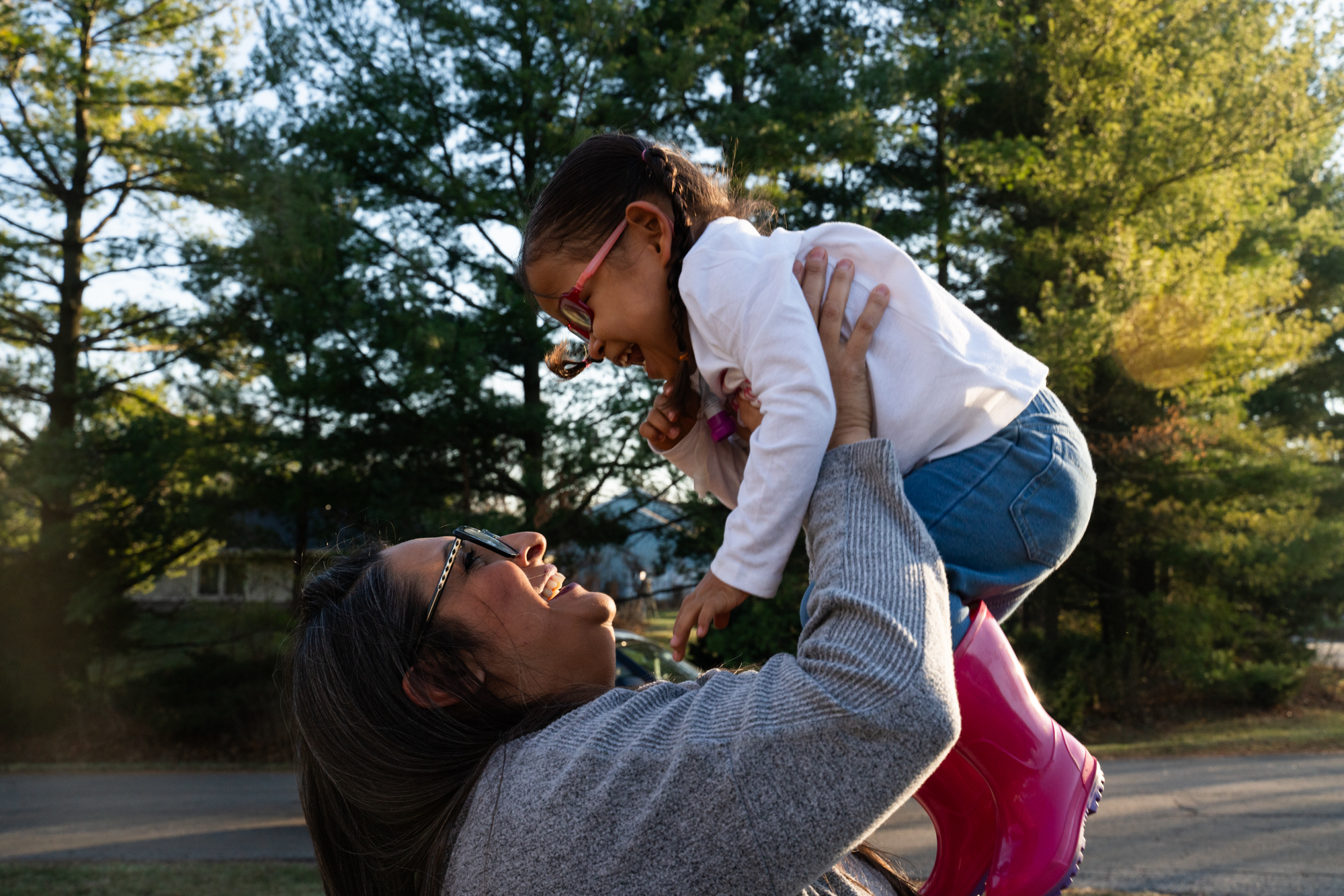
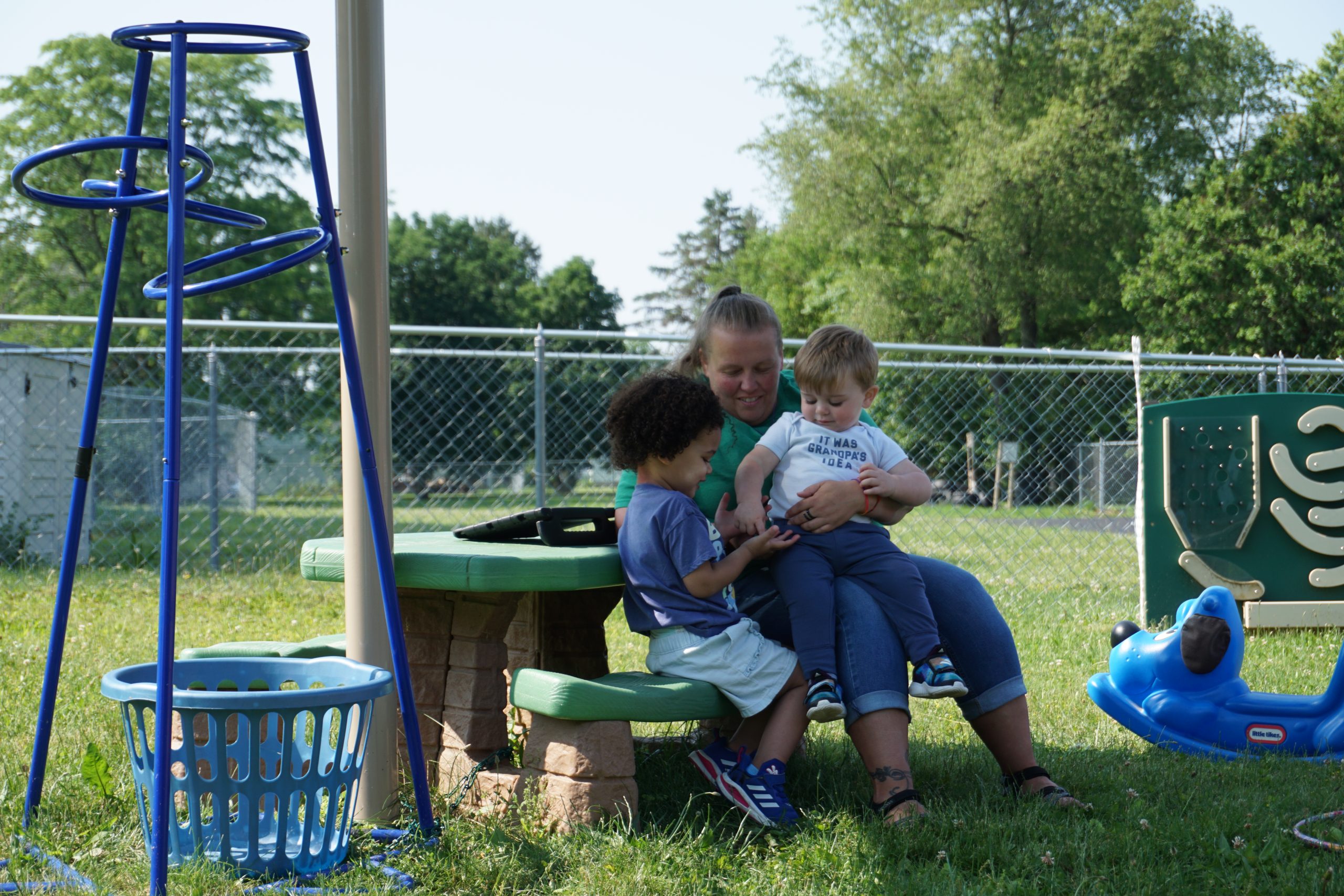
    When Starr Dixon heard the Trump administration was floating a proposal last spring to eliminate Head Start, the 27-year-old parent in rural Michigan cried for a week.

    The free, federally funded early learning program has been life-changing for her and her young daughter, she said. It provided stability after Dixon, who lives about 100 miles north of Lansing, left a yearslong abusive relationship. 

    While her 3-year-old daughter has blossomed socially, emotionally and verbally in the program during the last year and a half, Dixon has taken on numerous volunteer positions with Head Start, gaining experience that she can put on her resume after a 7-year gap in employment. She hopes to ultimately apply for a job at Head Start. 

    “It has just completely transformed my life,” she said.

    This year, I talked to people in communities across rural America and learned how Head Start is essential in places where there are few other child care options. Head Start also provides an economic boost for these areas and serves as direct support for parents, many of whom go on to volunteer for or get jobs at their local programs. 

    Related: Young children have unique needs and providing the right care can be a challenge. Our free early childhood education newsletter tracks the issues. 

    Though my reporting focused on western Ohio, parents in other parts of the country, like Dixon, shared similar stories with me about how critical Head Start is to their lives. But since January, the Trump administration has taken what some call a “death by a thousand cuts” approach to the program, firing federal staff, closing regional offices and offering no increase in spending on Head Start in budget proposals. 

    All those moves have caused chaos and upheaval. In Alabama, Jennifer Carroll, who oversees 39 Head Start sites run by the Community Action Partnership of North Alabama, told me she is reassuring the families she works with that her program’s funding is stable for at least the rest of the year. Carroll fears that if parents think Head Start funding is in jeopardy, they’ll pull their children out of the program, disrupting their learning.

    Another example: Keri Newman Allred is the executive director of Rural Utah Child Development Head Start, which operates Head Start programs spread across 17,000 square miles in central and east Utah. Newman Allred estimates her programs, which employ 91 residents and serve 317 children, can survive for one more year. After that, without more money, they will have to make cuts to the program if they want to give teachers a raise to meet inflation. 

    Related: Rural Americans rely on Head Start. Federal turmoil has them worried 

    While other Head Start programs can supplement operations with private donations, Newman Allred’s programs serve some of the most sparsely populated parts of America, known as “frontier counties,” where there are no deep-pocketed philanthropies. Her programs rely solely on federal funding. 

    In April, the Department of Government Efficiency, or DOGE, abruptly shuttered five of Head Start’s 10 regional offices. Programs in Maine that were without directors or that needed assistance with regulations, finances or federal requirements have been left to go it alone without consistent, daily support.

    “The closure of regional offices has all but crippled programs,” said Sue Powers, senior director of strategic initiatives at the Aroostook County Action Program in the rural, northernmost tip of Maine. “No one’s checking in. When you’re operating in a program that is literally in crisis, and you need [regional staff] and do not have them, it’s more than alarming.”

    Contact staff writer Jackie Mader at 212-678-3562 or [email protected].

    This story about Head Start was produced by The Hechinger Report, a nonprofit, independent news organization focused on inequality and innovation in education. Sign up for the Hechinger newsletter.

    The Hechinger Report provides in-depth, fact-based, unbiased reporting on education that is free to all readers. But that doesn’t mean it’s free to produce. Our work keeps educators and the public informed about pressing issues at schools and on campuses throughout the country. We tell the whole story, even when the details are inconvenient. Help us keep doing that.

    Join us today.

    Source link

  • Helping kids learn how their brains work

    Helping kids learn how their brains work

    What if improving children’s mental health — and life outcomes — could be done by teaching kids how their brains work?

    That’s a key idea behind the approach of teachers at Momentous School in Dallas, a private elementary school that serves 225 students, most of whom come from low-income families. Each day, educators present lessons on neuroscience and mindfulness, from the youngest learners all the way up to fifth graders. 

    Preschoolers in the school’s 3-year-old classroom learn about the brain by singing “The Brain Song” to the tune of “Bingo” (“I have a brain in my head/And it’s for thinking”). They practice mindfulness by lying down with stuffed animals on their stomachs and watching them move up and down as they breathe.

    Older students learn calming strategies like slowly counting each finger on their hands while breathing in and out. Classrooms offer tactile models of the brain to help students learn about different parts such as the prefrontal cortex, which controls such processes as executive function and problem solving, and the brain stem, which regulates breathing and blood pressure.

    This focus on mindfulness is happening in schools across the country, according to the Child Mind Institute, a nonprofit focused on children’s mental health. Experts say the goal is teaching self-awareness and regulation.

    “Once the kids feel they can calm themselves, even just through breathing it’s like the ‘wow’ moment,” said Rick Kinder, creator of a mindfulness program called “Wellness Works in Schools,” in an article by the Child Mind Institute.

    At Momentous School, conversations about the brain continue throughout the day, as teachers can be heard encouraging students to identify their emotions or asking, “What’s your amygdala saying to you in this moment?” according to Jessica Gomez, a psychologist and executive director of Momentous Institute, the Dallas-based mental health nonprofit that operates the school. (The amygdala processes emotions in the brain.)

    Through these frequent discussions and additional lessons on mental health and healthy relationships, teachers are “trying to normalize these things as part of the human condition versus something that is stigmatizing,” Gomez said. The school also holds regular parent nights to educate families on how the brain works and teach emotional regulation strategies that families can practice together at home.

    Momentous School, which launched in 1997 and is funded by philanthropic donations, was developed to put into practice mental health and brain science research from Momentous Institute*. A recent study by Momentous Institute and the Center for BrainHealth at the University of Texas at Dallas found this approach may be contributing to positive outcomes for graduates of the school. Of the 73 Momentous School students who went on to graduate from high school in 2016 through 2018, 97 percent earned a high school diploma and 48 percent earned a college degree.

    These findings come at a time when lessons on emotions, relationships and social awareness, often referred to as social and emotional learning, have become a flashpoint in education and culture wars. Studies show such lessons can improve academic performance: Other researchers unaffiliated with Momentous School have also found that teaching about the brain can provide motivation for students and improve academic and social development. 

    As teachers and students head back to school and face new routines and social situations, now is a good time to build relationships and introduce even young students to ideas about how their brain works, Gomez said. Although many students at Momentous deal with challenges such as poverty, she believes that the school’s emphasis on mental health and brain science has helped families to better cope with those pressures. 

    “The point isn’t to never have stress in your life, it’s to know what to do with it,” Gomez said. “Children and parents having agency and tools helps them know how to navigate life stressors, which has a buffering effect on their brain.” 

    *Clarification: This story has been updated to clarify that Momentous School was developed based on research by Momentous Institute.

    Contact staff writer Jackie Mader at 212-678-3562 or [email protected].

    This story about neuroscience in education was produced by The Hechinger Report, a nonprofit, independent news organization focused on inequality and innovation in education. Sign up for the Hechinger newsletter.

    The Hechinger Report provides in-depth, fact-based, unbiased reporting on education that is free to all readers. But that doesn’t mean it’s free to produce. Our work keeps educators and the public informed about pressing issues at schools and on campuses throughout the country. We tell the whole story, even when the details are inconvenient. Help us keep doing that.

    Join us today.

    Source link

  • We cannot afford to dismantle Head Start, a program that builds futures, strengthens families and delivers proven returns

    We cannot afford to dismantle Head Start, a program that builds futures, strengthens families and delivers proven returns

    The first words I uttered after successfully defending my dissertation were, “Wow, what a ride. From Head Start to Ph.D.!” Saying them reminded me where it all began: sitting cross-legged with a picture book at the Westside Head Start Center, just a few blocks from my childhood home in Jackson, Mississippi. 

    I don’t remember every detail from those early years, but I remember the feeling: I was happy at Head Start. I remember the books, the music, the joy. That five-minute bus ride from our house to the Westside Center turned out to be the shortest distance between potential and achievement. 

    And my story is not unique. Every year, hundreds of thousands of children — kids whose names we may never know, though our futures depend on them — walk through Head Start’s doors. Like me, they find structure, literacy, curiosity and belonging.  

    For many families, Head Start is the first place outside the home where a child’s potential is nurtured and celebrated. Yet, this program that builds futures and strengthens families is now under threat, and it’s imperative that we protect it. 

    Years later, while training for high school cross-country meets, I’d run past the park next to the center and pause, flooded with memories. Head Start laid the foundation for everything that followed. It gave me structure, sparked my curiosity and built my early literacy skills. It even fed my short-lived obsession with chocolate milk.  

    More than that, Head Start made me feel seen and valued. 

    Related: A lot goes on in classrooms from kindergarten to high school. Keep up with our free weekly newsletter on K-12 education. 

    There’s a clear, unbroken line between the early lessons I learned at Head Start and the doctoral dissertation I defended decades later. Head Start didn’t just teach me my ABCs — it taught me that learning could be joyful, that I was capable and that I belonged in a classroom.  

    That belief carried me through elementary school, Yale and George Washington University and to a Ph.D. in public policy and public administration. Now, as part of my research at the Urban Institute, I’m working to expand access to high-quality early learning, because I know firsthand what a difference it makes.  

    Research backs up what my story shows: Investments in Head Start and high-quality early childhood education change lives by improving health and educational achievement in later years, and benefit the economy. Yet today there is growing skepticism about the value of Head Start, reflecting an ongoing reluctance to give early childhood education the respect it deserves.  

    If Head Start funding is cut, thousands of children — especially from communities like mine in Jackson, where families worked hard but opportunities were limited — could lose access to a program that helps level the playing field. These are the children of young parents and single parents, of working families who may not have many other options but still dare to dream big for their kids.  

    And that is why I am worried. Funding for Head Start has been under threat. Although President Donald Trump’s proposed fiscal 2026 budget would maintain Head Start funding at its current $12.3 billion, Project 2025, the influential conservative policy document, calls for eliminating the program. The administration recently announced that Head Start would no longer enroll undocumented children, which a group of Democratic attorneys general say will force some programs to close.  

    Related: Head Start is in turmoil 

    I feel compelled to speak out because, for our family, Head Start wasn’t just a preschool — it was the beginning of everything. For me, it meant a future I never could have imagined. For my mother, Head Start meant peace of mind — knowing her son was in a nurturing, educational environment during the critical developmental years. My mother, Nicole, brought character, heart and an unwavering belief in my potential — and Head Start helped carry that forward. 

    My mother was just 18 when she enrolled me in Head Start. “A young mother with big dreams and limited resources,” she recounted to me recently, adding that she had “showed up to an open house with a baby in my arms and hope in my heart.” 

    Soon afterward, Mrs. Helen Robinson, who was in charge of the Head Start in Jackson, entered our lives. She visited our home regularly, bringing books, activities and reassurance. A little yellow school bus picked me up each morning. 

    Head Start didn’t just support me, though. It also supported my mother and gave her tips and confidence. She took me to the library regularly and made sure I was always surrounded by books and learning materials that would challenge and inspire me. 

    It helped my mother and countless others like her gain insight into child development, early learning and what it means to advocate for their children’s future.  

    Twenty-five years after those early mornings when I climbed onto the Head Start bus, we both still think about how different our lives might have been without that opportunity. Head Start stood beside us, and that support changed our lives. 

    As we debate national priorities, we must ask ourselves: Can we afford to dismantle a program that builds futures, strengthens families and delivers proven returns? 

    My family provides living proof of Head Start’s power.  

    This isn’t just our story. It is the story of millions of others and could be the story of millions more if we choose to protect and invest in what works. 

    Travis Reginal holds a doctorate in public policy and public administration and is a graduate of the Head Start program, Yale University and George Washington University. He is a former Urban Institute researcher. 

    Contact the opinion editor at [email protected]. 

    This story about the Head Start funding was produced by The Hechinger Report, a nonprofit, independent news organization focused on inequality and innovation in education. Sign up for Hechinger’s weekly newsletter. 

    The Hechinger Report provides in-depth, fact-based, unbiased reporting on education that is free to all readers. But that doesn’t mean it’s free to produce. Our work keeps educators and the public informed about pressing issues at schools and on campuses throughout the country. We tell the whole story, even when the details are inconvenient. Help us keep doing that.

    Join us today.

    Source link

  • Landmark free preschool program reaches too few kids

    Landmark free preschool program reaches too few kids

    In the 1980s, a public interest law group sued the state of New Jersey, saying that the way it funded education left its low-income, urban school districts at a disadvantage compared to wealthier, suburban districts.

    The lawsuit, Abbott v. Burke, yielded a number of different decisions, including a requirement that the state offer free, full-day, high-quality preschool for children ages 3 and 4 in 31 school districts.

    This new school year marks the 26th since the program was created. Researchers have found that children who attend the preschool program are better prepared for school later on, but enrollment has been dwindling. And with New Jersey leaders now focused on bringing preschool to all districts, supporters worry that the early learning program focused on children in low-income areas may not get the attention it needs.

    Park perk for kids

    Did you know every fourth grader and their family can get free admission to national parks, monuments and forests? The Sierra Club’s Outdoors for All program launched in 2015 and offers free passes each school year. Vouchers for students can be downloaded through the program’s official website. 

    This story about free preschool was produced by The Hechinger Report, a nonprofit, independent news organization focused on inequality and innovation in education. Sign up for the early childhood  newsletter.

    The Hechinger Report provides in-depth, fact-based, unbiased reporting on education that is free to all readers. But that doesn’t mean it’s free to produce. Our work keeps educators and the public informed about pressing issues at schools and on campuses throughout the country. We tell the whole story, even when the details are inconvenient. Help us keep doing that.

    Join us today.

    Source link

  • 4-Year-Olds Now Eligible – The 74

    4-Year-Olds Now Eligible – The 74


    Join our zero2eight Substack community for more discussion about the latest news in early care and education. Sign up now.

    This story was originally published by CalMatters. Sign up for their newsletters.

    Break out the crayons and finger paint: Every 4-year-old in California is now eligible for transitional kindergarten.

    Fifteen years after a handful of school districts opened the first TK classrooms, California now has the largest — and fastest growing — early education program in the country. At least 200,000 youngsters will attend TK this fall, enjoying low teacher-student ratios, age-appropriate curriculum and plenty of music, art and circle time.

    “This really is something to celebrate,” said Carolyne Crolotte, policy director for Early Edge California, an advocacy group. “Now, there’s no question about who’s eligible and who isn’t. Everyone is eligible.”

    TK is meant to be a bridge between preschool and kindergarten, preparing 4-year-olds for the routine and expectations of elementary school while honing their social skills and self-confidence. In TK, children learn how to make friends, write their names and do basic math. Mostly, they’re supposed to fall in love with learning.

    Source link

  • After Hechinger story, Illinois passes law requiring hospitals to connect parents of premature infants with life-changing therapies

    After Hechinger story, Illinois passes law requiring hospitals to connect parents of premature infants with life-changing therapies

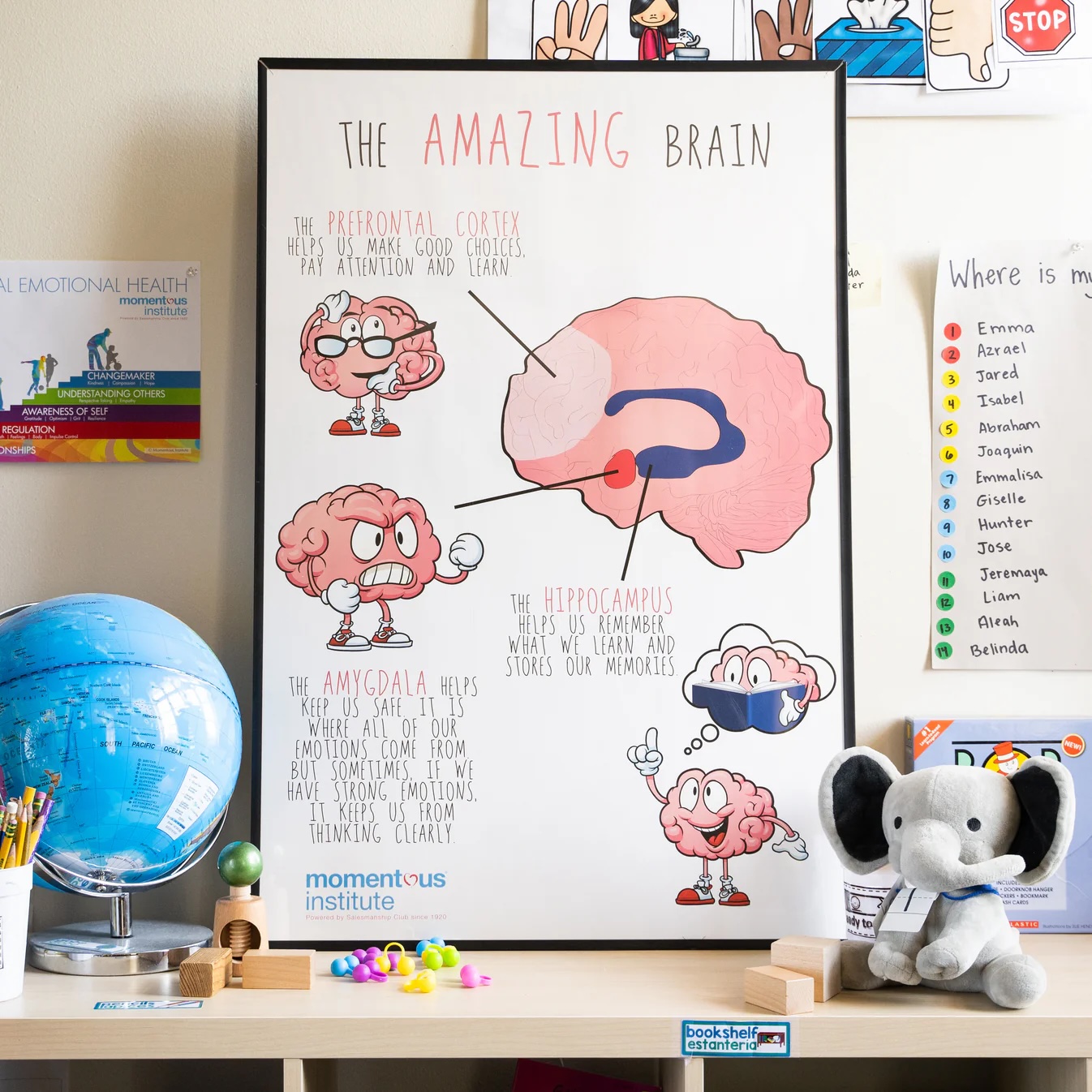
    Illinois hospital staff will soon be required by law to refer parents of severely premature infants to services that can help prevent years of intensive and expensive therapy later, when the children are older. The new law follows reporting from The Hechinger Report that exposed how hospitals often fail to connect many eligible parents to these opportunities for their children after they leave neonatal intensive care units.

    Earlier this year, Hechinger contributor Sarah Carr wrote about how, across the country, far too few parents are made aware of the kinds of therapies their babies are entitled to under federal law. Such early intervention services can ultimately reduce the need for these children to require costly special education support as schoolchildren. 

    Carr noted: “Federal law says children with developmental delays, including newborns with significant likelihood of a delay, can get early intervention from birth to age 3. States design their own programs and set their own funding levels, however. They also set some of the criteria for which newborns are automatically eligible, typically relying on qualifying conditions like Down syndrome or cerebral palsy, extreme prematurity or low birthweight. Nationally, far fewer infants and toddlers receive the therapies than should. The stats are particularly bleak for babies under the age of 1: Just 1 percent of these infants get help. Yet an estimated 13 percent of infants and toddlers likely qualify.”

    After the Hechinger Report story was published, Illinois state Rep. Janet Yang Rohr authored legislation to require that hospitals distribute materials informing parents of premature and low birth weight babies about their eligibility for early intervention therapies. The bill also required that hospitals make a nurse or physical therapist available to explain these rights to families.

    Related: Young children have unique needs and providing the right care can be a challenge. Our free early childhood education newsletter tracks the issues. 

    “The problem is that these families often don’t know about these services,” Yang Rohr said last spring, after her chamber passed the bill. “So this bill improves that early intervention process by requiring NICU staff to share information about these services and requires hospital staff to write a referral to these programs for families that are eligible.”

    Illinois Representative Janet Yang Rohr Credit: ILGA

    Illinois Gov. JB Pritzker signed that bill into law earlier this month. It takes effect in January. 

    Carr also wrote: “The stakes are high for these fragile, rapidly growing babies and their brains. Even a few months of additional therapy can reduce a child’s risk of complications and make it less likely that they will struggle with talking, moving and learning down the road. In Chicago and elsewhere, families, advocates and physicians say a lot of the failures boil down to overstretched hospital and early intervention delivery systems that are not always talking with families very effectively, or with each other hardly at all. ‘They really put the onus of helping your child get better outcomes on you,’ said Jaclyn Vasquez, an early childhood consultant who has had three babies of her own spend time in the NICU.”

    “Early intervention is life-changing for many families, as these programs provide critical services and therapies as children develop,” Illinois state Sen. Ram Villivalam said when the bill was sent to Pritzker. “But, these services can only benefit those they are able to reach, which means uplifting the program and expanding its outreach to those who need it is imperative.”

    Contact editor Nirvi Shah at 212-678-3445, securely on Signal at NirviShah.14 or via email at [email protected].

    This story about premature infants was produced by The Hechinger Report, a nonprofit, independent news organization focused on inequality and innovation in education. Sign up for the Hechinger newsletter.
    The Hechinger Report provides in-depth, fact-based, unbiased reporting on education that is free to all readers. But that doesn’t mean it’s free to produce. Our work keeps educators and the public informed about pressing issues at schools and on campuses throughout the country. We tell the whole story, even when the details are inconvenient. Help us keep doing that.

    Join us today.

    Source link

  • What Trump’s education cuts mean for literacy

    What Trump’s education cuts mean for literacy

    This podcast, Sold a Story, was produced by APM Reports and reprinted with permission.

    There’s an idea about how children learn to read that’s held sway in schools for more than a generation – even though it was proven wrong by cognitive scientists decades ago. Teaching methods based on this idea can make it harder for children to learn how to read. In this new American Public Media podcast, host Emily Hanford investigates the influential authors who promote this idea and the company that sells their work. It’s an exposé of how educators came to believe in something that isn’t true and are now reckoning with the consequences – children harmed, money wasted, an education system upended.

    Episode 14: The Cuts

    Education research is at a turning point in the United States. The Trump administration is slashing government funding for science and dismantling the Department of Education. We look at what the cuts mean for the science of reading — and the effort to get that science into schools.

    This podcast, Sold a Story, was produced by  APM Reports and reprinted with permission.

    The Hechinger Report provides in-depth, fact-based, unbiased reporting on education that is free to all readers. But that doesn’t mean it’s free to produce. Our work keeps educators and the public informed about pressing issues at schools and on campuses throughout the country. We tell the whole story, even when the details are inconvenient. Help us keep doing that.

    Join us today.

    Source link

  • Racial bias affects early math education. Researchers are trying to stop that

    Racial bias affects early math education. Researchers are trying to stop that

    The early years are a critical time to teach the foundations of math. That’s when children learn to count, start identifying shapes and gain an early understanding of concepts like size and measurement. These years can also be a time when children are confronted with preconceived notions of their abilities in math, often based on their race, which can negatively affect their math success and contribute to long-standing racial gaps in scores. 

    These are some of the motivating factors behind the Racial Justice in Early Math project, a collaboration between the Erikson Institute, a private graduate school focused on child development, and the University of Illinois Chicago. The project aims to educate teachers and provide resources including books, teacher tips and classroom activities that help educators combat racial bias in math instruction.  

    I sat down with Danny Bernard Martin, professor of education and mathematics at the University of Illinois Chicago, project director Priscila Pereira and Jennifer McCray, a research professor at the Erikson Institute, to learn more about their work. This conversation has been edited for length and clarity.

    What are some of the key examples of racial injustice that you see in early math education?

    Martin: If I say to you, ‘Asians are good at math,’ that’s something that you’ve heard, we know that’s out there. When does that kind of belief start? Well, there’s something called ‘racial-mathematical socialization’ that we take seriously in this project, that we know happens in the home before children come to school. Parents and caregivers are generating messages around math that they transmit to children, and then those messages may get reinforced in schools.

    Even at the early math level, there are research projects beginning to construct Black children in particular ways, comparing Black children to white children as the norm. That is a racial justice issue, because that narrative about white children, Black children, Asian American children, Latinx children, then filters out. It becomes part of the accepted truth, and then it impacts what teachers do and what principals and school leaders believe about children.  

    What does this look like in schools?

    McCray: Perhaps the math curriculum doesn’t represent them or their experience. We all know that often schools for children of color are under-resourced. What often happens in under-resourced schools is that the curriculum and the teaching tends to focus on the basics. There might be an overemphasis on drilling or doing timed tests. We also have those situations where people are doing ability grouping in math. And we know what the research says about that, it’s basically ‘good education for you, and poor education for you.’ It’s almost impossible to do any of that without doing harm. 

    One line of research has been to watch teachers interact with children and videotape or study them. And in diverse classrooms with white teachers … often it is observed that children who are Black or Latina aren’t called on as often, or aren’t listened to as much, or don’t have the same kind of opportunity to be a leader in the classroom.  

    What should teacher prep programs, administrators and families do to address racial justice issues in early math? 

    McCray: Maybe the white teacher is reflecting on themselves, on their own biases … trying to connect with families or communities in some way that’s meaningful. We want teachers to have that balance of knowing that sometimes you do want to teach a procedure, but you never want to be shutting down ideas for creative ways to solve a math problem, or culturally distinct ways to solve a math problem that might come from your students.

    It might be something like, you’re working on sorting in an early childhood classroom. And what if a child is thinking about a special craft that their parent does that’s like the [papel picado], or papers that get cut in very elaborate designs in Mexico. … If the teacher doesn’t have space to listen, it could be a shutdown moment, instead of a moment of connection, where the child is actually bringing something … that is associated with their own identity.

    Pereira: I do feel that sometimes the conversations of racial justice really put the weight on teachers and teachers alone. Teaching is part of a larger structure. Maybe your school will not allow you to do the work that is needed. I’m thinking about [a teacher] who was required to follow a scripted curriculum that did not promote the positive math identity for Black children. It needs to be a whole community effort.

    How is your initiative changing this?

    Pereira: There are resources in terms of opportunities that we offer to teachers to engage with our content and ideas: webinars, a fellowship and an immersive learning experience in the summer of 2026. These spaces are moments in which educators, researchers and people that are engaged in the education of young learners, can come together … and disrupt mainstream notions of understanding what is racial justice and how one gets that in the classroom.  

    Right now, research and initiatives zeroing in on race are under scrutiny, especially at the college level. Do you foresee any additional challenges to this work?

    Pereira: There was a National Science Foundation grant program focused on racial equity in STEM and we had been planning to apply for funds to do something there. … It’s gone. … The only place we’re welcome is where there’s a governor who is willing to take on Trump. We just have to keep doing the work, because we know what’s right. But it is challenging, for sure.

    Contact staff writer Jackie Mader at 212-678-3562 or [email protected]

    This story about racial justice in math was produced by The Hechinger Report, a nonprofit, independent news organization focused on inequality and innovation in education. Sign up for the Early Childhood newsletter.

    The Hechinger Report provides in-depth, fact-based, unbiased reporting on education that is free to all readers. But that doesn’t mean it’s free to produce. Our work keeps educators and the public informed about pressing issues at schools and on campuses throughout the country. We tell the whole story, even when the details are inconvenient. Help us keep doing that.

    Join us today.

    Source link

  • Black fathers should not be perceived as a threat when they show up for their children

    Black fathers should not be perceived as a threat when they show up for their children

    Across the country, Black fathers are too often seen as a threat when they speak up and advocate for their children. And it’s not just in courtrooms and on sidewalks — it’s happening in classrooms, daycares and schools. 

    I’ve spent my career in education and equity leadership, and I know this is part of a larger, troubling pattern. When Black parents — especially men — assert themselves in spaces not designed for them, they are too often perceived as “aggressive.”  

    Their advocacy is sometimes interpreted as “rude,” and their presence is framed as disruption rather than partnership, something that has played out in my own experience as a proud Black father of three.  

    This isn’t about one parent or teacher or even one moment. It’s about what happens when systems designed to support children carry embedded racial assumptions. 

    Related: A lot goes on in classrooms from kindergarten to high school. Keep up with our free weekly newsletter on K-12 education. 

    I’ll never forget picking my kids up from daycare during a lice outbreak. My wife and I had no experience dealing with lice, and I asked a few questions — just trying to understand what to expect. Instead of getting reassurance or guidance, I was met with suspicion, even subtle blame.  

    Or the time I raised a safety concern about an emotional child in my son’s class who had a pattern of throwing chairs. Rather than treating my concern as legitimate, it was brushed off — as if I were overreacting.  

    In both cases, my presence and voice weren’t welcomed. They were managed. 

    In a society in which Black men are still fighting to be seen as full participants in their children’s lives, we cannot ignore the role that bias plays in shaping who gets welcomed, who gets questioned and who gets believed. Daycares, schools, courts and society at large must actively affirm and restore the voices of Black fathers, rather than dismiss them. 

    Too often, Black men are portrayed as threats or criminals — rather than as nurturers and protectors. These images become mentally entrenched, shaping public attitudes and institutional responses. This persistent framing contributes to a cultural blind spot that brings confusion to the presence of Black fathers and negatively affects how they are treated in schools, courts and communities. 

    Nationally, for example, Black families are disproportionately reported to child protective services, even when controlling for income or neighborhood factors.  

    Despite this anti-Black bias, Black fathers defy stereotypes every day. Black dads, on average, are actually more involved in daily caregiving than fathers of other racial backgrounds, the National Health Statistics Reports from the Centers for Disease Control and Prevention notes. Yet media representation has not caught up with this reality.  

    As a student pursuing a doctorate in education leadership and policy, I study how identity shapes access to opportunity. And I know that bias against Black men starts early — when we are boys. A 2016 Yale Child Study Center report found that preschool teachers, regardless of race, were more likely to monitor Black boys for misbehavior — even when no misbehavior was apparent. 

    And in Indiana, studies highlight that nearly four out of every five Black children in the state will be investigated for suspected maltreatment. 

    Related: 7 realities for Black students in America, 70 years after Brown 

    These are not just statistical disparities — they’re stories of fractured trust between families and the institutions meant to serve them.  

    I have explored the concept of “mega-threats” introduced by researchers Angelica Leigh and Shimul Melwani — high-profile, identity-relevant events that trigger lasting psychological stress for people who share that identity. Though typically used to describe major public tragedies, these threats can be individual and personal, too. When a Black father sees himself reduced to a stereotype — his parenting undercut, his words distorted — it becomes an embodied threat, one that lingers and works to fulfill the myth that Black fathers are absent. These corrosive interactions run counter to the heroic influence and legacy that Black men have within their communities as warm demanders — men who emphatically build relationships and uphold high expectations. 

    If we want to support children, we must support their families. That means ensuring that early childhood professionals are trained not just in child development but in cultural competence and anti-bias practices. It means separating assumptions from observations when writing reports.  

    And it means reflecting on how language like “rude” or “aggressive” can carry racial undertones that reinforce long-standing stereotypes. 

    In my work as an educator, leader and former coach, I’ve partnered with countless families across race and class lines. What all parents want — especially those from marginalized communities — is the assurance that when they show up, they’ll be heard, not judged. That their questions will be met with respect, not suspicion. 

    If we truly believe in family engagement, we must be honest about the ways our systems still punish the very people we say we want more of. Black fathers are showing up.  

    The question is: are we ready to see them clearly? 

    Craig Jordan is an educator and doctoral student at Vanderbilt University’s Peabody College. A native of Gary, Indiana, he writes about equity, identity and systemic change in education. His work has been featured in IndyStar and Yahoo News. 

    Contact the opinion editor at [email protected]. 

    This story about Black fathers was produced by The Hechinger Report, a nonprofit, independent news organization focused on inequality and innovation in education. Sign up for Hechinger’s weekly newsletter.

    The Hechinger Report provides in-depth, fact-based, unbiased reporting on education that is free to all readers. But that doesn’t mean it’s free to produce. Our work keeps educators and the public informed about pressing issues at schools and on campuses throughout the country. We tell the whole story, even when the details are inconvenient. Help us keep doing that.

    Join us today.

    Source link

  • How some states are keeping children with disabilities in child care

    How some states are keeping children with disabilities in child care

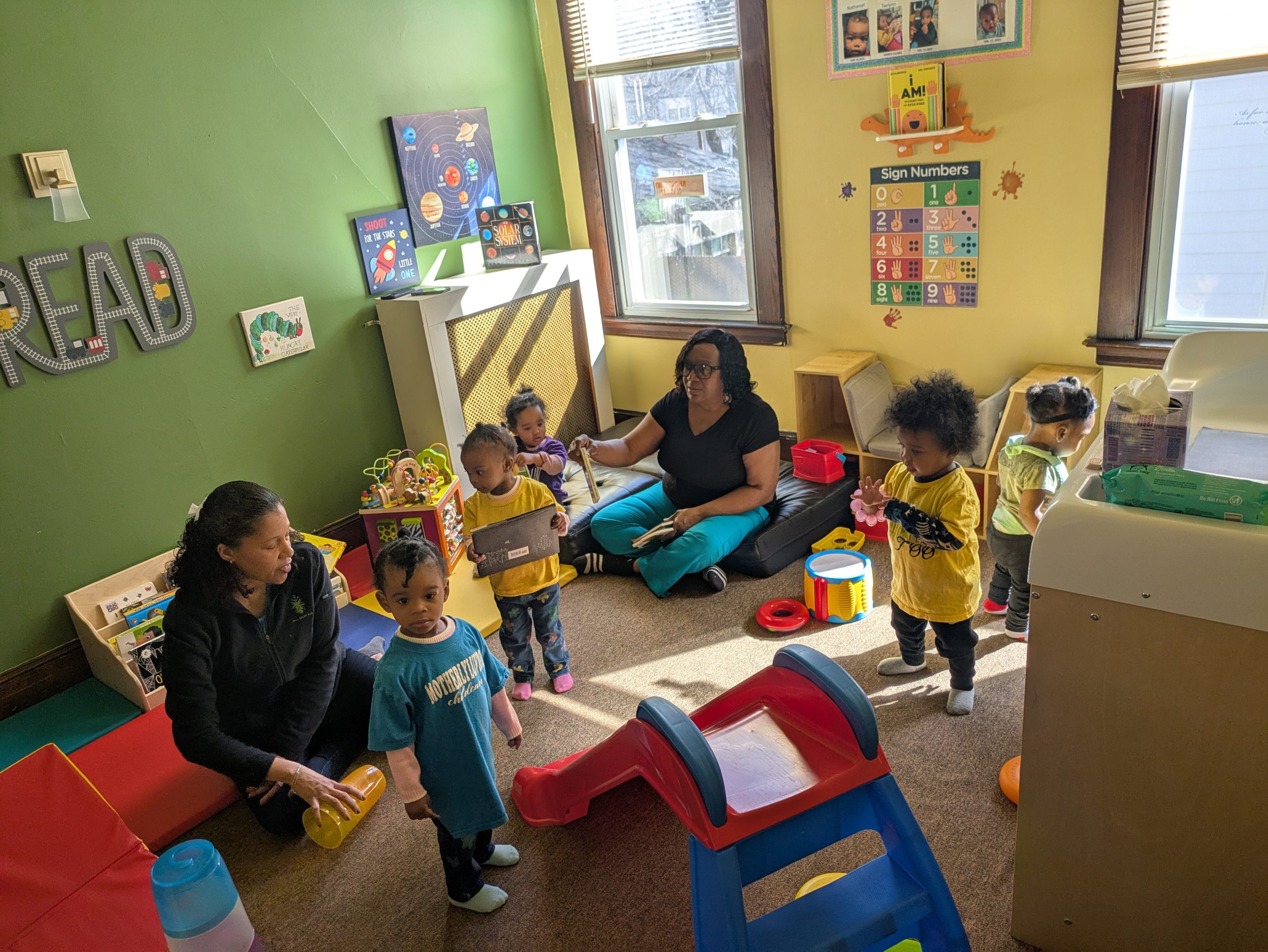
    Selina Likely, a child care director in Columbus, Ohio, understands the desperation that parents feel when they can’t find a good placement for their children with disabilities. When Likely’s daughter was a child, the little girl was abruptly kicked out of her daycare center for biting, leaving her mother with little recourse.

    “I was so angry and mad at the time,” said Likely, whose daughter is now an adult. “How are you going to kick out a 1-year-old?”

    Thanks to a new state initiative, Likely and other child care providers like her can now receive additional training on how to support children with disabilities, who are far more likely than other children to be expelled from child care programs. Some states have similar programs, with the ultimate goal of creating more child care slots where young children with disabilities and delays can thrive.


    How Hechinger inspired a bill

    Earlier this year, my colleague Sarah Carr published a piece revealing that in Illinois and other states many families of premature babies are leaving the hospital with no information or guidance on critical therapies they are entitled to. In June, the Illinois Legislature passed a bill that would require hospitals to distribute detailed information on early intervention — those required therapies for babies and toddlers with disabilities and developmental delays — to most families with severely premature infants. The new law was proposed by state Rep. Janet Yang Rohr after Sarah’s story was published.

    The bill, which awaits action by the governor, would also require the state’s early childhood systems to prioritize, in a public awareness campaign, the early identification of infants who automatically qualify for the therapies because of their low birth weight.

    This story about children with disabilities was produced by The Hechinger Report, a nonprofit, independent news organization focused on inequality and innovation in education. Sign up for the Hechinger newsletter.
    The Hechinger Report provides in-depth, fact-based, unbiased reporting on education that is free to all readers. But that doesn’t mean it’s free to produce. Our work keeps educators and the public informed about pressing issues at schools and on campuses throughout the country. We tell the whole story, even when the details are inconvenient. Help us keep doing that.

    Join us today.

    Source link