

Category: Edition 12

  • Educators Speak: Interview – Ei Study

    Educators Speak: Interview – Ei Study

    “It takes a village to raise a child.” In a residential school, this is not a proverb — it’s daily life. Everyone has a role, and each contribution matters.

    A teacher can teach hygiene, but a caretaker helps a young girl practice it. We can hold sessions on menstrual health, but when a child experiences it for the first time, she needs a motherly figure, not a presentation. We may put energy-conservation charts in classrooms, but it’s in the kitchen and cooking classes where these ideas are lived and understood.

    A residential school is really a modern-day gurukul. Growth is stitched into simple routines — making their beds, cleaning their rooms, doing their dishes, learning with a study buddy, and living peacefully with peers from different backgrounds.

    A caretaker reminding them to tidy up, a kitchen staff member urging them to try a new vegetable, a warden sitting with them after a tough day — each one shapes the child quietly.

    Our girls often say they miss the hostel more than the school building, because that’s where they truly grew. That’s the magic of a residential setup: the environment becomes the teacher, and adults simply keep the child aligned to the right path.
    Source link

  • Edu – Praxis – Ei Study

    Edu – Praxis – Ei Study

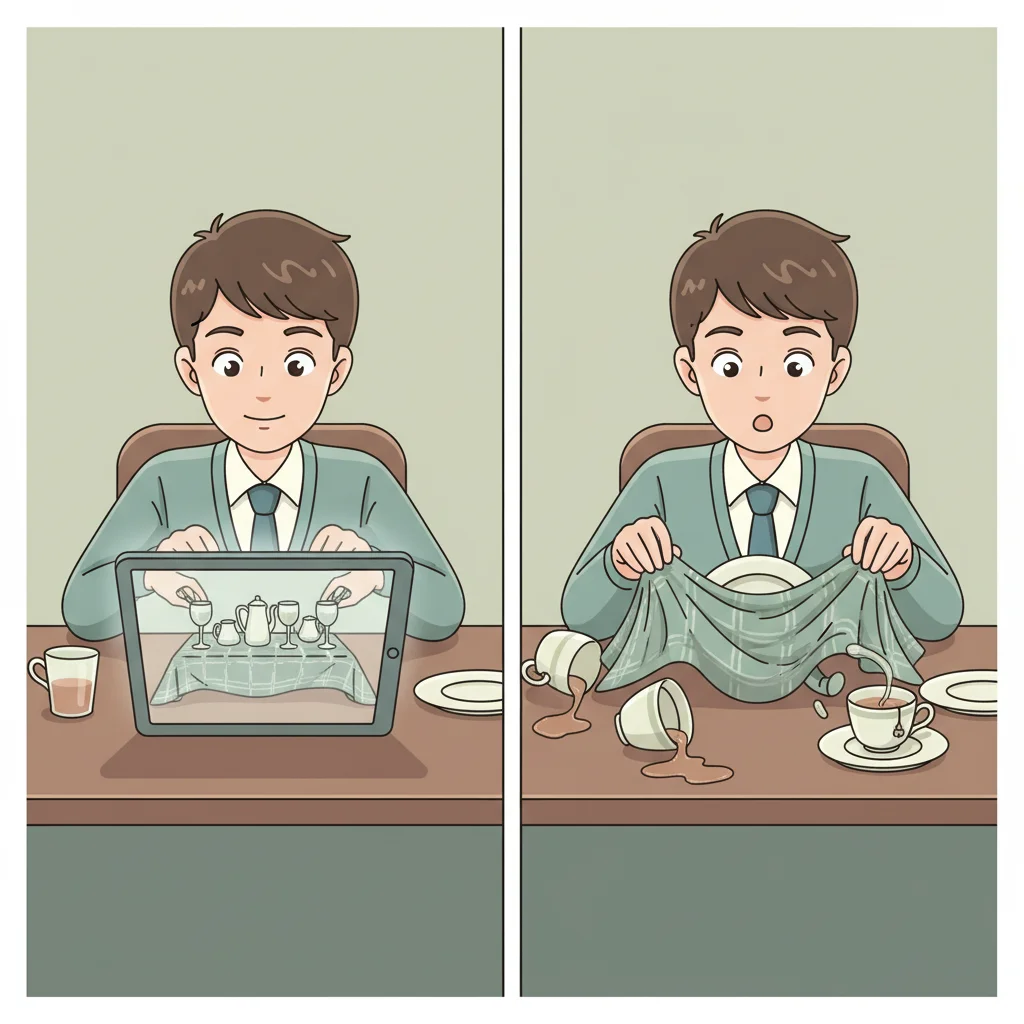
    Other evidence suggests that even watching a skilled performer from multiple angles and in slow motion is not enough to master a skill from sight alone, as “no matter how many times people watch a performance, they never gain one critical piece: the feeling of doing”. Research does suggest that observing others is better than doing nothing, but to really develop talents and expertise requires many hours of deliberate practice.

    A recent survey asked students which of the following five options would they first seek and then use most to help them learn new material. The options were a) watching others perform the task, b) reading about it or c) hearing the instructions. Overall, watching others perform was reported as the go to strategy, the easiest to process and the most effective. The results from this study suggest that this may not be a wise choice. As the researchers of the study conclude, “while people may feel they are acquiring the skills that athletes, artists and technicians perform in front of their eyes, often these skills may be easier seen than done”.

    Source link