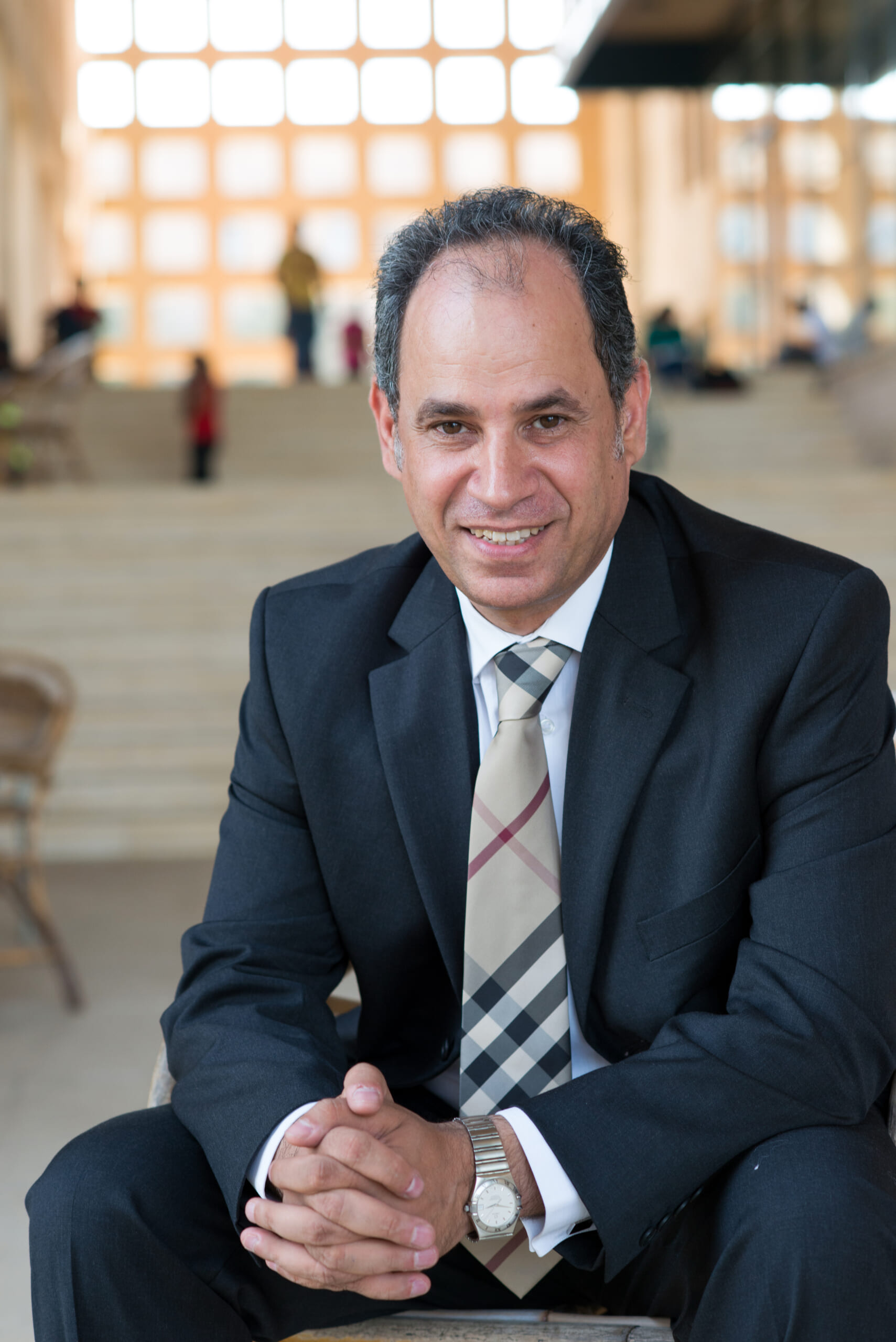
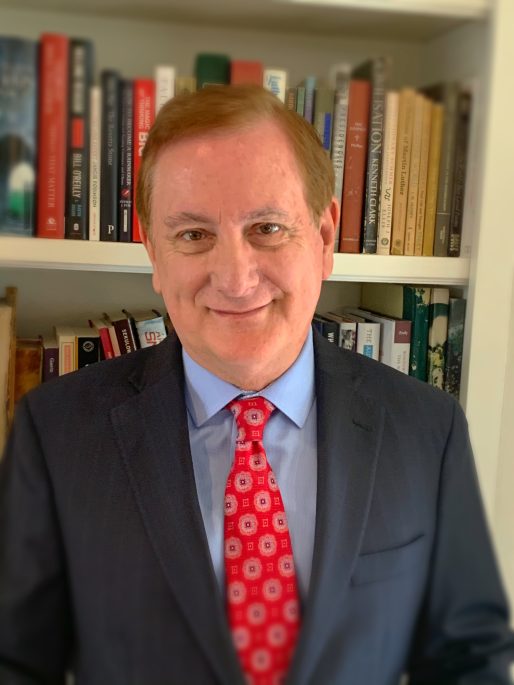
October 27, 2025, By Dean Hoke—As many of you know, I am deeply committed to helping small and mid-sized colleges find sustainable paths forward. That’s why I’m proud to announce the launch of the Edu Alliance Group Center for College Partnerships and Alliances, dedicated to helping institutions explore partnerships, mergers, and strategic alliances that strengthen their mission and impact.
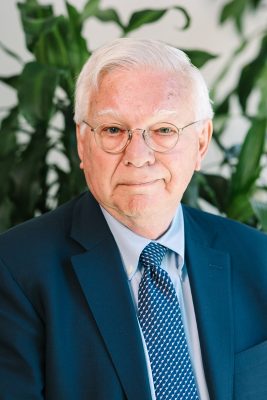
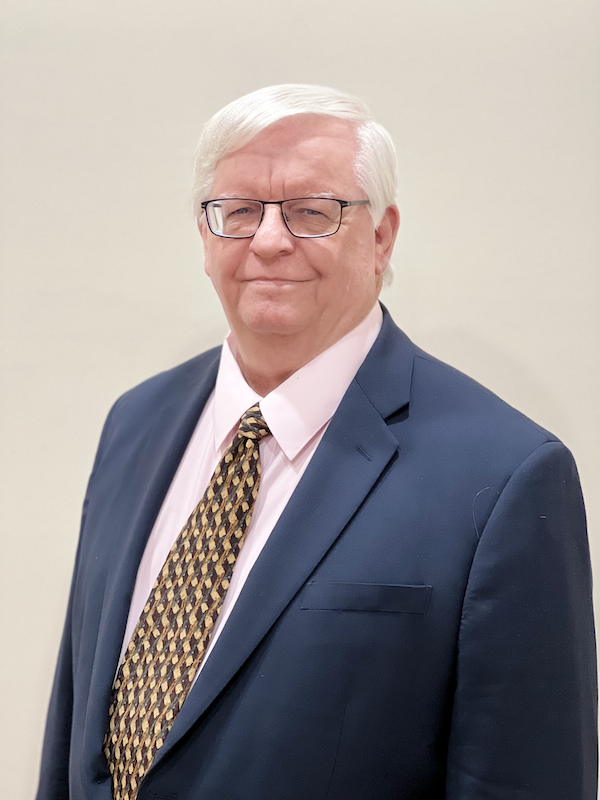
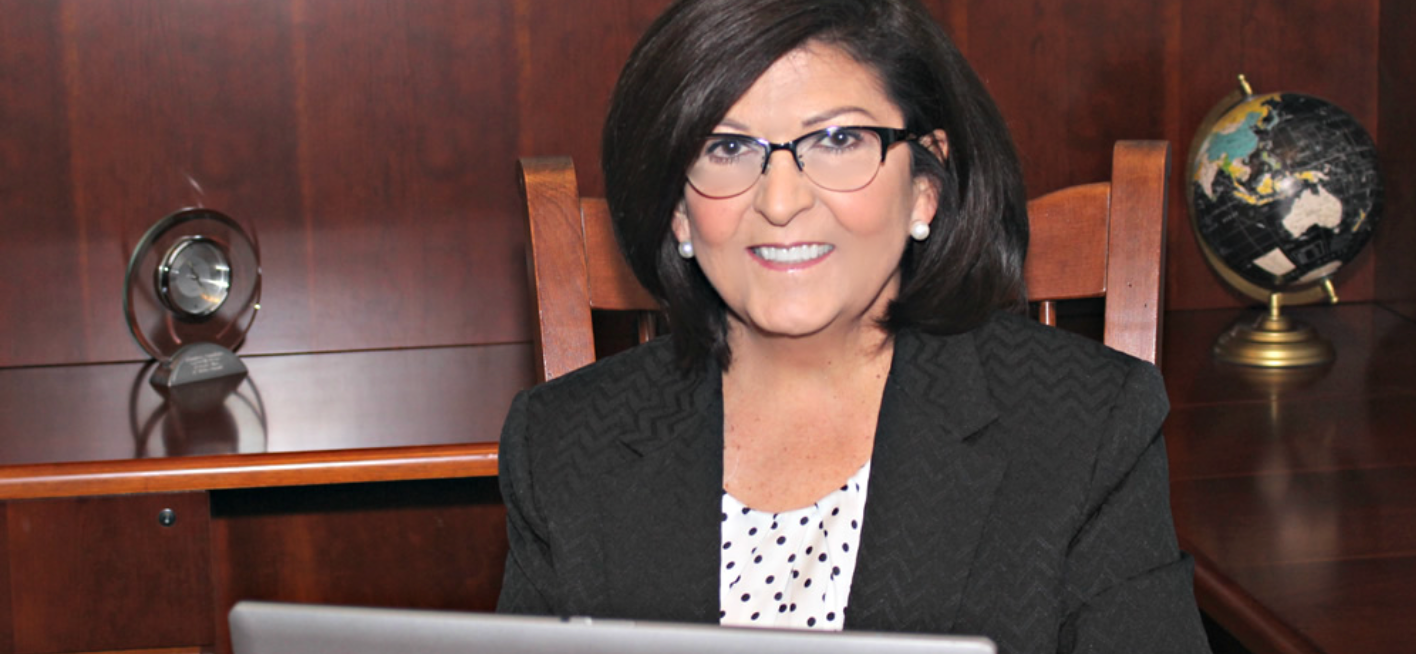
The Center will be led by newly appointed partners Dr. Chet Haskell and Dr. Barry Ryan, two distinguished higher education leaders with deep experience in governance, accreditation, and institutional transformation. Together, they bring a wealth of expertise in guiding colleges and universities through complex transitions while preserving mission integrity and academic excellence.
The Center’s framework draws on insights presented in “A Guide to College Partnerships, Mergers, and Strategic Alliances for Boards and Leadership:From Awareness to Implementation,” authored by Dr. Chet Haskell, Dr. Barry Ryan, and Edu Alliance Managing Partner Dean Hoke. The guide outlines a five-stage model: Recognize, Assess, Explore, Negotiate, and Implement. It emphasizes mission integrity, transparency, and trust as the foundation for success.
“Our goal is to help college leaders and boards move from awareness to action with clarity, confidence, and compassion,” said Dr. Haskell. “Partnerships and alliances can preserve institutional identity while creating new opportunities for students and communities.”
“Edu Alliance has long supported institutions navigating change,” added Dean Hoke, Co-Founder and Managing Partner. “With the launch of the Center, we’re expanding our ability to help presidents and boards design solutions that are both visionary and pragmatic.”
About the Leadership
Dr. Chester (Chet) Haskell recently completed six and a half years as Vice Chancellor for Academic Affairs and University Provost at Antioch University, where he played key roles in integrating the institution academically and structurally, as well as in creating the Coalition for the Common Good with Otterbein University, where he was Vice President for Graduate Programs. He previously held senior positions at Harvard University—including Associate Dean of the Kennedy School of Government—and later served as Dean of the College at Simmons College (Boston). Dr. Haskell went on to serve as President of both the Monterey Institute of International Studies (now part of Middlebury College) and Cogswell Polytechnical College, leading both institutions through successful mergers. He holds DPA and MPA degrees from the University of Southern California, an MA from the University of Virginia, and an AB cum laude from Harvard University.
Dr. Barry Ryan has served as President of five universities and as Provost and Chief of Staff at three others, spanning state, private nonprofit, and private for-profit institutions. A Supreme Court Fellow in the chambers of Chief Justice William H. Rehnquist, Dr. Ryan is a member of several federal and state bars and has held two terms as Commissioner for WASC (WSCUC). He has led institutions through mergers, acquisitions, and affiliations that preserved academic quality, expanded access, and strengthened long-term viability. His leadership is characterized by transparency, shared governance, and a deep commitment to stakeholder engagement. Dr. Ryan earned his Ph.D. from the University of California, Santa Barbara, his J.D. from the University of California, Berkeley, and a Dipl.GB in international business from the University of Oxford.
By Dean Hoke, October 13, 2025 – In the small towns of America, where factories have closed and downtowns often stand half-empty, a small college can be the heartbeat that keeps a community alive. These institutions—sometimes enrolling only a few hundred students—serve as economic anchors, cultural centers, and symbols of hope for regions that might otherwise face decline.
From the farmlands of Indiana to the mountain towns of Appalachia, small colleges generate economic energy far beyond their campus gates. They attract students, faculty, and visitors, stimulate local business, and provide the trained workforce that rural economies desperately need. They also embody something deeper: a sense of identity and connection that sustains civic life.
Economic Impact: Anchors in Fragile Economies
Small colleges are powerful, if often overlooked, economic engines. Their presence is felt in every paycheck, every restaurant filled with students and parents, and every local business that relies on their purchasing power.
Across the United States, nearly half of all public four-year colleges, over half of all public two-year colleges, and a third of private four-year colleges make up the 1,100 rural-serving institutions as identified by the Alliance for Research on Regional Colleges (ARRC). These colleges educate 1.6 million students, accounting for more than a quarter of total U.S. enrollments. Yet their role extends far beyond classrooms and degrees.
Rural-serving institutions are frequently among the largest employers in their counties, especially where other industries have faded. In areas where 35% or more of working-age adults are unemployed, 83% of local colleges are rural-serving, making them pillars of economic stability. Unlike large universities in metropolitan areas, their spending is highly localized—on utilities, food service, maintenance, and partnerships with small vendors.
Economic models underscore their importance. The Brookings Institution found that high-performing four-year colleges contribute roughly $265,000 more per student to local economies than lower-performing institutions, while two-year colleges add about $184,000. In many rural towns, every institutional dollar recirculates multiple times, magnifying its effect.
Beyond direct payroll and procurement, small colleges attract outside dollars. Students and visitors rent housing, dine locally, and shop downtown. Athletic events, alumni weekends, and summer programs bring tourists who fill hotels and restaurants. The IMPLAN consulting group estimated that when a college closes, the average regional loss equals 265 jobs, $14 million in labor income, and $32 million in total economic output—a devastating hit in thin rural economies.
Human Capital and Workforce Development
If small colleges are the economic engines of rural communities, they are also the primary producers of human capital. They educate the teachers, nurses, business owners, and civic leaders who sustain local life.
The Federal Reserve Bank of Richmond describes community colleges as “anchor institutions” that shape regional labor markets. Many partner with local employers to design training programs that meet specific workforce needs—often at minimal cost to businesses. In one case study, a rural college collaborated with an advanced manufacturing firm to tailor instruction for machine technicians, ensuring a steady local labor supply and convincing the company to expand rather than relocate.
Rural-serving colleges are also critical in addressing educational disparities. Only 22% of rural adults hold a bachelor’s degree, compared with 37% of non-rural Americans. This gap translates directly into income inequality: according to the U.S. Department of Agriculture’s Economic Research Service, nonmetro workers with a bachelor’s degree earned a median of $52,837 in 2023, compared with substantially higher earnings for their urban counterparts. In states such as Indiana, Ohio, and Pennsylvania, rural degree attainment lags 10 to 15 percentage points behind state averages.
Beyond Economics: RSIs as Equity Infrastructure
Rural-serving institutions are more than economic engines—they are critical equity infrastructure, often providing the only realistic pathway to higher education for students the system has historically marginalized.
RSIs enroll far higher proportions of high-need students than their urban counterparts. Nearly 50% of undergraduates at RSIs receive Pell Grants, compared to 34% nationally. These institutions also serve disproportionate numbers of first-generation students, working adults, and students from underrepresented communities who lack access to flagship universities.
For many rural students, the local college isn’t a choice—it’s the only option. Geographic isolation, family obligations, and financial constraints make residential college attendance impossible. Research shows that every ten miles from the nearest college reduces enrollment probability by several percentage points. For students without transportation, without broadband for online learning, or without family support to relocate, the local institution is existential.
When rural colleges close, equity suffers most. Displaced students, if they re-enroll at all, face higher debt burdens and lower completion rates. Wealthier students can transfer to distant institutions; low-income students stop out. Communities of color, already underserved, lose ground.
Policymakers often evaluate colleges through narrow metrics: completion rates and graduate earnings. But this ignores mission differentiation. RSIs serve students that flagship universities would never admit, in places that for-profit colleges would never enter, at prices that private colleges could never match. Investing in rural-serving institutions isn’t charity—it’s infrastructure investment in equity, ensuring every region has pathways to economic mobility. If America is serious about educational equity, it must recognize RSIs as essential public infrastructure, not discretionary spending.
Despite these barriers, rural institutions remain lifelines for upward mobility. They offer affordable tuition, flexible programs for working adults, and pathways for first-generation students who might otherwise forgo higher education.
However, the pressures are real. Rural students face tighter finances, higher borrowing costs, and fewer grant opportunities. Nearly half of rural undergraduates receive Pell Grants, but average aid remains lower than that at urban institutions. Many graduates leave rural areas to find higher-paying jobs, a “brain drain” that weakens local economies. Yet for those who stay—or return later—their impact is outsized, driving new business formation, civic leadership, and generational stability.
Example: Goshen College and Elkhart County, Indiana — A Model of Mutual Benefit
The following example illustrates the positive interdependence of a small college and its surrounding community—how shared growth, service, and opportunity can strengthen both the institution and the region it calls home.
Few examples better demonstrate this relationship than Goshen College in northern Indiana. Founded in 1894 by the Mennonite Church, Goshen sits in Elkhart County, a region best known for its manufacturing and recreational vehicle industries. While the area has long been an economic hub, its continued success depends heavily on education and workforce development—both areas where Goshen College has quietly excelled for more than a century.
Goshen employs more than 300 full-time and part-time faculty and staff, making it one of the city’s largest private employers. Its local purchasing—from food services to maintenance and printing—injects millions of dollars annually into the county’s economy. The student body, drawn from across the Midwest and around the world, supports rental housing, restaurants, and small businesses throughout the region.
According to the 2024 Independent Colleges of Indiana Economic Impact Study, Goshen College contributes roughly $33 million each year to the regional economy through employment, operations, and visitor spending. Beyond the numbers, the college enriches community life. The Goshen College Music Center and Merry Lea Environmental Learning Center are regional treasures, hosting performances, lectures, and research programs that attract thousands of visitors annually. During the COVID-19 pandemic, the college partnered with local health officials to serve as a testing and vaccination site—further demonstrating its civic commitment. Its nursing, environmental studies, and teacher preparation programs continue to meet critical workforce needs across Elkhart County and beyond.
Goshen College stands as a model of how a small private college and its community can thrive together. Its example underscores a broader truth: when rural colleges remain strong, the benefits extend far beyond campus—bolstering jobs, sustaining income, and enriching the civic and cultural life that define their regions.
Social and Cultural Role: The Heart of Civic Life
Beyond numbers, the social and cultural influence of rural colleges may be their most irreplaceable contribution. In many counties, the college auditorium doubles as the performing arts center, the gym as the public gathering space, and the library as a community hub.
Rural colleges host art shows, festivals, lectures, and athletics that bring people together across generations. They sponsor service projects, tutoring programs, and food drives that connect students with their neighbors. For residents who might otherwise feel isolated or overlooked, the local college provides a sense of belonging and civic pride.
Research from the National Endowment for the Arts underscores that local arts participation strengthens community bonds and well-being. Rural colleges amplify that effect by providing both venues and expertise. Their faculty often lead community theater, music ensembles, or public workshops—bringing culture to places that might otherwise lack access.
The COVID-19 pandemic vividly demonstrated this social bond. While large universities shifted to remote learning with relative ease, small rural colleges had to improvise with limited broadband access and fewer resources. Yet many became essential service providers—hosting testing centers, distributing food, and maintaining human contact in otherwise isolated communities.
In these moments, small colleges revealed what they have always been: not just educators, but neighbors and caretakers.
Challenges: Fragility and the Risk of Decline
Despite their immense value, small rural colleges operate under fragile conditions. Their scale limits efficiency, their funding sources are volatile, and demographic shifts threaten their enrollment base.
Enrollment Declines and Demographic Pressures.
A steep decline in traditional-age students is projected to start by 2026, with the number of new high school graduates expected to fall by about 13 percent by 2041, according to The Chronicle of Higher Education, March 3, 2025, article “What is the Demographic Cliff”. For rural colleges already competing for a shrinking pool of students, this decline threatens their enrollment base and financial viability. Many have already experienced double-digit enrollment drops since the Great Recession. Rural public bachelor’s/master’s institutions enroll 5% fewer students today than in 2005, while community colleges struggle to recover from pandemic-era losses.
Financial Constraints. Small colleges rely heavily on tuition revenue and relatively modest endowments. According to the Urban Institute, the median private nonprofit four-year college holds about $33,000 in endowment assets per student, compared with hundreds of thousands of dollars per student at elite universities such as Amherst or Princeton. For many rural private colleges, endowment resources are often well below this national median. Their financial models depend heavily on tuition and auxiliary income, leaving them vulnerable when enrollment softens. Fundraising capacity is also limited: alumni bases are smaller and often less affluent than those of major research universities, making sustained growth in endowment and annual giving more difficult to achieve.
Operational Challenges. Compliance, accreditation, and technology costs weigh disproportionately on small staffs. Many rural colleges lack the personnel to pursue major grants or expand programs quickly. Geographic isolation compounds difficulties in recruiting faculty and attracting external partnerships.
Brain Drain and Opportunity Gaps. Even when colleges succeed in educating local students, retaining them can be difficult. Many leave for urban areas with higher wages and broader opportunities. The irony is painful: the better a rural college fulfills its mission of empowerment, the more likely it may lose its graduates.
Closures and Community Fallout. When a small college shuts its doors, the ripple effects are severe. Studies estimate average regional losses of over $20 million in GDP and hundreds of jobs per closure. Local businesses—cafés, landlords, bookstores—suffer immediately. Housing markets soften, municipal tax revenues drop, and cultural life diminishes. It can take a decade or more for a community to recover, if it ever does.
Reversing the Talent Flow: Retention Strategies That Work
The brain drain challenge is not insurmountable. Several states and institutions have pioneered retention strategies that show measurable results.
Loan forgiveness programs specifically targeting rural retention have gained traction. Kansas’s Rural Opportunity Zones offer up to $15,000 in student loan repayment for graduates who relocate to designated counties. Maine provides annual tax credits up to $2,500 for graduates who live and work in-state. Early data suggests these programs can shift settlement patterns, particularly in high-demand fields like nursing and teaching.
The most effective models involve tri-party partnerships: colleges provide education and career counseling, employers offer competitive wages and loan assistance, and municipalities contribute housing support or tax relief. In one Ohio example, a regional hospital, community college, and county government created a “stay local” nursing pathway that reduced turnover by 40% over five years.
Place-based scholarships are also emerging as retention tools. “Hometown Scholarships” provide enhanced aid for students from surrounding counties who commit to working regionally after graduation. When paired with community-engaged learning and local internships throughout the curriculum, these programs cultivate regional identity—shifting the narrative from “I have to leave to succeed” to “I can build a meaningful career here.”
Federal policy could amplify these efforts. A Rural Talent Corps modeled on the National Health Service Corps could leverage student loan forgiveness to address workforce shortages while stabilizing rural economies. The brain drain will never disappear entirely, but intentional investment can shift the calculus from inevitable loss to manageable flow.
Policy Pathways and Strategies for Resilience
Sustaining small colleges—and the communities they support—requires creativity, collaboration, and policy attention.
1. Deepen Local Partnerships. Rural colleges thrive when they align closely with regional needs. Employer partnerships, dual-enrollment programs, and apprenticeships can connect education directly to local labor markets. In Indiana and Ohio, several colleges now co-design health care and manufacturing programs with regional employers, ensuring steady pipelines of skilled workers.
2. Form Regional Alliances. Small institutions can collaborate rather than compete. Shared academic programs, cross-registration, and joint purchasing agreements can reduce costs and expand offerings. Examples such as the New England Small College Innovation Consortium show how collective action can extend capacity and visibility.
3. Diversify Revenue and Mission. Rural colleges can strengthen financial resilience by expanding adult education, microcredentials, and workforce training. Many are converting underused buildings into community hubs, co-working spaces, or conference centers. Others are developing online and hybrid programs to reach place-bound learners in neighboring counties.
4. Increase State and Federal Support. Federal recognition of Rural-Serving Institutions within the Higher Education Act could unlock targeted funding similar to programs for Minority-Serving Institutions. States should adapt funding formulas to reflect mission-based outcomes—rewarding colleges that serve low-income, first-generation, and local students rather than penalizing them for small scale.
5. Encourage Philanthropic Investment. Foundations and donors have historically overlooked rural institutions in favor of urban flagships. Increasing awareness of their impact could mobilize new giving streams, particularly from community foundations and regional philanthropists.
6. Invest in Infrastructure. Broadband access, housing, and transportation are essential to sustaining rural higher education. Expanding digital infrastructure allows colleges to deliver online learning, attract remote faculty, and connect to global markets.
Looking Ahead: The Role of Small Colleges in Rural Renewal
As rural America seeks to reinvent itself in the 21st century, small colleges are uniquely positioned to lead that renewal. They combine local trust with national expertise, and they possess the physical, intellectual, and moral infrastructure to drive change from within.
Their future will depend on adaptability. Colleges that align programs with regional industries, embrace digital learning, and form strategic alliances can thrive despite demographic headwinds. Institutions that cling to older models may struggle.
Yet the measure of success should not be enrollment size alone. A rural college’s value lies in its multiplier effect—on jobs, community life, and civic identity. For many counties, it is the last remaining institution still rooted in the public good.
Conclusion: Investing in Irreplaceable Infrastructure
Small colleges in rural America are far more than schools. They are community builders, employers, cultural anchors, and symbols of local resilience. Their closure can hollow out a county; their success can revive one.
The rural-serving institutions identified by ARRC represent a quarter of U.S. enrollments but touch nearly half the nation’s geography. They serve regions facing population loss, persistent poverty, and limited opportunity—yet they continue to educate, employ, and inspire.
The choice facing policymakers, philanthropists, and citizens is simple: either we invest in these engines of opportunity, or we risk watching the lights go out in hundreds of rural towns.
The question is no longer whether we can afford to support small rural colleges but whether America can afford not to.
Sources and References
Alliance for Research on Regional Colleges (ARRC).Identifying Rural-Serving Institutions in the United States (2022).
Brookings Institution.The Value of Higher Education to Local Economies (2021).
Federal Reserve Bank of Richmond.Community Colleges as Anchor Institutions: A Regional Development Perspective (2020).
National Student Clearinghouse Research Center.High School Benchmarks 2022: National College Progression Rates.
National Endowment for the Arts.Rural Arts, Design, and Innovation in America (2017).
Lumina Foundation.Stronger Nation: Learning Beyond High School Builds American Talent (2024).
National Skills Coalition.Building a Skilled Workforce for Rural America (2021).
IMPLAN Group, LLC.Measuring the Economic Impact of Higher Education Institutions (2023).
U.S. Census Bureau.Educational Attainment in the United States: 2023 (American Community Survey Tables).
Bureau of Labor Statistics.Employment and Earnings by Educational Attainment, 2023.
Goshen College.Economic Impact Report 2022 and institutional data from the Office of Institutional Research.
Dean Hoke is Managing Partner of Edu Alliance Group, a higher education consultancy, and a Senior Fellow for the Sagamore Institute located in Indianapolis, Indiana. He formerly served as President/CEO of the American Association of University Administrators (AAUA). Dean is a champion for small colleges in the US. and is committed to celebrating their successes, highlighting their distinctions and reinforcing how important they are to the higher education ecosystem in the US. Dean is the creator and co-host for the podcast series Small College America.
By Dr. Barry Ryan, September 15, 2025 – In my August 11th article titled ‘Higher Education Leadership in Times of Crisis,” we established that higher education leadership today cannot be solitary work and that effective crisis response requires both internal and external counsel. Now that you’ve assembled (at least thought through) your cast of trusted advisors and recognized the unique leadership demands of your situation, the next critical step is understanding what you’re actually facing—and how to navigate it successfully. Once you recognize that your organization may be entering such a time, there are three key initial questions to ask:
How long can a crisis be expected to last?
What are the effects of crisis on my institution, on my team, on my loved ones, and on me?
What are some healthy and effective ways I can lead during crisis?
First, how long should I expect a “typical” crisis to last?
At first blush, it might seem a little silly to ask how long a crisis lasts. After all, isn’t that inherently unpredictable?
The answer is “yes” and “no.” It may seem a little flippant to say, but the reality is that the length of a crisis depends to a certain degree on how you and those in leadership alongside you respond to it. Your approach and actions may make it longer or shorter than it would have been. Here’s what I mean.
Ignoring a crisis and hoping that it blows over is actually a potential strategy—although not one that I would recommend in most circumstances. But there are some built-in roadblocks in a university’s life cycle, which is divided largely into annual, semester, or quarter segments. These can act, on their own, as speed bumps or detours that might diminish or change the course of a crisis.
For example, a crisis that is being instigated or aggravated by certain individuals might be relieved to some degree on its own by their departure through retirement, transfer, and so on. Or a financial crisis might be alleviated by the structural limits on certain types of debt that will be paid off, or the inception of certain grants or gifts that are within sight. But these are, unfortunately, uncommon scenarios, and the timing may be unpredictable.
On a global scale, one might think of Winston Churchill trying to imagine how long World War II might last. As futile as such a task might have been, he did, indeed, play out various scenarios and their likely duration. Although it makes for a great quote and probably captures an important aspect of Churchill’s thinking, he likely did not say, “When you’re going through hell, keep going.” But that’s a good reminder for anyone in crisis.
To grossly generalize, I have found that most institutional crises last between six months and two years. Why is that? The more acute ones require quicker action, and the result is either a solution that addresses the issues promptly and efficiently, in, say, six months, and you can move on to other things. Or, failing to find a speedy solution may end with you moving on. (And I don’t mean this lightly, but the reality is that moving on is not the end of the world.)
Why the two-year time frame, on the other end? Because I’ve found that to be about the maximum time frame that a board, or an accreditor, or a creditor, or even a faculty can endure before a solution is reached. Again, the conclusion of the crisis will either leave you in a happier and stronger position in your institution or leave you seeking happiness and a better position somewhere else. But somewhere between six months and two years is what I have found to be the rough lifespan of an intense crisis. (This is barring, of course, a truly existential crisis as a result of which the institution ceases to exist in its current form. But even that drastic of an outcome can easily take two years or more to unfold.)
Second, what are some of the common effects, and how do you survive them?
For the sake of argument, let’s say you become aware that you are entering a crisis period, whether or not it eventually proves to be an existential one. How do you survive in the intervening six months to two years?
Let’s begin with the effects of a continuing crisis on a leader. The crisis can easily become an enormous distraction for someone who already has too much on their plate. The stress that comes with leadership increases in crisis times, with mental, emotional, and even physical effects. Exhaustion can become a daily (and nightly) companion. Self-doubt creeps in and steals even more of the leader’s resources.
It sounds trite, but when this happens, don’t forget to take a few deep breaths – physically and metaphorically.
Draw up a “non-crisis” item list, i.e., things that still need to be done, but aren’t necessarily at the crisis point. Now start divvying them up between and among your fellow leaders, and to their direct reports when possible. This could be an opportune time to help them grow and develop, as well as ease your load.
Along with that, begin to excuse yourself from meetings at which your presence is not absolutely necessary. Only you really know which are and which aren’t. You may still need to attend to some that aren’t technically necessary, but that may prove helpful in crisis-related activities. Again, having trusted substitutes sit in for you for a while can be a growth opportunity for them, and also demonstrate that you trust and empower those with whom you work. When it comes to meetings, which can serve to drain you even more, perhaps adopt a practice of only making limited strategic appearances. Make your participation relevant enough and just long enough to establish your presence and help you – and your colleagues – feel like you’re staying in touch.
Don’t forget to take some days off, or even vacations. Sad but true, don’t make them too long or too far away or somewhere too difficult for you to be reached. You’re probably not really going to relax completely anyway, but you should at least experience some benefit from a change in perspective and place. Frankly, you would do well to consider the health and happiness of your loved ones who’ve been going through this with you, and that they need a break, perhaps even more than you do. After all, you are able to face the crisis more directly, as well as possible enemies, while your loved ones have to suffer vicariously and without the same ability to engage.
Third, how to lead during a crisis?
There is no question that crises have deleterious effects on you, your friends and family, but also your colleagues. You undoubtedly have support and supporters (even though they may seem distant), so don’t neglect them. Their fidelity to the institution and its mission – and you – deserves appreciation and acknowledgement, even if only expressed privately. They’re worried about the institution, but also their livelihood and their colleagues as well.
When they see you, try not to be the deer in the headlights (a situation that doesn’t usually end well in the wild). Appearing indecisive is uninspiring. But so is being overbearing or angry.
Try to be yourself as you were before the crisis. Remember to smile, relax the muscles of your face and neck, and ask them about their loved ones, their teaching, or their research. Be human. The thoughtful ones have an idea about what you’re feeling and going through, so it’s okay for them to see you as a human. You don’t have to adopt a fake effervescence, but you should avoid moping.
Seek impartial counsel. That may, or may not, include colleagues. A small group of confidants is necessary. External friends who have the courage to be honest with you, and also keep complete confidence, can be your best resource to help you gain and keep perspective. They may have higher ed experience, but not necessarily. I have always found that the best counsel comes from folks who have had real challenges, real losses, survived real attacks, and still kept their heads about them. Ones that are “too perfect” are probably not what you need at this point.
While there is a need for you to seek and obtain trustworthy counsel, you should at the same time try to avoid seeking too much counsel. Bottom line is that you’re a leader and you’re going to have to make difficult decisions. So you should accept counsel, but too much can be confusing and even overwhelming.
Look, you’re in a tough position and no matter what you do, some people (possibly including some people you respect and care about) are not going to be thrilled. Sad but true. And some of those feelings may change over time, as they come to a fuller perspective as well.
My advice to leaders in crisis situations always includes two elements:
Can you make a decision that allows you to look at yourself in the mirror?
Then do what you believe is right and let the chips fall where they may. Period.
While you are a leader in a profession you may (or may not any longer) dearly love, there IS an “after.” That may mean continuing in your post-crisis position in the same post-crisis institution, or it may mean more significant changes for you. If so, take what you’ve learned along to whatever comes next. Partings are rarely enjoyable, but I recall a very thoughtful young person we had to let go. His response was remarkable. “I want to learn from this experience and become better as a result.” When I saw him at another institution a year later, he came up to me and said that’s exactly what had transpired and that he was grateful.
Your life, and your legacy, are much more than just this current time of crisis within this current institution. Be grateful to those who have earned that gratitude, and remember who you are.
Dr. Barry Ryan is a seasoned higher education executive, legal scholar, and former president of five universities. He is a senior consultant for the Edu Alliance Group and a legal scholar. With more than 25 years of leadership experience, Dr. Ryan has served in numerous roles, including faculty member, department chair, dean, vice president, provost, and chief of staff at state, non-profit, and for-profit universities and law schools. His extensive accreditation experience includes two terms on the WASC Senior College and University Commission (WSCUC), serving a maximum of six years. He is widely recognized for his expertise in governance, accreditation, crisis management, and institutional renewal.
In addition to his academic career, Dr. Ryan served as the Supreme Court Fellow in the chambers of Chief Justice William H. Rehnquist and is a member of numerous federal and state bars. He has contributed extensively to charitable organizations and is experienced in board leadership and large-scale fundraising. He remains a trusted advisor to universities and boards seeking strategic alignment and transformation.
He earned his Ph.D. from the University of California, Santa Barbara, his J.D. from the University of California, Berkeley, and his Dipl.GB in international business from the University of Oxford.
Edu Alliance Group, Inc. (EAG), founded in 2014, is an education consulting firm located in Bloomington, Indiana, and Abu Dhabi, United Arab Emirates. We assist higher education institutions worldwide on a variety of mission-critical projects. Our consultants are accomplished leaders who use their experience to diagnose and solve challenges.
EAG has provided consulting and executive search services for over 40 higher education institutions in Australia, Egypt, Georgia, India, Kazakhstan, Morocco, Nigeria, Uganda, the United Arab Emirates, and the United States.
July 28, 2025, by Dr. Chet Haskell: The headlines are full of uncertainty for American higher education. “Crisis” is a common descriptor. Federal investigations of major institutions are underway. Severe cuts to university research funding have been announced. The elimination of the Department of Education is moving ahead. Revisions to accreditation processes are being floated. Reductions in student support for educational grants and loans are now law. International students are being restricted.
These uncertainties and pressures affect all higher education, not just targeted elite institutions. In particular, they are likely to exacerbate the fragility of smaller, independent non-profit institutions already under enormous stress. Such institutions, some well-known, others known only locally, will be hard hit particularly hard by the combination of Trump Administration pressures and the developing national demographic decline for traditional-age students.(https://www.highereddive.com/news/decline-high-school-graduates-demographic-cliff-wiche-charts/738281/) These small colleges have been a key element of the American higher education scene, as well as for numerous local communities, for many decades.
It is widely understood that the vibrancy of American higher education comes, in part, from the diversity of its institutions and educational goals. The rich mixture of American colleges and universities is a strength that many other nations lack. Students have opportunities to start and stop their educations, to change directions and academic goals, to move among different types of institutions.
Smaller undergraduate colleges play important roles in this non-systemic system. They provide focused educational opportunities for younger adults, where they can build their lives on broad principles. Impressively large percentages of small college graduates go on to graduate education for various professions. Small colleges provide large numbers of graduates who enter PhD programs and eventually enter the professorate.
There are approximately 1179 accredited private institutions with enrollments of fewer than 3000 students. Of these, 185 have between 3000 and 2000 students. Another 329 have enrollments below 2000 but above 1000. A final 650 institutions have enrollments below 1000. These 1179 institutions students include few wealthy colleges such as Williams, Amherst, Carleton or Pomona, as well as numerous struggling, relatively unknowns.
A basic problem is one of scale. In the absence of significant endowments or other external support, it is very difficult to manage small institutions in a cost effective manner. Institutions with enrollments below 1000 are particularly challenged in this regard. The fundamental economics of small institutions are always challenging, as most are almost completely dependent on student enrollments, a situation getting worse with the coming decline of traditional college age students. There are limited options available to offset this decline. Renewed attention to student retention is one. Another is adding limited graduate programs. However, both take investment, appropriate faculty and staff capacity and time, all of which are often scarce.
These institutions have small endowments measured either in total or per student value. Of the 1179. There are only 80 with total endowments in excess of $200 million. While a handful have per student endowments that rival the largest private universities, (Williams, Amherst and Pomona all have per student endowments in excess of $1.8 million), the vast majority have per student endowments in the $40,000 range and many far less.
Most of these schools have high tuition discount rates, often over 50%, so their net tuition revenue is a fraction of posted expense. They are all limited by size – economies of scale are difficult to achieve. And most operate in highly competitive markets, where the competition is not only other small schools, but also a range of public institutions.
So, what is the underendowed, under resourced small college to do?
The most common initiatives designed to address these sorts of challenges are consortia, collaborative arrangements among institutions designed to increase student options and to share expenses. There are numerous such arrangements, examples being the Colleges of the Fenway in Boston, the Five Colleges of Western Massachusetts, the Washington DC Metropolitan Area Consortium, and the Claremont Colleges in California, among others.
The particulars of each of these groups differ, but there are commonalities. Most are geographically oriented, seeking to take advantage from being near each other. Typically, these groups want to provide more opportunities for students through allowing cross-registrations, sharing certain academic programs or joint student activities. They usually have arrangements for cost-sharing or cost reductions through shared services for costs like security services, IT, HR, risk management options, pooled purchasing and the like. In other cases (like the Claremont Consortium) they may share libraries or student athletic facilities. Done well, these arrangements can indeed reduce costs while also attracting potential students through wider access to academic options.
However, it is unlikely that such initiatives, no matter how successful, can fundamentally change the basic financial situation of an independent small college. Such shared services savings are necessary and useful, but usually not sufficient to offset the basic enrollment challenge. The financial impact of most consortia is at the margins.
Furthermore, participating institutions have to be on a solid enough financial basis to take part in the first place. Indeed, a consortium like Claremont is based on financial strength. Two of the members have endowments in excess of $1.2 billion (Pomona’s is $2.8 billion.) The endowments of the others range from a low of $67 million (Keck Graduate with 617 students) to Scripps with $460 million for 1100 students.) The Consortium is of clear value to its members, but none of these institutions is on the brink of failure. Rather, all have strong reputations, a fact that provides another important enrollment advantage.
One important factor in these consortia arrangements is that the participating institutions do not have to give up their independence or modify their missions. Their finances, alumni and accreditation are separate. And while the nature of the arrangement indicates certain levels of compromise and collaboration, their governance remains basically unchanged with independent fiduciary boards.
At the other end of the spectrum are two radically different situations. One is merging with or being acquired by another institution. Prep Scholar counts 33 such events since 2015. (https://blog.prepscholar.com/permanently-closed-colleges-list). Lacking the resources for financial sustainability, many colleges have had no choice but to take such steps.
Merging or being acquired by a financially stronger institution has many advantages. Faculty and staff jobs may be protected. Students can continue with their studies. The institution being acquired may be able to provide continuity in some fashion within the care of the new owner. Endowed funds may continue. The institution’s name may continue as part of an “institute” or “center” within the new owner’s structure. Alumni records can be maintained. Real estate can be transferred. Debts may be paid off and so forth. There are multiple examples of the acquiring institution doing everything possible along these lines.
But some things end. Independent governance and accreditation cease as those functions are subsumed by the acquiring institution. Administrative and admissions staffs are integrated and some programs, people and activities are shed. Operational leadership changes. And over time, what was once a beloved independent institution may well fade away.
The end of a college is a very sad thing for all involved and, indeed, for society in general. Often a college is an anchor institution in a small community and the loss is felt widely. The closure of a college is akin to the closure of a local factory. As Dean Hoke and others have noted, this is a particular problem for rural communities.
Are there other possible avenues, something between a consortium and a merger or outright closure?
One relatively new model has been organized by two quite different independent institutions, Otterbein University and Antioch University, that came together in 2022 to create the Coalition for the Common Good. Designed to be more than a simple bilateral partnership, the vision of the Coalition is eventually to include several institutions in different locations linked by a common mission and the capacity to grow collective enrollments.
At its core, the Coalition is based on academic symbiosis. Otterbein is a good example of the high-quality traditional undergraduate residential liberal arts institution. It has been well-run and has modest financial resources. Facing the demographic challenges noted earlier (in a state like Ohio that boasts dozens of such institutions), it developed a set of well-regarded graduate programs, notably in nursing and health-related fields, along with locally based teacher education programs and an MBA. However, despite modest success, they faced the limitations of adult programs largely offered in an on-campus model. Regardless of quality, they lacked the capacity to expand such programs beyond Central Ohio.
Antioch University, originally based in Ohio, had evolved over the past 40 years into a more national institution with locations in California, Washington State and New Hampshire offering a set of graduate professional programs to older adults mostly through distance modalities in hybrid or low-residency forms. Antioch, however, was hampered by limited resources including a very small endowment. It had demonstrated the capacity to offer new programs in different areas and fields but lacked the funds necessary for investment to do so.
Within the Coalition, the fundamental arrangement is for Antioch to take over Otterbein’s graduate programs and, with Otterbein financial support, to expand them in other parts of the country. The goal is significant aggregate enrollment growth and sharing of new revenues. While they plan a shared services operation to improve efficiencies and organizational effectiveness, their primary objective is growth. Antioch seeks to build on Otterbein’s successes, particularly with nursing programs. It already has considerable experience in managing academic programs at a distance, a fact that will be central as it develops the Otterbein nursing and health care programs in a new Antioch Graduate School of Nursing and Health Professions.
It is assumed that additional new members of the Coalition will resemble Otterbein in form, thus further increasing opportunities for growth through enhanced reach and greater scale. New members in other geographic locations will provide additional opportunities for expansion. One early success of the Coalition has been the capacity to offer existing Antioch programs in Central Ohio, including joint partnerships with local organizations, health care and educational systems. Crucially, both institutions remain separately accredited with separate governance and leadership under a Coalition joint “umbrella” structure.
This is not to assert that this model would work for many other institutions. First, many schools with limited graduate programs will be reluctant to “give up” some or all these programs to another partner in the same fashion as Otterbein has with Antioch. Others may not fit geographically, being too remote for expansion of existing programs. Still others may not wish to join a group with an avowed social justice mission. Finally, as with some consortia, the Coalition arrangement assumes a certain degree of institutional financial stability – it cannot work for institutions on the brink of financial disaster, lest the weakest institution drag down the others.
Are there other organizational variants that are more integrated than consortia, but allow the retention of their independence in ways impossible in a merger or acquisition model? What can be learned from the Coalition initiative that might help others? How might such middle-ground collaboration models be encouraged and supported?
How can philanthropy help?
This is an opportunity for the segments of the philanthropic world to consider possible new initiatives to support the small college elements of the education sector. While there will always be efforts to gain foundation support for individual colleges, there will never be enough money to buttress even a small portion of deserving institutions that face the financial troubles discussed above
Philanthropy should take a sectoral perspective. One key goal should be to find ways to support smaller institutions in general. Instead of focusing on gifts to particular institutions, those interested in supporting higher education should look at the multiple opportunities for forms of collaborative or collective action. Central to this effort should be exploration of ways of supporting diverse collaborative initiatives. One example would be to provide sufficient backing to a struggling HBCU or women’s college to enable it to be sufficiently stable to participate in a multi-institutional partnership.
As noted, institutional consortia are well established as one avenue for such collaboration. Consortia have existed for many years. There are consortia-based associations that encourage and support consortia efforts. However, every consortium is unique in its own ways, as participating institutions have crafted a specific initiative of a general model to meet their particular situations and need. Consortia can be important structures for many institutions and should be encouraged.
But there is a large middle ground between consortia arrangements and mergers and acquisitions. The Coalition for the Common Good is but one such arrangement and it is still in its early stages. What has been learned from the experience thus far that might be of use to other institutions and groups? How might this middle ground be explored further for the benefit of other institutions?
One thing learned from the Coalition is the complexity of developing a new model for collective action. Antioch and Otterbein separately pursued individual explorations of options for two or more years before determining that their partnership together should move forward. It then took a full year to get to the point of announcing their plans and another year to complete negotiations and sign completed legal documents and to obtain the necessary accreditor, regulator and Department of Education approvals. The actual implementation of their plans is still in a relatively early stage. In short, it takes time.
It also takes tremendous effort by leadership on both sides, as they must work closely together while continuing to address the daily challenges of their separate institutions. Everyone ends up with at least two major jobs. Communication is vital. Boards must continue to be supportive. The engagement of faculty and staff takes time and can be costly.
What is often referred to as “fit” – the melding of cultures and attitudes at both the institutional and individual levels – is essential. People must be able to work together for shared goals. The burdens of accreditation, while necessary, are time-consuming and multifaceted. There are many things that can go wrong. Indeed, there are examples of planned and announced mergers or collaborations that fall apart before completion.
Philanthropic institutions could support this work in numerous ways, first for specific initiatives and then for the sector, by providing funding and expertise to facilitate new forms of coalitions. These could include:
Providing financial support for the collaborative entity. While participating institutions eventually share the costs of creating the new arrangement, modest dedicated support funding could be immensely useful for mitigating the impact of legal expenses, due diligence requirements, initial management of shared efforts and expanded websites.
Providing support for expert advice. The leaders of two institutions seeking partnership need objective counsel on matters financial, legal, organizational, accreditation and more. Provision of expertise for distance education models is often a high priority, since many small colleges have limited experience with these.
Funding research. There are multiple opportunities for research and its dissemination. What works? What does not? How can lessons learned by disseminated?
Supporting communication through publications, workshops, conferences and other venues.
Developing training workshops for boards, leadership, staff and faculty in institutions considering collaborations.
Crafting a series of institutional incentives through seed grant awards to provide support for institutions just beginning to consider these options.
These types of initiatives might be separate, or they might be clustered into a national center to support and promote collaboration.
These and other ideas could be most helpful to many institutions exploring collaboration. Above all, it is important to undertake such explorations before it is too late, before the financial situation becomes so dire that there are few, if any, choices.
Conclusions
This middle ground is not a panacea. The harsh reality is that not all institutions can be saved. It takes a certain degree of stability and a sufficient financial base to even consider consortia or middle ground arrangements like the Coalition for the Common Good. Merging with or being acquired by stronger institutions is not a worst-case scenario – there are often plenty of reasons, not just financial, that this form of change makes great sense for a smaller, weaker institution.
It is also important for almost all institutions, even those with significant endowment resources, to be thinking about possible options. The stronger the institution, the stronger the resistance to such perspectives is likely to be. There are examples of wealthy undergraduate institutions with $1 billion endowments that are losing significant sums annually in their operating budgets. Such endowments often act like a giant pillow, absorbing the institutional challenges and preventing boards and leaders from facing difficult decisions until it may be too late. Every board should be considering possible future options.
In the face of likely government rollbacks of support, the ongoing demographic challenges for smaller institutions and the general uncertainties in some circle about the importance of higher education itself, independent private higher education must be more creative and assertive about its future. Also, it is essential to remember that the existential financial challenges facing these institutions predate the current Presidential Administration and certainly will remain once it has passed into history.
Just trying to compete more effectively for enrollments will not be sufficient. Neither will simply reducing expense budgets. New collaborative models are needed. Consortia have roles to play. The example of the Coalition for the Common Good may show new directions forward. Anyone who supports the diversity of American higher education institutions should work to find new ways of assuring financial stability while adhering to academic principles and core missions.
Chet Haskell is an independent higher education consultant. Most recently, he was Vice Chancellor for Academic Affairs and University Provost at Antioch University and Vice President for Graduate Programs of the Coalition for the Common Good.
BLOOMINGTON, Ind. – March 21, 2023 — Dean Hoke, of Bloomington, Indiana, has been chosen to serve as the next President and Chief Executive Officer of the American Association of University Administrators (AAUA), currently based in Glen Mills, Pennsylvania. His appointment is effective July 1st when the current President & CEO, Dan L. King will retire after nineteen years of service in that position.
A highly successful and internationally recognized higher education administrator, Mr. Hoke first affiliated with the Higher Colleges of Technology in the United Arab Emirates in 2009 as Head of Marketing and Institutional Development; that experience was followed by four years at Khalifa University with the UAE Advanced Network for Research and Education. In 2014 he became Co-Founder in a new educational management consulting firm, Edu Alliance Ltd. based in the UAE; three years later Edu Alliance Group opened its US office in Bloomington serving as the Managing Partner.
Mr. Hoke has extensive experience in the fields of higher education, marketing, communications and e-Learning. He has held a number of senior higher education administrative positions; and co-founded the Connected Learning Network, a provider of online educational services for educational institutions. In the field of broadcasting he served as an executive and CEO of four public broadcasting stations, and executive vice president of a cable network. He currently serves on the Advisory Board of the School of Education of Franklin University in Ohio and is a member of the Advisory Board of Higher Education Digest. He recently served as president-elect for the United States Distance Learning Association and chaired the Global Partnership Committee.
Mr. Hoke currently produces and co-hosts the podcast series Higher Ed Without Borders. He holds a B.A. degree from Urbana University and an M.S. degree from the University of Louisville. He also completed the Executive Management Program at The Wharton School of the University of Pennsylvania.
AAUA Board of Directors chairperson William Hill, assistant dean of the College of Education at Wayne State University, said, “Mr. Hoke is, without a doubt, the best person to step up and take over the executive administration of this organization. His background and his wide range of experiences will be useful. Moreso, his enthusiasm for leading AAUA to new programming ventures which should lead to expanded membership is contagious!”
When interviewed, Mr. Hoke remarked, “It is a great honor to be selected as the AAUA’s next President and CEO. I am grateful to the Board for their unanimous support and to Dan King, who has led the organization for several years.”
He continued, “AAUA sees a high percentage of administrators leaving the higher education profession. They are frustrated over the lack of opportunities for advancement, work challenges, and readily available professional development. The AAUA board of directors and I will work with our membership to build new and innovative professional development programs and services which will address a higher level of training and increase retention of our higher education administrator colleagues.”
Departing chief executive, Dan King remarked, “I had planned to leave my AAUA responsibilities over two years ago but my departure was delayed by the COVID pandemic. The delay turned out to be fortuitous because it was during this time that I developed a closer professional tie with Mr. Hoke and was able to recruit his candidacy for this position. AAUA is ready for new direction, and Mr. Hoke has the perfect combination of personality, vision and enthusiasm to lead it to new heights. I look forward to watching the association improve and grow.”
September 6, 2022 by Dean Hoke – The percentage of students without a post-secondary degree in the United States has been a widespread concern for decades. Employment at a decent working wage did exist for those who did not have a degree however that world is quickly changing. This topic has been of interest to me for over 50 years because I am one of those who dropped out of college.
I started attending university in the Fall of 1968 and it took me until June 1975 to complete my bachelor’s degree. I attended two universities and dropped out twice before coming back and finishing. I thought in early 1969 when I left the university, I didn’t have the academic ability to get a degree and my university advisor certainly was not supportive and suggested I should go sign up for military service that day.
I did go back to another smaller university six months later and though I had pauses due to those challenges everyone has in life I finished with a bachelor’s degree six years later. Upon graduation, I started immediately after commencement at a small university in Kentucky as an admissions officer and completed my master’s in a relativity short amount of time while working.
With that in mind, I have always wondered how we get dropouts back to school and finish their degree. Employers, government, and adults all believe it’s needed, and it has financial benefits for all. Yet nearly 40 million people from the age of 18-64 started higher education and did not complete one degree. I am presenting my initial thoughts and I would ask for your thoughts on how to address this question.
US Labor Market
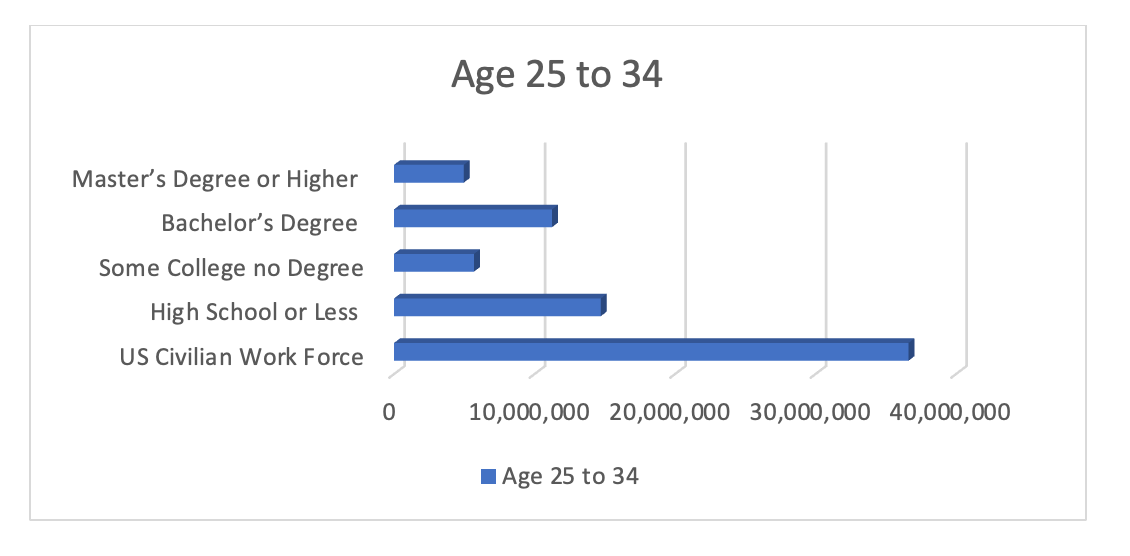
According to the Federal Reserve Bank of Saint Louis, the US Civilian Work Force from 25-34 as of June 2022 has the following educational attainment
The Harsh Facts on College Dropouts
American higher education overall has 39 million people with Some College, No Credential (SCNC) as of July 2020 according to the National Student Clearinghouse Research Center. The most recent study dated 2017 shows the following:
30% of first-year students drop out before their second year of college.
58.5% of students who started in community college after 6 years have not obtained any degree or certificate (1,071,720 students from students starting in 2011)
32.6% of students who started at a four-year institution after 6 years have not obtained any degree or certificate. (730,556 students starting in 2011)
More than two-thirds of college dropouts are low-income students, with family-adjusted gross income (AGI) under $50,000.
Full-time employment reduces graduation rates.Students who work a full-time job during the school year are half as likely to graduate with a bachelor’s degree, as compared with students who work 12 hours or less a week. Every additional hour of work beyond 12 hours a week reduces graduation rates. Working a full-time job takes too much time away from academics.
The reasons why are not surprising but still distressing.
Source: Hanson, Melanie. “College Dropout Rates” EducationData.org, June 17, 2022,
Economic Impact
According to the 2020 US Bureau of Labor Statistics, the average wage earned by a person by education level looks like this.
One statistic that stands out is the percentage of the income difference between a 4-year degree vs a person with a two-year degree person is $19,288 a 38.5% increase.
As the United States’ employment needs quickly change, industry and government have a pressing need for more qualified workers. In the publication HR Drive titled“Employers are hiring, but 80% say they can’t find skilled candidates”More than 82% of employers said they’re actively hiring, despite predictions of an economic downturn, according to a survey of 150 HR leaders by Challenger, Gray & Christmas, Inc. 80% of the respondents, however, reported having difficulty finding workers, with 70% identifying skills shortages as the reason.
It is further reported that 43% of Challenger’s respondents reported that, although they have enough applicants, those applicants do not have the needed skills. Another 43% said they do not receive enough applicants, with 27% noting that candidates who do apply are not qualified. “The labor market remains tight and employers are reporting skills shortages in almost every area, including in STEM, data analytics, human resources, finance, and operations.
During the next decade, the need for people with advanced credentials will continue to rise. Corporations have made it clear there is a need for more qualified workers whether it’s via a traditional degree such as a bachelor’s or micro-credentials/badges which verify customized skills. A report by McKinsey projected that more than 100 million workers will need to find a different occupation by 2030. In the United States, for instance, customer service and food service jobs could fall by 4.3 million, while transportation jobs could grow by nearly 800,000. Demand for workers in healthcare and STEM occupations may grow more than before the pandemic.
Organizations use different techniques for reimbursing student employees. The most common include:
Tuition assistance/reimbursement (63%)
In-house training seminars (61%)
Attendance at educational conferences (51%)
Continuing education courses (50%)
Coverage for licensing courses and exams (44%)
Personal development courses (35%)
Looking at tuition assistance the concept by employers is not new and many have had some sort of program in place for well over 10 years.
The Society for Human Resource Management survey reports tuition assistance programs are an attractive recruiting measure, and most employees are aware of the basic benefit. However, less than 5% percent of employees participate. Of those who participate in the tuition assistance program more than 4 in 10 who are using the benefit to attend graduate school.
Large corporations such as Starbucks, Target, Walmart, and others have all implemented go-back-to-school incentive programs using various higher institutions schools with an emphasis on online degree institutions.
Example One – Starbucks
Starbucks was one of the early adopters. In 2014, Starbucks and Arizona State University (ASU) introduced the Starbucks College Achievement Plan (SCAP), which provided Starbucks’ U.S. employees the opportunity to earn their first-time bachelor’s degree with the company paying for 100% of their tuition.
in 2021, Starbucks modified the tuition reimbursement benefit by paying all tuition and fees up front, as opposed to reimbursing employees for their out-of-pocket costs later.
More than 20,000 Starbucks employees are currently participating in SCAP.
The number of employees finishing their undergraduate degrees through SCAP will reach over 8,500, with Starbucks setting a goal of 25,000 graduates by 2025.
There are more than one hundred different degree programs offered through the SCAP program, and Starbucks has employees enrolled in all of them.
Almost 20% of people who apply to work for Starbucks say that SCAP is a major reason for their decision.
SCAP scholars are retained by Starbucks for a 50% longer period than non-participants, and they are promoted at nearly three times the rate of those employees who do not participate
Example Two – Walmart
In July 2021 Walmart announced it will pay for full college tuition and book costs at some schools for its US workers, the latest effort by the largest private employer in the country to sweeten its benefits as it seeks to attract and retain talent in a tight job market.
The program includes 10 academic partners ranging from the University of Arizona to Southern New Hampshire University. Participants must remain part-time or full-time employees at Walmart to be eligible. They have recently dropped a previous $ 1-a-day fee paid by Walmart and Sam’s Club workers who want to earn a degree and will begin to cover the costs of their books.
Example Three – Target
Target in August 2021 announced a fund to support educational courses for its employees. It is similar to the Walmart program. Available to 340,000 full-time and part-time workers.
Cover the full cost of select undergraduate degrees, certificates, and certifications for its 340,000 U.S.-based workers.
Pay up to $10,000 each year for master’s programs at those institutions.
Allow participants to attend one of 40 partner institutions.
Invest more than $200 million within the next four years in the program
However, one of the issues employees are challenged by is tuition remission vs tuition assistance. It is difficult and a deterrent to potential participants to upfront costs.
Researchers who have studied tuition benefits, including Jaime S. Fall, director of UpSkill America at the Aspen Institute, and Kevin Martin, chief research officer at the Institute for Corporate Productivity, believe that frontline workers might be more likely to participate in these programs if companies moved from “tuition reimbursement” to “tuition assistance” models, where employers pay their portion of education costs upfront. Many lower-income employees—or workers of any kind—can’t afford to float tuition costs for several months while they wait to be reimbursed.
Despite these new and innovative programs, we still have millions who are not going back to school. While 80% of employees are positive about these benefits only 40% have made any investigation and only 2% have taken advantage.
Student Barriers include
Restricted options by degree, college choice, net cost, upfront payment before receiving reimbursement
Lack of knowledge of grants and loans by employers, government, and schools.
Student personal issues (living life and family issues)
Childcare options and cost
Fear of failure,
School too far away
The older you get the less likely you will return to school
Paths to Explore by Higher Education, Corporate, and Government
Each sector is aware of the challenge and trying different approaches to get students dropouts and get a degree.
Higher Education
Private and state-supported regional universities are an asset underutilized
Further development and refinement of quality online degree programs to encourage re-enrollment
Developing stronger retention programs to reduce the percentage of college dropouts
Expansion of Teaching and Learning Centers for their communities
Evening and weekend on-campus programs
Academic credit for life experience
More student-friendly transfer of credits to a new school
Easier for students with outstanding bills to send an academic transcript
Corporate
More generous funding for employees to return to school. Going above the $5,200 a year tax deduction
The movement to paying tuition in advance by the employer rather than paying tuition in advance by the student
Increasing the number of majors a company will financially support
Opening the door for employees to have a selection of more universities including accredited private institutions
An example is the IBM apprentice program which aims to hire more than 400 trainees each year, from software development to data science to human resources. The current estimated cost to the company is $65 million since 2018.
Improvement in communicating and encouraging employees to return to school
Government
Increased priority in developing joint partnerships that incentives employment and encourage dropouts to return to school
Increase current state and federal student grants program
Establish no-interest loans to encourage students who have previously dropped out to return to complete their undergraduate degree
Let me expand on the role of partnerships between government, Corporate and higher education. The development of regional partnerships between government, industry, and higher education is not necessarily new. It has been used with tier one institutions such as Ohio State, the State of Ohio, and local government to entice Intel to establish a major tech center in Central Ohio.
Another recent bi-partisan proposal was introduced in August, by Rep. Jim Costa (D–Fresno) and co-sponsored by Rep. Bruce Westerman, an Arizona Republican. The bill is aimed toward four-year regional public universities in distressed areas that could receive federal grants of up to $50 million for economic and community development efforts under newly introduced bipartisan legislation.
In a press conference at Fresno State to unveil new legislation that he will put forward to Congress that would benefit up to 174 universities, Congressman Costa stated “Universities like Fresno State and many universities throughout California, but throughout the country, support community development. “They represent constituencies where we have distressed communities. They support the workforce, leading to faster employment growth, along with a higher per capita income.”
Robert Maxim, a senior research associate at Brookings, a think tank based in Washington, D.C. is an advocate of this type of partnership. “There are way more regional public universities in the U.S. than there are R-1s, our view is that they are really good anchor institutions to route federal investment through. They are a set of institutions that have been historically neglected and deserve a bit more attention and support from the federal government.”
Conclusion
I believe we need to prioritize on the group with the best chance of returning and obtaining a degree, the 25-34 age group with some college but no degree. This is 5.7 million of the overall 39 million who started college but did not finish. While we should make available any current or new programs that encourage people to return to school the 25-34-year-olds are the most likely to go back.
The United States should emphasize the wider use of partnership programs with government and industry teaming up with state regional higher education institutions and local small town and private colleges and universities would be a valuable asset to all parties. These schools are scattered in smaller cities across America. Both regional state institutions and private schools come from the applied teaching traditions Many are in small towns and rural areas in which employees who wish to return for a degree have few options. The question of cost certainly exists but I believe some form of government/industry/university partnership can effectively address the cost issues. They have space and teaching knowledge and the ability to customize local solutions.
One final thought and that is the question of will. While cost is a significant issue government, industry and schools must work in unison to get students to return and complete their education. We must remember these are second or in some cases third-chance students. They have failed in their attempts for various reasons. However, these students must overcome the fear of failure. We must find ways to support and encourage these students to take that leap of faith and believe they can graduate.
Postscript:
Graduation day 1975
I have been asked why did I go back? I worked in a factory and my parent’s deli for 6 months I felt I needed someone to test me and determine what I should do for the rest of my life. I went to the state employment bureau in my hometown to be skills tested to learn what I was best suited for. After the tests, I sat down with a lady who read the results. She told me with a smile that scared me I needed to go back to college and get a degree. Seeing I was somewhat shocked by her recommendation she stated the test revealed my hand/eye coordination was horrible and if I worked in a factory as my father did, I would seriously hurt myself. I asked her about joining the military and she commented if you went into the military, it better be an officer working behind the lines in military intelligence because I was unlikely to be much of a decent front-line soldier. As you can see, I graduated, and my proud parents were there for the event. I later in my life suspected the lady at the employment bureau was trying to give me a slap of reality to grow up and use my brain.
Dean Hoke is Co-Founder and Managing Partner Edu Alliance a higher education consulting firm located in Bloomington, Indiana and Abu Dhabi, United Arab Emirates. Dean received his Bachelor of Arts degree from Urbana University in Ohio, his Master of Science in Community Development from The University of Louisville, and a graduate of the Wharton School of Business Executive Management program. Since 1975 Dean has worked in the higher education and broadcasting industry, serving in senior leadership roles specializing in marketing, communications, partnerships, online learning and fund raising.
He currently serves as Chairperson Elect of the American Association of University Administrators , Franklin University and is Co-Host of the Podcast series Higher Ed Without Borders . Dean is actively engaged in consulting projects in international education, branding, business intelligence, and online learning leading projects in the United States, the Middle East, Africa, and Asia. Dean resides in Bloomington, Indiana
July 5, 2022 by Dr. Candace Goodwin – Although every industry has undergone significant changes over the past several years, higher education has been impacted more profoundly. When the pandemic hit, traditional colleges and universities were abruptly forced to adapt their mindset and move toward thinking differently, scrambling to transform standard brick-and-mortar programs into online or hybrid delivery modalities. Colleges and universities that already had successful online programs could pivot quickly and sustain student enrollment. Universities unable to make these changes rapidly faced many challenges.
High education leadership teams were confronted with workforce challenges they had not faced before. The changes in the economy, staffing shortages, healthcare concerns, loss of international students, diversity, equity, and inclusion were all simultaneously impacting higher education. College leadership focused on enrollment as their highest priority and lost sight of how the pandemic influenced staff and shaped their expectations and preferences. Employees were seeking out empathy, remote work, and flexible work hours and wanted to feel more connected than ever.
As the environment of higher education leadership becomes more complicated by outside events and shifting employee motivations, the benefits of executive coaching only increase. High- quality executive coaching balances organizational priorities like enrollment with the leadership development and insight required to move those priorities forward. Executive coaching is an essential problem-solving tool for higher education executives seeking support balancing leadership challenges and understanding the higher education landscape from both the 30,000 ft elevation and the 100 ft elevation.
1. Executive coaching activates and animates wisdom.
Many executives and aspiring higher education leaders lean most heavily on their level of intelligence. Clayton (1982) defined intelligence as the ability to think logically, conceptualize, and abstract from reality. Intelligence focuses on how to do. It helps leaders accomplish and achieve.
By contrast, Clayton defines wisdom as the ability to grasp human nature, which is paradoxical, contradictory, and subject to continual change. Wisdom provokes a person to consider the consequences of their actions on themselves and the effects on others.
Wisdom helps people decide whether to pursue a course of action. Higher education executives work in concert with many others. It is incumbent on all higher education leaders to work with their wisdom.
The difference between intelligence and wisdom can be described as knowing what vs. knowing how. According to Stenberg (2005), knowing how adds creativity and experience to our knowledge. While an executive has proven intelligence, the wisdom gained by learning from various experiences provides multiple points of view at their disposal to solve problems creatively.
It is no longer sufficient to only have intelligence and management skills to make high- level and far-reaching leadership decisions. Wisdom is a crucial component of good leadership. Staudinger, Lopez, and Baltes (1997) found that individuals who discussed life problems with another person and reflected on the conversation before responding out-performed others. Executive coaching can make the difference in that kind of wisdom and more.
An executive coach for higher education helps college and university executives activate and animate their wisdom. Executive coaches guide leaders to go beyond reporting metrics and learn ways to increase their wisdom through natural reciprocity, investing in their team, and developing new leadership traits. The result is a higher education leader able to make more creative and cultured decisions that are the best for university and college leadership, staff, and students.
2. Executive coaching galvanizes conscious and intentional conversations.
There are two conversations we have every day. One is with other people—and one is in our heads. Having conversations with other people can feel fraught in this increasingly complicated world. Higher education executives need to ensure their conversations are conscious and intentional. Executive coaching can help!
Conscious conversations encourage connection and overcoming differences. The basis is hearing and understanding instead of judging as right or wrong. Participants in a conversation of this nature must be fully present, listen fully and respectfully, keep an open mind, and be patient. It is important to understand that conversations of this kind are a skill to be learned and built upon. There is always room to improve communication as a leader.
Intentional conversations are purposeful and planned. Being intentional means being strategic in how to communicate, what to communicate, and to whom. Intentional conversations can make staff members feel valued and ensure that conversations are productive.
With an executive coach, higher education executives can build confidence in their ability to have conscious and intentional conversations.
3. Executive coaching stimulates creativity.
With the landscape for higher education rapidly changing, a successful higher education executive needs to move beyond the same old, same old. It is time for creativity in all aspects of leadership. Nothing helps creativity like the collaboration that comes from partnering with an executive coach.
Most executives could benefit from switching things up and taking their leadership off auto pilot. A significant outcome could be developing a flexible mindset and considering new ways to get things done. A lack of creativity could result in missing opportunities for innovation and growth. Working with an executive coach helps open the door to explore innovative ideas and getting excited by new, creative possibilities.
4.Executive coaching creates “emotional safety.”
Having emotional safety means feeling secure enough to be your most authentic self, and isn’t that the ideal for all employee-leader scenarios? Who wouldn’t want to bring their real selves to work? Well, that takes work. Emotional safety is an important aspect of having a satisfying connection. Connection is increasingly vital to today’s workforce. It is worth the investment.
Higher education executive coaching cultivates emotional safety so executives can get the most out of their experience. Our brains constantly detect whether a situation is safe or dangerous. When people experience safety, they are better listeners, able to collaborate more, innovative, creative, and able to connect with others. Emotional safety has positive effects that flow to others.
Emotional safety encourages freedom of expression and increased compassion. A skilled executive coach can help guide you to understanding and increasing emotional safety.
Executives and leaders in higher education benefit from the investment in high-quality executive coaching. Coaching is transformative—helping leaders leverage their best selves. An executive coach empowers creativity, impact, connection, and influence. Great leaders have great coaches—everyone can use that kind of support! Especially leaders working in higher education.
Levine, Arthur and Pelt, S. “The Future of Higher Education is Occurring at the Margins.” Inside Higher Education, 4, Oct. 2021, https://www.insidehighered.com/views/2021/10/04/higher-education- should-prepare-five-new-realities-opinion
Staudinger, U.M., Lopez, D. F., and Baltes, P. B. (1997). The psychometric location of wisdom-related performance: Intelligence, personality and more. Personality and Social Psychology Bulletin, 23(11). 1200-1214,
Sternberg, R. J. (2005). WICS: A model of leadership. The Psychologist- Manager Journal, 8(1), 20-43.
Sternberg, R. J. (2005a). WICS: A model of leadership. The Psychologist-Manager Journal, 8(1), 20–43
Dr. Candace Goodwin a member of the Edu Alliance Group Advisory Council is a culture strategist and the CEO of Organizational Leadership Partners, an organization that helps leaders achieve exceptional results through the alignment of organizational priorities and culture. Candace’s expertise in culture, employee engagement, emotional intelligence, and leadership development provides guidance to leaders who desire to create an environment where people can do their best work.
Dr. Goodwin has a Doctorate in Organizational Leadership, an MBA in Human Resources, and a Bachelor’s degree in Finance.
Edu Alliance Group, Inc. (EAG) is an education consulting firm located in Abu Dhabi, the United Arab Emirates, and Bloomington, Indiana, USA. We assist higher education institutions worldwide on a variety of mission-critical projects. Our consultants have accomplished university/college leaders who share the benefit of their experience to diagnose and solve challenges.
EAG has provided consulting and successful solutions for higher education institutions in Australia, Egypt, Georgia, India, Kazakhstan, Morocco, Nigeria, Uganda, United Arab Emirates, and the United States.
Edu Alliance offers higher education institutions consulting services worldwide. If you like to know more about how Edu Alliance can best serve you, please contact Dean Hoke at [email protected]
May 31, 2022, by Don Hossler – Setting a Context for Recruiting International Graduate Students
There is a dearth of research on the factors that influence international graduate students to select the graduate program in which s/he will enroll. For decades, my advice to enrollment managers has been to look at the research on what influences the enrollment decisions of high ability domestic undergraduates and assume that many of the same factors will be at play. Keep in mind that for these prospective students the decision to enroll out of home country is a risky decision. It is risky because many of these students will have never lived out of their home countries. Students from more affluent families may have traveled abroad, but many prospective students will not have done so. They are unaccustomed to the cultural norms in other countries.
Recruiting international graduate students involve different considerations. For example, international students seeking master’s degrees in applied areas such as MBAs, and students looking at Ph.D. programs in STEM fields will have different concerns. Prospective students may have never studied in a setting where the language of the host country was the only language spoken. If a student is from some regions of Africa, Asia, or South America it is possible that the teaching style to which they have been exposed is didactic. But if the student is looking at studying in Western Europe, Canada, the United States the instructional style will be more dialectic, with give and take between students and faculty. All of these factors should be considered when universities/specific graduate programs craft recruitment strategies.
Female students from Europe or North America, may be reluctant to consider graduate programs in the Middle East or parts of Asia because the roles of women, both inside and outside of the classroom is more constrained. Women from more religiously conservative Islamic countries may not be allowed to travel outside of home country without a male chaperone (Muharem). When graduate programs are considering the applications from students who have not grown-up in western industrialized countries consideration should be given to the fact that GRE score may not accurately reflect the abilities of prospective students. It should be clear by this point those institutions who seek to recruit graduate students from across the globe need to do their homework to be culturally sensitive.
The Importance of Program Quality
For graduate programs that seek to attract the best students from around the globe there are some universal truths.
One of the differences between graduate and undergraduate programs is that students are likely to have courses taught by some of the leading scholars in the field. Graduate programs need to capitalize on this when attempting to recruit international students.
The ranking of a graduate program is of great import. The further a graduate program is removed from being ranked among the best programs in the world, the more difficult it becomes to attract top graduate students.
The reputation of individual faculty members also matters. In top ranked MBA programs, or in a STEM field for example, there may be a single professor that is regarded to be amongst the best researchers in the world in his or her field.
For prospective graduate students looking only at elite programs, it is important that they have a chance to interact with faculty members by phone, video conferencing, email, and visits to campus prior to enrollment. There is always the risk that a world-renowned professors will treat students like they are lucky to be talking to him/her – which is a mistake. Returning to a theme from my last essay on recruiting international undergraduates, graduate programs should court these top students, they will have other choices. Do not treat them like you are their only choice.
Another important consideration for prospective students is the opportunity to participate in internships or to serve as research assistants (and later in post-doc fellowships). For more applied master’s degree programs, the opportunity to be part of consulting efforts can be a consideration. Finally, the longer the time period allowed for time spent in internships or in post-graduate fellowships – the better.
In addition, cost matters. Prospective doctoral students in STEM fields will assume that they will get a research assistantship that will cover all, or most, costs. Most master’s degree programs do not include assistantships, thus tuition and fees, along with the availability of financial aid will influence their decisions.
In addition to the factors above, there are other considerations for prospective students. In fields and programs, where students hope to become pre-eminent researchers there is often a preference that instruction be in English. There are practical reasons for this preference. For prospective doctoral students, the majority of the top journals in STEM fields are published in English. Often conference papers are presented in English. In the case of business, both spoken and written English is the lingua franca of international business.
While less important, there are other considerations for prospective students. The permeability of the country culture in which the institution has been admitted can also be a consideration. Can students easily connect with other students and the wider community? Personal safety is also a factor. For example, this is often a concern about studying in the United States. In addition, any recent perceived mistreatment of international students quickly spreads across the globe. The visa process put into place by the Trump administration or China’s decision to expel all international students during the pandemic are examples of government policies that can influence the decisions of future graduate students.
Many international students are admitted and enroll in less prestigious graduate programs so high rankings are not always a key factor. Some students coming from Third World Countries may hope to immigrate to the country in which they choose to study. Thus, the probabilities of legal immigration can matter. Proximity to extended family and of course the probability of being admitted can be a factor.
What Should Graduate Programs Do?
Graduate programs that seek to enroll international students need to organize themselves to do this effectively. Unlike efforts to enroll undergraduates, where the image of an entire university plays a major role in matriculation decisions, the prestige and structure of an individual graduate program is what matters. The faculty of the program, with the support of the academic unit in which the program is housed, need to be clear eyed about the program’s strength and weaknesses. In addition, graduate programs need to collect information on all of the students who applied, which ones were admitted, and where they enrolled. The use of data is critical especially for programs that are seeking to move higher in rankings schemes.
Successful efforts require more organizational structure and focus than is often found at the program level. Any fellowships and scholarships need to be used in a strategic and coordinated manner. Programs need to develop communication strategies and targeted web pages – this is necessary regardless of how highly ranked a graduate program may be. Both the communication streams and the website need to be customized to reflect the unique interests of international students. The concerns of prospective international doctoral students in Education are different from those of potential master’s students in Bioinformatics, or potential Ph.D., students in Materials Science.
For universities and for graduate programs that seek to enroll more international graduate students there are a host of factors that influence students’ enrollment decisions. Program leaders need to be thoughtful and strategic in order to achieve their goals. Less prestigious programs may need to consider using recruiting agents, similar to undergraduate recruitment. It is likely to be necessary to assign many of these tasks to a professional staff position who has the time and expertise to create a highly integrated recruitment, admissions, and scholarship function.
Donald Hossler a member of the Edu Alliance Group Advisory Council is an emeritus professor of educational leadership and policy studies at Indiana University Bloomington (IUB). He currently serves as a Senior Scholar at the Center for Enrollment Research, Policy and Practice in the Rossier School of Education, at the University of Southern California. Hossler has also served as vice chancellor for student enrollment services, executive associate dean of the School of Education, and the executive director of the National Student Clearinghouse Research Center.
Hossler’s areas of specialization include college choice, student persistence, student financial aid policy, and enrollment management. Hossler has received career achievement awards for his research, scholarship, and service from the American College Personnel Association, the Association for Institutional Research, the College Board, and the National Association of Student Personnel Administrators. He recently received the Sonneborn Award for Outstanding Research and Teaching from IUB and was named a Provost Professor.
Edu Alliance Group, Inc. (EAG) is an education consulting firm located in Abu Dhabi, the United Arab Emirates, and Bloomington, Indiana, USA. We assist higher education institutions worldwide on a variety of mission-critical projects. Our consultants have accomplished university/college leaders who share the benefit of their experience to diagnose and solve challenges.
EAG has provided consulting and successful solutions for higher education institutions in Australia, Egypt, Georgia, India, Kazakhstan, Morocco, Nigeria, Uganda, United Arab Emirates, and the United States.
Edu Alliance offers higher education institutions consulting services worldwide. If you like to know more about how Edu Alliance can best serve you, please contact Dean Hoke at [email protected]
May 29, 2022 – Higher Ed Without Borders a podcast series dedicated to education professionals worldwide announced its opening guest will be Dr. Ehab Abdel-Rahman, Provost of The American University in Cairo. The series is hosted by co-founders of Edu Alliance Dr. Senthil Nathan in Abu Dhabi, UAE, and Dean Hoke in Bloomington, Indiana. The episode will be available on June 7th.
Each episode is a half-an-hour-long conversation with international thought leaders that will enlighten and provide some new thoughts on critical issues facing higher education globally. You can subscribe to this free podcast series by going to Higher Ed Without Borders or searching for “Higher Ed Without Borders” on your preferred podcast app.
Podcast Guest Dr. Ehab Abdel-Rahman
Dr. Abdel-Rahman is the Provost of the American University in Cairo (AUC). The university founded in 1919 has over 7,000 undergraduate and graduate students from over 60 nations. He is the Chief Academic Officer and provides administrative leadership and oversight for all academic components of the University. As Provost, he has twice led the re-accreditations of AUC by the Middle States Commission on Higher Education (MSCHE) and the National Authority for Quality Assurance and Accreditation of Education “NAQAAE”.
He also spearheaded the development of AUC’s Strategic Plan, and in 2020, AUC’s QS World University Rankings moved up 25 places, placing it amongst the top 1.5% of universities worldwide.
Dr. Abdel-Rahman holds his Bachelor’s and Master’s Degrees in Physics from Helwan University in Cairo and his Ph.D. in Physics from the University of Utah.
Future Guests Include
Dr. Allen Goodman, Chief Executive Officer of the Institute of International Education (IIE)
Dr. Frank Cooley, Chancellor Purdue University Global
Dr. Jim Henderson, President, and Chief Executive Officer of the University of Louisiana System
Dr. Gil Latz, Vice Provost of Global Strategies, and International Affairs for The Ohio State University
Dr. Mariët Westermann Vice Chancellor of New York University, Abu Dhabi
Co-Host Biographies
Dr. Senthil Nathan is Co-Founder and Managing Partner of Edu Alliance Ltd in Abu Dhabi, UAE. Since the founding of the company in 2014, Senthil has been involved in numerous advisory & consulting projects for higher education institutions and investment firms.
After spending a decade in the USA on research and engineering design projects, Dr. Nathan joined the Higher Colleges of Technology in 1993, the largest higher education institution in the UAE. He served in various positions and from 2006-to 2014 was Deputy Vice-Chancellor / Vice Provost for Planning & Administration. Dr. Nathan has been involved in numerous advisory and consulting roles in education/training & development engagements. In 2014 he received the Distinguished Alumni Award from the National Institute of Technology in India. He is the Chairman of the Board of Trustees for Livingston University in Uganda. Dr. Nathan is an accomplished speaker and presents at educational events worldwide.
Dean Hoke is Managing Partner of Edu Alliance Group in the United States and Co-Founder of Edu Alliance Ltd. in the United Arab Emirates. Dean has decades of progressively responsible and visionary leadership roles in higher education, communications & online learning. He has led numerous initiatives that have created innovation & positive change in the higher education & non-profit sector. He has worked since 1974 in senior positions in higher education, broadcasting, and online learning.
He participates in numerous advisory & consulting projects in the fields of international education, branding, business intelligence, and online learning. He is an active speaker and writer in the field of global higher education and distance learning. Dean is a member of the Board of the American Association of University Administrators, the Franklin University School of Education Advisory Board, and is a member of the Board of Advisors for Higher Education Digest.
Edu Alliance
The podcast is a production of Edu Alliance an education consulting firm located in Bloomington, Indiana, and Abu Dhabi, United Arab Emirates. Founded in 2014 Edu Alliance assists higher education institutions worldwide on a variety of mission-critical projects. The consulting team is accomplished leaders who share the benefit of their experience to diagnose and solve challenges. They have provided consulting and executive search services for over 35 higher education institutions in Australia, Egypt, Georgia, India, Kazakhstan, Morocco, Nigeria, Uganda, United Arab Emirates, and the United States.
A special thanks to:
White Rabbit in Bloomington, Indiana is the production partner providing graphics and audio support.
Higher Education Digestis the media partner for Higher Ed Without Borders podcast. The Digest is an independent Higher Education Portal and Magazine.