Category: eSchool News

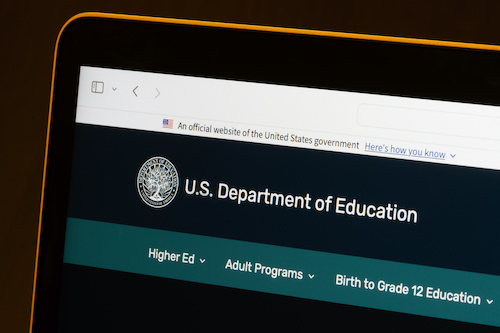
  • What happens after the U.S. Department of Education is dissolved?

    What happens after the U.S. Department of Education is dissolved?

    eSchool News is counting down the 10 most-read stories of 2025. Story #1 focuses on the Trump Administration’s goal of dismantling the U.S. Department of Education.

    Key points:

    In light of Donald Trump assuming a second presidential term in 2025, conversations concerning dismantling the United States Department of Education have resurfaced. Supporters argue that federal involvement in education undermines state authority, while critics fear that removing the federal role could exacerbate inequities and hinder national progress. To evaluate the proposal, it is crucial to examine the federal and state roles in education, the historical and constitutional context, and the potential benefits and challenges of such a shift.

    The federal role in education

    The United States Constitution does not explicitly grant the federal government authority over education. As Lunenberg et al. (2012) noted, “Education is not a function specifically delegated to the federal government” (p. 327). Instead, under the Tenth Amendment, powers not delegated to the federal government are reserved for the states (McCarthy et al., 2019). This leaves education primarily under state jurisdiction, with federal involvement historically limited to indirect support rather than direct control.

    The United States Department of Education was established in 1979. It is responsible for overseeing federal funding for schools, enforcing federal laws in education, and ensuring equal access for students across the country.  Furthermore, it has played a significant role through legislation such as the Elementary and Secondary Education Act (ESEA) and its successors: NCLB (No Child Left Behind) and ESSA (the Every Student Succeeds Act). These laws link federal funding to specific requirements, which aim to address inequities in education. Currently, federal contributions account for approximately 8 percent of funding for elementary and secondary education, with the remaining 92 percent coming from state and local sources (“The Federal Role,” 2017).

    The role of state and local control in education

    Education policy and administration have traditionally been state functions. States determine funding formulas, establish teacher certification requirements, and oversee curricula through their departments and boards of education (Lynch, 2016). Governors and state legislatures allocate funds, which are often distributed to schools based on enrollment, need, or specific programs (Lunenberg et al., 2012).

    Local school boards also play a critical role, managing day-to-day operations and responding to community needs. This decentralized structure reflects a longstanding belief that local authorities are better positioned to address the diverse needs of their communities. However, it has also led to significant disparities between states and districts in terms of funding, resources, and student outcomes.

    Dismantling the United States Department of Education 

    One of the most compelling arguments for dismantling the United States Department of Education lies in the principle of localized control. Critics argue that education is best managed by state and local governments because they are closer to the specific needs of their communities. Localized governance could allow schools to tailor their policies, curriculum, and resource allocation in ways that best fit the unique demographics of their regions. For example, schools in rural areas may have vastly different needs than those in urban centers, which is why local authorities are likely better equipped to address these disparities without the interference of federal oversight.

    The concern extends beyond general education. The Individuals with Disabilities Education Act (IDEA), which is enforced by the United States Department of Education, mandates that students with disabilities receive free and appropriate public education (FAPE) along with necessary services and accommodations. Similarly, the department oversees federal programs that support English Language Learner (ELL) students by helping schools provide tailored instruction and resources to students who are not native English speakers. Without federal oversight, it is possible that these programs could lose funding or be inconsistently applied across states, causing vulnerable populations to be without critical support.

    Advocates of dismantling the United States Department of Education also point to the financial burden of maintaining a federal agency. They argue that billions of dollars allocated to the department could be redirected to state education budgets, thereby allowing for more impactful initiatives at the forefront. By eliminating bureaucratic layers, states could potentially deliver education funding more efficiently, thereby focusing resources directly on teachers, classrooms, and students.

    Another critical function of the United States Department of Education is establishing and enforcing national education standards. Programs such as NCLB and ESSA aim to hold schools accountable for student performance and ensure consistency across states (albeit, there are arguments those programs have led to a culture of “teaching to the test” and have stifled creativity in the classroom), but allowing states and local districts to have greater freedom to design their own standards and assessments may fostering innovation while also leading to the quality of education varying dramatically from state to state and can cause challenges for students in transient populations due to a lack of cohesion disrupting their education and limiting their opportunities.

    Keeping the United States Department of Education 

    Dismantling the United States Department of Education raises significant concerns about equity. The department plays a crucial role in addressing disparities in funding education, as well as in funding access. Federal programs (i.e., Title I, free meals, counseling, after-school programs, etc.) provide additional resources to schools serving high numbers of low-income students, many of which are located in inner-city areas. Without the United States Department of Education, these programs might be eliminated or left to the discretion of states that have historically struggled to prioritize funding for underserved communities.

    Inner-city urban schools often face unique challenges (i.e., overcrowding, insufficient funding, higher rates of poverty among students, etc.). Many of these schools also serve disproportionately high numbers of students with disabilities and ELL students, thereby making federal support even more vital. The United States Department of Education enforces civil rights protections that ensures that all students (including vulnerable subgroups) receive equitable treatment. Dismantling the department could weaken these safeguards, thereby leaving marginalized communities more vulnerable to neglect. Therefore, the loss of federal oversight is a serious concern for public education. Historically, states have not always allocated resources equitably, and urban school districts have often been underfunded compared to their suburban counterparts. Federal intervention has been essential in addressing these disparities. Without it, inner-city schools may struggle to maintain even basic standards of education, thereby exacerbating poverty and inequality.

    All schools (not just inner-city schools) will be adversely impacted by dismantling the United States Department of Education. Federal funding supports Advanced Placement (AP) courses, STEM initiatives, and dual-enrollment opportunities. Dismantling the United States Department of Education could lead to inconsistencies in college admissions processes because states might adopt different graduation requirements and assessments. This lack of standardization could complicate admissions for students applying to out-of-state or prestigious universities. Furthermore, the United States Department of Education funds research initiatives that lead to the development of new teaching methods, technologies, and curricula. These innovations often benefit all schools, but without federal support, such research might stagnate leaving schools without access to cutting-edge educational resources.

    Conclusion

    In conclusion, the debate pertaining to dismantling the United States Department of Education has taken on new urgency under the Trump administration in 2025. While advocates of dismantling the department argue for greater local control and efficiency, the critics highlight the potential risks to equity and access.  As the nation grapples with this issue, it is essential to prioritize the needs of students (and communities). The ultimate goal must be to create a more equitable and effective education system that serves all students regardless of their background or zip code.

    Latest posts by eSchool Media Contributors (see all)

    Source link

  • 25 predictions about AI and edtech

    25 predictions about AI and edtech

    eSchool News is counting down the 10 most-read stories of 2025. Story #2 focuses on predictions educators made for AI in 2025.

    When it comes to education trends, AI certainly has staying power. As generative AI technologies evolve, educators are moving away from fears about AI-enabled cheating and are embracing the idea that AI can open new doors for teaching and learning.

    AI tools can reduce the administrative burden so many educators carry, can personalize learning for students, and can help students become more engaged in their learning when they use the tools to brainstorm and expand on ideas for assignments and projects. Having AI skills is also essential for today’s students, who will enter a workforce where AI know-how is becoming more necessary for success.

    So: What’s next for AI in education? We asked educators, edtech industry leaders, stakeholders, and experts to share some predictions about where they think AI is headed in 2025. (Here’s our list of 50 predictions for edtech in 2025.)

    Here’s what they had to say:

    In 2025, online program leaders will begin to unlock the vast potential of generative AI, integrating it more deeply into the instructional design process in ways that can amplify and expedite the work of faculty and instructional designers. This technology, already making waves in instruction and assessment, stands poised to transform the creation of online courses. By streamlining time-intensive tasks, generative AI offers the promise of automation, replication, and scalability, enabling institutions to expand their online offerings at an unprecedented pace. The key is that we maintain rigorous standards of quality–and create clear guardrails around the ethical use of AI at a time when increasingly sophisticated models are blurring the lines between human design–and artificial intelligence. Generative AI holds extraordinary promise, but its adoption must be grounded in practices that prioritize equitable and inclusive access, transparency, and educational excellence.
    –Deb Adair, CEO, Quality Matters

    In 2025, education in the United States will reflect both the challenges and opportunities of a system in transition. Uncertainty and change at the federal level will continue to shift decision-making power to states, leaving them with greater autonomy but also greater responsibility. While this decentralization may spark localized innovation, it is just as likely to create uneven standards. In some states, we’ve already seen benchmarks lowered to normalize declines, a trend that could spread as states grapple with resource and performance issues. This dynamic will place an even greater burden on schools, teachers, and academic leaders. As those closest to learners, they will bear the responsibility of bridging the gap between systemic challenges and individual student success. To do so effectively, schools will require tools that reduce administrative complexity, enabling educators to focus on fostering personal connections with students–the foundation of meaningful academic growth. AI will play a transformative role in this landscape, offering solutions to these pressures. However, fragmented adoption driven by decentralized decision-making will lead to inequities, with some districts leveraging AI effectively and others struggling to integrate it. In this complex environment, enterprise platforms that offer flexibility, integration, and choice will become essential. 2025 will demand resilience and creativity, but it also offers all of us an opportunity to refocus on what truly matters: supporting educators and the students they inspire.
    Scott Anderberg, CEO, Moodle

    As chatbots become more sophisticated, they’re rapidly becoming a favorite among students for their interactive and personalized support, and we can expect to see them increasingly integrated into classrooms, tutoring platforms, and educational apps as educators embrace this engaging tool for learning. Additionally, AI is poised to play an even larger role in education, particularly in test preparation and course planning. By leveraging data and predictive analytics, AI-driven tools will help students and educators create more tailored and effective learning pathways, enhancing the overall educational experience.
    Brad Barton, CTO, YouScience 

    As we move into 2025,  we’ll move past the AI hype cycle and pivot toward solving tangible classroom challenges. Effective AI solutions will integrate seamlessly into the learning environment, enhancing rather than disrupting the teaching experience. The focus will shift to practical tools that help teachers sustain student attention and engagement–the foundation of effective learning. These innovations will prioritize giving educators greater flexibility and control, allowing them to move freely around the classroom while effortlessly managing and switching between digital resources. An approach that ensures technology supports and amplifies the irreplaceable human connections at the heart of learning, rather than replacing them.
    –Levi Belnap, CEO, Merlyn Mind

    The year 2025 is set to transform science education by implementing AI-driven learning platforms. These platforms will dynamically adjust to the student’s interests and learning paces, enhancing accessibility and inclusivity in education. Additionally, virtual labs and simulations will rise, enabling students to experiment with concepts without geographical constraints. This evolution will make high-quality STEM education more universally accessible.
    –Tiago Costa, Cloud & AI Architect, Microsoft; Pearson Video Lesson Instructor 

    In the two years since GenAI was unleashed, K-12 leaders have ridden the wave of experimentation and uncertainty about the role this transformative technology should have in classrooms and districts. 2025 will see a shift toward GenAI strategy development, clear policy and governance creation, instructional integration, and guardrail setting for educators and students. K-12 districts recognize the need to upskill their teachers, not only to take advantage of GenAI to personalize learning, but also so they can teach students how to use this tech responsibly. On the back end, IT leaders will grapple with increased infrastructure demands and ever-increasing cybersecurity threats.
    Delia DeCourcy, Senior Strategist, Lenovo Worldwide Education Team

    AI-driven tools will transform the role of teachers and support staff in 2025: The advent of AI will allow teachers to offload mundane administrative tasks to students and provide them more energy to be at the “heart and soul” of the classroom. Moreover, more than two-thirds (64 percent) of parents agreed or strongly agreed that AI should help free teachers from administrative tasks and help them build connections with the classroom. Impact of technological advancements on hybrid and remote learning models in 2025: AI is revolutionizing the online learning experience with personalized pathways, tailored skills development and support, and enhanced content creation. For example, some HBS Online courses, like Launching Tech Ventures, feature an AI course assistant bot to help address learners’ questions and facilitate successful course completion. While the long-term impact remains uncertain, AI is narrowing the gap between online and in-person education. By analyzing user behavior and learning preferences, AI can create adaptive learning environments that dynamically adjust to individual needs, making education more engaging and effective. 
    –David Everson, Senior Director of Marketing Solutions, Laserfiche

    In education and digital publishing, artificial intelligence (AI) will continue transitioning from novelty applications to solutions that address real-world challenges facing educators and students. Successful companies will focus on data security and user trust, and will create learner-centered AI tools to deliver personalized experiences that adapt to individual needs and enhance efficiency for educators, enabling them to dedicate more time to fostering meaningful connections with students. The ethical integration of AI technologies such as retrieval-augmented generation (RAG) is key to this evolution. Unlike traditional large language models that ingest information from the Internet at large, RAG delivers AI outputs that are grounded in authoritative, peer-reviewed content, reducing the risk of misinformation while safeguarding the integrity of intellectual property. Thoughtfully developed AI tools such as this will become partners in the learning journey, encouraging analysis, problem-solving, and creativity rather than fostering dependence on automated responses. By taking a deliberate approach that focuses on ethical practices, user-centered design, and supporting the cultivation of essential skills, successful education companies will use AI less as innovation for its own sake and more as a means to provide rich and memorable teaching and learning experiences.
    Paul Gazzolo, Senior Vice President & Global General Manager, Gale, a Part of Cengage Group

    Adaptive learning technologies will continue to personalize curriculum and assessment, creating a more responsive and engaging educational journey that reflects each student’s strengths and growth areas. Generative AI and other cutting-edge advancements will be instrumental in building solutions that optimize classroom support, particularly in integrating assessment and instruction. We will see more technology that can help educators understand the past to edit materials in the present, to accelerate teachers planning for the future.
    Andrew Goldman, EVP, HMH Labs

    We’ll witness a fundamental shift in how we approach student assessment, moving away from conventional testing models toward more authentic experiences that are seamless with instruction. The thoughtful integration of AI, particularly voice AI technology, will transform assessment from an intermittent event into a natural part of the learning process. The most promising applications will be those that combine advanced technology with research-validated methodologies. Voice-enabled assessments will open new possibilities for measuring student knowledge in ways that are more natural and accessible, especially for our youngest learners, leveraging AI’s capabilities to streamline assessment while ensuring that technology serves as a tool to augment, rather than replace, the critical role of teachers.
    –Kristen Huff, Head of Measurement, Curriculum Associates

    AI is already being used by many educators, not just to gain efficiencies, but to make a real difference in how their students are learning. I suspect in 2025 we’ll see even more educators experimenting and leveraging AI tools as they evolve–especially as more of the Gen Z population enters the teaching workforce. In 2024, surveyed K-12 educators reported already using AI to create personalized learning experiences, provide real-time performance feedback, and foster critical thinking skills. Not only will AI usage continue to trend up throughout 2025, I do believe it will reach new heights as more teachers begin to explore GenAI as a hyper-personalized asset to support their work in the classroom. This includes the use of AI as an official teacher’s assistant (TA), helping to score free response homework and tests and providing real-time, individualized feedback to students on their education journey.
    –John Jorgenson, CMO, Cambium Learning Group

    The new year will continue to see the topic of AI dominate the conversation as institutions emphasize the need for students to understand AI fundamentals, ethical considerations, and real-world applications outside of the classroom. However, a widening skills gap between students and educators in AI and digital literacy presents a challenge. Many educators have not prioritized keeping up with rapid technological advancements, while students–often exposed to digital tools early on–adapt quickly. This gap can lead to uneven integration of AI in classrooms, where students sometimes outpace their instructors in understanding. To bridge this divide, comprehensive professional development for teachers is essential, focusing on both technical skills and effective teaching strategies for AI-related topics. Underscoring the evolving tech in classrooms will be the need for evidence of outcomes, not just with AI but all tools. In the post-ESSER era, evidence-based decision-making is crucial for K-12 schools striving to sustain effective programs without federal emergency funds. With the need to further justify expenditures, schools must rely on data to evaluate the impact of educational initiatives on student outcomes, from academic achievement to mental health support. Evidence helps educators and administrators identify which programs truly benefit students, enabling them to allocate resources wisely and prioritize what works. By focusing on measurable results, schools can enhance accountability, build stakeholder trust, and ensure that investments directly contribute to meaningful, lasting improvements in learning and well-being.
    Melissa Loble, Chief Academic Officer, Instructure

    With AI literacy in the spotlight, lifelong learning will become the new normal. Immediate skills need: The role of “individual contributors” will evolve, and we will all be managers of AI agents, making AI skills a must-have. Skills of the future: Quantum skills will start to be in demand in the job market as quantum development continues to push forward over the next year. Always in-demand skills: The overall increase in cyberattacks and emerging risks, such as harvest now and decrypt later (HNDL) attacks, will further underscore the continued importance of cybersecurity skills. Upskilling won’t end with AI. Each new wave of technology will demand new skills, so lifelong learners will thrive. AI will not be siloed to use among technology professionals. The democratization of AI technology and the proliferation of AI agents have already made AI skills today’s priority. Looking ahead, quantum skills will begin to grow in demand with the steady advance of the technology. Meanwhile cybersecurity skills are an evergreen need.
    Lydia Logan, VP of Global Education & Workforce Development, IBM

    This coming year, we’ll see real progress in using technology, particularly GenAI, to free up teachers’ time. This will enable them to focus on what they do best: working directly with students and fostering the deep connections crucial for student growth and achievement. GenAI-powered assistants will streamline lesson planning after digesting information from a sea of assessments to provide personalized recommendations for instruction to an entire class, small groups, and individual students. The bottom line is technology that never aims to replace a teacher’s expertise–nothing ever should–but gives them back time to deepen relationships with students.
    Jack Lynch, CEO, HMH

    Looking to 2025, I anticipate several key trends that will further enhance the fusion of educators, AI and multimodal learning. AI-powered personalization enhanced by multimedia: AI will deliver personalized learning paths enriched with various content formats. By adapting to individual learning styles–whether visual, auditory, or kinesthetic–we can make education more engaging and effective. Expansion of multimodal learning experiences: Students will increasingly expect learning materials that engage multiple senses. Integrating short-form videos created and vetted by actual educators, interactive simulations, and audio content will cater to different learning preferences, making education more inclusive and effective. Deepening collaboration with educators: Teachers will play an even more critical role in developing and curating multimodal content. Their expertise ensures that the integration of technology enhances rather than detracts from the learning experience.
    –Nhon Ma, CEO & Co-founder, Numerade

    AI and automation become a competitive advantage for education platforms and systems. 2025 will be the year for AI to be more infused in education initiatives and platforms. AI-powered solutions have reached a tipping point from being a nice-to-have to a must-have in order to deliver compelling and competitive education experiences. When we look at the education sector, the use cases are clear. From creating content like quizzes, to matching students with education courses that meet their needs, to grading huge volumes of work, enhancing coaching and guidance for students, and even collecting, analyzing and acting on feedback from learners, there is so much value to reap from AI. Looking ahead, there could be additional applications in education for multimodal AI models, which are capable of processing and analyzing complex documents including images, tables, charts, and audio.
    Rachael Mohammed, Corporate Social Responsibility Digital Offerings Leader, IBM

    Agentic and Shadow AI are here. Now, building guardrails for safe and powerful use will be key for education providers and will require new skillsets. In education, we expect the start of a shift from traditional AI tools to agents. In addition, the mainstream use of AI technology with ChatGPT and OpenAI has increased the potential risk of Shadow AI (the use of non-approved public AI applications, potentially causing concerns about compromising sensitive information). These two phenomena highlight the importance of accountability, data and IT policies, as well as control of autonomous systems. This is key mostly for education providers, where we think there will be greater attention paid to the AI guardrails and process. To be prepared, educators, students, and decision makers at all levels need to be upskilled in AI, with a focus on AI ethics and data management. If we invest in training the workforce now, they will be ready to responsibly develop and use AI and AI agents in a way that is trustworthy.
    Justina Nixon-Saintil, Vice President & Chief Impact Officer, IBM

    Rather than replacing human expertise, AI can be used as a resource to allow someone to focus more of their time on what’s truly important and impactful. As an educator, AI has become an indispensable tool for creating lesson plans. It helps generate examples, activity ideas, and anticipate future students’ questions, freeing me to focus on the broader framework and the deeper meaning of what I’m teaching.
    –Sinan Ozdemir, Founder & Chief Technology Officer, Shiba Technologies; Author, Quick Start Guide to Large Language Models 

    Data analytics and AI will be essential towards tackling the chronic absenteeism crisis. In 2025, the conversation around belonging will shift from abstract concepts to concrete actions in schools. Teachers who build strong relationships with both students and families will see better attendance and engagement, leading more schools to prioritize meaningful connection-building over quick-fix solutions. We’ll see more districts move toward personalized, two-way school communications that create trust with parents and the larger school community. In order to keep up with the growing need for this type of individualized outreach, schools will use data analytics and AI to identify attendance and academic patterns that indicate students are at risk of becoming chronically absent. It won’t be dramatic, but we’ll see steady progress throughout the year as schools recognize that student success depends on creating environments where both students and families feel valued and heard.
    Dr. Kara Stern, Director of Education and Engagement, SchoolStatus

    As access to AI resources gains ground in classrooms, educators will face a dire responsibility to not only master these tools but to establish guidelines and provide best practices to ensure effective and responsible use. The increasing demand for AI requires educators to stay informed about emerging applications and prioritize ethical practices, ensuring AI enhances rather than impedes educational outcomes.. This is particularly critical in STEM fields, where AI has already transformed industries and is shaping career paths, providing new learning opportunities for students. To prevent the exacerbation of the existing STEM gap, educators must prioritize equitable access to AI resources and tools, ensuring that all students, regardless of background, have the opportunity to engage with and fully understand these technologies. This focus on equity is essential in leveling the playing field, helping bridge disparities that could otherwise limit students’ future success. Achieving these goals will require educators to engage in professional development programs designed to equip them with necessary skills and content knowledge to implement new technology in their classrooms. Learning how to foster inclusive environments is vital to cultivating a positive school climate where students feel motivated to succeed. Meanwhile, professionally-trained educators can support the integration of new technologies to ensure that every student has the opportunity to thrive in this new educational landscape.
    Michelle Stie, Vice President, Program Design & Innovation, NMSI

    Artificial intelligence (AI) is poised to increase in use in K-12 classrooms, with literacy instruction emerging as a key area for transformative impact. While educators may associate AI with concerns like cheating, its potential to enhance human-centered teaching is gaining recognition. By streamlining administrative tasks, AI empowers teachers to focus on connecting with students and delivering personalized instruction. One trend to watch is AI’s role in automating reading assessments. These tools reduce the time educators spend administering and analyzing tests, offering real-time insights that guide individualized instruction. AI is also excelling at pinpointing skill gaps, allowing teachers to intervene early, particularly in foundational reading areas.  Another emerging trend is AI-driven reading practice. Tools can adapt to each student’s needs, delivering engaging, personalized reading tutoring with immediate corrective feedback. This ensures consistent, intentional practice–a critical factor in literacy growth. Rather than replacing teachers, AI frees up educator time for what matters most: fostering relationships with students and delivering high-quality instruction. As schools look to optimize resources in the coming year, AI’s ability to augment literacy instruction can be an important tool that maximizes students’ growth, while minimizing teachers’ work.
    Janine Walker-Caffrey, Ed.D., Chief Academic Officer, EPS Learning

    We expect a renewed focus on human writing with a broader purpose–clear communication that demonstrates knowledge and understanding, enhanced, not replaced by available technology. With AI making basic elements of writing more accessible to all, this renaissance of writing will emphasize the ability to combine topical knowledge, critical thinking, mastery of language and AI applications to develop written work. Instead of being warned against using generative AI, students will be asked to move from demand–asking AI writing tools to produce work on their behalf, to command–owning the content creation process from start to finish and leveraging technology where it can be used to edit, enhance or expand original thinking. This shift will resurface the idea of co-authorship, including transparency around how written work comes together and disclosure of when and how AI tools were used to support the process. 
    Eric Wang, VP of AI, Turnitin

    GenAI and AI writing detection tools will evolve, adding advanced capabilities to match each other’s detectability flex. End users are reaching higher levels of familiarity and maturity with AI functionality, resulting in a shift in how they are leveraged. Savvy users will take a bookend approach, focusing on early stage ideation, organization and expansion of original ideas as well as late stage refinement of ideas and writing. Coupling the use of GenAI with agentic AI applications will help to overcome current limitations, introducing multi-source analysis and adaptation capabilities to the writing process. Use of detection tools will improve as well, with a focus on preserving the teaching and learning process. In early stages, detection tools and indicator reports will create opportunities to focus teaching on addressing knowledge gaps and areas lacking original thought or foundation. Later stage detection will offer opportunities to strengthen the dialogue between educators and students, providing transparency that will reduce student risk and increase engagement.
    Eric Wang, VP of AI, Turnitin

    Advanced AI tools will provide more equitable access for all students, inclusive of reaching students in their home language, deaf and hard of hearing support through AI-enabled ASL videos, blind and visually impaired with real time audio descriptions, tactiles, and assistive technology.
    –Trent Workman, SVP for U.S. School Assessments, Pearson 

    Generative AI everywhere: Generative AI, like ChatGPT, is getting smarter and more influential every day, with the market expected to grow a whopping 46 percent every year from now until 2030. By 2025, we’ll likely see AI churning out even more impressive text, images, and videos–completely transforming industries like marketing, design, and content creation. Under a Trump administration that might take a more “hands-off” approach, we could see faster growth with fewer restrictions holding things back. That could mean more innovative tools hitting the market sooner, but it will also require companies to be careful about privacy and job impacts on their own. The threat of AI-powered cyberattacks: Experts think 2025 might be the year cybercriminals go full throttle with AI. Think about it: with the advancement of the technology, cyberattacks powered by AI models could start using deepfakes, enhanced social engineering, and ultra-sophisticated malware. If the Trump administration focuses on cybersecurity mainly for critical infrastructure, private companies could face gaps in support, leaving sectors like healthcare and finance on their own to keep up with new threats. Without stronger regulations, businesses will have to get creative–and fast–when it comes to fighting off these attacks.
    –Alon Yamin, Co-Founder & CEO, Copyleaks

    Laura Ascione
    Latest posts by Laura Ascione (see all)

    Source link

  • Being a principal just got harder–and here’s why

    Being a principal just got harder–and here’s why

    eSchool News is counting down the 10 most-read stories of 2025. Story #3 focuses on challenges in school leadership.

    This story was originally published by Chalkbeat. Sign up for their newsletters at ckbe.at/newsletters.

    There is a squeaky old merry-go-round in my neighborhood that my own children play on from time to time. Years of kids riding on it have loosened its joints so it spins more freely and quickly. The last time they played on the merry-go-round, my children learned the important lesson that the closer to the center they sit the more stable and in control they feel.

    While being a school leader has always felt like being on a spinning piece of playground equipment, leading since the inauguration of President Donald Trump has made me feel as if I moved from the center to the edges in this merry-go-round metaphor. Immigration raids and attacks on civil liberties have made the work feel blindingly fast.

    The school I serve has a large population of immigrant students. Teens who just weeks ago felt like our school was a safe and secure place now carry a new level of concern into our classrooms and hallways. My school has seen a significant drop in attendance since January with parents and guardians citing the desire to keep their children home instead of sending them to school and putting them in harm’s way as ICE raids happen across the city.

    Our staff feels the impact of the rhetoric and policy shifts out of Washington as well. They fear for the physical and emotional safety of our students when they leave the school.

    For my part, I wonder if my decisions that prioritize equity and inclusion will make me the target of criticism–or worse, an investigation. This year, we have had ongoing professional development opportunities to teach staff how they can better support our queer students and employees. Each time we engage in these discussions, I find myself worrying about the repercussions.

    But I am determined that the programs and people in place to support and protect our most vulnerable students will not go away. Rather, they will be reinforced. My role as a school leader is to create an environment so safe and accepting that students and staff never feel like they must look over their shoulder while they are at school. We want them to breathe easily knowing that, at least during the school day, they can be seen, safe, and successful.

    To be sure, this job has always been a juggle, which includes instructional leadership, behavioral support, budgeting, staffing, and–in my case–fighting the stigma of historically being identified as a low-performing school by the Colorado Department of Education. But the changes out of Washington have taken things to the next level. As I navigate it all, I do my best to be energetic, optimistic, and reliable. Each day is an exercise in finding joy in my interactions with students and staff.

    I find joy in seeing students cheer on their peers at basketball games. I find joy in watching a teacher sit with a student until they grasp a challenging concept. I find joy when I see staff members step in to teach a class for a colleague who is sick or just needs a break. I find joy and hope in my daily interactions with students and staff; they are the core of my work and are the bravest people I have worked with in my career.

    When I push my children on the merry-go-round, I tell them to get to the center because the spinning seems to slow down and the noise decreases. This is the same advice I would give to school leaders right now. Get right to the center of your work by being with students and staff as much as possible. Even at the center, the spinning does not stop. The raids, political attacks, and fear tactics do not decrease, but the challenge of facing them becomes a little more manageable. While every force out there may be pushing leaders away from the center of their work, prioritizing that values-based work reminds us exactly why we do what we do.

    Chalkbeat is a nonprofit news site covering educational change in public schools.

    For more news on school leadership, visit eSN’s Educational Leadership hub.

    Latest posts by eSchool Media Contributors (see all)

    Source link

  • Why new math problems won’t solve our nation’s math problem

    Why new math problems won’t solve our nation’s math problem

    eSchool News is counting down the 10 most-read stories of 2025. Story #4 focuses on making math instruction more relevant to students.

    Key points:

    How much longer will we keep trying to solve our nation’s dismal math proficiency problem by writing new math problems? Clearly, if that was the answer, it would have worked by now–but it hasn’t, as evidenced by decades of low proficiencies, historic declines post-COVID, and the widest outcome gaps in the world.

    The real question students are asking is, “When am I ever going to use this?” As a former math teacher, I learned that addressing this question head-on made all the difference. Students’ success in math wasn’t found in a book–it was found in how math applied to them, in its relevance to their future career plans. When math concepts were connected to real-world scenarios, they transformed from distant and abstract ideas into meaningful, tangible skills.

    My first-hand experience proved the premise of education innovator Dr. Bill Daggett’s “rigor-relevance-relationship” framework. If students know what they’re learning has real-life implications, meaning and purpose will ensure that they become more motivated and actively engaged in their learning.

    Years later, I founded the nonprofit Pathway2Careers with a commitment to use education research to inform good policy and effective practice. From that foundation, we set out on a path to develop a first-of-its-kind approach to math instruction that led with relevance through career-connected learning (CCL).

    In our initial pilot study in 2021, students overwhelmingly responded positively to the curriculum. After using our career-connected math lessons, 100 percent of students reported increased interest in learning math this way. Additionally, they expressed heightened curiosity about various career pathways–a significant shift in engagement.

    In a more comprehensive survey of 537 students spanning grades 7–11 (with the majority in grades 8 and 9) in 2023, the results reinforced this transformation. Students reported a measurable increase in motivation, with:

    • 48 percent expressing “much more” or “slightly more” interest in learning math
    • 52 percent showing greater curiosity about how math skills are applied in careers
    • 55 percent indicating newfound interest in specific career fields
    • 60 percent wanting to explore different career options
    • 54 percent expressing a stronger desire to learn how other skills translate to careers

    Educators also noted significant benefits. Teachers using the curriculum regularly–daily or weekly–overwhelmingly rated it as effective. Specifically, 86 percent indicated it was “very effective” or “somewhat effective” in increasing student engagement, and 73 percent highlighted improved understanding of math’s relevance to career applications. Other reported benefits included students’ increased interest in pursuing higher education and gaining awareness of various postsecondary options like certificates, associate degrees, and bachelor’s degrees.

    Building on these promising indicators of engagement, we analyzed students’ growth in learning as measured by Quantile assessments administered at the start and end of the academic year. The results exceeded expectations:

    • In Pre-Algebra, students surpassed the national average gain by 101 Quantiles (141Q vs. 40Q)
    • Algebra I students achieved more than triple the expected gains (110Q vs. 35Q)
    • Geometry learners outpaced the average by 90 Quantiles (125Q vs. 35Q)
    • Algebra II showed the most significant growth, with students outperforming the norm by 168 Quantiles (198Q vs. 30Q)

    These outcomes are a testament to the power of relevance in education. By embedding math concepts within real-world career contexts, we transformed abstract concepts into meaningful, tangible skills. Students not only mastered math content at unprecedented levels but also began to see the subject as a critical tool for their futures.

    What we found astounded even us, though we shouldn’t have been surprised, based on decades of research that indicated what would happen. Once we answered the question of when students would use this, their mastery of the math content took on purpose and meaning. Contextualizing math is the path forward for math instruction across the country.

    And there’s no time to waste. As a recent Urban Institute study indicated, students’ math proficiencies were even more significant than reading in positively impacting their later earning power. If we can change students’ attitudes about math, not just their math problems, the economic benefits to students, families, communities, and states will be profound.

    Latest posts by eSchool Media Contributors (see all)

    Source link

  • This math platform leverages AI coaching to help students tackle tough concepts

    This math platform leverages AI coaching to help students tackle tough concepts

    eSchool News is counting down the 10 most-read stories of 2025. Story #5 focuses on a math platform that offers AI coaching for maximum impact.

    Math is a fundamental part of K-12 education, but students often face significant challenges in mastering increasingly challenging math concepts.

    Many students suffer from math anxiety, which can lead to a lack of confidence and motivation. Gaps in foundational knowledge, especially in early grades and exacerbated by continued pandemic-related learning loss, can make advanced topics more difficult to grasp later on. Some students may feel disengaged if the curriculum does not connect to their interests or learning styles.

    Teachers, on the other hand, face challenges in addressing diverse student needs within a single classroom. Differentiated instruction is essential, but time constraints, large class sizes, and varying skill levels make personalized learning difficult.

    To overcome these challenges, schools must emphasize early intervention, interactive teaching strategies, and the use of engaging digital tools.

    Last year in New York City Public Schools, Franklin Delano Roosevelt High School (FDR) teachers started using a real-time AI math coaching platform from Edia to give students instant access to math support.

    Edia aligns with Illustrative Mathematics’ IM Math, which New York City Public Schools adopted in 2024 as part of its “NYC Solves” initiative–a program aiming to help students develop the problem-solving, critical thinking, and math skills necessary for lifetime success. Because Edia has the same lessons and activities built into its system, learning concepts are reinforced for students.

    FDR started using Edia in September of 2024, first as a teacher-facing tool until all data protection measures were in place, and now as an instructional tool for students in the classroom and at home.

    The math platform’s AI coaching helps motivate students to persevere through tough-to-learn topics, particularly when they’re completing work at home.

    “I was looking for something to have a back-and-forth for students, so that when they need help, they’d be able to ask for it, at any time of the day,” said Salvatore Catalano, assistant principal of math and technology at FDR.

    On Edia’s platform, an AI coach reads students’ work and gives them personalized feedback based on their mistakes so they can think about their answers, try again, and master concepts.

    Some FDR classes use Edia several days a week for specific math supports, while others use it for homework assignments. As students work through assignments on the platform, they must answer all questions in a given problem set correctly before proceeding.

    Jeff Carney, a math teacher at FDR, primarily uses the Edia platform for homework assignments, and said it helps students with academic discovery.

    “With the shift toward more constructivist modes of teaching, we can build really strong conceptual knowledge, but students need time to build out procedural fluency,” he said. “That’s hard to do in one class session, and hard to do when students are on their own. Edia supports the constructivist model of discovery, which at times can be slower, but leads to deeper conceptual understanding–it lets us have that class time, and students can build up procedural fluency at home with Edia.”

    On Edia, teachers can see every question a student asks the AI coach as they try to complete a problem set.

    “It’s a nice interface–I can see if a student made multiple attempts on a problem and finally got the correct answer, but I also can see all the different questions they’re asking,” Carney said. “That gives me a better understanding of what they’re thinking as they try to solve the problem. It’s hugely helpful to see how they’re processing the information piece by piece and where their misconceptions might be.”

    As students ask questions, they also build independent research skills as they learn to identify where they struggle and, in turn, ask the AI coach the right questions to target areas where they need to improve.

    “We can’t have 30 kids saying, ‘I don’t get it’–there has to be a self-sufficient aspect to this, and I believe students can figure out what they’re trying to do,” Carney said.

    “I think having this platform as our main homework tool has allowed students to build up that self-efficacy more, which has been great–that’s been a huge help in enabling the constructivist model and building up those self-efficacy skills students need,” he added.

    Because FDR has a large ELL population, the platform’s language translation feature is particularly helpful.

    “We set up students with an Illustrative Math-aligned activity on Edia and let them engage with that AI coaching tool,” Carney said. “Kids who have just arrived or who are just learning their first English words can use their home languages, and that’s helpful.”

    Edia’s platform also serves as a self-reflection tool of sorts for students.

    “If you’re able to keep track of the questions you’re asking, you know for yourself where you need improvement. You only learn when you’re asking the good questions,” Catalano noted.

    The results? Sixty-five percent of students using Edia improved their scores on the state’s Regents exam in algebra, with some demonstrating as much as a 40-point increase, Catalano said, noting that while increased scores don’t necessarily mean students earned passing grades, they do demonstrate growth.

    “Of the students in a class using it regularly with fidelity, about 80 percent improved,” he said.

    For more spotlights on innovative edtech, visit eSN’s Profiles in Innovation hub.

    Laura Ascione
    Latest posts by Laura Ascione (see all)
    Source link

  • DEI in education: Pros and cons

    DEI in education: Pros and cons

    eSchool News is counting down the 10 most-read stories of 2025. Story #6 focuses on DEI in education.

    Key points:

    Diversity, equity, and inclusion (DEI) initiatives have become integral to educational institutions across the United States. DEI aims to foster environments where all students can thrive regardless of their backgrounds. The programs are designed to address systemic inequalities, promote representation, and create inclusive spaces for learning. However, as DEI becomes more prevalent, it also faces scrutiny and debate regarding its effectiveness, implementation, and impact on educational outcomes.

    One of the main advantages of DEI in education is the promotion of a more inclusive and representative curriculum. Students gain a broader understanding of the world by integrating diverse perspectives into course materials. This enhances critical thinking and empathy. Furthermore, the approach prepares students to navigate and contribute to our increasingly globalized society. Moreover, exposure to diverse viewpoints encourages students to challenge their assumptions and develop a more nuanced perspective on complex issues.

    DEI initiatives also contribute to improved academic outcomes by fostering a sense of belongingness amongst students. When students see themselves reflected in their educators and curricula, they are more likely to feel valued and supported. This leads to increased engagement and motivation. This sense of inclusion can result in higher retention and graduation rates (particularly among historically marginalized groups). Furthermore, diverse learning environments encourage collaboration and communication skills because students learn to work effectively with peers from different backgrounds.

    In addition to benefiting students, DEI programs can enhance faculty satisfaction and retention. Institutions that prioritize diversity in hiring and promotion practices create more equitable workplaces. This can lead to increased job satisfaction among faculty members. Mentorship programs and professional development opportunities focused on DEI can also support faculty in creating inclusive classroom environments, which further benefits students.

    Despite these benefits, DEI initiatives are not without challenges. One significant concern is the potential for resistance and backlash from individuals who perceive DEI efforts as a threat to traditional values (in other words, a form of reverse discrimination). This resistance can manifest in various ways (opposition to DEI policies, legal challenges, and political pressure). Such opposition can hinder the implementation and effectiveness of DEI programs, thereby creating a contentious atmosphere within educational institutions.

    Another challenge is the difficulty in measuring the success of DEI initiatives. Without clear metrics, it can be challenging to assess the impact of these programs on student outcomes, faculty satisfaction, or institutional culture. The lack of quantifiable data can lead to skepticism about the efficiency of DEI efforts, thus resulting in reduced support or funding for such programs. Additionally, the absence of standardized definitions and goals for DEI can lead to inconsistent implementation across institutions.

    Resource allocation is also a critical issue in the execution of DEI initiatives. Implementing comprehensive DEI programs often requires significant financial investment (funding for specialized staff, training, and support services). In times of budget constraints, institutions may struggle to prioritize DEI efforts. This may lead to inadequate support for students and faculty. Without sufficient resources, DEI programs may fail to achieve their intended outcomes thus further fueling criticism and skepticism.

    The potential for tokenism is another concern associated with DEI initiatives. When institutions focus on meeting diversity quotas without fostering genuine inclusion, individuals from underrepresented groups may feel marginalized or exploited. Tokenism may undermine the goals of DEI by creating superficial diversity that does not translate into meaningful change or equity. To avoid this, institutions must commit to creating inclusive environments where all individuals feel valued and empowered to contribute fully.

    Furthermore, DEI programs can sometimes inadvertently reinforce stereotypes or create division among student populations. For example, emphasizing differences without promoting commonalities may lead to increased social fragmentation or feelings of isolation among certain groups. Educators must carefully balance the celebration of diversity with the promotion of unity and shared values to foster cohesive learning communities.

    In summary, DEI initiatives in education offer numerous benefits, but these programs also face significant challenges. To maximize the positive impact of DEI efforts, educational institutions must commit to thoughtful, well-resourced, and inclusive implementation strategies that promote genuine equity and inclusion for all members.

    Latest posts by eSchool Media Contributors (see all)

    Source link

  • Edtech teaching strategies that support sustainability

    Edtech teaching strategies that support sustainability

    eSchool News is counting down the 10 most-read stories of 2025. Story #7 focuses on sustainability in edtech.

    Key points:

    Educational technology, or edtech, has reshaped how educators teach, offering opportunities to create more sustainable and impactful learning environments.

    Using edtech in teaching, educators and school leaders can reduce environmental impact while enhancing student engagement and creativity. The key is recognizing how to effectively leverage edtech learning strategies, from digitized lesson plans to virtual collaboration, and keeping an open mind while embracing new instructional methods.

    Rethinking teaching methods in the digital age

    Teaching methods have undergone significant transformation with the rise of educational technology. Traditional classroom settings are evolving, integrating tools and techniques that prioritize active participation and collaboration.

    Here are three edtech learning strategies:

    • The flipped classroom model reverses the typical teaching structure. Instead of delivering lectures in class and assigning homework, teachers provide pre-recorded lessons or materials for students to review at home. Classroom time is then used for hands-on activities, group discussions, or problem-solving tasks.
    • Gamification is another method gaining traction. By incorporating game-like elements such as point systems, leaderboards, and challenges into lesson plans, teachers can motivate students and make learning more interactive. Platforms like Kahoot and Classcraft encourage participation while reducing paper-based activities.
    • Collaborative online tools, such as Google Workspace for Education, also play a critical role in modern classrooms. They enable students to work together on projects in real time, eliminating the need for printed resources. These tools enhance teamwork and streamline the sharing of information in eco-friendly ways.

    Sustainability and innovation in education

    Have you ever wondered how much paper schools use? There are approximately 100,000 schools in this country that consume about 32 billion sheets of paper yearly. On a local level, the average school uses 2,000 sheets daily–that comes out to $16,000 a year. Think about what else that money could be used for in your school.

    Here are ways that edtech can reduce reliance on physical materials:

    • Digital textbooks minimize the need for printed books and reduce waste. Through e-readers, students access a vast library of resources without carrying heavy, paper-based textbooks.
    • Virtual labs provide another example of sustainable education. These labs allow students to conduct experiments in a simulated environment, eliminating the need for disposable materials or expensive lab setups. These applications offer interactive simulations that are cost-effective and eco-conscious.
    • Schools can also adopt learning management systems to centralize course materials, assignments, and feedback. By using these platforms, teachers can cut down on printed handouts and encourage digital submissions, further reducing paper usage.

    Additionally, edtech platforms are beginning to incorporate budget-friendly tools designed with sustainability in mind; some of these resources are free. For instance, apps that monitor energy consumption or carbon footprints in school operations can educate students about environmental stewardship while encouraging sustainable practices in their own lives.

    Supporting teachers in the shift to edtech

    Transitioning to edtech can be a challenging yet rewarding experience for educators. By streamlining administrative tasks and enhancing lesson delivery, technology empowers teachers to focus on what matters most: engaging students.

    Circling back to having an open mind–while many teachers are eager to adopt edtech learning strategies, others might struggle more with technology. You need to expect this and be prepared to offer continuous support. Professional development opportunities are essential to ease the adoption of edtech. Schools can offer workshops and training sessions to help teachers feel confident with new tools. For instance, hosting peer-led sessions where educators share best practices fosters a collaborative approach to learning and implementation.

    Another way to support teachers is by providing access to online resources that offer lesson plans, tutorials, and templates. Encouraging experimentation and flexibility in teaching methods can also lead to better integration of technology. By allowing teachers to adapt tools to their unique classroom needs, schools can foster an environment where innovation thrives.

    If you’re concerned about bumps on this road, remember teachers have common traits that align with edtech. Good teachers are organized, flexible, have communication skills, and are open-minded. Encourage a team approach that’s motivating and leverages their love of learning.

    Bringing sustainability and enhanced learning to classrooms

    The integration of edtech learning strategies into classrooms brings sustainability and enhanced learning experiences to the forefront. By reducing reliance on physical materials and introducing eco-friendly tools, schools can significantly lower their environmental impact. At the same time, teachers gain access to methods that inspire creativity and collaboration among students.

    There’s also this: Edtech learning strategies are constantly evolving, so you’ll want to stay on top of these trends. While many of those focus on learning strategies, others are more about emergency response, safety, and data management,

    Investing in modern technologies and supporting teachers through training and resources ensures the success of these initiatives. By embracing edtech learning strategies, educators and administrators can create classrooms that are not only effective but also sustainable–a win for students, teachers, and the planet.

    Latest posts by eSchool Media Contributors (see all)


    Source link

  • What we lose when AI replaces teachers

    What we lose when AI replaces teachers

    eSchool News is counting down the 10 most-read stories of 2025. Story #8 focuses on the debate around teachers vs. AI.

    Key points:

    A colleague of ours recently attended an AI training where the opening slide featured a list of all the ways AI can revolutionize our classrooms. Grading was listed at the top. Sure, AI can grade papers in mere seconds, but should it?

    As one of our students, Jane, stated: “It has a rubric and can quantify it. It has benchmarks. But that is not what actually goes into writing.” Our students recognize that AI cannot replace the empathy and deep understanding that recognizes the growth, effort, and development of their voice. What concerns us most about grading our students’ written work with AI is the transformation of their audience from human to robot.

    If we teach our students throughout their writing lives that what the grading robot says matters most, then we are teaching them that their audience doesn’t matter. As Wyatt, another student, put it: “If you can use AI to grade me, I can use AI to write.” NCTE, in its position statements for Generative AI, reminds us that writing is a human act, not a mechanical one. Reducing it to automated scores undermines its value and teaches students, like Wyatt and Jane, that the only time we write is for a grade. That is a future of teaching writing we hope to never see.

    We need to pause when tech companies tout AI as the grader of student writing. This isn’t a question of capability. AI can score essays. It can be calibrated to rubrics. It can, as Jane said, provide students with encouragement and feedback specific to their developing skills. And we have no doubt it has the potential to make a teacher’s grading life easier. But just because we can outsource some educational functions to technology doesn’t mean we should.

    It is bad enough how many students already see their teacher as their only audience. Or worse, when students are writing for teachers who see their written work strictly through the lens of a rubric, their audience is limited to the rubric. Even those options are better than writing for a bot. Instead, let’s question how often our students write to a broader audience of their peers, parents, community, or a panel of judges for a writing contest. We need to reengage with writing as a process and implement AI as a guide or aide rather than a judge with the last word on an essay score.

    Our best foot forward is to put AI in its place. The use of AI in the writing process is better served in the developing stages of writing. AI is excellent as a guide for brainstorming. It can help in a variety of ways when a student is struggling and looking for five alternatives to their current ending or an idea for a metaphor. And if you or your students like AI’s grading feature, they can paste their work into a bot for feedback prior to handing it in as a final draft.

    We need to recognize that there are grave consequences if we let a bot do all the grading. As teachers, we should recognize bot grading for what it is: automated education. We can and should leave the promises of hundreds of essays graded in an hour for the standardized test providers. Our classrooms are alive with people who have stories to tell, arguments to make, and research to conduct. We see our students beyond the raw data of their work. We recognize that the poem our student has written for their sick grandparent might be a little flawed, but it matters a whole lot to the person writing it and to the person they are writing it for. We see the excitement or determination in our students’ eyes when they’ve chosen a research topic that is important to them. They want their cause to be known and understood by others, not processed and graded by a bot.

    The adoption of AI into education should be conducted with caution. Many educators are experimenting with using AI tools in thoughtful and student-centered ways. In a recent article, David Cutler describes his experience using an AI-assisted platform to provide feedback on his students’ essays. While Cutler found the tool surprisingly accurate and helpful, the true value lies in the feedback being used as part of the revision process. As this article reinforces, the role of a teacher is not just to grade, but to support and guide learning. When used intentionally (and we emphasize, as in-process feedback) AI can enhance that learning, but the final word, and the relationship behind it, must still come from a human being.

    When we hand over grading to AI, we risk handing over something much bigger–our students’ belief that their words matter and deserve an audience. Our students don’t write to impress a rubric, they write to be heard. And when we replace the reader with a robot, we risk teaching our students that their voices only matter to the machine. We need to let AI support the writing process, not define the product. Let it offer ideas, not deliver grades. When we use it at the right moments and for the right reasons, it can make us better teachers and help our students grow. But let’s never confuse efficiency with empathy. Or algorithms with understanding.

    Latest posts by eSchool Media Contributors (see all)

    Source link

  • Chronic absenteeism could derail K-12 education

    Chronic absenteeism could derail K-12 education

    eSchool News is counting down the 10 most-read stories of 2025. Story #9 focuses on chronic absenteeism.

    Key points:

    The biggest problem in education is that kids aren’t showing up to school. Last year, 26 percent of students missed a month of class or more, leading to dramatic declines in academic performance. Chronic absenteeism accounted for 27 percent of the drop in math scores and 45 percent of the decline in reading scores from 2019 to 2022. Students who are chronically absent are 7x more likely to drop out before graduating, and while state and district leaders are scrambling for solutions, kids are falling further behind.

    Why chronic absenteeism is hard to solve

    In 2019, only 13 percent of students in the U.S. were chronically absent. Typically, these students missed school because of significant personal reasons–long-term illness, gang involvement, clinical depression, working jobs to support their families, lacking transportation, drug use, unplanned pregnancy, etc.–that aren’t easily fixed.

    However, since the pandemic, the rate of chronic absenteeism has doubled from 13 percent to 26 percent.

    The change is cultural. For the last hundred years, it was drilled into the American psyche that “school is important.” A great effort was made to provide bussing to any child who lived too far to walk, and the expectation was that every child should come to school every day. Cutting class was sure to land you in the principal’s office or potentially even lead to police showing up at your door.

    During the Covid-19 pandemic, this narrative flipped. As parents began working from home, their kids sat beside them. With lectures recorded and assignments posted online, attending class began to feel optional. When school doors reopened, many families didn’t fully come back. Common excuses like being tired, missing the bus, or simply not feeling like going were validated and excused rather than admonished. While students who skip school were once seen as delinquent, for many families it has become culturally acceptable–almost even expected–for kids to stay home whenever they or their parents want.

    Overwhelmed by the drastic rise in absenteeism, school staff are unable to revert cultural norms about attendance. And it’s not their fault.

    The root of the problem

    Each student’s situation is unique. Some students may struggle with reliable transportation, while others skip certain classes they don’t like, and others still are disengaged with school entirely. Without knowing why students are missing school, staff cannot make progress addressing the root cause of chronic absenteeism.

    Today, nearly 75 percent of student absences are “unexplained,” meaning that no authorized parent called or emailed the school to say where their children are and why they aren’t in class. This lack of clarity makes it impossible for schools to offer personalized solutions and keep students engaged. Unexplained absences only deepen the disconnect and limit schools’ ability to tackle absenteeism effectively.

    Knowing why students are missing school is critical, but also very difficult to uncover. At a high school of 2,000 students with 85 percent average daily attendance, 225 students will be absent each day without providing any explanation. In an ideal world, schools would speak with every parent to find out the reason their child wasn’t in class–but schools can’t possibly make 225 additional phone calls without 3-5 additional staff. Instead, they rely on robocalls and absence letters, and those methods don’t work nearly well enough.

    Normalize attendance again: It takes a village

    Improving attendance is about more than just allocating additional resources. It’s about shifting the mindset and fostering a culture that prioritizes presence. This starts with schools and communities making attendance a shared responsibility, not just a policy.

    First, schools must take the initiative to understand why students are missing school. Whether through modern AI-driven attendance systems or with more traditional methods like phone calls, understanding the root causes is critical to addressing the issue.

    Next, categorize and recognize patterns. Small adjustments can have big impacts. One district noticed that students who were 0.9 miles away from school were much more likely to not show up because their bussing policy was for families living 1 mile away from school or further. By changing their policy, they saw a surge in attendance. Similarly, pinpointing specific classes that students are skipping can help tailor interventions, whether through teacher engagement or offering additional support.

    Lastly, schools should focus resources on students facing the most severe challenges. These students often require personalized solutions, such as home visits for unresponsive parents or help with transportation. Targeted efforts like these create a direct impact on reducing absenteeism and improving overall attendance.

    When communities unite to make school attendance a priority, students receive the support they need to succeed. Tackling chronic absenteeism is not an easy task, but with focused effort and a culture of engagement, we can reverse this troubling trend and give students the foundation they deserve for future success.

    Latest posts by eSchool Media Contributors (see all)

    Source link

  • An educator’s top tips to integrate AI into the classroom

    An educator’s top tips to integrate AI into the classroom

    eSchool News is counting down the 10 most-read stories of 2025. Story #10 focuses on teaching strategies around AI.

    Key points:

    In the last year, we’ve seen an extraordinary push toward integrating artificial intelligence in classrooms. Among educators, that trend has evoked responses from optimism to opposition. “Will AI replace educators?” “Can it really help kids?” “Is it safe?” Just a few years ago, these questions were unthinkable, and now they’re in every K-12 school, hanging in the air.

    Given the pace at which AI technologies are changing, there’s a lot still to be determined, and I won’t pretend to have all the answers. But as a school counselor in Kansas who has been using SchoolAI to support students for years, I’ve seen that AI absolutely can help kids and is safe when supervised. At this point, I think it’s much more likely to help us do our jobs better than to produce any other outcome. I’ve discovered that if you implement AI thoughtfully, it empowers students to explore their futures, stay on track for graduation, learn new skills, and even improve their mental health.

    Full disclosure: I have something adjacent to a tech background. I worked for a web development marketing firm before moving into education. However, I want to emphasize that you don’t have to be an expert to use AI effectively. Success is rooted in curiosity, trial and error, and commitment to student well-being. Above all, I would urge educators to remember that AI isn’t about replacing us. It allows us to extend our reach to students and our capacity to cater to individual needs, especially when shorthanded.

    Let me show you what that looks like.

    Building emotional resilience

    Students today face enormous emotional pressures. And with national student-to-counselor ratios at nearly double the recommended 250-to-1, school staff can’t always be there right when students need us.

    That’s why I created a chatbot named Pickles (based on my dog at home, whom the kids love but who is too rambunctious to come to school with me). This emotional support bot gives my students a way to process small problems like feeling left out at recess or arguing with a friend. It doesn’t replace my role, but it does help triage students so I can give immediate attention to those facing the most urgent challenges.

    Speaking of which, AI has revealed some issues I might’ve otherwise missed. One fourth grader, who didn’t want to talk to me directly, opened up to the chatbot about her parents’ divorce. Because I was able to review her conversation, I knew to follow up with her. In another case, a shy fifth grader who struggled to maintain conversations learned to initiate dialogue with her peers using chatbot-guided social scripts. After practicing over spring break, she returned more confident and socially fluent.

    Aside from giving students real-time assistance, these tools offer me critical visibility and failsafes while I’m running around trying to do 10 things at once.

    Personalized career exploration and academic support

    One of my core responsibilities as a counselor is helping students think about their futures. Often, the goals they bring to me are undeveloped (as you would expect—they’re in elementary school, after all): They say, “I’m going to be a lawyer,” or “I’m going to be a doctor.” In the past, I would point them toward resources I thought would help, and that was usually the end of it. But I always wanted them to reflect more deeply about their options.

    So, I started using an AI chatbot to open up that conversation. Instead of jumping to a job title, students are prompted to answer what they’re interested in and why. The results have been fascinating—and inspiring. In a discussion with one student recently, I was trying to help her find careers that would suit her love of travel. After we plugged in her strengths and interests, the chatbot suggested cultural journalism, which she was instantly excited about. She started journaling and blogging that same night. She’s in sixth grade.

    What makes this process especially powerful is that it challenges biases. By the end of elementary school, many kids have already internalized what careers they think they can or can’t pursue–often based on race, gender, or socioeconomic status. AI can disrupt that. It doesn’t know what a student looks like or where they’re from. It just responds to their curiosity. These tools surface career options for kids–like esports management or environmental engineering–that I might not be able to come up with in the moment. It’s making me a better counselor and keeping me apprised of workforce trends, all while encouraging my students to dream bigger and in more detail.

    Along with career decisions, AI helps students make better academic decisions, especially in virtual school environments where requirements vary district to district. I recently worked with a virtual school to create an AI-powered tool that helps students identify which classes they need for graduation. It even links them to district-specific resources and state education departments to guide their planning. These kinds of tools lighten the load of general advising questions for school counselors and allow us to spend more time supporting students one on one.

    My advice to educators: Try it

    We tell our students that failure is part of learning. So why should we be afraid to try something new? When I started using AI, I made mistakes. But AI doesn’t have to be perfect to be powerful. Around the globe, AI school assistants are already springing up and serving an ever-wider range of use cases.

    I recommend educators start small. Use a trusted platform. And most importantly, stay human. AI should never replace the relationships at the heart of education. But if used wisely, it can extend your reach, personalize your impact, and unlock your students’ potential.

    We have to prepare our students for a world that’s changing fast–maybe faster than ever. I, for one, am glad I have AI by my side to help them get there.

    Source link