Category: Featured

  • Older (Desperate) Folks Targeted for Online Robocolleges

    Older (Desperate) Folks Targeted for Online Robocolleges

    In recent years, the profile of student loan borrowers in the United States has shifted dramatically. While student debt is often associated with young adults entering the workforce, a rapidly growing number of older Americans—those aged 50 and above—are carrying significant student loan balances, revealing a troubling new dimension of the nation’s student debt crisis.

    As of mid-2025, approximately 7.8 million Americans aged 50 and older hold federal student loan debt, representing about 6% of adults in this age group. Many have borrowed not only for their own education but also to finance their children’s or grandchildren’s schooling. Others have returned to college later in life, seeking new skills or credentials to remain competitive. Yet, these borrowers often face unique challenges that have been exacerbated by the rise of so-called “robocolleges.”

    Robocolleges are online institutions that aggressively market to older adults, promising flexible schedules and quick credentials that can lead to better job prospects. However, many of these institutions have come under scrutiny for their low graduation rates, high tuition costs, and poor outcomes for students. Unlike traditional colleges, robocolleges often rely heavily on automated systems and minimal personal support, leaving vulnerable older learners with little guidance about loan obligations or realistic career prospects.

    These institutions have played a significant role in trapping many older Americans in unsustainable debt. Borrowers are lured by the promise of upward mobility but frequently end up with degrees that hold limited value in the labor market. The high cost of attendance combined with aggressive recruitment tactics has led many to accumulate tens of thousands of dollars in student loan debt with few prospects for repayment.

    Among older borrowers—6.2 million between 50 and 61 years old, and 2.8 million aged 62 or older—the average federal student loan balance for the 50–61 cohort is around $47,000, the highest among all age groups. Around 8% are delinquent on their loans, with median delinquent balances near $11,500. For those over 62, approximately 452,000 are in default and face the threat of Social Security benefit garnishment, though recent government actions have temporarily paused such garnishments.

    The debt explosion among older Americans has been dramatic: over the past two decades, the number of borrowers aged 60 and above has increased sixfold, with total debt rising nearly twentyfold. Robocolleges, with their predatory recruitment and inadequate educational outcomes, are a central piece of this puzzle, helping to drive up borrowing without delivering commensurate value.

    This growing crisis underscores the urgent need for policy reforms tailored to the realities faced by older borrowers. There must be greater transparency and accountability from robocolleges, stronger consumer protections, and expanded debt relief options that reflect the challenges of late-in-life borrowing. Additionally, educational counseling and financial literacy support designed specifically for older students are crucial.

    The student debt crisis in America is no longer only about young adults trying to start their careers—it increasingly jeopardizes the financial security and dignity of older generations. As robocolleges continue to trap vulnerable older learners in cycles of debt, the urgency for reform becomes even clearer.

    The Higher Education Inquirer will continue to investigate and report on this evolving crisis, amplifying the voices of those caught in the crosshairs of an expanding student debt epidemic.

    Source link

  • Higher Education Inquirer : Caring for the Planet: Walk More, Buy Less

    Higher Education Inquirer : Caring for the Planet: Walk More, Buy Less

    In a world of climate crisis, student debt, and endless consumption, there’s a quiet revolution available to young people: walk more, buy less. It sounds simple—because it is—but the impact can be profound.

    Most college students and recent grads don’t need to be reminded about environmental collapse. You’ve grown up amid wildfires, extreme weather, and warnings about rising seas. But while corporations and billionaires pump out pollution and plastic, you’re often told that the burden to fix things falls on your shoulders. You recycle. You switch off lights. You carry a tote bag. Still, it doesn’t feel like enough.

    That’s because systemic change is slow and hard. But two actions—walking and not shopping—have the power to disrupt entire systems of waste and exploitation.


    Walking Is a Radical Act

    In car-dominated societies like the U.S., walking is often dismissed as inconvenient or inefficient. But for those who can safely walk, it is an act of environmental resistance. Cars consume fossil fuels, require destructive mining for materials, and spew emissions into the air. Even electric vehicles rely on rare earth metals, large batteries, and energy grids that still burn coal and gas.

    Every mile you walk instead of drive avoids carbon pollution. Every pair of shoes worn out instead of tires is a win. Walking also builds local awareness. You notice what’s happening on your streets—who’s struggling, who’s thriving, which spaces are neglected, and where nature is still hanging on. You become part of your community rather than just passing through it.

    Walking saves money, improves health, and takes power away from oil companies and car-dependent infrastructure. That’s not just healthy—it’s revolutionary.


    Buying Less: Anti-Consumerism as Climate Action

    You’ve probably heard the phrase “vote with your wallet.” But what if not spending is the more powerful vote?

    Our entire economy is built around constant consumption. Fast fashion, tech upgrades, cheap furniture, endless online shopping—this isn’t just bad for your bank account. It’s bad for the planet. Every product you buy took raw materials, labor (often exploited), and energy to produce, ship, and store. The less we consume, the less destruction we support.

    Here’s the thing: corporations want you to feel like you’re missing out if you don’t buy the newest thing. Social media and marketing are built to trigger that FOMO. But refusing to participate—living simply, creatively, and consciously—is one of the boldest stands you can take.

    You don’t have to live like a monk. But delaying gratification, fixing what you already own, swapping clothes with friends, using the library, and just sitting with your discomfort instead of numbing it with shopping—these are environmental acts. They’re also acts of freedom.


    Why This Matters for Students and Grads

    As a young person, you’re probably juggling rent, school loans, gig jobs, and anxiety about the future. You may feel powerless. But walking and cutting back on shopping are low-cost, high-impact moves. They don’t require wealth. They don’t require perfection. They’re daily choices that build awareness and build community.

    By walking and refusing overconsumption, you model an alternative future—one not built on endless growth, but on balance, care, and intentional living.

    These small acts won’t fix everything. But they will help you live in closer alignment with your values. And they send a clear message: We’re not buying the lies anymore.


    Final Thought

    Caring for the environment isn’t about being perfect. It’s about shifting culture. It’s about resisting a system that treats the Earth—and our lives—as disposable.

    So walk when you can. Buy less than you think you need. Look around. Notice what matters. And know that in these small acts, you’re part of something bigger.

    Your steps count. Your refusal counts. Your care counts.


    Higher Education Inquirer is committed to radical truth-telling and student advocacy in an era of climate chaos and corporate capture.

    Source link

  • Higher Education Inquirer : Labor Notes

    Higher Education Inquirer : Labor Notes

    IN THIS ISSUE:

    • Philadelphia Municipal Workers Strike Before July 4 Celebrations
    • LISTEN: Labor Notes Podcast—How to Win a Strong Contract
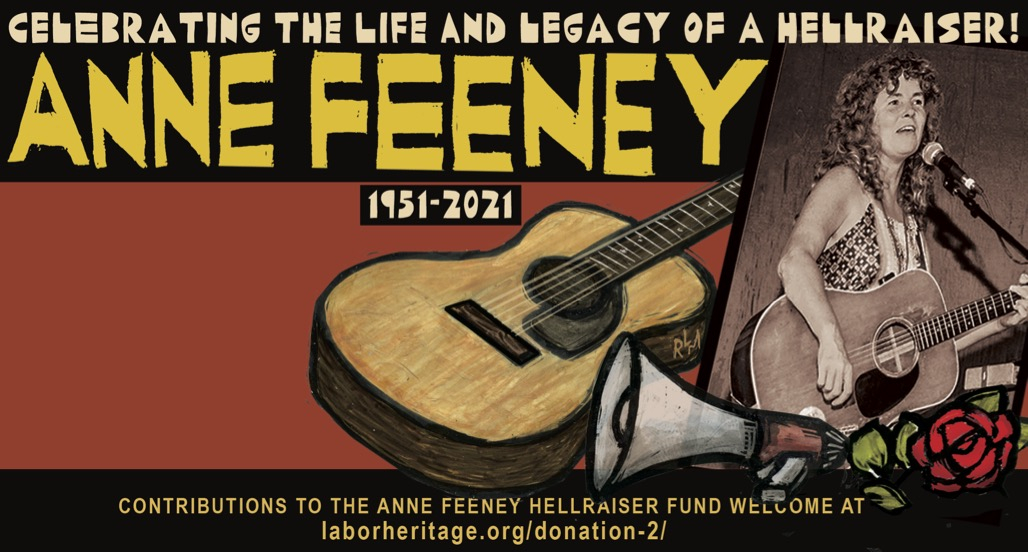
    • Social Justice Artists: Apply for an Anne Feeney Hellraiser Grant
    • Reactions to the GOP Budget Legislation

    UPCOMING EVENTS

    • Workshop: Winning a Strong Contract Parts I & II: July 7 & 14
    • Who Has the Power? A Mapping Tool to Build our Movement: July 16
    • Webinar: Building Power Through Coordinated Bargaining and Contract Alignment: July 21
    • Stewards’ Workshop: Build a Steward Network: July 23
    • Secrets of a Successful Organizer: Sept. 8, 15, 22
    • North Carolina Troublemakers School: Sept. 20
    • Milwaukee Troublemakers School: Oct. 4

    by Paul Prescod

    Nine thousand blue-collar workers who make Philadelphia run went on strike July 1.

    After sacrificing through the pandemic and years of bruising inflation, they say they’re on strike so they can afford to live in the city they serve.

    Already, uncollected garbage is piling up as the workers, members of AFSCME District Council 33, defend their strike lines.

    SHOW FULL ARTICLE

    A graphic with a white and blue background image of people demonstrating outside what appears to be the steps and pillars of a courthouse. They are holding up large white signs on wooden posts. The Labor Notes slingshot logo is on the top left hand corner of the image, and the cutout photos of our cohosts Natascha Elena Uhlmann and Danielle Smith are on either side of the image. Between them is the text, "How to win a strong contract," the title of this podcast episode.

    by Labor Notes Staff

    What’s the secret of winning a strong contract? Hint: You won’t find it at the negotiations table!

    In our “Winning a Strong Contract” workshop series, we talk about how we can build power away from the table to win our demands in bargaining.  

    Labor Notes Organizer Lisa Xu joins pod co-hosts Danielle Smith and Natascha Elena Ulhmann for an overview of the workshop, including concepts like the campaign mountain and campaign power spiral.

    SHOW EPISODE

    You can also listen to The Labor Notes Podcast on SpotifyApple Podcasts and on our YouTube channel. Please rate and review our podcast wherever you listen!

    “Winning a Strong Contract Parts I & II” will be running the next two Mondays (July 7 and July 14th), and you can sign up at labornotes.org/events.

    Graphic shows woman with guitar and says Anne Feeney, 1951-2021.

    by Natascha Elena Uhlmann

    Friends and family of legendary folk musician and “hellraiser” Anne Feeney have come together to announce a new round of grants for artists “on the frontlines of the fight against fascism.”

    The Anne Feeney Hellraiser Memorial Fund will provide three grants of up to $1,000 for emerging artists of any discipline who create art in support of social movements for justice.

    LEARN MORE AND APPLY

    Economic Policy Institute president Heidi Shierholz denounces passage of GOP budget bill: 

    The Republican budget will gut Medicaid, slash food aid for families, and shutter rural hospitals—just to give tax breaks that will go overwhelmingly to the wealthy. It is a staggering upward redistribution of income.

    The bill also turbocharges an authoritarian-style immigration regime—funding internment camps, mass surveillance, and waves of deportations that will kill millions of jobs.

    SHOW FULL EPI STATEMENT

    North America’s Building Trades Unions (NABTU) President Sean McGarvey issued the following statement on the Senate Republican Proposed Budget Bill: 

    If enacted, this stands to be the biggest job-killing bill in the history of this country. Simply put, it is the equivalent of terminating more than 1,000 Keystone XL pipeline projects.

    In some cases, it worsens the already harmful trajectory of the House-passed language, threatening an estimated 1.75 million construction jobs and over 3 billion work hours, which translates to $148 billion in lost annual wages and benefits.

    SHOW FULL NABTU STATEMENT

    Visit labornotes.org/events for updates. Nobody will be turned away from a Labor Notes event, virtual or in-person, for lack of funds—if the registration fee is a barrier, email us.

    We will cover the basics of building a Contract Action Team (CAT), putting together an escalating campaign (potentially culminating in a strike), and dynamics between the bargaining committee, CAT, and the membership.

    When: Mondays, July 7 & 14
    Time: 7 p.m. – 8:30 p.m. ET / 4 p.m. – 5:30 p.m. PT
    Where: This is an online workshop and will be held via Zoom.

    Registration fee
    $15 – Regular Registration

    REGISTER HERE

    Prerequisites for this workshop: We strongly encourage workshop participants to also first attend our upcoming “Secrets of a Successful Organizer” workshop series in June. 

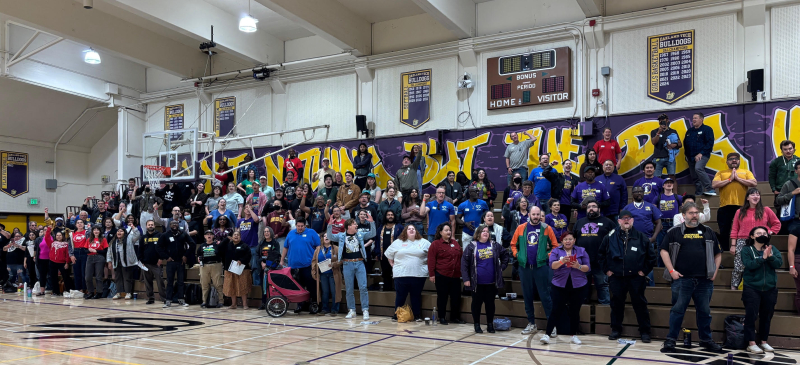
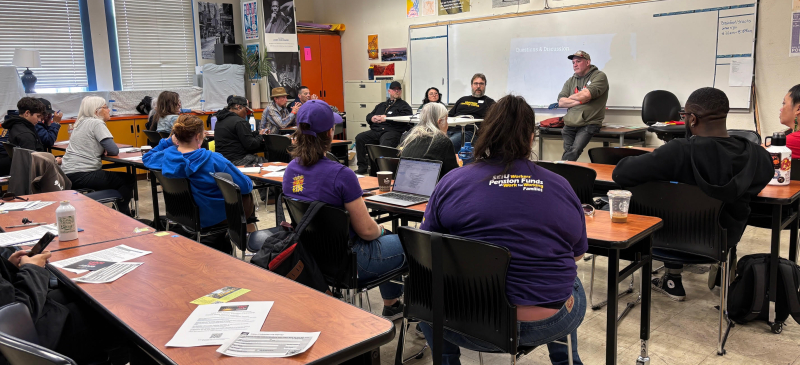
    A large gathering of workers in purple, black, blue and other dark colored shirts. They're standing on the bleachers at a gymnasium.

    This workshop will teach skills to analyze power in the present moment to strategically build the workers movement we need. We’ll be joined by labor educator Stephanie Luce.

    This is an advanced workshop for those organizers who are already part of a union or other worker organizations.

    When: Wednesday, July 16
    Time: 7:30 p.m. to 9:00 p.m. Eastern (4:30 p.m. to 6:00 p.m. Pacific)
    Where: This is an online workshop and will be held via Zoom.

    Registration fee
    $10 – Regular Registration

    REGISTER HERE

    Join us for a discussion about how unions are coordinating bargaining and even aligning their contracts to maximize leverage in negotiations.

    We’ll also discuss takeaways for workers seeking to align contracts leading up to the UAW’s call for unified action on May Day 2028.

    When: Monday July 21
    Time: 7 p.m. to 8:30 pm ET
    Registration: $10

    This panel will feature:
    – Francisco Ortiz, the president of United Teachers Richmond in California

    – Jane Fox, a unit chair in UAW Local 2325, the Association of Legal Aid Attorneys

    – Chris Spurlock, a steward in Teamsters Local 135 at Zenith Logistics, a third-party operator for Kroger

    REGISTER HERE

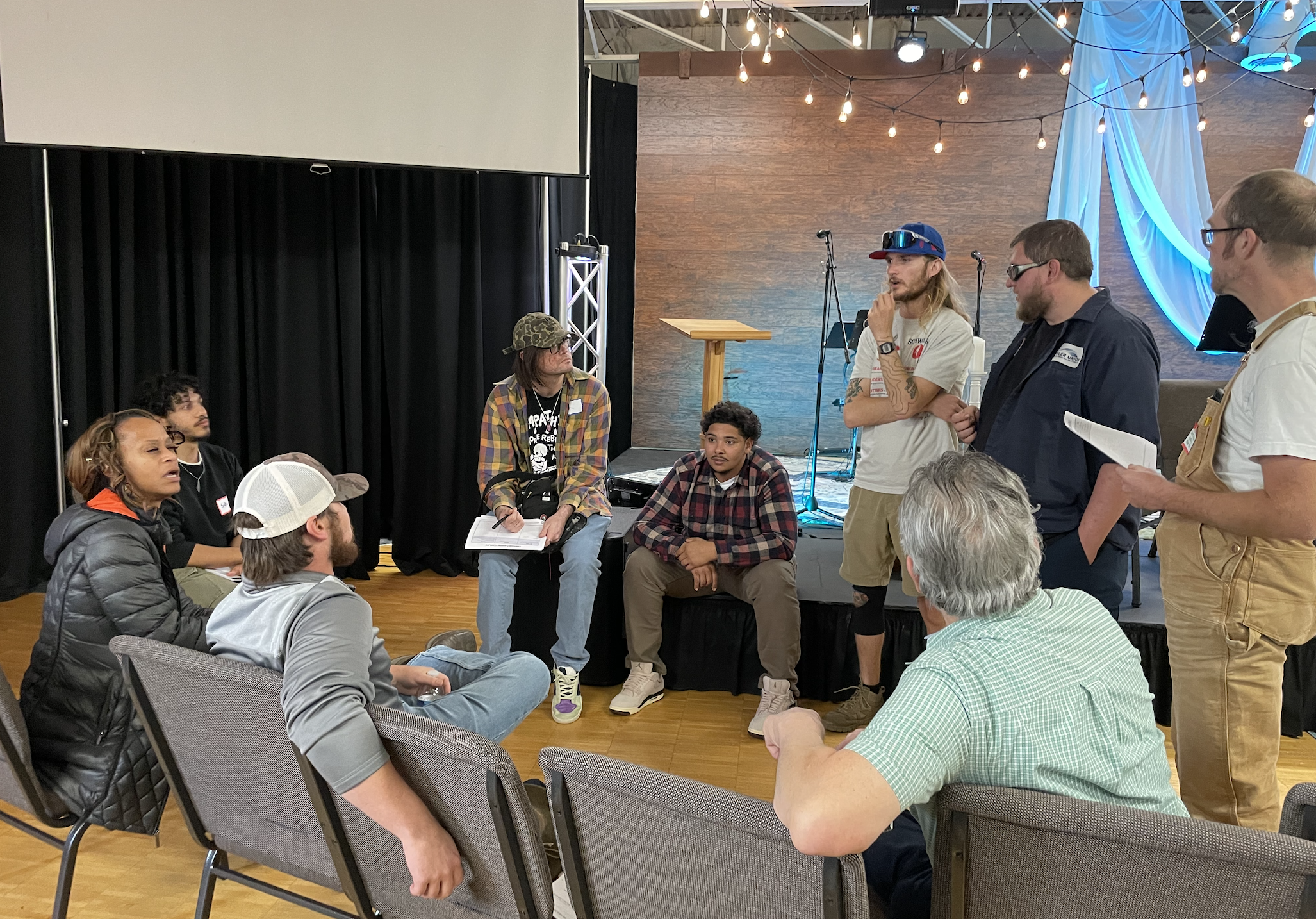
    Workers gathered in a classroom.

    Stewards are the backbone of the union! Learn how to build a strong stewards structure that helps workers use their power in the workplace to effectively fight the boss.

    When: Wednesday, July 23
    Time: 7:30 p.m. to 9:00 p.m. Eastern (4:30 p.m. to 6:00 p.m. Pacific)
    Where: This is an online workshop and will be held via Zoom.

    Registration fee
    $10 – Regular registration

    REGISTER HERE

    Secrets of a Successful Organizer is Labor Notes’ core organizing training, in three sessions full of lively participatory exercises. We welcome first-timers and repeat attendees looking to sharpen their skills.

    These workshops are based on our widely acclaimed book Secrets of a Successful Organizer. These trainings will be held via Zoom.

    When: Mondays, September 8, 15 and 22
    Time: 7:30 p.m. to 9:30 p.m. Eastern / 4:30 p.m. to 6:30 p.m. Pacific
    Cost: $15 for the whole series. Includes access to all three sessions.

    REGISTER HERE

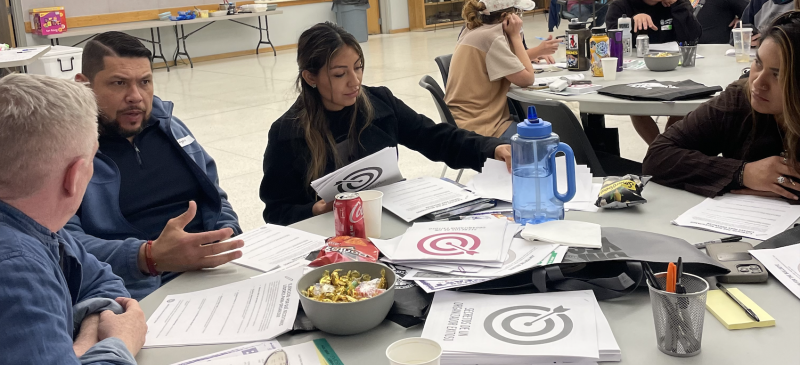
    Workers sit at a table in a lunch discussion. There are "Secrets of a Successful Organizer" handouts with the bulleye logo on the cover, interspersed between a bowl of food, drinks and snacks.

    Join labor activists from around North Carolina—and the whole region—to strategize, share skills, and learn how to organize to win.

    Whether you’re new to unions or are an experienced union activist, there’s something there for you. We encourage local unions to send a group of members.

    Date: September 20
    Time: 10 am – 5 pm
    Location: Jordan High School, 6806 Garrett Rd., Durham, NC

    Registration fee
    $35 – Regular registration
    $15 – Low-income registration 

    REGISTER HERE
     

    Bringing together union members, labor activists, and local officers, a Labor Notes Troublemakers School is a space for building solidarity, and sharing successes, strategy, and inspiration.

    It’s a real shot in the arm for newbies and seasoned activists alike.

    When: 9:30 a.m. – 4 p.m. on Saturday, October 4, 2025
    Where: Steamfitters Local 601
    3300 S 103rd Street
    Milwaukee, WI 53227

    Registration fee
    $30 – Regular registration
    $15 – Low-income registration 

    REGISTER HERE

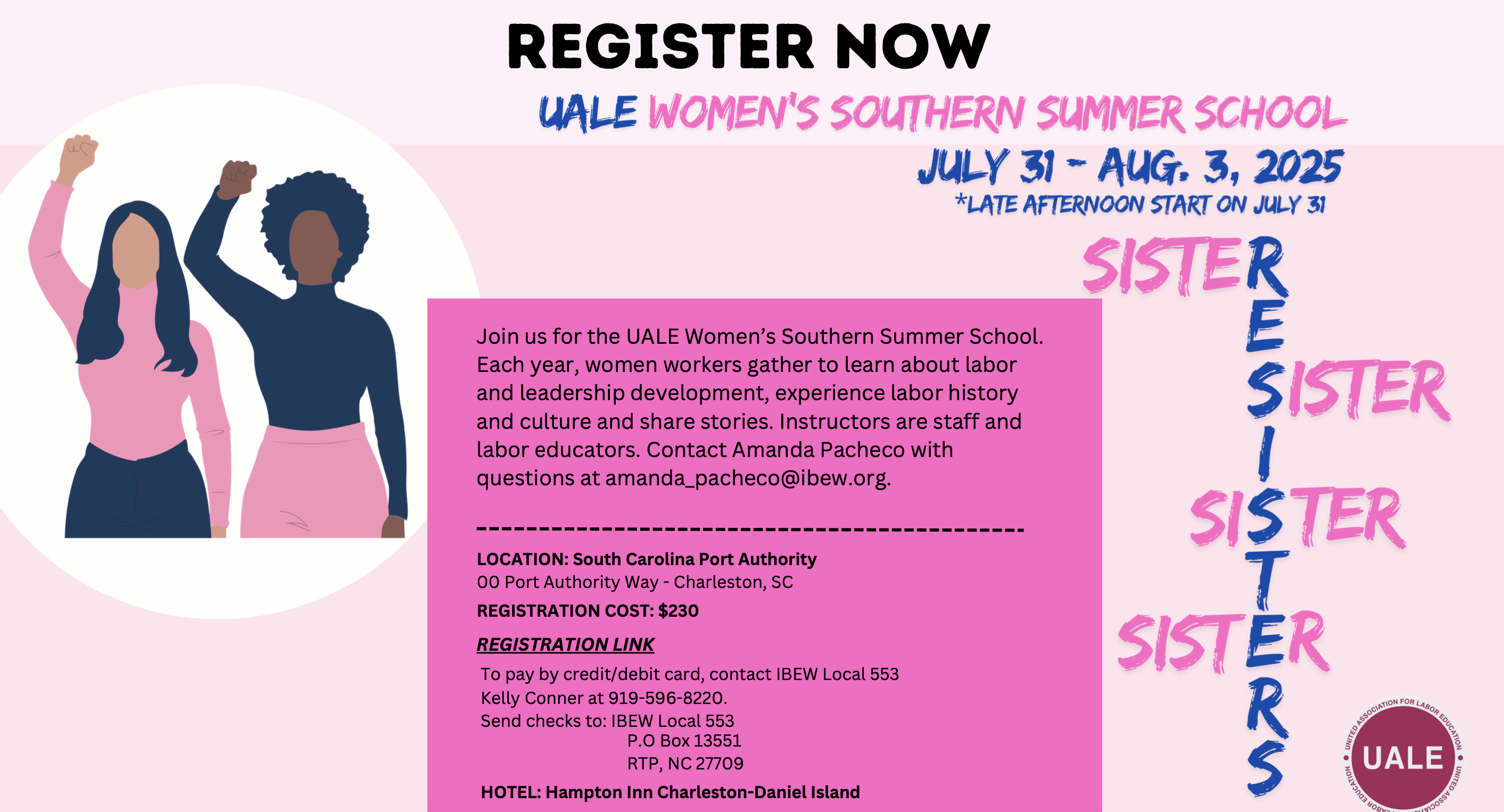
    At the Southern Summer School, women workers come together to learn about labor and leadership development, experience labor history and culture, and share stories.

    Contact Amanda Pacheco with questions at [email protected].

    When: Thursday, July 31 to Sunday, Aug. 3
    Where: Port Authority
    200 Port Authority Way, Charleston, SC
    Registration Price: $230

    REGISTER HERE

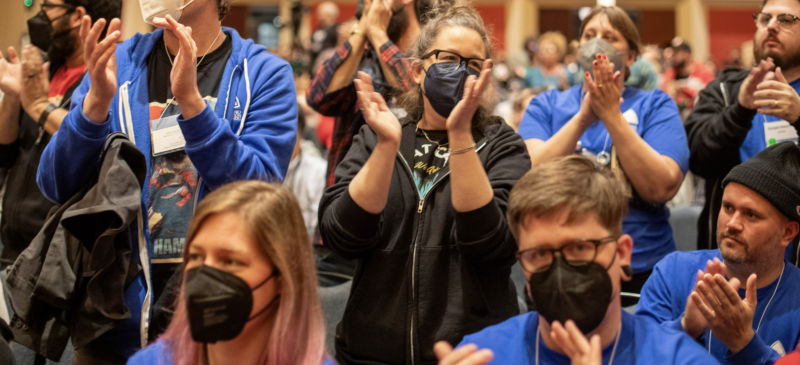
    A massive gathering of workers with their fists up and chanting energetically.
    Write for Labor Notes. When you discover a good tactic, share the news! Thousands of readers in other workplaces can put the information to use. Email [email protected].
    A composite image of labor notes merch including a black hoodie and red T-shirt with the Labor Notes slingshot logo, and the covers of three Labor Notes books, namely, "How to Jump-Start Your Union," "Secrets of a Successful Organizer," and "The Legal Rights of Union Stewards."
    Visit the Labor Notes Store for books, knit caps, hoodies, T-shirts and more! Check it out at labornotes.org/store.

    Source link

  • WEEKEND READING: Should the seminal Robbins report inform the forthcoming post-16 strategy?

    WEEKEND READING: Should the seminal Robbins report inform the forthcoming post-16 strategy?

    HEPI’s Director, Nick Hillman, spent Friday at a conference organised by SKOPE (the Centre for Skills, Knowledge, and Organisational Performance), part of the University of Oxford’s Department of Education. It was overseen by James Robson, Professor of Tertiary Education Systems, and featured the Minister for Skills, Baroness (Jacqui) Smith, among many others.

    In his opening address, Professor Robson articulated the growing consensus that, when it comes to post-school education, the time has come:

    1. to replace competition with coordination;
    2. to allow place-based approaches to flourish; and
    3. to unlock new opportunities for the benefit of students and employers.

    In her remarks, Jacqui Smith agreed, arguing for an end to ‘town / gown’ splits. The Minister emphasised she thinks higher education must reach out to other parts of the education sector: while she recognises the majority of future skills needs will be at a higher level, she wants to bring down the ‘artificial’ barriers between FE and HE in a ‘coordinated’ and ‘facilitated’ way.

    Some people in the audience interpreted this as meaning universities’ only hope of more money is to do the Government’s bidding and, either way, the higher education sector clearly needs to get ready for a more directive approach from a more active state. The basic idea seems to be to have everyone work together to raise productivity, level up the regions outside London and deliver more social mobility.

    It may sound lovely but these issues are as old as houses and, whenever I think of them, I think of those paragraphs from the Robbins committee – which was designed ‘to review the pattern of full-time higher education’ – that wrestle with freedom versus direction. The Robbins report struggled with the right level of co-ordination and, while much of what it said reflected Lionel Robbins’s liberal views, it also envisaged a role for oversight and direction:

    Will it be possible to secure the advantages of co-ordination while preserving the advantages of liberty? The question is of critical importance. Freedom of institutions as well as individual freedom is an essential constituent of a free society and the tradition of academic freedom in this country has deep roots in the whole history of our people. We are convinced also that such freedom is a necessary condition of the highest efficiency and the proper progress of academic institutions, and that encroachments upon their liberty, in the supposed interests of greater efficiency, would in fact diminish their efficiency and stultify their development. …

    We believe that a system that aims at the maximum of independence compatible with the necessary degree of public control is good in itself, as reflecting the ultimate values of a free society. We believe that a multiplicity of centres of initiative safeguards spontaneity and variety, and therefore provides the surest guarantee of intellectual progress and moral responsibility. We do not regard such freedom as a privilege but rather as a necessary condition for the proper discharge of the higher academic functions as we conceive them. …

    The difficulties are greatest when it is a question whether institutions of higher education should have the ultimate right to determine their own size. … if funds are available, refusal to co-operate in national policies or to meet national emergencies is an unsympathetic attitude, and it would be easy to think of reasons why it should be overruled. … If, when all the reasons for change have been explained, the institution still prefers not to co-operate it is better that it should be allowed to follow its own path. This being so, it must not complain if various benefits going to co-operating institutions do not come its way. … [My emphasis]

    it is unlikely that separate consideration by independent institutions of their own affairs in their own circumstances will always result in a pattern that is comprehensive and appropriate in relation to the needs of society and the demands of the national economy. There is no guarantee of the emergence of any coherent policy. And this being so, it is not reasonable to expect that the Government, which is the source of finance, should be content with an absence of co-ordination or should be without influence thereon. …

    It all goes to show, yet again, that there is no such thing as a new education policy question. 

    There are a number of tests we should perhaps apply to the let’s-coordinate-everything-to-elevate-skills approach that is likely to form the core of the forthcoming post-16 strategy / white paper that is due ‘soon’ – very soon if some of those attending the conference are to be believed and not at all soon if others there are to be believed.

    First, if we can’t even build a high-speed speed trainline on budget and on time, why are we so confident we can easily build an integrated skills and education system (and without a material increase in spending)? It is surely right to at least ask whether public authorities really do know so much about the future economy’s needs that individuals should cede control over who should study what and where. Clearly, Skills England could be important here, but it is an untested beast. (I note in passing that the Smiths, Jacqui and Phil [Chair of Skills England], are getting back together to do a webinar this week.)

    Secondly, the broken model that tends to be held up in contrast to the coming smooth one is a market in which there is lots of wasteful competition, excessive homogeneity and a lack of focus on the country’s needs. But the idea that the only alternative to a coordinated system is a pure and chaotic market is bunkum. We’ve not had a pure market in higher education and I’ve never met anyone who wants one. Neither the political centre nor the Far-byn (or is it Cor-age?) axis want one. Perhaps we are letting ourselves be blinded by the idea that there are only two options: a pure red-in-tooth-and-claw market, which is a caricature of what we have, and a cuddly coordinated system, which will be harder to deliver than we pretend.

    Thirdly, where is the space for education for education’s sake? As one member of the audience pointed out at the SKOPE conference, current discussions are so focused on ‘skills’ and the economy that education is sometimes becoming lost. Yet FE and HE collaboration is difficult at a practical and day-to-day level. Kath Mitchell, the Vice-Chancellor of Derby University, pointed out the challenges of running an FE college and a university together – for example pointing out that Buxton and Leek College is (absurdly) barred from receiving FE capital funding because it counts as part of the University of Derby.

    Fourthly, we should question the assumption underlying current critiques that our universities are much too homogeneous. They do have some things in common, though one might just as well point out that all education institutions that share a legally-protected title controlled by strict criteria, such as ‘university’, are always going to have some things in common. But I’ve visited pretty much every UK university, and many of them multiple times, and I would urge anyone who thinks they’re all the same to do something similar. Just compare the two universities I know best (as I’m on their boards), Manchester and Buckingham: the former is a research-intensive institution with a turnover of £1.4 billion,  12,000 staff and 47,000 students while the other is a teaching-intensive place (‘the home of two-year degrees’) with a turnover of £50 million, 500 staff and 3,500 students as well as the only private medical school in the UK. Or compare the LSE and UCA (the University of the Creative Arts). Or Falmouth University and Newcastle University. These things are not the same.

    Finally / fifthly, as Andy Westwood pointed out in his remarks at the SKOPE conference, devolution is ‘non-existent’ in large parts of the country. So what does ‘a coordinated place-based approach’ really mean there? It’s one thing if you’re in Greater Manchester; it’s quite another if you’re in a rural area far from the nearest town or city, college or university. Moreover, while it is true that the old Higher Education Funding Council for England (HEFCE) had a regional aspect to its work which we could well copy today, it was a big funder as well as a regulator and it had a substantial regional presence.

    Source link

  • ‘Big, Beautiful Bill’ Means Big Changes for Higher Ed

    ‘Big, Beautiful Bill’ Means Big Changes for Higher Ed

    Following a flyover by a B-2 bomber, President Donald Trump signed a sweeping policy bill into law Friday, celebrating the Fourth of July and commending congressional Republicans for meeting his self-imposed deadline.

    The legislation, which narrowly passed the House on Thursday, promises to significantly change how colleges operate. Higher education groups and advocates warned that the bill will hurt low-income families while proponents praised the changes as necessary reforms.

    Much of the debate over the bill dubbed the One Big Beautiful Bill Act centered on the nearly $1 trillion in cuts to Medicaid, as well as changes to the tax code that will benefit the very rich. But the 870-page piece of legislation also overhauls higher education policy to cap some student loans, eliminate the Grad PLUS program and use students’ earnings to hold colleges accountable. Taken together, higher education experts say, the legislation would transform the sector, hurt universities’ finances and hinder college access.

    But the legislation doesn’t include some of the proposals that most worried college leaders, such as cuts to the Pell Grant program and a 21 percent endowment tax rate. Wealthy private colleges will still face a higher tax rate on their endowments, up to 8 percent. (The current rate is 1.4 percent.)

    Some higher ed lobbyists commended Republicans for backing off some of the deeper cuts, but they are worried about a number of changes in the bill.

    Eliminating Grad PLUS loans could mean fewer students attend graduate school, which would be a hit to universities’ bottom lines, especially at institutions that rely heavily on graduate programs for tuition revenue. Similarly, capping Parent PLUS loans at $65,000 per student could hurt Black and Latino families, who disproportionately use the loans. The legislation also consolidates repayment plans, giving future borrowers two options. Consumer protection advocates worry the bill will exacerbate the student debt crisis and drive students to private loans.

    The student loan changes take effect July 2026.

    Catch Up on Our Coverage of the Bill

    Lawmakers also agreed to expand the Pell Grant to short-term job-training programs, achieving a long-sought goal for community colleges and other groups. In a last-minute change, the expansion excludes unaccredited providers.

    “While somewhat improved over its original version, [the bill] contains a mix of new taxes and spending cuts that will force even more difficult decisions on chief business officers and further strain revenue that helps make college affordable for students and families,” said Kara Freeman, president of the National Association of College and University Business Officers. “The long-term implications of this legislation for higher education and American innovation are likely to be profound.”

    Over all, the One Big Beautiful Bill Act will add about $3.3 trillion to the national debt over the next 10 years, according to the Congressional Budget Office. Republicans said they had hoped to curb spending and address the growing deficit with the legislation, and some conservatives balked at the price tag. Still, pressure from the president to deliver a legislative victory won out, even as some lawmakers waffled for hours over whether to support the bill. Politico reported that Trump called lawmakers and met with them in person to make his case.

    Republicans lawmakers and Trump administration officials praised the legislation, saying it would lower the cost of college and boost accountability. One of the major changes ties colleges’ access to federal student loans to students’ earnings. Programs that fail to show their graduates earn more than an adult with only a high school diploma could be cut off from loans. One rough analysis found that fewer than half of two-year degree programs would pass the earnings test, but community colleges are less reliant on loans.

    “Overall, the Senate’s ‘do no harm’ proposal would strengthen the higher education system,” wrote Preston Cooper, a senior fellow at the conservative American Enterprise Institute, who conducted the analysis. “But the current political environment presents a once-in-a-generation chance to fix the broken federal role in higher education. Lawmakers shouldn’t miss the opportunity to go further.”

    Another analysis from the Postsecondary Education and Economics Research Center at American University found that programs that would fail the earnings test enroll about 1 percent of students. But the test wouldn’t apply to certificate programs, where one in five students are pursuing a credential that doesn’t provide the necessary earnings boost, according to the PEER Center. Other experts have argued that the accountability plan should’ve taken into account the cost of programs and students’ debt loads.

    Colleges generally preferred the earnings-based accountability plan, which is similar to the Biden administration’s gainful-employment rule, though lobbyists had wanted lawmakers to make some changes. House Republicans had planned to make institutions pay an annual penalty based on students’ unpaid loans, which could’ve cost colleges billions.

    Jason Altmire, president of Career Education Colleges and Universities, the national trade association representing for-profit institutions, congratulated Congress in a statement Thursday for passing the “monumental legislation.”

    He praised the short-term Pell expansion as well as the “no tax on tips” policy, among other provisions. But he’s concerned about parts of the new accountability framework, though “we strongly support the fact that the measure applies equally to all schools in all sectors of higher education, a longtime CECU priority.”

    Altmire and CECU oppose the loan caps and eliminating Grad PLUS loans. “These cuts will negatively impact students and limit access for those who are most in need,” he said in the statement. “These provisions are ill-advised and we hope Congress will revisit them in the future. Overall, we are grateful that our voice was heard and so many of our longtime priorities were included in the final bill. We look forward to working with Congress to make improvements through future legislation.”

    Charles Welch, president of the American Association of State Colleges and Universities, said in a statement that the cuts to Medicaid and other programs will hurt regional public universities, which are typically “the first victim of tightened budgets.”

    “Never has the federal government divested itself of financial responsibility to such an extent, imperiling previously stretched state and local budgets as they seek to cover newly obligated burdens,” Welch said.

    Welch added that colleges in the association must put their “profound disappointment in the reconciliation bill aside” to focus on the appropriations process, which will kick into high gear this month. The appropriations bills in Congress set the spending limits and direct agencies how to dole out federal dollars. The Trump administration has proposed deep cuts to the Education Department’s budget, including zeroing out college-access programs like TRIO.

    “The American Association of State Colleges and Universities urges Congress to reassert its constitutionally endowed authority over government expenditures, eliminating executive overreach and fully funding the programs, grants, and institutions that serve our nation’s postsecondary students,” Welch said.


    Source link

  • HOELT tender explores digital tests

    HOELT tender explores digital tests

    The latest round of engagement is being undertaken “to gather market insights on newly available and emerging technology in relation to remote testing, and the viability of incorporating this into the HOELT service,” said the Home Office in a notice on July 2.  

    The notice is the latest update to a government tender to design and maintain a dedicated Secure English Language Test (SELT) owned by the Home Office, holding an initial contract value of £1.13bn, which was since reduced to £680m

    The original tender, launched in August 2024, made no mention of engagement on emerging technologies and digital tests, instead outlining plans for in-person delivery, including invigilators and ID-verification services at physical test centres around the world.  

    As per the latest update, the developer that wins the tender will still be responsible for “establishing and managing global test centres” – of which there are 268 – though the notice suggests that remote testing will also be incorporated into the model. 

    While the sector has embraced online delivery and at-home testing, the Home Office will also be taking stock of rising concerns among the public about the use of AI in English proficiency tests.

    According to a recent YouGov poll, 40% of the public are worried about AI causing a greater risk of cheating on English language tests, with a similar proportion concerned about the ability of AI to properly assess language skills.

    The poll, commissioned by Cambridge University Press & Assessment, asked respondents specifically about tests assessing English language skills for people applying to work and study in the UK.

    Additional findings revealed the public’s unease at the prospect of limited human interaction and concerns that AI-led exams would disadvantage those with limited access to technology – both cited by roughly a quarter of respondents.

    Meanwhile, only 8% said they had “no concerns” about the use of AI in English language tests for people applying to work or study in the UK.

    39% of the public are concerned about AI-based tests enabling cheating

    YouGov Poll

    Under its initial plans, the Home Office proposed disaggregating the service into two lines; the development and ongoing support of a Home Office branded test to be used globally, and the facilitation of tests around the world, according to the tender. 

    However, the government’s slashing of the value of the tender led some stakeholders to speculate that the Home Office might turn to a single supplier for both development and delivery.  

    Despite the additional engagement around emerging technologies and remote testing, the value of the tender remains at £680m (excluding VAT).  

    Since the government put out the HOELT tender last year, there has been little news about which companies are throwing their hats in the ring or what their proposed model would look like.

    Currently, PearsonLanguageCert, Trinity College London, and IELTS – which is co-owned by IDP, Cambridge English and the British Council – deliver Home Office-approved SELTs in the UK. 

    The deadline for the latest round of engagement is July 17.

    Source link

  • Documents from Education Department (includes 90/10 Rule and Income-Driven Repayment)

    Documents from Education Department (includes 90/10 Rule and Income-Driven Repayment)

    Rules

    Classification of Revenue under Title IV

    FR Document: 2025-12554
    Citation: 90 FR 29734
    PDF Pages 29734-29737 (4 pages)
    Permalink
    Abstract: The U.S. Department of Education (Department) is revising its prior interpretation and clarifying its classification of revenue received by a proprietary institution of higher education under the Title IV Revenue and Non-Federal Education Assistance Funds regulations called the “90/10 Rule”.

    Notices

    Agency Information Collection Activities; Proposals, Submissions, and Approvals:

    Impact Aid Program—Application for Section 7002 Assistance
    FR Document: 2025-12529
    Citation: 90 FR 29854
    PDF Pages 29854-29855 (2 pages)
    Permalink
    Abstract: In accordance with the Paperwork Reduction Act (PRA) of 1995, the Department is proposing an extension without change of a currently approved information collection request (ICR).
    Impact Aid Program—Application for Section 7003 Assistance
    FR Document: 2025-12530
    Citation: 90 FR 29855
    PDF Page 29855 (1 page)
    Permalink
    Abstract: In accordance with the Paperwork Reduction Act (PRA) of 1995, the Department is proposing an extension without change of a currently approved information collection request (ICR).

    Income Driven Repayment Plan Request for the William D. Ford Federal Direct Loans and Federal Family Education Loan Programs; Correction

    Matching Documents

    Subscribe to Any Search Result

    Did you know that you can subscribe to any search result? After performing any search on FederalRegister.gov you can choose to receive any future documents that match your search via email. Just click the subscribe button on the right side of the search box.

    Subscribe to an Agency’s Documents

    From any agency page on FederalRegister.gov you can choose to receive email updates of new documents from that agency. Choices of subscriptions include Documents on Public Inspection, Newly Published Documents, and Documents Deemed Significant.

    Source link

  • Moral resources for Americans who know we’ve been betrayed (William Barber & Jonathan Wilson-Hartgrove)

    Moral resources for Americans who know we’ve been betrayed (William Barber & Jonathan Wilson-Hartgrove)

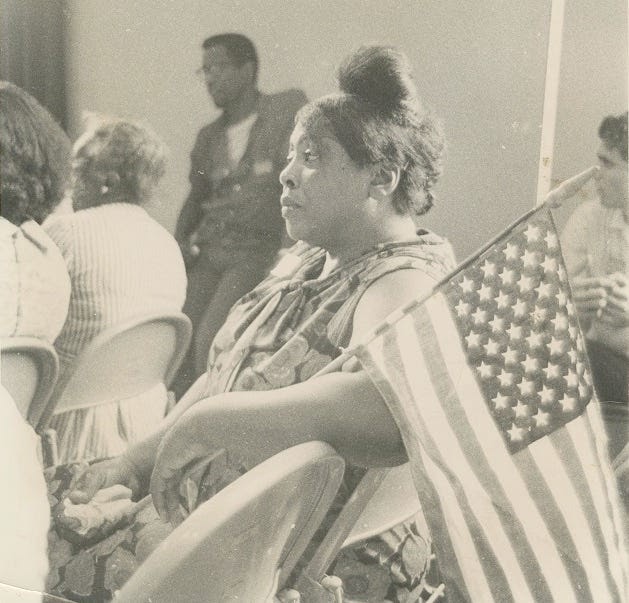
    Civil Rights Movement and Wayside Theatre photographs, Student Nonviolent Coordinating Committee (SNCC).

    On America’s 249th anniversary of declaring freedom from tyranny, a would-be king will celebrate Independence Day by signing a budget bill that Americans oppose 2 to 1.

    This Big Ugly Bill that was passed by Republicans in Congress this week will make the largest cuts to healthcare and nutrition assistance in our nation’s history to pay for tax cuts for people who do not need them and an assault on our communities by masked men who are disappearing our neighbors to concentration camps. The dystopian scene is enough to make any true believer in liberty and equality question whether they can celebrate Independence Day at all. But it would be a betrayal of our moral inheritance to not remember the true champions of American freedom on this day. Indeed, to forget them would mean losing the moral resources we need to revive American democracy.

    As bad as things are, we cannot forget that others faced worse with less resources than we have. We are not the first Americans to face a power-drunk minority in public office, determined to hold onto power at any cost. This was the everyday reality of Black Americans in the Mississippi Delta for nearly a century after the Klan and white conservatives carried out the Mississippi Plan in the 1870s, erasing the gains of Reconstruction and enshrining white supremacy in law.

    When Ms. Fannie Lou Hamer decided to join the freedom movement in Sunflower County, Mississippi, she knew two things: the majority of people in Sunflower County despised the policies of Senator James O. Eastland and Eastland’s party had the votes to get whatever they wanted written into law. The day she dared attempt to register to vote, Ms. Hamer lost her home. When she attended a training to learn how to build a movement that could vote, she was thrown into the Winona Jail and nearly beaten to death. Still, Ms. Hamer did not bow.

    Instead, she leaned into the gospel blues tradition that had grown out of the Delta, spreading the good news that God is on the side of those who do not look away from this world’s troubles but trust that a force more powerful than tyrants is on the side of the oppressed and can make a way out of no way to redeem the soul of America. “This little light of mine, I’m gonna let it shine,” she sang, and a generation of college student volunteers came to sing with her during Freedom Summer. Their mission was to register voters and teach the promises of democracy to Mississippi’s Black children in Freedom Schools.

    On July 4, 1964, Ms. Hamer hosted a picnic for Black and white volunteers who’d dedicated their summer to nonviolently facing down fascism on American soil. They celebrated the promise that all are created equal even as they faced death for living as if it were true. Those same young people who were at Hamer’s July 4th picnic went on to launch the Mississippi Freedom Democratic Party and take their challenge all the way to the Democratic National Convention in Atlantic City that August. “I question America,” Ms. Hamer said in her testimony that aired on the national news during coverage of the convention. “Is this America, the land of the free and the home of the brave where we have to sleep with our telephones off of the hooks because our lives be threatened daily because we want to live as decent human beings, in America?”

    Hamer and the MFDP didn’t win the seats they demanded at the 1964 convention, but Atlantic City would be the last convention to seat an all-white delegation from Mississippi. Just a year later, as part of the War on Poverty, Congress passed the Medicare and Medicaid Act, expanding access to healthcare to elderly and low-income Americans – an expansion that Trump is rolling back half a century later in an immoral betrayal of the very people he promised to champion in his fake populist appeal to poor and working people.

    There’s nothing un-American about questioning a fascism that defies the will of the people to terrorize American communities and assert total control. It has been the moral responsibility of moral leaders from Frederick Douglass, who asked, “what to the slave is the 4th of July?” to those who are asking today how Americans are supposed to celebrate when their elected leaders sell them out to billionaires and send masked men to assault their communities. Ms. Hamer is a vivid reminder of the moral wisdom that grows out of the Mississippi Delta. It teaches us that those who question America when we allow fascists to rule are not un-American. They are, in fact, the people who have helped America become more of what she claims to be.

    So this 4th of July, may we all gather with Fannie Lou Hamer and the moral fusion family closest to us – both the living and the dead – to recommit ourselves to a government of the people, by the people, and for the people. Yes, America’s fascists have the power today. They will throw a party at our House and desecrate the memory of so many who’ve worked to push us toward a more perfect union. But they will not own our Independence Day. As long as we remember the moral tradition that allowed Fannie Lou Hamer to host a July 4th picnic while she battled the fascism of Jim Crow, we have access to the moral resources we need to reconstruct American democracy today.

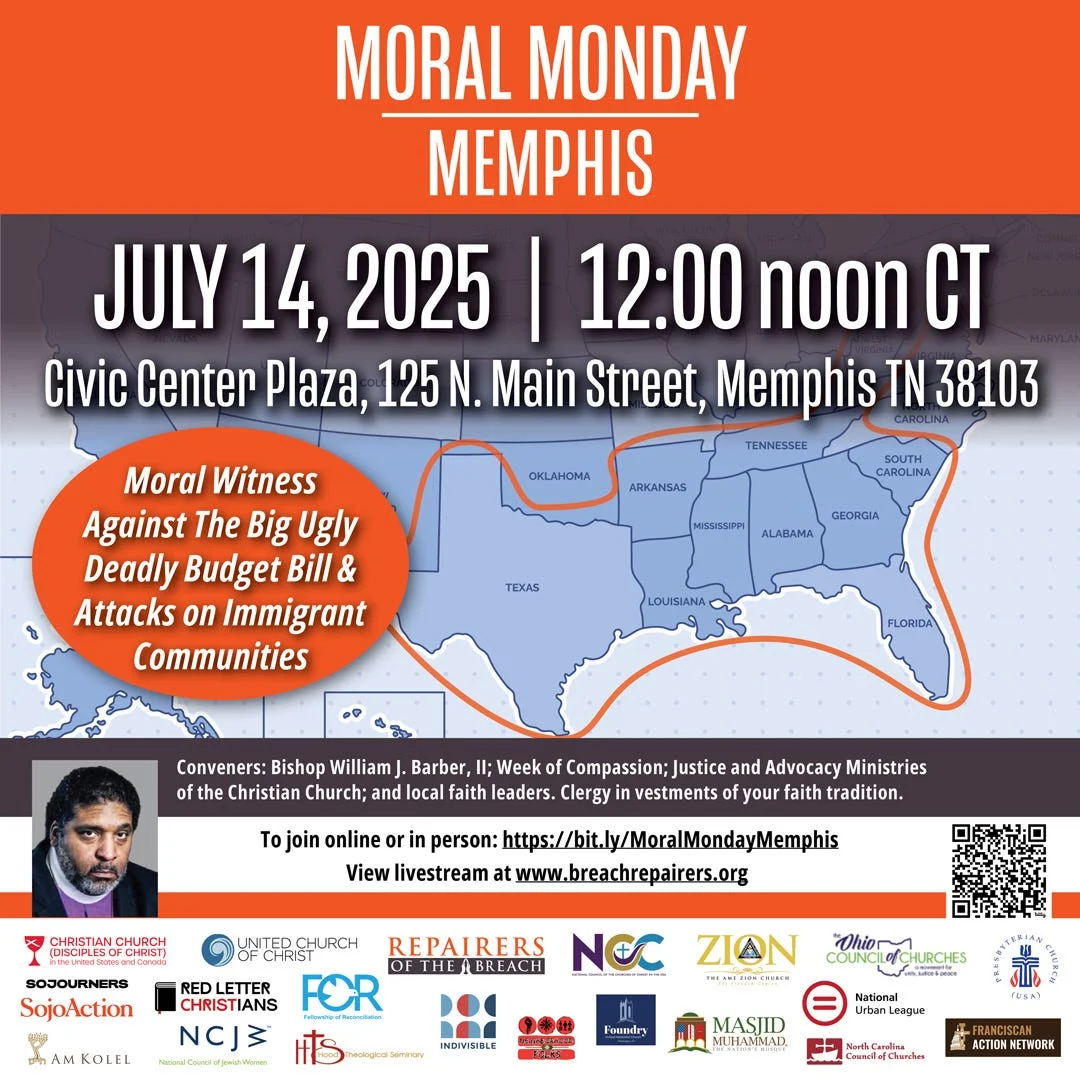
    This is why today, as all American’s celebrate our nation’s declaration of liberty and equality, we are announcing that the Moral Monday campaign we’ve been organizing in Washington, DC, to challenge the policy violence of this Big Ugly Bill is going to the Delta July 14th for Moral Monday in Memphis. As we rally moral witnesses in the city of Graceland and the Delta blues – the place where Dr. King insisted in 1968 that the movement “begins and ends” – delegations of moral leaders and directly impacted people will visit Congressional offices across the South to tell the stories of the people who will be harmed by the Big, Ugly, and Deadly bill that Donald Trump is signing today.

    Yes, this bill will kill. But we are determined to organize a resurrection of people from every race, religion, and region of this country who know that, when we come together in the power of our best moral traditions, we can reconstruct American democracy and become the nation we’ve never yet been.

    Today’s neo-fascists have passed their Big Ugly Bill, but they have also sparked a new Freedom Summer. We will organize those this bill harms. We will mobilize a new coalition of Americans who see beyond the narrow divisions of left and right. We will lean into the wisdom of Ms. Hamer and Delta’s freedom struggle, and we will build a moral fusion movement to save America from this madness.

    Source link

  • 10 (and counting…) Google goodies for your classroom

    10 (and counting…) Google goodies for your classroom

    Key points:

    Google enthusiasts, unite.

    During an ISTELive 25 session, Dr. Wanda Terral, chief of technology for Tennessee’s Lakeland School System, took attendees through a growing list of Google tools, along with some non-Google resources, to boost classroom creativity, productivity, and collaboration.

    Here are just 10 of the resources Terral covered–explore the full list for more ideas and resources to increase your Google knowledge.