
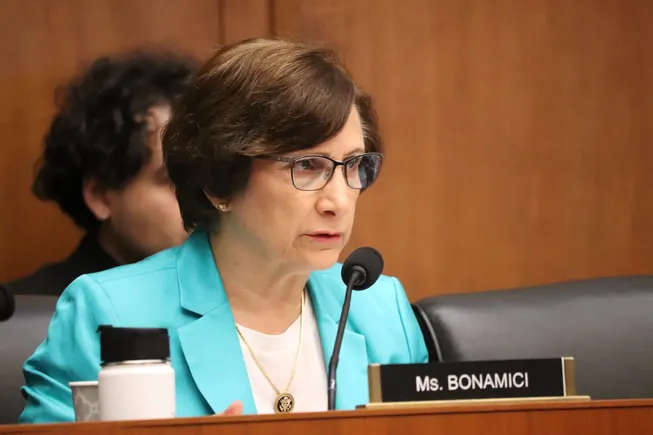
The federal funding that the Trump administration suspended to University of Pennsylvania in March, citing the Ivy League institution’s participation policies for transgender athletes. The U.S. Department of Education concluded this week Penn violated Title IX, though university leaders have said the institution is complying with current law and NCAA policies.
Category: Featured
-
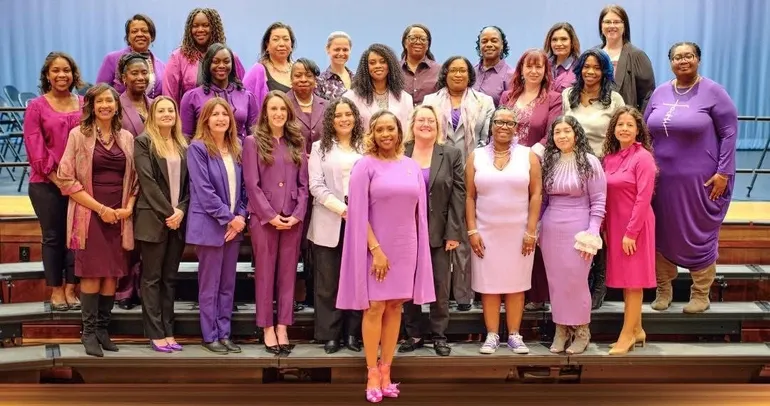
The Women of Westbury: How a district diversified leadership and strengthened schools
This audio is auto-generated. Please let us know if you have feedback.Tahira DuPree Chase is superintendent of Westbury Union Free School District In New York and a member of the Institute for Education Innovation.
Rising through the ranks to a school leadership role can be an arduous journey for even the most qualified female educators. And once we reach our final destination, we’re not always welcomed. We often face challenges our male counterparts never experience.
Only 30% of superintendents in the U.S. are female, and less than 1.5% are Black women. Across the country, female school leaders are targeted by unwarranted criticism, experience significant gender pay gaps, and receive less coaching and support than their male colleagues. We’re also a powerful force to be reckoned with — fierce, committed and experienced — and when united, we are reshaping education to better fit our students’ diverse needs.
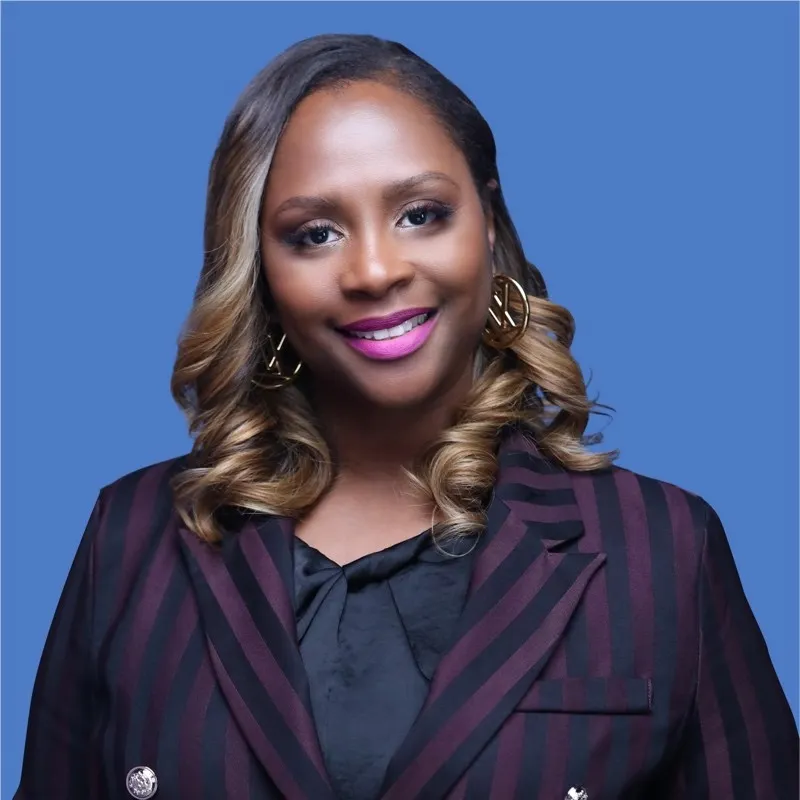
Tahira DuPree Chase
Permission granted by Tahira DuPree Chase
To break down barriers, female leaders must find their own tribe of like-minded women who sit in a similar seat, both in the education field and outside of it. There are formal and informal, national, regional, and local support systems composed of incredible individuals who understand one another’s struggles. In these groups, we talk about our experiences, share ideas and uplift our fellow women.
Here in Long Island’s Westbury Union Free School District, that collective commitment on a local level is powering our schools forward.
Westbury is an anomaly in K-12 education, with women in 93% of administrative roles. Under the leadership of “The Women of Westbury,” otherwise known as “WOW,” the district’s graduation rate has skyrocketed to 90% in a district where nearly 70% of children qualify for free or reduced-price lunch. We have implemented top-tier security measures to better protect our students, improved facilities and operations, and done it all while successfully managing our schools’ finances.
Building this team of professionals and helping them thrive hasn’t been without its challenges, but by aligning our recruitment and retention strategies with three critical guidelines, we’ve reached this incredible time in Westbury’s history.
Hire with an open mind
At Westbury, we knew we needed to diversify our leadership, but the goal did not dictate our hiring process. We followed a traditional interview path, and it just so happened that female applicants rose to the top. The individuals we’ve hired are credentialed, well-versed and highly qualified. These aren’t so-called “DEI hires”; they are common-sense hires.
As a Black female leader in education, I’ve had my credentials questioned due to unconscious — and sometimes blatant — bias. I’m required to hold multiple advanced degrees and jump through endless hoops to be on the same playing field as many of my male counterparts in the hiring process. Based on my own experiences, I find it no surprise that female candidates often self-select from applying for management roles, because they believe men have an advantage or assume they lack the experience to meet every vague qualification listed in the job announcement.
It has been disheartening to watch other women struggle with similar challenges and become disenchanted with the entire education system. That’s why Westbury has strived to create a more equitable space where all individuals are encouraged to take the next step in their careers.
Encourage leaders to embrace their vulnerability
Superintendents are expected to shoulder a heavy load in their role, but for female leaders, the stress can feel overwhelming. Ninety-five percent of female administrators said they struggled to find a healthy work-life balance and were forced to make personal and professional sacrifices their male colleagues did not.
At Westbury, we stress the importance of self-care for all educators and administrators in the district by hosting wellness fairs and offering a mental health day focused solely on our team’s well-being. A board-certified psychotherapist is on staff to provide social-emotional support on both a group and individual level. In addition, we help school leaders develop their own professional support system that includes not just their fellow women, but male allies who have their best interests at heart.
We have found that when we provide educators the space to find that self-care sweet spot, they better maintain their focus, think more clearly, and allow ideas to flow. In turn, our schools become centers of innovation where we are improving our students’ academic experience.
Help lift up the women behind you
As female school leaders, we have an obligation to empower the next generation of women. Becoming a mentor to future leaders and watching them thrive is one of the greatest honors we can experience in our leadership roles. When someone trusts me to be their sounding board and values my insights, it fuels me to keep moving forward.
All leaders in the district are automatically assigned a mentor to help guide them in their administrative path. I’ve also extended myself to be a secondary mentor if a leader requests extra support. Furthermore, Westbury encourages our leaders to consider roles with professional organizations, like the Institute for Education Innovation and AASA, to offer their expertise to female colleagues nationwide.
This professional community is incredibly powerful. Research has found that women who have a close inner circle of female colleagues are more likely to secure leadership positions, have higher pay and greater authority. In comparison, there is no link for men’s success in terms of the gender composition of their networks.
Over the years, the “Women of Westbury” have encountered their fair share of detours, roadblocks and bumps to get to a place where their talents and expertise are celebrated. Today, we’re not just a support system for each other, we are paving the way for the women coming up behind us to receive the roles they rightly deserve.
We recognized that diversifying our administration is one of the best things we can do for students, ensuring they see themselves reflected in their leaders and understand there is no limit to what they can achieve in their future careers.
-

What’s next for students after Trump’s visa reversals?
One of the realities of the Trump administration is that decisions with vast domestic and global consequences can be implemented and reversed at the drop of a hat. This has been the case with international trade. President Trump has imposed steep tariffs on other countries only to relent when the market takes a turn. It’s also been the case with staffing. Trump defended national security adviser Mike Waltz when it was revealed he accidentally added a journalist to an app chat about a military strike in Yemen. Weeks later, Trump removed Waltz and gave him another job.
This is also true for student visas. Trump has upended the academic world with his threats to Harvard and other universities, and the arrests of students for pro-Palestinian protests. Harvard was even forced to hand over information about international students to federal officials.
Trump has also cracked down on student visas. The Trump administration revoked more than 1,800 visas earlier this year, and many students went into hiding after the news broke. Federal officials restored roughly 1,200 visas after significant public pressure.
International students can expect more erratic decisions as the Trump administration moves past its first 100 days. These changes could cause significant stress and anxiety to both intentional students and administrators. I’ve designed a primer for both international students and administrators on what to expect as we move forward and how to prepare for a time when change is the only certainty.
Unpredictability Will Become The Norm: In the past, there was a defined process for becoming an international student. Students’ expectations have been upended in just a few months. This will make life difficult for universities and their staff; many international students, particularly those interested in medicine, may choose not to come to the United States due to these changes. This will have ripple effects across the academic world; research and innovation could stall without an infusion of the best and brightest; American companies could lose a pipeline to strong potential hires, and scientific and medical breakthroughs will decline.
International students can expect more erratic decisions as the Trump administration moves past its first 100 days
Shaun Carver, International House, UC Berkeley
Threats to Higher Education Will Upend Academic Life: Federal funding freezes are now a reality for higher education, particularly at schools with robust diversity, equity, and inclusion (DEI) initiatives. The administration just froze $1 billion for Cornell and $790 million for Northwestern. These support cuts will make American universities less attractive to global talent.
Preparing to Study in America Will Look Different: Moving to a different country has always been challenging. Students need to navigate a new culture, learn a different language, and handle tasks that are challenging for domestic students, such as finding housing and making social connections.
Students will now need to factor in other challenges, such as potential threats to their visa status, the risk of arrest or deportation for speaking their mind, and also distrust in a culturally divided country. International students should be aware of their legal rights before coming to the United States. Administrators should be prepared to support them and provide them with relevant legal resources.
STEM Could Be Hit Hard: In the past, federal regulators targeted humanities departments, perceiving them as liberal. Science, technology, or medicine were seen as essential to society and global status, and were shielded from scrutiny. The Trump administration had added science and technology disciplines to its target list and reduced grants for critical research.
Roughly 16% of Harvard’s total revenue comes from sponsored support, including grants and federal funding. But 53% of the revenue for the School of Public Health, 35% of the revenue for the School of Medicine, and 37% of the revenue for Engineering and Applied Sciences come from federal grants. Many of the funding cuts are for STEM research programs, including those related to artificial intelligence (AI). The administration is also slashing science-related funding at other schools. In addition to possible brain drain at universities, these changes could affect America’s ability to compete, keep pace with other countries that are embracing AI, maintain its populace’s health, and more.
The Big Picture:
It’s a tenuous time for both university administrators and international students. Despite these difficulties, American universities remain among the best in the world, and many have deep financial resources. Schools are getting creative; Harvard’s staff has agreed to a pay cut to support the university.
The best thing international students and administrators can do is ensure they are prepared, closely monitor changes and developments, and finally encourage those in power to make changes. Transparent and consistent policies, along with stronger protections, are needed now to restore confidence among international students and maintain US leadership in global education.
-

Why Academics Need to Slow Down (opinion)
A 2023 global survey of more than 900 faculty members found that 33 percent are “often or always” physically exhausted, 38 percent are emotionally exhausted and 40 percent are just worn-out. The constant pressure to conduct research, secure grants and fellowships, attend conferences, and publish or perish is only part of the story. There is, additionally, the immense responsibility to teach and mentor students who are facing their own mental health crises.
In the inescapable race to beat the tenure clock and, once tenured, move to the next rung of the ladder while staying relevant and recognizable in our fields, faculty members need to take a pause. We must slow down to strengthen our mental health, ensure student success and produce meaningful scholarship.
Some might ask how slowing down will help us keep up. How will we survive in academia if we are slow to publish in high-impact journals, or present our research in international forums, or participate in faculty development opportunities, or mentor multiple students, or be on several significant boards and committees? We will, if we do not equate slowness with being lazy or unproductive and, instead, understand it as the pace and the process that allows us to function and create deliberately, contemplatively, while resisting exhaustion and burnout.
In my international conflict management classroom at Kennesaw State University, I encourage my students—future peacemakers—to think about slow peace. In my research on feminist agency in violent peripheral geographies, I deliberate on how, in zones of ongoing conflict, active resistance must (and does) surface in response to direct and immediate violence. But this only addresses the symptoms; in the urgency of the moment, what is not—and cannot—be addressed is the structural violence that results from a lack of cultivating peace as a way of life. Only by slowing down to reflect on, and gradually dismantle, the tools that perpetuate cultures and structures of violence can we enable enduring peace, ensure the well-being of the communities in conflict and reduce the recurrence of everyday violence.
As I move deeper into decolonial feminist peace in my scholarship, teaching and practice, I recognize the university depends on some of the same tools of violence and patriarchal control that are used to perpetuate the colonial and postcolonial conflicts that we study in my classroom. For example, the “fast-paced, metric-oriented neoliberal university” makes constant demands on faculty members’ time and effort, ensuring we are exhausted and preoccupied with “keeping up.” To meet its numerical expectations, we often sacrifice our “intellectual growth and personal freedom”; we rarely pause to reflect on the quality and real-world impact of our output or the toll it takes on us. Exhausted people rarely have the time or energy for community and rest, which are essential not only for individual well-being but also for collective resistance to slow violence.
Similarly, colonial capitalists initiated my ancestors in Assam, in the peripheral northeast region of India, into the plantation (tea) and extraction (coal, oil) economies by weaponizing productivity and exhaustion. They denigrated our traditional lahe lahe way of life that was based on living gently, slowly and in organic harmony with the planet and its people. The nontribal people of Assam embraced capitalism and the culture of “hard work” and exhaustion. They also aligned with the colonizers to designate the tribal peasants who stayed connected with their ancestral lands and refused to work in the plantations as “lazy natives.”
This process of ethnic fragmentation started by the colonizers was subsequently exploited by the post-/neocolonial Indian state to diffuse and dissipate resistance against itself as it continued to extract the communal resources of the ethnic people of Assam and its neighboring northeastern states while ignoring their customary laws and political rights and governing this peripheralized region through securitization and militarization. The historical, horizontal conflicts between the many communities of the Northeast undermined their necessary, vertical resistance against the Indian state. Meanwhile, on the Indian mainland, Assam is still derogatorily referred to as “the lahe lahe land” and people from the entire Northeast region are subjected to discrimination and racist violence.
Building solidarities across marginalized entities alone can successfully challenge larger structures of oppression—whether racism, colonial violence or academic capitalism—that continue to thrive while we remain divided. In the conflict zone I call home, I advocate for addressing the slow and sustained violence that historically eroded indigenous ways of peaceful coexistence between communities. I propose ways of building peace by reintroducing customary nonviolent structures and cultures into everyday practices of communities, allowing community members to reconnect with each other and with nature and the environment.
For example, traditional slow crafts like weaving organic cotton and silk fabrics involved the entire community while benefiting individual members and protecting the planet. Reviving these practices would slowly, but radically, disrupt the cycle and progression of violence and societal fragmentation.
Within the academy, too, we can practice slow peace. My individual resistance began when I started questioning my sense of guilt and self-doubt about being unproductive or “slow.” Just as my precolonial ancestors did, I too realized that my self-worth is not tied to my productivity; I slowed down. This deepened my scholarship and made it more deliberate as I connected it to my embodied, intergenerational history. My approach to scholarship also grew more intentional as I re-examined its real-world impact.
At the same time, I recalled that my lahe lahe culture valued rest and resting in community through finding connections with people, engaging in communal joy and being in nature. I moved away from commodified self-care products and apps and took more mindful breaths during my morning yoga. Now I am more energized in the classroom, where I practice laughter and joy with my students while encouraging them to build an empathetic and mutually caring classroom culture. They bring genuine engagement and produce strong work that they take ownership of. I have also added nature walks with emotional support coworkers, aka new friends, to my routine. Our conversations have led to research collaborations and several creative engagements with the local community.
If, as Audre Lorde says, self-care is “warfare,” it is no less a war to attempt to build a community of care involving colleagues and students in institutions and settings that are engineered to facilitate isolation by emphasizing increasingly demanding personal achievements tied to hierarchies of power and privilege. As I continue to deliberately and strategically work on decolonizing my academic praxis, I am convinced that within the academy and outside—where our knowledge-making has consequences—the quicker we begin slowing down, the sooner we will reap the benefits of the lahe lahe life.
-

How Housing Support Programs Can Measure Student Development
A large number of college students experience housing insecurity or homelessness, and finding suitable accommodations can be a challenge, particularly for those who attend colleges and universities that do not provide on-campus housing.
The fall 2024 Student Financial Wellness Survey by Trellis Strategies found that 43 percent of all respondents experienced housing insecurity and 14 percent were homeless during the prior 12 months. Among two-year college respondents, 46 percent were housing insecure and 16 percent experienced homelessness in the previous year.
Community colleges often lack the resources to directly address housing insecurity, so they rely on outside partnerships or housing assistance programs to accommodate students. For example, LaGuardia Community College partners with Airbnb to offer vouchers for short-term housing support for students. Tacoma Community College and the Tacoma Housing Authority co-created the College Housing Assistance Program, which subsidized housing costs for students experiencing homelessness until 2022.
These programs often come with red tape that can make it difficult for a student to enroll in the program; for example, GPA or credit requirements can push vulnerable students out if the institution doesn’t think they’re making adequate progress.
Alena A. Hairston, a professor at Fresno City College and doctoral student at Alliant International University, conducted a qualitative research project that evaluated student experience and engagement with housing assistance programs. Hairston found that while many students did not meet benchmarks for student success in the classroom, the experience contributed to their improved self-actualization, which can be a meaningful metric in student development.
The background: To ensure students are persisting and making progress toward a degree, college-led assistance programs often require learners to meet baseline educational checkpoints, including being enrolled, achieving a certain GPA or meeting regularly with a staff member. Community partners may institute their own requirements, including drug- and alcohol-free living or payment of a deposit.
If students don’t meet these requirements, they’re dropped, often without another option to continue their housing, which can be detrimental to their health and well-being. While failing to meet requirements can be a sign of student disinterest or lack of appreciation for the offerings, Hairston views stable housing as a foundational piece in student achievement and tied to the mission of community colleges.
“If a student shows up to attend [and] to be a part of the collegiate process, that says desire, right?” Hairston said. “And the only requirement for admission [at community colleges] is a desire to learn, so we need to go with that as our mandate [to serve students].”
Hairston wanted to understand how students accessed resources and the impact it had on their psychosocial development.
The study: Hairston interviewed nine students who participated in housing assistance programs, led either by the college or an off-campus entity, in 2021. Students were between the ages of 18 and 47 and represented a variety of racial, ethnic and gender categories. All learners were enrolled at least part-time at a community college.
Most respondents said they learned about housing programs through specific contacts, such as academic counselors for special programs including Extended Opportunity Programs, TRIO and the Puente Project, while others used the internet or other partners.
While students appreciated the services, they faced logistical challenges that made the experience frustrating, such as a lack of notification or timely communication from staff members. One was in an unsafe area and roomed with an individual who used methamphetamine.
Students said program requirements to maintain academic standing or health conditions (such as sobriety) were perceived as helpful, but in practice sometimes harmful and led to loss of housing. “As soon as you drop [below] a 2.0 or you drop nine units, they literally evict you,” one student shared. “Then you have an eviction on your record as well.”
A few students said they gained personal life skills or were motivated to continue working toward academic and career goals. Others felt their citizenship status or racial and ethnic backgrounds impeded their housing placements or ability to access resources.
In addition to finding secure housing, most participants utilized other campus, public and private services to pay for additional resources, including furniture, phone bills, laptops, bikes and mental health support.
The COVID-19 pandemic created additional challenges for participants, such as job losses, the decline of support networks, moves, educational disruption and relapses into substance use.
In conversations, students commented on how housing assistance motivated them to stay enrolled and allowed them to prioritize other elements of their lives, including mental health care and caregiving responsibilities.
“The program [helped me with] a lot of psychological things like digging into yourself and figuring out the root problems that keep causing me to drink,” a study participant shared. “So I got to unburden a lot of my little demons.”
Lessons learned: Based on her conversations with students, Hairston recommends policymakers tie self-actualization and personal growth to efficacy metrics to understand the value of these programs and improve students’ self-reflection on their progress and achievement.
One possibility would be to measure student success on a yearlong basis, rather than term by term. Some learners returning to higher education may need counseling or struggle with the rigor of their coursework, resulting in poor academic performance in their first term back.
Instead of weighing GPA or credits completed as the most important factors for student eligibility, Hairston advocates for a greater emphasis on self-efficacy and personal growth, perhaps delivered through a self-diagnostic at the start and end of the term or a regular self-study to track learning and the challenging circumstances they encountered. This also creates opportunities for checking in on students during the term to ensure that they’re not falling behind without support, Hairston said.
Program participants should also be paired with counselors who are trained in trauma-informed care and academic counseling, Hairston said. Ensuring a welcoming atmosphere for services, program information and resources can reduce barriers to access and promote thriving.
If your student success program has a unique feature or twist, we’d like to know about it. Click here to submit.
-
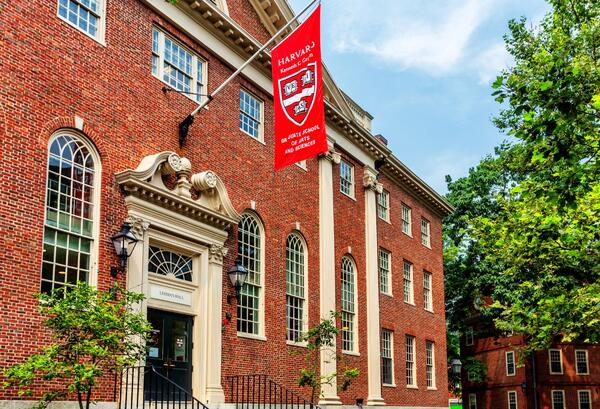
Modest Thoughts From a Minor Donor to Harvard (opinion)
Responding to Harvard University’s defiance of the coercive and illegal demands from the Trump administration, some major donors have recently urged the university to make accommodations rather than fight. A few have withheld large gifts over the last year and a half.
Holding degrees from two of Harvard’s least wealthy schools (Divinity and Education), I have made small annual donations to my relatively impecunious alma maters for 45 years, and I offer these considerations to weigh against those of the big donors who have generally graduated from Harvard’s wealthiest, so-called major schools.
Harvard’s resistance to authoritarian overreach bolsters the entire system of U.S. higher education, which came to be regarded as the best in the world only in the 1970s, after a century of slow development. Harvard’s defiance of unlawful authoritarianism inspires universities throughout the world.
This controversy is therefore not just about Harvard, but all of higher education everywhere. If Harvard caves, then no university will dare to defy governmental overreach. If Harvard resists, then others will be inspired to do so and shamed if they do not.
The urging by major donors to strike a deal with the Trump administration may result from feeling that Harvard’s small and secretive governing board, the Corporation, has, in recent months, not listened to them and ignored “the rightward shift of the country” that prompted Trump’s demands. (Although Harvard’s “major” and wealthiest professional schools—business, law and medicine—still graduate leading financiers on Wall Street and conservative justices of the Supreme Court, notwithstanding claims about the university’s “sins” of left-wing radicalism.)
In any case, the implied threat of major donors to withhold donations is transactional, just like the demands of the Trump administration. Thus, Harvard is caught between two transactional parties. Is the defiance of coercive and illegal overreach worth the possible loss in large gifts?
And the loss could be considerable. Over the last century, the rule in higher education fundraising is that 90 percent of gifts come from the top 10 percent of donors. Big donors count. Little ones scarcely, it seems.
But there are financial counterpoints.
By adjusting the spending rule for its endowment income and by floating bonds and loans, Harvard does have the resources to supplant lost federal income until its legal challenges are litigated, notwithstanding the prospect of further demands by the Trump administration.
Indeed, the annual investment income of large endowments vastly exceeds annual fundraising. As a result, wealthy universities were already shifting their focus from “gifts to growth” of investment yield by the beginning of the 21st century. Fundraising became less important than investing endowment.
Furthermore, major alumni donors, who might fear alienating the Trump administration by donating to Harvard, could easily make donations anonymously, which has long been a tradition in higher education.
Finally, and most importantly, Harvard’s defiance has already inspired support from many alumni who may now do more, counterbalancing the support of transactional big donors who withdraw.
I know that some little donors, like me, have not included Harvard in their estate plans precisely because Harvard has seemed so rich and invulnerable. As former president Drew Gilpin Faust once observed, Harvard’s commitment to its endowment could make the university “as close to immortal as any earthly institution might be.”
Now we see that Harvard needs the support of all of its alumni in these perilous times, not only for the sake of alma mater, but all of higher education.
-

NIH Speeds Up Implementation of New Public Access Policy
The National Institutes of Health is accelerating a Biden-era plan to make its research findings freely and quickly available to the public, the agency announced Wednesday.
The 2024 Public Access Policy was set to take effect Dec. 31, 2025, but will now take effect July 1 of this year. It updates the 2008 Public Access Policy, which allowed for a 12-month delay before research articles were required to be made publicly available. The 2024 policy removed the embargo period so that researchers, students and members of the public have rapid access to these findings, according to the announcement.
NIH director Jay Bhattacharya, who took over last month, said the move is aimed at continuing “to promote maximum transparency” and rebuilding public confidence in scientists, which has waned in recent years.
“Earlier implementation of the Public Access Policy will help increase public confidence in the research we fund while also ensuring that the investments made by taxpayers produce replicable, reproducible, and generalizable results that benefit all Americans,” Bhattacharya said in the memo. “Providing speedy public access to NIH-funded results is just one of the ways we are working to earn back the trust of the American people.”
Although the scientific research community is supportive of the policy itself, some are calling on the NIH to reinstate the original implementation date to give researchers time to effectively comply with this and other new agency regulations.
“This new effective date will impose extra burdens on researchers and their institutions to meet the deadline,” Matt Owens, president of COGR, which represents research institutions, said in a statement Wednesday. “Ironically, at the same time NIH is accelerating implementation of this policy, the agency is adding new burdensome certification and financial reporting requirements for grant recipients. This runs counter to the administration’s efforts to reduce regulations.”
-

Don’t Overlook Alumni as Asset for Advocacy (opinion)
With research contracts, cost recovery and student financial aid totaling billions of dollars on the line, many universities have called upon powerhouse external lobbying firms to defend against federal funding cuts and make the case for the public good that flows from higher education. Engaging external government relations experts can bring important perspective and leverage in this critical period, but this approach may not be scalable or sustainable across the nearly 550 research universities in large and small communities across the country.
Fortunately, campuses have their own powerful asset for advocacy: alumni. Graduates know firsthand the benefits of higher education in their lives, professions and communities, and they can also give valuable feedback as campuses work to meet the challenges of this moment and become even better. The National Survey of College Graduates estimates that 72 million individuals hold at least a bachelor’s degree. Engaged well, alumni can be a force multiplier.
Alumni often get attention in their role as donors. They will receive, on average, more than 90 email messages from their alma mater this year, many asking them to reflect on the value of their college experience and pay it forward. The most generous donors will be celebrated at events or visited personally by campus leaders. Millions and sometimes billions of dollars will be raised to advance campus missions.
As generous as alumni donors may be, the effectiveness of their philanthropic support is linked to the even greater investments states and the federal government make in higher education. University leaders in fundraising and beyond have an obligation to provide alumni with candid information about the potential impacts of looming generational policy and funding shifts, along with opportunities to support their campus as advocates.
In a crisis, information and attention necessarily flow first to on-campus constituents. Crisis communications and management plans may initially overlook alumni or underestimate the compelling role that they can play with both external and internal stakeholders. While most alumni are not on the campus, they are of the campus in deep and meaningful ways. And, unlike the handful of ultrawealthy alumni who have weighed in to the detriment of their Ivy League campuses, a broad group of alumni can bring practical wisdom and a voice of reason to challenging issues.
Campus leaders now preparing for a long period of disruption should assess alumni engagement as part of this planning and gather their teams to consider:
- How might alumni and development staff work with strategic communications, government relations staff and academic leaders to shape university messaging and advocacy?
- What facts about policy and funding challenges do alumni need to understand in a media environment filled with misinformation?
- How might alumni perspectives inform campus discourse about challenges to the institution’s values and academic freedom?
- How might existing alumni programming provide opportunities for information-sharing between campus leaders, academic leaders and alumni?
- How are campuses acknowledging and supporting alumni who are directly affected by changes in the federal workforce and economic disruption?
This is a critical time for campus leaders to build bridges. Alumni can be a huge asset in this work. As degree holders, donors, professionals and citizens, engaged alumni know the specific value of their alma mater and of higher education broadly. They have stakes, authenticity and social capital, and they deserve the opportunity to add their voices.
-
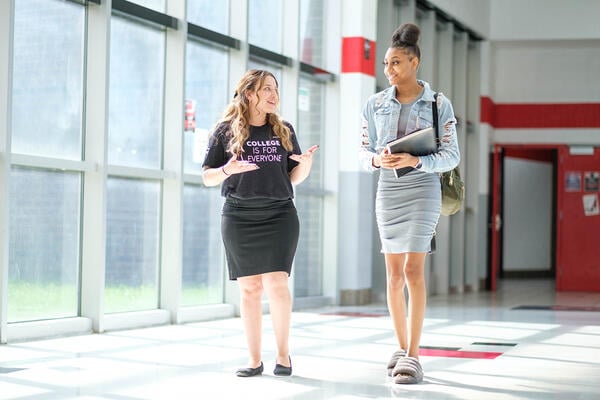
AmeriCorps Cuts Force College Access Groups to Reduce Staff
Brianne Dolney-Jacobs has spent the last year advising high school seniors in Bay City, Mich., on their options after graduation.
She met with 96 percent of the seniors at least once to talk about college applications, financial aid options, standardized tests and more. In doing so, she helped nearly 30 students access a countywide scholarship, up from under 10 in the previous year.
But now, she’s one of 32,000 people affected by sweeping cuts to AmeriCorps, a federal agency focused on service and volunteerism across the United States. At least 100 college-access groups, including the Michigan College Access Network, where Dolney-Jacobs works, rely on AmeriCorps funding or members to make the college application process more accessible to high school students, especially those in low-income areas and at schools with low rates of college attendance.
MCAN lost its grant funding this week and was ordered to cease all AmeriCorps work immediately, though the organization was able to use its own funds to buy staff members an extra month. Dolney-Jacobs will now wrap up her time at the high school at the end of May; she was supposed to stay on through late June.
Without someone in her position, Dolney-Jacobs told Inside Higher Ed, there is no one at her school who would have the bandwidth to meet with individual students as they navigate the college application process. Many students would never have heard about different scholarships that are available to them or know that community college—including both an associate’s degree and some trade certifications—is free for recent high school graduates in Michigan.
When her students heard that her position had been impacted, a group brought flowers to her office.
“They told me, ‘you are the Class of 2025’s hero,’” she recounted. “And I was just bawling.”
The National College Attainment Network, the association for MCAN and other similar organizations, is still taking stock of how many of its members have been impacted, said Elizabeth Morgan, NCAN’s chief external relations officer. But damage has been widespread.
“I think it’s safe to say probably our members that use AmeriCorps are serving hundreds of thousands of students across the country,” Morgan said. “They are devastated by this news for a couple of reasons: The students they are supporting right now, many are high school seniors who are just weeding through their [college] decision-making process … [and] the AmeriCorps members are being thrown out of work months early.”
A total of $400 million in AmeriCorps grants were axed, according to America’s Service Commission, a nonprofit that represents state and national service commissions, including funding for food pantries and disaster relief programs in areas impacted by recent natural disasters. The majority of AmeriCorps’ staff was also put on administrative leave in mid-April.
It’s just one of the many agencies that have faced funding cuts and grant cancellations as part of the Trump administration’s war on government spending. Its defenders say that the agency, which pays modest stipends to its members, is anything but wasteful: It provides both vital supports for American communities and professional development training to its members, all for a low price tag.
“I don’t believe Washington is really in tune to what is going on in the local communities,” said Grady Holmes, who works with a different MCAN AmeriCorps program that provides college success coaching to community college and tribal college students. “This is a program that is not government waste. It basically assists the government in making sure their productive citizens are being moved toward self-sufficiency and obtaining a college degree … When the powers that be decided this is wasteful spending—they don’t understand AmeriCorps.”
Twenty-four states sued the Trump administration over the cuts, calling the dismantling of the agency, which was created by Congress in 1993, “unauthorized.”
Advisers’ Impacts
MCAN is facing cuts to two student-facing programs: AdviseMI, which is focused on college readiness for high schoolers, and the College Completion Corps, which is geared toward students at tribal and community colleges. Both rely on AmeriCorps grants and are staffed by AmeriCorps members, who work in yearlong service positions in exchange for stipends and educational awards that can cover current educational expenses or pay off student loans. The organization employs over 100 AmeriCorps members across both programs.
Both programs have been successful, MCAN leaders say. In the 2023–24 academic year, students supported by AdviseMI advisers submitted 21,420 college applications and were awarded more than $32 million in financial aid.
The advisers “often interact with parents, as well, to help parents understand the role of FAFSA and help parents understand what’s happening with their student,” said Ryan Fewins-Bliss, the organization’s executive director. “And [they] engage the school in what we hope to be a schoolwide college-going culture … so when the juniors become seniors, they’re ready for this.”
After MCAN learned Friday night that it lost one of its AmeriCorps grants, the organization spent the weekend trying figure out how it could keep its AmeriCorps staff on board if the rest of the grants were also canceled. (In total, MCAN lost $2.1 million in AmeriCorps funds.)
Come Monday, MCAN found out its remaining grants, including funding for AdviseMI and College Completion Corps, were indeed cancelled, and that it had to stop operating those programs immediately. MCAN was able to find funding in the budget to continue those programs for an extra month, but the future beyond then is uncertain.
Other organizations had to lay off their AmeriCorps members entirely. Partnership 4 Kids, a Nebraska-based organization that works with students from prekindergarten through college, had two full-time AmeriCorps fellows working with high school seniors and three fellows working directly with college students. All five had to stop working Friday, immediately after P4K received word that its grants had been terminated.
“These two in the high schools had great relationships with their students. They were doing one-on-one case management; they were the driving force [behind] college applications, scholarship applications, helping students overcome barriers they might have, and really to get them to that finish line to graduate,” P4K president Deb Denbeck said.
This year, 97 percent of P4K’s senior cohort graduated and 80 percent of them are going to college—an impressive feat in a state where the college-going rate for high school graduates has been on the decline.
‘Brings Out the Best in People’
AmeriCorps members have worked in high schools as college advisers for at least two decades, starting with the College Advising Corps, an organization that began in Virginia and has since expanded to 15 states. It’s a model that college-access leaders say has been incredibly effective, helping thousands of students go to college and boosting the careers of the advisers.
It’s also been embraced by politicians on both sides of the aisle, according to Nicole Hurd, who founded the CAC and is now president of Lafayette College.
AmeriCorps members are a natural fit for college-readiness work, these leaders say. Because many are recent college graduates, they can remember what it was like to be in the high schoolers’ shoes, making it easy for them to empathize with and respond to the challenges their students are facing. The college adviser positions are relatively easy to train, meaning individuals from any background can take on these roles.
But perhaps most importantly, leaders of college-access nonprofits feel AmeriCorps’ long-standing ethos of volunteerism aligns perfectly with their missions to bring educational opportunity to all.
“AmeriCorps brings out the best in people, and it gives them an opportunity to learn as well—to learn how to be professionals in their field,” said Denbeck. “When you look at everything that AmeriCorps does, whether it’s working in education or mentoring or agriculture or disaster relief, they’re doing it because of their heart.”
The impacted organizations doubt they’ll be able to rely on AmeriCorps going forward. For now, they’re working to figure out how to continue their work and where they might get the funding necessary to deploy college advisers into the communities that need them most.
“In the future, it’s safe to say that there are countless students that won’t attend college because they’re not getting this kind of support,” Morgan said.
-

ED Announces Further Changes to Accreditation
Secretary McMahon said the Dear Colleague letter will “foster a competitive marketplace” for accreditors and the institutions they oversee.
Jim Watson/AFP/Getty Images
The Department of Education intends to accelerate the process for changing accreditors, a move announced in a Dear Colleague letter that builds on other recent changes to oversight.
Last week the Trump administration released a highly anticipated executive order to overhaul accreditation. That order took aim at accreditors who have diversity, equity and inclusion in their standards, threatening to revoke their recognition, and sought to make it easier for institutions to switch from one accrediting body to another and for new accreditors to enter the marketplace.
The Department of Education cast the Dear Colleague letter as an action to comply with that executive order and announced that ED had “lifted the Biden Administration’s moratorium on accepting and reviewing applications for initial recognition of potential new accreditors.”
The Trump administration revoked guidance from the Biden administration from 2022 that exerted more scrutiny over changing accreditors, which came after Florida’s Republican-led Legislature passed a bill that year requiring its public institutions to switch accreditors regularly. (The bill came after state officials clashed with the Southern Association of Colleges and Schools Commission on Colleges, which accredited all of Florida’s public institutions, over concerns of political influence.)
“We must foster a competitive marketplace both amongst accreditors and colleges and universities in order to lower college costs and refocus postsecondary education on improving academic and workforce outcomes for students and families,” U.S. Secretary of Education Linda McMahon said in a statement about the guidance. “President Trump’s Executive Order and our actions today will ensure this Department no longer stands as a gatekeeper to block aspiring innovators from becoming new accreditors nor will this Department unnecessarily micromanage an institution’s choice of accreditor.”
Thursday’s letter, signed by Deputy Under Secretary James P. Bergeron, emphasized that the U.S. Department of Education aims to expedite the process of changing accreditors by removing what ED called “unnecessary requirements” that officials argued stifle institutional innovation.
ED will no longer scrutinize reasons for changing accreditors, according to the letter.
“The law and regulation do not dictate a robust or onerous process for receiving the Department’s approval for a change in accrediting agencies or maintaining multiple accreditation,” Bergeron wrote in the Dear Colleague letter. “Therefore, consistent with statutory and regulatory obligations, the Department will conduct expeditious reviews of applications received except in rare cases where an institution lacks a reasonable cause for making a change.”
The new guidance noted that institutions can switch to accreditors for a variety of reasons, including better alignment with their religious mission, a change mandated by state law or because an accrediting body requires a university to adopt “discriminatory” DEI principles.
Additionally, Bergeron wrote, if the department “does not approve a change in accrediting agency within 30 days of the date of its receipt of a complete notice of this change and materials demonstrating reasonable cause, approval will be deemed to have been granted, unless the change or multiple accreditation is prohibited as described” in the Dear Colleague letter.
Some accreditors offered a positive response to the change.
The Middle States Commission on Higher Education, which recently launched its own effort to streamline the process of changing accreditors, welcomed the development in a statement.
“As an accreditor with institutions that have been stalled in the process, this guidance will have a positive impact on the work we have been doing with several institutions. We look forward to helping our institutions understand what this may mean for them and for us,” MSCHE president Heather Perfetti wrote. “We appreciate that there are well-defined restrictions that will not allow for institutions to change accreditors to avoid accountability with an existing accreditor.”
Thursday’s letter also prompted celebration in some conservative quarters.
The Defense of Freedom Institute, a conservative think tank, urged ED in February to revoke the Biden administration’s guidance on switching, saying that in doing so the department would “wipe away politically motivated and patently unlawful actions of the previous administration.”
They argued that doing so would create a more effective accreditation system. Following the release of the Dear Colleague letter Thursday, the organization thanked the Trump administration in a statement.
“The Defense of Freedom Institute applauds the Trump administration for taking bold, necessary action to restore integrity, accountability, and competition to our broken accreditation system. For too long, accreditors have leveraged their Title IV gatekeeper status to stifle innovation in American higher education and to require ideological litmus tests that undermine civil rights and academic freedom on campus,” DFI president and co-founder Bob Eitel wrote.
Critics, however, argue that making it easier to switch accreditors will have negative effects.
Wesley Whistle, project director for student success and affordability in the higher education initiative at New America, a left-leaning think tank, told Inside Higher Ed that the new process amounts to a rubber stamp for changing accreditors. He argued that allowing institutions to switch accreditors more easily will likely drive them toward accreditors with lower standards.
“What this Dear Colleague letter does is dilute that requirement [to demonstrate reasonable cause to switch accreditors], and undermines a critical safeguard that’s meant to ensure that institutions don’t escape oversight just because they don’t like scrutiny,” Whistle said.
Whistle also suggested the compressed timeline for ED approval within 30 days limits any actual oversight. Timing is compounded, he added, by the lack of personnel, given the job cuts at the department.
“This guarantees there will be no meaningful review. This isn’t about streamlining, it’s surrender. It’s the Wild West here: Do whatever you want, just say ‘mission’ and you can change accreditors,” he said.