Category: Featured

  • RFK Jr.’s Autism Misinformation Undermines Equity—and the Role of Higher Education

    RFK Jr.’s Autism Misinformation Undermines Equity—and the Role of Higher Education

    Dr. Yolanda WigginsRobert F. Kennedy Jr.’s recent claims about rising autism rates directly contradict the findings of a rigorous, peer-reviewed study from the Centers for Disease Control and Prevention. While the CDC attributes the increase to better diagnostic tools and broader awareness—especially among historically underdiagnosed populations—Kennedy has revived a discredited suggestion that environmental factors, including vaccines, may be responsible.

    This isn’t just political theater. It’s part of a broader and troubling pattern: a sustained attack on scientific research, the public institutions that produce it, and the higher education system that trains the researchers behind it.

    As a sociology professor at a public university, I’ve watched with concern as public trust in science and expertise has eroded. The pandemic magnified these trends, but they have long been in motion—accelerated by social media, political polarization, and the growing popularity of conspiratorial thinking. The resurgence of autism misinformation is just the latest iteration.

    The CDC’s study represents the best of public-facing science: it’s evidence-based, transparent, and focused on improving equity. The data show that more children—especially Black, Latino, and low-income children—are finally being diagnosed and receiving support. For decades, these children were overlooked in clinical research and excluded from early intervention programs. Their families often lacked access to diagnostic services, and cultural stigma around disability further compounded delays in recognition and care.

    That makes this progress all the more important. It means health and education systems are becoming more responsive to the needs of diverse communities. It’s a win for public health, for special education, and for racial equity. But Kennedy’s remarks obscure that progress and instead imply institutional deceit, further corroding the already fragile relationship between the public and research institutions.

    This moment should concern everyone in higher education. When research is publicly undermined by powerful voices, it isn’t just scientists or health experts who lose credibility—it’s the entire academic enterprise. Faculty working in controversial or misunderstood fields face online harassment. Public universities face funding cuts. Politicians introduce legislation to restrict what can be taught, who can be included, and which research is “acceptable.” These are not isolated attacks. They are part of a broader campaign to delegitimize the role of higher education in a democratic society.

    We’ve seen it before. Climate science, gender studies, and even basic public health data have been politicized and distorted. In many cases, these attacks are racialized, aimed at scholars of color or those researching topics related to race, equity, and social justice. The goal is not simply to disagree with findings—it’s to sow public doubt about the legitimacy of the research process itself.

    If higher education wants to defend its role in shaping public understanding and policy, we must do more than produce knowledge—we must also protect it. That means publicly pushing back when bad actors distort science. It means communicating our research clearly and accessibly, especially in communities where trust in institutions has historically been low. And it means preparing the next generation of students not only to be critical thinkers, but to be defenders of fact in an era that increasingly devalues it.

    The consequences of not responding are far-reaching. When misinformation takes root, it influences public health decisions, erodes confidence in life-saving vaccines, and increases distrust in institutions we rely on during crises. The damage isn’t abstract—it’s measurable in declining vaccination rates, increased health disparities, and growing skepticism toward experts in medicine, climate science, and education. The ripple effects extend into classrooms, clinics, and communities, where the stakes are all too real.

    It also threatens the progress being made in autism awareness and support, particularly in communities that have only recently gained access to diagnostic and therapeutic services. When Kennedy promotes falsehoods about the cause of autism, he doesn’t just mislead the public—he makes it harder for families to trust medical providers, harder for schools to advocate for neurodiverse students, and harder for researchers to do their work without facing backlash.

    Kennedy’s remarks may seem like a fringe view to those of us working in higher ed. But their reach—and their harm—are real. If we remain silent, we risk allowing misinformation to fill the vacuum we leave behind. That vacuum won’t remain empty. It will be filled with falsehoods that, once embedded in public consciousness, are incredibly difficult to reverse.

    This is a time for the academic community to speak clearly and often. We must show that science is not about dogma—it’s about rigor, peer review, and accountability. We must reaffirm that public universities serve not just students, but society. And we must reclaim our role in informing the public—not just in lecture halls and labs, but in newspapers, social media, and public discourse.

    We can’t afford to treat this moment as politics as usual. It’s a test of our collective commitment to truth, equity, and the public good. The integrity of science—and the credibility of higher education—depends on it.

    Dr. Yolanda Wiggins is an Assistant Professor of Sociology at San José State University.


    Source link

  • Solving the Right Problems –

    Solving the Right Problems –

    I write this post to e-Literate readers, Empirical Educator Project (EEP) participants, and 1EdTech members. You should know each other. But you don’t. We should all be working on solving problems together. But we aren’t.

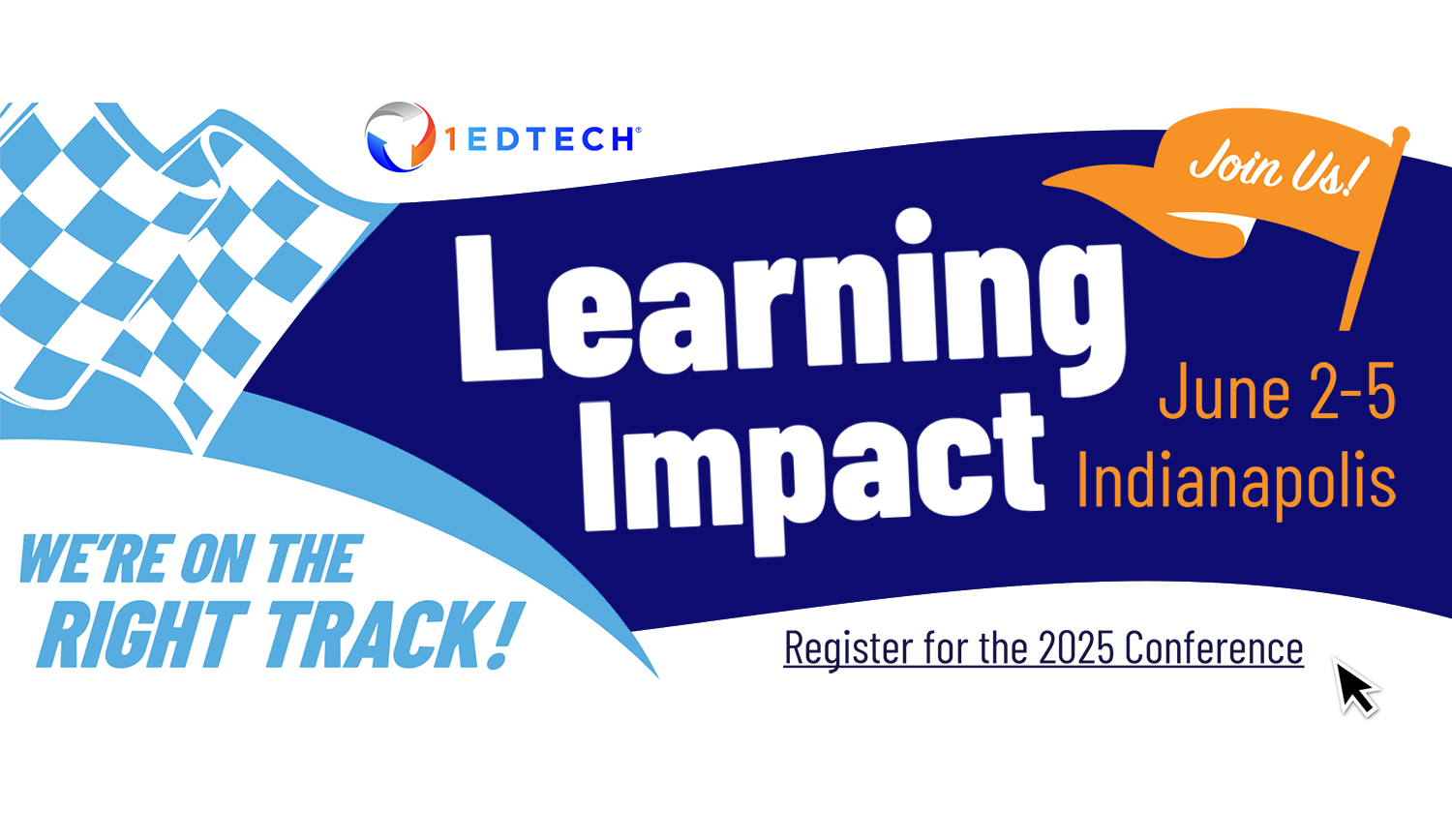
    Not yet, anyway. Now that EEP is part of 1EdTech, I’m writing to ask you to come together at our Learning Impact conference in Indianapolis, the first week in June, to take on this work together.

    1EdTech has the potential to enable a massive learning impact because we have proven that we can change the way the entire EdTech ecosystem works together. (I recently posted a dialogue with Anthropic Claude about this topic.) I highlight the word “potential” because, as a community-driven organization, we only take on the challenges that the community decides to take on together. And the 1EdTech community has not had many e-Literate readers and EEP participants who can help us identify the most impactful challenges we could take on together.

    On the morning of Monday, June 2nd, we’ll have an EEP mini-conference. For those of you who have been to EEP before, the general idea will be familiar but the emphasis will be different. EEP didn’t have a strong engine to drive change. 1EdTech does. So the EEP mini-conference will be a series of talks in which the speakers propose ideas about what the 1EdTech should be working on, based on its learning impact. If you want to come just for the day, you can register for the mini-conference for $350 and participate in the opening events as well. But I invite you to register for the full conference. If you scan the agenda, you’ll see sessions throughout the conference that will interest e-Literate readers and EEP participants.

    EEP will become Learning Impact Labs

    We’re building something bigger. Nesting EEP inside Learning Impact is just a start. Our larger goal is to create an umbrella of educational impact-focused proposals for work that 1EdTech can take on now and a series of exploratory projects for us to understand work that we may want to take on soon. You may recall my AI Learning Design Assistant (ALDA) project, for example. That experiment now lives inside 1EdTech. As a community, we will be working to become more proactive, anticipating needs and opportunities that are directly driven by our collective understanding of what works, what is needed, and what is coming. We will have ideas. But we need yours.

    Come. Join us. If you’ve been a fellow traveler with me but haven’t seen a place for you at 1EdTech, I want you to know we have a seat with your name on it. If you’re a 1EdTech member who has colleagues more focused on the education (or the EdTech product design) side, let them know they can have a voice in 1EdTech.

    Let us, finally, raise the barn together.

    Come.

    Source link

  • Dual Enrollment’s Long-Term Effects on Student Earnings

    Dual Enrollment’s Long-Term Effects on Student Earnings

    Title: Do Dual Enrollment Students Realize Better Long-Run Earnings? Variations in Financial Outcomes Among Key Student Groups

    Authors: Navi Dhaliwal, Sayeeda Jamilah, McKenna Griffin, Dillon Lu, David Mahan, Trey Miller, and Holly Kosiewicz

    Source: The Research Institute at Dallas College and University of Texas at Dallas

    Dual enrollment partnerships between school districts and colleges and universities provide an opportunity for high school students to enroll in college courses, often saving them time and money. However, the long-term impacts of dual enrollment have not been studied in depth, and the existing body of research offers mixed results. A recent working paper reveals many dual enrollment students experience long-term economic benefits, although outcomes vary based on race and socioeconomic status.

    In the study, students from the 2011 graduating class across 22 Texas school districts were tracked and examined, contrasting the outcomes of students that participated in dual enrollment against those that did not. Ultimately, by the sixth year after graduation, dual credit students were earning more than their peers. Students earned 4 to 9 percent more annually between year six and year 12.

    Additional highlights from the working paper include:

    • Many dual enrollment participants benefited from higher earnings than non-participants in years six through twelve after high school graduation, but not all student subgroups saw significant benefits.
    • African American, Hispanic, and limited English proficient students experienced smaller increases in long-term earnings outcomes.
    • Economically disadvantaged and African American students that enrolled in dual credit programs also reported higher levels of student loan debt compared to non-participants. For example, there was an $831 to $855 increase in student debt from year three to four for economically disadvantaged dual credit students, and a $1,231 to $1055 increase in student debt from years one to four for African American dual credit participants.

    To read the full report, click here.

    —Austin Freeman


    If you have any questions or comments about this blog post, please contact us.

    Source link

  • NAFSA 2025 to draw 8k attendees despite boycotts

    NAFSA 2025 to draw 8k attendees despite boycotts

    Despite major policy challenges impacting the US international education sector and political tension between the North American country and its neighbours, the 2025 NAFSA conference is on track to host 8,000 attendees, the association has asserted.

    The news comes despite some stakeholders choosing to skip this year’s conference due to the Trump administration’s immigration crackdown, which has seen hundreds of international students detained, arrested and fearing deportation, and controversial suggestions that Canada could become the 51st US state.

    The NAFSA conference has long been a cornerstone event for the international education sector. As the largest gathering of its kind, recent years have seen approximately 9,500 attendees come together for the annual conference.

    NAFSA CEO Fanta Aw told The PIE News that participants from more than 100 countries are expected to attend this year’s event in San Diego, including ministers of education and other high-level leaders and nearly 50 country consortia representing more than 1,000 academic institutions and organisations from around the world.

    Jeffrey Smart, co-founder and director of the Lygon Group, based out of Australia, is among those opting out of the event, taking to LinkedIn to explain why he won’t be attending in 2025.

    “NAFSA plays a crucial global role in promoting the benefits of global education – 77 years on it keeps on thriving. Sadly, this year, I won’t attend – even though it’s held in glitteringly gorgeous San Diego,” wrote Smart.

    “As the new US administration seizes, arrests, and threatens to deport hundreds of international students, and makes updates to INA Section 12(f) – defining who and who can’t enter the US as ‘aliens’ – I demure.”

    “The advice US schools, colleges, and universities have had to issue to their current students about what to do when crossing the border, or seized by ICE, are heartbreaking,” said Smart.

    Just over three months into Donald Trump’s second term, the number of international students and recent graduates who have had their visas revoked by the administration has surpassed 1,800. However, the latest news suggests hundreds of revocations are being reversed, with immigration officials working on a new system for reviewing and terminating visas for international students.

    Stakeholders speaking to The PIE shared anecdotal accounts of international colleagues forgoing NAFSA due to concerns about their experiences upon arrival in the US. One story mentioned a colleague ultimately choosing to attend the conference while considering precautionary measures, such as preparing emergency contact points.

    Speaking to The PIE, Aw emphasised the event’s role as a space for colleagues to share strategies, build leadership skills, and find a “sense of community to fuel their resilience.”

    “NAFSA’s annual conference and expo is an international event with global appeal, and that is absolutely true for 2025 in San Diego,” said Aw.

    “The field of international education has continued to expand and where that growth has been strongest is where we’re seeing increased interest. More than 40% of our registrants so far are from outside of the United States.”

    Aw recognised that some US institutions “are facing some budgetary challenges”. But the NAFSA CEO assured that “ebbs and flows are nothing new to the field of international education”.

    “I think the field recognises that this is an important time for the sector to come together and our registration numbers reflect that,” she continued.

    “Consider that the power of government policy to effect student mobility is playing out in the United States on a daily basis, and other major study destinations have been impacted by restrictive government policies recently as well, San Diego presents a critical time for the field to engage with the latest trends shaping the field and to share strategies for preparing and responding to the current landscape.”

    San Diego presents a critical time for the field to engage with the latest trends shaping the field and to share strategies for preparing and responding to the current landscape
    Fanta Aw, NAFSA

    Eddie West, assistant vice-president of international affairs at California State University, Fresno, told The PIE it is “encouraging” to see that the anti-DEI ‘dear colleague‘ letter that prompted alarm among the sector has been blocked.

    “As one campus colleague of mine memorably put it, we should be careful not to ‘pre-comply’ regarding issues being actively litigated in the courts,” advised West.

    However, West predicts budget challenges will hamper attendance at the conference this year, as many campuses are instituting hiring and travel freezes.

    Christopher Connor, vice provost for enrollment management at University at Buffalo, also spoke to The PIE about this year’s conference.

    “From what I’ve seen, institutions remain engaged and committed to supporting international education and the organisations that promote it, even in the face of political uncertainty,” said Connor, noting he hasn’t heard concerns that supporting NAFSA’s advocacy could jeopardise federal funding.

    “For me, it’s more important than ever that international students are encouraged to pursue their dreams, rather than dwell on ‘what if’ scenarios. Sitting at home, anticipating the worst, serves no purpose and only leads to missed opportunities,” he said.

    “The chance to study in the US, engage with diverse communities, and shape one’s future is still very real, and we continue to see students seizing those moments and making lasting contributions. The same goes for professionals in international education, now is not the time to retreat, but to remain engaged, connected, and focused on the broader mission we share.”

    Policies will always be dynamic, not static, and it’s important for all of us, students and professionals alike, to be cognisant of that reality
    Christopher Connor, University at Buffalo

    For Connor, the value of a US education for international students remains a “significant and compelling proposition”.

    “It offers access to world-class institutions, cutting-edge research, and vast professional networks, all of which open doors globally. Despite current uncertainties, the long-term benefits far outweigh the perceived risks. In fact, the risk remains relatively low compared to the life-changing opportunities that studying in the US can provide,” he said.

    “Policies will always be dynamic, not static, and it’s important for all of us, students and professionals alike, to be cognisant of that reality. Remaining adaptable and focused on the enduring value of international education is what allows us to move forward, even when the external environment shifts.”

    Additional reporting by Polly Nash.

    Source link

  • Career-Talk-Embracing-Career-Change-and-finding-your-passion- The Cengage Blog

    Career-Talk-Embracing-Career-Change-and-finding-your-passion- The Cengage Blog

    Reading Time: 3 minutes

    Our Career Talk Series invites faculty, former Cengage student ambassadors and Cengage employees to share their unique journeys into their current roles, highlighting the motivations that guided them.

    Each talk delves into the unexpected twists and turns that shaped their paths, offering valuable insights and lessons for students as they think about their own future careers.

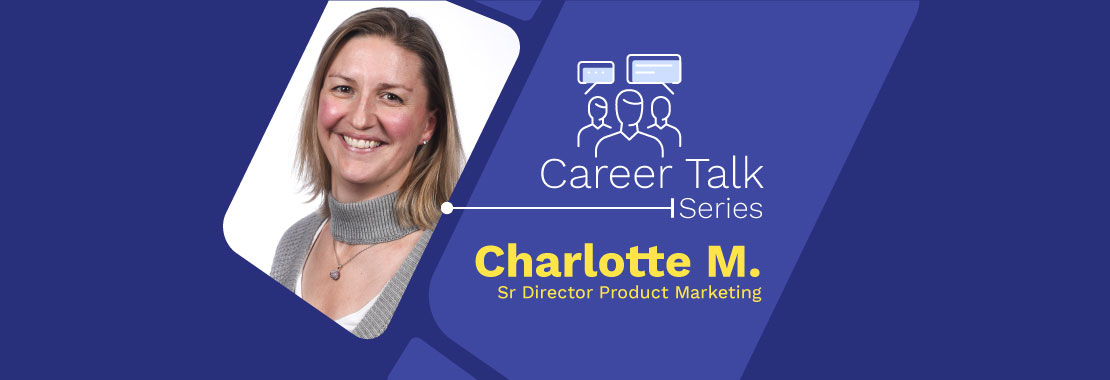
    For this Career Talk discussion, we’re excited to share the experiences of one of our own Cengage leaders. We spoke to Charlotte McLaren, Senior Director of Product Marketing at Cengage Group, whose career in higher education, stretching back over 20 years, has taken her in many directions and given her a deep-rooted sense of appreciation for learning.

    Where it began

    Charlotte has been at Cengage Group for eight years.

    After graduating from The University of Sydney in Sydney, Australia, Charlotte accepted a teaching position at a further education college in Northeast England.

    Witnessing her manager’s unwavering compassion and commitment to the students they taught, Charlotte was inspired and motivated to double-down on her own teaching experience. She completed eight weeks of an intensive training course back in Australia to become a secondary music teacher.

    Changing direction

    Sometimes, it can take time before we realize where our true passion lies. Charlotte was teaching violin and voice and suddenly realized that she wanted to be able to help more than just the students she taught. She went in search of other jobs in education and found herself falling for a different side of higher ed — publishing. After working as a successful sales representative for two and a half years in the state of Queensland, Australia, she realized again that it wasn’t quite the right role for her. She wanted to connect the dots to drive not just sales, but the products and stories themselves. When the opportunity arose to join a marketing team as a Portfolio Marketing Manager for STEM and HSSL (humanities, social sciences and languages), she jumped at it. And things just grew from there. She transitioned into various marketing roles, eventually leading her to move to New York City before landing her first role at Cengage Group as Marketing Director of MindTap. She’s been collaborating with and inspiring those around her ever since.

    We don’t know how she does it

    During Charlotte’s time at Cengage, she’s seen and done it all. Working in various marketing roles, she’s skillfully managed and overseen our online learning platforms and digital learning solutions, from MindTap and WebAssign to our Cengage Read mobile app and now our AI products.

    In her current role, she heads up our U.S. product and platform marketing teams, working closely with external and internal-facing portfolio and product marketing managers across key disciplines. These include STEM, B&E (business and economics), psychology, trades and health care. Charlotte and her team are focused on driving awareness and usage of Cengage’s digital innovations, creating stories that highlight the value of our products, including brand-new first editions and established titles.

    Having been given the opportunity to mentor and coach those around her through several leadership roles, she loves being able to help others see their own unique potential. At the end of the day, it’s the conversations Charlotte gets to have with her team members, all with their own points of view and perspectives, that mean so much to her.

    “You get the opportunity to help, coach, mentor and support. And I love doing all of that, but I find it’s also…. just being able to have robust discussions with someone and really look at a problem from all angles…and have all the different points of view. I find it energizing to be around…” – Charlotte McLaren, Senior Director of Product Marketing at Cengage Group

    “…education is a pretty cool way to spend your life”

    Charlotte’s love of education goes deeper than her role at Cengage. For Charlotte, education is all about developing a greater understanding of your identity, values and the world around you. Whether you learn in pursuit of a degree, through on-the-job training or by travelling the world, she believes that education is wide-reaching and anything but one-size-fits-all. Charlotte thinks that it’s those diverse experiences that make us all who we are.

    “I think education, on the whole, just makes us… empathetic. It makes you able to critically think about the world around you, examine the things that are coming and not just accept what somebody else tells you. It helps you decide how you feel about something and what you value. And if that’s different from someone else, brilliant. It takes all sorts to make up the world.” – Charlotte McLaren, Senior Director of Product Marketing at Cengage Group

    Embracing the unknown

    Our careers can take us in surprising and exciting directions, allowing us to connect with many impactful mentors, managers and team members along the way. Charlotte’s story teaches us to appreciate our unique career journeys, learn wherever and however we can and engage with those who hold different perspectives from our own.

    Check out additional career-focused articles for tips and strategies from Cengage employees, students, educators and experts.


    Source link

  • Top Hat Is Now ISO/IEC 27001:2022 Certified!

    Top Hat Is Now ISO/IEC 27001:2022 Certified!

    TORONTO – April 28, 2025 – Whether it be student grades, assessment responses, engagement data, or contact information, the safety of your data is our priority at Top Hat. As the leading engagement platform used by more than 750 higher education institutions, we’ve implemented several technical and operational measures to keep our promise. That’s why we’re thrilled to announce that Top Hat has received a certificate of compliance for ISO/IEC 27001:2022!

    Read on to learn what this means for our business and users.

    A new milestone in Top Hat’s privacy and security journey

    The ISO/IEC 27001:2022 certification is the international gold standard for information security management. This achievement highlights our dedication to safeguarding user data through a complete set of information security controls, which are routinely audited by an independent third party. CPSI Certifications Inc., a certification body with more than 30 years of experience, performed the audit and awarded the certification. Our certification reflects our continuous commitment to upholding the highest level of security standards to protect user data. This credential applies to both the Top Hat and Aktiv SaaS platforms. 

    “Achieving ISO/IEC 27001:2022 certification is a significant milestone for us. It reflects the strong security foundation we’ve built to protect our users’ data and demonstrates our commitment to maintaining the highest standards of information security,” says Que Sengmany, Director of Information Security at Top Hat. “For our users and partners, this certification provides assurance that we’re following globally-recognized best practices to manage risks and safeguard information.”

    Our security philosophy

    At Top Hat, we’ve used the following pillars to guide our security philosophy.

    1. Confidentiality: Ensuring that information is accessible only to authorized individuals
    2. Integrity: Maintaining the accuracy and completeness of information and processing methods
    3. Availability: Guaranteeing that only authorized users have access to information when needed

    These principles continue to be our North Star as we continue to safeguard sensitive company and user data. Curious to know more about our technical security measures? Visit our Security page today.

    About Top Hat

    As the leader in student engagement solutions for higher education, Top Hat enables educators to employ proven student-centered teaching practices through interactive content and tools enhanced by AI, and activities in in-person, online and hybrid classroom environments. To accelerate student impact and return on investment, the company provides a range of change management services, including faculty training and instructional design support, integration and data management services, and digital content customization. Thousands of faculty at 750 leading North American colleges and universities use Top Hat to create meaningful, engaging and accessible learning experiences for students before, during, and after class.

    Contact [email protected] for media inquiries.

    Source link

  • Top Hat Is Now ISO/IEC 27001:2022 Certified!

    Top Hat Is Now ISO/IEC 27001:2022 Certified!

    TORONTO – April 28, 2025 – Whether it be student grades, assessment responses, engagement data, or contact information, the safety of your data is our priority at Top Hat. As the leading engagement platform used by more than 750 higher education institutions, we’ve implemented several technical and operational measures to keep our promise. That’s why we’re thrilled to announce that Top Hat has received a certificate of compliance for ISO/IEC 27001:2022!

    Read on to learn what this means for our business and users.

    A new milestone in Top Hat’s privacy and security journey

    The ISO/IEC 27001:2022 certification is the international gold standard for information security management. This achievement highlights our dedication to safeguarding user data through a complete set of information security controls, which are routinely audited by an independent third party. CPSI Certifications Inc., a certification body with more than 30 years of experience, performed the audit and awarded the certification. Our certification reflects our continuous commitment to upholding the highest level of security standards to protect user data. This credential applies to both the Top Hat and Aktiv SaaS platforms. 

    “Achieving ISO/IEC 27001:2022 certification is a significant milestone for us. It reflects the strong security foundation we’ve built to protect our users’ data and demonstrates our commitment to maintaining the highest standards of information security,” says Que Sengmany, Director of Information Security at Top Hat. “For our users and partners, this certification provides assurance that we’re following globally-recognized best practices to manage risks and safeguard information.”

    Our security philosophy

    At Top Hat, we’ve used the following pillars to guide our security philosophy.

    1. Confidentiality: Ensuring that information is accessible only to authorized individuals
    2. Integrity: Maintaining the accuracy and completeness of information and processing methods
    3. Availability: Guaranteeing that only authorized users have access to information when needed

    These principles continue to be our North Star as we continue to safeguard sensitive company and user data. Curious to know more about our technical security measures? Visit our Security page today.

    About Top Hat

    As the leader in student engagement solutions for higher education, Top Hat enables educators to employ proven student-centered teaching practices through interactive content and tools enhanced by AI, and activities in in-person, online and hybrid classroom environments. To accelerate student impact and return on investment, the company provides a range of change management services, including faculty training and instructional design support, integration and data management services, and digital content customization. Thousands of faculty at 750 leading North American colleges and universities use Top Hat to create meaningful, engaging and accessible learning experiences for students before, during, and after class.

    Contact [email protected] for media inquiries.

    Source link

  • A New McCarthyism: How one Dane views free speech in America

    A New McCarthyism: How one Dane views free speech in America

    This article was originally published in The Dispatch on April 24, 2025.


    Two years ago, I moved to the United States to found a think tank devoted to defending global free expression. What better place to launch than America, which is, according to the law professor and First Amendment expert Lee Bollinger, “the most speech protective of any nation on Earth, now or throughout history”?

    Despite being Danish, I’ve always found America’s civil-libertarian free speech tradition more appealing than the Old World’s model, with its vague terms and conditions. For much of my career, I’ve been evangelizing a First Amendment approach to free speech to skeptical Europeans and doubtful Americans, who are often tempted by laws banning “hate speech,” “extremism,” and “disinformation.” That appreciation for the First Amendment is something I share with many foreigners — Germans, Iranians, Russians — who now call America home. For some of us, that tradition has become a kind of secular article of faith — the realization of which not only offers a sense of identity, but also a rite of passage into American ideals. Indeed, many of us noncitizens nodded in agreement in February when Vice President J.D. Vance said that European speech restrictions are “shocking to American ears.”

    But the very ideal that so many of us noncitizens cherish as America’s “first freedom” is now being curtailed. The administration is invoking a clause of the Immigration Nationality Act of 1952 that allows the secretary of state unfettered discretion to deport aliens, including anyone he believes “would have potentially serious adverse foreign policy consequences for the United States.” This new scheme has begun with the detaining of foreign students — including visa and green card holders — for allegedly antisemitic speech.

    Combating anti-Semitism is an important and legitimate government interest, and both Americans and noncitizens are safer when bigotry is confronted. But for six decades America has prohibited censorship and relied on counterspeech as the main bulwark against hatred, not least because leading Jewish and black civil rights groups have long recognized the danger of giving the government power over speech. Had the administration focused on noncitizens engaged in illegal or seriously disruptive conduct targeting Jewish students — which clearly occurred on some campuses after the October 7 terrorist Hamas attacks — few could have objected.  

    But it’s now clear that the government is targeting noncitizens for ideas and speech protected by the First Amendment. The most worrying example (so far) is a Turkish student at Tufts University, apparently targeted for co-authoring a student op-ed calling for, among other things, Tufts to divest from companies with ties to Israel. One report estimates that nearly 300 students from universities across the country have had their visas revoked so far.

    George Mason University calls cops on student for article criticizing Trump

    News

    After a GMU student wrote a provocative essay asking when violence against tyranny is justified, the university promptly forgot its own revolutionary roots — and called the cops.


    Read More

    Instead of correcting this overreach, the government has doubled down. U.S. Citizenship and Immigration Services recently announced that it would begin screening the social media posts of aliens “whose posts indicate support for antisemitic terrorism, antisemitic terrorist organizations, or other antisemitic activity.” Shortly after, the X account of USCIS posted about a “robust social media vetting program” and warned: “EVERYONE should be on notice. If you’re a guest in our country — act like it.” And four days later, White House homeland security adviser Stephen Miller promised to deport “anyone who preaches hate for America.” What that means is anybody’s guess — and seems to depend entirely on subjective assessments.

    This has created a wave of self-censorship among the millions of noncitizens who live, study, and work in the U.S. Conversations among expats now center on how many have stopped posting political content  or canceled travel abroad, fearing they won’t be let back in. Noncitizens in think tanks and public policy roles I have spoken to are using burner phones and keeping immigration lawyers on speed dial. Universities are advising foreign students and faculty not to publicly criticize the U.S. government or officials. Students are complying, even going so far as to ask to have their bylines removed from articles, refraining from peaceful protests and scrubbing their social media accounts. Even more surreal: People, including me, are receiving constant pleas from friends and family to come home, fearing what might happen if we stay. After all, this is America, not Russia.

    As a green card holder, I understand why so many foreign students, faculty members, and other legal residents who live in and love this country might prefer to stay silent—after all, they came here for a reason, whether to study, work, or start a life with loved ones. But silence would be a betrayal of the very values that brought many of us here in the first place. In fact, I can think of few things more un-American than having to self-censor out of fear of being targeted by the government.

    I came to America for its freedom, not just to enjoy it, but to defend it — even if that puts me at risk.

    This isn’t the first time America has targeted foreign dissenters. In 1798, President John Adams signed the Alien Act, giving himself sweeping power to deport any noncitizen from a friendly nation deemed “dangerous to the peace and safety of the United States,” or merely “suspected” of treason or “secret machinations against the government.” In response, James Madison warned the law’s vague language “can never be mistaken for legal rules or certain definitions” and “subvert[ed] the general principles of free government.” Thomas Jefferson called it “a most detestable thing … worthy of the 8th or 9th century.” Their concerns were vindicated when Americans handed Adams’ Federalists a catastrophic defeat in the 1800 election, and the Alien Act expired under Jefferson.

    During the Red Scares of the 20th century, waves of government paranoia led to the surveillance, detention, and deportation of “subversive” noncitizens. McCarthyism has been roundly criticized in the decades since, and few have likely imagined that a McCarthy-era statute would not only survive but be revived and aggressively expanded in the 21st century.

    Credit: 1949 Herblock Cartoons, © The Herb Block Foundation.

    The late British-American journalist Christopher Hitchens is a more recent testament to the long tolerance of America toward foreign dissent. Before becoming a U.S. citizen in 2007, Hitchens spent decades as a legal resident—and as one of America’s most acerbic public intellectuals. He accused Ronald Reagan of being “a liar and trickster,” called Israel America’s “chosen surrogate” for “dirty work” and “terrorism,” lambasted Bill Clinton as “almost psychopathically deceitful,” and accused the George W. Bush administration of torture and illegal surveillance. If a student can be deported for writing a campus op-ed critical of Israel, any of Hitchens’ views could have been used to justify deporting him.

    Those applauding the recent crackdowns should remember how quickly the target can change. An overzealous administration focused on countering “Islamophobia” rather than antisemitism might have barred Ayaan Hirsi Ali or Salman Rushdie before they became citizens. The next might decide Douglas Murray crosses the line.

    Surely Secretary of State Marco Rubio knows this. In a recent interview, he warned that if Americans are denied entry to or face consequences in Europe for their online speech, it would undermine “one of the pillars of our shared values”—freedom of expression. Yet his own department now targets foreign nationals in the U.S. for the same online speech he was ostensibly protecting.

    Had America been known for deporting, rather than welcoming, dissent, I would never have made it my home. That might not have been much of a loss. But consider this: 35 percent of U.S.-affiliated academic Nobel laureates are immigrants, and nearly half of all American unicorn startups have founders born outside the country. How many of these brilliant minds would have chosen the United States if they risked exile for crossing the speech red lines of the moment?

    As a European who owes my freedom in life thus far to the America that fought Nazism and defeated communism, I feel a responsibility to speak out when this country strays from its founding ideals. I came to America for its freedom, not just to enjoy it, but to defend it — even if that puts me at risk.


    Jacob Mchangama is the executive director of The Future of Free Speech, a research professor at Vanderbilt University and a senior fellow at the Foundation for Individual Rights and Expression. He is the author of Free Speech: A History From Socrates to Social Media.

    Source link

  • Higher Education Inquirer : Maximus AidVantage

    Higher Education Inquirer : Maximus AidVantage

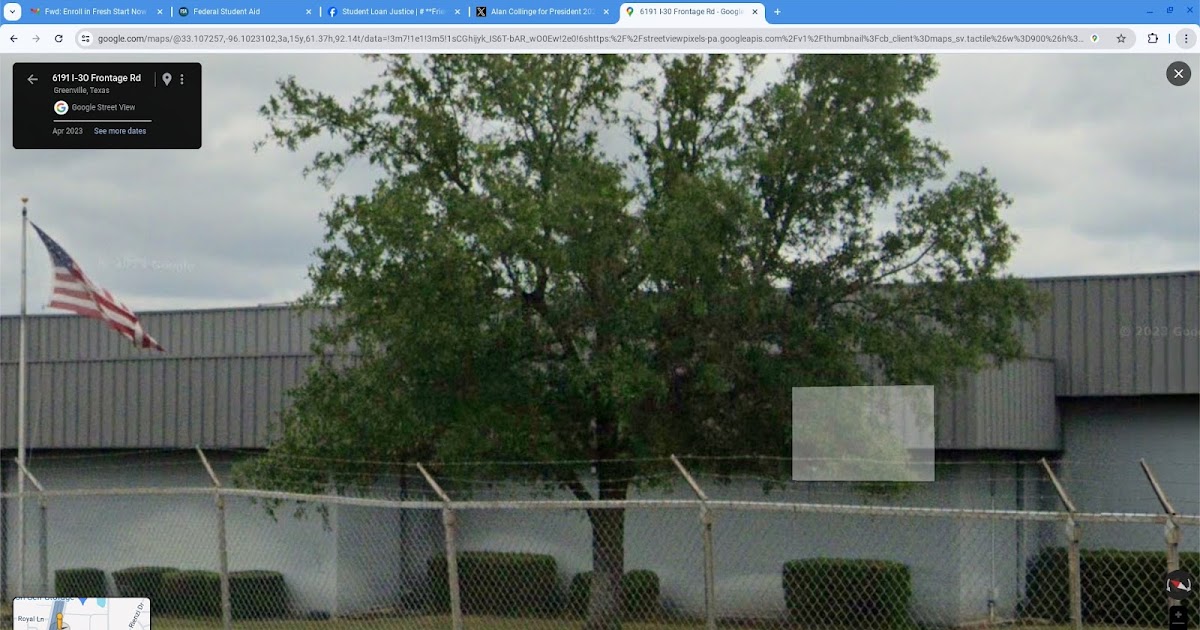
    [Image of AidVantage operations in Greenville, Texas. Note the barbed wire fence.]

    The recent decision to have the Small Business Administration (SBA) take over the federal student loan portfolio has sent shockwaves through the world of education finance. As the SBA — an agency traditionally focused on supporting small businesses — begins to manage a multi-billion dollar portfolio of student loans, borrowers, consumer protection advocates, and financial experts alike are left to question what this transition means for the future of loan servicing, borrower protections, and higher education financing.

    At the heart of this shift is the role of Maximus AidVantage, one of the major student loan servicers handling federal loans. Maximus has already come under scrutiny for its inefficiency, poor customer service, and mishandling of crucial borrower programs, such as Public Service Loan Forgiveness (PSLF) and Income-Driven Repayment (IDR) plans. The company’s track record has led to widespread frustration, with many borrowers reporting significant issues, including misinformation, lost paperwork, and mistakes that have placed them at risk of financial hardship.

    Yet, despite these concerns, Maximus has maintained its position at the helm of federal student loan servicing. Its CEO, Bruce Caswell, has been compensated handsomely for overseeing the company’s role in this controversial space. According to recent financial reports, Caswell’s total compensation has included a base salary of over $1.3 million, with total compensation often exceeding $8 million when accounting for bonuses, stock options, and other forms of remuneration. This high pay, especially in light of the company’s poor performance in customer service and loan servicing, raises questions about the priorities of both the company and the federal government, which continues to entrust Maximus with managing the finances of millions of borrowers.

    The Shift to the SBA: A Lack of Expertise

    The most immediate concern surrounding the SBA’s takeover of student loan management is its lack of expertise in this field. The SBA’s core mission has been to assist small businesses, offering loan guarantees and financial support to promote economic growth. While it is well-equipped to manage business loans, the agency has no experience dealing with the unique and complex needs of student loan borrowers. Federal student loans involve intricate repayment plans, borrower protections, and specialized programs like PSLF, all of which require a deep understanding of the educational sector and the financial struggles of students and graduates.

    Transferring such an important and complex responsibility to the SBA without a clear plan for adaptation could lead to mismanagement, inefficiencies, and disruptions for millions of borrowers. The SBA simply isn’t set up to handle issues like loan forgiveness, income-driven repayment plans, and the variety of special accommodations that are necessary for student borrowers. If the SBA isn’t adequately staffed or resourced to take on these new responsibilities, students could be left in the lurch, facing delays, confusion, and even errors in their loan servicing.

    A Confusing Transition for Borrowers

    For those already dealing with the intricacies of federal student loans, this transition to the SBA is likely to create a significant amount of confusion. Student loan borrowers rely on clear communication, accurate account management, and timely assistance when navigating repayment plans. The Department of Education has long been the agency responsible for ensuring that these programs are managed effectively, but with the SBA taking over, borrowers may face new systems, new contacts, and, potentially, a lack of clarity about their loan status.

    One of the biggest risks in this transition is the potential disruption of critical loan repayment programs, such as PSLF, which allows public service workers to have their loans forgiven after ten years of payments. These programs require careful management to ensure that borrowers meet the necessary qualifications. The SBA is not accustomed to handling such programs and may struggle to maintain the same level of efficiency and accuracy, especially if the agency does not prioritize dedicated support for student loan borrowers.

    Diminished Consumer Protections

    Perhaps the most concerning outcome of the SBA taking over student loans is the potential erosion of consumer protections. The Department of Education has a specific mandate to protect borrowers, which includes holding loan servicers accountable for mishandling accounts and ensuring transparency in loan servicing practices. The SBA, however, has never been tasked with such consumer-focused regulations, and its shift to managing student loans raises concerns that borrower rights might not be adequately enforced.

    For example, the SBA may not have the resources or inclination to monitor loan servicers like Maximus closely, allowing them to continue engaging in deceptive practices without fear of regulatory repercussions. The agency might also be less likely to step in when borrowers face issues such as misapplied payments, incorrect information about forgiveness programs, or poorly managed accounts. With the SBA’s focus on business rather than consumer welfare, student loan borrowers may find themselves facing more hurdles without the protections that the Department of Education once provided.

    The Impact on Repayment and Forgiveness Programs

    Another pressing issue is the potential disruption of repayment and forgiveness programs under SBA oversight. Programs like Income-Driven Repayment (IDR), designed to help borrowers pay off their loans based on their income, require careful management and regular updates. Similarly, the Public Service Loan Forgiveness program is highly specific and requires rigorous tracking of borrowers’ payments and work history to ensure they qualify for forgiveness after ten years.

    If the SBA is not adequately equipped to handle these specialized programs, borrowers might find themselves in a precarious position, especially if their loans are mismanaged or if they are denied forgiveness due to administrative errors. The confusion caused by the transition could delay or even derail borrowers’ efforts to achieve loan forgiveness, leaving them stuck with debt for longer than expected.

    The Role of Maximus: Financial Incentives Amidst Failure

    Amidst the uncertainty of this transition, Maximus continues to play a key role in servicing the federal student loan portfolio. Yet, despite its persistent failures in managing accounts and borrower relations, Maximus has remained highly profitable, with Bruce Caswell’s executive compensation reflecting this success in terms of revenue but not in terms of customer satisfaction.

    Maximus’s reported $8 million in total compensation for Caswell, despite the company’s history of customer complaints, raises serious questions about priorities. While Maximus rakes in millions from servicing federal loans, borrowers are left to deal with the consequences of mistakes, misinformation, and poor service. In a system where the stakes are incredibly high for borrowers, this disparity between executive pay and customer service is concerning, especially in light of the SBA’s takeover, which promises more uncertainty.

    Adding to the controversy, Maximus has also been involved in labor disputes with the Communications Workers of America (CWA), its workers’ union. These disputes, which have centered on issues such as wages, benefits, and working conditions, further complicate the company’s already tarnished reputation. Workers have accused Maximus of engaging in unfair labor practices and failing to adequately support employees who are tasked with assisting borrowers. If these labor disputes continue to affect employee morale and productivity, it could lead to even worse service for borrowers who are already dealing with a complicated and frustrating loan servicing process. The combination of poor customer service, labor unrest, and executive compensation that seems out of sync with the company’s performance paints a troubling picture for the future of student loan management under Maximus.

    The Threat of Reduced Loan Forgiveness and IDR Plans

    Adding to the turmoil surrounding the future of student loans is the growing effort by the U.S. government to reduce or even eliminate key student loan forgiveness programs like Public Service Loan Forgiveness (PSLF) and Income-Driven Repayment (IDR) plans. These programs were designed to provide crucial relief for borrowers working in public service or those struggling with debt relative to their income. However, recent reports suggest that the government may look to reduce eligibility for these programs, impose stricter requirements, or completely eliminate them altogether as part of broader fiscal policy adjustments.

    The removal of or reductions to these programs would leave borrowers with fewer avenues to manage their debt, potentially increasing default rates and extending the time it takes for borrowers to repay their loans. For individuals in public service jobs or those facing financial hardship, these changes would have a devastating impact on their ability to achieve financial stability and pay down their student loans. If the SBA, with its lack of focus on education finance, inherits this responsibility without reinforcing these programs, borrowers might find themselves in a far worse position than ever before.

    Furthermore, this reduction in borrower protections and streamlining of repayment options may also be part of a broader strategy to push more borrowers into private loan options, which could further exacerbate financial hardship for those who are already struggling. With private loans often carrying higher interest rates, less favorable repayment terms, and fewer options for deferral or forgiveness, such a shift would mark a significant pivot towards privatization, benefiting financial institutions while leaving borrowers with even fewer protections and much higher costs.

    A Plan to Push Consumers Toward Private Loans?

    Many experts are beginning to question whether the government’s plans for overhauling student loan servicing are part of a larger agenda to move borrowers toward private loans. By reducing or eliminating federal loan protections, forgiveness programs, and income-driven repayment options, the government may be attempting to create a vacuum in which private lenders can step in and offer alternative (and likely more expensive) financing options.

    This push toward privatization could significantly increase profits for private lenders while making it harder for borrowers to repay their loans. With private loans lacking many of the protections and flexible repayment options offered by federal loans, such a shift could result in higher default rates and greater financial instability for borrowers, particularly for those with already high debt levels.

    Conclusion: A New Era of Uncertainty

    The transition of student loan servicing to the Small Business Administration represents a significant shift in the federal student loan system, one that could lead to inefficiencies, confusion, and a reduction in protections for borrowers. With agencies like Maximus AidVantage continuing to profit from loan servicing despite failing borrowers, ongoing labor disputes, and a focus on executive compensation over customer service, and the SBA stepping into a complex arena with limited experience, the future of student loan servicing seems fraught with challenges.

    The push to reduce or eliminate key student loan forgiveness programs like PSLF and IDR only adds to the uncertainty, leaving millions of borrowers facing a potentially more difficult future. Moreover, the possibility of moving consumers toward private loans with fewer protections and harsher terms would deepen the financial struggles of many borrowers. This move underscores the importance of effective oversight and the need for federal agencies to prioritize the well-being of borrowers over financial interests. The student loan system should be about more than just revenue generation — it should be about supporting borrowers and ensuring that they can achieve financial freedom, not be left trapped in a cycle of debt and frustration. Without proper management, this new era of student loan servicing risks deepening the crisis for millions of Americans who are already struggling to keep up with their education-related debts.

    Source link

  • The silencing of voices through the banning of books

    The silencing of voices through the banning of books

    When I was in fifth grade in northern Kentucky, I walked into my school library, excited to check out my favorite book — Drama by Raina Telgemeier — only to find it missing. My librarian told me it had been removed because someone had complained it wasn’t appropriate for our age group.

    The shelves looked emptier without it and I remember the sting of frustration in my chest as I asked question after question, my voice growing unsteady. That book was my only access to a world I love and now it was gone. 

    At the time, I didn’t understand why it had disappeared. Now, I realize that moment was part of a much larger battle playing out across the country.

    A surge in book bans across the U.S. is forcing educators and librarians into a heated debate over censorship and intellectual freedom, as restrictions on books about race, gender and LGBTQ+ topics increase.

    “Books don’t hurt people. People hurt people,” said Joyce McIntosh, assistant program director for the Freedom to Read Foundation.

    Bans across the nation

    As book bans and censorship debates arise across the country, independent K-12 schools, like the Tatnall School in Wilmington, Delaware where I go to school, must balance open access to information with concerns over age-appropriate content — a challenge that mirrors broader societal tensions over education and free expression.

    Over the past few years, book challenges have significantly increased, with reports from the American Library Association showing a record-breaking number of book bans in 2023, documenting 1,247 demands to censor library books and resources.

    While these debates are heating up in the U.S., similar efforts to restrict access to information are occurring across the globe, from government crackdowns in China to classroom censorship in Brazil. McIntosh said these bans disproportionately target books focused on BIPOC and LGBTQ communities, limiting students’ access to diverse perspectives. 

    “Bans often target books focused on [black, indigenous and people of color]  and LGBTQ communities, preventing students from seeing themselves represented,” McIntosh said. 

    Groups advocating for more restrictions counter that certain topics seen in school books promote inappropriate themes or political agendas. On the other hand, organizations like the Freedom to Read Foundation work to educate library workers and community members about the importance of intellectual freedom. 

    Local schools navigate the debate

    For educators, the tension between intellectual freedom and parental concerns seems like a tightrope act. While public schools in the United States must follow government and state regulations, independent schools have more flexibility in curating their libraries and media centers. That flexibility comes with its own challenges and doesn’t provide much leeway.

    Instead, it forces school administrations to set their own guidelines, often navigating difficult conversations with parents, teachers, and students to figure out what’s best for their school environment. 

    Ensign Simmons, the director of innovation and technology and library coordinator at the Tatnall School, emphasized the school’s approach to book selection. While the library strives to provide students with diverse perspectives in education, it also considers community concerns as well as the age-appropriateness of the content, Simmons said. 

    Simmons said that while Tatnall is not a public institution, the school still has a responsibility to prepare students to think critically and be open-minded when they enter the world.

    Tatnall hasn’t faced formal book bans, but the school remains aware of the growing national trends. Instead of outright censorship, Simmons said that the school encourages dialogue between students, parents and educators. Maintaining this balance means that while some books may contain more mature content, the overall goal is to promote discussion among students of different perspectives rather than restrictions.

     “Even if you disagree with something, that doesn’t mean we should take it off the shelves,” Simmons said. “We should keep them out there because that does spark a conversation and that conversation is what’s important at the end of the day.”

    The role of parents play

    While anti-ban activists argue that restricting and banning books violates an individual’s access to intellectual freedom, pro-ban supporters see it as a step taken that is necessary to protect children and youth from inappropriate and controversial material.

    Moms for Liberty, a conservative advocacy group, has led efforts to remove books like The Bluest Eye by Toni Morrison from certain school districts and libraries, arguing that educators should not have the final say in what the students read.  

    McIntosh said that many schools already have policies allowing parents to opt their child out of specific reading materials and select an alternative that aligns with the curriculum. However, when one parent’s choice limits access for all students, it crosses into censorship, she said. Parents have the right to choose that for their child, however, it starts becoming more like censorship when they decide they don’t want anyone reading the book, making a decision for others based on their own beliefs. 

    Censorship is a global issue, not confined to the United States. In China, writers who challenge the government’s narrative have been imprisoned. In Tanzania, the government banned children’s books on sex education, citing violations of cultural norms, while in Brazil, attempts have been made to remove books addressing race and gender from classrooms. This is similar to the problem in the United States.

    These efforts to restrict access to information emphasize the broader, international pattern of controlling stories, especially those of marginalized communities. Whether driven by political power, cultural conservatism or fear of open dialogue, these global examples underscore the dangers of erasing perspectives that are vital for understanding diverse human experiences, just as we are witnessing in the U.S.

    What the future holds

    As the debate over book bans intensifies, many wonder what the future for school libraries will look like. In the future, instead of banning books outright, restrictions could shift toward regulation of digital content, as our world’s use of technology grows and as more controversial material becomes accessible online.

    Schools, like Tatnall, might continue to shift and shape their policies, cultivating discussions among the youth rather than enforcing strict bans and censoring intellectual content.

    Years ago, I didn’t understand why my favorite book was taken away. Now, I see that removing a single book is never just about a book — it’s about whose voices get heard and whose stories remain untold. 

    “One of the most dangerous aspects of book bans is that they often target marginalized voices,” McIntosh said. “When we remove these stories, we’re not just censoring books. We’re erasing experiences and perspectives that are crucial for understanding the world around us.”

    The ongoing debate over book bans isn’t only about stories; it’s about who gets to decide what topics are worth exploring. And that struggle isn’t limited to the United States. Across continents, governments and school systems are making similar decisions about which perspectives are allowed to exist and which are erased.

    As long as books continue to disappear from shelves, that debate will continue shaping free expression and education for years to come.


    Questions to consider:

    • Why would some groups want to ban whole classrooms from access to particular books?

    • Why are books about people of color or are about themes of gender identity often the target of bans?

    • Do you think some books should be kept from children? Which ones and why?


    Source link