Category: Featured

  • Banning DEI Is Catastrophic for U.S. Science (opinion)

    Banning DEI Is Catastrophic for U.S. Science (opinion)

    Our scientific enterprise in the United States is the envy of the world. Top scientists from around the globe want to come to work here, specifically because of the environment that we have fostered over decades to support scientific innovation and intellectual freedom. Federal investment in research is one of the primary foundations upon which this extraordinarily successful system has been constructed.

    It is not simply the dollar amount of federal funding that makes this system so successful. It is also about how we allocate and distribute the funds. Long before “DEI” was common parlance, we made robust efforts to distribute funds broadly. For example, instead of concentrating funding only in the top research institutions, as many other countries do, we created programs such as EPSCoR (1979) to direct funding to support research and development throughout the entire country, including rural areas. This was done in recognition that excellence in research can be found anywhere that and colleges and universities serving rural and impoverished communities deserve to benefit from and contribute to the economic and scientific engine that the federal government can provide.

    The National Science Foundation also implemented Broader Impacts in its grant review process (originating in the 1960s and formalized in 1997). The goal of the NSF review criteria for broader impacts was to ensure that every federally funded project would have some benefit for society. These broader impacts could take a wide variety of forms, including but not limited to new tools and innovations, as well as efforts to grow the STEM workforce by supporting those historically and economically excluded from becoming scientists.

    Diversity, equity and inclusion funding is one of the mechanisms that we use to continue this legacy of equity in federal funding of scientific research. This approach has also helped reduce public mistrust of science and scientists—a mistrust attributable to science’s historical abuses—by ensuring that the benefits of scientific progress are shared widely and equitably and by making the work of scientists more transparent and accessible.

    Until fairly recently in history, science was primarily an activity for the wealthy. Training as a scientist requires many years of deferred salary, due to the extensive education and practical skill development needed to conduct independent research and start a laboratory. For those who make it through this training, research jobs can be scarce, and the salaries are not high, considering the highly specialized skills required and the high demands of the job. Many of the best and brightest minds have been excluded from the scientific process by this economic reality. Federal funding provides critical support for science workforce development, primarily through stipends and salaries for undergraduates, graduate students and postdoctoral fellows. These stipends ease (but do not erase) the economic burden of training as a scientist.

    When you hear “DEI in science,” this is largely what we are talking about. A vast portion of federal DEI funds in the sciences goes directly to support highly talented and accomplished trainees who have deferred their personal economic progress for the opportunity to contribute to science in the U.S. This wise national investment helps to ensure that our science workforce can recruit the most meritorious trainees, regardless of their economic backgrounds. Without these initiatives, our science workforce would be much smaller with a narrower set of perspectives. Our national investment in science training is not altruistic—it is the very reason why the U.S. is a global leader in science and technology. This leadership contributes to our nation’s safety and capacity to deal with the existential problems we now face.

    The framework of DEI recognizes that systemic economic and social injustices are present in our society, due to historical and contemporary realities such as slavery, Jim Crow, genocide of Native peoples, redlining, a broken immigration system, educational and health-care disparities, and discriminatory practices in housing and employment against nonwhite, disabled and LGBTQ+ communities. These disparities have resulted in a lack of intergenerational wealth and resources among many communities in the U.S., leading to unequal access to scientific training and careers.

    The claim, now made by our federal government, that a meritocracy can be achieved by ignoring these injustices is simply false and illogical. DEI is not only about diversity training and hiring practices. In the sciences, it is essential and existential to the goal of developing the most robust, talented and highly skilled science workforce in the world.

    With Executive Order 14151, issued by the Trump administration, this funding is under attack, undoing decades of progress that have fostered some of the most talented and brilliant minds of our time. Rigorous training programs are being canceled, graduate students are losing their funding and the training of an entire generation of scientists is being jeopardized. Science will lose an extraordinary amount of talent, necessary for our nation’s industrial and economic leadership, because of this executive order.

    Furthermore, this removal of funding is being enacted on the basis of identity, effectively endorsing a form of government-imposed segregation of science. Advancements in science are often determined by the demography of those doing the science, and a diversity of perspectives and research questions is necessary for scientific innovation. For example, sickle cell disease is chronically underfunded and underresearched, despite the severity of the disease, likely because it affects descendants of people from regions with high instances of malaria, including many African Americans. Indeed, some scientific breakthroughs and technologies may never materialize or be greatly delayed due to the exclusion of talented individuals on the basis of their identity. This is a fundamental threat to scientific progress and academic freedom.

    The federal banning of DEI programs is a slap in the face to every person who has struggled to become a scientist in the face of systemic injustices. These trainees, past and present, have missed out on economic opportunities, deferred building their families and made many personal sacrifices so that they can create innovative solutions to our nation’s most pressing scientific and technological challenges. The creation of these DEI programs came from the extraordinary efforts of thousands of people, many of whom have overcome injustices themselves, working tirelessly across many decades so that the most meritorious and talented individuals all have an opportunity to succeed as scientists.

    Referring to these efforts as “shameful discrimination,” as the Trump administration has now done, is a cruel attempt to destabilize the emotional well-being of everyone who has created and been supported by these essential programs. It is an example of blaming the victims of past and ongoing injustice for their plight in society, rather than working to dismantle the systems that perpetuate inequality and limit access to a fair and just future, where a true meritocracy in science becomes possible.

    We believe that the efforts to ban, diminish and misrepresent DEI and diversity, equity, inclusion and accessibility programs should be immediately stopped and reversed to avoid the most serious negative impacts of these new policies. Removal of DEI programs will demoralize and disincentivize an entire generation of scientists in training. It will greatly reduce the scientific workforce and remove top talent from our training programs as funding mechanisms are dismantled.

    Our graduate students, undergraduates, postdoctoral fellows and other early-career scientists are those most greatly impacted by the removal of this support. This will severely jeopardize the status of the U.S. as a global leader in science, and the catastrophic impacts will be felt for decades. We stand by those most affected by the DEI ban, especially our trainees, and we demand an immediate reinstatement of DEI funding.

    We are speaking out using the speech and intellectual freedoms afforded to us by the U.S. academic system and the U.S. Constitution. We are calling on our institutions to stand with us in defense of DEI in science. Institutions and professional societies must reaffirm their own commitments to DEI. Some institutions have already made strong statements of reaffirmation of these values, but others have begun to remove their internal and external DEI initiatives pre-emptively. We understand the need for institutions to protect their employees and students from adverse consequences, but we argue that the consequences of dismantling diversity programs are much greater for our communities, as these steps usher in a new era of segregation in science and academia.

    We urge the public, our lawmakers and politicians to stand with us. We believe that DEI is foundational to science and an attack on DEI is an attack on the core of science itself in the United States.

    Joseph L. Graves Jr. is the MacKenzie Scott Endowed Professor of Biology and the director of the Genomic Research and Data Science Center for Computation and Cloud Computing at North Carolina A&T State University.

    Stacy C. Farina is an associate professor of biology at Howard University.

    Parvin Shahrestani is an associate professor of biological science at California State University, Fullerton.

    Vaughn S. Cooper is a professor of microbiology and molecular genetics at the University of Pittsburgh.

    Gilda A. Barabino is president and professor of biomedical and chemical engineering at Olin College of Engineering.

    Source link

  • Faculty Organizations Sue on Behalf of Columbia Members

    Faculty Organizations Sue on Behalf of Columbia Members

    Days after Columbia University yielded to a list of demands from the Trump administration, the American Association of University Professors and the American Federation of Teachers filed a lawsuit on behalf of members at Columbia over $400 million in frozen federal research funding.

    The lawsuit names multiple government agencies, including the Departments of Justice, Education and Health and Human Services and the General Services Administration.

    Columbia had been in a standoff with the Trump administration over the decision to freeze federal research funding due to alleged antisemitism stemming from pro-Palestinian student protests last year. Ultimately, university leaders decided to avoid a legal fight, even as legal scholars at Columbia and in conservative circles questioned whether the demands were lawful.

    In a news release Tuesday, the same day they filed the lawsuit, the AAUP and AFT alleged that the Trump administration used “cuts as a cudgel to coerce a private institution to adopt restrictive speech codes and allow government control over teaching and learning.”

    The 87-page lawsuit was filed in the Southern District of New York.

    The AAUP and AFT have cast Trump’s demands and the freezing of $400 million in grants and contracts as a “coercive tactic” that undermines institutional autonomy and harms scientific research. Plaintiffs are asking the court to order the Trump administration to lift its freeze on Columbia’s research funding and declare the government’s demands for reform unlawful. They have also requested unspecified damages.

    “We’re seeing university leadership across the country failing to take any action to counter the Trump administration’s unlawful assault on academic freedom,” Reinhold Martin, president of Columbia-AAUP and a professor of architecture, said in the statement announcing the lawsuit. “As faculty, we don’t have the luxury of inaction. The integrity of civic discourse and the freedoms that form the basis of a democratic society are under attack. We have to stand up.”

    The Department of Education did not respond to a request for comment from Inside Higher Ed.

    Source link

  • Three Questions With Lee Bradshaw on the Evolving Online Program Landscape

    Three Questions With Lee Bradshaw on the Evolving Online Program Landscape

    Last time we checked in with Lee Bradshaw, the founding CEO of Rhodes Advisors, he shared insights into how universities might grow online programs without breaking the bank. As a follow-up, I wanted to pick Lee’s brain about what he is hearing from the higher education leaders he works with on the evolving online program landscape.

    Q: As the online program ecosystem has grown and a few large universities have invested heavily in scaling their offerings, do you still see room for colleges and universities to enter the online degree market?

    A: Yes, the demand is still there, but the landscape has changed. We’re supporting universities launching new programs that achieve substantial first-term numbers—even in saturated markets. Growth is happening, but expecting 1,000 percent five-year ROIs like a decade ago isn’t realistic. Universities must temper expectations and/or focus on innovative, sustainable wins. That said, as we address in your third question later, I’m unaware of many investments an institution can make that carry a 275 percent ROI over five years. 

    If institutions want to launch online degrees that start strong and stay strong, here are four things they should prioritize.

    1. Market research that drives big decisions. Legacy OPMs excelled at data-driven market research before launching a program. Universities taking control of their growth need to do the same. Predictive, high-quality market research isn’t cheap or easy, but it’s indispensable. I’m bullish on how AI-facilitated deep research is advancing—within two years, I expect the cost to drop by 90 percent or more. However, the need for sound, evidence-based planning remains the same.
    2. Regionalization for most institutions. The earliest entrants focused on scaling national brands. But for universities growing in-house, regional strategies pay off, too. Think targeted regional marketing, employer partnerships tied to local workforce needs and even weaving apprenticeships or other learn-and-earn models directly into degree pathways. It’s not about being everywhere—it’s about playing to your strengths in your region.
    3. Breaking down silos to build relevant programs. One trend I like and am supporting is cross-campus collaborations leading to hybrid or interdisciplinary graduate programs. Northeastern’s combined majors model is well-known in undergraduate circles. We’re seeing more deans replicate that at the graduate level—joint programs, additional tracks and revenue-sharing agreements between schools. They’re savvy partnerships that pull together institutional strengths rather than competing internally.
    4. Scrutinize your tech stack. When I started the company, I assumed going inside universities would be illuminating. I wasn’t prepared for the delta in capability between OPM and campus technology stacks. Technology should be frictionless to the point that it’s invisible. And you should feel your stack moving from software as a service to results as a service. Before spending hundreds of thousands or millions in digital marketing to grow, I suggest a rigorous evaluation and professionally led tech discovery phase before doing any significant online endeavors. We’ve begun doing assessment and development work on Salesforce, Slate, WordPress, Drupal and more to unlock technological gains for our partners. Candidly, it wasn’t on my 2025 bingo card. But it’s critical work, so we had to add it as a service.

    Q: Given the pricing pressures on online degrees, with some well-known universities offering sub-$30,000 online master’s, how might institutions unable to offer lower-cost online degrees compete?

    A: Josh, I founded my first business in high school and my second in college—so I always nerd out on the entrepreneurial edges of higher education. And, of course, I’m in favor of lowering the cost of degrees while preserving quality. Some innovative higher education leaders and friends I deeply respect have entered the low-cost arena. They’ve gone to market with the support of MOOC platforms, which point millions of course takers’ eyes to the programs. 

    And if you’ve spent enough time around John Katzman, you’ve probably heard him say, “Low cost generally means low faculty.” That’s stuck with me. So, if that’s the architecture, we need to ask ourselves where the “low-faculty” model can work before stripping away any components required for quality learning outcomes. For example, I wouldn’t point that strategy at clinical nursing, education or health sciences degrees anytime soon. And frankly, we haven’t seen rigorous, long-term research on these $30,000 degrees yet, outside of self-published enrollment and graduation rates. Before diving in headfirst, I’d argue it’s worth conducting objective studies on the ROI for learners.

    To your question about institutions that might not have access to that scale, I’d advise them to call me. My team will sign an NDA and pressure-test their plan as a favor. I won’t tiptoe around this: I predict a MOOC-fed degree correction within a year from now. So, Rhodes Advisors is architecting solutions that leverage a next-gen course platform, AI-guided admissions and fresh tactics to drive lead volume, should that correction happen.

    MOOC platforms (and, to an extent, significant B2B relationships) are the only proven route for low-cost degrees to compete at scale in the hand-to-hand combat environment of online degree growth. Why? Fundamentally, platforms reduce your marketing overhead and let you tap into sophisticated conversion practices they’ve been working hard on.

    If you’re using a low-cost degree to serve a mission-driven purpose, you don’t need millions of learners from a platform. I’d suggest covering the delta in tuition with a foundation or donor. And I’d focus heavily on messaging and positioning so learners see you’ve struck the right balance between value and price. Rhodes Advisors is often brought in to do that work, too.

    Q: Let’s talk numbers. Say a university wants to build a new online master’s degree or certificate program. How much money does developing, launching, recruiting and running that program cost? To set some boundaries, let’s say that the online master’s tuition is about $50,000 and the target enrollment at steady state is 150. Help us understand the economics of the online learning business.

    A: I prefer talking numbers and using them to cut through the noise, so I’m glad you went there. We’ve recently run this analysis for several universities evaluating alternative revenue strategies. I’ll extend this answer beyond the basic analysis data and into some significant trends I’m seeing that your readers will find helpful. 

    But first, any degree analysis requires a few caveats—there are a lot of variables when estimating costs to launch a stand-alone program. But assuming you have a competent tech stack, a skilled team and you’re building something the market favors, you can launch a 30-credit online master’s degree for roughly $900,000 to $1.2 million in the early years before breaking even as enrollment comes in. As your readers know, most of those costs fall into course development, faculty compensation and marketing/enrollment services. Assuming steady demand, the five-year ROI will land around 275 percent, or about $3.7 million. Anyone quoting a smaller up-front investment number is likely at a small private with fully centralized operations—or running programs with a few dozen students, not 150-plus as you asked about. And anyone quoting a significantly larger ROI has been lucky enough to find a niche.

    On the certificate side, launching a 12-credit stand-alone certificate typically requires $200,000 to $400,000 up front, with a best-case five-year ROI of around 70 percent or $500,000 total return. But certificates face steeper competition: They’re up against degrees in the digital keyword bids, and the market heavily favors industry certifications (Google, Microsoft, etc.) or programs offered by elite universities in business, tech, or licensure-required fields. So, while master’s degrees demand more up front, long-term economics almost always favor them.

    Reducing costs while maintaining growth has never been more critical than it is in 2025. Improving ROI, especially in new ventures, requires scrutinizing every operational lever—especially in learning design, marketing and enrollment management. There are two things I’m seeing play out that have a material impact on efficiency:

    1. Integrating core online and in-person program operations and functions like admissions, recruitment, student services, alumni affairs and career services has become essential. When universities unify these areas, they eliminate redundancies, lower operational costs and deliver a seamless experience for students moving between all modalities. That said, I typically see skill and knowledge gaps surface quickly when tasking a residentially focused function with online program efforts, so we’ll usually dedicate capacity-building and training efforts during a transitional period.
    2. Anywhere AI can streamline effort or lower direct costs should be surfaced immediately and prioritized. For instance, we’ve worked closely with the University of Virginia this year, and they have been able to drive down centralized course production directionally by applying AI tools in specific and strategic ways. Another partner is preparing to launch a master’s degree in our co-pilot DIY model, intentionally designing enrollment operations to be AI-first. Applicants interact with an AI chat bot to handle basic program details before reaching a human adviser. Early signs suggest that approach will cut costs by more than 50 percent—though we’ll let the data speak as it matures.

    I hope this check-in was helpful. And I’d love to come back and share more as we continue down an exciting and fulfilling path at Rhodes Advisors!

    Source link

  • ‘How can I know what I think till I see what I say?’: How AI is changing education and writing

    ‘How can I know what I think till I see what I say?’: How AI is changing education and writing

    • Following HEPI’s recent Policy Note on students’ use of artificial intelligence (AI), HEPI Director Nick Hillman reviews a new book from the United States on what AI means for writing.

    ‘ChatGPT cannot write.’ It’s a bold statement but one near the start of the new book More Than Words: How to Think about Writing in the Age of AI that explains what comes in the following 300 pages.

    The author John Warner’s persuasive argument is that generative AI creates syntax but doesn’t write because ‘writing is thinking.’ (I hope this is the only reason why, when asked to write a higher education policy speech ‘in the style of Nick Hillman’, ChatGPT’s answer is so banal and vacuous…) People are, Warner says, attracted to AI because they’ve not previously been ‘given the chance to explore and play within the world of writing.’

    Although Warner is not as negative about using ChatGPT to retrieve information as he is on using it to write wholly new material, he sees the problems it presents as afflicting the experience of ‘deep reading’ too: ‘Reading and writing are being disrupted by people who do not seem to understand what it means to read and write.’

    The book starts by reminding the reader how generative AI based on Large Language Models actually works. ChatGPT and the like operate as machines predicting the next word in a sentence (called a ‘token’). To me, it is reminiscent of Gromit placing the next piece of train track in front of him as he goes. It’s all a bit like a more sophisticated version of how the iPhone Notes app on which I’m typing this keeps suggesting the next word for me. (If you click on the suggestions, it tends to end up as nonsense though – I’ve just done it and got, ‘the app doesn’t even make a sentence in a single note’, which sounds like gibberish while also being factually untrue.)

    ‘The result’, we are told of students playing with ChatGPT and the like, ‘is a kind of academic cosplay where you’ve dressed up a product in the trappings of an academic output, but the underlying process is entirely divorced from the genuine article.’

    Writing, Warner says, is a process in which ‘the idea may change based on our attempts to capture it.’ That is certainly my experience: there have been times when I’ve started to bash out a piece not quite knowing if it will end up as a short blog based on one scatty thought or flower into a more polished full-length HEPI paper. Academics accustomed to peer review and the slow (tortuous?) procedures of academic journals surely know better than most that writing is a process.

    The most interesting and persuasive part of the book (and Warner’s specialist subject) is the bit on how formulae make writing mundane rather than creative. Many parents will recognise this. It seems to me that children are being put off English in particular by being forced to follow the sort of overweening instructions that no great author ever considered (‘write your essay like a burger’, ‘include four paragraphs in each answer’, ‘follow PEE in each paragraph’ [point / evidence / explain]). Warner sees AI taking this trend to its logical and absurd conclusion where machines are doing the writing and the assessment – and ruining both.

    Because writing is a process, Warner rejects even the popular idea that generative AI may be especially useful in crafting a first draft. He accepts it can produce ‘grammatically and syntactically sound writing … ahead of what most students can produce.’ But he also argues that the first draft is the most important draft ‘as it establishes the intention behind the expression.’ Again, I have sympathy with this. Full-length HEPI publications tend to go through multiple drafts, while also being subjected to peer review by HEPI’s Advisory Board and Trustees, yet the final published version invariably still closely resembles the first draft because that remains the original snapshot of the author’s take on the issue at hand. Warner concludes that AI ‘dazzles on first impression but … has significantly less utility than it may seem at first blush.’

    One of the most interesting chapters compares and contrasts the rollout of ChatGPT with the old debates about the rise of calculators in schools. While calculators might mean mental arithmetic skills decline, they are generally empowering; similarly, ChatGPT appears to remove the need to undertake routine tasks oneself. But Warner condemns such analogies: for calculators ‘the labor of the machine is identical to the labor of a human’, whereas ‘Fetching tokens based on weighted probabilities is not the same process as what happens when humans write.’

    At all the many events I go to on AI in higher education, three areas always comes up: students’ AI use; what AI might mean for professional services; and how AI could change assessment and evaluation. The general outcome across all three issues is that no one knows for sure what AI will mean, but Warner is as big a sceptic on AI and grading as he is on so much else. Because it is formulaic and based on algorithms, Warner argues:

    Generative AI being able to give that “good” feedback means that the feedback isn’t actually good. We should instead value that which is uniquely human. … Writing is meant to be read. Having something that cannot read generate responses to writing is wrong.

    The argument that so many problems are coursing through education as a result of new tech reminds me a little of the argument common in the 1980s that lead pipes brought down the Roman Empire. Information is said to become corrupted by AI in the way that the water supposedly became infected by the lead channels. But the theory about lead pipes is no longer taken seriously and I remain uncertain whether Warner’s take will survive the passage of time in its entirety either.

    Moreover, Warner’s criticisms of the real-world impact of ChatGPT are scattergun in their approach. They include the ‘literal army of precarious workers doing soul-killing tasks’ to support the new technology as well as the weighty environmental impact. This critique calls to mind middle-class drug-takers in the developed world enjoying their highs while dodging the real-world impact on developing countries of their habit.

    In the end, Warner’s multifarious criticisms tot up to resemble an attack on technology that comes perhaps just a little too close for comfort to the attacks in the early 1980s by the Musicians’ Union’s on synthesisers and drum machines. In other words, the downsides may be exaggerated while the upsides might be downplayed.

    Nonetheless, I was partially persuaded. The process of writing is exactly that: a process. Writing is not just mechanical. (The best young historian I taught in my first career as a school teacher, who is now an academic at UCL, had the worst handwriting imaginable as his brain moved faster than his hand / pen could manage.) So AI is unlikely to replace those who pen words for a living just yet.

    Although, paradoxically, I also wished the author had run his text through an AI programme and asked it to knock out around 40% of his text. Perhaps current iterations of generative AI can’t write like a smart human or think like a smart human, but they might be able to edit like a smart human? Perhaps AI’s biggest contribution could come at the end of the writing process rather than the beginning? Technology speeds up all our lives, leaving less time for a leisurely read, and it seems to me that all those ‘one-idea’ books that the US floods the market with, including this one, could nearly always be significantly shorter without losing anything of substance.

    Source link

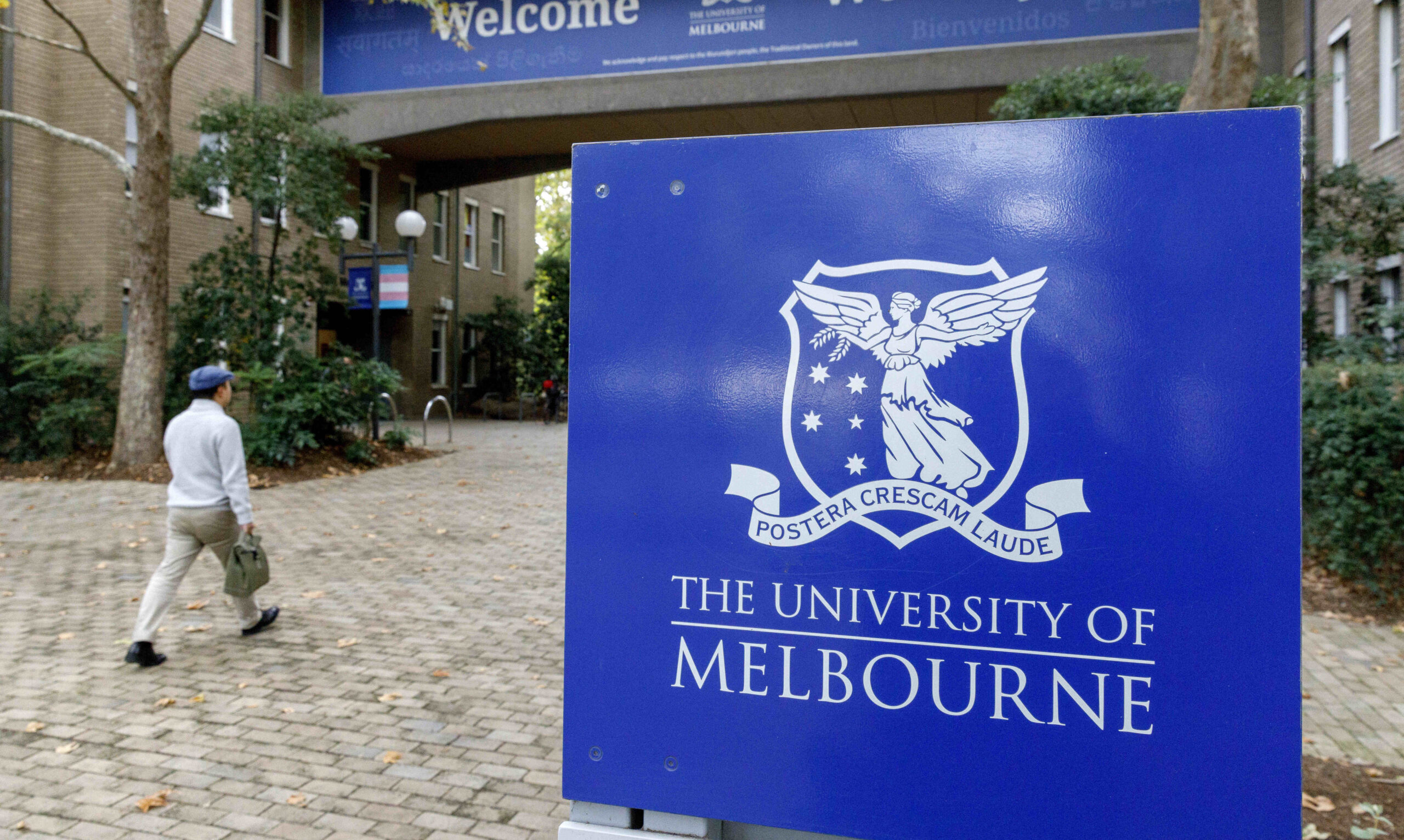
  • Melbourne uni received 44 sexual misconduct complaints last year – Campus Review

    Melbourne uni received 44 sexual misconduct complaints last year – Campus Review

    A dozen staff members, employed by Australia’s leading tertiary institution, were investigated last year following allegations of sexual misconduct and harassment, a new report has revealed.

    Please login below to view content or subscribe now.

    Membership Login

    Source link

  • New study – Campus Review

    New study – Campus Review

    Researchers from the University of South Australia have conducted new analysis, that found no relationship between international student numbers and rising rental costs for local residents.

    Please login below to view content or subscribe now.

    Membership Login

    Source link

  • Little in budget for higher ed – Campus Review

    Little in budget for higher ed – Campus Review

    More tax cuts for every Australian and reiterations of measures that had already been announced marked Tuesday night’s federal budget, which also didn’t include any specific funds for higher education.

    Please login below to view content or subscribe now.

    Membership Login

    Source link

  • Government economic policy depends on a healthily diverse higher education ecosystem

    Government economic policy depends on a healthily diverse higher education ecosystem

    At GuildHE, we represent over 60 institutions that do not fit the traditional, large, generalist, research-intensive mould. These institutions are deeply focused on industrial readiness, employability, specialist skills and regional growth.

    They deliver vital skills in geographical areas and sectors where the UK faces acute shortages, and directly support the government’s own missions to grow, increase opportunity, develop a greener future, reduce crime levels and build a better NHS. Whether this is achieved through healthcare, the built environment, teaching, policing, agricultural innovations, law or the creative economy, the future talent pipeline to address these missions depends, in large part, on the success of these providers. However, the current funding landscape does little to protect and support them.

    The image of the large generalist, research-intensive traditional higher education institution is the model on which the funding and regulatory system in the UK is based. This model has become the DNA of our systems, which rely on assumptions about the sector as a whole: its strategic missions, delivery mechanisms and capacity. These assumptions naturally impact the incentives and levers that are built into policy frameworks.

    Policies often fail to recognise those that fall outside that image, so that smaller, specialist, and non-traditional institutions face increasing threats to their viability. Sector consolidation and investment in the historically-established HE model, as seen in other settings across the world such as Australia and the US, could undermine our global reputation, agility and responsiveness to diverse students and industries.

    Challenging these systems, and the methodologies on which they are built, will require the government to embrace innovative models of practice across education, skills and research, even if it comes with some associated risk. Indeed, it will require a brave examination of the effectiveness of the very regulatory and funding systems which are encouraging a level of homogenisation across the sector that could spell its own doom.

    To that end, we propose an approach to spending in the next period that focuses on reforms to encourage investment and rethinking the system to make it work smarter.

    Invest in the talent pipeline and protect student choice

    As part of this government’s vision to expand opportunity, we have seen the beginnings of multiple new strategies and administrative initiatives, including proposals for a new Industrial Strategy, a Get Britain Working strategy, a new ten-year plan for the NHS, reform of higher education and the introduction of Skills England. These new arrivals aim to improve economic growth, encourage efficiency in public services, produce a future skills pipeline and build an investment environment for UK business.

    Higher education drives the transformative forces required to raise levels of productivity and improve economic growth. Institutions do this by stimulating the higher-level skills needed in industry, providing lifelong opportunities to retrain and upskill, and expanding opportunities for all to do so. They also do it by cultivating ideas and new knowledge; a cornerstone of productivity and growth.

    Alongside these contributions, we need to protect student choice by preserving a variety of institutional types and locations across the country. Doing so is vital to ensuring the widest range of students can access the transformative power of higher education; a power that yields both individual improvements in life chances and direct improvements to employability, our public services and our economy. Furthermore, a system that boasts a diverse range of institutions and provision types is a healthy one that can deliver to local economies and communities across the country and thereby demonstrate ways in which higher education institutions are vital to those beyond us.

    Balancing government growth and skills priorities with student choice is not mutually exclusive. Models of higher education that prioritise industry practice, employer needs, innovation impacts and workplace experience can achieve these priorities. The capability to develop high-level specialist skills dynamically in a way which also builds the social resilience required to respond effectively to new, advancing technologies is quickly becoming a standard requirement of our graduates. We need reformed spending to achieve it.

    Do things differently, get different results

    Minister of State for Skills Jacqui Smith has said that the government is ready to review the education system and develop a way forward that “challenges the status quo.” To genuinely fulfil this ambition, we need fundamental change to the foundational regulatory and funding systems so that diversity in terms of institution, student, and pedagogical approach can survive into the future. If this government is serious about its ambitions to grow and future-proof education and skills, the following reforms are needed.

    Reform teaching funding to support priorities

    Government should establish funding streams for specific outreach programmes in priority subject areas like creative arts, teaching, healthcare, construction and agriculture. Doing so would acknowledge failures in the prevailing market ideology that implied industrial need for qualified graduates would shape applications into relevant programmes. Identified subject areas required by both our industrial sectors and broader society could provide a clearer rationale for funding allocations than student numbers across current Office for Students bandings.

    The Strategic Priorities Grant for 2024–25 has been used to support “work on high-cost subjects, student mental health, degree apprenticeships, equality of opportunity, technical qualifications and a range of other priorities.” It is hard to see how smaller and smaller block grant funding allocations have delivered to myriad priorities and we have yet to see an evaluation of the effectiveness of that funding to support them.

    Given the existing financial pressures within the sector, which some suggest should be addressed by increasing tuition fees (presumably within the same funding methodologies), we suggest a more ambitious review of the funding system is needed to drive support to where it is most needed to preserve a healthy, dynamic and diverse sector that can deliver to a wide range of students across a wide range of locations, especially where there are limited routes into and through higher education.

    Revise funding for skills, research and innovation to drive growth

    The Growth and Skills Levy needs reforming. It needs to better support SMEs, which comprise 99 per cent of all UK employers and account for 61 per cent of total employment. SMEs are critical to most sectors, but they make up the majority of some identified as crucial sectors in the government’s Industrial Strategy, including life sciences, advanced manufacturing and the creative industries. Data from the Department for Culture, Media and Sport suggests that the vast majority of businesses in the creative industries are micro-businesses. To meet the government’s own industrial ambitions, it must not only reconsider how funding can be delivered through and to those SMEs, but also how investment in training could be flexed.

    Recent announcements by the government indicating plans to defund all Level 7 apprenticeships feel tone-deaf for those working in construction, healthcare, engineering and data science fields. To our minds, more technical skills training in fields meant to drive economic growth, which includes a wide range of skills at different levels, is not only a good thing, but is a necessary investment if those ambitions are to be realised. This is not to say we should fund L7 at the expense of lower level apprenticeships. Rather, we are advocating for investment in apprenticeships at all levels indicated as necessary by employers in those sectors where critical skills shortages have been identified as key barriers to economic growth and improvements in our public services.

    But it’s not just about skills training via apprenticeships. It’s also about generating new ideas and innovations to help us work more productively and unlock our abilities to deliver more with fewer tangible resources. To deliver that ambition, both research and innovation funding streams need reform. Higher Education Innovation Fund (HEIF) thresholds should be lowered to remove systemic biases that disadvantage smaller and specialist institutions. Research funding should be adjusted to provide reasonable minimum levels of allocation to all institutions where excellent research is being generated. Doing so would dramatically broaden the UK’s research base rather than deepen it by funnelling greater levels of funding to points where research is already established, thereby expanding research and development capabilities by widening the pool of contributors.

    Doing so would support a regional growth strategy. It would spread money to areas where infrastructure still needs development and could provide incentives in geographical areas where ERDF funding has been lost. Local authorities in non-mayoral regions should also have a clear role in shaping research and innovation policies, with greater collaboration and knowledge-sharing between them and MCA regions to create a more balanced and inclusive approach to regional development.

    A call for an inclusive funding model

    Higher education in the UK is built on a long history of tradition, prestige, and excellence. However, in a time of economic uncertainty and shifting international alliances, we must now innovate to maintain our position on the world stage. While large, generalist institutions continue to play a critical role in advancing knowledge and global competitiveness, they are just one part of the type of healthy higher education ecosystem needed to support 21st century democracies to deliver economically and socially for their citizens. Smaller-scale, specialist and non-traditional institutions with expertise in vocational, professional programmes are equally vital.

    The government has already acknowledged the importance of skills development, regional growth, and public sector workforce expansion in words, but these priorities must be reflected in its spending decisions, policy frameworks and implementation plans. The coming fiscal choices will contribute to whether the UK’s higher education system remains diverse, dynamic, and globally competitive—or whether it risks stagnation.

    Policymakers face a critical choice: will they promote a more balanced and inclusive approach to funding that embraces risk to boost excellence in research, innovation, and skills development? The future of our sector, the UK’s ability to meet its domestic goals, and the growing need for clear, strong and sustainable geopolitical values, depend on it.

    Source link

  • Professional services staff need equal recognition – visibility in sector data would be a good start

    Professional services staff need equal recognition – visibility in sector data would be a good start

    Achieving recognition for the significant contribution of professional services staff is a collaborative, cross-sector effort.

    With HESA’s second consultation on higher education staff statistics welcoming responses until 3 April, AGCAS has come together with a wide range of membership bodies representing professional services staff across higher education to release a statement warmly welcoming HESA’s proposal to widen coverage of the higher education staff record to include technical staff and professional and operational staff.

    By creating a more complete staff record, HESA aim to deliver better understanding of the diverse workforce supporting the delivery of UK higher education. AGCAS, together with AHEP, AMOSSHE, ASET, CRAC-Vitae, NADP and UMHAN, welcome these proposals. We have taken this collaborative approach because we have a common goal of seeking wider recognition for the outstanding contributions and work of our members in professional services roles, and the impact they make on their institutions, regions, graduates and students.

    A matter of visibility

    Since the 2019–20 academic year, higher education providers in England and Northern Ireland have had the option to return data on non-academic staff to HESA. However, this has led to a lack of comprehensive visibility for many professional services staff. In the 2023–24 academic year, out of 228 providers only 125 opted to return data on all their non-academic staff – leaving 103 providers opting out.

    This gap in data collection has raised concerns about the recognition and visibility of these essential staff members – and has not gone unnoticed by professional services staff themselves. As one AGCAS member noted:

    Professional service staff have largely remained invisible when reporting on university staff numbers. Professional services provide critical elements of student experience and outcomes, and this needs to be recognised and reflected better in statutory reporting.

    This sentiment underscores the importance of the proposed changes by HESA, and the reason for our shared response.

    Who is and is not

    A further element of the consultation considers a move away from the term “non-academic” to better reflect the roles and contributions of these staff members and proposes to collect data on staff employment functions.

    Again, we collectively strongly support these proposed changes, which have the potential to better understand and acknowledge the wide range of staff working to deliver outstanding higher education across the UK. The term non-academic has long been contentious across higher education. While continuing to separate staff into role types may cause issues for those in the third space, shifting away from a term and approach that defines professional services staff by othering them is a welcome change.

    As we move forward, it is essential to continue fostering collaboration and mutual respect between academic and professional services staff. Challenging times across higher education can create or enhance partnership working between academic and professional services staff, in order to tackle shared difficulties, increase collaboration and form strategic alliances.

    A better environment

    By working in this way, we can create a more inclusive and supportive environment that recognises the diverse contributions of all staff members, ultimately enhancing outcomes for all higher education stakeholders, particularly students.

    Due to the nature of our memberships, our shared statement focuses on professional services staff in higher education – but we also welcome the clear focus on operational and technical staff from HESA, who again make vital contributions to their institutions.

    We all know that representation matters to our members, and the higher education staff that we collectively represent. HESA’s proposed changes could help to start a move towards fully and equitably recognising the vital work of professional services staff across higher education. By expanding data collection to include wider staff roles and moving away from the term “non-academic”, we can better understand and acknowledge the wide range of contributions that support the higher education sector.

    This is just the first step towards better representation and recognition, but it is an important one.

    Source link

  • Sussex fined almost £600k over free speech

    Sussex fined almost £600k over free speech

    The University of Sussex is to be fined a record £585,000 over a failure to uphold free speech and academic freedom.

    The Office for Students (OfS) has found “significant and serious breaches” of free speech and governance issues at the University of Sussex.

    The regulator’s investigation, which followed the departure of academic Kathleen Stock from the university, says that said policies intended to prevent abuse or harassment of certain groups on campus had created “a chilling effect” that might cause staff and students to “self-censor.”

    OfS found that Sussex’s policy statement on “trans and non-binary equality” failed to uphold the principles of freedom of speech and academic freedom governance – and had created a “chilling effect” on campus.

    It also said the university failed to have “effective and adequate management and governance arrangements in place” to uphold those principles.

    Officially, OfS’ inquiry focused on the university’s general compliance with the regulatory framework, rather than the departure of Kathleen Stock specifically – but also found “no evidence to suggest that Professor Stock’s speech during her employment at the university was unlawful.”

    Sussex has come out fighting. Vice chancellor Sasha Roseneil told the Financial Times that universities are now exposed to regulatory risk if they have policies that protect staff and students from racist, homophobic, antisemitic, anti-Muslim or other abuse, and said the regulator had decreed “free speech absolutism as the fundamental principle” for universities.

    She also claims the regulator had “refused to speak to us,” and that the fine imposed was “wholly disproportionate” – arguing the university had defended Stock’s right to pursue her academic work and express her “lawful beliefs.”

    The report – some 1,224 days since OfS says it opened the investigation – comes at a tricky time for the government. Its decision first to pause, and then announce an intention to partially repeal the Higher Education (Freedom of Speech) Act, has to some extent been centred on concerns that the Act as passed represented a “hate speech charter” preventing universities from taking steps to protect marginalised groups on campus.

    OfS’ decision – notwithstanding that it is one taken in the context of a previous and pre-existing legal framework – will therefore be widely seen as rebuttal of the idea that protection of that sort conflicts with free speech and academic freedom.

    But on the other side of that argument is Sussex itself – experiencing OfS’ fifth ever fine, and arguing that OfS’ decision will itself have a chilling effect on efforts to:

    …prevent abuse, harassment or bullying, to protect groups subject to harmful propaganda, or to determine that stereotyped assumptions should not be relied upon in the university curriculum.

    Kathleen Stock left her post as Professor of Philosophy at the University of Sussex in October 2021, shortly after which the Office for Students (OfS) announced that it had opened an investigation focused on whether or not the university had met its obligations for academic freedom and freedom of speech within the law for all students and staff, whatever their views.

    Although Stock and her departure from Sussex has become easily the most-referenced example used to illustrate the need for the Higher Education (Freedom of Speech) Act, it had at that stage only recently completed its run in the Commons – so the investigation opened by OfS was over whether the university had complied with general ongoing conditions E1 and E2 – which, in the original Jo Johnson design, were designed to give regulatory force to the “public interest governance principles” for academic freedom and freedom of speech.

    This report outlines how OfS determined breaches of conditions E1 and E2, how penalties were calculated, and raises concerns that the university may have breached broader legal duties on free speech and academic freedom. Here there’s a short background, a look in detail at the report itself, and what it might mean for the campus culture wars in coming years.

    Background

    In late 2021 at the University of Sussex – a campus with a long history of radical politics – a group of students describing themselves as queer, trans, and non-binary had mounted a campaign calling for Stock’s dismissal.

    Responding both to her teaching and books, they claimed she was espousing a “bastardised version of radical feminism that excludes and endangers trans people.” Posters and protests ensued, Stock reported receiving death threats and was advised by police to take safety precautions, and the university’s vice chancellor, Adam Tickell (now at Birmingham) defended Stock’s academic freedom and announced an investigation into the protests.

    More than 200 academic philosophers from across the UK went on to sign an open letter supporting Stock’s right to “engage in open and scholarly debate without fear of harassment,” but notably the Sussex branch of the University and College Union (UCU) criticized Tickell’s stance, expressing solidarity with the protesting students and calling for an investigation into “institutional transphobia” at the university.

    Stock resigned on 28 October, and in a subsequent radio interview on Woman’s Hour, she denied being transphobic, and explained that her resignation followed attacks from colleagues who opposed her views and who, according to Stock, encouraged an “extreme” response from their students. Stock also said that it was the UCU statement that had “effectively ended” her career at Sussex.

    What was novel about the affair is that while there had been quoted incidents of “mobbing,” “cancellation,” and “no platforming,” these had tended to be focused on figures outside of universities, visiting as speakers.

    Since the Education Act 1986 had started to require to universities to “take reasonably practicable steps to ensure that freedom of speech within the law is secured for members, students and employees of the establishment and for visiting speakers,” it had been the last of that list that had caused that legislation – and the last of that list that had largely generated skirmishes since.

    But when Arif Ahmed – now OfS’ Director for Academic Freedom and Freedom of Speech, then a fellow philosopher at the University of Cambridge – wrote for Index on Censorship in early 2022, he noted a new character to conflict on campus. Ahmed picked up other cases – the 500 students that had petitioned Oxford University to force two professors to include trans women in their research into women’s equality, and the academics that had had talks cancelled at Essex University after they were accused of transphobia.

    Not wanting to “anticipate what that inquiry finds,” the article also argued that in principle, there may be academic freedom issues on both sides, including “the right of students (or anyone else) to protest against her” – albeit that:

    …we must distinguish peaceful protest in favour of a principle like rights for trans people… harassment and victimisation of an individual aimed at blocking their speech.

    That often fraught line – between freedom to speak (and research), and freedom from harm – is both as old as John Stuart Mill’s On Liberty (1859), and one that has dogged the debate about campus culture generally and the Higher Education (Freedom of Speech) Act specifically ever since. Where a regulator might draw the line has been an open question – and the report now illustrates it clearly.

    An inspector calls

    On 7 October 2021, OfS contacted the university seeking information on what steps it had taken to protect free speech and academic freedom for Kathleen Stock and others with similar views, and how it had assessed whether the incident amounted to harassment based on her gender critical beliefs. After reviewing this and examining relevant policies, it formally launched an investigation on 22 October.

    The investigation focused on whether the university had taken reasonably practicable steps to uphold lawful free speech and academic freedom, whether its governance documents complied with OfS public interest principles and legal duties (including under the Equality Act 2010), and whether its policies – particularly those on academic freedom, HR, and EDI – had negatively impacted free expression.

    It imposed “cooperation requirements,” reviewed multiple rounds of documentation, and considered policy changes made during the process. Provisional findings were shared in March 2024, and final decisions were made on 14 February 2025 after considering the university’s response.

    The first breach – of Condition E1 – concerns the university’s governing documents, and the way in which OfS says they restricted lawful speech – including “gender critical” views, which are protected under the Equality Act 2010.

    OfS says this created a chilling effect – discouraging staff and students from expressing certain views. Though not officially about Stock’s case per se, it’s cited as a real-world example – OfS taking the opportunity to remind readers of its role in safeguarding lawful free speech through a viewpoint-neutral, “impartial” approach.

    The university first adopted a Trans and Non-Binary Equality Policy Statement in November 2018. On 12 November, a proposal was made to publish it on 20 November – Trans Day of Remembrance. The draft was reviewed by the University Executive Group (UEG) on 13 November, which supported its general direction, but called for further discussion after review by the Equality, Diversity and Inclusion Committee.

    Despite this, the UEG held an unscheduled meeting on 14 November 2018, during which it approved the statement for publication on 20 November. No separate minutes were recorded for this meeting. That 2018 version remained in effect when OfS began its investigation in October, and is the main source of the compliance problem.

    Some tricky timeline issues ensue which relate to later revisions, and OfS has not yet determined whether one of its identified breaches has extended beyond March of last year.

    But essentially, the judgement centres on four aspects of different versions of the university’s policy – which it’s counting here for E1 purposes as one of the university’s governing documents:

    • A requirement for “any materials within relevant courses and modules [to] positively represent trans people and trans lives.” OfS refers to this as the Positive Representation Statement throughout its report;
    • A statement that “the curriculum shall not rely on or reinforce stereotypical assumptions about trans people”. It refers to this as the Stereotyping Statement;
    • A statement that “transphobic propaganda … will not be tolerated.” It refers to this as the Transphobic Propaganda Statement;
    • A statement that “transphobic abuse, harassment or bullying (name-calling/derogatory jokes, unacceptable or unwanted behaviour, intrusive questions) are serious disciplinary offences for staff and students and will be dealt with under the appropriate University procedures.” It refers to this as the Disciplinary Statement.

    OfS’ conclusion is that the university breached E1 because the four statements breached the academic freedom and freedom of speech principles.

    That’s partly because the statements were capable of restricting lawful speech – including in-course content – and signalled that some views weren’t welcome. This, says OfS, produced a chilling effect – Stock self-censored, and others likely did too. She removed lawful material from her curriculum, narrowing academic debate and reducing students’ exposure to diverse views. Other staff may have followed suit or felt pressured to.

    Its argument is that the policy lacked safeguards for legally protected beliefs like “gender critical” views and that its other governing documents didn’t fill that gap. The university’s wider “Statute VII” offered some protection for free speech and academic freedom, but in OfS’ view was insufficient.

    Partly because the investigation has been on for a long time – and partly because the university has been making changes to policies throughout – there’s also some complex evaluation of what’s happened since the initial investigation opened, all of which is of a similar nature.

    See-saw

    Much of the material on wider legal duty breaches is focussed on gender critical views as a protected belief – anyone searching for the ways in which OfS might have evaluated efforts to protect trans students just won’t find it.

    Hence OfS found no “credible evidence” that the university assessed whether its restrictions on expression under the Trans and Non-Binary Equality Policy Statement were proportionate – a key requirement under Article 10 of the European Convention on Human Rights – that it says raised the risk that the policy’s interferences with freedom of expression were disproportionate and therefore unlawful.

    Similarly, OfS was concerned the university may have breached equality law under section 19 of the Equality Act 2010 by indirectly discriminating against individuals with gender critical beliefs – a protected characteristic. The Trans and Non-Binary Equality Policy Statement included provisions (e.g. the Positive Representation, Stereotyping, Transphobic Propaganda, and Disciplinary Statements) that it says restricted lawful speech, including gender critical views. Again, OfS found no credible evidence that the university conducted an objective justification assessment for the restrictions when adopting the policy.

    OfS was also concerned that the university may have failed to comply with the Public Sector Equality Duty (PSED). It found no credible evidence that the university properly considered the equality implications of the policy, as required under the PSED, and while the university claimed to have conducted an Equality Impact Assessment for the 2023 version, this appeared limited to the removal of the Positive Representation Statement and did not assess the remaining content.

    Taken as a whole, this is a pretty extensive illustration of the principle both in the Higher Education (Freedom of Speech) Act 2023 and OfS’ draft guidance on it – both on “particular regard” to the importance of freedom of speech, and these two notable paras in the draft:

    Freedom of speech within the law is protected. Unlawful speech is not protected. However, there is no need to point to a specific legal basis for speech. Instead, the starting point is that speech is permitted unless restricted by law.

    Free speech includes lawful speech that may be offensive or hurtful to some. Speech that amounts to unlawful harassment or unlawful incitement to hatred or violence (for instance) does not constitute free speech within the law and is not protected.

    There are likely to be debates about the extent to which that was clear to providers in the old regime, and whether the new regime is merely an enforcement wrapper around pre-existing legal duties – but that’s the framing in use in this decision.

    A record (reduced) fine

    The fining decision is then explained in in line with Regulation 4 of the 2019 Monetary Penalties Regulations, where OfS considered several factors – the nature, seriousness, duration, and impact of the breach; any financial or other benefit the university may have gained or losses it avoided; and whether the breach had been repeated.

    OfS assessed that the breach was “serious, prolonged, and had a chilling effect on lawful speech and academic freedom” – and while no direct financial gain was identified, the regulatory failure was significant enough to warrant a monetary penalty to reflect the severity and ensure accountability.

    In setting the penalty, OfS also considered steps the university took to prevent future breaches and the likely impact of a monetary penalty on students. A “baseline penalty” was established as per Regulation 4, then adjusted based on aggravating and mitigating factors, including the university’s compliance history. The maximum penalty allowable was either 2 per cent of qualifying income or £500,000, whichever was higher.

    For 2023–24, Sussex’s qualifying income was £232,358,874, making the cap £4,647,177. OfS applied its published framework (Regulatory Advice 19) to determine the final penalty, ensuring it was “proportionate, targeted, and justified” in light of the breach’s seriousness and the steps taken by the university since.

    The university’s financial position was relevant – with (at the time) substantial income and reserves, OfS concluded that a penalty would not materially harm students. Instead, it would promote future compliance, both at Sussex and, notably, across the sector. The baseline penalty was set at 0.9 per cent of qualifying income: £2,091,230.

    Mitigating factors included steps taken by the university to reduce the restrictive effect of its policy like removing the “positive representation” requirement, adding an objective definition of “transphobic abuse,” and including a safeguard for academic freedom in the 2023 policy.

    Aggravating factors included the length of the breach (over four years) and the failure to self-report. After applying both sets of factors – each justifying a 0.2 per cent adjustment in opposite directions – the penalty remained unchanged at 0.9 per cent.

    The university’s compliance history did not warrant any further adjustment. It cooperated with the investigation and there was no evidence of dishonesty, recklessness, or concealment. Accordingly, after the first three steps of the process, the final penalty for the breach remained £2,091,230.

    Governance and delegation

    The second breach (Condition E2) was a process one – key policies were adopted by groups lacking the delegated authority to do so. The Prevent Steering Group approved the 2021 Freedom of Speech Code of Practice, the University Executive Group approved the 2023 External Speakers’ Procedure, and also approved the 2022 and 2023 versions of the Trans and Non-Binary Equality Policy Statement – each time acting outside its remit.

    These governance failures were deemed significant. Decisions were made by bodies not authorised to take them, raising the risk of insufficient scrutiny or expertise and potentially compromising compliance with legal and regulatory duties. Those failures, found OfS, could result in decisions not in the best interests of staff or students. The breach was not an isolated incident, but part of a pattern suggesting “systemic weaknesses rather than a one-off lapse.”

    The university didn’t report the breach to OfS (the old Kafka-esque rules around the reportable events regime), nor has it taken clear steps to address or rectify its governance failures. As such, OfS concluded that its intervention factors supported a breach of condition E2(i), and that regulatory action was necessary to address the university’s ongoing non-compliance with its own governance framework.

    This time the baseline penalty was 0.5 per cent of the university’s qualifying income (£1,161,794) for the E2 breach, reflecting its seriousness as a governance failure. While the decisions made without proper authority risked poor quality outcomes, the direct impact on students was assessed as less severe than the E1 breach, and the penalty was also viewed as a means to incentivise future compliance, both at Sussex and across the sector.

    Because of aggravating factors – like the longstanding nature of the breach, failure to report it, and lack of remedial steps – the penalty was increased by 0.2 percentage points, bringing it to 0.7 per cent (£1,626,512). No mitigating factors were identified.

    As with the E1 breach, the university’s compliance history didn’t affect the penalty, and it had cooperated with the investigation – but OfS ultimately concluded that penalties at the calculated levels would be disproportionately high. And so balancing all considerations – the seriousness of the breaches, financial capacity, cumulative penalty size, and the novelty of regulatory enforcement in this area – OfS reduced the final penalties and imposed £360,000 for the E1 breach and £225,000 for the E2 breach, totalling £585,000.

    This was deemed “sufficient” to deter future non-compliance while maintaining financial sustainability. Sussex says the fine is “wholly disproportionate.”

    Fallout and next steps

    There will doubtless be some fallout from the decision – not least because Sussex is (at least in principle) very publicly criticising the process, the fine, and the judgement made on the EDI/freedom of speech see saw.

    In some ways what’s surprising – although on reflection inevitable – is that this wasn’t really an investigation about the Stock affair at all. She and others calling for full implementation of the Higher Education (Freedom of Speech) Act may well argue that the investigation ought to have handled how she was treated, how she was protected (or otherwise) by the university, and drawn conclusions about the handling of events leading to her departure. OfS may well argue – campaigners almost certainly will – that that would only have been possible under the Higher Education (Freedom of Speech) Act.

    There are real questions over how long the process has taken, that are not substantially addressed or answered in the report – and the huge fine imposed. That OfS is able to follow the logic of its own documents is one thing, but when compared against some of the teaching and learning investigations it’s done so far, either those providers are in for huge fines, or inevitable comparisons are going to be drawn about relative impact.

    There will also be questions about Arif Ahmed himself. The report dots the Is and crosses the Ts as we would expect it to – and includes the “neutrality” defence we’ve come to recognise. But even though he’s unlikely to have been personally involved in this process, we should be reminded of the OIA’s advice that providers need to take steps to avoid “actual bias and the reasonable perception of bias” when handling complaints. Given in a previous role that Index on Censorship blog was entitled “We academics must fight the mob – now”, it’s not hard to see why some might at least perceive an agenda.

    The other questions surround the jurisprudence. It remains the case that in the cases we’ve seen, different levels of protection for freedom of speech apply in different contexts – there’s no doubt that in a lecture hall or seminar room, the way the Human Rights Act is applied is different to during someone’s personal life, free time, and so on. There’s nothing in here on the different contexts of conduct that a “university” encompasses – and it remains a hole in what OfS has published so far, and arguably in the way it has evaluated the policies for the breaches.

    The practical compatibility of the decision with impending heavy duties on harassment will also be a concern – with frantic rewrites of policies similar in nature and tone to that adopted by Sussex likely to face pushback from those who fear a wider retreat from equality-focussed work.

    It’s the government, though, that faces the trickiest set of decisions from here on in. Its decision to pause and intent to soften somewhat the Act has all been about a perception that it was to result in free speech absolutism at the expense of the protection of minorities.

    It may be a reflection of the law or a very particular (and contestable) interpretation of it – and legal challenges may ensue – but if nothing else, it’s hard to see how the version of “absolutism” deployed here is compatible with (for example) the IHRA definition of antisemitism – something successive governments have consistently supported, and which Ahmed himself only changed position on when taking up his role.

    Notwithstanding that Labour has disappointed trans campaigners since taking office, it will now have to decide whether Sussex is right that universities are now “exposed to regulatory risk if they have policies that protect staff and students from racist, homophobic, antisemitic, anti-Muslim or other abuse.” And if they are, whether the problem is the Higher Education (Freedom of Speech) Act, the Human Rights Act, or Arif Ahmed himself.


    Source link