Title: The Role of State Policy in Supporting Students Experiencing Homelessness and Former Foster Youth in Higher Education
Authors: Carrie E. Henderson and Katie Grissom
Source: The Urban Institute
Paying for a college degree is already a difficult, complex process for many students involving a variety of sources of financial aid and payment. For students with a history of foster care or housing instability, this task becomes even more challenging given the lack of financial and social support they experience growing up.
To properly support these students, policymakers and higher education administrators need to create educational environments that go beyond teaching and learning to prioritize access to essential resources and socioeconomic conditions that can provide stability in students’ lives. State policy can provide critical opportunities to open pathways for students and address the personal, emotional, and logistical challenges that students face. A new report from the Urban Institute explores how the Florida state legislature took steps to enhance access to postsecondary education for homeless students and former foster youth and how it affected higher education attainment.
Key findings include:
New state policies expanded tuition and fee exemptions: In 2022, the Florida legislature created policies that expanded the eligibility for tuition and fee exemptions to match the federal definition of homeless children and youth and include students who had been involved in shelter, dependency, or termination of parental rights proceedings.
Increase in tuition and fee exemptions rose since implementation: The data Florida collected showed an upward trend in the use of the homelessness fee exemption in both the Florida College System (FCS) and the State University System (SUS) between 2021-22 and 2023-24. In the FCS in 2023-24, the number of exemptions increased by 103 percent since 2021-22, from 689 to 1,396. SUS institutions experienced more incremental growth, as homelessness exemptions increased from 344 in 2021-22 to 432 in 2023–24, a 26 percent increase.
Tuition and fee exemptions can reduce the financial burden of postsecondary education, making it more affordable and attainable for students from disadvantaged backgrounds. However, policymakers considering exemptions and subsidies should include dedicated funding to help institutions of higher education implement these services effectively. Without additional funding, colleges and universities lack the supplemental resources to implement policies feasibly. Furthermore, policymakers should listen to and work with administrators to fund holistic wraparound services that impact students’ ability to enroll, persist, and succeed in higher education.
To read the full report from the Urban Institute, click here.
—Austin Freeman
If you have any questions or comments about this blog post, please contact us.
Title: Chutes and Ladders: Falling Behind and Getting Ahead with the Simplified FAFSA
Authors: Jonathan S. Lewis and Alyssa Stefanese Yates
Source: uAspire
Prior to the 2024-25 academic year, the Free Application for Federal Student Aid (FAFSA) underwent significant changes, mandated by Congress through the FAFSA Simplification Act. A recent uAspire survey of 274 students, parents, counselors, and financial aid administrators found the changes to the FAFSA entailed a number of “chutes,” or drawbacks, and several “ladders” that allowed for a more streamlined financial aid filing process.
Key survey findings regarding the simplified FAFSA’s benefits and challenges include:
Benefits:
Students appreciated the reduced number of questions within the new FAFSA form.
The office of Federal Student Aid improved help text and resources, which aided those accessing the form in answering common questions.
Some populations had easier experiences with FAFSA, such as those with relatively straightforward finances, and individuals without overwhelming extenuating circumstances.
Those with previous FAFSA experience noted a generally easier experience with the changes.
Students with access to high school or college counselors often found greater success with the changes, demonstrating the importance of accessibility to help during the process.
Challenges:
More than half of those surveyed reported experiencing technical problems.
The delayed FAFSA timeline heightened stress among students and counselors.
Insufficient communication and customer service left approximately 4 million calls to the Department of Education’s call center between Jan. 1 and May 31 unanswered.
The issues above often compounded, forming intersecting challenges for students and counselors.
Individuals without a Social Security number and English language learners felt the challenges with FAFSA more severely, struggling in particular with technical problems and communication barriers, demonstrating that some populations had more difficult experiences than others.
The authors conclude by recommending several additional changes to the FAFSA. To minimize the compounding negative effects of the chutes, financial aid processing should be completed faster; technical glitches should be fixed; and communication, wording, and form accessibility should be improved. The authors also recommend fortifying the ladders by finding additional opportunities to reduce the time spent and frustration felt by those filing.
Overall, the survey highlights how the FAFSA changes produced diverse and polarizing effects. Many students found the process to be simple, securing their financial aid with just a few clicks; other students felt extreme stress caused by technical roadblocks and delays, which left them uncertain about how to pay for school.
To read the full report from uAspire, click here. For additional information and to read about the Jan. 16 webinar with the authors of the report, click here.
—Julia Napier
If you have any questions or comments about this blog post, please contact us.
How do students secure funding for their university education and support their academic journey? Students can access funding through government grants, private donations, scholarships, and research grants. This article explores these sources of university funding to help students understand how they can sustain their educational pursuits and receive financial aid.
Financial aid for students
Financial aid bridges the gap between what students can afford and the actual cost of education. As educational expenses rise, this support becomes indispensable. It can come from government funding, private loans, and university-specific funds.
In the U.S., federal student aid significantly helps domestic students with educational costs. Private loans and scholarships also offer substantial support, particularly for those ineligible for federal aid – such as international students. Colleges and universities often have their own financial aid packages to meet the needs of their students.
Federal student aid (U.S. students only)
Federal student aid is for U.S. students, covering grants, loans and work-study programs. Accessing these funds requires completing the Free Application for Federal Student Aid (FAFSA) form, which determines eligibility. This comprehensive aid package includes Pell Grants, federal loans, and work-study opportunities provided by the federal government.
Private loans and scholarships
When federal aid is insufficient or unavailable (e.g. for international students), private loans can cover educational costs. However, unlike grants and scholarships, private loans must be repaid with interest, so students should carefully consider their borrowing options.
Conversely, scholarships offer a debt-free way to finance education. Often based on need or merit, they do not need to be repaid and can significantly reduce the cost of attending college.
Institutional financial aid
Colleges and universities can also provide significant financial aid. Institutional financial aid includes grants, scholarships, loans, and work-study programs tailored to students. This aid is often more flexible and can be customized to address unique financial situations.
Many universities allocate specific funds within academic departments to support international students, recognizing their unique challenges. These funds often include special scholarships and grants to make higher education more accessible to students from abroad.
International student funding
For international students, finding the right funding sources is essential to cover tuition and living expenses while studying abroad. Various avenues, such as scholarships, financial aid programs, and university-specific funds, are available to alleviate the financial burden.
Scholarships specifically for international students can significantly reduce the cost of education, making it more accessible to talented individuals globally. Additionally, international financial aid programs provide grants and loans to eligible students, ensuring they have the support needed to succeed.
Many universities offer specific funds and grants tailored to assist international students in their academic pursuits. These resources are vital for helping students manage the financial challenges of studying abroad.
Scholarships for international students
Merit-based scholarships are significant for international students, awarded for exceptional abilities in academics, arts or athletics. These scholarships provide financial support and recognize students’ talents and achievements.
Scholarships can be crucial for international students, making higher education more accessible and less financially burdensome.
International financial aid programs
International students often face unique challenges in securing financial aid, particularly in the U.S. Many financial aid options are primarily allocated to graduate studies, making it harder for undergraduate international students to access necessary funds.
To navigate these challenges, international students should check with their financial aid offices and explore the range of aid options available. These offices can provide valuable guidance and support in identifying suitable financial aid programs.
University-specific funds for international students
Many universities offer specific programs and scholarships to support international students and some, like Harvard University, treat all students equally regardless of nationality or citizenship when dealing with financial aid.
What we’ve learned about university funding sources
Successfully funding your higher education requires a thorough understanding of the various funding sources available. From federal student aid to private loans, scholarships and institutional financial aid, students have multiple options to explore. For international students, specific scholarships, financial aid programs, and university-specific funds play an important role in making education accessible.
Frequently Asked Questions
What is federal student aid and how can I apply for it?
Federal student aid is funding from the U.S. government to help U.S. students pay for college. U.S. students must fill out the FAFSA form to apply.
Are there scholarships available specifically for international students?
There are tons of scholarships out there specifically for international students. It’s definitely worth looking into!
How can international students find financial aid programs?
You can find financial aid programs by checking with your university’s financial aid office for scholarships and specific funds available for international students. They usually have a bunch of resources to help you out.
Authors: Lauren Asher, Nate Johnson, Marissa Molina, and Kristin D. Hultquist
Source: HCM Strategists
An October 2024 report, Beyond Sticker Prices: How States Can Make Postsecondary Education More Affordable, reviews data to evaluate affordability of postsecondary education across nine states, including Alabama, California, Indiana, Louisiana, Ohio, Oklahoma, Texas, Virginia, and Washington.
The authors emphasize the importance of considering net price, or the full cost of attendance less total aid. Depending on the state, low-income students pay 16-27 percent of their total family income to attend community college.
At public four-year colleges with high net prices, students with family income of $30,000-48,000 py more than half of their income (51-53 percent) for school in two of the nine states. Four-year colleges with low net prices show cost variability based on whether a student is the lowest income, earning $0-30,000, or has $30,000-48,000 in income. Students in the former group pay 21-27 percent of their family income toward education, while students in the latter group pay 40-41 percent of their income.
The brief recommends that policymakers take the following issues into account:
The way states fund public institutions is critical for low-income students. Consider increasing funding for community colleges as well as evaluating how student income factors into allocation of state funds.
Tuition policy is integral to making decisions about postsecondary education. Public perception of college affordability is influenced by tuition costs. States have the power to set limits on how much institutions can raise or change costs, but states also must be careful not to limit institutions from charging what they require to adequately support students’ needs.
Transparency and consistency among financial aid programs increase their reach. States should consider making financial aid programs more readily understandable. State financial aid policies should also increase flexibility to adjust for transferring, length of time to graduate, and financial aid from other sources.
How states support basic needs affects students’ ability to afford attending college. Policies at the state level can offer students more options for paying for food, housing, caregiving, and more.
Millions of current and prospective college students were let down last year when the federal rollout of the new FAFSA form was badly bungled and delayed for months. The fallout from the resulting chaos and uncertainty was well-documented and widespread, including a drop in over 5 percent in first-year enrollment for fall 2024 linked at least in part to the FAFSA problems.
But now, there is some good news for students, their families, and the institutions working hard to ensure that low- and middle-income students have a path to higher education.
While we have been harsh critics of the Department of Education’s failed FAFSA rollout, it is important to recognize when they’ve done well. The department committed to making the new FAFSA form work as intended for the next academic year—and they not only have accomplished that, but they have also done it faster than promised, and faster than many expected.
Education Secretary Miguel Cardona announced Nov. 21 that after four successful rounds of beta testing, the 2025-26 FAFSA form is now available to all students and families. While we would have preferred for the 2025-26 FAFSA to have been available on Oct.1, we applaud that the department’s announcement came 10 days ahead of the promised Dec. 1 date, and the system appears to be performing as expected. In addition, this fully opens the gateway to the other benefits of the new FAFSA form, including allowing hundreds of thousands more individuals to access Pell Grants, the cornerstone of college affordability for so many students.
This success is mirrored by a rare bipartisan moment in Congress that underscores how important it is to get federal student financial aid determinations to low-income students as early as possible. During the lame-duck session of Congress–and despite the partisan polarization and acrimony of the election season—the House and Senate approved and sent to President Biden legislation aimed at streamlining the application process for federal student aid by making Oct. 1 the official FAFSA launch date each year.
ACE and other higher education associations identified how critical this change in date was, and Congress listened. The FAFSA Deadline Act, introduced earlier this year, gives students and families more time to make crucial financial decisions and institutions adequate time to provide clear and transparent aid offers. We pushed Congress to move the legislation as quickly as possible, and lawmakers acted quickly—and in a bipartisan manner—to approve it.
Passage of this legislation is a vital step toward improving access to financial aid, particularly for low-income students. Ensuring a properly functioning FAFSA form is another.
There has been much consternation, rightfully so, about the flawed FAFSA roll out, and the consequences remain serious. All of us—the government and colleges and universities—will have to work hard to bring back the students who were not able to attend college this year because the financial aid system failed them.
Campus leaders can do their part by ensuring that current and prospective students are well informed about the FAFSA and how to best navigate the new form and process. In its Nov. 21 announcement about the release of the 2025-26 FAFSA, the department also included an array of resources that institutions can share with students and their families and college counselors.
In a difficult political climate, it is great to see both the legislative and executive branches of the federal government working in tandem to better support low- and middle-income students. These twin successes are extremely important and long overdue. We’ll keep urging policymakers to build on this progress in 2025, and we know that our institutions will do their part as well.
If you have any questions or comments about this blog post, please contact us.
Title: Fewer Freshmen Enrolled in College This Year Following Troubling FAFSA Cycle
Author: Katharine Meyer
Source: Brookings Institution, National Student Clearinghouse Research Center
The rollout of the new FAFSA form last year triggered cascading consequences across the higher education community. The launch was delayed, customer calls remained unanswered, and the number of filings decreased by about three percent. As the form’s issues compounded, experts predicted that the fumbled rollout would likely negatively impact the higher education sector across several metrics, particularly new student enrollment.
The National Student Clearinghouse Research Center collected data at the beginning of the academic year to begin painting the updated enrollment picture and will follow up with final enrollment numbers for the 2024-25 academic year. The Brookings Institution analyzed the preliminary data and observed large declines in FAFSA filings, followed by a decrease in first-year enrollment.
Across all institutions, first-year enrollment is down 5.8 percent among 18-year-olds and 8.6 percent among 19-20-year-olds. At public four-year institutions, first-year enrollment declined 8.5 percent, and it declined 6.5 percent at private four-year institutions. White freshman enrollment declined the most (11.4 percent), followed by multiracial (6.6 percent) and Black (6.1 percent) first-year student enrollment. Enrollment at HBCUs, however, increased 5.9 percent from last year and has cumulatively increased 12.6 percent since fall 2022.
First-year enrollment at four-year schools declined across all levels of Pell Grant recipience. Institutions that experienced the largest declines in first-year enrollment, though, were public and private four-year institutions with the highest shares of students receiving Pell Grants (-10.4 and -10.7 percent, respectively). First-year enrollment at four-year colleges is also down across all levels of selectivity, with the largest decline occurring at very competitive public four-year institutions (-10.8 percent), followed by competitive public four-year institutions (-10.3 percent).
Despite declines in first-year enrollment, total college enrollment increased three percent, due in part to a 4.7 percent increase in community college enrollment. Interestingly, this increase occurred at certain types of two-year institutions but not all of them. At colleges that predominantly award associate degrees and some bachelor’s degrees, freshman enrollment increased 2.2 percent, and at two-year institutions that enroll a higher proportion of low-income students, first-year enrollment increased 1.2 percent. At community colleges only awarding associate degrees, however, enrollment decreased by 1.1 percent.
The author notes these insights come with caveats; many factors have contributed to enrollment decline over the last decade, notably falling public confidence in higher education and the ever-growing cost of attending college. The sharp decline in first-year enrollment, however, correlates with the troubled FAFSA launch. Continuing to collect data over time will provide more insight into the implications of recent disruptions to enrollment trends, particularly following the COVID-19 pandemic and the FAFSA rollout. The 2025-26 FAFSA form will be available this December, and its functionality will determine the gravity of the past year’s enrollment decline.
To view the National Student Clearinghouse Research Center data dashboard, click here. To read the Brookings Institution analysis, click here.
—Erica Swirsky
If you have any questions or comments about this blog post, please contact us.
Title: Covering the Tuition Bill: How Do Families Pay the Rising Price of College?
Author: Phillip Levine
Source: The Brookings Institution
The increasing costs of attendance at colleges and universities, especially higher “sticker prices,” have attracted attention from both families and policymakers. Although many families are not paying the full sticker prices due to financial aid, today’s families are still facing higher bills for postsecondary education.
A new analysis from the Brookings Institution examines the different funding sources that families use to pay for four-year nonprofit colleges and how these differ depending on family income. While the findings reflect the different limitations families face based on their incomes, they also suggest that rising net prices mean all households face additional hardships when their children enroll in college.
Key findings include:
Middle- and higher-income parents increasingly used their own income and savings.
Between 1996 and 2008, payments to colleges from parents’ income and savings jumped by $1,500 to $4,600, depending on the family income and type of institution. These values likely increased again by several thousand from 2008-2020, but specific figures are not available.
Middle- and higher-income parents have borrowed more.
Families with incomes below $50,000 and students attending private institutions saw the highest increases, an average of $1,200, in parents taking out loans from 2008 to 2020.
Families with incomes between $50,000 and $100,000 borrowed, on average, $800 more in parent loans for students attending public institutions between 2008 and 2020.
Parents were more likely than students to take out education loans, especially between 1996 and 2008 and among middle- and higher-income families.
Students from lower-income backgrounds worked more.
Payments to colleges with funds from student earnings increased among families with incomes under $50,000 from 1996-2008. Student earnings likely also covered the bulk of net price increases for lower-income families between 2008 and 2020.
Students from families earning less than $50,000 enrolled at public institutions were six percentage points more likely to work in 2008 compared to in 1996.
These findings provide reassurance that increased student borrowing is not the primary resource for students to cover increased net prices at four-year colleges. Although the student debt crisis continues to gain attention as overall student loan debt has grown broadly, that increase is largely not occurring at four-year nonprofit institutions.
However, increased borrowing by parents, especially in middle- and higher-income families, is a trend worthy of more attention. Given that lower-income families may be unable to take on parental loans due to creditworthiness, parental borrowing can contribute to increased inequality as cost may prevent lower-income students from selecting the best school for them or from attending college at all. Middle- and higher-income families can face other significant consequences: If parents deplete their assets or save less, they may not be able to retire until they are older or have decreased retirement income.
By Lisa Schmidt LPC, NCC, College Planning Counselor at Parros College Planning LLC.
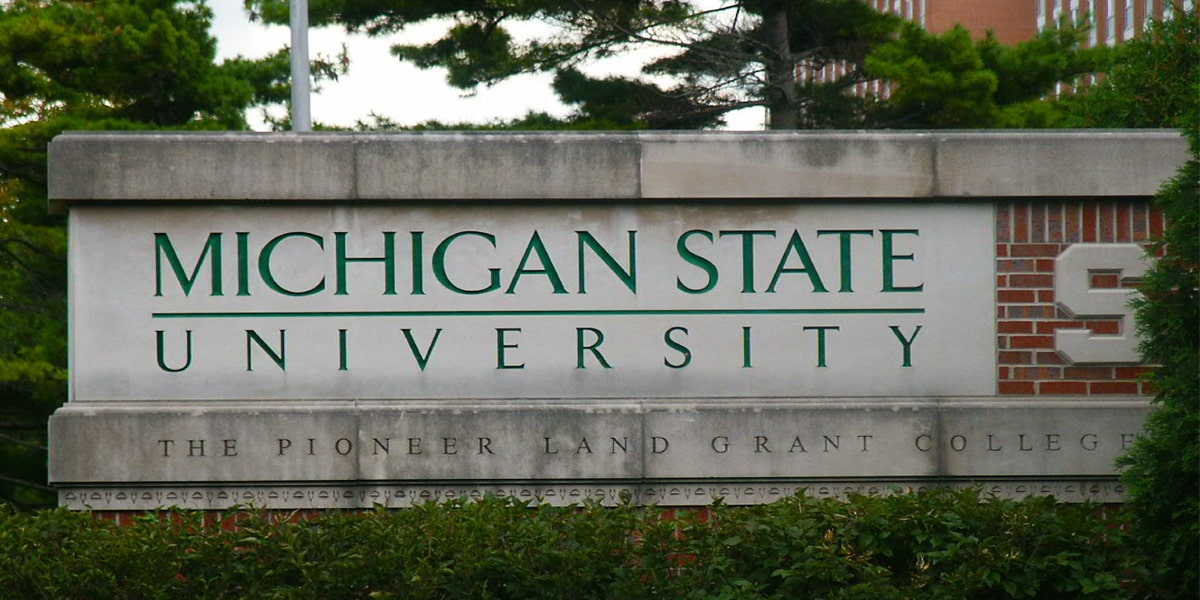
Living and working just an hour from East Lansing, we felt pretty confident that we understood what Michigan State University had to offer to our students. However, on our recent campus tour, with a group of Independent Educational Consultants, we discovered there was still much more to learn about the large state university in our backyard.
The facilities were top-notch, but the brand new STEM building blew us away. MSU transformed a 70-year-old power plant into a “student-ready maker and collaboration space. Old silos are now conference rooms, and a 1946 limestone entrance welcomes students. Original steam boilers and mechanical hardware are art installations.” The cool urban design includes high-tech classrooms, a dining area, and cozy study spots containing the latest technology needed to complete group projects and coursework.
A short walk from here is the brand new music building. It is a beautiful spot for students to attend class and work on their musical skills. All of the MSU bands and orchestras have competitive auditions to gain entry, but all students, no matter their major or skill level, have the opportunity to try out. Also, the community music school offers lessons for a small fee to non-music majors.
Another highlight was getting to understand the Residential Colleges better. We feel these smaller communities within the large university may be the perfect fit for many students. “The residential colleges at MSU offer the best of both worlds: the finest qualities of small liberal arts colleges combined with the energy and resources of a large research university. Three living-learning communities unite students with similar interests in designated residence halls on the campus. This assists in creating distinctive educational atmospheres. They are:
James Madison is where students share a common goal of addressing and examining the major political, legal, social, and economic issues affecting our world.
Lyman Briggs empowers students to change the world by understanding science and math in society.
Residential College in the Arts and Humanities is for students passionate about the arts, humanities, and community engagement.
The majority of the consultants we traveled with were not Michigan residents, and they were not disappointed by their first trip to MSU. Here is some of what they had to say:
“This was my first visit and tour of Michigan State University. I was impressed with the beauty of the campus, the sincerity and energy of the staff members we had the pleasure of meeting throughout the day, and the consistent message that was shared at every department/college we visited of a desire to help every student find their place and be successful at MSU.”
“After years of suggesting MSU as an option to my students, I am so much better informed on the fantastic offerings. I have a much better understanding of the residential college system (James Madison, Lyman Briggs, and ARCAH), which is very appealing to many of my students.”
“I especially enjoyed eating at Thrive, an allergen-free dining hall. Thrive is committed to being sesame-conscious and free of the Big 8 allergens (milk, eggs, soy, wheat, peanuts, tree nuts, fish, and shellfish) plus gluten. Another dining highlight was the unlimited swipes so students with meal plans can eat anywhere on campus as often as possible. A snack can be picked up at one hall and then a meal at another.”
In regards to major areas of study, most students list their intended major on the application but are not admitted to the specific program until after they complete their first year of college. For example:
Engineering – students interested in engineering take 28 prerequisite credits the first year and are automatically admitted to engineering if they have over a 3.0 GPA.
Business – students interested in business must apply after taking 28 credits. Admission is competitive. A select few students will be accepted directly to the Broad School of Business from high school.
Nursing – is a VERY competitive program, only admitting about 100 students each year through the application process after students take the required 28 prerequisite credits. A 3.9 GPA is generally needed to be competitive.
After the tour, we were all very excited to look at our client list and match some of our students with MSU. We appreciated the red carpet that the admissions team at MSU rolled out to us, and we had a fantastic tour! Please reach out to us to schedule your complimentary consultation so that we can help you in the college application process!