Category: Funding

  • 7 new and engaging virtual field trips

    7 new and engaging virtual field trips

    Key points:

    Virtual field trips have emerged as an engaging resource, offering students immersive experiences and allowing them to explore global landmarks, museums, and natural wonders without leaving their classrooms.​

    Virtual field trips connect students to places that, due to funding, geography, or other logistical challenges, they may not otherwise have a chance to visit or experience.

    These trips promote active engagement, critical thinking, and cater to diverse learning styles. For instance, students can virtually visit the Great Wall of China or delve into the depths of the ocean, fostering a deeper understanding of subjects ranging from history to science.

    If you’re looking for a new virtual field trip to bring to your classroom, here are a few to investigate:

    Giant Panda Cam at the Smithsonian National Zoo: Watch Bao Li and Qing Bao–the two new Giant Pandas at Smithsonian’s National Zoo–as they explore their indoor and outdoor habitats at the David M. Rubenstein Family Giant Panda Habitat. The Giant Panda Cam is live from 7 a.m. to 7 p.m. ET daily. After 7 p.m., the cam feed will switch to a pre-recorded view of the last 12 hours.  

    The Superpower of Story: A Virtual Field Trip to Warner Bros. Studios: Students will go behind the scenes on an exclusive virtual field trip to DC Comics headquarters at Warner Bros. Studios in Burbank, California!.They’ll step into the world of legendary superheroes and blockbuster films, uncovering the secrets of how stories evolve from bold ideas to iconic comics to jaw-dropping live-action spectacles on the big screen. Along the way, they’ll hear from the creative minds who shape the DC Universe and get an insider’s look at the magic that brings their favorite characters to life.

    Mount Vernon: Students can enter different buildings and click on highlighted items or areas for explanations about their significance or what they were used for.

    Arctic Adventures: Polar Bears at Play Virtual Field Trip: Do polar bears play? The LEGO Group’s sustainability team, Polar Bears International, and Discovery Education travel to Churchill Manitoba and the Polar Frontier habitat at the Columbus Zoo and Aquarium in search of polar bears at play. Students will meet polar bears and play experts and uncover how arctic animals use play to learn just like humans, while inspiring students to use their voice to change their planet for the better.

    The Manhattan Project: Join The National WWII Museum for a cross-country virtual expedition to discover the science, sites, and stories of the creation of the atomic bomb. Student reporters examine the revolutionary science of nuclear energy in the Museum’s exhibits and the race to produce an atomic weapon in complete secrecy. 

    The Anne Frank House in VR: Explore the hiding place of Anne Frank and her family in virtual reality using the Anne Frank House VR app. The app provides a very special view into the Secret Annex where Anne Frank and the seven other people hid during WWII. In the VR app, all of the rooms in the Secret Annex are furnished according to how it was when occupied by the group in hiding, between 1942 and 1944. 

    Night Navigators: Build for Bats Virtual Field Trip: Join Discovery Education, the LEGO Group’s Social Responsibility Team, and Bat Conservation International as we travel across Texas and Florida in search of bat habitats. Students will meet play experts as they explore how these nighttime pollinators use play to learn and discover the critical role of bats in protecting farmers’ crops from pests and what we can do to help bats thrive.

    Laura Ascione
    Latest posts by Laura Ascione (see all)

    Source link

  • Kenneth C. Griffin Donates $2 Million to Nonprofit Achieve Miami’s Teacher Accelerator Program to Strengthen South Florida’s Teacher Pipeline

    Kenneth C. Griffin Donates $2 Million to Nonprofit Achieve Miami’s Teacher Accelerator Program to Strengthen South Florida’s Teacher Pipeline

    Miami Achieve Miami, a nonprofit dedicated to equalizing educational opportunities for students throughout Miami-Dade County, has received $2.4 million from multiple philanthropic organizations and leaders, including a leadership gift of $2 million from Kenneth C. Griffin, founder and CEO of Citadel and founder of Griffin Catalyst. The funding, awarded over the past year, will further expand Achieve Miami’s transformative programs, reaching thousands of K-12 students through initiatives including Achieve Scholars, which prepares high schoolers for college success; Achieve Summer, a dynamic program combating learning loss through hands-on academics and enrichment; and the Teacher Accelerator Program (TAP), a groundbreaking effort to address Miami-Dade’s urgent teacher shortage.

    Kenneth C. Griffin’s $2 million leadership gift is specifically focused on supporting TAP in creating a pipeline of talent for the teaching profession through recruiting, preparing, and mentoring aspiring educators, including those who had not previously considered a career in education. This gift builds on Griffin’s $3.5 million gift to TAP in 2022, further strengthening Achieve Miami’s efforts to recruit and train qualified educators to teach in public, private and charter schools across Miami-Dade and close learning gaps in the city’s schools. Griffin has a longstanding commitment to improving education and has contributed more than $900 million to providing greater access to a high-quality education and pathways to success for students in Florida and across the country.

    Additional grants include:

    • $200,000 from the Bezos Family Foundation, which is a director’s gift supporting early and adolescent learning through grants and programs that advance the science of learning.
    • $100,000 from the Panera Bread Foundation, as part of its national initiative to support nonprofits that provide educational access to underserved youth.
    • $65,000 from Morgan Stanley, in support of Achieve Miami’s financial literacy and career readiness programs, which equip students in the organization’s Achieve Scholars program with essential money management skills for financial independence and future success. As part of its commitment, a team of Morgan Stanley employees guide students through financial literacy sessions across ten Miami-Dade County public schools, providing essential lessons on topics like budgeting, investing, entrepreneurship, savings, and credit.
    • $50,000 from City National Bank of Florida, as part of its long-term partnership with Achieve Miami in support of the Achieve Scholars program. City National Bank is planning financial literacy programming for students over the summer.

    “Every student deserves access to resources, mentors, and opportunities that can set them up for success,” said Leslie Miller Saiontz, Founder of Achieve Miami. “These generous grants, led by Ken Griffin, will enable us to expand our reach, empower more educators, and bridge opportunity gaps that are prevalent in Miami. By investing in students and teachers, we are building a stronger future for our community.”

    “Each of us has a story of how a teacher has changed our lives,” said Ken Griffin in February 2023 alongside his initial gift to Achieve Miami. “I care deeply about bringing more high-quality educators into Miami classrooms to help ensure the children of Miami will continue to enjoy the impact of life-changing teachers.”

    Despite being one of the fastest-growing states with the nation’s fourth-largest economy, Florida ranks #21 in per capita education funding. Achieve Miami’s initiatives aim to eliminate educational disparities by equipping students with the tools and support needed for success with a variety of diverse enrichment programs such as Achieve Scholars, Achieve Saturdays, and Achieve Music.

    Achieve Miami’s impact to-date includes support for over 10,000 Miami-Dade County students, college and career readiness programming for Achieve Scholars across ten high school sites, providing internet access to over 106,000 homes through Miami Connected, and the recruitment and training of nearly 200 new teachers through the Teacher Accelerator Program (TAP) since the initiative’s launch in 2023.

    ABOUT ACHIEVE MIAMI

    Achieve Miami is a nonprofit organization that is dedicated to fostering a transformational education ecosystem in Miami. Since its founding in 2015, the organization has supported over 10,000 K-12 students, bolstered programming for 60+ local schools, and engaged thousands of volunteers. Together with partners from the public and private sector, Achieve Miami designs and manages programs that bring together members from various parts of the community to extend learning opportunities for students, teachers, and community leaders. Learn more at www.achievemiami.org.

    ABOUT THE TEACHER ACCELERATOR PROGRAM

    Teacher Accelerator Program (TAP) is a non-profit organization creating a pipeline of talent for the teaching profession through recruiting, preparing, and mentoring aspiring educators. TAP’s comprehensive and streamlined program equips college students and career changers with the skills, knowledge, and certification necessary to excel in the classroom. TAP addresses the nationwide teacher shortage crisis by providing a built-in path to teaching, inspiring a new generation of educators.

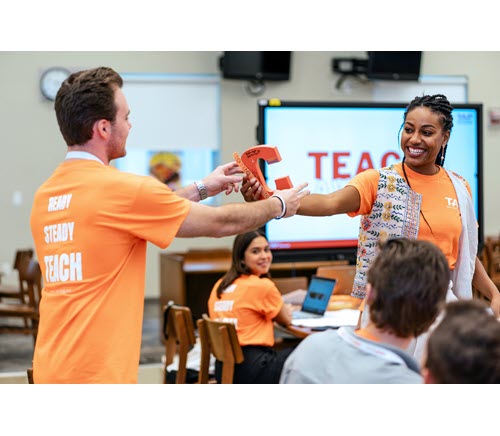
    TAP participants take a one-semester course, followed by a six-week paid summer internship, earn a certificate to teach, and begin instructing in a Miami-Dade County public, private, or charter school classroom. TAP is an initiative of Achieve Miami, supported by Teach for America Miami-Dade, and is offered by the University of Miami, Florida International University and Miami-Dade College. Learn more at www.teacheraccelerator.org.

    eSchool News Staff
    Latest posts by eSchool News Staff (see all)

    Source link

  • How Labor can use its strong majority to support universities – Campus Review

    How Labor can use its strong majority to support universities – Campus Review

    The higher education sector is craving stability and investment after the policy changes, regulation warnings and instability of Labor’s last term.

    Please login below to view content or subscribe now.

    Membership Login

    Source link

  • $100m Coalition election promise to fund 200 regional medical students matches Labor – Campus Review

    $100m Coalition election promise to fund 200 regional medical students matches Labor – Campus Review

    Regional and rural Australia’s doctor shortage is being targeted as an election issue by the Coalition, which is promising to fund an extra 200 students to train as general practitioners to work in the bush.

    Please login below to view content or subscribe now.

    Membership Login

    Source link

  • Is our North Star already outdated? – Campus Review

    Is our North Star already outdated? – Campus Review

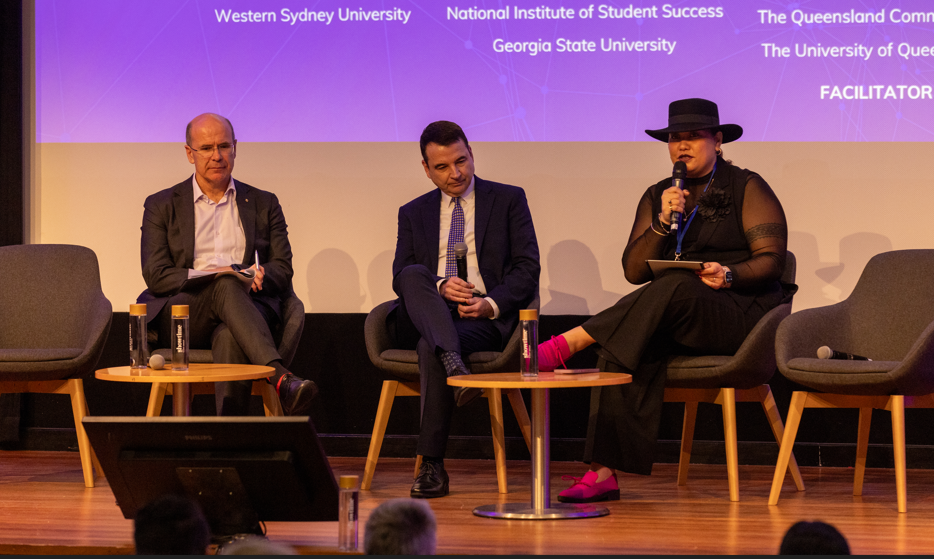
    Two prominent student-success-driven university leaders have urged immediate action to improve student success, warning against waiting for government green-lights like the Australian Universities Accord.

    Please login below to view content or subscribe now.

    Membership Login

    Source link

  • Little in budget for higher ed – Campus Review

    Little in budget for higher ed – Campus Review

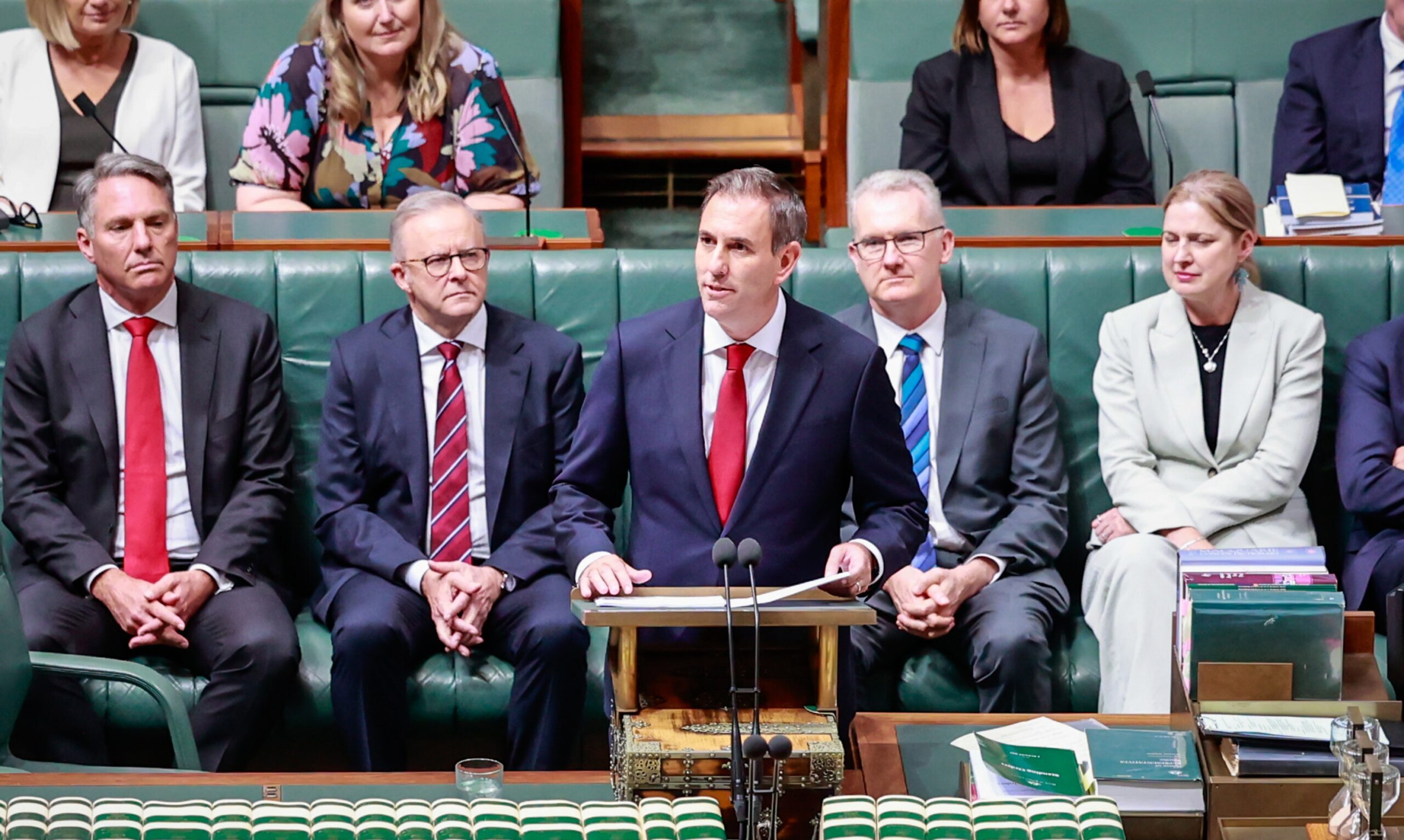
    More tax cuts for every Australian and reiterations of measures that had already been announced marked Tuesday night’s federal budget, which also didn’t include any specific funds for higher education.

    Please login below to view content or subscribe now.

    Membership Login

    Source link

  • How Trump is disrupting efforts by schools and colleges to combat climate change

    How Trump is disrupting efforts by schools and colleges to combat climate change

    This week I dug into how the Trump administration’s anti-climate blitz is hampering schools’ and colleges’ ability to green their operations, plus a new report on the California wildfires’ impact on students. Thank you for reading, and reply to this email to be in touch. — Caroline Preston

    LeeAnn Kittle helps oversee the Denver public school district’s work to reduce carbon emissions by 90 percent by 2050.

    In January, her job got a lot tougher. 

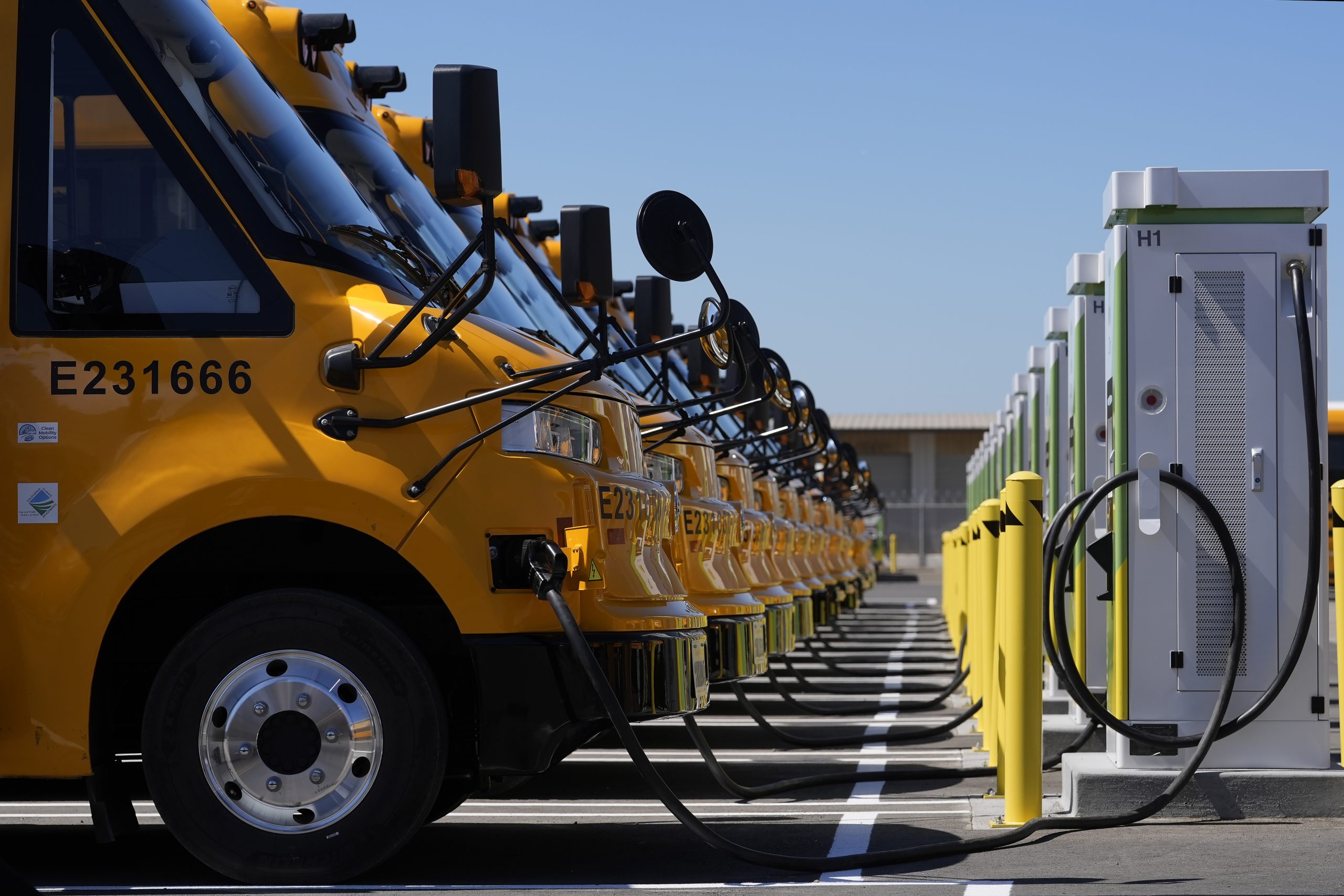
    Denver expected to receive tax credits via the Inflation Reduction Act for an additional 25 electric school buses. President Donald Trump attempted to freeze clean energy funds through the IRA in his first days in office. Kittle, the district’s executive director of sustainability, also considered applying for tax credit-like payments for energy-efficient heat pumps for the district’s older buildings that lack air conditioning. And she’d intended to apply this spring for a nearly $12 million grant through Renew America’s Schools, a Department of Energy program to help schools become more energy efficient. Staff working on that program have left and its future is uncertain.  

    “I think we’re all in shock,” said Kittle. “It’s like someone put us in a snow globe and shook us up, and now we’re asked to stand straight. And it’s like I don’t know how to stand straight right now.”

    Since January, the Trump administration has launched a broadside against efforts to reduce gases that cause climate change, including by freezing clean energy spending, slashing environmental staff and research, scrubbing the words “climate change” from websites, and rethinking decades of science showing the harms of global warming to human health and the planet. Experts and education leaders say those actions — some of which have been challenged in court — are disrupting, but not extinguishing, efforts by schools and colleges to curtail their emissions and reduce their toll on the planet.

    Related: Want to read more about how climate change is shaping education? Subscribe to our free newsletter.

    At the start of the year, the State University of New York was awarded $15 million to buy 350 electric vehicle charging stations. “We have yet to see the dollars,” said its chancellor, John B. King Jr. A webinar on the Department of Transportation grant program, which is funded by the bipartisan infrastructure act, was canceled. “It’s been radio silence,” said Carter Strickland, the SUNY chief sustainability officer. 

    The SUNY system, which owns a staggering 40 percent of New York State’s public buildings, had also planned to apply for IRA payments for a variety of projects to electrify campuses, reduce pollution and improve energy efficiency. In November, it applied for approximately $1.45 million for an Oneonta campus project that uses geothermal wells to provide heating and cooling. It still expects to get that money since the project is complete and the IRA remains law, but it can no longer count on payments for newer projects, King said. 

    “What the IRA did was turbocharged everything and gave many more players the ability to see themselves as part of a clean energy economy,” said Timothy Carter, president of Second Nature, a group that supports climate work in higher education. But the confusion that the Trump administration has sowed — even though the IRA has not been repealed — means both K-12 and higher education institutions are reconsidering clean energy projects. 

    There’s no count of how many colleges have sought funding through the IRA and bipartisan infrastructure act-funded programs, said Carter, but the work is spread across red and blue states, and some education systems have dozens of projects under construction. The University of California system, for example, filed applications for more than 70 projects, including a $1 billion project to replace UC Davis’s leaky and inefficient heating and cooling system and a project at UC Berkeley to phase out an old power plant and replace it with a microgrid. 

    “We remain hopeful that funding will be provided per the program provisions,” David Phillips, associate vice president for capital programs at the University of California, wrote in an email. 

    Sara Ross, co-founder of Undaunted K12, which helps school districts green their operations, said her group tells school leaders that for now, “energy tax credits are still the law of the land.” 

    But she expects those credits could be eliminated in the new tax bill that Congress is negotiating this year. 

    In the past, entities that begin construction on projects before any changes in a new law go into effect have been grandfathered in and still received that money, she said. “No promises,” Ross said, but historically that’s how such tax credit scenarios have worked. She said some school districts are speeding up projects to beat that possible deadline, while others are abandoning them.

    There is some political movement to preserve clean energy tax credits. Roughly 85 percent of the private-sector dollars that have gone into clean energy projects are in GOP-led districts, according to a report last year. Some GOP lawmakers have advocated for maintaining that funding, which has contributed to a surge in renewable energy jobs.  

    Steven Bloom, assistant vice president of government relations with the American Council on Education, said that gives supporters of the IRA some hope. But he said that many higher education institutions are facing so much pain and uncertainty from other Trump administration actions, like the National Institutes of Health’s plan to slash overhead payments and investigations into alleged antisemitism, that unfortunately “climate investments may get pushed down the ladder of priorities in the near term.” 

    Related: How colleges can become ‘living labs’ for combating climate change

    Another important vehicle for greening schools, the Renew America’s Schools grant program, was started in 2022 with $500 million for school districts. Many of the Department of Energy staff working on that effort have left, Ross said, and some school districts have not heard back about the status of funding for their projects.    

    In Massachusetts, the Lowell school district won a prize through the Renew America program that could unlock up to $15 million to help the district improve its aged facilities. The district’s facilities for the most part lack air conditioning and schools have been closed on occasion due to high temperatures.

    Katherine Moses, the city of Lowell’s sustainability director, wrote in an email that the district had so far pocketed $300,000 that it is using for energy audits to identify inefficiencies and lay the groundwork for a larger investment. It’s unclear what could happen beyond that and if the district will receive more money. She said Lowell is proceeding according to the requirements of the grant “until we hear otherwise from DOE.” 

    More than 3,400 school districts have applied for money through programs created under the bipartisan infrastructure law and the IRA to electrify school buses. After a federal judge ruled against the administration’s freeze on clean energy spending, grants through those programs appear to have been unfrozen and districts have been able to access payments, said Sue Gander, director of the electric school bus initiative with the nonprofit World Resources Institute. 

    But rebates for electric buses are still stalled, she said. Districts are submitting forms to receive rebates, she said, “but there’s no communication coming back to them through the system about the status of their award or any indication that any payment that may have been requested is being provided.”  

    The Transportation and Energy departments and the Environmental Protection Agency, which runs the Clean School Bus Program, did not respond by deadline to requests for comment for this article.  

    King, of SUNY, noted that climate change is already negatively affecting young people and contributing to worsening disasters like floods and fires. For some faculty, staff and students, the backtracking from climate action at the federal level is stirring disappointment and fear, he said. “There is this very intense frustration that as a society we are stopping efforts to deal with what is truly an existential threat.” 

    Contact Caroline Preston at 212-870-8965, on Signal at CPreston.83 or via email at [email protected]

    This story about clean energy was produced by The Hechinger Report, a nonprofit, independent news organization focused on inequality and innovation in education. Sign up for our climate and education newsletter.

    What I’m reading:

    My colleague Neal Morton traveled to northwest Colorado for a story on how phasing out coal-powered plants affects school budgets and career prospects for graduates. School districts haven’t done enough to plan for those changes or prepare students for alternate careers, he writes, and renewable energy projects are not popping up fast enough to smooth the financial pain.  

    Some 725,000 students at more than 1,000 schools faced school closures during the California wildfires in January, according to a new report from Undaunted K12 and EdTrust. The fire had a disproportionate impact on students living in poverty and from underrepresented backgrounds, the report says: Three-quarters of the affected students came from low-income households, and 66 percent were Hispanic. 

    The U.S. Coast Guard Academy removed the words “climate change” from its curriculum, reports Inside Climate News. The academy falls under the purview of the Department of Homeland Security, whose new director, Kristi Noem, issued a directive in February to “eliminate all climate change activities and the use of climate change terminology in DHS policies and programs.”

    Schools with satisfactory heating systems reduce student absences by 3 percent and suspensions by 6 percent, and record a 5 percent increase in math scores, according to a study by researchers at the University at Albany, State University of New York. Schools with satisfactory cooling systems see an increase of 3 percent in reading scores. 

    Contact editor Caroline Preston at 212-870-8965, on Signal at CPreston.83 or via email at [email protected].

    This story about clean energy was produced by The Hechinger Report, a nonprofit, independent news organization focused on inequality and innovation in education. Sign up for our climate and education newsletter.

    The Hechinger Report provides in-depth, fact-based, unbiased reporting on education that is free to all readers. But that doesn’t mean it’s free to produce. Our work keeps educators and the public informed about pressing issues at schools and on campuses throughout the country. We tell the whole story, even when the details are inconvenient. Help us keep doing that.

    Join us today.

    Source link

  • EXCLUSIVE: Ombudsman on what universities can do better now to support students

    EXCLUSIVE: Ombudsman on what universities can do better now to support students

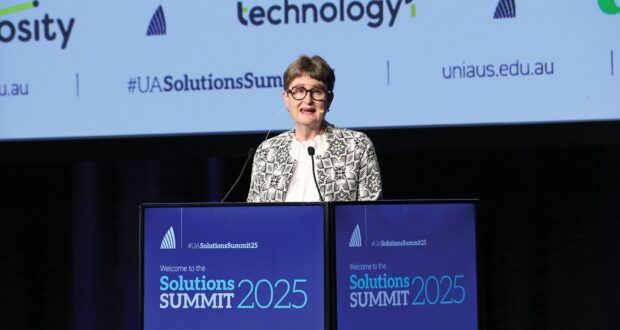
    UTS chancellor Catherine Livingstone told universities they need to rely less on public funding. Picture: UA

    The National Student Ombudsman (NSO) First Assistant Ombudsman Sarah Bendall has revealed details of the 220-or-so student complaints she has received in the first three weeks of operation.

    Please login below to view content or subscribe now.

    Membership Login

    Source link

  • Universities Australia wishlist for next election

    Universities Australia wishlist for next election

    Universities Australia CEO Luke Sheehy. Picture: Supplied

    The peak body representing universities, Universities Australia (UA), has said the federal government should offer more money and less bureaucracy to the higher education sector ahead of the election due by April.

    Please login below to view content or subscribe now.

    Membership Login

    Source link

  • A virtual reality, AI-boosted system helps students with autism improve social skills

    A virtual reality, AI-boosted system helps students with autism improve social skills

    Key points:

    This article and the accompanying image originally appeared on the KU News site and are reposted here with permission.

    For more than a decade, University of Kansas researchers have been developing a virtual reality system to help students with disabilities, especially those with autism spectrum disorder, to learn, practice and improve social skills they need in a typical school day. Now, the KU research team has secured funding to add artificial intelligence components to the system to give those students an extended reality, or XR, experience to sharpen social interactions in a more natural setting.

    The U.S. Office of Special Education Programs has awarded a five-year, $2.5 million grant to researchers within KU’s School of Education & Human Sciences to develop Increasing Knowledge and Natural Opportunities With Social Emotional Competence, or iKNOW. The system will build on previous work and provide students and teachers with an immersive, authentic experience blending extended reality and real-world elements of artificial intelligence.

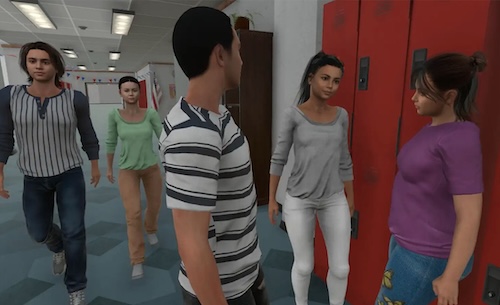
    iKNOW will expand the capabilities of VOISS, Virtual reality Opportunity to Integrate Social Skills, a KU-developed VR system that has proven successful and statistically valid in helping students with disabilities improve social skills. That system contains 140 unique learning scenarios meant to teach knowledge and understanding of 183 social skills in virtual school environments such as a classroom, hallway, cafeteria or bus that students and teachers can use via multiple platforms such as iPad, Chromebooks or Oculus VR headsets. The system also helps students use social skills such as receptive or expressive communication across multiple environments, not simply in the isolation of a classroom.

    IKNOW will combine the VR aspects of VOISS with AI features such as large language models to enhance the systems’ capabilities and allow more natural interactions than listening to prerecorded narratives and responding by pushing buttons. The new system will allow user-initiated speaking responses that can accurately transcribe spoken language in real-time. AI technology of iKNOW will also be able to generate appropriate video responses to avatars students interact with, audio analysis of user responses, integration of in-time images and graphics with instruction to boost students’ contextual understanding.

    “Avatars in iKNOW can have certain reactions and behaviors based on what we want them to do. They can model the practices we want students to see,” said Amber Rowland, assistant research professor in the Center for Research on Learning, part of KU’s Life Span Institute and one of the grant’s co principal investigators. “The system will harness AI to make sure students have more natural interactions and put them in the role of the ‘human in the loop’ by allowing them to speak, and it will respond like a normal conversation.”

    The spoken responses will not only be more natural and relatable to everyday situations, but the contextual understanding cues will help students better know why a certain response is preferred. Rowland said when students were presented with multiple choices in previous versions, they often would know which answer was correct but indicated that’s not how they would have responded in real life.

    IKNOW will also provide a real-time student progress monitoring system, telling them, educators and families how long students spoke, how frequently they spoke, number of keywords used, where students may have struggled in the system and other data to help enhance understanding.

    All avatar voices that iKNOW users encounter are provided by real middle school students, educators and administrators. This helps enhance the natural environment of the system without the shortcomings of students practicing social skills with classmates in supervised sessions. For example, users do not have to worry what the people they are practicing with are thinking about them while they are learning. They can practice the social skills that they need until they are comfortable moving from the XR environment to real life.

    “It will leverage our ability to take something off of teachers’ plates and provide tools for students to learn these skills in multiple environments. Right now, the closest we can come to that is training peers. But that puts students with disabilities in a different box by saying, ‘You don’t know how to do this,’” said Maggie Mosher, assistant research professor in KU’s Achievement & Assessment Institute, a co-principal investigator for the grant.

    Mosher, a KU graduate who completed her doctoral dissertation comparing VOISS to other social skills interventions, found the system was statistically significant and valid in improving social skills and knowledge across multiple domains. Her study, which also found the system to be acceptable, appropriate and feasible, was published in high-impact journals Computers & Education and Issues and Trends in Learning Technologies.

    The grant supporting iKNOW is one of four OSEP Innovation and Development grants intended to spur innovation in educational technology. The research team, including principal investigator Sean Smith, professor of special education; Amber Rowland, associate research professor in the Center for Research on Learning and the Achievement & Assessment Institute; Maggie Mosher, assistant research professor in AAI; and Bruce Frey, professor in educational psychology, will present their work on the project at the annual I/ITSEC conference, the world’s largest modeling, simulation and training event. It is sponsored by the National Training & Simulation Association, which promotes international and interdisciplinary cooperation within the fields of modeling and simulation, training, education and analysis and is affiliated with the National Defense Industrial Association.

    The research team has implemented VOISS, available on the Apple Store and Google Play, at schools across the country. Anyone interested in learning more can find information, demonstrations and videos at the iKNOW site and can contact developers to use the system at the site’s “work with us” page.

    IKNOW will add resources for teachers and families who want to implement the system at a website called iKNOW TOOLS (Teaching Occasions and Opportunities for Learning Supports) to support generalization of social skills across real-world settings.

    “By combining our research-based social emotional virtual reality work (VOISS) with the increasing power and flexibility of AI, iKNOW will further personalize the learning experience for individuals with disabilities along with the struggling classmates,” Smith said. “Our hope and expectation is that iKNOW will further engage students to develop the essential social emotional skills to then apply in the real world to improve their overall learning outcomes.”

    Latest posts by eSchool Media Contributors (see all)

    Source link