Category: Health and Wellness

  • Can you get better medical advice online than from a doctor?

    Can you get better medical advice online than from a doctor?

    PCOS is a metabolic and reproductive condition. Although it’s the most common hormonal disorder in women of reproductive age, up to 70% of women affected by it never get diagnosed. Dr. Jamie Benham, an endocrinologist and principal investigatorat the EMBRACE Women’s Health Research Lab at the University of Calgary, said that because patients with PCOS can have a variety of experiences and symptoms, it can be challenging for doctors to diagnose. 

    For Joslin, it wasn’t until she began to struggle with infertility that she finally received a proper diagnosis. “When I saw the infertility doctor … he looks at me [and the] first thing he said to me was, ‘You are textbook PCOS’,” she said.

    Joslin said that if it weren’t for the online community, PCOS wouldn’t have been on her radar at all. Through treatments from her fertility doctor and naturopath, she was able to start a family.

    Taking symptoms seriously

    Jade Broughton, a member of the PCOS Patient Advisory Council at the University of Calgary, said she initially downplayed her own symptoms for years. She assumed they were stress-related from her shift work as a nurse and she was told her symptoms were normal.

    “I started noticing, quite a few years ago, my hair started falling [out] in clumps,” Broughton said. “I was just gaining weight so rapidly, I started having facial hair, all that stuff. I went to my doctor, and she was like, ‘You just turned 30, that’s just normal’ … So, I felt like I was just being gaslit for years and years.”

    Through internet searches and the PCOS Reddit page, she was finally able to understand what her symptoms might mean. After about seven years of advocating for herself, she finally received a diagnosis from her family doctor.

    “I feel like women’s health is still not taken seriously when it should be,” Broughton said. “Just stand up for yourself and trust your gut if you know something’s wrong.”

    Lisa Minaker, a legal assistant student in Winnipeg, Canada said that her irregular periods were concerning to her family physician, who referred her to an endocrinologist. Through blood work, her endocrinologist diagnosed PCOS. Although she received a diagnosis relatively quickly, Minaker said she felt that her doctors were not always “overly helpful” when it came to managing her symptoms. She thinks that doctors lack sufficient training in women’s health.

    “Not that it’s their fault,” she said. “Finding out how women don’t metabolize things like men, and how it’s dependant on where you are in your cycle … we’re still treated as basically a smaller version of men.”

    Why expertise matters

    Due to the complexity of PCOS and its diverse range of symptoms, a team of healthcare practitioners can be helpful. Joslin and Minaker both say that including other healthcare professionals, such as a naturopathic doctor and acupuncturist, helped with symptom management.

    “The [naturopathic doctor] was that complement to the medical world,” Joslin said. “My fertility doctor would prescribe me medication, and the naturopath would talk to me about my blood work [and supplements] … It was the hand holding and just someone talking you through [your results] to make sure you know what’s going on.”

    “I 100% credit the fact that I’m a mom to my naturopath,” Joslin said. “I would not be a mom without her.”

    Minaker said that in her own health journey she learned more from social media than from any doctor. “The girls in the [Facebook] group are pretty helpful,” she said. “I had to do my own research because I wasn’t really given a choice.”

    Although social media has played a big role in educating women about PCOS and other health problems, it can sometimes provide misinformation. A common misconception Broughton hears from patients is that they’re afraid to exercise, believing it’s bad for their health because of internet claims that it will raise cortisol levels — a hormone released in response to physical or emotional stress.

    “This is not consistent with what we know about the condition and exercise is recommended for all people with PCOS,” said Benham. “Unfortunately, we’re limited in that PCOS is not well studied. It’s not well understood. It hasn’t been funded from a women’s health research perspective. So there’s a lot of people that are profiting off nutrition plans or exercise plans or giving different advice around supplements.”

    Combatting misinformation

    Minaker said she found it difficult in the beginning to distinguish which resources were helpful and which were targeted marketing scams.

    “I wasn’t always that intuitive to be able to tell who was truthful,” Minaker said. “[I was] trying to find as many answers as possible.”

    In some Facebook groups, women share their symptoms, medications and diagnostic test results. Chats in these groups often involve consultations, advice and, sometimes, bullying.

    Joslin said that instead of lifting others up, some members of fertility groups for women with PCOS create guilt, embarrassment and shame around a vital aspect of life that PCOS can affect — being able to start a family.

    “In some groups, like the PCOS groups that focus specifically on trying to get pregnant, I had to leave right away,” Joslin said. “It was very toxic … where, truthfully, in this journey you need support. I’ve found much more success with smaller localized groups.”

    Information from medical organizations

    To combat misinformation, some medical organizations have created their online forums and portals. Broughton pointed to Monash University in Australia, which released new PCOS guidelines and launched a phone application called Ask PCOS.

    “They actually have an app that has tons of resources on weight management, food, insulin resistance, all of that stuff,” Broughton said. “And they’re actually one of the big players that’s trying to have it renamed as well.”

    Since PCOS affects more than ovaries, a new name would reflect that and might make it less confusing for women with symptoms to get the help they need.

    Other institutions are bringing women together in person to share experiences face-to-face.

    The EMBRACE Lab at the University of Calgary, for example, formed a PCOS Patient Advisory Council to conduct patient-oriented research earlier this year. The council, which meets monthly, is a space for community.

    “It’s such an amazing experience to sit in the room with all these women,” Joslin said. “Knowing all the struggles I’ve had … and sitting with people who are newly diagnosed or on their fertility journey … I’m able to share my advice and say, ‘You’re not alone.’”

    Community, whether found online or through research, has been an important part of the journey for these patients.

    Benham said that PCOS is a lifelong condition, whose symptoms can be managed although it cannot be cured. Joslin adds that it’s important to bring awareness to the condition. “Because there’s so many of us that have it, let’s make this more known.”


    Questions to consider:

    1. Why might someone trust a random person on an online forum over a doctor for medical advice?

    2. How can medical information you find online leave you more confused?

    3. If you felt unwell where would you turn for information about your condition?


    Source link

  • Food: The one thing everyone needs

    Food: The one thing everyone needs

    On World Food Day we present you with a smorgasbord of stories to consume to show how food and the need to eat connects us all.

    Source link

  • When you feel sick but are embarrassed to say so

    When you feel sick but are embarrassed to say so

    When Annick Bissainthe was diagnosed with irritable bowel syndrome (IBS) in 2018 it destroyed her relationship with food and that affected her relationship with people. 

    She said it restricted social interactions and prevented her from doing activities she used to do before her diagnosis. “Like two days before, I would agree that, yes, I’m going to meet you at a certain point,” Bissainthe said. “But something happens one hour before that [gets me] sick and I can’t go anymore.”

    IBS is a common condition afflicting 5-10% of the world’s population but its symptoms are things few people want to talk about: abdominal pain, cramping, diarrhea, constipation, bloating and excessive gas. 

    Preventing these symptoms often requires adjustments to a diet. It is easy to explain to someone why you can’t eat certain foods if you are allergic to those foods. But many people find it embarrassing to explain that they can’t eat those foods because of an irritable bowel.  

    Dairy, added sugars and spices are among Bissainthe’s top triggers for IBS symptoms, but they comprised a large part of her diet prior to being diagnosed. 

    “Everyone else in your culture eats it,” said Bissainthe. “Food is not just about eating, but there’s also a sociocultural aspect … it’s difficult especially being in an environment where you’re not understood.” 

    Symptoms of IBS go untreated.

    IBS is particularly prevalent among young adults but often undiagnosed. Living with IBS as a young person can be especially difficult. “I was in my late 20s, so I was like, ‘I’m a healthy young adult but not able to eat [certain foods]’,” Bissainthe said. “I felt like my body was letting me down.”

    Dr. Miranda van Tilburg, professor of Health Systems Science at Methodist University in the U.S. state of North Carolina, said that IBS has no known physical cause, so it is often poorly managed, treatment efficacies vary widely and patients’ concerns are frequently dismissed. 

    “There are no tests that we can do, biomedical markers, no radiography, nothing we can do to look at your body and say, ‘You have IBS,’” van Tilburg said.

    Dr. Irma Kuliavienė, a gastroenterologist at the Lithuanian University of Health Sciences, said that while the symptoms are real and have biological underpinnings, unlike a tumor, they can’t be “seen” such through endoscopy or colonoscopy scans.

    Jeffrey Roberts, an IBS patient advocate, said that he often wondered whether he was the cause of his symptoms and if it would restrict what he could do in life. He said the diagnosis of IBS is often dismissed as “just IBS” or brushed off as “all in the head.”  

    In the media, when bowel problems are raised, it is often to produce laughs, he said. 

    No laughing matter

    Treating IBS as a joke can be detrimental to IBS patients’ mental health and quality of care. Van Tilburg said IBS can be the primary source of stress in someone’s life but telling people to reduce stress when they have these symptoms is counterproductive. 

    The reasons why IBS occurs are unclear, although several possible contributing factors have been proposed. They include the interaction between the gut and the brain, known as the gut-brain axis, and the gut microbiome — the ecosystem of microorganisms in your gut.

    Because many potential biological mechanisms could be at play, it is difficult to identify a common therapy that will work for everyone, Kuliavienė said.  

    Dr. Shefaly Shorey, associate professor at the National University of Singapore, said that talking about gastrointestinal symptoms such as flatulence, diarrhea and constipation is considered taboo, especially in many Asian cultures. Shorey was diagnosed with IBS in 2017 and said this avoidance of open conversations about bowel problems can hinder needed care. 

    “These are not glamorous topics to talk about,” Shorey said. Lack of support and acceptance, especially from family members, can lead IBS patients to avoid opening up about their symptoms. 

    Finding the right treatment

    In some countries, dieticians and access to lab tests are not widely available and that can also affect whether someone can get properly diagnosed. Van Tilburg said that a key first step to helping people who have IBS is for doctors and nurses to accept symptoms as genuine. “We need to do a better job of educating physicians on how to talk to these patients,” she said. 

    This is important because IBS is a chronic condition that many patients will deal with for life, and while there are different therapies that can help reduce or eliminate symptoms, there is no one-size-fits-all treatment.

    Extensive trial-and-error is often needed to find what approaches will work best for each individual, a process that requires close collaboration between the patient and practitioner. Bissainthe still lives with IBS but having tried so many different treatment options over the years, is better aware of what management strategies work for her.

    Kuliavienė said that to find the right treatment there needs to be a trusting relationship between doctor and patient.

    “When we talk with our patients, when we hear our patients, we can see which pathway is better and choose specific treatments for specific patients,” she said. 


    Questions to consider:

    1. What is irritable bowel syndrome?

    2. Why are people embarrassed to talk about IBS?

    3. What things are you embassed to talk about with a doctor? 


    Source link

  • Is climate change carcinogenic?

    Is climate change carcinogenic?

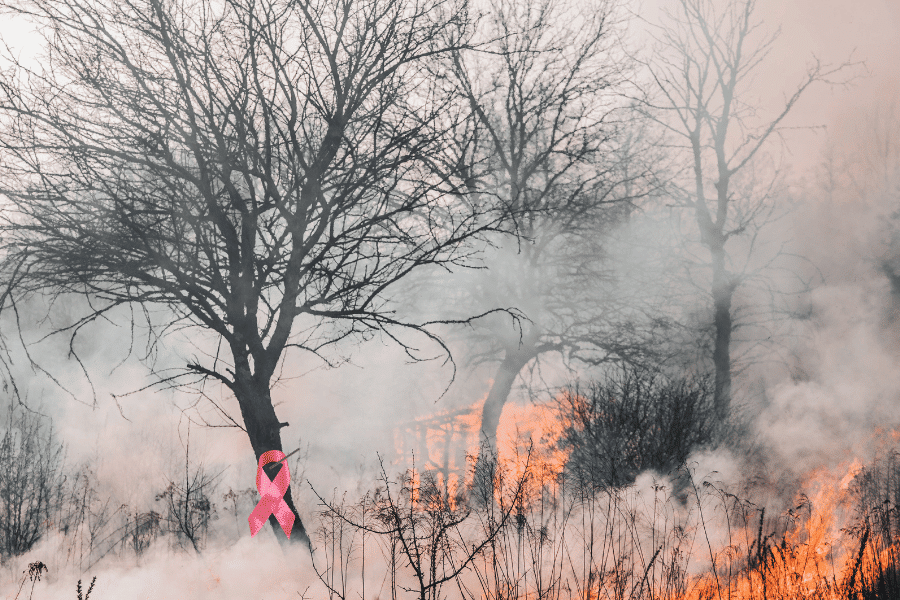
    A study in California this year found that cancer patients were much more likely to die from the disease if they breathed in air pollution from wildfires a year after their diagnosis. 

    In 2020, flooding in Spain caused by Storm Gloria forced 118 cancer patients to cancel their radiotherapy treatment. And in 2019, researchers from the University of Michigan found a higher death rate among adult cancer patients who were affected by Hurricane Katrina. 

    It turns out that in many ways, climate change affects our health. We can see this directly when looking at cancer — something that affects one in five people around the world directly, and just about everyone else connected to those people indirectly.

    I know this first hand. Four years ago a close family member was diagnosed with cancer. It made me wonder: What could we have done to prevent it? Was it something they ate? Their amount of exercise? 

    At the time, we were living in South Korea, a country notorious for its heavy air pollution days, and I couldn’t help but wonder if that might have had an impact on the diagnosis. 

    Then, as I watched them go through multiple recurrences of cancer, the question gradually evolved into this: How can you ensure successful cancer treatment? And subsequently, how can you ensure that everyone has access to safe cancer treatment?

    Supply chain disruptions

    It turns out that air pollution isn’t the only problem. Extreme weather events caused by climate change can disrupt supply chains which results in shortages of critical medical supplies.

    In 2017, an intravenous fluid manufacturing company in Puerto Rico, for example, was destroyed by Hurricane Maria. The company was a major supplier of IV fluids for hospitals in the United States and the destruction led to a shortage in essential IV fluids. 

    In an attempt to investigate further, I contacted Dr. Kishan Gupta, a specialist in comprehensive ophthalmology, cornea and external diseases, at the Kaiser Downey Medical Center in California. Over a WhatsApp chat, he told me that Hurricane Maria not only led to major disruptions in eye drop manufacturing but also in IV saline for surgery and intraoperative anesthetics at his hospital. 

    Dr. David Kim, an orthopedic surgeon at the Worcester Medical Center in the U.S. state of Massachusetts, then told me that when IV supplies are disrupted, all surgeries that require such fluids are delayed — anything from hand and hip replacement surgeries to the removal of cancer tumors.

    IV saline and intraoperative anesthetics are crucial for cancer patients, especially IV saline, which helps to dilute toxic fluids and dehydration as a result of chemotherapy.

    Medical needs not met

    Crucially, climate change-induced extreme weather events damage infrastructure, preventing important medical equipment and supplies from reaching destined locations at an appropriate time.

    On the note of promptness, one of cancer’s most threatening characteristics is its fast, uncontrolled growth. In the field of medicine, this means that cancer treatment must be administered at the correct time, with the correct steps. 

    After Hurricane Maria in Puerto Rico, a 70% cancel rate was observed for brachytherapy, a form of radiation therapy. In Mexico after the 2017 earthquake, cancer surgeries were canceled with a median delay of 22.5 days

    During natural disasters, transportation networks and electrical systems break down. This means that people are unable to get to their hospital for treatment, and additionally, treatments like radiation which depend on electricity, can’t be administered.

    The COVID-19 pandemic, while not a climate change-induced event, showed what happens when supply chains break down. Needed supplies of everything from towels to anti-septic solutions became unavailable and as a result, people died.

    Lack of blood donors

    Of course, cancer isn’t the only health concern related to climate change. Rising temperatures and more frequent natural disasters can create favorable conditions for insects such as ticks and mosquitoes that transmit harmful pathogens. 

    Hurricanes, tornados and other extreme weather events also discourage people from traveling and that can cause a consequent lack in blood donations at hospitals, according to Dr. Sung Eun Yang at the Kaiser Panorama City Medical Center in California. “Blood and blood products are a limited precious resource,” Dr Yang said. “Donor turn out may be dependent on the weather. I recall in Boston we had a terrible winter storm with no donor turn out and experienced significant shortages in blood products.”

    In the United States, roughly 25% of blood donations in the United States go to cancer treatments. 

    Furthermore, it turns out that severe heat and humidity can affect medications — how they operate or their very properties. A number of common cancer medications are highly heat-sensitive. This means that as the Earth’ s climate warms, cancer patients who live in hot places will have a more difficult time storing and accessing safe medication, particularly in economically poor areas that can’t invest in energy-consuming storage. But even those in wealthier, cooler countries will be affected if they import products from those regions. 

    Finally, because of climate change, we are also seeing an increase in wildfires due to extreme and sustained drought conditions and wildfires too, ultimately leading to increases in cancer. 

    For instance, cancer is the number one cause of death in the fire fighting industry, accounting for 70% of all deaths.  

    Where there’s smoke, there’s cancer?

    Harvard University researcher Mary Johnson told the publication E&E News this year that potentially harmful chemicals are released every time a structure burns.

    “Plumbing has copper and lead in it,” she stated. “Paint has toxic chemicals. Electronics, plastics have really nasty stuff in them. All these chemicals we don’t think of occurring in a wildland fire are now part of the smoke.”

    So what can we do? 

    In preparation for all potential disasters, hospitals could have a disaster plan to help ensure that patients receive any and all important data during a future disaster. For example, the United States Department of Health and Human services has released a study on the efficacy of electronic health records during disasters. If a storm is forecasted in a region, an electronic emergency chart could be made for each patient. This plan could also come in the form of new infrastructure or mechanisms meant to keep the hospital safe from floods or fires. 

    Patients should also be provided with alternate ways to access healthcare information in order to connect with local healthcare teams, and the American Association of Colleges of Nursing recently added climate change education to the list of required skills for nursing education programs. 

    Finally, past cancer survivors of disasters have suggested that countries like Puerto Rico can be more prepared and adaptable in terms of exploring alternatives like renewable energy, that aren’t as susceptible to power outages from storms. 

    As the climate deteriorates, our responsibility in pushing back against the climate crisis will expand in multiple ways. 

    Our health and the health of the people we love will depend on the health of our planet. That means that it is our responsibility to protect ourselves, our loved ones and all of those currently battling cancer from climate change.


    Questions to consider:

    1. What connection is there between climate change and cancer rates?

    2. What can be done to keep people from dying of climate-change related cancer?

    3. What, if anything, can you do to help cool down our planet?


    Source link

  • Want to be a drummer? Grab a bucket.

    Want to be a drummer? Grab a bucket.

    The tent donated by the Mani Tese association swayed every 10 minutes. In May 2012, aftershocks from the Emilia earthquakes in Northern Italy shook the ground. But inside that precarious structure, dozens of people played music together as if nothing could stop them. 

    Oil buckets transformed into drums, pots hung from metal nets, plastic bins resonated like timpani. What might have seemed like an improvised concert was actually the birth of something revolutionary.

    “That was truly an unforgettable moment for all of us,” said Federico Alberghini, the head and founder of Banda Rulli Frulli. “We realized we had something huge in our hands, a project with such vision and energy that telling it now still moves me.”

    Founded in 2010, Banda Rulli Frulli is an inclusive and accessible music project that brings together young people of all abilities to build instruments from recycled materials and create music as a collective. Born as an educational experiment, it has grown into a community movement combining creativity, craftsmanship and social inclusion.

    In that tent, among young people who had lost their homes and families uprooted from their lives, an experiment was being born that today counts 2,400 participants in 12 bands spread across Italy, with the first international expansion planned for New York in autumn 2025.

    Hearing the beat of a different drum

    The story of Rulli Frulli begins long before the earthquake. Alberghini was just 11 years old when, accompanying his father to a vintage car show in the Modena area in the early 1990s, he noticed a door with the inscription, “Quale percussione?” or, “Which percussion?” Beyond that threshold awaited Luciano Bosi, a collector of percussion instruments and pioneer of construction workshops using recycled materials.

    “He was sitting on the floor,” Alberghini said. “He performed a solo for me with two sticks using four volumes of the [telephone book], without even greeting me first. When I saw all this I told myself that this was what I wanted to do when I grew up.”

    Bosi is now part of the Rulli Frulli staff and has donated his entire instrument collection to the project. His philosophy is simple: any object, even the most mundane, can be a musical instrument. In the 1970s he had been the first to bring workshops for building instruments from recycled materials to Italian schools.

    That encounter planted a seed that germinated years later. Alberghini, after pursuing a career as a drummer in various bands, became a music teacher at the Fondazione Scuola di Musica Carlo e Guglielmo Andreoli. It was then that he began experimenting in his grandmother’s garage with a small group of young people from the area. 

    “In 2009 I had to climb over the fence of the Finale Emilia dump because I couldn’t find anyone to give me a bucket to play,” Alberghini said. “Today we receive containers of buckets and bins to supply the more than 2,400 girls and boys who are part of the Rulli Frulli bands scattered across Italy.” 

    Among these bands is the one from Finale Emilia municipality. Rulli Frulli now has dozens of concerts to its name and has released six albums in collaboration with some of the biggest names from the Italian independent music scene.

    A generative method of inclusion

    What makes the Rulli Frulli project unique is not only the use of recycled materials, but its natural approach to inclusion for people with disabilities. “Any potential disabilities are never ‘announced,’” Alberghini said. 

    The result has attracted the attention of the Catholic University of Milan, which in 2022 conducted and published a scientific study on the so-called “generative method” of the band. The research revealed, among other things, how the group’s sound environment — dozens of people playing self-built percussion instruments at very high volume — can have unexpected therapeutic effects.

    A child with autism who cries at the noise of a vacuum at home can, in the context of the band, find comfort in equally loud, deafening sounds that might otherwise be overwhelming — sounds that become less disturbing when created in a group.

    “When you watch the Banda Rulli Frulli on stage today, you see 80 people engaged in a performance so solid, so impactful that it doesn’t even cross your mind to look for disability,” Alberghini said. “You don’t notice it because you’re overwhelmed by the impact of those who are playing.”

    From tent to national spotlight

    The turning point came in 2016, when the band was selected to participate in a May Day Concert in Rome. The scene that presented itself to the event’s historic sound engineer has become legendary: from a double-decker bus that arrived in Piazza San Giovanni, dozens of people poured out, all dressed in blue-and-white striped shirts, and invaded every space in the backstage area.

    “The sound engineer arrives, looks at me, consults a folder and says: ‘So, you are guitar, bass and drums, right?’” Alberghini said, reconstructing those moments. “‘No,’ I replied, ‘we are those over there,’ pointing to the sea of people in striped uniforms.”

    After that concert social media exploded, the band became known throughout Italy and received an invitation to appear on the prime-time national television program of pop star Mika. “When I watched the episode again, I saw 60 people moving as if there were 10: perfect, organized, like true professionals,” Alberghini said.

    Since 2018 the project has spread throughout Italy according to a structured three-year process: in the first year the educators from Finale Emilia go to the headquarters of the band that is being formed once a week; in the second year they go every two weeks; in the third once a month. From the fourth year, the new band is autonomous, but remains connected to the network through a collaboration contract that establishes common practices, including ethical policies on sponsorships.

    “We receive requests from individuals, from associations, from local institutions, from cooperatives,” Alberghini said. Among the most significant projects is “Marinai,” [Sailors] a band composed of 25 boys from the Ivory Coast seeking asylum in Reggio Emilia. “I remember the first rehearsal with them: we went there, we unloaded buckets, sticks, bins, etc. I turned around for a moment and, without me doing anything, a beautiful samba started.”

    From ruins to rebirth

    In May 2022, Italian President Sergio Mattarella inaugurated the Stazione Rulli Frulli, a multifunctional hub created from the former bus station of Finale Emilia. The renovation cost more than €1 million. Today the structure houses a rehearsal room, a radio station, a completely soundproofed construction laboratory, the Astronave Lab (a social carpentry workshop for young people with disabilities) and a restaurant open every day.

    “Every week our spaces are frequented by 700-800 young people and employ 25 people,” Alberghini said. “Our goal is not to do activities only with young people with disabilities, but to mix everything together: the Station must be a beautiful and welcoming place for anyone.”

    The success is tangible: reservations at the restaurant, where young people with disabilities also serve at tables, are so numerous that there is no space for months. “A parent kept telling me to forget about it, because he was afraid that our idea would scare the rest of the community,” Alberghini said. “Well, he was wrong.”

    What was born in a small town in Emilia after an immense catastrophe is transforming into a global model. Rulli Frulli will soon become a foundation, and there are plans for the first band on foreign territory at La Scuola d’Italia Guglielmo Marconi in New York City.

    “The goal is to export the Rulli Frulli model outside Italy as much as possible,” Alberghini said. “Because this is a big and new project, which we want to expand as much as possible in Europe and in the world.”

    The message coming from Finale Emilia is as simple as it is powerful: when a community faces difficulties together, transforming waste into opportunities and differences into wealth, it can build something that goes far beyond the sum of its parts. In an increasingly divided world, the sound of plastic buckets and pots could be exactly the symphony we need.


    Questions to consider

    1. How can a collective tragedy transform into an opportunity to create more inclusive and resilient communities?

    2. How does Rulli Frulli’s “natural” approach to inclusion differ from traditional methods of social integration?

    3. What kind of music could you make from things you find in your home?


    Source link

  • Call an ambulance! But be ready to pay.

    Call an ambulance! But be ready to pay.

    Quick-commerce service Blinkit — best known in India for delivering groceries in 10 minutes — rolled out an ambulance service last winter promising the same speedy service and setting the nation off on a new debate about privatized medicine.

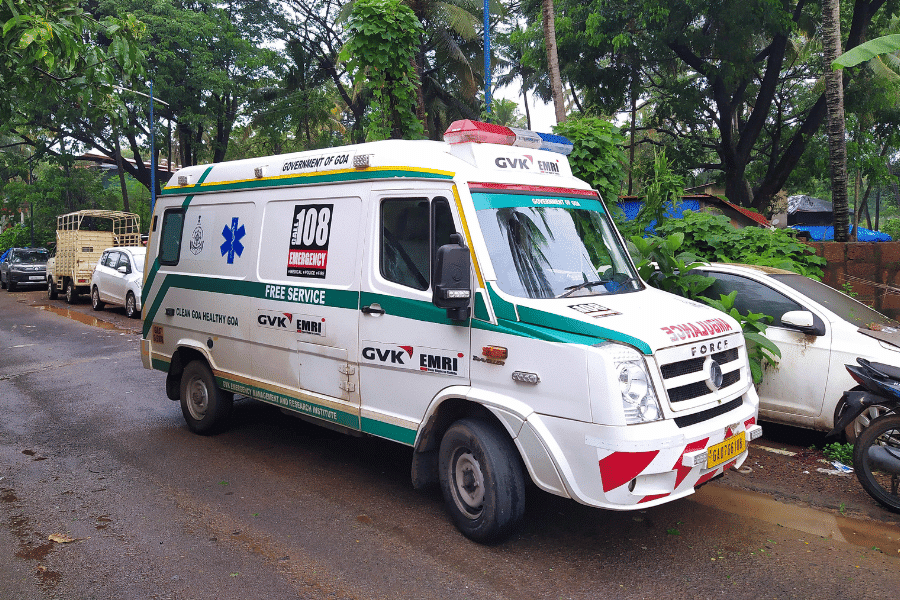
    Five ambulances equipped with lifesaving medical equipment, emergency medicines and a three-person team, including a paramedic, are now operating in Gurgaon, a relatively wealthy city north of Delhi, at 2,000 rupees or about US $23 per trip. That’s affordable for less than a third of the population.

    Touted as India’s first app-based private emergency healthcare service, this has set off a debate about its implications for a sprawling public health system that is notoriously overstretched, with only one ambulance per five million people.

    A few weeks after the service launched, one of its ambulance teams was able to stabilize a trauma patient on the way to the emergency department. This led neurosurgeon Deepak Agarwal at All India Institute of Medical Sciences, a premier medical college and hospital to laud the new service on social media. He called it a “healthcare revolution” that offers care he had only read about happening in developed countries.

    It was a stark contrast, though, with the experience of Roopa Rawat Singhvi, a regional nursing lead in emergency and trauma care, who encountered a road accident victim near the hospital on 3 March.

    “I continued to call 108 and 102 (India’s version of 911) to reach ambulance services,” she said. “However, the calls were not going through.”

    After call finally went through, it took half an hour for the first responders to arrive and they were police, not an ambulance, she said.

    Healthcare for those who can pay

    This contrast — one patient whisked away with ventilatory support and trained staff, another left waiting while vital minutes passed — captures the growing debate around Blinkit’s entry into emergency healthcare.

    This contrast shows the need to explore India’s first app-based private ambulance initiative as more than just a tech innovation story, but as a symptom of a deeper tension between privatization and public neglect.

    As India’s public health infrastructure is eroding, private players are stepping into the vacated spaces under the guise of innovation. The question is: Will this be a temporary fix or a long-term threat to equitable emergency care?

    It wasn’t meant to be this way. In 2007, P.V. Ramesh was the principal health secretary of the Indian state of Andhra Pradesh and worked on the first National Health Mission project to establish emergency ambulance services.

    He said that the public sector ambulance services that evolved into the current nationwide emergency service started as a partnership in Andhra Pradesh between the government and a not-for-profit entity, Byrraju Foundation.

    There was a clear understanding, he said, that it would be operated strictly as a public service without a profit motive.

    “It combined the ambulances equipped with essential emergency care infrastructure, trained human resources and a call center provided by the Byrraju Foundation with the funding, hospital network and effective oversight from the public sector that served all citizens of Andhra Pradesh in case of medical or surgical emergencies,” Ramesh said.

    A dire need for ambulances

    That not-for-profit plan quickly collapsed.

    “Ambulance drivers started taking money from the private hospitals to take patients there and the private sector companies that oversaw the operations also began to cut corners,” Ramesh said. “Even doctors became complicit in the slow rotting of the system. The system deteriorated when the political and bureaucratic masters stopped monitoring the system after awarding the contracts to their favorites.”

    Pre-hospital care is far from ideal in both the public and private sectors in India, says Gayatri, an emergency medicine physician in Mumbai. Gayatri, who asked that her last name not be used, has worked in both public and private hospitals.

    “I used to work in villages in Chhattisgarh and Bihar,” she said. “In some areas, we used to call the government ambulance, but they would often refuse to come, either because it was a conflict-ridden area or because the road was in poor condition. If we put pressure and keep calling, the ambulance would come, but then the driver would ask for 3,000 to 5,000 rupees from the patient to transfer them.”

    Gayatri said that because many of her patients feel scared and disempowered, they agree to pay. “Sometimes we have to fight with the ambulance drivers and tell them not to ask for money,” she said.

    Stalling for time when saving lives

    Gayatri vividly remembers a night when she was transferring a patient in a vehicle and the patient had a cardiac arrest. She called for an ambulance, but it arrived without essential medications or even an oxygen cylinder. They had to borrow an oxygen cylinder from a referral center in a nearby village, losing time.

    “In emergencies, every minute counts,” she said. “And not having access to even an oxygen mask or cylinder in the ambulance was shocking and distressing for me.”

    But even private sector hospitals where she has worked used to send doctors trained in traditional medicine who are not qualified to administer emergency care in place of paramedics to attend home emergencies or to transport patients from emergency sites to the hospital.

    India currently has an almost non-existent emergency response system.

    According to Indian government data, there are a total of 28,250 ambulances across its states and Union Territories such as Jammu and Kashmir. This includes ambulances with advanced medical services and paramedics, vehicles that only transfer patients in non-emergency conditions, even bicycles.

    Meeting international standards

    While international standards recommend one ambulance for every 50,000 population, with one basic life support ambulance or BLS and one advanced cardiac life support ambulance or ACLS per 100,000 population, India has one ACLS ambulance for every five million people — the number in the United States is one per 25,000 population — and one BLS ambulance for every 100,000 people.

    Meanwhile, quality is a more persistent issue than quantity. According to a 2020 study by the All India Institute of Medical Science in Delhi and the National Institution for Transforming India, 90% of ambulances lacked essential medical equipment and 95% were operated by untrained professionals.

    “The corruption and deterioration of the service, coupled with a lack of infrastructure to provide adequate emergency referral systems, has created a vacuum that has invited private players to reframe this as a business opportunity,” Ramesh said.

    That’s why, he said, it makes sense for Blinkit to fill that hole. They recognized that the current system doesn’t meet the demand for reliable ambulance service in case of medical and surgical emergencies and realized they could develop a service to cater to those with the means to pay for it.

    Singhvi believes there are lessons to be learned from Blinkit’s efficiency. “They’ve hired trained paramedics, optimized logistics and used technology effectively,” Singhvi said. “Public systems could adapt these strategies to improve accessibility and response times.”

    Profits and regulations

    Ramesh said that with the current public infrastructure in shambles, he only hopes that the private ambulance companies run this service ethically and that there isn’t a monopoly that will allow them to charge unreasonable rates.

    But Gayatri does not offer them the benefit of the doubt. “Blinkit is a private company and private companies operate on the principle of making a profit,” she said. “It is unreasonable to expect that they will function in a way that keeps the welfare of the people in mind.”

    Gayatri believes that the gap is intentional. It is because of lobbying by the private sector that has made the public sector reluctant to invest in strengthening its health systems. Good regulatory oversight from the government, could prevent private companies from charging too much, but Ramesh is not optimistic it will happen.

    “Even if robust regulations are formulated and a law is enacted, does the government have the capacity to enforce it?” he said. “Regulations have not been successful in the health sector.”

    Instead, Ramesh said that the emergence of private ambulance services should be seen as a wake-up call to the government to strengthen public sector ambulance services.

    Ramesh acknowledges that Blinkit fills a need. But ultimately, while Blinkit’s initiative may cater to a small, affluent population segment, it underscores the urgent need to address the systemic inadequacies plaguing public healthcare.

    “If they provide equitable, high-quality service at a fair price, without bias toward certain hospitals, they could complement existing healthcare services,” he said. “But private models inherently exclude the poor. In a country where universal health care isn’t prioritized, do people have an alternative?”


    Questions to consider:

    1. What are the concerns some people have over private ambulance services?

    2. How can a government ensure that an ambulance service won’t gouge people in need?

    3. Do you know how to call for an ambulance and do you know how long it might take to reach you if you needed one?


    Source link

  • Is social media turning our hearts to stone?

    Is social media turning our hearts to stone?

    As global digital participation grows, our ability to connect emotionally may be shifting. Social media has connected people across continents, but it also reshapes how we perceive and respond to others’ emotions, especially among youth. 

    Empathy is the ability to understand and share another’s feelings, helping to build connections and support. It’s about stepping into someone else’s shoes, listening and making them feel understood.

    While platforms like Instagram, TikTok and X offer tools for global connection, they may also be changing the way we experience empathy.

    Social media’s strength lies in its speed and reach. Instant sharing allows users to engage with people from different backgrounds, participate in global conversations and discover social causes. But it also comes with downsides. 

    “People aren’t doing research for themselves,” says Marc Scott, the diversity, equity and community coordinator at the Tatnall School, the private high school that I attend in the U.S. state of Delaware. “They see one thing and take it for fact.”

    Communicating in a two-dimensional world

    That kind of surface-level engagement can harm emotional understanding. The lack of facial expressions, body language and tone — key elements of in-person conversation — makes it harder to gauge emotion online. This often leads to misunderstandings, or worse, emotional detachment.

    In a world where users often post only curated highlights, online personas may appear more polished than real life. “Someone can have a large following,” Scott said. “But that’s just one person. They don’t represent the whole group.” 

    Tijen Pyle teaches advanced placement psychology at the Tatnall School. He pointed out how social media can amplify global polarization. 

    “When you’re in a group with similar ideas, you tend to feel stronger about those opinions,” he said. “Social media algorithms cater your content to your interests and you only see what you agree with.” 

    This selective exposure limits empathy by reducing understanding of differing perspectives. The disconnect can reinforce stereotypes and limit meaningful emotional connection.

    Over exposure to media

    Compounding the problem is “compassion fatigue” — when constant exposure to suffering online dulls our emotional response. Videos of crisis after crisis can overwhelm users, turning tragedy into background noise in an endless scroll.

    A widely cited study published in the journal Psychiatric Science in 2013 examined the effects of exposure to media related to the 9/11 attacks and the Iraq War. The study led by Roxanne Cohen Silver, found that vicariously experienced events, such as watching graphic media images, can lead to collective trauma.

    Yet not all emotional connection is lost. Online spaces have also created powerful support systems — from mental health communities to social justice movements. These spaces offer users a chance to share personal stories, uplift one another and build solidarity across borders. “It depends on how you use it,” Scott said.

    Many experts agree that digital empathy must be cultivated intentionally. According to a 2025 Pew Research Center study, nearly half of U.S. teens believe that social media platforms have a mostly negative effect on people their age, a significant increase from 32% in 2022. This growing concern underscores the complex nature of online interactions, where the potential for connection coexists with the risk of unkindness and emotional detachment. ​

    So how do we preserve empathy in a digital world? It starts with awareness. Engaging critically with content, seeking out diverse viewpoints and taking breaks from the algorithm can help. “Social media can expand your perspectives — but it can also trap you in a single mindset,” Scott said. 

    I initially started thinking about this topic when I was having the same conversations with different people and feeling a sense of ignorance. It wasn’t that they didn’t care — it was like they didn’t know how to care. 

    The way they responded to serious topics felt cold or disconnected, almost like they were watching a video instead of talking to a real person. 

    That made me wonder: has social media changed the way we understand and react to emotions?

    Ultimately, social media isn’t inherently good or bad for empathy. It’s a tool. And like any tool, its impact depends on how we use it. If we use it thoughtfully, we can ensure empathy continues to grow, even in a world dominated by screens.


    Questions to consider:

    1. What is empathy and why is it important?

    2. How can too much time spent on social media dull our emotional response?

    2. How do you know if you have spent too much time on social media? 


    Source link

  • Kidney disease doesn’t have to be a death sentence

    Kidney disease doesn’t have to be a death sentence

    At first, Carolyn Atim thought the headaches she was experiencing were just the residual echoes of pregnancy. Consultations then indicated she had high blood pressure. Slight of frame, barely out of her twenties, Atim had given birth to a boy in 2013. 

    Nine months later, the headaches hadn’t gone away and she was feeling unrelenting fatigue. She brushed them off.

    “I was so tiny,” she said. “And you know the perception that a tiny person doesn’t suffer from high blood pressure!” 

    Her doctor suggested she take some comprehensive tests. So she did them: renal function, liver function and complete blood counts. The verdict came as a blow. “You have end-stage kidney disease,” the specialist said.

    Atim didn’t know where to place that phrase. End-stage. It sounded so final. “You look at yourself, and you’re told you have a chronic illness,” she said. “You see yourself dying. I had hallucinations of being buried. I saw myself in a coffin.”

    The holistic costs of kidney disease

    In Uganda, kidney disease is not just a medical condition — it’s a verdict with economic, emotional and systemic implications. The country is slowly clawing its way toward better care, thanks in part to pioneers like Dr. Robert Kalyesubula, one of Uganda’s first nephrologists. 

    When he began his profession 15 years ago, he was only the third in the nation. Today, there are 13 kidney specialists and two more are expected. That’s progress, but measured against a growing burden.

    “About seven in every 100 Ugandans are living with kidney disease,” Kalyesubula said. 

    That translates to 7% or roughly 3.2 million people — a statistic that may not seem extraordinary at first glance. After all, the global burden is heavy. 

    A 2023 report in Nature Reviews Nephrology estimated that 850 million people — one in 10 worldwide — live with some form of chronic kidney disease. In the United States, the rate climbs to 15% of adults; in Europe, it ranges from 10 to 16% depending on the country.

    But prevalence tells only part of the story. 

    Inequity in healthcare

    In high-income countries, there are safety nets: screening programs, subsidised treatment and specialist care. In much of sub-Saharan Africa, the same illness unfolds without a cushion or warning.

    The World Health Organisation already ranks chronic kidney disease among the top 10 causes of death globally. The trajectory is alarming. By 2040, researchers expect it to become the fifth leading cause of years of life lost, overtaking many cancers. 

    The drivers are familiar: longer life spans, surging rates of hypertension and diabetes and widespread neglect of early detection. In countries like Uganda, where comprehensive testing is still a luxury, the disease often makes itself known only when the body is in full collapse.

    “Fifty-two percent of our patients come when they are already at stage five,” Kalyesubula said.

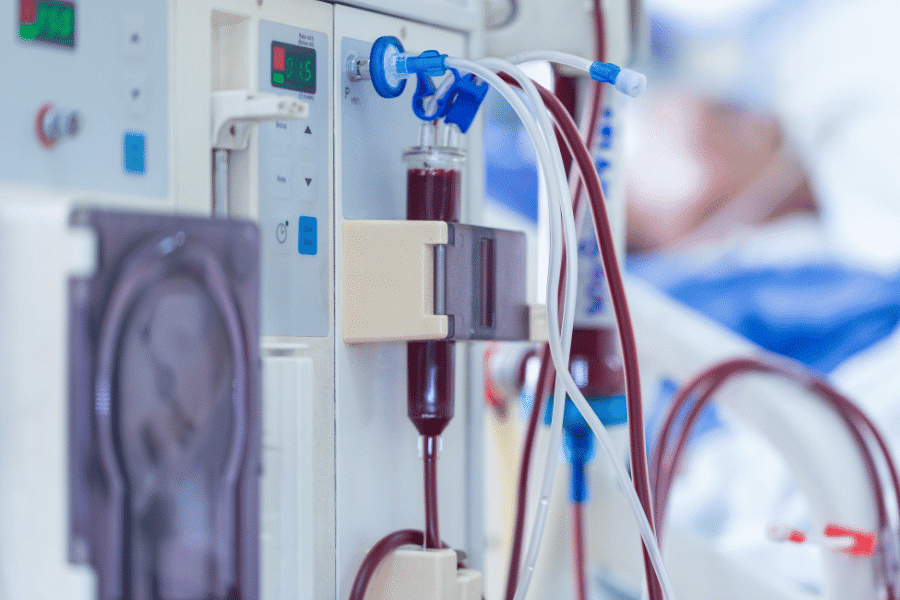
    By then, treatment is no longer medical alone — it is economic. Stage five is the red zone: dialysis or death. Dialysis, in Uganda, will demand four million shillings per month — about US $1,100, cash on delivery — just to keep the body’s silent custodian from shutting down.

    A transplant? That fantasy starts at 100 million shillings (about US $27,000). This, in a nation where only 1% of about 23 million working Ugandans earn more than a million shillings a month. Nearly half survive on less than 150,000 shillings. 

    An economic death sentence

    In countries like Uganda, kidney failure isn’t just a medical crisis, it’s an economic death sentence. But Atim’s story didn’t end at diagnosis.

    She found herself clawing at survival — medical appointments twice a week, pill regimens that bloated her cabine and a spiritual fog that refused to lift. Her saving grace came in a rare combination: a devoted husband, an unusually supportive employer and a doctor who didn’t just treat her but stood by her.

    “Dr. Kalyesubula told me, ‘You’re still a young girl. Get me a donor, and we shall find the money. God will help us,’” she said.

    Atim did find a donor. Her sister stepped forward. Her employer, moved by her story, urged her to go to the media — not to plead, but to make a case to headquarters for support. Her husband’s workplace did the same. Friends, colleagues, family — they all mobilized.

    “I was lucky,” Atim said. “Other people go to the media to beg. For me, my company said, ‘Go, so we can help you.’”

    A new lease on life

    The transplant took place in India in 2015. The morning of the operation, someone unexpected showed up at her bedside.

    “I opened my eyes, and there he was — Dr. Kalyesubula. I didn’t even know he had flown in. That humbled me,” she said. “He had seen the journey through.”

    For Kalyesubula, his work is a calling. “One day I was with my family at school — visiting day,” he said. “I had promised my daughter I won’t work. But then I got this call — ‘You are the one who has to save me.’ I had to leave.”

    Uganda now has over 300 dialysis machines — up from just three when Dr. Kalyesubula started — and more than 25 centers spread across the country. 

    Kidney care is expanding, even if slowly. Yet transplants within Uganda remain rare, and still rely heavily on partnerships with hospitals in India. The selection process is tight: donors must be related, young and a near-perfect match. Atim knows how slim her chances were.

    “If Dr. Kalyesubula hadn’t insisted on a preemptive transplant, I would have gone on dialysis,” she said. “And with our income, that might have been the end.”

    Instead, she got her life back. She’s gained weight. “From 40 kilos to 72,” she said, laughing. And she works full-time. 

    Their bond has grown beyond prescriptions and reviews. They speak quarterly, consult online and even banter like old friends. “We call each other ‘dear’ — like family,” she said. “We even joke now. He says he won’t compete with me again on weight loss — I always win.” 

    Expanding treatment for all

    Kidney disease still looms in Uganda, but progress is undeniable. Over 300 dialysis machines now serve patients in multiple districts. Transplants are possible — though limited to close relatives — and awareness is growing.

    Dr. Kalyesubula doesn’t mince words when it comes to the kidney’s role in the body. “If it’s not working well, you die,” he said. “Its importance is in making blood. Its importance is in removing toxins. Its importance is in controlling your blood pressure, regulating electrolytes, maintaining your internal environment — so that everything else can function at all.” 

    Think of it as the body’s meticulous custodian — part janitor, part electrician, part life support, he said. It scrubs the blood clean, balances the chemistry of survival and even directs traffic, ensuring oxygen-rich blood reaches the brain, the heart, the muscles. Without it, the delicate machinery of the body grinds to a halt.  

    But here’s the twist: Since only 7% of the country is living with kidney disease, he said, what are the rest doing that they’re not? Is it luck? Genetics? Or something more mundane?

    The best treatment, it seems, is prevention. “Drink enough water, avoid excessive salt and alcohol, eat fruits and fresh foods, move your body — exercise — don’t take over-the-counter drugs carelessly,” he said. “And once you click 30 — at least do a body check-up once a year.” 

    Raising awareness

    Prevention is simple and inexpensive advice, but ignoring it carries a steep price, especially in Uganda, where a kidney disease diagnosis can unravel the life of an ordinary working person faster than the disease itself.  

    That’s why Atim has become a leader in the silent, underserved world of kidney patients in Uganda, sharing her story when asked, opening up her pain so others might find their way out of theirs.

    She’s become a relentless advocate for affordable medication, creating and distributing kidney disease awareness, chasing down funding and forging hospital partnerships, all in the name of accessibility. It’s a fight born of necessity. She knows too well the scramble for kidney drugs, the way they vanish from pharmacy shelves, the maddening logistics of imports when the local supply runs dry.  

    She still sees Dr. Kalyesubula quarterly. She still worries about infections and relapses. But she is alive and raising her son. She is living. 

    “The transplant gave me a second chance,” she said. “I think that’s what many people don’t realize — it’s not about being whole again. It’s about having time. A support system, and never losing hope. Saying to death, ‘not today’. And for me, that’s everything.”


    Questions to consider:

    1. Why do fewer people in the United States die from kidney disease per capita than in the Uganda?

    2. What are some ways to prevent kidney disease?

    3. Do you think young people need to worry about diabetes? 


    Source link

  • To combat obesity, let’s change how we measure ourselves

    To combat obesity, let’s change how we measure ourselves

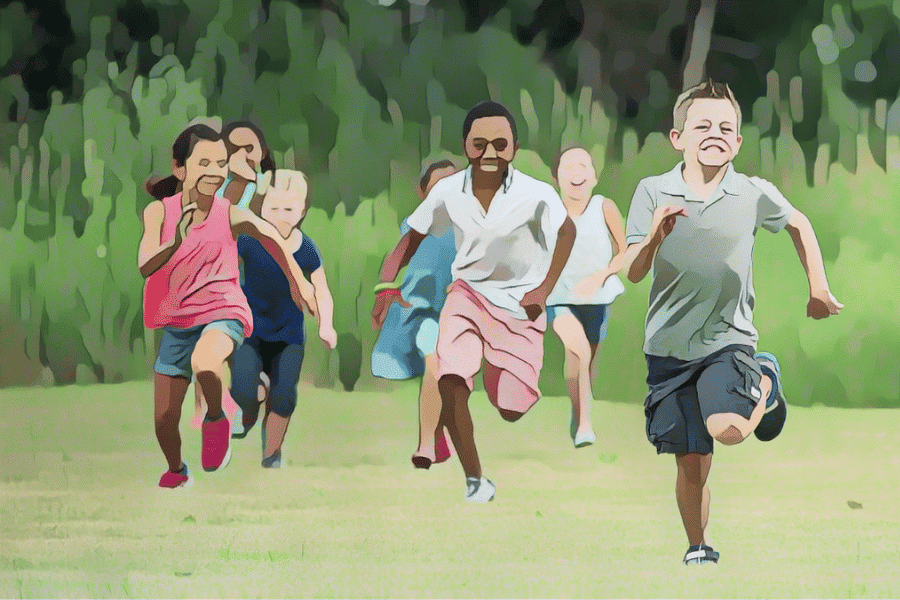
    When Mary Garrett was a child, kids walked to school and played outside after school. But today is a different world. Now Garrett worries about the lifestyles of the children she sees at the Tatnall School, in the U.S. state of Delaware, where she is a nurse. 

    “I don’t think kids have that kind of opportunity anymore,” she said. “I think the lifestyle changes, even having fewer sidewalks, like the neighborhood we live in now doesn’t have sidewalks.” 

    Kids, she said, don’t have that flexibility and freedom anymore. And that could be a big reason that so many young people are overweight.

    According to the U.S. National Institutes of Health (NIH), 1 in 6 children ages 2-19 in the United States are classified as overweight, while 1 in 5 children are diagnosed with obesity. Severe obesity has also increased from 7.7% of the population to 9.7% in two years. On the global scale, obesity has similarly skyrocketed. 

    The World Health Organization (WHO) reports that obesity has more than doubled in adults since 1990 and more than quadrupled in adolescents. 

    According to the WHO, in 2022, 2.5 billion adults were overweight. 37 million children under the age of 5 are classified as overweight. 

    Changing the way we measure weight

    Many factors contribute to obesity, such as genetics, types and amount of food and drink consumed, physical activity, sleep habits and access to necessities like areas to exercise and food. Nurse Garrett concludes that two key factors are physical activity and the rising convenience and prevalence of processed snacks. As the rise of a more sedentary lifestyle, for instance, not walking to school, becomes more popular, the need to spend time outdoors engaging in activity becomes even more critical. 

    In a report published in The Lancet Diabetes & Endocrinology journal, a group of 58 experts are recommending that obesity should no longer be defined by a BMI, or body mass index that is calculated according to height and weight, but by a combination of measurements, including waist circumference and evidence of health issues.

    The new classification for BMI makes it easier to determine obesity, which begins to tackle the issue of where obesity stems from and how to prevent it in children as young as age two.

    The NIH defines being obese as “a person whose weight is higher than what is considered to be a normal weight for a given height is described as being overweight or having obesity.” 

    However, Garrett said that that definition is not that simple. “BMI was actually based on a white man’s profile. So it doesn’t take into account females versus males, Latino versus white,” Garrett said.

    Yet, obesity is not restricted to one demographic. According to the National Center for Health Statistics, the prevalence of severe obesity is 9.4% higher in women than in men in the United States, while it is significantly lower in adults with at least a bachelor’s degree.

    Keeping kids healthy

    Access to nutritional food, outdoor spaces in which to exercise, and unhealthy sleep habits are a global concern, particularly in developing countries. Wilmington, Delaware, is no exception. Doctors calculate a person’s weight status from a young age, beginning with a child’s pediatrician.

    The weight of a child is calculated based on comparison with other same-age and same-sex children using charts from the U.S. Centers for Disease Control. The subject of obesity and living a healthy lifestyle is a critical conversation for parents to have as they raise the next generation.

    There are an endless number of factors that can lead to a person being overweight or being diagnosed with obesity. 

    The NIH says that genetics and medical conditions, two variables outside of anyone’s control, can make it difficult to maintain a healthy weight. Obesity can also increase the risk of health problems like type 2 diabetes, high blood pressure and heart disease. Yet, there are modern societal factors besides just potato chips and soda that have emerged that play a large role in the rising rate of obesity in the United States. 

    Garrett sees kids eating processed foods a lot. “I think there’s also changes in our food and eating habits that could have an impact,” she said. “I think a lot of our food choices have been impacted by marketing.” 

    Pushing junk food

    A rise in advertising for processed foods on television, which the overwhelming majority of children have access to in the United States, contributes to this. 

    Researchers at the University of Ottawa in 2021 found that on average, children see approximately 1,000 food-related advertisements on television each year. Yet, can you remember the last time you saw an ad for a salad, or maybe grilled salmon with vegetables? Probably not. But it’s likely you saw a Burger King ad in the past day, maybe even twice or more a day. 

    Most advertised products boast organic ingredients or appeal to certain dietary plans. Garrett, on the other hand, questions whether a vegan and gluten-free protein bar is healthier than simply making a peanut butter sandwich on homemade or whole bread. 

    This poses the question: What role are parents playing in a child’s view of what is healthy and what isn’t?

    Kids can’t be expected to be well-versed in healthy choices from the moment they are born. It is up to the parents or guardians to educate and provide an example for children as they learn to make their own choices. 

    Tackling family obesity

    Globally, there is a clear relationship between parent and child obesity. In a study published in 2021, researchers from Sungkyunkwan University School of Medicine in South Korea found that children with overweight or obese parents are 1.97 times more likely to be overweight or obese than peers with healthy-weight parents.

    Garrett is a parent and believes that a lack of education could be one of the reasons why so many parents struggle to properly educate their children on healthy choices. 

    “I don’t think we learn enough about nutrition and guidance for families to best raise their children as healthy eaters and healthy people,” Garrett said. She pointed to the ‘MyPlate’ symbol created by the U.S. Department of Agriculture to showcase the five food groups and how much of each should be consumed at each meal. “I’m not really sure that the [U.S. Department of Agriculture] is always giving us the most comprehensive healthy information,” she said.

    What we need, she said, is to teach more about nutrition. When giving students guidance on what healthy eating looks like, as well as educating parents on nutritional components, a healthy diet is sure to be an easy skill to master. 

    Another flaw with how we define obesity is its lack of incorporation of athletes. Researchers in Australia in 2018 found that athletes, or those who train daily for a specific sport, have a significantly lower BMI than the average person. 

    Weight differs from person to person

    Garrett said that the absence of a clearly specified description of BMI for athletes can pose many types of problems.

    “You could put an athlete who weighs, I’m just making this up, but say 5’10” weighs 160 next to another person who’s 5’10” and weighs 140 and their BMI could be the same, but the athlete is more muscle and the other person is perhaps more fat,” Garrett said. 

    This explains what many athletes struggle with: knowing what is healthy when performing and exercising at a high level.  Two teens may have a similar height and weight, but one may be a top-notch athlete who practices their sport for up to three hours a day. This difference completely changes what the USDA or other medical resources may say about appropriate nutrition. 

    This factor, which includes many school-age children who participate in school or club sports, adds another layer to the question of whether the body mass index is a good way to measure obesity and being overweight or not. 

    As a distance runner since the sixth grade, proper fueling has long been a topic of both interest and necessity for me. However, with the rise of ads for different processed foods and fitness influencers online, I began to question my own relationship with food. Was what I was eating healthy enough? Would eating less make me faster?

    Food and health

    Food not only provides for your body physically, but also mentally. A positive relationship with nutrition has long been something I have worked on achieving, particularly as I became more competitive in my sport. I learned that not only does food give me strength, but it also gives me the power to perform to my best ability. 

    Underfueling can be the source of injury and a negative and self-deprecating mindset, and is not talked about enough when discussing an athlete’s mental and physical health.

    I can’t compare my body to another that doesn’t run 40-mile weeks or who doesn’t race competitively. Learning about the right choices to keep my body healthy and ready to perform at a high level has been one of the most critical aspects of my athletic career. 

    As obesity rates continue to rise, it is critical to continue educating the next generations on the right steps to take in making healthier choices. It can be as simple as promoting fruits and vegetables over a bag of chips at school or planning a family bike ride instead of playing video games. 

    With new definitions for BMI adding a new complex layer to the quest to reduce obesity, nothing is as important as staying on top of suggestions and guidelines from medical experts. Becoming well-educated on healthy habits can affect not only an individual but also the people around them. 

    As Garrett concludes: “I think we could change a lot by teaching our kids and families.”


    Questions to consider:

    • How is obesity measured?

    • What are some factors that contribute to weight problems?

    • Can you think of ways schools can help children and teens live a healthier lifestyle?


    Source link

  • Can we de-stress from climate change distress?

    Can we de-stress from climate change distress?

    Consider that BP, one of the world’s biggest oil companies, popularised the term “carbon footprint”, which places the blame on individuals and their daily choices. 

    Anger also comes up a lot, Robinson said, particularly for young people. 

    “They’re angry this is happening,” she said. “They’re angry they have to deal with it. They’re angry that this is their world that they’re inheriting and that all totally makes sense. It’s not fair to burden young people with this. It’s really important that they have support and action by adults in all kinds of ways throughout society.”

    Working through our feelings

    Then there’s sadness and grief. 

    “We have of course loss of life in many climate disasters,” Robinson said. “That’s really significant. And loss of habitat, loss of biodiversity, loss even of traditions and ways of life for a lot of people, often in Indigenous cultures and others as well.”

    One of the most simple and effective ways we can deal with climate distress is by talking about it, and by giving young people the opportunity and space to do so. 

    “One of the hardest things is that people often feel really isolated,” Robinson said. “And so talking about it with someone, whether that’s a therapist or whether that’s in groups … just anywhere you can find to talk about climate emotions with people who get it. Just talk about climate change and your feelings about it.”

    Having a space to discuss climate change and their feelings associated with it can help a young person feel understood. Talking about feelings in general, known as “affect labelling”, can help reduce the activity of the amygdala — the part of the brain most associated with fear and emotions — in stressful times.

    Unplug yourself.

    Unlimited access to the internet does allow young people to connect with like-minded people and engage in pro-environmental efforts, but the amount of information being consumed can also be harmful. 

    Climate change is often framed in the media as an impending environmental catastrophe, which studies say may contribute to this sense of despair and helplessness, which can lead to young people feeling apathetic and being inactive. 

    Robinson said that while you don’t need to completely cut out reading the news and using social media, it is important to assess the role of media consumption in your life. She suggested setting a short period of time every day where you connect to the media, then try your best to refrain from scrolling and looking at your phone for the rest of the day. 

    “Instead, look outside at nature, at the world we’re actually a part of instead of what we’re getting filtered through the media,” she said.

    For some people, looking at social media around climate is a way of connecting with a community that cares about climate, so it can still be a useful tool for many people. 

    “Our nervous systems can get really hijacked by anxiety,” Robinson said. “We know that when mindfulness is a trait for people, when it really becomes integrated into who they are, that it does help. It’s associated with less climate anxiety in general.”

    Take in the nature around you.

    Studies show that mindfulness can improve symptoms of anxiety and depression. Robinson says this is partly due to it allowing us to be present with whatever feelings come up, that it helps us to stay centred throughout the distress. 

    It can be as simple as taking a mindful walk in a nearby forest or green space. While of course forests are helpful in absorbing carbon and reducing emissions, they can also help us reduce stress. Some studies have shown that spending more than 20 minutes in a forestnoticing the smells, sights and sounds — can reduce the stress hormone cortisol

    Robinson said that one of the more powerful things you can do is to band together with others. 

    “Joining together with other people who care and who can have these conversations with you and then want to do something along with you is really powerful,” she said. “We’re social animals as humans, and we need other people and we really need each other now during all of this. And it’s so important to be building those relationships if we don’t have them.”

    It is possible that climate anxiety can increase when young people learn about climate change and the information is just thrown out there, Robinson said, and the opportunity to talk about emotions should be incorporated into learning. 

    “It is different than learning math, or learning a language,” she said. “It’s loaded with all kinds of threat. Kids need to know what to do with that because there is going to be an emotional response.”

    Take climate action.

    It has also been shown that action can be an “antidote” for climate anxiety and that education centred around action empowers youth, when providing ways of engaging with the crisis collectively. 

    Teachers can then help students connect their feelings with actions, whether that be in encouraging their participation in green school projects or on a broader level in their communities. 

    “That action, it helps, it really gives people a sense of agency and they know that they are making a difference,” Robinson said.

    We need to come together, she said, not just to help us feel better, but to find solutions. “I really think that our connection, our systemic issues that we have, are so profound and they really push us away from each other in so many ways.”

    Our societies often favour consumption over connection, she said. “As human beings we developed in the context of nature, evolutionarily,” she said. “We were immersed. We were part of nature, and we are still, but we have increasingly grown apart from that relationship.”

    That changed over time. Now people spend little time in nature even though it’s often all around them.

    “From an eco-psychological sort of point of view, we’re embedded in that system, and we’re harming that system because of that separation that’s developed,” she said. 


    Questions to consider:

    1. What is “climate anxiety”?

    2. What is the connection between climate anxiety and education?

    3. How do you handle the stresses that you are under?


    Source link