Category: higher education

  • Busting Roadblocks in the Community College Enrollment Cycle

    Busting Roadblocks in the Community College Enrollment Cycle

    Top Student Enrollment Roadblocks and How to Overcome Them

    In my more than two decades of steering enrollment management at various institutions, I’ve seen students encounter numerous hurdles on their journey to and through higher education. 

    My experience has consistently shown that the decision to enroll is heavily influenced by four critical factors: 

    Understanding these priorities is critical to attracting and retaining students in the community college space. By aligning your enrollment strategies with the needs and expectations of prospective students, you can ensure a smoother, more engaging educational journey that benefits both the students and your educational institution alike. 

    Common Ease of Enrollment Roadblocks for Students

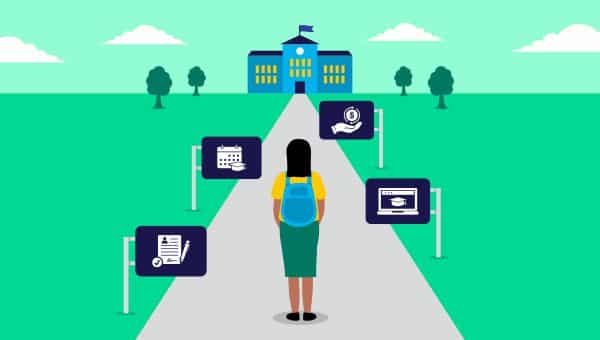
    The pursuit of higher education is a daunting task in itself. When students encounter challenges at the enrollment phase — before the actual coursework even starts — it can be easy for them to bow out of the process altogether. To ensure that doesn’t happen, avoid these common pitfalls in the community college enrollment journey: 

    Complex Enrollment Processes

    Orientation and Information Overload

    Confusing Websites

    Placement Testing Delays

    How to Overcome Ease of Enrollment Roadblocks

    So, those are the potential enrollment roadblocks for community college students. But what are the enrollment solutions? Solutions for overcoming enrollment roadblocks for community college students include the following: 

    Common Clear Path to Graduation Roadblocks for Students

    Now that you’ve mowed down the enrollment roadblocks, it’s time to ensure that the ride stays smooth. Remember, it’s never too late for students to change their direction. They might do so if these issues persist: 

    Course Registration Problems

    Technology Barriers

    How to Create a Clear Path to Graduation

    Constructing a clear path to graduation isn’t easy, and with limited resources, it can be difficult to avert every bump in the road. But in my experience, you can keep most students on track by focusing on these two key areas: 

    Common Reasonable Degree Completion Roadblocks for Students

    You’ve cleared two major hurdles by easing the enrollment process and creating a clear path to graduation. But you’re only halfway home. Here are some common mistakes institutions make when it comes to the time it takes to complete a degree: 

    Inadequate Academic Advising

    Lack of Clear Communication

    Social and Emotional Challenges

    How to Help Students Reach Their Goals in a Reasonable Amount of Time

    When it comes to keeping students on track, intervention is key. Follow these tips: 

    Common Cost/Benefit Roadblocks for Students

    You’ve now reached the last but never the least critical roadblock in higher education: return on investment. It’s why your students are showing up, and if the numbers don’t make sense, they can — and should — turn back. Here are some financial concerns that your students are likely to face: 

    Housing and Transportation Challenges

    Cost of College Data Is Hard to Find

    Ways to Help Students With Their Financial Concerns

    Your institution is responsible for ensuring that students understand their financial obligations and how to meet them. Here are a few ways that you can do this: 

    Bust Down Roadblocks by Partnering With Archer 

    In my 20 years of experience, I’ve helped lots of institutions navigate these potential roadblocks to enrolling and retaining more students. And I’m far from alone in my expertise at Archer. Our full-service team partners with colleges of all kinds to help them build and scale their capacities. 

    Is your institution ready for a collaborative partner who takes the time to get to know you, then makes custom recommendations based on decades of experience? Reach out to us today

    Subscribe to the Higher Ed Marketing Journal:


    Brian Messer

    Brian Messer has over 20 years of experience overseeing all aspects of university administration, including online, operations, academic affairs, enrollment management, marketing, financial management, and human resources and student affairs. Specifically, his extensive experience in scaling marketing and enrollment initiatives in all sectors of nontraditional higher education have contributed to student success and growth at many institutions of higher learning.
    Messer holds a doctorate in higher education administration from Saint Louis University.
    Source link

  • InsightsEDU 2025 – Marketing and Enrollment Management for Adult and Online Education 

    Date: February 12-14, 2025
    Location: The Ritz Carlton, New Orleans

    EducationDynamics’ InsightsEDU is one of the only higher education marketing and enrollment management conferences focused on the Modern Learner. Every year, InsightsEDU brings together thought leaders, decision-makers, and professionals from colleges, universities, and education-related organizations nationwide. The mission of InsightsEDU is to create a platform for the exchange of ideas, strategies, and innovations that propel higher education forward.

  • 2025 Presidents Institute

    Date: January 4–7, 2025
    Location: San Antonio, TX  

    The Council of Independent Colleges’ 2025 Presidents Institute serves as a pivotal gathering amid the shifting higher education environment, offering a space for leaders to address key challenges. The 2025 gathering will provide over 300 college and university presidents, along with nearly 750 participants, the opportunity to explore how strategic community engagement can transform challenges into opportunities. With a focus on critical issues like financial sustainability, legal challenges, DEI and belonging, and federal policy, this event offers timely insights for navigating higher education’s political landscape.

  • SXSW EDU Conference & Festival 2025  

    Date: March 3-6, 2025 
    Location: Austin, TX 

    Immerse yourself in four days of unparalleled learning and collaboration at the SXSW EDU Conference & Festival. Designed for education professionals, industry leaders, and policymakers, this pivotal event ignites creativity and fosters innovation in the field of education. 

  • 2025 UPCEA Annual Conference 

    Date: March 24-26, 2025
    Location: Denver, CO  

    UPCEA’s Annual Conference is one of the most significant assemblies of thought leaders and practitioners today in the field of professional, continuing, and online education. Deans and other senior university leaders, key staff, and teams responsible for the management, administration, and growth of professional, continuing, and online education programs attend every year to gain insights on the most pressing topics in the higher education landscape – including federal policy, finance and operations, marketing and enrollment management, instructional design, noncredit programs, alternative credentialing, and more.  

  • American Association of Community Colleges (AACC) 2025 

    Date: April 12-16, 2025
    Location: Nashville, TN

    The American Association of Community Colleges (AACC) Annual Conference hosts a premier professional development event for leaders and stakeholders in the community college sector. It features impactful keynote presentations, focused breakout sessions, technology showcases, and peer-to-peer exchanges, all aimed at addressing the most pressing challenges and opportunities in two-year colleges. With a focus on innovation, problem-solving, and extensive networking opportunities, the AACC Annual Conference serves as an essential platform for shaping the future of community college education.

  • The American Association of Collegiate Registrars and Admission Officers (AACRAO) 110th Annual Meeting 

    Date: March 30 – April 2, 2025
    Location: Seattle, WA 

    Join a global network of higher education professionals at the AACRAO Annual Meeting, where leaders from various disciplines come together to explore, engage, and advance the field. This event provides an opportunity to discuss the ever-changing landscape of higher education, share valuable insights, and collaborate on practical solutions to real-world challenges. Each year, the AACRAO Annual Meeting tackles emerging issues and trends, offering attendees the chance to deepen their knowledge, expand their network, and contribute to the future of higher education.

  • OLC Innovate 2025 

    Date: April 1-4, 2025
    Location: Nashville, TN

    The Online Learning Consortium (OLC) is a group of higher education leaders and innovators who work to advance quality digital teaching and learning experiences. OLC Innovate 2025 offers educators of all experience levels to explore, share, and advance digital and blended learning. Themed “The Rhythm of Innovation: Hitting the High Notes in Digital Education,” the conference will reimagine how today’s disruptions shape tomorrow’s classrooms.

  • 2024 Higher Learning Commission (HLC) Annual Conference 

    Date: April 5-8, 2025
    Location: Chicago, IL 

    HLC’s Annual Conference is geared towards administrators in the higher education community, including administrative professionals, faculty members, CEOs, presidents, and chancellors. Sessions, speakers, and workshops provide opportunities for institutions that seek accreditation and offer information on the latest developments, issues, and best practices in higher education. The 2025 conference will explore how colleges and universities use higher education to address evolving student and societal needs, impart workforce skills, fuel innovation, and tackle today’s most pressing challenges.

  • ASU+GSV Summit 2025 – Learning at the Speed of Light 

    Date: April 6-9, 2025
    Location: San Diego, CA 

    The ASU GSV Summit brings together leading thinkers in digital learning and workforce skills to create a future where everyone has equal access to opportunity. It is a community of educators, entrepreneurs, investors, and innovators in the educational technology and higher education industry who are motivated in reshaping society and education through innovation.  

  • NAGAP, The Association for Graduate Enrollment – 2025 Graduate Enrollment Management Summit 

    Date: April 23-26, 2025  
    Location: San Francisco, CA

    NAGAP’s annual summit unites professionals engaged in every aspect of the graduate enrollment lifecycle—from admissions and recruitment to financial aid, academic affairs, and beyond. As the only professional organization dedicated exclusively to graduate enrollment management, NAGAP provides a unique platform for addressing the specific concerns and challenges faced by those in this field.

  • Digital University Week – Inside Higher Ed/Times Higher Education 

    Date: May 2025
    Location: TBD

    Digital University Week, hosted by Inside Higher Ed and Times Higher Education, brings together leaders in higher education’s digital transformation to explore the opportunities and challenges of a digital-first future. The event focuses on overcoming institutional silos, fostering industry collaboration, and maximizing resources while emphasizing a human-centered approach for equitable digital learning. The series offers an intimate setting for impactful conversations, sparking new ideas and building connections to reshape the future of education. 

  • 2025 Career Education Colleges and Universities (CECU) Convention 

    Date: May 27-29, 2025
    Location: Las Vegas, NV

    The 2025 North American Career Education Convention is regarded as the largest gathering of private career education professionals nationwide. Featuring renowned keynote speakers, expert-led sessions, and ample opportunities to connect with sector leaders, this conference attracts a diverse audience each year, fostering collaboration and innovation in postsecondary career education.

  • Slate Summit 2025 

    Date: June 25-27, 2025
    Location: Las Vegas, NV

    The Slate Summit, an exclusive event led by the Slate community, provides a deep dive into specific Slate topics through expert-led sessions and offers networking opportunities with like-minded peers in affinity group breakouts. This year’s Summit, tailored for admissions, student success, and advancement professionals, promises to be the most engaging and informative yet, featuring industry experts, interactive workshops, and unparalleled networking opportunities. 

  • eduWeb Summit 2025 

    Date: July 15-17, 2025 
    Location: Portland, ME 

    The eduWeb Summit is a community of higher education professionals and industry partners who are passionate about advancing their marketing, communications, and digital work. This conference gathers higher education professionals and industry partners from 16 countries and all 50 states. Attendees benefit from enhanced networking opportunities, engaging with peers and potential partners while gaining valuable insights into web and digital experiences, AI and analytics, leadership and innovation, and enrollment marketing. 

  • UPCEA DT&L and SOLA+R 2024 – Distance Teaching & Learning Conference and Summit for Online Leadership & Administration + Roundtable 

    Date: TBD
    Location: TBD

    UPCEA’s DT&L and SOLA+R event combines 2 conferences into 1 seamless experience. It captures all the elements of digital transformation and leadership in a holistic way—from teaching and learning to leadership and administration—preserving the salient issues for two distinct professional communities, while catalyzing dialogue across all facets of the larger field. This event is ideal for key campus leaders – presidents, provost, deans, instructional designers, faculty, and other focused on digital leadership. 

    UPCEA DT&L and SOLA+R 2025 Conference details have not been released at this time, but you can view last year’s event page for more information. 

  • UNCF Unite 2025 

    Date: July 20-24, 2025
    Location: Atlanta, GA 

    UNITE, powered by the United Negro College Fund (UNCF), is the nation’s leading annual gathering for Historically Black Colleges and Universities (HBCUs) and Predominately Black Institutions (PBIs). This influential event brings together thought leaders, change agents, and community partners to accelerate institutional transformation, address shared challenges, and celebrate achievements. Through networking, discussions, and celebration, UNITE fosters innovation within higher education and propels institutions towards a brighter future for all students.  

    UNCF Unite 2025 Conference details have not been released at this time, but you can view last year’s event page for more information.

  • HashtagHigherEd 2025

    Date: TBD
    Location: TBD

    HashtagHigherEd is a dedicated forum of professionals in higher education marketing and communications to converge, fostering the exchange of best practices amidst the complexities of a competitive and ever-evolving landscape. This dedicated forum provides a space for these professionals to collaboratively discuss effective communication, marketing, and branding strategies tailored to the unique challenges of the higher education sector.   

    HashtagHigherEd US 2025 Conference details have not been released at this time, but you can view last year’s event page for more information.

  • HighEdWeb Association Annual Conference 2025 

    Date: September 28-October 1, 2025
    Location: Online and Grand Rapids, Michigan  

    Connect with colleagues and explore the impact of digital media on higher education at the HighEdWeb Annual Conference 2025. Designed for professionals across all roles—programmers, marketers, social media experts, managers, designers, and writers—this event offers diverse track sessions, an inspiring keynote, and group discussions. Engage with a vibrant community, gain valuable insights, and address unique digital challenges faced by colleges and universities, all while expanding your network and enhancing your professional development. 

  • NACAC Conference 2025 

    Date: September 18-20, 2025 
    Location: Columbus, OH

    The NACAC Conference 2025 will gather over 6,000 dedicated counselors in Los Angeles to exchange best practices, gain inspiration, and explore cutting-edge research in admission counseling. This event provides higher education counselors with the chance to discover innovative strategies, engage with thought leaders and peers, stay updated with the latest research, and connect with a diverse community of professionals. 

  • UPCEA Convergence 

    Date: TBD
    Location: TBD

    The UPCEA Convergence conference explores contemporary trends and emerging models within the realm of alternative credentials. This event, a collaborative effort by UPCEA and AACRAO, serves as a platform for key campus figures involved in credential innovation. This includes deans of professional education, chief online learning officers, registrars, and their respective teams. Together, they aim to delineate and refine institutional strategies concerning alternative credentials.  

    UPCEA Convergence 2025 conference details have not been released at this time, but you can view the 2024 event page for more information. 

  • P3 EDU – Innovation and Public-Private Partnership in Higher Education

    Date: TBD
    Location: TBD 

    P3 EDU is an invitation-only annual conference that brings together university administrators, government officials, and representatives from foundations and corporations to discuss public-private partnerships in higher education. Attendees will delve into partnership opportunities, share best practices, and address the challenges of implementing successful public-private partnerships in higher education.  

    P3 EDU 2025 conference details have not been released at this time, but you can view the 2024 event page for more information.

  • Educause Annual Conference 2025

    Date: October 27-29, 2025 
    Location: Nashville, TN and Online 

    The Educause Annual Conference is the premier event for higher education technology professionals, connecting the brightest minds in the field. This global gathering brings together individuals from diverse backgrounds within the higher education industry – practitioners, researchers, and solution providers – to share ideas, develop their expertise, and discover innovative solutions to contemporary challenges.  

    The Educause Annual 2025 Conference details have not been released at this time, but you can view the 2024 event page for more information. 

  • 2025 AMA Symposium for the Marketing of Higher Education  

    Date: TBD
    Location: TBD 

    For over 30 years, the AMA Symposium for the Marketing of Higher Education has offered a dynamic glimpse into the ever-evolving landscape of higher education. With a program featuring peer-reviewed content, attendees gain the strategic insights needed to elevate their marketing strategies, enhance their institutional reputation, and ensure financial strength. Beyond the wealth of sessions, the Symposium serves as a vibrant community where knowledge seamlessly transitions into actionable initiatives, making it an invaluable resource for marketers looking to shape the future of higher education, foster growth, and ensure vitality.   

    The 2025 AMA Symposium Conference details have not been released at this time, but you can view the 2024 event page for more information. 

  • OLC Accelerate 2025

    Date: November 17-20, 2025
    Location: Orlando, FL 

    The OLC Accelerate conference showcases groundbreaking research and effective practices in online, blended, and digital learning. It offers a diverse range of sessions and activities designed to support administrators, designers, and educators by addressing the unique challenges and goals of the entire community. This event is a comprehensive resource for staying at the forefront of innovative practices in digital education.  

    The OLC Accelerate 2025 Conference details have not been released at this time, but you can view last year’s event page for more information.

  • UPCEA MEMS 2025

    Date: TBD
    Location: TBD

    UPCEA MEMS is a must-attend conference for education professionals who want to stay on top of the trends in higher ed marketing. Presented from a variety of perspectives, sessions elevate the conversation about today’s higher education landscape. For over 30 years, MEMS has drawn professionals from institutions of all sizes to showcase thought leadership in higher education and explore trends in adult student recruitment and retention.

    UPCEA MEMS 2025 Conference details have not been released at this time, but you can view the 2024 event page for more information.

  • NAICU 2025 Annual Meeting and Advocacy Day

    Date: February 2-5, 2025
    Location: Washington, DC

    NAICU’s Annual Meeting & Advocacy Day is the premier policy and advocacy event for private, nonprofit higher education leadership, including college and university presidents, government relations personnel, and executives from state and mission-specific higher education associations. The meeting annually offers briefings on pressing policy issues affecting higher education and focuses advocacy efforts on these critical concerns.

  • WCET 37th Annual Meeting

    Date: October 21-23, 2025
    Location: Denver, CO

    The WCET Annual Meeting brings together higher education professionals and practitioners to foster critical discussions, share the latest advancements in digital learning, and navigate the evolving regulatory landscape. With a registration limit of 500, the intimate and collegial setting of the WCET Annual Meeting offers unique opportunities for meaningful dialogue and insights, making it a valuable event for leaders and practitioners in digital learning.

    WCET 2025 Conference details have not been released at this time, but you can view last year’s event page for more information.

  • 2025 Engage Summit

    Date: June 24-26, 2025
    Location: Charlotte, NC

    The Engage Summit focuses on practical applications of AI, equipping attendees to lead their institutions through AI transformation. Participants will gain insights into the modern student’s mindset—understanding their motivations, interactions, and expectations in today’s digital landscape. This event serves as a great opportunity for educational leaders to prepare their campuses for the evolving future of learning.

    The 2025 Engage Summit Conference details have not been released at this time, but you can view last year’s event page for more information.

Conferences offer invaluable opportunities for higher education professionals to stay current with industry trends, discover innovative strategies, and connect with like-minded individuals. Whether you’re seeking to advance your career, enhance your skills, or simply stay informed, attending a relevant conference can be a hugely rewarding experience.  

If you see any of our experts at EducationDynamics (EDDY) at one of these events, come and say hello! We’re excited about making new connections with people from all over the world who share a passion for learning more about what it means to understand, find, enroll, and retain adult, online, or non-traditional students.  

We look forward to seeing you there; drop us a line if you’re attending any of the conferences above. 

Source link

  • Improving the Student Experience – Archer Education

    Improving the Student Experience – Archer Education

    Attract and Retain the Right Students for Your Institution

    Choosing a higher education program is often a defining moment in a person’s life. Whether it’s a teenager deciding on a traditional, on-ground undergraduate program, or someone in their late 30s selecting an online master’s program — it’s a big decision, and one that can be heavily influenced by the experiences they have with the institutions they’re considering. 

    Your students don’t just deserve a great experience, they expect it. Which is why identifying opportunities to enhance the student journey at your institution is essential. 

    In the competitive world of higher ed enrollment, the ability to attract and retain students goes beyond offering picturesque campus views or flexible online scheduling. It hinges on understanding and navigating the complexities of the process a student goes through, from their initial awareness of your program all the way through to their graduation, and identifying where students can get stuck, or worse, drop off. 

    When it comes to enhancing the student journey, I’m often asked, “Where is the best place to start?” To that end, this article dives into some of the most common areas for improvement. Focus on these areas and you’ll be on your way toward delivering a stand-out student experience. 

    This article explores:

    Common Bottlenecks in the Student Journey 

    Institutions aiming to enhance the overall student experience need to understand where students tend to get stuck. By pinpointing these bottlenecks, your university can devise strategies that streamline the journey and boost student engagement and retention. Some common points of friction in the enrollment process include: 

    Top of the Funnel: Driving Awareness               

    Every student journey begins with awareness, but getting potential students to visit your institution’s website to gain awareness of its programs can be a stumbling block. Many universities face challenges due to poor audience targeting, ineffective creative strategies, or a lack of investment in organic channels like websites and content strategies. 

    If your awareness efforts are falling short, your potential students won’t land on your university’s digital doorstep. This means opportunities to engage and inform them go untapped, which sets the stage for a cascade of engagement issues downstream. 

    It’s called an enrollment funnel for a reason — if you don’t attract enough qualified traffic at the top, the bottom of your funnel will fall short of your goals. 

    Mid-Funnel: Generating Interest

    Let’s say your awareness efforts are working, and your brand, story, and program marketing tactics are finding prospective students. Once these prospects are aware of your institution and have visited your site, the next challenge is to convert them into active inquirers. In other words, getting them interested enough to raise their hand by filling out a form, contacting an enrollment advisor, or even starting their application. 

    This stage often suffers from two main issues: 

    If your paid ads told one story and your website tells a totally different one, it can be a turnoff for prospective students. If the content does not resonate with potential students’ academic aspirations, they are less likely to take the next step. If you’re not highlighting what makes an education at your institution truly unique or how it connects to your target audience, it’s likely that your content won’t resonate, even if you did identify the right audience. 

    Bottom of the Funnel: Growing Application Submissions

    What’s every enrollment leader’s least favorite word? Melt. Even after marketing to the right audience and generating inquiries, there’s often a drop-off before the application stage — commonly known as the application melt. 

    This is a delicate phase, where bad strategy moves and overly clunky processes can cause big problems. This could include generic follow-up communications that fail to engage the interests of prospective students, a lack of personalized experiences that can make students feel valued, or insufficient time spent nurturing and managing these warm leads. Each of these factors can lead to a significant reduction in the number of completed applications.

    Methods to Identify Student Experience Bottlenecks 

    Now that we’ve covered the most common bottlenecks, let’s talk about how to identify where these bottlenecks are showing up in your student experience. Once you identify them, you can target improvements effectively and efficiently. Methods to identify bottlenecks include: 

    Benchmarking               

    A powerful starting point for identifying pain points is benchmarking your institution’s performance against your peers or similar programs. Benchmarking involves a comprehensive comparison of your processes, outcomes, and student satisfaction levels to those of other institutions. 

    By evaluating where you stand in relation to your peers, you can identify specific areas where you lag behind. Benchmarking provides a clear, external perspective on your institution’s relative strengths and weaknesses, guiding you toward the most impactful areas for enhancement.

    Leveraging Internal Data

    Once you understand the external picture, you can dive in internally. Your internal data is an invaluable resource for tracking the effectiveness of changes in the student experience. By analyzing metrics such as enrollment rates, drop-off points, and student feedback before and after implementing changes, you can gauge their impact. 

    This approach helps you identify which efforts are helping the student experience and which aren’t, allowing you to make data-driven decisions. It also enables you to adapt your strategies dynamically, continuously improving the student journey as students’ needs continue to evolve. 

    Intuition and User Testing

    As we all know, data alone isn’t enough. Intuition and direct feedback play a crucial role in creating the full picture of your student experience. Conducting user testing sessions in which potential or current students navigate your enrollment process can reveal obstacles that data might not capture. This can be as simple as a conversation or as intricate as a survey.

    Additionally, personally walking through each stage of the student journey yourself can provide you with insights into the emotional and practical challenges prospective students face. Think of it as acting like a secret shopper — fill out an inquiry form and see what happens. This method helps you uncover hidden roadblocks that might not be evident from quantitative data alone, adding a human element to your analysis.

    Fixing Bottlenecks With ICE Scoring 

    Now that you’ve got a list of bottlenecks to fix, you need a system to prioritize them. This next critical step ensures that you properly allocate your time and resources. The ICE scoring framework, which stands for impact, confidence, and effort, is a structured approach to evaluating potential fixes and deciding which ones to tackle first. 

    Impact              

    The first step, impact, involves evaluating how much a potential fix could enhance the student experience. 

    Fixes that address issues at the top of the funnel, such as increasing awareness and initial engagement, often get a high score because they can influence the largest number of prospective students. The more qualified prospective students you can get into your enrollment funnel, the more you’re likely to enroll. 

    By prioritizing high-impact fixes, you can see substantial improvements in overall student engagement and satisfaction.

    Confidence

    Confidence measures how certain your institution is about the effectiveness of a proposed fix. This assessment is based on evidence from user testing, adherence to best practices, personal experience, and insights from experts in the field. 

    For example, if you get a large volume of inquiries outside of business hours, you can give a high confidence score to an effort that would engage students at any hour, like Onward or a chatbot. 

    A high confidence score indicates a strong belief that the fix will achieve the desired outcome, reducing the risk associated with resource allocation. You are more likely to succeed when you base your decisions on robust, tested solutions.

    Effort

    The final component of the ICE framework is effort, which estimates the time, financial investment, and organizational energy required to implement a fix. This step also considers the level of internal buy-in necessary to move a project forward. 

    Effort scoring helps you understand the resource demands of each potential fix, allowing you to consider its feasibility against its expected benefits. Implementing a new learning management system (LMS) is a huge project that requires organization-wide input and execution. This equals a high effort score. Refreshing your creative assets? Much less effort. 

    Prioritizing fixes that require reasonable effort but offer significant impact can lead to more sustainable and effective improvements.

    Implementation and Iteration in the Student Experience 

    Improving the student experience is not a one-time thing. It’s an ongoing process that demands continuous attention and optimization. As your institution implements changes,  you’ll need to monitor the effects and iteratively refine your efforts based on the outcomes. 

    Monitoring Results

    The first step after implementing any change is to closely monitor the results. Key performance indicators (KPIs), such as cost per lead, application melt, enrollment numbers, student retention rates, and satisfaction scores, are a gold mine. Continuous monitoring validates the effectiveness of new strategies and highlights areas that may require further attention. 

    Rinse and Repeat

    Once the initial results are known, the next step is to apply the ICE framework again — this time to any new bottlenecks or existing issues that were deprioritized in earlier rounds. This iterative approach ensures that your resource allocation remains dynamic and responsive to the evolving needs of your students and your institution. 

    Ready to Improve Your Institution’s Student Experience

    At Archer Education, we understand the transformative power of full-funnel data visibility when you’re improving your student experience. Our commitment to transparency and knowledge sharing drives our partnerships with colleges and universities, helping higher ed leaders and marketers exceed their online learning growth and enrollment goals. 

    Our experienced team is adept at identifying and addressing the bottlenecks that can hinder student journeys, utilizing strategies like those outlined in this article to maximize impact. By applying the ICE framework, we help institutions prioritize and implement improvements that significantly enhance the student experience. 

    If you’re ready to transform your student journey and achieve remarkable outcomes, contact our team today, and explore how our offerings can bring your educational goals to fruition.

    Subscribe to the Higher Ed Marketing Journal:

    Source link

  • NCES Data Show Modern Learners Want Career Focused Degrees

    NCES Data Show Modern Learners Want Career Focused Degrees

    Brief

    The 2023 NCES completion data points to some interesting – and impactful – student trends that continue to paint a picture of a fundamentally changing set of priorities for the Modern Learner. Specifically, more students are moving towards degrees that have firm career outcomes, either in furthering their current career or starting a new endeavor.

    Institutions need to pay attention to these trends in order to prepare themselves for a radically different higher education market in the next 5-7 years. This includes prioritizing programs that align with the market’s appetite, as well as re-investing in the value proposition of programs that are currently declining in popularity.

    Other Highlights

    • Associate degree completions saw marked decline, which is notable considering the growth of Undergraduate Certificate completions. Students seem to be preferring certificates that can lead to employment opportunities.
    • STEM programs continue to either grow or remain stable, depending on the level of the degree. This was most notable at the Graduate level. As more jobs continue to require advanced degrees, this trend is set to only grow in importance.
    • Liberal Arts programs across all levels experienced significant YoY reductions in completions. Schools that are defined by their Liberal Arts programs will need to assess ways in which they continue to project relevance as the market shifts.
    • Undergraduate Health Profession programs also saw a decline, which goes against the commonly held belief that the labor market and these programs are continuing to grow. This is something that should definitely be monitored and evaluated, to ensure that institutions do not over-invest in a sector that may be slowing.

    2023 NCES Completions Data and the Changing Priorities of the Modern Learner

    The 2023 National Center for Education Statistics (NCES) completions data offers a rich and complex tapestry of insights into the trajectory that the Modern Learner is taking their education. As enrollment managers and marketers, it is our imperative to move beyond surface-level observations and delve into the intricate patterns and implications woven within these numbers. This data serves not merely as a historical record but as a powerful compass, guiding us towards a deeper understanding of the Modern Learner’s market demands, and the strategic decisions that will chart the course for institutions in the years to come.

    This year’s data unveils a series of significant shifts in student choices, reflecting both the evolving needs of the labor market and the lingering reverberations of the COVID-19 pandemic. We observe a notable decline in associate degree completions, particularly in general studies and humanities, while undergraduate certificates continue their upward trajectory. At the bachelor’s level, STEM fields remain stable, while other areas, especially those associated with traditional liberal arts programs, face headwinds. Graduate programs, particularly in STEM disciplines, are experiencing a surge in completions, and both undergraduate and graduate certificates continue to gain popularity.

    In this analysis, we will dive deep into the data, exploring the specific programs experiencing growth or decline, examining the multifaceted factors driving these trends, and discussing the profound implications for higher ed. We will delve into the remarkable growth in graduate programs and certificates, highlighting the increasing demand for advanced credentials in the labor market. We will also confront the undergraduate decline, exploring the potential impact of the COVID-19 pandemic and the looming 2025 enrollment cliff, with a particular focus on the challenges facing private non-profit liberal arts schools. By understanding these multifaceted trends and their interconnectedness, we can proactively adapt our strategies, ensuring that our institutions not only remain relevant and competitive but also thrive amidst a landscape in flux.

    Associate Degree: Trade Focused

    The 5% decline in associate degree completions is notable both in what programs dropped and which programs are continuing to see growth. The most significant drop emanates from Liberal Arts and Sciences, General Studies, and Humanities, programs that have historically served as a bridge to further education or a broad foundation for diverse career paths. 61% of the YoY decline were in this category. The decline in these areas, coupled with the simultaneous rise in undergraduate certificates, suggests a growing preference among students for more focused, career-oriented pathways that offer a faster and more tangible return on investment.

    This shift in student preferences is not surprising in the context of a rapidly changing labor market that increasingly values specialized skills and knowledge. Students are seeking educational pathways that provide them with a clear and direct route to employment and career advancement. In this environment, the perceived value of broad-based, general education programs may be diminishing.

    However, amidst this overall decline, we observe encouraging signs of growth in fields directly aligned with high-demand skills. Programs such as Construction Trades, Mechanic and Repair Technologies/Technicians, and Computer and Information Sciences and Support Services have all witnessed increases in completions. This trend underscores the enduring value of associate degrees that equip students with tangible, marketable skills, enabling them to seamlessly transition into the workforce and meet the demands of employers seeking skilled talent.

    Bachelor’s Degree: Value Proposition Challenges

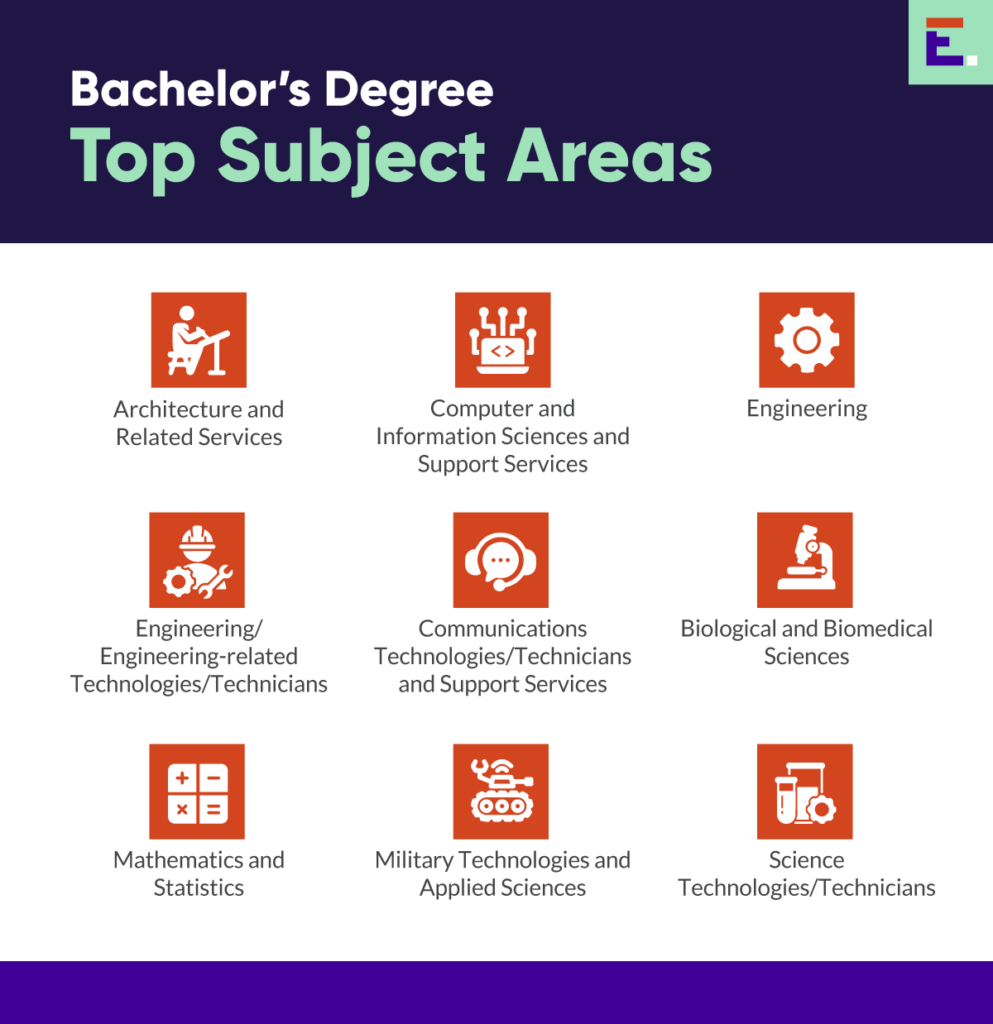
    At the bachelor’s level, we encounter a mixed bag of stability and change. While STEM fields remain a stronghold, with only a negligible 0.07% dip, other areas, particularly those associated with traditional liberal arts programs, are facing challenges. The most pronounced decline occurs in Health Professions, a field traditionally associated with strong job prospects and stable growth. This decline, juxtaposed with the increase in master’s level completions in Health Professions, suggests a potential shift towards requiring advanced degrees for certain healthcare roles. This mirrors a broader trend of “graduate degree bloat” in the labor market, where employers increasingly demand advanced credentials for positions that previously required only a bachelor’s degree.

    The COVID-19 pandemic has undoubtedly exacerbated the challenges facing undergraduate programs. The disruption to traditional learning models, coupled with economic uncertainty and concerns about the value of a college degree, has led many students to reconsider their educational plans. The looming 2025 enrollment cliff, which predicts a significant drop in the number of high school graduates, further compounds these challenges, creating a perfect storm for undergraduate enrollment.

    Private non-profit liberal arts schools are particularly vulnerable in this environment. The growth areas in the undergraduate space are mainly concentrated in STEM programs, leaving liberal arts institutions grappling with declining enrollments and a need to reimagine their value proposition. Adapting to this changing landscape will require innovative approaches to curriculum design, student support, and career services. Tuition driven, liberal arts institutions must demonstrate the relevance and value of their programs in today’s world, not only highlighting the critical thinking, communication, and problem-solving skills that their graduates possess (which has always been their particular promise), but also their undergraduate’s career opportunities.

    Graduate Studies: Career Growth and Specialization

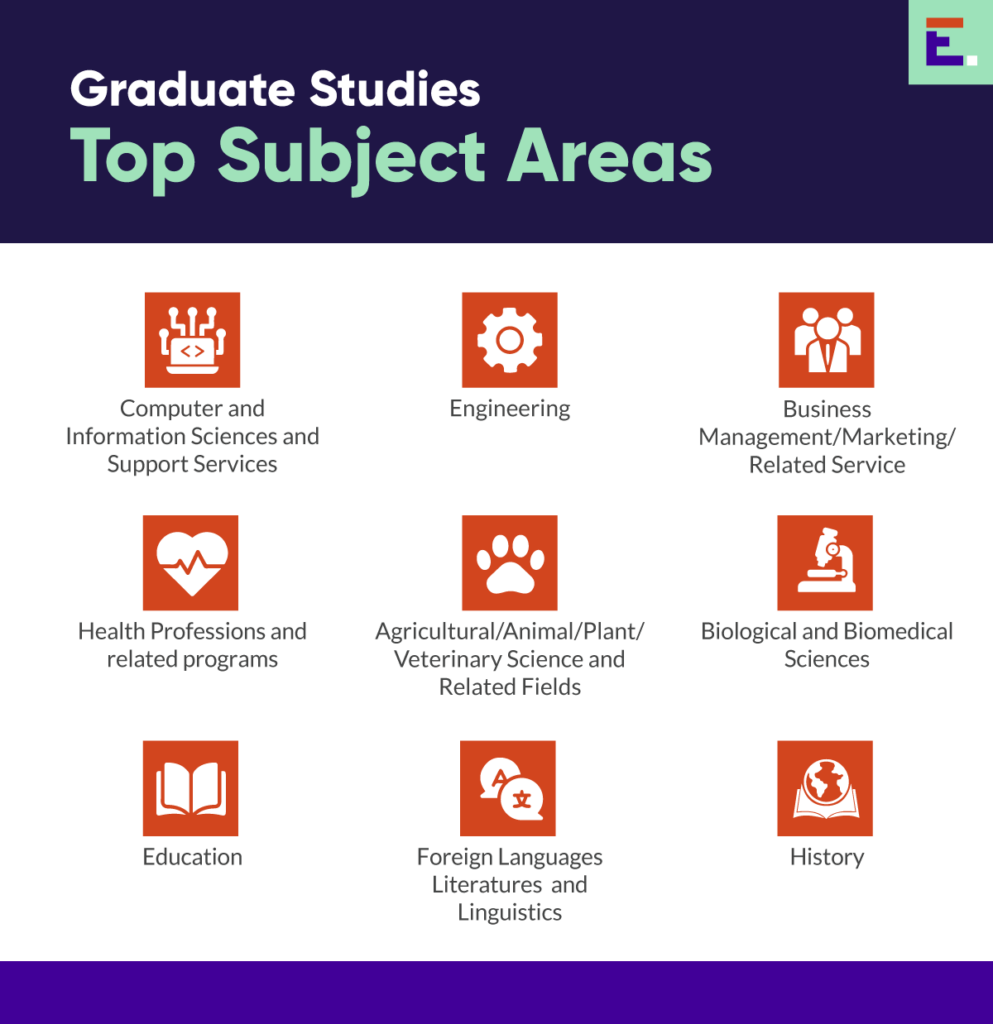
    Graduate programs, especially those in STEM disciplines, are experiencing a period of remarkable growth. The 51% and 25% surges in Computer and Information Science and Support Services and Engineering master’s completions, respectively, echo the trends at the bachelor’s level and underscore the premium placed on advanced technical expertise. The overall 30% rise in STEM master’s completions further solidifies this trend, reflecting the insatiable demand for skilled professionals in these fields.

    This surge in graduate completions aligns with the broader trend of graduate degree bloat (others might more favorably describe it as “expansion”) in the labor market. As certain industries and professions increasingly require advanced degrees for career advancement, we can anticipate continued growth in graduate programs, particularly in fields that offer a clear pathway to high-demand, well-paying jobs. This presents a significant opportunity for institutions to expand their graduate offerings and cater to the growing population of working professionals seeking to upskill and advance their careers.

    Graduate certificates are also experiencing growth, with a 2% increase in completions. The growth in fields like Computer and Information Technology, Psychology, and Engineering/Engineering-related Technologies/Technicians demonstrates the appeal of these focused credentials for professionals seeking to enhance their skill sets or transition into new careers. The flexibility and shorter duration of graduate certificates make them an attractive option for busy professionals who may not have the time or resources to pursue a full master’s degree – especially if the certificates are tied to a degree later.

    The flourishing graduate landscape presents a wealth of opportunities for institutions. Expanding graduate program offerings, enhancing online and hybrid learning options, and strategically marketing to working professionals are all essential strategies for capitalizing on this growth. The increasing popularity of graduate certificates also underscores the need for institutions to develop a diverse portfolio of graduate programs that cater to the varied needs and preferences of learners.

    Navigating the Data’s Implications for Engaging with the Modern Learner

    The 2023 NCES completions data provides a roadmap for navigating the complexities of the higher education landscape. The trends we’ve observed highlight the growing preference for career-focused programs, specialized credentials, and flexible learning options. They also underscore the challenges facing undergraduate programs, particularly in the liberal arts, in the wake of the COVID-19 pandemic and the approaching enrollment cliff.

    To thrive in this environment, institutions must be proactive, agile, and data-driven. The Modern Learner is looking for clear career outcomes – not just in program availability but in the flexibility that comes with balancing work with furthering education. They want to know exactly what they can expect from their investment of time and money to the program. Schools must also reimagine their programs, enhance student support services, and strategically market offerings to meet the evolving needs of learners and the demands of the labor market. They need to embrace innovation and explore new models of education that provide students with the skills and knowledge they need to succeed in the 21st century.

    For associate degree programs, this may involve a greater emphasis on career-focused pathways, stackable credentials, and partnerships with employers. Bachelor’s degree programs, especially in the liberal arts, may need to re-articulate their value proposition, highlighting the transferable skills and lifelong learning benefits that their graduates acquire. Graduate programs should continue to expand and innovate, offering a mix of traditional degrees and flexible certificates to meet the diverse needs of working professionals.

    Above all else, if this data is speaking to troubling realities on campus, the most important takeaway should be: trying the same strategies that are producing tepid results in regards to enrollment growth will not be the solution going forward. If you are seeing challenging enrollment numbers for any level of program, think about how your institution can more readily adapt to these changing trends, whether that be introducing multiple starts per term, reworking tuition costs, or making better strategic use of marketing and enrollment processes for priority programs.

    Is Your Institution Ready for the Modern Learner?

    We help schools all the time who have been trying to fit a square peg into a round hole, and often the solution is for an outside perspective to create a vision for the future. The time to act is right now, there is a quickly closing time frame for ensuring a flourishing future for your institution. In fact for many schools, it is already too late. The Modern Learner is moving at a swift pace, and if universities do not keep up, they will quickly be left behind.

    Source link

  • for Generative AI Integration into Education – Sovorel

    for Generative AI Integration into Education – Sovorel

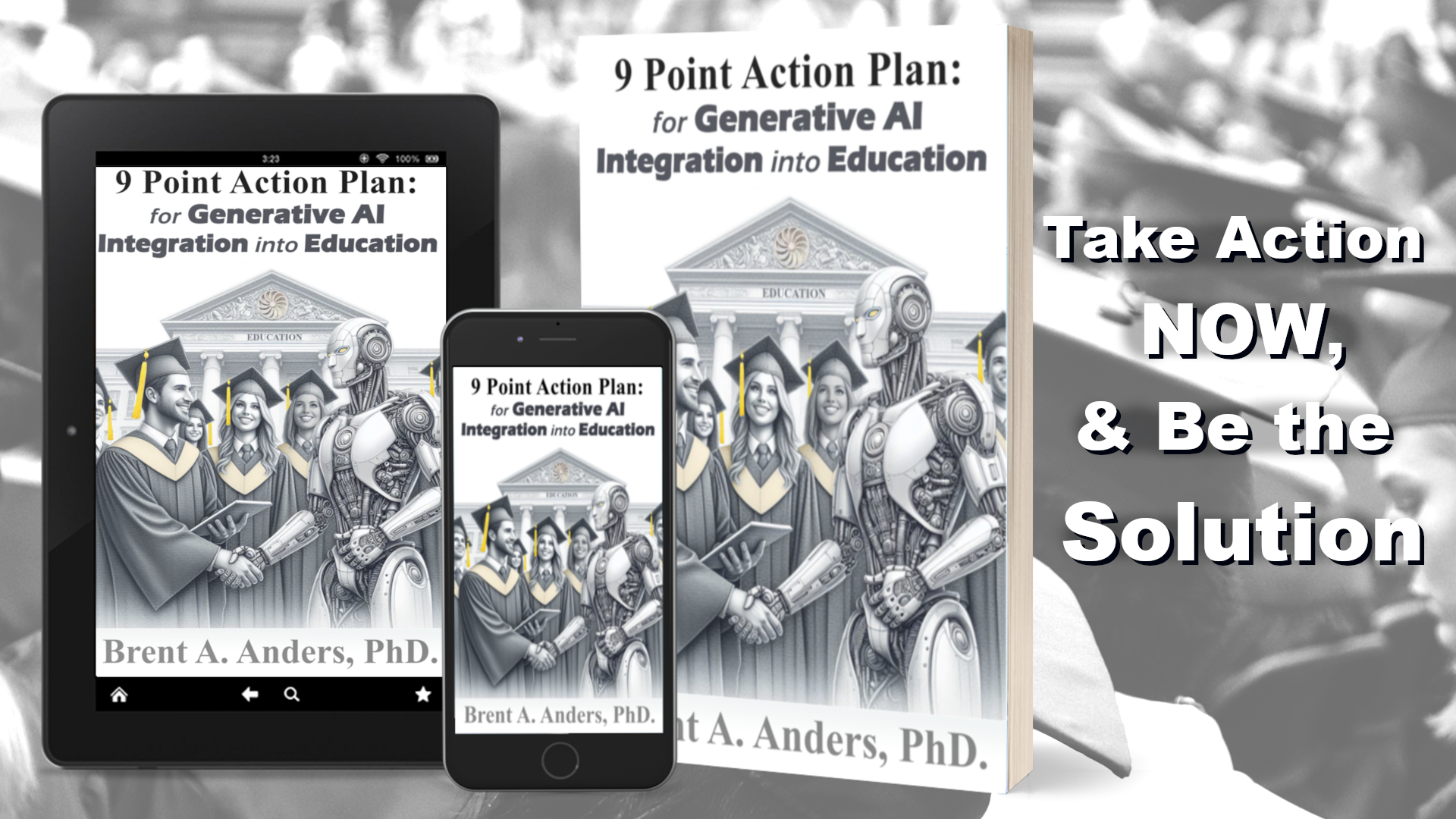
    I’m very happy and excited to share that I have released a new book that is geared specifically to helping universities, as well as all educational institutions, with the very important topic of generative AI integration into education. This is a vital process that higher education and all places of learning need to address in order to become and stay relevant in a world that so filled with AI. All of us in academia must develop AI Literacy skills in order to fully develop these skills within our students. If educational institutions do not integrate this important process now, then they will not be properly setting up their students for success. This book specifically provides an action plan to help educational institutions be part of the solution and to better ensure success.

    Here is a video trailer for the 9 Point Action Plan: for Generative AI Integration into Education book:

    Table of contents for the 9 Point Action Plan: for Generative AI Integration into Education book that is now available as an ebook or printed book at Amazon: https://www.amazon.com/Point-Action-Plan-Generative-Integration/dp/B0D172TMMB

    TABLE OF CONTENTS

    1. Chapter 1: Institutional Policies
      • Examples
      • Policy Examples
      • Implementation
    2. Chapter 2: Leadership Guidance on Utilization of Generative AI
      • Examples
      • Michigan State University Example
      • Yale University Example
      • Template Example: Leadership Guidance on Generative AI in Education
      • Implementation
    3. Chapter 3: Training
      • Faculty Training
      • Staff Training
      • Student Training
      • Examples
      • American University of Armenia Example
      • Arizona State University Example
      • Other Examples
      • Implementation
    4. Chapter 4: Generative AI Teaching & Learning Resources
      • Examples
      • University of Arizona
      • American University of Armenia
      • The University of California Los Angeles (UCLA)
      • Implementation
    5. Chapter 5: Outside Information/Confirmation
      • Bring in an Outside Speaker, Presenter, Facilitator
      • Examples
      • Obtain Employers’/Organizations’ Views & Ideas on Needed AI Skills
      • Implementation
    6. Chapter 6: Syllabus AI Use Statement
      • Examples
      • Tuffs University Example
      • Vanderbilt College of Arts and Science
      • American University of Armenia Example
      • Implementation
    7. Chapter 7: Strategic Plan Integration
      • Components of a Good Strategic Plan and AI Considerations
      • Environmental Analysis
      • Review of Organizational Vision/Mission
      • Identification of Strategic Goals and Objectives
      • Key Performance Indicators
      • Integration of AI Literacy into the Curriculum
      • Example: White Paper: Integration of AI Literacy into Our Curriculum
    8. Chapter 8: Integration Observation and Evaluation
    9. Chapter 9: Community Outreach
      • Example Benefits of Community Outreach
      • Implementation
    10. Chapter 10: Conclusion and Call to Action
    11. Glossary
    12. References
    13. Additional Resources

    As with all of my books, please reach out if you have any questions. I can be found on LinkedIn and Twitter. I also respond to all comments placed this blog or through YouTube. Please also join the Sovorel Center for Teaching and Learning Facebook page where I post a lot of updates.

    Source link

  • A Game Changing App for Faculty Researchers!

    A Game Changing App for Faculty Researchers!

    Consensus – A Game Changing App for Faculty Researchers

    Today, I started to utilize a new AI app for my research. This app, Consensus, is a game changer for faculty researchers. I wish that I had this app in graduate school – it would have definitely made life easier!

    Step 1 – Here are some screen shots of the software. You can type a question in the box (yes, a question) and the system does the work. Yes, the work that you would usually have to do!

    Step 2 – Then, AI does the rest. You receive AI-powered answers for your results. Consensus analyzes your results (before you even view them) and then summarizes the studies collectively.

    Step 3 – You can view the AI-powered answers which review each article for you.

    *I would also encourage you to review the article independently as well.

    Step 4 – View the study snapshots! Yes, a snapshot of the population, sample size, methods, outcomes measured, and more! Absolutely amazing!

    Step 5 – Click the “AI Synthesis” button to synthesize your results. Even better!

    Step 6 – Use the “powerful filters” button. You can view the “best” research results by: a) population, b) sample size, c) study design, d) journal quality, and other variables. 

    I plan to make a video soon, but please take a look at this video to discover exactly how Consensus can help you in your research! 

    ***

    Check out my book – Retaining College Students Using Technology: A Guidebook for Student Affairs and Academic Affairs Professionals.

    Remember to order copies for your team as well!


    Thanks for visiting! 


    Sincerely,


    Dr. Jennifer T. Edwards
    Professor of Communication

    Executive Director of the Texas Social Media Research Institute & Rural Communication Institute

    Source link

  • Dr. Jennifer T. Edwards: A Texas Professor Focused on Artificial Intelligence, Health, and Education: Preparing Our Higher Education Institutions for the Future

    Dr. Jennifer T. Edwards: A Texas Professor Focused on Artificial Intelligence, Health, and Education: Preparing Our Higher Education Institutions for the Future

    As we prepare for an upcoming year, I have to stop and think about the future of higher education. The pandemic changed our students, faculty, staff, and our campus as a whole. The Education Advisory Board (EAB) provides colleges and universities across the country with resources and ideas to help the students of the future.

    I confess, I have been a complete fan of EAB and their resources for the past ten years. Their resources are at the forefront of higher education innovation.

    🏛 – Dining Halls and Food Spaces

    🏛 – Modern Student Housing

    🏛 – Hybrid and Flexible Office Spaces

    🏛 – Tech-Enabled Classrooms

    🏛 – Libraries and Learning Commons

    🏛 – Interdisciplinary Research Facilities


    Higher education institutions should also focus on the faculty and staff as well. When I ask most of my peers if they are comfortable with the numerous changes happening across their institution, most of them are uncomfortable. We need to prepare our teams for the future of higher education. 

    Here’s the Millennial Professor’s Call the Action Statements for the Higher Education Industry

    🌎 – Higher Education Conferences and Summits Need to Provide Trainings Focused on Artificial Intelligence (AI) for Their Attendees

    🌎 – Higher Education Institutions Need to Include Faculty and Staff as Part of Their Planning Process (an Important Part)

    🌎 – Higher Education Institutions Provide Wellness and Holistic Support for Faculty and Staff Who are Having Problems With Change (You Need Us and We Need Help)

    🌎 – Higher Education Institutions Need to Be Comfortable with Uncommon Spaces (Flexible Office Spaces)

    🌎 – Faculty Need to Embrace Collaboration Opportunities with Faculty at Their Institutions and Other Institutions

    Here are some additional articles about the future of higher education:

    Higher education will continue to transition in an effort to meet the needs of our current and incoming students. 

    For our particular university, we are striving to modify all of these items simultaneously. It is a challenge, but the changes are well worth the journey.

    Here’s the challenge for this post: “In your opinion, which one of the items on the list is MOST important for your institution?”

    ***. 

    Check out my book – Retaining College Students Using Technology: A Guidebook for Student Affairs and Academic Affairs Professionals.

    Remember to order copies for your team as well!


    Thanks for visiting! 


    Sincerely,


    Dr. Jennifer T. Edwards
    Professor of Communication

    Executive Director of the Texas Social Media Research Institute & Rural Communication Institute

    Source link

  • Dean Hoke Appointed President and CEO of the American Association of University Administrators – Edu Alliance Journal

    Dean Hoke Appointed President and CEO of the American Association of University Administrators – Edu Alliance Journal

    BLOOMINGTON, Ind. – March 21, 2023 — Dean Hoke, of Bloomington, Indiana, has been chosen to serve as the next President and Chief Executive Officer of the American Association of University Administrators (AAUA), currently based in Glen Mills, Pennsylvania. His appointment is effective July 1st when the current President & CEO, Dan L. King will retire after nineteen years of service in that position.

    A highly successful and internationally recognized higher education administrator, Mr. Hoke first affiliated with the Higher Colleges of Technology in the United Arab Emirates in 2009 as Head of Marketing and Institutional Development; that experience was followed by four years at Khalifa University with the UAE Advanced Network for Research and Education. In 2014 he became Co-Founder in a new educational management consulting firm, Edu Alliance Ltd. based in the UAE; three years later Edu Alliance Group opened its US office in Bloomington serving as the Managing Partner.

    Mr. Hoke has extensive experience in the fields of higher education, marketing, communications and e-Learning. He has held a number of senior higher education administrative positions; and co-founded the Connected Learning Network, a provider of online educational services for educational institutions. In the field of broadcasting he served as an executive and CEO of four public broadcasting stations, and executive vice president of a cable network. He currently serves on the Advisory Board of the School of Education of Franklin University in Ohio and is a member of the Advisory Board of Higher Education Digest. He recently served as president-elect for the United States Distance Learning Association and chaired the Global Partnership Committee.

    Mr. Hoke currently produces and co-hosts the podcast series Higher Ed Without Borders. He holds a B.A. degree from Urbana University and an M.S. degree from the University of Louisville. He also completed the Executive Management Program at The Wharton School of the University of Pennsylvania.

    AAUA Board of Directors chairperson William Hill, assistant dean of the College of Education at Wayne State University, said, “Mr. Hoke is, without a doubt, the best person to step up and take over the executive administration of this organization. His background and his wide range of experiences will be useful. Moreso, his enthusiasm for leading AAUA to new programming ventures which should lead to expanded membership is contagious!”

    When interviewed, Mr. Hoke remarked, “It is a great honor to be selected as the AAUA’s next President and CEO. I am grateful to the Board for their unanimous support and to Dan King, who has led the organization for several years.”

    He continued, “AAUA sees a high percentage of administrators leaving the higher education profession. They are frustrated over the lack of opportunities for advancement, work challenges, and readily available professional development. The AAUA board of directors and I will work with our membership to build new and innovative professional development programs and services which will address a higher level of training and increase retention of our higher education administrator colleagues.”

    Departing chief executive, Dan King remarked, “I had planned to leave my AAUA responsibilities over two years ago but my departure was delayed by the COVID pandemic. The delay turned out to be fortuitous because it was during this time that I developed a closer professional tie with Mr. Hoke and was able to recruit his candidacy for this position. AAUA is ready for new direction, and Mr. Hoke has the perfect combination of personality, vision and enthusiasm to lead it to new heights. I look forward to watching the association improve and grow.”

    Source link

  • Empower Learners for the Age of AI: a reflection – Sijen

    Empower Learners for the Age of AI: a reflection – Sijen

    During the Empower Learners for the Age of AI (ELAI) conference earlier in December 2022, it became apparent to me personally that not only does Artificial intelligence (AI) have the potential to revolutionize the field of education, but that it already is. But beyond the hype and enthusiasm there are enormous strategic policy decisions to be made, by governments, institutions, faculty and individual students. Some of the ‘end is nigh’ messages circulating on Social Media in the light of the recent release of ChatGPT are fanciful click-bait, some however, fire a warning shot across the bow of complacent educators.

    It is certainly true to say that if your teaching approach is to deliver content knowledge and assess the retention and regurgitation of that same content knowledge then, yes, AI is another nail in that particular coffin. If you are still delivering learning experiences the same way that you did in the 1990s, despite Google Search (b.1998) and Wikipedia (b.2001), I am amazed you are still functioning. What the emerging fascination about AI is delivering an accelerated pace to the self-reflective processes that all university leadership should be undertaking continuously.

    AI advocates argue that by leveraging the power of AI, educators can personalize learning for each student, provide real-time feedback and support, and automate administrative tasks. Critics argue that AI dehumanises the learning process, is incapable of modelling the very human behaviours we want our students to emulate, and that AI can be used to cheat. Like any technology, AI also has its disadvantages and limitations. I want to unpack these from three different perspectives, the individual student, faculty, and institutions.


    Get in touch with me if your institution is looking to develop its strategic approach to AI.


    Individual Learner

    For learners whose experience is often orientated around learning management systems, or virtual learning environments, existing learning analytics are being augmented with AI capabilities. Where in the past students might be offered branching scenarios that were preset by learning designers, the addition of AI functionality offers the prospect of algorithms that more deeply analyze a student’s performance and learning approaches, and provide customized content and feedback that is tailored to their individual needs. This is often touted as especially beneficial for students who may have learning disabilities or those who are struggling to keep up with the pace of a traditional classroom, but surely the benefit is universal when realised. We are not quite there yet. Identifying ‘actionable insights’ is possible, the recommended actions harder to define.

    The downside for the individual learner will come from poorly conceived and implemented AI opportunities within institutions. Being told to complete a task by a system, rather than by a tutor, will be received very differently depending on the epistemological framework that you, as a student, operate within. There is a danger that companies presenting solutions that may work for continuing professional development will fail to recognise that a 10 year old has a different relationship with knowledge. As an assistant to faculty, AI is potentially invaluable, as a replacement for tutor direction it will not work for the majority of younger learners within formal learning programmes.

    Digital equity becomes important too. There will undoubtedly be students today, from K-12 through to University, who will be submitting written work generated by ChatGPT. Currently free, for ‘research’ purposes (them researching us), ChatGPT is being raved about across social media platforms for anyone who needs to author content. But for every student that is digitally literate enough to have found their way to the OpenAI platform and can use the tool, there will be others who do not have access to a machine at home, or the bandwidth to make use of the internet, or even to have the internet at all. Merely accessing the tools can be a challenge.

    The third aspect of AI implementation for individuals is around personal digital identity. Everyone, regardless of their age or context, needs to recognise that ‘nothing in life is free’. Whenever you use a free web service you are inevitably being mined for data, which in turn allows the provider of that service to sell your presence on their platform to advertisers. Teaching young people about the two fundamental economic models that operate online, subscription services and surveillance capitalism, MUST be part of ever curriculum. I would argue this needs to be introduced in primary schools and built on in secondary. We know that AI data models require huge datasets to be meaningful, so our data is what fuels these AI processes.

    Faculty

    Undoubtedly faculty will gain through AI algorithms ability to provide real-time feedback and support, to continuously monitor a student’s progress and provide immediate feedback and suggestions for improvement. On a cohort basis this is proving invaluable already, allowing faculty to adjust the pace or focus of content and learning approaches. A skilled faculty member can also, within the time allowed to them, to differentiate their instruction helping students to stay engaged and motivated. Monitoring students’ progress through well structured learning analytics is already available through online platforms.

    What of the in-classroom teaching spaces. One of the sessions at ELAI showcased AI operating in a classroom, interpreting students body language, interactions and even eye tracking. Teachers will tell you that class sizes are a prime determinant of student success. Smaller classes mean that teachers can ‘read the room’ and adjust their approaches accordingly. AI could allow class sizes beyond any claim to be manageable by individual faculty.

    One could imagine a school built with extensive surveillance capability, with every classroom with total audio and visual detection, with physical behaviour algorithms, eye tracking and audio analysis. In that future, the advocates would suggest that the role of the faculty becomes more of a stage manager rather than a subject authority. Critics would argue a classroom without a meaningful human presence is a factory.

    Institutions

    The attraction for institutions of AI is the promise to automate administrative tasks, such as grading assignments and providing progress reports, currently provided by teaching faculty. This in theory frees up those educators to focus on other important tasks, such as providing personalized instruction and support.

    However, one concern touched on at ELAI was the danger of AI reinforcing existing biases and inequalities in education. An AI algorithm is only as good as the data it has been trained on. If that data is biased, its decisions will also be biased. This could lead to unfair treatment of certain students, and could further exacerbate existing disparities in education. AI will work well with homogenous cohorts where the perpetuation of accepted knowledge and approaches is what is expected, less well with diverse cohorts in the context of challenging assumptions.

    This is a problem. In a world in which we need students to be digitally literate and AI literate, to challenge assumptions but also recognise that some sources are verified and others are not, institutions that implement AI based on existing cohorts is likely to restrict the intellectual growth of those that follow.

    Institutions rightly express concerns about the cost of both implementing AI in education and the costs associated with monitoring its use. While the initial investment in AI technologies may be significant, the long-term cost savings and potential benefits may make it worthwhile. No one can be certain how the market will unfurl. It’s possible that many AI applications become incredibly cheap under some model of surveillance capitalism so as to be negligible, even free. However, many of the AI applications, such as ChatGPT, use enormous computing power, little is cacheable and retained for reuse, and these are likely to become costly.

    Institutions wanting to explore the use of AI are likely to find they are being presented with additional, or ‘upgraded’ modules to their existing Enterprise Management Systems or Learning Platforms.

    Conclusion

    It is true that AI has the potential to revolutionize the field of education by providing personalized instruction and support, real-time feedback, and automated administrative tasks. However, institutions need to be wary of the potential for bias, aware of privacy issues and very attentive to the nature of the learning experiences they enable.


    Get in touch with me if your institution is looking to develop its strategic approach to AI.


    Image created using DALL-E

    Source link

  • Why Do So Few American Students Study Abroad? – Edu Alliance Journal

    Why Do So Few American Students Study Abroad? – Edu Alliance Journal

    Why is that a problem?

    December 5, 2022 by Dean Hoke: In the newest edition of the 2022 Open Doors Report, US university’s international student enrollment shows encouraging signs. International students coming to the United States are reported at 948,519, which nears the pre-pandemic level. However, the number of Americans studying abroad in 2020-21 was 14,549 compared to 162,633 in 2019-20 and the high watermark of 350,000 in 2018-19.

    The chart below shows how long US students study overseas.

    Of the 350,000 students in 2018-19 who studied overseas, the majority either studied abroad for a summer or a short term.

    What is the profile of the American student who studies abroad?

    The number of US students who study abroad represents only 2.7% of the American university students who attend four-year and above institutions. Students who study abroad tend to be juniors or seniors in undergraduate school, female, Caucasian, have financial means, and study in Europe.

    What countries have the largest number of students studying abroad?

    T.I.M.E. Association, located in France, conducted a study in 2021 of UNESCO mobility data which reported 5.6 million international students worldwide to determine the top countries with the most outgoing students studying in another country. They looked at the “long-term mobility of students to complete a whole study cycle and acquire a degree (Bachelor, Master or PhD) abroad. The top countries university students leave to study abroad are:

    • China – 993,367
    • India – 375,055
    • Germany – 122,538
    • Viet Nam – 108.527
    • South Korea – 101,774
    • France – 99,488
    • United States – 84,349 (long-term studies)

    Students from other countries study abroad primarily due to the:

    • Future Employment Opportunities, be it at home or abroad
    • Quality of institution and program
    • Meet a diverse range of people
    • Study and learn differently
    • Self-reliance and being on your own
    • Meeting new friends and lifelong networking
    • Seeing your culture from a different point of view

    How important are students studying abroad to the business community as future employees?

    Businesses worldwide are putting a higher emphasis on international experience. Most big and small companies are trying to attract business and partnerships with international partners.  In a 2014 survey titled U.S. Business Needs for Employees with International Expertise, 800 executives in US companies were surveyed to identify the demand for corporate employees with international competence, including international skills and/or knowledge of foreign languages and world areas. The results of the 2014 survey call for a continuing need for international business education in the US, with increased emphasis on intercultural communication, foreign language skills, and international experience. The 800 represented a broad cross-section of Industries and the number of employees.

    Some interesting facts come out:

    • 39% failed to fully exploit international business opportunities due to insufficient internationally competent personnel in the past five years
    • 39% have no foreign offices, and all international operations are handled in the US
    • 43% state that overall business would increase a great deal if more international expertise were available on staff
    • 60% state that an appreciation for cross-cultural differences is of great importance for professional staff, followed by Understanding country legal and government requirements (59%) and understanding of local markets and business practices (58%)
    • 83% state their company will place a greater emphasis on international competence among management and employees over the next ten years

    Additional studies support that studying abroad helps employers and helps students get jobs. In 2016, The Institute for the International Education of Students (IES), founded in 1950, conducted a comprehensive survey of 1205 of its alumni. 

    Here are the key points from the study:

    • 93% who entered the workforce were employed within six months
    • 89% of those who entered graduate school earned admissions in their first or second-choice school
    • 50% felt that their IES Abroad Program experience helped them to get this first job

    The American Passport Project

    How can we encourage and support students to study abroad?

    In a recent interview with Higher Ed Without Borders  (in which I am a co-host), we asked Dr. Allan Goodman, CEO of the IIE, about a new program they established in 2021 titled The American Passport Project. Dr. Goodman commented that studying abroad is one of the best ways that students can acquire global skills and create personal and professional opportunities. Furthermore, it’s a part of IIE’s mission to increase participation and diversity in studying abroad and extend these benefits to all students regardless of socioeconomic status.  However, students of limited financial means find it more difficult to participate in studying abroad due to financial hurdles, which could bar them from moving forward.

    The American Passport Project plans to have enabled 10,000 students to be awarded passports by the end of this decade. IIE will help 1,000 college students obtain U.S. passports annually by awarding funds to 40 U.S. colleges and universities in the IIE Network. Each institution will identify 25 of its first-year students who are eligible for Pell grants. Eligibility will be limited to first-year students to ensure that they have ample time remaining in their college career and receive guidance from their advisors to map out a study abroad plan. Competitive institutions will demonstrate grant need, support obtained, and impact on study abroad participation.

    First Year Results

    • In the inaugural year, nearly 200 institutions applied for the grant to support students obtaining U.S. passports. These institutions informed IIE of the various ways they could utilize the grant to support targeted student populations.
    • Forty institutions were selected, and more than 50% of institutions chosen represent minority-serving student populations (HBCU, HSI, MSI) or are community colleges.
    • Nearly 50% of U.S. states are represented (33% South, 32% Midwest, 25% Northeast, and 10% West).
    • The majority are expanding their diversity, equity, access, and inclusion efforts by targeting these top 4 student populations: students with demonstrated financial need, racial/ethnic minorities, students who have never traveled abroad, and first-generation students.

    In a follow-up interview with Lindsay Calvert, IIE’s lead for the Passport Project, I asked about the program’s status and the number of students approved by IIE as of November 2022.

    • One thousand one hundred twenty-two students have been nominated by their awarding institutions and approved by IIE to be supported with the IIE-granted funds to help them obtain their U.S. passport and engage them in study abroad planning.
      • 778 students from the first cohort
    • 344 from the second cohort)
    • Some institutions can quickly able to identify, nominate, and confirm students. Others have been challenged with their outreach and recruitment, so this process can span over a year to fulfill the goal of 25 students per campus.
    • Since the Passport Project aims to support first-year students, they anticipate them to study abroad in the 2023/24 academic year and subsequent years of their undergraduate term.

    The Senator Paul Simon Study Abroad Program

    In November 2022, The Senator Paul Simon Study Abroad Program Act of 2022 , was introduced by U.S. Senators Dick Durbin (D-Ill.) and Roger Wicker (R-Miss.) and U.S. Representatives Cheri Bustos (D-Ill.) and John Katko (R-N.Y.) The act seeks to expand access to study abroad for U.S. college students by enhancing the State Department’s Increase and Diversify Education Abroad for U.S. Students (IDEAS) program and formally renaming it as the “Senator Paul Simon Study Abroad Program.” Inspired by the vision of the late Sen. Paul Simon (D–Ill.) and the recommendations of the congressionally-appointed Commission on the Abraham Lincoln Study Abroad Fellowship Program, the legislation would advance four national goals:   

    1. One million U.S. college students will study abroad annually for credit
    2. Study abroad participants will more closely represent the demographics of the undergraduate population in terms of gender, ethnicity, students with disabilities, income level, and field of study
    3. A significantly greater proportion of study abroad will occur in nontraditional destinations outside Western Europe  
    4. Higher education institutions will make studying abroad a critical component of a quality higher education

    U.S. higher education institutions could apply for federal grants, individually or in a consortium, to help them institute programs that would move the country toward achieving these objectives. 

    Conclusion

    I have long wondered why so few Americans go overseas to study, even for a summer. Aren’t they seeing the benefits that students from other countries see? Are they not aware that by studying abroad, they increase their chances of graduation and employment? Perhaps most university students are unaware of studying overseas or believe they can’t afford the cost or cannot give up a part-time job to be away for the summer.

    Organizations like IIE are helping address increasing study abroad opportunities with its American Passport Program by emphasizing minorities and non-elite schools. The proposed Simon bill also helps address the issue and pushes for a million students to study abroad, but it remains to be seen if it will pass. It will take bi-partisan support and a higher public profile to get through the upcoming Congress. Last and not least are higher education institutions themselves. While the larger state institutions and elite privates have programs and resources to help promote study abroad, that is not necessarily the case with thousands of other colleges and universities. While most schools have international affairs offices, they need more personnel and budget to adequately promote or financially support students. Their priority in fundraising for such programs is lower than other needs.

    We need businesses that will benefit from these students and federal and state governments to help promote and partially subsidize. If companies and governments want to compete for an increasing share of international business successfully, they need employees who have spent time abroad.


    Dean Hoke is Co-Founder and Managing Partner Edu Alliance a higher education consulting firm located in Bloomington, Indiana and Abu Dhabi, United Arab Emirates. Dean received his Bachelor of Arts degree from Urbana University in Ohio, his Master of Science from The University of Louisville, and a graduate of the Wharton School of Business Executive Management program. Since 1975 Dean has worked in the higher education and broadcasting industry, serving in senior leadership roles specializing in international education, marketing, communications, partnerships, and online learning.

    He currently serves as Chairperson Elect of the American Association of University Administrators , Advisory Board of the School of Education, Franklin University and is Co-Host of the Podcast series Higher Ed Without Borders  and Distance Learning Roundtable. Dean is actively engaged in consulting projects in international education, branding, business intelligence, and online learning leading projects in the United States, the Middle East, Africa, and Asia. Dean resides in Bloomington, Indiana

    Source link