Category: Hiring

  • DEI was the Compromise, Not the Solution

    DEI was the Compromise, Not the Solution

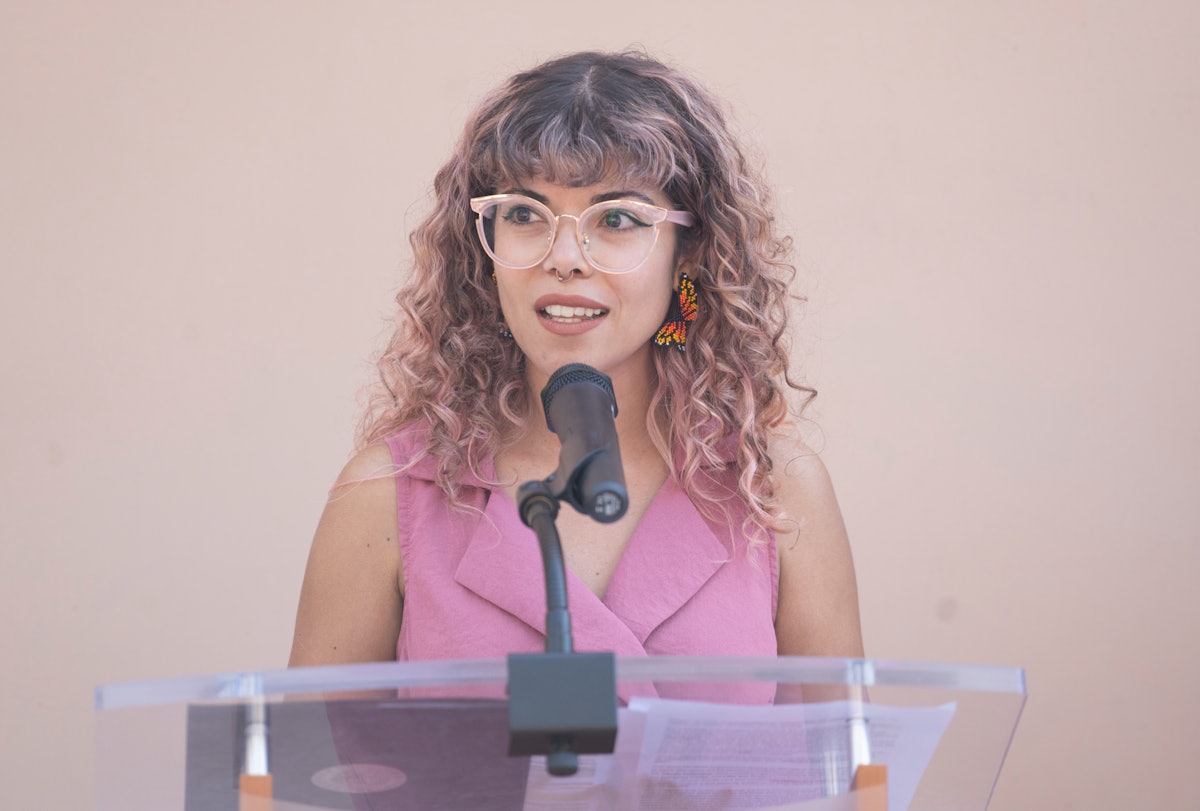
    Dr. Marcela Rodriguez-Campo Through the work that I did as a director of a diversity office, I was always finding ways to make magic out of the least given how poorly our work was funded. Nonetheless, we did everything we could to pay folks for their time and labor. After finishing the planning of one of the largest state-wide events my team had ever hosted, a local artist we had collaborated with previously offered to return to our campus to offer my team a pour-painting workshop, for free. I was left stunned.

    That’s too generous, right? Are you sure? Maybe we can dig up some funds or find a sponsorship?

    No. I want to give this to your team as a thank you for the work that you all do. And for being a safe person folks can go to.

    My eyes immediately welled up with tears: We were safe for her and now she wanted to keep our spirits safe in return. This is community care. 

    When people from historically marginalized communities enter the Ivory Tower as students, staff, or faculty, institutions actively work to estrange us from our communities. They teach us that our culture, our histories, our languages don’t matter, by rarely including us in the curriculum. They show us that our voices and our stories aren’t allowed to take up space there, when they ban our books, dismiss our questions, deny our realities, and reject our ways of knowing. They mold us into “professionals”, train us in Eurocentric research and teaching practices, and force us to subscribe to their ways of being in order to succeed and survive. They convince us that success will be measured by their standards, rather than those set forth by our communities.

    Diversity, equity, & inclusion (DEI) offices are fundamentally about enacting an ethic of care that is culturally and politically grounded in the communities our students come from.

    The Trump administration has deemed that a danger and threat to society. They are attempting to make us forget ourselves and pushing an agenda of historical amnesia. They are trying to make us forget that there is a whole world out there beyond the Ivory Walls that needs us to exist. Heartbreakingly enough, it is working. Once bold and visionary leaders are capitulating to authoritarianism and white supremacist ideology. As we see the far-reaching resistance to this now trending DEI-boogeyman, it is more important than ever that we remember our lineage, that we return to our communities, that we return to the river that offered us our first sips of liberation. So that we may continue to — as Toni Morrison taught us — move in the direction of freedom.

    As we face persistent threats and attacks on our work, allow me to offer the DEI professionals and our student leaders a reminder: your community needs you and it needs you free, too. Let us learn from the lineage of our work and remember as our own continuous act of rebellion the river from which DEI pulls from.

    Cultural centers and diversity offices did not come about placidly or because of the goodwill of institutions. They were fought for, demanded. They were created not because of the polite and demure requests of Students and Faculty of Color, but as a result of courageous boycotts, sit-ins, building occupations, protests, mobilization, and organizing of marginalized communities who recognized the second-class support they were receiving and who were inspired by the activism of the Civil Rights Movement of the 1960’s. Chicano students in East LA walked out of schools in droves to denounce the substandard education they were being given. They stepped out to demand better teachers, better learning conditions, more resources, and ethnic studies. In that same year a month later, Black students at Columbia University occupied Hamilton Hall to protest segregation and racism in higher education. Students collectively led a revolution through each act of resistance and refused to accept an education system that dehumanized and disrespected their community.

    DEI is a byproduct of student activism. As Black cultural centers began opening, cultural centers for other community groups were created in the same vein, to offer safe spaces and resources to students from the margins. Cultural centers created spaces for students to develop a collective consciousness where they could find themselves and each other in a sea of white curriculum, culture, policies, and practices. They have historically supported the recruitment, retention, and graduation of marginalized student groups. Student and scholar activists’ radical visions of transforming higher education to equitably serve and empower students from the margins was stunted by institutional resistance that was coded as budgets, enrollment, and value add. Some of the same code words we hear today.

    So, DEI was created as the compromise, a palatable option. One that checked some of the boxes, while not transforming the institution wholly. DEI was never intended to be the radical resolution student activists fought for.

    The aggressive attack on DEI is the consequence of our ability to become effective, to reach a critical mass of folks nationally to question the status quo and the system enough to make the people in power uncomfortable. Whether DEI is banned for one presidency or two or forever, it was never meant to save us. We have to do that. Our communities have always done that. DEI was never going to be enough and at many institutions, it was never intended to be effective. We need to reclaim our agency and power and voices from the institutions who never loved us back anyway and recognize that there is so much more we could build with or without them in and with community. As this current moment and the highly organized right works to scare, intimidate, and paralyze us, the most critical thing we could be doing in this very moment is building community from within and especially from outside of our institutions.

    Beloved, we are the global majority. And this current political moment is working hard and fast because it is the last opportunity to reset the scales. They are scared of the collective power and freedom we can tap into in our communities because our communities are our source. The very care that we offer to our students we first learned from our communities. The care we owe is to our communities. The reason we do this work is for our communities. The care we are searching for is in our communities. The resistance has begun and will continue to exist within our communities. Your work will likely need to evolve, as this work always has, so go ahead and evolve.

    In Emergent Strategy by adrienne maree brown she shares this powerful wisdom on interdependence and community by Naima Penniman:

    “When Hurricane Katrina slammed into the Gulf Coast, almost everything lost its footing. Houses were detached from their foundations, trees and shrubbery were uprooted, signposts and vehicles floated down the rivers that became of the streets. But amidst the whipping winds and surging water, the oak tree held its ground. How? Instead of digging its roots deep and solitary into the earth, the oak tree grows its roots wide and interlocks with other oak trees in the surrounding area. And you can’t bring down a hundred oak trees bound beneath the soil! How do we survive the unnatural disasters of climate change, environmental injustice, over-policing, mass-imprisonment, militarization, economic inequality, corporate globalization, and displacement? We must connect in the underground, my people! In this way, we shall survive” (p. 84–85).

    We have left ourselves vulnerable because we have dug our roots deep in academia and have not rooted ourselves like the oak tree across our community. We must become an oak tree, rooting ourselves expansively, interdependently within community so that when they come for us– and they will– we will continue to stand. Whatever work we are able to do between now and the next attack on our work, let us reach towards the oak trees who seeded us and root ourselves to one another as we gear up for the struggle of our lifetime. It is the imperative of our lifetime to remember who we are and return to community.

    When my institution quickly disposed of the legacy of the DEI professionals and students, community saved me. When they demonized me, targeted me, and worked to snuff out my fire, community reminded me of who I am. When the institution nearly convinced me that someone like me should not exist, community reminded me of the entire world that breathes and lives outside the ivory walls that needs me. Community rekindled my spirit and my hope, that even in the direst set of circumstances, my people make magic.

    _____________________

    Dr. Marcela Rodriguez-Campo is an educator and scholar-practitioner. She is a former DEI Director from a public four year institution. She is the founder of Co-Libre Education.
    Source link

  • Student Affairs Staff Face Widespread Racism, Survey Finds

    Student Affairs Staff Face Widespread Racism, Survey Finds

    Nearly 60% of student affairs professionals witnessed racism on their campuses in the past year, with one-third experiencing it directly, according to a new national study that exposes significant racial disparities in workplace conditions across higher education.

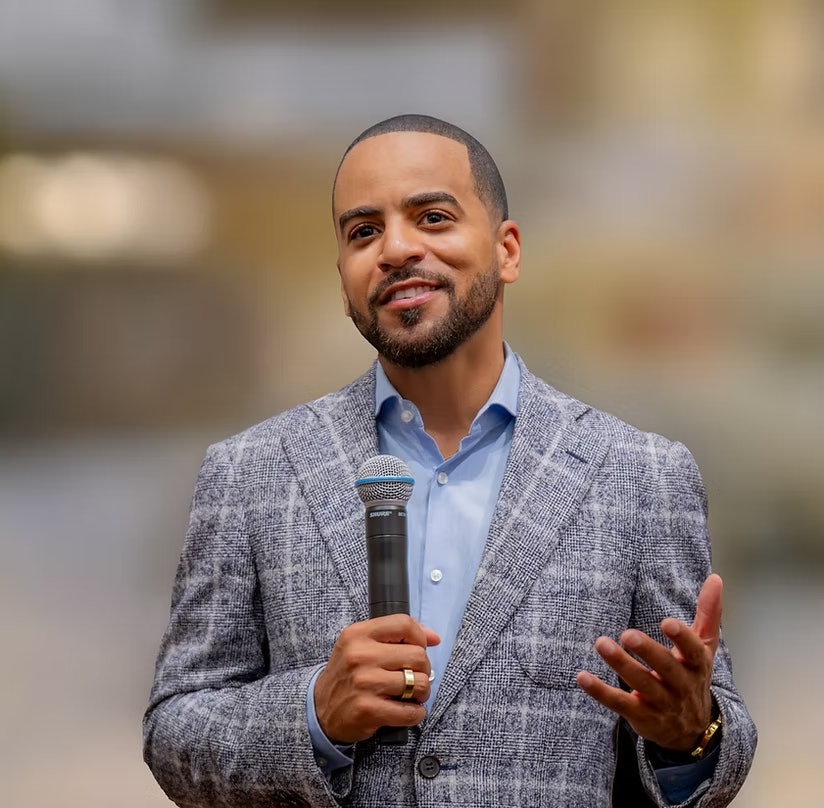
    Dr. Royel M. JohnsonThe report, released by the USC Race and Equity Center, analyzed responses from 1,992 student affairs professionals at 73 colleges and universities who participated in the National Assessment of Collegiate Campus Climates Staff Survey between 2021-2023.

    “When we look at over 2000 student affairs professionals across 73 institutions, we often see that student affairs professionals are really the backbone of our campuses, who are the first line of defense in supporting students and responsible for creating the conditions of belonging,” said Dr. Royal Johnson, a professor in the Rossier School of Education at the University of Southern California and director of the National Assessment of Collegiate Campus Climates in the USC Race and Equity Center. “But the same sort of realities that students are facing of race and discrimination, student affairs professionals are also being plagued with those same challenges.”

    Black student affairs professionals reported the highest rates of direct racist experiences at 61%, followed by Asian (46%) and multiracial staff (46%). In contrast, only 17% of white professionals reported experiencing racism personally.

    “Student affairs professionals are expected to champion equity and care for students, yet they often labor in environments that fall short of those same principles,” the researchers wrote.

    In an interview with Diverse, Johnson noted that upwards of 60% of those surveyed reported experiencing racism and the lingering consequences, “whether it be the emotional toll and frustration associated with it, the distrust that emanates from it, their sense of mattering,” he added. 

    The perpetrators of racism came primarily from within institutions themselves. White staff members were the most common source of racist behavior (27% of respondents reported experiencing racism from white colleagues), followed by white students (22%) and white faculty (21%). Additionally, 22% experienced racism from external contacts such as vendors and community partners.

    The emotional toll proved significant, with 72% of respondents reporting feelings of frustration and 50% experiencing anger as a result of racist incidents. More than a quarter (27%) said the experiences led to declines in mental health and emotional well-being.

    Confidence in institutional commitment to diversity, equity and inclusion varied sharply by race. While half of white staff expressed strong confidence in their institution’s DEI commitment, only 30% of Black staff and 35% of Asian staff shared that view.

    The workplace climate issues extended beyond racist incidents to broader patterns of exclusion and inequality. Less than half of all respondents felt they mattered at their institution, with Asian (33%) and Black (38%) professionals reporting the lowest rates of feeling valued.

    Staff of color also reported significant barriers to advancement. Among Black professionals, 34% disagreed that they received equal opportunities for advancement compared to colleagues, while 32% of Hispanic/Latinx staff reported similar concerns. One in ten Black professionals said their perspectives were not valued at all in workplace decision-making processes.

    “We know that staff of color have long struggled with equitable professional mobility kind of opportunities, or feel relegated to lower level, lower status kinds of roles,” Johnson explained, adding that the study represents “one of the more larger scale analysis that’s national in scope, that’s offering behind the scenes if you will, of the kind of racial realities that folks are experiencing.”

    The study revealed gaps in institutional support systems as well. While 70% of staff of color and 81% of white staff learned about race through self-directed efforts, only about half received formal professional development from their institutions on racial topics.

    During the survey period, which coincided with national discussions about anti-Asian hate crimes and police brutality against Black Americans, less than half of institutions addressed these issues. Only 42% of respondents said their leaders addressed anti-Asian hate crimes, while 50% said leaders addressed police brutality and racially motivated violence against Black people.

    The findings come as student affairs faces broader retention challenges, with 39% of staff indicating they are likely to seek other employment within the next year, according to separate research by the College and University Professional Association for Human Resources.

    The USC researchers offered seven recommendations for institutional action, including strengthening reporting mechanisms, embedding equity goals in staff evaluations, regularly assessing campus climate with disaggregated data, and ensuring transparent advancement pathways.

    “Addressing racism in the workplace is not about individual resilience—it is about institutional responsibility,” the researchers concluded. “Without bold, sustained, and collective action, campuses risk losing the very professionals who are central to advancing their diversity and student success missions.”

    The study’s sample included professionals from 28 two-year and 45 four-year institutions. The demographic breakdown was 54% white, 18% Hispanic/Latinx, 12% Black, 5% Asian, and 7% biracial or multiracial staff members.

    Source link

  • Dr. Marlene Tromp Named University of Vermont’s 28th President

    Dr. Marlene Tromp Named University of Vermont’s 28th President

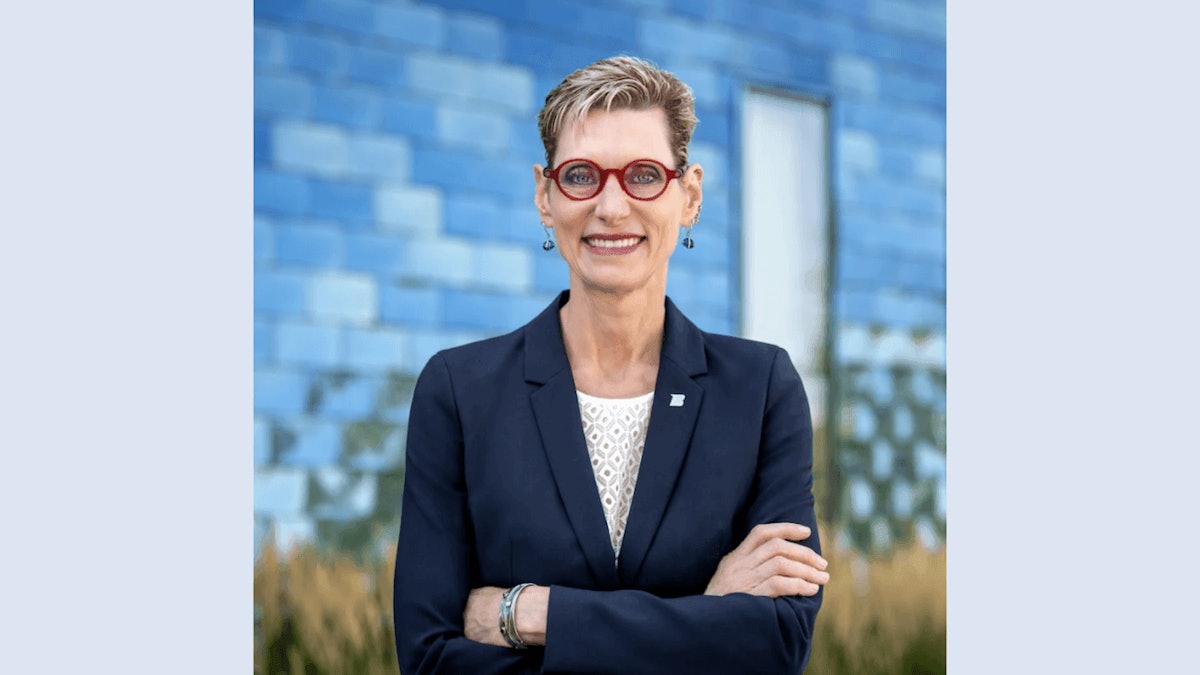
    Dr. Marlene TrompThe University of Vermont (UVM) Board of Trustees has selected Dr. Marlene Tromp as the institution’s 28th president.

    Tromp, who is currently serving as president of Boise State University, will assume her new role later this summer.

    “Dr. Tromp brings with her the experience and ability for great success that will benefit the university, community, and state,” said Cynthia Barnhart, Board of Trustees chair and co-chair of the Presidential Search Advisory Committee.

    A first-generation college student raised in rural Wyoming,Tromp brings nearly 30 years of experience in higher education. During her six-year tenure at Boise State, she successfully navigated the challenges of the COVID-19 pandemic while increasing student enrollment and improving affordability. Under her leadership, the university achieved record graduation rates and philanthropic funding while expanding its research footprint.

    “This is a university that has the power to truly lead the nation and even the world on several fronts,” Tromp said of UVM. “I’m so excited to work with my colleagues, the students, alumni, and friends to improve individual lives and the life of the community.”

    Tromp’s rural background appears to have been a significant factor in her selection.

    “She grew up with the experience of being in a rural state and understanding the importance of the flagship institution to that state, both urban and rural parts of the state. She really demonstrated an ability to connect well with Vermont culture, given that upbringing,” said Ron Lumbra, immediate past chair of the Board of Trustees and co-chair of the search committee. 

    A humanities scholar with a concentration in Victorian literature and culture, Tromp has published nine books and dozens of peer-reviewed papers. Her administrative experience includes serving as campus provost and executive vice chancellor at the University of California at Santa Cruz and vice provost and dean at Arizona State University.

    Senator Patrick Leahy, who met with Tromp during her campus visit, expressed confidence in her leadership abilities.

    “Dr. Tromp seems poised and ready to lead UVM. She clearly understands the impact and responsibilities UVM has in our state,” Leahy said.

    Campus leaders have also voiced strong support for the appointment. Athletic Director Jeff Schulman praised Tromp’s “experience, commitment to excellence and passion for UVM,” while Bill Falls, dean of the College of Arts and Sciences, described her as “an empathetic and collaborative leader.”

    Tromp holds a Bachelor of Arts from Creighton University, a Master of Arts in English from the University of Wyoming, and a Ph.D. from the University of Florida. She currently serves on the NCAA Division I Board of Directors and consults on higher education with the Federal Reserve Board of San Francisco.

    She will succeed Dr. Suresh Garimella, who led UVM from 2019 until October 2024 when he became president of the University of Arizona. Provost Dr. Patricia Prelock has been serving as interim president since Garimella’s departure.

    Source link

  • Diversity and Inclusion Start With the Hiring Process: Two Institutions Getting It Right – CUPA-HR

    Diversity and Inclusion Start With the Hiring Process: Two Institutions Getting It Right – CUPA-HR

    by Jill Thompson | February 16, 2022

    For institutions to become diverse, equitable and inclusive workplaces for faculty and staff, HR must take a critical look at current hiring processes and analyze not only who’s being hired, but who’s doing the hiring. Are search committee members trained in DEI issues and prepared to conduct interviews in a way that exemplifies the institution’s commitment to DEI?

    As we wrap up the first two weeks of the 21-Day Equity Habit Building Challenge: Less Talk, More Action, we’re calling attention to inspiring higher ed hiring initiatives and resources from two institutions. HR pros will want to bookmark these resources to help them think through small adjustments or total redesigns of their institution’s hiring processes and DEI training for search committees.

    UC Davis’ Guide for Hiring Managers

    To helping hiring managers develop skills related to diversity and inclusion, UC Davis’ HR team created a guide to attracting, selecting and hiring diverse talent. The guide lists ways the institution can improve its reach for open positions and the diversity of candidates, as well as tips for incorporating inclusive language, targeting outreach, selecting recruitment panels, developing interview questions and making accommodations for applicants with accessibility issues.

    Oakland University’s Diversity Advocate Program

    Oakland University’s Diversity Advocate (DA) faculty hiring program was highlighted in-depth in the Fall 2021 issue of Higher Ed HR Magazine. The goal of the program is to mitigate bias in the hiring process. At one of the 21-Day Challenge Town Halls, OU’s team discussed the advantages of applying its DA model to the hiring process, namely ensuring equity doesn’t fall between the cracks by designating a DA to be an attentive participant in the search process.

    While Oakland University created the DA program for faculty hiring, they have gone on to create the Diversity Equity Advocate (DEA) program aimed at staff hiring. Although the DEA program is still considered a pilot program, it’s a great example of how Oakland University is shaking up search committees to achieve a more diverse workforce.

    Search committees are one of the first points of contact for job candidates. It’s imperative that these committees are prepared and trained to conduct inclusive interviews with diverse candidates and to bring issues of equity to the forefront. HR practitioners can use the resources listed here to spark ideas and action within their institutions.

    Haven’t joined in on the latest 21-day challenge yet? There are still two weeks left! 21-Day Challenges are open to CUPA-HR members only.

    Check out these articles to see how other institutions are promoting diverse, equitable and inclusive hiring practices:

    Embedding Racial Equity Into HR Practices

    The Equity Case for Competency-Based Hiring

    Breaking Down Hiring Barriers for Veterans: The Journey to Becoming a Military-Friendly Employer

    Hiring Heroes: Providing Employment Opportunities for Military Veterans

    How Two Universities Are Building Community Partnerships to Strengthen Local Hiring

    Removing Hiring Barriers for the Disability Community

    Examining Implicit Bias and Its Effect on Hiring and Inclusiveness

    e-Learning Courses:

    Building a Successful, More Inclusive Search (Individual)

    Building a Successful, More Inclusive Search (Group)


    Source link