Category: Institutions

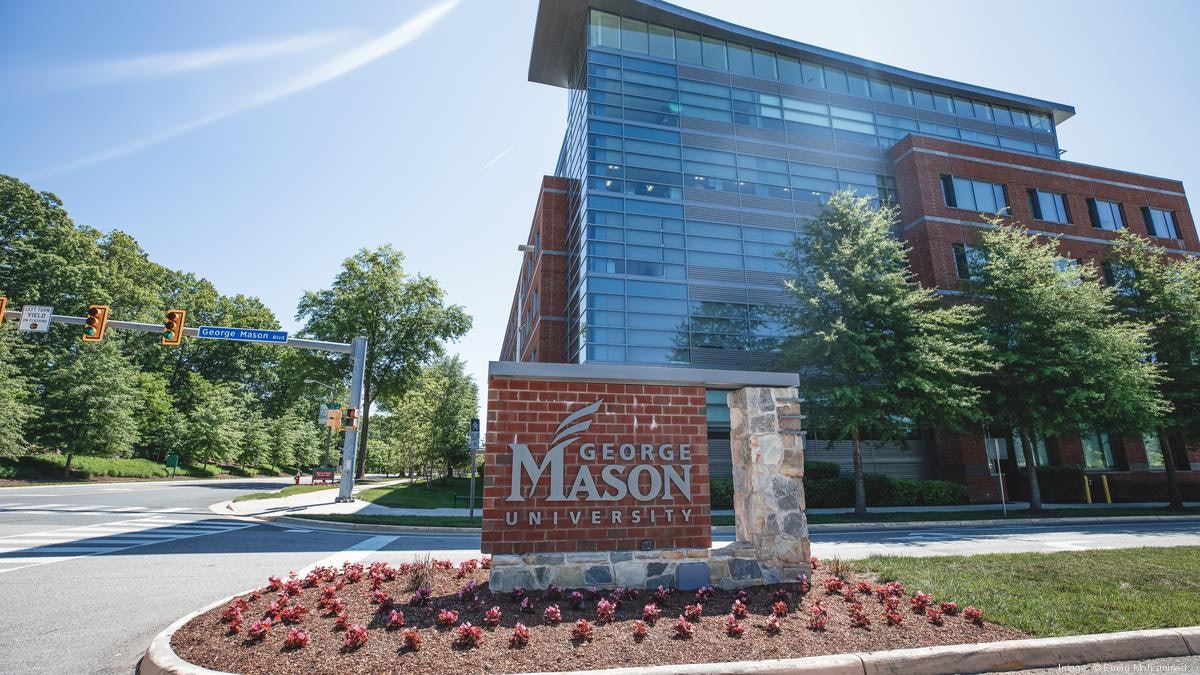
  • Federal Agency Finds George Mason University Violated Civil Rights Law Through DEI Policies

    Federal Agency Finds George Mason University Violated Civil Rights Law Through DEI Policies

    The U.S. Department of Education’s Office for Civil Rights has determined that George Mason University violated federal civil rights law by using race as a factor in hiring and promotion decisions, the agency announced on Friday.

    The finding concluded that GMU violated Title VI of the Civil Rights Act of 1964, which prohibits discrimination based on race, color, and national origin in federally funded education programs. The university now has 10 days to accept a proposed resolution agreement or risk losing federal funding.

    Acting Assistant Secretary for Civil Rights Craig Trainor said President Gregory Washington led “a university-wide campaign to implement unlawful DEI policies that intentionally discriminate on the basis of race.”

    “You can’t make this up,” Trainor said in a statement, noting that Washington had previously called for removing “racist vestiges” from campus in 2020.

    The investigation, launched in July 2025, stemmed from complaints filed by multiple GMU professors who alleged the university adopted preferential treatment policies for faculty from “underrepresented groups” between 2020 and the present.

    Federal investigators said that they found several problematic practices. As recently as fall 2024, they argue that the university’s website stated it “may choose to waive the competitive search process when there is an opportunity to hire a candidate who strategically advances the institutional commitment to diversity and inclusion.”

    The current Faculty Handbook also requires approval from the “Office of Access, Compliance, and Community” – previously called the “Office of Diversity, Equity, and Inclusion” until GMU renamed it in March 2025 – before extending job offers.

    One high-level administrator told investigators that Washington “created an atmosphere of surveillance” regarding hiring decisions related to diversity objectives.

    Under the proposed resolution agreement, Washington must personally issue a statement and apology to the university community, acknowledging the discriminatory practices. The university must also revise hiring policies, conduct annual training, and remove any provisions encouraging racial preferences.

    GMU must post the presidential statement prominently on its website and remove any contradictory materials. The university would also be required to maintain compliance records and designate a coordinator to work with federal officials.

    George Mason University, located in Fairfax, Virginia, enrolls approximately 39,000 students and receives federal funding that could be at risk if the violations are not resolved.

    George Mason officials said that they are reviewing the specific resolution steps proposed by the Department of Education. 

    “We will continue to respond fully and cooperatively to all inquiries from the Department of Education, the Department of Justice and the U.S. House of Representatives and evaluate the evidence that comes to light,” the university said in a statement. “Our sole focus is our fiduciary duty to serve the best interests of the University and the people of the Commonwealth of Virginia.”

    Source link

  • Northwestern University Announces Major Staff Cuts Amid Federal Funding Crisis

    Northwestern University Announces Major Staff Cuts Amid Federal Funding Crisis

    Northwestern University is moving forward with plans to eliminate more than 400 staff positions as it confronts significant financial challenges stemming from a $790 million federal funding freeze implemented by the Trump administration, according to multiple sources familiar with internal discussions.

    The cuts will affect staff across multiple schools within the university system, including the Weinberg College of Arts and Sciences and the McCormick School of Engineering. Administrators have begun notifying affected departments of the impending workforce reductions.

    In a university-wide communication released earlier this week, Northwestern leadership confirmed the elimination of approximately 425 positions throughout the institution. Half of these positions are currently vacant, while the remainder will result in actual job losses. The reductions are expected to decrease the university’s staff-related budget by roughly 5 percent.

    The administration characterized the decision as necessary to address what they termed a “significant budget gap” that cannot be resolved without reducing personnel expenses, which represent 56 percent of Northwestern’s total annual operating costs.

    Prior to implementing the staff reductions, university leadership directed schools and administrative units to approach the cuts strategically, with instructions to “think strategically about how to minimize the impacts to their units, our workforce, students, and the University.”


    Source link

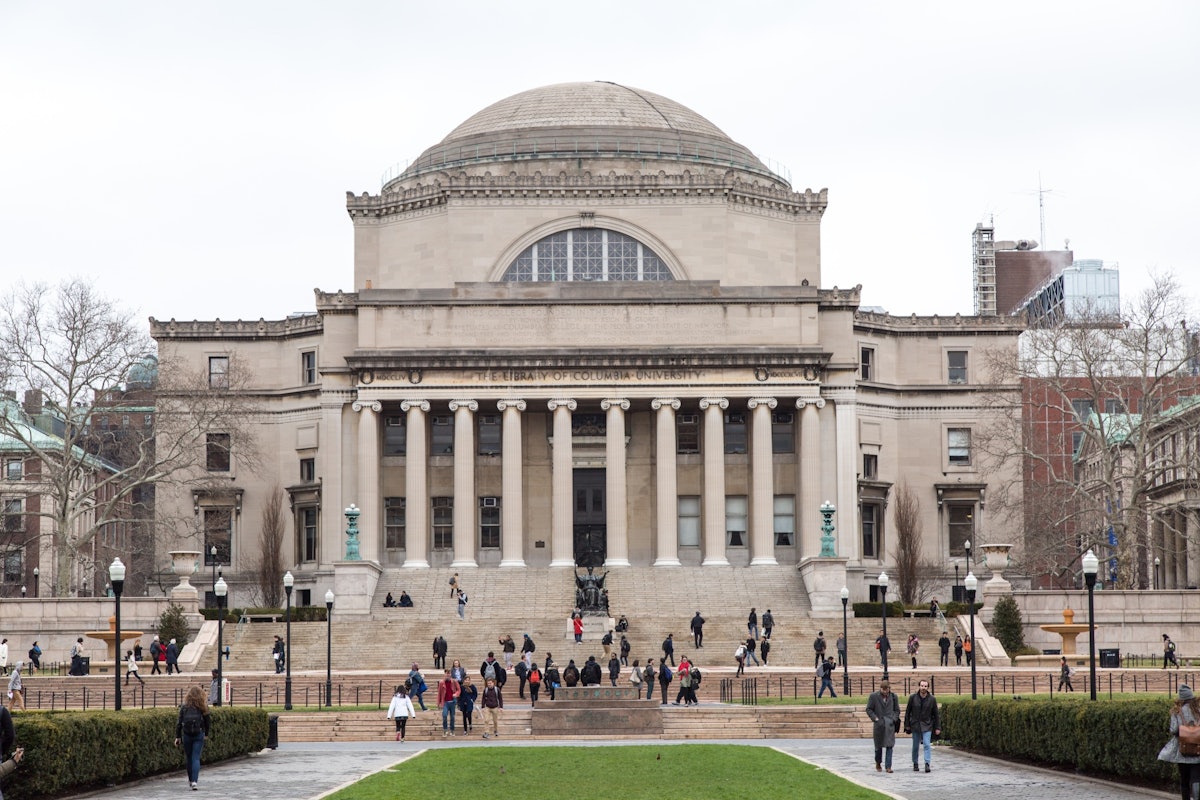
  • Columbia University Settles Class Action Lawsuit Over Inflated Rankings Data for $9 Million

    Columbia University Settles Class Action Lawsuit Over Inflated Rankings Data for $9 Million

    Columbia University has reached a $9 million settlement agreement with undergraduate students who alleged the institution deliberately submitted false information to U.S. News & World Report to artificially boost its college rankings position.

    The preliminary settlement, filed last Monday in Manhattan federal court and pending judicial approval, resolves claims that Columbia misrepresented key data points to enhance its standing in the influential annual rankings. The university reached as high as No. 2 in the undergraduate rankings in 2022 before the alleged misconduct came to light.

    Students alleged that Columbia consistently provided inaccurate data to U.S. News, including the false claim that 83% of its classes contained fewer than 20 students. The lawsuit argued these misrepresentations were designed to improve the university’s ranking position and, consequently, attract more students willing to pay premium tuition rates.

    The settlement covers approximately 22,000 undergraduate students who attended Columbia College, the Fu Foundation School of Engineering and Applied Science, and the School of General Studies between fall 2016 and spring 2022.

    The controversy began in July 2022 when Columbia mathematics professor Dr. Michael Thaddeus published a detailed analysis questioning the accuracy of data underlying the university’s No. 2 ranking. His report alleged that much of the information Columbia provided to U.S. News was either inaccurate or misleading.

    Following the publication of Thaddeus’s findings, Columbia’s ranking plummeted to No. 18 in September 2022. The dramatic drop highlighted the significant impact that data accuracy has on institutional rankings and reputation.

    In response to the allegations, Columbia announced in June 2023 that its undergraduate programs would withdraw from participating in U.S. News rankings altogether. The university cited concerns about the “outsized influence” these rankings have on prospective students’ decision-making processes.

    “Much is lost when we attempt to distill the quality and nuance of an education from a series of data points,” Columbia stated in explaining its decision to withdraw from the rankings process.

    While denying wrongdoing in the settlement agreement, Columbia acknowledged past deficiencies in its reporting practices. The university stated it “deeply regrets deficiencies in prior reporting” and has implemented new measures to ensure data accuracy.

    Columbia now provides prospective students with information that has been reviewed by an independent advisory firm, demonstrating the institution’s commitment to transparency and accurate representation of its educational offerings.

    Columbia’s decision to withdraw from U.S. News rankings reflects a growing skepticism among elite institutions about the value and impact of college ranking systems. Harvard and Yale have also stopped submitting data to U.S. News for various programs, signaling a potential shift in how prestigious universities approach rankings participation.

    Under the terms of the agreement, student attorneys plan to seek up to one-third of the settlement amount for legal fees, which would leave approximately $6 million available for distribution among affected students. The settlement requires approval from a federal judge before taking effect.

    Student lawyers characterized the accord as “fair, reasonable and adequate” given the circumstances of the case and the challenges inherent in proving damages from ranking manipulation.

    Source link

  • Summer 2025 | HESA

    Summer 2025 | HESA

    So. This is the last blog of the academic year. Service resumes Tuesday, 2 September.

    It’s been a long year. I’m pretty tired. How about you?

    This was the year it all kind of came crashing down: not just here in Canda, but everywhere else too. It’s too long to go through and my more faithful readers already know the story. It’s not just in Canada. In France, Australia, and the UK, we saw institutions having similar problems: all these fantastic higher education institutions we’ve collectively built and, quite simply, nobody wants to pay for it. Not through public funds, not through private fees. Nobody wants to pay for it.

    And then there’s American higher education would probably be going through something similar this year, only a greater catastrophe arrived first. I’ll pass over this in silence.

    Here in Canada, the sector is increasingly friendless. Parents and students seem less convinced that universities in particular represent good value. And governments are simply indifferent, not because they dislike universities necessarily, but because they dislike or distrust the knowledge economy universities are built to serve.

    Unfortunately, I think it is going to get worse. Not a single government in Canada released a budget this year which took into account the effects of US tariffs. The result? Allegedly healthy federal and provincial balance sheets are going to get pounded this year and next (and the especially unhealthy ones — BC and Quebec in particular — are going to be especially ugly). Deficits as far as they eye can see. As the saying goes, no one is coming to save us.

    I have no doubt that community colleges will find ways to get through this, because they have so far through this crisis mostly shown themselves to have the ability to do what it takes to right the ship. They might not look too good after another round or two of cuts, and it’s not impossible that a few rural colleges might disappear or shrink radically because what they get from governments and domestic tuition fees just isn’t enough to properly serve their communities, but on the whole, I think they will be ok.

    Universities, on the other hand. Well, that’s a different story.

    About a year ago, I said that the biggest change universities were going to have to undergo in this new financial age was shifting from a belief that every problem had a revenue-side solution to one in which every problem has a cost-side solution. Institutions can no longer solve their short-term problems by just recruiting another hundred international students. They actually have to change the way they do business. They have to change processes. They have to think about production functions and work processes in a way they haven’t before. And they have to do it while trying to pivot to new missions that give them more traction with government and the public.

    I am here to say that I don’t think it’s going so well.

    The message that “there is no one coming to save us” has, thankfully, penetrated fairly deeply in universities. Maybe not quite everywhere (hello, VIU!), but in most places. But what I am not sure has penetrated quite so deeply is the corollary that actual change is necessary. My (admittedly limited) vantage point on the sector is that:

    • I still see universities spending inordinate amounts of time trying to come up with new revenue-based solutions. It’s a habit they have a hard time kicking.
    • Universities are deeply resistant to doing more than the bare minimum of restructuring to meet immediate financial needs. The idea that deep structural change might be necessary remains pretty much anathema. This bare minimum approach means that when the next round of government cuts come – due to recession, or national re-armament or whatever – they are just going to have to cut again, and again, and again. There is very little sign of anyone trying to get ahead of the curve to make both big cuts and big investments in new areas that will help them survive the turmoil.
    • I still hear, distressingly often, senior people in universities utter the worst seven words in all of higher education: “we just gotta tell our story better”. Universities are reluctant to face the possibility that governments and the mass public don’t love them the way they are and that they may need to actually, you know, change.

    We need to stop acting like the research university of today – which in Canada is really only a creature of the 1970s or perhaps 1960s — is eternal. Universities can die, and have done so rather frequently across history. Universities are the product of particular configurations of social and economic forces. And now, at the moment when the western world is basically re-considering the entire post-WWII order, the idea that universities are going to be uniquely immune to change is bananas. Past performance — which I think has been pretty good — is not a guarantee of future safety.

    I am not saying here that universities shouldn’t fight for their own corner: they should! Often more vigorously than they currently do (see my piece on Bill 33, or on how they need to gear up for a fight with Bay Street over whether temporary residents will be international students or TFWs). But they can’t do it by digging in on the status quo.

    And so, I will end the academic year by repeating something I said a few months ago. To survive this coming period, universities are going to need:

    1. Ambition. Don’t waste time doing small things.
    2. Experimentation. The worst possible thing right now is an addiction to “the way we’ve always done things”
    3. Dissemination. No one institution got us into the mess. No one institution is going to get out of it alone, either. Institutions need to commit to sharing the results of their experimentation.

    I know every university in Canada can, if it chooses, commit to those three things. I have faith. And I believe that if they do, our university sector will come out as strong or stronger than any system in the world.

    But any institution that chooses not to commit to them…well, I think they are going to have some issues in the next three years. Serious ones.

    It’s up to us. Rest up this summer. Re-charge. We’re all going to need it in ‘25–’26.

    Source link

  • HESA’s AI Observatory: What’s new in higher education (May 16, 2025)

    HESA’s AI Observatory: What’s new in higher education (May 16, 2025)

    Highlight from a Canadian PSI

    New AI Research Assistant available in library search

    April 25th, 2025. University of Manitoba. 

    UManitoba recently announced the launch of their new AI Research Assistant (beta), a GenAI tool to help with library searches and to help gather initial insights on research topics. Functions include providing summarized responses to research questions, recommending relevant publications from the libraries’ collections, and suggesting additional question prompts to expand the research topic.

    AI Policy

    Encadrement de l’IA en enseignement supérieur: des syndicats d’enseignants déplorent la lenteur de Québec à agir

    Dion-Viens, Daphnée. Le Journal de Montréal. April 24th, 2025.  

    “Québec a annoncé l’automne dernier la création d’une instance de concertation sur l’intelligence artificielle en enseignement supérieur, dont les travaux ont débuté en octobre. Le bilan des travaux devait être présenté en avril, mais cet échéancier a été repoussé à la fin de l’été. Un cadre de référence pour l’intégration de l’IA dans les cégeps et les universités devrait être présenté à la rentrée. La Fédération nationale des enseignantes et enseignants du Québec (FNEEQ-CSN) déplore ce report. Le temps presse puisque plusieurs établissements attendent ces lignes directrices pour agir. »

    Universities have a chance to lead in shaping AI’s future

    Kaya-Kasikci, S. et al. University World News. April 23th, 2025.

    The authors of a recent academic analysis of national AI policies share their thoughts about how the diverse AI policy approaches and perspectives around the world might impact the future of post-secondary education.   

    Transformation of Education

    Are You Ready for the AI University?

    Latham, S. The Chronicle of Higher Education. April 8th. 2025. 

    “What’s happening in higher education today has a name: creative destruction. The economist Joseph Schumpeter coined the term in 1942 to describe how innovation can transform industries. That typically happens when an industry has both a dysfunctional cost structure and a declining value proposition. Both are true of higher education.“

    AI is unable to outpace higher education

    Lumina Foundation. April 29th, 2025. 

    “Leaders from academia, economic development, and industry discuss how universities and colleges are advancing research and equipping students with the skills to lead in an AI-powered future. From addressing social inequities to preparing cities for the economy of the future, the conversation highlights the transformative potential of AI when nurtured within higher education, and the tradeoffs that must be made in an education system wired for the past.“

    Gen Z says AI has made their college degrees irrelevant

    Torres, R. April 29th, 2025. Higher Ed Dive.

    “The ongoing push to deemphasize college degree requirements in job postings has led half of Gen Z job seekers to view their degrees as a waste of time and money”, according to a recent Indeed report that surveyed 772 US adulted workers and job seekers with an associate’s degree or higher.

    Workforce readiness

    Labor Market Disruption and Policy Readiness in the AI Era

    McGrath, E. and Burris, M. The Century Foundation. April 29th, 2025.

    Policy recommendations to prepare current and future workforce for AI.

    Teaching and Learning

    Here is how experiential learning can save colleges from AI

    McKeen, S. University Business. April 30th, 2025.

    “If knowledge is now universally accessible, what remains of higher education’s value? (…) The traditional college lecture is obsolete. Why should students pay thousands in tuition to sit in a lecture hall when AI can summarize complex theories in seconds? The world no longer rewards passive knowledge absorption. Employers want graduates who can think critically, collaborate effectively, and apply knowledge in complex, unpredictable environments. Experiential learning isn’t just an educational trend— it’s a survival strategy.“

    Is AI Enhancing Education or Replacing It?

    Shirky, C. The Chronicle of Higher Education. April 29th, 2025.

    “The fact that AI might help students learn is no guarantee it will help them learn. […] The teacher can advance learning only by influencing the student to learn.Faced with generative AI in our classrooms, the obvious response for us is to influence students to adopt the helpful uses of AI while persuading them to avoid the harmful ones. Our problem is that we don’t know how to do that.“

    Teaching Writing in the Age of AI

    Mintz, S. Inside Higher Ed. May 2nd, 2025. 

    « As artificial intelligence becomes increasingly capable of generating polished, grammatically correct text that meets academic standards, educators face a critical challenge: How can we teach students to write authentically and effectively? » This author talks about the challenges of teaching writing in the AI era, and provide tips on how to move beyond these challenges.

    3 Laws for Curriculum Design in an AI Age

    Chaudhuri, A. and Trainor, J. Inside Higher Ed. April 30th, 2025.

    The authors share « a framework for thinking about how to address AI technology in the curriculum at all levels, from the individual classroom to degree-level road maps, from general education through graduate courses. »

    When GenAI resets the assessment baseline

    Jones, C. Times Higher Education. April 29th, 2025. 

    A visiting lecturer at Regent’s University London, Kingston University and more shares how he reassessed his assignment to mitigate students using AI to do all the work for them. His initial plan was to have ChatGPT create a « baseline » output against which he could mark his students assignments, but he was surprised to realize that the ouptut was better than most undergraduate students would have delivered. He had to review his approach, and shares his strategy in this article.

    Research

    AI Summary ‘trashed author’s work’ and took weeks to be corrected

    Ross, J. Times Higher Education. April 24th, 2025.

    AI research summaries ‘exaggerate findings’, study warns

    Ross, J. Times Higher Education. April 16th, 2025.

    « Dutch and British researchers have found that AI summaries of scientific papers are much more likely than the original authors or expert reviewers to ‘overgeneralise’ he results. (…) AI summaries – purportedly designed to help spread scientific knowledge by rephrasing it in ‘easily understandable language’ – tend to ignore ‘uncertainties, limitations and nuances’ in the research by ‘omitting qualifiers’ and ‘oversimplifying’ the text. Read the academic paper here

    AI Literacy

    Using peer networks to integrate AI literacy into liberal arts

    McMurtrie, B. The Chronicle of Higher Education. April 24th, 2025.

    Read how an associate professor of anthropology at the University of Texas at San Antonio is teaching students about effective AI use.

    Urgent Need for AI Literacy

    Schroeder, R. April 30th, 2025. Inside Higher Ed. 

    « As we approach May, alarm bells are ringing for all colleges and universities to ensure that AI literacy programs have been completed by learners who plan to enter the job market this year and in the future. »

    Source link

  • Thinking with affect theory in higher education: what can it help us to do?

    Thinking with affect theory in higher education: what can it help us to do?

    by Karen Gravett

    How does higher education feel, to work or to study in? How do affects circulate through the places, spaces, bodies and the structures and pedagogies of institutions? And why might thinking about feelings and affect be useful for educators? This blog draws on recent research that seeks to explore how affect theory can be helpful to understand and enhance our work in higher education. Attuning to affect, I suggest, has implications for both how we understand power relations in education, as well as for finding ways to foster more creative and meaningful pedagogies. 

    What is affect theory?

    Interest in affect, and ideas from affect theory/studies, are gaining momentum across the evolving field of higher education studies. Within the social sciences, the ‘affective turn’ has been influenced by work from Clough (2007), Massumi (2015), Seigworth and Pedwell (2023), Ahmed (2010), and many others. No longer confined to binary ideas of emotion/reason, body/mind, scholars have begun to think about emotion and affect as interwoven with education in complex ways. What we mean by emotions and affect can be understood differently, but for many scholars, affect specifically refers to sensory experiences (Zembylas, 2021), forces that are felt bodily. Affects circulate and evolve within and in between ordinary encounters, and in mobile ways.

    Affect in the classroom

    Thinking with affect can help us understand the classroom as a space in which learning is not divorced from the body but viscerally experienced and felt. This helps us to see learning and teaching as always situated and informed by the moment in which it occurs and as we experience it. Feelings do not simply happen within individuals and then move outward (Ahmed, 2010). This shift in thought enables us to consider ourselves in relation to others (both human and non-human), to consider how learning and teaching feels, as well as the ‘structures of feeling’ (Williams, 1961) that circulate within institutions. Thinking with affect helps us to think about the micro-incidents of co-presence, its frictions, and the ‘inconvenient’ (Berlant, 2022) work being present requires of us to engage with others. Education requires affective work of us; it requires us to change, evolve, and adapt constantly to others. This work is exposing; discomforting. In engaging with one another, and being affected and receptive to one another, we are made aware of our own interdependence.

    Affective institutions

    Thinking about affect, then, enables us to understand how institutions are permeated by, and also create, ‘affective atmospheres’ (Anderson, 2009), or ‘structures of feeling’ (Williams, 1961). In his work, Williams uses the idea of ‘structures of feeling’ to study the affective quality of life, in order that we might understand ‘the most delicate and least tangible parts of our activity’ (Williams, 1961, 48). Affective atmospheres, including competition, collegiality, anxiety, inclusion and exclusion are created through pedagogies, policies and practices. For example, the affective atmospheres of self-improvement and self-promotion may permeate neoliberal higher education institutions. Cultures of neoliberalism and precarity require academics to adopt certain affective and embodied practices, such as being competitive, self-motivated or resilient. And yet, affect may be able to disrupt these conditions: affective experiences such as humility, collegiality and joy offer opportunities for resistance and can also be found flourishing within institutional cultures and practices.

    Affective craft

    In the classroom, there may also be ways in which teachers are able to reshape affective relations. This might mean that certain relations could be given space to flourish, and other hierarchies of difference might be, at least momentarily, constrained.Different pedagogical approaches contribute to different feelings in classroom spaces and to different connections. For example, Stewart describes the changing affective atmosphere of the classroom when she employs storytelling and uses questioning approaches to enable dialogue: ‘something subtle but powerful had shifted…The room had become a scene we were in together as bodies and actors’ (Stewart, 2020: 31). For Airton, these kind of affirmative pedagogic approaches work as ‘affective craft’ and might include providing open spaces for students to lead and shape the learning encounter. In my research with Simon Lygo-Baker, we examine different ways in which teachers can experiment with affective craft. These include through teaching in spaces beyond the classroom, using art and objects for generating discussion, engaging storying and the sharing of vulnerabilities, as well as through using Play-Doh modelling to disrupt hierarchies and foster collaboration. These are just some ordinary, everyday ideas, and are ideas we also explore further in our new book: Reconceptualising Teaching in Higher Education:  Connected Practice for Changing Times, to be published in 2026 by Routledge.

    We believe that teaching is about presence, connection, an ‘encounter’, and that affect theory can be a helpful way to understand and enhance the connections we make, as well as the institutions in which we work and learn. As Dernikos and colleagues explain: ‘scholars are now theorizing what these affective swells can do. And what is surprising is that this does not call for grand movements, nor for great reforms, but depends on the subversive power of the very small’ (Dernikos et al, 2020: 16).

    Dr Karen Gravett is Associate Professor of Higher Education, and Associate Head (Research) at the University of Surrey, UK, where her research focuses on the theory-practice of higher education. She is a member of the Society for Research in Higher Education Governing Council, a member of the editorial boards for Teaching in Higher Education and Learning, Media and Technology, and Associate Editor for Sociology. She is a Principal Fellow of the Higher Education Academy. She is also an Honorary Associate Professor for the Centre for Assessment and Digital Learning at Deakin University. Karen’s latest books are: Gravett, K (2025) Critical Practice in Higher Education, and Gravett, K (2023) Relational Pedagogies: Connections and Mattering in Higher Education.

    Author: SRHE News Blog

    An international learned society, concerned with supporting research and researchers into Higher Education

    Source link

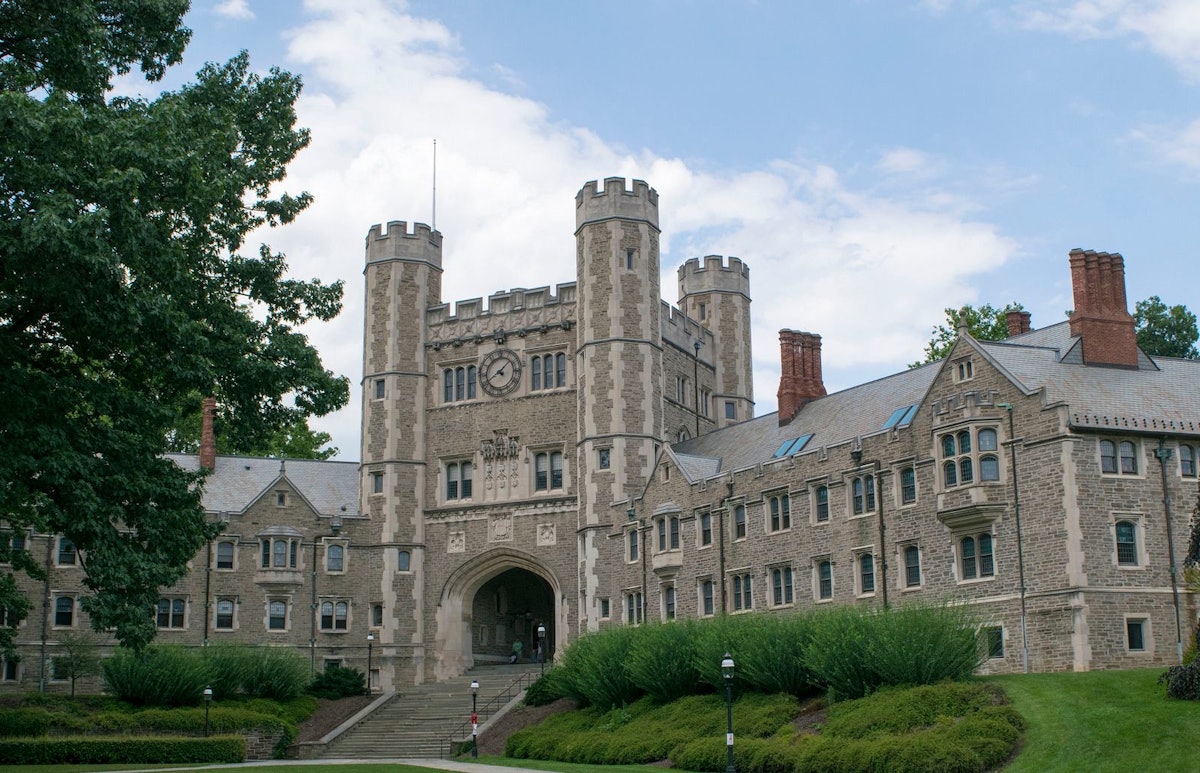
  • Princeton Grants Suspended as Federal Pressure on Universities Grows

    Princeton Grants Suspended as Federal Pressure on Universities Grows

    Princeton University
    In a concerning development for research institutions nationwide, Princeton University has become the most recent Ivy League school to have federal funding suspended amid what many academic leaders are describing as an unprecedented federal pressure campaign targeting elite universities.

    Princeton President Dr. Christopher Eisgruber announced earlier this week that “several dozen” federal research grants from agencies including the Department of Energy, NASA, and the Department of Defense have been halted. While the administration’s complete rationale remains unclear, the university is among dozens facing federal investigations into campus antisemitism following pro-Palestinian demonstrations last year.

    “We are committed to fighting antisemitism and all forms of discrimination, and we will cooperate with the government in combating antisemitism,” Eisgruber wrote in a campus-wide message. “Princeton will also vigorously defend academic freedom and the due process rights of this University.”

    The Department of Energy confirmed it had paused Princeton’s funding pending a Department of Education investigation into alleged antisemitic harassment on campus.

    This action follows similar funding suspensions at other prominent institutions:

    • Columbia University lost $400 million in federal grants and agreed to several government demands, including revising student discipline policies and reviewing its Middle East studies department
    • The University of Pennsylvania faced approximately $175 million in suspended funding related to a transgender athlete who previously competed for the school
    • Harvard University is under review for nearly $9 billion in federal grants and contracts amid an antisemitism investigation

    The funding suspensions create significant challenges for research universities, which depend heavily on federal grants. Princeton’s president had previously criticized the Columbia funding cuts as “a radical threat to scholarly excellence and to America’s leadership in research” in a March essay published in The Atlantic.

    Princeton was among 60 universities that received warning letters from the Education Department in March regarding accusations of antisemitism. The department indicated schools could face enforcement actions if they failed to address anti-Jewish bias on campus. Six of the eight Ivy League institutions were included in these warnings.

    The Education Department’s investigation at Princeton began in April 2024 under the previous administration, responding to a complaint that cited pro-Palestinian protests allegedly including antisemitic chants. Similar complaints have been filed against dozens of other institutions.

    The current administration has promised more aggressive measures against campus antisemitism, opening new investigations and taking action against foreign students connected to pro-Palestinian demonstrations. University officials face the challenge of balancing compliance with federal demands while preserving academic freedom and campus autonomy.

    These developments follow congressional hearings on campus antisemitism that contributed to the resignations of presidents at Harvard, Penn, and Columbia. Most recently, Columbia’s interim president Dr. Katrina Armstrong resigned after the university agreed to the government’s demands.

    The situation raises critical questions about federal oversight of higher education, the boundaries of campus free speech, and the future of institutional autonomy at American universities.

    Source link

  • HESA’s AI Observatory: What’s new in higher education (March 16, 2025)

    HESA’s AI Observatory: What’s new in higher education (March 16, 2025)

    International Frameworks

    With the right opportunities we can become AI makers, not takers
    Michael Webb.  FE Week. February 21, 2025.

    The article reflects on the UK’s AI Opportunities Action Plan, aiming to position the country as a leader in AI development rather than merely a consumer. It highlights the crucial role of education in addressing AI skills shortages and emphasizes the importance of focusing both on the immediate needs around AI literacy, but also with a clear eye on the future, as the balance moves to AI automation and to a stronger demand for uniquely human skills.

    Living guidelines on the responsible use of generative AI in research : ERA Forum Stakeholder’s document
    European Commission, Directorate-General for Research and Innovation. March 2024.

    These guidelines include recommendations for researchers, recommendations for research organisations, as well as recommendations for research funding organisations. The key recommendations are summarized here.

    Industry Collaborations

    OpenAI Announces ‘NextGenAI’ Higher-Ed Consortium
    Kim Kozlowski. Government Technology.  March 4, 2025.

    OpenAI has launched the ‘NextGenAI’ consortium, committing $50M to support AI research and technology across 15 institutions, including the University of Michigan, the California State University system, the Harvard University, the MIT and the University of Oxford. This initiative aims to accelerate AI advancements by providing research grants, computing resources, and collaborative opportunities to address complex societal challenges.

    AI Literacy

    A President’s Journey to AI Adoption
    Cruz Rivera, J. L. Inside Higher Ed. March 13, 2025.

    José Luis Cruz Rivera, President of Northern Arizona University, shares his AI exploration journey. « As a university president, I’ve learned that responsible leadership sometimes means […] testing things out myself before asking others to dive in ». From using it to draft emails, he then started using it to analyze student performance data and create tailored learning materials, and even used it to navigate conflicting viewpoints and write his speechs – in addition to now using it for daily tasks.

    Teaching and Learning

    AI Tools in Society : Impacts on Cognitive Offloading and the Future of Critical Thinking
    Gerlich, M. SSRN. January 14, 2025.

    This study investigates the relationship between AI tool usage and critical thinking skills, focusing on cognitive offloading as a mediating factor. The findings revealed a significant negative correlation between frequent AI tool usage and critical thinking abilities, mediated by increased cognitive offloading. Younger participants exhibited higher dependence on AI tools and lower critical thinking scores compared to older participants. Furthermore, higher educational attainment was associated with better critical thinking skills, regardless of AI usage. These results highlight the potential cognitive costs of AI tool reliance, emphasising the need for educational strategies that promote critical engagement with AI technologies.

    California went big on AI in universities. Canada should go smart instead
    Bates, S. University Affairs. March 12, 2025.

    In this opinion piece, Simon Bates, Vice-Provost and Associate Vice-President for Teaching and Learning at UBC, reflects on how the ‘fricitonless efficiency’ promised by AI tools comes at a cost. « Learning is not frictionless. It requires struggle, persistence, iteration and deep focus. The risk of a too-hasty full scale AI adoption in universities is that it offers students a way around that struggle, replacing the hard cognitive labour of learning with quick, polished outputs that do little to build real understanding. […] The biggest danger of AI in education is not that students will cheat. It’s that they will miss the opportunity to build the skills that higher education is meant to cultivate. The ability to persist through complexity, to work through uncertainty, to engage in deep analytical thought — these are the foundations of expertise. They cannot be skipped over. »

    We shouldn’t sleepwalk into a “tech knows best” approach to university teaching
    Mace, R. et al. Times Higher Education. March 14, 2025.

    The article discusses the increasing use of generative AI tools like among university students, with usage rising from 53% in 2023-24 to 88% in 2024-25. It states that instead of banning these tools, instructors should ofcus on rethinking assessment strategies to integrate AI as a collaborative tool in academic work. The authors share a list of activities, grounded in the constructivist approach to education, that they have successfully used in their lectures that leverage AI to support teaching and learning.

    Accessibility & Digital Divide

    AI Will Not Be ‘the Great Leveler’ for Student Outcomes
    Richardson, S. and Redford, P. Inside Higher Ed. March 12, 2025.

    The authors share three reasons why AI tools are only deepening existing divides : 1) student overreliance on AI tools; 2) post-pandemic social skills deficit; and 3) business pivots. « If we hope to continue leveling the playing field for students who face barriers to entry, we must tackle AI head-on by teaching students to use tools responsibly and critically, not in a general sense, but specifically to improve their career readiness. Equally, career plans could be forward-thinking and linked to the careers created by AI, using market data to focus on which industries will grow. By evaluating student need on our campuses and responding to the movements of the current job market, we can create tailored training that allows students to successfully transition from higher education into a graduate-level career. »

    Source link

  • Columbia University Faces $400 Million Federal Funding Cut in the Wake of Antisemitism Concerns

    Columbia University Faces $400 Million Federal Funding Cut in the Wake of Antisemitism Concerns

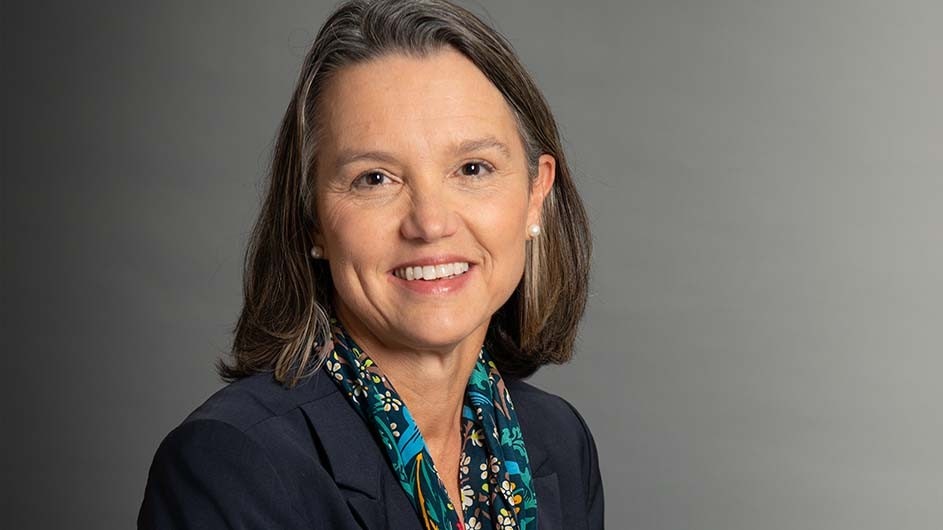
    Dr. Katrina ArmstrongColumbia University is grappling with significant financial challenges after the Federal Task Force to Combat Antisemitism announced $400 million in cuts to federal funding, a development that Interim University President Dr. Katrina Armstrong says will “touch nearly every corner of the University.”

    The task force described the cuts as a consequence of Columbia’s “continued inaction in the face of persistent harassment of Jewish students” and warned that this represents only the “first round of action,” with “additional cancellations” to follow.

    This announcement comes just four days after the task force revealed it would consider stop work orders for $51.4 million in contracts between Columbia and the federal government and conduct a “comprehensive review” of more than $5 billion in federal grant commitments to the institution.

    In her communication to the Columbia community, Armstrong acknowledged that the cuts would have an immediate impact on research and critical university functions, affecting “students, faculty, staff, research, and patient care.” Federal funding constituted approximately $1.3 billion of Columbia’s annual operating revenue in the 2024 fiscal year.

    “There is no question that the cancellation of these funds will immediately impact research and other critical functions of the University,” Armstrong wrote in en email to the campus community, while emphasizing that Columbia’s mission as “a great research university does not waver.”

    The situation at Columbia highlights the increasing tensions between academic institutions and the Trump administration, particularly regarding how universities respond to claims of antisemitism on campus. Since October 2023, Columbia has been at the center of pro-Palestinian student protests, drawing federal scrutiny, especially from the Trump administration.

    President Trump recently stated on Truth Social that “All Federal Funding will STOP for any College, School, or University that allows illegal protests.”

    Armstrong, who assumed her interim position following former University President Minouche Shafik’s resignation in August 2024, described Columbia as needing a “reset” from the “chaos of encampments and protests.” She emphasized that the university “needed to acknowledge and repair the damage to our Jewish students.”

    Armstrong affirmed the university’s commitment to working with the federal government on addressing antisemitism concerns, stating: “Columbia can, and will, continue to take serious action toward combatting antisemitism on our campus. This is our number one priority.”

    Armstrong, however, did not outline specific plans for how Columbia would adapt to the significant loss of federal funding, instead focusing on the university’s broader mission and values.

    “Antisemitism, violence, discrimination, harassment, and other behaviors that violate our values or disrupt teaching, learning, or research are antithetical to our mission,” Armstrong noted. “We must continue to work to address any instances of these unacceptable behaviors on our campus. We must work every day to do better.”

    The situation at Columbia raises important questions for higher education institutions nationwide about balancing free speech, campus safety, and federal compliance in the age of the Trump presidency. As universities increasingly face scrutiny over their handling of contentious social and political issues, the consequences—both financial and reputational—can be severe.

    Armstrong called unity within the Columbia community to maintain the university’s standing and continue its contributions to society.

    “A unified Columbia, one that remains focused on our mission and our values, will succeed in making the uncommonly valuable contributions to society that have distinguished this great university from its peers over the last 270 years,” she said. 

    Source link

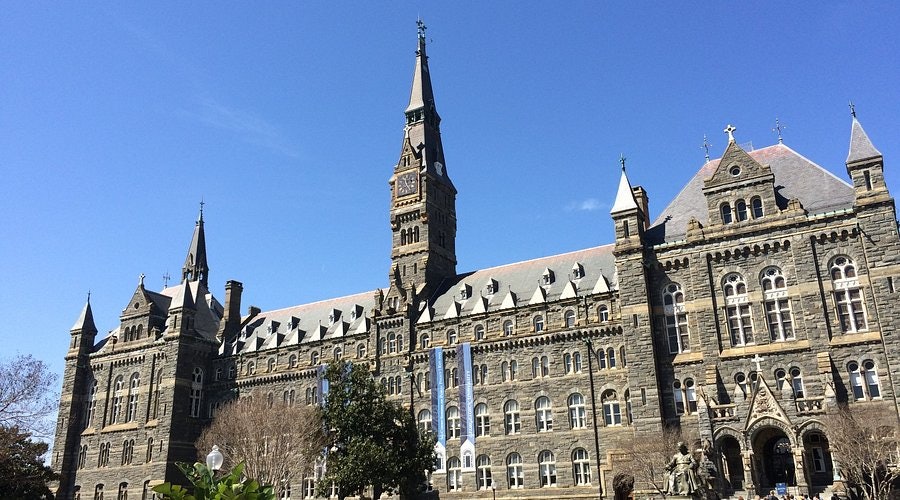
  • Georgetown University Honors Xavier University of Louisiana’s Centennial and Black Catholic Studies Legacy

    Georgetown University Honors Xavier University of Louisiana’s Centennial and Black Catholic Studies Legacy

    Georgetown UniversityAs Xavier University of Louisiana enters its centennial year, the nation’s oldest Catholic institution—Georgetown University—celebrated the institution’s 100-year legacy and the 45th anniversary of its Institute for Black Catholic Studies (IBCS).

    Last Thursday’s event, titled “Reflecting on the Significance of the Institute for Black Catholic Studies and the Journey Toward Reconciliation,” included a discussion among leaders from Xavier’s IBCS, the Descendants Truth & Reconciliation Foundation, and Georgetown University. It also showcased an exhibition co-created by the Georgetown University Library, highlighting the impact of the IBCS—a graduate program dedicated to fostering Black Catholic theology, ministry, and leadership.

    Founded in 1925 by Saint Katharine Drexel and the Sisters of the Blessed Sacrament, Xavier University of Louisiana remains the only historically Black Catholic university in the United States. The Georgetown event not only honored Xavier’s continued contributions but also reflected on the role of Black Catholic scholarship in shaping faith and social justice initiatives.

    Dr. Kathleen Dorsey Bellow, director of IBCS, acknowledged the deep collaboration between Xavier and Georgetown.

    Reflecting on her journey, Bellow shared how she initially hesitated to attend the IBCS in 1989 but was transformed by the experience.

    “I immediately appreciated that I was on holy ground,” said Bellow. “After my very first class, I knew I would complete the program and try to come back every summer after that. I needed to be refreshed, challenged, and affirmed in my mission as a Black Catholic woman in church and society,” she said. She said that the Institute was created to form strong Catholics who can express and explain their faith in ways that resonate with their communities.

    IBCS offers two tracks: a graduate theology program for future church leaders and a continuing education track for lay people seeking deeper faith formation. The program takes a well-rounded approach by including challenging coursework, combined with cultural experiences, prayer, and opportunities to build strong communities.

    “We study together, we pray together, we have African dance and drumming in the evenings,” Bellow said. “We are Black and Catholic Sunday through Saturday, and our mission is to share the gift of Blackness in the life of the Church.”

    The legacy of resistance, persistence, and transcendence was also central to the event’s discussion, a theme introduced by Father Joseph Brown, S.J., a leading scholar and former head of IBCS.

    Monique Trusclair Maddox, CEO of the Descendants Truth & Reconciliation Foundation discussed her family’s history of enslavement by the Jesuit order and the impact of learning about Georgetown University’s role in the sale of enslaved persons to save the institution.

    In 1838, Georgetown University, facing financial hardship, approved the sale of 272 enslaved men, women, and children to plantations in Louisiana to secure its financial future. The sale brought in about $115,000, which would be worth millions today, and helped pay off the university’s debts. The decision not only tore apart families but also reinforced the systemic exploitation of Black people for institutional survival.

    For years, the story remained buried until 2004, when Patricia Bayonne-Johnson uncovered it while tracing her family history. Since then, researchers along with the Jesuits, have worked to trace the lineage of those enslaved by the Society of Jesus and the Catholic Church. Their efforts have identified over 10,000 descendants, a number that continues to grow.

    Trusclair Maddox detailed her spiritual journey, including prayers for peace and understanding, and the establishment of the Descendants Truth and Reconciliation Foundation. The foundation, supported by JP Morgan Chase, has issued over $166,000 in scholarships and launched programs for home modifications and racial healing. Maddox emphasized the need for systemic change and called for broader awareness and participation in restorative justice efforts.

    “We knew that reconciliation required more than an acknowledgment, but demanded action,” Trusclair Maddox said.  “Restorative justice isn’t just about the past, it’s about what we do today to shape a more just future,” she added, and called on institutions and individuals to engage in meaningful change toward racial healing.

    As part of an effort to support the Descendants Truth & Reconciliation Foundation, Maddox highlighted a series of grassroots initiatives to raise awareness through media and marketing. He also announced the Jesuit order’s commitment of $100 million over the first five years to fund the foundation’s operations.

    “Now that we have operational dollars and we’re starting to give our grants to not just descendants, but also into transformation programs and truth-telling, we’re going to continue to build our programs,” Trusclair Maddox said.

    Dr. Joseph Ferrara, senior vice president and chief of staff at Georgetown University, said that he is excited about the school’s continued partnership with Xavier University.

    “We’re grateful for this opportunity to celebrate alongside Xavier and to recognize their importance to Catholic higher education,” Ferrara said. “We have an opportunity to reflect on the legacy at Xavier and the process toward reconciliation. Georgetown is very happy to be a part of the process, and that’s a journey we’re still on.”


    Source link