Professor Duncan Ivison is vice-chancellor of the University of Manchester, the birthplace of the computer.
Please login below to view content or subscribe now.
Membership Login

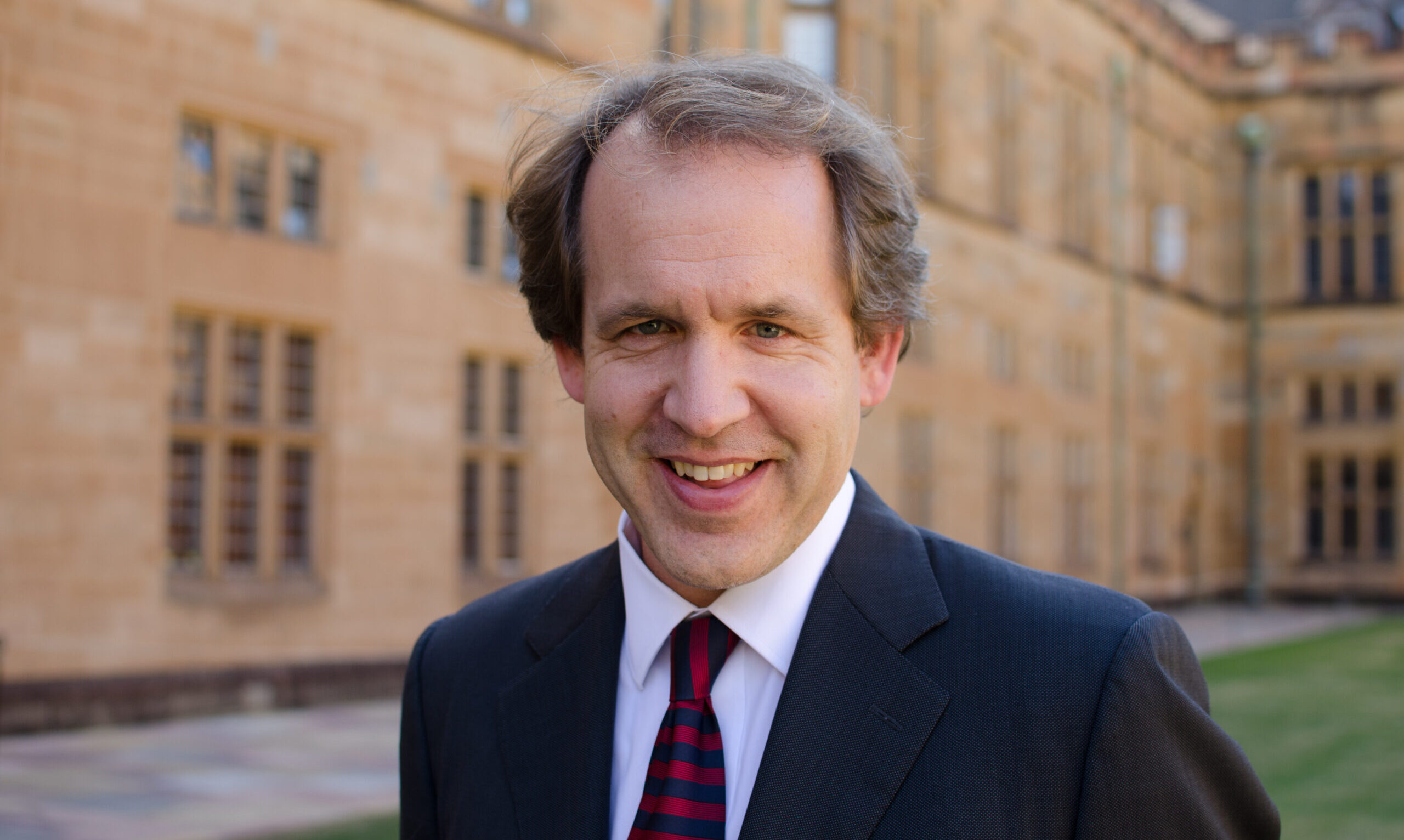
Professor Duncan Ivison is vice-chancellor of the University of Manchester, the birthplace of the computer.
Please login below to view content or subscribe now.
The future of Australians studying at American universities is in limbo after the Trump administration ordered a pause on new student visa approvals and is actively cancelling Chinese student visas.
Please login below to view content or subscribe now.
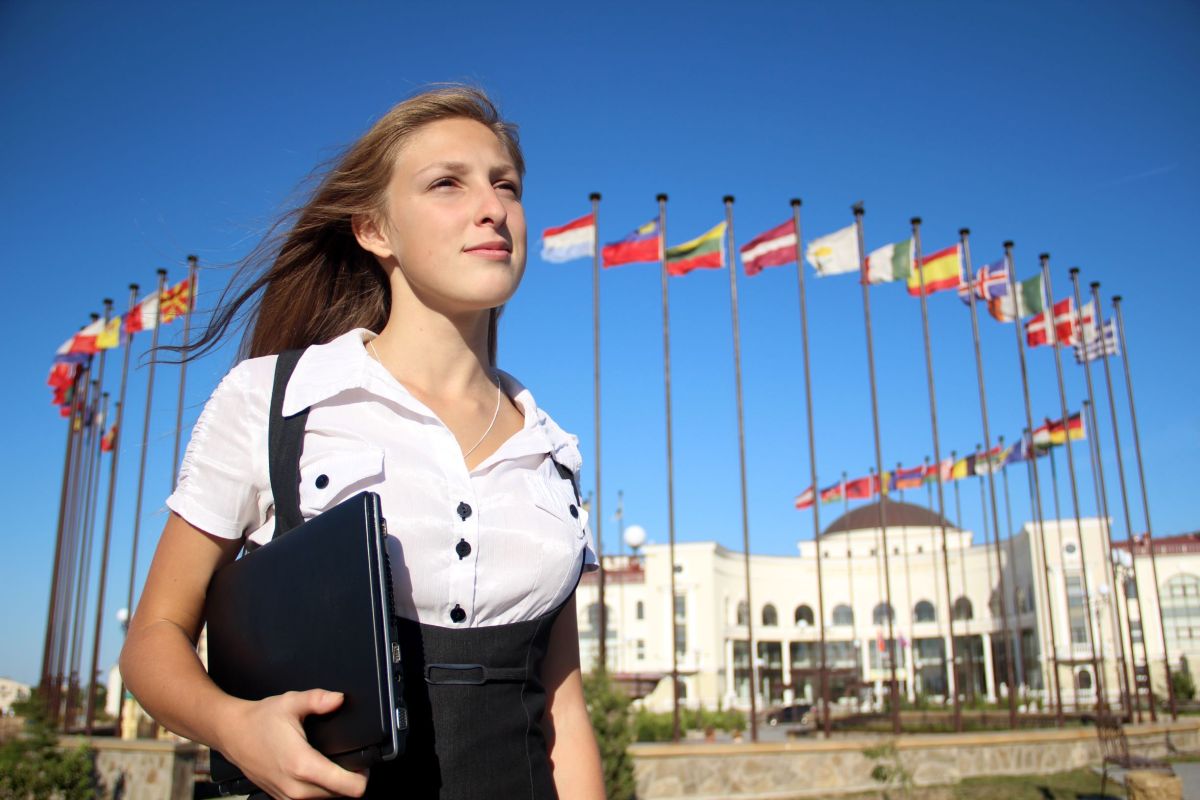
In 2025, much of my professional focus has been on small colleges in the United States. But as many of you know, my colleague and Edu Alliance co-founder, Dr. Senthil Nathan, and I also consult extensively in the international higher education space. Senthil, based in Abu Dhabi, UAE—where Edu Alliance was founded was asked by a close friend of ours, Chet Haskell, about how the Middle East and its students are reacting to the recent moves by the Trump Administration. Dr. Nathan shared a troubling May 29th article from The National, a UAE English language paper titled, “It’s not worth the risk”: Middle East students put US dreams on hold amid Trump visa crackdown.
The article begins with this chilling line:
“Young people in the Middle East have spoken of their fears after the US government decided to freeze overseas student interviews and plan to begin vetting their social media accounts. The directive signed by Secretary of State Marco Rubio and sent to diplomatic and consular posts halts interview appointments at US universities.”
The UAE, home to nearly 10 million people—90% of whom are expatriates—is a global crossroads. Many of their children attend top-tier international high schools and are academically prepared to study anywhere in the world. Historically, the United States has been a top choice for both undergraduate and graduate education.
But that is changing.
This new wave of student hesitation, and in many cases fear, represents a broader global shift. Today, even the most qualified international students are asking whether the United States is still a safe, welcoming, or stable destination for higher education. And their concerns are justified.
At a time when U.S. institutions are grappling with enrollment challenges—including a shrinking pool of domestic high school graduates—we are simultaneously sending signals that dissuade international students from coming. That’s not just bad policy. It’s bad economics.
According to NAFSA: Association of International Educators, international students contributed $43.8 billion to the U.S. economy during the 2023–2024 academic year and supported 378,175 jobs across the country. These students fill key seats in STEM programs, support local economies, and enrich our campuses in ways that go far beyond tuition payments.
And the stakes go beyond higher education.
A 2024 study found that 101 companies in the S&P 500 are led by foreign-born CEOs. Many of these executives earned their degrees at U.S. universities, underscoring how American higher education is not just a national asset but a global talent incubator that fuels our economy and leadership.
Here are just a few examples:
These leaders represent just a fraction of the talent pipeline shaped by U.S. universities.
According to a 2023 American Immigration Council report, 44.8% of Fortune 500 companies were founded by immigrants or their children, including iconic firms like Apple, Google, and Tesla. Together, these companies generate $8.1 trillion in annual revenue and employ over 14.8 million people globally.
The Bottom Line
The American higher education brand still carries immense prestige. But prestige alone won’t carry us forward. If we continue to restrict and politicize student visas, we will lose not only potential students but also future scientists, entrepreneurs, job creators, and community leaders.
We must ask: Are our current policies serving national interests, or undermining them?
Our classrooms, campuses, corporations, and communities are stronger when they include the world’s brightest minds. Let’s not close the door on a future we have long helped build.
Dean Hoke is Managing Partner of Edu Alliance Group, a higher education consultancy. He formerly served as President/CEO of the American Association of University Administrators (AAUA). With decades of experience in higher education leadership, consulting, and institutional strategy, he brings a wealth of knowledge on international partnerships and market evaluations.

A future monarch of Norway, Princess Ingrid Alexandra, will relocate to Sydney in August to study at the University of Sydney.
Please login below to view content or subscribe now.
A federal judge in Boston on May 23, 2025, temporarily blocked a Trump administration order that would have revoked Harvard University’s authorisation to enroll international students.
Please login below to view content or subscribe now.

The federal government’s recent decision to again raise the international student visa application fee to $2,000 has reignited concerns about the country’s approach to international education.
Please login below to view content or subscribe now.
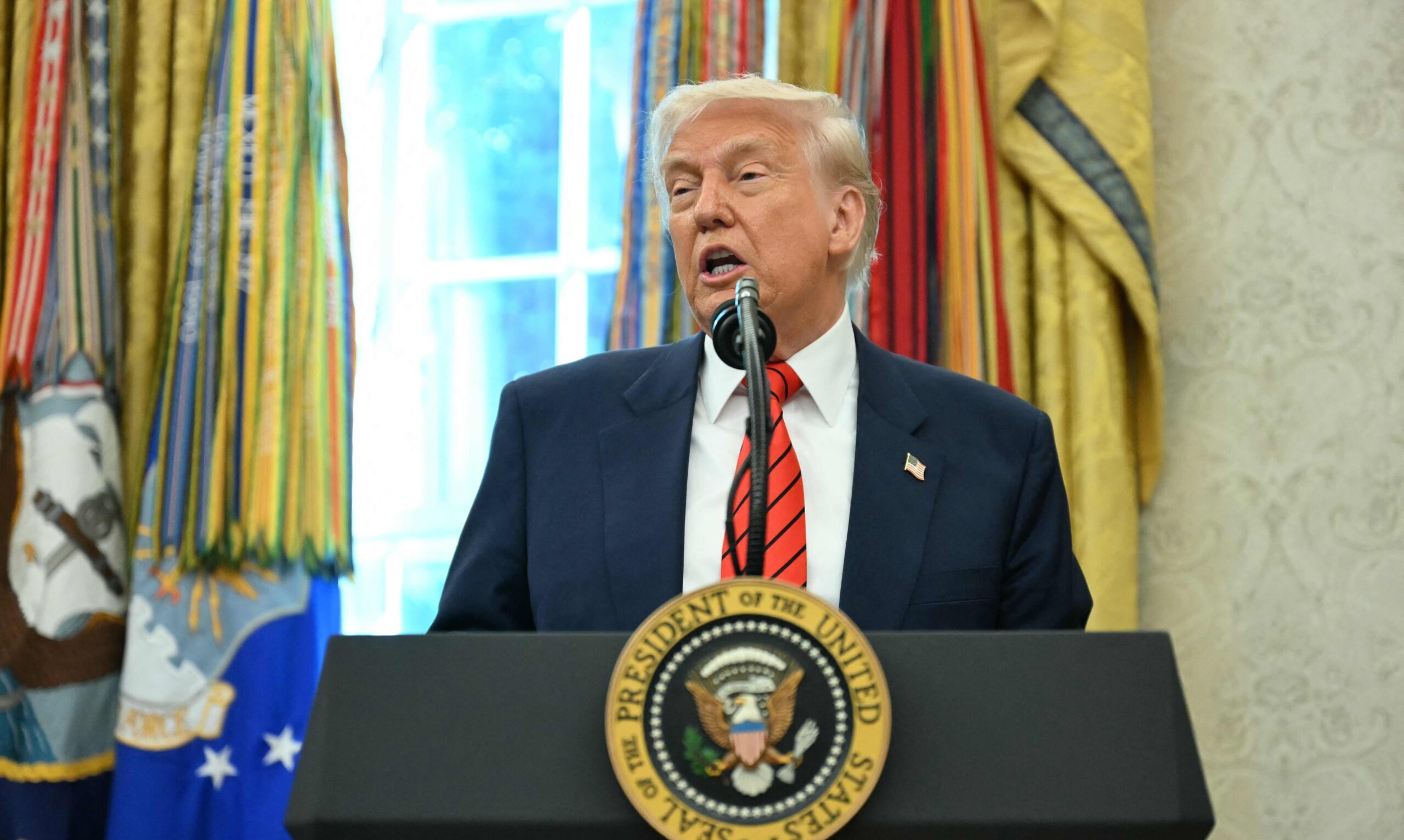
In its first 100 days, the Trump administration has terminated more than US$2 billion in federal grants, according to a public source database compiled by the scientific community, and it is proposing additional cuts that would reduce the $47 billion budget of the US National Institutes of Health, also known as the NIH, by nearly half.
Please login below to view content or subscribe now.
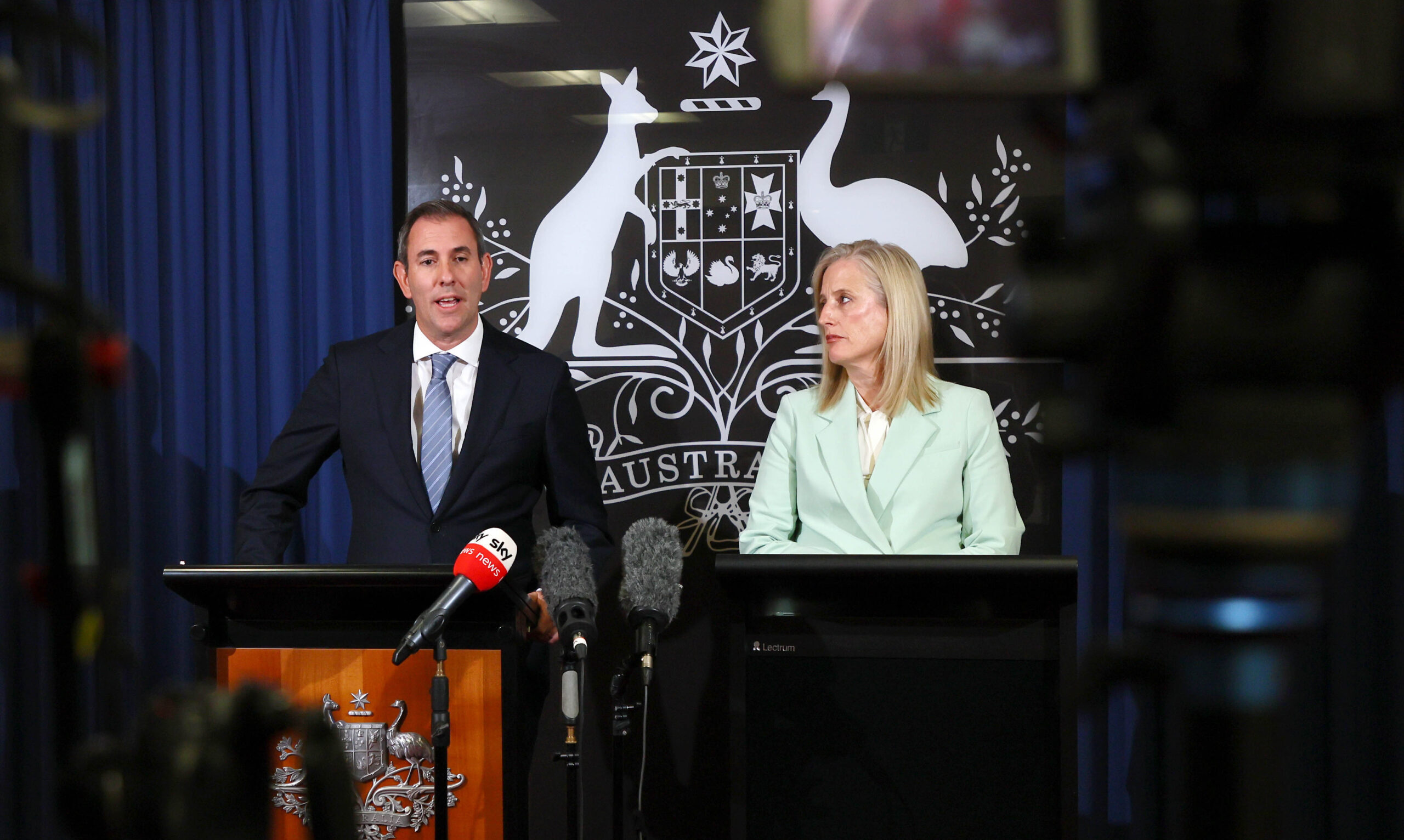
Labor will cut back on outside consultants and hike visa fees for foreign students to cover the extra cost of spending in the March budget.
Please login below to view content or subscribe now.
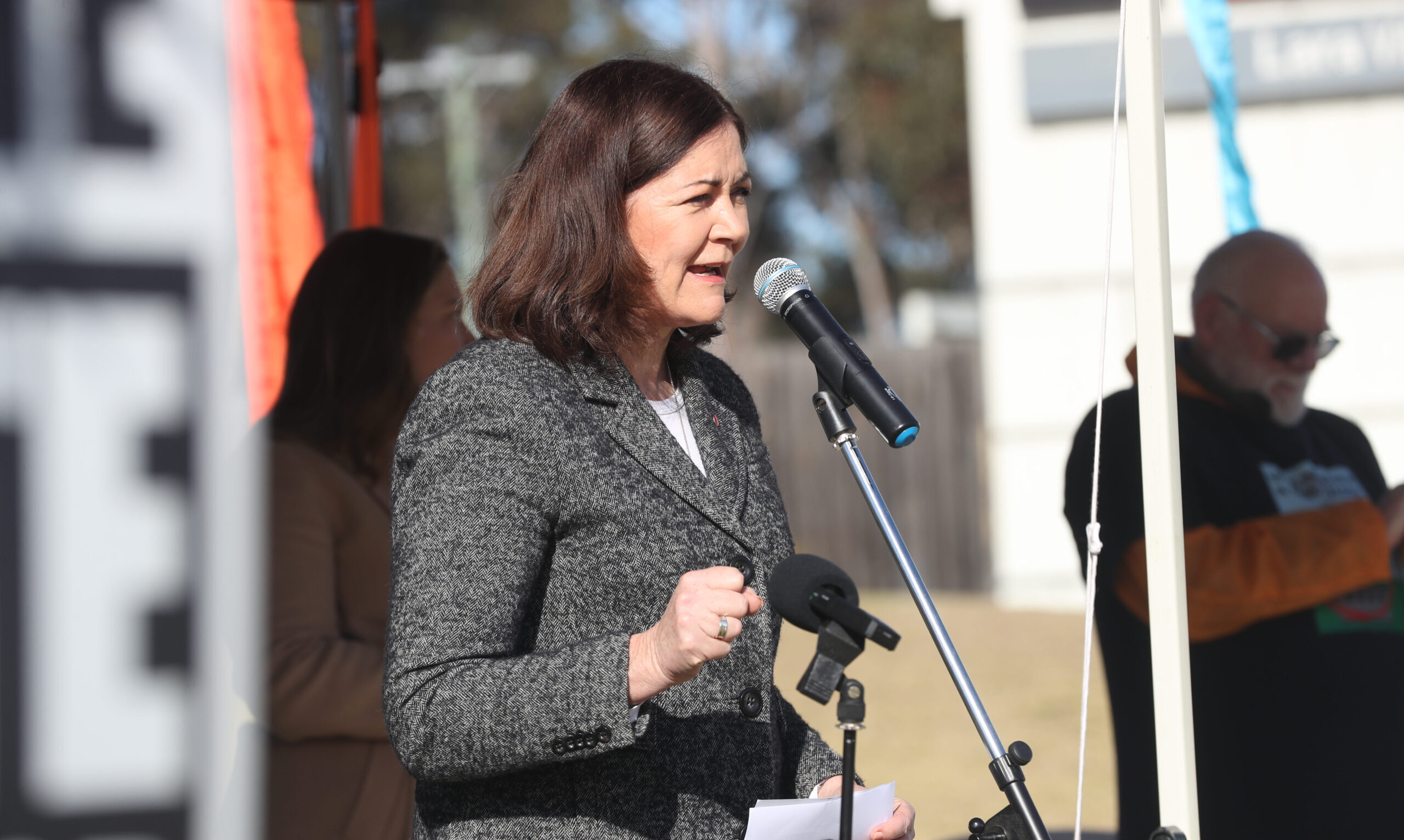
The Coalition has said it would cap international students at 240,000 and triple the visa application fee to $5,000 for those applying to Group of Eight universities to free up room in the rental market.
Please login below to view content or subscribe now.

Researchers from the University of South Australia have conducted new analysis, that found no relationship between international student numbers and rising rental costs for local residents.
Please login below to view content or subscribe now.