The federal government will reward universities that enrol international students in line with allocated numbers under a new visa processing practice to begin in November.
Please login below to view content or subscribe now.
Membership Login


The federal government will reward universities that enrol international students in line with allocated numbers under a new visa processing practice to begin in November.
Please login below to view content or subscribe now.

It’s that time of year again. On streets and in shops across the UK this, someone will have been be selling poppies. And today, on Remembrance Sunday, at War Memorials from tiny villages to Whitehall, people will gather for a period of silence. A moment to reflect, to remember.
For me personally, there is a family connection. My paternal great-grandfather was killed in WWI, leaving four young children. His name is on the vast Tyne Cot memorial in Belgium, one of 35,000 of the missing who died in the Ypres Salient after August 16, 1917, and have no known grave.
But I also think of another memorial, the one I gathered around for the years I worked at Sheffield University. This is the moving tribute to the students and staff who lost their lives in two World Wars.
This carved stone monument at the University’s core was once located in the original library, and it contains arguably the most sacred and painful book in its collection – a Book of Remembrance.
Sheffield University had its own battalion in WWI and it was almost completely destroyed on the first day of the Battle of the Somme in 1916. Some 512 young men lost their lives in a single day. I was once given permission to lift off the glass cover and open the book. It was shocking, each page crammed full of so many hundreds of names.
For many of those students, hopefully joining up and travelling to France was the first time they had been overseas, just as it was for my great-grandfather. He left his mining village on the unluckiest of journeys – first to Gallipoli where he was gassed, and then to France where he died in the mud.
Today, students have a very different opportunity for travel, for connection. A century after my great-grandfather died, I have travelled the world in peacetime thanks to international education. I’ve been to Delhi and seen the vast war memorial at India Gate with its eternal flame and walls of other names – Hindu, Sikh, Muslim. I have friends from China whose relatives long ago would have dug the trenches as part of as part of the 140,000 strong Chinese Labour Corps for the British and French armies.
Remembrance Day isn’t a British only tradition – a whole world was drawn into those terrible events.
What international students teach us now
And I have international students friends who don’t need a poppy to remind them to remember because they come from countries with current experience of conflict.
Who are they? A refugee scholar from Syria working on environmental sustainability. A Gaza scholar who rejects the language of resilience and uses her research to build deep understanding. A friend in Singapore who has family in Russia and Ukraine. And the Afghan scholars who have become not only friends but family, those who teach us all that the peace to sit with your loved ones and share a meal is never to be taken for granted. That for young girls and women to access education, university, careers and have choices is a right hard won that must be cherished. Each of them is also my teacher.
As the world changes, nationalism grows and spheres of influence are fortified by economic and literal weapons, those who understand one another are more important than ever
And this is also why I believe in international education. Peace takes understanding. It takes work. As the world changes, nationalism grows and spheres of influence are fortified by economic and literal weapons, those who understand one another are more important than ever.
It is a tragedy that language courses close because, as John le Carré said, learning a language is an act of friendship. But international education in all its forms is also what my NISAU friends call a ‘living bridge’.
Whether it happens through traditional programmes of overseas study, short courses, institutional partnerships, TNE or internationalisation at home, global education offers a precious opportunity to meet in peace. To gain a perspective not only on what others think and how they see the world, but about yourself.
Why it matters that #WeAreInternational
When years ago we founded a campaign called #WeAreInternational , it was a statement not about a structure of higher education but about who we are and want to be. It doesn’t mean abandoning your identity, it means opening it up to possibility. That is in itself an education.
John Donne famously wrote that no man is an island but that we are deeply connected to one another, all of us connected to the continent. And when others are harmed, we are all diminished. That the bell that tolls for any life is ringing for humanity too.
On Remembrance Sunday this year, as we are urged never to forget, there is also an implicit call to action – not to wage war but to build peace. How do we do that? Nobody is pretending it’s easy, but I think the education we are privileged to support has a very human part to play.
I think of the words of my Afghan scholar friend Naimat speaking at City St George’s University of London to students earlier this week. As the minute’s silence begins on today, I will think of my great-grandfather Robert, the lost students of Sheffield University, and the words of this international student who knows of what he speaks.
To achieve peace at all times, we must do three things:
Dialogue, he says, is the non-violent tool we possess to sustain peace. It is how we convert fear into understanding, and resentment into cooperation. And international education offers a precious and powerful opportunity for both.
Immigration Minister Lena Diab told a House of Commons committee last week that the Strengthening Canada’s Immigration System and Borders Act (Bill C-12) would target “people who are going to be committing large-scale fraud”.
However, an opposition member, Conservative MP Michelle Rempel Garner, rejected the idea that the Liberal government needs sweeping powers to keep the immigration system functioning.
“That sounds like an authoritarian dictatorship to me,” Rempel Garner said.
Languages Canada Executive Director Gonzalo Peralta told The PIE News there was a need to define under what conditions Immigration Refugees and Citizenship Canada (IRCC) could cancel student visas.
“The term ‘public interest’ as grounds for cancelling visas or applications is vague and does not provide the assurances needed to ensure that legitimate students are not inadvertently impacted by the legislation,” Peralta said.
At the committee meeting, Rempel Garner argued: “It seems like you’re trying to give yourself and your department more powers to correct mistakes in the system that they could have made in screening out potential fraud to begin with.”
The term ‘public interest’ as grounds for cancelling visas or applications is vague and does not provide the assurances needed
In the wake of a large number of fraudulent study permit applications made by unscrupulous education agents, in 2023 the department implemented a system requiring applicants to present a verified letter of acceptance from a designated learning institution in order to obtain a study permit.
In many cases, the students said they were not aware that their agent was submitting fraudulent documents on their behalf.
MP Rempel Garner called out the minister for blaming students and other newcomers to Canada. “Why don’t you make the system work instead of punishing the victims of human trafficking,” she demanded at the meeting.
Larissa Bezo, president of the Canadian Bureau for International Education (CBIE), told The PIE her group supports measures to uphold the integrity of the International Student Program. “However, we do not want to see international students who have been the victims of fraud unfairly punished,” Bezo said.
Peralta of Languages Canada condemned the Liberal government for failing to consult with the sector about this legislation and other policy changes.
“In the case of the proposed Bill C-12, a more comprehensive definition is needed of the specific conditions under which IRCC could cancel visas,” Peralta said.
Canadian immigration policy has hit the headlines over the past week after Prime Minister Mark Carney’s government set out its intention to cut new international study permits by more than 50% in 2026-2028 – going further with enrolment caps that are already causing significant problems for the international education sector.
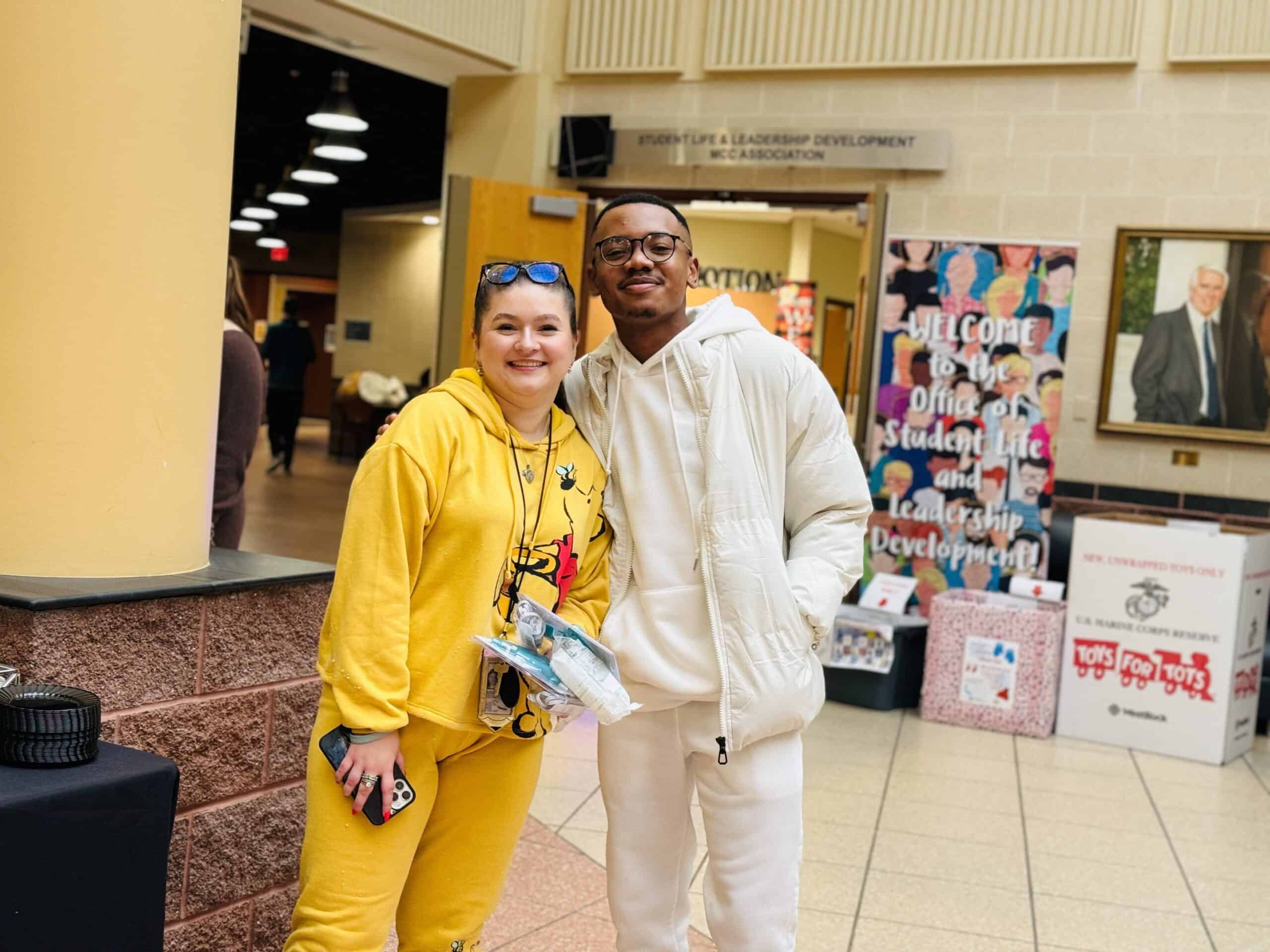
As Thu Thu Htet, “T”, was nearing graduation at her high school in Burma, she knew she wanted to go abroad to study engineering. She wanted to study at the Rochester Institute of Technology in New York State, but didn’t want to spend tens of thousands of dollars a year in tuition, since international students don’t qualify for federal aid.
Instead, she decided to start her higher education journey at Monroe Community College, also in Rochester, where tuition is cheaper. T, now in her second semester, has made friends with dozens of other international students at MCC, who have helped her feel less lonely being so far away from family.
“There are times where I don’t feel like I fit in. Or I feel alone sometimes. The most important thing is the friends that you have,” she said.
International student enrolments have surged at US community colleges ever since the pandemic, including this fall. As community colleges host more international students, administrators are looking for ways to make them feel welcome on campuses where most students are local commuters.
One way international students at MCC can find support is through campus life. T serves as the president of the Global Union – a student-run club for international students, immigrant students, and anyone interested in learning about other cultures. Through her role, she greets new students, helps them to overcome challenges, and organises events to help them showcase their cultures.
“Sometimes, you need to be around people that have the same feeling as yours. When we are in the same club with immigrants, refugees, or other international students, we feel like we fit in with each other,” T said.
An unexpected increase
Because of President Trump’s policies, analysts predicted a 15% drop in total international students at American colleges and universities this fall. Experts warned that the Trump administration’s near month-long pause on visa interviews, travel bans, and war against many of the nation’s most prestigious universities would harm enrolment.
Instead, this fall’s international student enrolment across all degree programs, including OPT, grew by 0.8%, according to the Student and Exchange Visitor Information System (SEVIS) data that the Department of Homeland Security publishes.
Community colleges have helped to move the needle. For associate degree programs, international student enrolment increased by 9.1%, with community colleges welcoming nearly 5,500 more students than last year. Meanwhile, enrolment shrunk slightly for master’s programs and hardly changed for bachelor’s programs.
Rather than choosing not to study in the US this fall, it seems like students are choosing different kinds of degrees or schools. That’s according to Chris Glass, director of Boston College’s higher education program, who recently analysed the latest SEVIS data.
“If we’re to take this data at face value, the system is far more resilient than the tumultuous headlines would suggest,” Glass previously told The PIE News .
Based on his analysis, the over 9% growth of international students at community colleges may not be a fluke. Glass argues that international students gravitate toward schools with less political spotlight, more affordable tuition, and access to opportunities after graduation. Community colleges check all of those boxes.
MCC is hosting more international students now than before the pandemic. This fall, the campus’ international student body grew by 35%, hosting 120 students from over 30 countries.
MCC’s international recruiting efforts for soccer, baseball, and other sports has helped to draw students from across continents, said Carly O’Keefe, MCC’s assistant director of global education and international services. The current men’s and women’s soccer team roster has a combined 34 international students.
In addition, unlike many other community colleges, MCC has dorms. For T, attending a college with on-campus dorms was critical, since she had no family or friends in Rochester to live with.
O’Keefe said international students at MCC bring ideas and culture from across the globe, enriching a campus where most students are local. Some local students – limited by jobs, financial constraints, or family obligations – have never traveled overseas.
“They’re able to make friendships with people from other countries that they maybe would have never connected with otherwise,” she said.
Finding a community through campus life
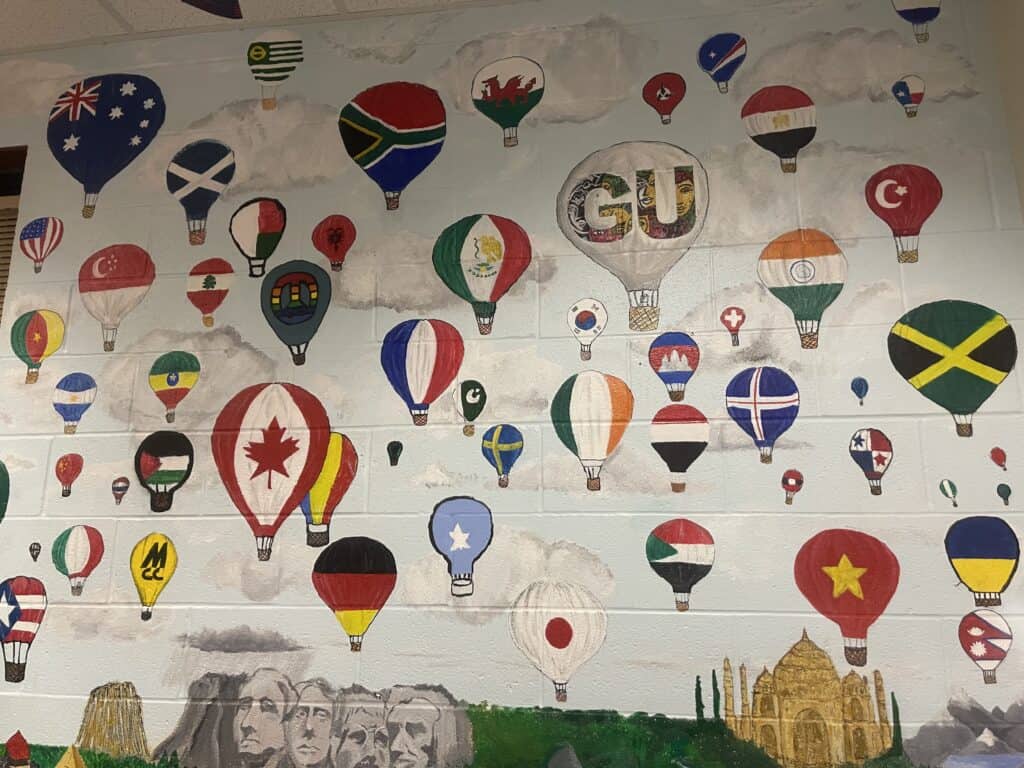
The wall of the Global Union office is decorated with dozens of paintings of hot air balloons containing flags, created by students to represent their countries. Colourful cloth flags and souvenirs from across the world fill the room.
“At the time when I saw the Korean flag, I was so proud,” said Onyu Cha, a first-semester international student from South Korea studying nursing.
Onyu made friends with other Koreans through campus life and through her sister, who also lives in Rochester. Recently, she and other Korean students went to her sister’s house to cook food for the holiday of Chuseok, a mid-autumn harvest festival often referred to as Korean Thanksgiving.
Through her role as the vice-president of the Global Union, Onyu has got to learn about the cultures of other students. Currently, the club is planning for an event to celebrate holidays from across the world, all on one day. That’s similar to last year’s Global Fusion Festival – an event in the campus atrium to celebrate the cultures of all MCC students. It featured African drummers, Ukrainian dancers, and food from across the globe.
Judichael Razafintsalama – a student from Madagascar who graduated from MCC last May – said serving as the Global Union president allowed him to support his fellow international students.
Having international students on campus at a community college can be really enriching to a local community
Dr. Melissa Whatley, William & Mary
The summer before starting his first year at MCC, Razafintsalama landed in Rochester around 2am. When he got to his dorm, he realised he had no food. The vending machines were empty, the campus’ food services were closed, and he hadn’t set up rideshare on his phone. To get groceries, he walked two hours to a Walmart and back, carrying four bags while jet lagged.
Now, international students come together to help the Office of Global Education provide packages of canned food, granola bars and utensils for incoming international students.
“We even helped two of our students move into their apartment and make sure that everything is settled after going through what I went through,” Razafintsalama said.
Razafintsalama said he’s had the chance to teach others at MCC about his country and his culture. Most students he encountered had never met anyone from Madagascar, the island nation off the southeastern coast of Africa.
“They usually attach it to the cartoon movie,” he said. “It’s great because I can see that people are interested in my country and to see what it actually is like.”
Supporting international students’ social and housing needs is critical to making them feel welcome, said Dr. Melissa Whatley, an assistant professor of higher education at William & Mary University. Her research group recently released a report on international education at community colleges, finding that 82% hosted international students.
Whatley hopes that these colleges are providing international students with campus life opportunities and, if they don’t have dorms, are helping students to find housing.
“Having international students on campus at a community college can be really enriching to a local community, to the extent that the community is equipped to welcome them,” she said.
Concerns over travel ban
Currently, the US hosts over 1.2 million international students or recent graduates, according to SEVIS data. The dataset doesn’t distinguish between students and graduates working temporarily through Optional Practical Training (OPT). More in-depth statistics will become available once the Institute of International Education publishes its annual report later in November.
However, because of President Trump’s travel ban, some prospective international students have been restricted from studying in the US. That includes Burmese students who didn’t secure a visa before June 9.
MCC has seen an uptick in Burmese students ever since a civil war broke out in the country, interrupting higher education for many students. The war began in 2021 when military forces toppled the country’s democratically elected government. Last spring, MCC still hosted more students from Burma than from any other country, O’Keefe said.
Now, Burma is among the 12 countries included in Trump’s travel ban, impacting all immigrant and non-immigrant visas. Seven more countries are under a partial travel ban that impacts international student visas.
As for international enrolments at MCC? “We’ll see how the trends change over the next few semesters. I would be surprised to see such a significant level of continued growth but we can hope things at least stay stable,” O’Keefe said in an email.
The takeaway from this fall’s enrolment data is that students’ perceptions take a long time to change, said Gerardo Blanco, academic director of the Centre for International Higher Education at Boston College. He previously told The PIE that the 0.8% international student increase revealed in SEVIS records came as a surprise, but that doesn’t mean there won’t be a decline in coming years.
“I hope the takeaway message is not that the US is invincible, in that even hostile policies towards international students cannot change perceptions,” he said.
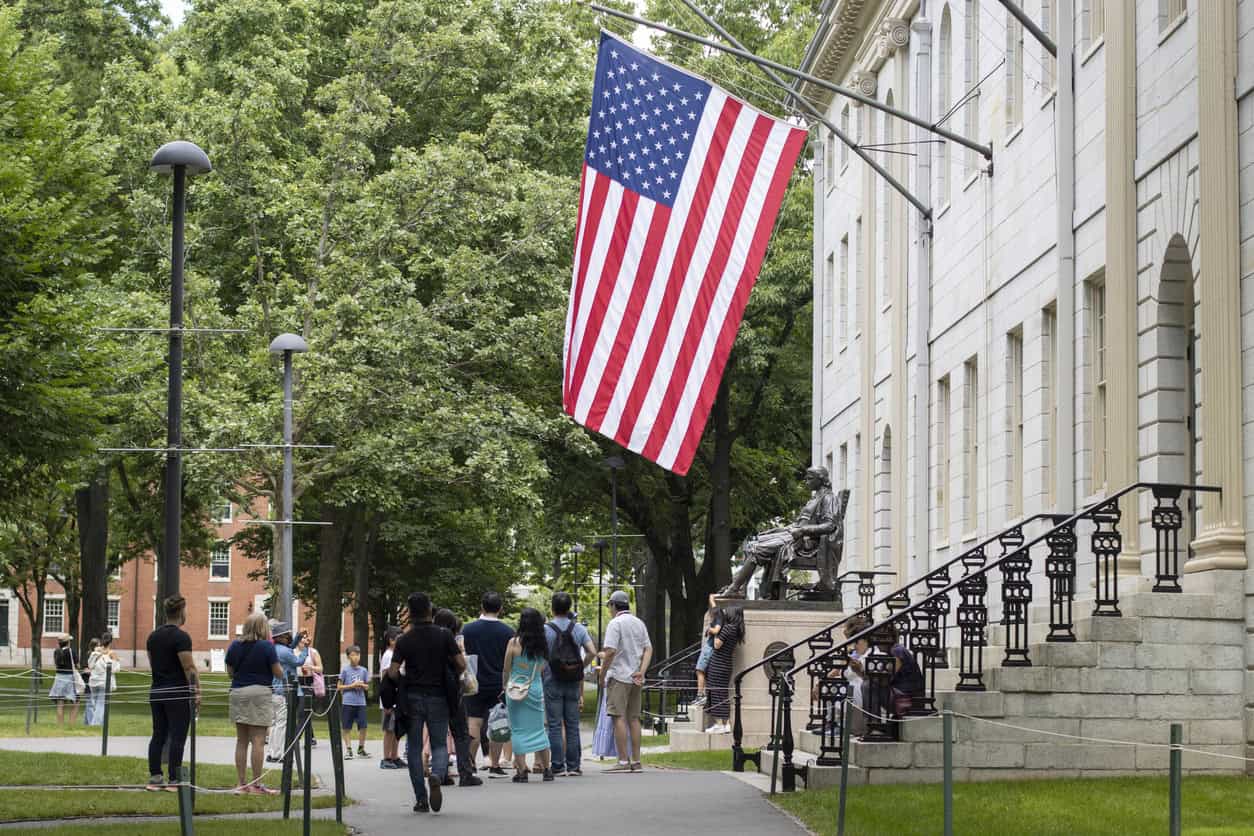
A record number of American students are applying to UK universities, with applications up nearly 14% over last year. The shift reflects something deeper than academic preference. It’s a response to uncertainty – political, cultural, and institutional – within the US higher education system.
Students are assessing the climate as carefully as the curriculum, and for many, overseas options are starting to look more stable, more supportive, and more aligned with their values.
For years, US institutions have concentrated on drawing international students into their classrooms and research labs. These efforts have been crucial to advancing STEM research, sustaining graduate-level enrolment, and feeding innovation pipelines. That trend continues, but the story is evolving.
An outbound shift is now underway, with a growing number of American students pursuing degrees abroad. They’re no longer just participating in short-term exchanges or postgraduate fellowships, they’re committing to full undergraduate and master’s programs in other countries.
This change matters – and it signals both a loss of tuition revenue and a weakening of domestic confidence in US higher education itself.
Global competitors are moving decisively
Universities in the UK, Canada, Australia, Germany, and the Netherlands have responded to this moment with strategy and urgency. They’ve expanded international recruitment offices, developed targeted campaigns for US students, and aligned their degree programs with global employment pathways.
Tuition transparency, faster visa timelines, and the option to work post-graduation are all part of a larger value proposition. These countries have positioned themselves as predictable, inclusive, and serious about talent retention.
When American students earn degrees abroad, they begin forming professional relationships, research collaborations, and employment ties in other countries
The messaging stands in sharp contrast to the environment many students perceive at home in the US, where they’re regrettably familiar with ongoing threats to federal research funding, campus free speech tensions, and anti-immigrant rhetoric. Legislative actions in some states, such as restrictions on DEI programs or faculty tenure, further complicate the picture for students who see higher education as a place of openness and critical inquiry.
Even where the academic offering remains strong, the broader social climate is giving students pause. Many now fear that attending university in the US could come with limitations on expression, uncertainty around institutional support, or even diminished international credibility. These concerns are pushing more prospective students, both international and domestic, to weigh their options with increasing care.
The landscape is becoming borderless
Higher education is no longer a domestically bounded experience. Today’s students are growing up in a digital-first world where comparison is constant and information is immediate. They can browse course catalogs from universities in five countries before lunch.
They’re watching lectures on TikTok from professors in London, Melbourne, and Berlin. They’re discussing housing, scholarships, and career prospects with peers on Reddit, Discord, and WhatsApp. The idea of applying to college abroad no longer feels radical or risky – it feels strategic.
At the same time, the financial argument for international study has grown stronger. In the UK and parts of Europe, undergraduate degrees often take three years instead of four. Tuition is fixed, predictable, and, in some cases, lower than the out-of-state rates at US public universities.
Students can begin building global networks immediately, with exposure to cross-cultural collaboration built into the experience. That combination of efficiency, affordability, and international orientation is hard to ignore.
Consequences will extend beyond enrollment trends
If this shift continues, the implications go well beyond enrolment figures. When American students earn degrees abroad, they begin forming professional relationships, research collaborations, and employment ties in other countries. That international experience can strengthen global literacy, which is good in theory, but it may also weaken long-term institutional connections to the US – particularly if graduates choose to live, work, and innovate elsewhere.
This becomes especially relevant in sectors where talent mobility drives economic growth. If a critical mass of globally minded US students pursue AI, climate tech, public health, or diplomacy degrees abroad and then launch their careers overseas, the domestic pipeline for advanced skills and leadership becomes harder to sustain. These are early signs of a broader trend, and we should treat them with urgency.
The same applies to the soft power of US education. For decades, American universities have served as platforms for international exchange, not only bringing foreign students in, but equipping domestic students to become global ambassadors. If that dynamic begins to fade, so does the country’s influence in shaping global norms around research, ethics, and innovation.
Prioritising stability and trust
Reversing this trend will require more than competitive admissions packages. US institutions – and the policymakers who shape their environment – must work to restore trust. That means safeguarding academic freedom, ensuring transparent financial support structures, and publicly affirming the value of international engagement.
Students are listening closely. They are attuned to leadership choices and the broader societal signals surrounding higher education. If they sense instability or retreat, they will continue to look abroad.
Universities also need to communicate more effectively with prospective students about their long-term value. That includes articulating what makes a US education distinctive, and doing so without leaning solely on prestige or nostalgia. There must be a renewed emphasis on civic purpose, global relevance, and practical opportunity. The next generation is looking for clarity, meaning, and alignment between their educational investment and the world they hope to shape.
The US can lead again, if it chooses to
The United States still possesses unmatched institutional capacity in research, innovation, and cultural reach. But influence is not a static asset. It depends on the willingness to adapt and lead with principle. The current wave of outbound student mobility should not be dismissed as an anomaly. It’s a signal. How US higher education responds – at both the institutional and national levels – will determine whether it remains a magnet for talent or becomes just one option among many.

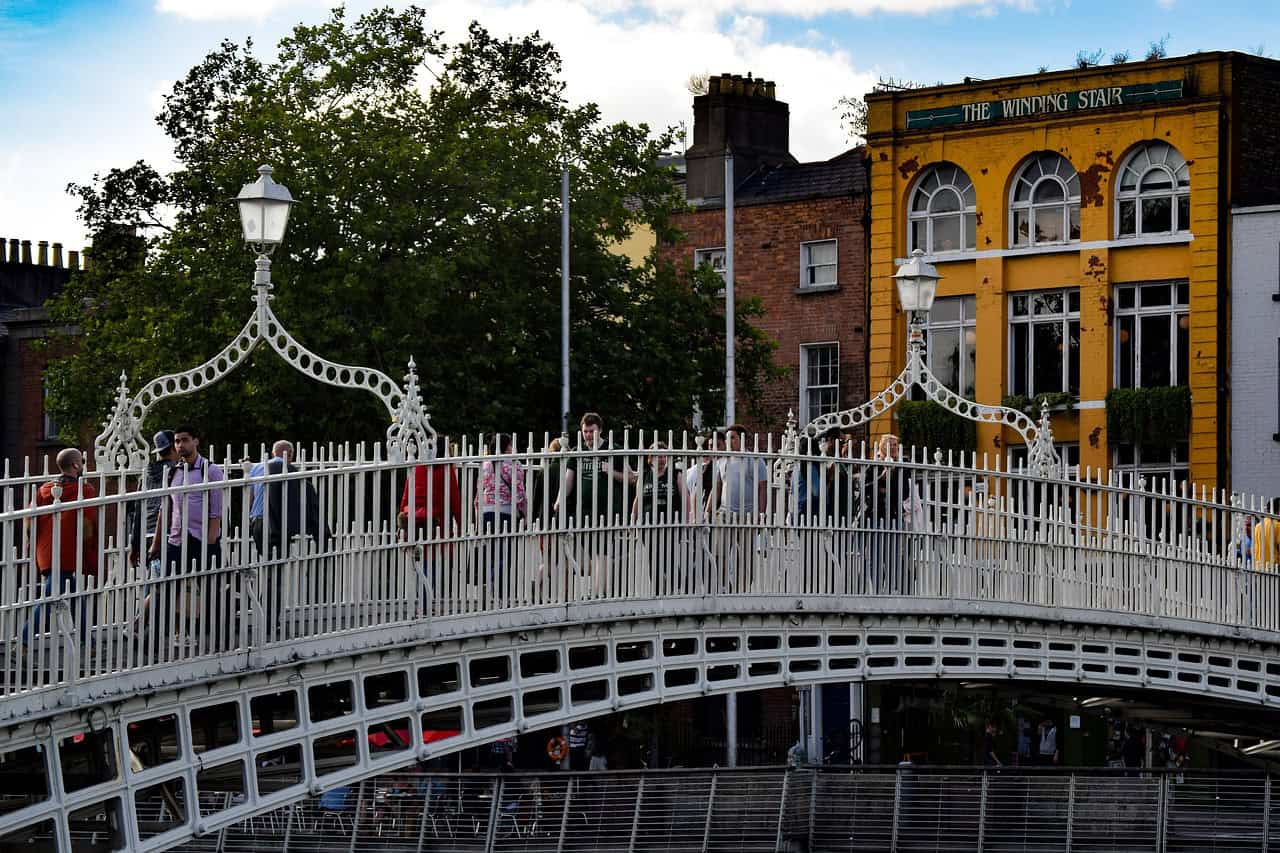
The study, which surveyed students, parents, and counsellors across India, highlights how Ireland’s mix of academic excellence, affordability, safety, and employability is reshaping perceptions and driving enrolments.
Ireland’s rise as a destination
The report shows that while India continues to lead globally in outbound student mobility, sending more than 760,000 students abroad in 2024, Ireland’s growth has been particularly striking. From just 700 Indian students in 2013, enrolments crossed 9,000 in 2023/24 a 120% increase in five years. Even in 2024, when overall outbound mobility dipped by nearly 15%, interest in Ireland grew by 38%.
What makes this growth significant is that it is not driven by marketing or advertising alone, but by the trust created through authentic student experiences, alumni voices, and counsellor guidance. Families see Ireland as a country that delivers not just degrees, but outcomes.
Key highlights from the student perception study 2025
A new student mindset
The report underscores a fundamental shift: Indian students are increasingly outcome-oriented. Decisions are now guided by employability, post-study work opportunities, affordability, and return on investment, rather than prestige alone.
Peer and alumni referrals, counsellor guidance, and authentic word-of-mouth are the strongest drivers of choice. Ireland’s reputation in STEM, AI, sustainability, data science, and cybersecurity is particularly resonant with this new generation of aspirants.
Decisions are now guided by employability, post-study work opportunities, affordability, and return on investment, rather than prestige alone
This aligns with India’s own reforms under the National Education Policy (NEP) and UGC guidelines, which are actively encouraging student exchange, internationalisation, and the establishment of foreign campuses within India. Together, they signal a new era where India is not just an outbound source market but also a global partner in talent and education.
Why Ireland matters
Ireland’s rise as a destination of choice reflects more than just academic strength. It represents trust – the trust of students who see real employability outcomes, of parents who value safety and affordability, and of institutions worldwide who view India as a critical partner in shaping global education.
As global higher education undergoes transformation, Ireland’s expanding reputation, student-first approach, and strong industry linkages position it uniquely. It is not a “Plan B” market; it is becoming a first-choice destination for Indian students.
For families making one of the most important decisions of their lives, the message is clear: Ireland is where ambition meets opportunity.

About the author: Aritra Ghosal is the Founder & CEO of OneStep Global, a market entry firm specialising in higher education. With deep expertise in student mobility and institutional strategy, he has worked with global universities to expand their presence across Asia. Under his leadership, OneStep Global has partnered with leading institutions to build authentic student connections, support internationalisation, and shape the future of global education.
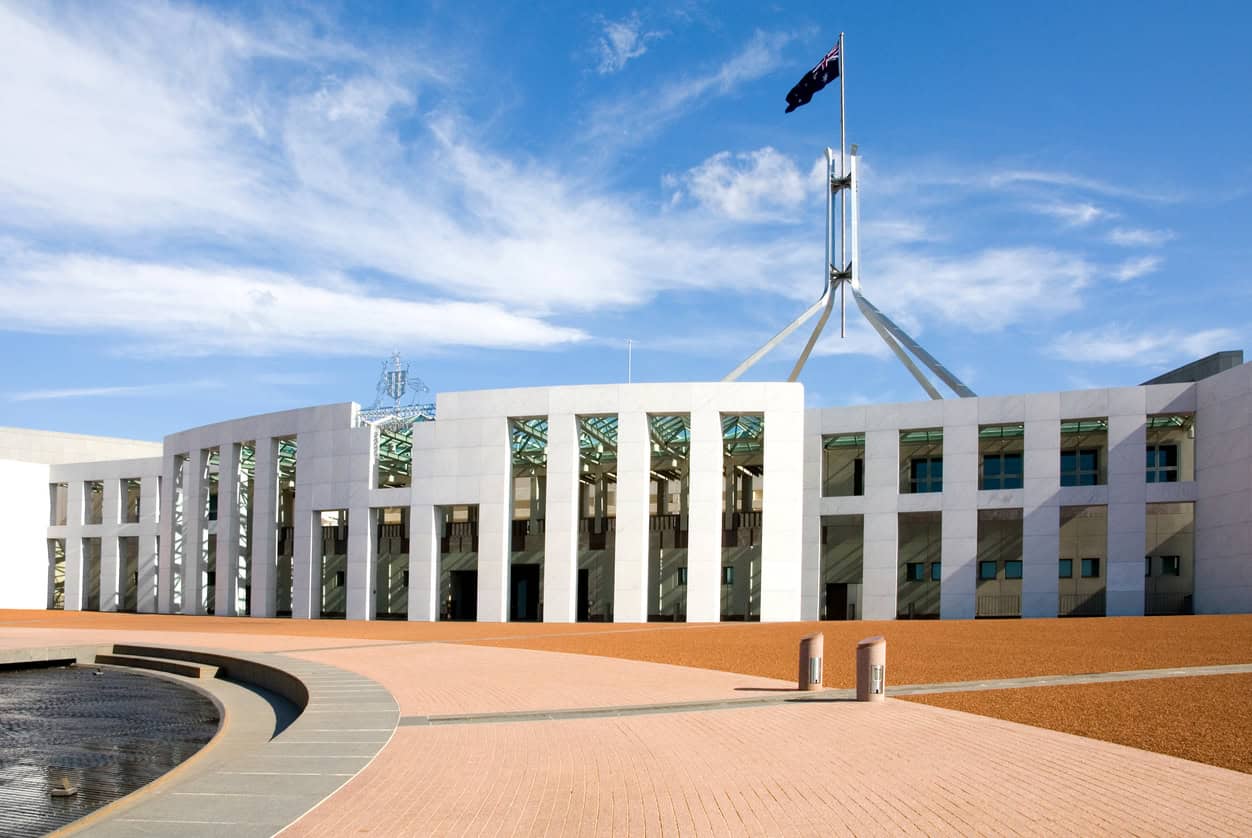
Australia’s Education Legislation Amendment (Integrity and Other Measures) Bill 2025 has cleared its second reading in the House and will progress without amendment.
Following the government’s unsuccessful attempt in 2024 to pass reforms through a previous ESOS amendment Bill, minister for education Jason Clare has reintroduced legislation aimed at “strengthening the integrity of the international education sector”.
Speaking in parliament on October 29, Clare said the Bill will make it “harder for bad operators to enter or remain in the sector, while also supporting the majority of providers, who do the right thing”.
“These changes safeguard our reputation as a world leader in education, both here and overseas,” he added.
Assistant minister for international education Julian Hill addressed some of the key points of debate in the sector regarding the Bill, including changes that relate to education agents.
The Bill is set to tighten oversight of education agents by broadening the legal definition of who qualifies as an agent and introducing new transparency requirements around commissions and payments.
Hill claimed this increased transparency will help providers “identify reputable agents”.
“Education agents, counsellors, consultants – whatever they’re called in different countries – overall play a really important and constructive role,” he said.
“But the evidence is overwhelming, from universities but also from the reputable private providers in the higher education sector and the vocational training sector, that the behaviour of unscrupulous agents onshore pursuing transfers has corrupted the market.”
The evidence is overwhelming… the behaviour of unscrupulous agents onshore pursuing transfers has corrupted the market
Julian Hill, assistant minister for international education
The legislation looks to enable the banning of commissions to education agents for onshore student transfers – a measure that has been widely debated in the sector lately.
“I absolutely understand there are some in the sector who don’t like this part of the Bill,” said Hill.
“But, overwhelmingly, the feedback which I’ve received over years now from the reputable private providers in VET and higher education is to please do something about the behaviour of the agent commissions because they are buying and selling students.”
Elsewhere, the legislation also sets out that education providers will require authorisation from the Tertiary Education Quality and Standards Agency (TEQSA) — Australia’s national higher education regulator — to deliver Australian degrees offshore.
“All that this part of the Bill is doing is making sure that TEQSA, as the regulator, has a line of sight to what providers are doing offshore – that’s all,” said Hill.
“That’s because Australians, and all of the reputable providers and universities delivering transnationally, guarantee to the world that, when one of our Australian providers delivers a course offshore, that course is delivered to exactly the same quality standard as if the student were in Australia. That’s our promise to the world.”
“Right now, TEQSA, as the regulator, simply doesn’t have the data-flow to know reliably which providers are delivering in which markets… There’s no more power; there’s no more red tape; it’s simply saying: ‘You need to get authorisation.’ It’s straightforward. Everyone who is currently delivering automatically gets authorised. But then they just have to tell the regulator, so that they can run their normal risk-based regulation.”
Hill stressed that the recent expansion of transnational education (TNE) has been highly beneficial for the economy, Australia’s soft power, and, in particular, for strengthening links with Southeast Asia – a priority region for the government as it seeks to deepen trade, education and diplomatic ties.
“But, if one of our providers does the wrong thing in a given market, it wrecks our reputation for everyone,” warned Hill.
The Bill did face some criticism during proceedings, including from independent MP for Wentworth, Allegra Spender, who widely supports the Bill but raised concerns about new ministerial powers to cancel a class of courses or course registrations. Spender hopes these powers are used “sparingly and with clear safeguards”.
“These powers mark a departure from existing arrangements, where cancellations are overseen by independent regulators, like TEQSA and ASQA. Under the Bill, the minister is no longer required to consult these bodies. Instead, the minister may only consult such persons or entities as the minister considers appropriate. This is a significant centralisation of power and one that carries risk.”
“The minister may cancel courses due to systemic issues, but that threshold is vague. More worryingly, courses may simply be cancelled because they seem to offer limited value to Australia’s current or future skill needs, a narrow test which is also open to interpretation.”
According to Spender, this overlooks the fact that more than 60% of international students return to their home countries.
“As education expert Andrew Norton points out, why should their course choices be limited by the labour market needs of a foreign country?” she asked.
The new Bill closely mirrors last year’s version but drops the proposed hard cap on international student enrolments that contributed to the earlier Bill’s failure in parliament. Instead, the government is managing new enrolments through its National Planning Level, a de facto cap that sets target limits for providers.
Under these limits, publicly funded universities that diversify away from traditional markets and expand into Southeast Asia may become eligible for a higher allocation of international student places. Those that demonstrate strong student housing arrangements may also become eligible for a higher allocation of international student places.
In a statement, Bell Educational Services Ltd confirmed that the group has served notice to put its three schools in Cambridge, London and St Albans into administration due to financial difficulties, with the schools set to close on October 31.
“It is with deep regret that we announce Bell Educational Services Ltd has made the difficult decision to wind down its operations and will cease to trade shortly,” the group said in a statement.
“Regrettably, the closure of the schools will also mean that staff members will face redundancy in the coming weeks,” it said, adding: “This is a deeply sad outcome for all involved”.
English UK is finding replacement courses for some 125 students affected by the news under the student Emergency Support Scheme (SES), which obliges British Council-accredited centres to offer places to those whose schools have closed suddenly. The affected students are currently studying at Bell’s Cambridge and London locations, while the St Albans site will have no students by the closure date at the end of this month.
English UK’s acting joint chief executive, Huan Japes, said he was “very sorry” for all those caught up in the closure. “[We] wish to pay our respects to the contribution that Bell has made to shaping the English language teaching industry over the last 70 years,” he added.
“The English UK team is working with Bell management and nearby centres to ensure the students can continue their courses as quickly as possible. We have visited the school to answer the students’ questions in person, and we hope staff who have lost jobs find new employment quickly. We are very grateful to Bell staff and the administrators for managing the closure responsibly and with sensitivity.”
Bell highlighted its “proud heritage spanning over 70 years” that has been “widely recognised as a pioneer in the teaching of English as a foreign language”.
But it said it faced “significant cashflow challenges” and was unable to recover financially from the prolonged impact of the pandemic. Nor could it secure a buyer for the business.
This is a very sad closure, but we don’t see it as part of a wider trend
Huan Japes, English UK
Bell school was founded by Frank Bell in 1955, having been inspired to start a language school after teaching languages in a prisoner of war camp.
English UK noted that many bastions of the ELT sector had worked for Bell at some point in their careers. “We extend our sympathies to all of Bell’s staff, students and partners affected by this closure,” it said.
Despite the news, Japes asserted that English UK data monitoring showed the UK remained a resilient market for the ELT sector. In spite of “tough trading conditions”, English UK student numbers dipped just 0.6% between 2023 and 2024, he said.
“Unexpected closures do happen, but they are rare. Bell English’s financial set up was very unusual for our industry as it was run by a charitable foundation. This is a very sad closure, but we don’t see it as part of a wider trend,” he continued.
“We understand how shocking closures are to affected staff and students, and our student emergency scheme is here to help anyone affected complete their studies as planned. We encourage students and agents to continue booking English courses in the UK with confidence.”
The company noted that Bell Switzerland SA – of which Bell is the sole shareholder – would be unaffected by the closure and would continue operating as usual.
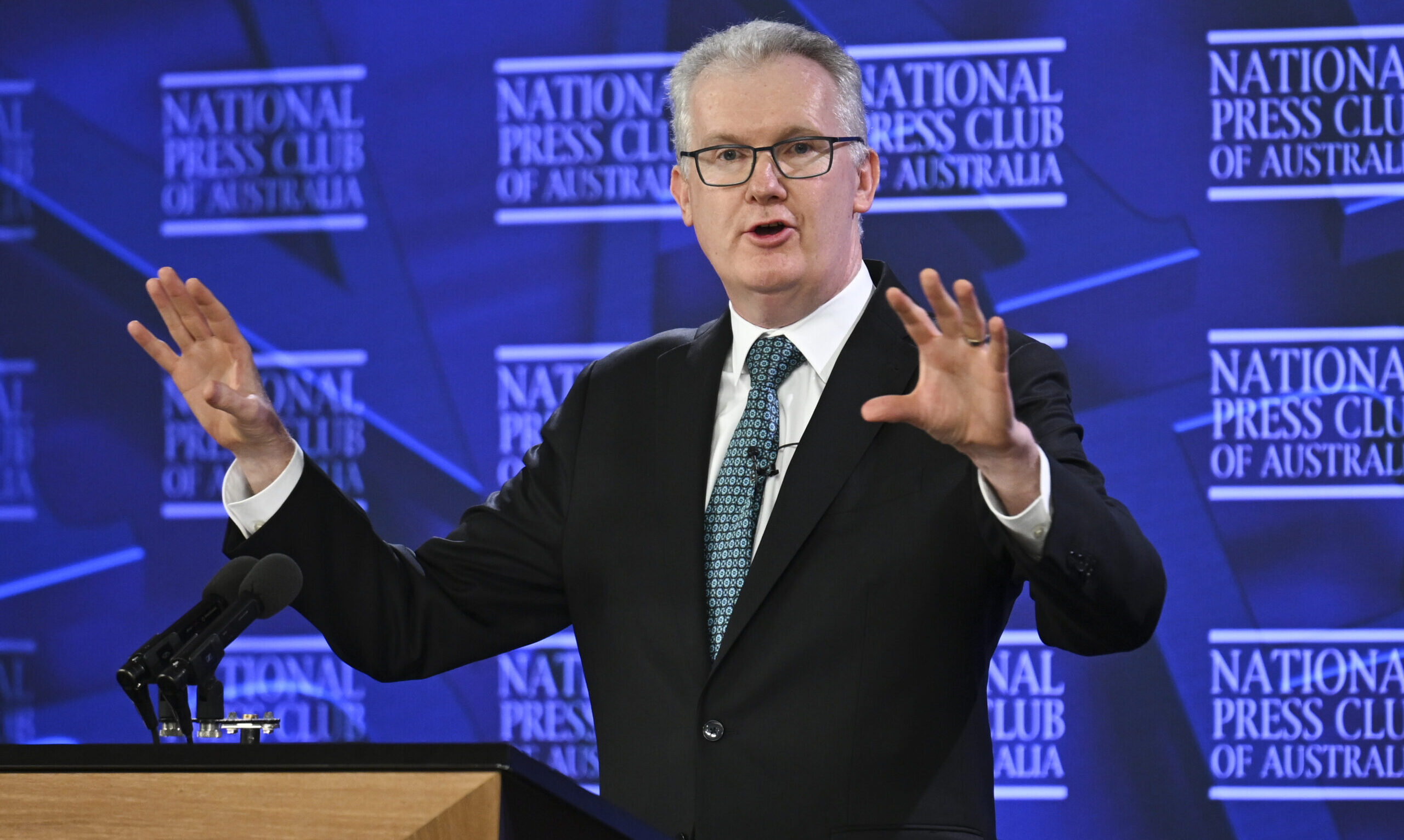
The federal government will crack down on actors using international students that come to Australia as a means to fund child exploitation, human trafficking and drug trade efforts.
Please login below to view content or subscribe now.