Category: Kepler

  • It is up to all of us to stand up to bullies

    It is up to all of us to stand up to bullies

    In the northern part of the country of a thousand hills, amidst volcanoes and the freezing air, there resides a Catholic high school. My name is Anderson and this is my story. I went to study there right after finishing my primary school.

    The school was competitive; the smartest, most intelligent and most talented students were found there. It was a school of sciences and it used to be in the top five best high schools in the country. It had an amazing environment. Though strict academically, the teachers were among the best.

    When I arrived, it wasn’t that hard to fit in because my elder sister had studied there before me. Some senior students recognized the resemblance and helped me get used to the school. This also gave me the privilege of not being bullied.

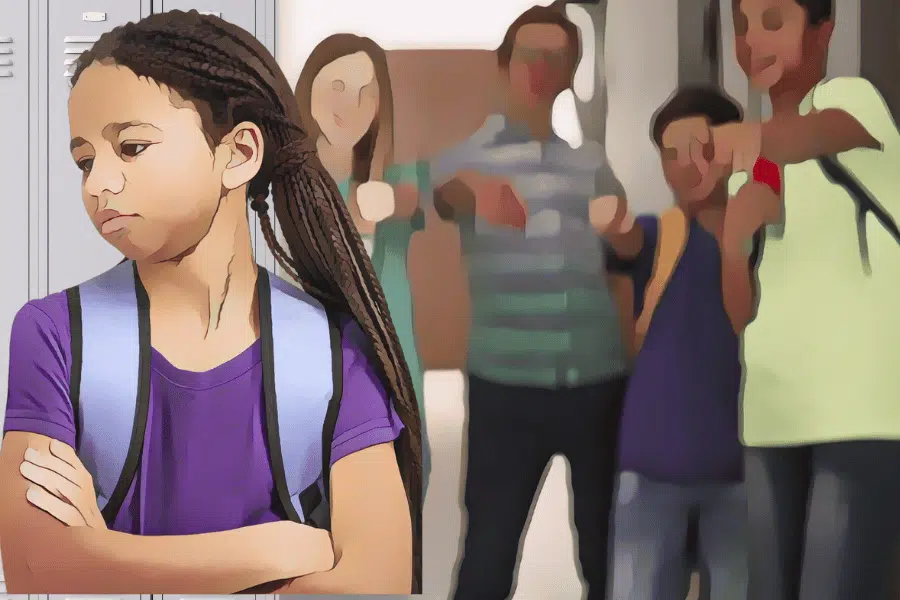
    Normally, new students in S1 were bullied by seniors and couldn’t report it because they were scared of what might happen. The bullying was actually different based on gender. Boys were beaten severely, while girls were pressured into “dating” seniors. You might think dating sounds harmless, but it often involved bullying too.

    There was a male friend of mine who was told to sit on his fork (the one used when we are eating) and say his weight — if he didn’t, the other students would beat him badly. This was also ridiculous because a fork cannot be used to measure someone’s weight. Another was given a leaf from a tree and told to use it to call his parents — again, he was beaten. This was a type of bullying because obviously you can’t talk on the leaf; they wanted him to pretend that the leaf is the phone.

    On the other hand, my girlfriend was called out by senior boys, made to greet each one in a way they preferred and surrounded by a big circle of them. In summary, the first year was really hard for some students.

    The bullied become bullies

    By the second year, we were seniors to new students and some of us began to bully them. At this point, I understood the perspective of bullies — though it didn’t justify their actions. Seeing new students, you feel the tendency to assert your seniority and demand respect.

    Some classmates acted out of revenge, targeting new students for what they had endured. On my side, I welcomed them with kindness and tried to help them adapt, knowing how hard it had been.

    We used to have shows, which were my favorite part. I loved fashion and wanted to model in the shows, but I was always scared. During the shows, boys would often stand at the entrance, waiting to touch the girls’ bodies; breasts, buttocks, even private parts. Girls could complain, but some students and authorities argued that some girls “wanted to be touched.”

    Others said that if girls didn’t want it, they could avoid participating or avoid wearing revealing clothes. Though some authorities promised to investigate, they often ignored the problem. Shows were considered entertainment, so the school left the organization to students. At some point, students feared reporting, worried the school might ban shows entirely.

    It wasn’t only during shows. In class, we had a group of bullies we studied with. When the lights went out, girls would run outside immediately, because boys would touch them by force in the darkness.

    When harassment is condoned

    Once, I was sitting in class, my head on the desk, taking a nap. The lights went out and I didn’t notice. I woke up surrounded by boys. When I tried to leave, they blocked my way. One of them, called Chris, touched my breasts and others grabbed me as well. I felt scared, ashamed and angry. They were about to do more, but fortunately, other students started entering the class, and they left.

    I laid my head back on the desk and cried. When people asked what was wrong, I couldn’t say. I had few friends; just my twin sister and another girl. When I reached the dormitory, I cried the whole night. My friend checked on me and though I hesitated at first, she comforted me.

    I opened up and told her the story. To my surprise, she had also been harassed by the same boy, Chris. He was undisciplined and we didn’t know how to report him; there was no evidence and I wasn’t ready.

    I spent months blaming myself. I was ashamed, hated myself and even had suicidal thoughts. My heart felt broken into pieces and no day passed without crying. But my twin sister was there for me. We cried together and I felt comforted. She suggested that we learn karate so no boy would dare harass me again.

    We joined a karate club at school. It was amazing. The group was friendly, teaching discipline, teamwork and flexibility. Chris still mocked me, but I knew he was scared. In class, he never bullied me again. I continued learning karate even in other schools.

    Fighting harassment

    At other schools, I began my journey in leadership. I was voted Head Girl at two schools, started reading about feminism and realized I was a feminist. I began challenging unfair school policies that hindered one gender. On many campuses, girls were forced to do cleaning chores because culture expected them to be “decent” and “clean.”

    Boys were allowed privileges girls could not have, without clear reason. It was a hard battle because authorities were biased. When I finished high school, I was voted Minister of Gender Promotion at my campus.

    Reflecting on my high school experience, I realized many other girls knew stories of friends who were sexually assaulted and who couldn’t report it. Sometimes it was done to them by teachers or fellow students or authorities.

    Schools often silence reports to protect their reputation. I understand that, but it shouldn’t come at the cost of student safety. There weren’t reporting platforms in place, but when girls tried to report, they were sometimes blamed, told they “wanted it.”

    All of this motivated me to start a high school research project to assess the impact of school policies, sexual harassment and sextortion (this means when someone asks for sexual intercourse in exchange for a certain favor. In this context it may be to give you grades or other favors which you can get after having sex with that person offering it) on gender equality outcomes in high schools.

    I am still working on my proposal, applying feedback and hoping for approval. As a survivor, I want to help my younger sisters get justice. I want to ensure no other girl cries alone at night, hiding the trauma she endured. I want to be their voice and advocate for solutions as youth.

    This is my story — though it is still being written and it is far from over.


    Questions to consider:

    1. How can someone who is bullied become a bully?

    2. Where do you think that some people get the idea that sexual harrassment is acceptable?

    3. Have you ever been bullied or felt harrassed at school?
    Source link

  • How one young woman broke free of a media addiction

    How one young woman broke free of a media addiction

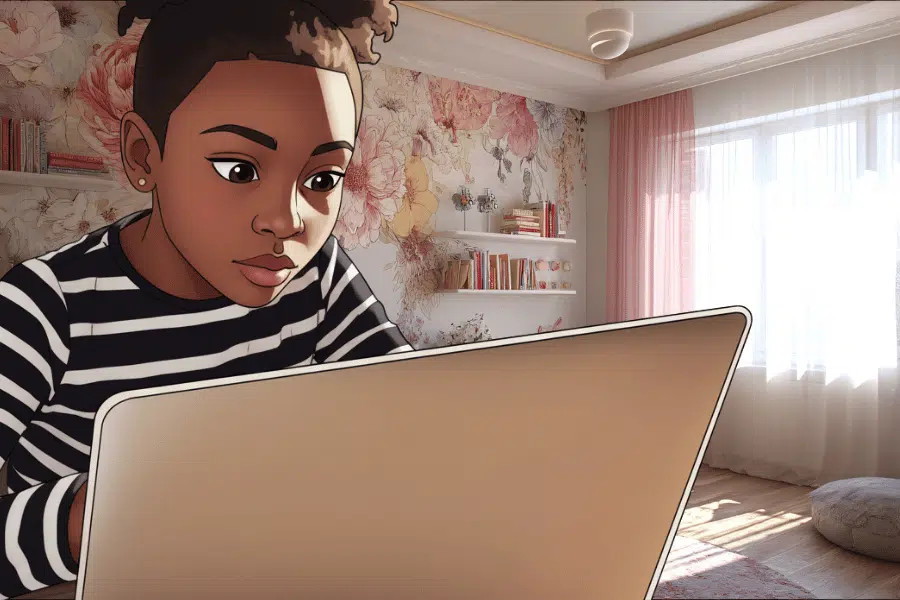
    I knew every word to the saddest songs on my playlist. Not because I loved music, but because depression had become my language. I was 14, lying in my room with my family just beyond the door, close enough to hear their voices, far enough that they might as well have been in another country.

    I had been expelled from school months earlier. “Disciplinary issues,” they called it. My family’s disappointment sat heavy in our home, unspoken but everywhere. We lived together, ate together, but there was no closeness, no one I could talk to.

    I tried to find help. I downloaded mental health apps, desperate for someone, anyone, to talk to. Every single one wanted money: subscriptions, fees, payments I couldn’t afford. I stared at those payment screens feeling like I was drowning, watching help float just out of reach.

    That’s when the screen became my only escape. It started two years earlier, in Primary 6, when house workers casually showed me explicit images on their phones. I was just a child; curious, confused, not understanding what I was seeing. Then it continued at school with friends, and something awakened in me that I didn’t know how to name or control.

    Now, alone and depressed, pornography became my refuge. Not because it made me happy, but because for a few minutes, it made me feel something other than suffocating sadness. It was free. It was always available. And unlike everyone in my life, it didn’t judge me.

    A cycle begins

    I didn’t wake up one morning and decide to be addicted. At first, it felt harmless, a way to escape. I told myself, It’s just this once. I’m in control. But addiction is a liar. Soon, it wasn’t me making the choices, the choices were making me.

    I became a professional actor: smiling, joking, saying “I’m fine.” Inside, I was drowning. Mornings brought disgust and broken promises. “This is the last time,” I would whisper. By evening, I was back in the same cycle.

    Being a Christian made it worse. How could I worship on Sunday and fall back into the same pit during the week? I carried my Bible with trembling hands, wondering: Does God still want me? Is He tired of forgiving me?

    What made everything harder was the silence; not just mine, but from my entire community.

    In many African homes, conversations about struggles don’t happen. Children are raised to “be strong,” “obey,” and “not bring shame.” So, when addiction creeps in, we already know: I can’t tell my parents because we know the response is often punishment and disappointment rather than compassion and feeling secure.

    The things we don’t discuss

    My family was no different. We shared meals, went to church together. But I couldn’t tell them about the depression that made me want to die, or the addiction consuming me. Not because they were cruel, but because we’d never learned how to talk about things that hurt.

    In many communities, struggles like pornography are labeled as spiritual weakness rather than human pain. Youth are told to “pray harder” while root wounds remain untouched. Girls especially face pressure to be “good daughters” because any confession can bring family shame.

    After my expulsion, I carried not just my own shame, but my family’s disappointment, the fear of being labeled a failure, the burden of disgrace.

    Addiction thrives in that silence. It feeds on fear; fear of punishment, of shame, of losing respect. So, we hide behind grades, church attendance, fake smiles. Inside, we are prisoners.

    For Christians struggling with addiction, the battle isn’t linear. One day you pray and feel close to God; the next, guilt crashes down. You confess, repent, hope but relapse comes again. I can’t get free. I’m weak. I keep failing.

    Faith meets struggle.

    Each fall reinforces the lie that you’re beyond redemption. You watch others grow in faith and compare your hidden failures to their visible victories. The church can make this harder. Fear of gossip or rejection stops you from seeking support. If they knew, would they still respect me?

    I struggled with this constantly. Sundays brought worship and hope. By Tuesday, I’d be back in the cycle, convinced I’d disappointed God one too many times. Everyone seemed to have faith figured out while I failed again and again.

    It’s strange having a full contact list but feeling completely alone. People assume you’re fine. “You’re always smiling,” they say. That image becomes a trap. If you break the mask, they might judge.

    The worst I’ve discovered is that the more people around you, the lonelier you feel. Addiction thrives in isolation. Your mind becomes a battlefield of self-condemnation and guilt. You wonder if anyone could love you as you are not as the image you show.

    When you reach out, friends often laugh it off or assume you’re exaggerating. Each failed attempt reinforces that isolation is safer than vulnerability. Trust issues build. You question whether anyone can handle your truth.

    Small steps forward 

    I haven’t stopped struggling. But I’ve discovered steps that help me keep moving forward. God’s presence never left me, even when I couldn’t feel it. Even in the darkest moments, there was a whisper: You are not finished. I’m still here.

    I’ve learned to pray honestly. One night I prayed: God, I’m tired. I failed again.” That messy prayer brought relief. God doesn’t need eloquence, He wants honesty.

    Scripture became my anchor: “My grace is sufficient for you, for my power is made perfect in weakness” (2 Corinthians 12:9). These words remind me that weakness doesn’t disqualify me.

    I’ve sought godly friendship. Sharing my struggle with a mentor brought prayer, guidance, and relief I hadn’t felt in years. Accountability isn’t about judgment; it’s about having allies who speak truth when you’re too weary.

    I celebrate small wins: resisting harmful content one morning, admitting a relapse to a friend, choosing honesty over shame. These moments prove God is working, even if change feels slow.

    Most importantly, I keep returning to God. After rough weeks, I kneel and whisper, “I’m here again, God,” and find quiet peace. The journey isn’t linear, but persistent return is how healing begins.

    Lessons and hope 

    Silence makes struggle worse; speaking lifts the burden. Faith doesn’t remove struggle, but gives hope and a path forward. Vulnerability is strength. Grace works in the mess. Small wins matter.

    If you feel trapped by addiction, shame or loneliness: you are not alone, and your story isn’t finished. God sees every hidden struggle, every tear, every relapse, every moment you’ve smiled while breaking inside. His love is stronger than any fear or guilt you carry.

    Change may be slow. You may stumble again. But every honest step toward God, every whispered prayer, every confession is victory. The times you felt weakest may be when God was shaping your heart for strength.

    Do not be discouraged by setbacks. Healing is a process. God’s timing is perfect, his grace persistent. You are not defined by your struggles; you’re defined by the God who pursues you relentlessly and turns brokenness into testimony.

    To my fellow young Africans carrying battles in silence: I see you. Your pain is real. The silence in your home is real. But so is God’s grace, the possibility of healing, and the chance that your story could be the hope someone else needs.

    I am still on this journey. There are days when old habits call, when depression threatens, when I feel eight years of struggle. But I’m learning that every day I turn back to God, I choose life over death, hope over despair, truth over silence.

    Remember: hope is not passive. It’s a daily choice to trust that God sees you, values you and has a purpose for you. Your story is not over. It is still being written, and your struggles are chapters, not the conclusion. Break the silence. Reach out. Trust that there is grace enough for every fall, love enough for every shame and hope enough for every tomorrow.

    You are not alone.


    Questions to consider:

    1. Why might someone turn to media, like pornography, as a way to escape depression or loneliness?

    2. Why do you think media addiction is so difficult to break from?

    3. If you knew of someone with an addiction, how might you help them free themselves from it?

    Source link

  • When life is bitter, don’t lose hope

    When life is bitter, don’t lose hope

    When life takes away your greatest support, it can feel as if the world is falling apart. For me, losing my father as a child was more than heartbreaking. It was a true test of strength. Yet in a world that often seemed bitter, the kindness of strangers and the power of personal dreams helped me rise above my sorrow and shape a future full of hope.

    My family and I live in the Eastern province of Rwanda. I was only five years old when one morning, my father packed his bag and left the house. He didn’t say where he was going and he never came back. Days turned into weeks, weeks into years, but there was no sign of him. No call. No letter. Nothing. 

    At first, I didn’t understand what was happening. I kept asking my mother, “When is Papa coming back?” But she would just smile sadly and say, “One day, maybe.”

    In her heart, she knew he was not coming back. 

    Life changed quickly after that. Without a father and without money, things became hard for the family. My mother, Catherine, had no job. She had never worked outside the home before. Now, she had to take care of me and my four siblings alone. 

    Struggling with little

    We had no house of our own. We moved from one place to another, staying with kind neighbors or sleeping in small, broken huts. During rainy nights, water would leak through the roof and we had to stay awake holding buckets. Sometimes, we didn’t even have enough food to eat. Many nights, we went to bed hungry. 

    My siblings were in high school at the time, but the family could not afford school fees anymore. One by one, they dropped out and stayed home. It was painful for me to watch them suffer. I loved them deeply and wanted a better life for all of them. 

    Despite everything, I stayed in school. My mother worked hard doing small jobs washing clothes, digging gardens or selling vegetables in the market. She never gave up. “You are our hope,” she would tell me. “Even if your father left, we must move forward.”

    I listened. I promised myself that no matter how hard life became, I would not give up. I wanted to finish school, go to university and one day help my family live a better life. 

    But it was not easy. 

    Help can come from surprising places.

    I often went to school with old shoes. I had no school bag only an old plastic bag to carry my books. I had no lunch and many times, I sat in class with an empty stomach. But still, I worked hard. I listened carefully, asked questions and always completed my homework, even if it meant studying by candlelight or by the dim light of a kerosene lamp. 

    Many teachers began to notice me. They saw that even though I had nothing, I had determination and a kind heart. One teacher gave me exercise books. Another helped pay part of my school fees. A neighbor who owned a small shop gave me a few snacks sometimes. A church group gave my mother food and clothes once in a while. 

    These acts of kindness kept me going. 

    I studied harder than anyone else and soon became the best performer in my class. Every year, I got top marks. My name was always on the honor list. At school, students looked up to me. But at home, things were still hard. My siblings had lost hope, but I kept believing in a better future. 

    After many years of struggle, I finally finished high school. I was the first in my family to do so. On the day I received my final results, my mother cried tears of joy. You did it, my son. You made me proud, she said, hugging me tightly.

    But my journey wasn’t over

    I had one more goal: to go to university. That meant more fees, laptop, more books, more challenges, but I didn’t stop. I applied for scholarships and after many rejections, I finally got accepted to a university with some financial support. 

    Now, I’m 22 years old. I’m in university, studying hard every day. I met with a kind person again, who gave me a place to sleep and dinner. Even though I have that support, I’m still facing challenges. I still lack proper shoes, clothes and transport money, but I keep going. My dream is to become a professional, get a good job first, then become self-employed and return home to support my mother and siblings. 

    I remind myself: “My father left us when I was just a child. We had no house, no food and no money. My siblings could not finish school. But I decided to fight. Kind people helped me and I stayed strong. Now I am at university. I will not stop until I help my family rise again.” 

    I hope my story will teach young people that even when life feels bitter and people let you down, you must not give up. Strength is not about having everything. It is about standing tall even when you have nothing. This is the reason why I’m writing my story. 

    Even when life is painful and people walk away from you, never lose hope. With hard work, faith and the help of kind people, you can still rise, succeed and help others do the same. 


    QUESTIONS TO CONSIDER:

    1. What was one thing the author promised himself when things got really hard for his family?

    2. In what ways did people help the author succeed?

    3. When have people helped you when you were having difficulty?

    Source link