Category: Leadership & Policy

  • Louisiana Joins Southern States in Alternative Accreditation Initiative

    Louisiana Joins Southern States in Alternative Accreditation Initiative

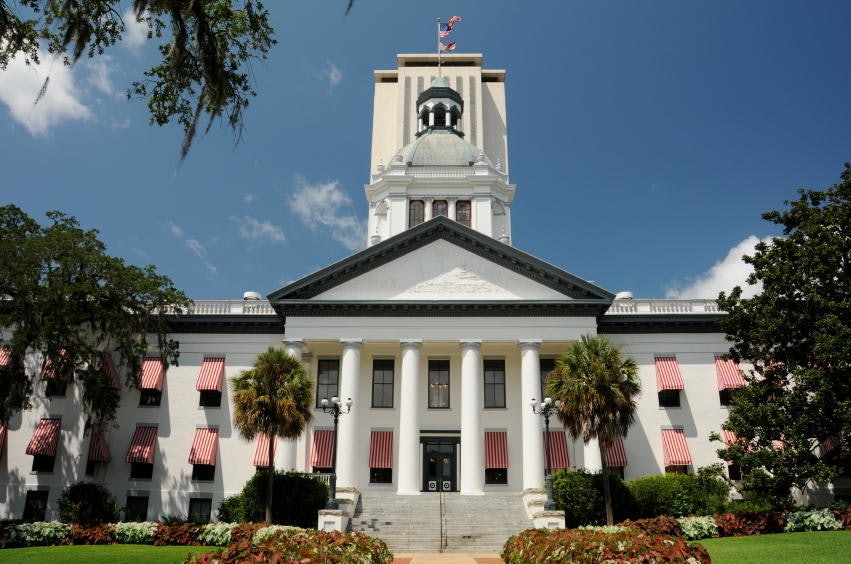
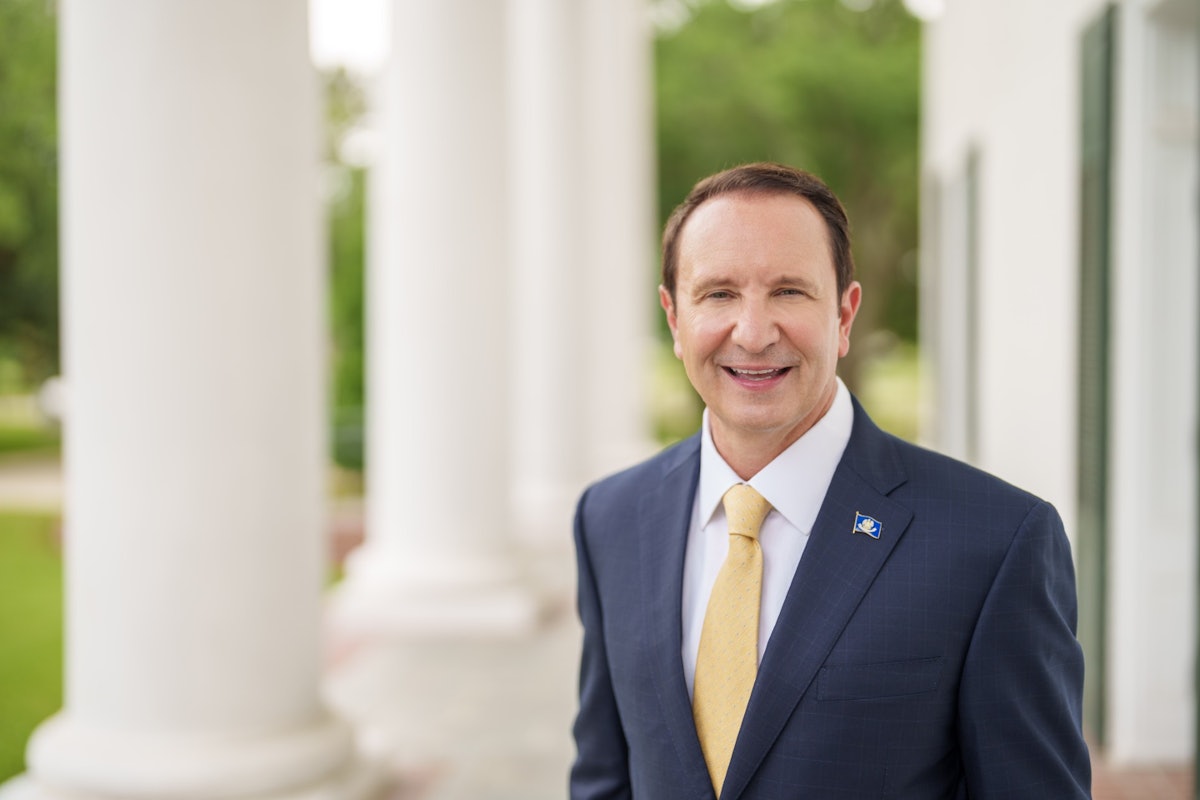
    Louisiana Governor Jeff LandryLouisiana Governor Jeff Landry announced that his state will join six other Southern university systems in creating an alternative accrediting body, marking a significant departure from established higher education standards. Through an executive order, Louisiana becomes the seventh state to participate in the Commission for Public Higher Education, which launched in June with university systems from Florida, Georgia, North Carolina, South Carolina, Tennessee and Texas.

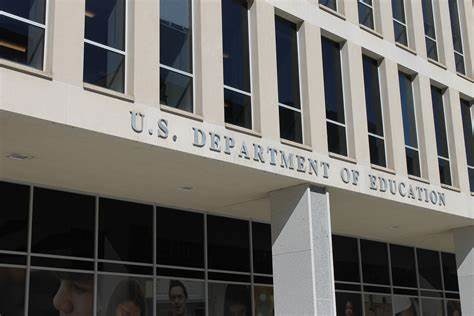
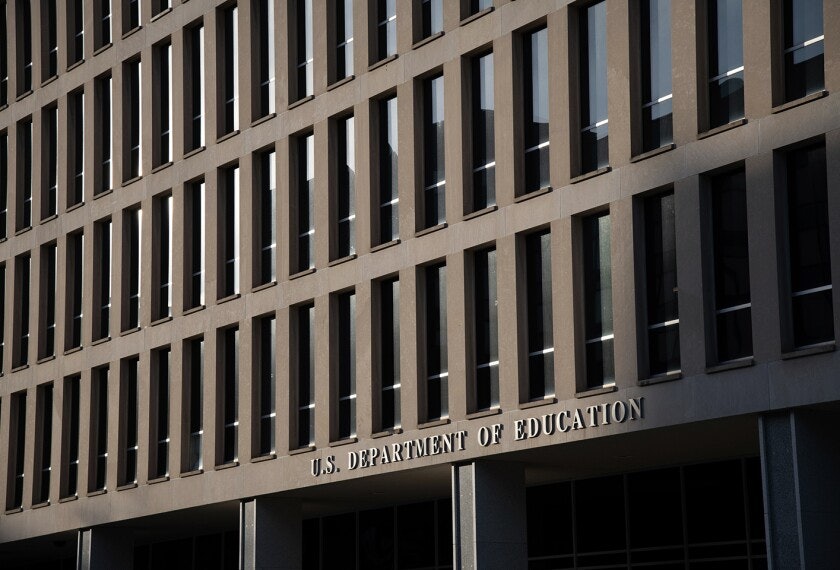
    The new commission is currently seeking expedited approval from the U.S. Department of Education to serve as an official accreditor responsible for maintaining quality standards at colleges and universities. This development represents a direct challenge to the Southern Association of Colleges and Schools Commission on Colleges, the traditional accrediting body that currently evaluates institutions across Louisiana and ten other Southern states including Alabama, Florida, Georgia, Kentucky, Mississippi, North Carolina, South Carolina, Tennessee, Texas and Virginia.

    The formation of this alternative accrediting body stems from growing tensions between conservative politicians and established accreditors. These conflicts have centered on traditional accreditors’ standards related to diversity, equity and inclusion initiatives, as well as their requirements for safeguards designed to limit external political influence in public higher education governance.

    Landry’s executive order establishes a Task Force on Public Higher Education Reform charged with developing recommendations for implementing the new commission. The task force will specifically focus on creating a pilot program for dual accreditation, allowing Louisiana schools to maintain authorization from both the new commission and the Southern Association simultaneously.

    The governor highlighted the ideological motivations behind the move in his announcement. 

    “This task force will ensure Louisiana’s public universities move away from DEI-driven mandates and toward a system rooted in merit-based achievement,” Landry said.

    Florida Governor Ron DeSantis, who helped launch the original commission, articulated similar sentiments when announcing the new accreditor in June. 

    “[The Commission for Public Higher Education] will upend the monopoly of the woke accreditation cartels, and it will provide institutions with an alternative that focuses on student achievement, rather than the ideological fads that have so permeated those accrediting bodies over the years,” DeSantis declared.

    The practical implementation of this new accrediting system faces a significant hurdle, as U.S. Department of Education approval is mandatory before any institution accredited solely by the new commission can receive federal financial aid. This requirement could potentially affect students’ access to federal funding programs if the transition is not handled carefully.

    The composition of Louisiana’s new task force reflects the governor’s significant influence over the state’s higher education leadership structure. With the exception of Commissioner of Higher Education Kim Hunter Reed, every task force member has been directly appointed by Landry or his conservative legislative allies. The task force includes Board of Regents Chairwoman Misti Cordell, University of Louisiana System Board Chairman Mark Romero, LSU System Board Chairman Scott Ballard, Southern University System Board Chairman Tony Clayton, Louisiana Community and Technical College Systems Chairman Tim Hardy, Senate Education Committee Chairman Sen. Rick Edmonds, and House Education Committee Chairwoman Rep. Laurie Schlegel.

    Additionally, Landry has appointed his executive counsel Angelique Freel and Commissioner of Administration Taylor Barras to the task force, with the option for them to send designees in their place. The governor retains the authority to select three additional task force members, further consolidating his influence over the group’s composition and direction.

    This level of gubernatorial control over higher education governance represents a recent shift in Louisiana’s political landscape. Last year, Landry successfully advocated for legislative changes that granted him direct appointment power over the chairs of the state’s five higher education boards, positions that were previously elected from within the boards’ memberships. An earlier version of this legislation would have extended Landry’s authority to include direct hiring of university system presidents, but this provision was ultimately removed due to concerns that such concentration of political power could jeopardize existing accreditation status.

    The task force operates under a compressed timeline that reflects the urgency Landry places on this initiative. The group must convene its inaugural meeting no later than August 31 and maintain a regular schedule with meetings occurring at least once every two months. The task force faces a deadline of January 30, 2026, to submit its comprehensive recommendations for implementing the new accrediting system in Louisiana.
     

    Source link

  • Sanders Introduces Bill Requiring $60,000 Minimum Salary for All Public School Teachers

    Sanders Introduces Bill Requiring $60,000 Minimum Salary for All Public School Teachers

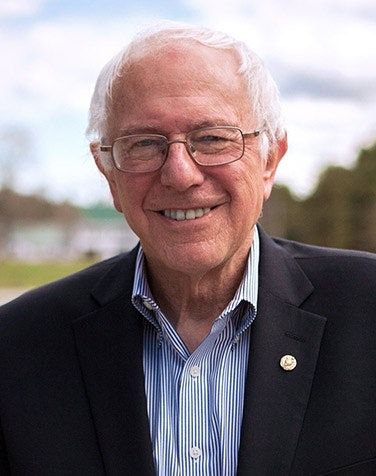
    Senator Bernie SandersSenator Bernie Sanders introduced legislation last Thursday requiring all public school teachers to earn at least $60,000 annually, calling America’s teacher pay crisis a “national emergency” during a Capitol Hill town hall with more than 200 educators.

    The Pay Teachers Act, co-sponsored by eight Democratic senators including Elizabeth Warren and Ed Markey, would establish the first federal mandate for teacher salaries and represents the most ambitious federal intervention in educator compensation in decades.

    “Just four hedge fund managers on Wall Street make more money in a single year than every kindergarten teacher in America combined—over 120,000 teachers,” Sanders said. “No public school teacher in America should make less than $60,000 a year.”

    The legislation comes as schools nationwide face unprecedented staffing shortages, with nearly 200,000 teaching positions either vacant or filled by underqualified educators. According to the bill’s findings, 38% of teachers nationwide earn less than $60,000 annually, with starting teachers averaging $44,530.

    Maria Gonzalez, a third-grade teacher from Arizona who testified at the town hall, said she drives for Uber on weekends and tutors after school to pay rent. 

    “My students ask why I look tired. How do I tell them their teacher can’t afford to live in the community where she teaches?”

    The crisis extends beyond low pay. Twenty-one percent of elementary and middle school teachers’ families rely on public assistance programs including Medicaid, food stamps, and the Earned Income Tax Credit, according to a University of California, Berkeley study cited in the legislation. Additionally, 44% of public school teachers quit within five years, and 17% worked multiple jobs during the 2020-2021 school year.

    The comprehensive bill would cost approximately $400 billion over five years, funded through mandatory appropriations. Beyond the $60,000 minimum salary requirement, the legislation would triple Title I funding, provide teachers with at least $1,000 annually for classroom supplies, and mandate that paraprofessionals and education support staff earn at least $45,000 annually or $30 per hour.

    States would have four years to implement the salary requirements, with extended timelines available for states demonstrating substantial financial need. The bill also includes $50 billion annually for career ladder programs allowing teachers to advance without leaving the classroom.

    The teacher shortage disproportionately affects schools serving students of color and low-income communities, which are four times more likely to employ uncertified teachers than schools with low minority enrollment, according to federal civil rights data cited in the legislation.

    James Williams, a high school mathematics teacher from North Carolina, told the town hall that his salary purchased “a decent life” 15 years ago but now forces him to choose between car repairs and classroom supplies.

    The legislation faces significant political obstacles with Republicans controlling the House. GOP lawmakers have criticized the massive federal spending, while some education policy experts question federal involvement in traditionally state and local compensation decisions.

    Major education unions endorsed the proposal. American Federation of Teachers President Randi Weingarten called it “a crucial federal investment to help sustain the teaching profession,” while National Education Association Vice President Princess Moss praised it as legislation that “invests in our students, educators, and public schools.”

    Sanders criticized recent Republican legislation that he said provides “$900 billion in tax cuts to large, profitable corporations and a $1 trillion tax cut to the top 1%” while cutting over $300 billion in education funding. The Trump administration is also withholding nearly $5.5 billion in congressionally appropriated education funding, according to Sanders and his colleagues.

    “If we can provide over a trillion dollars in tax breaks to the top 1% and large corporations, please don’t tell me that we cannot afford to make sure that every teacher in America is paid at least $60,000 a year,” Sanders said.


    Source link

  • NEA Executive Committee Reverses Member Vote to Boycott ADL Educational Materials

    NEA Executive Committee Reverses Member Vote to Boycott ADL Educational Materials

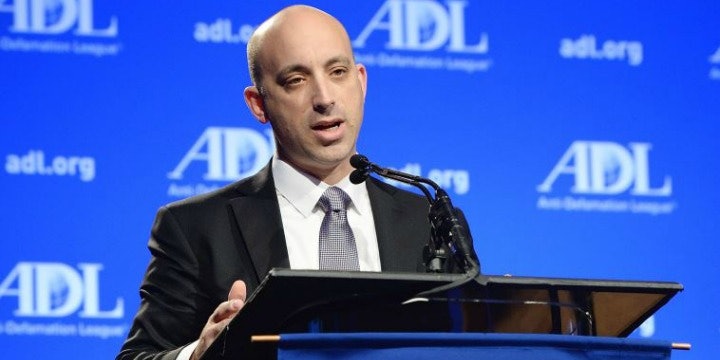
    ADL CEO Jonathan GreenblattThe National Education Association’s (NEA) executive committee has rejected a resolution passed by union members that would have severed ties with the Anti-Defamation League (ADL), preserving access to educational materials on antisemitism and Holocaust education amid rising campus tensions.

    The decision, announced Friday by NEA President Becky Pringle, came after the union’s Representative Assembly voted last week in Portland, Oregon, to cut ties with the civil rights organization over its characterization of campus protests related to the Gaza conflict as antisemitic.

    “Following the culmination of a thorough review process, it was determined that this proposal would not further NEA’s commitment to academic freedom,” Pringle said in a statement. The rejection preserves educators’ access to ADL curricula and professional development programs that address antisemitism in educational settings.

    The controversy highlights the complex challenges facing educational institutions as they navigate discussions about antisemitism, campus climate, and academic freedom in the aftermath of increased tensions following the October 7, 2023 Hamas attacks and subsequent Gaza conflict.

    The executive committee’s decision followed an unprecedented coalition effort, with nearly 400 Jewish organizations and dozens of elected officials urging the NEA to reject the boycott proposal. The coalition argued that excluding ADL materials would harm efforts to combat antisemitism in schools and marginalize Jewish educators and students.

    “This resolution was not just an attack on the ADL, but a larger attack against Jewish educators, students, and families,” said a joint statement from ADL CEO Jonathan Greenblatt, American Jewish Committee CEO Ted Deutch, Conference of Presidents of Major American Jewish Organizations COO Stephanie Hausner, and Jewish Federations of North America Executive Vice President Shira Hutt.

    The Jewish leaders emphasized that the proposed boycott would have normalized “antisemitic isolation, othering, and marginalization of Jewish teachers, students and families in our schools,” even as teachers’ unions have limited power to dictate curriculum.

    The debate reflects broader tensions on college and K-12 campuses nationwide, where Jewish students and faculty have reported increased incidents of antisemitism alongside pro-Palestinian advocacy efforts. The ADL’s annual reporting on antisemitic incidents has itself become a point of contention, with some progressive Jewish leaders questioning whether the organization conflates legitimate criticism of Israeli government policies with antisemitism.

    Amy Spitalnick, CEO of the Jewish Council for Public Affairs, offered a nuanced perspective: “It’s possible to disagree with ADL without cutting off all engagement — which would undercut our shared goals of countering antisemitism and broader hate and bias.”

    Pringle clarified that rejecting the boycott proposal was not an endorsement of “the ADL’s full body of work” but acknowledged the organization’s role in addressing rising antisemitism. She met with ADL CEO Greenblatt to discuss the union’s processes and reaffirm the NEA’s commitment to combating antisemitism.

    Source link

  • Senator Murray Blocks Trump Education Nominee as Funding Crisis Deepens

    Senator Murray Blocks Trump Education Nominee as Funding Crisis Deepens

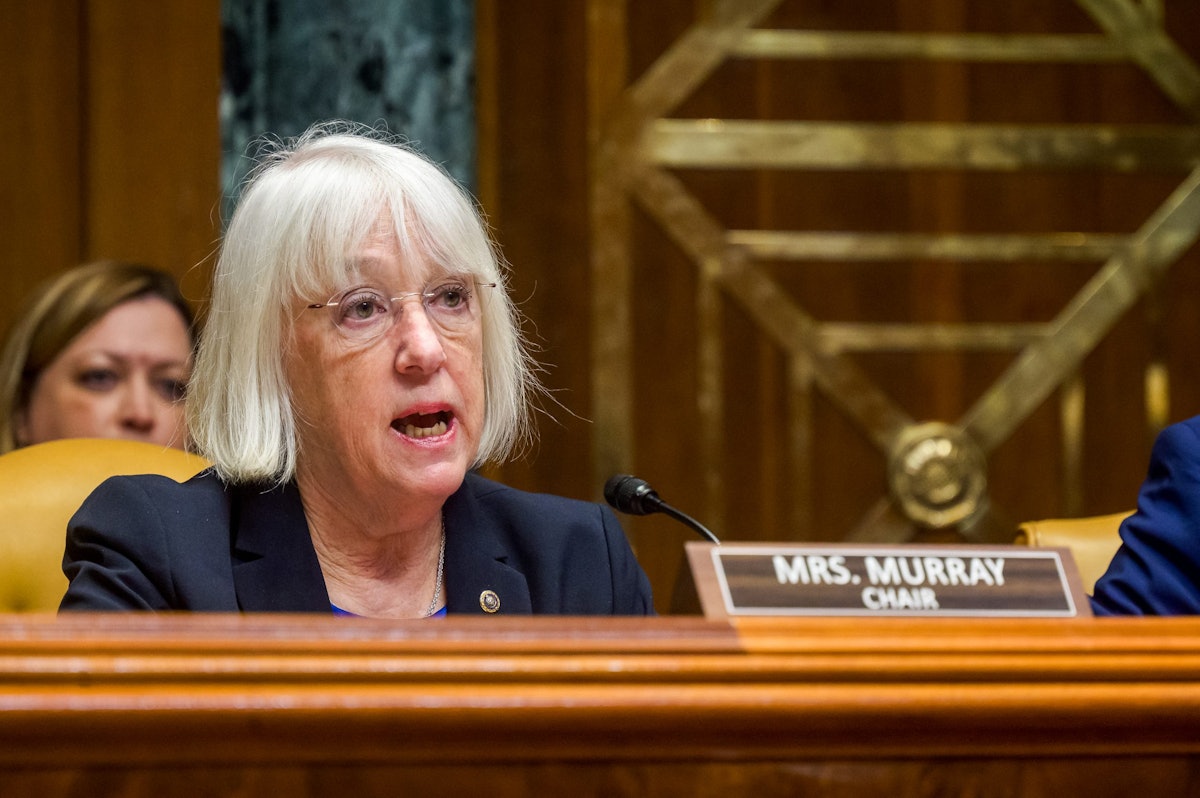
    U.S. Senator Patty Murray U.S. Senator Patty Murray (D-WA) has blocked the fast-track consideration of Mary Christina Riley, President Trump’s nominee to serve as Assistant Secretary for Legislation and Congressional Affairs at the Department of Education, as the administration continues to withhold nearly $7 billion in funding for K-12 schools and adult education programs nationwide.

    The move by Murray, Vice Chair of the Senate Appropriations Committee, forces Riley’s nomination to undergo full committee review rather than skipping directly to Senate floor consideration. The action comes just weeks before the new school year begins, with school districts across the country scrambling to address massive budget shortfalls created by the Trump administration’s funding freeze.

    “As schools nationwide scramble to figure out how many teachers they need to lay off and afterschool programs warn parents to make back up plans—all because President Trump is blocking over $6 billion in education funding he himself signed into law—there is no reason for any Department of Education nominee to skip committee consideration and get fast-tracked for confirmation,” Murray said in a statement.

    The senator’s parliamentary maneuver reflects growing Democratic frustration with the Trump administration’s decision to withhold funding that was previously approved by Congress. The administration notified states on July 1—the traditional deadline for fund distribution—that it was placing the money under review “given the change in Administrations.”

    The funding freeze affects six critical federal education programs that support teacher professional development, English language learning, after-school programs, and services for migrant children. The largest portion consists of $2.2 billion for Supporting Effective Instruction State Grants, which fund professional development and activities to improve teacher effectiveness.

    Twenty-four states and the District of Columbia have already filed a lawsuit against the Trump administration over the frozen funds, with California Attorney General Rob Bonta calling the move one with “no rhyme or reason” that came “abruptly” just weeks before the school year begins.

    The consequences are being felt immediately across the education landscape. The Afterschool Alliance warned that without the funds, “we will quickly see more children and youth unsupervised and at risk, more academic failures, more hungry kids, more chronic absenteeism, higher dropout rates, more parents forced out of their jobs, and a less STEM-ready and successful workforce.”

    The Trump administration’s Office of Management and Budget, led by Russell Vought, has suggested the funding freeze is part of an investigation into whether money has been used for what it calls a “radical leftwing agenda,” including scholarships for undocumented students or teachings on LGBTQ topics.

    Murray rejected these justifications, arguing that the administration has provided no clear explanation for the delay and no timeline for when funding might be released. Even some Republican senators have criticized the move, with Senator Susan Collins (R-Maine) telling Education Week she “strongly oppose[s] the administration’s decision to pause the delivery of education formula grant funding.”

    The funding freeze represents part of a broader Trump administration effort to reshape federal education policy. The administration’s proposed fiscal year 2026 budget would eliminate all six of the grant programs currently under review, as part of a 23 percent cut to domestic spending.

    Murray, a former teacher and longtime education advocate, has been a vocal critic of the administration’s education policies. She has previously blasted Trump’s plans to dismantle the Department of Education, calling the idea “terrible” and arguing that “Trump and Musk don’t know what it’s like to count on their local public school having the resources to get their kids the education they deserve.”

    The affected programs serve some of the nation’s most vulnerable student populations, including:

    • Supporting Effective Instruction State Grants (Title II-A) for teacher professional development
    • 21st Century Community Learning Centers (Title IV-B) for after-school programs
    • Student Support and Academic Enrichment Grants (Title IV-A) for STEM education and school mental health
    • English Language Acquisition (Title III-A) for English language learners
    • Migrant Education (Title I-C) for children of migrant workers
    • Adult Basic and Literacy Education State Grants for adult education programs.


    Source link

  • Department of Education Blocks Undocumented Students from Career and Technical Programs

    Department of Education Blocks Undocumented Students from Career and Technical Programs

    The U.S. Department of Education announced it will no longer allow federal funds to support career, technical, and adult education programs for undocumented students, rescinding a nearly three-decade-old policy that permitted such access.

    The department said it is rescinding a 1997 “Dear Colleague Letter” from the Clinton administration that allowed undocumented immigrants to receive federal aid for career, technical, and adult education programs. The interpretive rule, published in the Federal Register, clarifies that federal programs under the Carl D. Perkins Career and Technical Education Act and the Adult Education and Family Literacy Act are “federal public benefits” subject to the Personal Responsibility and Work Opportunity Reconciliation Act of 1996.

    Education Secretary Linda McMahon stated that “under President Trump’s leadership, hardworking American taxpayers will no longer foot the bill for illegal aliens to participate in our career, technical, or adult education programs or activities”.

    The policy change affects access to dual enrollment programs, postsecondary career and technical education, and adult education programs. The department said it will send letters to postsecondary schools and adult education programs clarifying that undocumented immigrants cannot receive federal aid and may take enforcement actions against schools that do not comply by August 9.

    Augustus Mays, vice president of partnerships and engagement at EdTrust, a Washington-based education equity advocacy organization, condemned the decision.

    “This move is part of a broader, deeply disturbing trend,” Mays said. “Across the country, we’re seeing migrant communities targeted with sweeping raids, amplified surveillance, and fear-based rhetoric designed to divide and dehumanize.”

    Mays argued the change “derails individual aspirations and undercuts workforce development at a time when our nation is facing labor shortages in critical fields like healthcare, education, and skilled trades”. He noted the decision compounds existing barriers, as undocumented students are already prohibited from accessing federal financial aid including Pell Grants and student loans.

    The department maintains that the Clinton-era interpretation “mischaracterized the law by creating artificial distinctions between federal benefit programs based upon the method of assistance,” a distinction the department says Congress did not make in the 1996 welfare reform law.

    The change comes as President Trump proclaimed February 2025 as Career and Technical Education Month, stating his administration will “invest in the next generation and expand access to high-quality career and technical education for all Americans”.

    Career and technical education programs served approximately 11 million students in 2019-20, with about $1.3 billion in federal funds supporting such programs through the Department of Education in fiscal year 2021.

    The interpretive rule represents the department’s current enforcement position, though officials indicated they do not currently plan enforcement actions against programs serving undocumented students before August 9.

    EdTrust called on policymakers, education leaders, and community advocates to oppose the change. 

    “We must fight for a country where every student, regardless of where they were born, has access to the promise of education and the dignity of opportunity,” Mays said.

    Source link

  • Harvard Medical School Faces Backlash Over Latest DEI Office Renaming

    Harvard Medical School Faces Backlash Over Latest DEI Office Renaming

    Harvard Medical School’s decision to rename its Diversity, Inclusion and Community Partnership office has sparked significant reaction from students and observers, marking Harvard’s latest move to reshape its diversity infrastructure amid shifting political pressures.

    The medical school will now call the unit the Office for Culture and Community Engagement, according to a letter from Dr. George Daley, dean of Harvard Medical School. The announcement comes as Harvard continues to navigate criticism over its earlier decision to rename its main “Office for Equity, Diversity, Inclusion & Belonging” to “Community and Campus Life” — a move that drew considerable backlash when the university also eliminated funding and support for affinity graduations.

    “I hope it is abundantly clear that while we continue to adapt to the ever-evolving national landscape, Harvard Medical School’s longstanding commitment to culture and community will never waver,” Daley wrote in his letter to the medical school community.

    The renamed office will emphasize “opportunity and access” along with “collaboration and community-building,” according to Daley’s announcement. Additionally, the Office of Recruitment and Multicultural Affairs will be absorbed into the Office of Student Affairs as part of the restructuring.

    Harvard’s moves come as the Trump administration has intensified pressure on higher education institutions over diversity, equity and inclusion programming. An executive order signed by President Trump characterizes many DEI programs as “unlawfully discriminatory practices” and threatens to revoke accreditation from colleges and universities that maintain such initiatives.

    The timing has also created tension for Harvard, which became the first major institution to legally challenge the Trump administration when it filed a lawsuit in response to federal threats to withdraw billions in funding. However, the DEI office renaming has been viewed by some as contradictory to that stance of resistance.

    “It’s signaling that if they’re willing to capitulate on some demands, then they’re likely to capitulate in the future. This kind of sends confused, mixed signals to students,” Harvard junior and LGBTQ student Eli Johnson said about the university’s broader DEI changes.

    Harvard Medical School’s decision follows similar moves by other prominent institutions. Dr. Sally Kornbluth, MIT’s president, announced plans in late May to “sunset” the university’s Institute Community and Equity Office and eliminate its vice president for equity and inclusion position, though core programs will continue under other offices. Northeastern University has also renamed its diversity office.

    As part of the medical school’s transition, Daley announced the creation of a committee to “review and recommend updates” to the “principles and statements that guide our community and our values.”

    A Harvard spokesperson declined to provide additional comment on the medical school’s decision or the broader reaction it has generated.

    The developments highlight the challenging position many higher education institutions find themselves in as they attempt to balance longstanding commitments to diversity and inclusion with mounting political and potential financial pressures from the federal government.

    Source link

  • Federal Court Orders Reinstatement of Southern Education Foundation Grant After DEI Controversy

    Federal Court Orders Reinstatement of Southern Education Foundation Grant After DEI Controversy

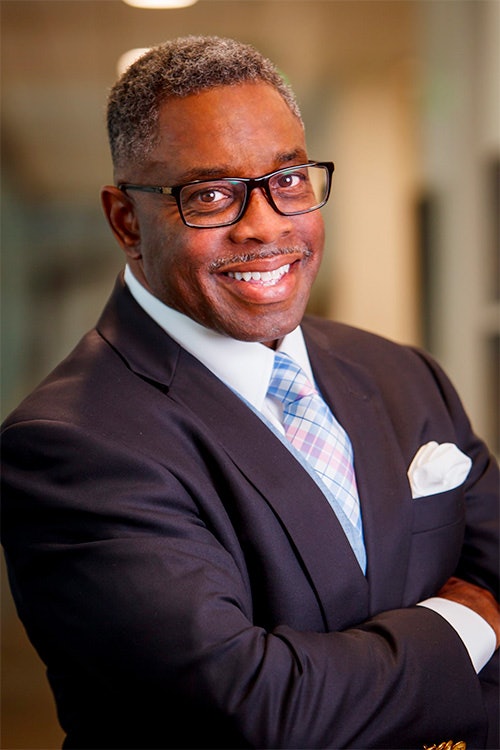
    Raymond PierceThe Southern Education Foundation has secured a significant legal victory in its fight against the U.S. Department of Education, with a federal judge ordering the reinstatement of a key grant that was terminated earlier this year over allegations of illegal diversity, equity, and inclusion practices.

    On May 21, 2025, a judge in the U.S. District Court for the District of Columbia granted SEF’s motion for preliminary injunction, ordering the Department of Education to restore the organization’s Equity Assistance Center-South grant and reimburse all outstanding expenses. The grant, which had been terminated on February 13, 2025, enables SEF to provide technical assistance to public school districts and state agencies across 11 Southern states to help them comply with federal civil rights law.

    The court’s ruling was particularly pointed in its criticism of the Education Department’s decision to terminate the grant. 

    “In view of the history of race in America and the mission of SEF since the Civil War, the audacity of terminating its grants based on ‘DEI’ concerns is truly breathtaking,” the judge wrote in the opinion.

    The Southern Education Foundation, which has operated for more than 150 years with a mission to advance educational opportunities for Black students in the South, traces its origins to the late 1800s when it supported education for individuals recently emancipated from enslavement. The organization’s Equity Assistance Center represents a continuation of work that began with the original Desegregation Assistance Centers.

    “We are pleased with the Department of Education’s compliance with the court order by reinstating our grant,” said SEF President and CEO Raymond Pierce. “With the grant reinstated, SEF can move forward with developing the assistance needed to free school districts from policies and practices that remain from the dark era of lawful segregation which continue to hinder equal education opportunity for far too many children.”

    The preliminary injunction provides temporary relief while the case proceeds through the courts. The judge found that SEF was likely to succeed on the merits of its claim that the Department violated federal law in terminating the grant. However, the reinstatement is not yet permanent, pending the outcome of the full legal proceedings.

    The case highlights ongoing tensions around diversity, equity, and inclusion initiatives in education, particularly as they relate to organizations with deep historical roots in civil rights work. The Southern Education Foundation’s century-and-a-half commitment to educational equity predates modern DEI terminology by decades, making the Department’s allegations particularly contentious.

    The EAC-South serves a critical function in the region, providing technical assistance to help school districts navigate complex federal civil rights requirements. This support is particularly vital in states with histories of legal segregation, where legacy policies and practices can continue to create barriers to equal educational opportunity.

    The reinstatement allows SEF to resume its work immediately, though the organization will be watching closely as the legal case progresses. The preliminary nature of the court’s order means that while SEF can continue operating the program, the long-term resolution of the dispute remains uncertain.

    The case represents a broader debate about the role of equity-focused programming in education and the extent to which federal agencies can regulate or restrict such work. For the Southern Education Foundation, the stakes extend beyond a single grant to encompass the organization’s fundamental mission and its ability to continue serving communities that have historically faced educational inequities.

    Source link

  • Federal Judge Blocks Trump’s Executive Order to Close Education Department

    Federal Judge Blocks Trump’s Executive Order to Close Education Department

    A federal judge in Massachusetts has issued a preliminary injunction halting President Donald Trump’s executive order to dismantle the U.S. Department of Education, dealing a significant blow to the administration’s efforts to eliminate the federal agency.

    District Court Judge Myong J. Joun on last Thursday blocked Trump and Education Secretary Linda McMahon from carrying out the executive order and ordered the administration to reinstate approximately 1,300 Education Department employees who were terminated in March as part of a sweeping reduction-in-force.

    The ruling comes in response to consolidated lawsuits filed by a coalition of 20 states, the District of Columbia, educator unions, and school districts challenging the administration’s moves to shrink and eventually close the department.

    When Trump took office in January, the Education Department employed 4,133 workers. The reduction-in-force announced March 11 terminated more than 1,300 positions, while nearly 600 additional employees chose to resign or retire, leaving roughly 2,180 remaining staff—approximately half the department’s original size.

    In his ruling, Judge Joun wrote that “a department without enough employees to perform statutorily mandated functions is not a department at all,” adding that the court “cannot be asked to cover its eyes while the Department’s employees are continuously fired and units are transferred out until the Department becomes a shell of itself.”

    The judge also prohibited Trump from transferring management of the federal student loan portfolio and special needs programs to other federal agencies, as the president had pledged to do from the Oval Office.

    Judge Joun determined that the Trump administration likely violated the separation of powers by taking actions that conflicted with congressional mandates. He noted the administration had failed to demonstrate that the staff reductions actually improved efficiency, writing that “the record is replete with evidence of the opposite.”

    The plaintiffs argued that the department could no longer fulfill critical duties, including managing the $1.6 trillion federal student loan portfolio serving roughly 43 million borrowers and ensuring colleges comply with federal funding requirements.

    The American Association of University Professors (AAUP), which joined the legal challenge alongside other educator groups, praised the ruling as a crucial victory for higher education access.

    “The AAUP is thrilled that District Judge Joun has blocked Trump’s illegal attempt to gut the Department of Education and lay off half of its workforce,” said AAUP President Dr. Todd Wolfson. “Eliminating the ED would hurt everyday Americans, severely limit access to education, eviscerate funding for HBCUs and TCUs while benefiting partisan politicians and private corporations looking to extract profit from our nation’s higher education system.”

    American Federation of Teachers President Randi Weingarten called the decision “a first step to reverse this war on knowledge and the undermining of broad-based opportunity.”

    The Education Department’s deputy assistant secretary for communications, Madi Biedermann, criticized the ruling in a statement, calling Judge Joun a “far-left Judge” who “dramatically overstepped his authority” and vowed to “immediately challenge this on an emergency basis.”

    The case, Somerville Public Schools v. Trump, represents the consolidation of two separate lawsuits filed in March. Democracy Forward is representing the coalition of plaintiffs, which includes the AAUP, Somerville Public School Committee, Easthampton School District, Massachusetts AFT, AFSCME Council 93, and the Service Employees International Union.

    The ruling temporarily halts one of the Trump administration’s most ambitious efforts to reshape federal education policy, though the legal battle is expected to continue as the administration pursues its appeal.

    Source link

  • Florida Dreamers Seek Tuition Relief as Legislative Session Extends

    Florida Dreamers Seek Tuition Relief as Legislative Session Extends

    AGaby Pachecos Florida lawmakers extend their legislative session through June 6, TheDream.US is intensifying calls for a provision that would allow approximately 6,000 undocumented students currently enrolled in Florida colleges and universities to complete their education at in-state tuition rates.

    The advocacy comes in response to the legislature’s earlier repeal of the in-state tuition waiver for undocumented students, which is set to take effect July 1, 2025. Without intervention, these students would face tuition increases of up to four times their current rates.

    “Florida’s state lawmakers now have another month to do the right thing for Dreamers and Florida’s future: ‘grandfather in’ the 6,000 Dreamers who will be forced out of college in July and instead allow them to finish their college degrees,” said Gaby Pacheco, Miami-based President and CEO of TheDream.US, the nation’s largest college and career success program for Dreamers.

    Pacheco highlighted the unfairness of changing tuition rates midstream for students who began their education under different financial expectations.

    “Among TheDream.US Scholars alone, there are more than 70 students in Florida who are less than one year from completing their degrees,” she noted.

    The organization has been actively mobilizing around this issue. In April, following the repeal announcement, TheDream.US organized a three-day “Freedom Ride for Tuition Fairness” journey from Miami to Tallahassee, with stops highlighting the importance of affordable higher education.

    This recent campaign builds on a similar effort in 2023 that successfully delayed the passage of the in-state tuition repeal until this year. One participant in that earlier campaign was Britney, a TheDream.US Scholar who recently graduated with a business marketing degree from University of Central Florida despite the uncertainty surrounding tuition policies.

    “We hope to celebrate more graduations like Britney’s after lawmakers add in new, grandfathering language in the coming weeks,” Pacheco said.

    Education advocates argue that allowing current students to complete their education at promised rates represents both a moral and practical consideration. A fact sheet released by TheDream.US notes that Florida has already invested in these students’ K-12 education and partial college education, making it economically sensible to ensure they can graduate and contribute to the state’s workforce and tax base.

    TheDream.US has provided more than 11,000 college scholarships to undocumented students attending nearly 80 partner colleges across 20 states and Washington, D.C. The organization recently released its 10-year impact report, “From Dreams to Destinations: A Decade of Immigrant Achievements and the Future Ahead,” documenting how increased access to higher education catalyzes social mobility and positive outcomes for Dreamers and their communities.

    The Florida legislature has until June 6 to consider amendments to the in-state tuition repeal that would protect currently enrolled students.

    Source link

  • Department of Education Relaxes Accreditation Change Rules, Raising Quality Concerns

    Department of Education Relaxes Accreditation Change Rules, Raising Quality Concerns


    The U.S. Department of Education announced Thursday it will eliminate the rigorous review process previously required for colleges and universities seeking to change accreditors, a move critics warn could undermine educational quality standards.

    The announcement, which implements parts of President Trump’s Executive Order on “Reforming Accreditation to Strengthen Higher Education,” simultaneously lifts a moratorium on reviewing applications for new accrediting bodies.

    In a statement, Education Secretary Linda McMahon framed the policy change as promoting competition.

    “We must foster a competitive marketplace both amongst accreditors and colleges and universities in order to lower college costs and refocus postsecondary education on improving academic and workforce outcomes for students and families.” she said.

    However, higher education policy experts expressed concerns that the streamlined process could enable institutions to evade accountability by shopping for less stringent accreditors.

    The Department’s new Dear Colleague Letter revokes guidance issued by the Biden administration in 2022 that had established a pre-clearance process for institutional accreditor changes. The new guidance explicitly allows institutions to change accreditors for reasons including finding one that “better aligns with a religious mission,” accommodating shifts in academic programs, complying with state law requirements, or avoiding accreditors that impose “discriminatory Diversity, Equity, and Inclusion (DEI) practices and principles.”

    Education advocates worry the policy shift prioritizes institutional freedom over student protections.

    “When we make it easier for colleges to switch accreditors without thorough vetting, we risk creating a race to the bottom where standards are compromised,” said one higher education researcher. “The students who will suffer most are often those from historically underrepresented groups who depend on accreditation as an assurance of quality.”

    The Department characterized its previous approach as overreaching, stating in the new guidance.

    “It is not the Department’s prerogative to infer any other meanings from the basic requirements or contrive a multi-step investigation. This guidance re-establishes a simple process that will remove unnecessary requirements and barriers to institutional innovation.”

    The policy change also rescinds the October 2024 pause on reviewing applications for new accrediting agencies. At least one prospective accreditor that had its application temporarily paused has now been notified that its review will proceed.

    Critics contend that enabling more accreditors with potentially varying standards could fragment the higher education quality assurance landscape in ways that confuse students and employers.

    “The fundamental question is whether reducing oversight will actually improve educational outcomes or simply make it easier for underperforming institutions to avoid consequences,” said a public university president, who asked to remain anonymous, for fear of retaliation. “History suggests the latter is more likely.”

    The Department has not announced specific metrics to evaluate whether the policy changes lead to improved outcomes for students or institutions.

    Source link