Category: mental health

  • Neurodiversity at Work: Focus on ADHD in Women – CUPA-HR

    Neurodiversity at Work: Focus on ADHD in Women – CUPA-HR

    by Julie Burrell | August 5, 2024

    A full picture of neurodiversity in the workplace includes understanding how gender shapes employees’ experiences of neurodevelopmental disorders. Although they’re diagnosed at roughly the same rates as men, women with ADHD may be overlooked in conversations about attention-deficit/hyperactivity disorder. Until fairly recently, ADHD was seen as primarily affecting children, with the typical view of someone with the disorder as a restless or hyperactive boy.

    Awareness about how ADHD can manifest differently in women — and how gender stereotypes play a significant role in diagnosis and treatment — can help foster a culture that uplifts neurodiversity and the skills that neurodiverse employees can offer an organization. Employees with ADHD bring unique strengths and perspective to their work, such as creativity, courage and hyperfocus.

    Here’s what HR needs to know about ADHD and how it can be different for women.

    Misconceptions About ADHD

    Rather than a set of behaviors, ADHD is a neurodevelopmental condition affecting about 2% to 5% of adults, and falls under the same broad umbrella as autism spectrum disorder and dyslexia. A stereotypical picture of someone with ADHD is “a boy who can’t sit still and is disruptive in class,” according to Dr. Deepti Anbarasan, a clinical associate professor of psychiatry at New York University.

    Women who receive ADHD diagnoses in adulthood may have struggled with inattention and executive functioning for much of their lives. Because girls and women with ADHD often present as inattentive rather than hyperactive, and because women often develop coping skills that mask ADHD, women often receive late-in-life diagnoses. By the time women reach adulthood, however, the rates of diagnosis are close to those seen in men.

    ADHD in women often presents as challenges with executive functioning, which can include difficulties with attention and focus, as well as emotional dysregulation, trouble with finishing tasks or juggling multiple tasks, and absentmindedness. Women with ADHD might also suffer from anxiety and depression, and even suicide attempts and self-harm. Some people with ADHD compensate by working extra hours during their personal time to keep up with their day-to-day work, causing added stress.

    A Strengths-Based Approach

    Though ADHD can pose real challenges at work, a strengths-based approach highlights the advantages that employees with ADHD bring to their jobs. In a recent study, for example, 50 adults with ADHD identified the positive aspects of living with the condition, including energy and drive, a high degree of creativity, an ability to hyperfocus, and traits such as resilience, curiosity, and empathy. The same study emphasizes that experiencing ADHD as challenging or beneficial depends on the context and sociocultural environment that a person is in.

    HR as a Leader in Neurodiversity

    Given how much context and sociocultural environment matters, creating a campus climate that supports neurodiversity is critical. HR can champion neurodiversity through awareness and well-being programs. Because ADHD often occurs alongside depression and anxiety, a holistic approach to well-being is recommended. (Learn how the University of Texas Health Science Center at San Antonio gained traction with their mental health awareness campaign.)

    HR can also advocate for accommodations to support neurodivergent employees. For example, task separation is a common management strategy to help employees set their work priorities. In emails and written communication this might look like establishing clear parameters, breaking requests down into bulleted lists, and clearly spelling out instructions like “two-minute ask” or “response requested.” (For many more suggestions on how to uplift neurodiversity on campus, including practical tips for accommodations, read Neurodiversity in the Higher Ed Workplace.)

    There’s a business case to be made for a robust attention to neurodiversity: increased retention and productivity, reduced absenteeism, and developing employees’ strengths. Supporting neurodiversity also builds an appealing workplace culture, one that signals to employees that their whole person is valued.

    More Resources on Women With ADHD

    ADHD Is Different for Women, a podcast by the Harvard Business Review

    Duke Center for Girls and Women with ADHD 

    Women and Girls with ADHD from the organization Children and Adults with Attention-Deficit/Hyperactivity Disorder (CHADD)


    Source link

  • Getting Organic Engagement in a Mental Health Awareness Program – CUPA-HR

    Getting Organic Engagement in a Mental Health Awareness Program – CUPA-HR

    by Julie Burrell | July 15, 2024

    Employers have enormous sway over employee health. That’s one of the major takeaways from the CUPA-HR webinar An Integrated Approach to Fostering Workplace Well-Being, led by Mikel LaPorte and Laura Gottlieb of the University of Texas Health Science Center at San Antonio. They collected eye-opening data that helped them make the case to leadership for a mental health awareness campaign. In a Workforce Institute report they cited, employees say that managers have a greater impact on their mental health than their doctors or therapists — roughly the same impact as their spouse!

    In the webinar, LaPorte and Gottlieb discussed how their robust, research-driven suite of content is helping to normalize discussions of mental health on campus. They’re even being asked to present their well-being trainings at meetings, a sign that their push for mental health awareness is resonating organically.

    A One-Stop Shop for Mental Health

    The awareness campaign centers on their wellness website, which acts as a one-stop shop for campus mental health. (Right now, the site is internal-facing only, but the recorded webinar has rich details and example slides.) There, they organize their podcast episodes, articles and curated content, as well as marshal all the mental health resources currently available to staff, students and faculty.

    They’ve also found a way to make this initiative sustainable for HR in the long term by recruiting faculty subject matter experts to write on topics such as compassion fatigue. These experts are then interviewed on their quarterly podcast, Well-Being Wisdom. Tapping into faculty experts also ensures rigor in their sources, a significant step in getting buy-in from a population who requires well-vetted wellness practices.

    Getting Organic Engagement Starts With Leaders  

    LaPorte and Gottlieb have faced the typical challenge when rolling out a new campaign: engagement. Email fatigue means that sending messages through this channel isn’t always effective. But they’ve started to look at ways of increasing engagement through different communication channels, often in person.

    Direct outreach to team leaders is key. They regularly attend leadership meetings and ask different schools and departments to invite them in for facilitated mental health activities. (In the webinar, you can practice one of these, a brief guided meditation.) They’ve developed a leader guide and toolkit, including turnkey slides leaders can insert into decks to open or close discussions. Leaders are supplied with “can opener” discussion items, such as

    • “I made a difference yesterday when I…”
    • “Compassion is hardest when…”
    • “I show up every day because…”

    Not only does this provide opportunities to normalize conversations around mental health, but it also strengthens relationship-building — a key metric in workplace well-being. As CUPA-HR has found, job satisfaction and well-being is the strongest predictor of retention by far for higher ed employees.

    Campus leaders are now reaching out to the learning and leadership development team to request mental health activities at meetings. Some of the workshops offered include living in the age of distraction, mindful breathing techniques, and the science of happiness. For more details on UT Health San Antonio’s well-being offerings, including ways they’re revamping their program this fiscal year (think: less is more), view the recorded webinar here.


    Source link

  • Suicide Prevention and Awareness: Four Ways HR Can Lead the Conversation – CUPA-HR

    Suicide Prevention and Awareness: Four Ways HR Can Lead the Conversation – CUPA-HR

    by CUPA-HR | August 31, 2022

    This blog post was contributed by Maureen De Armond, Executive Director, Human Resources at Drake University.

    In higher education, we must plan for many worst-case scenarios, including tornados, fires, active-shooter situations, and, as we now know, pandemics. Among this wide range of difficult scenarios that could present themselves on our campuses at any time, suicide is one that deserves more attention and discussion.

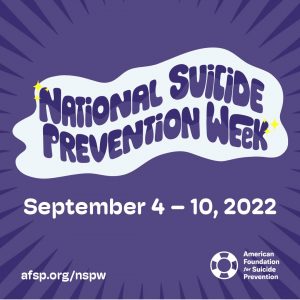
    Like other scenarios, suicide prevention and planning should contain at least these components: awareness and prevention at the front end; crisis-response protocols to deploy in the moment; and post-incident support and debriefing.

    Here are four ways HR can take the lead on awareness and prevention efforts:

    Normalize Mental Health Conversations

    HR can set the example in normalizing conversations about mental health. From new employee orientation to leadership trainings to trainings offered during open enrollment, make mental health as normal a topic to discuss as being sick with the flu or needing rehab due to an injured back. We know that mental health carries a stigma; openly discussing mental health helps chip away at that stigma.

    Coordinate Messaging

    Tailor communications to your institution’s practices and use more than one channel for communication. If your institution sends newsletters, plan articles for each week of September. Consider emails as well. Be sure to provide your leadership teams with prepared messages and information they can share with their teams. Point them to helplines, training opportunities, reminders about EAPs, and tips for what to do and where to go if they or someone they know is having mental health crisis.

    Collaborative messaging sent from campus and community partners can also create a widespread impact. Consider reaching out to student services, the provost’s office, Title IX/Equal Opportunity, campus safety, student senate, faculty senate, student counseling, faculty subject matter experts, and your institution’s employee assistance program (EAP) providers and health plan partners to team up on mental health messaging throughout the month.

    Train, Train, Train

    Offer learning and development opportunities that focus on mental health awareness as well as suicide prevention. This fall semester, Drake University is offering Question, Persuade and Refer suicide prevention training in addition to Mental Health First Aid for Higher Education for faculty and staff. Faculty partners are facilitating these sessions. We’ve found that having faculty-led sessions can help attract faculty attendees, leverage internal expertise and offer faculty additional forms of service to the institution.

    Inventory Resources, Benefits and Policies

    Take a fresh look at your well-being/wellness programming. Does it appropriately address mental health? Explore what resources and trainings may be available through your existing EAP contracts. Does your health plan offer virtual doctor’s visits for mental health care? If so, shine a spotlight on those resources. Making mental health care as accessible as possible may mean more people will consider using it. Review sick, personal and other paid-time-off leave policies to ensure mental health is clearly addressed. This includes handbook and web language, too.

    While suicide awareness and prevention shouldn’t be a once-a-year conversation, September is a great month for HR to demonstrate leadership in normalizing conversations about mental health and suicide prevention and planning.

    Related resources:

    Reassessing Your Institution’s EAP: Steps for HR Pros to Increase Awareness and Accessibility (The Higher Ed Workplace Blog)

    HEERF Funds Can Be Used to Support Mental Health Resources (The Higher Ed Workplace Blog)

    Mental Health Month Focus: Higher Ed Campus Culture (The Higher Ed Workplace Blog)


    Source link

  • HEERF Funds Can Be Used to Support Mental Health Resources – CUPA-HR

    HEERF Funds Can Be Used to Support Mental Health Resources – CUPA-HR

    by Lakyn Whaley | June 7, 2022

    On May 19, the U.S. Department of Education released an FAQ document which confirms that Higher Education Emergency Relief Fund (HEERF) monies can be used to support the mental health of faculty, staff, and students. The document addresses commonly asked questions and provides specific examples on how some institutions have already used HEERF funding to improve their mental health programming and support.

    While the document notes that institutions generally have “broad flexibility” to use these funds to create and maintain mental health resources, it does offer several ideas for acceptable use of HEERF grants to help your campus get started. These include:

    • In-person mental health professionals
    • Telehealth
    • Wellness activities
    • Suicide prevention training
    • Peer support programs
    • Mental health hotlines
    • Screening, brief intervention, and referral to treatment

    The performance period for the HEERF grants has also been extended and will now continue until June 30, 2023.

    CUPA-HR will keep members apprised of any updates related to HEERF grants.


    Source link

  • Reassessing Your Institution’s EAP: Steps for HR Pros to Increase Awareness and Accessibility – CUPA-HR

    Reassessing Your Institution’s EAP: Steps for HR Pros to Increase Awareness and Accessibility – CUPA-HR

    by Lakyn Whaley | May 2, 2022

    May is Mental Health Month. Throughout the month, be sure to join the Connect discussion in the General Discussion group to discuss challenges and successes, as well as pose questions and offer advice to higher ed HR peers on the topic of mental health. A Zoom discussion will also take place mid-May. Stay tuned for the link to be posted in the Connect discussion. 

    Employee Assistance Programs (EAPs) are nothing new. In fact, 97 percent of large employers offer an EAP as part of their benefits package. Yet, the utilization rate of these programs is abysmally low, clocking in at an average of less than 5 percent even as concerns around mental health continue to grow. EAPs should be a key resource for struggling employees, so why isn’t anybody using them?

    Lack of Awareness

    Lack of awareness, on multiple levels, plays a large role in the underutilization of EAPs. Usually, employees are introduced to their organization’s EAP and other benefits during their onboarding process. However, the deluge of information new employees are exposed to during this time can easily wash out any memory of an EAP mention.

    In addition, there’s a general lack of awareness as to how EAPs function. People may form their own incorrect assumptions, such as thinking that participating in an EAP will incur an immediate cost or that EAP use will be reflected on performance evaluations, which keep them from accessing this benefit.

    Distrust and Stigma

    From grief counseling to connecting employees to legal resources, the situations that EAPs are designed to provide support for can often be deeply personal. Because of this, some employees may be concerned that personal details or other information related to their EAP access will be shared with their employers, since the EAP is an employer-sponsored program. Others may be hesitant to interact with EAPs due to the stigma surrounding mental and behavioral health topics.

    Accessibility

    If employees are aware and comfortable accessing their organization’s EAP, the next challenge they often have to surmount is the myriad steps required to connect with the resources and services they need. Many of the individuals who would benefit from using an EAP are already operating under higher levels of stress and may be more fatigued than their peers. This can mean that these employees are less likely to have the energy needed to engage with extended processes, even when they’re the ones who need it most.

    How Can HR help?

    It might feel like the issues listed above are too big for one department — and in some cases one person — to overcome, but there are steps you can take to help.

    Start by looking at your organization’s EAP from an employee perspective and map out the steps someone needs to take to access services. Ask questions along the way such as: How many steps are there? How do employees learn more about their EAP? What options are there for contacting someone? Might the hours of service be prohibitive to some? Are the services provided meeting a variety of needs? Note too where you notice the potential for confusion or frustration within the process and remember that if something can be simplified, it should be simplified!

    Once you’ve reassessed the EAP process, take some time to examine how your campus is talking about mental health in general. While communication about the EAP is necessary for program awareness, by itself it’s not enough to improve utilization. Double down on efforts to reduce stigma around mental health and mental illness. Creating a culture where employees feel safe to talk about their mental health and welcome to bring their whole selves to the table has myriad benefits — only one of which is improving EAP usage.

    Related resources:

    Mental Health Toolkit (CUPA-HR members-only resource)

    Destigmatizing Mental Health on Campus: What Can HR Do (Higher Ed HR Magazine)

    Right Direction – Free Turnkey Resources for Organizations to Address Mental Health in the Workplace


    Source link

  • Read and Listen to Inspiring CUPA-HR Content From 2021 – CUPA-HR

    Read and Listen to Inspiring CUPA-HR Content From 2021 – CUPA-HR

    by CUPA-HR | January 5, 2022

    Throughout 2021, HR practitioners have proven their resilience time and again by positively impacting higher education not only in response to the ever-evolving pandemic, but also in building more flexible, diverse and inclusive workplaces. CUPA-HR captured many of these higher ed success stories, as well as leadership advice, helpful resources and workforce data trends in the following articles, podcasts and blog posts.

    As you read and listen to the inspiring work your HR colleagues are doing at colleges and universities around the country, we encourage you to jot down ideas to take into the year ahead: 

    Retention and Engagement 

    Develop to Retain: Tools and Resources for Higher Ed Professional Development (The Higher Ed Workplace Blog)

    Maintaining Culture and Connection for Remote Employees (The Higher Ed Workplace Blog)

    Stay tuned for an article in the upcoming winter issue of Higher Ed HR Magazine: “Four Areas HR Can Address Now to Boost Retention and Engagement.”

    Future of Work 

    New Report Highlights Changes to the Professional Workforce in the Wake of the Pandemic (The Higher Ed Workplace Blog)

    New Report Highlights Changes to Faculty Workforce in the Wake of the Pandemic (The Higher Ed Workplace Blog)

    Navigating Compliance With a Multi-State Workforce (The Higher Ed Workplace Blog)

    Determining Remote Work Eligibility and Talking to Leadership About Flexible Work (CUPA-HR Soundbite)

    Diversity, Equity, and Inclusion 

    5 CHROs Use CUPA-HR’s DEI Maturity Index to Energize Their DEI Efforts (The Higher Ed Workplace Blog)

    A Mission for Greater Faculty Diversity — Oakland University’s Diversity Advocate Program (Higher Ed HR Magazine)

    Can HR Investigators Be Anti-Racist? — Action Steps to Overcome Racial Bias When Conducting Workplace Investigations (Higher Ed HR Magazine)

    Juneteenth — How Will Your Institution Observe the Day? (The Higher Ed Workplace Blog)

    Supporting the LGBTQ+ Community in Higher Ed — 3 Learning Resources for HR (The Higher Ed Workplace Blog)

    Three Ways HR Can Promote Cultural Appreciation Over Appropriation (The Higher Ed Workplace Blog)

    Boost Your Pay Equity Know-How By Tapping Into These Resources (The Higher Ed Workplace Blog)

    Mental Health

    Mental Health Month Focus: Resources (The Higher Ed Workplace Blog)

    Strategies to Become More Resilient in Work and Life (The Higher Ed Workplace Blog)

    HR Care Package — Resources for Self-Care (The Higher Ed Workplace Blog)

    HR Leadership 

    CUPA-HR Conversations: Higher Ed HR Turns 75 (CUPA-HR Podcast)

    Why Psychological Safety Matters Now More Than Ever (Higher Ed HR Magazine)

    Opening Doors for Strategic Partnerships With Academic Leadership (Higher Ed HR Magazine)


    Source link