Category: Online Student Recruitment

  • 2025 Social Media Playbook for Education Marketers

    2025 Social Media Playbook for Education Marketers

    Reading Time: 12 minutes

    The year is 2025, and the influence of a rapidly evolving social media space in shaping education marketing campaigns is as critical as ever. While it has undoubtedly brought up several opportunities for those in the picture, it has also thrown up a few challenges that require the right gears to navigate. The stats are quite interesting: An increasing number of Gen Z users now turn to TikTok and Instagram as search tools, often preferring them over Google for quick information and exploration. This simply means that having a social presence for your school is no longer open to debate, it is an absolute necessity.

    Today’s prospective students spend a lot of time browsing through multiple social media platforms. They make key decisions about their academic future based on what they see on these platforms. This is why an active social media presence is a key part of today’s educational marketing campaigns. However, beyond being active on these platforms, it takes a deliberate and strategic social marketing strategy to curate and create winning margins in this space.

    At Higher Education Marketing Agency, we have several years of experience helping schools navigate the social space, converting interest into enrollment, and producing positive outcomes for many schools. Our personal, tested, and tried social media playbook for education marketers combines insights from leading education marketing experts with real-world examples. This playbook is designed to help your institution not just survive but thrive in today’s digital ecosystem. Read on to find out how.

    Struggling with enrollment?

    Our expert digital marketing services can help you attract and enroll more students!

    The New Social Landscape: Multiple Platforms, Multiple Touchpoints

    With social media evolving and becoming even more powerful, it is no longer a good idea to focus all your school’s attention on one platform. Today’s prospective students split most of their time among different platforms, and that’s why schools must be visible everywhere.

    Prospective students might discover your school through a friend’s TikTok, research your programs on Instagram, watch alumni testimonials on YouTube, and check what parents are saying about you on Facebook, all before visiting your website. Your presence on each of these social media platforms will offer you unique opportunities to engage with different audiences.

    Here’s a brief outline of the roles that different social media trends and platforms can play in your education marketing efforts.

    • Instagram: Great for visual storytelling, event promotions, and engaging reels showing student experiences.
    • TikTok: Ideal for short, fun, and informative content that drives brand awareness among younger audiences.
    • YouTube: The best place to show long-form videos, student testimonials, virtual tours, and other educational content.
    • Facebook: Essential for connecting with parents, alums, and local communities.
    • LinkedIn: Great for professional connections and showing academic credibility, targeting parents and graduate prospects.

    While having a presence across key platforms is essential, mastering the content formats that resonate most, particularly short-form video, has become equally critical.

    Example: John Cabot University offers virtual tours of its campuses, some of which you’ll find via its social media pages, YouTube, and straight off its website.

    HEM Image 2HEM Image 2

    Source: John Cabot University 

    Short-Form Video: The Undisputed Champion

    The influence of short-form video in shaping social media trends is at an all-time high today. Gen Z and Gen Alpha consume information fast, they don’t want to watch traditional ads or sit through long videos all day. Prospective students want to see what life at a school looks like in under 60 seconds.

    A large number of these students now turn to TikTok and its bite-sized videos for everything from study tips to campus tours. This is why things like TikTok and Instagram Reels have become key for student recruitment, school branding, and engagement.

    “Your goal is to freeze the thumb,” as one marketing expert puts it, creating content compelling enough to make someone stop scrolling. For best results, it is crucial to create educational short-form videos along these lines:

    • 1. Day-in-the-life glimpses: A student takes viewers through their campus routine
    • 2. Quick tips/educational snippets: A professor explaining a complex concept in 30 seconds
    • 3. Behind-the-scenes peeks: Showing areas of campus rarely seen on official tours
    • 4. Celebration moments: Capturing authentic reactions during events like graduation or move-in day
    • 5. “Did you know” facts about your institution’s unique features or history

    How can schools use short-form video to attract students? The key to creating winning short-form videos is to go for authenticity. Start by identifying what makes your institution stand out, whether it’s a unique program, a beloved campus tradition, or exceptional career outcomes

    You can then showcase these elements through quick, visually engaging stories highlighting your unique value proposition.

    The Authenticity Advantage: User-Generated Content

    The content created by your existing community is a powerful tool for building trust and driving engagement. User-generated content (UGC) from students, faculty, and alumni offers authentic perspectives as it comes from a real person, hence its effectiveness. Research shows that 84% of consumers trust UGC more than polished advertisements.

    How can we get user-generated content from students? One proven strategy in this line is to allow a student to manage your school’s Instagram Stories for a day, sharing their authentic campus experience. These glimpses into real student life help prospective students envision themselves at your institution in ways that traditional marketing cannot achieve.

    Here are some ways to incorporate UGC in your education marketing efforts:

    • Find your existing ambassadors: Search your school’s hashtags and location tags to find students already creating content about your institution. These natural enthusiasts often make the best collaborators.
    • Create participation opportunities: Develop challenges, contests, or hashtag campaigns encouraging content creation. For example, a “#MyFirstDayAt[YourSchool]” campaign can generate authentic content while welcoming new students.
    • Feature diverse voices: Ensure your UGC represents various perspectives, undergraduate and graduate students, international students, faculty members, alumni at different career stages, and parents.
    • Provide gentle guidance without controlling: When working with student content creators, provide general themes or questions but allow their authentic voice to shine through. Over-scripting defeats the purpose.
    • Amplify and appreciate contributors: Always credit creators when sharing their content and express genuine appreciation. This encourages continued participation while signaling to others that their contributions are valued.

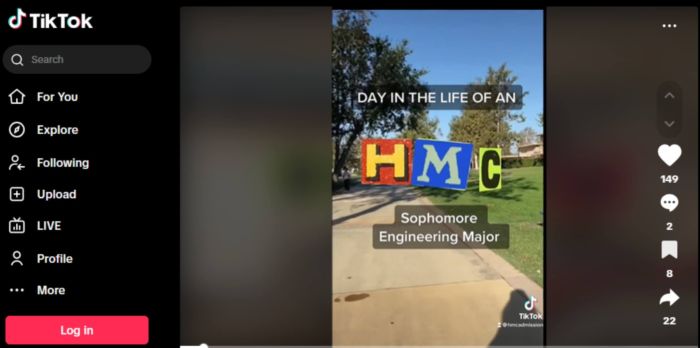
    Example: Harvey Mudd College frequently posts user-generated content of its students on its social media pages, like this one featuring a day-in-the-life of a sophomore engineering student posted on TikTok.
    HEM Image 3HEM Image 3

    Source: HMC

    Social Media as Search Engines: Optimizing for Discoverability

    Today, social media platforms are increasingly taking on the role of search engines for young people. Two-thirds of Gen Z use social platforms to research topics, including potential schools. A teenager is more likely to find your school by watching videos and posts on TikTok or Instagram than by visiting your website or Googling the school. This brings us to Social SEO, a way to optimize your content to be discoverable via social media platform searches.

    What is social SEO, and why is it important? Social SEO is the practice of optimizing your content to be discoverable through social media platform search functions. It’s important because younger audiences now use platforms like TikTok and Instagram as search engines. Optimizing SEO for visibility on these platforms helps schools reach and engage prospective students where they’re already searching.

    Here are some key steps to improve your school’s visibility in social media searches:

    1. Profile optimization: Treat your social profiles like mini homepages. Use clear, keyword-rich descriptions, consistent branding, and up-to-date contact information across all platforms.
    2. Content that answers questions: Create videos and posts that address common queries, such as “What’s the student-faculty ratio at [Your School]?” or “What’s housing like at [Your School]?” These directly match what prospective students search for.
    3. Strategic hashtags and keywords: Research what terms and keywords your target audience uses when searching for educational content. Incorporate these naturally into your posts, captions, and hashtags.
    4. Geo-tagging: Always tag your location in posts. Many users search by location when researching schools in specific areas.
    5. Consistent posting: Regular activity signals relevance to algorithms, improving your visibility in search results.

    It is important to note that these social platforms have different search algorithms; a hashtag strategy that worked on Instagram may need to be adjusted for TikTok or LinkedIn. To make your school more discoverable, explore and learn what best practices apply to each platform and what topics drive current conversations.  

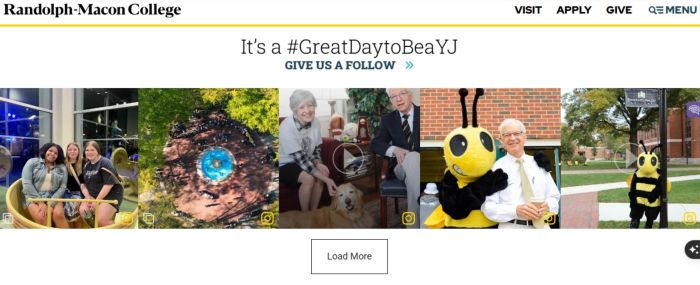
    Example: Randolph-Macon College frequently posts social media content featuring catchy headlines and hashtags, such as the one seen here promoting its athletics team, the Yellow Jackets.
    HEM Image 4HEM Image 4

    Source: Randolph Macon College

    Platform-Specific Strategies That Drive Results

    Although maintaining a presence across multiple social platforms is great, using a tailored approach for each one is even better. Here’s how you can leverage the strengths of major platforms.

    Facebook

    Often dismissed as an “older person” platform, Facebook continues to be key to reaching parents who double as key decision-makers for many prospective students. It is great for community building and event promotion. Here’s how to successfully use Facebook marketing for schools in your social marketing campaigns:

    • Use Facebook Events for open houses, application deadlines, and virtual info sessions
    • Create targeted ad campaigns using Facebook’s detailed demographic filters
    • Establish groups for admitted students or parents to foster community
    • Share longer-form content like student success stories and program highlights

    Instagram

    Instagram is a predominantly visually driven platform favored by people of different age groups. It is great at showcasing campus aesthetics and student experiences.

    • Post high-quality photos showcasing campus beauty and student life
    • Use Stories for day-in-the-life content, quick announcements, and behind-the-scenes glimpses
    • Create highlight collections for key topics (Admissions, Student Life, Athletics)
    • Utilize Reels for short-form video marketing
    • Leverage the Explore page for discovery by new audiences

    TikTok

    TikTok, the fast-growing epicenter of youth engagement and viral content, is important for reaching Gen Z. Some students now select schools based on how the schools will look on TikTok.

    • Create authentic, entertaining content that aligns with platform trends
    • Feature charismatic students or faculty who connect naturally with viewers
    • Participate in challenges relevant to education (with your institutional twist)
    • Use TikTok’s native editing tools and popular sounds to boost algorithm visibility
    • Don’t be afraid of humor and personality. TikTok rewards authenticity over polish

    YouTube

    YouTube for education favors long-form content and resources that can be searched.

    • Create structured playlists organized by topic (Campus Tours, Student Stories, etc.)
    • Produce both longer videos (3-10 minutes) and YouTube Shorts
    • Optimize video titles and descriptions with relevant keywords
    • Use cards and end screens to guide viewers to related content
    • Consider hosting live Q&A sessions during key decision periods

    LinkedIn

    LinkedIn is an underutilized tool that can help shape your education marketing. It is great for engaging parents, graduate prospects, and professionals.

    • Share thought leadership from faculty and administrators
    • Highlight alum success stories and career outcomes
    • Post about research innovations and academic achievements
    • Engage in industry conversations relevant to your programs
    • Encourage faculty and alumni to mention your institution in their profiles

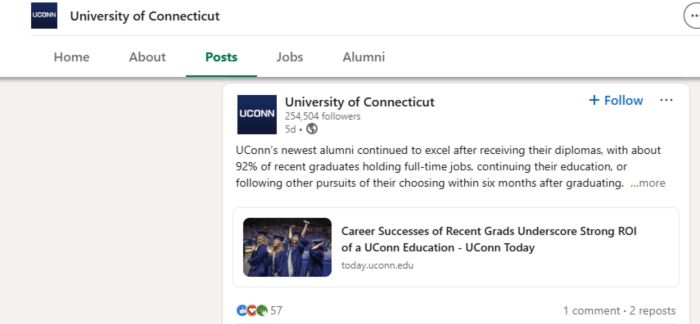
    Example: The University of Connecticut regularly posts news about its recent graduates, alumni, and students on its LinkedIn page. The LinkedIn post below highlights the success of its recent graduates.
    HEM Image 5HEM Image 5

    Source: University of Connecticut

    Making Engagement Fun: The Gamification Advantage

    Education marketing should be serious and informative, but serious does not mean bland and uninspiring. This is where gamification comes in, for fun and engaging learning. With gamification, you incorporate game-like elements and interactive content into your school’s content, effectively turning passive scrolling into active participation. Here are some gamification content and approaches:

    • Instagram Story quizzes about campus facts or traditions
    • TikTok challenges that showcase student creativity
    • Digital scavenger hunts across your website and social platforms
    • “Day in the life” simulation content where viewers “choose their adventure”
    • Trivia contests showcasing interesting institutional facts

    Tapping Cultural Currents: Trends Worth Embracing

    Trends are the main driver of conversations across social media. Connecting your content to a broader cultural conversation can give your school more relevance in the social space. Follow these three trends to place your institution in a position of opportunity.

    • Nostalgia Marketing: For institutions with some history to draw from, using content that brings back some memories of the past can provoke nostalgic feelings and add value to social marketing campaigns. This is nostalgia marketing. For best results, share throwback campus photos, compare “then and now” scenes, or invite alumni to submit memories. This content typically generates high engagement and shares.
    • Values and Social Impact: Today’s students care deeply about the position their schools take on issues of social and environmental relevance. To leverage this situation, highlight your school’s sustainability initiatives, community service programs, or research contributions. Point students to recycling initiatives and green campus programs via your social media videos and blogs.
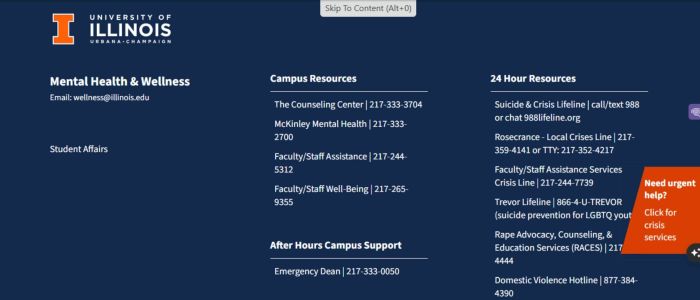
    • Wellness and Mental Health: Any content that addresses student well-being will resonate strongly with prospects and parents concerned about support systems. This is why you must ensure you share resources from your counseling center and feature student wellness initiatives in your content. Also, create content acknowledging the stresses of academic life and how your institution helps students manage them. A student testimonial about how a mentor or counselor helped them thrive can help humanize your brand, so consider it.

    Example: The University of Illinois runs a mental health and awareness program with a full complement of staff and resources committed to student and staff welfare on campus.
    HEM Image 6HEM Image 6

    Source: University of Illinois

    Be Data-Driven and Adaptive

    Successful social media marketing calls for consistency in learning and adaptation. Platform algorithms are subject to regular changes that affect content visibility and engagement. Here’s what you can do to stay visible and ahead of the curve:. 

    • Monitor metrics to identify which content types perform best
    • A/B test different formats and approaches
    • Stay alert to algorithm changes and platform updates
    • Focus on generating quality engagement (comments, shares)
    • Adopt new platform features early for visibility boosts
    • Use AI tools for social media marketing thoughtfully to enhance (not replace) your creativity

    From Likes to Links: Driving Website Conversions

    Although social engagement is key to positive brand building, it’s not the ultimate goal. That would be converting interest into action, from website visits to inquiries or applications.

    To effectively bridge the gap between interest and action, here are a few tips worth considering:

    • Optimize your social profiles: Link every platform you’re active on to relevant landing pages. Consider using “link in bio” tools that offer multiple destination options (Apply Now, Virtual Tour, Financial Aid, etc.).
    • Strategic calls to action: Not every post needs a CTA, but regularly include invitations to learn more, especially on high-interest content. For example, after sharing a student success story, add something like “Discover how you can follow in Sarah’s footsteps—check out our Business program (link in bio).”
    • Track and analyze traffic sources: Find out which social platforms and specific posts drive the most valuable traffic using resources like UTM parameters. With this information in hand, you can refine your strategy toward what converts.
    • Amplify high-performing content: When a post generates strong engagement organically, extend its reach to similar audiences by allocating an ad budget to it. By putting out content that resonates with your existing community, you can reach prospects who share similar interests and achieve the desired engagement result.
    • Align social and search strategies: While many prospects might discover your school on social media, they often go on to later search your name on Google. This is why you must ensure that your search engine marketing complements your social strategy for a seamless user journey.

    Building Your School’s Social Media Playbook 

    As social media continues to evolve and draw more prospective students, today’s schools have to target it with intentional and strategic content. The most successful education marketers approach social media as conversations with future students, current community members, parents, and alumni.

    The goal of these conversations goes beyond promoting your institution, it involves bringing its unique culture and value to life in ways that traditional marketing can not achieve. This is why schools must develop an effective social media marketing strategy that factors in all the essentials and adds some extras. While at it, remember a few things: authenticity resonates, visual content engages, and genuine connection converts.

    By embracing short-form video, leveraging user-generated content, optimizing for social search, and maintaining a strategic presence across platforms, you create multiple pathways for meaningful connection. Add gamification elements and cultural relevance, and you have a formula for visibility and genuine engagement that drives enrollment outcomes.

    See the full Webinar here:
    YouTube videoYouTube video

    Struggling with enrollment?

    Our expert digital marketing services can help you attract and enroll more students!

    Frequently Asked Questions

    Question: What is social SEO, and why is it important? 

    Answer: Social SEO is the practice of optimizing your content to be discoverable through social media platform search functions. It’s important because younger audiences now use platforms like TikTok and Instagram as search engines. Optimizing for visibility on these platforms helps schools reach and engage prospective students where they’re already searching.

    Question: How can we get user-generated content from students? 

    Answer: One proven strategy in this line is to allow a student to manage your school’s Instagram Stories for a day, sharing their authentic campus experience. These glimpses into real student life help prospective students envision themselves at your institution in ways that traditional marketing cannot achieve.

    Question: How can schools use short-form video to attract students? 

    Answer: The key to creating winning short-form videos is to go for authenticity. Start by identifying what makes your institution stand out, whether it’s a unique program, a beloved campus tradition, or exceptional career outcomes. 

    You can then showcase these elements through quick, visually engaging stories highlighting your unique value proposition.




    Source link

  • Private School Marketing: SEO Strategies for Visibility

    Private School Marketing: SEO Strategies for Visibility

    Reading Time: 8 minutes

    To stand out amidst competition, private schools must ensure their online presence is strong enough to attract prospective students and parents. While traditional marketing methods such as word-of-mouth and print advertising still hold value, digital visibility has become crucial to school enrollment. Are you wondering how to market a private school to maximize visibility? Leveraging SEO effectively is the key to being discovered by your target audience online. 

    Search engine optimization (SEO) is pivotal in increasing online visibility, helping private schools rank higher on search engine results pages (SERPs) and ensuring they remain top-of-mind for potential applicants. However, using SEO for private school marketing has unique challenges, requiring a strategic and well-rounded approach. Keep reading to understand your unique SEO needs as a private educational institution and how to maximize your school’s SEO performance.

    Struggling with enrollment?

    Our expert digital marketing services can help you attract and enroll more students!

    The Unique Challenges of Private School SEO

    Private schools face a distinct set of Search engine optimization challenges that require tailored solutions – can you relate to any of these? 

    • Competition: Private institutions must differentiate themselves from public schools, charter schools, and other private institutions in their region. 
    • Broad Search Results: prospective students and parents may not be searching for a specific school name but rather for general terms such as “best private schools near me” or “top elementary schools in [city].” If a school’s website is not optimized for these search queries, it may struggle to appear in search results.
    • Balancing local and national SEO efforts:  While private schools typically serve a local audience, some institutions attract students from other regions or even internationally. This means that their SEO strategy must account for both location-based searches and broader queries related to curriculum, extracurricular offerings, and student outcomes. 
    • Keeping up with seasonal search trends:  as interest in enrollment spikes at certain times of the year, requiring a dynamic and proactive approach to content updates and digital marketing efforts.

    How can you create a strategy that offsets these unique challenges? Let’s explore the importance of SEO and how you can implement it effectively. 

    The Importance of SEO for Private School Marketing

    SEO is crucial for private education marketing because it directly impacts discoverability. Parents and students rely on search engines to research potential educational opportunities, and a well-optimized website ensures that a school is easily found. 

    A strong SEO strategy also helps build credibility and trust, as higher search rankings are often associated with authority and reliability. Moreover, SEO provides a cost-effective marketing strategy compared to traditional advertising, offering long-term benefits without the recurring costs of paid campaigns.

    Beyond visibility, SEO enhances the user experience. A well-structured website that loads quickly, is easy to navigate, and contains high-quality content will rank better and engage visitors more effectively. This engagement translates to longer time spent on the site, higher conversion rates, and ultimately, more inquiries from prospective students and parents.

    Image 1Image 1

    Best Practices for Optimizing SEO for Private Schools

    The first step to reinventing your private school marketing plan is to assess your digital presence and set realistic goals. Understanding where your school stands in search rankings, what competitors are doing, and which areas need improvement will guide your SEO strategy effectively. 

    Start by analyzing website traffic using tools like Google Analytics, identifying which pages attract the most visitors, and pinpointing gaps where SEO enhancements can improve visibility. Additionally, schools should develop a content strategy that aligns with parent concerns, frequently asked questions and key search trends. By taking these preparatory steps, private schools can ensure their SEO efforts are targeted, strategic, and effective. Now, let’s explore some specific strategies! 

    Example: What metrics should you evaluate before reinventing your private school SEO strategy? Take a look at the image below for some ideas. Using a tool like Google Analytics, determine how many total visits your site gets to understand your reach. Your page views will provide insight into site user engagement and what content is most popular.

    Image 2Image 2

    Source: HEM

    The bounce rate refers to the proportion of visitors who leave after viewing just one page. A high bounce rate (over 40%) can indicate a need for more relevant or compelling content. Finally, discovering which source of traffic gets you the most visits is valuable information when it comes to allocating funds. An SEO audit from a professional team is a great starting point if you’re looking for a preliminary view of your private school’s existing site performance.

    1. Conduct Thorough Keyword Research

    The foundation of any successful SEO strategy is understanding what prospective families are searching for. Private schools should conduct in-depth keyword research to identify high-value search terms related to education, admissions, and academic programs. Tools such as Google Keyword Planner, Ahrefs, and SEMrush can provide insights into relevant keywords and search volume.

    Schools should target both short-tail and long-tail keywords. For example, while “private school in Toronto” is a valuable keyword, more specific terms like “Montessori private school in Toronto with small class sizes” can help attract highly relevant traffic. Additionally, considering intent-based keywords such as “affordable private schools near me” or “best private schools with financial aid options” can attract parents who are actively researching enrollment options.

    Example: This is what keyword research could look like. In the list below, you’ll see examples of both short and long-tail keywords. You’ll want to use a combination of keywords with a high search volume to reach a broader audience (like “international school” with 6600 searches) and longer, more detailed keywords to reach a specific audience (like abroad programs for international students with 40 searches).

    Image 3Image 3

    Source: HEM

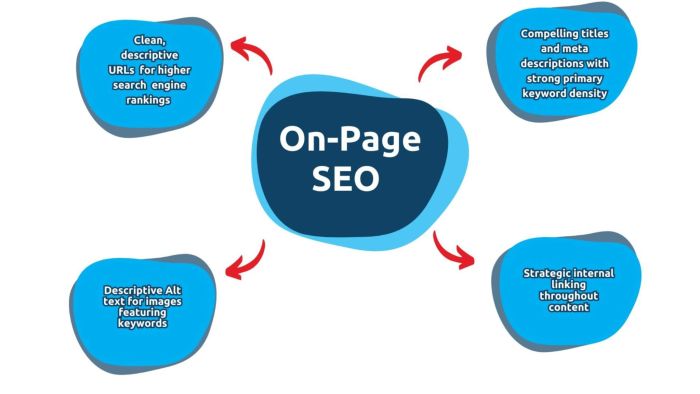
    2. Optimize On-Page SEO Elements

    Once the right keywords have been identified, they should be strategically incorporated into website elements such as:

    • Title Tags and Meta Descriptions: These should include primary keywords while also being compelling enough to encourage clicks.
    • Header Tags (H1, H2, H3): Properly structured headers enhance readability and improve SEO rankings.
    • URL Structure: Clean and descriptive URLs (e.g., “yourschool.edu/admissions-process”) make it easier for search engines to understand page content.
    • Alt Text for Images: Adding descriptive alt text to images improves accessibility and helps search engines index visual content. Try to include keywords
    • Internal Linking: Strategically linking to other pages within the website helps distribute page authority and improves navigation, making it easier for users and search engines to explore content.

    Image 4Image 4

    Source: HEM

    3. Create High-Quality, Engaging Content

    Content marketing is an essential component of SEO. Private schools should focus on producing valuable, informative, and engaging content that answers common questions and concerns of prospective families. This includes:

    • Blog posts on topics like “How to Choose the Right Private School for Your Child.”
    • Parent testimonials and student success stories.
    • Virtual campus tours and video interviews with faculty.
    • FAQs addressing tuition, admissions, and extracurricular activities.
    • In-depth guides on topics such as “How to Apply for Financial Aid at a Private School” or “What to Expect in Your Child’s First Year of Private School.”

    Publishing fresh, relevant content regularly helps keep the website dynamic and signals to search engines that the site is actively maintained.

    Example: This SEO- friendly video content covers a topic that many private school prospects are searching for. Don’t underestimate the value of optimizing your video content! With YouTube being the preferred video content platform as of 2024, Google is no longer the only online space where SEO matters.

    YouTube videoYouTube video

    Source: CTS College of Business & Computer Science

    4. Implement a Local SEO Strategy

    Since most private schools serve specific geographic areas, local SEO is critical. Schools should ensure their name, address, and phone number (NAP) are consistent across all online directories, including Google Business Profile, Yelp, and local education listings. Encouraging satisfied parents to leave positive reviews on Google can boost local search rankings.

    Optimizing for location-based keywords, such as “best private middle school in Los Angeles,” helps schools appear in “near me” searches. Embedding a Google Map on the website’s contact page further improves local SEO. Schools should also engage in community outreach efforts that can generate local press mentions and backlinks, further strengthening their local search presence.

    5. Enhance Website Performance and User Experience

    Search engines prioritize websites that offer a seamless user experience. Private schools should ensure their websites are:

    • Fast-loading: Page speed impacts rankings, so schools should optimize images, leverage browser caching, and minimize code.
    • Mobile-friendly: With many parents researching schools via mobile devices, responsive design is essential.
    • Secure: HTTPS encryption builds trust and improves rankings.
    • Structured with Clear Calls-to-Action (CTAs): Encouraging prospective students and parents to schedule a visit, request information, or apply online enhances conversions.

    A well-structured site with intuitive navigation reduces bounce rates and encourages visitors to explore more pages.

    6. Build a Strong Backlink Profile

    Backlinks, links from other reputable websites to a school’s site, signal authority to search engines. Schools can earn high-quality backlinks by:

    • Partnering with local businesses and educational organizations.
    • Contributing guest posts to education-related blogs.
    • Issuing press releases about notable achievements or events.
    • Getting listed in school directories, alumni association pages, and educational forums.

    Additionally, ensuring the school is listed on authoritative education directories and accreditation bodies’ websites can further boost credibility.

    7. Leverage Social Media for SEO

    While social media does not directly impact search rankings, it enhances brand visibility and drives traffic to a school’s website. Are you wondering how to market your private school with social media? Maintain active profiles on platforms like Facebook, Instagram, and LinkedIn, regularly sharing engaging content and linking back to key web pages. Encouraging faculty, alumni, and students to share content can increase organic reach and generate social signals that indirectly benefit SEO.

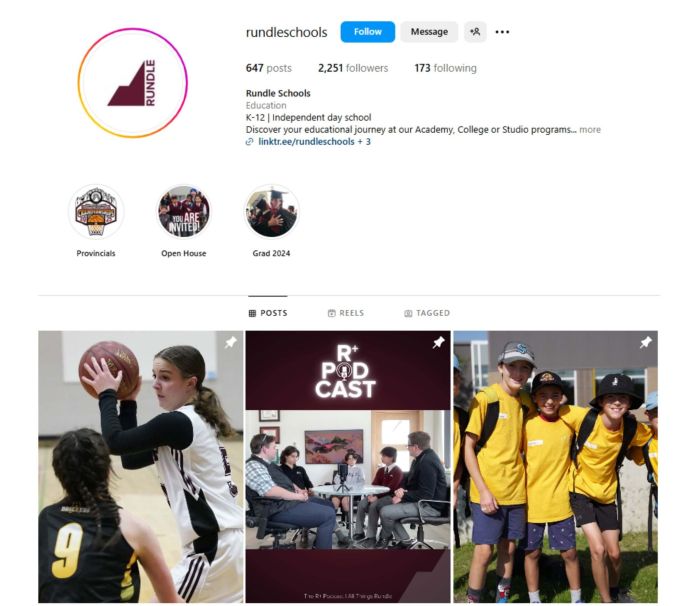
    Example: Rundle Schools does a great job of optimizing its Instagram page to drive organic traffic to its site. Consider using a tool like Linktree to make it easy for prospects to find your site and other important profiles. Rundle Schools is committed to a multi-channel SEO content strategy as you can see in the centre post where they promote their podcast.

    Image 5Image 5

    Source: Rundle Schools | Instagram

    Get Support to Elevate Your Private Schools SEO Strategy 

    At Higher Education Marketing (HEM), we understand the unique challenges private schools face in improving their online visibility. From keyword research and content marketing to local SEO optimization and paid advertising, our team of education marketing experts tailors strategies to the specific needs of private schools. 

    At HEM, we’ve helped countless private schools boost their online visibility, attract more prospective families, and exceed their enrollment goals through proven results-driven SEO strategies. Ready to elevate your school’s digital presence? Let’s craft an SEO strategy that sets you apart, connect with HEM today!

    Struggling with enrollment?

    Our expert digital marketing services can help you attract and enroll more students!

    Frequently Asked Questions 

    Question: How to market a private school? 

    Answer: Leveraging SEO effectively is the key to being discovered by your target audience online. Search engine optimization (SEO) is pivotal in increasing online visibility, helping private schools rank higher on search engine results pages (SERPs), and ensuring they remain top-of-mind for potential applicants.

    Question: How to market your private school with social media? 

    Answer: Maintain active profiles on platforms like Facebook, Instagram, and LinkedIn, regularly sharing engaging content and linking back to key web pages. Encouraging faculty, alumni, and students to share content can increase organic reach and generate social signals that indirectly benefit SEO.

    Source link

  • Using UGC and Authentic Storytelling For Education Marketing

    Using UGC and Authentic Storytelling For Education Marketing

    Reading Time: 9 minutes

    Today’s schools need to get creative to promote their programs in a way that resonates with prospects. To spur action from your audience, you need to build trust, create engagement, and foster an emotional connection. How do you do that with so many other schools competing for the spotlight? One of the most effective strategies for making a strong impression on your audience is combining user-generated content and authentic storytelling. 

    These methods allow your institution to showcase real experiences, highlight student voices, and differentiate itself from competitors in an increasingly crowded educational landscape. Keep reading to discover the unique advantages of these effective education marketing tactics, get actionable insights into how to use them to reinvent your marketing plan, and examine real examples for inspiration.

    Struggling with enrollment?

    Our expert digital marketing services can help you attract and enroll more students!

    What Is User-Generated Content (UGC)?

    User-generated content refers to any content, such as testimonials, social media posts, blogs, and videos, created by students, alumni, faculty, or other stakeholders rather than your institution itself. By leveraging UGC, you can present an unfiltered, genuine representation of student life and success. This makes your marketing feel more authentic and increases engagement and reach across digital platforms.

    Why is user-generated content important in marketing? UGC is created by your students and alumni; it is perceived as more trustworthy than traditional promotional materials. Prospective students are more likely to trust and engage with content created by their peers rather than content crafted solely by an institution. This credibility makes UGC a powerful tool for increasing enrollment and engagement.

    The Unique Advantages of User-Generated Content in Education Marketing

    A key user-generated content advantage is its ability to build trust. When prospective students see real stories from current students or alumni, they develop a connection to your institution. This sense of authenticity makes them more likely to inquire about programs and ultimately enroll.

    Another advantage is the ability to foster engagement across digital platforms. Content created by students, such as Instagram stories, TikTok videos, or blog posts, generates far higher engagement than traditional ads. People love sharing their experiences, and prospective students love seeing real perspectives from peers who have been in their shoes.

    A major user-generated content advantage is cost-effectiveness. Instead of investing heavily in producing marketing materials, you can encourage students and alumni to share their stories organically. This reduces costs and enhances your reach, as UGC spreads naturally through networks.

    Another reason why user-generated content is important in marketing is its adaptability across multiple platforms. UGC can be repurposed into social media campaigns, website testimonials, video promotions, and email marketing efforts. This versatility allows you to maintain a steady stream of fresh, compelling content.

    Image 2Image 2

    Source: HEM

    What Is Authentic Storytelling in an Educational Marketing Context?

    Authentic storytelling goes beyond traditional marketing materials to craft compelling narratives highlighting real student and faculty experiences. Instead of relying solely on promotional messages, this approach uses emotion, relatability, and personal journeys to engage prospective students.

    What is the power of storytelling in education? Authentic storytelling is powerful because it transforms abstract institutional values into relatable, real-world experiences. It allows prospective students to see themselves in your stories, making their decision-making process more personal and impactful. This approach humanizes your institution and strengthens your brand identity.

    One of the best ways to incorporate authentic storytelling into your marketing strategy is by featuring in-depth student and alumni stories. A compelling blog could follow the experiences of an international student adjusting to life in a new country while studying at your institution. A video series could showcase students discussing their educational journey, including their challenges and triumphs. By doing this, you create content that is informative and emotionally engaging.

    The Advantages of Authentic Storytelling in Education Marketing

    Unlike traditional promotional content, authentic storytelling builds emotional connections that influence student decision-making. By sharing real experiences from your students and faculty, you provide prospects insight into your institution’s culture, values, and impact.

    One of the greatest advantages of authentic storytelling is its ability to make your institution’s messaging more relatable. Instead of generic promotional materials, prospective students see real-life success stories, challenges, and personal growth journeys, helping them visualize their own future at your school.

    Another unique benefit is the ability to enhance brand trust and credibility. People connect with stories, not advertisements. By showcasing genuine experiences through student interviews, alumni journeys, and behind-the-scenes campus life, your school appears more transparent and welcoming. This approach fosters a deeper connection with your audience, making them more likely to engage with your institution.

    Authentic storytelling also strengthens retention and alumni relations. When students feel emotionally connected to your institution through compelling narratives, they are more likely to remain engaged throughout their education and beyond. Alumni who feel valued through storytelling initiatives often become ambassadors for your school, further enhancing your brand reach.

    Image 3Image 3

    How Your School Can Leverage User-Generated Content and Authentic Storytelling

    Building a marketing strategy around user-generated content and authentic storytelling requires a proactive approach. Instead of simply encouraging students to share their experiences, you need to create opportunities for engagement, provide platforms for their voices, and consistently highlight their stories. By doing so, you ensure that the content generated aligns with your school’s brand and messaging while maintaining the authenticity that makes it so powerful.

    Encourage Student-Generated Social Media Content

    One of the best ways to integrate UGC into your marketing strategy is by motivating students to share their experiences on social media. Encourage them to document campus life, extracurricular activities, and classroom experiences.

    For example, your university might launch an Instagram challenge where students post their favorite campus spots with a branded hashtag. Similarly, a career college could create a TikTok trend showcasing student projects or daily routines in their training programs.

    Example: This video, posted by a UCLA student, is a free promotion for the school’s dining hall. She is making a relatable joke about the proverbial ‘freshman fifteen,’ an expression for the weight gain that tends to occur in the first year of college. The creator credits the delicious food at UCLA for her freshman fifteen, and this is not the only video of its kind on her page. Satisfied students eager to share their experiences are invaluable for generating compelling UGC. Encourage students to use specific hashtags for their UGC as this creator did (#ucla #dininghall, etc).

    @ronigrush

    If you didn’t gain freshman 15 I hate you #ucla #dininghall #food #foodtok #icecreamday #collegelife #freshmanyear #freshman15

    ♬ Dance You Outta My Head – Cat Janice

    Source: TikTok

    Feature Student and Alumni Testimonials

    Prospective students value hearing from those who have already walked the path they are considering. Featuring student and alumni testimonials on your website, in promotional videos, and on social media channels provides relatable insights into your programs.

    An example of effective testimonial use is a nursing college that records short video interviews with recent graduates discussing their experiences and career outcomes. These testimonials provide compelling, relatable stories that reinforce the value of your school’s programs.

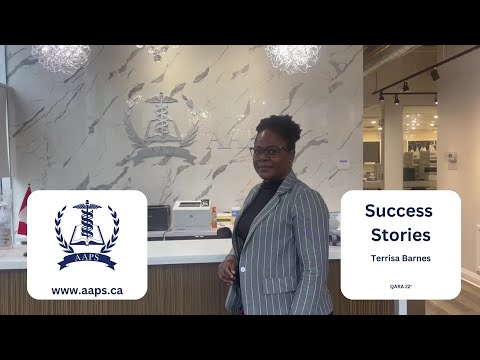
    Example: AAPS regularly posts alumni video testimonials highlighting each graduate’s unique background, career goals, and how the institution supported the attainment of their objectives. Here, Teresa Barnes describes how the Quality Assurance and Regulatory Affairs program at AAPS helped her to find success as a Medical Writer. Your alumni community is probably full of careerists who are proud of their achievements and are excited to talk about their journey. This is an excellent opportunity for effective brand storytelling.

    YouTube videoYouTube video

    Source: Academy of Applied Pharmaceutical Sciences | YouTube

    Develop Long-Form Content With Authentic Storytelling

    Creating blog posts or video documentaries featuring students’ journeys can be a powerful way to engage prospects. A compelling blog could follow a student during an internship and how the experience shaped their career aspirations. This approach showcases your school’s opportunities while telling a relatable story that resonates with other students considering similar paths.

    Additionally, long-form content allows for in-depth storytelling that goes beyond surface-level promotions. A well-written blog post could feature a student reflecting on their academic journey, describing their challenges, the mentors who guided them, and the personal growth they experienced. Similarly, a video series might document a student’s transition from their first day on campus to their graduation, providing prospective students with a complete picture of what they can expect.

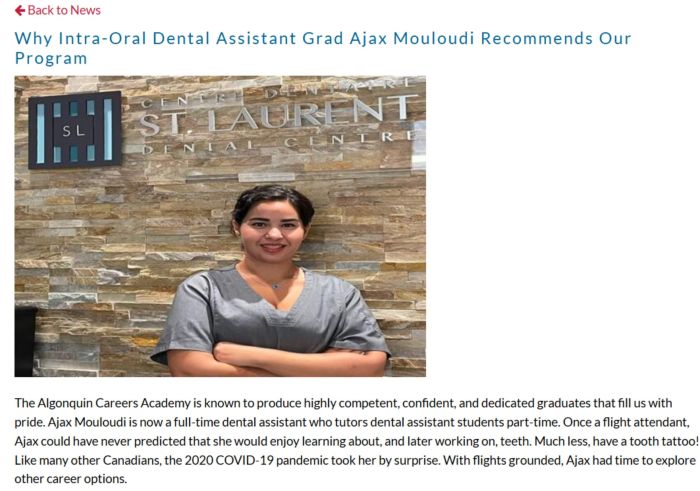
    Example: Blogs remain a relevant way to tell your school’s story and give your student body a voice. Here, Algonquin Careers Academy tells the story of one of their dental assistant graduates. By publishing a blog post that features a student interview, the message is personable, inspirational, and authentic. Try to infuse personality into your long-form content whether you choose to blog, post videos, create a newsletter, or all three.

    Image 4Image 4

    Source: Algonquin Careers Academy

    Highlight Behind-The-Scenes Content

    Showcasing the day-to-day experiences of students, faculty, and staff makes your institution feel more welcoming and accessible. A behind-the-scenes video series might follow a day in the life of a student in a culinary arts program, walk viewers through a school event, and showcase hands-on learning experiences and interactions with industry professionals.

    An effective example comes from business schools that share faculty-led discussions, giving students an inside look at the classroom environment before they apply. This storytelling adds authenticity and provides a window into your school’s culture and academic strengths.

    Example: Here, the American Musical and Dramatic Academy showcases its open house event, building anticipation for prospects and providing useful information about what they can expect from the event. Behind-the-scenes videos are easy to film, effective for humanizing your brand, and excellent ways to inform your audience in an engaging, easy-to-digest format.

    @amdaofficial

    Get a behind the scenes look at AMDA student life during our open house events! #amdacollege #collegelife #collegeopenhouse #collegetok #nyclife

    ♬ Canyons – Official Sound Studio

    Source: AMDA College | TikTok

    Run UGC Contests and Campaigns

    To increase engagement, your school can launch user-generated content campaigns that incentivize participation. This could include video challenges, photo competitions, or student-run social media takeovers. For instance, a digital marketing diploma program might host a competition where students submit real-world marketing campaign ideas, with the winner featured on your school’s website and social media pages. This not only showcases student talent but also strengthens your brand’s credibility.

    Example: Seguin High School showcases the artistic talent of one of their students who had won an art contest. Not only is this an excellent way to instill well-deserved pride and support in your students, but it is also a great way to humanize your school brand and display your strong community.

    Image 5Image 5

    Source: Seguin High School | Instagram

    Get Support as You Elevate Your Education Marketing Strategy

    In today’s highly competitive and interconnected world, attracting qualified student prospects online is essential to a successful recruitment strategy. Schools and universities must implement innovative and authentic marketing techniques, leveraging user-generated content and authentic storytelling to connect with their audiences on a deeper level. Working with a marketing agency specializing in education marketing can be a game changer for your results. 

    For over 15 years, Higher Education Marketing has crafted successful digital marketing strategies for schools worldwide. Our deep understanding of education marketing allows us to design multichannel campaigns that drive engagement and enrollment. We provide  tailored services, including:

    • Content Marketing
    • Search Engine Optimization (SEO)
    • Social Media Marketing
    • Paid Advertising Campaigns

    Partner with us to harness the power of storytelling in education and leverage the benefits of user-generated content to drive real engagement. Contact us today to explore how our expert digital marketing solutions can transform your student recruitment efforts and enhance your institution’s online presence.

    Struggling with enrollment?

    Our expert digital marketing services can help you attract and enroll more students!

    Frequently Asked Questions

    Question: Why is user-generated content important in marketing? 

    Answer: UGC is created by your students and alumni; it is perceived as more trustworthy than traditional promotional materials. Prospective students are more likely to trust and engage with content created by their peers rather than content crafted solely by an institution.

    Question: What is the power of storytelling in education? 

    Answer: Authentic storytelling is powerful because it transforms abstract institutional values into relatable, real-world experiences. It allows prospective students to see themselves in your stories, making their decision-making process more personal and impactful. This approach humanizes your institution and strengthens your brand identity.


    Source link

  • Top 10 Private School Marketing Ideas

    Top 10 Private School Marketing Ideas

    Reading Time: 10 minutes

    Are you an administrator or marketer at a small private school? If so, you likely face unique challenges in growing your school community. Unlike large institutions with extensive resources, your budget may be more limited, and your brand may not have the same level of recognition. Yet, your school likely offers something invaluable: a personalized, high-quality educational experience that deserves greater visibility. Your marketing strategy should spotlight the unique selling points that differentiate your private school from other institutions. 
    How do you market a small private school? Traditional outbound marketing methods, such as print ads and direct mail, are costly and less effective in today’s digital market. Instead, try inbound marketing,  a group of strategies that offer a cost-efficient and impactful way to attract, engage, and retain families interested in your school. Keep reading to explore ten effective private school marketing ideas that will grow your community.

    Struggling with enrollment?

    Our expert digital marketing services can help you attract and enroll more students!

    What Is Inbound Marketing and Why Is It Ideal for Private Schools Like Yours?

    Inbound marketing is a strategy that focuses on attracting prospective families to your school through valuable content, SEO, social media engagement, and other digital efforts. Instead of pushing advertisements onto audiences who may not be interested, inbound marketing creates meaningful connections with families actively looking for the right educational institution.
    If you’re wondering how to market a new private school using inbound strategies, remember that the key is to build trust and provide the right information at the right time. Parents today research extensively before choosing a school for their children. Though many outbound strategies remain relevant today, namely to increase visibility, offer useful content, address concerns, and showcase your school’s strengths. Inbound marketing can position your institution as the best choice. Now, let’s explore specific ways that you can grow your private school community.

    HEM Image 2HEM Image 2

    Source: HEM

    10 Proven Inbound Marketing Strategies for Private Schools

    Incorporating these tactics into your marketing strategy can reach your target audience, create relationships by providing value, and incite desired action. An effective private school marketing campaign combines several, if not all, of the techniques discussed below. If any are missing from your current plan, now’s the time to start implementing them! 
    1. Create a High-Quality, SEO-Optimized Website

    Your website is the foundation of your school marketing strategy. It must be visually appealing, easy to navigate, and optimized for search engines. Parents should find essential information, such as tuition, curriculum, testimonials, and admissions requirements quickly and effortlessly. A well-structured website should include dedicated pages for admissions, academic programs, extracurricular activities, and student life. 

    Ensuring mobile responsiveness and fast load speeds will improve user experience and increase engagement. Incorporating multilingual and culturally adapted content can expand your reach, particularly if you’re targeting international students. Regularly updating your website with blog posts, news, and event details ensures prospective parents see a dynamic, engaged school community.

    Example: Are you trying to expand your private school community beyond borders? If so, you’ll want to borrow this effective SEO technique from Crimson Global Academy. Below, you’ll see that they’ve tailored their site content to different countries and used subdirectories in their URLs.

    Using sub-directories (/uk/, /ca/) signals to search engines that the content is tailored for a specific region. Google prioritizes localized content in search results, meaning parents and students searching for private schools in their home country are more likely to find your institution.
    The benefits of this SEO strategy are far-reaching. They include broadened international reach, higher performance in multilingual searches, and higher click-through rates due to relevance.
    HEM Image 3HEM Image 3

    Source: Crimson Global Academy

    2. Develop Engaging Blog Content

    A well-crafted blog is a valuable resource for current and prospective families, positioning your school as a thought leader in education. By publishing informative and engaging content, you can address parents’ most pressing concerns, showcase student success stories, and highlight what makes your school unique.

    For example, you can write about how to help children transition to a new school successfully by offering expert advice and real-life experiences from parents and students. Another great topic is discussing the benefits of small class sizes and how they enhance student learning, highlighting the personalized attention and academic advantages your school provides. 

    You can also explore how your school’s curriculum prepares students for future success in higher education and beyond, showcasing testimonials from alumni who have excelled. Additionally, sharing success stories from students and faculty can illustrate the positive impact of your educational programs. 

    Finally, providing a step-by-step guide for parents navigating the private school admissions process can ease their concerns and position your school as a supportive and transparent institution. Consistently publishing high-quality blog posts improves search engine rankings, making your school more visible to families searching for private education options.

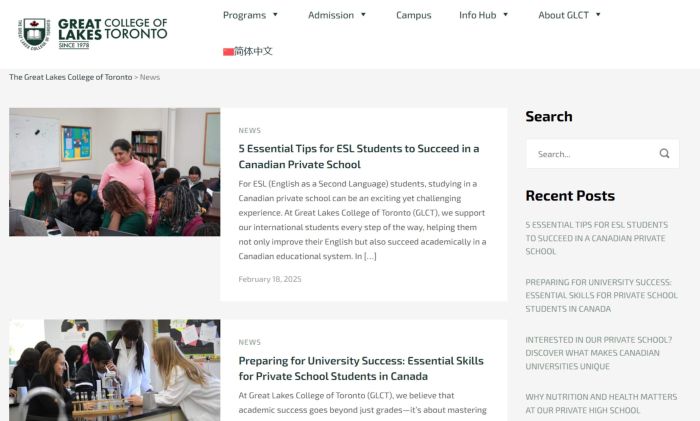
    Example: The Great Lakes College of Toronto publishes blogs relevant to their prospects – students from all over the world interested in attending prestigious Canadian universities. With their target audience in mind, GLCT creates content that provides value. For example, learning tips for ESL learners, how to prepare for Canadian universities, and much more. Make sure your blog content aligns with your site visitors’ needs and provides valuable information.

    HEM Image 4HEM Image 4

    Source: Great Lakes College of Toronto

    3. Leverage Social Media Marketing

    Social media platforms like Facebook, Instagram, and LinkedIn are powerful tools for building community and engagement. Your school can foster stronger connections with prospective and current families by posting student achievements, behind-the-scenes content, and faculty highlights.

    Live Q&A sessions can address frequently asked questions about your school’s programs and admission process. Hosting interactive polls, student takeovers, and parent testimonials can increase engagement and trust.

    Additionally, investing in paid social media advertising can expand your school’s reach to target families actively searching for private school options. Schools can also create private Facebook groups for prospective and current parents, providing a space for questions and engagement.

    Example: This Instagram post from CLS West Covina highlights the strength of the school community. In addition to academic excellence, your private school should highlight other features of the student experience that contribute positively to learning, such as extracurricular activities, a nurturing environment, community involvement, global awareness, and more. Social media remains the perfect stage for your school’s unique selling points.

    HEM Image 5HEM Image 5

    Source: CLS West Covina | Instagram

    4. Implement a Lead Nurturing Email Campaign

    Once a prospective family expresses interest, it’s essential to maintain communication through well-crafted email campaigns. Personalized drip campaigns can guide them through enrolling, providing timely information about your school, key deadlines, and success stories from current students. 

    Automated email sequences can include welcome emails, event reminders for open houses, and curriculum overviews. A segmented approach, where emails are tailored to different stages of the admission journey, can significantly improve conversion rates. Sending personalized content based on user interaction, such as downloadable brochures, testimonials, and exclusive invitations, keeps families engaged throughout the decision-making process.

    5. Use Video Marketing to Showcase Your School’s Culture

    Video content is one of the most effective ways to give prospective families an immersive experience of your school. Creating high-quality video tours, faculty introductions, and student testimonials can provide a dynamic look into daily life at your institution. Highlighting classroom environments, extracurricular activities, and real-world student experiences can create an emotional connection with families. 

    Short-form videos on platforms like Instagram Reels and TikTok can help boost engagement among younger audiences, while long-form content on YouTube and your website can provide in-depth insights. Hosting live virtual tours where prospective families can ask real-time questions enhances engagement.

    6. Optimize Your Google My Business Profile

    Many parents start their search for private schools on Google. A fully optimized Google My Business profile ensures your school appears in local search results with accurate contact details, reviews, and images. Encouraging satisfied parents to leave positive reviews can significantly enhance your school’s online reputation.

    Regularly updating your profile with recent photos, upcoming events, and engaging posts can make your school stand out among competitors. Answering common parent inquiries directly on your profile, such as tuition costs and curriculum highlights, helps streamline decision-making. Additionally, responding promptly to positive and negative reviews demonstrates strong community engagement and builds trust with prospective families.

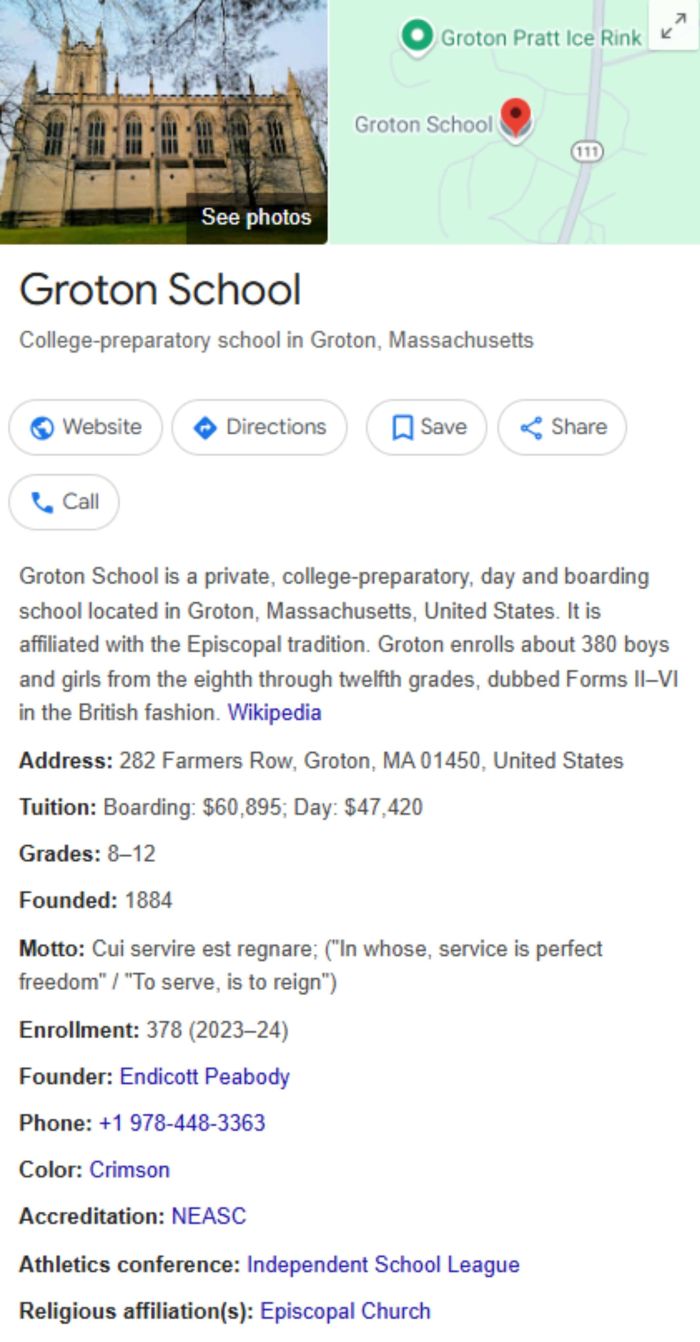
    Example: This is what your private school looks like in search results when you optimize your Google My Business account. This essential feature provides an easily digestible snapshot of your institution, presents a professional image to web users, and makes it much easier for your target audience to find you.

    HEM Image 6HEM Image 6

    Source: Groton School | Google

    7. Host Virtual and In-Person Open Houses

    In today’s digital landscape, virtual open houses offer a convenient way for parents to learn about your school from anywhere. In-person tours and interactive virtual sessions cater to a broader audience while answering common questions in real time.

    A well-structured open house should include live presentations from school leaders, faculty members, and current students who can share their experiences. Offering breakout sessions for different grade levels or programs allows parents to focus on the most relevant aspects of your school. 

    Additionally, incorporating Q&A panels, video tours of classrooms and facilities, and even virtual meet-and-greet opportunities with teachers can help prospective families get a more personal feel for your school’s community. Recording these sessions and making them available on your website also ensures that families who couldn’t attend live still have access to the information.

    Example: Queen Anne’s School makes it a priority to offer prospects a positive first impression through in-person “Open Morning” events and a virtual tour to showcase their beautiful campus. They also offer personal tours, group tours on site, taster days, and taster boarder experiences to accommodate every prospect’s preferences. Wow future students and their families by giving them a taste of your unique student life experience.

    YouTube videoYouTube video

    HEM Image 7HEM Image 7

    Source: Queen Anne’s School

    8. Invest in Paid Digital Advertising

    While organic traffic is essential, strategic paid advertising can help small private schools reach highly targeted audiences. Google Ads and Facebook Ads can be optimized to reach families searching for private school options in your area.

    Displaying retargeting ads to parents who previously visited your website can help keep your school top-of-mind. Running A/B tests on ad creatives and messaging can improve ad performance and maximize return on investment.

    9. Create Downloadable Resources to Capture LEADS

    Providing valuable downloadable resources, like e-books, checklists, and guides, can encourage prospective families to share their contact information. For instance, a downloadable guide on “Choosing the Right Private School for Your Child” can position your institution as an industry expert while generating qualified leads. Interactive tools, such as school comparison charts and tuition calculators, can further engage visitors and increase conversion rates.

    To maximize the effectiveness of downloadable resources, schools should ensure that these materials are highly relevant, visually appealing, and easy to understand. Including real-world examples, student success stories, or insights from school faculty can add credibility and value. 

    Additionally, placing lead capture forms strategically throughout the website, such as on admissions pages, blog posts, and program descriptions, can encourage more sign-ups. Schools can also create exclusive content for different stages of the enrollment journey, such as a “First-Time Parent’s Guide to Private School Admissions” or a “Step-by-Step Checklist for Enrollment Success,” providing tailored resources that guide families through the decision-making process. Regularly updating these materials ensures they remain relevant and aligned with current education trends.

    10. Utilize Retargeting Strategies

    Most parents don’t enroll immediately after visiting your website. Retargeting strategies, such as displaying ads to users who previously visited your site, can help keep your school top-of-mind. This ensures interested families receive gentle reminders to revisit your offerings and complete the application process. Email remarketing campaigns can also re-engage families who started but did not complete an application.

    To enhance retargeting effectiveness, schools should segment their audience based on engagement levels, such as visitors who viewed tuition pages, downloaded an admissions guide, or attended a virtual open house. Personalized messaging, such as an email featuring student testimonials or a special enrollment incentive, can encourage hesitant families to take the next step. 

    Schools can also leverage dynamic display ads that adjust content based on a user’s previous website activity, like showing program-specific ads for those who viewed a particular course or highlighting upcoming admissions deadlines. Schools can effectively nurture leads and increase enrollment conversions using a multi-channel approach, combining retargeting ads with personalized email follow-ups.

    Getting Professional Marketing Support Can Help Your Private School Grow

    Navigating the complexities of digital marketing can be overwhelming, especially for small private schools with limited resources. That’s where expert guidance can make all the difference. 

    At Higher Education Marketing, we specialize in helping educational institutions maximize their online presence through customized inbound marketing strategies. Whether you need assistance with content creation, SEO, social media management, or lead nurturing, our team of education marketing experts ensures that your school effectively reaches its target audience.

    With over 15 years of experience, we understand the nuances of school marketing ideas and tailor our solutions to your institution’s specific needs. Our digital marketing services include:

    • SEO Optimization
    • Paid Advertising Campaigns
    • Social Media Management
    • Website Development
    • Email Marketing Automation

    Start Growing Your Private School Today

    By embracing inbound marketing, your small private school can attract the right families, establish a strong online presence, and build a thriving school community. Whether you’re looking to optimize your digital strategy, refine your content marketing approach, or improve engagement through paid advertising, HEM is here to help. 

    The combination of a strong website, engaging blog content, an active social media presence, and targeted email marketing ensures that your school remains visible and competitive in the evolving field of education.

    Struggling with enrollment?

    Our expert digital marketing services can help you attract and enroll more students!

    Frequently Asked Questions

    Question: How do you market a small private school?

    Answer: Traditional outbound marketing methods, such as print ads and direct mail, are costly and less effective in today’s digital market. Instead, try inbound marketing,  a group of strategies that offer a cost-efficient and impactful way to attract, engage, and retain families interested in your school.

    Question: How to market a new private school?

    Answer: The key is to build trust and provide the right information at the right time. Parents today research extensively before choosing a school for their children. Though many outbound strategies remain relevant today, namely to increase visibility, offer useful content, address concerns, and showcase your school’s strengths. Inbound marketing can position your institution as the best choice.

    Source link

  • The Importance of an Alumni Network

    The Importance of an Alumni Network

    Reading Time: 9 minutes

    With your experience in the education field, you likely understand the benefits of cultivating strong relationships with current members of your school community. What many school administrators and marketers forget is that alumni, though they no longer attend a school, are invaluable to educational marketing strategy and an institution’s overall growth. If you haven’t already, it’s time to examine how your school can build a strong alumni network as part of your marketing efforts and general institutional development. 

    An alumni network is one of the most valuable assets a school can cultivate. Your graduates are living proof of your programs’ effectiveness. Their journeys from classroom to career serve as compelling testimonials that not only strengthen institutional reputation but also attract prospective students who seek assurance that your school can set them up for success. Join us as we discuss what an effective alumni network should look like, the benefits you can expect, and how to get started.

    Struggling with enrollment?

    Our expert digital marketing services can help you attract and enroll more students!

    What’s an Alumni Network?

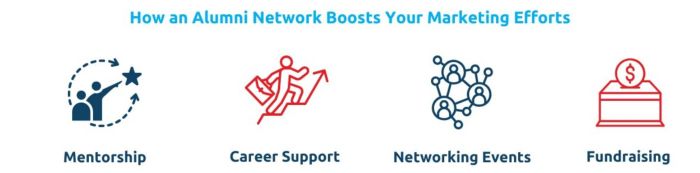
    At its core, an alumni network is a community of former students who remain engaged with their alma mater. This engagement can take many forms, from mentorship opportunities and career support to networking events and fundraising initiatives. A well-developed alumni network fosters lifelong connections, enabling graduates to support each other while strengthening the institution that provided their foundation.

    HEM MARCH 15 - Image 2HEM MARCH 15 - Image 2

    Enriching Education: The Power of an Alumni Network

    When alumni feel connected to their school, they become brand ambassadors, willingly sharing their success stories and contributing to a culture of loyalty and pride. These graduates are more likely to participate in career panels, donate to scholarship funds, and advocate for your institution within their professional circles. Most importantly, their success becomes a tangible example of your school’s impact, which is a powerful marketing tool in itself.

    Alumni relationships create a dynamic ecosystem of support, mentorship, and career growth. So in summary, why is alumni networking important? It plays a crucial role in helping graduates navigate their professional journeys, opening doors to job opportunities, industry insights, and collaborative ventures. An engaged alumni network ensures students are stepping into a lifelong professional community that enhances their career trajectory. For schools, this network fosters goodwill and credibility, proving that your programs produce graduates who thrive in competitive industries.

    Do you need support navigating alumni networks and other aspects of your school’s marketing strategy? Ask about our tailored digital marketing services for schools!

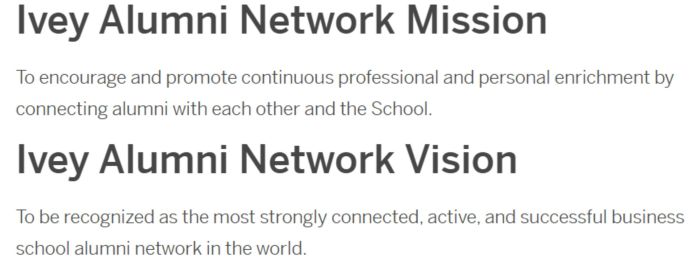
    Example: On a dedicated alumni network page on their website, Ivey Business School plainly states the objective of their program” To encourage and promote continuous professional and personal enrichment by connecting alumni with each other and the school”. The alumni network is positioned as a resource for career development and support for graduates.

    HEM MARCH 15 - Image 3HEM MARCH 15 - Image 3

    Source: Ivey Business School

    The Unique Marketing Benefits of Alumni Networks

    Now that higher education is increasingly competitive, the ability to showcase real-world success is crucial. What is the value of alumni networks when it comes to your marketing strategy? Alumni networks are excellent social proof, providing great opportunities for organic traffic, and showcasing how your school facilitates career development. Here’s how: 

    Your Alumni Network Offers Valuable Social Proof

    In an education marketing context, social proof refers to the credibility and trust institutions build by showcasing the success and satisfaction of their alumni, current students, and faculty. When prospective students see tangible examples of graduates thriving in their careers, testimonials from successful alumni, or high employer satisfaction rates, they gain confidence that choosing your school is a worthwhile investment.

    Social proof can take many forms, including video testimonials, alumni spotlights, employer endorsements, rankings, and word-of-mouth referrals. A strong alumni network serves as a powerful form of social proof, demonstrating that your institution provides quality education and equips graduates with the skills, knowledge, and professional connections necessary for long-term success.

    Alumni success stories create a compelling narrative that validates the effectiveness of your curriculum, the strength of your career support services, and the credibility of your institution as a whole. Whether through personal testimonials, LinkedIn endorsements, or employer recommendations, alumni reinforce the value of your educational offerings in a way that no traditional marketing message can replicate. 

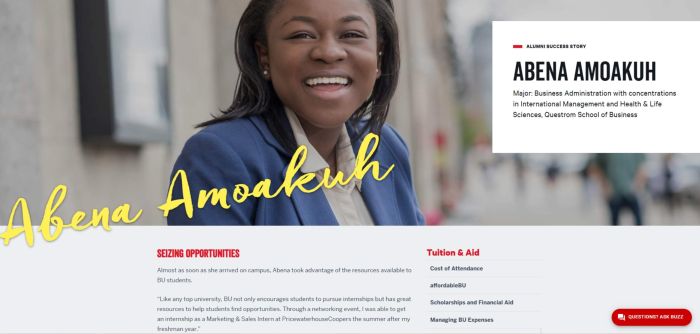
    Example: On their website, Boston University showcases alumni success stories that highlight educational and career development opportunities like internships and networking events. The success of graduates provides valuable social proof for prospective students, who can identify with and look up to these role models.

    HEM MARCH 15 - Image 4HEM MARCH 15 - Image 4

    Source: Boston University

    Driving Organic Traffic

    An engaged alumni network plays a crucial role in generating organic traffic through word-of-mouth marketing. When alumni have a positive experience with your institution, they naturally become enthusiastic advocates, sharing their journey with peers, family members, and colleagues. This organic promotion is highly credible because it comes from real-life experiences rather than institutional messaging. 

    Beyond personal referrals, alumni contribute to organic traffic through their online presence. When they mention your school on LinkedIn, post about their achievements on social media, or participate in professional discussions related to their field, they create a ripple effect that drives interest in your institution. Schools can amplify this impact by encouraging alumni to tag their alma mater in their career updates, engage in school-sponsored events, and contribute to online discussions within alumni groups.

    Additionally, search engines favor authentic, frequently updated content. When alumni success stories are featured on your website, blog, or social media channels, they provide valuable, keyword-rich content that enhances search visibility. Prospective students searching for insights on career outcomes in their chosen field may stumble upon these stories, further reinforcing your school’s credibility and increasing inquiries and applications.

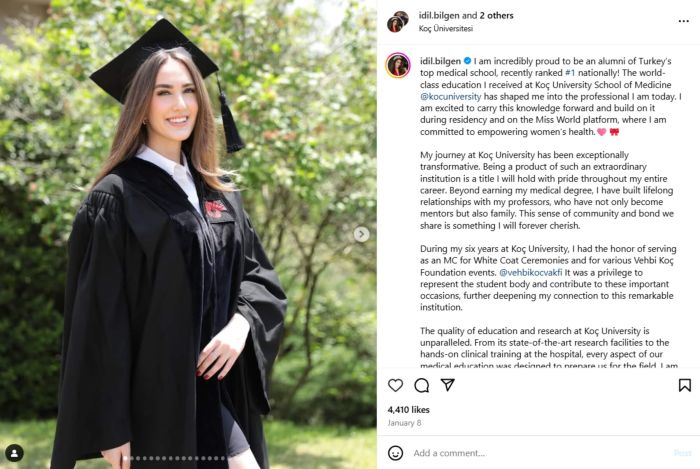
    Example: Here an alumni from Koç University in Turkey posts a very valuable testimonial, even tagging her alma mater and citing it as the #1 medical school in the country. In addition to an official alumni network, encouraging UGC from graduates is an effective strategy that comes across as authentic and therefore, trustworthy. Ask alumni to tag your school in graduation posts or list you in the education section of their LinkedIn profiles for organic traffic.

    HEM MARCH 15 - Image 5HEM MARCH 15 - Image 5

    Source: Instagram

    Mentorship and Career Services as a Unique Selling Point

    An active alumni network can significantly enhance a school’s career services by establishing mentorship opportunities and creating a direct pathway for graduates to secure employment. When alumni hold influential positions in various industries, they become a valuable resource for current students and recent graduates looking to break into their fields. Schools that foster strong alumni engagement can tap into this network to offer students real-world insights, industry-specific guidance, and professional connections that go beyond what traditional career services can provide.

    By collaborating with alumni who have become hiring managers, entrepreneurs, or industry leaders, schools can develop a reliable talent pipeline that benefits both graduates and employers. Alumni who feel a deep connection to their alma mater are more likely to offer internship programs, job placements, and networking opportunities tailored specifically to students from their former institution. These partnerships not only enhance job placement rates but also reinforce the credibility of your programs, proving to prospective students that your institution delivers real career outcomes.

    Moreover, alumni mentors can serve as role models, helping students navigate their career paths through professional guidance and hands-on training. Schools can structure formal mentorship programs where alumni are paired with students based on career interests, fostering long-term professional relationships that extend well beyond graduation. These interactions boost student confidence, provide practical career advice, and offer an inside look at industry trends and expectations.

    When alumni return to recruit from their alma mater, it strengthens the institution’s reputation as a trusted source of skilled professionals. This cyclical relationship, where alumni continuously contribute to the success of new graduates, creates a sustainable ecosystem of career support and growth.

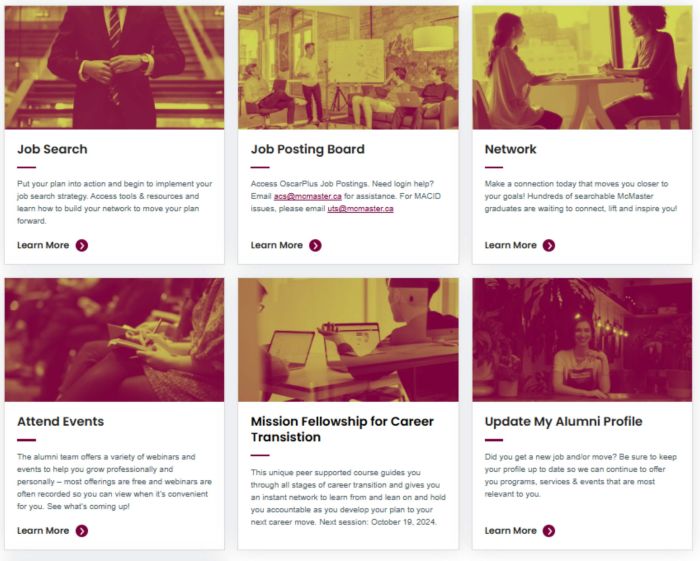
    Example: McMaster University has an Alumni Services page that highlights all of the career advantages that come with being part of their alumni network. Be sure to put all of the career benefits that your alumni network offers on full display so that you can leverage them as part of the FAB marketing strategy (features, advantages, and benefits), an effective form of brand storytelling that encourages prospective students to vividly imagine their success at your institution.

    HEM MARCH 15 - Image 6HEM MARCH 15 - Image 6

    Source: McMaster University

    Building a Strong Alumni Network

    If you want to harness the power of alumni networks, it starts with cultivating meaningful relationships from the moment students enroll. Establishing a culture of connection early on makes it easier to keep graduates engaged long after they receive their diplomas.

    One of the most effective ways to build a thriving alumni network is through dedicated alumni associations. These groups should not merely exist on paper but should be actively nurtured with opportunities for engagement, such as career workshops, networking events, and mentorship programs. Leveraging digital platforms, such as LinkedIn and exclusive alumni portals, helps create spaces where former students can stay in touch, share job openings, and collaborate on projects.

    Personalized outreach is key to maintaining long-term engagement. Schools that take the time to check in with alumni (through newsletters, exclusive events, or professional development opportunities) demonstrate continued investment in their graduates’ success. This encourages reciprocity, as alumni become more willing to give back, whether through donations, guest lectures, or referrals.

    Video testimonials featuring alumni discussing how your programs shaped their careers are incredibly effective. Highlighting their professional achievements, career transitions, and personal growth builds trust with prospective students who are weighing their options. Success stories can be embedded into your website, showcased on social media, and included in email campaigns.

    Featuring alumni in live webinars or Q&A sessions allows prospective students to ask direct questions about career outcomes. This real-time engagement adds credibility to your institution’s claims, reinforcing the message that your graduates excel in their fields. Schools that leverage alumni networks in these ways transform passive viewers into engaged applicants.

    Example: Get creative with your alumni recruitment strategy! Here, Stellenbosch University promotes its alumni network app, Maties Alumni, on YouTube – an exclusive, all-in-one platform for nurturing alumni relationships, career opportunities, mentorship, and personal connections.

    HEM MARCH 15 - Image 7HEM MARCH 15 - Image 7

    Source: Stellenbosch University | YouTube

    Elevating Your School’s Reputation Through Alumni Success

    Ultimately, the strength of your alumni network is a reflection of the strength of your institution. Schools that prioritize alumni engagement are not only fostering lifelong relationships but are also investing in an authentic, powerful marketing strategy. By celebrating alumni achievements, maintaining strong communication channels, and integrating success stories into recruitment efforts, you can build lasting credibility and attract the next generation of students eager to follow in their graduates’ footsteps.

    If your institution is looking for ways to enhance engagement and incorporate alumni networks into your marketing strategy, Higher Education Marketing can help you develop targeted campaigns that amplify your alumni success stories and drive enrollment growth. Your graduates are your greatest success. Make sure their voices are heard!

    Struggling with enrollment?

    Our expert digital marketing services can help you attract and enroll more students!

    Frequently Asked Questions

    Question: Why is alumni networking important? 

    Answer: It plays a crucial role in helping graduates navigate their professional journeys, opening doors to job opportunities, industry insights, and collaborative ventures.

    Question: What is the value of alumni networks?

    Answer: Alumni networks are excellent social proof, provide great opportunities for organic traffic, and showcase how your school facilitates career development.

    Source link

  • Roles in Educational Marketing Strategies

    Roles in Educational Marketing Strategies

    Reading Time: 8 minutes

    Are you wondering what sort of systems your school needs to streamline processes, enhance communication, and maximize student success? Two critical tools in this digital transformation are Customer Relationship Management (CRM) systems and Learning Management Systems (LMS). If you’re thinking about which kinds of systems to implement – CRM vs LMS

    While both play vital roles in educational institutions, their functions, benefits, and implementation strategies differ significantly. Understanding the difference between CRM and LMS and integrating them into your educational marketing strategy can provide a powerful edge. In this blog, we provide all of the guidance you’ll need to get started.

    Simplify student management and boost recruitment efficiency!

    Transform your student portal experience. Get a FREE HEM-SP demo today.

    What Is a CRM System?

    In an educational marketing context, a Customer Relationship Management (CRM) system is designed to manage interactions with prospective and current students. You can use CRM systems to track leads, nurture relationships, and streamline admissions workflows. These tools are indispensable if you’re looking to optimize your marketing and recruitment efforts by ensuring every prospective student receives personalized attention at the right time.

    CRM systems often include features such as lead tracking, segmentation, automated workflows, communication tools, and analytics. By providing insights into the enrollment journey, CRMs help schools allocate resources more effectively and improve conversion rates. A robust CRM can also support long-term engagement by keeping alumni connected to the institution.

    What is the best CRM for schools? Every school is different but generally, to choose the best CRM platform for your school, you should prioritize a system tailored to the education sector, like Mautic by HEM, which offers tools for lead management, personalized communication, and data-driven insights to streamline your admissions and marketing efforts.

    Built on the Mautic open-source marketing automation platform, it offers a comprehensive solution for managing leads, automating communication, and gaining insights into recruitment performance. With features such as contact management, campaign workflows, and lead scoring, Mautic by HEM helps schools supercharge their marketing and admissions efforts.

    HEM IMAGE 2HEM IMAGE 2

    Do you want to know how to use CRM and LMS to take your student experience to the next level? Contact us for a demo

    What Is an LMS?

    What is the purpose of LMS in education? A Learning Management System (LMS) is a platform designed to deliver, track, and manage educational content and student learning experiences. LMS platforms provide the infrastructure for online learning, offering tools for course creation, assignment tracking, progress monitoring, and student engagement. Schools use LMS platforms to enhance in-person and online education by providing a centralized hub for learning resources and communication.

    In addition to managing educational delivery, an LMS can provide valuable data on student performance and engagement, allowing educators to tailor instruction and support to individual needs. HEM’s Student Portal System, which includes a Student Information System (SIS), is an example of how an LMS can be integrated into an institution’s broader ecosystem. It streamlines everything from course scheduling to attendance tracking, creating a seamless experience for educators and learners.

    HEM IMAGE 3HEM IMAGE 3

    CRM vs LMS: Key Differences

    Although CRM and LMS systems serve different purposes, they often complement each other in educational marketing strategies. The primary distinction lies in their focus: CRM systems are designed to manage relationships with prospects and current students, while LMS platforms are dedicated to managing the delivery of educational content.

    A CRM system focuses on pre-enrollment activities, such as lead generation, nurturing, and conversion. It ensures prospective students receive timely, relevant information encouraging them to apply and enroll. By contrast, an LMS supports post-enrollment activities, including course delivery, student engagement, and academic tracking.

    Despite their distinct roles, both systems share a common goal: improving the student experience. By integrating CRM and LMS platforms, schools can create a cohesive journey from initial contact to graduation and beyond.

    HEM IMAGE 4HEM IMAGE 4

    Source: HEM

    Benefits of a CRM System in Educational Marketing

    Implementing a CRM system in your school’s marketing strategy can yield several benefits. CRMs streamline lead management by organizing contacts, tracking interactions, and automating follow-ups. This allows your admissions team to focus on high-priority leads while ensuring no prospect falls through the cracks.

    Mautic by HEM, for instance, empowers schools to create automated workflows for tasks such as email marketing, SMS campaigns, and event registrations. These tools help nurture leads effectively, moving them through the enrollment funnel. The platform’s robust reporting capabilities provide deep insights into the success of your marketing efforts, enabling data-driven decision-making.

    CRMs also enhance personalization. By segmenting leads based on criteria such as program interest, location, or stage in the admissions process, schools can deliver tailored messages that resonate with each prospect. This level of customization increases engagement and improves conversion rates.

    Example: One principal benefit of using a CRM for your school is access to detailed data that you can use to make your next move. The report below demonstrates how you can track registrations, what program the prospect has registered for, the prospects’ registration progress, and payment statuses. This is enough to craft and send a personalized follow-up message – a process that can be automated on CRMs like Mautic.

    HEM IMAGE 5HEM IMAGE 5

    Source: Mautic | Higher Education Marketing

    Benefits of an LMS for Educational Institutions

    An LMS enhances the learning experience by providing a centralized platform for educational content and resources. Students can access course materials, submit assignments, and communicate with instructors from anywhere, fostering flexibility and accessibility.

    LMS platforms also facilitate data collection, allowing educators to monitor student performance and identify areas for improvement. By tracking metrics such as course completion rates, assessment scores, and engagement levels, schools can make informed decisions to improve outcomes.

    HEM’s Student Portal System exemplifies how an LMS can integrate seamlessly into an educational institution. With features such as course scheduling, attendance tracking, and performance reporting, it streamlines administrative tasks while enhancing the student experience. This dual functionality ensures that both educators and learners have the tools they need to succeed.

    Example: Here, the learning benefits of Ontario eSecondary School are outlined plainly – they offer quick support, access to expert teachers, and personalized help. An LMS significantly improves the student experience by providing resources that enrich lessons and offer support from staff. 

    An LMS is particularly essential for online academies like Ontario eSecondary School in order to provide structure and necessary resources to students; however, with an increasingly tech savvy student population that tends to expect online options, an LMS can benefit any school. 

    The second image demonstrates how courses can be delivered using LMS tools. Your aim should be to improve student experience by creating an interactive learning experience. This can be accomplished by integrating communications and multi-media tools with your LMS.

    HEM IMAGE 6HEM IMAGE 6

    HEM IMAGE 7HEM IMAGE 7

    Source: Ontario eSecondary School

    Implementing a CRM System: Actionable Advice

    To implement a CRM system effectively, start by identifying your school’s specific needs and goals. Consider factors such as the size of your admissions team, the complexity of your enrollment process, and the channels you use to communicate with prospects.

    Next, select a CRM system designed for the education sector. Mautic by HEM is an excellent choice, offering features such as automated workflows, lead scoring, and detailed reporting tailored to the unique challenges of student recruitment. Requesting a demo is a great way to explore the platform’s capabilities and determine how it aligns with your goals.

    Once you’ve chosen a CRM, focus on integration and training. Ensure the system integrates with your existing tools, such as your website and email marketing platforms. Provide thorough training for your team to ensure they can use the CRM effectively. Finally, monitor performance and gather feedback to refine your processes over time.

    Implementing an LMS: Actionable Advice

    When implementing an LMS, start by defining your educational goals. Consider the types of courses you offer, the level of interactivity you want to provide, and the needs of your students and instructors.

    Select an LMS that aligns with these goals. HEM’s Student Portal System, for example, offers a comprehensive solution for managing courses, tracking attendance, and monitoring student progress. By integrating these functions into a single platform, the system simplifies administration while enhancing the learning experience.

    Ensure your LMS is user-friendly and accessible. Provide training for instructors and students to maximize adoption. Regularly review performance metrics to identify areas for improvement and ensure the platform continues to meet your institution’s needs.

    Example: Here, the SP Student Information System is being used for course planning. LMS systems like this help you centralize the information that students need to retain lessons and complete their assignments. Be detailed and clear when providing lesson information.

    HEM IMAGE 8HEM IMAGE 8

    Source: Student Information System

    Combining CRM and LMS for Maximum Impact

    While CRM and LMS systems serve different purposes, integrating them can create a seamless experience for both prospective and current students. For example, data from your CRM can inform personalized communication with enrolled students through your LMS. Similarly, insights from your LMS can help you refine your marketing efforts by highlighting the types of content and courses that resonate most with learners.

    HEM’s suite of solutions, including Mautic by HEM and the Student Portal System, offers an integrated approach to educational marketing and administration. By combining the strengths of CRM and LMS platforms, schools can create a unified strategy that supports students at every stage of their journey.

    It’s Time to Get Started!

    LMS vs CRM? Instead of choosing one over the other, try focussing on how each system contributes to your educational marketing strategy. A CRM system like Mautic by HEM helps schools attract and convert prospective students, while an LMS like HEM’s Student Portal System ensures those students have an exceptional learning experience. By leveraging both tools, schools can optimize their processes, enhance engagement, and achieve their goals more effectively.

    If you’re ready to take your school’s marketing and administrative efforts to the next level, consider exploring HEM’s Mautic and Student Portal solutions. With the right tools and strategies in place, your institution can thrive in today’s competitive educational landscape.

    Simplify student management and boost recruitment efficiency!

    Transform your student portal experience. Get a FREE HEM-SP demo today.

    Frequently Asked Questions

    Question: What is the best CRM for schools? 

    Answer: Every school is different but generally, to choose the best CRM platform for your school, you should prioritize a system tailored to the education sector, like Mautic by HEM, which offers tools for lead management, personalized communication, and data-driven insights to streamline your admissions and marketing efforts.

    Question: What is the purpose of LMS in education?

    Answer: A Learning Management System (LMS) is a platform designed to deliver, track, and manage educational content and student learning experiences.

    Source link

  • 10 Benefits of an Online Admissions and Enrollment System

    10 Benefits of an Online Admissions and Enrollment System

    Reading Time: 8 minutes

    As a school administrator or marketer, you’re likely already familiar with the challenges of traditional admissions processes: manual paperwork, miscommunication, long timelines, and a lack of transparency. 

    Implementing an online enrollment system can revolutionize your institution’s operations. It can help you create a seamless experience for prospective students while significantly easing administrative burdens.

    At Higher Education Marketing, we’ve spent years partnering with institutions to understand their unique needs. Our Student Portal is designed specifically for education providers like you, offering an all-in-one solution to streamline admissions and enhance the student journey. 

    Let’s explore ten benefits of adopting an online admissions and enrollment system and how HEM’s Student Portal can help you transform your processes. You’ll see how much value you can add to your student experience and how a sophisticated CRM can boost enrollment.

    Simplify student management and boost recruitment efficiency!

    Transform your student portal experience. Get a FREE HEM-SP demo today.

    Understanding Online Enrollment Systems

    What does an enrollment system do? An online admissions and enrollment system is a digital platform that streamlines student recruitment, application management, and enrollment. By moving these processes online, institutions can eliminate manual paperwork, reduce processing times, and improve the overall experience for students and staff. 

    These systems typically include customizable application forms, real-time tracking, automated communication tools, and integration with other institutional systems like CRMs and financial platforms. Now, let’s get to the good part–the many benefits of enrollment system tools. 

    Want to know what our Student Portal System can do for your school? Let’s connect

    A Brief Overview of the Enrollment Process

    To maximize the benefits of an online admissions and enrollment system, it’s important to understand the enrollment funnel. What is the process for enrollment? It’s a framework that outlines the four key stages prospective students go through when deciding to enroll at your institution. These include awareness, interest, decision, and action. 

    Awareness is the first stage, where students become familiar with your school through marketing efforts, social media, or word-of-mouth. During this phase, you aim to make a positive impression and highlight what sets your institution apart.

    Interest follows as students actively seek more information about your programs and offerings. At this stage, providing detailed program descriptions, virtual tours, and engaging content becomes crucial to capturing their attention.

    Decision is the third stage, where students weigh their options and determine if your institution aligns with their goals. Clear application processes, transparent cost estimates, and personalized communication can help sway their decision.

    Action is the final stage, where students commit by completing their application and enrollment. An intuitive and efficient online system, like HEM’s Student Portal, ensures this final step is seamless and stress-free, setting the tone for a positive student experience.

    HEM 1HEM 1

    Source: HEM

    1. Simplifying the Application Process

    An online admissions system allows you to simplify and accelerate the application process, providing a smoother experience for prospective students. Instead of requiring students to navigate complex paper forms or disjointed systems, you can offer them a centralized, user-friendly portal where they can complete their applications step-by-step.

    HEM’s Student Portal includes a customizable WYSIWYG (what you see is what you get) form builder, allowing you to tailor applications to your institution’s specific requirements. With options for e-signatures, document uploads, and guided prompts, your students can complete their applications quickly and confidently.

    For administrators, this streamlined process means less time spent tracking incomplete applications and more time focusing on strategic initiatives. You can view, manage, and update application statuses in real time, ensuring nothing slips through the cracks.

    Example: The key benefit of online enrollment systems regarding the student journey is convenience. Here, American Public University is the perfect example.

    HEM 2HEM 2

    At the click of a button, students can begin their applications.

    HEM 3HEM 3

    They are immediately led to a simple, free application form where they’ll provide vital information needed for the American Public University to determine whether admission into their program will be granted and allow them to track their journey. 

    Source: American Public University 

    2. Enhancing Recruitment Efforts

    With an online system, you can improve how you engage with prospective students from the beginning of their journey. HEM’s Student Portal integrates powerful marketing automation tools, allowing you to nurture leads with personalized communications at every stage of the admissions funnel. You can keep prospective students engaged and informed by sending timely emails, reminders, and updates, increasing their likelihood of completing enrollment.

    Furthermore, the system’s data insights enable you to identify trends in student inquiries, monitor which marketing campaigns are most effective, and adjust your strategies accordingly. This data-driven approach ensures your recruitment efforts are consistently targeted and impactful.

    Example: Once a prospect has filled out a contact form or inquired about a program, they should receive a personalized follow-up message that provides program details and prompts them to follow the next steps.

    Here, the Academy of Learning sends an automated email about its Accelerated PSW Program to a prospect who recently expressed interest. Our Student Portal integrates email and messaging services to facilitate and automate communication with prospects, a key part of the recruitment process.

    HEM 4HEM 4

    Source: Academy of Learning | Gmail

    3. Reducing Administrative Burden

    One of the most immediate benefits of implementing an online admissions and enrollment system is the reduction in administrative workload. Manual processes can be time-consuming and prone to errors, but with an online platform like HEM’s Student Portal, you can centralize all tasks in one intuitive interface. From managing inquiries to processing payments, every step is organized and automated.

    Staff members across departments can collaborate more effectively, ensuring seamless communication and reducing duplication of efforts. The result? A more efficient admissions team with more time to focus on higher-value tasks, such as building relationships with students and refining institutional strategies.

    4. Offering Real-Time Insights

    Making informed decisions is essential in a competitive education landscape, and real-time insights from your admissions system can give you a critical advantage. HEM’s Student Portal provides robust reporting and tracking tools, giving visibility into key metrics such as completed applications, outstanding payments, and enrollment trends.

    Imagine identifying bottlenecks in your process as they happen, enabling you to resolve issues before they escalate. With this level of visibility, you can forecast enrollment numbers more accurately, allocate resources efficiently, and continuously optimize your processes.

    Example: The Student Portal allows you to create comprehensive, updated CRM reports to track enrollment data. Find out what kind of requests are being made, what desired action has been taken, and what’s next.

    HEM 5HEM 5

    Source: HEM

    5. Improving Communication and Transparency

    A common frustration for both students and staff in traditional admissions processes is a lack of clarity. With an online system, communication becomes seamless and transparent. Students can log into their portal anytime to check their application status, access important updates, and even chat with a virtual admissions assistant for guidance.

    HEM’s Student Portal goes a step further with its integrated communication tools. From automated notifications to direct messaging capabilities, the platform ensures that every student feels supported and informed throughout their journey. This transparency fosters trust and builds a stronger connection between students and your institution.

    6. Enhancing the Student Experience

    Your admissions process is often the first interaction prospective students have with your institution, making it crucial to leave a positive impression. An online admissions and enrollment system demonstrates that your school values convenience, efficiency, and modern technology, which resonate with today’s tech-savvy students.

    HEM’s Student Portal includes features like virtual admissions assistance and a quote builder, which allows students to estimate program costs upfront. These tools empower students with the information they need to make confident decisions, enhancing their overall experience and reinforcing their trust in your institution.

    Example: The Student Portal prioritizes a seamless experience for students, guiding them from step to step, making it easy to share important files, and providing a full picture of their enrollment journey.

    HEM 6HEM 6

    Source: HEM

    7. Facilitating Financial Planning

    Financial concerns are one of the most significant barriers prospective students face when considering enrollment. You can address these concerns head-on by incorporating tools like HEM’s quote builder and seamless payment gateway integration. The quote builder provides students and their families with transparent cost estimates for tuition and fees, enabling them to plan their finances effectively.

    The payment gateway integration simplifies the payment process, allowing students to make secure transactions directly through the portal. You can also track real-time payment statuses, ensuring that financial records are always current.

    Example: Accademia Italiana Salerno utilizes our Student Portal’s Quote Builder feature, which provides students with a close estimate of their school expenses. Your students will appreciate being able to plan when making a significant investment in their education.

    HEM 7HEM 7

    Source: HEM

    8. Supporting Institutional Flexibility

    Every institution is unique, with its own set of requirements and processes. That’s why customization is essential in any online admissions system. HEM’s Student Portal offers a flexible framework that adapts to your needs, whether you’re managing applications for a university, language school, or K-12 provider.

    You can customize application forms, workflows, and communications to align with your institutional goals. This flexibility ensures that the system serves as a seamless extension of your team rather than a one-size-fits-all solution.

    9. Boosting Efficiency with Integrated Tools

    Efficiency is at the heart of any successful admissions process; integrated tools can make a significant difference. HEM’s Student Portal combines essential functionalities like CRM systems, marketing automation, and data analytics into one centralized platform. This integration eliminates the need for multiple disconnected systems, streamlining your operations and improving collaboration across departments.

    For example, marketing teams can use the portal to track campaign effectiveness, admissions staff can manage inquiries and applications, and financial teams can monitor payments—all within the same system. This level of integration enhances productivity and ensures that every team member has access to the information they need.

    10. Preparing for the Future

    As the education sector evolves, embracing technology is no longer optional but essential! Implementing an online admissions and enrollment system positions your institution as a forward-thinking leader ready to adapt to changing student expectations and market demands.

    HEM’s Student Portal is built with the future in mind, incorporating scalable features that grow with your institution. Whether you want to expand your programs, attract international students, or enhance your digital presence, the portal provides the tools you need to succeed.

    Why Choose HEM’s Student Portal?

    At Higher Education Marketing, we consider ourselves your partners in success. Benefit from the advantages of enrollment system technology, from simplifying application management to enhancing communication and providing real-time insights. Our platform empowers you to transform your admissions process. Request a demo today and discover how HEM’s Student Portal can help you achieve your institutional goals while creating a superior experience for students and staff.

    Simplify student management and boost recruitment efficiency!

    Transform your student portal experience. Get a FREE HEM-SP demo today.

    Frequently Asked Questions

    What does an enrollment system do?

    An online admissions and enrollment system is a digital platform that streamlines student recruitment, application management, and enrollment.

    What is the process for enrollment?

    It’s a framework that outlines the four key stages prospective students go through when deciding to enroll at your institution. These include awareness, interest, decision, and action.

    Source link

  • The Power of Student Portals

    The Power of Student Portals

    Reading Time: 10 minutes

    Think about the last time you ordered something online or streamed your favourite show. Remember how pretty seamless it was? That’s exactly what today’s students expect from their college application experience. Gen Z and Gen Alpha students have grown up in a digital world, with all its associated benefits. You have to acknowledge that they’re looking for the same smooth, user-friendly experience when they apply to schools, and this is no easy task.

    For colleges and universities, meeting these expectations isn’t just about staying current–it’s about staying relevant. This is why having a well-designed student portal is more important than ever. It is the key to a seamless admissions process–the map that charts a direct, straightforward course from the students’ first click to their first day on campus.

    Looking for an all-in-one student information and CRM solution tailored to the education sector?

    Try the HEM Student Portal!

    Why a Student Portal is Essential

    Remember the days of printing out application forms, filling them in by hand, and mailing them back? Those days are long gone, replaced by a more efficient and convenient solution. Today’s students want everything at their fingertips, and they want it to work as smoothly as their favourite apps. A recent study found that 70% of students expect their university’s online experience to match platforms like Amazon, Netflix, and Facebook. 

    That’s a high bar to meet, but it is the type of bar that a well-designed portal can scale. So what is the purpose of a student portal? A student portal is an online resource that guides students and helps them access helpful resources throughout the journey from exploring to application, enrollment, and beyond.

    As education becomes increasingly global, schools are seeing applications from all corners of the world. International students need a system that works across time zones and cultures, making the application process clear and accessible no matter where they’re from. A good student portal can meet these students at the point of their needs and help them achieve all their short and long-term goals. 

    Example: The University of London’s student portal offers a comprehensive and user-friendly interface, providing students with easy access to academic resources, course materials, and administrative services.

    HEM Image 2HEM Image 2

    Source: University of London

    Let’s talk about some challenges schools face without a proper portal:

    Picture an admissions office drowning in paperwork, trying to match documents to applications, and manually entering data into multiple systems. Now imagine students waiting anxiously for updates, wondering if their materials were received, or trying to figure out what steps come next. The challenges are well outlined below to put things in perspective:

    • Complex Workflows: Traditional admissions often involve multiple steps that frustrate students and staff.
    • Manual Processes: Outdated methods are time-consuming and error-prone.
    • Global Competition: Institutions must attract students from diverse locations and meet high digital expectations.

    These are the kinds of headaches a good student portal eliminates. A well-designed portal tackles these issues head-on by:

    • Streamlining Workflows: Students can complete applications online, upload documents, and track their progress in real-time.
    • Enabling Mobile Optimization: A mobile-friendly design ensures accessibility anytime, anywhere.
    • Offering Personalization: Tailored communications and automated updates keep students informed and engaged.
    • Improving Efficiency: Administrators can centralize data, track applications, and reduce manual tasks.

    These solutions will help make student applications as easy as online shopping. Students can track their progress in real time and receive automatic updates and reminders. You’re giving admissions staff the tools they need to work efficiently and students, more control over how things pan out. All you need is an efficient student login system and you’ll have everything within a click.

    This brings us to the question–what is the student login system? A student login system allows students to access everything from application progress to status, academic records, courses, schedules, and campus services through their institution’s online portal, using a username and password.

    Example: The Higher Education Marketing (HEM) Student Portal is a comprehensive digital platform designed to streamline student engagement, lead nurturing, and admissions processes for educational institutions. It offers a user-friendly interface where prospective and enrolled students can access personalized information, track application statuses, and access financial aid.

    HEM Image 3HEM Image 3

    Source: HEM

    Features That Transform the Admissions Process

    1. Simplified Application Workflow

    Gone are the days of juggling multiple systems and endless email chains. Modern student portals make applying to academic institutions as straightforward as creating a social media profile. Students can choose their program, pick their campus, and select their start date all in one place. Need to upload transcripts or recommendation letters? Just drag and drop them into the system.

    For admissions staff, this means no more shuffling between databases or wondering where a particular document ended up. Everything lives in one place, making it easy to review applications and make decisions quickly. The system even connects with other school software, thanks to the portal integrating with a CRM or SIS, so information flows smoothly and in real-time from one department to another.

    2. Automation for Efficiency

    Here’s where things get interesting. Imagine having a virtual assistant that never sleeps, sending out reminders, updating application statuses, and answering common questions automatically. That’s what automation brings to the table.

    For example, when a student submits their application, the system can automatically:

    • Send a confirmation email
    • Check for missing documents
    • Schedule follow-up reminders
    • Update the student’s status in real-time
    • Notify relevant staff members

    This is not just about saving time—though it certainly does. It is about ensuring a consistent and reliable experience for every applicant while allowing staff the resources to focus on more meaningful interactions with students.

    3. Personalized Student Journeys

    Modern portals offer innovative tools that make the application process feel more like a personal journey than a bureaucratic maze.

    The Virtual Admissions Assistant (VAA), for example, can serve as a knowledgeable and accessible resource for prospective students. It enables them to independently explore campus options, browse programs, and receive immediate responses to their inquiries at any time. The VAA functions as a personal guide throughout the admissions process.

    Then there’s the Quote Builder – a game-changer for students trying to plan their education budget. Instead of struggling with complicated fee structures, students can simply input their choices (program, campus, housing preferences) and get a clear picture of their costs. For international students especially, this transparency is invaluable. No more surprises or hidden fees – just clear, upfront information they can use to plan their future.

    Example: The Automotive Training Center, Surrey, offers prospects the opportunity to request information about their admission from a virtual admission assistant, or an admission representative.

    HEM Image 4HEM Image 4

    Source: ATC Surrey

    4. Centralized Data Management

    One thing that students and staff love is finding everything in one place. Remember that feeling of searching through endless email threads looking for that one important document? A good portal eliminates that headache.

    For students, it means:

    • One login to access everything
    • A clear overview of their application status
    • Easy access to all their submitted documents
    • A record of all communications with the school

    For staff, it’s like having a super-organized digital filing cabinet where everything is just a click away. Whatever you need to do, from sending students a reminder to checking their application status or when they last logged in, you only need to Click.

    Example: The MyUCLA App by the University of California, Los Angeles, is a one-stop-shop student-run portal that offers everything from academic to administrative, student engagement, and financial support.

    HEM Image 5HEM Image 5

    Source: MyUCLA

    5. Proactive Engagement and Lead Nurturing

    Online application management is an area where modern portals shine. A well-designed portal system will keep students engaged throughout the process instead of waiting for them to reach out with questions or concerns. 

    For example, The system can pick up that a student began an application but hasn’t completed it. Rather than letting that potential student slip away, it automatically sends a friendly reminder, offering help with any questions they might have. This kind of thoughtful follow-up can make the difference between a completed application and one that gets abandoned.

    Enhancing the Student Journey: A Real-World Example

    Now, let’s talk about something you’ve probably heard before. What is the student journey? The student journey begins with exploration and moves to application, admission, and enrollment. Beyond that, it involves academic learning, campus involvement, career preparation, and other experiences that shape their overall education and personal growth.

    Now that we’ve gotten that out of the way, let’s follow Sarah, a prospective student, through her application journey:

    Day 1: Sarah discovers your school’s portal and completes a quick inquiry form. Within minutes, she receives a personalized email with virtual tour links and program information tailored to her interests.

    Week 1: Using the Virtual Admission Assistant (AAA), she explores different programs and campuses. The system notices she’s particularly interested in paralegal training and automatically sends her information.

    Week 2: Sarah uses the Quote Builder to calculate her costs, including housing and tuition plans. The transparency helps her and her parents make informed decisions about financing her education.

    Week 3: Ready to apply, Sarah finds much of her application pre-filled with the information she’s already provided. She uploads her documents and can track every step of the process until acceptance and admission.

    Throughout: The system sends friendly reminders about deadlines and missing documents, keeping her on track without feeling pressured. By the time she arrives on campus, she will have experienced a streamlined, personalized admissions process that sets a positive tone for her educational journey. 

    This is what a good student portal aims to achieve. With tools like a Student Information System (SIS), a Virtual Admission Assistant (VAA), and a Quote Builder integrated into your school’s student portal, you can expect excellent results that’ll leave everyone satisfied. It will make a difference in the student’s journey, helping them make a seamless transition from inquiry to enrollment. 

    For the school involved, it’ll help reduce your workload and create enhanced tracking reporting results for better decision-making. This will ultimately increase student enrollment. 

    Example: A good SIS incorporates elements and records all aspects of a student’s journey, from recruitment to graduation. It is usually integrated into your student portal, as this example shows.

    HEM Image 6HEM Image 6

    Source: HEM

    Tracking Success and Making Improvements

    A good portal doesn’t just make life easier for the schools that use it–it facilitates streamlined workflows for these schools, which is useful for helping them finetune and improve their admissions process. As a school looking to increase its prospects, it’ll help you know what’s working and what’s not so you can adjust as appropriate. With the right analytics tool, schools can easily track:

    • Which programs are getting the most interest
    • Where students might be getting stuck in the application process
    • How quickly staff are responding to applications
    • Which recruitment efforts are most effective
    • How international student applications compare to domestic ones

    This data provides valuable insights that schools can process to produce better outcomes. It’s a wealth of actionable information that helps schools make better decisions about where to allocate resources and refine their processes. The ultimate goal is to serve prospective students better and help them achieve their enrollment goals first.

    The Long-Term Impact of a Student Application Portal

    The benefits of a well-designed student portal extend far beyond the admissions process. Some of these benefits include:

    • Increased student satisfaction and connection with the institution upon arrival on campus
    • Increased staff efficiency, allowing them to spend less time on paperwork and more time assisting students
    • Improved institutional reputation
    • Significant cost savings due to reduced paperwork and manual processing
    • Higher enrollment rates

    Key Takeaways

    A modern student portal can make a big difference in the student journey from inquiry to enrollment. It helps schools to: 

    • Streamline Workflows: Simplify the application process for students and administrators.
    • Automate for Efficiency: Save time and reduce errors with automated tasks that produce consistent and more efficient results. 
    • Personalize the Journey: Engage students with tailored tools like VAA and Quote Builder to consistently engage and help them make well-informed decisions. 
    • Centralize Data Management: Keep all application-related information in one system to aid easy access and retrieval.
    • Proactively Engage Prospects: Use timely communication to meet students at their points of need and to increase application completion rates.
    • Optimize for Success: Leverage data insights to improve processes and track ROI for better planning now and in the future. 

    Conclusion 

    As technology continues to evolve, student portals will only become more important. A robust student portal is no longer a luxury—it’s a necessity for institutions aiming to meet the demands of today’s tech-savvy learners. The schools that succeed will be those that embrace these changes while keeping the student experience at the heart of everything they do. 

    By adopting a student portal, these schools can enhance the student experience, improve administrative efficiency, and ultimately boost enrollment rates. From the first click to the first day on campus, the journey becomes seamless, personalized, and rewarding for both students and staff.

    Looking for an all-in-one student information and CRM solution tailored to the education sector?

    Try the HEM Student Portal!

    Frequently Asked Questions

    Question: What is the purpose of a student portal? 

    Answer: A student portal is an online resource that guides students and helps them access helpful resources throughout the journey from exploring to application, enrollment and beyond.

    Question: What is the student login system? 

    Answer: A student login system allows students to access everything from application progress to status, academic records, courses, schedules, and campus services through their institution’s online portal, using a username and password.

    Question: What is the student journey? 

    Answer: The student journey begins with exploration and moves to application, admission, and enrollment. Beyond that, it involves academic learning, campus involvement, career preparation, and other experiences that shape their overall education and personal growth.

    Source link

  • The Role of Data Analytics in Higher Education

    The Role of Data Analytics in Higher Education

    Reading Time: 8 minutes

    Data analytics has become the cornerstone of effective decision-making across industries, including higher education marketing. As a school administrator or marketer, you’re likely aware that competition for student enrollment is fiercer than ever. 

    To stand out, leveraging data analytics can transform your marketing strategy, enabling you to make informed decisions, optimize resources, and maximize ROI. But what does data analytics mean in the context of higher education marketing, and how can you apply it to achieve tangible results? Keep reading to understand the impact of data analytics on your school’s marketing campaigns, some benefits you can expect, and how to implement them.

    Struggling with enrollment?

    Our expert digital marketing services can help you attract and enroll more students!

    The Significance of Data Analytics in Education Marketing

    What is the role of data analysis in education marketing? Data analytics involves collecting, processing, and interpreting data to uncover patterns, trends, and actionable insights. In higher education marketing, data analytics enables you to understand your target audience—prospective students, parents, alumni, and other stakeholders—better and craft strategies that resonate with them.

    Data analytics goes beyond tracking website visits or social media likes. It involves deep-diving into metrics such as application trends, conversion rates, engagement levels, and even predictive modelling to anticipate future behaviour. For example, analyzing prospective students’ journey from initial interaction with your website to applying can reveal opportunities to refine your marketing campaigns. Data analytics equips you to attract and retain the right students by more effectively addressing their needs.

    HEM 1HEM 1

    Source: HEM

    Do you need support as you create a more data-driven higher education marketing campaign? Reach out to learn more about our specialized digital marketing services. 

    Benefits of a Data-Driven Marketing Campaign

    What are the benefits of big data analytics in higher education marketing? A data-driven approach to marketing offers several advantages that can elevate your institution’s performance and visibility. First, it enhances decision-making. With access to real-time and historical data, you can base your decisions on evidence rather than assumptions. For example, if you notice that email campaigns targeting a particular geographic region yield a higher application rate, you can allocate more resources to similar efforts.

    Second, data analytics in higher education enables personalization. Prospective students now expect tailored experiences that speak to their unique aspirations and challenges. By leveraging data, you can segment your audience and deliver content that resonates deeply with each group. This level of personalization increases engagement and fosters trust and loyalty.

    Additionally, data analytics optimizes your budget. In the past, marketing efforts often involved a degree of guesswork, leading to wasted resources. With data, you can pinpoint what works and what doesn’t, ensuring every dollar you spend contributes to your goals. For instance, if a social media ad targeting international students outperforms others, you can reallocate funds to expand that campaign.

    Finally, data analytics offers the ability to measure success with precision. By setting key performance indicators (KPIs) and tracking them over time, you clearly understand what’s driving results. Whether the number of inquiries generated by a digital ad or the completion rate of an online application form, data analytics provides you with the tools to evaluate and refine your strategies continuously.

    HEM 2HEM 2

    Source: HEM

    Example: Our clients have access to our specialized performance-tracking services. The information in the image above, coupled with the school’s specific objectives, allows us to assess what is working and what needs changing. It informs our strategy, provides valuable insights into how new strategies are performing, and offers detailed insights into the changes that can be made for optimal results. 

    Types of Data Analytics Tools for Higher Education Marketers

    The many data analytics tools available can seem overwhelming, but selecting the right ones can significantly improve your marketing efforts. These tools generally fall into a few key categories.

    Web analytics platforms, such as Google Analytics, allow you to track user behaviour on your website. From page views to time spent on specific pages, these tools help you understand how prospective students interact with your digital presence. For instance, if many visitors drop off on your application page, it may indicate a need to simplify the process.

    Customer relationship management (CRM) systems, like our system, Mautic, help you manage and analyze interactions with prospective and current students. CRMs help you organize your outreach efforts, track the progress of leads through the enrollment funnel, and identify trends in student engagement. 

    As a higher education institution, a system like our Student Portal will guide your prospects down the enrollment funnel. The Student Portal keeps track of vital student information such as their names, contact information, and relationship with your school. You need these data points to retarget students effectively through ads and email campaigns.

    HEM 4HEM 4

    Source: HEM | Student Portal

    Example: Here, you see how our SIS (Student Information System) tracks the progress of school applications, complete with insights like each prospect’s program of interest and location. This data is vital for creating and timing marketing materials, such as email campaigns based on each contact’s current needs, guiding them to the next phase of the enrollment funnel.  

    Social media analytics tools, including platforms like Hootsuite or Sprout Social, provide insights into your social media performance. These tools can reveal which types of content resonate most with your audience, enabling you to fine-tune your messaging.

    HEM 5HEM 5

    Source: Sprout Social

    Example: Social media is a powerful tool for a higher education institution, particularly when targeting Gen-Z prospects. Like any marketing tactic, optimizing social media platforms requires measuring post-performance. A tool like Sprout Social, pictured above, tracks paid and organic performance, streamlining reports and even offering insights into competitor data. 

    Predictive analytics platforms, such as Tableau or SAS, take your efforts further by using historical data to forecast future outcomes. These tools can help you identify at-risk students who may not complete the enrollment process or predict which programs are likely to see increased interest based on current trends.

    Use These Actionable Tips for Optimizing ROI Using Data Analytics

    Clearly define your goals to maximize the impact of data analytics in education marketing campaigns. Whether you aim to increase enrollment in a specific program, boost alumni engagement, or expand your reach internationally, having a clear objective will guide your efforts and help you measure success effectively.

    Next, ensure that you’re collecting the right data. Too often, institutions fall into the trap of gathering vast amounts of data without a clear plan for its use. Focus on metrics that align with your goals, such as lead generation, conversion rates, and engagement levels. Regularly audit your data collection processes to ensure they remain relevant and efficient.

    Once you’ve gathered your data, prioritize analysis. This step involves identifying patterns and trends that can inform your strategy. For instance, if your data shows that most applications come from mobile devices, optimizing your website for mobile users becomes a top priority. Similarly, if you notice that email open rates are highest on Tuesdays, you can adjust your sending schedule accordingly.

    Another key aspect of optimizing ROI is experimentation. Use your data to test different strategies, such as varying your ad copy, targeting different demographics, or experimenting with new platforms. Over time, you’ll better understand what resonates with your audience.

    Don’t overlook the importance of collaboration. Data analytics should be integrated across departments. By sharing insights with admissions, student services, and academic departments, you can create a more cohesive and impactful strategy and carve an efficient path toward the desired results. For example, if your analytics reveal a growing interest in STEM programs, your academic team can develop targeted resources to meet that demand.

    Finally, invest in ongoing education and training. Data analytics constantly evolves, and staying up-to-date on the latest tools and techniques is essential. Encourage your team to participate in workshops, webinars, and courses to enhance their skills and bring fresh insights to your campaigns.

    How We Help Clients to Leverage Data Analytics Solutions: A Case Study with Western University

    The transformative potential of data analytics is best illustrated through real-world examples. Western University of Health Sciences, a leading graduate school for health professionals in California, partnered with us to optimize its data analytics strategy. The collaboration highlights how implementing tailored data solutions can drive meaningful results.

    HEM began by conducting program—and service-specific interviews with Western University staff to identify the analytics needs of managers across the institution. These discussions revealed unique departmental needs, prompting the creation of tailored analytics profiles and corresponding website objectives. Subsequently, data was segmented and collected in alignment with these tailored profiles, ensuring actionable insights for each group.

    A comprehensive technical audit of Western’s web ecosystem revealed several challenges in implementing analytics tools. HEM recommended and implemented a series of changes through a custom analytics implementation guide. These changes included the university’s web team developing and installing cross- and subdomain tracking codes and creating data filters, such as internal traffic exclusion.

    One of the highest priorities was tracking student registration behaviour. HEM developed a custom “apply now” registration funnel that integrated seamlessly with Western’s SunGard Banner registration pages to address this. This funnel provided a clear view of prospect and registrant behaviour across the main website and its subdomains, offering valuable insights into the user journey.

    Over three months, HEM implemented these solutions and provided custom monthly reports to program managers. These reports verified the successful integration of changes, including the application of filters and cross-domain tracking. As a result, Western’s managers gained the ability to fully track student registrations, monitor library download behaviour, and make data-informed decisions to enhance student services.

    Western University’s Director of Instructional Technology praised HEM’s efforts, noting that the refined tracking capabilities clarified how prospective students navigated the site. The successful collaboration demonstrates the significant impact of data analytics solutions on improving user experience and institutional efficiency.

    HEM 6HEM 6

    Source: HEM

    HEM continues to build data-driven marketing campaigns for clients, streamlining their workflows, providing deep insights, increasing engagement, and boosting enrollment. 

    Higher ed data analytics is necessary for building effective marketing campaigns. By understanding its role and potential, you can craft data-driven strategies that elevate your institution’s visibility, improve engagement, and optimize ROI. As you embrace data analytics, remember that its true power lies in its ability to guide informed decision-making and foster continuous improvement. Whether you aim to attract more students, enhance retention, or build stronger alumni relationships, data analytics provides the roadmap to success. Start leveraging its insights today and position your institution as a leader in an increasingly competitive landscape.

    Struggling with enrollment?

    Our expert digital marketing services can help you attract and enroll more students!

    Frequently Asked Questions 

    What is the role of data analysis in education marketing?

    Data analytics involves collecting, processing, and interpreting data to uncover patterns, trends, and actionable insights. In higher education marketing, data analytics enables you to better understand your target audience—prospective students, parents, alumni, and other stakeholders—and craft strategies that resonate with them.

    What are the benefits of big data analytics in higher education marketing? 

    A data-driven approach to marketing offers several advantages that can elevate your institution’s performance and visibility, including:

    • Decision-making
    • Personalization 
    • Cost efficiency 
    • The ability to track results

    Source link

  • A Guide to Video Marketing for Schools

    A Guide to Video Marketing for Schools

    Reading Time: 11 minutes

    With video consumption accounting for nearly 83% of global internet traffic and popular platforms like Instagram, YouTube, TikTok, and Facebook prioritizing video content, video marketing has become indispensable for educational institutions aiming to boost visibility and enrollment. 

    To stay competitive in today’s market, you’ll need to harness the potential of video advertising effectively. This comprehensive guide explores the power of video marketing for schools, the types of video content that work best for student recruitment, strategies for success, and solutions to common challenges.

    Struggling to stand out in a crowded market?

    Boost Enrollment with Engaging Short Videos

    The Power of Video Ads

    Video ads have revolutionized student recruitment strategies. With the average attention span of viewers shrinking to just eight seconds, video offers a uniquely engaging way to capture attention and convey key messages. 

    Prospective students, especially from Generation Z, respond favorably to videos that are authentic, visually appealing, and emotionally resonant. Institutions that embrace this medium can benefit in several ways.

    HEM Image 2HEM Image 2

    Source: HEM

    Are you ready to start seeing the benefits of video marketing for schools in your strategy? Reach out to learn about our short-form video services

    The Rise of Video Content

    The prevalence of mobile devices has played a crucial role in video’s dominance. Roughly 75% of video consumption now takes place on smartphones, which means that optimizing video content for mobile viewing is no longer optional. 

    How can you ensure that your videos perform well on mobile devices? Optimize videos for vertical viewing on social media stories, reels, and TikTok where many of your prospects spend time each day. 

    Videos resonate because they combine auditory and visual stimuli, making it easier to communicate complex ideas quickly. From showcasing campus life to highlighting academic achievements, videos allow your institution to tell compelling stories that resonate with viewers on an emotional level.

    Video is also uniquely positioned to address the challenge of dwindling attention spans. Short, visually rich content quickly captures the viewer’s interest and sustains it by combining engaging visuals with concise messaging. 

    Platforms such as TikTok, with its bite-sized, highly engaging format, demonstrate the power of video to connect with younger audiences effectively. On platforms like YouTube, longer-form videos offer opportunities to dive deeper into campus life, academic programs, or institutional values.

    Engagement metrics further underscore the importance of video. Social media algorithms prioritize video content, leading to higher visibility and better engagement rates. 

    Studies consistently show that video posts receive significantly more likes, shares, and comments than static posts. This increased interaction enhances the institution’s online presence and builds a stronger connection with potential students by inviting them to engage directly with the content.

    Finally, video content creates a multisensory experience that helps prospective students visualize themselves at the institution. When students see themselves participating in activities, walking the campus, or enjoying the community, they are more likely to form an emotional connection that influences their decision-making process. 

    Example: Here, UC Berkeley shares a short, interesting interview-styled video, optimized for vertical video apps. When choosing a video format and editing your video, be sure to keep your viewer’s short attention span in mind.

    @ucberkeley What do students from around the world know about UC Berkeley? 🐻🌎 #berkeley #ucberkeley #studyabroad #bayarea #publicinterview ♬ original sound – UC Berkeley

    Source: UC Berkeley | TikTok

    Types of Video Ads for Student Recruitment

    To fully leverage video advertising, it’s important to understand the different types of videos that resonate with your audience. Each type serves a unique purpose, allowing schools to communicate effectively across various platforms.  

    Hype Promo Videos

    Hype promo videos are ideal for generating excitement around major announcements, such as launching a new program or an upcoming campus event. These high-energy videos grab attention with dynamic visuals and captivating music, making them perfect for social media platforms where scrolling speeds are fast. 

    While shorter clips work well for platforms like Instagram and TikTok, longer versions can be hosted on the institution’s website or YouTube channel to provide a more comprehensive overview.

    Example: Randolph-Macon Academy uses high-quality footage, eye-catching editing, and epic music to tell a compelling story about the student life experience they offer. Hype promo videos are an excellent avenue for visual storytelling.

    HEM Image 4HEM Image 4

    Source: Randolph – Macon Academy | YouTube

    User-Generated Content

    User-generated content (UGC) is a game-changer for student recruitment. Content created by current students, alumni, or ambassadors exudes authenticity, which prospective students highly value. 

    Whether it’s a student documenting their day on campus or an alumnus sharing their career journey, UGC builds trust and fosters a sense of relatability. Institutions can encourage student participation by offering incentives like branded merchandise or featuring contributors prominently on official channels.

    Example: This UGC video from Cumberland College is authentic and appeals to the desires of a specific Gen-Z audience particularly as the popularity of online careers grows. Throughout your UGC campaign, be sure to focus on highlighting genuine experiences to differentiate the content from a traditional ad.

    @cumberlandcollegebc ✨ Want to give your career a boost? ✨ Our Digital Marketing diploma program will give you the chance to develop the digital skills you need to thrive in today’s business world! 👉👉 $12,000 in financial aid with the new Valued Skills Bursary available when you study online or at our Surrey campus! #DigitalMarketing #Surrey #BC #OnlineLearning #CumberlandCollege ♬ original sound – Cumberland College

    Source: Cumberland College

    DIY Video Tips

    Limited budgets should never deter institutions from producing impactful video content. If you’re wondering how to create video ads on a limited budget, look no further than a modern smartphone. Capable of capturing high-quality footage, you can create professional-looking videos without expensive equipment.

    Simple strategies like natural lighting, stabilizing the camera, and adding subtitles can elevate production quality. Starting small with test videos allows for refinement over time, paving the way for a more robust video marketing strategy.

    Example: Video marketing for schools doesn’t always have to involve highly produced footage. As long as the quality isn’t compromised, and the results are just as engaging, all you really need to get started is a modern smartphone with a decent camera and some creative ideas. Video marketing is heavily trend-driven, particularly on platforms where short-form videos are popular. For your DIY videos, do preliminary research, taking note of the trends that viewers are responding to.

    YouTube videoYouTube video

    Source: Cambridge University | YouTube

    Strategies for Effective Video Content

    Creating effective video ads requires more than just compelling visuals. Institutions must adopt a strategic approach to ensure their content aligns with their goals and resonates with their target audience.

    Focus on Quality Over Quantity

    Every video should reflect the institution’s values, strengths, and mission. To ensure consistently high-quality video content, schools can implement several strategies. 

    First, create clear production guidelines that include lighting, sound, and framing recommendations. These guidelines can help amateur creators, such as students contributing user-generated content, maintain a professional standard.

    When relying on user-generated content (UGC), provide participants basic training or tip sheets on capturing footage. Encourage contributors to use stable tripods, proper lighting, and minimal background noise to enhance video clarity. Offering editing support or simple tools to enhance UGC—such as branded filters or overlays—ensures that the final product aligns with the institution’s brand identity.

    Consistency in quality also comes from pre-production planning. For example, institutions can create storyboards or scripts for key content themes, ensuring each video maintains a cohesive narrative. Review processes are equally critical; assigning a designated team or individual to review and approve content before publication allows schools to catch inconsistencies and errors early.

    Investing in scalable tools, such as video editing software or mobile apps, allows schools to polish videos before posting. Paired with these efforts, periodic feedback sessions with creators can help refine content over time. A single high-quality video can generate more engagement and drive more conversions than a series of poorly produced clips.

    Segment Videos by Topic

    Educational institutions cater to diverse audiences, each with unique interests and priorities. By creating topic-specific videos, schools can address these varying needs effectively. For instance, one video might highlight academic programs, while another focuses on student life or campus facilities. 

    This segmentation ensures prospective students receive information tailored to their interests, enhancing engagement and encouraging further exploration.

    Example: Organize your videos into playlists to make it easier for viewers to find what they’re looking for as the University of Toronto did on their YouTube page in the image below.

    HEM Image 7HEM Image 7

    Source: University of Toronto

    Showcase Real Success Stories

    Nothing resonates more deeply than genuine success stories. Featuring interviews with current students, alumni, or faculty members allows institutions to highlight real-world outcomes and the impact of their programs. 

    These narratives provide relatable insights that prospective students can envision for themselves, making the institution’s offerings more tangible and aspirational.

    To create compelling success story videos, schools should start by identifying standout students or alumni whose journeys reflect the institution’s values and strengths. 

    Conduct interviews in visually appealing settings, such as iconic campus locations, to give viewers a sense of place. Incorporate diverse voices and experiences to ensure the stories resonate with a wide audience.

    Actionable strategies include integrating authentic visuals, such as clips of the featured individual participating in classes, engaging in extracurricular activities, or achieving milestones in their careers. Pair these visuals with concise, heartfelt narratives that emphasize personal growth and accomplishments.

    For consistency and quality, schools can create a structured framework for storytelling. This might include opening with a brief introduction, highlighting the challenges or goals the individual faced, and concluding with their achievements and future aspirations. Encourage participants to speak naturally, as unscripted moments often feel more genuine and relatable.

    Additionally, amplify the impact of these stories by embedding them into broader marketing campaigns. Share snippets on social media, include them in email outreach, or feature them prominently on the institution’s website. This multi-channel approach ensures that success stories reach prospective students at various touchpoints, enhancing their overall effectiveness.

    Boost Engagement with CTAs

    Every video should include a clear and compelling Call-To-Action (CTA). CTAs are the bridge between engagement and action, guiding viewers to take the next step in their journey with the institution. To craft effective CTAs, schools should focus on clarity and relevance. For instance, a video showcasing campus life might end with an invitation to “Book a Campus Tour,” while a testimonial video could encourage viewers to “Apply Today and Start Your Journey.”

    The placement and timing of CTAs are equally important. CTAs placed at the end of a video often drive action most effectively, as viewers are already immersed in the content. However, mid-video CTAs can also be used strategically in longer videos to re-engage audiences who may drop off before the end. Interactive elements like clickable links or embedded forms can make CTAs even more effective by reducing friction for viewers.

    Customization of CTAs based on the platform is another key strategy. On YouTube, a CTA might take the form of a video overlay or end screen, while Instagram could use stickers or swipe-up features. These platform-specific approaches ensure that the CTA feels natural and intuitive to the viewer.

    Finally, measuring the success of CTAs is critical. Schools can track metrics such as click-through rates, conversions, and engagement to refine their approach over time. A/B testing different CTA phrasing or formats can also provide valuable insights into what resonates most with prospective students. With these strategies in place, CTAs can transform passive viewership into active interest and tangible results.

    Overcoming Challenges in Video Marketing

    Despite its benefits, video marketing comes with its own set of challenges. Educational institutions must address these hurdles to maximize the impact of their campaigns.

    Privacy and Legal Compliance

    Privacy concerns are paramount when creating promotional content involving students. Institutions should implement consent forms and adhere to relevant regulations to ensure that all video materials comply with legal requirements. Transparency in this process not only safeguards the institution but also builds trust with stakeholders.

    Maintaining Brand Cohesion

    Consistency is key to building a strong brand identity. To achieve this, schools should develop a brand style guide that outlines visual and messaging standards for all video content. This ensures that every video aligns with the institution’s overall branding, reinforcing recognition and credibility.

    Generating Fresh Content

    Keeping content fresh and engaging can be a challenge, especially for institutions with limited resources. One solution is to develop themes or “content buckets,” such as academic achievements, campus events, or faculty highlights. This approach provides a structured framework for content creation, making it easier to maintain a steady flow of new material.

    Leveraging Stock Footage

    For institutions with constrained budgets, stock footage offers a cost-effective alternative to original video production. By customizing stock footage with branded elements like logos or text overlays, schools can create visually appealing content that feels authentic and aligned with their messaging.

    Enhancing Impact with Professional Elements

    While authenticity is critical, incorporating professional touches can elevate video quality and make content more impactful. Techniques like using green screens, investing in studio settings, and optimizing videos for mobile viewing can significantly enhance production value. 

    Additionally, tailoring content for specific platforms—such as LinkedIn for professional audiences or Instagram for visual storytelling—ensures maximum reach and engagement.

    Building Trust Through Authenticity

    Authenticity is the cornerstone of effective video marketing. Overly polished advertisements can sometimes feel impersonal, while genuine, unscripted content fosters emotional connections. 

    Videos that highlight real student experiences, showcase unfiltered moments, or provide behind-the-scenes glimpses into campus life resonate deeply with prospective students, making them more likely to consider the institution.

    Cost-Effectiveness and ROI

    Video marketing doesn’t have to break the bank. User-generated content, in particular, offers a highly cost-effective way to create engaging videos. Encouraging students and alumni to contribute content not only reduces production costs but also enhances relatability. 

    When paired with strong CTAs, video ads often outperform other formats in generating conversions, making them a high-ROI investment for student recruitment campaigns.

    Example: Pictured below are the average conversion rates of various traffic sources. Second only to organic traffic (referring to visitors that complete a desired action after finding your institution through unpaid search results), video marketing boasts a high 4.8% conversion rate making it a worthy investment.

    HEM Image 8HEM Image 8

    Source: Business Dasher

    In review, what are the best video marketing strategies for schools? Creating effective video ads requires you to go beyond compelling visuals. Schools need to adopt a strategic approach to ensure their content aligns with their goals and resonates with their target audience. 

    This includes focusing on quality over quantity by creating visually appealing and professional videos that reflect the institution’s values. Schools should also segment their video content by topic to cater to the diverse interests of their prospective students, ensuring each video delivers targeted and relevant information.

    Leveraging real success stories is another impactful strategy, as these narratives provide relatable and aspirational insights. Institutions should also craft clear and engaging calls-to-action (CTAs) that guide viewers toward the desired next steps, such as applying or signing up for a campus tour. 

    Ensuring consistency in quality, brand cohesion, and authenticity while addressing privacy concerns and optimizing for platform-specific formats will further enhance the effectiveness of video ads. By combining these strategies, you can create videos that capture attention and drive meaningful engagement and conversions.

    Video ads are transforming digital marketing strategies for schools. Embracing this powerful medium can significantly amplify your reach, foster emotional connections, and drive enrollment. From leveraging user-generated content to creating high-quality promotional videos, the strategies outlined in this guide provide a roadmap for success. 

    Don’t get left behind as marketing trends evolve. Institutions that prioritize video marketing will be better positioned to connect with the next generation of students and thrive in an increasingly competitive landscape. The time to invest in video ads is now and we can help you get started.

    Struggling to stand out in a crowded market?

    Boost Enrollment with Engaging Short Videos

    Frequently Asked Questions

    Question: How to create video ads on a limited budget?

    Answer: Look no further than a modern smartphone. Capable of capturing high-quality footage, you can create professional-looking videos without expensive equipment. Simple strategies like using natural lighting, stabilizing the camera, and adding subtitles can elevate production quality.

    Question: What are the best video marketing strategies for schools?

    Answer: Creating effective video ads requires you to go beyond compelling visuals. Schools need to adopt a strategic approach to ensure their content aligns with their goals and resonates with their target audience.


    Source link