Category: Opinion

  • Many Kids Aren’t Ready for School Before Age 5. So Why Do They Have to Go Anyway? – The 74

    Many Kids Aren’t Ready for School Before Age 5. So Why Do They Have to Go Anyway? – The 74


    Get stories like this delivered straight to your inbox. Sign up for The 74 Newsletter

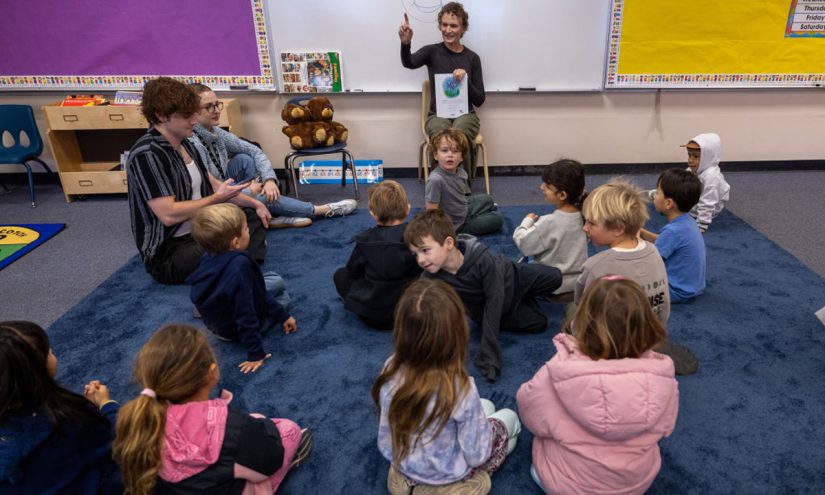
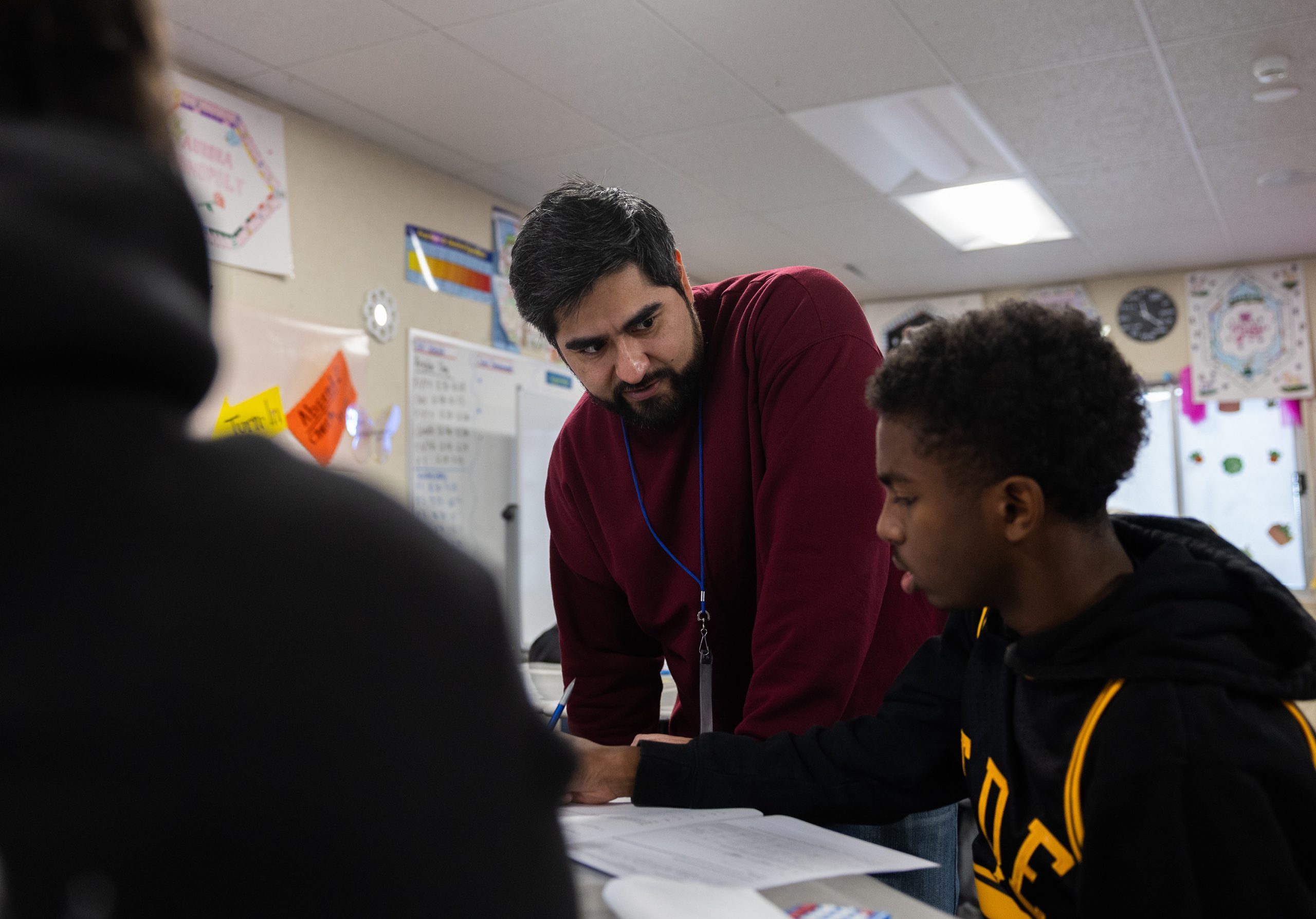
    This summer, Washington, D.C., parents were notified that they’d no longer be able to hold their child back from starting kindergarten if the student turned 5 years old before Sept. 30. Previously, the decision on so-called redshirting had been left up to families, with advice from pediatricians and child psychologists.

    In New York City, America’s largest school district, the birthday cut-off is even later: Dec. 31. One-third of children are required to begin kindergarten prior to turning 5. This is a cause of concern for many families.

    The city Department of Education doesn’t see it as a problem. In an email, a spokesperson told me its official stance is, “We work to provide all families access to a world-class education, and we work closely with families to ensure students’ placements are academically and developmentally appropriate, in alignment with state guidelines. Our policies allow for flexibility, our kindergarten curriculum is responsive to the needs of our younger learners, and our dedicated educators are prepared to support every student.”

    Not all are appeased.

    “I have a 4-year-old who will start kindergarten this fall but doesn’t turn 5 until after Thanksgiving,” worried mom CK told me. “I think it’s a big disservice to these kids. The amount of sitting isn’t developmentally appropriate, and the lack of free play is concerning.”

    Parents are justified in their concerns. As the Child Mind Institute summarized in June:

    Several studies have concluded that kids who are youngest in their class are disproportionately diagnosed with ADHD. A Michigan study found that kindergartners who are the youngest in their grade are 60% more likely to be diagnosed with ADHD than the oldest in their grade. And it doesn’t affect just kindergarteners: A North Carolina study found that in fifth and eighth grade, the youngest children were almost twice as likely as the oldest to be prescribed medication for ADHD.

    The research didn’t sit well with some teachers. One blasted my social media inquiry seeking views on redshirting by writing, “ADHD is a very serious IEP (Individualized Education Plan) and we don’t hand them out like candy.”

    Others, however, agreed.

    “My daughter was one of the youngest in her class,” wrote an anonymous mother. “The teacher and school counselor mislabeled her with psychological disorders that both NY special education testing and private neurological tests did not support.”

    “More of my students with an IEP have a birthday in the second half of the calendar year,” confirmed Mary C., who has been a special ed teacher for 12 years. “I understand where an incoming K parent would be concerned that their December baby is much younger than a June baby.”

    That was the case with Upper West Side parent KE’s son. “He is the youngest and smallest boy in the grade,” she wrote. “He started kindergarten at 4 years old, still sucking his thumb. The physical, emotional, social, psychological and other developmental differences between a 5-year-old born in January and a 4-year-old born in December impacts everything from holding a pencil to kicking a ball, to the length of time one can sit and concentrate. It was too early, too soon and too young, but we literally had no choice in the matter in order to enroll him.”

    The problems that pop up with younger students can reverberate beyond elementary school.

    Pree Kaur lamented that her daughter “is always the younger one and is not as mentally developed as her peers, so she always feels as if something is wrong with her.”

    The Riverdale dad of a son born in November wrote, “He had some difficulty following his teacher’s instructions in first grade, and his teacher repeatedly pointed out that he has difficulty sitting still, staying focused, etc. We had him evaluated by a pediatric developmental specialist and he was diagnosed with ADHD. I really struggle with the whole situation, as I believe if we were able to get him to go to school a year later, matters may have been different.”

    “My daughter attended a citywide gifted program. She was doing great, but it came with a price,” confessed Annie Tate. “She was high-functioning until high school, where she was overwhelmed and was diagnosed with ADHD, a diagnosis I believe she wouldn’t have received if I didn’t send her to school at 4 years, 8 months. She would have matured emotionally and physically to be a healthier, happier child.”

    Pediatric occupational therapist KJL sees this situation frequently: “Children with ADHD have a 30% delay in executive function compared to their peers. Combine that with young ages, and these children are set up to fail.”

    When I posed the question of allowing parents to hold back their children on my mailing list, the most frequent response I received was, “SOMEONE has to be the youngest.”

    That’s true. But the situation can still be ameliorated.

    Grades with multiple classes can be broken up into three- or four-month bands, so students are learning with a narrower-aged peer group.

    Repeating a year should be a more acceptable option, unlike the situation faced by mom Heather Hooks: “My son was very behind academically in first grade. The school refused to hold him back and cited studies on ‘retention’ being not good for kids in the long run. I found these didn’t take into consideration that this was not straight retention, but redshirting an ADHD kid. Other studies were significantly different, and suggested these kids have better outcomes and are less likely to be medicated.”

    Another mom was told her daughter “wasn’t behind enough,” despite the child’s pleas that “it’s too much for my head.”

    Any steps taken to help New York City’s youngest learners would provide the largest experimental sample size in the country, making those results potentially beneficial for students across America.

    Based on what happens in NYC, the educational system can stop treating children as developmentally identical and schools as one-size-fits-all, giving families more options.

    As Maureen Yusuf-Morales, who has worked at public, charter and independent schools, suggests, “Parents with children born after September should be allowed choice with guidance based on developmental milestones, as opposed to birthdays being the only hard-and-fast rule.”


    Get stories like these delivered straight to your inbox. Sign up for The 74 Newsletter

    Source link

  • Let’s remove the roadblocks to four-year STEM degrees for community college transfer students

    Let’s remove the roadblocks to four-year STEM degrees for community college transfer students

    In the nearly two years since the U.S. Supreme Court struck down race-conscious admissions, there have been repeated calls for universities to address the resulting decline in diversity by recruiting from community colleges.  

    On the surface, encouraging students to transfer from two-year colleges sounds like a terrific idea. Community colleges enroll large numbers of students who are low-income or whose parents did not attend college. Black and Latino students disproportionately start college at these institutions, whose mission for more than 50 years has been to expand access to higher education. 

    But while community colleges should be an avenue into high-value STEM degrees for students from low-income backgrounds and minoritized students, the reality is sobering: Just 2 percent of students who begin at a community college earn a STEM bachelor’s degree within six years, our recent study of transfer experiences in California found.  

    There are too many roadblocks in their way, leaving the path to STEM degrees for community college students incredibly narrow. A key barrier is the complexity of the process of transferring from a community college to a four-year institution. 

    Related: Interested in innovations in higher education? Subscribe to our free biweekly higher education newsletter. 

    Many community college students who want to transfer and major in a STEM field must contend with three major obstacles in the transfer process: 

    1. A maze of inconsistent and often opaque math requirements. We found that a student considering three or four prospective university campuses might have to take three or four different math classes just to meet a single math requirement in a given major. One campus might expect a transfer student majoring in business to take calculus, while another might ask for business calculus. Still another might strongly recommend a “calculus for life sciences” course. And sometimes an institution’s website might list different requirements than a statewide transfer site. Such inconsistencies can lengthen students’ times to degrees — especially in STEM majors, which may require five- or six-course math sequences before transfer.  

    2. Underlying math anxiety. Many students interviewed for the study told us that they had internalized negative comments from teachers, advisers and peers about their academic ability, particularly in math. This uncertainty contributed to feelings of anxiety about completing their math courses. Their predicament is especially troubling given concerns that required courses may not contribute to success in specific fields. 

    3. Course scheduling conflicts that slow students’ progress. Two required courses may meet on the same day and time, for example, or a required course could be scheduled at a time that conflicts with a student’s work schedule. In interviews, we also heard that course enrollment caps and sequential pathways in which certain courses are offered only once a year too often lengthen the time to degree for students. 

    Related: ‘Waste of time’: Community college transfers derail students 

    To help, rather than hinder, STEM students’ progress toward their college and professional goals, the transfer process needs to change significantly. First and foremost, universities need to send clear and consistent signals about what hoops community college students should be jumping through in order to transfer.  

    A student applying to three prospective campuses, for example, should not have to meet separate sets of requirements for each. 

    Community colleges and universities should also prioritize active learning strategies and proven supports to combat math anxiety. These may include providing professional learning for instructors to help them make math courses more engaging and to foster a sense of belonging. Training for counselors to advise students on requirements for STEM pathways is also important.  

    Community colleges must make their course schedules more student-centered, by offering evening and weekend courses and ensuring that courses required for specific degrees are not scheduled at overlapping times. They should also help students with unavoidable scheduling conflicts take comparable required courses at other colleges. 

    At the state level, it’s critical to adopt goals for transfer participation and completion (including STEM-specific goals) as well as comprehensive and transparent statewide agreements for math requirements by major. 

    States should also provide transfer planning tools that provide accurate and up-to-date information. For example, the AI Transfer and Articulation Infrastructure Network, led by University of California, Berkeley researchers, is using artificial intelligence technology to help institutions more efficiently identify which community college courses meet university requirements. More effective tools will increase transparency without requiring students and counselors to navigate complex and varied transfer requirements on their own. As it stands, complex, confusing and opaque math requirements limit transfer opportunities for community college students seeking STEM degrees, instead of expanding them. 

    We must untangle the transfer process, smooth pathways to high-value degrees and ensure that every student has a clear, unobstructed opportunity to pursue an education that will set them up for success. 

    Pamela Burdman is executive director of Just Equations, a California-based policy institute focused on reconceptualizing the role of math in education equity. Alexis Robin Hale is a research fellow at Just Equations and a graduate student at UCLA in Social Sciences and Comparative Education.  

    Contact the opinion editor at [email protected]. 

    This story about community college transfers was produced by The Hechinger Report, a nonprofit, independent news organization focused on inequality and innovation in education. Sign up for Hechinger’s weekly newsletter. 

    The Hechinger Report provides in-depth, fact-based, unbiased reporting on education that is free to all readers. But that doesn’t mean it’s free to produce. Our work keeps educators and the public informed about pressing issues at schools and on campuses throughout the country. We tell the whole story, even when the details are inconvenient. Help us keep doing that.

    Join us today.

    Source link

  • Family Structure Matters to Student Achievement. What Should We Do With That? – The 74

    Family Structure Matters to Student Achievement. What Should We Do With That? – The 74


    Get stories like this delivered straight to your inbox. Sign up for The 74 Newsletter

    A version of this essay originally appeared on Robert Pondiscio’s SubStack

    A recent report from the University of Virginia—Good Fathers, Flourishing Kids — confirms what many of us know instinctively but rarely see, or avoid altogether, in education debates: The presence and engagement of a child’s father has a powerful effect on their academic and emotional well-being. It’s the kind of data that should stop us in our tracks — and redirect our attention away from educational fads and toward the foundational structures that shape student success long before a child ever sets foot in a classroom.

    The research — led by my AEI colleague Brad Wilcox and co-authored by a diverse team that includes another AEI colleague, Ian Rowe — finds that children in Virginia with actively involved fathers are more likely to earn good grades, less likely to have behavior problems in school, and dramatically less likely to suffer from depression. Specifically, children with disengaged fathers are 68% less likely to get mostly good grades and nearly four times more likely to be diagnosed with depression. These are not trivial effects. They are seismic.

    Most striking is the report’s finding that there is no meaningful difference in school grades among demographically diverse children raised in intact families. Black and white students living with their fathers get mostly As at roughly equal rates — more than 85% — and are equally unlikely to experience school behavior problems. The achievement gap, in other words, appears to be less about race and more about the structure and stability of the family.

    Figure 9 from Wilcox et al., Good Fathers, Flourishing Kids

    This may be a surprising finding to some, but not to William Jeynes, a professor of education at California State University, Long Beach, whose meta-analyses have previously demonstrated the outsized academic impact of family structure and religious faith. (The new UVA report does not study the role of church-going). 

    As I wrote in How the Other Half Learns, Jeynes’ work highlights how two-parent households and religious engagement produce measurable benefits in educational achievement. “When two parents are present, this maximizes the frequency and quality of parental involvement. There are many dedicated single parents,” Jeynes has noted. However, the reality is that when one parent must take on the roles and functions of two, it is simply more difficult than when two parents are present.” Jeynes’ most stunning finding, and his most consistent, is that if a Black or Hispanic student is raised in a religious home with two biological parents the achievement gap totally disappears—even when adjusting for socioeconomic status.

    My colleague Ian Rowe has been a tireless advocate for recognizing and responding to these patterns. He has long argued that NAEP, the Nation’s Report Card, should disaggregate student achievement data by family composition, not just by race and income. That simple step would yield a more honest accounting of the challenges schools are facing — and help avoid both unfair blame and unearned credit.

    Yet this conversation remains a third rail in education. Many teachers and administrators are understandably wary of saying too much about family structure for fear of stigmatizing children from single-parent households, particularly in settings where single-parent households are dominant. Rowe has also faced resistance to his efforts to valorize the “Success Sequence,” the empirical finding that graduating high school, getting a full-time job and marrying before having children dramatically increases one’s odds of avoiding poverty. But being cautious is not the same as being silent, and it’s not compassionate to pretend these dynamics don’t matter when the data so clearly shows that they do.

    None of this absolves educators of their duty to reach and teach every child. But it does suggest we should be clear-eyed in how we interpret data and set expectations. Teachers, particularly those in low-income communities, often shoulder the full weight of student outcomes while lacking the ability to influence some of the most powerful predictors of those outcomes. That’s frustrating — and understandably so.

    Citing compelling evidence on fatherhood and family formation is not a call for resignation or excuse-making. It’s a call for awareness and intelligent action. While schools can’t influence or re-engineer family structure, teachers can respond in ways that affirm the role of fathers and strengthen the school-home connection. They can make fathers feel welcome and expected in school life — not merely tolerated. They can design family engagement activities that include dads as co-participants, not afterthoughts. They can build classroom cultures that offer structure and mentoring, especially to students who may lack it at home. 

    And maybe — just maybe — the field can overcome its reluctance to share with students what research so clearly shows will benefit them and the children they will have in the future. Rowe takes pains to note his initiative to teach the Success Sequence is intended to help students make decisions about the families they will form, not the ones they’re from. “It’s not about telling them what to do,” he says, “it’s about giving them the data and letting them decide for themselves.”

    This leads to a final point, and for some an uncomfortable one: If we truly care about student outcomes, perhaps we should be willing to support the institutions that reliably foster them. And that includes religious schools.

    Religious schools — particularly those rooted in faith traditions that emphasize marriage, family life and moral formation — often create environments where the presence of fathers and the reinforcement of shared values are not incidental but central. A recent analysis by Patrick J. Wolf of the University of Arkansas, published in the Journal of Catholic Education, found that adults who attended religious schools are significantly more likely to marry, stay married, and avoid nonmarital births compared to public‑school peers. The effects are most pronounced among individuals from lower‑income backgrounds.

    In states with Education Savings Accounts (ESAs) and other school choice mechanisms, we have an opportunity — perhaps an obligation — to expand access to these institutions. That’s not merely a question of parental rights or religious liberty. It’s a matter of public interest. If these schools produce better education and social outcomes by encouraging family formation and reinforcing the value of fatherhood, the public benefits — even if instruction is delivered in a faith-based context. Said simply: The goal of educational policy and practice is not to save the system. It’s to help students flourish.

    So yes, let’s fund fatherhood initiatives. Let’s run PSAs about the importance of dads. But let’s also get serious about expanding access to the kinds of schools — whether secular or religious in nature — that support the kind of family culture where children are most likely to thrive. Because if we follow the evidence where it leads, we must conclude that the biggest intervention in education is not another literacy coach or SEL curriculum. It’s dad.


    Get stories like these delivered straight to your inbox. Sign up for The 74 Newsletter

    Source link

  • What Colleges and Universities Should Take Away from What Happened at UVA

    What Colleges and Universities Should Take Away from What Happened at UVA

    What happened to the President of UVA is devastating.  And we have let ourselves believe it is surprising.  But, while it should be shocking that the federal government – one that has been repeatedly talking about the return of education to the states – is interfering with the administration of a public university, it should have been expected if you were paying attention.

    Amanda Fuchs MillerWhy is that?  This Administration, as promised in Project 2025 and as evidenced by the appointees placed in Trump’s White House and the Department of Education, laid out a roadmap they would take to undermine higher education, as they are doing with other democratic institutions.  Using colleges’ responses to October 7th, and in the name of fighting antisemitism, the Trump Administration has taken steps since January 20th to undermine colleges and universities – not chipping away but taking a sledgehammer and finding everything to be a nail.

    The tools in this Administration’s toolbox include cancelling funding, slashing federal student aid, investigating and auditing schools, removing and threatening international students and immigrants, and increasing the costs of higher education institutions doing their work – from indirect cost increases on research funds to attempting to revoke tax-exempt status, and the list goes on. 

    These actions have, and will, hit institutions across the board hard – from Columbia and Harvard to public state schools to small independent colleges to community colleges.  All of these schools – and their students – rely on and benefit from public investments in higher education. 

    And the damage is not just to the schools and students.  The communities, cities, and states where these schools are located benefit economically when colleges and their students thrive. Our nation’s standing as a leader in innovation – in technology, medical advancements, and other fields – will be threatened without federal investments in higher education.  And, without academic freedom ensuring a diversity of viewpoints at our institutions, free from political interference, our democracy will be at risk.

    So, what lessons can we take from what happened at UVA and the forced resignation of President Ryan? 

    First, this has never been just about the Ivies.  There has been a belief that the elite schools are the target.  Just take a look at the list of the 60 colleges that the Trump Administration opened investigations into, under the pretext of antisemitism, in March – Ivy League schools but also publics (in blue states and red states), privates, and small independent colleges. The reconciliation bill, which was signed into law last week, eliminated Grad PLUS loans and capped Parent PLUS loans – programs that help students at all schools, including HBCUs.  And, the President’s FY26 budget would eliminate programs that fund wraparound services which will hurt community college students who rely most heavily on those federal investments.

    Second, it is not just about the words used. Following UVA President Ryan’s resignation, DOJ Assistant Attorney General for Civil Rights Harmeet Dhillon told CNN that although UVA decided in March 2025 to dissolve its DEI office, it “used a series of euphemisms to simply rebrand and repackage the exact same discriminatory programs that are illegal under federal law.”

    This raises a couple of lessons that can be learned as higher ed institutions look ahead.  Following the President’s executive orders on diversity, equity and inclusion, many organizations began scrubbing their websites, shuttering DEI offices, and disbanding committees with diversity and equity in their titles.  Schools instead need to first do a campus-wide review of their activities.  Then, they should undertake a risk assessment to both determine which activities can be viewed as being in contrast to Trump’s executive orders and the new certifications being tied to federal funding and to determine which activities are actually in violation of current state and federal antidiscrimination laws.  The first bucket of activities – those that do not follow the executive orders – may put schools’ funding at risk but are not necessarily illegal.  This Administration is using a chilling effect to stop allowable initiatives that are in contrast with their ideology and politics.  Understanding the risk is important for schools to protect themselves but schools must also continue to fulfill their missions of serving all students and providing diverse environments and inclusive communities and must be ready to push back when wrongly being accused of engaging in “illegal DEI,” which isn’t in and of itself a thing.

    Sometimes changing the words, or renaming or eliminating an office, may be necessary.  In fact, for federal grants, agencies are utilizing AI to do word searches so there may be a reason to use different words and reframe proposals for federal funds.  But, if schools are going to do so, they need to engage in genuine stakeholder outreach to explain what is and what isn’t changing.  In addition to the closing of UVA’s DEI office now being criticized as irrelevant in the eyes of the Trump Administration, the school leadership faced criticism from faculty, students and other university community members when they did so, which likely caused them to lose some of the support they needed to push back against the false charges by DOJ.   Explaining which changes are being made early – and which aren’t and why – can help college leaders on multiple fronts.

    Third, this Administration is continuing to not tell the truth about what the U.S. Supreme Court 2023 ruling in Students for Fair Admissions vs. Harvard  (SFFA) meant.  Assistant Attorney General Dhillon told CNN in her interview about UVA, “It’s not just admissions part, it’s also preferences in special programs while students are at the school … this is all illegal under Students for Fair Admissions.”  Well, no.  The Supreme Court’s decision in SFFA was about admissions.  Telling schools to stop activities because of SFFA in other areas is again a scare tactic that must be pushed back on both in courts and in the court of public opinion.

    This is the time for higher ed institutions and their stakeholders to come together and fight back.  Institutions must think outside the box and do the hard work so that they can continue to fulfill their missions of serving all students and being inclusive communities while not increasing the risks of harmful actions that will hurt their students, their communities, the economy, and our democracy. 

     _____________

    Amanda Fuchs Miller served as the Deputy Assistant Secretary for Higher Education Programs at the U.S. Department of Education in the Biden-Harris Administration. She is the president of Seventh Street Strategies, which provides advocacy and policy supports to higher ed institutions, nonprofit organizations, and foundations.  


    Source link

  • America’s future depends on more first-generation students from underestimated communities earning an affordable bachelor’s degree

    America’s future depends on more first-generation students from underestimated communities earning an affordable bachelor’s degree

    I recently stood before hundreds of young people in California’s Central Valley; more than 60 percent were on that day becoming the first in their family to earn a bachelor’s degree.

    Their very presence at University of California, Merced’s spring commencement ceremony disrupted a major narrative in our nation about who college is for — and the value of a degree.

    Many of these young people arrived already balancing jobs, caregiving responsibilities and family obligations. Many were Pell Grant-eligible and came from communities that are constantly underestimated and where a higher education experience is a rarity.

    These students graduated college at a critical moment in American history: a time when the value of a bachelor’s degree is being called into question, when public trust in higher education is vulnerable and when supports for first-generation college students are eroding. Yet an affordable bachelor’s degree remains the No. 1 lever for financial, professional and social mobility in this country.

    Related: Interested in innovations in higher education? Subscribe to our free biweekly higher education newsletter.

    A recent Gallup poll showed that the number of Americans who have a great deal of confidence in higher education is dwindling, with a nearly equal amount responding that they have little to none. In 2015, when Gallup first asked this question, those expressing confidence outnumbered those without by nearly six to one.

    There is no doubt that higher education must continue to evolve — to be more accessible, more relevant and more affordable — but the impact of a bachelor’s degree remains undeniable.

    And the bigger truth is this: America’s long-term strength — its economic competitiveness, its innovation pipeline, its social fabric — depends on whether we invest in the education of the young people who reflect the future of this country.

    There are many challenges for today’s workforce, from a shrinking talent pipeline to growing demands in STEM, healthcare and the public sector. These challenges can’t be solved unless we ensure that more first-generation students and those from underserved communities earn their degrees in affordable ways and leverage their strengths in ways they feel have purpose.

    Those of us in education must create conditions in which students’ talent is met with opportunity and higher education institutions demonstrate that they believe in the potential of every student who comes to their campuses to learn.

    UC Merced is a fantastic example of what this can look like. The youngest institution in the University of California system, it was recently designated a top-tier “R1” research university. At the same time, it earned a spot on Carnegie’s list of “Opportunity Colleges and Universities,” a new classification that recognizes institutions based on the success of their students and alumni. It is one of only 21 institutions in the country to be nationally ranked for both elite research and student success and is proving that excellence and equity can — and must — go hand in hand.

    In too many cases, students who make it to college campuses are asked to navigate an educational experience that wasn’t built with their lived experiences and dreams in mind. In fact, only 24 percent of first-generation college students earn a bachelor’s degree in six years, compared to nearly 59 percent of students who have a parent with a bachelor’s. This results in not just a missed opportunity for individual first-generation students — it’s a collective loss for our country.

    Related: To better serve first-generation students, expand the definition

    The graduates I spoke to in the Central Valley that day will become future engineers, climate scientists, public health leaders, artists and educators. Their bachelor’s degrees equip them with critical thinking skills, confidence and the emotional intelligence needed to lead in an increasingly complex world.

    Their future success will be an equal reflection of their education and the qualities they already possess as first-generation college graduates: persistence, focus and unwavering drive. Because of this combination, they will be the greatest contributors to the future of work in our nation.

    This is a reality I know well. As the Brooklyn-born daughter of Dominican immigrants, I never planned to go away from home to a four-year college. My father drove a taxi, and my mother worked in a factory. I was the first in my family to earn a bachelor’s degree. I attended college as part of an experimental program to get kids from neighborhoods like mine into “top” schools. When it was time for me to leave for college, my mother and I boarded a bus with five other students and their moms for a 26-hour ride to Vanderbilt University in Nashville, Tennessee.

    Like so many first-generation college students, I carried with me the dreams and sacrifices of my family and community. I had one suitcase, a box of belongings and no idea what to expect at a place I’d never been to before. That trip — and the bachelor’s degree I earned — changed the course of my life.

    First-generation college students from underserved communities reflect the future of America. Their success is proof that the American Dream is not only alive but thriving. And right now, the stakes are national, and they are high.

    That is why we must collectively remove the obstacles to first-generation students’ individual success and our collective success as a nation. That’s the narrative that we need to keep writing — together.

    Shirley M. Collado is president emerita at Ithaca College and the president and CEO of College Track, a college completion program dedicated to democratizing potential among first-generation college students from underserved communities.

    Contact the opinion editor at [email protected].

    This story about first-generation students was produced by The Hechinger Report, a nonprofit, independent news organization focused on inequality and innovation in education. Sign up for Hechinger’s weekly newsletter.

    The Hechinger Report provides in-depth, fact-based, unbiased reporting on education that is free to all readers. But that doesn’t mean it’s free to produce. Our work keeps educators and the public informed about pressing issues at schools and on campuses throughout the country. We tell the whole story, even when the details are inconvenient. Help us keep doing that.

    Join us today.

    Source link

  • We have to work together to improve school culture and make our public schools great places to teach, work and learn

    We have to work together to improve school culture and make our public schools great places to teach, work and learn

    A torrent of controversy has erupted over the Trump administration’s decision to shutter the federal Department of Education. Critics howl that it will destroy public education in America. Supporters insist it will somehow make things better.

    The only thing that’s clear is that our public education system is broken. It’s time for politicians to stop using education as a political football, with blue and red teams competing for control rather than sharing the responsibility to prepare our children for their futures.

    The resulting chaos and confusion and rigid policies choke the joy out of learning and of working in our schools. Insufficient attention by leaders to education culture can result in fear and distrust, turf wars and a tendency to blame and make excuses for a lack of progress.

    Such behaviors produce a toxicity that disables learning and disempowers leadership. Instead of increasing our nation’s economic prosperity, we’re deepening inequality, limiting opportunity and sadly wasting the potential of many children, on whose ability to thrive our country depends.

    Poor work conditions, insufficient support, inadequate pay and limited career opportunities are among some of the reasons teachers are leaving and schools are struggling to attract top talent. Reductions in funding from the Great Recession through the present render our facilities dangerous in some instances and unwelcoming in others. Would you buy a house with barbed wire fencing and unkempt grounds that make you wonder whether the aim is to keep something out or in?

    Related: A lot goes on in classrooms from kindergarten to high school. Keep up with our free weekly newsletter on K-12 education.

    What should we do to change what is going on inside our schools?

    We must first of all start working together to make our public schools great places to teach and learn.

    Great places to work and learn are places that are well led, fueled by purpose and guided by shared, positive behaviors that advance learning goals and serve as “rules of the road” for how employees and students are expected to behave.

    In great schools, employees, students and families are respected and valued. Leaders in great schools inspire their employees — all of them — to do more than they think they can. Employees align behind the purpose of enabling learning, which creates momentum and camaraderie for what they are working to attain together.

    In great schools, leaders inspire their communities to join them in cheering for and supporting kids’ future successes. Families, no matter their socioeconomic status, feel a sense of belonging.

    Problems are perceived as opportunities to get better, not sources of indiscriminate blame. Solutions are found by looking in the mirror first. External threats to learning, such as poverty or parents’ underemployment, are acknowledged and addressed. Schools don’t dodge their responsibility to educate all kids.

    In great schools, kids are known by caring employees; they feel seen and heard and are deeply engaged and invested in their learning.

    Every employee working in a great school district feels responsible for achieving the district’s mission, no matter whether they work inside or outside of the classroom.

    When kids return after being absent, employees welcome them back, tell them they were missed and focus on catching them up. They do not judge the constraints of their families’ lives or mete out punishment as though missing school is a crime.

    Related: Horticulture, horses and ‘Chill Rooms’: One district goes all-in on mental health support

    Great places to learn must also be great places to work. We must reframe our concept of schools as not just places where kids learn. Great places to work care about the needs of all the human beings in their care, including and especially their employees.

    “To win in the marketplace, you must first win in the workplace,” Douglas R. Conant, former Campbell Soup Company CEO famously said. He knew what is becoming clearer within our public school systems — that unhappy, unfulfilled employees lead to high turnover, disengagement by students and staff and disaffected families turning to alternative educational offerings.

    It is no secret that attracting and retaining top talent to work in our schools is increasingly difficult as employees seek more stability. Attracting younger workers is even more difficult.

    Many of those who currently work in schools, especially teachers, are stressed, burned out and dissatisfied. Being stressed and burned out is not a normative experience; it’s a symptom of a weak culture, and an organizational problem to be solved. And employee turnover is no longer limited to teachers. There are increasing vacancies among principals, bus drivers and food service and facilities staff.

    The quality of the experiences of employees working in our schools must be higher. Every point along the employee experience continuum, from applying for a job to choosing to leave, is an opportunity to deepen employee engagement and commitment to being a high performer.

    We can fix what we have broken. Thinking differently about making our public schools great places to work and learn is a good place to start. No policy changes are required to demonstrate concern for the human beings the system employs and seeks to educate.

    Etienne R. LeGrand is a thought leader, writer and culture-shaping strategist and adviser at Vivify Performance.

    Contact the opinion editor at [email protected].

    This story about school culture was produced by The Hechinger Report, a nonprofit, independent news organization focused on inequality and innovation in education. Sign up for Hechinger’s weekly newsletter.

    The Hechinger Report provides in-depth, fact-based, unbiased reporting on education that is free to all readers. But that doesn’t mean it’s free to produce. Our work keeps educators and the public informed about pressing issues at schools and on campuses throughout the country. We tell the whole story, even when the details are inconvenient. Help us keep doing that.

    Join us today.

    Source link

  • Removing Credit Transfer Barriers Key to Improving Higher Ed Completion Rates

    Removing Credit Transfer Barriers Key to Improving Higher Ed Completion Rates

    Dr. Andrew J. SeligsohnHigher education in the United States has come under increasing scrutiny — but not always for the right reasons. Critics claim that colleges and universities award degrees with little economic value, limit ideological expression on campus, and operate primarily for their own financial interests, rather than as institutions of shared public value. While much in this narrative is false, it nonetheless affects the public’s attitude toward higher education and individuals’ decisions about pursuing a postsecondary degree, which may be detrimental to their economic interest.

    When these critiques are made in bad faith, we should counter them with facts about the value of college attainment. It remains true for example, that a college degree is likely to yield a significant boost in earnings. Nonetheless, anyone who cares about higher education must also ask why these arguments resonate so deeply with the public. Where real frustrations are fueling legitimate skepticism, addressing those concerns can both improve higher education’s reputation and enhance its value for students, families, and society. Since the experiences that give rise to frustration and receptivity to attacks on higher education are personal experiences, it pays to drill down into the particulars to figure out what’s going on.

    In that spirit, Public Agenda, in partnership with Sova and the Beyond Transfer Policy Advisory Board, set out to deepen our collective understanding of learner experiences with the credit transfer process. We knew from research on enrolled students that transfer was a source of pain for many learners. But we didn’t know how many people were affected, how much it mattered to them, and how it shaped their views of higher education more broadly. With support from ECMC Foundation, we fielded a national survey of adult Americans that interrogates transfer experience and outcomes. 

    Dr. Lara CouturierDr. Lara CouturierThe findings were striking, and they should serve as a call to action for institutions of higher education. Nearly 4 in 10 respondents reported that they had tried to transfer credit toward a college degree or credential. This included credits earned at a previous college or university, as well as credits earned from nontraditional sources. In fact, more than a third attempted to transfer credits earned from workplace training, military experience, industry certification, vocational or trade school, or other prior learning. With more households feeling the cost of inflation and needing to upskill to survive in this economy, and more higher education institutions facing enrollment declines, we should be finding ways to develop more on-ramps and clear the path to a college degree.

    Unfortunately, the survey revealed that Americans who attempt to transfer encounter convoluted paths, often losing credit hours, money, and motivation along the way. One in five respondents reported having to repeat a class they had already taken because their credits didn’t transfer. Thirteen percent reported running out of financial aid as a result of having to repeat courses. And, most concerning, 16% reported that they gave up on pursuing a college degree or credential because the process of transferring was so difficult. It’s clear difficulties with transfer are not only inconveniences — they’re significant financial burdens and barriers to completion.

    We also sought to understand how these direct experiences shape individuals’ broader attitudes toward higher education. We found it profoundly troubling that 74% of respondents who had tried to transfer credit agreed with the statement that two- and four-year higher education institutions care more about making money than about educating students. In fact, respondents who had tried to transfer credit were more likely to hold this jaded view than those who had attended college but had not transferred or those who had no prior experience with higher education. So while some of the current attacks on higher education may be in bad faith, it should not be surprising that they find a receptive audience among so many Americans who recall feeling personally misled. 

    We know, then, that credit transfer needs reform — but what exactly does that look like? Public Agenda also surveyed Americans about potential interventions, and the results are promising. First, when asked what should happen to a college with a track record of not accepting many credits for transfer, Americans felt public accountability would be more helpful than heavy-handed punitive approaches. Fifty-four percent of Democrats and 47% of Republicans agreed that institutions should have to make a plan to improve credit transfer rates. Conversely, just one-third of Republicans and Democrats thought colleges should lose their funding. But what might go into a plan for improvement? Our survey found broad support among Republicans, Democrats, and independents for a variety of policies intended to make it easier for students to transfer credits. Support is notably strong for requiring that students have free and easy access to their transcripts, credentials, and degrees; requiring institutions to create public databases with transfer information; and requiring that prospective transfer students are quickly told how many credits will be accepted. 

    The benefits of a better transfer process are clear and compelling. Students would face fewer obstacles to completing their degrees, leading to higher graduation rates, better individual economic outcomes, and broader prosperity. Just as importantly, higher education would rebuild trust with the public by showing that institutions are committed to serving students—not just collecting tuition dollars. And the benefits of this renewed trust extend beyond the higher education system. The perception that public institutions don’t care about ordinary Americans is a key element of the challenge our broader democracy is facing. Since the education system is a direct way many people interact with our government, restoring confidence that higher education works for all Americans can further inspire faith in public institutions.

    If we ignore issues like the broken credit transfer system, skepticism about higher education will continue to fester. Worse, more students may give up on college altogether, missing out on opportunities for personal and professional growth—all of which ultimately erodes our democracy. Pushing back against misinformation isn’t the only way to defend higher education; we must acknowledge and address the real barriers students face. Credit transfer is an experience shared by many with cross-partisan support for reform—now is the time to act. Reforming the transfer process won’t solve every challenge facing higher education, but it’s a clear and necessary step toward improving the system for the good of both students and institutions themselves.

    Dr. Andrew J. Seligsohn is president of Public Agenda, a national research-to-action organization. Dr. Lara Couturier is a partner at Sova, a higher ed advocacy organization.

    Source link

  • 4 Creative Ways to Engage Kids in STEM Over the Summer – The 74

    4 Creative Ways to Engage Kids in STEM Over the Summer – The 74


    Get stories like this delivered straight to your inbox. Sign up for The 74 Newsletter

    The Trump administration is reshaping the pursuit of science through federal cuts to research grants and the Department of Education. This will have real consequences for students interested in science, technology, engineering and mathematics, or STEM learning.

    One of those consequences is the elimination of learning opportunities such as robotics camps and access to advanced math courses for K-12 students.

    As a result, families and caregivers are more essential than ever in supporting children’s learning.

    Based on my research, I offer four ways to support children’s summer learning in ways that feel playful and engaging but still foster their interest, confidence and skills in STEM.

    1. Find a problem

    Look for “problems” in or around your home to engineer a solution for. Engineering a solution could include brainstorming ideas, drawing a sketch, creating a prototype or a first draft, testing and improving the prototype and communicating about the invention.

    For example, one family in our research created an upside-down soap dispenser for the following problem: “the way it’s designed” − specifically, the straw − “it doesn’t even reach the bottom of the container. So there’s a lot of soap sitting at the bottom.”

    To identify a problem and engage in the engineering design process, families are encouraged to use common materials. The materials may include cardboard boxes, cotton balls, construction paper, pine cones and rocks.

    Our research found that when children engage in engineering in the home environment with caregivers, parents and siblings, they communicate about and apply science and math concepts that are often “hidden” in their actions.

    For instance, when building a paper roller coaster for a marble, children think about how the height will affect the speed of the marble. In math, this relates to the relationship between two variables, or the idea that one thing, such as height, impacts another, the speed. In science, they are applying concepts of kinetic energy and potential energy. The higher the starting point, the more potential energy is converted into kinetic energy, which makes the marble move faster.

    In addition, children are learning what it means to be an engineer through their actions and experience. Families and caregivers play a role in supporting their creative thinking and willingness to work through challenging problems.

    2. Spark curiosity

    Open up a space for exploration around STEM concepts driven by their interests.

    Currently, my research with STEM professionals who were homeschooled talk about the power of learning sparked by curiosity.

    One participant stated, “At one time, I got really into ladybugs, well Asian Beatles I guess. It was when we had like hundreds in our house. I was like, what is happening? So, I wanted to figure out like why they were there, and then the difference between ladybugs and Asian beetles because people kept saying, these aren’t actually ladybugs.”

    Researchers label this serendipitous science engagement, or even spontaneous math moments. The moments lead to deep engagement and learning of STEM concepts. This may also be a chance to learn things with your child.

    3. Facilitate thinking

    In my research, being uncertain about STEM concepts may lead to children exploring and considering different ideas. One concept in particular − playful uncertainties − is when parents and caregivers know the answer to a child’s uncertainties but act as if they do not know.

    For example, suppose your child asks, “How can we measure the distance between St. Louis, Missouri, and Nashville, Tennessee, on this map?” You might respond, “I don’t know. What do you think?” This gives children the chance to share their ideas before a parent or caregiver guides them toward a response.

    4. Bring STEM to life

    Turn ordinary moments into curious conversations.

    “This recipe is for four people, but we have 11 people coming to dinner. What should we do?”

    In a recent interview, one participant described how much they learned from listening in on financial conversations, seeing how decisions got made about money, and watching how bills were handled. They were developing financial literacy and math skills.

    As they noted, “By the time I got to high school, I had a very good basis on what I’m doing and how to do it and function as a person in society.”

    Globally, individuals lack financial literacy, which can lead to negative outcomes in the future when it comes to topics such as retirement planning and debt.

    Why is this important?

    Research shows that talking with friends and family about STEM concepts supports how children see themselves as learners and their later success in STEM fields, even if they do not pursue a career in STEM.

    My research also shows how family STEM participation gives children opportunities to explore STEM ideas in ways that go beyond what they typically experience in school.

    In my view, these kinds of STEM experiences don’t compete with what children learn in school − they strengthen and support it.

    This article is republished from The Conversation under a Creative Commons license. Read the original article.


    Get stories like these delivered straight to your inbox. Sign up for The 74 Newsletter

    Source link

  • National Junior College Athletic Association Head Coaches Reveal Athletic Equity is Present

    National Junior College Athletic Association Head Coaches Reveal Athletic Equity is Present

    Dr. Riann MullisImagine going through a typical work week without a colleague or coworker inserting an analogy or anecdote from sports into the conversation. Regardless of the reason, from comparison to training, or overcoming adversity, “Collegiate athletics have been a part of the American culture since the 1800s” (Lewis, 2013). Sports significantly influence colleges and universities nationwide, acting as a driving force for institutional culture. The National Junior College Athletic Association (NJCAA) is no stranger to cultivating a positive environment for student-athletes. The association has been providing student-athletes with opportunities to compete in collegiate athletics since 1938 (NJCAA, 2025). Community college athletics traditionally have not received the majority of attention from national media; however, discussion is crucial at this foundational level, especially for the more than 45,000 NJCAA student-athletes pursuing academic and athletic opportunities each year.

    Mainstream media’s focus on ticket sales, influential athletes, and comparisons of athletic experience have contributed to a heightened sense of awareness of athletics at all levels. A significant change for athletics occurred more than 50 years when President Richard Nixon signed Title IX of the Education Amendment (Title IX) into law in 1972 (Valentin, 1997). “Implementing Title IX requires institutions to provide equal athletic opportunities for members of both sexes and to accommodate students’ athletic interests and abilities effectively” (U.S. Department of Education [USDE], 2020b).

    Dr. Jennifer SpielvogelDr. Jennifer Spielvogel The ability to conceptualize the similarities and differences of sports becomes critical to recognize what is considered fair opportunities and experiences for student-athletes. This informs the concept of athletic equity. Though major progress has been made since the enactment of this law, questions remain as to what equity looks like in athletics (Jensen, 2022).

    In a recently published study, “The Assessment of Athletic Equity by Head Men’s and Women’s Coaches in the National Junior College Athletic Association”, (Mullis, 2024) head coaches from a variety of NJCAA sports at Division I (DI) and Division II (DII) institutions were surveyed and interviewed to glean their opinions pertaining to implementation and best practices of athletic equity. Questions focused on observations, opportunities, and experiences.

    The NJCAA head coaches’ opinions about athletic equity initially focused on facilities, scholarships, and travel provided for teams. They were asked to assess the level of agreement on a 4-point Likert (1932) scale ranging from 4 (strongly agree) to 1 (strongly disagree) and the mean (M) was calculated for each question. The head coaches assessed facility equity (M = 2.8), scholarship equity (M = 2.8) and travel equity (M = 3.2) at prominent levels, indicating equity is present. The survey data also were disaggregated by team, with no significant differences found from head coaches of men’s and women’s teams in any sport. Further, the coaches agreed that equity is present for all teams at their institutions.

    In the study, head coaches also rank ordered the importance of six distinct coaching roles: advisor, advocate, fundraiser, leader, mentor, and role model. All 192 survey respondents were consistent in ranking leader as the most significant role. The coaches were confident about their relationships and impact on the student-athletes. Most impressively, when interviewed, none of the coaches mentioned wins and losses. Rather, their focus, shared with enthusiasm, highlighted the importance of each of their identified roles and their overwhelming responsibility to advance athletic equity through fair experiences and opportunities for their student-athletes.

    Collectively, the head coaches conveyed enhanced advocacy accountability for their athletes and teams. Case in point, when coaches were asked in the interviews if they had a responsibility to advocate for athletic equity, an NJCAA DII women’s basketball coach confidently expressed:

    Yes. Absolutely. If I do not advocate for my kids [women’s basketball student-athletes], who is going to do that? That is my job. My goal is to make sure they are getting the same treatment the same opportunities that every other sport, whether it be male or female, is getting on campus.

    With similar conviction, when posed the question if he considered himself responsible for advocating for athletic equity, a DII softball coach sharply stated, “No question.” In the interviews many coaches indicated that campus athletic directors and presidents should be involved and aware of athletic needs. From their perspective, there is a need for effective collaboration and communication, as the administration’s decisions can significantly impact the advancement of athletic equity.

    The assessments and opinions from NJCAA DI and DII head coaches offer a never-before-seen insight into athletic equity implementation at the NJCAA level. Continuing the conversations around the best practices of athletic equity through the voice of the coaches is imperative for the future of collegiate athletics. Implementing progressive ideas such as campus forums, shared documentation, and open discussion around the student-athlete and how to best provide equitable experiences for everyone involved will lead to the continuation of athletic equity at the two-year college level.

    Dr. Riann Mullis serves as Athletic Director and Title IX Coordinator at Neosho County Community College (KS).

    Dr. Jennifer Spielvogel serves as Professor of Practice, Community College Leadership Program, Department of Educational Leadership, at Kansas State University.

    The Roueche Center Forum is co-edited by Drs. John E. Roueche and Margaretta B. Mathis of the John E. Roueche Center for Community College Leadership, Department of Educational Leadership, College of Education, Kansas State University.

    References: 

    Jensen, M. (2022, June 23). What would starting Title IX from scratch look like? Philadelphia Inquirer. https://www.inquirer.com/college- sports/title-ix-anniversary-polls-issues 20220623.html 

    Lewis, G. (2013). The beginning of organized sport. American Quarterly, 22(2), 222–229. https://history.msu.edu/hst329/files/2015/05/ LewisGuy-TheBeginning.pdf 

    Likert, R (1932). A technique for the measurement of attitudes. Retrieved May 4, 2025 from https://archive.org/details/likert-1932/ page/14/mode/2up

    Mullis, R. (2024). The assessment of athletic equity by head Men’s and Women’s coaches in the national junior college athletic association (Order No. 31489530). Available from Dissertations & Theses @ Kansas State University; ProQuest One Academic. (3097398397). Retrieved from https://er.lib.k-state.edu/ login?url=https://www.proquest.com/dissertations- theses/assessment-athletic-equity- head-men-s-women/docview/3097398397/ se-2

    National Junior College Athletic Association. (2025). About. History. Retrieved May 4, 2025 from https://www.njcaa.org/about/history/ index 

    U.S. Department of Education. (2020b). Intercollegiate athletics policy: Three part test – part three. https://www2.ed.gov/about/offices/ list/ocr/docs/title9-qa-20100420.html 

    Valentin, I. (1997). Title IX: A brief history. 25 years of Title IX. WEEA Digest. Women’s Educational Equity Act Resource Center at EDC. https://eric.ed.gov/?id=ED414271


    Source link

  • How do Kids Learn to Read? There Are as Many Ways as There Are Students – The 74

    How do Kids Learn to Read? There Are as Many Ways as There Are Students – The 74


    Get stories like this delivered straight to your inbox. Sign up for The 74 Newsletter

    Five years after the pandemic forced children into remote instruction, two-thirds of U.S. fourth graders still cannot read at grade level. Reading scores lag 2 percentage points below 2022 levels and 4 percentage points below 2019 levels.

    This data from the 2024 report of National Assessment of Educational Progress, a state-based ranking sometimes called “America’s report card,” has concerned educators scrambling to boost reading skills.

    Many school districts have adopted an evidence-based literacy curriculum called the “science of reading” that features phonics as a critical component.

    Phonics strategies begin by teaching children to recognize letters and make their corresponding sounds. Then they advance to manipulating and blending first-letter sounds to read and write simple, consonant-vowel-consonant words – such as combining “b” or “c” with “-at” to make “bat” and “cat.” Eventually, students learn to merge more complex word families and to read them in short stories to improve fluency and comprehension.

    Proponents of the curriculum celebrate its grounding in brain science, and the science of reading has been credited with helping Louisiana students outperform their pre-pandemic reading scores last year.

    In practice, Louisiana used a variety of science of reading approaches beyond phonics. That’s because different students have different learning needs, for a variety of reasons.

    Yet as a scholar of reading and language who has studied literacy in diverse student populations, I see many schools across the U.S. placing a heavy emphasis on the phonics components of the science of reading.

    If schools want across-the-board gains in reading achievement, using one reading curriculum to teach every child isn’t the best way. Teachers need the flexibility and autonomy to use various, developmentally appropriate literacy strategies as needed.

    Phonics fails some students

    Phonics programs often require memorizing word families in word lists. This works well for some children: Research shows that “decoding” strategies such as phonics can support low-achieving readers and learners with dyslexia.

    However, some students may struggle with explicit phonics instruction, particularly the growing population of neurodivergent learners with autism spectrum disorder or attention deficit hyperactivity disorder. These students learn and interact differently than their mainstream peers in school and in society. And they tend to have different strengths and challenges when it comes to word recognition, reading fluency and comprehension.

    This was the case with my own child. He had been a proficient reader from an early age, but struggles emerged when his school adopted a phonics program to balance out its regular curriculum, a flexible literature-based curriculum called Daily 5 that prioritizes reading fluency and comprehension.

    I worked with his first grade teacher to mitigate these challenges. But I realized that his real reading proficiency would likely not have been detected if the school had taught almost exclusively phonics-based reading lessons.

    Another weakness of phonics, in my experience, is that it teaches reading in a way that is disconnected from authentic reading experiences. Phonics often directs children to identify short vowel sounds in word lists, rather than encounter them in colorful stories. Evidence shows that exposing children to fun, interesting literature promotes deep comprehension.

    Balanced literacy

    To support different learning styles, educators can teach reading in multiple ways. This is called balanced literacy, and for decades it was a mainstay in teacher preparation and in classrooms.

    Balanced literacy prompts children to learn words encountered in authentic literature during guided, teacher-led read-alouds – versus learning how to decode words in word lists. Teachers use multiple strategies to promote reading acquisition, such as blending the letter sounds in words to support “decoding” while reading.

    Another balanced literacy strategy that teachers can apply in phonics-based strategies while reading aloud is called “rhyming word recognition.” The rhyming word strategy is especially effective with stories whose rhymes contribute to the deeper meaning of the story, such as Marc Brown’s “Arthur in a Pickle.”

    The rhyming structure of ‘Arthur in a Pickle’ helps children learn to read entire words, versus word parts.

    After reading, teachers may have learners arrange letter cards to form words, then tap the letter cards while saying and blending each sound to form the word. Similar phonics strategies include tracing and writing letters to form words that were encountered during reading.

    There is no one right way to teach literacy in a developmentally appropriate, balanced literacy framework. There are as many ways as there are students.

    What a truly balanced curriculum looks like

    The push for the phonics-based component of the science of reading is a response to the discrediting of the Lucy Calkins Reading Project, a balanced literacy approach that uses what’s called “cueing” to teach young readers. Teachers “cue” students to recognize words with corresponding pictures and promote guessing unfamiliar words while reading based on context clues.

    A 2024 class action lawsuit filed by Massachusetts families claimed that this faulty curriculum and another cueing-based approach called Fountas & Pinnell had failed readers for four decades, in part because they neglect scientifically backed phonics instruction.

    But this allegation overlooks evidence that the Calkins curriculum worked for children who were taught basic reading skills at home. And a 2021 study in Georgia found modest student achievement gains of 2% in English Language Arts test scores among fourth graders taught with the Lucy Calkins method.

    Nor is the method unscientific. Using picture cues with corresponding words is supported by the predictable language theory of literacy.

    This approach is evident in Eric Carle’s popular children’s books. Stories such as the “Very Hungry Caterpillar” and “Brown Bear, Brown Bear What do you See?” have vibrant illustrations of animals and colors that correspond with the text. The pictures support children in learning whole words and repetitive phrases, suchg as, “But he was still hungry.”

    The intention here is for learners to acquire words in the context of engaging literature. But critics of Calkins contend that “cueing” during reading is a guessing game. They say readers are not learning the fundamentals necessary to identify sounds and word families on their way to decoding entire words and sentences.

    As a result, schools across the country are replacing traditional learn-to-read activities tied to balanced literacy approaches with the science of reading. Since its inception in 2013, the phonics-based curriculum has been adopted by 40 states and the Disctrict of Columbia.

    Recommendations for parents, educators and policymakers

    The most scientific way to teach reading, in my opinion, is by not applying the same rigid rules to every child. The best instruction meets students where they are, not where they should be.

    Here are five evidence-based tips to promote reading for all readers that combine phonics, balanced literacy and other methods.

    1. Maintain the home-school connection. When schools send kids home with developmentally appropriate books and strategies, it encourages parents to practice reading at home with their kids and develop their oral reading fluency. Ideally, reading materials include features that support a diversity of learning strategies, including text, pictures with corresponding words and predictable language.

    2. Embrace all reading. Academic texts aren’t the only kind of reading parents and teachers should encourage. Children who see menus, magazines and other print materials at home also acquire new literacy skills.

    3. Make phonics fun. Phonics instruction can teach kids to decode words, but the content is not particularly memorable. I encourage teachers to teach phonics on words that are embedded in stories and texts that children absolutely love.

    4. Pick a series. High-quality children’s literature promotes early literacy achievement. Texts that become increasingly more complex as readers advance, such as the “Arthur” step-into-reading series, are especially helpful in developing reading comprehension. As readers progress through more complex picture books, caregivers and teachers should read aloud the “Arthur” novels until children can read them independently. Additional popular series that grow with readers include “Otis,” “Olivia,” “Fancy Nancy” and “Berenstain Bears.”

    5. Tutoring works. Some readers will struggle despite teachers’ and parents’ best efforts. In these cases, intensive, high-impact tutoring can help. Sending students to one session a week of at least 30 minutes is well documented to help readers who’ve fallen behind catch up to their peers. Many nonprofit organizations, community centers and colleges offer high-impact tutoring.

    This article is republished from The Conversation under a Creative Commons license. Read the original article.


    Get stories like these delivered straight to your inbox. Sign up for The 74 Newsletter

    Source link