Category: Opinion

  • Together We Lead: A New Era of HBCU Transformation

    Together We Lead: A New Era of HBCU Transformation

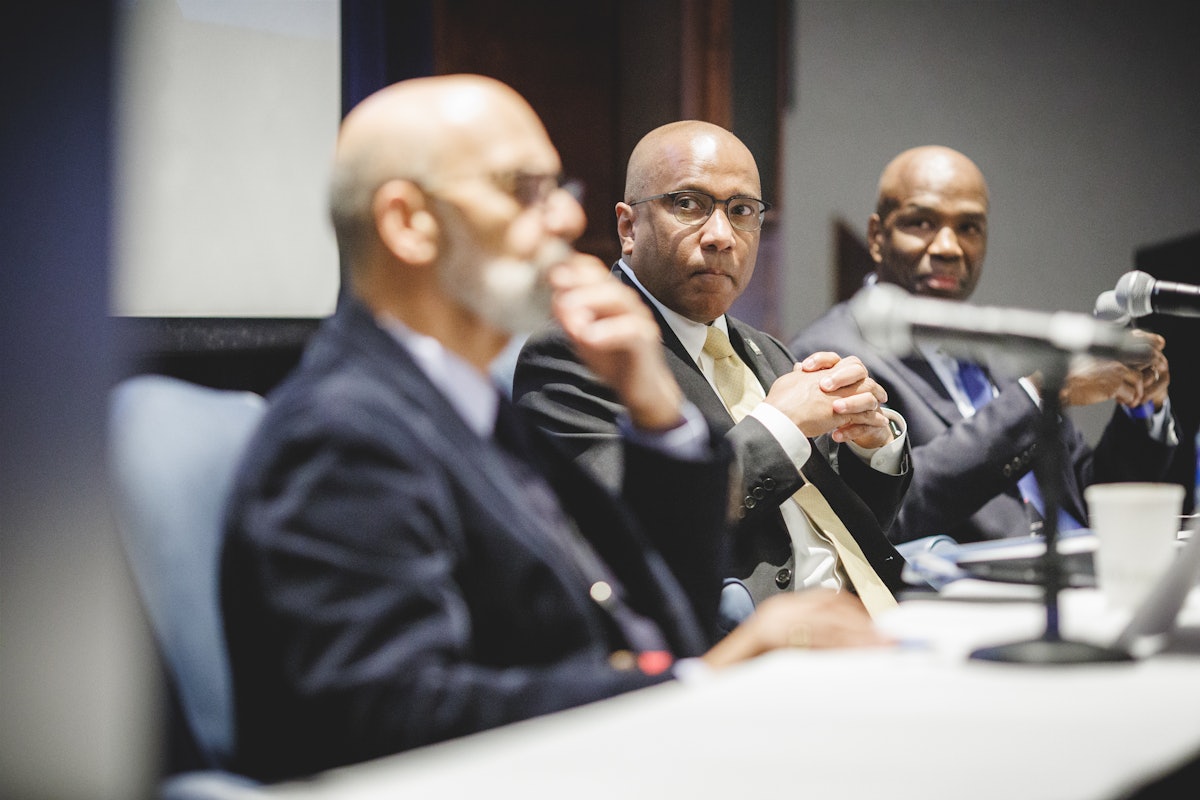
    Dr. Michael Lomax, Dr. Harry L. Williams, and Jim Runcie

    By Michael L. Lomax, Harry L. Williams and Jim Runcie 

    At a time when higher education is facing increased scrutiny, economic headwinds, and technological disruption, a group of institutions is charting a new path forward—one grounded in legacy, strengthened by collaboration and built for the future. These are historically Black colleges and universities (HBCUs). And they are proving that with the right investments and strategic partnerships, transformation is not only possible—it’s scalable.

    Four years ago, UNCF, Thurgood Marshall College Fund (TMCF) and Ed Advancement launched the HBCU Transformation Project—a collective effort to strengthen institutional sustainability, enhance student success and modernize campus operations across a growing network of these mission-driven institutions.

    The results speak volumes. Between 2020 and 2024, while national higher education enrollment declined, institutions participating in the HBCU Transformation Project grew their enrollment by 5.1%. In an era of enrollment contraction, these colleges are not only holding the line—they’re expanding their impact.

    “This effort is rooted in a networked approach,” according to Dr. Michael L. Lomax, president and CEO of UNCF. “When we combine institutional insight with philanthropic investment and aligned technical support, we can accelerate change in ways that benefit students, campuses and communities.”

    The initiative currently supports more than 40 HBCUs—from urban campuses to rural colleges—each selected to represent the diversity and strength of the sector. Through this initiative, campuses have redesigned their enrollment systems, implemented new technology platforms, modernized financial aid processes and invested in data-informed student support services.

    What ties these efforts together is a shared commitment to transformation to secure long-term institutional health and improve outcomes for students. It’s about building the infrastructure that allows these colleges to thrive in a fast-evolving higher education marketplace.

    “Our students need more than degrees. They need meaningful pathways to jobs, leadership and advancement,” according to Dr. Harry L. Williams, president and CEO of TMCF. “This work ensures our institutions are positioned to align with 21st-century workforce needs, opening doors to opportunity.”

    Beyond enrollment and academic programs, the Transformation Project is helping these institutions rethink how they operate. By investing in operations, shared services and scalable back-office solutions, the initiative is removing the all too pervasive obstacles of outdated systems and under-resourced departments. We are making foundational changes that will yield a lasting impact.

    Jim Runcie, CEO of Ed Advancement, put it simply: “We’re helping institutions do what they already do well—but with the right tools, systems and capacity behind them. Sustainable growth starts with operational strength.”

    The economic importance of HBCUs cannot be overstated. According to UNCF’s 2024 Economic Impact Report, these institutions generate $16.5 billion annually and support over 136,000 jobs nationwide. Their graduates—from engineers to educators, scientists to entrepreneurs—fuel industries, build communities and lead across sectors.

    And yet, this value has too often gone underrecognized. The HBCU Transformation Project is shifting that narrative—moving from proof-of-concept to proof-of-impact.

    UNITE 2025, UNCF’s annual convening of institutional leaders and strategic partners, will spotlight this progress. With the theme Together We Lead, UNITE is the premier platform for sharing solutions, surfacing new ideas and catalyzing partnerships. It’s where transformation moves from theory to practice.

    Looking ahead, the path is clear. We must continue to strengthen these institutions—through technology, leadership development, data utilization and investment. The transformation of HBCUs is a smart strategy for the future of American higher education and for maximizing the opportunity to link arms with international partners, seeking to mobilize global communities in a different way.

    Now is the time for more partners—investors, policymakers, employers and innovators—to join us. The groundwork has been laid. The momentum is building. And the opportunity is real.

    Together, we lead.


    Dr. Michael L. Lomax is president and CEO of the United Negro College Fund (UNCF).

    Dr. Harry L. Williams is president and CEO of the Thurgood Marshall College Fund (TMCF).

    Jim Runcie is CEO and co-founder of the Partnership for Education Advancement.
     

    Source link

  • Canceling AmeriCorps grants threatens the future of education and workforce pipelines that power our nation’s progress

    Canceling AmeriCorps grants threatens the future of education and workforce pipelines that power our nation’s progress

    The recent decision to cancel $400 million in AmeriCorps grants is nothing short of a crisis. With over 1,000 programs affected and 32,000 AmeriCorps and Senior Corps members pulled from their posts, this move will leave communities across the country without critical services.

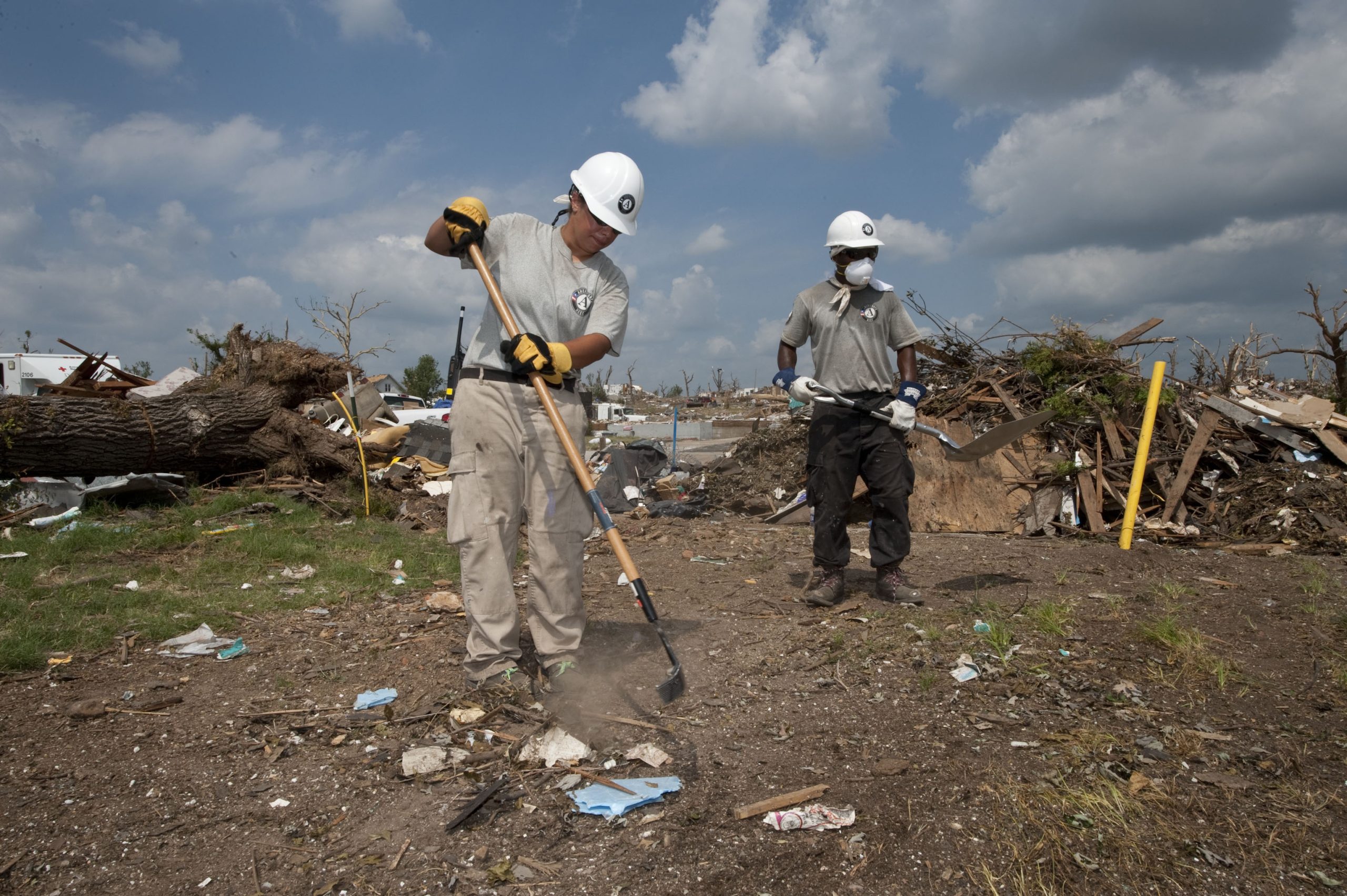
    The cuts will dismantle disaster recovery efforts, disrupt educational support for vulnerable students and undermine a powerful workforce development strategy that provides AmeriCorps members with in-demand skills across sectors including education.

    AmeriCorps provides a service-to-workforce pipeline that gives young Americans and returning veterans hands-on training in high-demand industries, such as education, public safety, disaster response and health care. Its nominal front-end investment in human capital fosters economic mobility, enabling those who engage in a national service experience to successfully transition to gainful employment.

    As leaders of Teach For America and City Year, two organizations that are part of the AmeriCorps national service network and whose members receive education stipends that go toward certification costs, student loans or future education pursuits, we are alarmed by how this crisis threatens the future of the education and workforce pipelines that power our nation’s progress, and it is deeply personal. We both started our careers as corps members in the programs we now lead.

    Related: A lot goes on in classrooms from kindergarten to high school. Keep up with our free weekly newsletter on K-12 education.

    Aneesh began his journey as a Teach For America corps member teaching high school English in Minnesota. Jim’s path began with City Year, serving at a Head Start program in Boston. We know firsthand that AmeriCorps programs are transformative and empower young people to drive meaningful change — for themselves and their communities.

    At Teach For America, AmeriCorps grants are essential to recruiting thousands of new teachers every year to effectively lead high-need classrooms across the country. These teachers, who have a consistent and significant positive impact on students’ learning, rely on the AmeriCorps education awards they earn through their two years of service to pay for their own education and professional development, including new teacher certification fees, costs that in some communities exceed $20,000.

    Termination of these grants threatens the pipeline of an estimated 2,500 new teachers preparing to enter classrooms over the summer. At a time when rural and urban communities alike are facing critical teacher shortages, cutting AmeriCorps support risks leaving students without the educators they need and deserve.

    City Year, similarly, relies on AmeriCorps to recruit more than 2,200 young adults annually to serve as student success coaches in K-12 schools across 21 states, 29 cities and 60 school districts.

    These AmeriCorps members serving as City Year student success coaches provide tutoring and mentoring that support students’ academic progress and interpersonal skill development and growth; they partner closely with teachers to boost student achievement, improve attendance and help keep kids on track to graduate. Research shows that schools partnering with City Year are two times more likely to improve their scores on English assessments, and two to three times more likely to improve their scores on math assessments.

    Corps members gain critical workforce skills such as leadership, problem-solving and creative thinking, which align directly with the top skills employers seek; the value of their experience has been reaffirmed through third-party research conducted with our alumni. The City Year experience prepares corps members for success in varied careers, with many going into education.

    AmeriCorps-funded programs like Breakthrough Collaborative and Jumpstart further strengthen this national service-to-workforce pathway, expanding the number of trained tutors and teacher trainees while also preparing corps members for careers that make a difference in all of our lives.

    Those programs’ trained educators ensure all students gain access to excellent educational opportunities that put them on the path to learn, lead and thrive in communities across the country. And the leaders of both organizations, like us, are AmeriCorps alumni, proof of the lasting effect of national service.

    Collectively, our four organizations have hundreds of thousands of alumni whose work as AmeriCorps members has impacted millions of children while shaping their own lives’ work, just as it did ours. Our alumni continue to lead classrooms, schools, districts, communities and organizations in neighborhoods across the country.

    Related: Tracking Trump: His actions to dismantle the Education Department, and more

    The termination of AmeriCorps grants is a direct blow to educators, schools and students. And, at a time when Gen Z is seeking work that aligns with their values and desire for impact, AmeriCorps is an essential on-ramp to public service and civic leadership that benefits not just individuals but entire communities and our country at large.

    For every dollar invested in AmeriCorps, $17 in economic value is generated, proving that national service is not only efficient but also a powerhouse for economic growth. Rather than draining resources, AmeriCorps drives real, measurable results that benefit individual communities and the national economy.

    Moreover, two-thirds of AmeriCorps funding is distributed by governor-appointed state service commissions to community- and faith-based organizations that leverage that funding to meet local needs. By working directly with state and local partners, AmeriCorps provides a more effective solution than top-down government intervention.

    On behalf of the more than 6,500 current AmeriCorps members serving with Teach For America and City Year, and the tens of thousands of alumni who have gone on to become educators, civic leaders and changemakers, we call on Congress to protect AmeriCorps and vital national service opportunities.

    Investing in AmeriCorps is an investment in America’s future, empowering communities, strengthening families and revitalizing economies. Let’s preserve the fabric of our national service infrastructure and ensure that the next generation of leaders, educators and community advocates who want to serve our nation have the ability to do so.

    Aneesh Sohoni is Teach For America’s new CEO. Previously, he was CEO of One Million Degrees and executive director of Teach For America Greater Chicago-Northwest Indiana. He is a proud alum of Teach For America.

    Jim Balfanz, a recognized leader and innovator in the field of education and national service, is CEO and a proud alum of City Year.

    Contact the opinion editor at [email protected].

    This story about AmeriCorps, Teach For America and City Year was produced by The Hechinger Report, a nonprofit, independent news organization focused on inequality and innovation in education. Sign up for Hechinger’s weekly newsletter.

    The Hechinger Report provides in-depth, fact-based, unbiased reporting on education that is free to all readers. But that doesn’t mean it’s free to produce. Our work keeps educators and the public informed about pressing issues at schools and on campuses throughout the country. We tell the whole story, even when the details are inconvenient. Help us keep doing that.

    Join us today.

    Source link

  • Turning Wounds into Wisdom | Diverse: Issues In Higher Education

    Turning Wounds into Wisdom | Diverse: Issues In Higher Education

    Dr. Vicki Patterson DavidsonCongresswoman Jasmine Crockett (D-Texas) delivered a moving speech at Tougaloo College’s commencement ceremony earlier this month. While listening to her speech, I remembered the three times someone called me the ‘N’ word – once as an elementary school student, once as a high school student, and once as a sophomore at Tougaloo College. Each time, the racial epithet was uttered by a white male.

    My family was one of the first to integrate the North Pike School District in Pike County, Mississippi in the 1970s – fifteen years after Brown v. Board of Education in 1954. I knew it was ignorance that drove others to call me the ‘N’ word during the 1980s and 1990s.

    My daughter experienced a similar remark while growing up in central Mississippi in the mid-2000s. A classmate told her during recess that he “did not play with Black girls.” Heartbroken, I shared two quotes and a song with her later that evening. “Nothing in the whole world is more dangerous than sincere ignorance and conscientious stupidity,” by Dr. Martin Luther King, Jr., and one by Oprah Winfrey, a native Mississippian, who told Wellesley College graduates in 1997 to “turn your wounds into wisdom.”

    That evening we listened to “I’m Here” from the Broadway musical, The Color Purple – a song which resonates with so many Black girls and women across our nation. “I’m Here” would later be performed at the 2010 Kennedy Center Honors celebrating Winfrey. My daughter decided to dress like Winfrey during Black History Month that school year. My daughter had turned her wounds into wisdom.

    Mirroring the courage and strength of Fannie Lou Hamer, a prominent activist who frequently visited Tougaloo College during the Civil Rights Movement, Congresswoman Crockett addressed the state of American civil rights and liberties under the Trump administration. Crockett’s commencement speech was not disturbing. Her speech, full of wisdom, rang with relevance as she stood near the historic steps of the Woodworth Chapel below the steeple bell. The cowardly threats and reactions which followed are what continue to ring with prejudice, hatred, and ignorance nearly fifty-four years after Hamer delivered her famous “Is It Too Late?” speech at Tougaloo in the summer of 1971.  

    Known for its educational excellence and activism in higher education, Tougaloo College is no stranger to controversy. A private, historically Black liberal arts college that has hosted and graduated prominent civil rights leaders and politicians for years, Tougaloo is the same institution that educates and prepares future physicians, scientists, lawyers, educators, and researchers who serve Mississippi and the global community.

    Tougaloo College students, faculty, staff, alumni, friends, and community stand together in wisdom without fear. We are not invisible. We are not silent. We are here.

    Dr. Vicki Patterson Davidson is an alumna and an Assistant Professor of Education and Chair of the Department of Education at Tougaloo College. 

    Source link

  • Book bans draw libraries into damaging culture wars that undermine their purpose

    Book bans draw libraries into damaging culture wars that undermine their purpose

    For the last four years, school and public libraries have been drawn into a culture war that seeks to censor, limit and discredit diverse perspectives.

    Yet time and time again, as librarians have been encouraged or even directed to remove books that include LGBTQ+, Black, Latino and Indigenous characters or themes or history from their collections, they have said no.

    When librarians said no, policy changes were submitted and laws were proposed — all in the name of controlling the library collection.

    Some librarians lost their jobs. Some had their lives threatened. Legislators proposed bills that attempt to remove librarians’ legal protections, strive to prevent them from participating in their national professional associations, seek to limit some materials to “adults only” areas in public libraries and threaten the way library work has been done for decades.

    Here’s why this is wrong. For generations, libraries have been hubs of information and expertise in their communities. Librarians and library workers aid in workforce development, support seniors, provide resources for veterans, aid literacy efforts, buttress homeschool families —among many other community-enriching services. Your public library, the library in your school and at your college, even those in hospitals and law firms, are centers of knowledge. Restrictions such as book bans impede their efforts to provide information.

    Related: Become a lifelong learner. Subscribe to our free weekly newsletter featuring the most important stories in education. 

    Professional librarians study the First Amendment and understand what it means to protect the right to read. We provide opportunities for feedback from our users so that they have a voice in decision-making. We follow a code of ethics and guidelines to make the best selections for our communities.

    It is illegal for a library to purchase pornographic or obscene material; we follow the law established by the Supreme Court (Miller v. California, 1973). That decision has three prongs to determine if material meets the qualifications for obscenity. If the material meets all three, it is considered obscene and does not have First Amendment protection.

    But our procedures have been co-opted, abused and flagrantly ignored by a small and vocal minority attempting to control what type of information can be accessed by all citizens. Their argument, that books are not banned if they are available for purchase, is false.

    When a book or resource is removed from a collection based on a discriminatory point of view, that is a book ban.

    Librarians follow a careful process of criteria to ensure that our personal biases do not intervene in our professional work. Librarians have always been paying attention. In 1939, a group of visionary librarians crafted the Library Bill of Rights to counter “growing intolerance, suppression of free speech and censorship affecting the rights of minorities and individuals.” In 1953, librarians once again came together and created the Freedom to Read Statement, in response to McCarthyism.

    You may see a similar censorship trend today — but with the advent of the internet and social media, the speed at which censorship is occurring is unparalleled.

    Much of the battle has focused on fears that schoolchildren might discover books depicting families with two dads or two moms, or that high school level books are available at elementary schools. (Spoiler alert: they are not.)

    Related: The magic pebble and a lazy bull: The book ban movement has a long timeline

    The strategy of this censorship is similar in many localities: One person comes to the podium at a county or school board meeting and reads a passage out of context. The selection of the passage is deliberate — it is meant to sound salacious. Clips of this reading are then shared and re-shared, with comments that are meant to frighten people.

    After misinformation has been unleashed, it’s a real challenge to control its spread. Is some subject matter that is taught in schools difficult? Yes, that is why it is taught as a whole, and not in passages out of context, because context is everything in education.

    Librarians are trained professionals. Librarians have been entrusted with tax dollars and know how to be excellent stewards of them. They know what meets the criteria for obscenity and what doesn’t. They have a commitment to provide something for everyone in their collections. The old adage “a good library has something in it to offend everyone” is still true.

    Thankfully, there are people across the country using their voices to fight back against censorship. The new documentary “Banned Together,” for example, shows the real-world impact of book banning and curriculum censorship in public schools. The film follows three students and their adult allies as they fight to reinstate 97 books pulled from school libraries.

    Ultimately, an attempt to control information is an attempt to control people. It’s an attempt to control access, and for one group of people to pass a value judgment on others for simply living their lives.

    Libraries focus on the free expression of ideas and access to those ideas. All the people in our communities have a right to read, to learn something new no matter what their age.

    Lisa R. Varga is the associate executive director, public policy and advocacy, at the American Library Association.

    Contact the opinion editor at [email protected].

    This story about book bans was produced by The Hechinger Report, a nonprofit, independent news organization focused on inequality and innovation in education. Sign up for Hechinger’s weekly newsletter.

    The Hechinger Report provides in-depth, fact-based, unbiased reporting on education that is free to all readers. But that doesn’t mean it’s free to produce. Our work keeps educators and the public informed about pressing issues at schools and on campuses throughout the country. We tell the whole story, even when the details are inconvenient. Help us keep doing that.

    Join us today.

    Source link

  • Supreme Court Must Not Undermine Public Education in Religious Charter Case – The 74

    Supreme Court Must Not Undermine Public Education in Religious Charter Case – The 74


    Get stories like this delivered straight to your inbox. Sign up for The 74 Newsletter

    Last week, the Supreme Court held oral arguments in a case that could undermine public education across America. The question the court is looking to answer is whether a religious institution may run a publicly funded charter school — a move that would threaten not only the separation of church and state, but the right of every student to access free, high-quality learning.

    In 2023, Oklahoma’s Statewide Virtual Charter School Board approved St. Isidore of Seville Catholic Virtual School, an action that would make it the nation’s first-ever religious charter school. It would be governed by Catholic religious doctrine in its syllabus, operations and employment practices. It would use taxpayer dollars to pay for religious instruction. And it could turn away students and staff if their faith or identity conflict with Catholic beliefs. 

    Here’s the issue: Charter schools were created to be public schools. They are open to all students, from every background, tradition and faith community. They are publicly funded and tuition-free. And they are secular. 

    That’s not an arbitrary distinction – it’s a constitutional one, grounded in the law and embedded in charter schools’ very design. The First Amendment’s Establishment Clause bars the government from promoting or endorsing any religion through public spaces or institutions. This foundational rule has ensured that students of all backgrounds can access public schools. It does not stifle religious expression — the Constitution fully protects this freedom, and religious education is available in other venues. Personally, I was, in fact, educated at Jesuit Catholic schools for my entire academic career. 

    Parochial education has long been an accepted and important part of the education ecosystem, serving a variety of students and often filling an important need. Religiously affiliated schools have a long history of educating and caring for children who are new to this country and underserved, and supporting families who are overlooked. But promoting the exclusive teachings of a specific religion with public funds in a public school violates a clear constitutional principle. 

    The issue isn’t only a legal matter; it’s about the character of public education itself. Muddying the boundary between public and religious institutions would undercut a fundamental commitment made by the nation’s public charter schools: that they are accessible to every student. It would undermine legal protections that keep public services available to the public. 

    Rather than creating more opportunities for America’s students, it would constrict opportunities for a high-quality education, especially in states that are hostile toward charters or alternative public school models. Legislative bodies could seek to eliminate funding for all unique school types if the court decision forced them to fund religious schools operating with public dollars. This would curtail or dismantle strong independent schools, 30-year-old public charter schools and schools with unique programs designed for special populations.

    As executive director of the DC Charter School Alliance, and a long-time public charter school advocate, I’ve seen the importance of public charter schools firsthand. Here in the District of Columbia, charter schools serve nearly half of the public school students in the city. Outstanding educators from all walks of life teach a wide range of subjects with enthusiasm and expertise to prepare young people for success. Our students bring to the classroom an incredible range of experiences, including faith traditions. And every student, family and faculty member is welcome. D.C.’s charter schools reflect a core American value: the promise of a high-quality public education for all. 

    The justices of the Supreme Court face a clear and critical choice: They can bolster that promise, or they can tear it down. If the court allows a religious school to operate with public funds, there is no doubt that it will open the floodgates to other proposals across the country. Taxpayers could be forced to foot the bill for countless new and converted schools, draining resources from an already financially strapped education system. True public charter schools — the ones committed to high standards, positive results and opportunity for all — could bear the cost. And the students who rely on them could suffer. 

    Public education is one of America’s most vital institutions. It offers all children, no matter their background or beliefs, access to free, high-quality learning. Charter schools play an essential role in making that promise real. But allowing a religious school to operate with public funds turns public education into something much more restrictive, dismantling its very foundation.

    The court must reaffirm this indisputable truth: Public schools should remain public — and open to all. 


    Get stories like these delivered straight to your inbox. Sign up for The 74 Newsletter

    Source link

  • RFK Jr.’s Autism Misinformation Undermines Equity—and the Role of Higher Education

    RFK Jr.’s Autism Misinformation Undermines Equity—and the Role of Higher Education

    Dr. Yolanda WigginsRobert F. Kennedy Jr.’s recent claims about rising autism rates directly contradict the findings of a rigorous, peer-reviewed study from the Centers for Disease Control and Prevention. While the CDC attributes the increase to better diagnostic tools and broader awareness—especially among historically underdiagnosed populations—Kennedy has revived a discredited suggestion that environmental factors, including vaccines, may be responsible.

    This isn’t just political theater. It’s part of a broader and troubling pattern: a sustained attack on scientific research, the public institutions that produce it, and the higher education system that trains the researchers behind it.

    As a sociology professor at a public university, I’ve watched with concern as public trust in science and expertise has eroded. The pandemic magnified these trends, but they have long been in motion—accelerated by social media, political polarization, and the growing popularity of conspiratorial thinking. The resurgence of autism misinformation is just the latest iteration.

    The CDC’s study represents the best of public-facing science: it’s evidence-based, transparent, and focused on improving equity. The data show that more children—especially Black, Latino, and low-income children—are finally being diagnosed and receiving support. For decades, these children were overlooked in clinical research and excluded from early intervention programs. Their families often lacked access to diagnostic services, and cultural stigma around disability further compounded delays in recognition and care.

    That makes this progress all the more important. It means health and education systems are becoming more responsive to the needs of diverse communities. It’s a win for public health, for special education, and for racial equity. But Kennedy’s remarks obscure that progress and instead imply institutional deceit, further corroding the already fragile relationship between the public and research institutions.

    This moment should concern everyone in higher education. When research is publicly undermined by powerful voices, it isn’t just scientists or health experts who lose credibility—it’s the entire academic enterprise. Faculty working in controversial or misunderstood fields face online harassment. Public universities face funding cuts. Politicians introduce legislation to restrict what can be taught, who can be included, and which research is “acceptable.” These are not isolated attacks. They are part of a broader campaign to delegitimize the role of higher education in a democratic society.

    We’ve seen it before. Climate science, gender studies, and even basic public health data have been politicized and distorted. In many cases, these attacks are racialized, aimed at scholars of color or those researching topics related to race, equity, and social justice. The goal is not simply to disagree with findings—it’s to sow public doubt about the legitimacy of the research process itself.

    If higher education wants to defend its role in shaping public understanding and policy, we must do more than produce knowledge—we must also protect it. That means publicly pushing back when bad actors distort science. It means communicating our research clearly and accessibly, especially in communities where trust in institutions has historically been low. And it means preparing the next generation of students not only to be critical thinkers, but to be defenders of fact in an era that increasingly devalues it.

    The consequences of not responding are far-reaching. When misinformation takes root, it influences public health decisions, erodes confidence in life-saving vaccines, and increases distrust in institutions we rely on during crises. The damage isn’t abstract—it’s measurable in declining vaccination rates, increased health disparities, and growing skepticism toward experts in medicine, climate science, and education. The ripple effects extend into classrooms, clinics, and communities, where the stakes are all too real.

    It also threatens the progress being made in autism awareness and support, particularly in communities that have only recently gained access to diagnostic and therapeutic services. When Kennedy promotes falsehoods about the cause of autism, he doesn’t just mislead the public—he makes it harder for families to trust medical providers, harder for schools to advocate for neurodiverse students, and harder for researchers to do their work without facing backlash.

    Kennedy’s remarks may seem like a fringe view to those of us working in higher ed. But their reach—and their harm—are real. If we remain silent, we risk allowing misinformation to fill the vacuum we leave behind. That vacuum won’t remain empty. It will be filled with falsehoods that, once embedded in public consciousness, are incredibly difficult to reverse.

    This is a time for the academic community to speak clearly and often. We must show that science is not about dogma—it’s about rigor, peer review, and accountability. We must reaffirm that public universities serve not just students, but society. And we must reclaim our role in informing the public—not just in lecture halls and labs, but in newspapers, social media, and public discourse.

    We can’t afford to treat this moment as politics as usual. It’s a test of our collective commitment to truth, equity, and the public good. The integrity of science—and the credibility of higher education—depends on it.

    Dr. Yolanda Wiggins is an Assistant Professor of Sociology at San José State University.


    Source link

  • How universities can turn QILT data into action – Campus Review

    How universities can turn QILT data into action – Campus Review

    Universities today have access to more data than ever before to assess student success and graduate outcomes. But having data is only part of the equation. The real challenge is turning insights into action.  

    Please login below to view content or subscribe now.

    Membership Login

    Source link

  • A Blueprint for College Students’ Sense of Belonging

    A Blueprint for College Students’ Sense of Belonging

    A Dr. Terrell L. Strayhornfew years ago, Liu (2023) published, “Everyone is Talking about ‘Belonging’” in The Chronicle of Higher Education. Her opening lines were perennial: “It’s everywhere. College t-shirts, notepads, and posters proclaim, “You Belong!” That was true then and it still rings true today. Indeed, belonging is proudly displayed on a larger-than-life sign at Kent State’s library. It’s part of wayfinding signage at University of Washington and LeMoyne-Owen College. It’s a button at William & Mary. A landing page for student-facing websites at University of Michigan and Amherst College, just to name a few. It’s a cabinet-level position at Belmont University, Harvard University, and University of Massachusetts Boston. 

    There can be no question that this reflects a growing infrastructure to support belonging for all faculty, staff, and students in higher education. Despite these shifts and scaling of efforts, “no one has perfected a blueprint for belonging,” Liu concluded. That’s likely because though everyone is talking about it, few seem to know what to do about it. This is the topic we took to task in “Fostering Healthier Campuses: Applying Sense of Belonging Theory to Student Affairs Research and Practice” at the recent annual meeting of NASPA–Student Affairs Administrators in Higher Education. 

    2025 NASPA CONFERENCE

    NASPA brought together over 6,600 student affairs professionals from across the country to New Orleans, Louisiana for connection, reflection, and renewal, three anchors of this year’s theme. Being in “The Big Easy” is significant according to NASPA President and long-time student success champion, Dr. Amelia Parnell, who shared on LinkedIn: “I’ll tell anyone that student affairs professionals are some of the most thoughtful people in higher education and our time together in New Orleans confirmed it for me again.The 5-day annual meeting consisted of keynote speakers, sponsored receptions, and dozens of educational sessions and programs. Interestingly, dozens of conference sessions, like ours, had “belonging” somewhere in the title, according to NASPA’s mobile app.  

    Likely a testament to the urgency of the moment and relevance of the message, our 50-minute session was standing-room only. Typical of what happens when we join forces, fueled by our commitment to a shared mission, we stood on business and spoke to everyone’s mind straight from the heart in ways that would renew many souls. At one point, Terrell exclaimed, “Belonging’s a feeling so it can’t be fabricated, faked, or funked. It must be built…but building it can’t break us!” Builders need blueprints and we offered one using belonging theory as a guide, detailing how to move from having good intentions to making systemic change, from talking about belonging to creating conditions for it where all students, faculty, and staff truly feel it, just the way they are.

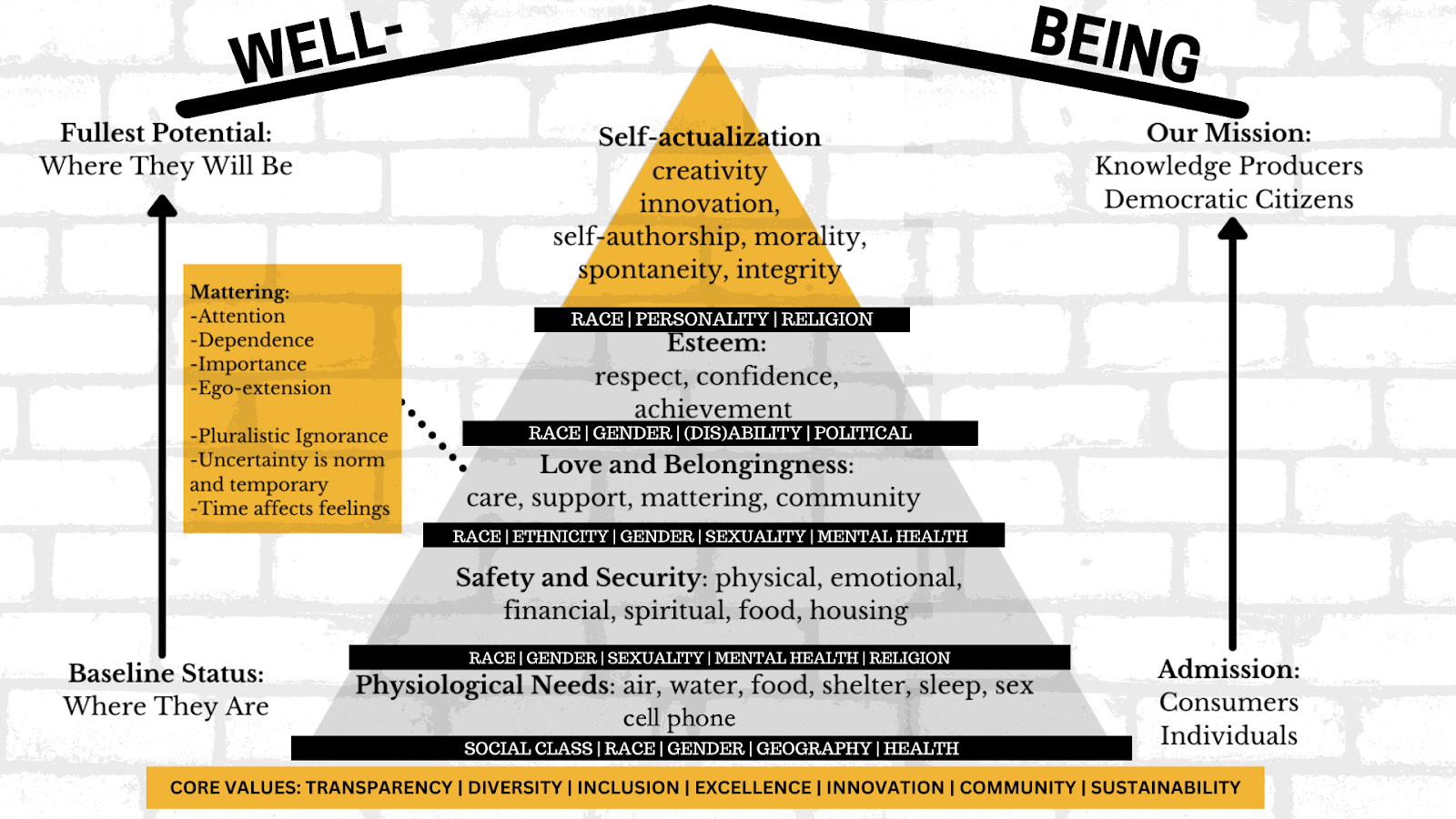
    Figure 1 is a visual representation of points shared in the session. 

    Figure 1. Sense of belonging model as a blueprint

    BELONGING 1.0

    Dozens of studies agree that sense of belonging is defined as “a basic…need [and human right], a fundamental motivation, sufficient to drive behaviors and perceptions. Its satisfaction leads to positive gains such as happiness, elation, wellbeing, achievement, and optimal functioning” (Strayhorn, 2019, p. 9). Belonging has seven core elements, one of which is it must be renewed continuously as conditions and circumstances change. For example, students may face new challenges that impact their sense of belonging at every stage of their academic journey. New challenges may require different supports that change semester to semester or year to year. Early on, students may need help navigating the physical terrain of campus, but, as seniors, they may desire coaching for career success. Any blueprint for belonging must consider these factors as part of the masterplan in design.

    J'Quen JohnsonJ’Quen JohnsonRECOMMENDATIONS: BELONGING 2.0 & BEYOND

    During Q&A, a chorus of voices confirmed that many campus professionals are convinced about the importance of belonging and what it can do for students, even some faculty and staff. But what’s much less clear is how to facilitate, engender, or boost belonging for all students, using theory as a blueprint. To this, we etched a few recommendations for “promising practices” on the canvas of gathered minds. Here are three evidence-backed ideas that hold promise for boosting students’ belonging on college campuses:

    Meeting Basic Needs. One building block for belonging is satisfying students’ basic needs: air, water, food, shelter, sleep, and personal enjoyment. When campuses take proactive steps to ensure that students have access to what they need, they open up possibilities for them to become who they are or aspire to be in terms of learning and development. Rutgers’ new, state-of-art Basic Needs Center is a prime example, offering extended operating hours, a mobile pantry, textbook loans, and life skills courses, just to name a few.

    Designing Culturally Relevant Programs. Another building block for belonging is tied to how students’ identities shape their experiences on- and off-campus. College women are more prone to feeling unsafe and recent reports show rising rates of trans violence, especially in light of anti-LGBTQ+ laws. Feeling unsafe and unwanted off campus heightens students’ need for belonging on campus. Hosting trans awareness events, safe zone training, “Take Back the Night,” and “Walk a Mile in Her Shoes,” for instance, are effective strategies for creating inclusive campus climates. University of California, Berkeley’s Center for Educational Justice and Community Engagement hosts events like Women’s Community Love and Leadership Dinner, LGBTQ+ Career Conference, and Feminist Film Fridays.

    Creating Positive Connections. A third building block for belonging is drawn from the middle of the blueprint–underscoring the importance of care, connectedness, and community. Community on campus flows from frequent, positive interactions with others, namely peers, faculty, and staff like advisors, coaches, and mentors. Architects of belonging pay attention to the quantity of students’ interactions with campus personnel, finding ways to nudge more frequent connections with academic advisors through micromessaging campaigns or faculty through first-year experience (FYE), undergraduate research, or “Take Your Professor to Lunch” initiatives. Alongside quantity, belonging builders assess the quality of such interactions to assure they’re warm, welcoming, and supportive.

    CONCLUSION

    If nothing else, we hope this provides higher education professionals a blueprint for boosting belonging on college campuses. It’s a blueprint, not the blueprint as what works best for Institution A may reap little for Institution B, and vice versa. Remember, belonging is a feeling. Just like bricks, feelings can be mixed and hardened over time. Changing people’s feelings is hard work, but that’s no excuse for retreat. Hard work is good work, and we must do good work. Anything less would be unbecoming and yes…unbelonging.

    Dr. Terrell L. Strayhorn is Professor of Education and Psychology at Virginia Union University, where he also serves as Director of Research in the Center for the Study of HBCUs.

    J’Quen Johnson is a research associate and consultant at Do Good Work Consulting Group and a Ph.D. candidate at University of the Cumberlands.

    Source link

  • OPINION: Policy changes sweeping the nation are harming our students. Educators must fight back

    OPINION: Policy changes sweeping the nation are harming our students. Educators must fight back

    Here’s a true story from North Carolina. Two elementary school children under the age of 10 waited for their parents to come home. We know they cleaned the dishes; the house was immaculate when someone finally came.

    The children did not attend school for a number of days. After three days, someone from their school reached out to a community member with concern for their well-being.

    While they were home alone instead of in school, the children made their own food and drank water. Their parents, who had been detained by ICE, had nurtured these skills of independence, so the children were not yet hungry or thirsty when someone finally came.

    Similar scenes are likely happening across the U.S. as President Trump aggressively steps up efforts to deport undocumented immigrants. The new policies sweeping the nation deeply affect and harm our children.

    Related: A lot goes on in classrooms from kindergarten to high school. Keep up with our free weekly newsletter on K-12 education.

    Teachers: This is the moment when we need to rise to the occasion, because children are being wronged in uncountable ways. Protections that allow them to express their gender identities are under threat. Their rights to learn their diverse histories and understand the value of their communities are being chipped away bit by bit.

    These threats, one at a time, layer after layer, amount to profound harm. So let us be especially vigilant.

    The responsibility to challenge these threats cannot fall solely on the shoulders of individual teachers. We must have systems in place that allow us to swiftly raise concerns about student well-being.

    Schools, districts, and states must provide resources and structures — like wellness checks, counseling and communication with community services — that allow us to act swiftly when the safety of our students is at risk.

    As public servants, we must live out our charge to protect and advocate for the children we serve by taking immediate action to ensure their safety in whatever ways we are able. That means actively noticing when students are missing and when they are struggling.

    Public education has long wrestled with the role of politics in schools. No matter how we answer questions about political content, educators have been unified in the goal of nurturing children’s thinking and flourishing.

    Our state constitution and many others’ declare that all children are entitled to a “sound basic education,” and our professional responsibilities extend to their safety. In North Carolina, the first category of the code of ethics for educators pertains to professional ethical commitments to students.

    To uphold these professional commitments, the educator “protects students from conditions within the educator’s control that circumvent learning or are detrimental to the health and safety of students.”

    This protection must be more than theoretical. When our students are at risk, we have our constitutional guarantees and ethical commitments.

    The brutal example of the children whose parents were taken away is one of many. We cannot fathom all that the children needed to know in order to survive those harrowing few days alone in their home. We do know they were ready.

    We can assume that perhaps they read their favorite books or calculated measurements while cooking themselves dinner, utilizing skills they learned in our classrooms. What we do know is that the knowledge taught to them by their families and community ensured their safety.

    The community member who ultimately went to check in on the missing students used a “safe word” — one that the children had been taught to listen for before ever opening their door to a stranger.

    The children did not open the door until that word was spoken. Hearing that word, they reportedly asked: “Are Mommy and Daddy OK? ICE?”

    These are the lessons young children are living by today. Safe words to protect themselves from adults who prey on their families. Skills of survival to hide at home, cooking and caring for themselves without seeking help from others if they find themselves alone.

    Related: Child care centers were off limits to immigration authorities. How that’s changed

    A protective silence now envelops all the children in the community where those parents were seized. An example has been made and now those in their community are hiding in fear or fleeing. The idea that this example is a model to be followed is a transgression of our ethical compact to care for these children, who are no longer in school, due to their fear, hiding with family members.

    Recognizing, acting on and speaking back to this injustice is precisely the sort of resistance and professionalism that binds our practice as educators. It is what we write of today.

    The children were ready. Educators need to be as well.

    We must use our voices to illuminate the harm being done to the children we know, honor and teach. Let us replace silences with spoken truths about their power and ours to survive and to resist; let us live out the expectation that public service must be enacted with humanity.

    We have a professional responsibility to not look away. This is not just a moral argument. We are their teachers, and we must ask: How will the students in my classroom survive? And how can we help them?

    Simona Goldin is a research professor in the Department of Public Policy at the University of North Carolina. Debi Khasnabis is a clinical professor at the University of Michigan’s Marsal School of Education.

    Contact the opinion editor at [email protected].

    This story about Trump administration policy changes and students was produced by The Hechinger Report, a nonprofit, independent news organization focused on inequality and innovation in education. Sign up for Hechinger’s weekly newsletter.

    The Hechinger Report provides in-depth, fact-based, unbiased reporting on education that is free to all readers. But that doesn’t mean it’s free to produce. Our work keeps educators and the public informed about pressing issues at schools and on campuses throughout the country. We tell the whole story, even when the details are inconvenient. Help us keep doing that.

    Join us today.

    Source link

  • COLUMN: Trump is bullying, blackmailing and threatening colleges, and they are just beginning to fight back

    COLUMN: Trump is bullying, blackmailing and threatening colleges, and they are just beginning to fight back

    Patricia McGuire has always been an outspoken advocate for her students at Trinity Washington University, a small, Catholic institution that serves largely Black and Hispanic women, just a few miles from the White House. She’s also criticized what she calls “the Trump administration’s wholesale assault on freedom of speech and human rights.”

    In her 36 years as president, though, McGuire told me, she has never felt so isolated, a lonely voice challenging an agenda she believes “demands a vigorous and loud response from all of higher education. “

    It got a little bit louder this week, after Harvard University President Alan Garber refused to capitulate to Trump’s demands that it overhaul its operations, hiring and admissions. Trump is now calling on the IRS to rescind Harvard’s tax-exempt status.

    The epic and unprecedented battle with Harvard is part of Trump’s push to remake higher education and attack elite schools, beginning with his insistence that Harvard address allegations of antisemitism, stemming from campus protests related to Israel’s bombardment of Gaza following attacks by Hamas in October 2023.

    Related: Become a lifelong learner. Subscribe to our free weekly newsletter featuring the most important stories in education.

    Garber responded that “no government — regardless of which party is in power — should dictate what private universities can teach, whom they can admit and hire, and which areas of study and inquiry they can pursue” — words that Harvard faculty, students and others in higher education had been urging him to say for weeks. Students and faculty at Brown and Yale are asking their presidents to speak out as well.

    Many hope it is the beginning of a new resistance in higher education. “Harvard’s move gives others permission to come out on the ice a little,” McGuire said. “This is an answer to the tepid and vacillating presidents who said they don’t want to draw attention to themselves.”

    Harvard paved the way for other institutions to stand up to the administration’s demands, Ted Mitchell, president of the American Council on Education, noted in an interview with NPR this week.

    Stanford University President Jonathan Levin immediately backed Harvard, noting that “the way to bring about constructive change is not by destroying the nation’s capacity for scientific research, or through the government taking command of a private institution.”

    Former President Barack Obama on Monday urged others to follow suit.

    A minuscule number of college leaders had spoken out before Harvard’s Garber, including Michael Gavin, president of Delta College, a community college in Michigan; Princeton University’s president, Christopher Eisgruber; Danielle Holley of Mount Holyoke; and SUNY Chancellor John B. King Jr. Of more than 70 prominent higher education leaders who signed a petition circulated Tuesday supporting Garber, only a handful were current college presidents, including Michael Roth of Wesleyan, Susan Poser of Hofstra, Alison Byerly of Carleton, David Fithian of Clark University, Jonathan Holloway of Rutgers University and Laura Walker of Bennington College.

    Speaking out and opposing Trump is not without consequences: The president retaliated against Harvard by freezing $2.2 billion in grants and $60 million in contracts to Harvard.

    Related: For our republic to survive, education leaders must remain firm in the face of authoritarianism

    Many higher ed leaders think it’s going to take a bigger, collective effort fight for everything that U.S. higher education stands for, including those with more influence than Trinity Washington, which has no federal grants and an endowment of just $30 million. It’s also filled with students working their way through school.

    About 15 percent are undocumented and live in constant fear of being deported under Trump policies, McGuire told me. “We need the elites out there because they have the clout and the financial strength the rest of us don’t have,” she said. “Trinity is not on anyone’s radar.”

    Some schools are pushing back against Trump’s immigration policies, hoping to protect their international and undocumented students. Occidental College President Tom Stritikus is among the college presidents who signed an amicus brief this month detailing concerns about the administration’s revocation of student and faculty visas and the arrest and detention of students based on campus advocacy.

    “I think the real concern is the fear and instability that our students are experiencing. It is just heartbreaking to me,” Stritikus told me. He also spoke of the need for “collective action” among colleges and the associations that support them.

    Related: Tracking Trump: His actions to abolish the Education Department, and more

    The fear is real: More than 210 colleges and universities have identified 1,400-plus international students and recent graduates who have had their legal status changed by the State Department, according to Inside Higher Ed. Stritikus said Occidental is providing resources, training sessions and guidance for student and faculty.

    Many students, he said, would like him to do more. “When I’m around students, I’m more optimistic for our future,” Stritikus said. “Our higher education system has been the envy of the world for a very long time. Clearly these threats to institutional autonomy, freedom of expression and the civil rights of our community put all that risk.”

    Back at Trinity Washington, McGuire said she will continue to make calls, talk to other college presidents and encourage them to take a stronger stand.

    “I tell them, you will never regret doing what is right, but if you allow yourself to be co-opted, you will have regret that you caved to a dictator who doesn’t care about you or your institution.”

    Contact Liz Willen at [email protected]

    This story about the future of higher education was produced by The Hechinger Report, a nonprofit, independent news organization focused on inequality and innovation in education. Sign up for the Hechinger newsletter.

    The Hechinger Report provides in-depth, fact-based, unbiased reporting on education that is free to all readers. But that doesn’t mean it’s free to produce. Our work keeps educators and the public informed about pressing issues at schools and on campuses throughout the country. We tell the whole story, even when the details are inconvenient. Help us keep doing that.

    Join us today.

    Source link