Dr. Zori Paul and Natalie Jeung started a podcast about their geeky passions and mental health. What’s it like to start a podcast with your friend? An academic interview with Jennifer van Alstyne.
JUST LIVE
What’s it like to start a podcast with your friend? Dr. Zori Paul and Natalie Jeung, LCPC, NCC met in their master’s program. Years later, they started a podcast together where two therapists nerd out about their geeky passions and mental health. Video games, movies, and interests they love are a scope for new episodes of the podcast. Zori and Natalie share about their podcasting journey. Not just the process behind getting started, but the emotional and social journey of putting your podcast out there too.
0:00 Meet Zori Paul and Natalie Jeung 2:50 What sparked the idea for having your podcast? 4:31 Social media and video editing for the podcast 6:22 Different methods of doing the podcast 9:24 What’s Therapy on a Tangent about? What Zori and Natalie love to talk about 12:01 Video games, Inside Out, and Miyazaki, and clinical work as therapists 17:50 When is something not quite right for your show? 19:56 Looking back to the start, celebrating 1 year for their show 23:29 Podcasting equipment and skills you’ve grown over time 32:18 What’s it like to share your podcast with people? 39:15 At the heart of their podcast is friendship, trust, and collaboration
A full text transcript will be coming to the blog in the coming week or so. I’ll also be adding English captions to the YouTube video for you too.Thank you! —Jennifer
Therapy on a Tangent Podcast
Hosted by Zori Paul, PhD, LPC, NCC and Natalie Jeung, LCPC, NCC
Bios
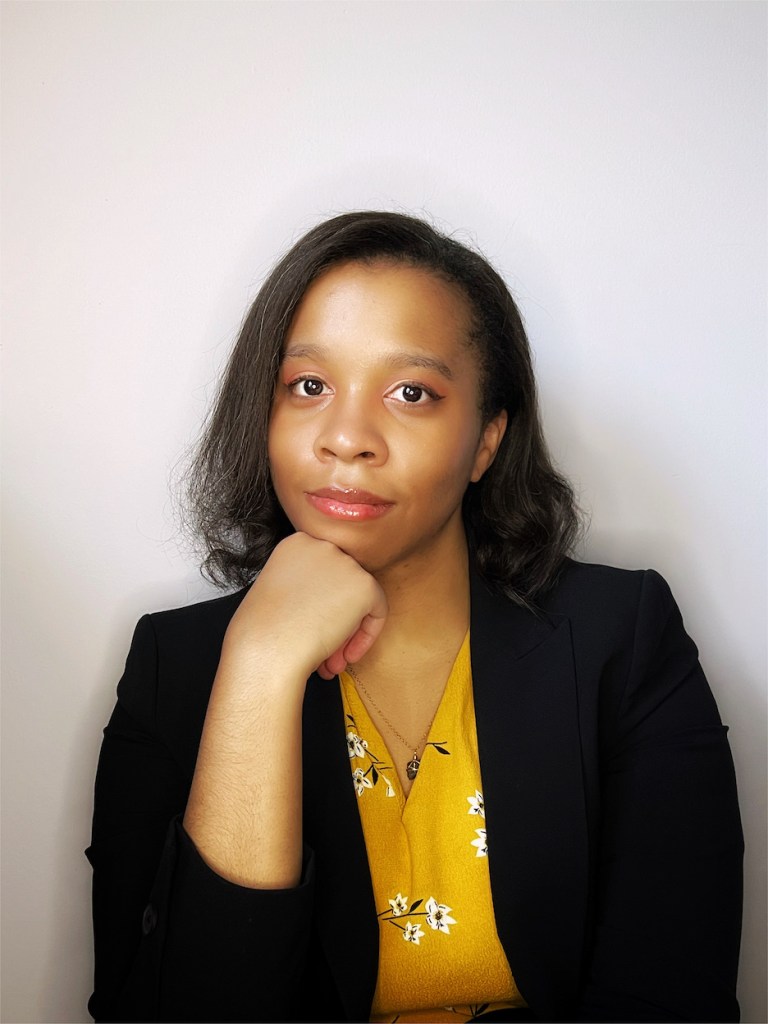
Zori Paul, PhD, LPC, NCC
Dr. Zori Paul (she/her) is a Chicago native, licensed professional counselor, counselor educator, and researcher. She is also the co-host of Therapy on a Tangent, a podcast where two therapists nerd out about their geeky passions and mental health. Dr. Paul received her Ph.D. in counseling from the University of Missouri – St. Louis, her M.A. in clinical mental health counseling from Northwestern University, and her B.A. in comparative human development and minor in gender and sexuality studies from the University of Chicago. Her research focuses on the mental health and stressors of individuals with multiple marginalized identities, specifically bisexual+/queer people of color; cross-cultural mentorship in counseling programs; and the ethical use of social media and AI by counselors and other mental health professionals.
Natalie Jeung, LCPC, NCC
Natalie Jeung, LCPC, NCC, is a Licensed Clinical Professional Counselor. She is the owner of Side Quest Counseling Services, which provides counseling services in Illinois, Indiana, and Iowa. She enjoys doing life with people and destigmatizing gamers and geeks in the mental health space. Her passion for working with video gamers came from her journey as a video gamer and desire to bring inclusive care to those who feel marginalized by society. Her clinical work also includes working with people navigating their different identities, family systems and family of origin issues, parenting, and inner child work. When she is not wearing her therapist hat, she enjoys hanging out with her cat, playing video games, being a foodie, and going on random adventures.
As communications manager, I quickly learned that translation is never just about swapping words. It’s about tone, style, even design. A press release that sounded professional in Paris could feel cold in Rome. A social media graphic that looked fresh in Madrid felt too flashy in Berlin.
The solution was to build a common identity and then let each country adapt it. Slower, yes. But the result felt more authentic, and audiences responded.
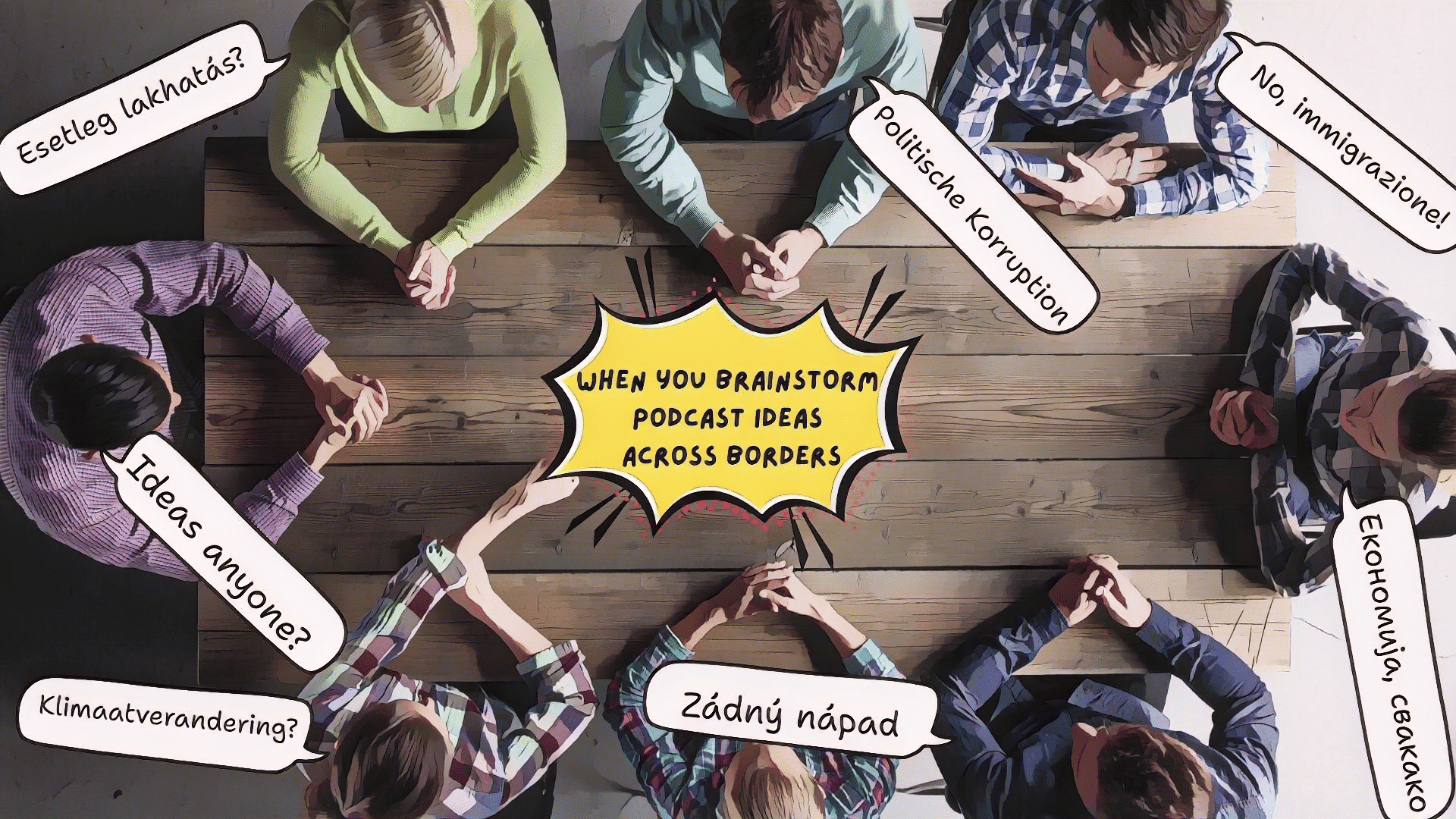
These challenges are not unique to communication teams; they are central to journalism itself. The biggest stories today — migration, climate change, political unrest — rarely stop at national frontiers. To cover them well, reporters must collaborate across borders.
Translation beyond words
That type of collaboration is messy. Sources are harder to coordinate. Legal and cultural differences can complicate investigations. And readers, or listeners, may have very different expectations depending on their nationality or where they live.
But when it works, it is powerful. Our podcasts carried voices across Europe, letting audiences in one country hear accents, pauses and perspectives from another. It turned abstract debates into human stories.
Working across cultures also reminded me that projects are not just tasks — they are people. Some partners preferred long memos, others quick calls. Some valued hierarchy, others wanted open debate. I learned to leave space for informal chat, to ask how colleagues were doing before diving into deadlines.
Those small gestures built trust, and trust kept the project moving.
For young journalists and students, the lesson is simple: cross-border work can feel messy, but it’s worth it. Don’t be discouraged by misunderstandings; they often lead to clearer understanding. Pay attention not only to language, but to culture. And above all, listen.
My two years with WePod taught me that communication is less about perfect phrasing and more about building bridges. In the end, that is what journalism itself is meant to do: connect people across borders, cultures and languages.
Questions to consider:
1. What does the author mean by translating is more than swapping out words?
2. How can people from different countries and cultures find a common identity?
3. How would you communicate with someone who speaks a different language?
Academic voices should be heard. Are you open to sharing yours? This episode of The Social Academic is about podcasting. Podcast host, coach, and producer, Cheryl Lau joins me to talk about podcasting for academics like you.
Have you been a guest on a podcast? Have you thought about starting your own podcast as an academic? Much of this conversation is advice for people who want to be guests on the show.
Cheryl Lau is the host of the EDIT HISTORY podcast, podcast content strategist, and podcast producer.
Cheryl started her own podcast in 2020. Her show was shortlisted for the 2024 Asia Podcast Awards (by Radioinfo Asia) in the “Best Money and Business Podcast” category and won the 2023 Golden Crane Award (by the Asian American Podcasters Association) in the “Best Entrepreneur/Solopreneur Podcast” category.
Today, she helps business owners, consultants, and creators build a podcast content strategy that resonates with their audience, differentiates their brand, and establishes their position in the industry.
She also works with organizations and established shows through podcast production. From ideation and guest prep to editing, publishing, and promotion, Cheryl oversees every stage of podcast production.
What do you dream about your online presence that you’re not at now? Is there something you think you want in the future, but you just can’t see it happening? Feel like it will take more work than you have capacity for right now?
That’s how I felt about my blog/podcast/updating my website. At one point, I felt not good about each of these things. You see, website updates are something that can happen anytime. For professors that might include adding a new publication or speaking engagement.
But when there are substantive changes you dream about? Or a new project? Sometimes that list of to-do’s can add up. That makes it more than updating what you already have.
For your online presence, that might look like doing an overhaul of your LinkedIn profile. Writing a new academic bio or faculty profile. Doing a professional photoshoot for photos of you.
So what sparked taking action for me? Doing it for myself wasn’t enough. It’s when I thought about who this would help, the people who were involved. Which is you! The readers! And all the academics to come.
I was open about the fact that I was behind on this with my friends, Brittany Trinh and Jennifer Ho. They happened to need to update their websites too. I ended up hosting a coworking day for us. It was fun to do it together, each of us using our energy towards better communication. Sharing a clear representation of who we are on our websites is always a good use of time.
That’s true for clients I work with on their websites. We’re doing it together. The process of dreaming can make it beautiful. If you have a friend or colleague who is also interested in their online presence, I encourage you to do it together and cheer each other on too.
That’s one thing I love about websites: it allows me to create an open source trove of articles and interviews that people can find, and people do find, even years after they’ve been shared.
I’m sharing this story with you because of what came after my redesign, when there was no more to-do list and I had space to think and dream again. That’s when creative opportunity sparked.
I want to have more conversations with professors, grad students, researchers, the people who help them… because telling our own stories is really powerful.
When we can build community and share what we’re open about with people in ways that could help them, we have to make that work for our lives. It has to be doable within our creative constraints, equipment, budget, tech, skills, and time. There are all these things that might impact how we feel about our dreams.
For me, having my podcast has always been not consistent. I don’t release episodes on a set schedule. I don’t have the regular publishing schedule that I admire in other podcasters. But I love being able to share in these more accessible ways.
I love that you can experience an interview in written form, or watch it on YouTube, or check it out on Spotify. Creating in written, audio, and video format makes it interesting for me to create and it helps more people. I have the capacity to do that. Consistency is the only thing I sacrificed.
Actually, I remember my first time being open to being on video for my podcast (which had been audio only for 1+ year). I interviewed Dr. Ruth C. White about being on video and TV. She shared a story about pitching herself to the local TV station in the middle of the night. In the morning, she had an invitation to appear on their show that day as an expert on mental health.
I thought, ‘Wow! I’m so glad I was open to trying out putting myself out there when I didn’t know if I was going to stick with it.’ To be honest, I thought I’d go back to audio and leave YouTube. Nothing was set in stone, except my willingness to try.
When the spark came that I wanted to highlight more people on The Social Academic this year, I realized my current process of getting episodes out wasn’t going to be within my capacity.
I’d been teaming up with an audio engineer, Sir Nic, and my husband, Matthew, was doing the video editing. We had a process we were happy with that worked for a long time. But the time frame to get episodes out wouldn’t have allowed me to highlight all the people that I had dreamed about.
That’s why The Social Academic interview series is now a live-first format. And honestly? That kinda makes me laugh. It brings up a memory of a friend from college, Jose, who was a YouTuber. He was well known enough that some people recognized him. And he made it work, recording in his college dorm room. Jose used to livestream on a platform called YouNow, which is how I met one of my favorite DJs. And, where I first forayed into livestreaming.
At the time, I was deep into research for my creative thesis, a collection of poetry based on the pianist, Glenn Gould. Gould had a fascinating view of the relationship between audience and performer, and became reclusive later in life. I was a singer. And my own relationship with performance had shifted. It was like better understanding Gould helped me make a more informed decision for myself.
I no longer wanted to sing for people in person. But I was curious about how musicians were opening themselves up to performing virtually. It seemed like a different relationship, one that created distance while also sharing this more intimate personal side of the musician livestreaming. And the musicians? They seemed mostly relaxed.
I wanted to explore how I felt performing live to strangers. It touches me to think back to that moment of bravery because opening yourself up can be scary for many people. It certainly was for me. I tried livestreaming a few times. I even got a couple virtual tips. And while my livestreaming experience on YouNow was shortlived, it opened up my mind to what it meant to hold space for people. And, to create space for yourself too.
Sometimes, the things we try out aren’t your dreams. But they help other people. Maybe they build your capacity. Or, help you to better understand yourself.
While I never dreamed about being a livestreamer, it really works with the kind of openness I am hoping we can create for each other in that conversation when we are live on The Social Academic interview series.
LIVE ON THE SOCIAL ACADEMIC
P.S. There is another live on YouTube this evening! Dr. Lily Rosewater joins me to talk about what it means to be more visible as an expert.
When you want support to make your dream happen
What dreams do you have? What dreams have you been holding back? Is there something you’re open to, but you aren’t sure how to get there?
You don’t have to move forward with your dream now. I just love that you’re open to it for yourself in the future. If I’m more open to my dreams, if my guests are open to their dreams, if you the reader are more open to your dreams…we can better protect higher education in the ways that we care about it.
Research is important, teaching is important, faculty, and each person on campus has value.
I want people to be able to have a voice.
It’s ok if the way you dream about sharing your voice doesn’t feel accessible to you right now. There may be ways or opportunities for you in the future. Naming your dream now can be a gift to ourselves.
I want to wrap up with a personal story. My father-in-law, Bob Pincus, was one of my first clients back when I started The Academic Designer LLC in 2018. His online presence was not something he dreamed about. Social media in general was not a priority for him. He’s an art history professor, and a local celebrity here where he was art critic for the San Diego Union-Tribune for many years.
Whether social media was a priority for Bob or not, his audience of people who already care about and were connected with him, were on social media. Every time he posts on Facebook, people are excited to talk with him. Do you have a professor friend like that?
I’m sharing this story with you because Bob, who never loved social media, had a new dream recently. And actually this is funny, because none of us can remember what first sparked it. My mother-in-law, Georgie, says it was my idea. My husband, Matthew, says it was Bob’s. One day at the Costco in Carlsbad, California, we’re sitting at the outdoor bench having a slice of pizza. By the end of the slice, a plan for his YouTube channel was already in the works.
Someone who never dreamed about having a YouTube channel now has multiple episodes in progress. He’s sharing in meaningful ways with the public about art in America through video.
When Bob was laid off from paper, like many excellent journalists around the country were, people suggested he create something for himself. They said, “You should start a podcast!” or a blog. More recently he’s been encouraged to try Substack or a LinkedIn newsletter.
But you have to want it for yourself.
I’m so glad that when the spark for sharing on video came to Bob, he was open to the conversation. To turning the idea over in his head and seeing what we could make happen for him as a team. While you can totally start your YouTube channel on your own like I did, Bob knew he didn’t want to get there on his own. When you have an idea, it’s okay if you’re like Bob, thinking, “I need collaborators on this.” Maybe your idea is best solo, but it’s okay if you need a team to support each other too.
One professor I chatted with who dreams about a podcast to talk about her research field, shared that a reason she’s wanting to be more active on social media is in hopes of finding a co-host for that dream.
When we have a dream that feels like us and helps share our voice, it’s ok if you don’t know how to get there. These academics were all DIY for their YouTube. I’ve met podcasters who have started on their phone. I’ve met people whose university was able to support them in creating their podcast.
I want you to believe that if you don’t know how to do something, there’s an opportunity to explore your dream in the future when you’re ready.
What’s your dream, academics?
Here’s a few ideas for what you may dream about for yourself as a professor or researcher. You can help more people by being intentional about how you show up online. If it’s something you want for yourself? I’m excited for you. You’ve got this. Find resources on The Social Academic blog to help you.
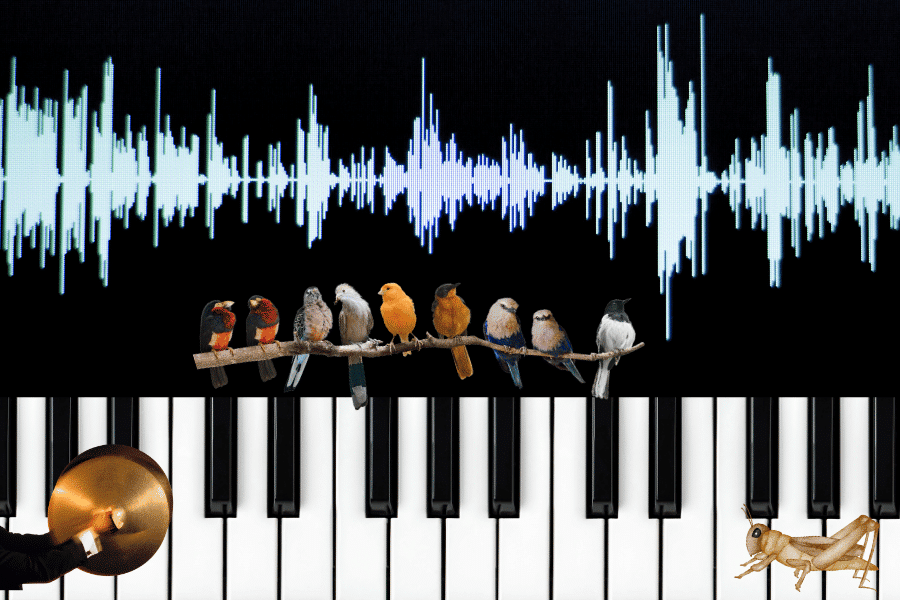
The third layer gives a podcast emotion and the three elements, together, make the sound of a podcast, he said.
“So, it’s not just music,” he said. “These three elements move together during the narration.”
The goal is to combine music and sound effects to create a “rhythm of narration.” After an important word, he might create a pause and in it increase the music. After that, come sound effects.
Caminero wanted to know what Micheli considers when creating music to give a podcast emotion and identity. Micheli said that an important part of the process is to re-listen to what you have done to try to create consistent sound.
“It’s very important because we spend a lot of time on the timeline,” he said. “We work a lot in depth on the details, but at a certain point you have to change your position and change your mind and you have to become not a creator, you have to become a listener.”
You don’t always need to create original music for your podcast soundtrack. Micheli suggests combining original music with music you can find in a sound library, but note that it isn’t easy. “It is quite a job to find the right music, right sound in this gigantic archive and match together original music and other music,” he said. “I think it’s the best way for creating the sound for a podcast.”
Creating original music makes the most sense for podcasts that are documentaries or fiction, Micheli said. But most important is that the podcast must have a good story and script first.
Questions to consider:
1. What does Micheli mean by a “rhythm of narration”?
2. How can you add great sound to a podcast if you can’t compose music yourself?
3. If you were to create a podcast series what would it be about and what kind of sound would you use?
As a writer, Jo Davis is used to sharing through her online presence. In this episode of The Social Academic, we talk about her life online such as her digital portfolio. And, offline through the coloring books she designed, the Starseed Panic Pages, and journaling. What does it mean to be intentional about your digital and analog life as an academic? We talk about focus and what it can do for your brain to be on paper.
I’ve admired Jo Davis’ writing for years. I followed her on X after reading one of her movie critiques. When she shared a recent podcast appearance on the Moments that Define Us, I thought she was perfect to come on The Social Academic to talk about her life online and on paper. And, what it means to be her authentic self.
Jo Davis is a professor, author, freelance writer, film critic, artist, and a beacon of creativity. She teaches writing and rhetoric at the University of Denver.
Are you thinking about starting a podcast? I invited Dr. Anna Clemens to share her podcasting journey. We talk about how social media and online presence has changed for researchers in 2025. And, how storytelling can help people connect with your research in meaningful ways.
Dr. Anna Clemens is an academic writing coach who specializes in scientific research papers. She runs the Researchers’ Writing Academy, an online course where she helps researchers to get published in high-ranking journals without lacking structure in the writing process.
Jennifer van Alstyne: Hi everyone, this is Jennifer Van Alstyne. Welcome to the Social Academic Podcast. I’m here with Dr. Anna Clemens of the Researchers’ Writing Academy. Anna, I’m so happy to have you here today. First, because you’re my friend and we’ve been trying to do this for multiple years now. I’m so happy! And second because I want to share the program that you’ve created for scientists to help them write better. It’s actually something I’ve recommended to clients of mine, something clients of mine have participated in. So I wanted to share you with everyone who listens to the podcast. Would you please introduce yourself?
Dr. Anna Clemens: Yeah, of course. Thank you so much for having me. And I’m super excited. And it’s been such a joy having some of your clients in the program.
I run a program called the Researchers’ Writing Academy, where we help researchers, well, kind of develop a really structured writing process so they can get published in the journals they want to get published in. We kind of look a bit more toward top-tier journals, high-impact journals. But honestly, what we teach kind of helps you wherever you want to go.
I have a background in chemistry. So my PhD’s in chemistry and I transitioned into writing after that. So it’s a really fun way to be able to combine kind of my scientific knowledge with writing and helping folks to get published and make that all really time efficient.
Jennifer: Gosh, that’s amazing. I think that I did not have a lot of writing support when I was in grad school. And I really felt like even though I’m an excellent writer, like I’m a creative writer, like that’s what I went to school for.
Anna: You write poetry.
Jennifer: I write poetry and I think I’m a good academic writer, but I feel like I had to teach myself all of that. And it was a lot of correction after something was already submitted in order to bring it closer to what was actually publishable.
Anna: Right.
Jennifer: I lost so much time by not knowing things. So I love that you created a program to support people who maybe aren’t getting the training that they need to publish in those high impact journals.
Anna: Yeah, because that’s so common. Like, honestly, who gets good academic writing training? That’s really almost nobody.
I often see even people who do go on, do some kind of course of their university if they offer some kind of course. They’re often not really so focused on the things that I’m teaching, which is like a lot of storytelling and a lot like being efficient with your writing, like kind of the step by step. You kind of often know just like academic English, how do I sound good? And I think honestly, this is less important than knowing how to really tell a story in your paper and having that story be consistent and not losing time by all the like edits and rewrites, etc., that are so frustrating to do.
Storytelling for Researchers and Scientists
Jennifer: Hmm, you brought up storytelling. That’s really insightful.
As a creative writer, story is so important to the words that we create and how people can connect with them. Why is storytelling important for researchers?
Anna: Well, I think it’s because we’re all humans, right? So we just as humans, really need storytelling to be able to access information in the best way and to connect to that information and to kind of put it into the kind of frameworks that we have already in our minds.
This is what a lot of researchers really overestimate is like, your research is so incredibly specific, right? It’s so much, like that thing to you, it’s all like when you’re doing it, you’re like, of course you know every detail about it. And you just forget how little other people know. It’s even if they’re in the same field because we always think, “Oh, no, everyone knows what I know.” Also a bit this feeling of like, not quite realizing like, it’s also called like the experts curse I think, when you are an expert in something, and you don’t realize how little other people know. And you kind of undervalue what you know.
So anyway, if you really want your papers to be read, if you want to get published, you need to be able to, to make it accessible to like the journal editor, right? The peer reviewers, but also the readers later, they need to be able to understand the data in a way that makes sense to them. And I think that’s where storytelling comes in. Also, it really helps with structuring the writing process. Like honestly, if you think about storytelling first, the really nice side effect is your writing process will be a lot easier because you don’t have to go back and edit quite so many times.
Jennifer: Oh, that’s fascinating. So not only does it improve how the research is being communicated It improves the process of writing it too.
Anna: I think so. Yeah, because when you’re clear on the story, everything is clear in your head from the start. And you don’t need to kind of . . . I mean, when you write a paper for the first time, or even people who’ve written a few papers, they still sometimes start writing with the introduction. And it’s such a waste of time. Like they just start at the start, right? And then they end up like deleting all those paragraphs and all those words after when they actually have written so much that they then after a while understand the story that they want to tell. And instead, what I’m suggesting is like, define the story first. And I like guide people through how to do that.
Because I think the problem is you don’t really know how to do it when you don’t have like a framework for it. You have kind of the framework there from the start. So you know what the story is and you don’t have to kind of figure out the story while you’re writing. Instead, you know what the story is and the way I’m teaching it, I’m like giving people prompts so that it’s really easy to define the story because also story is really elusive, I think. Or we use it in this elusive way often when we like we kind of use it as like a throwaway term. Oh, yeah, you you should tell a story in your paper. And you go like, “Yeah, I guess. But what does that mean?” I’m trying to like give a definition for that. So that is like really clear. Okay?
Jennifer: I appreciate that. I think so many people aren’t sure what it means. And even if they think they know what it means, they don’t necessarily know how it applies to their scientific writing. So that’s really interesting.
Researchers’ Writing Academy
Jennifer: I want to talk about podcasts, but actually, since we’re already talking about program stuff right now, I’m curious about the format of your program because people who are listening to this may not be familiar with your work. And I want to make sure that they get to hear about all the cool things that they get if they join.
Anna: Yeah, the Researchers’ Writing Academy is very comprehensive.
Jennifer: Yeah, in a good way.
Anna: It’s almost hard to tell people about it because there’s so much in there. So, what people get is like, there’s an online course, we call it the journal publication formula, that’s like the step-by-step system, walks you through online lessons that you can watch, super short digestible lessons that walk you through step-by-step. So you can just write your paper alongside the lessons.
And then because we noticed that you really may want some help actually writing in your day to day work, right? Because we’re also incredibly busy. And then it’s just helpful to have some kind of accountability, some community, and that’s what we offer as well. So we do a lot of things around accountability and we have like, cowriting sessions, for example, where we meet, we have six now, six per week across time zones.
Jennifer: Wow, that’s amazing! So if you’re anywhere in the world, there’s a chance that one of those six times during the day will work for you. Oh my gosh, that’s so cool.
Anna: Yeah. I mean, they should work. I mean for Europe and the US, most of them will work. Or not, but it depends where in the US you are, etc. But even like a few in Australia, there’s at least one per week that will work for you depending on how long you want to stay up. Some people do, we have one client who comes, he likes to do writing after his kids are in bed. So he loves nine to 10pm, you know, like, yeah. So yeah, there’s a lot. And we do like, writing retreats every now and again, and writing sprints. So we like offer a lot of support around that. And we have like a really lovely community that are so supportive. Actually, I just talked to one member today, and she just got promoted to full professor.
Jennifer: Exciting
Anna: And she was like, “I couldn’t have done it without this community.” This was so like, valuable, not only getting the feedback on her article, but also, just knowing that like, there’s the support. And that’s really, I mean, that’s so lovely for me to hear, because this is honestly what I dreamed of. This is what I wanted to build. And it’s really nice knowing that people do, you know, really, not only reach career goals, but have a supportive community because academia can be a little toxic.
Jennifer: Yeah, yeah, there’s so many reports that have come out and said, mental health struggles, toxicity, it’s consistent. Yeah.
Anna: And honestly, writing plays a big part in that, because like, kind of the way we are normally not talking about writing. I think writing like, it’s, you sometimes see like, more seasoned academics. They sometimes are really good at writing and then act as if they have it all figured out, but not share their process. So you as like a novice writer think, “Shit, I should have figured it out. Like, why do I not know how this works?”
Jennifer: This is easy for them.
Anna: Yeah, exactly. The other day, someone said to me, “Yeah, I know this professor and he just writes his paper while I’m talking to him at a conference.” And I’m like, “Oh, okay, this is an interesting process.”
Jennifer: Wow. Like, it’s so clear in his brain that he can focus on that and a conversation at the same time. Fascinating.
Anna: Fascinating. And honestly, you don’t have to do that. But she kind of thought like, “This is who I have to be. This is how I have to do it.” That creates so much pressure. And yeah, writing just hits like, emotionally, it’s really hard, right? When we feel like we are procrastinating, when we have really low confidence in our writing and just feel really disappointed in ourselves because we’re like overly perfectionistic, can’t send stuff off, keep like, you know, refining sentences. It’s just really, really hard.
This is really why a community is so beautiful when we can all just open up about how hard it is and also give each other tips. Like, I just love when people, you know, share also what’s working for them. And like, down to little techniques. Like the other day, someone was sharing in the community about how they started having like their Friday afternoons as like a margin in their calendar. So, if they didn’t get, you know, to all the things they had done, if there was any derailing event, they still had like time on a Friday. A little hack like that, right?
That just like makes you more productive, makes you just honestly feel better about your work. Because we’re really tough on ourselves often. Like we’re really harsh and just, you know, having like a community that has this kind of spirit of being kind to yourself and working with your brain and not against it. Yeah, that’s really, really . . . that’s a really lovely place. Really supportive.
Jennifer: That sounds amazing. I’m curious about who should join your program because it sounds like it’s so supportive. It sounds like there’s community and accountability and training. So, I love all of that, but there’s probably some people who the program’s not right for. So, like, maybe who shouldn’t join and who should definitely join?
Anna: Yeah, that’s a good question. I mean, it is in terms of like career stage, it’s pretty open from PhD student up to professor. And we have all of those kind of career stages in the program. The biggest group is assistant professors, just so you know, like who you can expect to be in the program. And also the PhD students who are in there are often older. It’s really interesting. They’re often like second kind of career type students who maybe have, you know, chosen that path a little later in life. Just a little side note. It’s kind of interesting.
Jennifer: I think that makes so much sense because if I’m going back for like a PhD later on, I’m like, “I’m going to get all the support that I can to make the most of this time.” And joining a program like yours would make so much sense to me.
Anna: Yeah, they’re probably also busier most of the time because their parents or other stuff going on in their lives already.
Jennifer: Yeah, that’s what makes it easier to have time for like the life and the people that you care about because you already have these processes in place.
Anna: Yeah, yeah. So as to who shouldn’t join or who this wouldn’t be a good fit for, we don’t actually serve researchers in the humanities. So there’s this really science-based, social sciences included. And you know, physical sciences, life science, earth science, all the sciences we are super happy to have inside the program just because the general publication formula is super focused on just that type of research and really honestly quite focused on like original research papers, even though we have members who write review papers using it because honestly, the process isn’t very different. But we are like, just the examples, everything is from like original research papers. So just FYI.
Otherwise, I would say like we’re really super supportive and we don’t have like a lot of this like hustle culture, you know. This is all about, we don’t believe in like, having to wake up at 4am to have your whole three hour morning routine, including writing done, because a lot of us like have kids or have other kinds of commitments. So there is a lot of like kind of understanding that, you know, all of this has to work for real life. And not just for, I don’t know, people who have, yeah, men I guess who have a lot of support in the background traditionally, right? This is how research has been done. And yeah, even though we do have really lovely men in the program as well. So it’s not just women, but I guess this is kind of the approach that, yeah, we have in the community, in the academy.
Jennifer: I love that. So not hustle culture. More let’s learn these processes and have accountability together so that we can move towards this goal of publishing with kindness.
Anna: Yeah. It’s so funny, like this being kind. I mean, we often say like, “Be kind to yourself,” because sometimes we don’t achieve the goals we set, often we don’t achieve the goals we set ourselves, right? And what I always say is it’s a data point. Like, this was a really good data point this week, because just reflect on what happened. Oh, did your child get sick? Oh, there you go. So maybe you now need to have a process, what happens if my child gets sick? Because then, you can’t plan that, right? So you have to have, or it’s good to have in your kind of system, in your writing system, in your writing practice, that you account for that. Some kind of strategy, what you do when that happens. Or like, this took me a lot longer to complete, like, I thought I would get my introduction section done this week, but actually, I didn’t. Well, really good data point. Actually, maybe it takes you longer.
Look at how where you spend the time doing this section. This is really good to know for next time. Actually, maybe schedule one or two days more for this. So that’s kind of like the approach, the vibe that like is in there. So it’s not so, it’s not harsh.
Jennifer: Yeah, I like that vibe. That’s my kind of vibe.
Anna: Mine too. Yeah, mine too. And it really crystallized for me because I once was in a business coaching program where the vibe was really different. You probably remember me talking about this because I did tell you at the time, and it was so awful for me. And I really. . . but until then, it was really a bummer because I spent a lot of money on it.
Jennifer: And you’re like, “My community needs kindness and support for each other.
Anna: This was my big learning. Apparently, I needed to spend a lot of money to really have this like so, so clear that this is not for me. Like the bro-y culture is not for me. I need the kindness. Because otherwise, it doesn’t work. I don’t work like that if someone tells me I have to, I don’t know, have all these non-negotiables everyday.
Jennifer: Yeah, like change who you are.
Anna: Yeah, like you just have to do it. Like it’s just about the discipline. You know, I don’t think that works. I honestly don’t think it works in the long term. Like maybe you can force yourself for like a few months or years and then you’re burning out or something. Like, I just don’t see how this is a sensible approach.
Jennifer: No. And I remember at the time you mentioned that you felt burned out. Like you were being affected by the culture that you were experiencing. So creating a warm culture for people inside your program, the Researchers’ Writing Academy is wonderful. Everyone gets to benefit from your research.
Anna: Right? Yea!
Anna’s podcasting journey
Jennifer: So I want to chat a little bit about online presence because I mean, we met online, we mostly communicate online, but also like you have taken some actions this year in particular to have a stronger online presence through a new avenue, which is podcasting. I’m curious because when I started my podcast, it was like not very intentional. It was like, “Oh, I just better record this thing and like, it’s going to make it like a little more accessible than if it was just in writing.” And the podcast kind of evolved into a regular series after I had already decided to start it. Whereas you came in more with a plan, you had purpose, you had drive to do more episodes than I could imagine. And so what was it like to kind of get that spark of an idea that like, I want a podcast?
Anna: Yeah, I’ve had this, I mean, I had this desire for a long time. Many, many years. I always wanted to have a podcast.
Jennifer: Really?
Anna: Really because I listen to podcasts a lot. Like I’m really into them. And years ago, someone told me you would have such a good voice for podcasts. I was like, really? I don’t, because when you listen to your own voice, you’re like, “No, I don’t think so.” And I still don’t know whether this is really true, but I wanted to be more online. Like kind of, I wanted to have an online presence that wasn’t just social media.
Because honestly, I have such a weird relationship to social media, myself. It does like cognitively do something to my brain that isn’t always good, you know. Like hanging out there too much or getting sucked in, especially back on Twitter, now on Bluesky it’s a little bit like that too. There’s sometimes a lot of negativity. And I feel like people are too harsh, coming back to the being too harsh. I just can’t take it. Like, it’s not for me, but also just the fact that there’s just a lot going on there.
I wanted to be available to people somewhere else. And a podcast and I did actually simultaneously, like launch my podcast on YouTube as well. So it’s like a video podcast. That just made sense to me. Like, that just felt really aligned with what I like to consume, what I think my ideal clients like to consume. And where I also felt like I can like express myself, I guess, in a really good way. I mean, I do love writing, I do actually have a blog too. But it’s almost like when you have a blog, unless you’re like really, really good at SEO, which is a little hard in my niche, to be honest. Like nobody reads it, right? Unless you like amplify it through social media.
Jennifer: Actively sharing it. It’s its own marketing.
Anna: Yeah, yeah. So it’s still like social media connected. And I kind of wanted to have another avenue. Anyway, yeah. Talking also, I also like talking. So podcast made sense.
Jennifer: That’s amazing. When I started my podcast, it was kind of just like, you know, going on zoom and hitting record. What is your process like? Are there other people involved? What is the kind of behind the scenes for your podcast?
Anna: Yes, I have solo episodes. And I also have episodes with former clients or current clients actually, like members of the research as writing academy or alumni. And I also had one with one of my team members, our kind of client experience manager, Yvonne, where we talked about community. And I also had you on, right, as a guest expert. I think you’re the only guest expert actually we’ve had so far.
Jennifer: I feel so special. That’s amazing.
Anna: So yeah. The process for interviews, I would think of questions ahead of time. And we, for example, then chatted about the questions. This is also what I did with Yvonne. Just have a quick chat. I think both times it was written, like through Slack, just like, “Hey, does this make sense? Where do we want to go with this? Okay, maybe this should be a different discussion. Let’s focus on that.” And similar, actually, with the clients I interviewed. I would just send them a list of questions and be like,” Hey, you don’t need to prepare anything, but if you want to do” and then basically hop on and have a conversation and it’d be quite natural. And like this one where, you know, you don’t necessarily have to follow a script, you just go where it takes you.
For my solo episodes, it’s a little bit different where I do write an outline. And honestly, like, what surprised me was this took a lot of time. Even when I knew what I wanted to say, and maybe this is me being too perfect, too much of a perfectionist, because I would go back. So I’d write the outline, I would go back the next day or the day after I read it again and have more ideas. I’d be like, “No, no, this should be like this.” So, it took me a lot of time. But then also, I think the outlines got better and better and better. And then I was really, you know, proud of the episodes. I was like, “Yeah, I really expressed this, I think, in a good way.” Because what I did afterwards then is I took this transcript from that episode and turned those into a blog post.
Then with the blog post, I’m like, “Yeah, they’re really meaty. There’s so much in there.” Like, there’s so much longer than my other blog posts that were just blog posts without podcast episodes. So that was really interesting to me. Just like, you know, understanding I guess a little bit more about the process of writing or synthesizing ideas and concepts. And yeah, after the outline, I would record on my own, I would record the episodes with that outline like in front of me. So kind of a bullet point outline.
Jennifer: It sounds like your brain really likes the outlining process. And when you come back the second time, you have ideas to flush it out and tell the story even better. That’s really cool.
Anna: Yeah, it was honestly really fun writing those outlines. Because recording sometimes, especially in the beginning, was a little more stressful than I expected. It was shockingly stressful because I’m on video a lot. I thought it would be rather easy to record cause of my experience. And I think it would have been pretty easy if I just had done audio, but because I was also doing video, it felt a lot harder because it’s really hard to read an outline and look in the camera at the same time.
Jennifer: Oh yeah.
Anna: Like really, really hard. And I also couldn’t spend even more time like rehearsing the outline to the point where I didn’t need to look at it anymore. Like I didn’t feel like that made sense. And I was really struggling with that. And I was just like, being a little unhappy about it. Because when I talk, like when I’m like, I’m on a lot of calls, you know, inside the Academy, for example, or like interviews like this. And I find, for me it’s quite natural already to look at the camera. Like, I look at the camera a lot. But when I have an outline, you know, it’s like you do look at it. It was so hard. And actually, you helped me a lot with that.
Yeah, because I was sharing this, that I was really unhappy with my recordings because of, I wasn’t looking at the camera. And you said, “Well, look, so many people aren’t even recording video for that exact reason. And you’re putting something out that is less perfect than you hope will still be so useful to the people, to people watching it. Honestly, that doesn’t matter.” And then I was like, “Yeah, this is like perfectionism.” It was all right. I just wanted to have it perfect. And I had a different standard for myself. But I didn’t need to be there. Like I was just not there. And that was totally fine. It didn’t need to be quite as polished as I thought maybe it should be.
Jennifer: Yeah, and I think that we don’t give ourselves enough grace for like our first things, right? Like the first episodes, like the first launch of something new. Like, we want it to be really great because it’s new and because it represents us. But sometimes like, we’re just not there in terms of our own practice or our own skills, like something may need to build or improve for us to get to where we dream about being. And that’s okay. I really didn’t think, I didn’t have those negative feelings when I started my podcast, but so many of my clients and so many of the people that I’ve met along the way have talked about the first maybe five or six episodes being just such a struggle.
Looking at themselves on video, listening to themselves speak, doing the editing themselves. It brought up all of those feelings about like watching themselves and what it would be like for other people to watch them. But the truth is that like you are watching yourself and doing all of those things more than anyone else is. Like, if someone else is watching it, they may not even listen to or watch the entire thing. And if they are, maybe they’re doing something else, like cleaning up their room. You know, if it’s a podcast, it’s not something that people will always sit there and like stare at your face and look at everything you did that was wrong. That’s what we’re doing.
Anna: Yeah, yeah. Yeah. You’re so right.
Jennifer: For me, this year I have Sir Nic who does all of this kind of sound editing for me and he’s here in the virtual studio with us making sound levels all good. And then my husband Matthew does the video editing. So I don’t have to look at myself anymore or listen to myself. And it is so nice! It’s, oh my goodness, it’s such a relief for me to have those things off my plate. Do you have support on your team for podcast things or is it just the people who are working on, you know, the different kind of accountability coaching and things that are in the program?
Anna: Yeah, I did have support. So I outsource the editing, video and audio editing.
Jennifer: Love that.
Anna: I couldn’t have done it myself, honestly, like not so much. I mean, it takes a lot of time. I think people often underestimate just how much time this takes. And especially if you want the audio to be kind of good, you do want someone, an audio engineer I think. This was important to me to have like a decent microphone, decent audio. So I actually invested quite a lot in this space. I started recording in my former office. I’m not in there now anymore, but it had really high ceilings. So I put all these sound panels up, these like boards and I bought curtains that I now brought into this room as well to like reduce the echo. And that was just worth it to me. But yeah, I did have support. And then in-house, like on my team, my operations manager, she also helped me with the podcast. Like she would do a lot of like even reviewing episodes and suggesting maybe further edits. So I didn’t have to watch myself very much.
Jennifer: Oh, that’s great.
Anna: She would also take out little like clips from the episode that we then put on social media. Like as YouTube shorts, for example.
Jennifer: Yeah.
Anna: Yeah, so it was a really, really smooth process with a lot of support.
Jennifer: Yeah, getting support was something that I didn’t think my podcast deserved in the beginning, but now I feel like my listeners do. My listeners deserve that. If I can keep doing it for them, I’m going to. So I’m glad we got to chat about that because a lot of people are like, “Oh, I’m just going to go on Zoom and record.” And then maybe they’re surprised when the editing process is a lot longer. But also the first few episodes, if you’re starting something new like editing, like audio stuff, like even just being on video, it’s going to be hard. And it might not be as good as you want it to be at first, but it’s going to get better. It’s going to get better. Oh, before we… Oh, sorry. Go ahead.
Anna: No, no, no. I just said so true.
Social media for academics post-Elon
Jennifer: Well, I wanted to chat about the social media landscape and how things have been changing since Elon took over Twitter. I know you are on Bluesky now. I would love to hear a little bit about your experience of that platform.
Anna: Yeah, I’m on Bluesky now and I’m not on X or Twitter anymore. I mean, I do still have the account, but I don’t check it anymore. Some people are still finding me through there, though. That’s kind of interesting. I see it in my data, but I haven’t logged in in like months. Bluesky is very similar to Twitter, honestly, in the sense of the type of conversations that are happening there. But at least for me, there’s a lot less engagement than there was. And I’m actually wondering whether a lot of academics gave up on social media after Twitter went downhill, because there was this like really great academic community on Twitter through which I guess we met.
Jennifer: Yeah.
Anna: Back in the day. And I don’t see that happening on Bluesky. Bluesky does have a few other features, like additional features though that I really like. Like the way you can customize your feed a lot better. You can create those lists. So if you’re new to Bluesky, you can just like, there’s probably a list for researchers in your field.
“I struggle with writing a compelling story that is interesting outside of my field, yet doesn’t oversell my data.” ✍️
Jennifer: Yeah, like the starter packs and the different lists you could put together.
Anna: Exactly, starter packs. That’s what it’s called. Yeah. So you can just like hit follow all and you already have a feed full of people you want to have in your feed. And getting started is kind of really cool on Bluesky. I do think, I don’t know, something is different about the algorithm over there, but I’m not an expert. I don’t really know, but it feels like not as much things are like going viral per se.
Jennifer: Yeah.
Anna: Maybe a little more one to one.
Jennifer: Yeah. Oh, that’s really interesting. When I when I first joined Bluesky, which was much later than everyone else. It was really just last month. I found that it was very quiet. I connected with the people that were like the most talkative on Twitter. I hadn’t run Sky Follower Bridge or any of the tools to help me get connected yet because I wanted to see what the platform was like naturally. Like if someone was just signing up for the first time without having been on Twitter. And I was able to find people pretty easily. Like the people that I most often talked to or connected with, guests on The Social Academic, those kinds of things. But I wasn’t finding conversations. Like the people who I knew from social media weren’t talking all that much. They weren’t posting original content the way that they had on other platforms.
And when I did run Sky Follower Bridge and found all of the people from Threads, from X, etc. I realized that like so many people had accounts that they just hadn’t connected with people yet. Like they, you know, maybe started their account during the big X exodus and then they connected with 12 people because that’s who they found when they first got there. And when they didn’t find their community, it’s like maybe they stopped logging in. And I think that’s really normal for people. Like you’re going to look for the warmth in the conversations or just like the people talking and watching it, being able to see it without even participating in it. Like if you don’t see when you get there, it’s kind of like, “Well, why am I going to spend time in this space?” I had to do a lot more work than I expected in order to find the conversations. And I had to connect with a lot more people without knowing that they were going to follow me back. Like without that anticipation in order for me to feel connected. But once I did that, once I was following, like I follow like over a thousand people now, once I did that, it started to feel like old Twitter to me. Like the community and conversation. Yeah, there’s a lot of people who aren’t talking there, but I was just surprised how much effort it took to get to that feeling. More than other platforms for me.
Anna: Do you enjoy it now? Like the way you liked Twitter?
Jennifer: You know, I don’t think I really enjoy any one social media platform over another anymore. I feel like my relationship with creating content has changed a lot in that I found more ease and I found less pressure and I found like good processes that work for me. And because of that, I don’t spend a lot of time on social media. Like I’m not on there browsing for conversations the way that I think I did when I was on X. Like old Twitter, I liked spending time there and jumping into conversations. And now social media is more, I don’t intentionally put in my day as much anymore. That’s what it is. And I like that. I like how my relationship with social media has changed. But no, I haven’t gone back to how I engaged in old Twitter, I think. What about you?
Anna: That makes sense. Yeah, it’s similar for me, actually. I have to say I go through phases with it. So I do put out like content on several platforms like Threads, Bluesky and LinkedIn and then like YouTube as shorts. And I do go in and kind of check, does anyone comment? Like is anyone starting a conversation? I do this several times a week. But I don’t get sucked in as much anymore, if ever. Yeah, and I’m like super intentional about the time I spend there, I guess.
Jennifer: How are you intentional?
Anna: Well, I kind of set myself a timer as well.
Jennifer: Oh, like a literal timer.
Anna: So I don’t let myself like do more than, I don’t know, five minutes per platform.
Jennifer: Really?!
Anna: If there is like, of course, if there is comments, like actual, interesting conversations to join, I will, you know, override, but I’m really trying not to, not to get sucked in because it’s so easy for me. I don’t know. My brain is really-
Jennifer: That is really smart. I’ve never set a timer for that short amount of time. I’ll be like 30 minutes, you know, 30 minutes a day. Like if I’m going to have a timer maybe that’s what I would set it for. But five minutes is so much more specific, direct. That would wake my brain up. I should try something like that if I get sucked in again.
Anna: Yeah, I like it. I do like it. And because now I feel like the social media landscape for academics has changed in a way. They’re used to be, or for me they’re used to be just Twitter. I was basically just on Twitter and I didn’t really do anything on any other platform whereas now it’s a lot more spread out. And, I don’t know, there’s good and bad things about that. But now I feel like, “Okay, I need to spend time on LinkedIn. I need to spend on Blue Sky and on Threads.” So, you know, I just can’t spend like that much time anymore on just one platform. So it has to be kind of a bit more time efficient.
Jennifer: Okay, so you’re on Bluesky, Mastodon, YouTube, LinkedIn-
Anna: I’m not on Mastodon. Threads.
Jennifer: Not on Mastodon. Threads, LinkedIn and YouTube.
Where can people find your blog and your podcast? I want people to be able to get connected with you after this.
Anna: Thank you so much for that lovely conversation. And it was so fun finally being a guest on your show.
Jennifer: I’m so happy. Anna, I am so happy to have shared the Researchers’ Writing Academy with people because I really believe in your program. I believe in the process. And I know that you’re someone who goes in and updates things and improves them. And so I’ve always recommended the Researchers’ Writing Academy to professors. And I really encourage you if you’re listening to this to check it out.
Jennifer receives no monies or gift when you sign up for the Researchers’ Writing Academy or any of the other recommendations she shares on The Social Academic.
Dr Anna Clemens is an academic writing coach who specializes in scientific research papers. She runs the Researchers’ Writing Academy, an online course where she helps researchers to get published in high-ranking journals without lacking structure in the writing process.
Sign up for Anna’s free training on how to develop a structured writing process to get published in top-tier journals efficiently.