The Albanese government has asked universities, researchers and businesses for feedback on joining the world’s largest research program.
Please login below to view content or subscribe now.
Membership Login

The Albanese government has asked universities, researchers and businesses for feedback on joining the world’s largest research program.
Please login below to view content or subscribe now.

This story was originally published by Chalkbeat. Sign up for their newsletters at ckbe.at/newsletters.
I was conferencing with a group of students when I heard the excitement building across my third grade classroom. A boy at the back table had been working on his catapult project for over an hour through our science lesson, into recess, and now during personalized learning time. I watched him adjust the wooden arm for what felt like the 20th time, measure another launch distance, and scribble numbers on his increasingly messy data sheet.
“The longer arm launches farther!” he announced to no one in particular, his voice carrying the matter-of-fact tone of someone who had just uncovered a truth about the universe. I felt that familiar teacher thrill, not because I had successfully delivered a physics lesson, but because I hadn’t taught him anything at all.
Last year, all of my students chose a topic they wanted to explore and pursued a personal learning project about it. This particular student had discovered the relationship between lever arm length and projectile distance entirely through his own experiments, which involved mathematics, physics, history, and data visualization.
Other students drifted over to try his longer-armed design, and soon, a cluster of 8-year-olds were debating trajectory angles and comparing medieval siege engines to ancient Chinese catapults.
They were doing exactly what I dream of as an educator: learning because they wanted to know, not because they had to perform.
Then, just recently, I read about the American Federation of Teachers’ new $23 million partnership with Microsoft, OpenAI, and Anthropic to train educators how to use AI “wisely, safely and ethically.” The training sessions would teach them how to generate lesson plans and “microwave” routine communications with artificial intelligence.
My heart sank.
As an elementary teacher who also conducts independent research on the intersection of AI and education, and writes the ‘Algorithmic Mind’ column about it for Psychology Today, I live in the uncomfortable space between what technology promises and what children actually need. Yes, I use AI, but only for administrative work like drafting parent newsletters, organizing student data, and filling out required curriculum planning documents. It saves me hours on repetitive tasks that have nothing to do with teaching.
I’m all for showing educators how to use AI to cut down on rote work. But I fear the AFT’s $23 million initiative isn’t about administrative efficiency. According to their press release, they’re training teachers to use AI for “instructional planning” and as a “thought partner” for teaching decisions. One featured teacher describes using AI tools to help her communicate “in the right voice” when she’s burned out. Another says AI can assist with “late-night lesson planning.”
That sounds more like outsourcing the foundational work of teaching.
Watching my student discover physics principles through intrinsic curiosity reminded me why this matters so much. When we start relying on AI to plan our lessons and find our teaching voice, we’re replacing human judgment with algorithmic thinking at the very moment students need us most. We’re prioritizing the product of teaching over the process of learning.
Most teachers I talk to share similar concerns about AI. They focus on cheating and plagiarism. They worry about students outsourcing their thinking and how to assess learning when they can’t tell if students actually understand anything. The uncomfortable truth is that students have always found ways to avoid genuine thinking when we value products over process. I used SparkNotes. Others used Google. Now, students use ChatGPT.
The problem is not technology; it’s that we continue prioritizing finished products over messy learning processes. And as long as education rewards predetermined answers over curiosity, students will find shortcuts.
That’s why teachers need professional development that moves in the opposite direction. They need PD that helps them facilitate genuine inquiry and human connection; foster classrooms where confusion is valued as a precursor to understanding; and develop in students an intrinsic motivation.
When I think about that boy measuring launch distances with handmade tools, I realize he was demonstrating the distinctly human capacity to ask questions that only he wanted to address. He didn’t need me to structure his investigation or discovery. He needed the freedom to explore, materials to experiment with, and time to pursue his curiosity wherever it led.
The learning happened not because I efficiently delivered content, but because I stepped back and trusted his natural drive to understand.
Children don’t need teachers who can generate lesson plans faster or give AI-generated feedback, but educators who can inspire questions, model intellectual courage, and create communities where wonder thrives and real-world problems are solved.
The future belongs to those who can combine computational tools with human wisdom, ethics, and creativity. But this requires us to maintain the cognitive independence to guide AI systems rather than becoming dependent on them.
Every time I watch my students make unexpected connections, I’m reminded that the most important learning happens in the spaces between subjects, in the questions that emerge from genuine curiosity, in the collaborative thinking that builds knowledge through relationships. We can’t microwave that. And we shouldn’t try.
Chalkbeat is a nonprofit news site covering educational change in public schools.
For more news on AI in education, visit eSN’s Digital Learning hub.
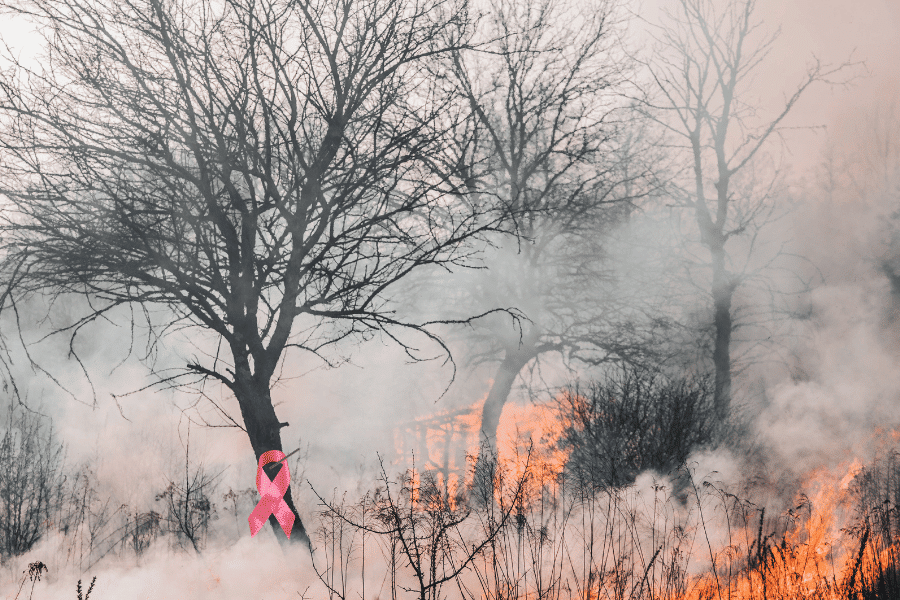
A study in California this year found that cancer patients were much more likely to die from the disease if they breathed in air pollution from wildfires a year after their diagnosis.
In 2020, flooding in Spain caused by Storm Gloria forced 118 cancer patients to cancel their radiotherapy treatment. And in 2019, researchers from the University of Michigan found a higher death rate among adult cancer patients who were affected by Hurricane Katrina.
It turns out that in many ways, climate change affects our health. We can see this directly when looking at cancer — something that affects one in five people around the world directly, and just about everyone else connected to those people indirectly.
I know this first hand. Four years ago a close family member was diagnosed with cancer. It made me wonder: What could we have done to prevent it? Was it something they ate? Their amount of exercise?
At the time, we were living in South Korea, a country notorious for its heavy air pollution days, and I couldn’t help but wonder if that might have had an impact on the diagnosis.
Then, as I watched them go through multiple recurrences of cancer, the question gradually evolved into this: How can you ensure successful cancer treatment? And subsequently, how can you ensure that everyone has access to safe cancer treatment?
It turns out that air pollution isn’t the only problem. Extreme weather events caused by climate change can disrupt supply chains which results in shortages of critical medical supplies.
In 2017, an intravenous fluid manufacturing company in Puerto Rico, for example, was destroyed by Hurricane Maria. The company was a major supplier of IV fluids for hospitals in the United States and the destruction led to a shortage in essential IV fluids.
In an attempt to investigate further, I contacted Dr. Kishan Gupta, a specialist in comprehensive ophthalmology, cornea and external diseases, at the Kaiser Downey Medical Center in California. Over a WhatsApp chat, he told me that Hurricane Maria not only led to major disruptions in eye drop manufacturing but also in IV saline for surgery and intraoperative anesthetics at his hospital.
Dr. David Kim, an orthopedic surgeon at the Worcester Medical Center in the U.S. state of Massachusetts, then told me that when IV supplies are disrupted, all surgeries that require such fluids are delayed — anything from hand and hip replacement surgeries to the removal of cancer tumors.
IV saline and intraoperative anesthetics are crucial for cancer patients, especially IV saline, which helps to dilute toxic fluids and dehydration as a result of chemotherapy.
Crucially, climate change-induced extreme weather events damage infrastructure, preventing important medical equipment and supplies from reaching destined locations at an appropriate time.
On the note of promptness, one of cancer’s most threatening characteristics is its fast, uncontrolled growth. In the field of medicine, this means that cancer treatment must be administered at the correct time, with the correct steps.
After Hurricane Maria in Puerto Rico, a 70% cancel rate was observed for brachytherapy, a form of radiation therapy. In Mexico after the 2017 earthquake, cancer surgeries were canceled with a median delay of 22.5 days.
During natural disasters, transportation networks and electrical systems break down. This means that people are unable to get to their hospital for treatment, and additionally, treatments like radiation which depend on electricity, can’t be administered.
The COVID-19 pandemic, while not a climate change-induced event, showed what happens when supply chains break down. Needed supplies of everything from towels to anti-septic solutions became unavailable and as a result, people died.
Of course, cancer isn’t the only health concern related to climate change. Rising temperatures and more frequent natural disasters can create favorable conditions for insects such as ticks and mosquitoes that transmit harmful pathogens.
Hurricanes, tornados and other extreme weather events also discourage people from traveling and that can cause a consequent lack in blood donations at hospitals, according to Dr. Sung Eun Yang at the Kaiser Panorama City Medical Center in California. “Blood and blood products are a limited precious resource,” Dr Yang said. “Donor turn out may be dependent on the weather. I recall in Boston we had a terrible winter storm with no donor turn out and experienced significant shortages in blood products.”
In the United States, roughly 25% of blood donations in the United States go to cancer treatments.
Furthermore, it turns out that severe heat and humidity can affect medications — how they operate or their very properties. A number of common cancer medications are highly heat-sensitive. This means that as the Earth’ s climate warms, cancer patients who live in hot places will have a more difficult time storing and accessing safe medication, particularly in economically poor areas that can’t invest in energy-consuming storage. But even those in wealthier, cooler countries will be affected if they import products from those regions.
Finally, because of climate change, we are also seeing an increase in wildfires due to extreme and sustained drought conditions and wildfires too, ultimately leading to increases in cancer.
For instance, cancer is the number one cause of death in the fire fighting industry, accounting for 70% of all deaths.
Harvard University researcher Mary Johnson told the publication E&E News this year that potentially harmful chemicals are released every time a structure burns.
“Plumbing has copper and lead in it,” she stated. “Paint has toxic chemicals. Electronics, plastics have really nasty stuff in them. All these chemicals we don’t think of occurring in a wildland fire are now part of the smoke.”
So what can we do?
In preparation for all potential disasters, hospitals could have a disaster plan to help ensure that patients receive any and all important data during a future disaster. For example, the United States Department of Health and Human services has released a study on the efficacy of electronic health records during disasters. If a storm is forecasted in a region, an electronic emergency chart could be made for each patient. This plan could also come in the form of new infrastructure or mechanisms meant to keep the hospital safe from floods or fires.
Patients should also be provided with alternate ways to access healthcare information in order to connect with local healthcare teams, and the American Association of Colleges of Nursing recently added climate change education to the list of required skills for nursing education programs.
Finally, past cancer survivors of disasters have suggested that countries like Puerto Rico can be more prepared and adaptable in terms of exploring alternatives like renewable energy, that aren’t as susceptible to power outages from storms.
As the climate deteriorates, our responsibility in pushing back against the climate crisis will expand in multiple ways.
Our health and the health of the people we love will depend on the health of our planet. That means that it is our responsibility to protect ourselves, our loved ones and all of those currently battling cancer from climate change.
1. What connection is there between climate change and cancer rates?
2. What can be done to keep people from dying of climate-change related cancer?
3. What, if anything, can you do to help cool down our planet?
Key points:
New elementary teachers who promote equity in science are proving highly effective at engaging students, no matter their background, a new University of Michigan study shows.
U-M researchers found that new educators are pioneering paths in science education by offering opportunities for scientific conversations, innovative learning strategies and encouraging children to become active participants in scientific exploration.
“When teachers are equipped to foster a more equitable and just learning environment in science, it not only enhances children’s understanding of scientific concepts but also empowers them to see themselves as scientists and to use science to address real-world issues that matter in their communities,” said Elizabeth Davis, a professor at U-M’s Marsal Family School of Education.
“Beginning teachers use a range of effective strategies to work toward more equitable science teaching. They vary in their emphasis on opportunity and access, representation and identification, expanding what counts as science and engaging children as change-makers using science to support a better world. This variation highlights the multiplicity of entry points into this challenging work and shows these teachers’ many strengths.”
The study, published in the General Proceedings of the 5th Annual Meeting of the International Society for the Learning Sciences 2025, also identified areas for growth: These teachers were less consistently likely to work to broaden what counts as science and to link science to social justice.
Davis and co-authors Jessica Bautista and Victoria Pérez Nifoussi said the study helps understand how different approaches to equity in science education can work together, potentially influencing future teacher training for improved K-12 science learning.
They emphasized the clear need for teacher educators and curriculum developers to provide more concrete examples and resources to help future teachers navigate complex, justice-oriented approaches to science.
“All children deserve to experience the joy and wonder of the natural world, yet science is taught far less often than language arts or math in elementary schools,” Davis said. “Furthermore, many students are marginalized in science, including girls, students of color, children with learning differences and queer or gender nonconforming children.”
Funding challenges impact long-term research
The study is part of the U-M ASSETS research, a four-year longitudinal project that began in September 2023. Although it was intended to run for four years, the project, funded by the National Science Foundation, was terminated in its 20th month, just shy of two years from its start.
“The termination of these NSF projects–focused on STEM education, and in particular equity in STEM education–is going to adversely affect science education and science for generations to come,” Davis said.
“We are seeking additional funds for this work. Regardless, we will continue to support the teachers who participate in this project and we’ll continue to collect and analyze data to the extent we’re able to do so.”
The team is now working on characterizing the participants’ first year of teaching to assess how their approaches to equitable and just elementary science teaching align with and differ from their approaches during teacher education.
This news release originally appeared on U-M’s news site.
BOSTON — Ignite Reading — a Science of Reading-based virtual tutoring program serving students in 18 states nationwide — today announced its approval by the Massachusetts Department of Elementary and Secondary Education (DESE) to continue providing 1:1 high-dosage evidence-based literacy tutoring to K-3 students across the commonwealth.
Massachusetts Governor Maura Healey’s administration called on her state to invest heavily in high-dosage tutoring (HDT) earlier this year, earmarking $25 million in her state budget proposal to help accelerate literacy growth, “complementing the more systemic, long-term improvement work” being supported under the administration’s five-year literacy improvement campaign, Literacy Launch.
In its approval process, DESE evaluated Ignite Reading’s services to Massachusetts districts over the past three school years and approved the literacy company to again provide school districts and charter schools with tutoring that is focused on building foundational skills — including phonological awareness, phonics knowledge and decoding skills — to help students become independent fluent readers in the early grades.
Since Ignite Reading first gained DESE approval during the 2022-23 school year:
The Healey-Driscoll Administration recently announced that schools and districts in Massachusetts are invited to apply for high-dosage early literacy tutoring for K-3 students with 1st grade as the state’s top priority.
“When we get kids reading proficiently by the end of 1st grade, we set them up for a lifetime of academic success,” said Ignite Reading CEO Jessica Sliwerski. “Our continued approval by DESE means we can keep delivering the intensive, personalized support that Massachusetts 1st graders need to learn to read on grade level and on time. We are honored to be able to continue to partner with Massachusetts districts to ensure all students can access the tools they need to succeed as readers.”
For more information about Ignite Reading’s Massachusetts partnerships, visit https://info.ignite-reading.com/massachusetts.
About Ignite Reading
Ignite Reading is on a mission to ensure every student can access the tools they need to be a confident, fluent reader by the end of 1st grade. School districts nationwide depend on Ignite Reading’s virtual tutoring program to deliver literacy support at scale for students who need help learning to read. Our highly trained tutors provide students with 1:1 tutoring in foundational literacy skills each school day, helping them go from learning to read to reading to learn.
A recent study by the Center for Research and Reform in Education at Johns Hopkins University found that Ignite Reading students across demographics — including students who are English Learners, Black, Hispanic, and those with Individualized Education Programs (IEPs) — achieve the same outstanding gains of more than 5 months of additional learning during a single school year. For more information about Ignite Reading, visit www.ignite-reading.com.

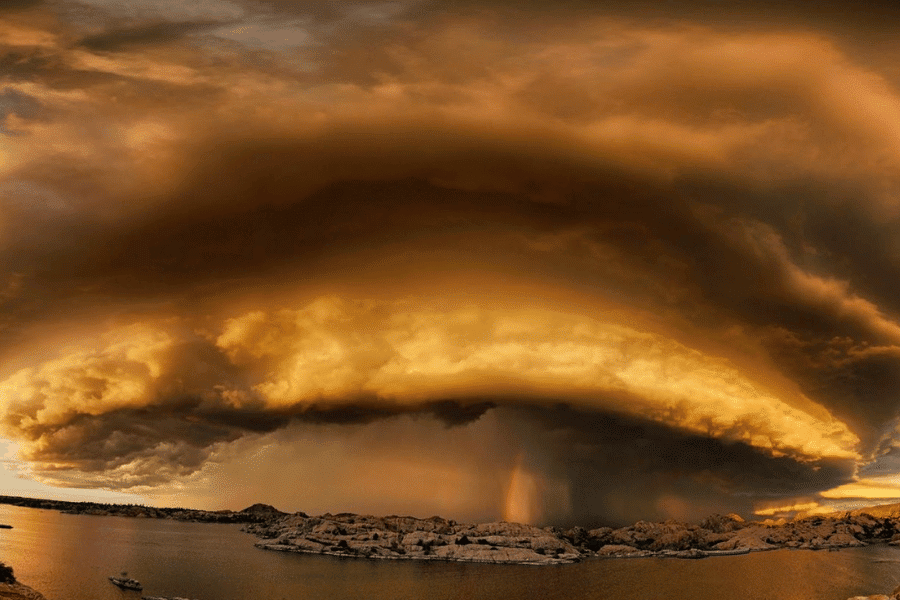
The term ‘observations’ comes from the days trained weather observers recorded standard meteorological information. Now observations from radiosondes — attached to weather balloons rising to the upper stratosphere — collect data on temperature, humidity, air pressure and wind.
Automated surface-observing systems on land provide real-time data and satellites gather imagery and more data which is fed into supercomputers to provide forecasts.
So what are the benefits of accurate weather forecasts?
Evan Thompson, the director of the Meteorological Service in Jamaica, has seen his island hit by extreme weather events as seasonal hurricanes have become more severe.
Thompson said that people need to know how to protect themselves from extreme weather such as tropical storms and hurricanes.
“Whether it means moving to higher ground in the moment or at least ensuring you don’t take chances crossing flooded roadways that are with waters moving fast, or rivers,” he said.
Thompson wants his country to be prepared for severe weather. “More data always means better observations which in turn leads to better forecasts.”
Over the last decades, the accuracy of weather forecasting in the United States has vastly increased what is known as storm resiliency, helped airlines reroute flights, farmers to plant crops at the optimal times and power companies to deal with demand from their customers.
Elsewhere, the World Meteorological Organisation (WMO) and the World Environmental Programme (WEP) have targeted the need for more observation stations in countries across the Middle East, Africa, South America and Pacific Island states, countries which are at risk of seeing economic progress wiped out by increasing impacts of climate change.
The WMO target is for weather observation to reach the levels of countries in Europe and the United States. But it may not be citing the United States as a model in the future. Since January, the United States has been reducing its capacity to provide weather data.
The cuts come at a time when the intensity and frequency of extreme weather events have increased due to climate change linked to human induced warming according to the Intergovernmental Panel on Climate Change report of August 2021. However, the Trump administration has taken a decision to eliminate the term “climate change” from federal websites.
Especially dependent on accurate forecasts are the construction industry, agriculture, power companies and aviation.
Fabio Venuti of the European Centre for Medium-Range Weather Forecasts inputs weather data into a supercomputer. “Global weather forecasting like ours can assimilate data then produce high resolution local forecasts for each country,” he said. “They can be more prepared.”
Fabio said that the ability to forecast rain and drought can help farmers and governments plan food crops. And it can help public health officials prepare for and lessen the spread of diseases, such as malaria, that are affected by environmental factors as insects transported by winds.
Thompson in Jamaica said that the policies and plans that governments take are affected by weather forecasting. “For example, building codes can be adjusted because we recognise more severe downpours in areas that don’t normally have flooding,” he said.
In the United States, the National Oceanic and Atmospheric Administration (NOAA), the parent agency of the National Weather Service, is tasked with daily weather forecasts, severe storm warnings and climate monitoring. In 2025 NOAA has already lost 800 employees and a further 500 have been offered buyouts.
According to the former heads of the National Weather Service, the proposed cuts of close to 30% for NOAA would essentially eliminate NOAA’s research function for weather.
Inger Anderson, executive director of the UN Environment Programme, said that accurate weather forecasting pays off in many ways — lives saved, improved disaster management, protecting livelihoods, biodiversity, food security, water supply and economic growth.
Besides cutting staffing, the Trump administration has also cut back on funds used to record tidal predictions and weather disasters such as heat waves, hurricanes, tornados, floods and wildfires. The U.S. National Centers for Environmental Information, the agency that collates historical meteorological records, will cease to update its Billion-Dollar Weather and Climate Disasters database beyond 2024. Previous records will be archived.
Jeff Masters, a meteorologist for Yale Climate Connections says the database is the “gold standard” used to evaluate the costs of extreme weather. “It’s a major loss, since it comes at a time when we need to better understand how much climate change is increasing disaster losses,” he said.
Weather forecasting can tell us more than whether to carry an umbrella, when to plan a picnic or plant flowers in the gardens. Accurate forecasting can save your life, your home and your livelihood.
1. How do you use weather forecasts?
2. Should politicians work more closely with scientists?
3. Have you experienced a severe weather event?
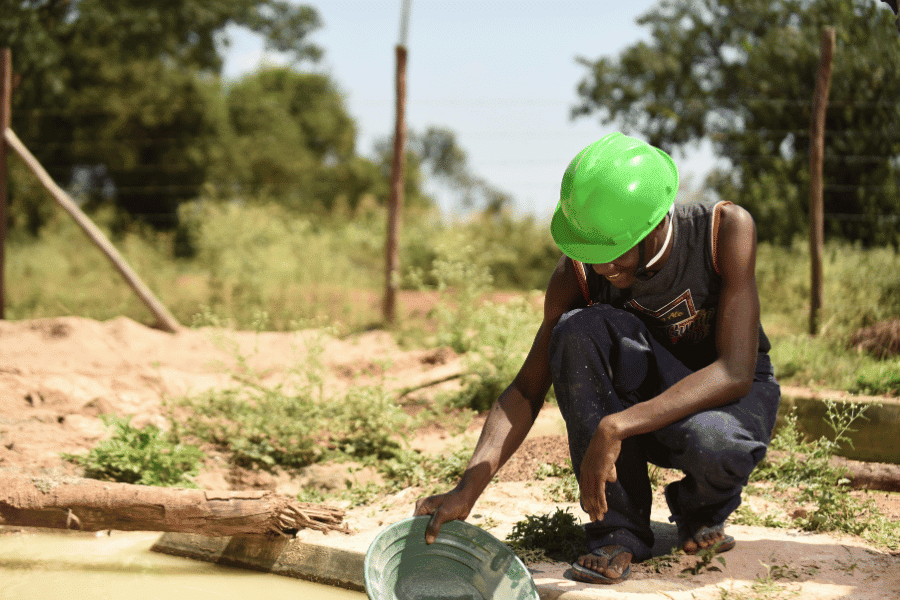
Artisanal gold mining in Kenya’s Western region is raising environmental and public health concerns as mercury contamination threatens both the miners and local water sources.
At sunrise in western Kenya’s Migori County, small groups of men and women gather at makeshift gold pits, sifting through soil in search of a precious livelihood. Across Kenya’s western counties, tens of thousands of people have turned to artisanal gold mining — small-scale, informal mining operations, often characterized by manual labor and the use of basic tools and low-tech equipment — as global gold prices rise and traditional farming incomes decline.
But while mining offers a vital economic lifeline, it brings a toxic legacy: mercury contamination that threatens health, water and livelihoods far beyond the mines.
A growing Industry in Western Kenya, small-scale gold mining has expanded rapidly in counties such as Migori, Kakamega and Vihiga. Recent estimates suggest that Kenya is home to more than 250,000 artisanal miners, with more than one million people depending on gold-mining for their livelihoods. In Migori alone, gold mining injects an estimated US$37 million into the local economy each year.
Despite the dangers, mining remains the most viable source of income for many. Surveys in Migori found that a significant majority of miners would not leave the industry, citing a lack of alternatives.
Women make up an estimated 38% of Kenya’s small-scale gold mining workforce, often involved in ore processing — where mercury exposure is highest — yet receive just 11% of the sector’s revenue.
Nashon Adero, a lecturer at Taita Taveta University and a Kenyan mining policy expert, said that women’s roles and vulnerabilities are often overlooked in policy discussions.
Herman Gibb, a lecturer at George Washington University and managing partner and president of Gibb & O’Leary Epidemiology Consulting said that mercury is widely used by artisanal miners because it is cheap, accessible and effective at extracting gold from ore.
“It’s the easiest way for miners with limited resources to extract gold,” said Gibb, who used to work for the U.S. Environmental Protection Agency.
The process, known as amalgamation, involves mixing crushed ore with liquid mercury. Mercury binds to gold, creating an amalgam, which is then heated to vaporize and remove the mercury, leaving behind pure gold. But Gibb said that this heating releases toxic mercury vapour, endangering miners and nearby communities.
Researchers, including Gibb, have warned that mercury vapour can settle in households, exposing families, particularly children and pregnant women. Biomonitoring studies, including hair sampling, have shown high levels of exposure among women in small-scale gold mining regions.
However, research shows that testing capacity in rural Kenya is limited, and the logistics of sampling, storage and analysis pose additional barriers to effective surveillance. Mercury poses a variety of risks, depending on the form of exposure and who is exposed.
Elemental mercury, the liquid form used in gold extraction, poses serious risks when inhaled as vapour, which can cause neurological symptoms such as tremors, memory loss and cognitive impairment. Prolonged exposure can also cause kidney damage.
“Mercury vapour can damage the brain, especially in children whose nervous systems are still developing,” Gibb said.
Methylmercury, on the other hand, is an organic form of mercury created when elemental mercury enters water bodies and undergoes microbial transformation. It accumulates in fish and other aquatic organisms, entering the food chain. Methylmercury is particularly harmful to pregnant women and children, as exposure can lead to severe developmental disorders, intellectual disabilities and long-term neurological damage.
Gibb said that when methylmercury enters the food chain, the risks become even more serious. “This is a toxin that affects the most vulnerable in invisible but lasting ways,” he said.
Although Kenya’s Mining Act of 2016 bans mercury use in mining, enforcement remains weak, and mercury is still widely available in local markets. News reports from the Kenya Chamber of Mines, the main mining industry organization in Kenya, state that many miners lack awareness of its dangers or access to protective equipment.
A 2023 study found that groundwater within six kilometers of mine sites in Migori contained mercury levels exceeding Kenya’s safe drinking water limit of 0.001 mg/L during the dry season. Soil samples from mine tailings (waste materials left over after valuable minerals have been extracted) showed mercury concentrations above 9.6 mg/kg, surpassing the National Environment Management Authority discharge limits.
Kenya’s mercury crisis is part of a wider global problem. Gibb said that the World Health Organization estimates prenatal exposure to methylmercury causes more than 227,000 new cases of intellectual disability each year, contributing to nearly two million “disability-adjusted life years” — a measure of years lost to ill-health or disability.
Mercury ranks among the top chemical threats to global health. Gibb said that its burden is compounded by the fact that most harm is invisible and long-term, making it difficult to prioritize in health budgets.
In 2017, Kenya ratified the Minamata Convention, an international treaty designed to protect human health and the environment from releases of mercury, committing to reduce mercury use and emissions. Yet implementation lags. A 2022 Auditor General’s report found that the Ministry of Petroleum and Mining had not mapped or formally designated artisanal mining zones in key counties.
Adero, the Kenyan mining expert emphasized the need for “science diplomacy” — the use of geospatial technologies (mapping tools and location data) and data-driven reports to influence local and national policymakers. Recent GIS-based research (Geographic Information System, or mapping software that shows roads, rivers, houses etc.) show mercury levels remain high in soil and water near mines.
“This highlights enforcement gaps and spatial risks [risks due to location] that many policymakers overlook,” he said.
Monitoring mercury exposure in rural areas is especially challenging due to limited laboratory facilities, transportation and technical capacity.
“We cannot manage what we do not measure,” Adero said. “Without proper exposure tracking, policies are just words on paper. We need data that is local, current and trusted by both governments and communities.”
Gibb said that constraints around sample collection, storage and analysis hinder the ability to track exposure and enforce regulations.
The Migori county government has signed an agreement with the State Department for Environment and Climate Change to establish demonstration sites for mercury-free processing. But while these techniques can be effective, Gibb said, they require up-front investment, training and new equipment and that some alternatives such as cyanide also pose environmental risks.
Adero said that early adoption in countries such as Tanzania and Ghana shows promise but similar scale-up in Kenya remains limited.
Gender and social dimensions organizations such as the Association of Women in Energy and Extractives in Kenya address gender disparities by organizing cooperatives, providing training and advocating for gender-sensitive safety policies.
In his research, Adero found that significant gender gaps remain, with women overrepresented in the most dangerous roles but undercompensated. This research underscores that these disparities are rooted in systemic deprivation and limited access to education and financial literacy, he said.
While formalizing small-scale gold mining through Kenya’s Mining Act of 2016 could improve safety and access to technical assistance, progress is slow, hindered by bureaucracy and high fees. Adero advocates simplifying the permitting processes, reducing costs and exempting small-scale miners from fees — learning from successful models such as Ghana’s community mining schemes.
Yet until real changes happen on the ground, artisanal miners remain caught between economic necessity and the invisible dangers of mercury poisoning.
“It’s what we know, and it works — you can see the gold right away,” said a miner from Migori.
But Dr. Adero warns that real progress requires concrete actions, not just policy declarations. Reliable, on-the-ground data to measure mercury exposure and inform decisions is key.
As Kenyan miners struggle with mercury poisoning, consumers around the world unknowingly wear and invest in gold that carries hidden human and environmental costs. Ultimately, addressing mercury contamination is not just a local challenge, it’s a call to action for global accountability, connecting distant luxury markets directly to the miners who risk their health and lives for precious metals.
1. Why do some people in Kenya risk their health to mine for gold?
2. What are some things the Kenyan government is doing to improve the lives of gold miners?
3. Why do you think gold is considered so valuable?

The American higher education system, long admired as a global bastion of innovation, faces an existential threat. Since early 2025, sweeping federal funding cuts and politically motivated restrictions have destabilised universities, echoing the mid-twentieth century flight of European scientists to the USA – but with the roles reversed.
This time, the UK has a chance to emerge as a refuge for displaced talent. To do so, it must act decisively, blending strategic policy with moral clarity.
Federal grants have historically fuelled breakthroughs in US universities, from cancer therapies to artificial intelligence. However, recent policies have transformed funding into a tool of ideological control. Take Columbia University, which lost $400 million in federal contracts after refusing to dismantle its diversity initiatives. Or Dr Naomi Lee, a public health researcher in Arizona, whose decade-long NIH-funded programme linking indigenous students to STEM careers was abruptly defunded. “They told us our work ‘promoted division,’” she says. “But our data showed it was bridging gaps.”
The consequences ripple beyond individual projects. At Johns Hopkins, layoffs have gutted labs studying pediatric vaccines. Graduate students at Southern Illinois University, already grappling with shrinking state support, now face indefinite pauses on dissertations reliant on federal grants. “I’ve seen colleagues pack up microscopes and hard drives,” says Dr Raj Patel, a materials scientist at SIU. “They’re not just leaving institutions – they’re leaving the country.”
This climate of fear mirrors Europe’s 1930s, when scholars fled fascism for American shores. Albert Einstein, denied a professorship in Nazi Germany, reshaped US physics. Enrico Fermi’s reactor experiments at the University of Chicago laid groundwork for the atomic age. Today, the US risks squandering this legacy – and the UK can learn from history.
Post-war America’s scientific dominance wasn’t accidental. Programmes like the Rockefeller Foundation’s refugee fellowships lured talent with visas, funding, and academic freedom. Similarly, the UK’s response must be proactive. Canada’s “Tech Talent Strategy,” which fast-tracked visas for 3,000 displaced US researchers in 2025, offers a blueprint. But Britain’s advantages – language, elite universities, and shared research traditions – could yield even greater rewards.
Simplify pathways for displaced scholars: the UK’s Global Talent Visa, while robust, remains underutilised. Streamlining applications for researchers in contested fields – climate science, EDI, public health – would signal openness. Pair this with grants to offset relocation costs, as Germany’s Alexander von Humboldt Foundation does.
Forge strategic institutional partnerships: UK higher education institutions should leverage ties with US peers under duress. Imagine Cambridge and Columbia co-funding a “satellite lab” in Cambridge for researchers fleeing US restrictions. During the Cold War, the CERN particle accelerator thrived through multinational collaboration.
Target gaps in the US research landscape: The Trump administration’s aversion to “politicised” fields has left vacuums. The NIH’s 2025 freeze on gender-affirming care research stalled dozens of clinical trials. By prioritising such areas, UK funders could attract top talent while addressing unmet needs.
Mobilise private and philanthropic support: A modern “research sanctuary fund” could operate on this principle – pooling resources from philanthropic organisations, ethical investors, and forward-thinking corporations to create a safety net for displaced researchers. Unlike traditional grants tied to narrow deliverables, this fund might prioritise intellectual freedom, offering multi-year support for teams whose work has been deemed “controversial” or politically inconvenient elsewhere.
The power of such a fund lies in its ability to align diverse interests. Corporate partners, for instance, could gain early access to breakthroughs in exchange for underwriting lab costs, while higher education institutions might leverage these partnerships to expand their global research networks. To attract talent, the fund could experiment with hybrid models – pairing academic stipends with industry fellowships, or offering “innovation visas” that fast-track relocation for researchers whose expertise fills critical gaps in national priorities like AI ethics or climate resilience.
Speed would be essential. When a government abruptly withdraws funding, researchers don’t have years to navigate bureaucracy. A streamlined application process – perhaps involving peer endorsements rather than exhaustive proposal requirements – could allow decisions within weeks, not months. The goal? To position the UK as the default destination for thinkers seeking stability, not just survival.
Critics might argue this approach risks politicising philanthropy. But that’s precisely the point. In an era where knowledge itself is increasingly weaponised, protecting open inquiry becomes a radical act. By framing the fund as a defence of academic sovereignty, backers could transcend traditional charity narratives, appealing to those who view intellectual migration not as a crisis to manage but a talent pipeline to cultivate.
Any ambitions for the UK to become a global hub for displaced academic talent face undeniable obstacles. Lingering funding shortfalls following Brexit, coupled with persistent political resistance to immigration, threaten to undermine even the most well-intentioned initiatives. The bureaucratic realities – such as visa processing times stretching to six months – create additional friction at precisely the moment when speed and flexibility are most critical.
Yet these challenges only underscore the urgency of action. The competition for top-tier researchers has never been more intense. Countries like Canada and Germany have already streamlined their immigration systems to capitalize on the shifting academic landscape, offering faster visa approvals and more generous relocation packages. Every day of delay risks ceding ground to these rivals, eroding the UK’s long-term position as a leader in research and innovation.
The choice is stark: adapt quickly or accept a diminished role in shaping the future of global scholarship. Addressing these hurdles will require more than piecemeal solutions – it demands a fundamental rethinking of how the UK attracts and retains intellectual talent. This means not only expediting visa processes but also confronting deeper questions about funding priorities and public narratives around immigration. The alternative – watching as the world’s best minds bypass Britain for more welcoming shores – would represent a historic missed opportunity.
This isn’t merely about poaching talent. It’s about safeguarding the ethos of academia – curiosity, collaboration, dissent – at a time when the US is retreating from these principles. When the University of Frankfurt dismissed Einstein in 1933, he didn’t just bring equations to Princeton; he brought a belief that science should transcend borders and ideologies.
The UK now faces a similar crossroads. By opening its doors, it can honour the spirit of figures like Rosalind Franklin, whose X-ray work in London (though overlooked in her lifetime) underpinned DNA discovery. It can also modernise its economy: a 2024 Royal Society study found that every pound invested in migrant researchers yields four pounds in patents and spin-offs.
History rarely offers second chances. The UK has an extraordinary, fleeting opportunity to redefine itself as a global hub for free inquiry – one that could echo America’s post-war ascent. This requires more than visas and funding; it demands a public commitment to academia as a force for progress, not a political pawn.
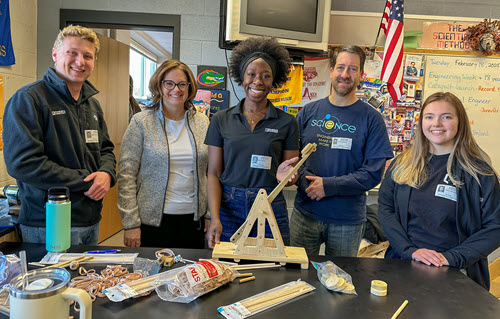
Middletown, PA – Phoenix Contact engineers head back into the classroom this week to teach sixth-grade science class at Middletown Area Middle School in Middletown, Pa. The classes are part of Phoenix Contact’s National Engineers Week celebration.
Phoenix Contact has worked with the school every February since 2007. The engineers lead hands-on lessons that make science fun. The goal is to inspire young people to consider careers in science, technology, engineering, and math (STEM).
The lessons include:
“Our engineering team created this outreach program many years ago, and the partnership with Middletown Area School District has stood the test of time,” said Patty Marrero, interim vice president of human relations at Phoenix Contact. “National Engineers Week is a special time for them to share their passion for technology with students. It’s also our chance to thank our engineers for the creativity and innovations that drive our company forward.”
About Phoenix Contact
Phoenix Contact is a global market leader based in Germany. Since 1923, Phoenix Contact has created products to connect, distribute, and control power and data flows. Our products are found in nearly all industrial settings, but we have a strong focus on the energy, infrastructure, process, factory automation, and e-mobility markets. Sustainability and responsibility guide every action we take, and we’re proud to work with our customers to empower a smart and sustainable world for future generations. Our global network includes 22,000 employees in 100+ countries. Phoenix Contact USA has headquarters near Harrisburg, Pa., and employs more than 1,100 people across the U.S.
For more information about Phoenix Contact or its products, visit www.phoenixcontact.com, call technical service at 800-322-3225, or email [email protected].

Key points:
More than half of science teachers believe the most important value of science education is how it contributes to students’ curiosity, critical thinking, and creativity, according to a new report from LEGO Education. But are today’s students truly engaging with science education?
LEGO Education’s State of Classroom Engagement Report: Science Edition surveyed more than 6,000 global teachers, parents, students, and U.S. administrators to gather data that can offer insight to support educators as they strive to engage their students in science learning.
Science learning builds life skills students will use even if they do not pursue the science in college or as a career. It also increases student engagement and well-being, but here’s the catch: Students have to feel connected to the material in order to build these skills.
Just over half of global science teachers say their students are engaged in science, which points to a critical need to boost engagement in the subject, according to the report. Interestingly, students say they are more engaged in science than they are in school overall. Only one-third of teachers worldwide indicate that their students are engaged in the classroom. Schools could leverage students’ interest in science to build schoolwide engagement–a key factor tied to student well-being.
When students aren’t engaged in science, what’s behind that lack of engagement? Often, they’re intimidated before they even learn the material, and they assume the topics are too challenging. Students lose confidence before they even try. Of students who say science is their least-favorite topic, 45 percent say science is too hard and 37 percent say they are bad at science. What’s more, 77 percent of global teachers say they believe students struggle because of complex concepts and curricula, and they’re searching for for impactful resources that support every student’s success.
“If students think they’re not good at the subject or avoid it, we risk losing an entire generation of innovators and problem solvers,” said Victor Saeijs, president of LEGO Education, in the report.
How can educators reach students who struggle to engage with science? Hands-on science learning is the key to piquing student curiosity, prompting them to engage with learning material and build confidence as they explore science concepts. Sixty-two percent of science teachers say hands-on activities drive student engagement in science. Seventy-five percent of science teachers who do incorporate hands-on activities believe this approach leads to higher test scores and grades.
More students need access to hands-on science learning. Only 55 percent of students say they regularly get hands-on experiences–these experiences usually require extra time and resources to plan and execute. Eighty-two percent of science teachers say they need more ways to teach science with play and hands-on methods.
Having access to hands-on science learning experiences increases students’ confidence, giving them the boost they often need to tackle increasingly tough-to-learn concepts:
Hands-on experiences in science drive:
Administrators and science teachers are short on time and need hands-on tools and resources to quickly engage students in learning: