Category: Small College

  • Small College America – Profile Earlham College – Edu Alliance Journal

    Small College America – Profile Earlham College – Edu Alliance Journal

    February 17, 2025, by Dean Hoke: This profile of Earlham College is the second in a series presenting small colleges throughout the United States.

    Background

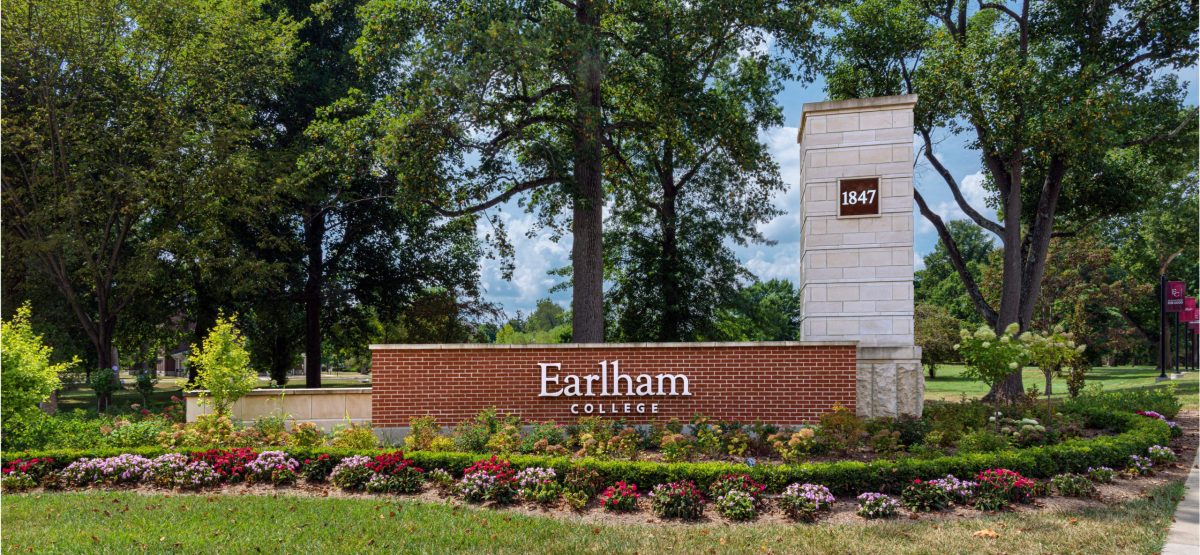
    Founded in 1847 in Richmond, Indiana, Earlham College is a private liberal arts institution with deep Quaker roots. The college maintains its commitment to principles such as integrity, peace, social justice, and community engagement, which shape both its academic and extracurricular life. Despite its modest size, Earlham has built a reputation for academic rigor, experiential learning, and global perspectives. Dr. Paul Sniegowski, a biologist and former dean of the College of Arts and Sciences at the University of Pennsylvania, has served as President since August 2024.

    For the 2023-24 academic year, U.S. News & World Report estimates Earlham’s total annual cost (including tuition, housing, and other expenses) at $53,930, with an average net price after aid of $25,496.

    Curricula

    Earlham College offers a diverse range of undergraduate programs, with popular majors including Biology, Environmental Science, International Studies, Business, and Psychology. The college places a strong emphasis on interdisciplinary learning, allowing students to engage in cross-disciplinary courses and independent research. The Epic Advantage Program provides students with up to $5,000 in funding for hands-on learning experiences, such as internships, field studies, and international travel.

    The college also offers a 3+2 Engineering Program, where students spend three years at Earlham before transferring to an affiliated university, such as Columbia or Case Western Reserve, to complete an engineering degree. This dual-degree approach combines the benefits of a liberal arts education with technical training, preparing students for careers in engineering, business, and technology fields.

    Strengths

    • Commitment to Experiential Learning – Programs like Epic Advantage provide students with real-world experience, enhancing their competitiveness in the job market.
    • Strong International Focus – Nearly 70% of Earlham students study abroad, and the college has partnerships with institutions worldwide.
    • Small Class Sizes – With a 9:1 student-faculty ratio, Earlham offers personalized attention and mentoring opportunities.
    • Values-Driven Education – Quaker principles of peace, social justice, and ethical leadership are embedded in the curriculum and campus culture.
    • Strong Science and Environmental Programs – The Joseph Moore Museum and expansive natural study areas provide unique hands-on research opportunities.

    Weaknesses

    • Financial Stability Challenges – Like many small liberal arts colleges, Earlham faces financial pressures, including declining enrollment and reliance on tuition revenue.
    • Leadership Continuity – Since 2011, Earlham has had four Presidents and one interim.
    • Limited Graduate Programs – Earlham focuses almost exclusively on undergraduate education, which may limit options for students seeking to continue their studies within the same institution.
    • Limited Name Recognition – Despite its strong academic reputation, Earlham struggles with brand recognition outside the Midwest and higher education circles.

    Economic Impact

    Earlham College is a major economic driver in Richmond, Indiana, and the surrounding region. The college employs hundreds of faculty and staff, supports local businesses, and contributes significantly to the local economy.

    According to the Independent Colleges of Indiana, Earlham College has a total economic impact of $76 million on the state and has created nearly 725 jobs in Indiana. LinkedIn data suggests the college has nearly 9,000 alumni, with 1,400 residing in Indiana and 366 in the Richmond area.

    Through programs like the Center for Social Justice and the Bonner Scholars Program, Earlham students engage in community service projects throughout Richmond. The college also frequently hosts cultural and educational events open to the public, further integrating itself into the civic life of the region.

    Enrollment Trends

    Earlham College has experienced a decline in full-time equivalent (FTE) enrollment over the past decade. In the 2013-14 academic year, enrollment stood at 1,159 students, dropping to 677 students in 2022-23. In the 2024 academic year, undergraduate FTE enrollment was 691.33 in the fall and 620.33 in the spring, reflecting ongoing challenges in retention and recruitment.

    Degrees Awarded by Major

    In 2024, Earlham College awarded 123 undergraduate degrees, including 84 single majors, 18 double majors, and one triple major. The distribution by major category is as follows:

    Alumni

    According to Earlham’s First-Destination Survey Report (2019-23):

    • 28% of graduates continue their education within six months of graduation.
    • 57% are employed within six months.
    • The top five employment industries are Education, Healthcare, Internet & Software, and Research.
    • Nearly 50% of alumni pursue graduate or professional school within 10 years.

    Notable Alumni:

    • Michael C. Hall (1993) – Emmy-nominated actor (Dexter, Six Feet Under).
    • Margaret Hamilton (1958) – NASA software engineer, led Apollo Program flight software development.
    • Michael Shellenberger (1993) – Author and journalist on free speech and environmental policy.
    • Venus Williams (2015) – Former World No. 1 tennis player and Olympic gold medalist.
    • Wendell Meredith Stanley (1926) – Nobel Prize-winning chemist in virus research.

    Endowment and Financial Standing

    Earlham College’s current endowment is $419 million, down from $475 million in 2021. Financial challenges stem from declining enrollment and reduced tuition revenue. In FY 2023, the college reported a net loss of $11.1 million.

    Despite these challenges, Forbes (2024) rated Earlham A- with a 3.499 GPA, signaling relative financial resilience. The college is actively implementing strategic budget adjustments and seeking alternative revenue sources to ensure long-term sustainability.

    Why Earlham Remains Relevant

    In an era where liberal arts colleges must justify their value, Earlham College stands out for its values-driven, experiential education. Its commitment to academic excellence, social responsibility, and global engagement makes it an attractive option for students looking for more than just a degree.

    Earlham’s focus on sustainability, diversity, and international collaboration positions it as a model institution that integrates ethical leadership with practical learning. As higher education continues to evolve, Earlham demonstrates that a small college can have a big impact on both students and the world.
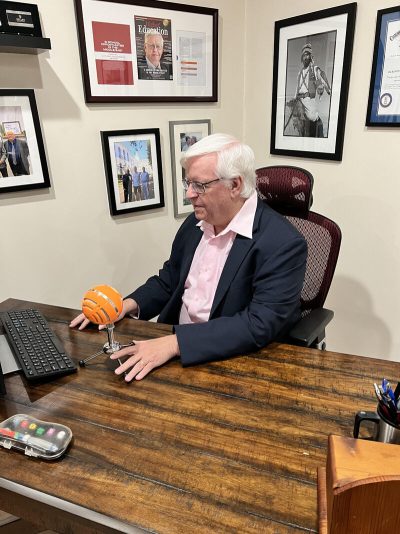

    Dean Hoke is Managing Partner of Edu Alliance Group, a higher education consultancy, and formerly served as President/CEO of the American Association of University Administrators (AAUA). With decades of experience in higher education leadership, consulting, and institutional strategy, he brings a wealth of knowledge on small colleges’ challenges and opportunities. Dean, along with Kent Barnds, are co-hosts for the podcast series Small College America. Season two begins February. 25, 2025
    Source link

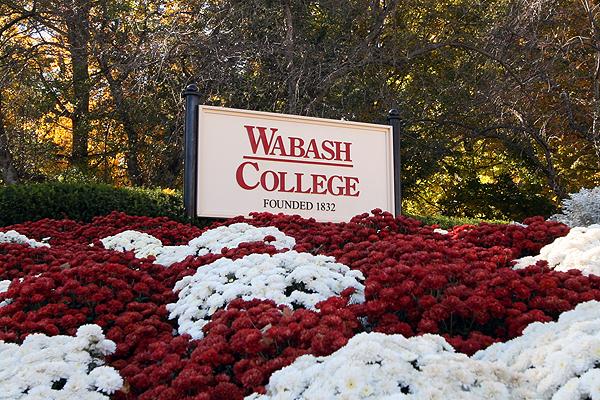
  • Small College America – Profile Wabash College – Edu Alliance Journal

    Small College America – Profile Wabash College – Edu Alliance Journal

    Background

    Established in 1832, Wabash College is a private liberal arts institution dedicated exclusively to undergraduate education for men. As one of the nation’s few remaining all-male colleges, Wabash upholds a tradition of academic rigor, personal responsibility, and close-knit community engagement. The college’s mission emphasizes the development of critical thinking, effective communication, and responsible leadership. The current President is Dr. Scott Feller. He has been president since 2020, and he has been with Wabash as a professor of chemistry and administrator since 1998. Wabash College is in Crawfordsville, Indiana, a community of 16,100 located 45 miles northwest of Indianapolis and 150 miles southeast of Chicago.

    In 2022- 23, US News & World Report projects the total cost per year is $65,825 (tuition, housing, etc.) Net price after aid is $26,834

    Curricula

    Wabash offers a diverse array of academic programs across three divisions: Natural Sciences, Humanities and Arts, and Social Sciences. Students can choose from 27 majors, allowing for a tailored educational experience. The curriculum is designed to foster interdisciplinary learning, encouraging students to explore various fields and integrate knowledge.

    A distinctive feature of Wabash’s academic program is the comprehensive examination that seniors must pass to graduate. This rigorous assessment includes both written and oral components, ensuring that graduates have a deep and thorough understanding of their chosen fields.

    Strengths

    1. Strong Alumni Network—Wabash boasts a dedicated and active alumni base that provides current students with mentorship, networking opportunities, and career support. The Princeton Review ranks Wabash fourth in the nation for “Best Alumni Network.”
    2. Continuity of Leadership – Wabash has a history of stable and effective leadership, providing consistent direction and long-term strategic planning. This stability has contributed to the college’s strong institutional culture, financial health, and sustained commitment to academic excellence and student success.
    3. Academic Excellence—Wabash’s commitment to a rigorous liberal arts education is evident in its comprehensive curriculum and the requirement that seniors pass comprehensive exams.
    4. Financial Aid and Scholarships – Approximately 99% of Wabash students receive some form of financial assistance, making the college accessible to a diverse student body.
    5. Personalized Attention – With a favorable student-to-faculty ratio, Wabash provides an environment where students receive individualized attention, fostering strong mentorship relationships and personalized academic guidance.

    Weaknesses

    1. Declining Enrollment– Over the past ten years, Wabash has experienced a slow decline in enrollment of 11%.
    2. Geographic Isolation – Located in a small town in Indiana, Wabash may face challenges in providing students with access to urban amenities and opportunities that larger cities offer.
    3. Niche Appeal: The college’s all-male atmosphere deters potential applicants from seeking a coeducational experience, potentially limiting the applicant pool.

    Economic Impact

    Wabash College plays a significant role in the local economy of Crawfordsville and the surrounding Montgomery County. As a major employer, the college provides jobs to faculty, administrative staff, and support personnel. Additionally, the presence of students and visitors contributes to local businesses, including housing, dining, retail, and services. The college’s events and programs also attract visitors, further stimulating economic activity in the region.

    According to the Independent Colleges of Indiana, Wabash College has a total economic impact on the state of Indiana of $134 million and created nearly 1,000 jobs in the state. According to LinkedIn profiles, they have over 9,000 alumni, of which 4,500 live in Indiana, and 869 live in the Crawfordsville, Indiana area.

    Enrollment

    Wabash’s 822 male students come from 32 states and 16 foreign countries; 73% are from Indiana.  73% are White, 5% are international, 12% are Hispanic, and 10% are other minorities. President Feller stated: “Wabash in the future is going to draw more students from more different places,” We already have the highest number of international students in the history of the College. We’re going to draw our student body more nationally and more internationally. And our faculty and staff too. So we’ve got to make sure that when those folks come here, they find a welcoming community where they feel a sense of belonging. “This College is relational, not transactional.”

    Degree Awards by Major

    In 2023, Wabash College awarded a total of 175 degrees across various disciplines. The distribution of the disciplines is as follows:

    • This distribution reflects the college’s strong emphasis on the humanities and social sciences, aligning with its liberal arts mission.

    Alumni

    The majority of Wabash students enter graduate or professional school within five years of graduating. Each year, approximately 25-30 percent of Wabash graduates enroll in graduate and professional schools, including about 8-10 percent in medical and law schools and about 20 percent in other graduate arts and sciences programs. Among those entering the workforce, 31 percent begin careers in business, while nine percent work in government, social service, or teaching.

    When reviewing LinkedIn alumni data, we found that Wabash College alums’ primary areas of study were Economics, Psychology, Political Science, history, and biology.

    Wabash has produced numerous distinguished alumni who have made significant contributions across various fields:

    • Gov. Mike Braun is the current governor of Indiana, a former U.S. senator from Indiana, and a former businessman.
    • Jeremy Bird is the Executive Vice President of Driver Experience for Lyft.
    • Robert E. Allen is the former Chairman and CEO of AT&T.
    • Robert Dirks was a Renowned chemist and researcher in molecular sciences.
    • Dan Simmons is an Award-winning science fiction and horror writer best known for the Hyperion Cantos series.

    Endowment and Financial Grade

    Wabash College’s endowment has maintained its endowment size over the past decade, reflecting successful fundraising efforts and prudent financial management. As of December 31, 2023, the endowment was valued at approximately $379 million, compared to $371 million in 2014. This growth demonstrates the institution’s ability to sustain financial stability while continuing to invest in its academic programs and student success.

    Forbes, in 2023, gave Wabash a top 100 grade of an A+ and a GPA of 4.27. The top grade was Harvard A+ and a GPA of 4.50.

    Why is Wabash College Relevant Today

    In today’s rapidly changing educational landscape, Wabash College remains steadfast in its dedication to a liberal arts education tailored for men. The college’s emphasis on critical thinking, effective communication, and ethical leadership prepares graduates to navigate and contribute meaningfully to a complex world. Wabash’s strong alumni network and commitment to personalized education continue to offer students unique opportunities for personal and professional growth.

    Dean Hoke is Managing Partner of Edu Alliance Group, a higher education consultancy, and formerly served as President/CEO of the American Association of University Administrators (AAUA). With decades of experience in higher education leadership, consulting, and institutional strategy, he brings a wealth of knowledge on small colleges’ challenges and opportunities.

    Source link

  • Small College America Podcast Returns for a New Season – Edu Alliance Journal

    Small College America Podcast Returns for a New Season – Edu Alliance Journal

    Dean Hoke and Kent Barnds Relaunch Acclaimed Series to Explore the Future of Small Colleges

    Bloomington, Indiana – February 3, 2025 – Small College America, the podcast dedicated to exploring the strengths, challenges, and future of small colleges, is officially relaunching with a new season. The series is co-hosted by Dean Hoke, Managing Partner of Edu Alliance Group and former President/CEO of the American Association of University Administrators, and Kent Barnds, Executive Vice President for Strategy and Innovation at Augustana College in Rock Island, Illinois.

    Both Hoke and Barnds are passionate advocates for small colleges, having graduated from Urbana University (OH) and Gettysburg College (PA), respectively. Their personal experiences and professional expertise have shaped their commitment to highlighting the vital role these institutions play in American higher education.

    “The landscape for small colleges is shifting rapidly, and we believe now is the time to amplify the conversation about their future,” said Kent Barnds. ” Dean and I are both passionate advocates for these institutions because we’ve experienced firsthand the impact of a small college education.”  Dean Hoke stated, “The first season of Small College America confirmed that there is a deep need for dialogue about the opportunities and challenges facing these schools. With this new season, we aim to engage with higher education leaders to explore innovative strategies that will help small colleges not just survive but thrive in an evolving higher education environment.”

    The original four-part series first aired on January 10, 2023, and was hosted by Dean Hoke and Tom Davisson, who now serves as Charter Commissioner for the National Association for Academic Excellence (NAAE). The inaugural season featured insightful conversations with small college presidents, including:

    • Dr. Barry Ryan, Former President of Woodbury University (Burbank, California)
    • Stefanie Niles, President of Cottey College (Nevada, Missouri)
    • Ryan Smith, President of the University of Rio Grande and Rio Grande Community College (Rio Grande, Ohio)
    • Janelle Vanasse, President of Alaska Pacific University (Anchorage, Alaska)

    The new season of Small College America will continue its mission of bringing critical discussions to the forefront by interviewing higher education leaders, policy experts, and innovators. The podcast will delve into the evolving role of small colleges, their economic impact, innovative strategies for sustainability, and how they can continue to provide a highly personalized educational experience.

    Season Two will begin weekly on March 11th at 11AM Eastern. More details, including upcoming, will be announced soon.

    For updates, visit [Podcast Website] or follow Small College America on [Social Media Links].

    About the Hosts

    Kent Barnds is the Executive Vice President for Strategy and Innovation at Augustana College, where he has been a senior administrator since 2005. A recognized thought leader in enrollment management and institutional strategy, Barnds is deeply invested in the success of small colleges and the students they serve.

    Dean Hoke is Managing Partner of Edu Alliance Group, a higher education consultancy, and formerly served as President/CEO of the American Association of University Administrators (AAUA). With decades of experience in higher education leadership, consulting, and institutional strategy, he brings a wealth of knowledge on small colleges’ challenges and opportunities.

    ### END ###

    Source link

  • Hoke’s Notes – The Plight of Small Colleges – Edu Alliance Journal

    Hoke’s Notes – The Plight of Small Colleges – Edu Alliance Journal

    January 27, 2025

    It has been two years since I last wrote a blog post for the Edu Alliance Journal. During that time, I took on the role of President/CEO of the American Association of University Administrators (AAUA) and dedicated myself fully to the organization. I set ambitious goals, including:

    1. Launching a marketing and branding campaign to elevate AAUA’s visibility,
    2. Increasing institutional and individual membership,
    3. Establishing a high-profile multi-day conference, and
    4. Stabilizing the organization’s finances to allow the hiring of a paid executive director.

    While I initially anticipated achieving these milestones within three years, the board and I managed to accomplish them in just 18 months.

    Reaching these goals was a significant achievement, and it signaled to me that it was time to focus on other priorities. As such, I submitted my resignation, effective January 1st, and “retired” from my leadership role at AAUA. However, I’ve always felt that retirement, in the traditional sense, isn’t for me. At 74, I still have ideas to share and contributions to make in the field of higher education.

    I aim to address several projects and issues moving forward, such as returning to my work as an international higher education consultant and re-launching two podcast series. However, one other area is especially close to my heart: the plight of small colleges.


    The Plight of Small Colleges

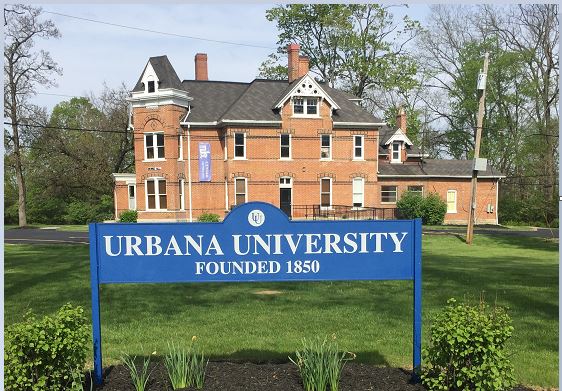
    If you’ve followed my journey, you know that I earned my undergraduate degree from Urbana University, a small private college in Urbana, Ohio—a city with a current population of 11,161. In 1975, I designed my own major in College Administration, combining courses in business, history/political science, and psychology. During my senior year, I also completed a year-long internship in admissions.

    As a nontraditional student (having started at the University of Dayton in 1968), it took me 6 ½ years and over 30 part-time jobs to complete my degree. Urbana gave me the opportunity to figure out what I wanted to do and how I could contribute to the world. It taught me adaptability and the goodness in people, which led me to the field I love—higher education.

    Unfortunately, Urbana University didn’t survive. After being acquired by Franklin College in 2014, it closed its doors in May 2020 due to challenges brought on by the coronavirus pandemic and years of low enrollment.

    Urbana had been an integral part of the community since 1850, serving as a significant economic engine. A 2017 study by the Southwestern Ohio Council for Higher Education estimated that Urbana contributed over $60 million annually to the economies of Champaign and Logan counties and employed 111 full-time staff during the 2015-2016 academic year. Its closure was devastating—not only for the university but also for the local businesses that depended on the foot traffic of students, visitors, and sports spectators.

    Rural colleges like Urbana serve as vital economic and social hubs for their communities. However, the increasing trend of college closures poses significant risks, including economic downturns, reduced social engagement, and the loss of cultural identity.


    Moving Forward

    To address this issue, I’m developing a funding proposal to analyze the multifaceted impacts of struggling colleges in rural areas. My goal is to propose actionable solutions and share findings that empower policymakers and community leaders. By combining innovative research, advocacy, and problem-solving, this initiative seeks to provide practical tools for fostering resilient rural communities.

    The research will focus on rural communities in Indiana, Ohio, and Pennsylvania. I’ve already received encouragement from regional leaders and am optimistic about finding partners to support this initiative. I’m seeking foundations, corporations, and government agencies to help fund this project, which aims to mitigate the ripple effects of college closures in rural America.

    If you have thoughts or suggestions on this topic—or know of potential funders—please feel free to contact me at [email protected].

    Stay tuned for updates on this and other projects I’m passionate about.


    Dean Hoke is Co-Founder and Managing Partner of Edu Alliance, an international higher education consultancy and podcast co-host of Higher Ed Without Borders and Small College America. He recently served as President/CEO of the American Association of University Administrators.

    Dean began his professional career in 1975 with Bellarmine University, working in a variety of roles, including Admissions and External Relations. In 1983, he entered the broadcasting field, serving as a senior executive for Public Broadcasting System stations and a cable network. In 1998, he co-founded The Connected Learning Network, a full-service online learning company. In 2009, he accepted an invitation to move to the United Arab Emirates, serving in senior positions at Higher Colleges of Technology and Khalifa University before co-founding Edu Alliance in Abu Dhabi in 2014.

    Hoke is passionate about advancing academic excellence and innovation worldwide.  He participates in numerous advisory and consulting projects on international branch campuses, marketing/branding, and business intelligence. Dean has consulted, presented, and written on leadership, higher education, and distance learning in the United States, Bahrain, Kazakhstan, Lebanon, Oman, Nigeria, Spain, and the United Arab Emirates.

    Hoke has a B.A. from Urbana University, an M.S. from the University of Louisville, and a Certificate in Executive Management from the University of Pennsylvania Wharton School. Dean currently resides in Bloomington, Indiana.

    Source link