
Category: Student Voices

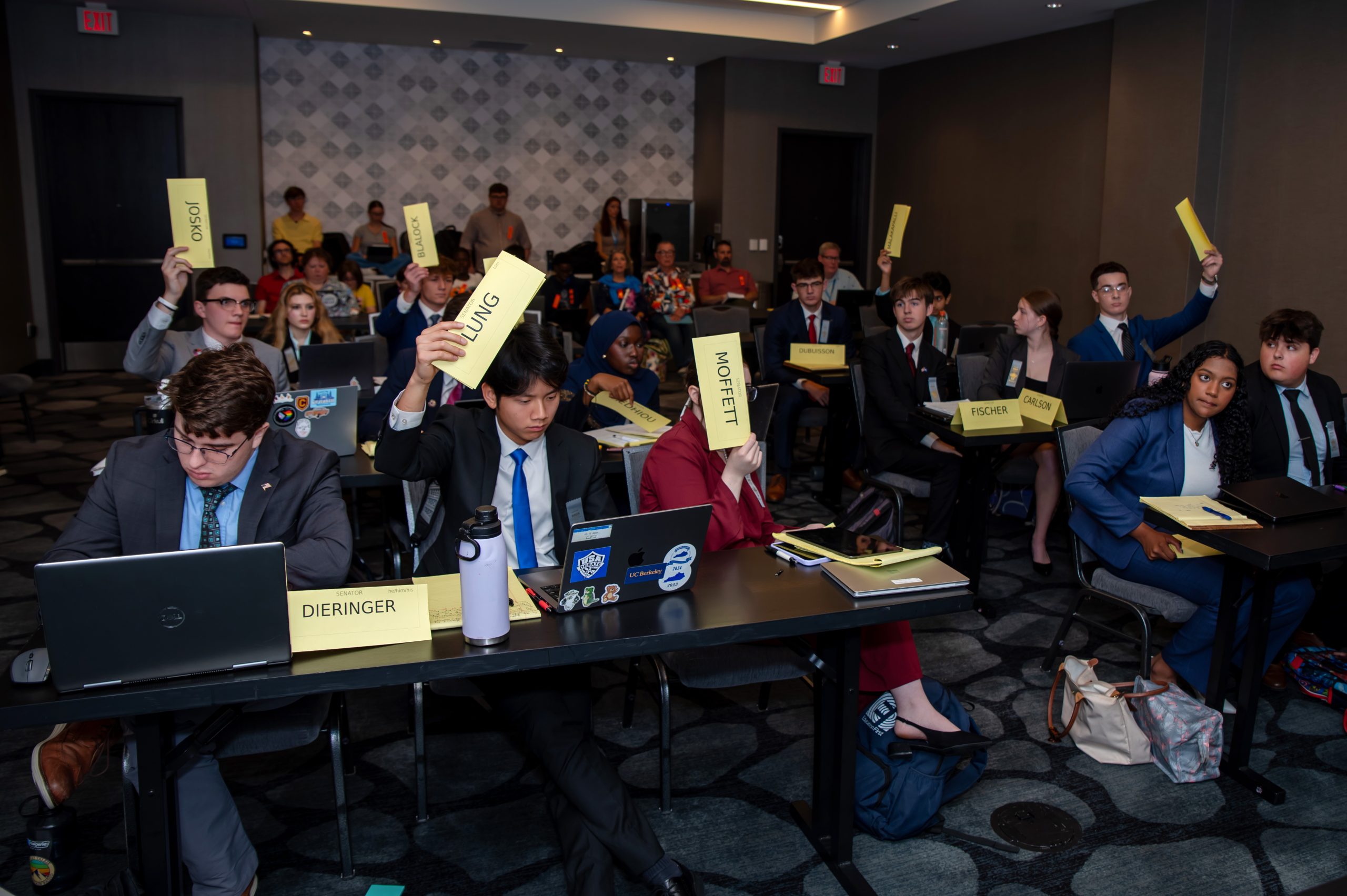
  • Learning to debate is an important facet of education, but too often public school students are left out 

    Learning to debate is an important facet of education, but too often public school students are left out 

    Ever since I first stepped onto the debate stage, I have been passionate about speech and debate. For the last three of my high school years, I have competed and placed nationally at major tournaments in Dallas, Los Angeles, Chicago, Atlanta and Las Vegas, among many others. Debate demands an incredible amount of research, preparation and practice, but those aren’t the biggest challenges for me.  

    I attend a public high school in California that lacks a formal debate program or coach, which has forced me to choose between quitting an activity I love and competing independently without any school support.  

    I chose the latter. And that means I prepare alone in the dark, navigate complex registration processes and, most importantly, pay hefty fees. 

    As many of us know, debate is an effective way to strengthen students’ comprehension, critical thinking and presentation skills. Debate allows students to explore ideas in a myriad of topics, from biotechnology to nuclear proliferation​​​​, and find their unique passions and interests. 

    Yet for many students, a lack of school support is a major entry barrier. It has turned debate into another private-school-dominated space, where private-school students receive access to higher quality research and on-the-spot coaching on argument structure and prose, like a football coach adjusting strategy on the sidelines. Additionally, most prestigious tournaments in the U.S. prohibit non-school-affiliated debaters like me from competing altogether.  

    Related: A lot goes on in classrooms from kindergarten to high school. Keep up with our free weekly newsletter on K-12 education.  

    These circumstances de facto prevent lower-income debaters from becoming successful in the activity. And that is why I believe that all schools should incorporate speech and debate classes into their core curriculums. Existing history and English teachers could act as debate coaches, as they do in many private schools. School districts could even combine programs across high schools to save resources while expanding access (Mountain View High School and Los Altos High School in California have pursued this strategy).  

    Over the past two decades, the debate community has engaged in efforts to democratize access to speech and debate through the creation of new formats (for example, public forum), local debate associations and urban debate leagues, among others.  

    However, many of these initiatives haven’t been successful. These newer formats, initially intended to lessen the research burden on debaters, have shifted toward emphasizing strict evidence standards and complex debate jargon. This shift has made debate less, not more, accessible, and led to more students from private schools — who were quickly able to ​​​​out-prepare those from public​​ schools — entering and dominating the competition.  

    Local debate associations and​​​​ competitive leagues for neighboring schools have provided more students with opportunities to participate. Still, debate via these organizations is limited, as they don’t provide direct coaching to member schools or rigorous opportunities for students, and prohibit certain students and programs from competing.  

    Similarly, urban debate leagues (for example, the Los Angeles Metropolitan ​​​​Debate League) have been incredibly successful in expanding debate access to lower-income and minority students; however, these programs are concentrated in major metropolitan cities, face opposition from some school districts and rely on donor funding, which can be uncertain.  

    In my debate rounds, I have analyzed pressing social problems such as global warming and economic inequality through a policymaking lens; in some rounds I defended increased wealth taxes, and in others I argued against bans on fossil fuels. Without debate, I wouldn’t be so conscious of the issues in my community. Now, as I enter college, I’m looking forward to continuing debate and leveraging my skills to fight for change.  

    Related: High school students find common ground on the debate stage 

    Speaking of college, in the competition for admission to the most selective colleges, extracurricular involvement can be a deciding factor, and debate is an excellent way to stand out, at least for those students with proper support.  

    However, when students from rural and low-income communities lack access to the same opportunities as students from more metropolitan and higher-income communities, we risk exacerbating the educational achievement gap to our collective detriment.  

    In the meantime, debate tournaments should reduce entry barriers for nontraditional debaters and for students from public schools without coaches and extra support.  

    Without these initiatives, too many rural and low-income students will be excluded from an amazing activity, one that is especially important in today’s polarizing and divisive climate.  

    Aayush Gandhi is a student at Dublin High School. He is an avid writer and nationally ranked Lincoln-Douglas debater.  

    Contact the opinion editor at [email protected].  

    This story about debate programs was produced by The Hechinger Report, a nonprofit, independent news organization focused on inequality and innovation in education. Sign up for Hechinger’s weekly newsletter.  

    The Hechinger Report provides in-depth, fact-based, unbiased reporting on education that is free to all readers. But that doesn’t mean it’s free to produce. Our work keeps educators and the public informed about pressing issues at schools and on campuses throughout the country. We tell the whole story, even when the details are inconvenient. Help us keep doing that.

    Join us today.

    Source link

  • Limited resources at underserved schools can keep students from getting the support they need

    Limited resources at underserved schools can keep students from getting the support they need

    As the first in my family to attend college, I felt a profound commitment to excel academically and gain admission to a top university. Growing up amid the hustle and bustle of Silicon Valley, I always envisioned a bright future ahead, with college at the forefront of my goals since elementary school.

    At my Title I elementary and middle schools, student-to-teacher ratios were even higher than those listed online. There was a lack of classroom technology and resources like history textbooks. Our two middle school counselors each managed students by the hundreds, making it nearly impossible for them to keep track of individual academic progress and educational goals. Afterward, I attended a private high school, thanks to support from my family. Our caring teachers made the effort to get to know each student, and dedicated counselors advocated for me when it mattered most.

    Yet when conversations about college came around, navigating the complex system was difficult. I had to chart my own path to success through independent research, often looking at data that was scattered and inconsistent. It hindered my ability to educate myself on college-going rates, costs, outcomes and employment prospects post-graduation.

    Related: Interested in innovations in higher education? Subscribe to our free biweekly higher education newsletter.

    Limited resources available at many underserved schools across the nation make it a more challenging environment for students to get support and excel, thus limiting their true academic potential.

    In my senior year of high school, after gaining newfound confidence while serving as a commissioner at-large in my county’s youth commission, I decided to try to challenge the status quo in higher education through the power of data and find a way to speak up for other first-generation students who find themselves interacting with systems not designed with their experiences in mind. My mentors at a regional food bank where I volunteered shaped me to lead with confidence and heart.

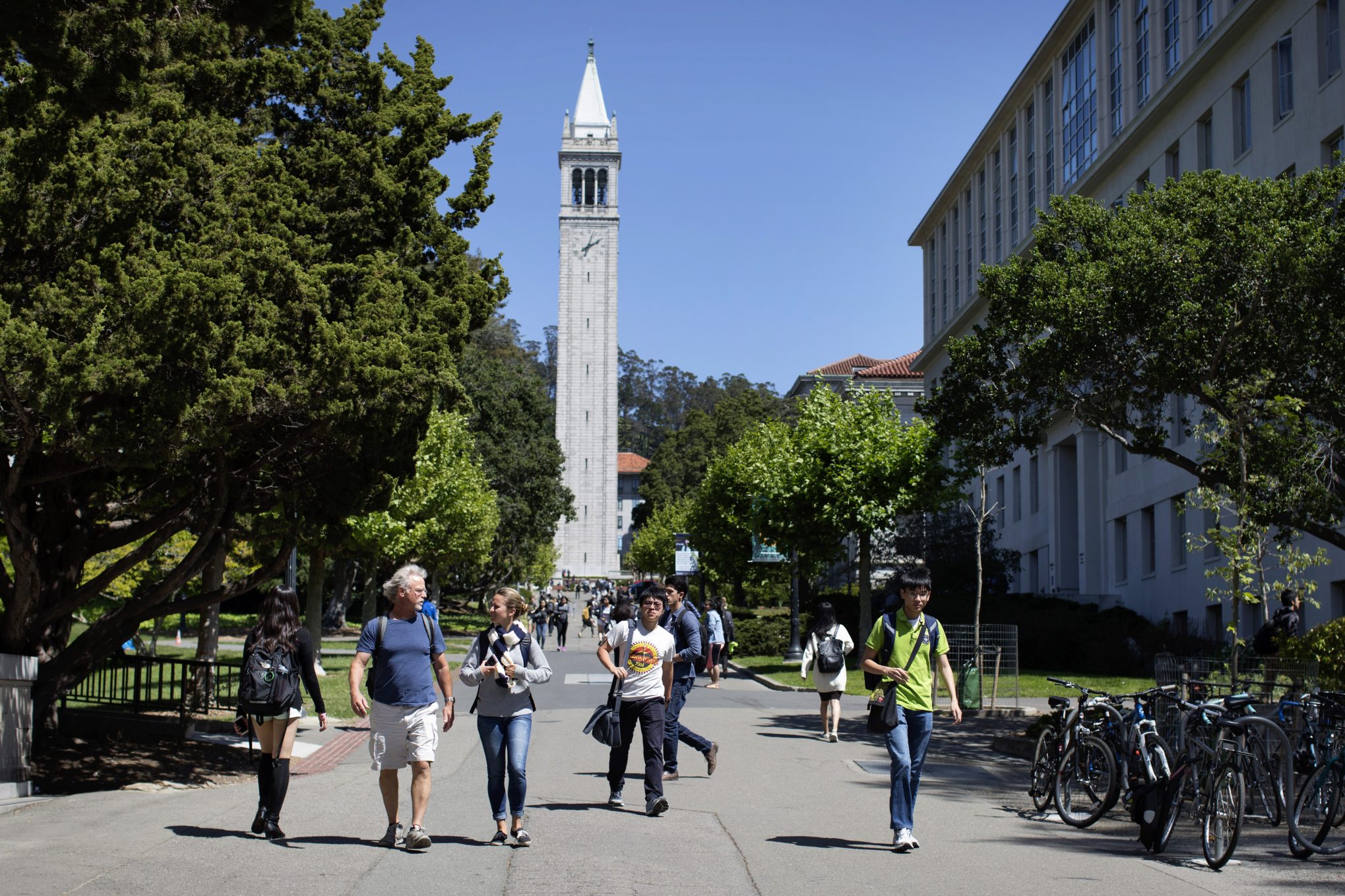
    When I received my admission letter from the University of California, Berkeley, I felt deeply honored to earn a place at one of the world’s leading research and teaching institutions.

    I am now an advisory board member of the recently formed California Cradle-to-Career Data System, the state’s longitudinal system that connects education and career outcomes data in one central place. I have learned firsthand that the resources available for students to gauge their potential postgraduate earnings often rely on self-submitted data or estimates, rather than on an accurate overview of college and career outcomes.

    Related: To better serve first-generation students, expand the definition

    As part of this work, I am now helping my state’s leaders develop tools like the Student Pathways dashboard, which provides insights on the higher education options available to students after high school.

    The tool provides information on a single website for everyone to access at any time. By streamlining access to this data, it allows students and the adults helping them to easily pinpoint which types of degrees or certifications are right for them, which may lead to employment opportunities where they live and which colleges or universities the students’ classmates are headed to.

    Students need access that can help them map out their futures — whether they hope to attend college, earn a certificate or enter the workforce directly after high school. Using data in the pathways tool can clarify how others have navigated to and through college and hopefully help students chart their own paths.

    As the youngest advisory board member, I have the opportunity to provide proposals and recommendations from a student’s perspective on how the system can engage with communities to make its data more accessible. Community engagement involves ensuring that Californians are aware of the data system, can understand and interpret the available data and have an opportunity to share their feedback.

    I often think about how the countless hours I spent trying to find information to help guide my goals and decision-making were both a burden and barrier to attending college. I know firsthand how the power of data can help build a successful future.

    Today, many first-generation and low-income college students do not have the opportunity to assess which pathways will yield the most fruit. I’m confident that with accessible facts and data for our decision-making, we can confidently forge the paths that will bring our dreams to life.

    Mike Nguyen is a rising junior studying business administration and science, technology, and society at the Haas School of Business at the University of California, Berkeley. This piece was written in collaboration with Alexis Takagi, a basic needs coordinator at Santa Clara University. Both Nguyen and Takagi are advisory board members of the California Cradle-to-Career Data System.

    Contact the opinion editor at [email protected].

    This story first-generation college students was produced by The Hechinger Report, a nonprofit, independent news organization focused on inequality and innovation in education. Sign up for Hechinger’s weekly newsletter.
    The Hechinger Report provides in-depth, fact-based, unbiased reporting on education that is free to all readers. But that doesn’t mean it’s free to produce. Our work keeps educators and the public informed about pressing issues at schools and on campuses throughout the country. We tell the whole story, even when the details are inconvenient. Help us keep doing that.

    Join us today.

    Source link