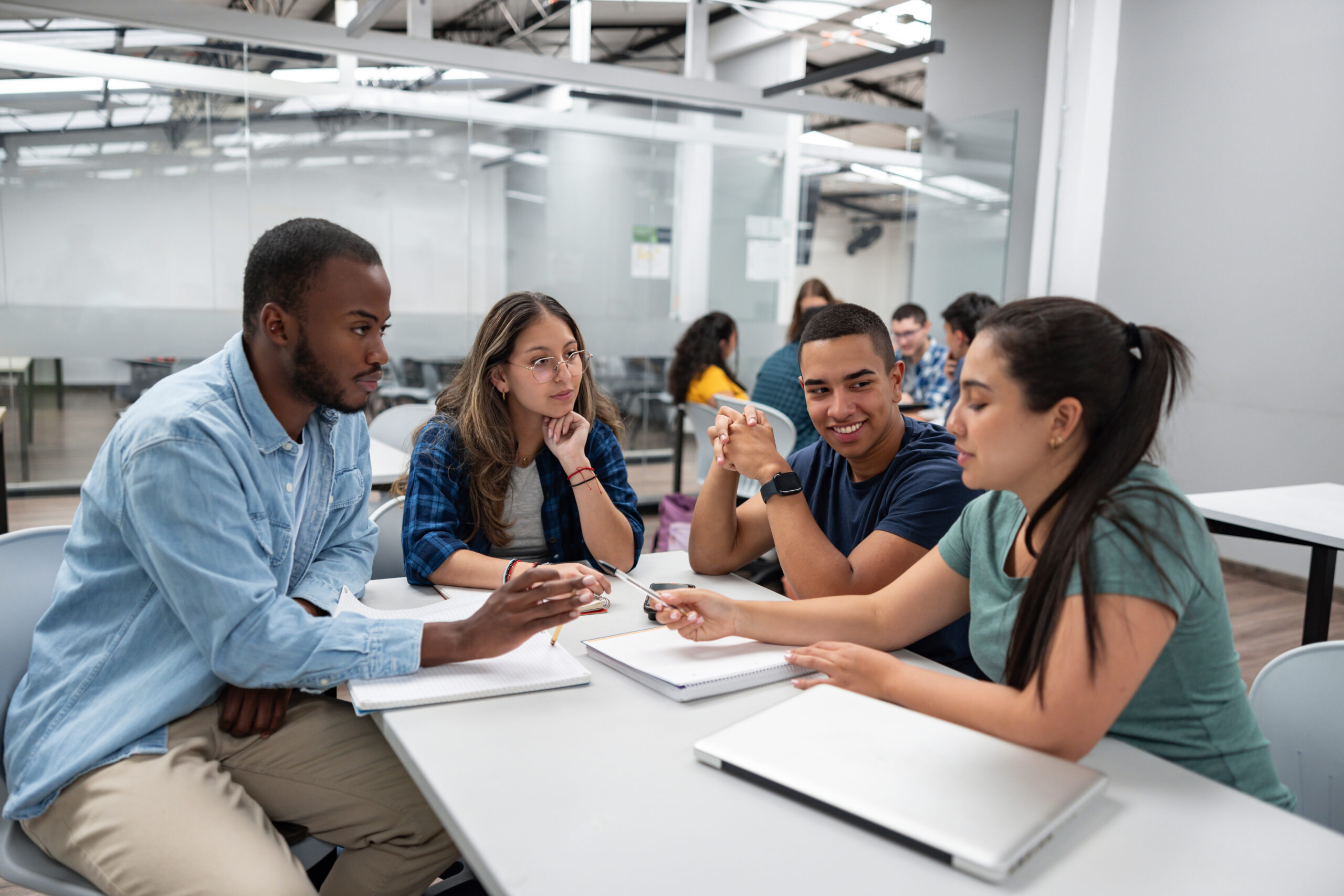
Wrapping up a recent course, one of my students approached and asked to talk. It turns out she wasn’t there to review an assignment or clarify a grade. Instead, she was seeking my advice on her future career: what were my thoughts on job prospects for her major; what professional pathways made sense, given our rapidly changing world.
As the conversation touched on search strategies, market forces, and even the shifting nature of work itself, I was struck by how the moment represented a growing phenomenon in higher education: helping students succeed beyond the academic setting is a shared responsibility, particularly as the call for post-academic success continues to grow.
Dedicated career centers lead the way for student success beyond campus, but when students seek guidance on their future professional roles, chances are it will be an instructor to whom they turn. That’s good news for those of us committed to academic success. When students reach out to faculty for career advice, it’s an opportunity to deepen trust and strengthen learner confidence–principles that correlate with learning success. It also allows us to link learning with purpose, while helping us more deeply understand the evolution of our disciplines.
Integrating career readiness into our courses benefits us all. Here are some simple steps to get started:
Instructors Are Career Influencers—Whether We Know It or Not
Classroom instructors are the most consistent professional mentors that students encounter throughout their college years. A passing comment about your own career trajectory, or a few minutes spent discussing potential paths in your field, can expand a student’s sense of what’s possible, particularly for those whose backgrounds lack the types of professional networks that can impact professional success. Inviting professionals into the classroom–whether through alumni networks, or local industry—is an opportunity to provide students with professional roadmaps. Sharing examples of the different ways your discipline shows up in the world can likewise orient students towards a meaningful future in which they will likely change careers multiple times. To help guide conversations, invite students to explore so-called “clusters” of careers using tools such as the U.S. Department of Labor’s Occupational Information Network which provides data on growing fields and industries.
Relevance Drives Engagement
When students understand how their academic work connects to real-world applications, their engagement deepens. They’re more likely to push through a complex assignment when they see how it builds toward the type of skills they can apply to future employment. Not every lesson needs to turn into a job training session but connecting the “what” of our teaching to the “why” that students are so often seeking strengthens outcomes and can also improve student satisfaction. Studies indicate that students gain motivation when they can see how the skills they’re developing serve a purpose beyond the classroom, so canvassing students about their future career goals and integrating conversations and activities that help them map content to careers can be highly effective.
Every Discipline Includes Transferable Skills
Supporting students with future career goals means guiding them to recognize key competencies that develop across disciplines and that are prioritized across professional fields. Key among these are the skills of critical thinking, communication, teamwork, cultural fluency, and ethical decision-making. Students won’t always recognize these as in-demand skills unless we name them, so consistently referencing their utility is an impactful step. That might mean pointing out that a history paper builds research skills; a biology lab fosters analytical reasoning; and a group project in any discipline develops collaboration and leadership skills that are prized in the workplaces of today. By drawing attention to these connections, we help students value the breadth of what they’re learning while helping them understand how to showcase these skills to future employers.
Hybrid Skills Define the Modern Workforce
Today’s employers seek graduates who bring both depth and versatility, meaning team members who know the specifics of their field, but can also communicate, adapt, and think creatively. These hybrid profiles are in demand across sectors and instructors can support their students by embedding assignments that mirror real-world demands. Case studies, presentations, simulations, along with reflective writing, all offer chances to practice skills that matter in professional life. When we give students opportunities to apply knowledge in dynamic ways, we prepare them not only for jobs, but for the type of lifelong learning these professional positions will demand.
Helping students prepare for their careers doesn’t dilute academic rigor; it strengthens it by affirming that education matters in the world beyond academics. That day in the classroom, as I listened to my student’s questions about her future, I realized she wasn’t looking for certainty, but rather the opportunity to engage in the very skills we’ve always valued in teaching: critical questioning, reflection, and the ability to envision new ways to advance. Faculty are in a unique position to offer this type of guidance. Embracing and integrating career readiness into our teaching supports the pedagogical goals of the classroom while helping students succeed well beyond them.
Juli S. Charkes, EdD, is a former Director of a Center for Teaching and Learning where she led faculty development across 100 academic programs. She has been a classroom instructor for the past 14 years, teaching organizational leadership, communications, and media studies at both the undergraduate and graduate levels.
Pleschová, G., Sutherland, K. A., Felten, P., Forsyth, R., & Wright, M. C. (2025). Trust-building as inherent to academic development practice. International Journal for Academic Development, 30(1), 1–13. https://doi.org/10.1080/1360144X.2025.2454704
Fish, N., Bertone, S., & van Gramberg, B. (2025). Improving student engagement in employability development: recognising and reducing affective and behavioural barriers. Studies in Higher Education, 1–16. https://doi.org/10.1080/03075079.2025.2461271
Wrapping up a recent course, one of my students approached and asked to talk. It turns out she wasn’t there to review an assignment or clarify a grade. Instead, she was seeking my advice on her future career: what were my thoughts on job prospects for her major; what professional pathways made sense, given our rapidly changing world.
As the conversation touched on search strategies, market forces, and even the shifting nature of work itself, I was struck by how the moment represented a growing phenomenon in higher education: helping students succeed beyond the academic setting is a shared responsibility, particularly as the call for post-academic success continues to grow.
Dedicated career centers lead the way for student success beyond campus, but when students seek guidance on their future professional roles, chances are it will be an instructor to whom they turn. That’s good news for those of us committed to academic success. When students reach out to faculty for career advice, it’s an opportunity to deepen trust and strengthen learner confidence–principles that correlate with learning success. It also allows us to link learning with purpose, while helping us more deeply understand the evolution of our disciplines.
Integrating career readiness into our courses benefits us all. Here are some simple steps to get started:
Instructors Are Career Influencers—Whether We Know It or Not
Classroom instructors are the most consistent professional mentors that students encounter throughout their college years. A passing comment about your own career trajectory, or a few minutes spent discussing potential paths in your field, can expand a student’s sense of what’s possible, particularly for those whose backgrounds lack the types of professional networks that can impact professional success. Inviting professionals into the classroom–whether through alumni networks, or local industry—is an opportunity to provide students with professional roadmaps. Sharing examples of the different ways your discipline shows up in the world can likewise orient students towards a meaningful future in which they will likely change careers multiple times. To help guide conversations, invite students to explore so-called “clusters” of careers using tools such as the U.S. Department of Labor’s Occupational Information Network which provides data on growing fields and industries.
Relevance Drives Engagement
When students understand how their academic work connects to real-world applications, their engagement deepens. They’re more likely to push through a complex assignment when they see how it builds toward the type of skills they can apply to future employment. Not every lesson needs to turn into a job training session but connecting the “what” of our teaching to the “why” that students are so often seeking strengthens outcomes and can also improve student satisfaction. Studies indicate that students gain motivation when they can see how the skills they’re developing serve a purpose beyond the classroom, so canvassing students about their future career goals and integrating conversations and activities that help them map content to careers can be highly effective.
Every Discipline Includes Transferable Skills
Supporting students with future career goals means guiding them to recognize key competencies that develop across disciplines and that are prioritized across professional fields. Key among these are the skills of critical thinking, communication, teamwork, cultural fluency, and ethical decision-making. Students won’t always recognize these as in-demand skills unless we name them, so consistently referencing their utility is an impactful step. That might mean pointing out that a history paper builds research skills; a biology lab fosters analytical reasoning; and a group project in any discipline develops collaboration and leadership skills that are prized in the workplaces of today. By drawing attention to these connections, we help students value the breadth of what they’re learning while helping them understand how to showcase these skills to future employers.
Hybrid Skills Define the Modern Workforce
Today’s employers seek graduates who bring both depth and versatility, meaning team members who know the specifics of their field, but can also communicate, adapt, and think creatively. These hybrid profiles are in demand across sectors and instructors can support their students by embedding assignments that mirror real-world demands. Case studies, presentations, simulations, along with reflective writing, all offer chances to practice skills that matter in professional life. When we give students opportunities to apply knowledge in dynamic ways, we prepare them not only for jobs, but for the type of lifelong learning these professional positions will demand.
Helping students prepare for their careers doesn’t dilute academic rigor; it strengthens it by affirming that education matters in the world beyond academics. That day in the classroom, as I listened to my student’s questions about her future, I realized she wasn’t looking for certainty, but rather the opportunity to engage in the very skills we’ve always valued in teaching: critical questioning, reflection, and the ability to envision new ways to advance. Faculty are in a unique position to offer this type of guidance. Embracing and integrating career readiness into our teaching supports the pedagogical goals of the classroom while helping students succeed well beyond them.
Juli S. Charkes, EdD, is a former Director of a Center for Teaching and Learning where she led faculty development across 100 academic programs. She has been a classroom instructor for the past 14 years, teaching organizational leadership, communications, and media studies at both the undergraduate and graduate levels.
Pleschová, G., Sutherland, K. A., Felten, P., Forsyth, R., & Wright, M. C. (2025). Trust-building as inherent to academic development practice. International Journal for Academic Development, 30(1), 1–13. https://doi.org/10.1080/1360144X.2025.2454704
Fish, N., Bertone, S., & van Gramberg, B. (2025). Improving student engagement in employability development: recognising and reducing affective and behavioural barriers. Studies in Higher Education, 1–16. https://doi.org/10.1080/03075079.2025.2461271
One of the things I have always loved about the IB mission statement is that it goes beyond the academics. The aim of all IB programmes is to develop internationally-minded people who help to create a better and more peaceful world. IB schools realize this mission through the learner profile, which provides students and teachers with personal attributes and goals: qualities that are worth fostering and developing for both personal and intellectual growth.
At the same time, an essential component of all IB programmes is the approaches to learning – a set of skills that help students learn how to learn. Developing these skills (thinking, communication, social, self-management and research skills) also help develop the learner profile. These skills also contribute to well-being.
Skills that are necessary for social and emotional well-being can be taught and practiced. For example, the thinking skills emphasise analysing and evaluating issues and ideas, as well as considering new perspectives, research skills help students to find and interpret information, and communication skills help students to express their ideas and views. The ATL skills also recognise that learning is an active and social process, so collaboration and working effectively with others is important. Self-management skills also help students to take responsibility for their own behaviour and well-being.
Personal well-being can also be fostered through the development of character strengths. The Positivity Project considers 24 character strengths that can also be grown. They are connected to a person’s thoughts, feelings and behaviours. We can make students aware of these strengths and that everyone has them. Developing these strengths will enhance students’ self-awareness and confidence as well as their understanding and appreciation of others – which will strengthen their relationships. See the graphic below and visit the link to find out more about these strengths.
Focusing on character strengths as well as developing the learner profile attributes and the ATL skills, can help students to become happier, healthier and more social connected, which in turn can help them do better at school.
Interpersonal communication theories not only help students navigate personal and professional relationships but also strengthen teacher-student connections. Drawing on Orón (2018) and Orón Semper & Blasco (2018), we encourage instructors to use this one-day activity to shift from a “student-centered” to an “interpersonal relationship-centered” pedagogy. This approach views instructor-student relationships as essential to learning and as a space for students to apply theory with relational intent. The activity promotes self-reflexivity, theory analysis, and collaborative dialogue, resulting in improved theory comprehension, stronger rapport, and communication practices that respect classroom diversity.
Student and instructor diversity in higher education has grown significantly in recent years (Li & Koedel, 2017), with over a million international students enrolled in U.S. universities (Urban, 2016). This diversity—across culture, gender, race, ability, and socioeconomic status—shapes classroom dynamics and presents unique challenges related to language, identity, and cultural differences (Jones et al., 2021). Instructors must respond by creating inclusive learning environments that support all students (Downing & Billotte Verhoff, 2023). Diversity also presents an opportunity to apply communication theories to foster intercultural empathy and improve collaboration. Students may initially struggle to understand and respect differing perspectives, affecting group work and engagement (Gray et al., 2020), but these challenges can become learning opportunities that deepen classroom inclusivity.
Communication scholars often apply interpersonal communication theories in the classroom to strengthen student–teacher relationships (Xie & Derakhshan, 2021). This single class activity integrates uncertainty management, self-disclosure, and communication accommodation theory (CAT) for undergraduate students to (a) to understand and (b) apply these theories to facilitate an inclusive and self-reflexive classroom. Teachers are the leading actors during everyday interaction and play a significant role in shaping communication and enhancing the teaching and learning process (Almas Rizkika Nabila, 2020). This activity encourages students to actively co-create a meaningful learning experience, highlighting the reciprocal nature of classroom interaction (Anyichie & Butler, 2023; Kong, 2021).
Self-disclosure: Communication Privacy Management
Self-disclosure is “any conversation about the self that a person communicates to others” (Ampong et al., 2018). Communication Privacy Management (CPM) theory helps students understand how they set and manage privacy boundaries with peers and instructors (Petronio et al., 2021). The intersection of privacy boundaries and the learning space is complicated as students and instructors navigate privacy. Instructors deliver the lecture and explain the course content, but they also intentionally and willingly share their personal stories (Liu & Zhu, 2021). For instance, the first author, an international graduate assistant, connects class discussions to experiences from his home country, helping students relate and engage. Such instructor self-disclosure encourages student participation and fosters more meaningful classroom communication (Goldstein, 1994) (Liu & Zhu, 2021).
However, instructors and students rarely critically examine the disclosure norms in the classroom and their role in learning and relationship building. For example, disclosure boundaries (i.e., how far instructors can go to share their experiences) (Cayanus, 2004). Additionally, while students may attend to how much information they share in the classroom, this activity challenges them to apply CPM theory to examine their disclosure practices, expectations, and privacy boundary negotiations.
Communication Accommodation Theory
Communication Accommodation Theory (CAT) explains how individuals adjust their communication such as speech, tone, pace, gestures, or body language—to interact effectively with others. Instructors can use CAT to enhance student understanding during lectures (Howard Giles, 2023).The theory outlines two key strategies: convergence, where a speaker adapts to another’s communication style (e.g., simplifying vocabulary, repeating phrases, pausing, smiling, nodding), and divergence, where a speaker maintains differences by avoiding shared cues (e.g., using complex words, changing topics, or not adjusting speaking pace) (Marko Dragojevic, 2016) (Pardo et al., 2022).
Drawing on this research, the goal of this activity is 1) to understand the theories and analyze how they facilitate the teaching process, 2) to explore the perceptions of students about these theories and their inclusion in the classroom, 3) to determine the expectations of students related to characteristics of these theories.
The Activity
This single-class activity applies to various undergraduate courses, such as public speaking, communication among cultures, communication in interpersonal relationships, argument analysis and advocacy, and persuasion. Instructors can do this activity during introduction week as they begin navigating disclosures about themselves and student expectations. Moreover, planning this activity at the beginning will challenge students to examine their positionalities, norms, and expectations critically.
Step 1: Personal Reflection
Before implementing the activity, instructors should familiarize themselves with relevant communication theories and reflect on how their own identities shape their teaching assumptions (Nabila, 2020, Downing & Billotte Verhoff, 2023). We recommend engaging in self-reflexive questions, such as: What disclosure boundaries do I set and why? What uncertainties do I face around privacy or accommodation in teaching? What expectations exist between me and my students regarding communication and flexibility? Instructors should identify what personal information they’re willing to share, why they’re sharing it, and how it might impact classroom relationships. For example, the first author reflected on cultural and linguistic differences and adjusted his teaching by using simpler language, acknowledging English is not his first language, and setting shared guidelines to support mutual understanding and accommodation. This reflective process helps align instructional practices with inclusive, theory-informed pedagogy.
Step 2: Students’ Perceptions About Components of Theories
This activity takes approximately 30 to 40 minutes and is best suited for a full class session. Instructors should introduce the key theories with examples and explain the activity’s purpose and timing. For advanced courses, assigning theory readings beforehand can deepen analysis, making it more effective to conduct the activity later in the semester rather than at the start. During the session, students should be divided into groups of four and asked to write their expectations for the course and the instructor. To guide discussion, instructors can pose prompts such as:
What expectations do you have for your instructor when it comes to using different communication accommodation strategies?
How do you manage your own self-disclosure in the classroom? Where do you draw the line on what you choose to share?
What are your thoughts on instructors’ self-disclosure? What types of disclosures have a positive or negative impact on your learning experience?
How comfortable are you with classroom communication? What strategies could reduce uncertainty or discomfort?
How do you plan to engage with and accommodate diversity in terms of culture, race, gender identity, and sexual orientation in your classroom interactions?
Can you connect your responses to the core ideas of the communication theories we’ve discussed? How do these theories help explain disclosure and accommodation in the classroom context?
These questions will provide space for students to reflect on their experiences. Moreover, during that time, the instructor will also answer these questions from the instructor’s perspective and enlist the convergence techniques they perceive to accommodate. Instructors can give 15 to 20 minutes to answer the provided questions briefly.
Step 3: Describing the Theories and Their Impact
Instructors will invite each group to share their responses, followed by the instructor’s own disclosure of planned strategies—such as accommodation, anticipated uncertainties, and boundaries around self-disclosure. A comparison table with two columns (students vs. instructor) can be used to visually display both perspectives. Instructors then lead a discussion with prompts like: Why do these expectations exist? What differences or overlaps emerge? How do these perspectives interact? This activity encourages students to (a) practice perspective-taking shaped by diverse identities, (b) apply key concepts like co-creating privacy boundaries (CPM), and (c) see how theory fosters a supportive learning environment. Since student familiarity with these theories may vary, instructors should first assess their basic understanding.
Debriefing
At the end of the activity on the same day. Instructors can initiate the debriefing by including the Q&A sessions such as:
How did this activity impact, how you view self-disclosure and accommodation?
What do you understand about embedding these theories in the classroom?
How can this activity help to build a good student-teacher relationship and create an inclusive environment in the classroom?
Appraisal
In the second week, I (the first author) compiled all responses into a table and presented it to the class. I briefly discussed both student and instructor perspectives, then posted reflection prompts on Blackboard for feedback. Students responded positively, noting that the activity was enjoyable and helped them get to know one another. Many emphasized the importance of communication accommodation, agreeing that in a diverse classroom, convergence strategies are essential for fostering inclusion and mutual respect. One student highlighted that accommodation is key to ensuring understanding and promoting respectful interaction (see Table 1).
Table 1: Responses of Students and Instructor
Communication Accommodation
Self-disclosure
Uncertainty
Students
-Speaking slower during a speech even when anxious** -Staying away from slang words to avoid language barriers -Clear annunciation -Respectful of each other’s speaking language** -Appropriate tone/voice -In class participation -Speaking clearly and loudly**** -Visual cue images if doing a speech. -Articulation -Be patient -Stay engaged -Ask him to repeat
-Disclose how comfortable you are speaking in front of a group, so the professor understands your anxiety or emotion towards speech presentation ** -Disclosing where you are from, what languages you, speak, and how much you understand a topic will be very important to critiquing your peers on their speeches -Safe space -No personal information**** -No social media -Should disclose important and relevant events that could affect quality -Establish boundaries
-Topics that peers choose to speak about throughout the semester may be understood less or more by others -How to write a speech -How we will be graded -How heavy the workload will be -Fear of asking questions -Ask for help when needed -Talking in front of people preparation -Speech topics (Range of issues) -Comfort -What is expected of us from the professor -Memorizing speeches -Deadlines -Clear instructions for assignments -Reminders of important dates -Remember to submit assignments -Nervous
Instructor
-Speak slowly -Use clear words -Allow students to ask questions -Repeat my words without asking -Take a break during lecture and ask students if they have any concern or not -Making good eye contact -Listen everyone carefully -Give everyone chance to speak
-If you are comfortable to share your personal information you can, we can make a rule that whatever you share in this class will stay in this class
-How do you feel when I show attendance sheet on BB -How do you feel about forgetting your name -What do you think when it takes time to respond to your email -How you think when you meet me outside of class at court street on weekends
One limitation of this activity is the time required to develop and implement it during the first week of the semester, making early planning essential. Second, the activity is best suited for small classes; in larger classrooms, it may be difficult to follow all steps without modification. Lastly, delayed feedback or response-sharing may reduce the activity’s impact, as students may forget key details over time.
Athar Memon, MBBS, MSPH, is a graduate student in the PhD program in the Scripps School of Communication Studies at Ohio University. Athar Memon research interest is related to health communication specifically health care access, behaviors to access healthcare services among marginalized population, barriers related to patient-provider interpersonal communication, health literacy and its relationship with health outcomes and healthy behaviors. His work has been published in various journals including Professional Medical Journal, Journal of Pakistan Medical Association, Pakistan Journal of Public Health, PEC Innovation, and Eastern Mediterranean Journal.
China C. Billotte Verhoff, PhD, (Purdue University) is an Assistant Professor in the School of Communication Studies at Ohio University. Dr. Billotte Verhoff’s research agenda lies at the intersections of interpersonal and organizational communication. Specifically, she explores how individuals with marginalized and stigmatized identities navigate self-disclosure and social support processes to identify the associated relational, career, and health outcomes. Dr. Billotte Verhoff’s work has been published in peer-reviewed journals such as Communication Monographs, the Journal of Language and Social Psychology, Communication Studies, Sex Roles, Women and Language, and Health Communication.
References
Almas Rizkika Nabila, A. M., Syafi’ul Anam. 2020. “TEACHER’S MOTIVES IN APPLYING COMMUNICATION ACCOMMODATION STRATEGIES IN SECONDARY ELT CLASS. Linguistic, English Education and Art (LEEA) Journal, 3(2), 373-384.”
Ampong, G. O. A., Mensah, A., Adu, A. S. Y, Addae, J. A., Omoregie, O. K., & Ofori, K. S. 2018. “Examining Self-Disclosure on Social Networking Sites: A Flow Theory and Privacy Perspective. Behav Sci (Basel), 8(6).”
Anyichie, A. C., & Butler, D. L.. 2023. Examining culturally diverse learners’ motivation and engagement processes as situated in the context of a complex task. Frontiers in Education,
Cayanus, J. L.. 2004. “Effective Instructional Practice: Using Teacher Self-Disclosure as an Instructional Tool. Communication Teacher, 18(1), 6-9.”
Downing, S. S., & Billotte Verhoff, C. C. 2023. “Incorporating mini lessons on the hidden curriculum in communication classrooms. Communication Teacher, 37(3), 246-253.”
Ewa Urban, L. B. P.. 2016. “International Students’ Perceptions of the Value of U.S. Higher Education Journal of International Students, 6(1), 153-174.”
Gray, D. L., McElveen, T. L., Green, B. P., & Bryant, L. H.. 2020. Engaging Black and Latinx students through communal learning opportunities: A relevance intervention for middle schoolers in STEM elective classrooms. Contemporary Educational Psychology, 60, 101833.
Howard Giles, A. L. E., Joseph B. Walther. 2023. Communication accommodation theory: Past accomplishments, current trends, and future prospects.
Jones, B. D., Krost, K., & Jones, M. W.. 2021. Relationships between students’ course perceptions, effort, and achievement in an online course. Computers and Education Open, 2, 100051.
Kong, Y. 2021. The Role of Experiential Learning on Students’ Motivation and Classroom Engagement. Front Psychol, 12, 771272.
Li, D., & Koedel, C. 2017. “Representation and salary gaps by race-ethnicity and gender at selective public universities. Educational researcher, 46(7), 343-354.”
Liu, X., & Zhu, L. 2021. The Role of EFL Teachers’ Self-Disclosure as Predictors of Student’s Willingness to Communicate and Their Engagement. Front Psychol, 12, 748744.
Marko Dragojevic, J. G., Howard Giles. 2016. Accommodative Strategies as Core of the Theory. Communication Accommodation Theory: Negotiating Personal Relationships and Social Identities across Contexts, 36-59.
Pardo, J. S., Pellegrino, E., Dellwo, V., & Möbius, B. 2022. Special issue: Vocal accommodation in speech communication. Journal of Phonetics, 95, 101196.
Petronio, S., Child, J. T., & Hall, R. D. 2021. Communication privacy management theory: Significance for interpersonal communication. In Engaging theories in interpersonal communication (pp. 314-327). Routledge.
Xie, F., & Derakhshan, A. 2021. A Conceptual Review of Positive Teacher Interpersonal Communication Behaviors in the Instructional Context. Front Psychol, 12, 708490.
Monash University Dean of Law Steven Vaughan. Source: Monash University website
Monash University’s new dean of law has announced senior law students will stop tutorials and suggested students should do no more than ten hours of paid work a week alongside their studies.
Please login below to view content or subscribe now.
If you’ve ever tried to make sense of a big, messy topic, whether it’s anatomy, psychology, or even planning a family vacation, you know how easy it is to get lost in the details. That’s where concept maps come in.
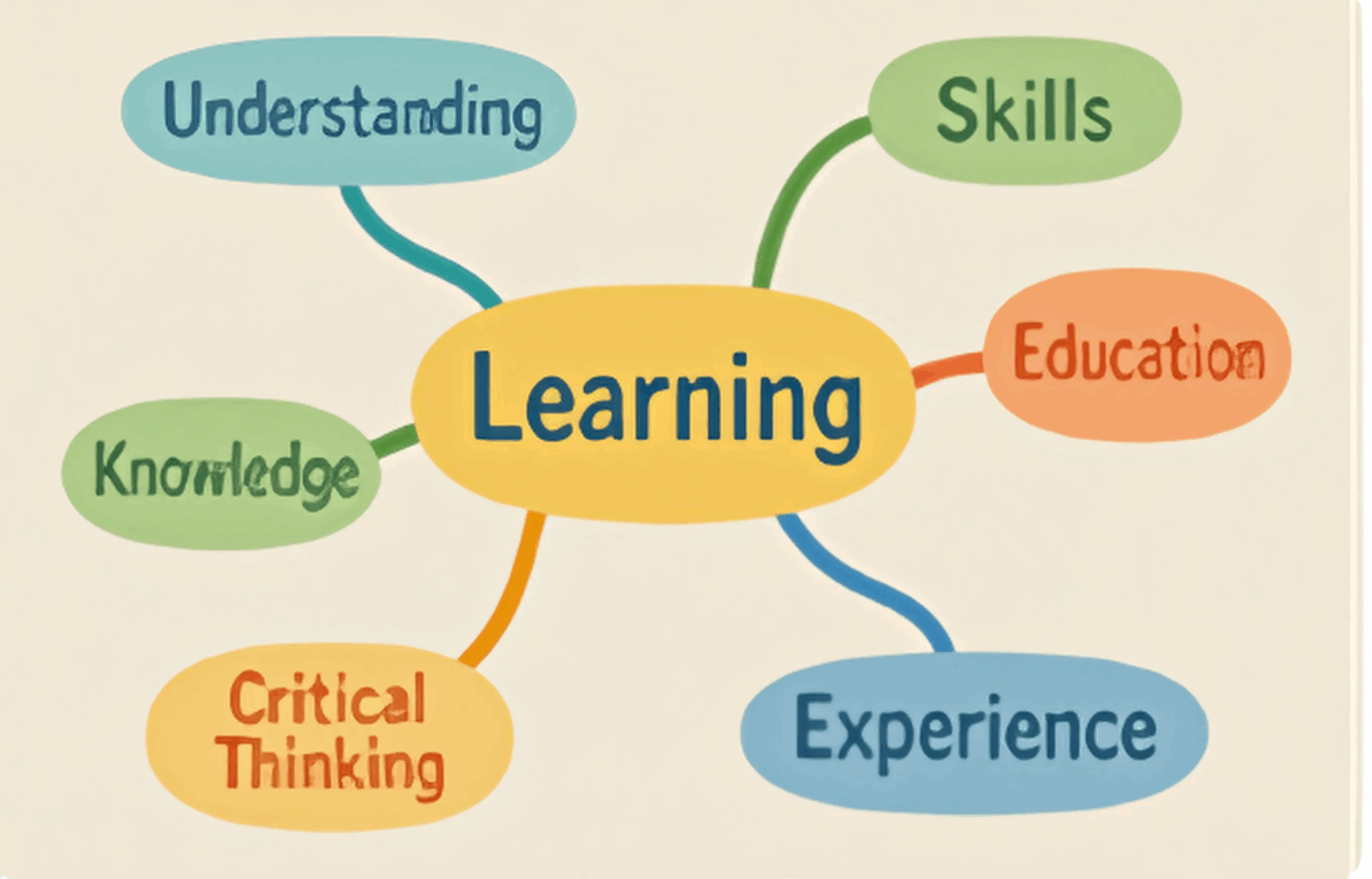
A concept map is more than just a fancy diagram. It’s a visual tool that helps you capture, organize, and connect ideas so you can see the “big picture” at a glance.
Why Concept Maps Work
Concept maps tap into how our brains naturally work, by connecting information rather than memorizing isolated facts. When you create one, you’re not just copying notes; you’re actively making sense of information, spotting patterns, and building links between concepts.
This active engagement is backed by research: visual representations improve comprehension, support critical thinking, and boost retention. In short, concept maps make learning stick. Nesbit and Adesope’s (2006) meta-analysis of dozens of studies found that students who used concept maps showed significantly stronger learning outcomes compared to those who relied only on traditional notetaking.
Cognitive psychology suggests that learning is strongest when it is meaningful—when new knowledge connects to what we already know. Concept maps encourage this process by forcing us to ask, how does this idea relate to that one? That act of questioning builds deeper understanding and promotes long-term memory. Novak and Cañas (2008), pioneers in concept mapping, argue that these tools “make thinking visible” by transforming abstract knowledge into something concrete and structured.
How to Build a Concept Map
Start with a central idea. Write it in the center or top of your page.
Branch out. Add related subtopics, drawing lines or arrows to show relationships.
Label your connections. These labels (like “causes,” “leads to,” “is a type of”) turn your map into a meaningful web rather than a random cluster of words.
Add details. Keep branching until you’ve covered all major points and their relationships.
Review and refine. Your first map is rarely your last. Adjust as you deepen your understanding.
The beauty of concept maps is that they are highly adaptable. Some people prefer a simple structure with just a few layers, while others create elaborate webs with cross-links between multiple concepts. There’s no single “right” way to build one. The key is whether it helps you make sense of the material.
Real-World Uses for Concept Maps
Concept maps shine in both academic and professional settings:
Studentsuse them to study complex topics, such as linking symptoms, diagnoses, and treatments in a medical course. This not only aids exam prep but also mirrors how professionals think in the real world.
Educators design them to structure lessons, showing how each concept builds on the previous one. Concept maps also work as formative assessments. Teachers can quickly see what students understand and where misconceptions remain.
Professionals apply them in project planning, research design, and problem-solving. A well-structured map can turn a vague idea into a clear, actionable plan.
In healthcare education, for example, concept maps are widely used in nursing programs to help students link theory to practice. By mapping patient symptoms to interventions and outcomes, learners demonstrate both clinical reasoning and holistic thinking. In business, managers use concept maps to brainstorm strategies, identify risks, and visualize workflows before moving into detailed planning. Even in everyday life, families use concept maps to coordinate large events like weddings or vacations—organizing everything from budgets to timelines at a glance.
Going Beyond the Basics
Once you’ve mastered the fundamentals, concept maps can become even more powerful with advanced techniques:
Cross-links: Draw connections between branches that may not seem directly related. These links often spark “aha” moments by revealing hidden relationships.
Hierarchy: Organize ideas from the most general at the top to the most specific at the bottom, which helps clarify levels of abstraction.
Integration with technology: Digital concept mapping tools allow for collaboration, multimedia integration, and real-time updates, making them ideal for group projects or remote learning environments.
Teachers can also use concept maps to measure growth over time. For example, students might create a map at the start of a unit and then expand or revise it at the end. Comparing the two versions provides a visible record of learning progress, something that’s harder to capture with multiple-choice tests alone.
Pro Tips for Making Your Map Effective
Use color coding to group related ideas.
Keep your wording short—think keywords, not paragraphs.
Experiment with digital tools like Coggle, MindMeister, or Lucidchart for easy editing and sharing.
Don’t be afraid to collaborate. Building a map with classmates or colleagues can reveal insights you might have missed on your own.
The Takeaway
Concept maps aren’t just about making pretty diagrams; they’re about making thinking visible. Whether you’re a student, teacher, or lifelong learner, this tool can transform the way you process and remember information.
So next time you’re overwhelmed by a new topic, skip the endless bullet points and map it out. You might be surprised at how much clearer everything becomes.
Michele Poulos has dedicated more than twenty-five years to education, with experience spanning elementary, secondary, and post-secondary settings. She holds a Bachelor’s degree in Elementary Education, a Master’s degree in Psychology, and is currently pursuing her doctoral degree in Human and Learning Science. Throughout her career, she has taught and learned in both traditional classrooms and fully online environments, giving her a unique perspective on how students thrive across modalities. Michele currently serves as the Director of Online Education at Pima Medical Institute, where she oversees online programs, faculty development, and strategic initiatives designed to enhance student learning and success. Her professional accomplishments have been recognized nationally, as she was inducted into Marquis Who’s Who in America for four consecutive years (2022–2025). Her passion for education is matched by her commitment to family life. She resides in Naples, Florida, with her husband and their two children—ten-year-old Trenton and eight-year-old Eliana—who continually inspire her dedication to both teaching and lifelong learning.
References
Nesbit, J. C., & Adesope, O. O. (2006). Learning with concept and knowledge maps: A meta-analysis. Review of Educational Research, 76(3), 413–448. https://doi.org/10.3102/00346543076003413
If you’ve ever tried to make sense of a big, messy topic, whether it’s anatomy, psychology, or even planning a family vacation, you know how easy it is to get lost in the details. That’s where concept maps come in.
A concept map is more than just a fancy diagram. It’s a visual tool that helps you capture, organize, and connect ideas so you can see the “big picture” at a glance.
Why Concept Maps Work
Concept maps tap into how our brains naturally work, by connecting information rather than memorizing isolated facts. When you create one, you’re not just copying notes; you’re actively making sense of information, spotting patterns, and building links between concepts.
This active engagement is backed by research: visual representations improve comprehension, support critical thinking, and boost retention. In short, concept maps make learning stick. Nesbit and Adesope’s (2006) meta-analysis of dozens of studies found that students who used concept maps showed significantly stronger learning outcomes compared to those who relied only on traditional notetaking.
Cognitive psychology suggests that learning is strongest when it is meaningful—when new knowledge connects to what we already know. Concept maps encourage this process by forcing us to ask, how does this idea relate to that one? That act of questioning builds deeper understanding and promotes long-term memory. Novak and Cañas (2008), pioneers in concept mapping, argue that these tools “make thinking visible” by transforming abstract knowledge into something concrete and structured.
How to Build a Concept Map
Start with a central idea. Write it in the center or top of your page.
Branch out. Add related subtopics, drawing lines or arrows to show relationships.
Label your connections. These labels (like “causes,” “leads to,” “is a type of”) turn your map into a meaningful web rather than a random cluster of words.
Add details. Keep branching until you’ve covered all major points and their relationships.
Review and refine. Your first map is rarely your last. Adjust as you deepen your understanding.
The beauty of concept maps is that they are highly adaptable. Some people prefer a simple structure with just a few layers, while others create elaborate webs with cross-links between multiple concepts. There’s no single “right” way to build one. The key is whether it helps you make sense of the material.
Real-World Uses for Concept Maps
Concept maps shine in both academic and professional settings:
Studentsuse them to study complex topics, such as linking symptoms, diagnoses, and treatments in a medical course. This not only aids exam prep but also mirrors how professionals think in the real world.
Educators design them to structure lessons, showing how each concept builds on the previous one. Concept maps also work as formative assessments. Teachers can quickly see what students understand and where misconceptions remain.
Professionals apply them in project planning, research design, and problem-solving. A well-structured map can turn a vague idea into a clear, actionable plan.
In healthcare education, for example, concept maps are widely used in nursing programs to help students link theory to practice. By mapping patient symptoms to interventions and outcomes, learners demonstrate both clinical reasoning and holistic thinking. In business, managers use concept maps to brainstorm strategies, identify risks, and visualize workflows before moving into detailed planning. Even in everyday life, families use concept maps to coordinate large events like weddings or vacations—organizing everything from budgets to timelines at a glance.
Going Beyond the Basics
Once you’ve mastered the fundamentals, concept maps can become even more powerful with advanced techniques:
Cross-links: Draw connections between branches that may not seem directly related. These links often spark “aha” moments by revealing hidden relationships.
Hierarchy: Organize ideas from the most general at the top to the most specific at the bottom, which helps clarify levels of abstraction.
Integration with technology: Digital concept mapping tools allow for collaboration, multimedia integration, and real-time updates, making them ideal for group projects or remote learning environments.
Teachers can also use concept maps to measure growth over time. For example, students might create a map at the start of a unit and then expand or revise it at the end. Comparing the two versions provides a visible record of learning progress, something that’s harder to capture with multiple-choice tests alone.
Pro Tips for Making Your Map Effective
Use color coding to group related ideas.
Keep your wording short—think keywords, not paragraphs.
Experiment with digital tools like Coggle, MindMeister, or Lucidchart for easy editing and sharing.
Don’t be afraid to collaborate. Building a map with classmates or colleagues can reveal insights you might have missed on your own.
The Takeaway
Concept maps aren’t just about making pretty diagrams; they’re about making thinking visible. Whether you’re a student, teacher, or lifelong learner, this tool can transform the way you process and remember information.
So next time you’re overwhelmed by a new topic, skip the endless bullet points and map it out. You might be surprised at how much clearer everything becomes.
Michele Poulos has dedicated more than twenty-five years to education, with experience spanning elementary, secondary, and post-secondary settings. She holds a Bachelor’s degree in Elementary Education, a Master’s degree in Psychology, and is currently pursuing her doctoral degree in Human and Learning Science. Throughout her career, she has taught and learned in both traditional classrooms and fully online environments, giving her a unique perspective on how students thrive across modalities. Michele currently serves as the Director of Online Education at Pima Medical Institute, where she oversees online programs, faculty development, and strategic initiatives designed to enhance student learning and success. Her professional accomplishments have been recognized nationally, as she was inducted into Marquis Who’s Who in America for four consecutive years (2022–2025). Her passion for education is matched by her commitment to family life. She resides in Naples, Florida, with her husband and their two children—ten-year-old Trenton and eight-year-old Eliana—who continually inspire her dedication to both teaching and lifelong learning.
References
Nesbit, J. C., & Adesope, O. O. (2006). Learning with concept and knowledge maps: A meta-analysis. Review of Educational Research, 76(3), 413–448. https://doi.org/10.3102/00346543076003413
Quality education must go beyond textbooks and lectures. It should connect students with current events and equip them with skills for real-world engagement. When teaching a theoretical framework, for example, educators should demonstrate to students how that framework applies in real-life scenarios (Jeffrey von Freymann 2025). Similarly, lessons on historical events should include the context and consequences of those moments, linking the past to the present in ways that resonate with students’ lived experiences. Results from the 2023 National Survey of Student Engagement indicate that students benefit from high-impact educational activities, reporting deeper learning and increased retention (NSSE 2023).
In today’s changing academic and political climate, many fields—including education and healthcare—are experiencing the effects of administrative shifts and funding uncertainties. Students are vulnerable to these changes and may feel the weight of decisions made beyond their control (Cynthia Vitters et al. 2024). I have discovered that some of my students are not sufficiently educated or engaged in political matters, resulting in their ignorance of the potential consequences these decisions could have on their future careers. Faculty must consider how these broader changes affect their students and the future of their education and careers. I believe the future of education may be impacted on a scale larger than the sum of our individual experiences.
Fortunately, students bring energy, big ideas, and a passion for change. Throughout history, many transformative movements in the U.S. were student-led—from the Civil Rights Movement to recent climate strikes. Faculty should empower students with knowledge and resources to continue this tradition. Civics education is common in specific higher education fields; however, students pursuing careers in healthcare may not have as much familiarity with the process. Faculty have an opportunity to empower students by equipping them with the tools and confidence to participate in public life. It begins with acknowledging the reality: that the political process can be confusing, overwhelming, and discouraging, especially when students are already stretched thin and inundated with grim news. Disengagement is understandable—but it’s not the only option. Future healthcare professionals have a duty to remain engaged in the political process in order to advocate for our patients and ensure the continued accessibility of healthcare services.
By integrating advocacy into the classroom, educators can normalize civic participation and demonstrate how they can contribute to meaningful change. Faculty should first assess their current attitudes and knowledge and then guide them to apply their energy constructively, participating in our civic processes. One effective method is through structured classroom projects that engage students through real advocacy processes. Educators can use established frameworks to guide this process and offer credible models. Three great models identified for the activity discussed below were from the Centers for Disease Control, the deBeaumont Foundation, the American Public Health Association, and the Association of Public Health Nurses (https://www.cdc.gov/nceh/clearwriting/docs/health-comm-playbook-508.pdf, https://www.phnurse.org/advocacy-toolkit, https://phern.communitycommons.org/advocacy/taking-action-advocacy-for-public-health/getting-started-advocacy/).
In a public health nursing course, I recently applied this method with nursing students over a duration of three weeks. Collaborating in small groups, the students selected a topic of interest, conducted research on the issue, and developed potential interventions. The topics chosen by the students were diverse, including vaccine policies, environmental safety, access to healthy food, Medicare funding, and the conflict in Gaza. The groups researched their topics to identify relevant data, current and proposed policies impacting the issue, and organizations currently involved. At this point, they presented their peers with an outline of their findings to begin testing their messaging on the issue at hand and receive constructive feedback. Next, they developed communication materials to promote their intervention and identified potential community partners with whom to form a coalition to achieve shared goals. Their communication options included letters to the editor, media pitches, and social media campaigns. These were designed to inform the public and build support.
Additionally, each group identified an elected official with the power to affect change and wrote a letter outlining the problem and recommended solutions. For extra credit, the student groups were encouraged to schedule a meeting with them or their staff to present their recommendations. Throughout the process, faculty mentored their progress and encouraged deeper engagement and growth. Students periodically paused to present their work to peer groups, and they used this real-time feedback to refine their advocacy and communication strategies. A structured framework gave them direction and confidence. This process teaches students the importance of communication and teamwork, and provides them with real-world experience in advocacy and civic action. In the future, I plan to include a meeting with legislative staff as a required part of this activity based on feedback from students who elected to do the extra credit. They benefited tremendously and reported increased confidence with the process.
Ultimately, teaching the civic process is not about politics—it’s about empowerment. By showing students how to engage thoughtfully, speak confidently, and act collaboratively, we are not only educating them—we are preparing them to shape the future.
Lyndsay Anderson, MSN, FNP-BC, PHN is a clinical faculty member at University of the Pacific. She is a nurse educator, clinician, and researcher with experience in oncology, public health, and nursing education. Lyndsay’s research has focused on reducing cancer disparities among Latina and African American populations and has co-authored numerous peer-reviewed publications in oncology and public health. She holds a Master of Science in Nursing from Georgetown University and a BSN from the University of Virginia. She is currently pursuing her Doctorate of Health Sciences from University of the Pacific.
Dr. Julia VanderMolen is a Professor for the Public Health program at Grand Valley State University and a Visiting Assistant Clinical Professor with the University of the Pacific, School of Health Sciences. Her research examines the benefits of assistive technology for individuals with disabilities in public health. She serves as a board member of the Disability Advocates of Kent County and is an active member of the Disability Section of the American Public Health Association (APHA). Her current research focuses on exploring the health and medical services available to individuals with intellectual and developmental disabilities.
References
APHN Public Health Policy Committee Association of Public Health Nurses. Public Health Policy Advocacy Guidebook and Toolkit. APHN Public Health Policy Committee Association of Public Health Nurses 2021. https://www.phnurse.org/advocacy-toolkit
As educators, we must stay current. What could be more current than Artificial Intelligence? Our students are using this tool at an unprecedented rate, and every technological tool we have is guided by it. We are taking classes to learn how to use it in the classroom and how to teach our students to use it. Grammarly is editing this very article! You are not alone if you feel a bit reticent to jump on the bandwagon. Will it ultimately replace us as educators? As people?
“Artificial Intelligence”. The issue is embedded right in the name: Artificial means not real. Is it here to stay, and can we even fight it? One of our generation’s premier philosophers, Dr. Yuval Harari, said that if we hope to survive, we better fight it (2015). Technology has been hypothesized to be an evolutionary mismatch (Li & Colarelli, 2017). This term implies that behaviors that once supported a species have become injurious. An example of a mismatch is sugary foods. Our nomadic ancestors struggled to procure enough daily calories to sustain life. When they found sugary food, they filled up on it and stored it. In our modern day, too much sugar leads to issues related to early mortality.
Technology can be used as a tool to keep us connected. Unfortunately, it has also slowly evolved into a system that answers every question, educates, and can now act as a companion, moving us slowly away from one another, like the frog in the hot water who realizes too late it is boiling.
The Hidden Costs of Disconnection
What is the cost of this instant ‘answerer of all questions’ and constant companion? It is hard to quantify, but the loss of human interaction is vast and far-reaching. Humans, with their higher cognitive functioning, can live on their own and survive thanks to technology. But should they? The longest social science studies suggest that healthy aging is directly related to meaningful and supportive relationships (Bosworth, & Schaie, 1997; Waldinger, & Schulz, 2023).
Additionally, humans are creatures who are, to simplify, guided by neural stimulation. When we are stressed, or trying to manage life alone, the stress hormone cortisol increases (Doane, L. & Adam E. 2009). High cortisol levels are directly related to inflammation, aging, and many other ailments, and we know that loneliness leads to early mortality (Holt-Lunstead & Layton, 2010). The most efficient home-grown remedy to combat an increase in cortisol is face-to-face meaningful engagement, which will release oxytocin, called the ‘love drug’. Our bodies, meant to be social, will release oxytocin when we engage, which will help to mitigate the system that manages cortisol. Unfortunately, artificial intelligence does not release meaningful amounts of oxytocin, and no pills exist to take because they do not cross the blood-brain barrier (Young-Kuchenbecker, Pressman, Celniker, Grewen, Sumida, Jonathan, Everett, & Slavich, 2021). We are left with the innate and evolutionary need for connection.
If we are to believe Darwin, then the fittest will make it, and most of us know what fitness entails. Fitness is about the mind, the body, and the demands (either placed on you or by you) of your environment. Recent MIT findings suggest that AI has a deleterious impact on our memory and has a high cognitive cost. Participants in the study could not even quote their own work (Kosmyna, Hauptmann, Yuan, Situ, Liao, Beresnitzky, Braunstein, & Maes, 2025).). As we are living longer than any previous generation, our sophisticated society necessitates that we maintain our cognitive fitness for as long as possible. AI certainly appears to be a mismatch in healthy long-term aging.
Educators as Builders of Connection
As educators, our job is to teach the topic at hand along with the soft skills of connection, engagement, community, teamwork, and the power that can be harnessed by more than one mind. Our college-age students suffer the most from loneliness and all the physical and psychological challenges inherent in that experience (Caccioppo & Caccioppo, 2018). In a classroom study, my students investigated loneliness on our campus and found that out of 100 students, 99 of them reported feeling lonely, and it influenced their use of technology (2024).
Artificial Intelligence brings information to our fingertips that might otherwise be unobtainable. It can teach, educate, partner, and save us a lot of time, but we need to learn to use it as a tool and not have it use us. We used to ask questions of experts, older or wiser, which invited connection. Now we ask our device questions, which invites disconnection in that how we phrase our questions to AI will determine the breadth and depth of the answer. In our digital age, the user curates their information (Kjerstin & Wells, 2016). Without another person to offer insight and possible opposing views, the user will often be left with tremendous confirmation bias.
Evolution has taught us that an organism has the best chance of survival if it is connected to others. The Pando in Utah is an ideal example. In Fish Lake National Forest’s 106-acre area, almost 50,000 aspen trees are interconnected with one root system. What infects one tree infects them all. So, how can we help our students connect and use AI effectively while keeping the detrimental effects of AI at bay?
This educator has gone back to a bit of paper and pencil. In the classroom, the students work in small groups that vary weekly on a homework assignment. They can partner for a test and have several out-of-class projects that require a little time to have a conversation. One of the assignments is to record a video of their group talking over a sensitive topic, one that they might not have been comfortable discussing in class. Yes, it takes a bit more time to plan and to grade. However, most of us are teaching a topic that does not lead to a qualifying test or credential so we can afford to cut a bit of material in lieu of helping our lonely students. If the results of the MIT study are to be believed (Kosmyna, 2025), if we don’t do something different, those same students will leave without the knowledge we hoped they would gain or the comfort of connection a classroom can provide. We can do better and need to if we, as educators, are to stay relevant.
Jennifer Smith, PhD, CFLE, is an Assistant Teaching Professor at Kansas State University in the Department of Psychological Sciences. Jennifer received her bachelor’s degree in both psychology and human development from the University of Wisconsin and her master’s degree in counseling from Lakeland University. Additionally, she obtained her PhD in Lifespan Human Development from Kansas State University, with her dissertation focusing on the intersection of technology and relationships. Jennifer is also a CFLE (Certified Family Life Educator) from the National Council on Family Relations. She describes her perspective on all things as “contextual” and approaches her teaching through this lens. Jennifer loves teaching above all else. Her teaching philosophy is “empathic teaching engenders curious learners.”! When not with students, she enjoys traveling with her husband of 30 years, time with her two daughters, serving in her community and naps with her cats!
References
Bosworth, H. & Schaie, K. (1997). The Relationship of Social Environment, Social Networks, and Health Outcomes in The Seattle Longitudinal Study: Two Analytical Approaches. The journals of gerontology. Series B, Psychological sciences and social sciences. 52. P197-205. 10.1093/geronb/52B.5.P197.
Cacioppo, J. T., & Cacioppo, S. (2018). The growing problem of loneliness. The Lancet; the Lancet, 391(10119), 426. doi:10.1016/S0140-6736(18)30142-9
Doane, L. & Adam E.( 2009) Loneliness and cortisol: momentary, day-to-day, and trait associations. Psychoneuroendocrinology. 2010 Apr;35(3):430-41. doi: 10.1016/j. PMID: 19744794; PMCID: PMC2841363.
Harari, Y. N. (2015). Sapiens: A brief history of humankind. HarperCollins Publishers.
Holt-Lunstad, J., Smith, T., & Layton, J. (2010). Social relationships and mortality risk: A meta-analytic review (social relationships and mortality). PLoS Medicine, 7(7), e1000316. doi:10.1371/journal.pmed.1000316
Kosmyna, N., Hauptmann, E., Yuan, Y. T., Situ, J., Liao, X., Beresnitzky, A. V., Braunstein, I., & Maes, P. (2025). Your Brain on ChatGPT: Accumulation of Cognitive Debt when Using an AI Assistant for Essay Writing Task. ArXiv. https://arxiv.org/abs/2506.08872
Li, N., van Vugt, M. & Colarelli, S. (2017) The evolutionary mismatch hypothesis: Implications for psychological science. Current Directions in Psychological Science, 27, 38-44. doi:10.1177/0963721417731378.
Kjerstin, T., Wells, C. (2016) Curated Flows: A Framework for Mapping Media Exposure in the Digital Age, Communication Theory, Vol. 26, (3), p. 309–328. https://doi.org/10.1111/comt.12087
Waldinger, R., & Schulz, M. (2023). The Good Life: Lessons from the World’s Longest Scientific Study of Happiness. Simon & Schuster.
Young Kuchenbecker, S., Pressman, S. D., Celniker, J., Grewen, K. M., Sumida, K. D., Jonathan, N., Everett, B., & Slavich, G. M. (2021). Oxytocin, cortisol, and cognitive control during acute and naturalistic stress. Stress (Amsterdam, Netherlands), 24(4), 370–383. https://doi.org/10.1080/10253890.2021.1876658
As educators, we must stay current. What could be more current than Artificial Intelligence? Our students are using this tool at an unprecedented rate, and every technological tool we have is guided by it. We are taking classes to learn how to use it in the classroom and how to teach our students to use it. Grammarly is editing this very article! You are not alone if you feel a bit reticent to jump on the bandwagon. Will it ultimately replace us as educators? As people?
“Artificial Intelligence”. The issue is embedded right in the name: Artificial means not real. Is it here to stay, and can we even fight it? One of our generation’s premier philosophers, Dr. Yuval Harari, said that if we hope to survive, we better fight it (2015). Technology has been hypothesized to be an evolutionary mismatch (Li & Colarelli, 2017). This term implies that behaviors that once supported a species have become injurious. An example of a mismatch is sugary foods. Our nomadic ancestors struggled to procure enough daily calories to sustain life. When they found sugary food, they filled up on it and stored it. In our modern day, too much sugar leads to issues related to early mortality.
Technology can be used as a tool to keep us connected. Unfortunately, it has also slowly evolved into a system that answers every question, educates, and can now act as a companion, moving us slowly away from one another, like the frog in the hot water who realizes too late it is boiling.
The Hidden Costs of Disconnection
What is the cost of this instant ‘answerer of all questions’ and constant companion? It is hard to quantify, but the loss of human interaction is vast and far-reaching. Humans, with their higher cognitive functioning, can live on their own and survive thanks to technology. But should they? The longest social science studies suggest that healthy aging is directly related to meaningful and supportive relationships (Bosworth, & Schaie, 1997; Waldinger, & Schulz, 2023).
Additionally, humans are creatures who are, to simplify, guided by neural stimulation. When we are stressed, or trying to manage life alone, the stress hormone cortisol increases (Doane, L. & Adam E. 2009). High cortisol levels are directly related to inflammation, aging, and many other ailments, and we know that loneliness leads to early mortality (Holt-Lunstead & Layton, 2010). The most efficient home-grown remedy to combat an increase in cortisol is face-to-face meaningful engagement, which will release oxytocin, called the ‘love drug’. Our bodies, meant to be social, will release oxytocin when we engage, which will help to mitigate the system that manages cortisol. Unfortunately, artificial intelligence does not release meaningful amounts of oxytocin, and no pills exist to take because they do not cross the blood-brain barrier (Young-Kuchenbecker, Pressman, Celniker, Grewen, Sumida, Jonathan, Everett, & Slavich, 2021). We are left with the innate and evolutionary need for connection.
If we are to believe Darwin, then the fittest will make it, and most of us know what fitness entails. Fitness is about the mind, the body, and the demands (either placed on you or by you) of your environment. Recent MIT findings suggest that AI has a deleterious impact on our memory and has a high cognitive cost. Participants in the study could not even quote their own work (Kosmyna, Hauptmann, Yuan, Situ, Liao, Beresnitzky, Braunstein, & Maes, 2025).). As we are living longer than any previous generation, our sophisticated society necessitates that we maintain our cognitive fitness for as long as possible. AI certainly appears to be a mismatch in healthy long-term aging.
Educators as Builders of Connection
As educators, our job is to teach the topic at hand along with the soft skills of connection, engagement, community, teamwork, and the power that can be harnessed by more than one mind. Our college-age students suffer the most from loneliness and all the physical and psychological challenges inherent in that experience (Caccioppo & Caccioppo, 2018). In a classroom study, my students investigated loneliness on our campus and found that out of 100 students, 99 of them reported feeling lonely, and it influenced their use of technology (2024).
Artificial Intelligence brings information to our fingertips that might otherwise be unobtainable. It can teach, educate, partner, and save us a lot of time, but we need to learn to use it as a tool and not have it use us. We used to ask questions of experts, older or wiser, which invited connection. Now we ask our device questions, which invites disconnection in that how we phrase our questions to AI will determine the breadth and depth of the answer. In our digital age, the user curates their information (Kjerstin & Wells, 2016). Without another person to offer insight and possible opposing views, the user will often be left with tremendous confirmation bias.
Evolution has taught us that an organism has the best chance of survival if it is connected to others. The Pando in Utah is an ideal example. In Fish Lake National Forest’s 106-acre area, almost 50,000 aspen trees are interconnected with one root system. What infects one tree infects them all. So, how can we help our students connect and use AI effectively while keeping the detrimental effects of AI at bay?
This educator has gone back to a bit of paper and pencil. In the classroom, the students work in small groups that vary weekly on a homework assignment. They can partner for a test and have several out-of-class projects that require a little time to have a conversation. One of the assignments is to record a video of their group talking over a sensitive topic, one that they might not have been comfortable discussing in class. Yes, it takes a bit more time to plan and to grade. However, most of us are teaching a topic that does not lead to a qualifying test or credential so we can afford to cut a bit of material in lieu of helping our lonely students. If the results of the MIT study are to be believed (Kosmyna, 2025), if we don’t do something different, those same students will leave without the knowledge we hoped they would gain or the comfort of connection a classroom can provide. We can do better and need to if we, as educators, are to stay relevant.
Jennifer Smith, PhD, CFLE, is an Assistant Teaching Professor at Kansas State University in the Department of Psychological Sciences. Jennifer received her bachelor’s degree in both psychology and human development from the University of Wisconsin and her master’s degree in counseling from Lakeland University. Additionally, she obtained her PhD in Lifespan Human Development from Kansas State University, with her dissertation focusing on the intersection of technology and relationships. Jennifer is also a CFLE (Certified Family Life Educator) from the National Council on Family Relations. She describes her perspective on all things as “contextual” and approaches her teaching through this lens. Jennifer loves teaching above all else. Her teaching philosophy is “empathic teaching engenders curious learners.”! When not with students, she enjoys traveling with her husband of 30 years, time with her two daughters, serving in her community and naps with her cats!
References
Bosworth, H. & Schaie, K. (1997). The Relationship of Social Environment, Social Networks, and Health Outcomes in The Seattle Longitudinal Study: Two Analytical Approaches. The journals of gerontology. Series B, Psychological sciences and social sciences. 52. P197-205. 10.1093/geronb/52B.5.P197.
Cacioppo, J. T., & Cacioppo, S. (2018). The growing problem of loneliness. The Lancet; the Lancet, 391(10119), 426. doi:10.1016/S0140-6736(18)30142-9
Doane, L. & Adam E.( 2009) Loneliness and cortisol: momentary, day-to-day, and trait associations. Psychoneuroendocrinology. 2010 Apr;35(3):430-41. doi: 10.1016/j. PMID: 19744794; PMCID: PMC2841363.
Harari, Y. N. (2015). Sapiens: A brief history of humankind. HarperCollins Publishers.
Holt-Lunstad, J., Smith, T., & Layton, J. (2010). Social relationships and mortality risk: A meta-analytic review (social relationships and mortality). PLoS Medicine, 7(7), e1000316. doi:10.1371/journal.pmed.1000316
Kosmyna, N., Hauptmann, E., Yuan, Y. T., Situ, J., Liao, X., Beresnitzky, A. V., Braunstein, I., & Maes, P. (2025). Your Brain on ChatGPT: Accumulation of Cognitive Debt when Using an AI Assistant for Essay Writing Task. ArXiv. https://arxiv.org/abs/2506.08872
Li, N., van Vugt, M. & Colarelli, S. (2017) The evolutionary mismatch hypothesis: Implications for psychological science. Current Directions in Psychological Science, 27, 38-44. doi:10.1177/0963721417731378.
Kjerstin, T., Wells, C. (2016) Curated Flows: A Framework for Mapping Media Exposure in the Digital Age, Communication Theory, Vol. 26, (3), p. 309–328. https://doi.org/10.1111/comt.12087
Waldinger, R., & Schulz, M. (2023). The Good Life: Lessons from the World’s Longest Scientific Study of Happiness. Simon & Schuster.
Young Kuchenbecker, S., Pressman, S. D., Celniker, J., Grewen, K. M., Sumida, K. D., Jonathan, N., Everett, B., & Slavich, G. M. (2021). Oxytocin, cortisol, and cognitive control during acute and naturalistic stress. Stress (Amsterdam, Netherlands), 24(4), 370–383. https://doi.org/10.1080/10253890.2021.1876658