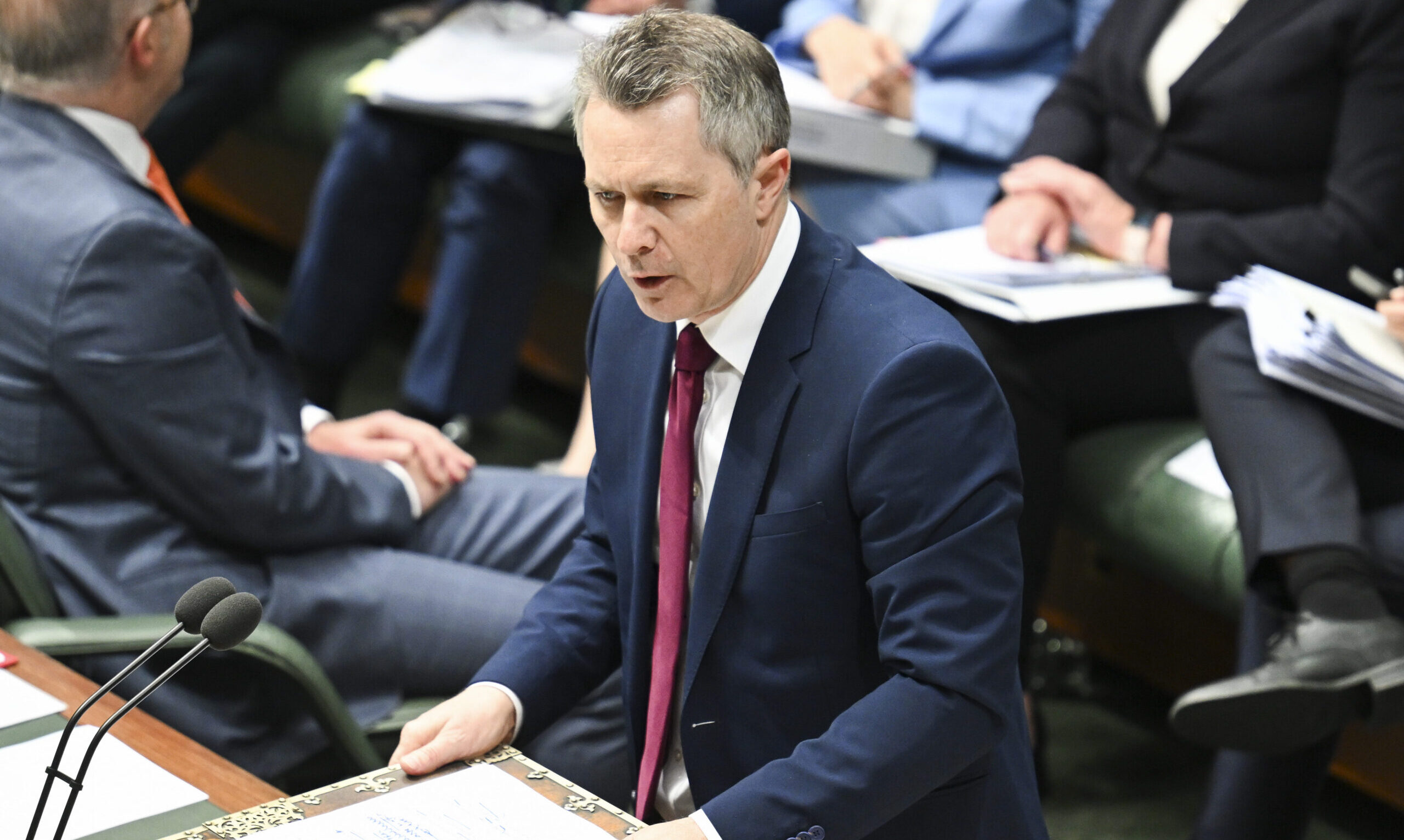
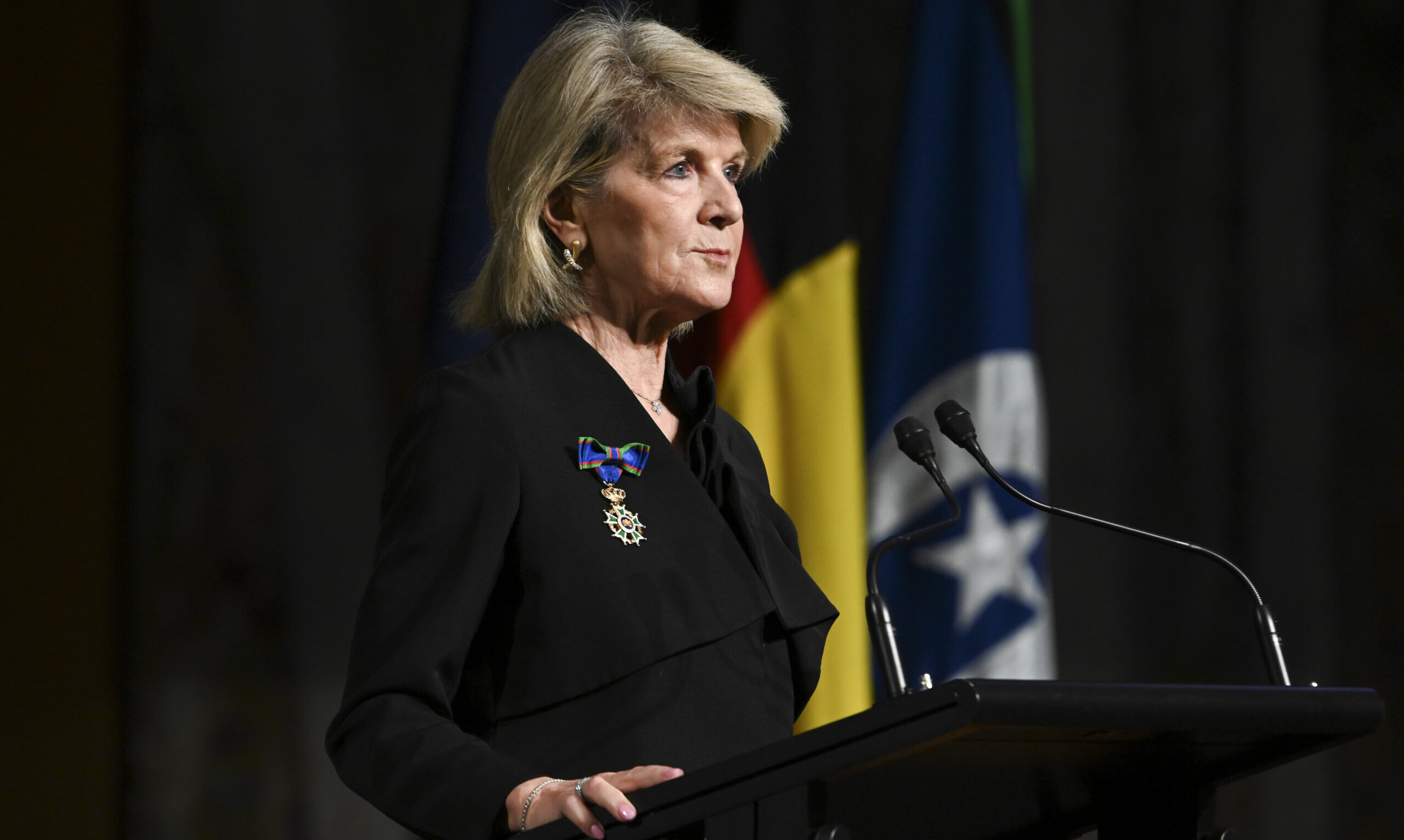
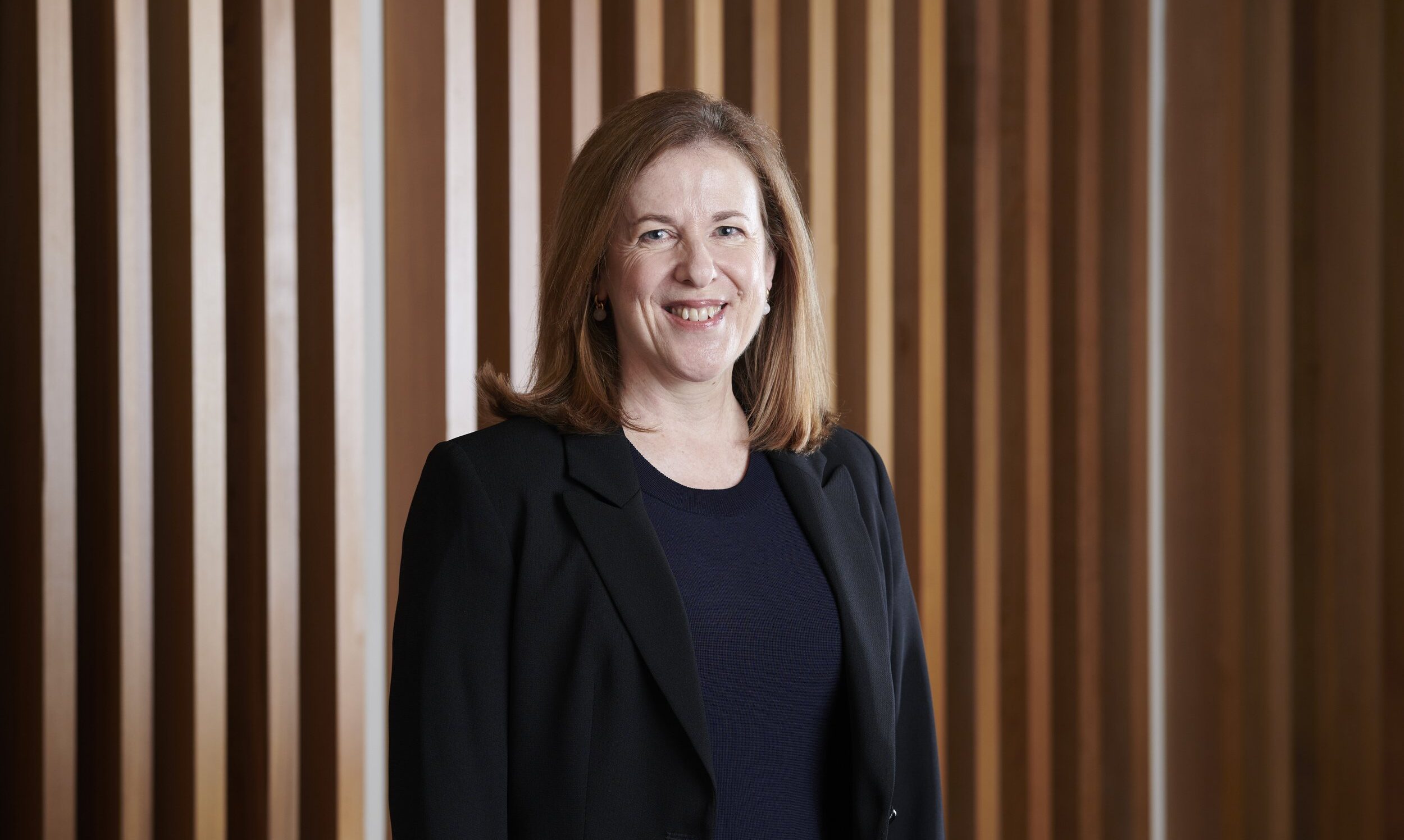
Jason Clare said TEQSA can only act either as a sledgehammer or a feather. Picture: Martin Ollman
The federal government has published a consultation paper calling for suggestions to reform the Tertiary Education Quality and Standards Agency (TEQSA) Act, which determines the regulator’s powers.
Please login below to view content or subscribe now.
The Australian National University (ANU) admitted its has “much work to do” regarding its management and culture in a report it produced for the sector regulator’s ongoing investigation into its governance.
The Self-Assurance Report, completed for the Tertiary Education Quality and Standards Agency (TEQSA), is the first step in TEQSA’s current compliance assessment of the university’s leadership, council culture and financial position, which started in October, 2024.
“The report makes clear that we’re on a journey and that we still have much work to do in the areas of risk management, governance and culture,” vice-chancellor Genevieve Bell said in a statement.
“We recognise that ANU is at a critical point in its history – one where we need to reset not only our finances but also our operating and structural model.”
The university has reported an operating deficit every year since 2020, except 2021, and has forecast a $110 deficit for 2025 and a break-even for 2026.
The recurring deficits caused a major restructure, known as Renew ANU, that aims to save $250 million in yearly spending; $100 million in salary costs and $150m in non-salary costs.
There has 135 voluntary separations and 83 staff redundancies so far, which has saved $13 million, and $37 million has been saved from spending cuts.
From this point, there will be no more forced redundancies that haven’t already been announced, management has said. More salary savings will come from natural attrition.
It has also restructured its teaching operations, causing entire schools, such as its School of Music, to close.
“While the program of work has taken a strategic, phased approach to organisational change, guided by clear principles and extensive consultation, it has been a significant cultural shift and has caused anxiety and uncertainty in the university community,” the report said.
“Council has been regularly briefed about the progress of the work; and an internal governance board has maintained appropriate oversight … council has identified and is addressing the risks that led to the university’s current financial position, however, there remains work to be done to bring the whole university community along on this journey.
“Given the complexities with the university’s finances, this involves continuing to work with the university community in an enhanced way to ensure the finances are more easily understood.”
Vice-chancellor Genevieve Bell. Picture: Andrew Meares
The university’s ongoing deficits were not the result of one factor, the report said, but multiple, including the 2017-2021 strategic plan that called for an overall reduced, but more diverse, student base, and a had a projected increase in philanthropic donations. There were also costs associated with hailstorm and fire damage throughout 2019 and 2020.
The strategic plan initiated an ambitious philanthropic campaign that aimed to produce $1bn in donations over 10 years, which would make up for budget shortfalls relating to the overall reduction in student headcount.
The Self-Assurance Report said the philanthropic campaign “never eventuated and was quietly abandoned in late 2022.”
Professor Bell said the university council was very open to reflecting on its own practices and culture when it was discussed at a meeting in early August.
The Cover Letter, which was submitted alongside the Self-Assurance Report, also said ANU will set up an independent investigation into matters raised by academic Liz Allen, who alleged she was bullied and intimidated by ANU chancellor Julie Bishop at the Quality of governance at Australian higher education providers inquiry.
Dr Allen initially lodged a workplace complaint about the incident and the university agreed to appoint an external investigator, who eventually terminated the investigation on ethical grounds of ANU interference.
Professor Bell was absent with the flu on the day of the inquiry hearing, although she responded to the claims on the same day in a statement.
“Although we cannot address individual allegations publicly [due to ongoing investigations], I was really saddened to see members of our university in such distress, both those who appeared at the inquiry and those on our campus who have been impacted,” she said.
“Here on campus, I have now hosted nine ‘Facing the Future’ conversations and I want to thank staff who have made themselves available … I have been encouraged that people have been frank in their feedback, and most have turned up with a spirit of optimism and passion for the university which is a wonderful thing to hear in moments of change.”
The Self-Assurance Report assured TEQSA that ANU has a competent leadership team.
ANU’s executive leadership team. Source: ANU
“While the majority of the Executive Leadership Team are relatively new to their positions, they bring extensive experience to their roles from both within, and external to, ANU and the sector,” it said.
Only three out of nine members of its executive leadership team started their term before February, 2024.
The National Tertiary Education Union (NTEU) on Tuesday launched a petition urging the council to sack chancellor Julie Bishop and vice-chancellor Genevieve Bell and reverse the job and course cuts. It follows a vote of no confidence in the leadership pair by 800 ANU staff in March.
“We don’t need a new investigation, we need new leadership,” NTEU ACT division secretary Lachlan Clohesy said of the independent investigation into Dr Allen’s allegations.
“The matters raised during the Senate hearing are already being investigated by the regulator, TEQSA, and that is appropriate.
“This investigation is a distraction at a time when over one hundred people still face forced redundancies.”
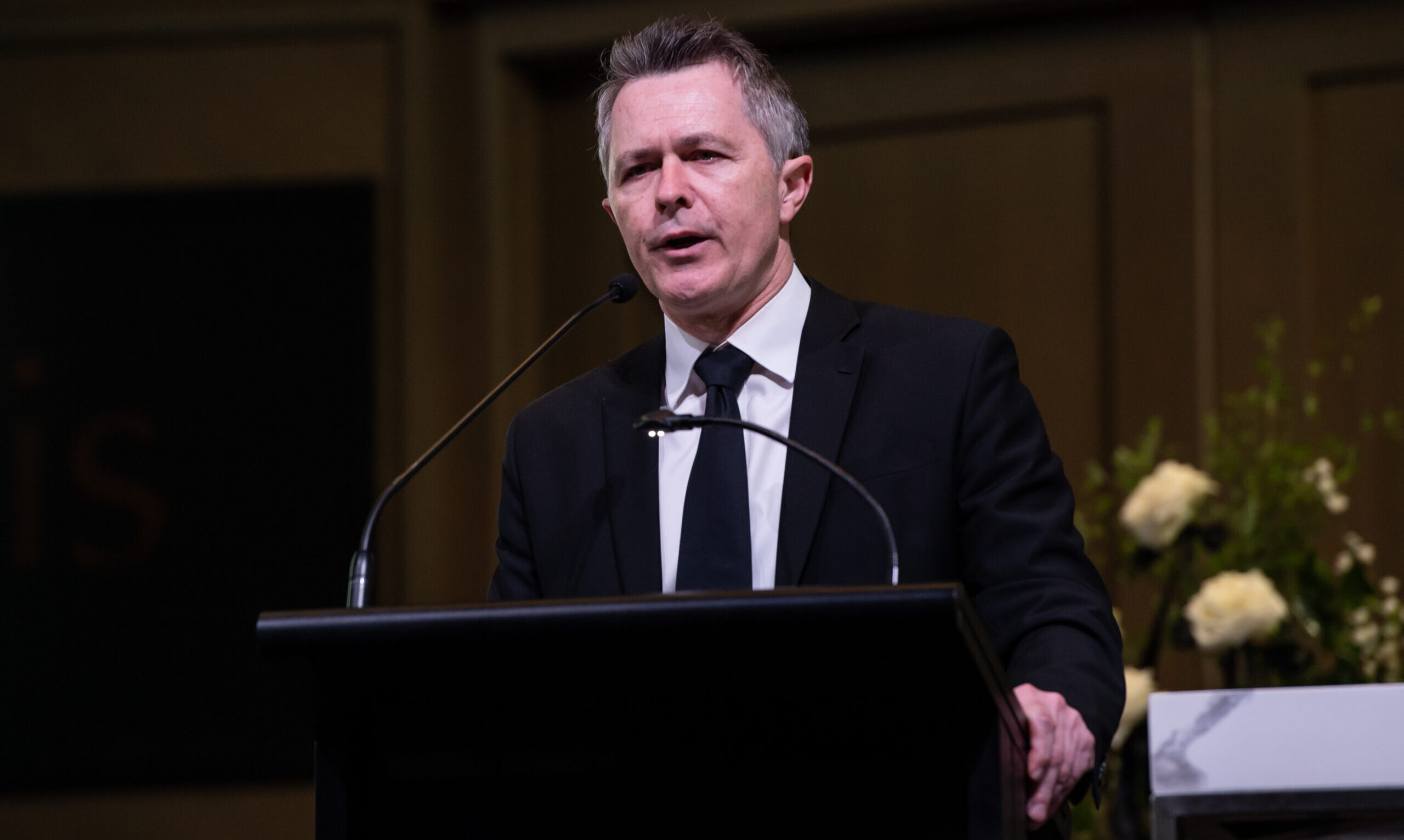
Jason Clare addressed the AFR Higher Education Summit on Tuesday. Picture: Monique Harmer
Education Minister Jason Clare granted the university regulator’s wish for more power over universities at the Australian Financial Review Higher Education Summit on Tuesday.
Please login below to view content or subscribe now.
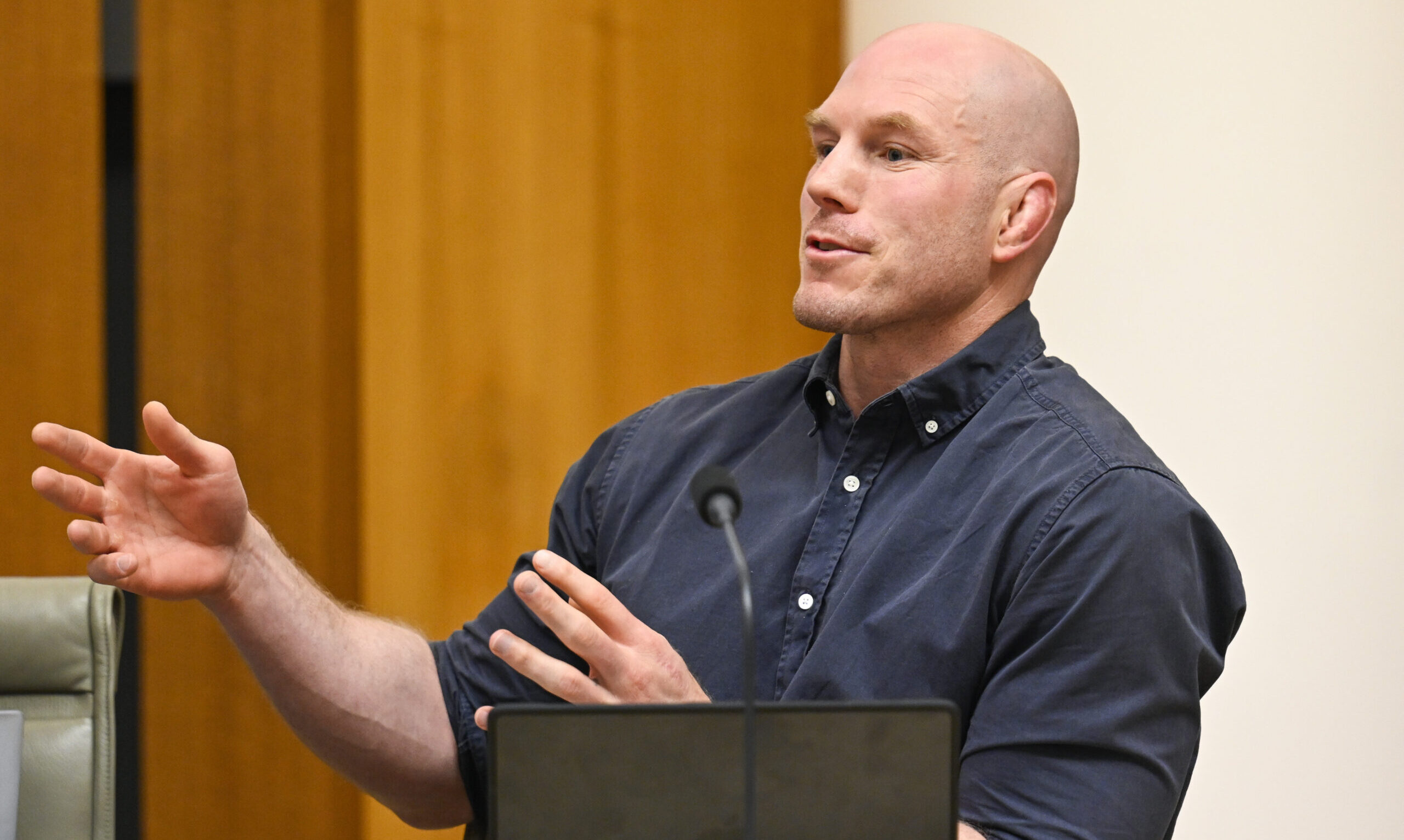
Senator David Pocock quizzed TEQSA about ANU. Picture: Martin Ollman
The Fair Work Ombudsman is scrutinising 28 universities in relation to wage underpayments and has recovered $218 million in unpaid wages for over 110,000 employees.
Please login below to view content or subscribe now.
TEQSA CEO Mary Russell said TEQSA needed more power over universities. Picture: Newswire
Institutions will be required to prove that their payroll operations are effective to combat endemic wage underpayment, the university regulator has announced.
Please login below to view content or subscribe now.
by Joseph David Blacklock, Jeanette Baird and Bjørn Stensaker
Risk-based’ models for higher education quality regulation have been increasingly popular in higher education globally. At the same time there is limited knowledge of how risk-based regulation can be implemented effectively.
Australia’s Tertiary Education Quality and Standards Agency (TEQSA) started to implement risk-based regulation in 2011, aiming at an approach balancing regulatory necessity, risk and proportionate regulation. Our recent published study analyses TEQSA’s evolution between 2011 and 2024 to contribute to an emerging body of research on the practice of risk-based regulation in higher education.
The challenges of risk-based regulation
Risk-based approaches are seen as a way to create more effective and efficient regulation, targeting resources to the areas or institutions of greatest risk. However, it is widely acknowledged that sector-specificities, political economy and social context exert a significant influence on the practice of risk-based regulation (Black and Baldwin, 2010). Choices made by the regulator also affect its stakeholders and its perceived effectiveness – consider, for example, whose ideas about risk are privileged. Balancing the expectations of these stakeholders, along with their federal mandate, has required much in the way of compromise.
The evolution of TEQSA’s approaches
Our study uses a conceptual framework suggested by Hood et al (2001) for comparative analyses of regimes of risk regulation that charts aspects respectively of context and content. With this as a starting point we end up with two theoretical constructs of ‘hyper-regulation’ and ‘dynamic regulation’ as a way to analyse the development of TEQSA over time. These opposing concepts of regulatory approach represent both theoretical and empirical executions of the risk-based model within higher education.
From extensive document analysis, independent third-party analysis, and Delphi interviews, we identify three phases to TEQSA’s approach:
2011-2013, marked by practices similar to ‘hyper-regulation’, including suspicion of institutions, burdensome requests for information and a perception that there was little ‘risk-based’ discrimination in use
2014-2018, marked by the use of more indicators of ‘dynamic regulation’, including reduced evidence requirements for low-risk providers, sensitivity to the motivational postures of providers (Braithwaite et al. 1994), and more provider self-assurance
2019-2024, marked by a broader approach to the identification of risks, greater attention to systemic risks, and more visible engagement with Federal Government policy, as well as the disruption of the pandemic.
Across these three periods, we map a series of contextual and content factors to chart those that have remained more constant and those that have varied more widely over time.
Of course, we do not suggest that TEQSA’s actions fit precisely into these timeframes, nor do we suggest that its actions have been guided by a wholly consistent regulatory philosophy in each phase. After the early and very visible adjustment of TEQSA’s approach, there has been an ongoing series of smaller changes, influenced also by the available resources, the views of successive TEQSA commissioners and the wider higher education landscape as a whole.
Lessons learned
Our analysis, building on ideas and perspectives from Hood, Rothstein and Baldwin offers a comparatively simple yet informative taxonomy for future empirical research.
TEQSA’s start-up phase, in which a hyper-regulatory approach was used, can be linked to a contextual need of the Federal Government at the time to support Australia’s international education industry, leading to the rather dominant judicial framing of its role. However, TEQSA’s initial regulatory stance failed to take account of the largely compliant regulatory posture of the universities that enrol around 90% of higher education students in Australia, and of the strength of this interest group. The new agency was understandably nervous about Government perceptions of its performance, however, a broader initial charting of stakeholder risk perspectives could have provided better guardrails. Similarly, a wider questioning of the sources of risk in TEQSA’s first and second phases could have highlighted more systemic risks.
A further lesson for new risk-based regulators is to ensure that the regulator itself has a strong understanding of risks in the sector, to guide its analyses, and can readily obtain the data to generate robust risk assessments.
Our study illustrates that risk-based regulation in practice is as negotiable as any other regulatory instrument. The ebb and flow of TEQSA’s engagement with the Federal Government and other stakeholders provides the context. As predicted by various authors, constant vigilance and regular recalibration are needed by the regulator as the external risk landscape changes and the wider interests of government and stakeholders dictate. The extent to which there is political tolerance for any ‘failure’ of a risk-based regulator is often unstated and always variable.
Joseph David Blacklock is a graduate of the University of Oslo’s Master’s of Higher Education degree, with a special interest in risk-based regulation and government instruments for managing quality within higher education.
Jeanette Baird consults on tertiary education quality assurance and strategy in Australia and internationally. She is Adjunct Professor of Higher Education at Divine Word University in Papua New Guinea and an Honorary Senior Fellow of the Centre for the Study of Higher Education at the University of Melbourne.
Bjørn Stensaker is a professor of higher education at University of Oslo, specializing in studies of policy, reform and change in higher education. He has published widely on these issues in a range of academic journals and other outlets.
Blacklock, JD, Baird, J & Stensaker, B (2025) ‘Evolutionary stages in risk-based quality regulation in Australian higher education 2011–2024’ Policy Reviews in Higher Education, 1–23.
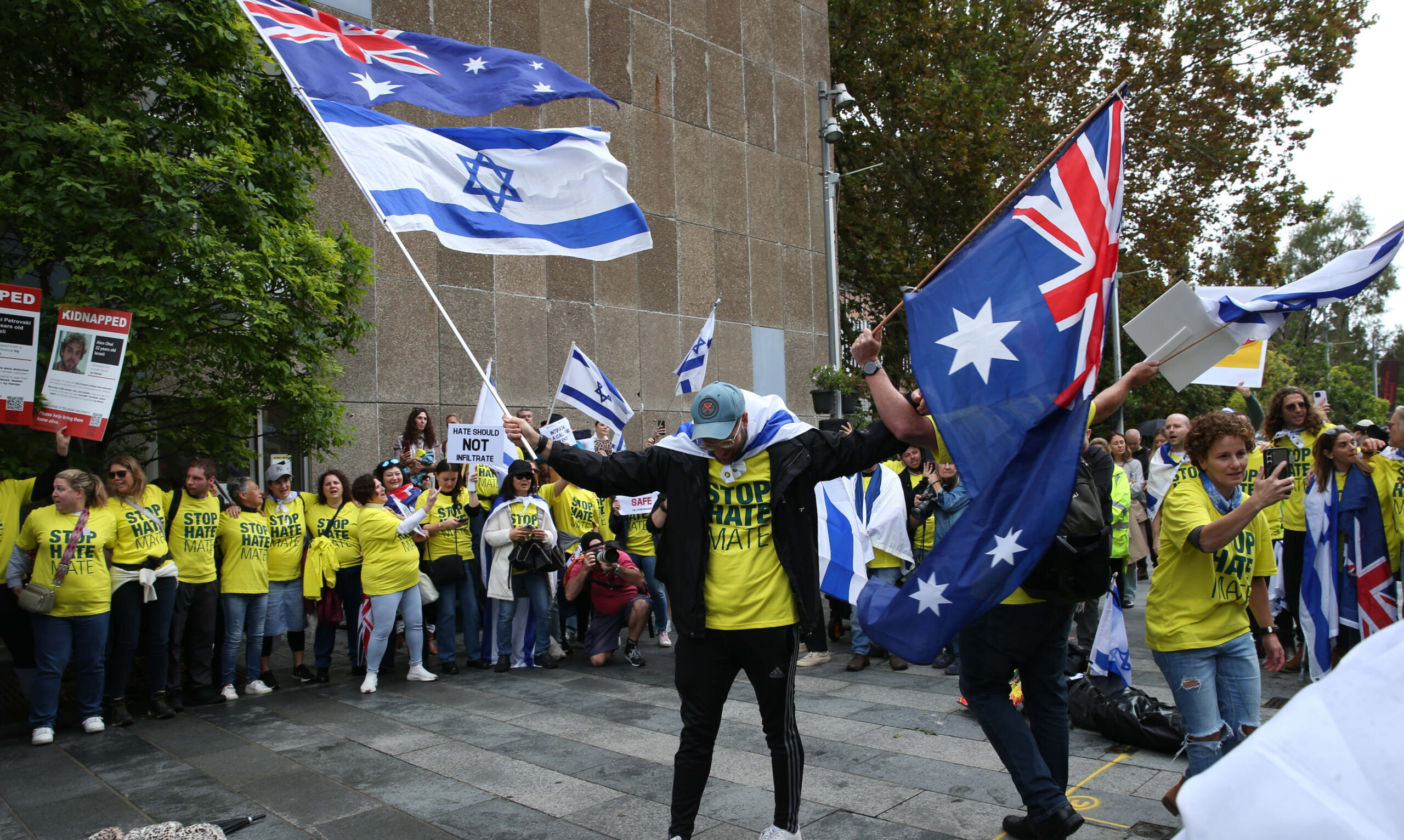
Members of the Jewish community gather to protest. University of Sydney pro-Palestine encampment counter-protest. Pro-Israel counter-protesters gathered at the University of Sydney’s campus during a pro-Palestine encampment rally in May, 2024. Picture: Britta Campion
A survey of 550 university staff and students found six in 10 experienced antisemitic comments, and about the same felt unsafe on campus due to Israel-Gaza driven conflict in Australia.
Please login below to view content or subscribe now.
Universities will be expected to publish de-identified complaints data publicly, make student complaints processes clearer, and analyse the data twice a year if the university regulator’s interim guidelines for student complaints mechanisms are adopted.
Please login below to view content or subscribe now.
The National Tertiary Education Union (NTEU) has told the Education and Employment Senate Committee that the sector regulator doesn’t have the correct functions to address staff underpayments, amid calls it needs more power.
Union policy and research officer Kieran McCarron said there are two general issues with Tertiary Education Quality and Standards Agency (TEQSA) that impact staff.
“The threshold standards are too high-level and vague, especially when it comes to governance and staffing,” he told the Committee.
“The second issue is that either the enforcement powers are too weak, it’s too complicated for TEQSA to access them, or they’re just simply inappropriate. For example, deregistration is just inappropriate overkill to deal with the issues that our members face.
“Having everyone lose their jobs and the universities shut down doesn’t solve wage theft and it doesn’t help the community, so it’s not an appropriate power.”
He said there needs to be changes to TEQSA so it can “ensure compliance with appropriate penalties,” and better reflect current staff conditions.
TEQSA chief executive Mary Russell told the same Committee her body needs more powers to wrangle universities and help it to deal with staff-related issues, giving an example of a teaching issue that can’t currently be resolved by TEQSA under its existing powers.
“There’s actually already a legislative requirement that any person teaching in higher education needs to be engaged in continuing scholarship and research. That’s your traditional “40:40:20 academic.”
“How is it that at least half of the teaching performed in our universities is performed by casual staff who are hired on an hourly basis and who are only paid for the hours in which they are directly engaged with students?
“How is it being ensured that they’re performing scholarship and research – because they’re not paid to do that. There’s an assumption made that they’ll just do that in their own time, and that’s unpaid work. This is an example of an issue that TEQSA is aware of but doesn’t have any appropriate tools to deal with.”
Wage underpayment and financial management
Wage underpayments and high vice-chancellor pay are the two biggest money-related issues universities have.
The Fair Work Ombudsman Anna Booth later told the Committee her office has recovered $180.9m for 99,000 university employees as of February 28, 2025. The NTEU has estimated wage underpayments, paid or unpaid, are set to exceed $400m.
Fair Work Ombudsman Anna Booth said there are repeating factors as to why universities keep discovering underpaid staff. Picture: Martin Ollman
Ms Booth said the most common “trends” Fair Work sees when dealing with underpayments include: high numbers of casual staff; poor governance and management oversight practices; a lack of centralised human resources functions; pay related issues commonly dealt with by academic managers who lack appropriate expertise; and lack of investment in payroll and time-recording systems.
“Our investigations have largely concerned casual professional and academic staff and have largely included unpaid work – unpaid marking activities, lecture and tutorial attendance, and other student interactions – as well as the application of incorrect classifications, unpaid entitlements and the improper use of piece rates,” she told the Committee.
Universities Australia, which is the vice-chancellor’s membership group, in its submission said debate about VC salaries, which average $1m, are solely political and distract from issues of underfunding degrees and research.
“Debate over vice-chancellor salaries, for example, distracts from the conversation we need to have about funding our universities properly,” chief executive Luke Sheehy wrote.
“Their salaries are set by university councils. I don’t believe they should be the sole focus of parliamentarians, certainly not at the expense of the policies and funding needed to keep our universities strong.”
Greens senator Mehreen Faruqi, who disclosed she is an NTEU member, said she was “pretty outraged” when she read the UA submission.
“I think this debate is fundamental to how universities operate, especially given the exorbitant pay packets of executive staff and VCs on the one hand and the systemic wage theft, rampant casualisation and insecure work on the other,” she said.
Fear and secrecy
NTEU branch president at Federation University Dr Mathew Abbott said constant cuts and restructures throughout the sector has created a workplace culture that fears retribution.
“University staff fear for their livelihoods, and that creates a culture in which staff become more compliant and less likely to speak out,” he said.
“This is something I’ve tried to raise – the psychological toll it takes, the professional toll, and, of course, the impact of this on students.
“When staff are placed under this kind of pressure, along with other issues like workloads and so on, it has a flow-on effect to the quality of the education that we provide to our students.”
He said there is a “culture of secrecy” in university councils and senates, something NTEU member Professor Fiona Probyn-Rapsey from University of Wollongong also said is exacerbated by largely non-staff elected boards.
There were multiple calls made for university council meeting minutes to be available to all university staff.
“We have very little access to what university councils are discussing and how decisions are made. We don’t see minutes, and we barely get any interaction with university council members,” Professor Probyn-Rapsey said.
“They don’t operate in the same way that the rest of the university does – in a collegial manner – or in the way a university should be behaving.”
Management should also let staff have more say in teaching decisions, Professor Andrea Lamont-Mills, University of Southern Queensland NTEU branch president, added.
Professor Andrea Lamont-Mills is associate dean of research at UniSQ. Picture: Newswire
“Staff feel disempowered because they’re not using their expertise – it’s not valued, and their professionalism is not valued,” she said.
“It’s disempowering when you get excluded from decisions that actually impact you, or you have limited input into decisions that directly impact you.
“Our staff are highly skilled and highly knowledgeable, and they want to be part of developing decisions and coming up with solutions, yet they’re disempowered – they’re not able to do that.”
The Tertiary Education Quality and Standards Authority (TEQSA) revealed four universities are being investigated for their handling of protests and encampments at the first Quality of governance public hearing.
Please login below to view content or subscribe now.