Research lab directors, program directors, and future research leaders listen up. This episode is for you (especially if you’re an overcommitted researcher). I talk about leadership and management skills for researchers with Dr. Stefanie Robel of GLIA Leadership. Let’s talk about research leadership mastery.
This is The Social Academic, a podcast about online presence for faculty, researchers, and graduate students. Hi, I’m Jennifer van Alstyne. I help academics like you feel confident when you show up online. You have agency in creating a stronger online presence for yourself. Let’s build a strong digital footprint through your academic website, social media, and bio writing. Read the blog.
A full text transcript of this interview is coming for you soon. Thank you!
Bio
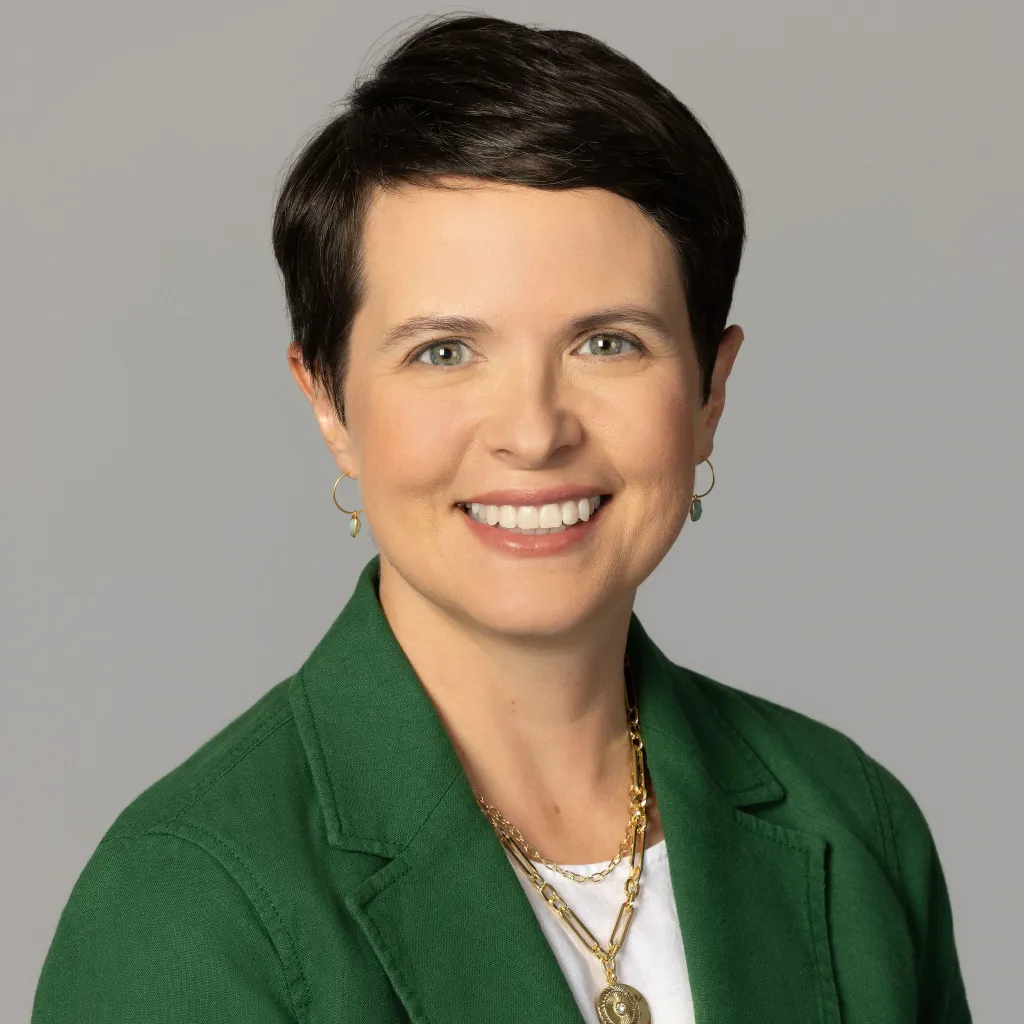
Stefanie Robel
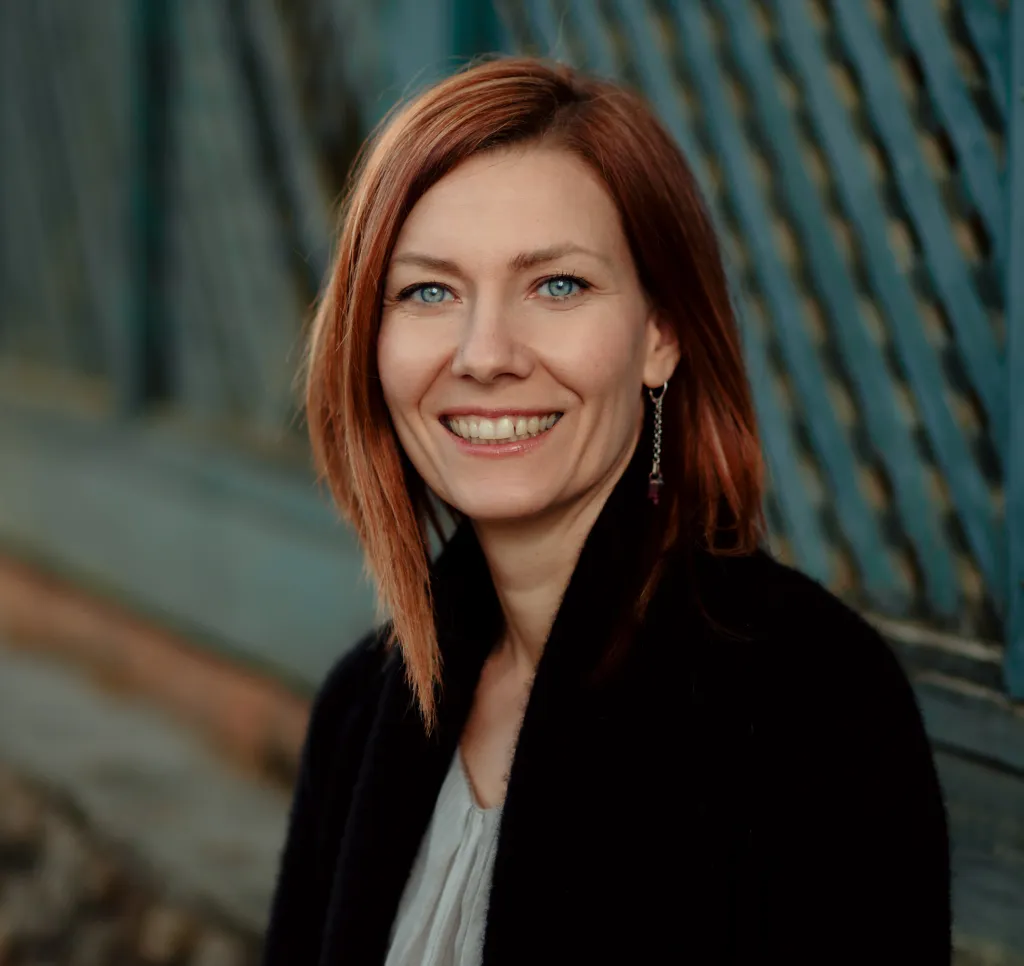
Stefanie Robel is a tenured professor of neuroscience, research team builder, and leadership educator. Originally from Berlin, she earned her Ph.D. in Munich before moving to the United States, where she launched an independent research program that has secured more than $10 million in funding and developed a high-performing, resilient team over the last 10 years.
She has guided her laboratory through significant challenges—including the COVID-19 shutdown and a major institutional move—while maintaining productivity and cohesion. Several of her former trainees have since established successful research programs of their own.
Her interest in leadership began during her postdoctoral years, first as a way to strengthen her competitiveness and later as a means to create a sustainable career and lab culture. Stefanie is a multi-certified life coach and has integrated leadership development into her own academic journey, combining scientific excellence with personal fulfillment.
In 2019, she founded what is now GLIA-Leadership, bringing together coaching expertise and academic experience to support researchers in leading with clarity, building strong teams, and sustaining joy in their work. Her mission is to help change academic culture by showing that success does not need to come at the expense of personal well-being.
Whether you plan to leave academia, are nearing retirement, or are considering consulting on the side, this conversation is a refreshing take on how telling your story may shift with Jennifer van Alstyne, Paulina Cossette, PhD, and Jen Polk, PhD.
What happens with your online presence when you leave academia? Whether you’re in academia for the long haul or looking for an exit ramp for you or your grad students, how we shape our stories matters. Career coach, Dr. Jen Polk, and academic editor, Dr. Paulina Cossette, join me to talk about how their own stories shifted after leaving academia. They also work with lots of folks who’ve made an academic exit. I’m excited to share their perspectives with you.
This is The Social Academic, a blog about online presence for faculty, researchers, and graduate students.
Hi, I’m Jennifer van Alstyne. I help academics like you feel confident when you show up online. You have agency in creating a stronger online presence for yourself. Let’s build a strong digital footprint through your academic website, social media, and bio writing.
P.S. Come join me and Jen Polk for the IMPACT2026 live summit hosted by Carole Chabries, PhD. Four hours. Six Speakers. Register to join us on March 5, 2026 on Zoom.
A full text transcript of this interview is coming for you soon. Thank you!
Bios
Paulina S. Cossette, PhD
Paulina S. Cossette, PhD, has 15+ years of experience as an educator, researcher, and writer. As a copy editor, she has revised 70+ books and countless research papers and dissertations. Her areas of expertise are in the social sciences and statistics. She previously worked as a political science professor, focusing on US politics, Congress, elections and campaigns, and qualitative and quantitative research methods.
Paulina specializes in academic editing. Her experience includes revising and formatting research articles for publication in peer-reviewed journals, dissertations and theses, and book manuscripts. She primarily works with scholars in the social sciences, humanities, and education. Paulina also enjoys coaching scholars in how to get published faster, how to leave the academy and become and academic editor, and how to achieve work-life balance.
In 2024, Paulina launched her online course and group coaching program, Becoming an Academic Editor (BAE). Over 60 academics enrolled in the first year, and the program continues to grow quickly. In BAE, members discover how to use their existing skills and experience to build a profitable and rewarding academic editing or coaching business that brings them true flexibility and joy. If you’re burned out in academia, know this: You DO have options. If you’re unhappy in academia, the issue isn’t that you’re not good enough, it’s that you are meant for more.
Jen Polk, PhD
Jennifer Polk, PhD, is a career coach, educator, and recognized expert in PhD careers. She regularly facilitates professional development workshops and delivers keynote presentations at institutions across the US, Canada, and internationally. Jen created her PhD Career Clarity Program to help PhDs navigate their career paths with confidence.
Jen’s writing is published in University Affairs, Inside Higher Ed, The Chronicle of Higher Education, the Globe and Mail, Academic Matters, and in three books. More recently, she was an expert panelist for the 2021 Canadian Council of Academies report, Degrees of Success, on the challenges PhDs face transitioning to employment. Jen served on the board of directors for the Canadian Association for Graduate Studies, and was part of the management committee for a multi-year transborder project about PhD career paths. She earned her PhD in history from the University of Toronto. Find Jen online at From PhD to Life.
Are you a faculty, scientist, or grad student who wants to connect with the communities your research supports? Dr. Shereen Naser joins me to talk about academic and community partnerships.
Have you ever thought about partnering with an organization or group in your community? I’m excited to share this episode of The Social Academic podcast with you.
Quotes
In Community “The point of entry is the community and the university becomes a resource and a question that starts on the ground in our communities.”
Being Authentically You “The less I started trying to separate who I’m as a person from who I am as an academic, the more authentic I could show up… and where people could trust me.”
Power of Community Safety “The more open you are and clear about who you are and why you’re here, the more others that are like-minded can find you… building the bravery and ability to stand up to that fear and real threat.”
Interview
Jennifer van Alstyne: Academic and community partnerships. This is something that I don’t think that I really recognized as a tool, but also a value that people can have when it comes to their research. I’m from a English literature background. I’m a creative writer, and now I do this business full time. And so I help faculty who want to make community partnerships have a stronger online presence. I’m really excited to have an expert today to talk about these kinds of partnerships. Dr. Shereen Naser. Shereen, would you please introduce yourself?
Shereen Naser: Yeah. Hi, it’s great to be with you here today. Dr. Shereen Naser. I’m an Associate Professor of Psychology at Cleveland State University. I’m specifically trained in school psychology and was a practicing school psychologist before coming into work at Cleveland State as an academic. I’m a mom. I have two beautiful young girls, a little urban farmer. I’ve got some chickens and I like to plant things and vegetables in my tiny little yard here in Cleveland, Ohio, and I’m a community engaged researcher.
Jennifer: What does that mean? What does it mean to be engaged with the community as a researcher?
Shereen: Yeah. I think for me, and we’ve done some writing about this, me and my colleagues, thinking about the point of entry. When we think about research, oftentimes we think of the university as the point of entry. You write a grant, you have a recruitment process that starts at the building of the university. But for us, for me specifically, that’s not the point of entry. The point of entry is the community and the university becomes a resource and a question that starts on the ground in our communities. And from that framework, it becomes a lot easier to be authentic in the work, to answer questions that have actual impactful, meaningful outcomes for the communities with which you are engaging and working alongside.
Jennifer: Would you be open to sharing an example of a community partnership that you’ve created for your research?
Shereen: Yeah, absolutely. And this one I can give a lot of really institutional kind of examples, centers and organizations that we’ve worked with, but I think there’s a lot of writing and literature about that. I think something that might be a little more unknown to some of our listeners or other academics is what does it mean to be a member of a community and use research as a tool to answer questions that naturally and organically kind of come up in that space. I’m Palestinian American and a member of the Palestinian American Cleveland community, Northeast Ohio community. And I do research asking about ways schools can be supportive to marginalizing, minoritized youth, but also ways that they cause harm. And we know very little about this for Arab American youth broadly and specifically for Palestinian American youth. But these questions are important, considering also things like increasing anti-Palestinian racism and anti-Arab racism in our school buildings.
But when you go to a community that’s experienced marginalization and say, “Hey, I would love to research your children,” the initial response is always, “No thank you.” And that comes from decades of experience of being marginalized and harmed. And the university is one of the places that harm can come from and school buildings as well. As a new researcher, I was like, “I’m going to do this research. I’m going to interview Arab youth. I’m going to ask ’em about their experiences in school. It’s going to be great.” And doors kept getting shut in my face. But if I think about the point of entry not as the university building, but as the community, I spent time in this community. I have children that live in this community. We take Arabic classes together. I attend events. I show up in solidarity and support even in the hardest moments from this community.
And even if it is at sometimes risk of my professional safety or my personal safety, I show up with these communities over and over again. More recently, I wanted to do, kind of revive this work that I was doing, and I sent out this research request and all of a sudden no closed doors. I’ve had an overwhelming response of high schoolers wanting to come and do these interviews, wanting to be a part of it over time, ones who have come and wanted to be a part of my research lab. There’s this one funny story where someone shared the research link for information about participation in a old uncle WhatsApp group, and they were like, “What is this? We don’t do research.” And then someone else just went, “Oh, it’s Shereen. She’s the best. This is great. Yeah, absolutely.” And it’s actually, that relationship for me is incredibly important because it’s not Dr. Naser who does research over at Cleveland State. It’s Shereen who we know has disseminated this information here for us to use, it’s Shereen who stood next to us even in the hard moments and stood up for our safety and our collective needs. It’s Shereen who’s constantly giving all of herself professionally and personally to make sure that we’re doing okay. And that to me is powerful. And what I mean by community engaged.
Jennifer: I think that there are so many communities that really have no idea that this kind of research that doesn’t, that considers harm at the start, and that considers how the engagement of the community can participate in ways that respect is there. I really feel, this is not something that I knew about when I was in grad school. It’s not something that I learned about until many years later. And so I’m really curious, at what moment did you decide, “Oh, this is a new path that I can go down for my research?” Because there’s so many people who are probably listening to this that are like, “I kind of want that for myself too.”
Shereen: Yeah, for sure. It’s been a really tough road. I think as academics, particularly in psychology, I can’t speak to many other fields but in psychology, we’re kind of fed a colonial myth of objectivity. I think about psych science and I think about the Skinner box and all these experiments done in a research lab. People come to the lab, it’s very sterile and recorded and there is a place for that kind of research. But what we’re finding in many marginalized communities is that research doesn’t really answer a lot of the questions that we need answered. And for a long time, I was afraid to do this kind of work because I didn’t think it would get me anywhere in that traditional academic building.
But the less I started trying to separate who I’m as a person from who I am as an academic, the more authentic I could show up in the spaces I lived and the places I worked and where people could trust me because I knew they were getting the same person, whether it was the teacher in the classroom, the researcher in the lab, or the mom who was taking her kids to Arabic classes on Sundays. And I was not trained like that. But what I find is that my research, I can better answer these questions more effectively in a way that’s more generalizable, in a way that’s more authentic and truthful with, when I’m able to open up my authentic self as a researcher.
Jennifer: What do you want communities to know about who you are and how you approach research?
Shereen: My lived experience is one in which I can see schools as both a place that harms kids and families, but also a place that can save kids and families. Even for me going to school was, I love school. I went to school as long as I possibly could. I’m still here. And also, I had a lot of really terrible f**king experiences in the school building. And when I came into academia, I thought that lived experience wasn’t going to be useful, but actually ended up being the most useful thing that I could possibly do. And has helped my research take off both in my lab with students here at the university who want to do this kind of research and with the actual work that I’m doing that can answer questions from my community. But while I talk a lot about this research with Arab American youth, that vantage point, the ability to see the school system as dynamic and being able to hold it in all its complexity has informed my work with queer youth where we created a sex ed curriculum informed by queer youth that prioritize decision-making and queer-affirming strategies, as well as with thinking about mental health screening and behavioral response in the school building and how it impacts kids across racial and different racial ethnic groups and different identity groups.
My vantage point hasn’t just informed or allowed me to be engaged as an era, but also as an American living in a diverse society. And I think that is powerful and it’s allowed me not only to bring more value to my work, but more value to the people I’m working alongside.
Jennifer: For people who are like, “Okay, I’m already at a place where I think I can start putting and implementing new partnerships.” I’m thinking of one faculty client who actually moved to a new place and her goal was to create new partnerships because she’d moved from one city to another. What is the start of that process look like? How can people first reach out?
Shereen: I think part of it is showing up where the work is already being done. I think that there’s a lot of, in academia, you kind of have to be a little egotistical to do this work, to deal with all the rejections we get and to put yourself out there so bravely to speak in front of a classroom, in front of people, write, and put it out into the world. I think there’s a lot of ego that goes into our work kind of naturally, so being able to step past that ego and be like, “I actually don’t have all the answers, but that’s okay. I’m excited by the process of finding them.” For example, I came and I was like, “Oh, I’ve got a PhD in psychology and Arabs suck at mental health, and I’m going to come in here. I’m going to bring mental health to the Northeast Ohio Arab community.” That couldn’t have been further from the truth.
I started going to talks that were being done and asking people like, “What do you know about mental health? Who do you know is doing the work?” I started a WhatsApp chat with everyone I ended up networking with who was doing mental health work in the Northeast Ohio Arab community. So just going and seeing where is the work being done and not how can I do it alone, but how can I collaborate in those spaces and what resources can I bring? And again, if the point of entry is community, I’m not just thinking about my publications, I’m thinking about actually, can I use my access to library resources to answer a question that people are struggling with by using my research skills and digging into it? That’s just one example. Or can I bring my students into this space to provide some hands while they’re also getting really good research experience?
Just thinking from that lens. Of course, especially for pre-tenure faculty, thinking about your publications matters, certainly, because we need folks with ideologies to stay in academia and help break through some of these walls and barriers between academia and community. I’m not saying abandon publication, but you might get creative about the kind of publications you’re doing. For example, I write sometimes with my students, my high school students that I’m doing participatory action research with. I collaborate with colleagues who are in a similar place in their career, and also have similar values. And those kind of collaborations have not only broken my own isolation, but allowed me greater access to community.
Jennifer: It all ties into each other. It feels very holistic. It’s something that I feel like the traditional view of a researcher is someone on the outside looking in, and this feels like such a part of it.
Jennifer: And I guess that’s maybe my next question. One thing before I get to that is, what is community participatory research? Or youth participatory research?
Shereen: Yes, yes. Youth participatory action research is a methodology by which you’re kind of training youth to do the research themselves and coming up with the answers, which is exactly in line with my values. However, the implementation can sometimes get really watered down where it ends up just being a class or a workshop that students take and then they finish it and look, they made this finished product. We actually worked with the LGBT Center of Greater Cleveland to do what our students called Youth Research for Social Change, which was a year and six month process where we did teach them research. We met weekly, we learned about research, but we also brought queer researchers from the community in. We answered really place-based questions, and then we actually integrated local decision makers into the dissemination. For example, people from the mayor’s office or from local nonprofits or school buildings to come and meet with our students to learn about the information and built authentic relationships with our kids. Our attempt there was to use the participatory action research methodology, which is research alongside of and teaching research as a methodology too, the people we’re working with, but also to empower the students not only in the process of learning, but in creating knowledge and being valuable knowledge makers and in dissemination of that knowledge.
Jennifer: What’s your hope for those students? They’re not just getting a one time workshop or lesson, they’re with you for a year and months. I’m curious about what’s your hope for them long-term?
Shereen: Well, my hope for them long-term is actually really manifested, and that is to have these long-term relationships, these students. It’s been a bit since we did that. It’s been, I think a year and a half now since we’ve wrapped up the program. And some of them have become college students here with us. Many have kept in touch, they’ve shown up to events and things that we’re doing. When we were doing that project, a lot of queer youth are really pushed out of schools academically because of discrimination. And I didn’t realize until halfway through our action research project with them that many of them were struggling academically in school. And one student during the course of time actually got pushed out of her school and had to move schools. And one of the reasons I didn’t realize that was because they were so brilliant in the space that we were in and being able to articulate themselves, critique broader structures, provide solutions, and think through answering research questions in their communities. For us, my hope for them was they could take those skills way past the time that we were spending with them. And in fact, they have, and many of them are just doing such incredible things right now.
Jennifer: You’re an educator, a trainer, someone who really cares deeply about the next generation of researchers. I am so glad that I asked you about this. I’m curious from the organization’s perspective, from maybe the center that you worked with, what is something that if they’re wanting, maybe they don’t know any researchers like you already, if they’re wanting to have more academic partnerships because they want high quality research that engages their community, how could they maybe reach out to academics to potentially work together?
Shereen: Yeah, that’s a good idea. Creating partnerships between academics and community organizations can be really difficult because it’s time consuming and with all the demands on our local organizations and on our academics, increasingly so over time now, finding that time to build an authentic relationship can be really difficult. I would say being able to find someone who’s value aligned, maybe by looking at their website, looking at the materials they publish, and kind of seeing their reputation in the community too. Where do they show up? Are they in similar spaces and saying like, “Hey, we have a program we’d like to evaluate, or we have this idea that we’re curious about.” And kind of coming from that place of relationship building first on both ends from the academic and the institution, and playing around with how to have then a collaborative project that meets the needs of both.
Jennifer: Is there anything else that faculty should consider when reaching out in terms of what does that email look like? Or do you really recommend go to an event, go to something in person first?
Shereen: I really recommend going to something in person first.
Jennifer: I really appreciate that.
Shereen: Yeah, I can’t emphasize that enough. Now there’s going to be some researchers who can run their entire career off of surveying college students, but even then go to student meetings, go to club meetings. I’ve built so many beautiful relationships with undergrads who I do not teach because I go to their club meetings, I learn what they’re doing, and then if I do have a research project, they want in. Even then, if your whole career can be done through research just on your university campus, how are you building community even geographically in the university? But I think a lot of us, especially post-COVID, it is so much easier to sit in your office and type-ity type on your computer and not be the thing you do. But really there’s no substitute for a relationship that’s built from just knowing each other.
Jennifer: I recently was chatting with a museum that was wanting to make more community partnerships, and they were very surprised when I actually shared a little bit about how you work with the community. I said, one of the things that Shereen is really looking for is a partnership that goes both ways. You want to support each other. And they were like, “Well, we just want to help, we just want to help academics know about our museum.” And I think that’s something that maybe organizations out there are not realizing. You can help each other, and so I guess, I’m curious, what makes a really good community partner for you?
Shereen: Someone who communicates clearly. It’s really difficult when people come in, just try to be nice to each other. Not saying be mean to each other, but when you have clear communication around the needs and capacity. An organization that’s like, we love this idea and also we suck at responding to emails right now cause we get 400 a day from people who need food. We have to prioritize those. That kind of clear communication is so easy for me because you know what then I can do? Let me help distribute that food for you. How can I figure that out for you? I’ve got some students who are really interested in food sovereignty work, I’ll connect them. And all of a sudden I’m making more time for you, which makes more time for me in our project. That clear, authentic communication, really can’t emphasize it enough.
Jennifer: Gosh, I’m so happy I asked that question. That was a lovely story. I am curious, I did not prompt you with this in advance, but is there a teaching related story for this where maybe you have an undergrad student or a grad student who’s first engaging with the community and what that’s like for them? What’s that experience like?
Shereen: Yeah, actually with the Youth Research for Social Change group that we did, we actually had a grant for that and brought undergraduates in to help us note take and memo throughout the process. And it’s changed the trajectory of their careers to be in that space. And it was also awesome cause now we had this intergenerational space where we have high schoolers, graduate, undergraduate students. We have the old fogeys like me, and then people from the center. And having this intergenerational intraexperience space is really powerful. And I would say for our undergraduates, you can learn something in the classroom, but until you have to do it, it doesn’t sink in that way. And I think being able to take our students off the campus and into the real world in so many ways, it creates the connections they need for better job opportunities moving forward, the experiences they need to have a better interview and speak more eloquently and clearly about what they want from jobs and what they want to do in the future, and just exposes them to something outside the classroom that can really make concrete what they’re learning in the classroom.
Jennifer: It’s not only good for the community, for the research, it’s good for the students who can engage in the projects at every stage. I love that there’s so many generations that were involved with that grant and the youth research. Fascinating. Okay. I want to ask about your website now because of something you said earlier, which was that you were really choosing to show up. You wanted to bring all the parts of your authentic self together and didn’t want to feel like you were separating things for certain groups or certain buildings specifically. And so I mean, I think I’ve heard from dozens of faculty, “I need to keep my personal life and my professional life separate. I need to separate these identities.” What helped you decide to bring them together?
Shereen: Yeah, because no matter how much I wanted or thought it was the right thing to do to keep them separate, as an Arab-American, and particularly as a Palestinian American, I’m always under a microscope. Hyper surveillance is part of our community experience as Arab-Americans, as Palestinian Americans. For me, it became a thing of I can continue to retreat into myself and into silence or instead of letting other people tell my stories, I would tell it clearly, openly without any questions. For me, creating my website was part of that. Instead of letting other people tell my story, “Oh, she’s this, she’s that.” I’m just going to put it all out there. Here, it’s yours. I think my website has poetry on it. It has pictures of me out in the community with my community partners. It’s got all my publications. There’s nothing hiding. It’s all right there.
Jennifer: Yeah.
Shereen: I think that to me is a form of not only my authenticity, but also safety. Instead of letting other people say what I’m about, I’ll just tell you.
Jennifer: When you first started the website, did you imagine that all of these things would fit on there?
Shereen: I sure did not, and I think I’d always, it was really difficult for me to decide what my story is because it can feel so disparate. Because in academia, especially in the doctorate level, you have to have an expertise, and that expertise has to be so niche. And so finding what that niche was for me was a bit difficult. Then I realized that I am the niche. Me, my story, it’s the niche, and I could bring it all together. It was clear in my head, so then I just had to be a good communicator and make it clear for other people.
Jennifer: I love that. Do you have advice for anyone else who is maybe feeling like they’re under hyper surveillance and they’re wondering, should I go into the shadows or should I bring all of my identities together and be myself? Do you have any advice or tips for them?
Shereen: Yeah. I’d say two things. One, if you’re struggling with that, sit with some curiosity. Where does that struggle come from? How much of it is fear based? Because the reality is for people under hyper surveillance like myself, there is real fear there, but sometimes that fear can get blown up. And then find your network cause there is safety when you have community. The more open you are and clear about who you are and why you’re here, the more others that are like-minded can find you. And you’re able to create that community, which one, builds the bravery and ability to stand up to that fear and real threat. And two, it just for me brings so much more peace into my work. It’s easier to write. Very few writing roadblocks now because I’ve pushed through some of those barriers, and then I have just now, I’ve just got the best collaborators, the best collaborators, and I found them because of being able to speak clearly about who I am.
Jennifer: Is this the research group that you’re talking about or just in general?
Shereen: Yeah, just in general. Community collaborators, students, the research groups that I’m in, I’m part of the Thrive Research Collaborative here at Cleveland State. My colleagues are phenomenal. We have very similar value-driven work we do together. I’ve got other school psychologists across the country that I’m really, I’m working with and I love to shout them out, Dr. Amanda Sullivan, Dr. Lisa Aguilar, Dr. , people that I just have deeply admired for so long and now I get to create with. Incredible! And so many others, really. I can name folks for a very long time, but the only reason I was able to connect to this community is because I showed up as myself, which also meant that some bridges got burnt. Some bridges I thought were going to be my professional ladder. I had to let them go and kind of grieve that as I was building something more authentic and real.
Jennifer: When you think about that grief, do you still feel like you made the right decisions in terms of your trajectory?
Shereen: Yeah, in the moment very difficult, but now in hindsight, I’m like, “Oh wow. I can’t believe I waited that long to make that change.” Yeah.
Jennifer: Oh, that’s really insightful. Thank you so much, Shereen. I feel like this conversation has been so warm. I’ve learned so much, even though I’ve already talked with you about these things quite a bit. I feel like the stories that you shared, they’re going to be so valuable for the people who are listening. And I think that we can reduce harm in many research fields and being intentional, being thoughtful, taking meaningful time at the start to consider who we’re working with. It sounds like that can make a really big difference for folks.
Shereen: Yes, for sure. 100%. Thanks so much for having me. It’s a pleasure to have this conversation with you.
Jennifer: Yeah. Is there anything you’d like to add before we wrap up?
Shereen: Not at all, but folks should feel free to reach out if they have questions. If I can provide any brainstorming for them, I’m happy to do so.
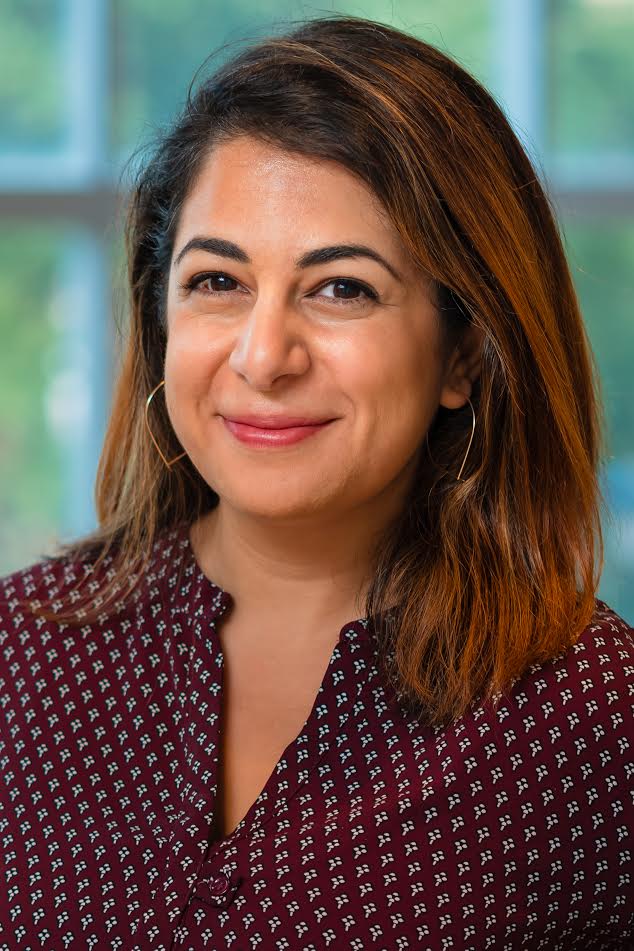
Shereen Naser, PhD creates transformative frameworks and programs for schools that challenge dominant narratives in Psychology and prioritize human dignity and collective healing toward systemic change. She’s an Associate Professor of Psychology at Cleveland State University.
Her research focuses on how marginalized students, especially queer and Arab youth, experience school settings. Using resource mapping and participatory program development and implementation models, Dr. Naser facilitates initiatives and interventions that support the social, emotional, behavioral and academic needs of marginalized youth at the individual and whole school level.
Shereen is part of the THRiVE Research Collaborative and director of the Cleveland Child and Adolescent Research in Education (CARE) Lab.
Public writing vs. academic writing. How do you choose? Writing coach, Lisa Munro, is back on The Social Academic podcast to talk about writing for the public for faculty and researchers.
Quotes
Scholarship for the People “Audience, I think is very different… public writing I think, it’s a lot bigger. You might be writing for people who are not specialists in your field. People who are smart people, but not necessarily specialists.”
Public Writing “I don’t think academic writing has to be boring, and I don’t think it has to suck. I think it can be interesting. I think it can be well written. I think it can be accessible.”
On Rejection “If you get desk rejected, it is not you. It’s fit… It’s just never you. It feels like it’s you, but it’s not you.”
Interview
Jennifer van Alstyne: Public Writing vs. Academic Writing: that is the topic of today’s episode of The Social Academic. Hi there, I’m Jennifer van Alstyne and this is my friend Dr. Lisa Munro, who is back on The Social Academic to talk about the difference and the things that she is thinking about and experimenting with her own public writing. Lisa, hi!
Lisa Munro: Hi!
Jennifer: Would you, oh, sorry. Interrupting you.
Lisa: I was just going to say nice to see you. That was it.
Jennifer: I know, except I feel like we see each other and talk with each other all the time. And so-
Lisa: I know, but it’s always nice to see you.
Jennifer: That’s very sweet. It is nice to see you, but I’m especially excited for this conversation publicly because I have personally been thinking about a lot of the difference between writing that I do in private, which is mostly my poetry these days. I don’t publish poetry as much anymore. And writing that I do in public, which is The Social Academic blog and creating interview series like this one. I’m curious about you because you are a writing coach. You help people with their academic writing, with their books. What is public writing? What’s the difference?
Lisa: Yeah, yeah. I mean, I think that’s a really good question, and there is some overlap as well. I mean, some academic writing is, some journals really do try and be public facing, doing things like not having paywalls and encouraging accessible writing and those kinds of things. But generally when we’re talking about academic writing, usually it’s very analytical, it’s for a very small audience. It’s persuasive, but those are not it’s only characteristics. But public writing I think, it’s a lot bigger. I think the audience is bigger. You might be writing for people who are not specialists in your field. People who are smart people, but not necessarily specialists in your field. And full disclosure, I’ve just been starting to really experiment with public writing, so I’m not an expert by any means, but I kind of get a bang out of creating it and making it and writing it, and it’s been fun.
But I think audience, I think is very different. And I think purpose, being you are still oftentimes trying to persuade people. It’s not like the persuasive piece. It’s not the argumentative nature of academic writing goes away when you’re writing for certain publications. I mean some publications are, god there’s so many, but some publications are like, here’s kind of a journalistic kind of thing. It’s like who, what, when, why. It’s very kind of factual. But then there are a lot of what I’ve been discovering and what’s been fun to see is that there are a lot of long form outlets that are, they’re just as analytical. They’re just as persuasive as academic outlets, but they get read by more people. I think that’s probably the biggest difference that I’ve seen.
Jennifer: What made you want to start experimenting with public writing? Because you’ve been coaching people on academic writing so long that I’m curious what was like, “Ooh, I want to explore this.”
Lisa: Yeah, I was feeling really burned out on academic writing. I really love a lot of academic writing. I think, I mean it gets a bad rap from people, from all, “Oh, it’s unreadable. It’s all behind these paywalls. It’s not meant to be interesting. It’s kind of boring,” etc, etc. But I don’t think academic writing has, my unpopular opinion is that I don’t think it has to be boring, and I don’t think it has to suck. I think it can be interesting. I think it can be well written. I think it can be accessible, but a lot of journals don’t reward those kinds of things. I wanted to, let’s see, I put together an essay recently. I was feeling really kind of despondent about just general, my other job is in international education and feeling really despondent about the collapse of international education, which the more I thought about it, I was like, “Oh yeah, this has a history to it and it has reasons and it has,” it’s related to sort of larger political things that are happening right now, etc, etc.
Just in kind of a weekend, I got really angry and I sat down and I wrote this essay and I was like, “Okay, this is what I want to say about this.” And I thought, “Oh, right, this is not academic writing. Where would this go, who would publish this?” And as I started thinking more about it, I started doing research. I was like, “Okay, what are some long form?” I mean, it turned out to be my rage apparently is 3000 words. I was like, alright, so 3000 words. This is long. I mean, I’ve done op-ed writing before and op-ed writing I feel is much shorter. A lot of op-eds that you’ll read are around 1200 words, and I can absolutely write 1200 words, but it’s a different kind of animal than it is writing 3000 words. I mean, when you’re writing short op-eds, you get a whole lot less space to make the knockout punch.
I mean, you really have to be efficient and you have to be economical about it. But 3000 words gives you a lot more space to talk about stuff. And I was like, “Oh,” I was, “this is really, I feel this is the length that I can write. This is a good length for me.” So started looking at places to submit that. First submitted to Boston Review, desk rejected within days, and I was like, I’m just not going to give up on this. I mean, this is what I tell writers all the time, academic and otherwise, if you get desk rejected, it is not you. It’s fit. Usually it’s like, oh, this doesn’t quite do what we need it to do, or this isn’t, we recently ran a similar piece, or it’s just not the way we want to go right now. There’s lots of different reasons that journals of all public facing and academic would reject something.
And I was like, I’m not going to give up on it. Did a little revising, reframed it a little bit, and I sent it back out. Yeah, it hasn’t been desk rejected yet. I’m like, “Okay, that’s the first hurdle.” Yeah, so did that. And then while I’m still waiting for a decision on that, I recently went to Albuquerque and I started writing another essay about the city of Albuquerque cause I got really inspired there. I now have a list, probably seven or eight pieces that I want to write, and probably three or four books. I was like, oh, I’m actually really, I think I’m a pretty good academic writer. I might be a better long essay writer is what I’m discovering.
Jennifer: That is fascinating to me. And you’re someone who is so articulate when you’re speaking about things that it sounds like the act of writing these essay ideas that come to you, it’s like, “Ooh, let me focus my brain in this.” You get it out and then you’re like, “Okay, let me figure out where to place it.” Whereas I know in academic writing, sometimes we’re focusing on a specific goal for publication in terms of where we’re going. Maybe we’re tailoring it to that specific journal depending on what your professional needs are. But I think that what is really lovely about this kind of start of your journey is that it’s so driven by what you’re already thinking and wanting to get out of your head.
Lisa: Yeah, absolutely. I mean, I tell academic writers all the time, you need to think about and hello, if anyone is an academic writer, here’s some free writing advice. Pick your journal early. I mean, one of the biggest mistakes that academic writers make is they wait until they have written the article and then try and figure out where it goes. And it’s like, oh, you can’t really do that because you need to be shaping your work towards a conversation that a journal is developing. That’s really how that needs to happen. Pretty early on in your process, maybe figure out your article’s argument and then figure out your journal, like that early, and then figure out how your work is going to fit in there. And this has felt very bad, and maybe I’m doing it wrong, I don’t really know, but here’s how I’ve been doing it. I’ve just been writing about what I think is interesting, and then thinking about who else is interested in that. And that’s been a really different way to approach writing.
Jennifer: I really like that. And I think that this has come up for me recently in terms of this more, “How can we all engage with online public scholarship?” Maybe it’s not always writing, but the things that we do and think about and share online. How can that be part of who we are? And not totally separate from the academic writing or academic life that you have. If it’s all you, that’s the thing that ties it together and you are special. And so I really like when public scholarship happens, but oftentimes for the academic writers who are coming to me, it happens out of circumstance, out of chance, out of having that idea that really doesn’t fit into any journal that they can find and thinking, “Where does this belong?” And I’m thinking of one researcher in particular. We had worked together on her LinkedIn profile and she came back for our follow-up consultation a year later, and we were talking about something that really mattered to her.
I don’t want to give it away. I don’t think she’s released it yet, but something that really mattered to her. It wasn’t right for academic writing. She’d actually brought it to her university research office and said, “I want to do something with this. I’m not exactly sure what that looks like.” And they were like, “Well, it’s not really the academic things that we support with. We want you to do it too.” But they didn’t have a direct pathway to recommend, and public scholarship is totally an option for all the things she was dreaming about, and I’m so glad that she was open to taking that chance. She was even taking photographs for her next set that’s going to inform her writing. It became almost like a multimedia project, something that is really about the people that she’s engaging with and connecting with. And that’s a totally different shape from the traditional academic and science writing that she’d been doing for her entire career.
Lisa: Nice. And I think your academic writing can also inspire your public writing. I mean, I know that for myself, my book is always in progress, isn’t it? It’s just permanently in process, but it’s going to get finished eventually. But my book is tentatively titled Desire’s Empire and really about how intangible desire drives empire in Latin America. And so having that lens has enabled me to see a lot of other things, thinking about, “Oh, right, what is the role of cultural mythology? How does this change how we see everyday objects?” I mean, there’s lots of different kinds of questions that have come out of that work, and I’m like, “Oh yeah, this has given me a lens to look at things in a different way and then talk to the public about it.”
Jennifer: You are someone who is excellent at arguments, not just making your own arguments, but pulling arguments out of the academic goals of the people that you’re working with. How does argument play into public scholarship? Is that still something that is important?
Lisa: Yep, absolutely. I think anytime you do persuasive writing, it’s argumentative, and I think a lot of public writing I think can be argumentative. Read a piece in The New Yorker. I mean, that’s all persuasive writing. It’s designed to get you to either believe something or to believe something more strongly than you do now. And I think that’s absolutely something that you can carry into public writing. I mean, the new thing I’m writing now on Albuquerque, I wrote, the first sentence I wrote was, “Nostalgia is killing people,” and that’s an argument. I have to support it with evidence, and I have to explain it and unpack it and blah, blah, blah. But I was like, yep, that’s an argument.
Jennifer: One time you shared that even the title should have arguments. Is that right?
Lisa: Oh, yeah. Yep. Absolutely. Absolutely. Yeah, your title should absolutely be argumentative because it’s the only part of any piece of writing that you do, whether it’s academic or public facing that you can guarantee people will read. Either they read it and they’re like, “Oh, I don’t want to read this.” Or they read it and they’re like, “Okay, I kind of know what this is about.”
Jennifer: Oh my gosh, I have the same approach to writing academic bios. The first sentence is the one I know people will read, so we’re going to get the most important thing to you up there first. Fascinating. I love that. How are you thinking about titling your public scholarship? Is it a different approach than how you title academic writing?
Lisa: I think I get to have more fun with it. I think I get, or not even more fun maybe. Maybe it’s just more creative. The Albuquerque piece is called The Cultural Romance with Death on Route 66.
Jennifer: I love that. I can’t wait to read it. That’s like, that title would just pull so many people in. I love that you traveled to Albuquerque for work and also celebrating your birthday ended up being this inspiration for something that is going to last and reach people for potentially years to come. That’s so cool.
Lisa: I think it’s really good. The rage-fueled international education article was called When the State Opts Out of Knowledge, and that’s an argumentative title. What happens when the state opts out of knowledge? I’m making this argument that the state has and it’s had these effects. Yeah, absolutely. I think you get to be more, I think you can be equally argumentative, but you also, I think you can have a little bit of creativity with it as well.
Jennifer: Do you have a tip for titling for folks who are listening? I feel like maybe the people who are on this call are like, I’m not really doing Academic Writing Month, but I know that they’re a hundred percent going to have another thing that they’re putting out there in the world. What’s maybe one tip for titling that you could share with people?
Lisa: Oh my God, I have the best tip. Are you ready for this? And this isn’t even my tip. This comes from Wendy Belcher herself, and I have applied this in many different ways. Verbs, use verbs. Academic writers are always coming up with titles that are a thing of a thing, a thing of things, and you’re like, “Oh my god, no force on earth can make me want to read that,” literally. You should use some verbs, use interesting verbs. I like verbs that are kind of zingy. I like verbs that are unusual. I like verbs that kind of punch hard. I try and avoid boring verbs to have to do to make, I could go my whole life without reading another article that’s the making of the X, Y, Z. That’s been done to death. We know that things are socially and historically constructed.
We’re there, I understand your argument, but maybe you can have a different title. I like titles. I’m a huge fan of alliteration and kind of mirroring, so I really love my book title, Desire’s Empire. Oh my god, it rhymes. God, it’s so good. That’s really good. I also really like titles that kind of have some alliteration. God, I came up with the title for somebody recently, and I think it was, let’s see, okay, give me just a second to collect my thought here. My suggestion was failed state policies, forging youth politics. There’s that mirror there.
Jennifer: As a poet, my brain is like, “Oooo!” I love it.
Lisa: It’s different parts of your brain are lighting up, and if you were to read that title, you were like, “Oh, I understand what the writer is doing. This is a book about the fact that the state has failed. And so it’s really up to young people to come up with a new politics to deal with those problems. And that was exactly what it was about. Yeah, I think you can absolutely have fun with academic titles, and then I think you can have fun with public facing titles as well.
Lisa: I was like, oh my god, if the Albuquerque piece right, nostalgia is killing us, and that’s not the title. The title is The Cultural Romance With Death, but if that does end up getting published, I was like, “Oh, that’s almost a book chapter.” And I was like, “It’s a book chapter in a book that’s probably called something like Faded Neon and Rusted Chrome.” Because it’s a book about nostalgia. It’s a book about looking backwards, looking at what was, and I was like, “Yep, that’s probably the title.” And as the author, you of course never have total control over the title, but you can suggest.
Jennifer: You can suggest and if your suggestion is good. And it lights up your editor’s brain too, that’s a plus.
Lisa: Yes, exactly. When you start seeing little lights off, coming off people’s heads, you’re like, “Oh, I’m on the right track.” Fantastic, yeah.
Jennifer: Before we get to my next question, for everyone who’s listening, I just want to point out Black and White and Read All Over, which is the new website home for #ScholarSunday from Dr. Ben Railton and Dr. Vaughn Joy, that combined public scholarship website has a page on it that has a lot of places where you can submit your public scholarship to be published. They have that as a resource for you. And I will find the link and put it below this video to make sure that you have direct access to that. I guess maybe that’s my next question. Lisa, what is next for you when it comes to your own public scholarship? What are your hopes or goals?
Lisa: Yeah, I want to grow my public scholarship. This is fun. And one of my roles in life is that you should do what seems fun and interesting at the moment. I’m really hoping to score a TED Talk. That’s the next step. The TED Talk is either about one of two things, either it is about the Albuquerque piece because I’m bringing a cultural studies lens to the question of highways and their outcomes and their fatality rates. That’s an interesting thing to talk about. And then the other thing that I’ve been talking about for a while now is adoption history and politics, and that’s a talk that I’ve given for classes of students and they are always, I think they are surprised by what I have to tell them.
Jennifer: Just for anyone who’s listening who’s like, “Wait, I have a class where adoption politics comes up, I want Lisa to come speak.” What is the main argument or insight that you’re hoping folks feel by the end of the class?
Lisa: Yeah, I hope people understand that, I mean, if I could name one takeaway, it would be that sometimes systems of care can hide systems of harm because I think that’s often, so often how those dynamics work. We oftentimes see the nice parts about adoption and then don’t see sort of things like dispossession and exploitation and dislocation, and I mean just all kinds of things that people don’t usually talk about.
Jennifer: For anyone who’s listening, if you are looking for a speaker workshop facilitator on adoption politics, please get in touch with Lisa. As adoptees, we’ve had a lot of conversations about this, but Lisa is the one who I send people to, who I meet because the resources, the insights, the space that she creates to talk about things that are quite often hid under the rug, it’s really meaningful for people. And so I encourage you to reach out. Dr. Lisa Munro, go-to expert on adoption politics.
Lisa: Thank you. Thank you. Yeah, it’s something I feel really strongly about. I mean, people oftentimes will say to me, “Why should we be talking about this?” And I’m like, “Oh, because it intersects with all kinds of things.” I mean, it intersects with things like race and class and gender and disability and Indigeneity and science and eugenics, and I mean, there’s a lot there that you can really see if you stop looking at adoption through Hallmark lenses and start looking at it through some really analytical lenses.
Jennifer: I really appreciate that. Okay, before we wrap up, I have one question that is really about your hope for other writers. It’s Academic Writing Month. Let’s say, a lot of people are really busy, but maybe some people have that time or are prioritizing that time to focus on their writing. What hope do you have for them for this month?
Lisa: Yeah, I hope people realize that writing doesn’t just happen. It never just happens in your day. People are like, “Oh, I’ll see if I have some time.” You can’t just see if you have some time. You have to make that time. You literally have to create that time on your calendar and get stuff done, and I think you’ll be surprised by how much you get done when you start doing that. You can get a whole lot more done in 45 minutes of focused writing than an hour and a half, as my mother would say, dinking around with it. Stop dinking around with your writing. Yeah, make some time on your calendar and get that stuff done.
Jennifer: I like your mom. Dinking around.
Lisa: Dinking around, I know. She’s always like, “Are you still dinking around with your book?” I’m like, “Yep, I sure am.”
Jennifer: Oh my goodness. Thanks, mom.
Lisa: Thanks for all the help. Thanks for the encouragement.
Jennifer: Well, one way I know that people can get a jumpstart and really get focused on their book is working with you on your Quick and Dirty Argument Consultation. Is that something you’re still doing.
Lisa: Yes. I’m still doing the Quick and Dirty Argument Consult, and here’s how it works. We meet for an hour. You send me whatever you think your argument is, and it doesn’t even have, you could send me some ideas. I think this is what my article is about. I think this is what my book is about. I’m not really sure. It’s okay. Send me what you’ve got. I’ll read it. We’ll come together in an hour and we will get absolutely clear on what you’re really trying to say because that’s one of my superpowers. If there’s an argument in there, I will find it. I will help you find it. We will find it together. It will be transformative. And then you go and take your new argument and you revise for a couple weeks. We come back together and we talk about what you’ve done. We talk about how your argument is now, and we talk about where it needs to still develop and where you need to go from here. And that is an absolutely quick and dirty thing that has gotten a lot of people out of the rut.
Jennifer: That is my favorite thing that you offer because I can so clearly describe to all of my clients, here’s why you need this thing. And I feel, so I’ve been working with my father-in-law Bob Pincus, who is an art critic about sharing videos on his channel and a lot of his writing. It’s great. He’s been writing for 40 years, but his arguments aren’t as formed because I think that they could be, and I was like Bob should go work with Lisa on his arguments, and he’s working on a new book, so I’m going to for sure recommend you for that argument.
Lisa: Yeah, please do. I love working with people on their arguments because it’s like once you get clear on the argument, everything else gets easier. Literally everything else.
Jennifer: Any last thoughts to share with people about academic writing, public writing?
Lisa: Yeah, I think you just have to do it. This year I did turn 50, and so this is the year of doing everything I haven’t done yet, so that includes sending things to The Boston Review and getting desk rejected, and that’s okay. I’m just going to keep on trucking.
Jennifer: Thank you for being open about your rejection. I think that’s something that doesn’t happen enough in our writing. I remember the last year that I sent out stuff for publication. Since I started my business, I have literally not sent out anything, and I don’t feel bad about it. It’s a very intentional choice, but the last year that I sent things out, I was going for 200 rejections. I literally had a goal for how many rejections I would get that year, and I overachieved.
Lisa: Well done, well done there. Yes. I think we should normalize rejection. It happens to everybody, and 9 times out of 10 it’s like, “Well, fine. I don’t want to publish in your stupid publication anyways. I’m going to go somewhere else.” And you find success somewhere else. And I mean, that’s success too.
Jennifer: Yeah, it is success. It is success, and I think about a lot of the things that have been rejected ended up getting accepted elsewhere. Some with minor revisions, but many with no revisions at all. Oftentimes it’s in the eye of the beholder. As a former poetry editor, I have rejected a lot of brilliant work that just didn’t quite fit with our journal, and I think that’s true for a lot of journals out there, whether you’re academic writing or writing for the public. There is possible space for you, but also a potential space in many other places too.
Lisa: Absolutely. I mean, it’s not you, right? It’s just never you. It feels like it’s you, but it’s not you.
Jennifer: Lisa, anything else you want to add before we wrap up today? This was so fun.
Lisa: No, I think this is great. It’s been so nice to talk to you.
Jennifer: Wonderful, everyone. Thank you so much. Happy Academic Writing Month. Be sure to subscribe to The Social Academic and hit the notification bell if you want an email next time we go live.
Lisa L. Munro, PhD is a historian, writer, and editor who helps scholars translate their expertise for broader audiences. Trained as a historian, she has built a successful writing and editing practice that supports researchers in turning good ideas into great scholarship and clear, compelling prose.
Her own writing explores U.S.–Latin American relations, adoption politics, and international education, connecting historical insight to contemporary global issues.
AHECC is a place “to build a community where higher education consultants and coaches can thrive together…Whether you’re an independent practitioner, part of a consulting firm, or supporting client success behind the scenes, AHECC is here to connect you with peers who understand your work, your challenges, and your ambitions.”
Founder, Dr. Claire Brady talks about the Association of Higher Education Consultants and Coaches (AHECC) on this episode of The Social Academic podcast.
Quotes
Our Professional Home “What we were missing was the place for us to call our professional home where the focus would actually be on building our businesses, creating community, [and] having advocacy at the national level.”
Shared Knowledge “To have a board of directors—a group that you can just ask a bunch of questions to—in my opinion, is kind of priceless as a business owner and as a solopreneur in particular.”
Let’s Thrive Together “AHECC is a place ‘to build a community where higher education consultants and coaches can thrive together… to connect you with peers who understand your work, your challenges, and your ambitions.’”
Connect with AHECC
Interview
Jennifer van Alstyne: Hi everyone. I am here with Dr. Claire Brady, and we’re going to be talking about AHECC, which is a new association that I’ve joined. And I’m really excited because this is finally a home, a space for higher education consulting, coaching, and that applies to so many people that I’ve met. Not just people who are doing it full-time like me. Claire, would you introduce yourself and tell us a little bit about AHECC?
Claire Brady: Sure. Well, hi everyone. Thrilled to be here. Jennifer knows this, but I’m a regular watcher of all that she puts out into the universe. I know, right? Fan girl moment. I play two roles. My full-time life is as a higher ed consultant and coach. I think that folks often do both. I happen to do both. My area of specialty is specifically in the area of AI integrations for colleges and universities. I’m on the road a lot doing that very, very hot work right now, as you can imagine. And the other wonderful hat that I wear is as one of the four co-founders of our new association, specifically built for higher ed coaches and consultants. As you said, it didn’t exist before and so we were the very first people to kind of plant our flag and say we all are members of many other professional associations and we will continue to be active and engaged members there.
But what we were missing was the place for us to call our professional home where the focus would actually be on building our businesses, creating community, having advocacy at the national level, and in some cases really bringing attention to the work that we do. Many of us work kind of quietly on campuses, off campuses and having a group that kind of brings attention to the really important work that we’re doing. And there are thousands of us out there doing this work. Like you said, some are full-time, some are part-time, some might have one client a year and some the two of us might be very busy and have many, many, many clients. But we launched last March and we’ve just been so thrilled, Jennifer, with the outreach. We’ve been thrilled with members like you that have come on board who maybe we didn’t know before. It’s been a really cool experience.
Jennifer: I feel like there were some instances in the last seven years when I was growing my business where some people were like, “Oh yeah, we all know each other.” All the consultants, all the coaches know each other. The world in higher ed was really small, was what I got from one Ivy League institution. And that’s true, but it’s also not true.
Yes, there are tight-knit communities and a lot of those are based around meeting places where people get to know each other, see each other on a regular basis. But there were also so many people like me who are solopreneurs or work at an agency that’s maybe not as involved in the big conferences that all of a sudden have opportunity to be part of community. There’s also a lot of faculty members who, maybe they’re the one higher education client per year because they’re working full-time as a faculty member or a researcher, but there’s many opportunities for your expertise to make a difference in higher education beyond your own campus. And so that’s really how I started to open my eyes to the world of higher education coaching and consulting, which I was already in. I didn’t even recognize it.
Claire: It’s so funny you said that because our membership is exactly as diverse as you’re describing. We have folks that are doing real academic work, a lot of research and assessment work. We have folks doing enrollment management work, internationalizing higher ed work. We have folks that are working in exclusively coaching and specific groups, exclusively coaching new and mid-level professionals, exclusively coaching professionals moving from either faculty or administrative roles into academic leadership or administrative leadership roles. We have folks who only coach executives, chancellors, vice presidents, deans, et cetera. We also have folks who coach students, which is a whole area that to be very honest, wasn’t as aware about. There’s a whole group of academic advisors who’ve gone into their own consulting and coaching practices and our membership right now expands that entire breadth and depth of experience from, “I started last week and I have my first client, oh my gosh, please help.”
There’s a couple of those folks, all the way through kind of more early consulting, coaching career and all the way through 15 to 20 years as a full-time consultant or coach. And so even within this first year, we’ve seen that breadth and depth. We actually put a list together of everybody that we knew doing this work to do outreach to. And I have to tell you, they were not our first 20 members. Our first 20 members were probably about 15 people none of us knew. And they found us through LinkedIn. They found us because somebody posted, “Oh, Claire, who I know and trust is starting this association. Anybody interested?” And kind of put the word out? And that’s how we’re finding a lot of folks have found us is through LinkedIn, through kind of the network of network. But that just tells you how many coaches and consultants are out there. And if you’re not meeting them at that conference or they haven’t had to come and speak to their group or their class, then maybe they don’t even know that they have this huge network of people who could be helping them grow their business, amplify their services, but also just have community. This is lonely work.
Jennifer: I think about that. There’s probably people who are listening that are like, “I’m not a coach or a consultant,” but they are a faculty member. Maybe they’re alone, specialist in their field at their university. And so finding community is important to so many people. When you build something from the ground up, when you are envisioning and creating processes for and putting into implementation a new community, what are some of the things that maybe you knew, “This is the magic that I want to bring into AHECC?”
Claire: It’s a great question. Well, one of the things we said is we don’t want it to look like every other association out there. Those associations have, in some cases, decades of experience, but sometimes get stuck in some of those same old patterns of, “Well, this is the way it was done before.” We saw a real opportunity here as a brand new association forming in 2025 to not do everything the way that maybe we had first thought about. It originally came as a group of women at a conference and we had a discussion, “Do we become a group specifically for women identifying folks?” And we decided no, we wanted a bigger table than that. We said, “Do you have to have a very strict threshold of membership where you have to show a portfolio and show that you have contracts?” We said, “Well, no, because we want to bring people in at all phases.”
There are some basic membership requirements. You need to be a coach or a consultant working in higher education with at least one client. You need to at least be doing this work. And I think we’ve been contacted by folks who are interested five years from now in doing this work, and we’re going to bring some additional resources for them. However, contextually, it’ll be hard to follow along in some of the professional development because it really is based on the work that we do. As we put the association together, we really utilized the four of our networks because we really represent different aspects of coaching and consulting. We decided that we were not going to put the entire labor of the association onto volunteers. We decided that we absolutely want to have member-driven growth and initiatives, but it needs to not be basically in any kind of way of hindering their own business’s success.
And we see that with a lot of associations. In order to lead initiatives, it’s like a part-time job and we didn’t necessarily want that. And we wanted to scaffold opportunities, programming initiatives with member input. So if we came in and said, “Here’s the next two years of what we’re going to do,” we didn’t think that was necessarily really in service of the association. We came in with about nine months worth of product and then really started seriously talking to members. Every member fills out a very robust kind of intake. We do a lot of information gathering. We have, our first ever retreat is happening in Savannah in February, in-person event. We just did a major listening session with members about a week ago. We don’t want to design or do anything that assumes anything based on how Claire runs her business or how Josie or Carrie or Meghan run their business.
We need to hear from the members themselves. And I think that’s been a really nice refreshing piece. We’re about to start some initiatives where members are going to be leading some of our monthly meetups. I know you’ve joined me in helping to recruit members in some of our discover AHECC sessions. That’s the kind of feel we want to have as an association. Member led, member driven, but not to the point that initiatives fail based on one person perhaps having or that we’re in any way negatively impacting somebody’s actual core business. And then I think the last piece I would just say is that we acknowledge that we have a lot of knowledge and expertise in the membership. When possible, we want to bring that back to the membership. So as we look to our own future, our goal is to eventually have an executive director.
We would love for that to be a member of the membership, who wants to move into that type role. We know that we have so much talent within the group. We’ve started a programming series called Show and Tell where folks can kind of bring a product forward, get feedback, not quite Shark Tank style, but they can bring feedback from the membership. But then we also acknowledge that we need outside help. And so when we have our In Session, which is our quarterly professional development and other kind of programmatic series, we’re bringing in really renowned, well-respected trainers, business owners, consultants to help us. And that’s been really wonderful. Especially cause we don’t, we’re not a very rich association. So we’ve had to rely on some of our really close friendships and associations and say to folks, wouldn’t you love to come and spend several hours with our membership in exchange for a membership? Because these are folks that charge daily rates that are not the daily rates that I can charge quite yet in my life. It’s been really wonderful, Jennifer, to follow some of the pieces that have worked for other associations, but to just reject the stuff that feels like it’s not a good fit for us. Our core values are our core values. We put them out to the membership. We’re acknowledging how smart and capable our membership is and also acknowledging when we need to bring in outside help.
Jennifer: I feel like there are people who really don’t understand the role of coaching and consulting and how it can support higher education. And I feel like that’s something that’s come up in the news. It’s an argument that comes up against use of university budgets. And so I’m curious about the impact that you’ve seen on campuses from coaching and consulting.
Claire: It’s tremendous. And every year one of the big higher ed newspapers comes out with a terrible article about consultants and coaches. Then we have to raise our hands and say, hold on. Like any industry, there’s good and bad actors. But what I have found is I go onto a campus, I bring a whole suite of expertise, 26 years working in higher ed. I understand how things work, but I can also be a mirror to the institution about some of their own kind of functional areas and dysfunctional areas. Oftentimes institutions need an external person to kind of come in and build momentum. And what I find is especially academic and administrative leadership, their bandwidth right now, it’s very thin. They’ve had a horrible couple of years. We all have in higher ed, and they’re just looking sometimes for a thought partner. They’re looking for somebody to build momentum for an initiative that they know is essential at their institution, but they have 27 other things that are also essential they need to lead.
And so what I’ve been able to see from my own experience and then listening to our AHECC membership is that we’re able to give momentum. We’re often able to give attention and intensity to a problem. We bring a whole network. When I go to a campus, I just spent several days at Florida State University as their executive in residence. I don’t just go to Florida State as Claire Brady. I go there with my hundred clients I’ve had this year. And so when someone says to me, I’m working in career services and I’m really struggling with X, Y, and Z, I can say, “Great, you need to call so-and-so at Norfolk State and you need to call so-and-so at Holy Cross because they’re doing similar work and they’re having a similar,” either success or a similar frustration. And so we bring not only the knowledge in our head, but this network of clients and experiences.
And then to be really honest, we can sometimes say things that institutional leaders can’t say. And it’s interesting. I know they really want to say it, right. I want to talk about coaching for a second if I can, Jennifer, because I don’t know if I’m predominantly a consultant. I do executive coaching, but I have to tell you, the explosion lately of interest in coaching and how valuable and important it is for professionals at all levels to have an unbiased, not in their chain of command champion, is major. And like I said, the bandwidth being so thin and so small that supervisors are stretched very thin too and they can’t always have the type of mentoring supporting champion relationship with every single employee. And I would argue that some folks are looking for something different from a coach. It could be that they’re from a similar identity group.
It could be that they’ve had a similar trajectory. I just think about the number of folks I talk to every week who say to me, an executive coach at whatever level, in whatever way was the difference maker for me, either in making the decision to stay, in making the decision to do something else, in making the decision to put my name forward for that dean position or assistant dean position. Or to say, “You know what? You’re right. I don’t want a chair. I thought I did, but I really don’t. And I want to be the best darn chair of this committee and the best darn faculty member in this department than I can ever be. And so for me, I just think that coaching has kind of slowly crept in, but it has become so important. I only take five coaching clients at a time because it is such an intense experience and I give my whole self, and I hope that they’re giving their whole selves too.
My goal is to put myself out of work. My goal is to get them to a place where they feel like they just need a tune-up every now and again, and then I can bring a new person on board. I really do think that they’re doing such important work. And in AHECC in particular, we really have a split of about 50/50 of consultants and coaches with a little, then overlap there, folks who do both like me. But it’s an area that I think our field is desperately in need of and then has provided in some cases, whether it was paid for by an EAP program, whether it was paid for by a departmental budget or whether the person has made the decision to invest their own dollars, in many cases has salvaged and saved countless higher ed folks from leaving our field. And I think that’s kind of an unsaid thing that is important that we highlight.
Jennifer: I feel like that’s really important that we highlight because there’s so many stories out there of lived experiences where people are being forced out. But the people who are choosing to leave who might otherwise stay, if the circumstances and their own understanding of what they’re doing and why they’re doing it, that’s so meaningful. And we can have more agency in making those-
Claire: Absolutely.
Jennifer: Decisions.
Claire: And I just feel like it’s a sounding board, and sometimes that person might say “Things aren’t that bad, things aren’t that bad.” But here’s a way that you could think about navigating it. Most of my coaching session is listening.
Most of my coaching session is listening and observing and pointing out and saying, it sounds like you actually don’t want to leave. It sounds like your partner wants to stay in such and such town. It sounds like your kids are thriving. And most of my coaching is listening, which is kind of funny to say out loud, but it’s also pointing out patterns and trends. And sometimes we get stuck in our own heads and we start a narrative, and I always say, always said this when I worked on campus, “In the absence of information, people make stuff up.” And it’s not always positive to the institution or the supervisor. And so sometimes it’s having a coach who helps you navigate and ask the right questions.
Jennifer: I feel like that is something that we have a difficult time creating space for ourselves, but we also have a difficult time creating the comfortable space to disagree, to criticize, to have ideas, to imagine when we’re the direct supervisor or leader. There’s spaces that can be better facilitated because of third party that does not have that connection, can be the guide for that conversation and help everyone feel like their voice can be heard. Tell me a little bit more about your consulting, because I feel like there’s people on this call that are like, but what does Claire do?
Claire: I talk a lot. No, so my area of specialty is predominantly AI. I do everything from AI keynotes, helping people understand where we are, what’s currently happening. I separate fact from science fiction. I help folks to really kind of see what’s around the corner. I’m not a techie person. I’m actually a higher ed student affairs person. I speak from that lens. And then I do everything else. I do all types of very specialized training, so if that be AI for administrative effectiveness, governance policy. I just did a wonderful session last week around accessibility and the ways that we can speak to our vendors about how AI tools cannot just have AI bolted on to the tools that we currently have, but how do we work with our vendors to make sure that at the very entry point, everything is kind of working with minimal universal design standards and then hopefully much higher than that.
And then I do really complicated AI integration, vetting products, helping institutions make the right choices. And I’d say that’s the majority of my business. I’m on 30 physical campuses a year. I work with 50ish institutions a year. I do some virtual work. I do some external consulting for a couple of clients. Kind of like what we were talking about earlier, that once they figure out that you’re a good agent and a good egg, they often ask you to do other things. I’ll be on a campus and a college president will say, “That was really good. You really got people thinking about that differently, Claire, and they’ve been stuck for a few months. Do you do strategic planning? Do you do external review for Department of Education grants? Do you work with mentoring cabinet?” And I do all those things, but my biggest part of my business is really focused on AI.
I might go to a campus for two days and I might spend, do five or six different sessions on different topics with different audiences. I might see hundreds or thousands of people across a couple of days. I’ll spend some private time with the board or with the president and the cabinet. I’ll often work with the care team or the behavioral intervention team who have a different set of needs. I might work with the clinical staff, so the medical team, the counselors, the wellness folks. What I don’t do as much, and I know this is your love. I don’t do as much faculty work anymore. I did it for a very long time. I often do it with academic leadership more than anything, but there are some really wonderful people out in the world who exclusively work with faculty, and I actually recommend them more than me cause I think they’re better than me. They’re better at getting into the nitty gritty stuff around instructional design, around pedagogy. Even though I was faculty for 10 years, that’s not my specialty. And there’s just people like my friend, Justin Greathouse and other folks that just do it better than me. And so I get a call from an institution saying, will you come and meet with our math department or our humanities department? And I’ll say, thank you, but no thank you. You should call my friend.
And then I do some other work with other groups, but that’s really the crux of my work, is spending time on campuses, doing a lot of remote work. But once an institution hires me for something, they often find something. I’m looking at you Alamo Colleges and other places that are always so lovely and are like, “Claire, please come back and do this other thing for us.” And that’s kind of an interesting place to be where you are a trusted third party who they know can lead sensitive or hot topics, things that are challenging. I was at the College of Holy Cross a couple of weeks ago, and we did a dialogue dinner with students about AI, and it was amazing experience, but students are in a vastly different place than our faculty and staff are. And that became evident at dinner. But I felt very trusted that they let me come into this very intimate experience that they do once a month with students and lead a conversation around AI with students who feel very differently in some cases than some of us who are a little older.
Jennifer: Wait, can I ask what some of the-
Claire: Sure! The students use words like, well, one of the students said, “I don’t use AI, but my roommate does. We were like, “Sure.” Many of the students use really negative terminology, like ashamed, scared, confused because imagine going into one class and it’s like, “Use it as much as you want. I’m great with it.” And they go to the next class, “Don’t use it or I’ll send you to the conduct office.” The third class might say, “You could only use it in these following ways.” And they have five classes a semester, and then as soon as they kind of master that, they go to the next semester. And it’s completely different ballgame. They’re getting mixed messages about the tools they are allowed to use. Some institutions have tools they allow that have safety precautions built in and some don’t. Some have a very weak policy as it relates to simply being in the academic sense.
But then you go to your job on campus and it could be a whole different set of expectations. And then you go to your job off campus and your employer is saying, “Use it. Use it for everything. I love it. Sign me up.” And so the level of confusion from students, we were at a table and the very first question was, “How do you use AI and how do you feel about it?” And our table was half faculty and staff and half students. And the students were like,” Faculty and staff, you go first, you go first.” A faculty member spoke about it really beautifully. I don’t like these things about it, but I love these things about it and this is how I use it. But the whole time he was speaking, he was smiling, and then it got to me and I said, “I love it.
I use it for all these things. It’s made my life so much better in the following ways.” Then we got to the dean of students and he said, “Just today, just today, I got a very heated email from a parent, and it helped me to write a really rational response back to the person that was very action-oriented, very empathetic, and I didn’t fall for any of my kind of, whatever.” And he’s smiling the whole time he’s talking. Then we get to the students and it’s ashamed, scared, sad, lonely. And then at the very end of the dinner, we said to the students, what surprised you the most? And they said, how happy and how much you like AI. Isn’t that fascinating?
Jennifer: That is fascinating, and absolutely not what I would have predicted. I mean, I don’t teach anymore. I am not on a university campus. I am 99% of the time I’m working, I’m here in my office or out in the garden. But it makes me think that the conversations that are happening around AI have been really small rooms.
Claire: And localized, and they haven’t been broad enough. I’ll ask the question, “Is it in your new student orientation?” They’re like, “Well, not yet because it’s so specific to the class.” But AI literacy is not specific to any class. If you’re going to engage with one of these tools, you should have knowledge about how it wants to please you, how it rarely pushes back, how it’s based on incomplete information, how it’s oftentimes biased. That’s kind of information beyond the headlines. And then once they know that, what do you do once you start engaging with an AI tool to mitigate some of those things? And so I think we’re going to see a massive transformation in higher ed. I hope to be a part of it. Please call me, folks. But it will only happen when we pull students in. They’re so lost and confused. Now again, my example was one institution, one table of students, but it is not unlike what I’m hearing from students in other places.
Jennifer: I feel like that youth action participatory research, which is a term I’ve learned from my clients, is something that we don’t always consider in making large scale decisions for companies, for organizations. And when the things that we’re talking about are not only affecting the faculty, they’re affecting the staff, they’re affecting vendors, they’re affecting the students, they’re affecting the parents. These conversations have become more important than ever. I remember when AI was first becoming a thing that at the leadership level, people had to make decisions about. One of my clients was an academic dean who was tasked by the president of her university to start doing this research. And she was attending webinars, and she was starting to really understand the scope of what was possible and what kinds of decisions might have to be made. And it was right at the beginning where it felt like there was no support.
I’m so glad that I met you. I met so many beautiful people in AHECC in the Association of Higher Education Consulting and Coaching, where we can refer to each other. We can say, “Oh, I know this person who can help you and have that be from someone you trust.” I feel like I am not someone who wants to grow my business in size. I don’t want employees. I have some amazing partners that I love teaming up with, but overall, when I’m not the best fit for you, I’m definitely going to refer you to a person that I know and trust and that’s really meaningful to me. I love being an AHECC for the community, but I also love that I get to meet so many cool people like you.
Claire: Well, it’s so funny. My attorney, my professional attorney here in Orlando wrote me and said, “I have a client who has a student who’s not quite being adopted by grandparents, but guardianship is happening. She’s doing her FAFSA, she’s totally confused. Can you help?” Well, that’s not my area of specialty. I feel weird calling my former financial aid colleagues and saying, “Can you help this student? I put it out on AHECC and it turns out there are financial aid coaches. This is what they do, with families and very reasonably priced. And so I put a call out in our private network that we have for AHECC, and I said, “Does anybody know?” And somebody had just joined three days before, and she said, “Here are three people. I highly recommend them. Here’s what I know about them.” Not just a blanket whatever. And I would prioritize them in this order.
And so I reached out to the person, do you know they asked to have virtual coffee with me? Had virtual coffee, delightful human. And they have since gone on to help my attorney and this family and have had a wonderful experience. And again, that would never have happened. I probably would’ve said to them, “No, sorry, I don’t know anybody.” There are actually people who do this work. And we’ve seen it happen. We were on a Discover AHECC call, which is our kind of prospective member session we do once a month, and a vendor who wants to do some partnership with AHECC came on, stayed throughout, and then afterwards said, “I feel so sorry. I didn’t mean to spend the whole time, but I was really interested by the number of people that were here and the conversations that were happening. We’re a UK based vendor, tech vendor and we’re trying to break into the US market.
And he said, “And Claire won’t work with us,” which I won’t work. I won’t take any money from tech vendors cause then my clients won’t ever trust me. And he was joking. He said, “Claire won’t work with us, so we don’t know what to do.” Well, my copilot in that session was a member, his name is DJ. He is incredibly talented and DJ said, “Well, I’ve got some ideas.” And just started giving us a whole bunch of really helpful ideas to the vendor. And at the end, the vendor said, “Would you be willing to do some work with us?” And DJ was like, “Absolutely!” They’re now working together. The same thing happened. One of our founders, Meghan, found an RFP, but she didn’t have all of the expertise to fill out the team for the RFP, request for proposal. And so she put it out to AHECC members, Laura, who has the expertise, said, “Absolutely.”
Or maybe it was the other way around. Laura asked and Meghan responded, and now they’ve had two successful RFPs and pretty major projects, and we’re less than a year old. We just keep pointing to those examples of where if we don’t even know we’re out there, we can’t make the referral and we wouldn’t just refer anybody, but we’re getting to know each other through this association, through programming. Even though we’re all virtual, I feel like we’re getting to know each other really well. I’m actually kind of not looking forward to us growing really big. I know, I can’t believe I’m saying that out loud because I know everybody now, and it feels very like we’re in a clubhouse. I know eventually it will grow much bigger and it’ll be a very different feel. Still good. But it’s those kinds of kind of moments where you can leverage the membership and say, “Hey, I really want to do this.” We’re looking at building some new resources for the next year, and we’re going to be leveraging membership to really help us inform those. And so I’m excited for year two. I can’t believe we’re about to have our first anniversary.
Jennifer: I am very excited too. Being a founding member was not something that I was looking to do. I remember when I got the first email from Josie Ahlquist about AHECC, I was like, “Oh, this sounds really cool. I don’t have the capacity to sign up.” I just don’t have room in my life for more connection and more meeting. Then I came to a prospective members meeting. Cause I was like-
Claire: It was just the two of us. Do you remember? It was the greatest conversation.
Jennifer: We had so much fun. I felt like I knew what AHECC was about and that I wanted to be a part of it, and I was going to make room in my calendar for it. Not only have I been able to fit AHECC in, but I’ve been delighted to, and I feel like the return on my investment paid off month one.
Claire: Really!?
Jennifer: Yeah, I’ve never felt like I questioned my decision. But I do have a question for you, which is, who should come to a prospective members meeting? Who should take this opportunity to learn more about AHECC?
Claire: On our website, ahecc.org, we have an events page. We have a join page. If you are somebody who is either currently doing consulting or coaching in the higher ed space, it doesn’t have to exclusively be in higher ed. We do have some folks that work a little bit in nonprofit or with higher ed adjacencies, they work with Lumina or they work with Gates [Foundation] or something. And if you are somebody working in higher ed or higher ed consulting and coaching who has one client, or perhaps you’re thinking about very soon launching into either part-time or full-time work at any of those areas, I would say in the next year. I don’t think you’d want to go much further out from there. I would definitely say come to a Discover AHECC session. We do them monthly. They are set up to replicate what our monthly meetups look like and feel like on purpose because trying to not show something that doesn’t exist once you’re a member, obviously. Within that session, we’ll share some basic information.
I always have a copilot who’s one of our current members, who gets to share their experience. They come from all different parts of consulting and coaching, as I’ve shared. And we’ll do a little preview of what our private members network looks like, because I think that’s hard to imagine if you haven’t necessarily been in that space. We do everything there from programming to announcements to what’s your favorite piece of luggage? I’m very curious to see how that text chain is going to work out. We share what technologies we’re using and who’s your accountant? And I’m doing a proposal and I’d like somebody to give me feedback. Who would be willing to look at this? All types of things happen in that private network. And so I give a little preview of that, get some questions answered. But I think the two things we get asked the most: Is there a place for me,
will I belong here, and secondly, will I have a return on my investment? And I can answer those questions in the affirmative, but to hear from a member who says something like what you just said, which just stopped my heart, I was so excited because this is what we dreamed of. We dreamed of putting together an association where you can’t imagine now not having AHECC in your back pocket. You can’t imagine now not logging into the app and asking the burning question. You’re going to get five responses. You can’t imagine missing it. When I’m flying and I have to miss something, I’m kind of really bummed and I want to watch the recording as soon as possible. So that’s-
Jennifer: You’re pretty cute. You’re sometimes on the call and you’re like, “Oh, I am on my honeymoon right now.”
Claire: I’m in a hotel and people are walking by me or I’m literally boarding the plane. Yeah, I’m the traveling of the founders more so than, well, the traveling for work. Meghan is the world traveler. She’ll be like, “I’m in Prague,” or “I’m in Tulum right now.” I know, she’s great. It’s really interesting because I feel like I can’t imagine not having this network now or what I ever did before it. And I think that if folks are interested in joining and they see that investment, I think part of it is you invest the time and the energy to do things. But I also feel like for me, if I were a new or an emerging kind of business owner, I think it would propel my business significantly months or maybe a year in having access to not only all the recorded resources that exist in our private network, but just the kind of board of directors that you can call upon to say, “I have a strange thing happening.
Whenever I work in California, they take 7% more tax than everywhere else does.” And then someone like me would raise their hand and be like, “That’s a thing, and that’s going to keep happening, and you should build your prices accordingly.” Or every time I work in Texas, they require me to have more professional liability insurance than this other state that I work in. It’s interesting questions like that are the nitty gritty, but they make a big difference in your business. And to have a board of directors, a group that you can just ask a bunch of questions to in my opinion, is kind of priceless as a business owner and as a solopreneur in particular.
Jennifer: I have one last thing that I want to share for faculty members. If you’re listening to this and you’re like, okay, I’m not a coach or a consultant. I’m not working with the people that this association would be a good fit for me, but I really like what Claire said about creating your own space, creating your own association. If you are someone who’s looking to create community, just know that is possible for you. It doesn’t have to happen now. It doesn’t happen have to happen in 2026. But if this is something that you want, if you want to bring together people with your same interest or expertise or to talk about a topic that you care about, that is possible for you. And Claire has shown how intentional and thoughtful and meaningful it can be, not only for you as the person who’s starting to create it, but for the people that you will attract by creating that space in the first place.
Claire: Also, can I just throw in there Jennifer, I think many people should have LLCs. They cost so little to form, and it’s such a benefit to you when you’re going to do your taxes, but a lot of us are giving away free labor. And I think that, I have a folder in my email called Service to the Field, and absolutely, I just flew and did a keynote for a major association. They paid me nothing. I made that intentional decision, but I also think there’s someone, so many times when people said to me, “We want to pay you a stipend” or “We want to pay you something,” and I’d be like, “Ugh, it’s too much, too much paperwork.” Just don’t pay me, buy me a rubber chicken dinner or something. And I just think that there’s an opportunity here that there’s a lot of folks that you could be paid for your labor, you should be paid for your labor, but there’s a lot of nonprofits and for profit organizations that need your expertise and your voice. And so if you’re doing a lot of that and giving it away, you may want to consider starting an LLC, small as it may. I think I did $500 the first year that I had an LLC.
Jennifer: Were you still a faculty member then?
Claire: Yeah. Yeah. It made sense because I also had a lot of rules in my department about what I could and could not get paid for, but as soon as I wasn’t a faculty member anymore, the same people kept calling me and asking me to help them with X, Y, and Z, and many times wanted to pay me for my labor, rightly so, and I didn’t always have a mechanism to do it. In a way, you’re a consultant if you get that stipend to do that work.
Jennifer: This has been such a warm conversation, and I hope everyone goes and checks out AHECC. Is there anything you want to chat about before we wrap up today, Claire?
Claire: I’m so amazed at the clients that you have, Jennifer, that are in the faculty space. I do miss that I was 10 years in that space, but if you’re doing interesting work with AI or any type of work with AI that you think would be helpful to me as I travel around the country, if you want to highlight something, I’m currently finishing a book to be published in the spring and you want to share any information that you have with me about the things that you’re experiencing, I hope that you’ll go to drclairebrady.com or find me on LinkedIn. I’m a LinkedIn lover. I love it. And just let me know what I should be hearing about what’s happening in your space. I hear a lot from folks in the student affairs enrollment management space, but I’d love to hear from faculty and academic leaders around what you’re seeing and hearing and what you need as I’m about to release a book and go on a tour and do all the things.
Jennifer: What is your book called?
Claire: I can’t share that here just yet because my publisher is fighting with me currently over it. I’m sure that it’s not a surprise to anybody on this call that my publisher, very nice group, and I are currently debating a couple of words, but it really is focused on human led, responsible AI.
Jennifer: Amazing. Well, I’m definitely going to put that in the LinkedIn post because I know a lot of faculty members who have strong opinions in both directions.
Claire: I want to hear it all.
Jennifer: I love it. Okay.
Claire: Dissent is data. Dissent is data. Fear is data as well.
Jennifer: Yeah. Ooh, that’s important. And I’m so glad you shared that story about the students and what they’re experiencing too.
Claire: Thanks for asking. It’s the untalked about, unspoken part of this AI piece that I think is so important for getting students to the table.
Jennifer: Well, I’m so glad that I had you on my show to talk about AI and to talk about AHECC, and I’m so happy that we met! Everyone, go connect with Claire on LinkedIn. And Claire, thank you so much for coming on.
Claire: And if folks have questions or want to come to a session, I hope that they will now or in the future at any point. AHECC is just going to keep thriving and growing. And we’ll be there for whenever you’re ready for us.
AHEEC.org, A-H-E-C-C, give a heck .org. I know, it’s an inside joke. We love it.
Jennifer: Thank you so much, Claire. Thank you everyone!
Dr. Claire Brady is a successful higher education consultant and nationally recognized leader in artificial intelligence, organizational strategy, and student success. As President of Glass Half Full Consulting, she helps colleges and universities harness the power of AI to strengthen leadership, streamline operations, and create more human-centered institutions.
Claire is also one of four co-founders of the Association for Higher Education Consulting and Coaching (AHECC)—the only professional association dedicated to higher education consultants and coaches. AHECC was founded with one powerful idea: to build a community where consultants and coaches can thrive together. Through this work, Claire helps shape a national network of professionals committed to connection, collaboration, and excellence in serving higher education.
With over 25 years of experience as a vice president, faculty member, and executive leader, Claire has guided institutions through cultural change and digital transformation with clarity, care, and a bias toward action. Her national report, The Transformative Potential of AI: Recommendations for Student Affairs Leaders (NASPA & Strada Education Foundation), and her upcoming book on responsible AI in higher ed reflect her passion for aligning technology with mission and meaning. Claire lives in Orlando with her husband, Ben, and their son.
This episode is about leadership in Higher Education. Meet Carole Chabries, PhD who has journeyed from campus leadership roles to coach and consultant at Third Rail Leadership. Here’s ways she supports leaders at colleges and universities.
Carole Chabries, PhD is a coach for leaders in Higher Education after a long-time being an academic leader herself. We met through our friend (and fellow podcast guest here on The Social Academic), Dr. Jennifer Askey. When Carole shared she was appearing on video on her local tv station in Milwaukee? I thought, how fun would that be to chat about here on the podcast.
This is The Social Academic, on online presence for faculty, researchers, and graduate students. I’m Jennifer van Alstyne. I help academics like you feel confident when you show up online. You have agency in creating a stronger online presence for yourself. Let’s build a strong digital footprint through your academic website, social media, and bio writing.
Quotes
Supporting Your Team “I think on a campus, if you’re in any kind of leadership role, the best thing you can do for your team is to be aware that they are constantly on edge in ways that have nothing to do with their work.”
Leading in Rigid Systems “Higher ed is… complex. In many places, it’s toxic, it’s often really rigid. And so how do you make change if you’re a really heart-centered devoted person? I love working with folks who are trying to solve that problem.”
Authentic Branding “When I hit the publish on the homepage [of my rebrand]… it represents something that feels very real and true in my gut. It just feels true to me.”
Interview
Jennifer van Alstyne: Dr. Carole Chabries of Third Rail Leadrship. I’m so excited for this conversation because higher education leadership is not actually something that I’ve covered on The Social Academic podcast before, and I feel like you’re the best person to come and chat about this. We actually met in a meeting with Dr. Jennifer Askey, who has also been on this show, and one of the things that came up at our last time when we connected was that you were appearing on a video on TV. That was so cool to hear about. And so we’re going to be chatting about that in this episode. But first, let’s chat about you. Tell me a little bit about your background in higher ed.
Carole Chabries: Okay. Well, I have wanted to be a teacher my entire life, so I got to college and I was like, I will just stay in college and keep going. I earned three degrees in English literature with the intention originally of becoming an English professor. And in my graduate program, I realized tenure looked like hell. That looked like jail to me. I was trained in a really dysfunctional department, didn’t want anything to do with a life like that. And so I stepped into administration, which I know most people think is evil, but I had some really great mentors in administration as a grad student. And so I never even applied for a tenure track job. I got the PhD and I got the hell out of professor life. I still kept teaching, but never as a full-time tenure track professor. I’ve spent nearly, I mean I don’t know, 25 years, nearly 30 years by now leading departments, leading different academic units, always inside of academic affairs, kind of on the proverbial linear ladder. You think you’re going to keep getting promoted. And there was a time in my early forties when I thought I really want to be a college president. Running big organizations that are mission-driven just really speaks to me. And then the closer I got to presidents and the more I saw their life, the less I wanted it. Running the organization seems great, but all of the BS that comes along with it was just completely uninteresting to me. Anyway, I stayed on the path and, until I didn’t, and now I’m a consultant.
Jennifer: Now, Third Rail Leadership is newer. But you’ve been consulting for some time, is that right?
Carole: Yeah, yeah. Longer than it might look. I actually got my first consulting project in December of 2015. It was a random assignment, a request from a college president who needed something done and he was like, “We don’t really know how to do it, but maybe you could figure it out for us.” And I was like, “Yes, I am totally your girl.” So I kept consulting like that, but in 2021, it became really clear to me that I was going to need a path to exit. And I knew that going back to hoping that a college president would call me with a cool project, not going to pay the bills. And so I decided to actually get focused about building a business. I did that, launched it in early 2022, recently renamed it. Now Third Rail Leadership is three and a half years old.
Jennifer: Congratulations! I know that you just launched a new website, so that is very exciting. Oh, before we move on, I just want to show people the homepage. This is-
Carole: Oh, thank you.
Jennifer: Fascinating to see the colors and how visually engaging it is. I saw this website when it was in draft, and this is amazing. I’m so happy that it is live. For everyone who’s listening, that is thirdrailleadrship.com. I’m curious about who you love to work with, who do you dream about working with Third Rail Leadership?
Carole: Okay, can I answer that two different ways?
Jennifer: Yeah.
Carole: In the world of law of attraction, I apparently am a magnet for people who are being treated like, ‘Can I swear on the show?’ People who are being treated badly. And so a lot of my clients come to me because they are working for somebody who is not just antagonizing them, but sabotaging them, papering their files, lying about their capabilities, their competence, building a case against them, pushing them out. I wouldn’t say I am eager to work with those people, but those are clearly my people, and I have been that person. I have had that happen to me at two different institutions. I feel the pain, and I know both the technical and the legal aspects of dealing with that. But the people I love working with, beyond that, and there’s overlap. These are sometimes the same people. The people I love working with are people who are really drawn to lead. They have a deep desire to fix something or make something better. Maybe it’s culture, maybe it’s a department, whatever, but they feel called to be the person who improves things for other people, and then they’re not really sure how to do it. Because higher ed is, it’s complex. In many places, it’s toxic, it’s often really rigid. And so how do you make change if you’re a really heart-centered devoted person? I love working with folks who are trying to solve that problem.
Jennifer: I really like that. And I actually honestly am not a higher education leader. That was never a dream of mine. But heart-centered is really how I approach my work, and I honestly feel like I could not do that within a university campus setting. I need to be someone who works with people across institutions and different countries. I think it’s really important to me to have that flexibility. And so I’m curious about the flexibility that you’ve created in Third Rail Leadership. What are some of the new ways that you can support people because this exists?
Carole: That’s a really great question. So there are the typical ways, because I’m available as a person to people who need a coach or consultant or whatever. But I have, I think the two things that I’ve done that I would not have done if I had stayed in higher ed, one is I took the bones of a leadership workshop I had been teaching since 2011 I think, and I kind of claimed it. I rebuilt it in a way that was fun, engaging, it drives on the scholarship of teaching and learning. The photos I have from these workshops, people blowing bubbles and people laughing. It sounds silly, but it’s just really personal and personable. And that’s a big workshop. It’s a workshop where I can go into an organization and I can train a hundred people who are in leadership roles in that place. Normally you go away to go to a leadership training and you come back and maybe you bring a few things, but this is really designed to help an entire organization get some momentum in their leadership culture.
So that’s different. The other thing that I do that I would not have done if I had never entered the world of marketing is I publish a weekly newsletter. And those three degrees in English that I have mean I love writing essays. You can’t really write an essay every week for newsletter. I mean, some can, like Heather Cox Richardson, she manages that. She’s brilliant and wonderful at it, but I think people who are in leadership roles don’t really need an in-depth highfalutin leadership essay every week. They need, how the f**k do I do this? I’ve got this little problem, I need some ideas to, and also I think people really need to feel seen. If I can say it this way, seen in their agony. We’re all seen when things are beautiful, but when things aren’t going well, you kind of sit in your office by yourself and you feel isolated.
And so one of the things a newsletter does is it kind of shines a light on how many of the terrible things that happen to us individually are actually systemic. They’re happening to people all over the country. It’s not just you. It’s not just your institution. And that’s one thing I could never have done at an institution because the leadership of an institution will read something like that and assume rightly or wrongly, often rightly, that you’re criticizing the institution. Maybe, maybe not, but every institution is part of this big complex, systemic thing. Being able to speak honestly and openly and directly about this, for me has been immensely liberating. And I know for my readers because of the responses I get, people are just really grateful to have a space like this.
Jennifer: It sounds like the advice that marketers give is niching down, creating a focus, and leaders are your audience. But it sounds like what’s really valuable about it is that you get to focus and talk directly to the people that you most want to support. Not really from a marketing perspective, but from a relationship building perspective of how we tell our story and how we relate to each other when we’re busy in our lives. And those leaders are making decisions every day. I love that they get to experience your thoughts as part of that process.
Carole: Yeah, thanks.
Jennifer: I’m curious about, you mentioned that there are some recurring systemic issues, and I just want to make sure that I have a clear understanding of what some examples of that might be. Is there something that’s particularly resonated with maybe your newsletter audience, for instance?
Carole: A couple weeks ago, I published a newsletter and within an hour, probably half a dozen people, so not a huge number, but four to six people wrote back immediately to say, “Oh my god, this is happening to me too. I thought I was the only one.” And the situation is, you are on the job market. You are in the interview process. You are appealing and attractive as a finalist. You accept the job and you get there and they have completely lied to you. They have completely misled you about either what the work is, what the problems are, or what the culture’s like. And so I could name four people who said to me, how did I miss the signs?
And the answer is, you didn’t. It’s not you. One of those systemic things is that we are not honest about the problem we’re trying to solve. We get super excited about finding a savior figure in the search process. We bring them in, they move, they bring their family, they leave friends behind, they leave a house behind. We bring them to this institution, and then we’re like, “Oh hey, by the way, let me tell you how it really is.” If I could fix one thing, it would be that. I actually have a dream about building an app for that. But that’s a different conversation for another time.
Jennifer: One of the things that I think is really powerful is the flexibility to tell our story with our online presence. And we initially connected for this episode because you were like, “Hey, I’m going on TV. I get to tell my story.” And maybe we’re feeling a little bit of thoughtfulness and consideration and worry over, “What am I going to say? How am I going to say it?” I guess I’m curious, before we watch a little clip of the video, can we chat a little bit about how you were feeling before? Because so many people who are listening to this are like, I maybe want to appear in a video one day and I have no idea what to expect.
Carole: Yeah, yeah. You’re very kind to say, I was being thoughtful. I was terrified. I was going to be on live TV and thought, “I don’t have anything worth saying, what am I going to do? What am I going to wear?” I felt all the insecurities, all the uncertainties. Some of what helped is that I shared them with the producer who said, “Oh, yeah, everyone feels that way, and here’s what we do to make sure that you don’t feel that way during the interview.” They were fantastic about prepping me. They also had a process of, so they asked for my talking points. Having to write my talking points actually made me think about the flow and the purpose of the conversation. What was worth saying that I could say in five or six minutes to this particular group of people, that’s a kind of focused discipline you don’t really have to exercise until you have an outside circumstance calling for it. I’d never done this. But having to write those talking points out, actually maybe because a writer by training, I ended up writing a script because I needed to see how the questions and my answers could kind of flow off each other. That helped me get so focused, not just about the, it’s a commercial, it’s genuinely commercial, but it helped me get really focused about my business. It was an amazing intellectual activity for me.
Jennifer: Can we talk about that aspect for a sec? That it is a commercial because a lot of people have something important that they want to share, and they feel like they need to wait for someone else to say, invite them on a podcast to talk about it. You had an opportunity to create and be part of shaping the story of how your video was going to be out there. What was that process like for you?
Carole: Yeah, so it started with a cold pitch from a salesperson, which I just was like, I get a million of those. Not interested. But something kept me coming back to this one. And my first answer was, I can’t possibly do this. I’m working on this rebrand. I don’t have time. And then I was telling a friend of mine that was my response and she said, “Carole, you can schedule the commercial to coincide with your rebrand. The universe is handing you a gift and you’re sitting there saying, ‘Eh, not this gift.’ What’s wrong with you?” I was like, yes, what is wrong with me? My first step was acceptance and an acceptance of the work and the emotional work and the kind of intellectual work that was part of this.
And then I would guess there were probably two parts of the process. One part of the process was all me getting over myself, thinking about what am I going to look like? What am I going to wear? How am I going to appear? Am I going to stutter? Just all the emotional insecurities and the self presentation. But the other part of it was actually the more I worked on the rebrand and the script simultaneously, the more confident I felt because I found that I was finding words and phrases and images. They were being pulled from me because I had an assignment, but they were there and it was really affirming and really powerful to just kind of feel it come together. The morning we went, I went to film, I actually felt nervous. I’m like, “Am I going to be shiny on screen?” But I mean, man, they’re pros. They put me totally at my ease. We actually had a genuine conversation, even though I knew how it was going to go, I ad-libbed, she ad-libbed, we laughed. It was amazing. Not only would I do it again, I am already figuring out the things that are happening on a calendar that will give me a good reason to go back and make another commercial.
Jennifer: I love that!
Carole: Yeah, yeah.
Jennifer: That is so meaningful because I feel like the fear and worry and anxiety, it really turned into such a warm and welcoming kind of experience. And I feel like I relate to that. Not because done a live video on TV, but with my professional photo shoot, I had never done professional photos before and I had so much worry and anxiety about what it would be like to sit in the makeup chair and have my hair done. I did hire my wedding team to come do it and they put me so much at ease that I was excited to do it again and have recommended it to so many people because I was, I did not know that this could be fun and that I would want to be engaging in this type of process. And I didn’t know how many people my photos would touch. And maybe we don’t always dream about how many people the video that you created can touch, but it sparks interest in far more people than we expect. And I feel like that is something that I’m excited to watch this clip with you for.
Carole: Can I say one thing before you show it? Maybe the biggest moment of conversion for me was when I realized it’s going to show on a weekday from nine to 10 when the people I work with are busy. None of my potential clients are going to be watching this. But what I needed was a six minute professionally produced video that I could repurpose. And so that was a big shift for me and a really important reason that I ended up deciding to do this.
Jennifer: I know, and even today, this is almost an unexpected repurposing because just last night I was like, “Wait, let’s see if we can actually watch a clip together.” And so everyone who’s watching this is my first time doing a screen share video during this. Let’s see how it goes. Bear with me. Okay, let’s see. I am going to mute myself and then I can press play.
Video on TMJ4 News, a video promotion on The Morning Blend to share her story.
Jennifer: I feel like that’s powerful, and I feel like that’s something that, safety, I feel like that has been a necessary part of our thinking in higher education this year. Maybe before we chat more about video, maybe that’s my next question for you. Do you have a message for people, for higher ed leaders, for people on campuses who frankly are going through it this year?
Carole: I wish I was profound and articulate. I think the most important thing for any of us as humans is to not be under constant threat. And we live in a world where we are all under constant threat, many of us more so than others. I think on a campus, if you’re in any kind of leadership role, the best thing you can do for your team is to be aware that they are constantly on edge in ways that have nothing to do with their work. And then you bring in the intersection of campus. Is ICE going to show up? Is your grant going to get pulled? Is enrollment going to tank because international students aren’t coming to the US? It’s all layered, but underneath it, people are terrified existentially. And it is so important to start there, to recognize that and not to pretend that everything’s fine and people need to quit overreacting.
Jennifer: It’s not an overreaction, but the intention and the thoughtfulness and the third rail safety. I really like that the work that you’re doing brings together all your experience, but also creates new systems of support for campuses that frankly, an outside person can be so supportive in a way that, when I’m working with faculty on their websites, thinking about themselves on their own is quite difficult. But when we’re in conversation about it, it feels exactly like what you were talking about for your video. It feels reaffirming. It gives space to think through the words and to make better decisions. And I feel like that’s the kind of support that your company provides. Making better decisions, creating better safe spaces and systems for the people on campuses. What else should I know about the work that you do? Because I feel like I want to help people take that next step to get in touch with you.
Carole: I guess I’ll say three things. The very best thing people can do if they are curious about this is to sign up for my newsletter. It’s called The Leadership LiveWire. If you go to my website, thirdrailleadership.com, there’s a big orange subscribe button in the top right. It’s a free weekly newsletter. It is voice-y. It sounds like me, I swear. I have sometimes had people write back to me and say, I’m really mad at today’s issue, but then they don’t unsubscribe. People have real genuine responses to it. The best thing to do is to move into my world and get to know me through the newsletter. If you are an individual who is struggling against whatever systemic BS is happening to you, I do take one-on-one coaching clients. I don’t take very many. I only take a few, but it’s always worth asking if I have space.
And so you can email me at [email protected], or you can go to the website. Whatever you want to do. And we could even have just a free preliminary conversation about the sort of support you need. Sometimes I think there are people who are better than me in my world who can help people, and I will recommend them or refer them instead. And then the third thing is if you are in any sort of professional development role, so if you’re the director of a center for teaching and learning or you’re in HR, or you’re responsible for faculty development on your campus, I would really ask you to consider bringing in 10 1/2 Lessons for Leaders to your campus. Not only because I love it, it’s a really unique offering in the professional development space, but the feedback from faculty and staff who’ve attended it is nearly universal.
I can’t think of a person who has said, “I didn’t like this. I didn’t learn from it.” People talk about having practical skills they can use that day. People talk about having this sense of community, and as they try to implement some of the tools we learn, and it’s really fun. We have stickers. It’s cute, it’s fun, it’s active, and it’s something that you can bring really affordably to your entire campus. It’s way more affordable to do that than to send some folks away. So, my newsletter, coaching if you need it, or a workshop for your campus if that’s kind of the thing that you’re in charge of making sure happens.
Jennifer: I feel like in the video, did you mention that the stickers were designed by your son?
Carole: Yeah. Yeah.
Jennifer: That is so cool. What was that like? Because honestly, there’s so many people who listen to this who have a really talented family member who probably, they might not have considered asking for support like that. What was that like?
Carole: It was great, and it was kind of a combination of things. I needed help. I needed to get some of my time back, and I needed somebody to help me to design the stickers. My kids are always interested in making money, so we have a family side hustle, but I was like, “Oh, this is kind of like that.” And my kid at the time was doing a lot of social media for his forensics team in high school, and so I’d seen his eye and I just thought I could pay someone I don’t know, or I can pay my own kid, which of course once you have a business is also a little break for you too. So highly recommend. But I asked him to do it. I shared my Canva account with him. We went back, it was just like any other designer. We went back and forth. He gave me some things I hated. He gave me some things I was like, “That’s brilliant. How did you come up with that?” And then at the workshops, when I tell people that my 17-year-old designed these, everybody loosens up the idea that families involved and a kid, it’s just been a win for everyone. It’s been super fun.
Jennifer: Well, I really appreciate that. I collaborate with my husband a lot and stuff, and I feel like family has been an unexpected theme on The Social Academic podcast this season. I’m delighted that we got to sneak that tidbit in. We have had a conversation about the video, about your website, but one of the things that I feel like came up was that you have gone through this rebranding process. Would you be open to, not necessarily what prompted that, but how publishing everything once you finished working on it felt because that just happened, right?
Carole: Yeah. Actually, literally this morning I updated the homepage and finally published it. I mean, I’m happy to answer both questions. It came about because some bullies who I now call #Floridamen sent me a cease and desist letter for my business name. And I was like, fine, they’re MAGA-adjacent. I don’t want to be associated with them. I think my brand should be as far apart from theirs as possible. I actually was really excited to rebrand before I understood how much work it was going to be. But the work came at a really interesting time in the life of my consultancy because I think for the last nine months I had really been grappling with how to really focus on a particular thing and talk about it in a particular way. But there was no urgent reason to do that. And the rebranding gave me an external urgency, which as an academic, I’m super used to responding to.
That part of me was like, alright, let’s get on the deadline. That was great. And then the work was immense. I told a friend of mine, it kicked me ass and broke, kicked my ass and broke me open. It really pulled out so much more of my core being than I expected it to so that when I did finally hit publish, well, okay, so there are many pages. The first one I hit publish on, I was like, “Eeek,” there are still more to come. But this morning when I hit the publish on the homepage, I had actually just worked through some coding problems using ChatGPT. There’s some HTML and JavaScript to make some things happen that I have no idea how to make happen because I write words, and I felt such a sense of accomplishment. Chat and I had figured out the Java and the HTML and the page was working the way I wanted it to. And it represents something that feels very real and true in my gut. It just feels true to me. And so when I published my first website in the first iteration of this business, I was petrified even weeks later. It’s public, people can see me, ahhh. Now I’m like, hell yeah. Hell yeah. It’s great.
Jennifer: I love that. Everyone who is listening, you can check out ThirdRailLeadership.com and be sure to hit the subscribe button in the top corner so you can get Carole’s newsletter. What’s your newsletter called again?
Jennifer: The Leadership Livewire. Actually third rail, you mentioned in the interview that it was, it’s really about safety, but could you define it for people? I realized not everyone maybe knows what third rail is.
Carole: Yeah, so I think the most common understanding of Third Rail is part of a transit system. It’s the source of electricity that powers a train or a subway, or I’ve got one right outside my window here in Milwaukee. And it’s, if you’ve ever taken public transit, you probably have seen those big warnings like ‘Don’t Touch.’ That’s the third rail. It’s immensely high voltage and if you touch it, it will kill you. The other use is in politics. Sometimes a topic that will kill somebody’s career is called a third rail topic. All of the associations with it are danger and deadly. But as I said in the interview, in a transit system, all of that voltage is designed and it’s controlled and it’s used well to connect people. And that’s what really, it’s that polarity that really attracted me to the name.
Jennifer: That’s beautiful. I am so excited because this conversation has, honestly, it’s been inspiring. I’ve never considered doing television even though I do this video often, but I feel like it’s something I’d actually be open to now because you are someone that I know who had such a good, warm experience with it. And I hope that this video inspires other people to consider a rebrand or really putting yourself out there when it comes to your side business or your consulting business if you’re an academic or you’ve recently left academia. And I want to consider being on video, whether it’s coming on a podcast like mine or creating something that is really highly produced and intentional, like the TV spot that we looked at together. For everyone who’s listening, the link for the full video and Carole’s website is going to be in the description below. But Carole, is there anything else that you’d like to chat about before we wrap up?
Carole: Oh my gosh. Is there anything left to cover? Okay, I do have a question. I asked this of all my workshop registrants. What’s your favorite taco?
Jennifer: Oh, my favorite taco is like a fish taco. I really like fish taco with some cabbage. I feel like that’s my favorite. What’s yours?
Carole: I recently, well not recently, but a while ago, I became a fan of Korean tacos and cannot get enough.
Jennifer: I changed my favorite.
Carole: Fish tacos were my favorite for a long time.
Jennifer: I love that. I love Korean food, so that’s amazing. Oh, I’m so happy! This was a great conversation. For everyone who’s listening, I want you to know that a full text transcript and English captions for this interview will be available in the coming weeks. I’m also going to put it up on The Social Academic blog. Please subscribe, like, and know that updates are coming that will help this be more shareable and useful for the people that you know, too. Carole, thank you so much for coming on the show.
Carole: Jennifer, thanks for inviting me. It was wonderful to be here.
Carole Chabries helps leaders stay grounded when chaos starts swirling. Through her programs and workshops, she teaches the art of steady leadership: the kind that builds trust and momentum while helping people care for each other. After more than two decades in leadership roles, Carole founded Third Rail Leadership to prepare leaders the way great professors prepare students: through curiosity, compassion, and lasting connection. She lives in Milwaukee, Wisconsin, with her two sons, two dogs, and one husband.
This episode of The Social Academic Podcast features Dr. Lena Ziegler to talk about her new book, A Revisionist History of Loving Men. A thoughtful conversation on what it means to write, revise, (and share) your story.
What Each Of Us Deserves “I was a deserving person of love and support and compassion.”
Overcoming Self-Judgment “The things I judge myself for, I’m not going to judge myself for that anymore… This person has also gone through this and they’re okay and they’re not a bad person.”
Reclaim Your Agency “The thing I’m the most proud of is the fact that it is the past… it’s an honor to get to represent what it is to move on.”
Interview
Jennifer van Alstyne: Before we get started today, I have a trigger warning for you. Our conversation about A Revisionist History of Loving Men by Lena Ziegler is going to be about sexual violence. And so because these subjects are going to come up during our discussion today, I just want you to be aware in advance, and [if] choose to experience this in a different way. Know that there will be a full text transcription that is coming in a couple of weeks. Just know that I want you to take care of yourself and your mental health, so whatever feels comfortable for you. I’m very excited for this conversation because telling your story is really meaningful and this conversation is actually about revising your story. Lena, would you please introduce yourself for people?
Lena Ziegler: Absolutely. Well, first of all Jennifer, thank you so much for having me today. I’m really excited to be here with you and talk to you. Hello everyone. My name is Lena Ziegler. I am the author of the book A Revisionist History of Loving Men. I met Jennifer a few years ago, actually. I was in academia up until the last May or June, and so I’ve known her for a little bit now and it’s just a pleasure to come back. But I am essentially someone who has spent the last several years of my life writing about, researching, and ultimately revising my own telling of a story about my own experiences of sexual violence and how those relate to the culture at large in which these incidents for myself, but also for a larger public, it takes place. I know it’s a very general overview, but I guess I’m keeping it relevant.
Jennifer: Is this writing project something that you started when you were in your dissertation phase? How did it originate?
Lena: That’s a great question. This project actually, so a little bit about my background. I started my MFA in creative writing in 2015, and I was going in for fiction and the school that I was at, Western Kentucky University, it was a new MFA program and they were very open to cross-genre workshops and just exploration. And so because of that, I took a couple of memoir courses and in the process of being in a memoir course, two different ones actually, I started to explore some topics about sexual violence that I wanted to talk about just based on some previous experiences that I had. I didn’t realize though, it was through that class, through one of my final classes in my MFA, actually a memoir class where I read another woman’s memoir. It was College Girl by Laura Gray Rosendale, and it’s a memoir about a woman who was raped when she was in college and she’s talking about her experience seeking justice, but also seeking understanding of what her experience was.
And as I was in this class, I was reading this and I was finding I was relating more to, I had experienced a rape that was similar in some ways to what she experienced in this book when I was much younger. But I was thinking about other incidents from my life that were not that. I was finding I was being triggered about relationships I had been in. A relationship I had been in really close to the time I was in this class and it made me think, “Okay, I have to explore this.” In a way, I started exploring that during my MFA program where I was really grappling with the question. This was the primary question for me is what defines consent and how does that inability to understand consent impact your ability to understand if you’ve been assaulted or abused in some way. That was sort of how I ended my MFA.
Now, I’ll be honest, none of the writing from my MFA ends up here. This did come from my dissertation research. So I went from an MFA in creative writing to a PhD in rhetoric and writing studies. And I did that because I wanted to study the rhetoric of sexual violence, specifically in American culture. How we talk about consent, how we talk about the people who we consider perpetrators, how we talk about victims and survivors. There’s all this rhetoric that I was seeing a connection to that is part of what allows you to be able to find the language for yourself. And I noticed that for me, and I assumed this was true for other women, the language around sexual violence was a huge part of whether or not you could identify with sexual violence, having been experiencing it, anything about it. If you had an issue with the language, it was very hard to even move on in your life, and even name and experience, and then identify and heal from it.
I came in wanting to analyze it and research it from that sort of rhetorical lens, but I knew because I was a creative writer, I knew I wanted to create something that was a hybrid of the personal and the researched or academic. I would say this book is broken into three different parts. The first two parts were written as a part of my dissertation, which I completed in 2021. The third part I wrote in 2024, and that was revisiting the entire conversation at that point. The, sorry, the structure of it is that the first and second part are both a braid of academic and personal writing and reflection. It kind of gets increasingly disjointed as the book goes. It’s meant to sort of reflect my experience of understanding. But then the third section, I had this idea that if I could revisit every single place I have experienced some kind of a violence in my life, that I would be able to heal from it. And I loved the idea of this beautiful, victorious full circle narrative that presented me as this healed woman. When you read it, you’ll see I had a very different experience with that. It really spans the course of my first initial forays into understanding that I needed to research sexual violence, which was probably 2017 to the completion of my dissertation in 2021, and to the following completion of this book, which was 2024. It was a long span of time, but it sort of reflects my personal journey as well, in that sense.
Jennifer: I would say that the hybridity of your text really worked for me as a reader and I was surprised by that because I think when I invited you on the show, I knew what your book was about, but experiencing it, I think part of me wondered as a creative writer, if I tell my own story, which is quite dark as well, how will that affect other people? How will that affect readers? Is the reaction or reading experience for them, is it going to be as negative as it felt for me? And what I recognized in the reading of your book was how healing reading your experiences along with the research that you did was for me. I was very surprised that despite what you describe as disjointedness, I couldn’t put the book down. I read it all in one sitting. Oh my God, that’s so awesome.
I literally opened it and I sat on the couch next to my husband who was watching tv, and I read the entire thing and I was crying, and at the end I was like, “Oh, that was so good.” And not only was it so good, but I feel there’s so much more space in the world for this kind of revision of our own history. I think that when we were chatting about what to name this episode, we switched it from writing your story to revising your story. Tell me a little bit about revision, Revisionist History. Tell me about that.
Lena: Oh, well first of all, thank you so much. I am so happy to hear that you, that just makes me, that really touches my heart because in writing this, I mean, like I said, I had read a book from someone else that was really, it sort of triggered me to do this work to begin with. And so it really makes me happy that for somebody who has their own kind of history that may connect in some ways with the themes I talk about here. I want this book to exist for anybody, but I really want it to exist for people who don’t know how their story, if it’s been represented the way that makes sense for them. And so I’m just really happy to hear that it affected you that way. Thank you for sharing that. The revision aspect of this is really important to me.
I guess just to make it as simple as possible, in my experience as someone who is a, spoiler alert, I’ve had many different experiences of sexual violence and sexual abuse in different relationships and dynamics in my life. And I, for a large portion of my life did not qualify them as sexual violence or sexual abuse because I saw myself as being to blame for them. And that result was I didn’t feel comfortable blaming another person or assigning blame to somebody if I had so much that I was responsible for. And so part of returning to this and realizing, “Okay, maybe there was something else going on here, maybe I’m not just this foolish person who allowed myself to get in these bad situations. Maybe I’m a person who there’s a reason for this and maybe the reason will allow me to revise my own personal understanding so that I am no longer blaming myself for something that,” I mean, a theme that I come to at the end of the book is that a lot of this was inevitable.
And by that I do not mean that sexual violence must be inevitable. I mean, for myself, given my upbringing, given who I was, given my experience, given the culture I grew up in, given everything that’s normalized, it was inevitable that I would make decisions that put me in positions in which I would be harmed. And that doesn’t mean it’s my fault. It means that there are a lot more considerations for how we end up in those places than simply, “Oh, you made a wrong turn.” For me, revising my history is the most empowering thing I can do, and it kind of goes along with this whole premise of revisionist history, which is that when you return to, you can return to something we have had a previously established understanding of. This could be a world event, this could be a cultural history, it could be an individual history, but you returned to something you had a view of and you thought you understood, and with new eyes and new information, you revised your understanding of it. Because history isn’t something that just happened and then it’s over. History is narrative. History is the narrative that is put forth. And so if there’s a culture that is putting forth a certain type of idea of what a history is, it’s not because that’s just fully factual, it’s because the people who authored that history had a voice. And so revising it is kind of opening up the authorship to some degree. I hope that makes sense the way I explain that.
Jennifer: It does make sense and I feel it’s a very thoughtful, community approach to creating history and recognizing history and giving voice to history. I think these are things that writers consider often and academics consider for their scholarship, but a lot of people don’t consider for the personal stories that they have that really matter for the world. How did you know that this was something that you needed to share? I know you were prompted by the book that you read, but I’m curious, getting inspired from something doesn’t equal the motivation to sit down and do all the writing. What made you know this is something you had to do?
Lena: That’s such a great distinction, I think because I’m inspired all the time and do nothing with that. That’s a great distinction. I will honestly say what I’ve heard a lot of other people say, but this is true for me. I had to do it. The best way I could describe it is that I was in multi-year, I mean a decade of crisis personally, where I was, my entire life and my sense of self, my identity was being unraveled and honestly destroyed. And I felt I wouldn’t survive if, I mean emotionally, physically, I did not think I could survive some of the things that I was going through. And the self blame of that, I mean I kept, again, I don’t want this to sound like I am actually blaming myself, but I was repeating a lot of behaviors that were a trauma response to things I had experienced. And that repetition of behavior was ruining my life and I was stuck.
And it wasn’t so much that it inspired me, that book, it’s that it jolted me awake and it made me think, “Oh my God!” It’s kind of like in a bathroom mirror, wiping off the fog and seeing yourself clearly. I was seeing something clearly or beginning to that I didn’t even know was there. And so it was almost like I had to uncover it, and I had no way of processing that outside of writing. I knew, I had never written anything like this in my life prior to that. I was a fiction writer, so I had never written memoir. I had never even attempted to blend anything, blend genres or anything. But for me, I thought, I can’t do this without understanding the topic. How do I interpret the research I’m doing? And I was reading articles about things. I’m talking academic journal articles and books and things, and I was just like, I don’t agree with this full study they’ve done.
I don’t agree with it because it offended me or it made me uncomfortable. And so I had to contend with what’s that doing to me? And I had to find a way to, because you can say you don’t agree with something, but facts are facts and studies are studies and I respect that work, but I realized I didn’t agree with things because it made me uncomfortable. And that made me have to, I can’t stand not understanding things and I can’t stand not being understood. The combination of that made me think, “Okay, I have to, I really can’t survive unless I write this.” It became this act of desperation for me, but it was the chief curiosity of my life. I mean, I was obsessed with my sexuality and my sexual relationships and the dynamics in my life. I mean, it was literally ruling my life. Not in a fun way, in a very unhealthy way. It kind of was like an inevitable thing. Again, if I was going to move on and become any kind of a person at all and heal in any way I was going to, would have to confront it.
Jennifer: I think about how much healing happens for people who’ve experienced sexual violence in their thirties, forties, later in life. What was that like to have so much time between your experiences and then writing about it? How did you care for yourself during the writing process?
Lena: Oh my God. I didn’t. No, I mean, I’ll be honest. To give context, I mean the last relationship I was involved in, a dynamic I was involved in that is featured in the book as part of my sexual trauma history is in 2017. I started writing this the fall of 2017, or I started researching. I started writing this summer 2019, or yeah, I think so. Actually that’s not right. But either way, I started writing it toward the end of my PhD program, but I was researching all that time. I was in therapy for a little while when I was in graduate school. I did not continue for all of graduate school, but I’ve been in therapy now for the last five years, solidly. But I will say, I did not take care of myself. And that was one of the biggest things is that I find this very ironic, but it’s also very telling.
Part of this type of trauma history is you don’t value yourself and you don’t take your own trauma seriously because part of telling yourself it’s your fault is that you can’t take it seriously. By not taking it seriously, even though I was spending all this time researching it, I was writing about it and I was doing a dissertation on it, I didn’t take it seriously. And I say that because I thought I’d be fine. I had no idea it would harm me. I genuinely didn’t. And that’s why, to correct my timeline before, I actually started writing this book in July of 2020, and I finished it February 2021, and then I wrote the third part or whatever later. But in terms of the dissertation portion that appears in the book, I wrote it during that time period, which is objectively very fast. But I was so angry at myself the whole time I was writing because I wasn’t writing enough. I was comparing myself to my colleagues who were writing, and my cohort members who were writing amazing things, but not traumatic things, not things that required personal . . .
I was comparing myself because I did not take it seriously enough to even know this is going to be hard for me. And I remember my dissertation advisor was very concerned about me and kept asking me like, “Lena, are you sure you should do this,” or “Are you taking care of yourself?” And I was like, “Sure. What do you mean? Of course I can. This is fine. I’m a writer.” And I had this identity of, “Well, if I’m a writer, then who am I to be affected by what I’m writing?” It was this weird disconnect I had where the art and the craft of what I was doing had to matter more than me. And so I didn’t take care of myself. I struggled tremendously with my mental health that whole time period. I was exhausted. I didn’t write anything for a year after I finished it.
I then had to basically force myself to send it out for publication. I really avoided it. Even then, I had multiple extensions throughout the time I was working with my publisher Autofocus because I continued to not be able to revisit it. And every time I’d reread it, I would have nightmares. And it was crazy. And I’m not saying that to frighten people who want to write about their experience, but to say if part of your trauma is that you don’t take yourself seriously or your pain seriously, that will come up for you in the process. You have to recognize that it’s going to be hard and that you should give yourself the space and recognition that it’s hard. And if you find yourself not taking yourself seriously, maybe take a step back and give yourself time to breathe. I’m so glad that I did what I did. I’m glad that it was my dissertation and it kind of forced me into this timeline to finish it, but it’s not something I necessarily recommend because you can’t heal on a timeline. And that was what I think I had expected.
Jennifer: Right, because it’s almost as a writer, you’re able to set these parameters and these specific, “I’m going to work on this and then I’m going to work on that.” You can create all of these structures to help yourself write, but that doesn’t help yourself heal.
Lena: Absolutely. And I mean, if part of what you’re trying to do, I had this preconceived idea of, “Okay, if I’m going to revise my history, if I’m going to present this as a revisionist history and I am going to, I want to present myself as this person who has healed.” You’ve read the book so you understand now. That’s not the reality. It’s not the reality. And so it kind of also represents how as you go through the process of writing anything, whether that is fiction or memoir, and you think you know what you’re trying to write when you write memoir and you sometimes are shocked by what happens.
Jennifer: I feel like one of the things that I really liked in your book was how open you were about how visiting the past locations of trauma for you didn’t have the result that you were initially hoping for. And so I’m curious, for anyone who’s considering a journey like that, do you have any recommendations for them? Because I took a journey like that myself last summer.
Lena: Really? Oh my gosh.
Jennifer: Yeah. It was the first time that I had been back to Massachusetts to visit my hometown. And I mean, I saw family friends while I was there, but my parents passed before I went to college, and so
I didn’t have a lot of reason or financial resources to go back often. This was my first time going back in many years. My godmother had invited me back so many times, and part of it was that I couldn’t afford it, but also I felt I may not be ready to revisit the trauma of actually being in those locations. I didn’t know if I was ready. I took my whole family. I took my husband, I took his parents, and we all did it as a family trip. We started with family, we ended with family, and I really think that was an unexpectedly healing journey for me. I thought it was going to be way harder than it was. And so I’m really glad that I brought all of the people that I was like, “They love me most and they will be here for me if I do break down.” And I didn’t. But I hope other people who are hearing this may consider that for themselves. And I’m curious, is there any point in your trip that you were like, “Oh, if this support was here or if I had thought of this in advance, maybe it would have been a little bit better?”
Lena: That’s such a good question. I wish I could give you an easy answer, but I can’t. I mean, I initially planned this and it was this thing I was very excited about from a writer perspective. I was like, this is an investigative journalism . . . I actually didn’t mention this, but I recorded myself on my phone walking into places and speaking out loud my thoughts about stuff. And I even recorded when I checked into hotels. Because I imagined, I was like, I’m going to make this incredible audio project that’s representative, and I still think that’s cool. That’s just to give you a perspective of, I was thinking of this pretty much entirely from a creative perspective and how cool this thing would be to create this. And about, a few days before I was going to leave, I was having a breakdown in therapy about it, and I ended up inviting my husband to come with me, and he did come with me throughout.
But I would say that the first few . . . here’s the thing, it depends on who you are and it depends on what your trauma response looks like. I have CPTSD and I have a lot of symptoms connected to that, that will sometimes lay low, but they erupted during this trip. I mean, truly erupted. My very first night when we weren’t even in the state that I was going to, we were halfway there. I had horrible nightmares and I couldn’t sleep, and I have a lot of physical responses to PTSD also, so I’ll have, my knees will swell and my jaw will hurt and I’ll get headaches. There’s all kinds of things that start to happen to my body, and immediately they were happening. I was like, “Oh God, we’re not even there yet. And what am I going to do?” I would say what was amazing about the trip was that several locations were surprisingly good.
I felt free when I visited certain places like, “Okay, these are now places I can return to again. These are places where I’m recovering memories of positive things that I had blocked out along with the painful things.” That was this amazing reclamation for me. But then there were places, there was one place in particular I went that was horrific for me. I mean, I had some of the worst trauma response I’ve had ever, and I was desperate to leave and I vowed I will never return to that place, and I don’t know that I won’t because now I’m talking about going back again. But I guess I would say, with me I brought my husband. There was only so much he could do. He was a wonderful support system. He knows the stories of course, but there was only so much he could do for me.
I brought a pillow that is very meaningful to me. I brought a little stuffed animal with me, very meaningful to me. They helped me when I was in my hotel rooms and under blankets and struggling. But I was still on my own. And I think that what it did for me was, what it affirmed for me is that trauma, you can have so much support, but it’s ultimately your. I say this in the book. It’s not your fault, but it’s your responsibility because it’s not your fault that you’re in a position where you’re this harmed, but you are the only one that could do anything to do, to heal yourself. Literally, you’re the only person. And so I felt that very strongly on that trip. I have an amazing husband with me. I have my pillow and my stuffed animal. I have all these things, I have an amazing therapist, but I am the only person that can do this work. I’m the only person, and so I need to trust my own voice about stuff. I need to trust myself to really believe that I’m affected by things. I wish there was a simple answer. I think that it’s every individual person has to find that. I don’t know that for everybody, it would be healing to return, to be perfectly honest. I’m glad it was for you. I’m so glad to hear you had that experience. That’s so nice. I don’t know that’s necessary for everyone. For me, I think it was because it also really showed me where I’m actually at in my healing process also.
Jennifer: Oh, thank you for sharing that. I love that you brought your stuffed animal. That’s my favorite part of that story.
Lena: I was hiding my stuff as I would walk into these hotel rooms. I was just, I have this big pillow with this stuffed animal, and I’m like . . . it was needed.
Jennifer: It was needed. It was needed, a hundred percent. I am curious because there’s for sure people that are listening to this that are like, “I have a story to share and I would like to talk about it.” One of the things I really admire about you is how open you are talking about what many people consider ‘difficult to voice’ subjects. And so I’m curious if you have advice for people about talking about this kind of thing because it is dark, it is hard. It is something that makes people uncomfortable, but it is also important to share because it’s part of you. How do you balance that?
Lena: Oh, it’s so difficult. I mean, I think that to one point, you have to really know why you’re doing it. I think that’s really important. In my case, like I said, I was writing this because for me, it felt like survival to write it. It genuinely did. And for me, and I think this is the case for a lot of people, but I’m only speaking for myself, almost no one in my life knew about any of this until they read the book. My family members, my parents, a lot of my friends, they knew, “Okay, Lena has studied sexual violence.” She always said that she was using memoir in it. People had some idea, but nobody really knew. Nobody really asked. And so I think that when I look at the actual writing I was doing here, I think along with feeling like I needed to understand what I was writing about, I feel like I needed to be heard.
I felt like I needed a place where I could be all the things that I was, rather than having to hide all the time. Because when you walk around with different types of trauma, I talk about this a little bit in the book, there’s times you feel like you’re this ugly monster because you have all this ugliness inside of you. That’s how it feels I mean. And so when you walk around carrying that weight all the time, I think you want to feel like, “Okay, I’m just going to put it all out there because people need to recognize what I actually am,” and that is coming from a good place and a bad place sometimes. But I would say that was a big genesis for me writing this to begin with, was I needed to put voice to it because no one even knew these things had happened to me and that I had been a part of certain things that I was a part of.
And so that was really important. But I would say it’s really important to, well, I’ve said this a couple times already, but to not value your artistry over your humanity. To recognize that you’re limited, that you have limitations. Also, this is very important. To not publish it until you’re really okay with the story you’re telling. And that’s not about changing the story. It’s about being okay with the way you’re framing your story. Because I will give the example. When I first started writing about sexual violence during my master’s program, so this is not any content that is revealed in the dissertation or in the book ultimately, but when I was writing about it in my MFA program, I was writing things that were very true to my experience. And they were good provocative pieces of writing, but when I reread them, I feel deeply sad because they show how much I blamed myself for things.
And if I had, yeah, it’s painful to see that and to see your own processing in real time. If I had published some of those things and I had to live with those being out there while trying to tell this story this way, it would be very difficult for me. And so I’m glad that I kind of held back a little bit. I think it’s important that you’re able to live with what you put out there because you are going to evolve in how you think about your life, and whether or not you’re ready for that is only something you can determine. And I don’t think that’s based on age or anything. I think it based on your personal growth and wherever you’re at with that. I had a real challenge initially thinking about my family reading my book. And I mean, I’m still challenged with that to be honest.
But I came to this conclusion about a week before it was published, so pretty recently, but I came to this conclusion that it was time to be known. It was time to allow myself to be known and to not worry about judgment or ridicule or any of the negative things that I was imagining could happen. It was time to be known. And I didn’t feel that way a year or two ago. I did not feel it was time to be known. I didn’t want to be known by my parents a year or two ago. I think that, for me, is you have to wait I think until you’re in a place where you are okay within yourself so that when people read it, you can handle whatever that response is. That’s really part of taking care of yourself also, is not, telling the story is one thing. Crafting it is one thing. Putting it out there is a totally separate thing, and I think they get conflated too often. I’m sorry if that’s not, I would love to talk more about the craft level also, but I just feel like-
Jennifer: I needed that.
Lena: Did you?
Jennifer: Yeah, I needed that because, okay, so I’ve said this on the podcast before, but I am sitting on a stockpile of poetry that I have not sent out for publication. This is not a bad thing. This is like, “I’m so delighted that I still have capacity to write and run The Academic Designer full time. I love that. But I have a disconnect I would say between my writing and audience right now. I’m a huge fan of Glenn Gould, who’s a Canadian pianist. And at a point in his life, he just left public, he left public performance and he was like, “I’m going to be in my recording studio. I’m going to do all these creative things, but it’s not going to be what you guys want.” And I think that when I did my thesis on him in college, I really recognized that I didn’t have to do all of the things just because other people would like me to.
Every time someone asks me, “I would love to read more of your poetry. I would love to read new stuff. When are you going to publish?” I say to them like, “Well, I’m not publishing right now, but you’re right. I should do it.” But what you just said is you need to wait until you’re ready. And the truth is, I’m not ready and that’s okay. I will be ready one day and it’ll all be here if something happens to me. My husband has the password, he’ll get it out there. But I think that what makes a difference is having agency in telling our story, and when that story comes out, when we feel comfortable to be public I told my husband, I don’t want to publish a book about this because I don’t want to be invited to speak about it, and I really like that you are open to speaking about these kinds of topics because they need to be voiced. I don’t want to be the one to voice them. And so I’m delighted that there’s people who are so thoughtful not only about what other people might experience in the writing process of their trauma, but also in the sharing of it, in the publicity of having your story be something that other people can experience and consume. And so I guess that leads me to my next question, which is what is it like talking about the book?
Lena: Well, Jennifer, I have to tell you. I mean, everything you just said, I resonate with very deeply because I don’t own, I actually felt very resentful of the idea of being associated with sexual violence. When I was doing research about this, I remember in my PhD program, which was a very academic program, they talked all about you make this academic, you make a profile as a researcher. And I thought, “I don’t want to be known as a sexual violence researcher. I don’t want these experiences. I don’t want these . . .” Can I curse?
Jennifer: Sure.
Lena: I feel like this is the Tonight Show.
No, I don’t want this. I don’t want these fucking men to be my legacy as a writer. That made me furious to think about. And so I actually did not feel comfortable with the idea of it, and I intentionally was like when people would say, “Oh, you’re this kind of researcher.”
I was like, “No, I’m not. I have all these other things I want to do. This is one thing I’m doing.” And it took me a while to get over that, to be honest, because I mean, like I said, I finished writing this in 2021 and then didn’t really pursue publication until 2023. And then when I did, I developed more and I finished writing it, but I was very hesitant. I was very nervous about it and now I feel comfortable separating myself from, this is work I have done, but this isn’t who I am. This is work I have done and this is part of my story. But I will tell you, I will honestly say, and I still am going to answer your question, but I will honestly say since I’ve published this book, which only came out September 30th, I have felt more desire to write other things than ever because it infuriates me, as I said, to think about my only book right now is a book about men who hurt me.
That makes me so angry as a woman and as a person, a fully developed, multifaceted human. I don’t like the idea of anyone defining me by my past experiences, and I’m very proud of this book. This is in no way a knock on the book itself. I’m extremely proud of the work. It’s just that I don’t want to be known as that. I think that, like you said, you don’t really want to be the voice. First of all, people always expect you to be if you have been a victim of any kind of trauma, if you have any kind of past experience or anything, people want you to be brave and to talk out. Cool. And that is helpful, but it’s not fair to put that on people either. Not everybody has to be an activist. Not everybody has to be an advocate. You can be Jennifer who runs The Social Academic and is a poet who publishes when you want to, and that could be enough, and that’s perfect. And somebody will still find your work, and it will still effect them because the work will speak for itself.
You don’t have to go out there and speak to. But with that said, I am really enjoying the opportunity to speak about this because I have no experience talking about this in my personal life. I have limited experience, and I’m so proud of the book. I’m so proud of what it took me to write it. I’m so proud of both in terms of my intellect and my ability, but also in terms of the things that I had to go through on a personal level to get to a place where I can sit here and talk to you about this past. Because the thing I’m the most proud of is the fact that it is the past. And so it’s an honor, honestly, to get to talk about it. And it’s an honor to get to talk to people who are doing great things like you are, but also just generally an honor to get to represent what it is to move on.
Jennifer: Oh, it’s a story about moving on. The revision and the dissemination is also about what comes next.
Lena: Thank you. I wanted to emphasize that at the end of the book actually, that it is a continuation and it’s not this easy black and white closure. It’s a continuation, but that continuation is going to look a lot of different ways, and it may or may not involve me revisiting and writing more about this topic, but it’s not my intention to become known for it either. I really want to be known for somebody who has, as somebody who’s also moved on, so that it doesn’t define me.
Jennifer: I love it. I love it.
Lena: Thank you.
Jennifer: Who do you hope reads your book? Who should go out and get a copy today?
Lena: Oh, I think most importantly, women and young women especially. But any women who have experienced sexual violation that you don’t know how to talk about or define, especially if it was with a person that you love or even actively love or a person that you did love or trust. I think anyone who feels ashamed of themselves inside when it comes to their own sexual history. I have a long and convoluted sexual history that I get into in this book, and there’s things in the book I’m not proud of at all, but it does not define who I am, and it is something that I am working on not being ashamed of because I don’t think I have a reason to be anymore and not that I ever did. I’m just saying I’ve moved on from believing that I have a reason to be ashamed. And I think though, that the thing that I really want is for something to read this and be like, “Oh, I’m not alone with this.” That sounds kind of cliche, I guess. I don’t mean it in a cliche way. I’ll give you an example. I’ve read Lidia Yuknavitch’s, have you read Lidia Yuknavitch?
Jennifer: I haven’t.
Lena: She has this memoir called The Chronology of Water, and mostly, it’s largely about childhood trauma, but it’s also about adult trauma. She was homeless at different times. She lost a child. She has experiences with sexual abuse. She has this very sorted history and sorted life, and she wrote about these things, and she wrote about things that we as women are told to be ashamed of, but she wrote about them with such ownership and sense of, “This is my story. This is just who I am. This was my story. This is the complexity of me,” that was very inspiring to me when I first started writing. I want someone to read my book and be like, “Oh, the things I judge myself for, I’m not going to judge myself for that anymore.” Or, “This person who’s come through this,” or however they perceive me in the book, “This person has also gone through this and they’re okay and they’re not a bad person.”
I want that kind of comradery to form from the people who read this book. That’s really important to me because that’s what I desperately needed. I desperately needed someone to tell me I wasn’t disgusting, that I wasn’t a monster, that I wasn’t broken, that I wasn’t all these things, but that I was a deserving person of love and support and compassion. And so I want to be able to communicate that to people who may be struggling with that. If I had heard someone saying the things I’m saying right now before I wrote this book, I would’ve been like, “Oh, that is me.” I am that person and I should read that book. That’s why I’m saying it this way. If you feel all these things inside, I want you to read this book. Or if you think that somebody else might, I mean, I would love for former students to have read it. It’s a little embarrassing to imagine, but I would like that to happen because I do believe that this story that I’m telling, while the nuances and particularities of it might be different, the shared experience of being a woman in American rape culture is a shared experience, and we all have experiences that overlap and crossover. Any woman that relates to that I think could benefit from reading it I hope.
Jennifer: Budget cuts, changes to the department. You’ve left academia, but I’m curious. The book just came out, but if you were teaching, how might you approach sharing that with your students?
Lena: Well, I don’t think I’d want active students to read it. It would feel a little inappropriate given how-
Jennifer: Okay, yeah.
Lena: For me, it would feel a little inappropriate. But I would recommend it to students who I wasn’t working with anymore. I would recommend them to read it, especially students that, so many students that I’ve worked with have shared their sexual trauma with me. It is so pervasive, and so many of them blame themselves. So many of them, almost all of them, it was with their boyfriends or partners and things. I feel that it would be beneficial for a lot of them to read it. I would approach it though from talking about what you can do on a craft level, where you can use different forms to write. You can use research to inform your memoir. You can write random bits of poetry and hybridize what you’re doing to show the disjointed nature of your experience. So I would want to use it as, I get it first of all, I get what it’s like to write about these hard things. And here are some possible pathways to do that where you may not right now know you have the option to do some of these things that are playing with form. You can, because sometimes that’s the challenge with writing. Kind of going back to the previous question you had had about how would somebody start writing, part of it is finding the genre and form in which it needs to come out. For some people, processing through fiction would be just as impactful as processing through memoir or poetry. It just depends on the person, but realizing that there is literally nothing you can’t do when it comes to writing. There are no rules. There is nothing, in my opinion. There are no rules that you can’t break. There’s no genres you can’t bend. If you want to tell your story, you need to find the pathway to do it that’s going to fit the experience and the way you experienced it. I would want to use it as sort of a model for that, I think.
Jennifer: I think that’s beautiful, and I also believe that everything that you just said applies to all parts of our story, whether it’s your research story, your personal story, your professional leadership career. Whatever it is, if there are parts of you that want to share it and maybe writing the traditional academic paper is not the place for that story, you have options. I have had people recently on the show who talked about public scholarship. Drs. Ben Railton and his wife, Dr. Vaughn Joy, and I’m going to be having Dr. Lisa Munro on the show next week, in a couple of weeks, she’s going to talk about public writing. I just want academics, if you were in your faculty position, you know you don’t have time to write a memoir or to create that long form content, but you feel like part of your story is missing and you want to share it, there are many options for you. And I want you to consider the imagination and creativity that went into Lena’s story, because that was a new form of genre and writing for her. You said you were fiction before, right?
Lena: Yeah, yeah. I was fiction and actually I would say that I was in, like I said, my PhD was academic. Everybody was writing more traditional scholarly writing. I was the only person in my cohort, but mostly in my program history. There’s a couple of people that played with form, but I was the first person to my knowledge that totally exploded the dissertation format. And I got permission, but I also came in saying that’s what I was going to do. I came in and said, “This is my goal.” And I was very lucky to be in a department that was very receptive to that, but I said, “This is not going to be traditional.” I can’t deal with the traditional five sections of a dissertation. I can’t. I have to do something different. And so I ended up having eight sections. I used poetic inquiry. Something I didn’t mention for my dissertation actually, cause it’s not in the book, is I did community-based research where I interviewed women from the local YWCA that worked as victim advocates, and I interviewed them about their personal experiences with sexual violence that kind of led to their advocacy, but specifically through the framework of ‘You know something happened to you, but you don’t really know what to call it.’
And these women who were highly educated as professional advocates still didn’t feel comfortable naming their experiences as rape when they, in some cases, clearly were. And so I used this poetic inquiry form to break down the transcripts of my interviews with them to create mini voice poems, and then I analyzed the voice poems. I did nothing traditional in my dissertation. It was a complete hybrid. I am so proud of it because it’s bizarre and strange, but I am incredibly proud of it. But the point more being is that there’s a million ways to tell your story, and there’s really no rules. If you want to be an academic writer and can stick specifically to scholarly writing, you can. There’s nothing wrong with that. And it can be very effective, but you don’t have to, and you can totally break that mold. And whether or not you get permission to or not, there’s a million outlets for more hybridized or creative ways to tell your story and they certainly exist. I hope people experiment.
Jennifer: Yeah, experimentation is fun. Lena, thank you so much for coming on The Social Academic podcast. Is there anything you’d like to share before we wrap up?
Lena: Oh, gosh. I just want to thank you for inviting me to be on this podcast. It’s so wonderful to return and talk to you about this. I guess just thank you for the space to share it and talk about it. I hope that if anybody does buy the book or read the book, please feel free to contact me if you want to talk about any aspect of it. Whether that’s the book itself, your own writing, your own journey, I would love to hear from anybody. I truly, truly would. Thank you for the opportunity to share.
Jennifer: Yay. And we’ll definitely set up a time to catch up more because I feel we have so much to talk about and we’re already at almost 50 minutes, so I’m going to let everybody who’s listening go. But thank you so much for being here! Lena, ttay on for a second and we’re just going to wrap up.
Lena Ziegler holds an MFA in Creative Writing from Western Kentucky University and a PhD in Rhetoric and Writing Studies from Bowling Green State University where she researched gender, sexuality, and the rhetorics of sexual violence and consent. From 2021-2025 she served as an Assistant Professor of English at Albright College in Pennsylvania where she taught composition and creative writing. She currently serves as an educational and program coordinator for a nonprofit.
From 2017-2023, Lena was the editor/co-founder of the literary and arts journal The Hunger. Her first book, A Revisionist History of Loving Men, was recently published with Autofocus Books. Additionally, she is the author of the fiction chapbook MASH (The A3 Press) and her writing has been published in Indiana Review, Split Lip Magazine, Duende, Dream Pop Press, Miracle Monocle, Literary Orphans, and others.
She is the creator and host of the podcast Reading Michael Jackson – a project aimed at exploring the King of Pop through a deep analysis of his written work. She loves music, being cozy, and is an avid fan of all things dark and humorously angsty. She believes in forgiveness, magic, the transformative power of language, and resilience of the human heart.
What funding recommendations or approaches have shifted? What has stayed the same? Find out in How to Get Research Funding with Dr. Julia Barzyk on The Social Academic podcast with Jennifer van Alstyne.
3 Reasons for Hope in 2026
Quotes from the interview with Dr. Julia Barzyk
Community Resilience “We’ve seen in this past year: the resilience of the research community. We’ve seen the shared values that we all have and there’s too many of us, there’s too much good work going on for that all to just be washed away.”
You Have Value “The work that you’ve done is important… Even if some people now are telling you that it doesn’t have value, you know it has value, other people are going to recognize it has value.”
For Your Future “We will come to a different equilibrium or a different state at some point in the future… there’s still a light at the end of the tunnel I believe.”
Interview
Jennifer van Alstyne: I’m back with Dr. Julia Barzyk of Wise Investigator, and this episode of The Social Academic is all about how to get research funding in 2025, in 2026. Things have changed and some things are the same too. Let’s start there. Julia, would you introduce yourself?
Julia Baryzk: Yeah, thanks Jennifer. I’m Julia Barzyk. My business is Wise Investigator. We help university researchers get funding from their research. Prior to doing what I do now, which I’ve been doing for going up on three years, but I was a program manager at the US Army Research Office, which is a major funding organization. I took what I learned over all of those years and applied that to create a program that helps faculty learn the hard and soft skills or the hidden curriculum of what they need to know to be successful in winning funding for their research.
Jennifer: Julia came on The Social Academic a couple of years ago where we talked about that hidden curriculum. For those of you who are catching the replay, check that out. But today, gosh, things have changed and the feelings about research funding this year are a little bit more fraught than in previous years. And so I’m curious, what changes are you seeing in the new funding landscape?
Julia: Well, like you said, it is more challenging. A lot of programs have been cut and there’s a lot of uncertainty about the future of programs that still exist and what direction the investments could go. One thing that I have been encouraging faculty to do, which I encourage them before this year as well, but is to consider a broad range of funders. So not to stay tied to a certain idea of, “Okay, I get funded by NSF,” or “I’m funded by NIH.” It’s always a good idea to consider a range of options and to reconsider those year to year or every six months. And so now we’re really seeing that payoff for people who’ve kept an open mind and for those who maybe had a little or more narrow view for them now to consider, “Okay, maybe it’s time to take a step back and try to get a wider view of what my opportunities could be,” because it is more challenging.
Jennifer: I’ve met a lot of faculty researchers who are like, “All of my funding is NIH,” or “All of my funding is NSF.” And so I’m curious if you’re one of those people who’s been in that kind of continued funding trajectory, how do you start to branch out? Where do you even look if you’ve always thought that this is the place where your funding will come from.
Julia: At your institution, they should have some search tools. One could be called Pivot, another is Grant Forward. There’s many other tools out there, and so you can do a basic search there. Now that sounds very straightforward and basic, but a lot of people haven’t gotten to that in recent months. It’s just one of those things we know we should be doing, but it is important but not urgent. It doesn’t necessarily happen on a regular basis. Use your keywords, do a search there, click and see what’s available to you. And when you do a search like that, think broadly also there too because you might be scrolling through some results and you say, “Oh, that’s for a postdoc fellowship. I’m not going to click on that because I’m an assistant professor. I don’t want to apply for a postdoc.” But keep that open mind and maybe click on that anyway because you might learn something useful about, “Oh, this organization is doing work in this area.
They do have money to hire a postdoc. Yes, I’m not going to apply for a postdoc position, but there may be useful contact information in there.” Really do click on those results rather than go through and say, “Oh, that’s not me. That’s not me.” Another thing too after you do use a tool like that is just to go onto a regular search through Google or Chat GPT and just start entering in your terms and look for things that had been recently funded and look and see what comes up because you can get results there that are very helpful that may not be showing up on another search. It’s not really anything super sophisticated, it’s more just making sure you’re using the tools that you have on a regular basis.
Jennifer: Oh, okay, so a regular basis. Is there, every three months or every six months kind of thing that you recommend?
Julia: Definitely every three months. And if you can set up an alert through some of those software tools where they’re going to send you something every week or every month and just make sure that interval is deliberate. What’s going to work for you? Are you going to be overwhelmed if it’s sending you things daily or weekly? Might you prefer to get it once a month? So that’s just for you and your work style. Whatever works for you, do it more than once every six months, but check it regularly.
Jennifer: There are so many people who’ve lost their funding or maybe they received it, but the funds aren’t actually coming through. And so I’m curious for the people who are really feeling the anxiety, the frustration, the worry, the kind of stress that maybe they haven’t experienced when it comes to their funding before, what do you recommend for people who are feeling all the feelings?
Julia: Well, if they have experienced a loss of funding or an actual negative consequence rather than just having that fear because people can fall into either category. But to remember that they haven’t done anything wrong, first of all. They were in a research area or they are in a research area that they chose because that meant something to them. They also could have been driven towards that area because of previous calls, because in past years, certain applications were prioritized. People usually go into these areas for a variety of reasons or a confluence of reasons, something they care about, there’s a call for it. They were doing all the right things and they find themselves in women’s health. We hear many people who were driven to a career in that area throughout their lives because of something even in their childhood, etc. They haven’t done anything wrong, and it can feel discouraging of course, and even a person can question, have I done something wrong?
Like if they’re laid off from a job. Because it’s just such a traumatic experience really, that it’s only natural to feel like maybe we’re at fault in some way, but that’s not the case. That’s the first thing I think for those people who are discouraged and maybe facing some real consequences. Now to keep in mind beyond that, I can say this now that I’m in my late forties. This too shall pass. It’s definitely not to minimize anything that’s happening right now, but it will pass. We will come to a different equilibrium or a different state at some point in the future. We’ve seen in this past year the resilience of the research community. We’ve seen the shared values that we all have and there’s too many of us, there’s too much good work going on for that all to just be washed away. Certainly it is, it has been impacted, continue to be impacted, but there’s still a light at the end of the tunnel I believe.
So keep that in mind and that can be difficult if you’re early in your career and you haven’t had too many ups and downs and you feel like this is a really critical point of my career. Perhaps I’m on the job market for a faculty position, or I just got into one and I really need to ramp up. These things never come at a good time and it’s not going to be a good time for anybody, but keep in mind that it will pass and the work that you’ve done is important. Make sure you’re documenting that and recognize its value. Even if some people now are telling you that it doesn’t have value, you know it has value, other people are going to recognize it has value. Document your work, take the opportunity, share what you can about it through your own channels like we’re doing right now. We do have access to an audience or future colleagues, et cetera, collaborators that we can access ourselves. And you and I are both big advocates for taking advantage of the opportunities that social media and the internet, et cetera allows. While you may not have the success you’re looking for in winning funds for those topics right now, it doesn’t mean that you have to drop those topics completely.
Jennifer: I guess that was really, you just answered the question that I think I was really wondering: do I need to change what I do? Do I need to pivot? Do I need to not just change my wording but change my trajectory? And it sounds like there’s a number of things that we can do now and documentation of what we have completed and what was important to us and what we care about and have shared with the world in various ways is something that we can do to advocate for the work that has already been done. But for people who are like, I have a sensitive research subject. Maybe it’s women’s health, maybe it’s trans health, maybe it’s something that’s really, the administration here in the United States is not funding. What kind of recommendation do you have for what’s next?
Julia: Well, two different ways it can go is, and this is not going to fit for everybody, but it would for some perhaps, is to think about what is the fundamental science, say we’re talking science here, or really fundamental question, to speak more broadly, that I want to address here. Because you may have been thinking about it in terms of the application because you care about the application, because the application area was a priority in the past, and there may be a more fundamental question that you can still work towards. For example, my career in geoscience, I saw all the different waves of, oh, we care about climate science now and now we don’t so much and now we care about it again. I got very used to encouraging researchers to say, “Hey, what is the fundamental question that you want to ask here? Keep the focus on that when you write your proposals.” And when you publish your papers later, of course you may want to highlight that this work has implications for what we know about climate change, but you could also write a paper that’s just more focused on, well, how is this surface absorbing heat and keep it more limited to that.
And without doing anything misleading, without misrepresenting your work, it’s just fundamental research that could stay more fundamental rather than focusing on the application. Because there were often people who understandably would read about, “Oh, the army cares about climate change now, so I’m going to come in and put these keywords in my proposal thinking that’s going to help me.” And when people do that, on the flip side you say, “Well, okay, does this person really know this topic? Are they just dropping in these buzzwords?” And if someone had gotten the habit of maybe leaning a bit that way, consider can I dial it back and just focus on the core of what I want to do? Now for some people that’s not going to be possible because the applications may be very intrinsically linked to the research, but for some it could be, so at least it involves or it should deserve some consideration. Also, going to the research office staff at your institution. They are going to be an excellent resource because they are keeping up on everything, the current climate and the current guidance and policies, et cetera, that they’re going to be able to guide you better than really anybody else in terms of a strategy of, ‘how I’m going to talk about my work.’
Jennifer: I guess that brings me to my next question, which is about talking about it. I have clients and there’s so many researchers around the world who are like, I am not only doing the research, but I’m wanting to advocate for it. I’m wanting to be more public about the way that I speak about it or to even speak on behalf of research funding here in America. How do you kind of find your comfort level, or are there mistakes to avoid when you are sharing more publicly?
Julia: Well, there’s not going to be a wrong answer, so it’s going to be very individual. And that’s just going to depend on how somebody feels personally about the issue, where they are in their career, how vulnerable of a situation they may be in, and they may feel one way on one day and then another way on the next day or the next week. And that’s totally fine. I think it’s wise for all of us to keep in mind how much we want to share that leans over into personal, and there’s not a wrong answer here, but for example, speaking of myself, I really want to help PIs, I want to help faculty. I feel that for me to put out on social media a lot of personal content, it’s not that I’m so shy or I don’t want to share, but I feel it detracts from the focus on the people that I’m trying to help.
So that’s not a political reason or anything like that. It’s just another strategy to say, “How can I stay focused on what my main message, what I want that to be and be deliberate about that.” People could use that kind of framework too, to say again, it’s not right or wrong, but do they want to have a presence online that’s focused pretty narrowly on a research topic or maybe something more broad or something in between? Anything is fine, but I guess it’s just being deliberate about that. And again, you can talk to your research office. If you feel the need to, you could ask to speak to an attorney at your institution because there are people who will be able to give you guidance. You shouldn’t, if you feel like you may be doing something risky, then ask an expert is my advice.
Jennifer: Oh, I like that. And there are people at your university who will be able to help, even if they are not the right person, they can help you connect with the person who can maybe answer your questions. Do reach out and I would say that also the university isn’t always your friend. If you’re thinking that there’s something that is particularly controversial, you’re unsure whether it’s going to cause blowback or not, talk about it with some people that you do trust. Talk about it with some people that you feel comfortable telling you no or telling you what they think the consequences might be, because we don’t always consider that before something goes out. And I don’t want you to be on the flip side of a viral post that maybe wasn’t as important to you as you thought it was going to be when you first wrote it.
Yeah, intentionality is so important when it comes to sharing online. I’m also thinking about people who are like, “I’m happy to go on the news. I want to not just be a spokesperson for myself, but for research at my university.” And so reaching out to those offices, creating closer relationships with the people who work there could help you be the first person in line for opportunities like that because the university probably would love for more people who want to have that kind of platform and be a little bit more of, I want to say like a thought leader, but that’s not quite the right word, an advocate publicly. And so there’s ways that you can get training for it and support for it from those offices as well. That’s great. Thank you, Julia. I would love to hear more about Wise Investigator because it’s been a couple of years since we really caught up about all of the ways that you’re helping folks. And I know that you’re helping people with different types of funding as well. And so I guess my first question is, what types of funding are there for people to explore that they could maybe get support from you for?
Julia: Sure. The big one is the federal funders. That’s the one everybody thinks of first. And we have excellent coaches with expertise in a range of virtually all of the federal funders. The expertise is not limited to my expertise by any means, which is pretty heavy with Department of Defense, but we also have had clients win money from states and from foundations. The skills that we support the clients in acquiring are broadly applicable. We worked with a client in psychology and they won a foundation award. And that was from a foundation that none of us had ever worked with before, but we had success with that because once you acquire these skills and you know how to put a strong proposal together and you do the legwork on the front end of making the right connections. In this case, the client needed to find an official mentor to be part of that application and they did find someone using some of the strategies that we taught involving LinkedIn. And that was a success story from a client where we didn’t have experience with that particular funder. For anybody who’s looking to develop those foundational skills and they’re not coming in and saying, “I want to win this early career award.” They’re saying, “I want to have success with funding.” Then we’re going to take that step back with them. And of course we’re going to consider what have you tried, what’s worked, what’s not worked, what would be some good target opportunities for you? But it’s really stepping back, getting your vision straight, getting the lay of the land and just a really broad perspective on all the opportunities and then figuring out what’s going to work for me right now. Because for example, we sometimes have prospective clients or clients who are very interested in Department of Defense early career awards, and those opportunities are announced once a year, usually in the spring.
This time it was the summer, but during the time that we were waiting for the new announcement to come out, we had clients who submitted proposals to those funding organizations and got funded before the early career announcements came out. They didn’t get the early career award, but in both cases, well, in one case, the dollar amount was very similar to what the early career award offers and the other, I believe it was a tiny bit greater. These are big, big wins, and when you get a big win like that, nobody’s going to care, “Oh, it wasn’t the Young Investigator Program.” You got an award from a major funder for a lot of money, single PI. We don’t want to say, to just follow the guidance of someone who’s doesn’t really quite see the whole picture and say, “Oh, I’m going to wait until June to submit this proposal,” when there could be opportunities for you right now. You might even get a result before that announcement comes out in June, say.
Jennifer: That is beautiful. And so I am curious, is it ever too early to start working with you and is it ever too late? Because I meet people who are postdocs that are applying to grants that are winning grants, and so I’m curious, when can we start being intentional about research funding?
Julia: Oh yeah. Well, we actually we’re able to support a couple clients with a new program that’s not really offered, advertised on my website, but this was a very abbreviated engagement because when people are in a postdoc position, the problem is they usually don’t have access to professional development funding. But we were able to help these individuals who were in postdoc type positions prepare for their interviews when they had gotten as far on their own, they got as far as being invited to these interviews for faculty positions. And then we came in right before those interviews and said, let’s work together for a few hours on learning what you want to tell these people when you’re in the interview. So that frankly, you sound like you know what you’re talking about. Because if you just go in and you say, “I’m going to apply to National Science Foundation.” Well, so is everybody else, and we all know what NSF is, and even around the world, people know what NSF is.
If you know about NSF and the couple programs that you may have even been funded by when you’re in grad school, yeah, that’s great, but when you can speak more deeply. In just a few hours by going through that search, which I told you about a little while ago, and not just kind of dumping that on the client, but walking through it with them to talk through it with them and say, “Okay, this is what this means.” Even for example, articulating an example of that timeline I just referenced with the early career award thing so that when these people go in for their interviews, they can say, “Well, I know this program usually runs on this type of timeline. It’s usually rolling. This one comes out around then, here’s the name of the program officer. I’ve already been in contact with them.” Then you’re sounding really mature in your knowledge and your view on things.
And compared to a candidate that might come in and just say, “I’m going to apply to NSF.” That person, the person who’s been briefed with all of this, it’s really just a couple hours of work because when you’re in that position, you don’t have to go through the whole process of applying for the funding. You’re just representing yourself as a knowledgeable participant in the process, which you are. So one of those people is still on the market. The other one was hired and started their new position and is a client in our full program. Because once they got into that role, they said, “Yeah, now I have startup funds. I want to do this program.” It is never too early. For the people who are still in a trainee position, I realize that funding can be an issue. It could be for the majority, it’s probably not,
but for some people there could be money within your institution to support you in a variety of different programs, including ours perhaps. It doesn’t hurt to start asking. Your PI could have money that they may be willing to support you on something like this. Just ask. And then of course, if you’ve been hired into a faculty position, then as soon as you can start learning this stuff, the better because why suffer for a few years in confusion and disappointment when you can, you know that you’re learning right from day one. I’m learning the information that I need and my career is worth it. I’m worth it to have this personalized support. it is never too soon or too late to get that support. We do support some clients who are tenured under a different kind of service arrangement, but the core are these assistant professors.
Jennifer: I think that is so powerful and an opportunity that I would say the vast majority of researchers just don’t know even exists or that it could be something that, especially for those on the job market, could benefit the way that they talk about the people in their field, the way that they’re going to engage with them and where the funding support for their research is already in their mind going to potentially come from. I think that is so fascinating. I’m really glad that we chatted about that because that program isn’t on your website, and I would love to do a blog post about some of the best uses for startup funds. I’m definitely going to include that. I love it. For the full program, I’m curious, most people it sounds like are getting university funds to cover that. Is that correct?
Julia: Yes. They either have their startup funds and if they’re coming in for engineering, they will have hundreds of thousands of dollars of startup funds. And at the time that we’re recording this, right now, the program is $6,500, which is a really excellent value because I work from a home office. Our team is working from their home offices. We don’t have any kind of real estate in the Washington, D.C. area or middle management or anything like that. All of the value goes right to our clients, and that’s why they get a very high value for the cost of the service.
Jennifer: I love it.
Julia: That can be covered easily if they have, say a typical engineering startup package. Now, if they’re at a teaching university, they may well not have that kind of a startup package at all. They may have a $5,000 startup package.
We’ve been able to help clients in that situation. They have gotten money from elsewhere in their institution. Even a smaller school will be able to foot the bill for something that’s less than $10,000 because that is a small amount of money to these universities, even to the smaller schools.
Jennifer: Can you repeat that for everyone?
Julia: Yeah. It’s a small amount of money for these institutions. It really is. And that’s not, again, to minimize that they are under some budgetary constraints. All the institutions right now, and they’re taking those circumstances very seriously as they should. But there is still money being spent. There is still money going out the door. And this is another important point too, is that when people come into these positions and they have access to money, either startup funds or some other professional development funds, my advice is to really spend that money.
That is not your money. That’s the university’s money. When I was managing a program for the government, it was easy for people to say, “My program, my program.” Well, that was not my money. It was the taxpayers’ money. Or you could say it was the Army’s money, but that money needs to be spent. And so if they have conferences they want to commit to or flights they can book or they can get a pay upfront for a package of editing services and any kind of professional development support like that, they could be setting themselves up so if the university says, “Oh, we’re going to put a hold on travel spend or we’re going to require some new approvals for you to spend these funds,” you might have already been able to secure some support. It’s definitely a different strategy than managing your personal finances where the more savings, the better. The money was meant to be invested in you. It’s not just meant to be stockpiled.
Jennifer: I really appreciate that. And I have received emails from so many people that are like, I have X number of weeks to spend the rest of my startup funds. Can I do website? And I’m always like, yes, but also usually that setup takes a little while, so let’s get started right now. And so thinking about that early, thinking about that when you’re accepting your position, thinking about that when you’re getting started and knowing that Wise Investigator is able to help you with the research funding aspect of your career. This is super powerful. lI’m so glad that we got to chat about all the research funding things. Any other tips or tidbits? Do you have a message to share with people who are seeking research funding this year?
Julia: Well, I would say that it’s always a good idea to get support, whether that’s from your research office, whether it’s from our business or another consultant. And one of the most interesting observations related to that I’ve made over the last couple of years is I may have, say on a given day, perhaps I have two calls with prospective clients, and one of them will be in a difficult situation and they might be describing a plan that from what I hear in those 30 to 40 minutes that we’re chatting does not sound fully on track to me, right? I’m saying, I don’t know. This isn’t really adding up. They’re talking about putting a lot of time into writing a proposal that maybe isn’t the best fit or they’re not ready for right now. And then in the same day, I may talk to another individual who says, I just won the NSF career award, or I just had this big success and yeah, I’d like to hear about what you do. And then in the coming weeks when people are making a decision, do they want to take this support? The person who’s having the more success is the one who enrolls in the program.
We are very grateful to be able to support those clients who are already having success. But it also can break my heart a little bit because I know that this other person is really in need of a course correction, and I know that we can help there, but I think a lot of it is the mindset that a person is in towards getting support. And I understand because of how I was raised and the culture that I grew up in, it had a lot of self-reliance, was a big virtue say. The idea was you should be able to do these things yourself. You’re competent. You have maybe a PhD and you’ve done this before. I’m talking about making the websites. Well, you can code or you can put slides together, so why couldn’t you put a website together? And it’s like, yeah, in isolation, sure.
If somebody had four to six weeks on their own with nothing else to do, they probably could put something nice together. But we’re in the real world here. And that’s something that I would like to encourage anybody who’s listening and they’re saying, I feel like I have to do this all on my own. It’s kind of a badge of honor, or I’m not getting the result that I want, but I feel like if I just keep pushing and doing the same thing, things will change. Those are kind of the red flags to alert you maybe a course a correction is in order. And the people who are getting this help are people who are already having a lot of success and they want to continue.
Jennifer: That really reminds me of my clients. I mean, I definitely have people who are like, “I don’t have anything and I’m not going to do it myself. Please do it for me.” But a lot of the people who come to me for websites, they’re already career academics. They already have won their grants and their awards and published books, and they’re realizing, “Oh wait, I need to share all of this cool stuff that I’ve done because actually it’s kind of all scattered around the internet.” And I love working with folks like that, but I really wish that people wouldn’t wait until they have so much to share because we can build this over time. It doesn’t need to be perfect when it launches. It doesn’t need to be exactly the way it’s going to be forever because frankly, that probably is no longer going to be representative of you in 2, 4, 6 years from now.
And I always think of websites as this could be with you for a lifetime if that’s something that’s beneficial for you. I love when people are like, this is something that is part of me and how people will get to know me for years to come, but there’s so much feeling like I need to do this myself. I should be able to do this myself. I should make the time to do this myself. And the truth is it’s so much easier, faster, and more beneficial for you when you don’t do it yourself. I mean, if you want to do it yourself, please, by all means do. I’m cheering you on, but there’s things that we can get support on and asking for help, being open to receiving support is number one. What are some other tips for that? Because you mentioned that growing up support was, self-reliance was really a value for, it sounds like your family, whereas for me, asking for help was definitely, you should always reach out to the community. And so I feel like we had maybe opposite recommendations and I’m curious what that means for how you think faculty should seek support on their campus for research funding.
Julia: Well, I think if they look at their situation with a bit more of an entrepreneurial mindset, then you can maybe sidestep some of that cultural conditioning or how we were brought up and say, “Look, I have my own little business here.” And what do you need to be successful in business is you need leverage and leveraging the skills of others and the time that others can invest in your work. That’s huge. So perhaps stepping out of that, is it right or is it wrong? And just saying, I’m in charge of a small team now. Perhaps it’s just one or two students and my lab space that I’m still getting set up, but it’s going to grow. And even if it remains to be a small operation, it’s still your little operation. That is a mature mindset to say, “I realize I can’t do everything. I don’t want to do everything and I’m going to make the most of the resources that are available to me and kind of step away from a moralistic or values driven approach,” because we’re all going to come to that with a lot of subjectivity and just baggage from cultural conditioning and stuff like that.
Jennifer: Exactly. Julia, this has been a great conversation and I’m going to continue to send people your way for Wise Investigator support for research funding. Is there anything else you’d like to add before we wrap up today?
Julia: I’m going to give one little tactical piece I wanted to mention. When people are rewriting different sections of their proposal, perhaps like a broader impacts, it can be very challenging to know what language to use right now. And for someone like me and you, we have facility with language, we like writing, we were raised in the US so we followed the cultural trends over the years. And so we understand at a core level when someone hears a word or a phrase like social justice or diversity versus low income or first generation college student or things like that, these all have certain connotations that can be in favor or out of favor. And it could be very difficult for many PIs to understand, I’m going to use air quotes here, but which are the good words or loud things now or not.
If you are feeling like you don’t understand that kind of language, that is normal because there’s a lot of nuance, there’s a lot of history behind these terms, and there’s a lot associated with them, so just ask again the research office. Don’t submit things where you feel like, “Oh, I just revised this broader impact section and now I think it’s aligned with how they want it now.” Really, even if I were writing something like that, and I consider myself very well versed in these terms, I would still send that to another person and say, please just do the reality check here and see how this reads because it would be a real shame to do all this work on a proposal. You have this one section that you went in alone on and you’re misusing terms that you don’t fully understand. That’s a little tactical piece. Don’t feel like you should understand all of that. Ask somebody for help, and they will guide you towards expressing what you want to express in the most neutral and honest language that you can.
Jennifer: How long does that take? Because I feel like there’s a lot of last minute proposal writers, and so I’m curious how much time should you reach out in advance to make sure that research office has a chance to review it and get back to you?
Julia: Yeah, it doesn’t take long, but it takes forethought. If you can just get that to them, say two weeks before your internal deadline, then they’re not going to need a lot of time to help you. But when you’re sending that Friday at 11:00 AM or something and people are headed home for the weekend and you’re hoping you have this back Monday, then that’s very difficult. A lot of these things, it’s not a big deal, but you’ve got to get it to somebody ahead of time. that might be a case where you say, “Oh, normally I get to this section at the end and I already have something kind of written. Instead of just starting in on the project narrative or description right now, why don’t I just paste this part out to copy this part out, paste it in an email, send it over to my research office and let them work on it,” while you’re working on the other part.
Jennifer: I love it. This has been so actionable, full of valuable advice. I can’t wait to share it across social media and the newsletter. For everyone who’s listening, please go connect with Julia Barzyk. She has an amazing free newsletter about research funding. I’m going to drop the link in the chat. Thank you all for being here. I’m Jennifer van Alstyne, and this has been The Social Academic.
Julia Barzyk is a former program manager at a major federal funding organization and the founder of Wise Investigator, where she and her team of coaches help early-career faculty win single-investigator awards. Through individualized, one-on-one coaching that demystifies the “hidden curriculum” of the funding process, their clients have secured $6M+ in federal, state, and foundation support in just over two years. Seventy-five percent are funded within 18 months, with an average award of $365K. Julia’s insider perspective, combined with her team’s breadth and depth of expertise and hands-on support, drives the program’s results.