Category: Transnational education

  • Fulbright at 75, Reform at 30: recasting US-Korea educational exchange

    Fulbright at 75, Reform at 30: recasting US-Korea educational exchange

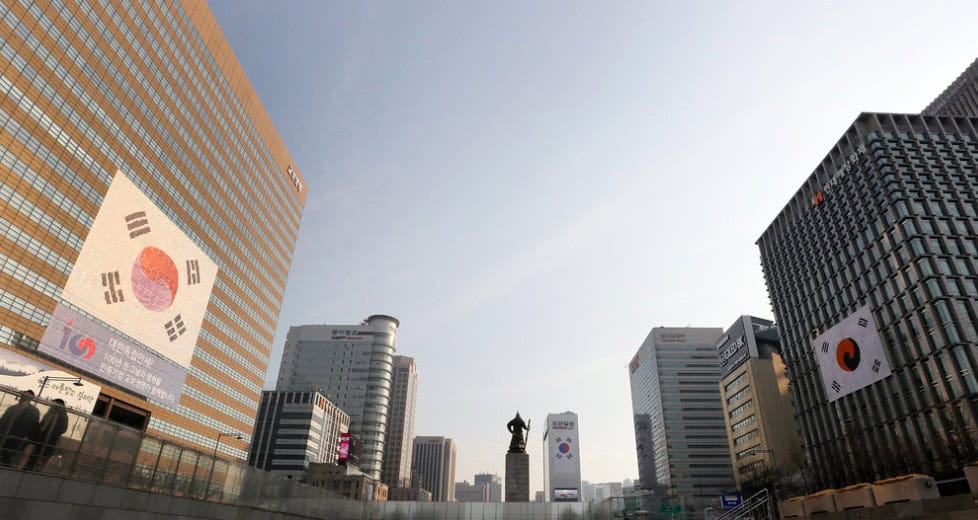
    This year marks the 75th anniversary of the Fulbright Program in Korea, one of the oldest and most robust binational educational exchanges in the world.

    Coinciding with this milestone is the 30th anniversary of South Korea’s landmark 5.31 Education Reform – a policy blueprint that sought to transform the nation’s education system into a more open and globally competitive ecosystem.

    The Fulbright legacy in Korea illustrates how long-term bilateral cooperation has scaffolded national education strategies and fostered intellectual diplomacy across generations.

    The strategic alliance between the Republic of Korea and the United States has been underpinned by an enduring educational partnership. Education has always been more than a soft-power tool in this relationship; it has served as a central pillar for shared values, talent development, policy learning, and institutional co-evolution.

    At a time when the Indo-Pacific region is undergoing profound geopolitical, technological, and demographic shifts, reaffirming the educational ties between Korea and the US is a strategic imperative.

    Fulbright Korea: peacebuilding through knowledge

    Established through a 1950 agreement, Korea became one of the first countries to join the Fulbright Program, though the Korean War delayed its launch until 1960. Revised agreements in 1963 and 1972 created the Korean-American Educational Commission (KAEC) and introduced joint funding, making Korea one of 49 nations to co-finance the programme with the US.

    Since then, Korea has often matched or exceeded US contributions. Today, KAEC awards over 200 grants annually to Korean and American participants, supporting a global network of Fulbright scholars and more than 7,600 Korean alumni across diverse fields.

    Fulbright Korea exemplifies educational diplomacy at its best. Graduate fellowships support future policymakers and scientists, while English teaching assistants serve across Korea’s provinces, enhancing not just language acquisition but also cross-cultural understanding.

    These initiatives echo the lifelong learning ambitions embedded in Korea’s broader educational reforms, showing how international exchange and domestic innovation can reinforce each other. These long-standing programs have strengthened Korea’s education system while fostering mutual understanding, helping to build enduring people-to-people ties that support bilateral cooperation.

    Fulbright Korea exemplifies educational diplomacy at its best

    The US also supports student mobility and academic advising in Korea through EducationUSA, housed at KAEC, which offers Korean students up-to-date information on American higher education. Korea continues to rank among the top sending countries of international students to the US, with over 43,000 enrolled in 2023/24, making it the third-largest sender.

    While the Ministry of Education’s 2024 data reports 3,179 American students enrolled in Korean higher education, US study abroad figures suggest that nearly twice as many participate in programmes based in Korea. The US has also been recognised as a key partner in Korea’s Study Korea 300K Project, which seeks to host 300,000 international students by 2027.

    Institutional transformation and globalisation

    The 5.31 Education Reform, declared in 1995 amidst the waves of globalisation, aimed to modernise Korea’s education system through two core principles: globalisation and informatisation.

    These pillars reshaped how universities operate, allowing for greater curricular flexibility, the introduction of credit banking and recognition of prior learning, and the rapid adoption of digital tools. Competitive government initiatives like Brain Korea 21 and, later, the University Restructuring Plan incentivised research output and global benchmarking.

    Despite uneven implementation, the reform not only accelerated the internationalisation of Korean higher education but also deepened its ties with US institutions. By 2008/09, over 75,000 Korean students were enrolled in US higher education, placing Korea among the top sending countries globally.

    Given its relatively small population, this figure represented the highest per capita rate of US-bound students in the world. At the same time, Korea became an increasingly attractive destination for American students, with study abroad numbers growing substantially over the past two decades, growing from 2,062 in 2008/09 to 5,909 in 2022/23.

    Even before the 5.31 reform, US higher education institutions played a pivotal role. In the decades following the Korean War, American graduate programs served as critical training grounds for a generation of Korean scholars. These individuals returned not as passive recipients or brokers of foreign models but as active knowledge creators who adapted global ideas to local contexts, built research infrastructure, and mentored emerging academics.

    This process of intellectual circulation laid the groundwork for Korea’s ascent in global university rankings and research productivity. Foundational initiatives such as the Minnesota Project and the US-supported establishment of KAIST in 1971 were emblematic of this transformation.

    Transnational education and role of program providers

    Transnational education has added new depth to Korea-US educational co-operation. The Incheon Global Campus, which hosts the Korean branches of five US universities, enables local students to earn US degrees without leaving the country.

    These institutions bring American accreditation standards and pedagogical approaches into the Korean context, serving as important centres for cross-cultural learning and academic collaboration. Increasingly, they also function as supportive platforms for study abroad, facilitating intercultural engagement. Modest but meaningful forms of faculty and scholarly exchange further enrich these settings.

    Not-for-profit organisations such as IES Abroad have also become indispensable facilitators of educational exchange. Marking its 75th anniversary in 2025 as well, IES Abroad shares a parallel legacy with Fulbright Korea in advancing international education.

    Its recently established Seoul Center has already hosted over 220 US students, exemplifying the growing role of study abroad programme providers in fostering engagement with Korean society. By offering for-credit academic programmes, cultural and language immersion, and hands-on learning opportunities, these providers play a crucial role in sustaining the depth and accessibility of bilateral educational exchange.

    Toward mutuality and innovation

    Together, these developments have yielded significant accomplishments: a thriving academic pipeline, robust knowledge circulation, improved global rankings for Korean institutions, and a steady increase in intercultural literacy among students from both countries. Korean graduates with US degrees now occupy leadership roles in government, academia, and business. American students return with deeper cultural understanding, with many pursuing careers in diplomacy, education, or East Asia-focused industries.

    However, challenges remain. Some observers have raised concerns about the asymmetrical flow of talent, particularly during earlier decades when “brain drain” seemed more plausible than circulation.

    Others caution against over-Americanisation in curricula and institutional culture. Korea’s demographic decline and the rising cost of US education now pose additional obstacles to sustained exchange. National policy shifts, ideological realignments, and increasing public scrutiny of foreign involvement in higher education further complicate the outlook.

    Reimagining educational diplomacy

    The pressing challenges highlight the importance of rearticulating a shared vision for the future, particularly as the direction of bilateral commitments established under previous administrations continues to evolve.

    Mutual investment in scholarship funds, stronger collaboration among diverse stakeholders within the broader international education field, more accessible hybrid learning models, and enhanced joint governance of transnational campuses can all help to future-proof the Korea-US educational partnership.

    In 2025, as we commemorate 75 years of Fulbright Korea and IES Abroad, and reflect on 30 years since Korea’s 5.31 reform, it becomes evident that international exchange and domestic transformation are not separate trajectories but mutually reinforcing forces. Korea-US educational cooperation has evolved from aid-driven assistance to a platform for peer-to-peer growth and innovation.

    If approached strategically, the next chapter of this relationship can not only address pressing policy challenges but also reimagine the purpose of education in a world increasingly defined by brittleness, anxiety, nonlinearity, and incomprehensibility.

    Source link

  • How will the India-UK Vision 2035 impact education?

    How will the India-UK Vision 2035 impact education?

    The India–United Kingdom Comprehensive Economic and Trade Agreement (CETA), negotiations for which began in January 2022, was finalised on July 24, with UK Prime Minister Keir Starmer and Indian Prime Minister Narendra Modi calling it a ‘step-change’ in bilateral relations. 

    While the trade deal covers a wide range of areas, including tariff reductions, market access, mobility, and investment protection, aimed at delivering a £4.8bn annual boost to the UK economy and an estimated USD $9-10bn in export growth, the two Prime Ministers also endorsed the India-UK Vision 2035, “reaffirming their shared commitment to unlocking the full potential of a revitalised partnership”.

    Although technology, innovation, defence, and climate action are key pillars of India-UK cooperation under the Vision 2035 framework, education remains central to the shared goal of developing a skilled, future-ready talent pool to tackle global challenges and drive a sustainable future, according to a policy statement released alongside the FTA signing.

    In a first, both countries are launching an annual ministerial India-UK Education Dialogue, which will include reviews of mutually recognised qualifications and knowledge-sharing through joint participation in platforms such as the UK’s Education World Forum and India’s National Education Policy initiatives. 

    The launch of the ministerial dialogue also comes as UK universities increasingly recognise the potential of establishing academic and research-focused branch campuses in India.

    Just this Tuesday, the University of Bristol joined a growing list of UK institutions that have received approval to open campuses in India under the University Grants Commission’s Foreign Higher Educational Institutions (FHEI) regulations.

    Bristol’s Mumbai campus, slated to launch in Summer 2026, will offer undergraduate and postgraduate programs in data science, economics, finance and investment, immersive arts, and financial technology.

    Once operational, Bristol, ranked 51st globally, will become the highest-ranked British university to establish a campus in India, surpassing the University of Southampton, which launched its Gurugram campus earlier this month with classes beginning this August.

    Though Modi has welcomed the establishment of British campuses in India, calling it a “new chapter in the education sector of both countries”, some UK universities are facing flak at home “for seeking fortunes in India” amid ongoing financial woes and domestic job cuts.

    However, with universities like Bristol positioning their India campus as a hub for students, researchers, and industry to shape a better future, the Vision 2035 framework also underscores the India-UK Green Skills Partnership, an initiative focused on equipping young people in both countries with future-ready skills.

    The partnership aims to bridge skill gaps and enable joint initiatives, such as centres of excellence, climate-focused ventures, and courses and certifications in areas such as sustainability. 

    Moreover, the Vision 2035 framework also “encourages exchange and understanding among youth and students” to strengthen the success of existing initiatives like the Young Professionals Scheme (YPS) and the Study India Programme.

    While the YPS, launched in February 2023, is designed as a reciprocal visa scheme enabling British and Indian citizens aged 18-30 to live, work, travel, and study in each other’s country for up to two years, it has so far been largely one-sided. 

    Over 2,100 visas were issued to Indian nationals in 2023, while no such data is available for UK nationals going to India – suggesting participation has been minimal.

    But on the educational front, with UK universities setting up campuses in India and more exchange opportunities emerging, British students may also be encouraged to study in the South Asian country, Alison Barrett, country director India at the British Council, said in a recent interview with Financial Express.

    Once the FTA is ratified, the responsibility will shift to business organisations, institutions, and industry leaders to bring it to life
    Amarjit Singh, India Business Group

    Furthermore, a recent article by Bhawna Kumar, Acumen’s director of TNE and institutional partnerships, and Nikunj Agarwal, the company’s consultant in research and TNE, highlighted the pivotal role of India’s National Education Policy in shaping the FTA and the Vision 2035. 

    “Chapter 8B of the FTA (UK Schedule of Commitments) places no restriction on UK providers offering higher education services (CPC 923) in India. This opens doors for UK universities to expand through various TNE models such as joint degrees, dual degrees, and campus partnerships,” they noted, citing the example of University of Birmingham’s joint master’s programs with IIT Madras in Data Science and Artificial Intelligence, and Sustainable Energy Systems, as a key example. 

    “Chapter 14 of the FTA aligns closely, promoting joint R&D, researcher exchanges, and institutional partnerships in areas like digital innovation, clean energy, agriculture, and healthcare mirroring NEP’s multidisciplinary agenda,” they added. 

    While the Vision 2035 framework appears robust on paper, the authors point out several implementation challenges that remain pressing, chief among them being regulatory alignment, visa bottlenecks, and the slow pace of progress on mutual recognition agreements. 

    “Establishing a Joint Education and Skills Council, co-chaired by senior officials from both countries, would institutionalise cooperation, monitor delivery, and resolve bottlenecks in real time,” they suggested. 

    While the trade deal does not explicitly mention international students, CETA is expected to broaden “high-quality employment pathways” for young Indians by easing access to the services market and facilitating short-term mobility for skilled talent across sectors such as IT, healthcare, finance, and the creative industries. 

    Each year, up to 1,800 Indian chefs, yoga instructors, and classical musicians would be able to work in the UK temporarily under CETA. 

    Additionally, Indian workers will benefit from the Double Contribution Convention (DCC), which will exempt them and their employers from UK National Insurance contributions for up to three years.

    Will CETA stand the test of time in delivering benefits to students and professionals? Amarjit Singh, CEO, India Business Group, believes it can but only with a collaborative approach to ensure its long-term success.

    “The UK-India partnership is respected across party lines. While the 2030 Roadmap was negotiated last year, the framework has been in the making for nearly a decade. There is broad consensus not to jeopardize this progress,” Singh told The PIE News. 

    Though CETA has been signed by both countries, it still requires ratification by their respective parliaments, a process expected to take another six to 12 months.

    “Once the FTA is ratified, the responsibility will shift to business organisations, institutions, and industry leaders to bring it to life. That’s where we need more awareness, active engagement, and a bit of hand-holding to realise its full potential.” 

    Source link

  • KEDGE to launch associated campus in India

    KEDGE to launch associated campus in India

    The new associated campus, which is being launched in collaboration with Vijaybhoomi University in Karjat, a town near Mumbai, and its business education arm, the Jagdish Sheth School of Management, will initially offer a bachelor in business administration program starting September 2025.

    The collaboration with Vijaybhoomi aligns perfectly with our vision to nurture global leaders with a strong foundation in innovation and ethics
    Alexandre de Navailles, KEDGE

    To be eligible for the undergraduate program, students must have completed or be currently enrolled in grade 12, India’s equivalent of the final year of high school, and either have a minimum SAT score of 1300 or pass KEDGE’s internal entrance exam.

    “In line with its mission to educate future leaders in their local contexts, KEDGE already operates associated campuses in Abidjan and Dakar (Africa), as well as in Shanghai and Suzhou (China),” read a statement by the grande école. 

    “This new strategic partnership in South Asia, established with Vijaybhoomi University and its JAGSoM Business School, will enable the joint development of innovative programmes. These will combine KEDGE’s academic expertise with the evolving needs of the Indian market in areas such as sustainable management, the creative industries, sport, entrepreneurship and innovation.” 

    As its associated campus prepares to introduce a BBA program within the next two months, KEDGE’s collaboration with Vijaybhoomi University will also lead to the launch of several master of science programs in areas such as sports management, arts and creative industries, sustainable transformation, luxury management, entrepreneurship and innovation, and design.

    These programs are expected to launch in September 2026 and will be delivered at the Vijaybhoomi University campus, with select modules featuring remote lectures from KEDGE faculty based in France.

    According to a report by Careers360, an executive MBA and a PhD program tailored for working professionals are also expected to be introduced in the coming years.

    Moreover, a dedicated India operations team appointed by KEDGE will oversee all academic affairs related to the associated campus.

    “This partnership is a testament to KEDGE’s mission to extend its global footprint and bring top-tier education closer to students worldwide. The collaboration with Vijaybhoomi aligns perfectly with our vision to nurture global leaders with a strong foundation in innovation and ethics,” stated Alexandre de Navailles, general manager, KEDGE. 

    KEDGE’s India plans build on the success of its ventures in other parts of Asia and Africa.

     In China, the school has established two Franco-Chinese institutes – both recognised by the Chinese Ministry of Education – focused on art, design management, humanities, and social sciences, together welcoming over 300 high-potential Chinese students each year.

    Meanwhile in Africa, its Dakar campus in Senegal, operational since 2008, offers bachelor’s and master’s programs in management along with executive education. The Abidjan campus in Côte d’Ivoire, launched in 2020, reflects the school’s ambition to grow its footprint across the continent.

    Though French institutions have previously been encouraged to establish fully fledged campuses in India, Campus France has been actively exploring joint campus opportunities, a focus highlighted during The PIE Live India 2025.

    Moreover, it’s not just KEDGE, ranked among the top 10 business schools in France, that is expanding its presence. 

    ESCP, another leading French business school, has partnered with IIT Bombay and IIT Madras to facilitate student and faculty exchanges, joint research, and the integration of emerging technologies in sustainability, entrepreneurship, and AI.

    Source link

  • London Mayor slams proposed international tuition fee levy

    London Mayor slams proposed international tuition fee levy

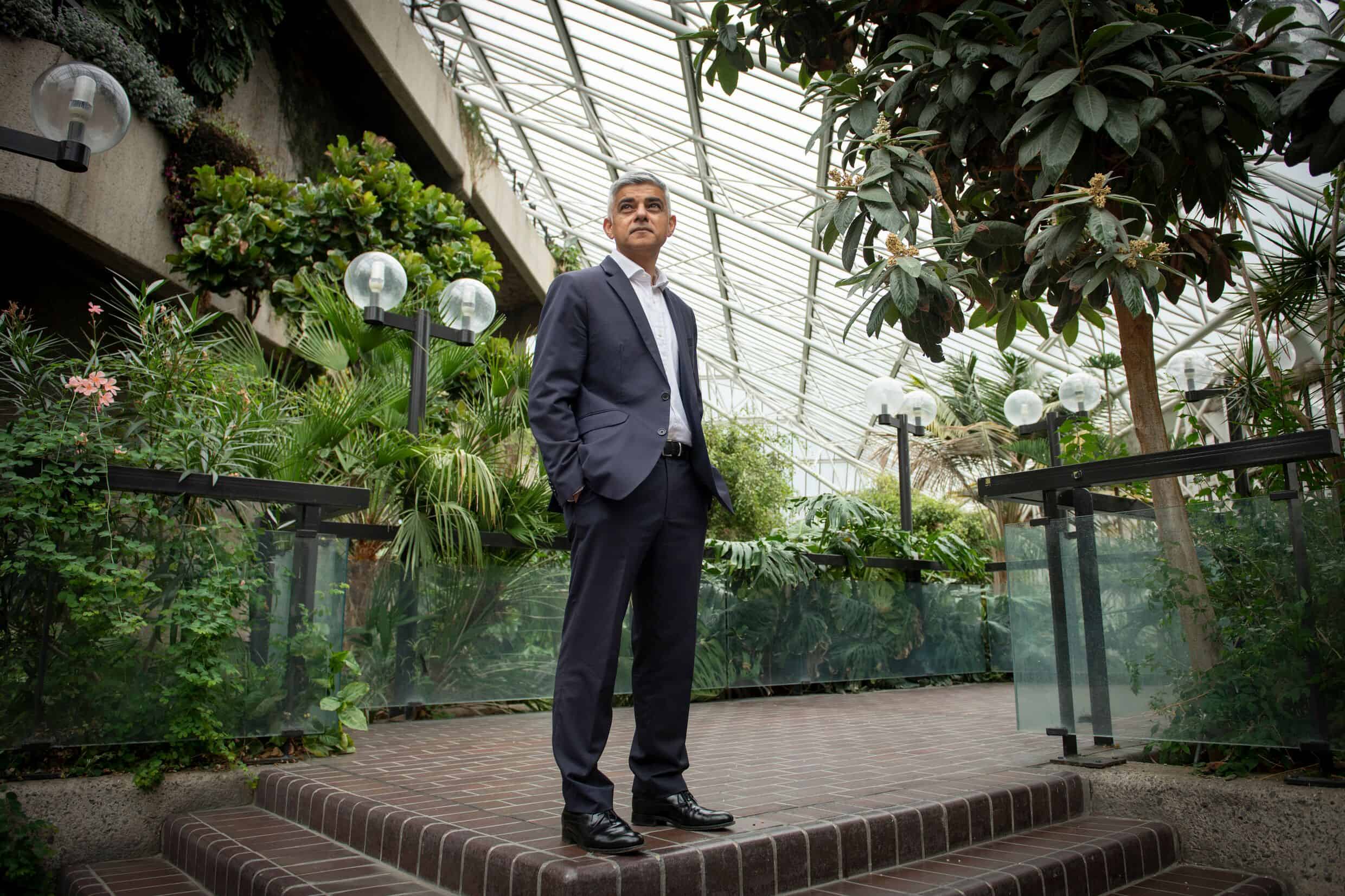
    In a keynote address earlier this week at Imperial Global Ghana – Imperial College London’s overseas branch campus in Accra – Sadiq Khan warned that proposals for a new levy on international university fees would hit the UK’s finances hard, describing the policy as “an act of immense economic self-harm”.

    The UK government is currently considering a new levy on income that English universities generate from international students as part of its immigration whitepaper, which could not only put students off coming  from overseas but also create a substantial extra financial burden for already stretched universities.

    International students contribute about £12.5 billion to London, and another £55bn to the national economy every year, Khan pointed out. For this reason, the government should not make it difficult for these students to study in the UK, Khan said at the event – which formed part of his trade mission to Ghana.

    With 5% of students in London’s higher education institutions coming from Africa, Khan stressed the need to ensure that international students are not frustrated. 

    “Closing our economy to global talent would be an act of immense economic self-harm. One that would slow down growth and leave working people in Britain worse off than before. At a time when President Trump is attacking international students, we should be welcoming them,” he added.

    Khan said the international students also bring a longer-term labour market value, as many stay after their studies to work in key economic sectors from tech and AI to finance and creative industries. For this reason, he disagreed with the view that, “we should pull up the drawbridge to international students or punish universities that choose to welcome people from around the world”.

    On Imperial College opening up a hub in Ghana, he said London is ready to contribute to the development effort of Ghana, “not as a patron, but as a partner. In a genuinely reciprocal relationship that brings benefits to us both”.

    President Trump is attacking international students, we should be welcoming them
    Sadiq Khan, Mayor of London

    The vice-chancellor of the University of Ghana, Nana Aba Appiah Amfo, said the university is committed to providing to its  students with a transformative experience that goes beyond the classroom to nurture innovation, leadership and practical problem solving, adding that “this commitment is rooted in our strategic plan, which prioritises student success, impactful research and strategic partners”.

    “One such partnership, rich in promise and results, is with Imperial College London. What began as a collaboration between two researchers has evolved into a university-wide alliance, advancing work in climate change, diagnostics, and entrepreneurship. It is a powerful model of what mutual trust and shared purpose can achieve,” Amfo added.

    She said the Student Venture Support Programme has become the flagship agenda of the partnership which was launched in 2022 with the Imperial College and is  equipping students with skills, mentoring and funding to turn ideas into viable ventures. 

    To date, it has supported over 400 students and more than 115 startups, spanning four universities across Ghana.

    Despite Khan’s strong opposition to the levy, it looks likely to go ahead.

    At last week’s BUILA conference, skills minister Jacqui Smith doubled down on the need for the levy, saying it would reinforce public confidence in the UK’s international education sector.

    Source link

  • Branch campuses and the mirage of demand

    Branch campuses and the mirage of demand

    by Kyuseok Kim

    As US universities confront declining domestic enrolments, political instability, and intensified scrutiny over their financial and ideological foundations, a growing number are once again looking outward. International branch campuses (IBCs), once celebrated as symbols of academic globalism and later scrutinized as costly misadventures, seem to be returning to the strategic conversation, not only as diversification mechanisms but also as protective pivots in an era of unpredictability.

    Georgetown University’s decision to extend its Qatar campus for another decade and the Illinois Institute of Technology’s plan to launch a new campus in Mumbai are recent examples. Behind such moves lies a quiet but growing calculus: that global presence may serve as both brand amplifier and institutional hedge, especially in the face of resurging nationalism, culture wars, and regulatory constraints at home.

    South Korea’s Incheon Global Campus (IGC), a government-backed transnational education hub, is now preparing to welcome two additional foreign universities and one of them is American. But as the IGC experiment has already entered its second decade, its mixed results offer not a template but a cautionary tale. For any U.S. institution considering overseas expansion, IGC reminds us that expectations of seamless demand, regional magnetism, and reputational uplift often collide with complex realities.

    The pitfall of assuming “If you build it, they will come”

    At the heart of many US institutions’ international ventures lies a persistent assumption: that placing an American university within geographic proximity to large student markets will organically generate demand. IGC was envisioned as a Northeast Asian education magnet, ideally situated to recruit from China, Vietnam, Indonesia, and beyond. The notion was that Korea’s infrastructure, safety, and proximity, combined with US academic credentials, would make IGC highly attractive.

    But the numbers tell a different story. As of 2024, IGC’s five institutions, SUNY Korea (Home of Stony Brook University, Fashion Institute of Technology), George Mason University Korea (GMUK), University of Utah Asia Campus (UAC), Ghent University Global Campus (GUGC), enrol about 4,300 students, far short of the original 10,000 target. Among them, only 400 are international students, accounting for 9%. And of those, just around 20 are from China, the very country that was expected to be a key source of enrolments.

    This dearth is not for lack of infrastructure or academic rigor. Rather, it illustrates the limitations of relying on passive geographic logic. In an age where students and parents are increasingly sophisticated consumers of education, recruitment requires far more than proximity or even prestige. It demands clarity of value, strong brand presence, affordability, cultural alignment, and a persuasive post-graduation pathway.

    English-medium instruction as a double-edged sword

    US institutions often assume that English-medium instruction (EMI) automatically confers competitive advantage in Asia. At IGC, all programs are delivered entirely in English, and faculty are predominantly international; 188 of the 304 faculty members across the five campuses are foreign nationals. On paper, this aligns with global academic norms and affirms a commitment to international standards.

    However, EMI can paradoxically limit access. While affluent Korean students may see EMI as an elite advantage, students from Vietnam, China, and Indonesia often seek local cultural immersion, language acquisition, and regional relevance. For many Chinese students in particular, one of the draws of studying in Korea is precisely to learn Korean and gain access to Korean labour markets. EMI-only models thus alienate both local integration seekers and English-language learners.

    Moreover, when EMI is not paired with robust academic support services, such as English-language tutoring, multilingual advising, or transitional curriculum tracks, it can undermine retention and student success. IGC’s high leave-of-absence rate (26% of total enrolment) may in part reflect this challenge. The EMI strategy, while noble in intent, must therefore be contextualised. In transnational campuses, language policy is not just a delivery decision, it is a recruitment strategy.

    Misplaced confidence in institutional brand recognition

    American universities often overestimate their brand power abroad. SUNY Korea, anchored by Stony Brook University, and GMUK both represent reputable public institutions in the US academic ecosystem. Yet in East Asia, brand equity does not always travel well. Many students and parents in China, Southeast Asia, and even Korea struggle to distinguish among US institutions unless they are among the globally top-ranked or highly visible.

    In contrast, joint-venture universities such as NYU Shanghai or Duke Kunshan benefit from stronger recognition, thanks in part to the halo effect of globally prestigious parent institutions and active marketing within China. These institutions also benefit from location-based credibility; being within China, their offerings align more naturally with Chinese career and immigration aspirations.

    Geopolitical frictions and the fragility of demand

    US institutions frequently see international branch campuses as safe havens from domestic politics. Yet international expansion brings its own geopolitical risks. IGC’s failure to attract Chinese students cannot be separated from the lingering effects of the 2017 THAAD (Terminal High Altitude Area Defense) dispute – a regional conflict that emerged when South Korea agreed to deploy a US missile defense system on its soil. China strongly opposed it, viewing the system as a threat to its own strategic interests. In response, China imposed strong sanctions on South Korea, which led to the challenges in  educational diplomacy between two countries. Nor can it be divorced from the broader geopolitics of US-China relations, which makes Chinese families wary of American degrees, especially those delivered from politically allied countries like Korea.

    There is also the perception gap between a degree “from a U.S. university” and a degree “earned in Korea.” Even when academic standards and credentials are identical, students and employers may view transnational degrees as second-tier or less prestigious. For example, in Korea, IGC campuses are often viewed as a second choice in the stratified higher education structure locally. The reputational buffer that a US degree once offered is increasingly interrogated, especially in environments where political affiliations, social conditions, and post-graduation options matter more than branding. In this sense, branch campuses are not outside the storm; they are situated in a different part of it.

    A US-oriented reality check within the local contexts

    For US universities, the decision to open a branch campus abroad is no longer a question of academic vision alone; it is a financial and reputational calculation. The domestic context is sobering: declining birth rates are shrinking the college-aged population, public trust in higher education is waning, and federal support for research and student aid is increasingly politicised. Internationalisation is no longer just an opportunity; it is increasingly seen as a survival strategy.

    But survival strategies must be strategic, not reactionary. IGC’s challenges illustrate what happens when institutions pursue global expansion without first understanding the local education marketplace. Without granular market research, locally embedded partnerships, and nuanced branding strategies, even well-intentioned ventures become “white elephants”, costly and underutilized. A forthcoming US institution entering IGC would have an opportunity to learn from these lessons and chart a different path. But it must begin with humility and cross-cultural understanding.

    This concern is heightened by structural reforms driven by demographic decline and the growing uncertainly embedded in Korea’s higher education system. As competition for enrolment intensifies, some struggling institutions see IGC’s local recruitment as a threat, even calling it a “brain drain within Korean territory,” since most IGC students are Korean. While IGC claims it draws students who would have studied abroad, offering a net economic benefit, that argument may fall flat for universities fighting to stay afloat.

    Conclusion: toward a more grounded globalism

    The story of Incheon Global Campus is not one of failure, but rather a valuable case study. It reflects a potential disconnection between institutional ambition and market behaviour; between the idea of internationalisation and its on-the-ground execution. It reminds us of that proximity to students is not the same as access, and that transnational education requires more than exporting curricula across borders, it demands building relevance across cultures.

    For US universities hoping to extend their reach, the time for romantic notions of global campuses has passed. What is needed now is realism. That means conducting rigorous market analysis. It means understanding the competitive landscape; not just in Seoul or Shanghai, but in second-tier cities where price sensitivity and post-graduation pathways determine enrolment decisions. It means creating flexible programs that can respond to local aspirations and global uncertainties. It means designing campuses that feel anchored, not transplanted.

    The myth that a US branch campus in South Korea will become a magnet for students across Asia, particularly from China, has not materialised. With only a handful of Chinese students across IGC’s entire enrolment, it is clear that assumptions must be rethought. Transnational education remains a worthy goal. But if the next generation of branch campuses is to thrive, especially in East Asia, it must be forged not in the image of prestige, but in the crucible of strategy. It must be attentive, adaptive, and above all, aware.

    Kyuseok Kim (KS) is the inaugural Center Director of IES Abroad Seoul, where he leads strategic, academic, and operational initiatives while building partnerships with local institutions. He brings extensive experience in student recruitment, international relations, and business development, with prior roles at UWAY, M Square Media, SUNY Korea, and Sungkyunkwan University. KS is a Fulbright Scholar and a doctoral candidate in Educational Administration and Higher Education at Korea University. He holds an MBA from Sungkyunkwan University and a BA in English Language Education from Korea University. As a scholar-practitioner, he contributes regularly to both international and South Korean publications on global education topics. [email protected]  www.linkedin.com/in/ks-kim-intled

    Author: SRHE News Blog

    An international learned society, concerned with supporting research and researchers into Higher Education

    Source link

  • Coventry given green light to open campus in GIFT City

    Coventry given green light to open campus in GIFT City

    The institution revealed its ambition to open the campus in December, when it launched an Indian hub in New Delhi to support the institute’s admissions, recruitment, and partnerships in the region.

    Approval for the £1 billion expenditure on the campus was announced at the London Stock Exchange on April 9 at the 13th UK-India Economic and Financial Dialogue (EFD).

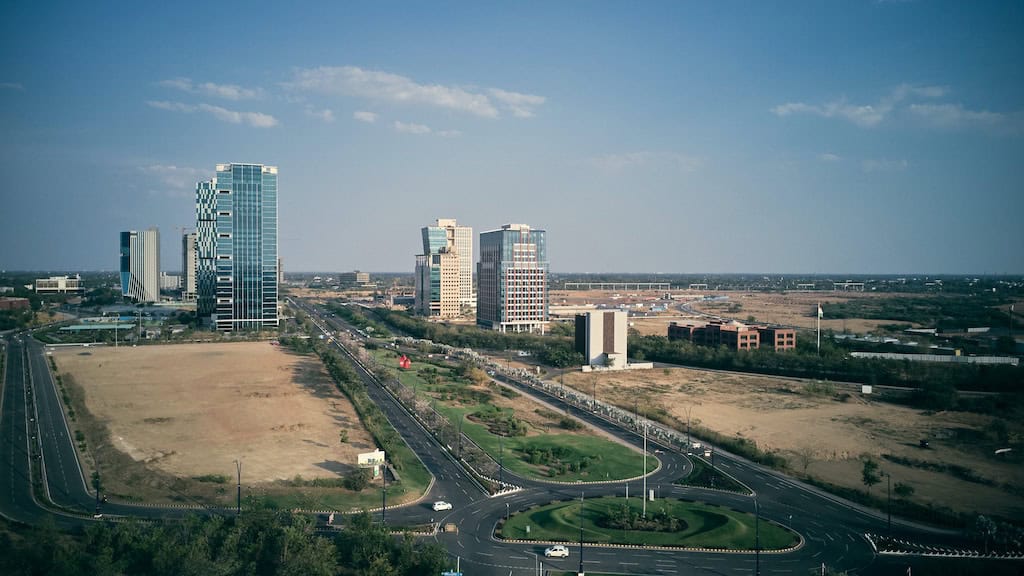
    GIFT City (Gujarat International Finance Tec-City) is a business district in the Indian state of Gujarat.

    “We are delighted that approval has been given to commence the set-up process for Coventry University GIFT City and know that many students will benefit from the high-quality education we can offer over the years to come,” said John Latham CBE, vice-chancellor of Coventry University and Group.

    Competition among international universities has risen significantly in the region, with more UK universities keen on expanding into GIFT City. In January, The University of Surrey unveiled plans to open a campus in the city, as did Queen’s University Belfast.

    We… know that many students will benefit from the high-quality education we can offer over the years to come
    John Latham, Coventry University

    Coventry’s new India campus is offering postgraduate programs such as international business management and business and finance. The university plans to add further courses in the near future.

    Alison Barrett, director of India at the British Council said: “It emphasises our shared commitment to the internationalisation of education, as highlighted in the National Education Policy 2020. Thousands of students will benefit from the high-quality education that the university can offer in the years to come.”

    The campus building is set open its doors this month.

    Source link

  • Greek TNE applications surge under new law

    Greek TNE applications surge under new law

    The applications from 11 British, one French and one Cypriot institution were submitted to the Greek Ministry of Education on March 31, after regulatory reform allowing international universities to establish fully accredited branch campuses in Greece.  

    Greek education minister Sophia Zacharaki welcomed the “historic reform”, which aims to meet the growing demand from Greek students for internationally recognised and accredited university degrees.  

    “[The reform] provides new choices to Greek college students, establishes Greece as an educational destination for thousands of foreign students,” said Zacharaki.

    She added that the reform would provide the opportunity for Greek scientists working abroad to return to Greece, transforming the country into “a hub of knowledge and innovation for the greater region of southeastern Europe”.  

    As well as attracting international students, the legislation aims to meet the “ever-increasing domestic demand” for higher education, halt the emigration of Greek young people and encourage the return of Greek academics and scientists.

    In 2024, more than 40,000 Greeks studied abroad, according to the government.

    And yet, the bill was met with fierce opposition during its parliamentary debate, sparking weeks of protests from domestic students and faculty who argued the legislation would undermine Greek state universities and devalue domestic degrees.  

    It’s advocates, however, maintain that healthy competition will uplift Greece’s higher education system, attract international investment and create new jobs.  

    “The government wants to modernise the Greek higher education landscape and create two systems, one state and one non-state that will interact creatively with each other,” said Study in Greece director, Theodoros Papaioannou, when the bill was passed.  

    Pending government approval, the majority of applicants plan to launch branch campus operations in October 2025, with nine institutions already partnered with Greek private colleges that operate as affiliates of European institutions.  

    For instance, York University’s existing partner, CITY College in Thessaloniki, will transition into the University of York Europe Campus, CITY U.L.E, operating as a non-state, non-for-profit university.

    Among the other UK applicants are the University of East London, the University of Greater Manchester, the University of Derby, London Metropolitan University, the University of West London and the University of Essex.

    [The branch campus] promises to elevate the educational landscape in Greece and offer students even more pathways for success

    Constantine Arcoumanis, Metropolitan College, Greece

    UEL’s institutional partner, Metropolitan College, Greece (MC), welcomed the collaboration, highlighting the benefit of Greek students obtaining accredited degrees from leading European universities.  

    “[The branch campus] promises to elevate the educational landscape in Greece and offer students even more pathways for success,” said MC academic board chairman Constantine Arcoumanis, adding he was “excited” about the proposals.  

    To ensure accessibility for domestic students, UEL said that many of its programs would be delivered in Greek, and that students would have access to UEL’s careers services and soft skills support, as well as study abroad, cultural exchange and learning resources.  

    The University of York’s campus, with locations in Thessaloniki and Athens, plans to establish a “leading hub for computer science studies”, initially offering undergraduate and postgraduate degrees across the schools of business studies, sciences, and law and humanities.  

    In a video message, York’s vice-chancellor welcomed the Greek government’s decision and said that his branch campus aimed to “contribute to the advancement of higher education and to establish Greece as an international education hub”.

    Last month, Greek Prime Minister Kyriakos Mitsotakis spotlighted York University’s interest in expanding operations to Greece: “Ranked 146th globally in 2025, York has been recognised for its excellence in research and teaching by official British institutions,” he told Greek media.

    Since Mitsotakis came to power in 2019, Greece has pursued the internationalisation of higher education, with the Prime Minister highlighting the need to combat Greece’s “brain drain”.

    In July 2022, the government changed the constitution to allow universities to offer bachelor programs taught in English.

    Source link

  • Adapting TNE to student needs key, say stakeholders

    Adapting TNE to student needs key, say stakeholders

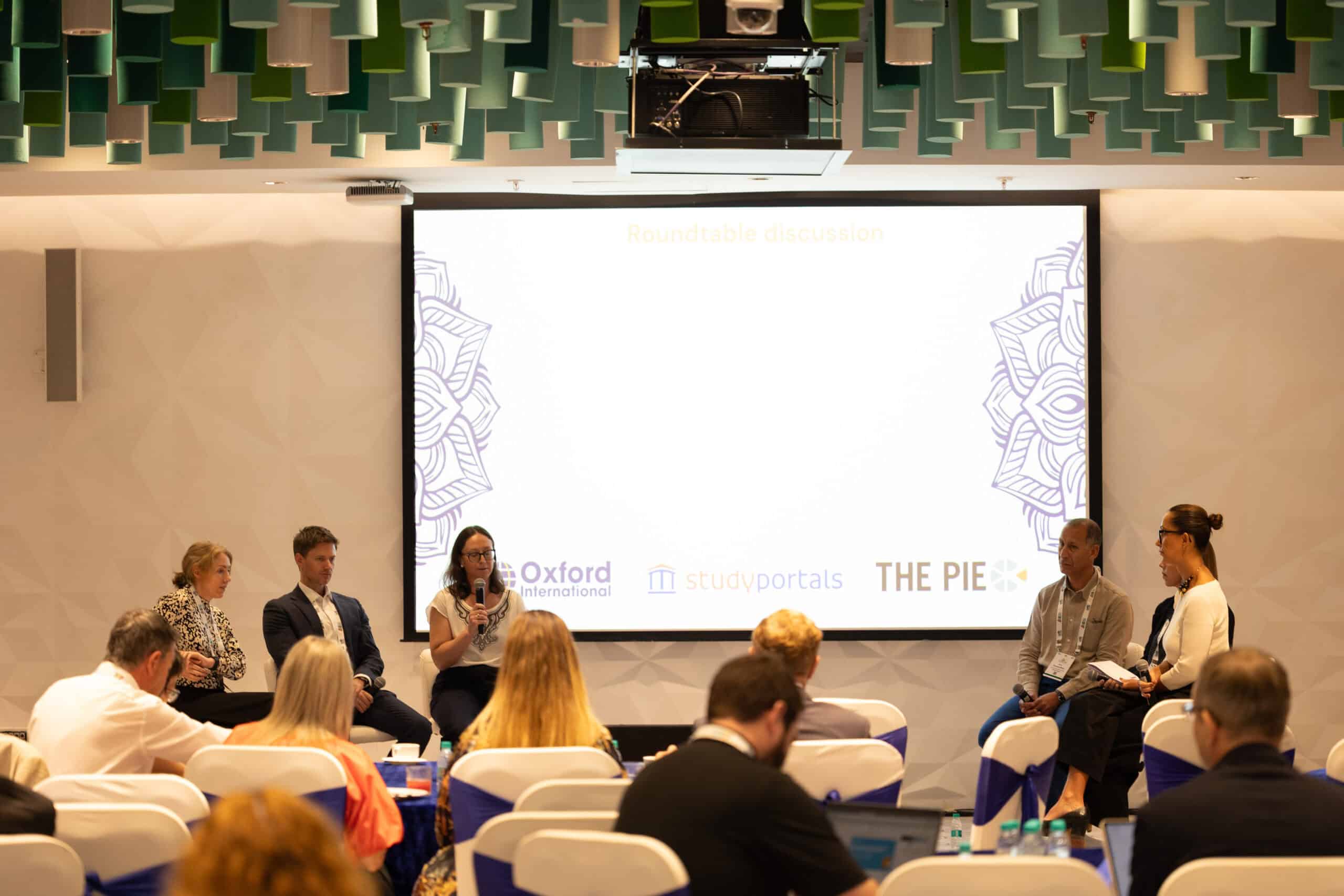
    The PIE News, in partnership with Oxford International Education Group (OIEG) and Studyportals, hosted a briefing where panelists explored university strategies, government collaboration, and financial sustainability for a successful TNE model.

    As international universities compete to establish TNE partnerships in India, the University of Southampton stands out, with its Delhi branch campus set to open in August 2025.

    Kasia Cakala, director of education pathways development at OIEG, which is collaborating with Southampton on the project, noted how education providers must continuously adapt to evolving expectations of the TNE model.

    “Not only do universities have to be mindful of the models they take in this very challenging market, but private providers like us also need to pivot, change, and adapt to support universities in their urgent needs,” stated Cakala at the briefing.

    “With Southampton, the key was defining a proposition that was not only sustainable but also aligned with government priorities and the domestic student ecosystem.”

    Cakala emphasised that as students from countries like India become more savvy, knowing what they need and expecting more from institutions, universities must adopt a “sophisticated market research strategy” to define their proposition, particularly when presenting expansion plans to government bodies.

    Private providers like us need to pivot, change, and adapt to support universities in their urgent needs
    Kasia Cakala, OIEG

    In light of the changing expectations, Carlie Sage, associate director, partnerships, APAC, Studyportals, underscored the importance of understanding student behaviour and market trends in shaping international education strategies.

    “A lot of universities still make decisions without really understanding the environment they’re operating in,” stated Sage. 

     “There’s amazing data out there that can help institutions navigate shifts, understand demand, identify gaps, and see what’s happening in real time.”

    According to Aziz Boussofiane, director, Cormack Consultancy Group, while TNE models need to be financially sustainable, they also need to be beneficial for both the university and the host country in the long run. 

    “For host countries, success (in TNE) means increasing capacity with quality provision – and for universities, it must align with their mission and strategic objectives,” stated Boussofiane, while addressing the audience. 

    “There are different drivers and processes depending on the market, whether it’s India or Nigeria, [and] it’s often about increasing in-country capacity and improving the quality of local providers.”

    While TNE is widely embraced by leading universities in major study destinations, challenges persist in building scalable models due to varying international perceptions of quality and value, which impact recognition, as previously reported by The PIE. 

    According to Daniel Cragg, director of Nous, while TNE is just another challenge for institutions, which are already dealing with academic workforce stress, new pressures from AI, and evolving student needs, the appetite for partnerships has only been rising. 

    “The appetite for collaboration is growing – universities want to share risk, balance success, and be more in-market experts,” said Cragg.

    “In international education, it feels like there’s a black swan event every three to four years. But universities constantly adapt, innovate, and thrive.”

    While universities in the UK and Australia have pushed through major TNE expansions in recent years, institutions in countries like New Zealand, though interested, prioritise strengthening their reputation and research over physical expansion.

    “New Zealand is a small player in TNE, but our partnerships focus on reputation and research rather than bricks-and-mortar expansion overseas,” stated Meredith Smart, international director, Auckland University of Technology

    “There’s a strong connection between our ranking strategy and our partnership strategy – reputation matters.”

    As the New Zealand government aims to boost international recruitment from emerging markets while strengthening educational partnerships in countries like India and Vietnam, institutions like AUT see an opportunity, while also learning from the missteps of their peers.

    “We are in a strong growth focus. The government wants us to grow. They’re desperate to win the next election, and I think they feel that international education can boost the economy,” stated Smart. 

    “New Zealanders love international students, but that could change as numbers rise. We must actively demonstrate the value of internationalisation to our economy, industries, and diplomatic relations.”

    This point was further reiterated by Cragg, who highlighted how working with governments in policymaking is essential. 

    “Working with governments to shape future visa policies is essential to ensuring sustainable international student growth,” he said. 

    “The value of international education extends across different areas of government, not just within universities.”

    Source link

  • Education providers pivot to TNE in price-sensitive Pakistan

    Education providers pivot to TNE in price-sensitive Pakistan

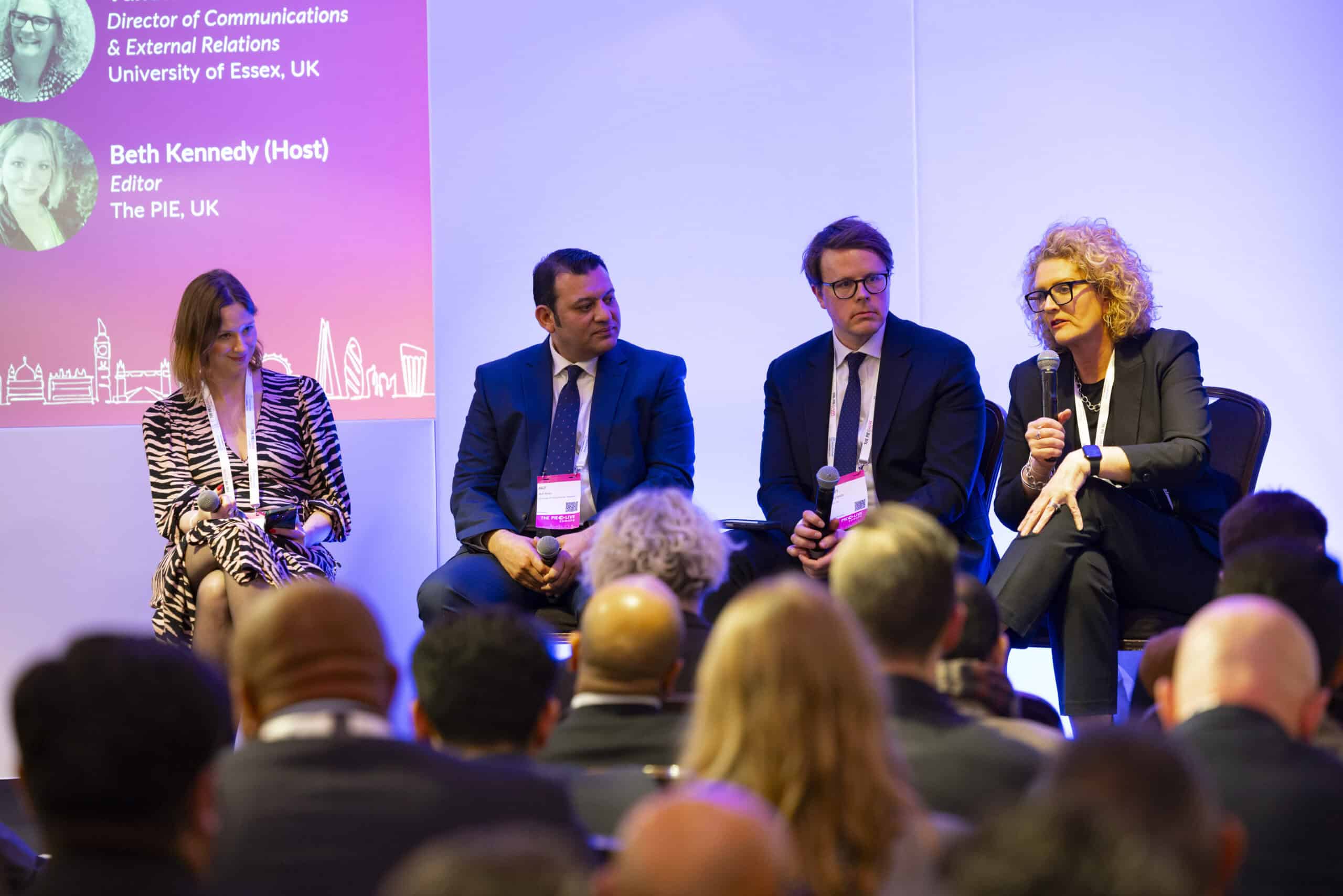
    Speaking at The PIE Live Europe 2025, Stuart Smith, CEO of pathway provider NCUK, said Pakistan’s position as a growing yet price-sensitive market opens exciting opportunities for students to earn their qualifications before transitioning to a high-quality university in the UK or elsewhere. 

    “Financially, one of the biggest barriers for Pakistani students has been the cost of studying abroad. The pathway model helps address this by offering significant cost savings, allowing students to progress to high-quality universities,” Smith told delegates at the London conference.

    “One of the big advantages of our model is that students can come in on an NCUK qualification, spend one or two years at home making really important cost savings, and academically prepare for studying abroad, all in a comfortable environment.”

    According to Smith, the rise in interest in international qualifications among Pakistani students also means easier visa approvals for them. 

    Visa refusals and delays have forced many Pakistani students to miss their January intake at UK universities, with some even withdrawing their applications, as reported by The PIE News last year. 

    “For students studying in-country pathway programs, we’ve seen fewer visa refusals because they are better prepared for the visa process and qualify better for visa interviews,” Smith added. 

    Last year, Pakistan’s Higher Education Commission revised its TNE policy to provide greater clarity on requirements, operational models, and introduce guidelines for establishing offshore campuses of Pakistani higher education institutions. 

    The update also emphasised quality assurance and regulatory assessments. 

    “Instead of targeting a small number of students at a high price point, a more sustainable approach is to offer programs at a lower price to a larger student base,” stated Smith. 

    “That being said, there is a market for institutions at all price points. The key is to find the right strategy that balances accessibility with quality.”

    The HEC has previously cautioned students and parents in Pakistan about some of the violations made by Pakistani institutions in their TNE programmes. 

    Moreover, the HEC warned recognised domestic HEIs offering foreign qualifications in Pakistan to comply with the government’s TNE policy, stating that any violations would result in non-recognition of the student’s degree.

    According to Vanessa Potter, director of communications and external relations at the University of Essex, while enrolling large numbers of Pakistani students in TNE programmes remains challenging, the university has shifted its focus. It now puts more into collaborating with its Pakistani alumni, supporting research at local universities, and assisting academic staff in the country.

    “One area we’ve significantly expanded is PhD support for academic staff. We offer our partners substantial discounts on PhD programs, as we believe in supporting both the academy and our institutional collaborators,” stated Potter. 

    “Many universities we work with have one or two staff members engaged in these programs, either full-time or part-time under co-supervision arrangements with Pakistani universities.”

    Just last year, the University of Essex partnered with Beaconhouse International College to offer a variety of business, law, and technology courses to students in major Pakistani cities, including Islamabad, Faisalabad, and Lahore.

    Over the years, Pakistan’s investment in research and development has remained notably low, with expenditure dropping from 0.17% of GDP in 2019 to 0.16% in 2021. 

    This limited funding presents challenges for Pakistani universities in securing high global research rankings, keeping the country’s R & D investment well below international standards.

    Such challenges provide an opportunity for research collaboration for institutions like the University of Essex. 

    “There are pockets of excellent research in Pakistan, though they don’t always reflect in global rankings,” stated Potter. 

    “There is funding available – academic exchanges have already been supported, and the British Council in Pakistan has provided funding for specific initiatives. We are also working with them on scholarships in collaboration, while also receiving support from the British High Commission in Pakistan.”

    According to Potter, the university is also working with the HEC to support laboratory staff in universities.

    “It’s a specialised project, and while we are still looking to pay for it, we are committed to enhancing the development of lab staff in science departments in Pakistani universities.” 

    In recent years, Pakistan has emerged as a major TNE market, especially for the UK. 

    According to the revised TNE policy, HEIs with a strong reputation and ranked within the top 700 in the QS or THE world university rankings, or those classified as Fachhochschule, will be eligible to offer their degree programs in Pakistan.

    Some institutions make the mistake of treating local Pakistani-origin agents differently from international aggregators. This is a clear discrimination
    Atif Khan, University of Hertfordshire

    With the launch of its new initiative, ‘Udaan Pakistan,’ aimed at revitalising the country’s economy, Atif Khan, country director at the University of Hertfordshire, believes that Pakistan has a strategic vision for economic growth over the next five to 10 years. 

    This, in turn, could drive a rising demand for international qualifications among students, he said. 

    “Any universities keen to come to Pakistan – this is the time. Demand will not finish, it will grow,” stated Khan. 

    “Currently, Pakistan has 55 recognised TNE programs, with over 15,000 students engaged. Of these, around 12,000 are involved in UK-affiliated programs, meaning nearly 80% of TNE students in Pakistan are already planning to transition to the UK for their postgraduate studies.”

    On the recruitment front, Khan anticipates a rise in study visas from Pakistan to major international study destinations, noting that the UK issued 35,000 student visas by 2024, an increase of 13% from the previous year.

    But he highlighted how some of the practices adopted by UK universities in the country are discriminatory in nature and need to be fixed.

    “When it comes to selecting recruitment agents, universities need a sustained strategy. They must work with the right agents, ensuring strong compliance and regular training sessions. The market is evolving rapidly,” stated Khan. 

    “Some institutions make the mistake of treating local Pakistani-origin agents differently from international aggregators. This is a clear discrimination. If universities continue down this path, they risk attracting lower-quality students.”

    Furthermore, Potter emphasised that while Pakistan’s economic challenges may prevent an exponential rise in student numbers, universities that offer strong career support and employability prospects could continue to attract Pakistani students.

    “I think being able to articulate clearly how you can support students with jobs, and how having a degree from a particular type of university subject might help that career long term, does help students understand the welcoming environment,” she said.

    Source link

  • UK-Egypt mission sparks new era of higher education partnerships

    UK-Egypt mission sparks new era of higher education partnerships

    From 16-18 February 2025, a high-level delegation from the UK visited Egyptian universities: Ain Shams University, and European Universities in Egypt (EUE); with a planned visit to New Cairo Technological University, to explore possible collaborations between the two countries.

    “Over the course of three enriching days, the education team in Egypt led a higher education mission that was launched in the New Administrative Capital, under the patronage of the Minister of Higher Education through the Supreme Council of Universities and the Egyptian Bureau for Cultural and Educational Affairs in London in collaboration with the British Council in Egypt, and the support of the British Embassy,” Heba ElZein, director of education at the British Council in Egypt told The PIE.

    The delegation comprised representatives from prestigious UK universities, including Sheffield Hallam University, Loughborough University, the University of Essex, the University of East Anglia, the University of Exeter, and the University of Chester.

    Universities UK International representatives were also in attendance, with Anouf El-Daher, policy officer for Africa and Middle East at UUKi, presenting at the British Embassy in Cairo and British Council Egypt, highlighting the value of international collaboration and the potential for long-term, mutually beneficial, EU-Egypt education relationships.

    “Over three days, we visited higher education institutions across Egypt, gaining valuable insights into the local landscape and exploring opportunities for deeper collaboration. This mission allowed us to engage with key stakeholders, understand the evolving higher education landscape in Egypt, and witness the impact of UK-Egypt partnerships firsthand,” a LinkedIn post from UUKi read.

    Over the course of three enriching days, the education team in Egypt led a higher education mission that was launched in the New Administrative Capital
    Heba ElZein, British Council

    The mission offered numerous networking opportunities, as well as joint meetings for Egyptian universities wishing to cooperate and discuss opportunities with their British counterparts.

    The delegation’s primary focus was to foster academic exchange, establish international university branch campus opportunities, and strengthen research collaborations. One of the most significant outcomes of the visit was the signing of multiple Memorandums of Understanding (MoUs) between UK and Egyptian universities.

    During that high-profile participation, three MoUs were signed between the University of Essex and Ain Shams University, the University of East Anglia and Ain Shams University, and the University of Sheffield Hallam and the British University in Egypt.

    These agreements are expected to facilitate joint programs, faculty exchanges, and shared research initiatives in the coming years.

    Students in Egypt show a strong interest in TNE as the UK-affiliated programs offer tuition fees from £800 to £13,500, depending on the partnership model. And due to economic and currency challenges, Egyptians are increasingly likely to opt to study in Egypt on a TNE model, as well as inbound students to the country, primarily from Malaysia, Indonesia, Thailand, Nigeria, and Iraq.

    Thus, with a population of around 111 million, and a youthful median age of 24.3, Egypt leads the MENA region in TNE enrolments with 27,865 students in 2022-2023, making it the 5th largest UK TNE host country globally.

    Egypt has emerged as a leading host of UK transnational education students in the MENA region, and the UK remains Egypt’s largest partner in higher education.

    This delegation’s visit is part of a broader initiative to further deepen these ties and provide Egyptian students with greater access to high-quality British education.

    Source link