Category: university life

  • How to Prepare for Placements – Worcester Student Life

    How to Prepare for Placements – Worcester Student Life

    Placement is a key part of many courses at the University of Worcester. It’s an opportunity to apply your knowledge in real-world settings, gain valuable experience, and develop as a professional.

    But what should you expect before you go? How do you navigate an unfamiliar setting? Are you concerned about support and your PPAP form? Here’s a guide to help you through your placement journey.

    Understanding the PPAP Form

    Before starting placement, you may come across the PPAP (Practice Placement Adjustment Plan) form. This is a useful tool if you require additional support or have specific needs, such as caring responsibilities or transport requirements. You can complete this form with your Personal Academic Tutor (PAT) or the Disability and Dyslexia team if needed.

    The PPAP is your document, meaning you can include as much or as little information as you feel comfortable with. While some may choose to disclose their needs, others may not, and that is entirely your choice. The PPAP exists to support you, and you decide when and how to share it.

    Preparing for Placement

    Once you receive your placement allocation, your mind will likely be filled with questions: What will it be like? What hours will I work? What should I bring? To help ease any anxiety, write down your questions and make a list. While you’ll receive some placement information, additional queries will naturally arise.

    A pre-placement visit is highly recommended. Email your practice educator to arrange a visit or a call to discuss your questions. This shows initiative and enthusiasm—qualities that leave a great first impression. It also helps ease first-day nerves by allowing you to familiarise yourself with the location and key contacts. If an in-person visit isn’t possible, a phone call or Teams meeting can be just as helpful. This is also an excellent time to bring up your PPAP document if applicable.

    First Day: What to Expect

    First impressions matter, so arrive on time, wear an ironed uniform, and bring a positive attitude. The professionals you meet during your placement may be your future colleagues!

    On the first day, you’ll have an initial interview and orientation. This is a great opportunity to:

    • Discuss your expectations and learning outcomes.
    • Understand the support available to you.
    • Ask any questions or address any concerns.
    • Establish clear communication with your practice educator.

    Remember, your practice educator is there to help you succeed, so don’t hesitate to seek guidance.

    Essential Tips for Placements

    1. Keep a Notebook

    A notebook is invaluable for jotting down key information, terminology, and reflections. Before using one, check with your practice educator regarding confidentiality and GDPR regulations.

    2. Stay Hydrated and Energized

    A refillable water bottle is a must—long days can make it easy to forget to drink enough water. Pack snacks and lunch to keep your energy up, as breaks may vary in timing and structure.

    3. Use a Fob Watch

    For healthcare placements, a fob watch is essential. You’ll be surprised how often you need to check the time! If your placement is non-clinical, check whether a regular wristwatch is acceptable.

    4. Research Your Placement

    A little preparation goes a long way. Reading up on your placement setting, its policies, and relevant topics beforehand will make you feel more confident and show that you are proactive and engaged.

    5. Be Honest and Open

    If a placement isn’t aligned with your strengths or interests, or if you need more guidance, be honest. Learning is a process, and you’re not expected to know everything. Speak up if you require additional support, prefer more independence, or learn better in a different way.

    6. Start Your Evidence Collection Early

    From day one, think about how you will evidence your learning outcomes. Planning ahead reduces stress and helps you stay on top of your placement requirements.

    Final Thoughts

    Placement has been one of the highlights of my course. It’s given me the chance to apply my knowledge, develop skills, and gain real-world experience in occupational therapy. Initially, I was nervous about one of my placements, but by approaching it with an open and positive mindset, I ended up having an incredible experience. I’ve been encouraged to learn from mistakes, apply theory to practice, and explore different areas of the profession.

    If you have placement tips, share them with your cohort! If you’ve completed a placement that someone else is about to start, pass on your insights—it can make a huge difference.

    Good luck, and enjoy your placement journey!
    Source link

  • How to prepare for university – Worcester Student Life

    How to prepare for university – Worcester Student Life

    During the summer break, it can be difficult to gauge what you should do next.  I’ve put together a few tips on ways to get prepared for students who are looking to go to university for the first time or for those who are coming back!

    Organise your academic materials

    Before the semester begins, take some time to organize your notes, textbooks, and other academic materials. Most courses will provide a list of resources that will be used during your studies— you don’t have to buy every textbook but do read through to get a gauge for the materials you’ll need to use. You may be able to find second-hand copies or more affordable cheaper PDF versions.

    If you’ve studied the subject before, it can also be helpful to review your notes and identify any gaps in your understanding. This will help you refresh your memory and get ready for more advanced study.

    Plan your schedule

    A well-planned schedule can make a significant difference in managing your time effectively. Start by reviewing the course catalogue and selecting your classes for the upcoming semester. Having a schedule ahead of time will make things easier over the next months and help you feel more comfortable in the busy environment of academia.

    I would recommend using an online calendar (or physical one) to help span out how the months will be going ahead of time. Allocate specific times for studying, attending classes, and extracurricular activities. Remember to also leave room for socialising!

    Two students on a sofa

    Set academic and personal goals

    Setting goals can give you a clear sense of direction and motivation. Your goals should be specific, measurable, achievable, relevant, and time-bound. In other words, don’t expect too much or too little! Give yourself plenty of room to breathe and relax.

    For academic goals, one of my tips would be to aim for a specific grade boundary. Assess the marks you would need to obtain through your assessments and have a clear understanding of what you would like to achieve and how to do so.

    For personal goals, it can be incredibly beneficial mentally and physically to join a club, improve on your fitness or learn a new skill. It’s important to keep your mind active outside of academic studies and embrace the new, exciting environment you’ll be in.

    Develop good study habits

    Good study habits are crucial for academic success. Use the summer to evaluate and improve your study techniques. This can be from finding an ideal study environment to practising active learning techniques.

    One of my tips would be to look back on your previous academic achievements, gauge your understanding of how you could improve and what are your strongest skills when it comes to assignments.

    A hand highlighting words written in a notebook

    Familiarise yourself with campus resources

    Universities offer a wealth of resources to support students. Familiarise yourself with what’s available and how to access these services. This can include using tutoring services for difficult subjects, navigating the university’s libraries, as well as research databases and study spaces.

    I would recommend meeting with a Programme Advisor to discuss your course plan and career goals if you are confused over the summer about where you should be taking your career.

    A student speaking to the Firstpoint reception

    Budget and financial planning

    Financial stability is important for reducing stress and focusing on your studies. It’s incredibly beneficial to create a budget to manage your expenses throughout the semester.

    You could use a budgeting app or spreadsheet to monitor your income and expenses. This can help provide a clear view of your expectations of money and clear anxieties about the unknown.

    Set up a savings account and set aside a portion of your budget for unexpected expenses. It’s impossible to see into the future and plan for every possible scenario, however with a savings account you could gain some interest on your savings and prepare for the inevitable.

    Finally, I would recommend that you explore financial aid. Look into scholarships, grants, and part-time job opportunities to support your education in the summer so that when the year finally rolls around, you’re prepared and well-resourced.

    A hand inserting coins into a piggy bank

    Stay healthy and active

    Your physical and mental health significantly impact your academic performance. Develop healthy habits over the summer to maintain your well-being during the school year.

    I would recommend exercising regularly by incorporating some kind of physical activity into your everyday or weekly routine. This can be going to the gym, jogging in the mornings or practising a soothing yoga session in your room.

    Eating nutritiously is also incredibly important. By focusing on a balanced diet that includes plenty of fruits, vegetables, and whole grains, you can support your body and your mind.

    Finally, I would also recommend aiming for 7-9 hours of sleep per night to ensure you’re well-rested and alert.

    Two students using a weight rack at the gym

    Build a support network

    Having a strong support network can help you navigate the challenges of university life. Connect with family, friends, and fellow students over the summer to ensure that your well-formed social groups are still thriving.

    My tips for this would be to maintain regular contact with loved ones to keep your support network strong, either through texts, calls or hanging out face-to-face.

    I would also recommend joining online communities by participating in social media groups related to your university or field of study. This can help better your understanding of the social circle you’ll be expected to join when the year starts as well as helping you meet new people.

    Three students watching TV together

    To conclude, preparing for the academic year during the summer break can help you start the semester with confidence and a clear plan. By organizing your materials, planning your schedule, setting goals, developing study habits, familiarizing yourself with campus resources, budgeting, maintaining your health, and building a support network, you’ll be well-equipped to tackle the challenges and make the most of your university experience. Enjoy your summer, and here’s to a successful academic year ahead!

    Source link

  • My Goodbye to Trent University – THE STUDENT LIFE BLOG

    My Goodbye to Trent University – THE STUDENT LIFE BLOG

    Photos and written by Amy Bridges

                This post is not only my goodbye to the 2021-2022 year but my goodbye to the blog and Trent University. The winter semester was my last semester of my B.A. which also means it was my last semester at Trent University. My experience at Trent University has been a long hard journey.

                I knew that my decision to go to university was going to change my life but I did not realize how much. Choosing Trent University was one of the best decisions of my life. While at Trent I was able to find my passion and gain the confidence to follow it, meet people who have made a huge impact on my life and was even able to gain experiences I wouldn’t have anywhere else.  

                In my four years at Trent, I have changed majors, went on an archaeological dig, gained experience working in a museum, worked for a professor and for 2 other departments in the university, moved apartments, had one of the worst seizures of my life, dealt with a pandemic, and was accepted to a Masters program. It has been a rollercoaster of an experience but I would not have traded it in for anything. These last four years have been challenging but the most rewarding.

    Even though I have been finished classes and set to graduate for a couple of weeks now I am still conflicted about leaving Trent. I am excited to be finished and I am proud of what I have accomplished, but I am sad that it means I will be leaving Trent and that I won’t be seeing the same people every week. Moving onto U of T for my Masters is going to be an exciting next step but terrifying at the same time.

                As I struggle with saying goodbye to Trent, I am also saying goodbye to this blog. This will be my last post on The Student Life Blog. I have been writing for the blog for 3 out of the 4 years I have been at Trent. I will be handing off the blog to another writer and in September you will be able to continue your journey at Trent with them. I am sure they will love this blog as much as I have over the past 3 years and I look forward to seeing where this blog goes in the future. Thank you for reading!

    Colour outside the lines,

    Amy Bridges 

    Source link

  • Find joy in the small things – THE STUDENT LIFE BLOG

    Find joy in the small things – THE STUDENT LIFE BLOG

    Photos and written by Amy Bridges

                   If the pandemic has taught me anything its that you need to find joy in the small things. These last couple of years have been hard and unforgiving and it has been hard to find joy amongst the mess. I have had to teach myself to find joy in the small things so that I don’t completely lose my mind. Since it has been a long journey to get here, I’m going to give you a list of some of the small things I have learned to appreciate a little more.

    Treats

                   I have learned to get excited and to enjoy even the small treats like a cupcake or a special drink. I have found that a bad day can get better with a cupcake or currently because I haven’t had them all winter a bowl of berries! They aren’t much in the grand scheme of things but doing a happy dance because I have a small bowl of strawberries has made a big difference in my day. I have also found that there are non-food treats that I have gotten excited about that again are small but make the day a little brighter. One being a new water bottle, or a new book. They are small but have a large impact!

    Music

                   The last couple of years music has been a great outlet. I have been using music to help curb my mood. When I’m having a bad day, I blare a song I know I can’t help but move to and it helps to boost my mood. Sometimes its only a little bit but that little bit helps.

    A small luxury

                   The most recent small joy I have found is in bath bombs. Normally I only take a 45-minute bath which again isn’t that long in the grand scheme of things but it is enough. I have found a great local business BombzRUs who makes fantastic bath bombs and the colours and smells that come from them are just wonderful. The 45-minutes I spend just enjoying the colourful sparkly water is just what I needed to make the day better or to set myself up for a good sleep for the next day.

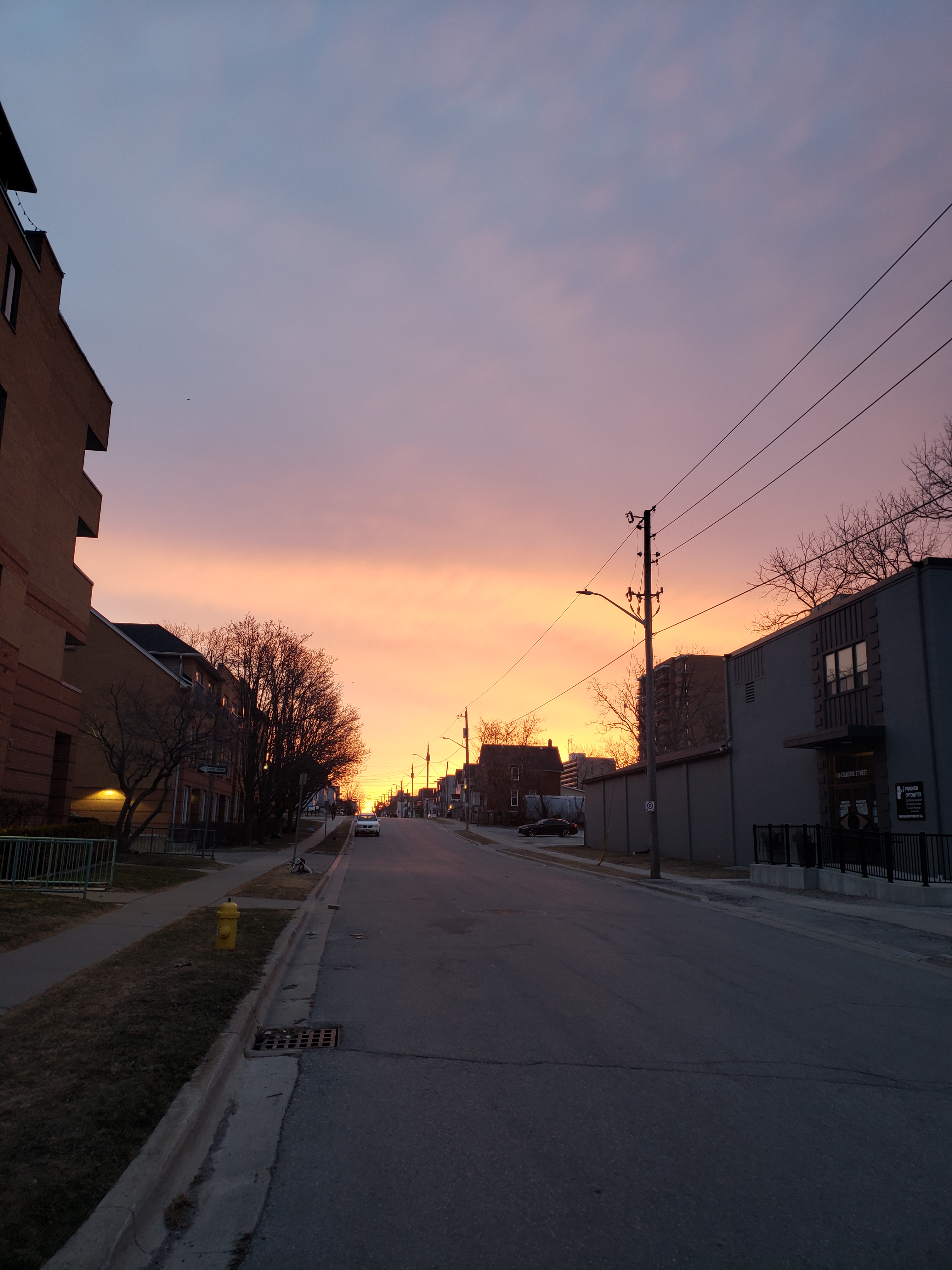
    Sunrises

                   Since I work at 8am and I take transit I leave the house at 7am. I am not a morning person but I have had to learn how to be. Recently there has been one upside to getting up and leaving the house by 7am and that is the sunrises. The only way I would have been able to see them is if I was up early. So, I will take the small joy of a beautiful sunrise since I have to be up early anyways.

    While I am sure there are more these are currently the small joys that I have been focusing on while I try to minimize the impacts of rough days.

    Source link