Category: Voices

  • Fulbright at 75, Reform at 30: recasting US-Korea educational exchange

    Fulbright at 75, Reform at 30: recasting US-Korea educational exchange

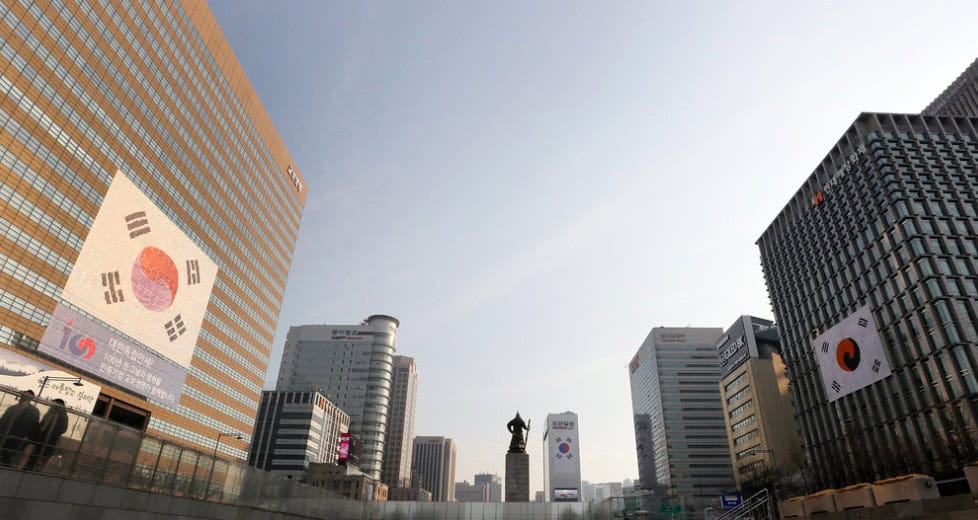
    This year marks the 75th anniversary of the Fulbright Program in Korea, one of the oldest and most robust binational educational exchanges in the world.

    Coinciding with this milestone is the 30th anniversary of South Korea’s landmark 5.31 Education Reform – a policy blueprint that sought to transform the nation’s education system into a more open and globally competitive ecosystem.

    The Fulbright legacy in Korea illustrates how long-term bilateral cooperation has scaffolded national education strategies and fostered intellectual diplomacy across generations.

    The strategic alliance between the Republic of Korea and the United States has been underpinned by an enduring educational partnership. Education has always been more than a soft-power tool in this relationship; it has served as a central pillar for shared values, talent development, policy learning, and institutional co-evolution.

    At a time when the Indo-Pacific region is undergoing profound geopolitical, technological, and demographic shifts, reaffirming the educational ties between Korea and the US is a strategic imperative.

    Fulbright Korea: peacebuilding through knowledge

    Established through a 1950 agreement, Korea became one of the first countries to join the Fulbright Program, though the Korean War delayed its launch until 1960. Revised agreements in 1963 and 1972 created the Korean-American Educational Commission (KAEC) and introduced joint funding, making Korea one of 49 nations to co-finance the programme with the US.

    Since then, Korea has often matched or exceeded US contributions. Today, KAEC awards over 200 grants annually to Korean and American participants, supporting a global network of Fulbright scholars and more than 7,600 Korean alumni across diverse fields.

    Fulbright Korea exemplifies educational diplomacy at its best. Graduate fellowships support future policymakers and scientists, while English teaching assistants serve across Korea’s provinces, enhancing not just language acquisition but also cross-cultural understanding.

    These initiatives echo the lifelong learning ambitions embedded in Korea’s broader educational reforms, showing how international exchange and domestic innovation can reinforce each other. These long-standing programs have strengthened Korea’s education system while fostering mutual understanding, helping to build enduring people-to-people ties that support bilateral cooperation.

    Fulbright Korea exemplifies educational diplomacy at its best

    The US also supports student mobility and academic advising in Korea through EducationUSA, housed at KAEC, which offers Korean students up-to-date information on American higher education. Korea continues to rank among the top sending countries of international students to the US, with over 43,000 enrolled in 2023/24, making it the third-largest sender.

    While the Ministry of Education’s 2024 data reports 3,179 American students enrolled in Korean higher education, US study abroad figures suggest that nearly twice as many participate in programmes based in Korea. The US has also been recognised as a key partner in Korea’s Study Korea 300K Project, which seeks to host 300,000 international students by 2027.

    Institutional transformation and globalisation

    The 5.31 Education Reform, declared in 1995 amidst the waves of globalisation, aimed to modernise Korea’s education system through two core principles: globalisation and informatisation.

    These pillars reshaped how universities operate, allowing for greater curricular flexibility, the introduction of credit banking and recognition of prior learning, and the rapid adoption of digital tools. Competitive government initiatives like Brain Korea 21 and, later, the University Restructuring Plan incentivised research output and global benchmarking.

    Despite uneven implementation, the reform not only accelerated the internationalisation of Korean higher education but also deepened its ties with US institutions. By 2008/09, over 75,000 Korean students were enrolled in US higher education, placing Korea among the top sending countries globally.

    Given its relatively small population, this figure represented the highest per capita rate of US-bound students in the world. At the same time, Korea became an increasingly attractive destination for American students, with study abroad numbers growing substantially over the past two decades, growing from 2,062 in 2008/09 to 5,909 in 2022/23.

    Even before the 5.31 reform, US higher education institutions played a pivotal role. In the decades following the Korean War, American graduate programs served as critical training grounds for a generation of Korean scholars. These individuals returned not as passive recipients or brokers of foreign models but as active knowledge creators who adapted global ideas to local contexts, built research infrastructure, and mentored emerging academics.

    This process of intellectual circulation laid the groundwork for Korea’s ascent in global university rankings and research productivity. Foundational initiatives such as the Minnesota Project and the US-supported establishment of KAIST in 1971 were emblematic of this transformation.

    Transnational education and role of program providers

    Transnational education has added new depth to Korea-US educational co-operation. The Incheon Global Campus, which hosts the Korean branches of five US universities, enables local students to earn US degrees without leaving the country.

    These institutions bring American accreditation standards and pedagogical approaches into the Korean context, serving as important centres for cross-cultural learning and academic collaboration. Increasingly, they also function as supportive platforms for study abroad, facilitating intercultural engagement. Modest but meaningful forms of faculty and scholarly exchange further enrich these settings.

    Not-for-profit organisations such as IES Abroad have also become indispensable facilitators of educational exchange. Marking its 75th anniversary in 2025 as well, IES Abroad shares a parallel legacy with Fulbright Korea in advancing international education.

    Its recently established Seoul Center has already hosted over 220 US students, exemplifying the growing role of study abroad programme providers in fostering engagement with Korean society. By offering for-credit academic programmes, cultural and language immersion, and hands-on learning opportunities, these providers play a crucial role in sustaining the depth and accessibility of bilateral educational exchange.

    Toward mutuality and innovation

    Together, these developments have yielded significant accomplishments: a thriving academic pipeline, robust knowledge circulation, improved global rankings for Korean institutions, and a steady increase in intercultural literacy among students from both countries. Korean graduates with US degrees now occupy leadership roles in government, academia, and business. American students return with deeper cultural understanding, with many pursuing careers in diplomacy, education, or East Asia-focused industries.

    However, challenges remain. Some observers have raised concerns about the asymmetrical flow of talent, particularly during earlier decades when “brain drain” seemed more plausible than circulation.

    Others caution against over-Americanisation in curricula and institutional culture. Korea’s demographic decline and the rising cost of US education now pose additional obstacles to sustained exchange. National policy shifts, ideological realignments, and increasing public scrutiny of foreign involvement in higher education further complicate the outlook.

    Reimagining educational diplomacy

    The pressing challenges highlight the importance of rearticulating a shared vision for the future, particularly as the direction of bilateral commitments established under previous administrations continues to evolve.

    Mutual investment in scholarship funds, stronger collaboration among diverse stakeholders within the broader international education field, more accessible hybrid learning models, and enhanced joint governance of transnational campuses can all help to future-proof the Korea-US educational partnership.

    In 2025, as we commemorate 75 years of Fulbright Korea and IES Abroad, and reflect on 30 years since Korea’s 5.31 reform, it becomes evident that international exchange and domestic transformation are not separate trajectories but mutually reinforcing forces. Korea-US educational cooperation has evolved from aid-driven assistance to a platform for peer-to-peer growth and innovation.

    If approached strategically, the next chapter of this relationship can not only address pressing policy challenges but also reimagine the purpose of education in a world increasingly defined by brittleness, anxiety, nonlinearity, and incomprehensibility.


    Source link

  • How the BCA could reshape UK university recruitment in India and South Asia

    How the BCA could reshape UK university recruitment in India and South Asia

    When the UK government unveiled its immigration white paper in May, my first reaction was simple: “A step in the right direction.”

    Buried among the many proposals, five key policy reforms stood out for their potential to reshape international student recruitment for UK universities. The headline-grabber on social media was the shortening of the Graduate Route from 24 months to 18 months. But, truth be told, that’s not the change keeping universities awake at night.

    The real shake-up comes from the Basic Compliance Assessment (BCA) reforms, expected to roll out in September 2025, which will prove especially tough for smaller universities.

    What’s changing?

    From next year, UK universities sponsoring international students will face much stricter BCA benchmarks:

    • Visa success rate: At least 95% of students issued a CAS must obtain their visa (up from 90%).
    • Enrolment rate: Of those, 95% must enrol on their course (up from 90%).
    • Completion rate: At least 90% must complete the course (up from 85%).

    On paper, these increases might look like small percentage rises. In practice, they’re a gamechanger.

    Why this is big

    For years, many universities in the UK, both modern and traditional alike, have operated just above the current BCA thresholds, leaving little leeway for the inevitable drop-outs, deferrals, or visa refusals, especially from high-risk regions such as South Asia and Africa.

    According to a recent story published by The PIE, quoting analysis from ApplyBoard’s study on visa refusal rates between Q1 2024 and the same period in 2025, Pakistan, Nepal and Bangladesh saw a notable decline in visa grant rates.

    Pakistan’s visa grant rate fell from 82% to 74%, while the other two countries saw even sharper declines: Bangladesh dropped 15 percentage points from 78% to 63%, and Nepal fell by 14 percentage points from 98% to 84% during the same period.

    But now, with the bar raised, there’s far less margin for error. To comply, universities will have to halve their visa refusal rate from 10% to 5% and simultaneously boost enrolment and completion rates. That means rethinking recruitment pipelines, especially in regions like South Asia and Africa, where volumes are high but visa risks can be significant.

    The good news, though, is that some of the biggest countries in high-risk regions, such as India, Nigeria and Ghana, have seen a marginal increase in visa grant rates, providing a sigh of relief for universities heavily recruiting from these countries.

    Why smaller universities are nervous

    Large universities enjoy a buffer. Recruit 10,000 international students in an intake, and a 5% refusal rate gives you room for up to 500 refusals before you breach the threshold.

    Small universities, however, don’t have that luxury. If you enrol fewer than 100 international students, even a handful of refusals could push you into the danger zone. This forces smaller institutions to be extremely selective, tightening quality control on applications and perhaps narrowing the recruitment pool altogether.

    It’s worth considering whether the MAC and UKVI might allow different levels of flexibility for smaller institutions. Applying the same standards across the board could be unfair, as not all institutions recruit in the same way or at the same scale.

    A small, specialist provider in creative or performing arts, for example, will naturally draw fewer students than a comprehensive university offering everything from anthropology to zoology. Even among smaller universities, subject mix matters, as one with business, engineering and computing courses is likely to recruit far more students than another of the same size focused on niche disciplines such as veterinary science or agricultural studies.

    The bottom line?

    While the Graduate Route change has stolen the spotlight, the new BCA rules may well prove the bigger disruptor. For universities in the UK and recruiters in India and South Asia, September 2025 isn’t far away. The scramble to adapt has already begun.

    How the BCA could reshape international recruitment

    The impact of these changes will likely be felt in four major ways.

    First and foremost, managing recruitment agents will become significantly more crucial. With visa refusal rates coming under intense scrutiny, universities will increasingly demand stricter compliance and accountability from their recruitment partners.

    This will likely lead to more thorough vetting processes for agents, more stringent contractual agreements, and widespread implementation of standards such as the Agent Quality Framework (AQF).

    Agents with consistently poor performance, particularly those associated with high visa refusal rates, will face swift removal from university-approved lists.

    While the exact timeline for these changes is not yet clear, the immigration white paper also suggested the possibility of introducing a public “traffic light” system to display the BCA data of the universities transparently.

    It would therefore be reasonable to expect a similar public database for recruitment agents available in the public domain, allowing universities easier access to detailed track records of agencies. This increased transparency will empower institutions to make more informed decisions about which agents to collaborate with.

    Second, admissions processes will become more selective. This means deeper scrutiny of financial documents, academic readiness, and genuine study intent before issuing a CAS. Universities may introduce additional pre-CAS interviews, English proficiency re-checks, or even conditional academic bridging programs to ensure higher completion rates.

    Selective treatment may be reintroduced as a strategy once again. Historically, many global universities have adopted region-specific recruitment policies, tailoring their approaches to different cities or states within the same country. These variations are often influenced by factors such as past visa approval rates, the academic calibre of students from particular areas, and key market insights.

    In a vast and diverse market like India, this approach becomes especially relevant. Universities tend to exercise greater caution when recruiting from certain states compared to others, reflecting the complex demographic, economic, and educational landscape of the country.

    This nuanced strategy allows institutions to optimise their recruitment efforts by focusing resources where the chances of success are higher, while managing risks in regions with less favourable indicators.

    Finally, market focus could shift. Institutions heavily reliant on high-risk markets may diversify towards countries with stronger visa success rates, while in South Asia, universities may work more closely with fewer but higher-quality partners. In practice, this might mean fewer students being offered places, but with higher confidence that those who arrive will stay the course.

    In essence, the proposed changes to the BCA thresholds signal a fundamental shift in how international student recruitment is approached. Rather than focusing primarily on sheer volume or the quantity of students recruited, the emphasis is moving decisively towards quality, ensuring that students admitted meet higher standards and contribute positively to the university community and the broader educational ecosystem.

    This shift challenges universities to rethink their recruitment strategies, prioritising compliance, student success, and sustainable growth over simply hitting numerical targets. For institutions within the prestigious Russell Group as well as others across the sector, the ability to swiftly adapt to these new expectations will be critical.

    Those that embrace the change and implement robust quality-focused recruitment processes will be the ones best positioned to maintain strong and healthy intake numbers in the evolving landscape. Ultimately, the future belongs to universities that recognise the importance of quality over quantity and act accordingly.

    Source link

  • the start of recovery or another false dawn?

    the start of recovery or another false dawn?

    Last week’s The PIE Live Asia Pacific event on the Gold Coast brought sector leaders together to ask a hard question: do recent announcements signal the start of broad recovery (for both the currently blessed AND the inexplicably damned) – or another false dawn? Hardly had delegates returned to their desks when a long-awaited government announcement landed in inboxes, setting fresh expectations.

    For those outside Australia, here’s a quick refresher: it’s been 454 days since the government first revealed plans to cap international student numbers. Four days ago, officials announced an increased National Planning Level – often referred to as a “soft cap” – for 2026.

    The intervening period included a federal election marked by damaging narratives: international students labelled as “cash cows”, unfairly blamed for systemic issues; education agents painted as “racketeers”; and fierce competition stoked between education sectors, sometimes even across providers. This turmoil has sown confusion and undermined confidence in Australia as a study destination.

    It’s important to remember Australia is far from alone in navigating complex policy shifts; as IEAA’s Phil Honeywood recently observed, “optimism [in Australia] is partly a reflection of the poor state of the sector in other study destination countries: the US, Canada and increasingly the UK.” 

    Yet, despite this turbulence, interest in Australia remains high. At the aggregate, student numbers appear stable – but the reality is far more uneven. Vocational education and training (VET) and English language (ELICOS) programs have seen sharp declines, forcing several established providers to close their doors. Higher education enrolments remain buoyed largely by Chinese students enrolling in leading public universities along the eastern seaboard, but this dynamic intensifies issues around market concentration. 

    Outside these major players, regional universities and independent higher education providers alike generally recognise the government’s current visa management tool – Ministerial Direction (MD) 111 is “less bad” than its predecessor MD107, though that’s hardly high praise. Crucially, MD111 has not yet been tested through a cycle which includes the major intake of the antipodean year – and neither will it now be given its own imminent replacement.

    Although replaced, the impacts of MD107 are still felt – many prospective students clearly understood the implications of those policy settings. That, irrespective of their preferred provider (whether university, independent higher education or other), their assured route to Australia study was via a public university with opportunities for transfer to their intended provider once onshore. This has created a secondary market onshore – one much larger and more nuanced than under normal policy settings. 

    Recruiting onshore presented a viable pathway to survival for providers unable to recruit with confidence offshore given de-prioritisation and subjective visa refusals (courtesy of MD107 and its partner MD106). However, it has also created a sizable opportunity for unethical behaviour and poaching by other bad actors.

    This week’s announcement of increased “National Planning Levels” for 2026 is a positive signal, but it falls short of providing certainty to many, especially independent VET and ELICOS providers still facing precarious futures. Crucially, many key elements remain unresolved, including the replacement of MD111 and the anticipated reintroduction of amendments to the Education Services for Overseas Students (ESOS) Bill.

    These frameworks will include determination as to who is considered “an agent”, for which students commissions may be paid, what powers the Minister holds over providers (including the unfettered personal ability to cancel a provider’s license outside regulatory oversight), and rules around student transfers onshore — all issues that directly affect providers and, ultimately, the students they serve.

    Many in the sector do genuinely welcome the headline increase in the 2026 caps as a sign of clearer direction and potential stability.  The planning underpinning the 2026 caps and exemptions is detailed and generally coherent – rectifying many of the deficiencies of the previous approaches (both the proposed legislation and then last-minute instrument in December). 

    Whilst some allocation numbers are yet to be finalised, the Department has indicated that the methodology for public universities remains a similar approach as 2025 (a holistic consideration of student volumes across 2019 to 2023) – although with the new ability to apply for a greater allocation if there is strategic engagement with South East Asia and/or there is adequate provision of student accommodation. The operations and “bidding process” for these extra places is awaited – although it’ll happen rapidly if the Department delivers on its intent to confirm final allocations by October.

    However, the much-criticised approach for allocation to independent providers continues into 2026 – where the formula perversely rewards providers who recruited en masse in 2023, regardless of studentsatisfaction and outcomes, institutional risk ratings or whether the student was poached from another provider with no visa process oversight.

    This is a particularly disappointing outcome for many quality providers. Some of the most egregious behaviours committed by bad actors and permitted by deficient policies continue unfettered whilst quality providers are penalised for continuing sound and ethical practices.

    The 2026 cap announcement is a welcome step, but it’s far from the journey’s end. It will mean little without swift clarity on ESOS amendments, visa policy reform, and the first tests of the 2026 planning levels. As well as the obvious headline figures, Australia’s critical KPIs includes the diversity and distribution of students (across geographies and providers), the linking of exceptional student outcomes and ethical provider behaviours to opportunities for growth and creating the enabling environment for a rich ecosystem of providers to co-exist.

    Australia’s choice is clear: act decisively now to rebuild trust offshore, or risk being remembered not for recovery, but for squandering a once-unrivalled position in the global student market.

    Source link

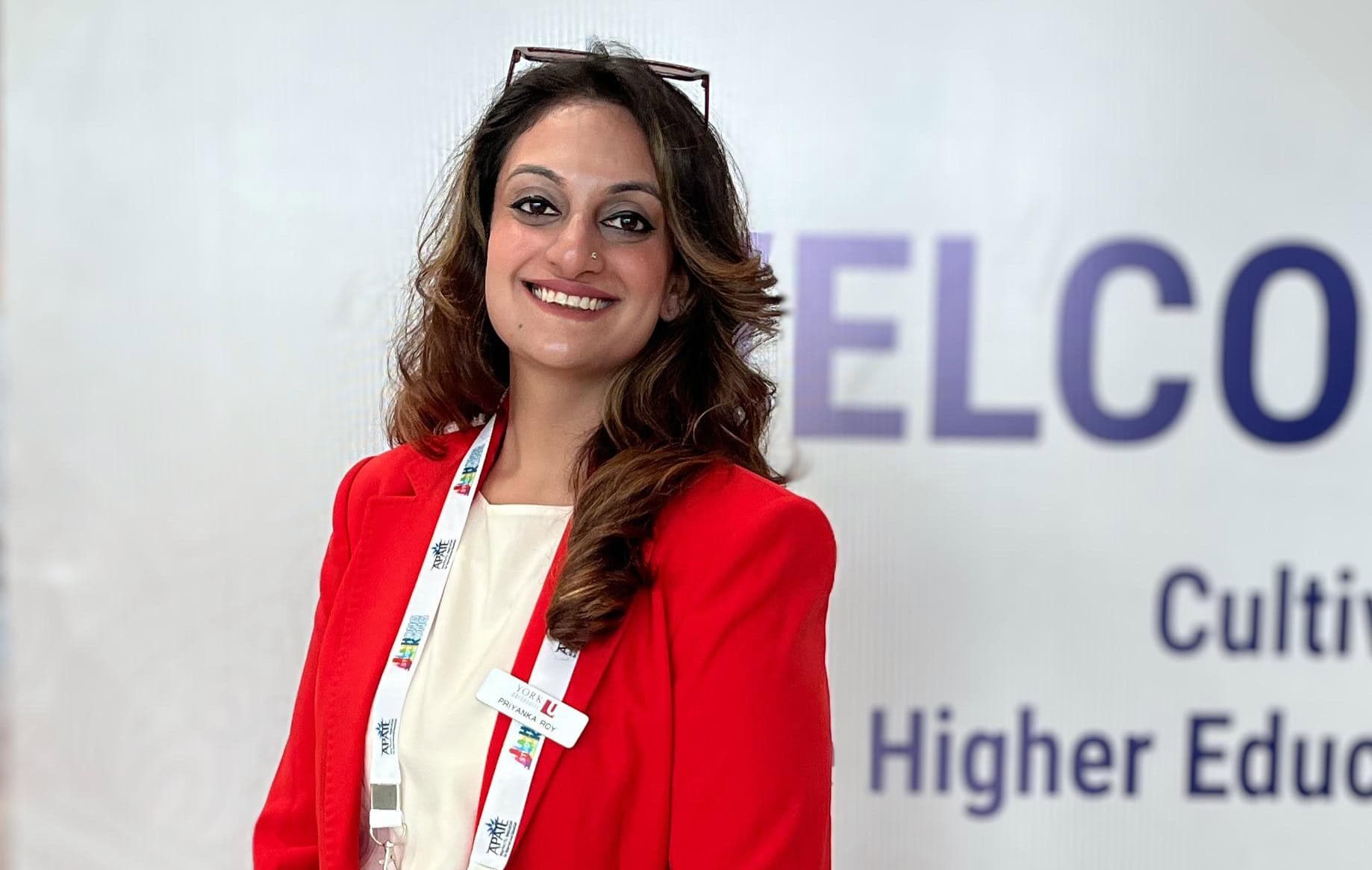
  • Priyanka Roy, York University

    Priyanka Roy, York University

    Introduce yourself in three words or phrases. 

    Borderless thinker, story collector, quietly fierce.

    What do you like most about your job?

    Connecting people to possibilities. It blends everything I’ve studied and lived through, connection, culture, and human behavior.

    With a background in clinical psychology, I lean into the why behind choices, but I also love thinking big: What changes access? What drives outcomes? What makes strategy stick? Helping students dream bigger is what I do daily, but assisting institutions to see differently is what I’m growing toward.

    Best work trip/Worst work trip?

    Best: Nepal. A place where spirituality meets ambition, and every conversation felt like a masterclass in purpose. I met students who challenged assumptions,
    asked global questions, and reminded me why this work isn’t just recruitment, it’s relationship-building across borders.

    Worst: One of those everything-goes-wrong kind of trips – delayed flights, tech glitches, and a schedule that changed by the hour. I remember the panic, but
    more than that, I remember pivoting fast, staying present, and making it work. It showed me how adaptability and clarity under pressure aren’t just nice-to-haves;
    They’re the bones that build leaders.

    If you could learn a language instantly, which would you pick and why?

    Arabic. I was born in Saudi, so it’s always felt like the soundtrack of my early life. Learning it would be more than linguistic. It’d be a way of reconnecting with
    something I’ve always found myself drawn to.

    A close second would be Japanese. With how they’re innovating in education and global engagement, it feels like a language that’s about to take centre stage.

    What makes you get up in the morning?

    The fact that someone out there is making a life-changing decision, and I might get to play a small part in it. That, and the promise of good coffee.

    Champion/cheerleader which we should all follow and why?

    Tunde Oyeneyin. Peloton coach turned powerhouse. She speaks about purpose, identity, and growth like she’s been reading your journal. I was never athletic or sporty and exercise never felt like it belonged to me.

    But something shifted when I found her. She made movement feel like a celebration, not a punishment. Her energy is magnetic, her story is powerful, and her voice makes you believe you can rewrite your narrative, and when used intentionally, can move people.

    Best international ed conference and why

    APAIE in India earlier this year. My first global panel! Sitting among leaders I Googled in awe and quietly learn from, now contributing to the conversation at the same table as them was surreal. It was one of those “you’re not in the audience anymore” moments.

    Worst conference food/beverage experience

    One conference served “fusion” snacks. I tried something that was somewhere between dessert and deep regret. Coffee didn’t salvage it either. It’s fine.
    Character was built.

    Book or podcast recommendation for others in the sector?

    The One Thing by Gary Keller. This sector moves fast. There’s always something to do, someone to help, somewhere to be. This book forces you to pause and ask: “What’s the one thing I can do right now that actually makes a difference?” Game changer for anyone juggling a million priorities.

    Describe a project or initiative you’re currently working on that excites you.

    I’m working on a storytelling series that spotlights international students who’ve carved out unexpected paths. It’s about humanising the data and reminding
    institutions that behind every stat is a story worth telling. Still in early stages, but it’s one of those ideas that just won’t leave me alone.

    The post Priyanka Roy, York University appeared first on The PIE News.

    Source link

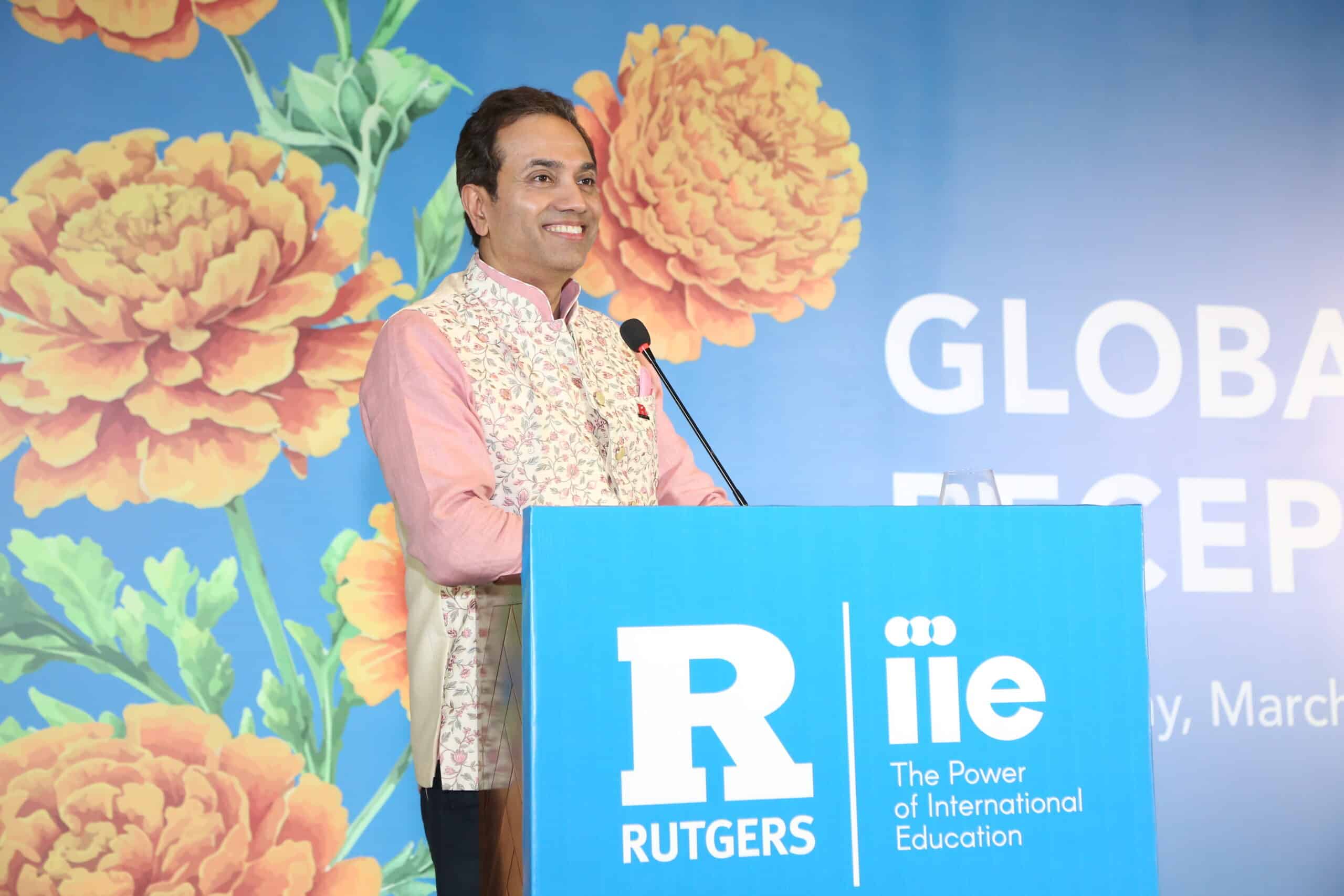
  • Prabhas Moghe, Rutgers University – The PIE News

    Prabhas Moghe, Rutgers University – The PIE News

    Introduce yourself in three words or phrases.

    I am an educator, an innovator, and a scholar.

    What do you like most about your job?

    Oh gosh, I love my job. I think what I really enjoy is the expanse, the scope, the landscape, it’s huge. I love that we are not just solving problems, we are actually defining them.

    Best work trip/Worst work trip?

    The best work trip? I have had so many good ones. This (APAIE 2025, Delhi, and overall India tour) has been a great work trip.

    But I also had a fantastic trip to London with my foundation president. We went together and ran a workshop on “friend-raising”, instead of just fundraising, the idea is to build genuine relationships. UK universities were trying to learn it, and since US universities are a bit ahead in that area, we worked with them. That was really fun.

    I also went to South Korea on a work trip. I love South Koreans, and I love the country, but they made me work so hard. The person who planned the trip, god bless her, packed the schedule so tight that I did not get even one hour of sightseeing.

    It was a 14–15 hour flight to Seoul, and the trip ended up being the kind of hard work that South Koreans put in every single day.

    If you could learn a language instantly, which would you pick and why?

    Definitely Mandarin and Spanish. I was foolish enough to promise a class at the University of Puerto Rico that, “next time I visit, I promise I will give you the lecture in Spanish”, so it ain’t happening. But I do take pride in speaking multiple languages, I would say I am fluent in at least five. I even started learning Mandarin with Rosetta Stone (language learning software). I didn’t get too far, but I absolutely love how the language sounds.

    What makes you get up in the morning?

    I think what drives me is a genuine passion for the work. There’s just so much to be done.

    As the chief academic officer at Rutgers, my role is about having a deep, self-aware understanding of the institution, in ways that few others might. While everyone else is focused on their specific responsibilities, I am constantly looking at the institution as a whole.

    How do we stay true to our mission? How do we improve? How do we gain recognition? And how do we move the needle on our academic standing?

    These are broad, complex challenges, but that’s what makes the work so meaningful.

    Champion/cheerleader which we should all follow and why?

    There are so many influential people now, and they each teach you something different. I have learned a lot from Kailash Satyarthi, Nobel Peace Prize winner, especially his approach to life.

    For instance, I was really impressed by Jennifer Doudna after reading her biography, The Code Breaker, which is written by Walter Isaacson.

    I am actually very intrigued by Isaacson himself, someone who writes about others so insightfully. He’s also written about Steve Jobs. The way he pieces together these stories is fascinating.

    In The Code Breaker, what struck me was how science and research are portrayed as incredibly competitive fields. And yet, the breakthroughs often come in these magical, nonlinear moments, when the right people come together with the right tools, and suddenly, something clicks.

    That idea of serendipity, of miraculous intersections, it really resonated with me. No one creates miracles alone; you need a village.

    The book also shows how intensely competitive some of these research groups can be.

    But more than anything, what stood out was the brilliance, the hard work, and the value of good observers, people who can see the bigger picture. I think we need more of those champions.

    Best international ed conference and why

    I think this is a very cool conference (APAIE 2025). I was walking around the booths, and was at a roundtable with several presidents and vice-chancellors. It’s really exciting because this is not what higher education looked like 20 or 30 years ago.

    What you see here today is different countries like Canada, Hong Kong, Malaysia, the UK coming together. It’s like the whole world is showing up and saying, Come be a part of us”.

    Worst conference food/beverage experience

    I was at a meeting at the World Biomaterials Congress, I think it was in Chengdu, China.

    We went out to eat, and let’s just say where we ate you’re pretty much eating reasonably raw food. That was pretty challenging.

    I mean I love Chinese food, I love Sichuan food, but that was challenging.

    Book or podcast recommendation for others in the sector?

    Definitely The Code Breaker by Isaacson, I would recommend that to people. I think it’s a pretty interesting book. If you are looking for something educationally oriented, then there’s Building Research Universities in India by Pankaj Jalote.

    I’m very impressed with how he’s drawn on the research in terms of how things have changed over the last hundred years, how India’s research landscape has changed.

    I am listening to a whole bunch of podcasts. Dementia Matters, a podcast about Alzheimer’s disease and other causes of dementia, is something I am really liking.

    Source link

  • Happie place: good vibes only

    Happie place: good vibes only

    Let’s face it, the news cycle is a pretty gloomy place at the moment, so we’ve decided to take a different perspective. This is our attempt to find our happie place (notice the pun we’ve got going here?).

    This regular column aims to bring you positive news, flashes of inspiration and a warm, fuzzy feeling that will nourish your soul. We want to celebrate international student success and colleagues who go above and beyond. Get involved and send us the good stuff so we can share the love.

    We recognise that in this unpredictable market, real challenges exist – and that this is nothing more than a sticking plaster – but sometimes there’s strength in looking for the positives.

    I was born in Lagos, but I was made in Swansea
    Michael Ijaiyemakinde, international student

    This week, we decided to check in with some of the international graduates we’ve met in the UK over the years to see how they’re getting on.

    These stories are a simple reminder of why we believe in the transformational power of study abroad and the power to change individual lives (including our own).

    Franka Zlatic – Studying abroad reinvigorated my worldview

    “Spending six years studying in the UK profoundly shaped my academic and personal development.

    “Immersed in a diverse, intellectually stimulating environment, I gained both theoretical grounding and the confidence to pursue independent research. Living abroad also allowed me to travel extensively across Europe and beyond, which broadened my horizons in ways I hadn’t anticipated.

    “I met people from all walks of life, encountered different worldviews, and had the time of my life – experiences that have deeply influenced how I relate to others and approach my work. Later, working at a law school in India further deepened my understanding of migration, identity, and postcolonial dynamics – topics central to my academic focus.

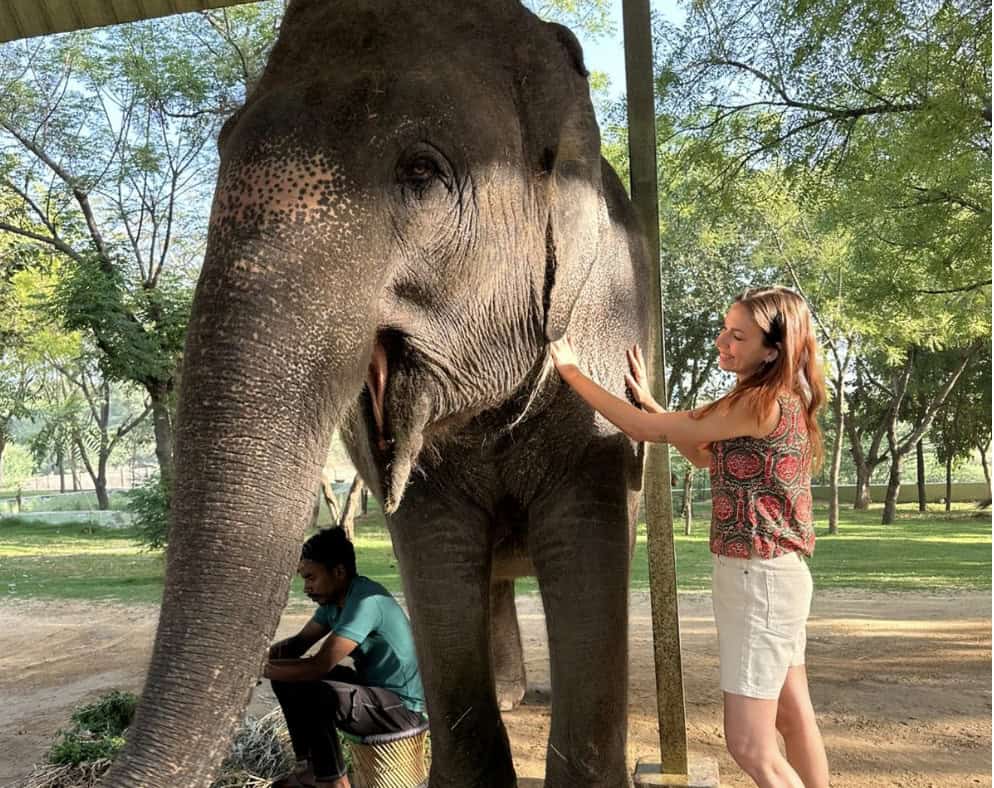
    Franka cuddling an elephant while teaching in India

    “Engaging with students and scholars in a culturally different yet intellectually rich context challenged me to adapt, reflect, and grow. Both experiences, academic rigour in the UK and practical, cross-cultural engagement in India, equipped me with a unique combination of analytical insight, global perspective, and resilience.

    “Returning to my home country, Croatia, I brought back not only knowledge but also a sense of purpose and a desire to contribute to local academic debates with a broader, transnational understanding.

    “These international experiences positioned me competitively for a postdoctoral role in Croatia and reaffirmed my commitment to inclusive, globally engaged scholarship.”

    Michael Ijaiyemakinde – studying in Wales was the making of me

    “I was born in Lagos, but I was made in Swansea.

    “Every time I say this, I get the same reaction – raised eyebrows, shocked expressions, and sometimes even pushback: you’re not patriotic.

    “But here’s what I really mean. Growing up in Nigeria, life was fast-paced, driven by results, and often defined by expectations. While it gave me resilience, it didn’t speak my love languages or give me the space to find myself. I was always doing – but rarely being.

    “At 17, I moved to study at Swansea University in Wales. Swansea’s a small city, often overlooked. But for me? It became a sanctuary. It was in Swansea that I experienced support that wasn’t transactional. I met managers, mentors, and everyday people who lived out values like empathy, service, and patience – people just like you who are reading this now.

    Michael found his happie place on the southwest coast of Wales thanks to people just like you

    “You didn’t just teach me – you showed me. Through kindness. Through consistency.

    “You helped me shed temper issues, rebuild my self-esteem, and rediscover my voice. Swansea didn’t change who I was. It simply gave me permission to become it.

    “What positive message am I trying to pass on here? What thoughts to help my colleagues stay positive in difficult times?

    “The right environment can change everything: not because where you’re from is bad – but because sometimes you need a new setting to unlock the next chapter of your growth.

    “Is the current environment you’re in helping you become the best version of yourself? Or is it holding you back from discovering who that version really is?

    “If not, maybe it’s time to find your Swansea.”

    Filip-Matej Pfeifer

    Born in Slovenia, Filip attended the University of Ljubljana Faculty of Sport, then transferred to the UK in September 2024 to pursue his master’s degree and continue his rowing career.

    This summer he will not only graduate with his degree in international business from Oxford Brookes University (OBU) – he will also compete at the world-famous Henley Royal Regatta in July.

    Imagine if we could get everyone in the sector all rowing in the same direction. Kudos to Filip for showing us the way.

    Filip represented OBU at the 2025 BUCS Regatta where he took the silver medal in the men’s Single Sculls, setting a new rowing record for his UK university team and has competed internationally in both the European Rowing Championships and the World Rowing Cup.

    On May 30, he reached the semi-finals of the Single Sculls at the 2025 European Rowing Championships in Bulgaria.

    Huge thanks to the Student Sports Company for keeping us up to speed with Filip’s achievements as an international student athlete in the UK. We’re all cheering him on!

    Have you got some positive news to share?

    Help us to showcase the best of international education by sending us your testimonials, love letters and inspirational thoughts to [email protected] labelled ‘Happie place’. And remember – good vibes only.

    Source link

  • the view from NAFSA 2025

    the view from NAFSA 2025

    As 8,000 delegates gathered in San Diego for the opening plenary of NAFSA 2025, the sector was hit with the news that the Trump administration was halting the scheduling of student visa interviews as it prepared to expand its social media vetting of prospective students.  

    Then, on day two of the conference – as friends and colleagues filtered out of the convention centre to drinks receptions across the city – they were rocked by more bad news. This time, that the State Department would “aggressively revoke” visas for Chinese students and enhance scrutiny of future visa applicants.

    The unexpected, inflammatory announcements alarmed delegates and immediately set the agenda for discussions across the four-day event.  

    Concern circulated about the characteristically broad scope and vague language of the announcements – which colleagues have come to expect from the administration. But while all of this could have quite reasonably created panic and confusion, in fact, there was an air of focus and unity.  

    For Brett Blacker, Duolingo’s managing director for Australia and New Zealand, the conference acted “a bit like a group therapy session”. Colleagues from across the globe were simply grateful to be together to process the rapidly changing policy environment and devise strategies for the future.  

    And while the deliberately disorientating barrage of attacks from the Trump administration demand that stakeholders are continuously adapting and reacting, attendees were also urged to take the long view. 

    “When the roots are deep, there is no reason to fear the wind,” said NAFSA CEO Fanta Aw, telling colleagues to pursue partnerships “not for prestige, but for shared progress”. 

    Aw extended a special welcome to NAFSA’s international participants – comprising 45% of attendees – whose very presence she said amounted to “an act of hope”.  

    While xenophobia disguised as nationalism and the politicisation of international students is by no means limited to the US, many of the conference’s most fruitful discussions came from cross-border comparisons.  

    Rather than remain despondent, NAFSA delegates have taken to LinkedIn with realism and pragmatism, laced with just a little bit of hope

    These were most stark when examining student mobility in the ‘big four’ study destinations, with several sessions highlighting the relative attractiveness of the UK amid visa challenges in Canada and Australia, not to mention extreme volatility in the US.  

    Elsewhere, discussions highlighted the rise of the ‘Asian decade’ and the increasing pull of destinations such as Ireland and Germany, with a sense of the sector at a tipping point as the dominance of traditional destinations and models is increasingly questioned.  

    This sense of unity continued as colleagues were united over the frustrating lack of detail about the latest policies from the White House. As the conference continued, attendees received no clarity from government about the length of the visa interview freeze, despite the initial cable indicating it would only last several days.  

    Ten days later, students remain unable to book visa appointments, and the administration has stayed similarly silent on the scope or character of its “aggressive” Chinese visa revocations. It’s a maddening state of affairs, stemming from an increasingly unpredictable administration that seems unable to see that peevish, retaliatory policies made in the spur of the moment are having real-world effects on institutions and students alike.

    Sadly, the onslaught shows no sligns of slowing down. Since the close of NAFSA 2025, the Trump administration has barred prospective international students in 19 countries from studying in the US. 

    And it has also attempted, once again, to strip students around the world of the right to study at America’s oldest institution, signing a proclamation to suspend Harvard’s international enrolments, which has since been temporarily blocked by a federal court.  

    As uncertainty prevails across much of the sector, emotions are understandably high. But rather than remain despondent, NAFSA delegates have taken to LinkedIn with realism and pragmatism, laced with just a little bit of hope.

    As attendees heard from Intead’s Ben Waxman in the final session of the final day in the furthest away room: ““Now is not the time to get angry, now is the time to get focussed”. 

    Source link

  • Ripping up the rule book

    Ripping up the rule book

    On May 7, I was honoured to address an audience at Goodenough College in London, at the kind invitation of the master of The Worshipful Company of Educators, to talk on the topic of ‘educators opening doors to the world’.

    For those not familiar with Goodenough College, it is a remarkable community in Bloomsbury, central London, comprising 700 postgraduate students and their families from around 95 different countries, each studying at any one of London’s world-leading universities.

    When I stepped inside the doors of the College, I was instantly transported back to my own experience as a first-time post-doctoral researcher at the University of British Columbia (UBC) in Canada, when I found myself living in a very similar international community called St John’s College at the heart of the UBC campus.

    It was there that I saw first-hand just how important communities like these are for bringing people together from across the globe through education and providing a ‘home from home’ for overseas students and researchers. These communities allow friendships to form, ideas to thrive and inter-cultural understanding to arise.

    It is also that experience that has since driven my subsequent career, both in making and influencing higher education policy, to ensure that our universities and colleges continue serving as dynamic meeting points for the world.

    Breaking the rules

    When you work in policy, one of the first rules you learn is not to base policy on anecdote or personal experience. However, when it comes to something as positive and life changing as international education, I am a firm believer in ripping up the rule book.

    While not everyone is fortunate to have an international education experience of their own, every single one of us indirectly benefits from the international students around us – not least given that, in the UK, they bring in £41.9 billion to the economy per annual cohort.

    when it comes to something as positive and life changing as international education, I am a firm believer in ripping up the rule book

    These economic benefits are felt even more acutely by our universities and colleges, where international student fees have become a lifeline to financially-stretched institutions – both to make up for the rising shortfall in domestic funding and to cross-subsidise world-leading research.

    Yet, as all good educators know, international students are much more than big pound and dollar signs to our sector.

    In a global city like London, international student communities are reflective of the global workforce and the multi-cultural population around us. Having international students in our midst helps prepare local students for the realities of living and working in these diverse environments. It encourages them to think differently about the world, and they learn to appreciate different cultures, traditions and perspectives.

    The real winners

    There are also substantial soft power benefits to be had from our diverse international student inflows. Each year the Higher Education Policy Institute (HEPI) publishes a soft power index showing the tally of serving world leaders educated in UK universities. While some may see this as a ‘bit of fun’ over the summer when it’s traditionally published, it’s actually a really powerful signal of the strength of the UK’s educational brand.

    It is also a stark reminder of what is at stake if we start to use education to close doors to the world rather use it than to open them.

    As one international student, and member of Goodenough College, said to me over dinner on the evening I spoke: Today I might just be eating dinner here with other international students, but tomorrow we could be the ones doing deals together in politics or in business, and it is our countries that will be the real winners of this experience.”

    While policymakers across the Western world are fixated on finding ways to bring immigration down, when it comes to international education, perhaps they should pay more attention to the benefits that are had when international students return to their home countries with the skills, friendships and memories made during their overseas educational experiences. For, these are the things that from the foundations of closer business and trade relationships between different countries and enhance future diplomatic relations.

    The clock is ticking

    A very early read of the immigration white paper suggests UK universities may have dodged a bullet when it comes to major policy reform. While the post-study work entitlement may have been reduced to 18 months from two years, the UK still has a positive offer to sell to the world – and one that isn’t undermined by country-specific restrictions or provider-level caps as is the case elsewhere in the world. Gone too (for now at least) are any requirements for international graduates to meet certain salary thresholds should they wish to stay and work in the UK.

    We need to ensure policymakers are tackling the parts of the immigration system that are failing us, not those that are overwhelmingly helping us

    Of course, we need to take public concerns about immigration seriously and chart a sustainable path for the future. But we need to ensure policymakers are tackling the parts of the immigration system that are failing us, not those that are overwhelmingly helping us. This should be done through measures that strengthen the overall ecosystem, not ones that weaken it through reckless words and kneejerk reactions.

    Last month, the International Higher Education Commission (IHEC), for which I am proud to have served as a commissioner, set out a framework for success based on the three pillars of competitiveness, diversification and public trust. The challenge for all of us now is to find ways to move forward with this framework – and in the new context set out by the Immigration White Paper – to ensure we continue opening the doors to the world through our educational offer. The last thing we should do is close them down through the loss of any one of those important sides of the policy triangle.

    Source link

  • What’s next for students after Trump’s visa reversals?

    What’s next for students after Trump’s visa reversals?

    One of the realities of the Trump administration is that decisions with vast domestic and global consequences can be implemented and reversed at the drop of a hat. This has been the case with international trade. President Trump has imposed steep tariffs on other countries only to relent when the market takes a turn. It’s also been the case with staffing. Trump defended national security adviser Mike Waltz when it was revealed he accidentally added a journalist to an app chat about a military strike in Yemen. Weeks later, Trump removed Waltz and gave him another job.

    This is also true for student visas. Trump has upended the academic world with his threats to Harvard and other universities, and the arrests of students for pro-Palestinian protests. Harvard was even forced to hand over information about international students to federal officials. 

    Trump has also cracked down on student visas. The Trump administration revoked more than 1,800 visas earlier this year, and many students went into hiding after the news broke. Federal officials restored roughly 1,200 visas after significant public pressure. 

    International students can expect more erratic decisions as the Trump administration moves past its first 100 days. These changes could cause significant stress and anxiety to both intentional students and administrators. I’ve designed a primer for both international students and administrators on what to expect as we move forward and how to prepare for a time when change is the only certainty.

    Unpredictability Will Become The Norm: In the past, there was a defined process for becoming an international student. Students’ expectations have been upended in just a few months. This will make life difficult for universities and their staff; many international students, particularly those interested in medicine, may choose not to come to the United States due to these changes. This will have ripple effects across the academic world; research and innovation could stall without an infusion of the best and brightest; American companies could lose a pipeline to strong potential hires, and scientific and medical breakthroughs will decline.

    International students can expect more erratic decisions as the Trump administration moves past its first 100 days

    Shaun Carver, International House, UC Berkeley

    Threats to Higher Education Will Upend Academic Life: Federal funding freezes are now a reality for higher education, particularly at schools with robust diversity, equity, and inclusion (DEI) initiatives. The administration just froze $1 billion for Cornell and $790 million for Northwestern. These support cuts will make American universities less attractive to global talent. 

    Preparing to Study in America Will Look Different: Moving to a different country has always been challenging. Students need to navigate a new culture, learn a different language, and handle tasks that are challenging for domestic students, such as finding housing and making social connections.  

    Students will now need to factor in other challenges, such as potential threats to their visa status, the risk of arrest or deportation for speaking their mind, and also distrust in a culturally divided country. International students should be aware of their legal rights before coming to the United States. Administrators should be prepared to support them and provide them with relevant legal resources.

    STEM Could Be Hit Hard: In the past, federal regulators targeted humanities departments, perceiving them as liberal. Science, technology, or medicine were seen as essential to society and global status, and were shielded from scrutiny. The Trump administration had added science and technology disciplines to its target list and reduced grants for critical research. 

    Roughly 16% of Harvard’s total revenue comes from sponsored support, including grants and federal funding. But 53% of the revenue for the School of Public Health, 35% of the revenue for the School of Medicine, and 37% of the revenue for Engineering and Applied Sciences come from federal grants. Many of the funding cuts are for STEM research programs, including those related to artificial intelligence (AI). The administration is also slashing science-related funding at other schools. In addition to possible brain drain at universities, these changes could affect America’s ability to compete, keep pace with other countries that are embracing AI, maintain its populace’s health, and more.

    The Big Picture: 

    It’s a tenuous time for both university administrators and international students. Despite these difficulties, American universities remain among the best in the world, and many have deep financial resources. Schools are getting creative; Harvard’s staff has agreed to a pay cut to support the university. 

    The best thing international students and administrators can do is ensure they are prepared, closely monitor changes and developments, and finally encourage those in power to make changes. Transparent and consistent policies, along with stronger protections, are needed now to restore confidence among international students and maintain US leadership in global education.

    Source link

  • Three Florida unis harnessing the Hispanic population boom

    Three Florida unis harnessing the Hispanic population boom

    As the face of education continues to undergo a rapid evolution, some institutions in the United States are pioneering innovative approaches to meet the diverse needs of their learners. What sets these institutions apart is their strong ties to established universities in Latin America and Spain, with international accreditations and faculty from around the world.

    These institutions are not only providing world-class education but also addressing unique market needs through distinctive programs and methodologies. This is happening in a big way in Florida – and it’s time to pay attention.

    The Hispanic power in Florida: business, economy, entrepreneurship, and education

    According to the Florida State Hispanic Chamber of Commerce, there are over 604,000 Hispanic-owned businesses in Florida that contribute USD $90 billion to the state’s economy each year. Florida has been ranked the number one US state for entrepreneurship. Combine that with the fact that Florida is the gateway to Latin America and the Caribbean, and you’ve got yourself a state with a promising entrepreneurial spirit.

    Here are the universities that are leading the charge. They’re doing all the right things and it’s time to closely observe

    Miami-Dade County alone is home to over 1,200 multinational companies to have set up their Latin American headquarters in the area. Some 30% of all businesses in the county are run by people of Hispanic descent. This is a massive industry that’s growing at a rapid pace and demands highly educated professionals who can keep up with it all. This is a dynamic, entrepreneurial and young Hispanic community.

    So, what are Florida’s institutions doing differently? They are agile, forward-thinking, and constantly evolving – meeting the needs of Hispanic students in Florida and beyond who want to study at their own pace and in a way that fits their lives.

    Here are the universities that are leading the charge. They’re doing all the right things and it’s time to closely observe.

    1. MIU City University: affordable, flexible, and global

    MIU City University has been around since 2019. Founded by Grupo ProEduca and UNIR in Spain, MIU City University offers online and hybrid programs that cater to busy professionals.

    With programs in cybersecurity, computer science, digital marketing, business intelligence, educational innovation, and others, MIU City University offers affordable certificates and degrees with a proven online model recognised by global rankings. Its global reach with students from over 90 countries makes it the perfect institution for those who want to connect with a worldwide network of professionals.

    What sets MIU City University apart is its focus on practicality. Students are learning the exact skills that today’s employers are looking for, whether it’s in business, tech, or marketing. And with remote work on the rise, these programs make it easier than ever to combine work, study, and life.

    2. CUC University: flexible programs for remote workers who need to study

    CUC University, founded in 2021 by Universidad de la Costa in Colombia, is another institution breaking the mould. They offer online programs designed for students who are working alongside their studies. CUC has designed its courses to be flexible so students can study on their own time with faculty from around the world.

    A good example of its offering are programs in international business administration, marketing, mass media communication, media technology, and entrepreneurship. These programs are designed for working professionals who need to level up. With over 53 years of academic excellence, CUC is the perfect mix of legacy and innovation.

    Its partnerships with private and public organisations help students connect with the right people who are looking for professionals ready to compete in the global marketplace or start their own venture.

    3. Panamerican University: a global business experience

    And then there is Panamerican University, founded in 2022 by Panamerican Business School from Guatemala, already flexing its global muscle. With 25 years of experience and partnerships with over 700 companies across 20 countries, 800 faculty from over the world, it’s offering programs designed to today’s economy.

    It offers programs in business administration, digital marketing, and international and sustainable business, among others. Its students can obtain global certificates in dynamic and multicultural cities like Dubai, Stockholm, Singapore, Madrid, Tokio, and Miami.

    And let’s not forget it’s got over 350,000 alumni who are spread out all over the world, which connects its students with an international network of professionals.

    Why these universities are changing the game

    These institutions have identified gaps and the needs of the non-traditional Hispanic students in Florida; working professionals who are trying to balance career and family, people who need a degree, professional development, continuous learning, and upskilling to keep up in a rapidly changing world.

    They’ve filled those gaps with flexible and practical offers. They’re serving a growing Hispanic student population – both domestic and those from their international biosphere – a segment that is hungry for opportunities to grow. They are partnering with companies, international organisations, governments, providing real-world skills, a worldwide network, and the flexibility to study from anywhere.

    I am impressed by these innovative institutions and their rapid pace of growth. I have just shown three examples, but there are more institutions doing great things that have been here for a while. Some of them are opening new campuses and branches, with in-person, online and hybrid models: Ana G. Méndez University- Puerto Rico, Nexus University; Universidad Mayor Chile, Westfield Business School; Prisma Education Group Colombia, Broward International University; San Ignacio University; USIL Peru, Albizu University; Puerto Rico, GAIA University, Guatemala, to name just a few.  

    These institutions offer flexibility, affordability, global exposure, and a focus on practical skills for today’s workforce. They’re not just educating students; they’re connecting them to a global ecosystem of professionals, alumni, and companies that are ready to hire.

    It’s time to pay attention to what these universities are doing. They’re a novel example that education can be tailored to the needs of the students and the world they’re entering. The future of higher education is here, and it’s fast, flexible, and ready to break all the rules. And it’s so exciting that this is happening here in the Sunshine State.

    Source link